WASHINGTON / WARSAW — May 20, 2026 : The United States has announced a significant restructuring of its military presence in Europe, including the cancellation of a planned deployment of approximately 4,000 troops to Poland and the continued reduction of American forces across the continent under the Trump administration’s revised defense strategy.
The Pentagon confirmed that the U.S. Army’s 2nd Armored Brigade Combat Team, 1st Cavalry Division — known as the “Black Jack” brigade — will no longer proceed with its scheduled nine-month rotational deployment to Poland. The brigade, based at Fort Cavazos, Texas, had been preparing to deploy with heavy armored vehicles, tanks, and support equipment.
According to U.S. officials, the decision was implemented after some personnel and military equipment had already begun arriving in Poland, requiring planners to coordinate their return to the United States.
Force Reduction Across Europe
The canceled deployment forms part of a broader reduction in the U.S. military footprint in Europe. The Department of Defense is reducing its force posture from four brigade combat teams to three, while also moving forward with the previously announced withdrawal of roughly 5,000 U.S. troops from Germany.
Combined, the two measures remove nearly 9,000 planned or active personnel from the European theater, marking one of the most notable adjustments to U.S. troop levels in Europe in recent years.
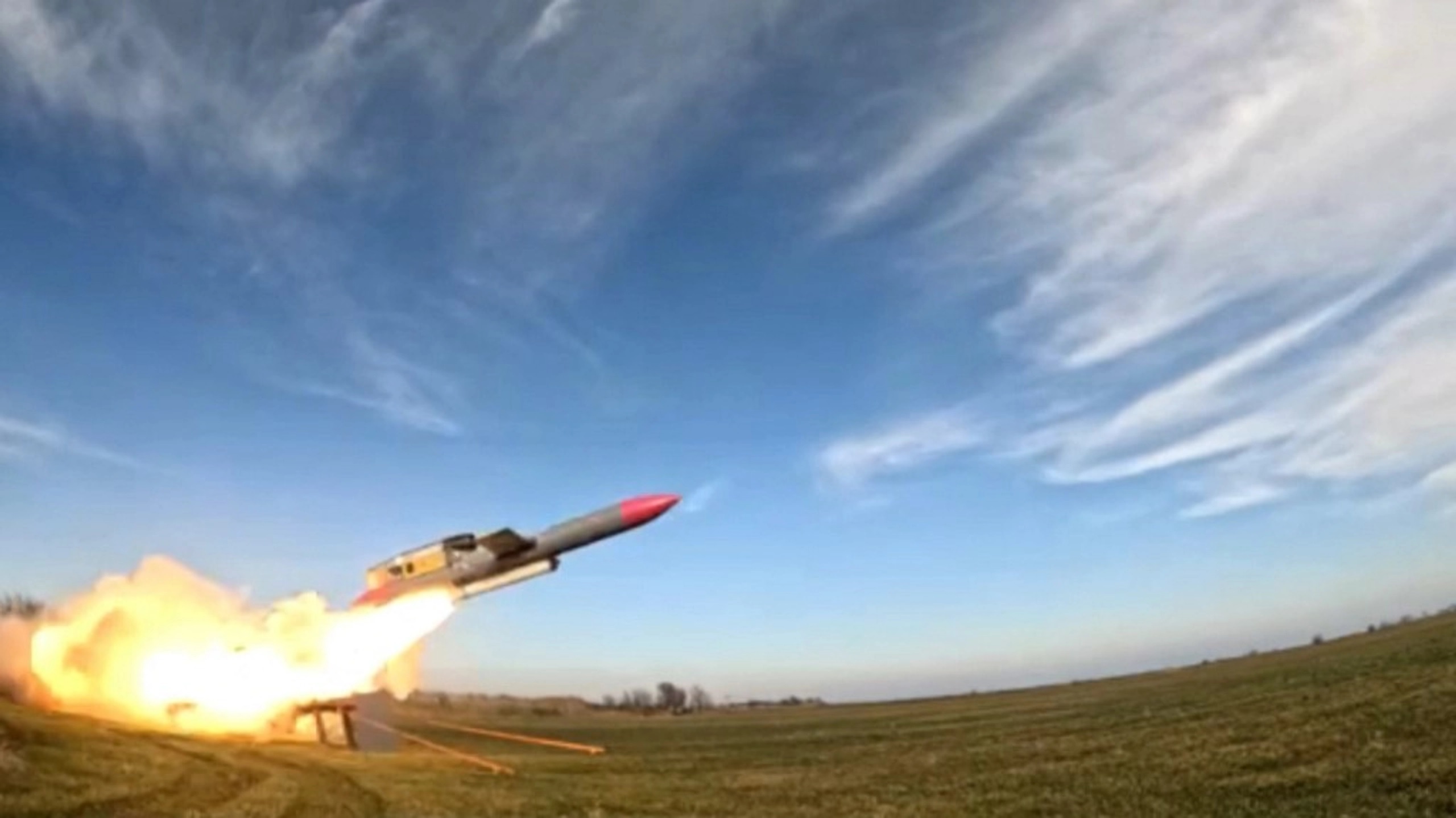
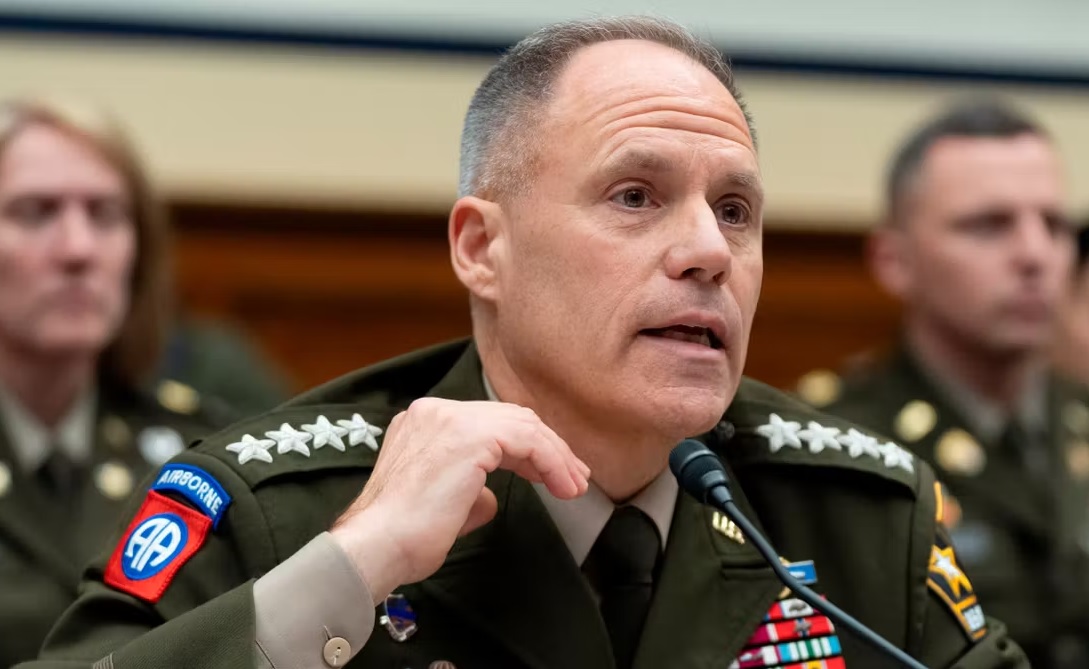
During testimony before lawmakers, NATO Supreme Allied Commander Europe and Commander of U.S. European Command, Gen. Alexus Grynkewich, stated that the reductions include the return of the armored brigade combat team from Poland, the cancellation of a planned long-range fires battalion deployment, and several smaller force adjustments.
Gen. Grynkewich said the changes are part of a longer-term force posture review and would be implemented gradually over several years in coordination with NATO allies rather than through a rapid withdrawal process.
Strategic Shift Under “America First” Policy
The drawdown aligns with the administration’s National Defense Strategy, which calls for the United States to provide “critical but more limited” support for European defense while encouraging NATO allies to assume a greater share of conventional deterrence responsibilities.
Gen. Grynkewich noted that European NATO members have significantly expanded their ground combat capabilities since 2022, allowing Washington to reduce portions of its conventional presence while continuing to provide specialized military capabilities that allies cannot yet fully replicate.
He also stated that the current troop reductions do not affect NATO’s regional defense plans or operational readiness on the alliance’s eastern flank.
Vice President JD Vance has repeatedly argued that European nations should take greater responsibility for their own defense, saying that U.S. military resources must increasingly focus on other strategic priorities.
Administration officials have also linked the force posture review to growing frustration over what they describe as insufficient support from some European allies for broader U.S. strategic operations outside Europe, particularly regarding tensions involving Iran.
Poland Reassured Over Continued U.S. Presence
Despite the reductions, U.S. officials have sought to reassure Poland that Washington remains committed to regional security cooperation.
Defense Secretary Pete Hegseth held discussions with Polish Deputy Prime Minister and Defense Minister Władysław Kosiniak-Kamysz, describing Poland as a “model U.S. ally” and emphasizing that approximately 10,000 rotational and permanent American troops are expected to remain stationed in the country.
Polish President Karol Nawrocki and other Eastern European leaders have continued to advocate for a sustained U.S. military presence in the region. Polish officials previously indicated willingness to host additional American forces relocated from Germany in an effort to strengthen deterrence along NATO’s eastern border near Russia.
Congressional Concerns and NATO Debate
The abrupt cancellation of the Poland deployment has also generated concern in Washington. During recent congressional hearings, Representative Don Bacon criticized the decision, warning that the sudden halt could create uncertainty among Eastern European and Baltic allies.
The force reductions are expected to face further legislative scrutiny under provisions included in the proposed 2026 National Defense Authorization Act (NDAA), which would restrict reductions of U.S. troop levels in Europe below 76,000 personnel unless the Pentagon certifies that such moves would not compromise U.S. or NATO security commitments.
The United States currently maintains approximately 80,000 troops across Europe. U.S. officials have described the latest reductions as limited in scope for the near term and part of a broader long-term review of American global military deployments.
——— End of Article ———