WASHINGTON, — May 19, 2026 : A newly released report by the Congressional Research Service (CRS) has outlined significant U.S. aircraft losses and damage sustained during Operation Epic Fury, the ongoing American military campaign against Iranian military infrastructure launched in coordination with Israel earlier this year.
According to the report, U.S. forces lost or sustained damage to 42 aircraft during the opening phase of the operation, which began on February 28, 2026. The campaign has focused on strikes against Iranian missile production facilities, naval assets, air defense systems, and military infrastructure across multiple regions.
The CRS report, updated on May 13, states that the figures were compiled from Department of Defense statements, U.S. Central Command releases, and publicly available reporting. The document notes that the numbers may change as operations continue and further investigations are completed.
The Pentagon has conducted more than 13,000 sorties during the first 39 days of the campaign. Acting Pentagon Comptroller Jules W. Hurst III recently told lawmakers that the broader operational cost of the Iran campaign has reached approximately $29 billion.
Defense estimates cited alongside the report indicate that replacing the affected fixed-wing aircraft, helicopters, and unmanned systems could exceed $7 billion, depending on procurement configurations and modernization requirements.
Fighter and Attack Aircraft Losses
Among the crewed combat aircraft listed in the report were four F-15E Strike Eagle fighters. According to CRS data, three of the aircraft were destroyed in friendly fire incidents over Kuwait on March 2, 2026. All six aircrew members involved successfully ejected and were later recovered.
An additional F-15E was reportedly shot down over Iranian territory on April 5 during combat operations. Both crew members were recovered through combat search-and-rescue operations.
The report states that replacing the out-of-production F-15E aircraft with newer F-15EX fighters could cost approximately $500 million.
One F-35A Lightning II stealth fighter also sustained combat damage from Iranian ground fire on March 19 while operating over Iran. The pilot conducted an emergency landing and was later reported in stable condition.
The CRS report further lists the loss of one A-10 Thunderbolt II ground-attack aircraft during the campaign, though additional operational details were not publicly released.
Tankers, Special Operations Aircraft, and Support Platforms
Support aircraft accounted for a significant portion of the reported losses and damage.
Seven KC-135 Stratotanker aerial refueling aircraft were affected during operations. The figure includes one aircraft that crashed, resulting in the deaths of six crew members. Five additional KC-135s reportedly sustained damage from Iranian missile or drone attacks targeting regional air facilities.
The report notes that replacing the affected tanker fleet with KC-46A Pegasus aircraft could cost an estimated $1.8 billion.
Two MC-130J Commando II special operations aircraft were also destroyed inside Iran. According to the report, deteriorating ground conditions prevented the aircraft from departing the area, leading U.S. personnel to destroy the aircraft to prevent capture.
One E-3 Sentry airborne warning and control aircraft sustained damage while on the ground, while one HH-60W Jolly Green II combat rescue helicopter was also reported damaged during operations. Estimated repair or replacement costs for the HH-60W were placed between $70 million and $80 million.
Heavy Unmanned Aircraft Losses
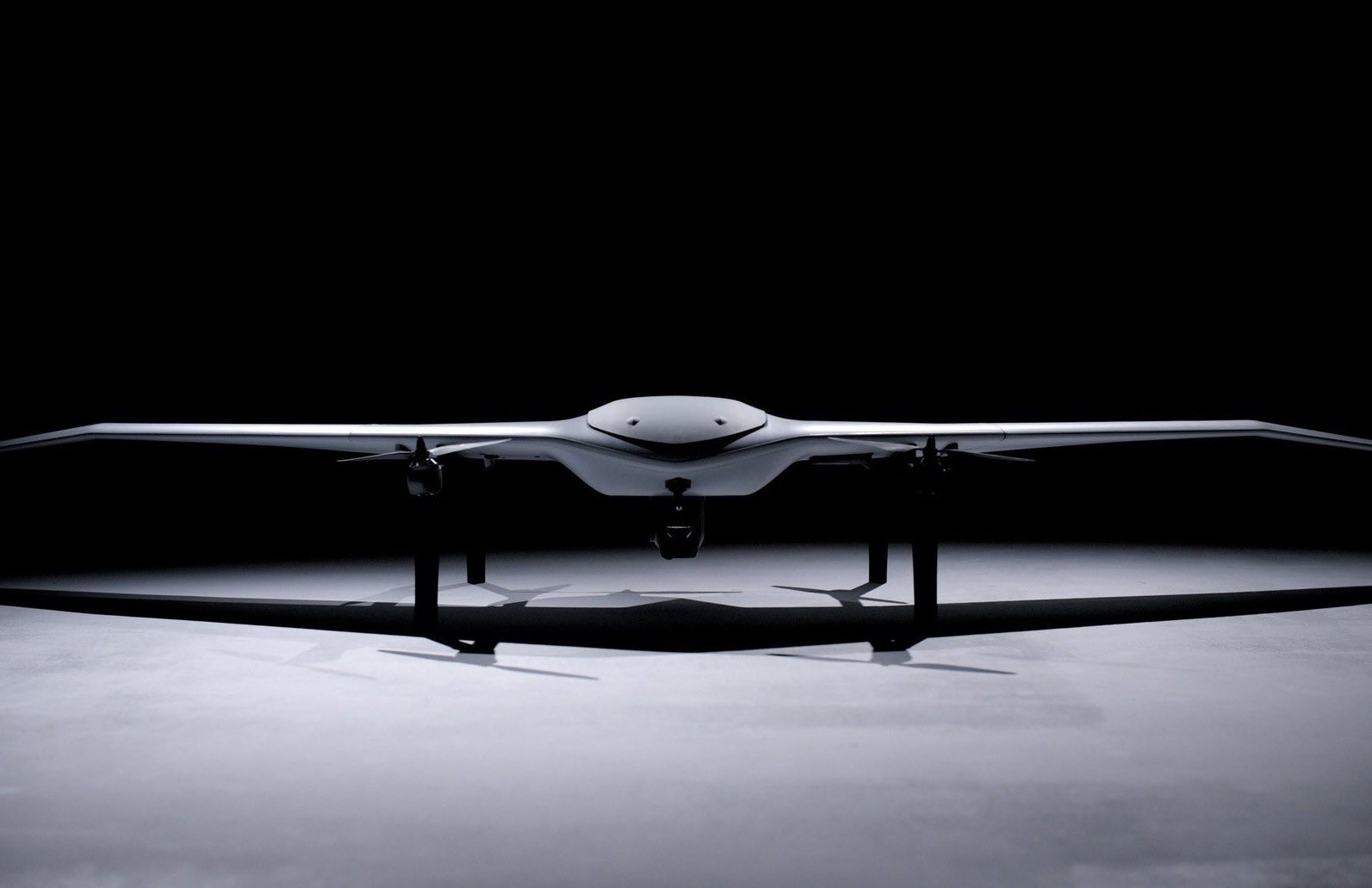
Unmanned aerial systems represented the largest share of losses recorded in the report, accounting for more than 60 percent of the total aircraft affected.
The CRS document states that 24 MQ-9 Reaper drones were lost during the campaign. Based on current procurement costs and mission configurations, replacing the aircraft could cost approximately $720 million.
The report also confirmed the crash of one MQ-4C Triton high-altitude naval surveillance drone. The aircraft has an estimated replacement value between $235 million and $250 million.
The document notes that unmanned systems were heavily used throughout the operation for reconnaissance, targeting support, maritime surveillance, and strike coordination missions across Iranian territory and surrounding maritime areas.
Operational and Congressional Considerations
Operation Epic Fury was launched as part of coordinated U.S. and Israeli military actions targeting Iranian military infrastructure. Israel’s parallel campaign has been conducted under the designation Operation Roaring Lion.
The CRS report does not assess the broader strategic outcome of the campaign or ongoing diplomatic developments. Instead, it focuses on cataloging reported aircraft losses and operational attrition for congressional review.
The report highlights that the losses involved both combat-related incidents and non-combat events, including friendly fire and operational mishaps. It also underscores the wide range of aircraft types involved in the operation, including fighters, airborne warning aircraft, aerial refueling tankers, helicopters, special operations platforms, and unmanned systems.
The Department of Defense has not yet issued a single comprehensive public assessment of all losses associated with Operation Epic Fury. CRS stated that additional details may emerge as investigations by CENTCOM and other defense agencies are completed and as combat operations continue.
——— End of Article ———