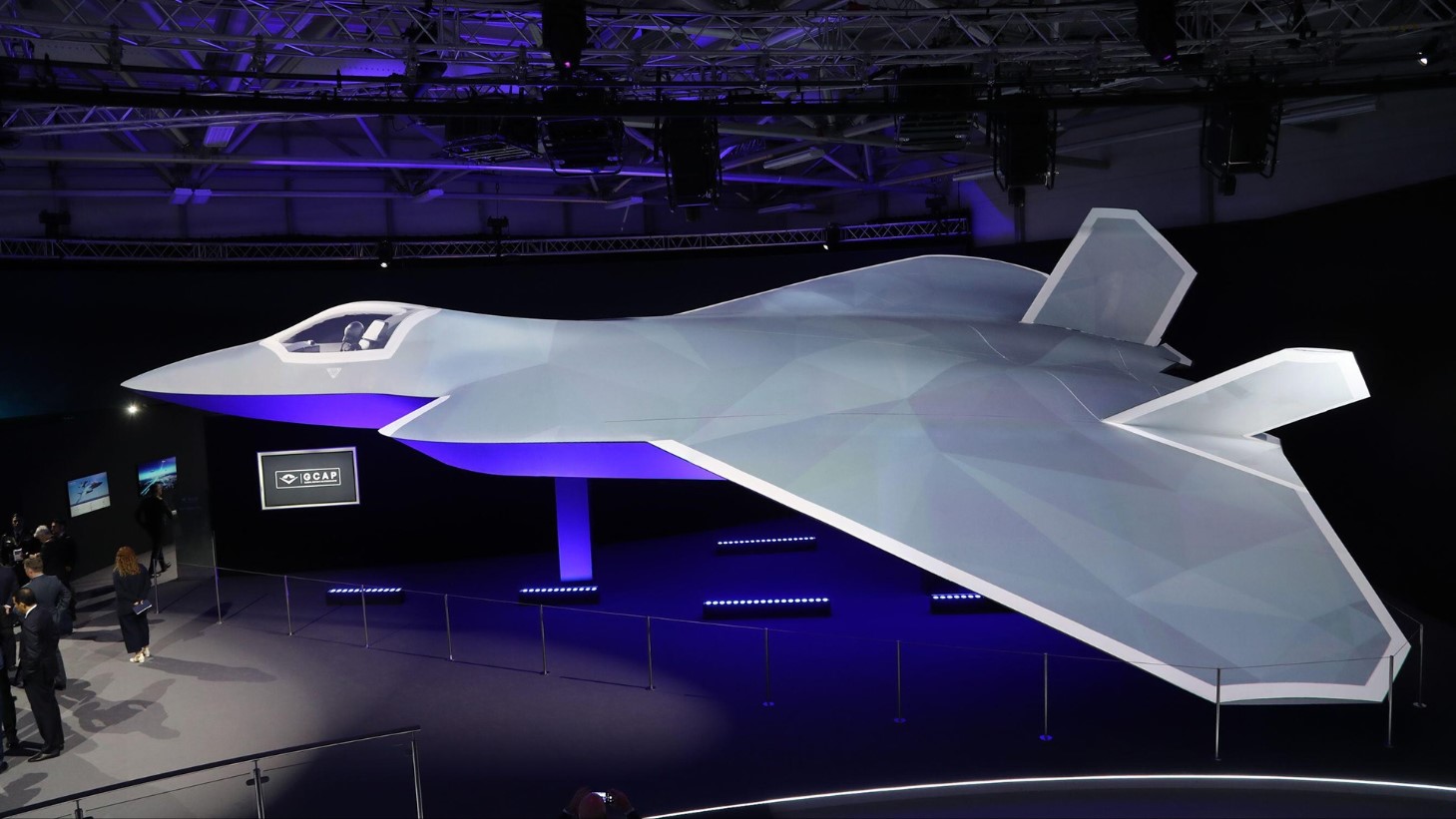
LONDON — June 04, 2026 : The UK Treasury is preparing to assume direct oversight of spending for the Global Combat Air Programme (GCAP), also known as Tempest, the trilateral sixth-generation fighter jet initiative involving the United Kingdom, Italy, and Japan. The move comes amid growing concerns over potential cost overruns as the British government finalizes a broader £15 billion defence funding package ahead of a critical funding deadline at the end of June.
£15 Billion Defence Settlement and GCAP Funding
The Treasury's intervention is expected to be included in the government's forthcoming Defence Investment Plan (DIP), which will outline Britain's long-term defence spending priorities through 2030.
Under the proposed settlement, Prime Minister Keir Starmer is expected to announce approximately £15 billion in additional defence funding, with around £6 billion in new funding allocated to GCAP. The investment is intended to support the programme's next development phase and enable the partner nations to move forward with a longer-term contract.
According to reports, the Treasury believes tighter financial oversight is necessary due to the scale and complexity of the multinational programme, as well as concerns regarding the Ministry of Defence's (MoD) history of cost overruns and budget management challenges on major procurement projects.
Chancellor Rachel Reeves has reportedly expressed concerns that, without stronger controls, the programme could face significant cost growth and delays, prompting the Treasury to take a more direct role in monitoring expenditure.
June 30 Funding Deadline Creates Urgency
The funding decision has become increasingly urgent as a £686 million bridge funding agreement, signed in April 2026, is scheduled to expire on June 30, 2026.
The temporary contract currently supports ongoing design, engineering, and development activities across the three partner nations while negotiations continue on a permanent funding arrangement.
Industry representatives have warned that failure to secure a long-term contract before the deadline could have immediate consequences for the UK's defence industry.
More than 4,000 engineers and specialists working for major defence companies, including BAE Systems, Rolls-Royce, and Leonardo, are currently assigned to the programme. Without continued funding, companies may be forced to implement cost-containment measures and redeploy personnel to other active projects.
Risk to Programme Schedule and 2035 Service Target
Defence industry executives have cautioned that the redeployment of highly skilled workers would result in a significant loss of programme momentum.
A disruption in engineering and development activities could slow or temporarily halt critical work streams, making future recovery more expensive and time-consuming. Such delays could ultimately affect the programme's planned 2035 in-service date, with some industry assessments warning that the timeline could potentially slip into the late 2030s if funding uncertainty continues.
The programme currently supports approximately 9,000 jobs across the United Kingdom, Italy, and Japan, highlighting its importance to the defence industrial base of all three partner nations.
International Concerns Growing Over UK Funding Delays
The financial uncertainty has also raised concerns among Britain's international partners.
GCAP operates on the basis of equal commitments from the United Kingdom, Italy, and Japan, with the programme managed through the joint industrial venture Edgewing, which brings together BAE Systems, Leonardo, and Japanese industry partners responsible for key design and engineering activities.
Delays in confirming Britain's long-term funding commitment have reportedly caused concern in Tokyo, where officials fear that cash-flow uncertainties could affect programme progress.
The issue is considered significant enough that Japanese Prime Minister Sanae Takaichi is expected to make GCAP funding assurances a key topic during her upcoming visit to Britain next week.
Italy and Japan have previously expressed frustration over delays and uncertainty surrounding UK funding decisions. While all three nations remain committed to achieving the programme's objectives, prolonged uncertainty could place additional strain on the trilateral partnership.
GCAP's Role in Future Air Combat Capability
The Global Combat Air Programme was created through the merger of the UK's Tempest initiative and Japan's F-X fighter programme.
The aircraft is being developed as a sixth-generation stealth combat platform equipped with advanced sensors, integrated weapons systems, enhanced networking capabilities, and the ability to operate alongside autonomous drone wingmen.
Once operational, the aircraft is expected to replace the Eurofighter Typhoon fleets currently operated by the United Kingdom and Italy, while also succeeding Japan's Mitsubishi F-2 fighter aircraft.
Funding Decision Expected Within Weeks
The Treasury's planned takeover of spending oversight is intended to strengthen financial discipline, provide greater budget certainty, and maintain confidence among industrial and international partners.
With the June 30 funding deadline rapidly approaching, government decisions in the coming weeks will determine whether GCAP can continue progressing on schedule toward its planned 2035 entry into service while preserving momentum across one of the world's most significant next-generation combat aircraft programmes.
——— End of Article ———