
World
The recent arrests of Pakistani YouTubers, including Shoaib Chaudry and Sana Amjad, have sparked significant concern about the state of freedom of speech in Pakistan. These influencers, known for their candid videos depicting real-life issues in Pakistan, have been detained, reportedly by Pakistani authorities, for showcasing unfiltered truths about the nation and its volatile border regions. This crackdown has not only silenced their voices but has also raised questions about the government's commitment to constitutional rights. The Arrests and Content Deletions Shoaib Chaudry and Sana Amjad, along with several other content creators, gained popularity for their bold reporting on issues such as the situation at the Pakistan-Afghanistan border. Their videos highlighted pressing issues, including claims of a 15,000-strong Taliban force near the border, security lapses, and the struggles of local communities. These revelations, while valuable to the public, evidently made them targets. Their YouTube channels, which once brimmed with hard-hitting content, now show glaring gaps as many videos have been deleted. Sources suggest that this was done under pressure from authorities, aiming to suppress the narratives that contradicted official statements. Additionally, there has been a complete halt in their video uploads, fueling speculation about their current status and safety. Suppression of Free Speech The arrests mark a troubling assault on freedom of speech, enshrined in Pakistan's Constitution under Article 19, which guarantees the right to express opinions freely. By targeting individuals who merely present ground realities, the authorities are attempting to stifle dissent and control the flow of information. Criticism of government policies or security lapses, a democratic right in any free society, is increasingly being labeled as anti-state activity in Pakistan. This pattern has become a tool to silence voices that challenge the state narrative, leaving citizens with a censored version of reality. Lack of International Attention Despite the gravity of the situation, international media outlets and human rights organizations have largely remained silent. This lack of global outcry allows such incidents to continue unchecked, emboldening authorities to further curtail freedoms without accountability. The absence of coverage from major international channels reflects a glaring gap in the advocacy for press freedom in Pakistan. Broader Implications This crackdown on YouTubers not only undermines Pakistan’s commitment to its constitutional principles but also highlights the challenges faced by independent journalists and content creators. In an era where digital platforms are a vital means of disseminating information, targeting these individuals sets a dangerous precedent. The arrests send a chilling message to others who may consider shedding light on controversial or inconvenient truths. If left unchallenged, such actions could lead to a complete erosion of independent journalism in the country. Conclusion The arrests of Shoaib Chaudry, Sana Amjad, and others underscore a grim reality about the shrinking space for free speech in Pakistan. These actions betray the constitutional guarantees provided to the people and raise critical questions about the future of independent reporting in the country. International media and human rights organizations must take notice and advocate for the release of these YouTubers. Their voices represent not just their own struggles but also the broader fight for transparency, accountability, and freedom of expression in Pakistan.
Read More → Posted on 2025-01-14 15:34:21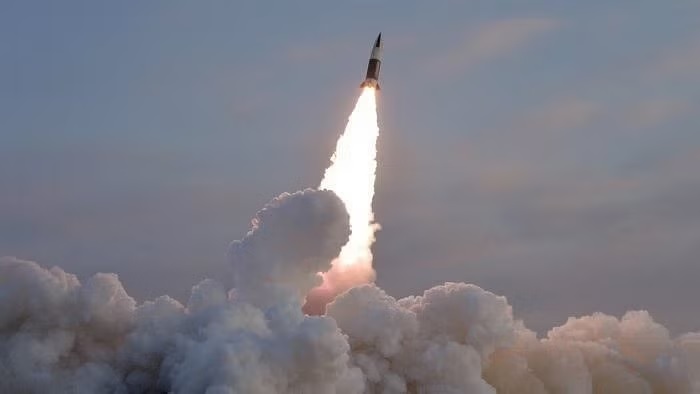
World
North Korea once again demonstrated its missile prowess on Tuesday by firing several short-range ballistic missiles into the East Sea (Sea of Japan). According to South Korea’s military, the launch occurred at approximately 9:30 am near North Korea's Ganggye region. The missiles reportedly traveled a distance of 250 kilometers (155 miles) before plunging into the sea. This development comes at a time of heightened diplomatic and geopolitical sensitivity, as U.S. President-elect Donald Trump prepares to return to office and Japanese Foreign Minister Takeshi Iwaya visits South Korea for key diplomatic discussions. Analysts suggest this launch is likely a calculated move by Pyongyang to deliver a political message to Washington and its allies. Missile Specifications and Technology The missiles launched on Tuesday were identified as short-range ballistic missiles (SRBMs), showcasing North Korea's advancements in military technology. While the exact model has not been disclosed, previous North Korean SRBMs like the KN-23 or KN-24 have displayed remarkable capabilities, including advanced maneuverability and the use of solid-fuel engines. One standout feature of North Korea’s missile program is its increasing use of cutting-edge materials. During a recent hypersonic missile test, North Korean state media highlighted a new "compound of carbon fiber" used in missile engines. This material enables extended range and precision, making these missiles potentially comparable to technologies developed by global military powers like the United States, Russia, and China. North Korea has also ramped up its efforts in developing hypersonic missile systems, with a notable launch of such a system earlier this month. These hypersonic missiles are capable of evading traditional missile defense systems due to their extreme speed and ability to alter trajectory mid-flight. Geopolitical Context and Reactions The timing of the missile launch appears strategic, with analysts interpreting it as a dual-purpose signal. First, it could be an attempt to pressure the incoming Trump administration to revisit U.S. policy on North Korea. Second, it might seek to exploit the current political turmoil in South Korea, where President Yoon Suk Yeol faces an impeachment trial. South Korea, the United States, and Japan have condemned the launch, calling it a blatant violation of United Nations Security Council resolutions. Seoul’s acting president, Choi Sang-mok, pledged a stronger response through bolstered defense measures and collaboration with Washington. The United States Indo-Pacific Command also issued a firm statement, urging Pyongyang to "refrain from further unlawful and destabilizing acts." Meanwhile, Japan has heightened its alert levels and continues to monitor the situation closely. Second Test in a Month and Links to Moscow Tuesday’s test marks North Korea’s second missile launch this month. Just last week, the regime tested a hypersonic missile system, releasing state media images of leader Kim Jong Un overseeing the event alongside his daughter, Ju Ae. Experts have also drawn attention to increasing cooperation between North Korea and Russia. Recent reports suggest that Pyongyang may be exporting missile technology to Moscow, possibly for use in the Ukraine conflict. This aligns with claims by U.S. Secretary of State Antony Blinken, who noted growing North Korea-Russia collaboration, particularly in advanced space technology. Additionally, North Korea is suspected of deploying thousands of troops to assist Russia in Ukraine, although neither Pyongyang nor Moscow has officially confirmed such actions. South Korea’s Response: Advanced Missile Defense Development In response to North Korea’s persistent missile advancements, South Korea’s Defense Acquisition Program Administration (DAPA) announced the development of a new missile defense system. Estimated to cost 567.7 billion won ($388 million), the system aims to intercept North Korea’s missile threats at higher altitudes and is expected to be operational by 2028. This move underscores Seoul’s determination to counter Pyongyang’s growing arsenal and ensure regional stability. As relations between the two Koreas remain at an all-time low, the need for enhanced defense capabilities has become more pressing than ever. Strategic Implications and Future Outlook North Korea’s continued missile tests highlight its ambition to maintain leverage in regional and global politics. The timing of these tests—coinciding with major political shifts and international diplomatic activities—reflects a calculated strategy to assert its presence on the global stage. For the United States and its allies, the challenge lies in addressing Pyongyang’s provocations without escalating tensions further. With the Trump administration’s return to power, North Korea’s missile capabilities and its growing ties with Russia are likely to dominate discussions in Washington’s foreign policy agenda. As North Korea continues to defy international norms, the path to diplomatic engagement seems increasingly complex. Nonetheless, the international community remains vigilant, with eyes firmly fixed on Pyongyang’s next move.
Read More → Posted on 2025-01-14 15:19:51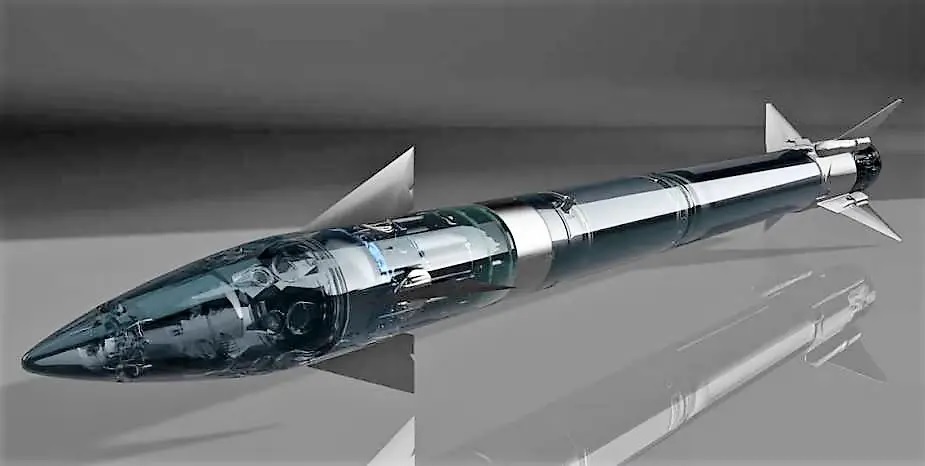
World
Thales UK, in collaboration with the UK Ministry of Defence (MoD), has taken a significant step forward in modern defense capabilities by showcasing the Lightweight Multi-role Missile (LMM) in a live demonstration at Manorbier. This event, witnessed by an audience of international defense partners, underscored the LMM’s versatility, precision, and operational adaptability across air, land, and sea domains. Consecutive Firings Showcasing Versatility In a groundbreaking display, Thales UK conducted consecutive firings of the LMM to neutralize two distinct threats: a Banshee Unmanned Aerial Vehicle (UAV) representing an air threat and a fast inshore attack craft (FIAC) simulating a maritime threat. Within just 60 seconds, two missiles were successfully launched, each tailored to its respective target. The seamless destruction of these targets highlighted the LMM’s rapid response capabilities, accuracy, and multi-role functionality. Advanced Design and Deployment The LMM, also known as the Martlet in its naval configuration, was deployed using a vehicle-mounted lightweight fire control and launch system developed by Thales UK. This innovative system showcased the missile's agility, lethality, and operational reliability. The LMM is designed to address diverse mission requirements, ranging from countering unmanned aerial systems (UAS) to engaging surface-based threats. Specifications of the Lightweight Multi-role Missile The LMM is built for precision and flexibility, featuring a range of advanced specifications: Weight: 13 kilograms Length: 1.3 meters Diameter: 76 millimeters Range: Effective up to 8 kilometers Guidance System: Semi-active laser guidance for pinpoint accuracy Warhead: Dual-effect, designed to engage both soft and hard targets effectively Multi-platform Integration A key highlight of the demonstration was the LMM's ability to adapt to various platforms. A Wildcat helicopter was displayed, showcasing its capacity to carry up to 20 LMMs in its naval configuration. Additionally, the event featured static displays of shoulder and tripod-mounted launchers, underlining the missile's compatibility with different operational scenarios. These capabilities make the LMM an invaluable asset for modern military forces operating in complex and dynamic threat environments. Supporting UK Defence and Global Partnerships The demonstration received strong support from the British Army and Royal Navy, reinforcing the LMM's role as a cornerstone of the UK's short-range defense strategy. Thales’ development of the LMM aligns with its commitment to equipping armed forces with advanced, multi-role weapon systems that address evolving security challenges. With this successful demonstration, Thales UK has further solidified its position as a leader in the defense industry, offering innovative solutions to meet the needs of military forces worldwide. The LMM's proven performance in air defense and surface attack roles paves the way for its broader adoption across international markets. This milestone underscores the importance of adaptable, precise, and reliable weaponry in today’s complex defense landscape, offering a glimpse into the future of multi-role missile technology.
Read More → Posted on 2025-01-14 15:07:55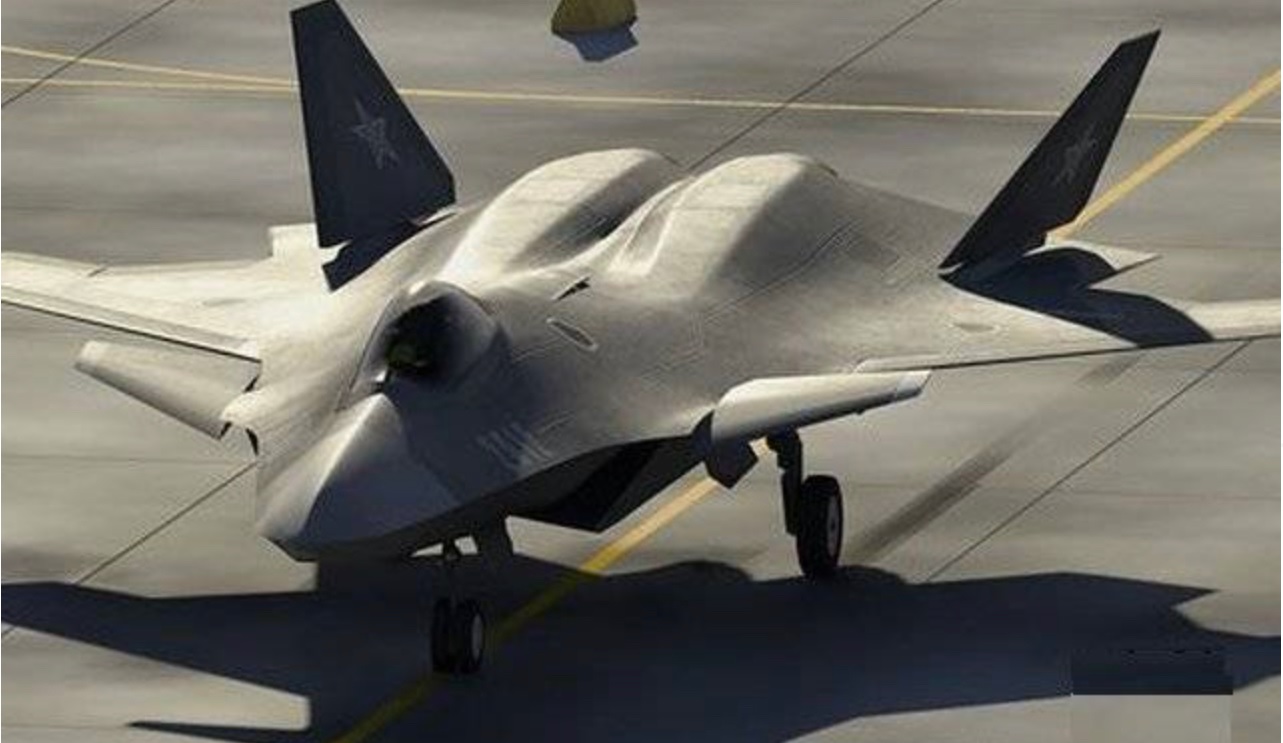
World
The race for the world’s first sixth-generation fighter jet has intensified, with a senior U.S. Air Force (USAF) official warning that China might outpace the United States in achieving initial operational capability. This revelation comes amid reports that China’s prototype has already completed its maiden flight, signaling significant advancements in Beijing’s military aviation ambitions. China’s Sixth-Generation Fighter: Key Developments China’s People’s Liberation Army (PLA) has been making headlines for its tailless sixth-generation fighter jet, revealed in December. The aircraft features a striking double-delta wing design, optimized for supersonic speeds, enhanced stealth capabilities, and advanced maneuverability. Reports suggest the prototype incorporates cutting-edge avionics, integrated artificial intelligence (AI), and potentially directed-energy weapons for advanced combat scenarios. China’s progress in aviation technology is part of a broader strategy to challenge U.S. air dominance, particularly in the Asia-Pacific region. Beijing’s rapid advancements have alarmed military analysts, as they represent a significant shift in global power dynamics. USAF Response: NGAD Program The U.S. is countering China’s progress through its highly classified Next Generation Air Dominance (NGAD) program. Launched in 2023, NGAD aims to develop a sixth-generation fighter with unmatched capabilities. The jet is expected to operate in tandem with unmanned drones, emphasizing teamwork between manned and unmanned systems. Although specific details remain under wraps, USAF Secretary Frank Kendall has described the NGAD aircraft as a revolutionary platform, featuring: Enhanced lethality: Advanced weapon systems to counter evolving threats. Survivability in contested airspace: Optimized stealth and countermeasures for hostile environments. Adaptability: Rapid integration of new technologies to address future challenges. Interoperability: Seamless coordination with allied forces and unmanned systems. The NGAD fighter will also leverage advanced propulsion systems, AI for decision-making, and sensor fusion to provide a comprehensive situational awareness edge. Why the Race Matters Andrew Hunter, the outgoing USAF acquisition executive, recently cautioned that China’s sixth-generation fighter could reach operational readiness before the U.S. “I think we’ll have the better capability, but we certainly have no time to lose,” Hunter remarked. This underscores the urgency for the U.S. to maintain its technological edge, given the strategic implications of losing air superiority. The U.S. has historically relied on air dominance as a cornerstone of its global military strategy. A delay in NGAD’s deployment could weaken its ability to deter aggression, particularly in regions like the Indo-Pacific, where China’s military influence is growing. China’s Strategic Advantages China’s defense industry has demonstrated remarkable efficiency, often achieving milestones faster than expected. By leveraging reverse-engineering techniques, domestic innovation, and significant state-backed funding, Beijing has managed to close the gap with Western military technology. The sixth-generation fighter aligns with China’s long-term goals, including its ambitions to dominate contested areas like the South China Sea and challenge U.S. influence in East Asia. A Tight Race While the U.S. remains confident in the NGAD’s superior capabilities, time is of the essence. The next-generation aircraft will not only symbolize technological prowess but also define air superiority in future conflicts. Both nations are racing to incorporate breakthrough technologies such as hypersonic missiles, AI-driven combat systems, and advanced stealth to ensure dominance in the skies. As this competition unfolds, the stakes couldn’t be higher. A sixth-generation fighter jet represents not just a leap in aviation but also a strategic tool capable of reshaping global power balances. Whether the U.S. or China crosses the finish line first will likely have profound implications for military and geopolitical dynamics worldwide.
Read More → Posted on 2025-01-14 14:59:08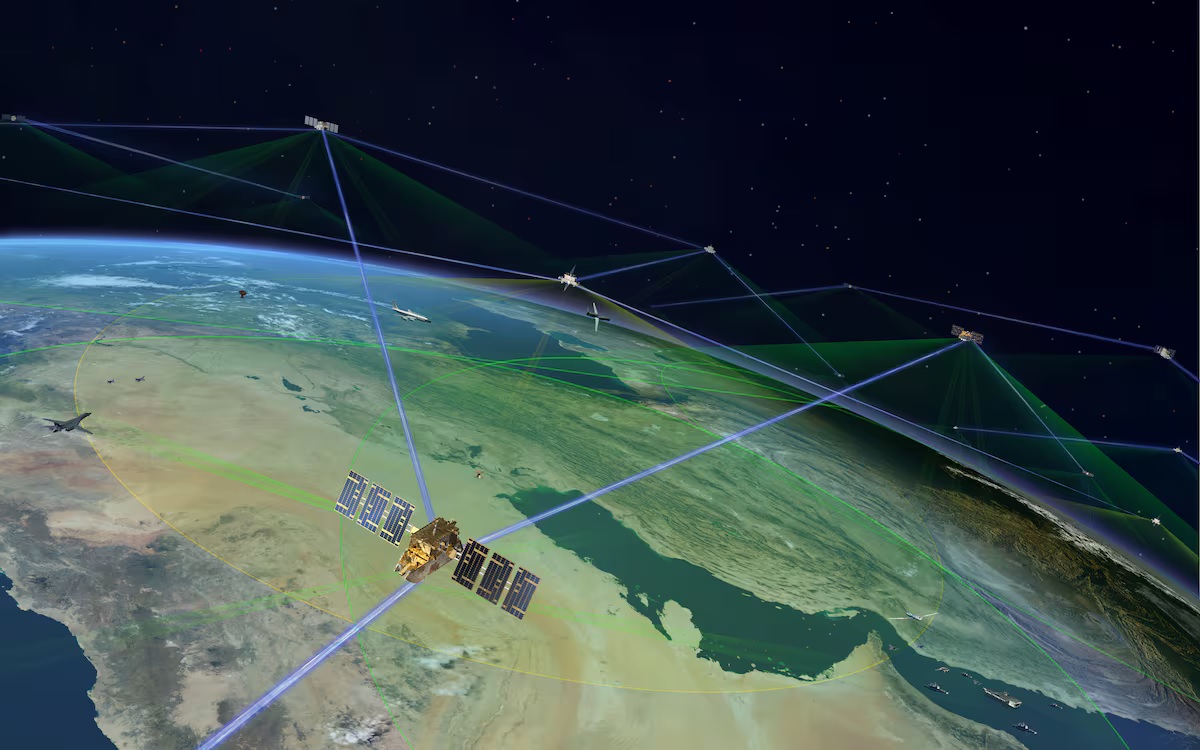
World
Rocket Lab National Security LLC has marked a major achievement with the successful completion of the Preliminary Design Review (PDR) for its Tranche 2 Transport Layer-Beta (T2TL-Beta) program. This milestone is vital for delivering 18 advanced data transport satellites under the U.S. Department of Defense’s Proliferated Warfighter Space Architecture (PWSA), a low-Earth orbit (LEO) constellation designed to enhance secure communication and missile tracking. The Significance of the PDR The Preliminary Design Review is a rigorous, multi-day process evaluating whether a satellite design aligns with both technical and operational requirements. For the T2TL-Beta program, the review examined: Mission Architecture: Ensuring the satellites meet strategic objectives. Satellite Systems: Assessing avionics, propulsion, and power subsystems. Ground Operations: Verifying command, control, and data management capabilities. Integration Plans: Laying out strategies for assembling and launching the satellites. Testing Procedures: Preparing for simulated and real-world operational scenarios. Completion of the PDR indicates readiness to advance to the detailed design and manufacturing phases, keeping the project on track for its tight timeline. Rocket Lab’s Role and Technology Awarded a $515 million contract in early 2024, Rocket Lab serves as the prime contractor for the T2TL-Beta program. The company leverages its vertically integrated manufacturing model to enhance efficiency and reliability. Key features of Rocket Lab’s approach include: Solar Panels: Custom-designed for consistent power delivery in LEO. Avionics: Advanced electronics enabling precise control and communication. Star Trackers: Navigation systems for maintaining satellite orientation. Flight Software: Proprietary systems ensuring mission adaptability and security. This end-to-end capability enables Rocket Lab to maintain cost control, streamline scheduling, and ensure quality across all phases of production. Specifications of the Satellites The T2TL-Beta satellites are designed with cutting-edge technology to fulfill their mission. While specific classified details remain undisclosed, known features include: Secure Communication Systems: Resilient encryption to safeguard data. Missile Detection Capabilities: Advanced infrared sensors for tracking missile threats. Durable Construction: Engineered to withstand LEO’s harsh conditions. Interoperability: Seamless integration with other elements of the PWSA constellation. Implications for National Security The Proliferated Warfighter Space Architecture represents a shift in U.S. defense strategy, emphasizing distributed, resilient satellite systems over traditional large-scale platforms. By enabling secure, low-latency communication and enhanced missile warning, the PWSA ensures real-time support for military operations worldwide. Rocket Lab’s contributions underscore its growing importance in the national security space sector. Moving Forward Rocket Lab’s successful PDR completion is a testament to its technical expertise and commitment to innovation. As the program progresses toward detailed design and manufacturing, the company is well-positioned to deliver these critical satellites on time and budget, reinforcing its reputation as a trusted partner for national security missions. This milestone highlights the evolving role of private aerospace companies in advancing global defense capabilities, showcasing Rocket Lab’s leadership in a rapidly growing sector.
Read More → Posted on 2025-01-13 17:09:00
World
The US Army is ramping up its efforts to develop a cutting-edge aerial intelligence platform that integrates unmanned aerial systems (UAS) for superior surveillance capabilities. The envisioned aircraft, modeled on an executive jet like the Bombardier Global 6500, will be capable of operating at medium to high altitudes, enhancing the Army’s Intelligence, Surveillance, and Reconnaissance (ISR) capabilities. Building on the HADES Program This initiative appears to expand upon the High Accuracy Detection and Exploitation System (HADES), a program designed to deliver advanced ISR capabilities through a manned aircraft. The HADES platform, also based on the Bombardier Global 6500, has already demonstrated the ability to fly higher, faster, and longer while accommodating a large array of sensors. The addition of drone-launching capabilities will further strengthen the platform’s utility, especially in contested or high-risk airspaces. Aircraft and Drone Specifications The US Army’s specifications for this new platform reflect its ambitious goals for performance and versatility: Altitude and Temperature Tolerance: The aircraft must operate at an altitude of 41,000 feet (12,497 meters), with drones designed to endure extremely low temperatures, as cold as -65°F (-54°C). Speed and Endurance: The platform is expected to achieve a top speed of 400 knots (741 km/h or 460 mph) and maintain that speed for over seven hours. Payload Capacity: Internal wing pylons must support a combined weight of 1,400 pounds (635 kg), including the drone, launcher, and pylon. External hardpoints should accommodate up to 600 pounds (272 kg). Power Supply: The host aircraft will provide a robust data network and up to 10 kilovolt-amperes (kVA) of power per station to support the drones. Advancing ISR in Contested Airspaces The integration of drones, referred to as “launched effects,” offers transformative potential for ISR missions. These drones can operate autonomously or in coordination with the host aircraft, extending surveillance reach and allowing the platform to adapt to dynamic battlefield scenarios. The capability to launch drones mid-mission could be pivotal in collecting real-time intelligence in highly contested areas. Timeline and Demonstration The Army has set its sights on conducting an operational capability demonstration in fiscal year 2026. This demonstration will validate the aircraft’s ability to integrate and deploy drones effectively, ensuring that it meets the stringent requirements set forth by the Army’s Fixed Wing Project Office. Strategic Implications By combining manned and unmanned capabilities, this new platform represents a significant leap forward in ISR technology. It underscores the US Army’s commitment to maintaining an edge in modern warfare, where real-time intelligence and operational flexibility are crucial. The ability to operate at high altitudes with enhanced endurance and advanced sensor payloads will ensure that the Army remains effective in gathering intelligence and countering threats across a wide range of environments. The integration of drone-launching capabilities also highlights a shift toward multi-role platforms capable of executing complex missions without relying solely on traditional ground-based or satellite support. This ambitious program not only reinforces the Army’s technological edge but also sets the stage for future innovations in ISR systems that could redefine battlefield dynamics.
Read More → Posted on 2025-01-13 17:01:14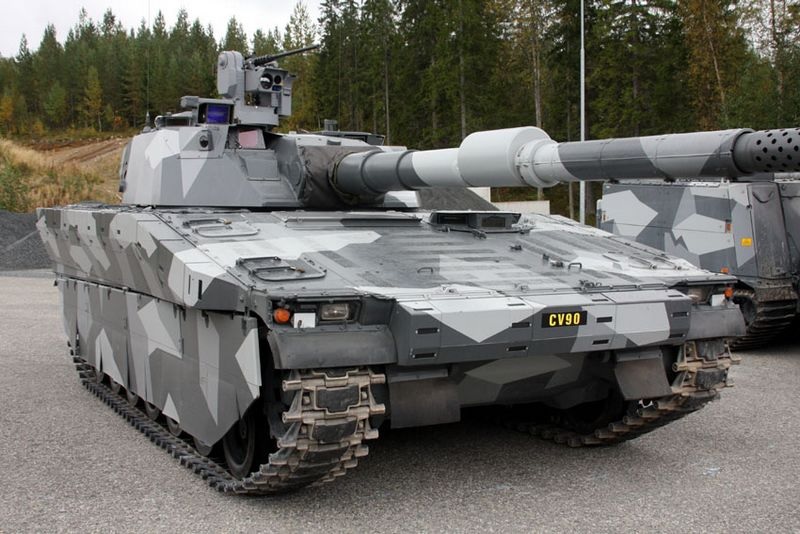
World
Slovakia is reassessing its military modernization plans to address financial constraints while meeting its NATO commitments. Defence Minister Robert Kaliňák recently revealed that the country might opt for the CV90120-T light tanks or fire support vehicles instead of the more expensive Leopard 2A8 main battle tanks. This shift highlights the nation’s struggle to modernize its forces within a limited budget. NATO Obligations and Fleet Modernization Slovakia has pledged to NATO that it will establish a mechanized brigade, which includes replacing its outdated tank fleet. The current fleet comprises about 30 T-72M1 tanks, which are obsolete by modern standards, and 15 Leopard 2A4 tanks received from Germany as part of an equipment exchange program for aiding Ukraine. To meet NATO's requirements, the Slovak Ministry of Defence plans to expand its tank battalion from 30 to 52 vehicles and create an additional battalion, requiring a total of 104 combat tanks. The Cost of Leopard 2A8 Tanks Initially, Slovakia considered procuring the Leopard 2A8 main battle tanks in collaboration with the German Ministry of Defence. However, the estimated cost of over €2 billion for more than 100 tanks raised concerns. At approximately €25 million per unit, the Leopard 2A8 is deemed too costly for Slovakia’s defense budget. CV90120-T as a Cost-Effective Alternative As a result, Slovakia is exploring the CV90120-T light tank, a more economical and versatile option developed by BAE Systems. Introduced in 1998, the CV90120-T features a 120mm smoothbore gun mounted on a lighter chassis, combining firepower comparable to a main battle tank with increased mobility. Specifications of the CV90120-T: Main Armament: 120mm smoothbore gun Secondary Armament: 7.62mm coaxial machine gun Engine: Scania 810 hp diesel engine Speed: Up to 70 km/h Range: Approximately 600 km Armor: Modular design with advanced protection systems, including ceramic and steel composite plating Crew: Three (commander, gunner, and driver) The CV90120-T also incorporates advanced fire-control systems and thermal imaging for superior targeting capabilities. Despite its impressive specifications, it has yet to receive large-scale orders. Strategic Advantages of the CV90120-T Switching to the CV90120-T offers several advantages: Cost-Effectiveness: At €11.5 million per unit, the CV90120-T is significantly cheaper than the Leopard 2A8, allowing Slovakia to procure a larger fleet within budget. Operational Synergy: Since Slovakia has already ordered 152 CV9035 infantry fighting vehicles, adopting the CV90120-T would standardize its armored vehicle fleet, enhancing logistical and operational efficiency. Industrial Cooperation: The potential for co-production with Slovak industry could boost the domestic defense sector and create job opportunities. Balancing Modernization and Budget Slovakia's decision will hinge on balancing affordability, military needs, and strategic partnerships. While the Leopard 2A8 offers unparalleled firepower and protection, the CV90120-T provides a practical alternative, aligning with Slovakia’s financial constraints and NATO commitments. The final choice will not only shape Slovakia’s defense capabilities but also influence its role within NATO and the broader European defense landscape.
Read More → Posted on 2025-01-13 16:56:12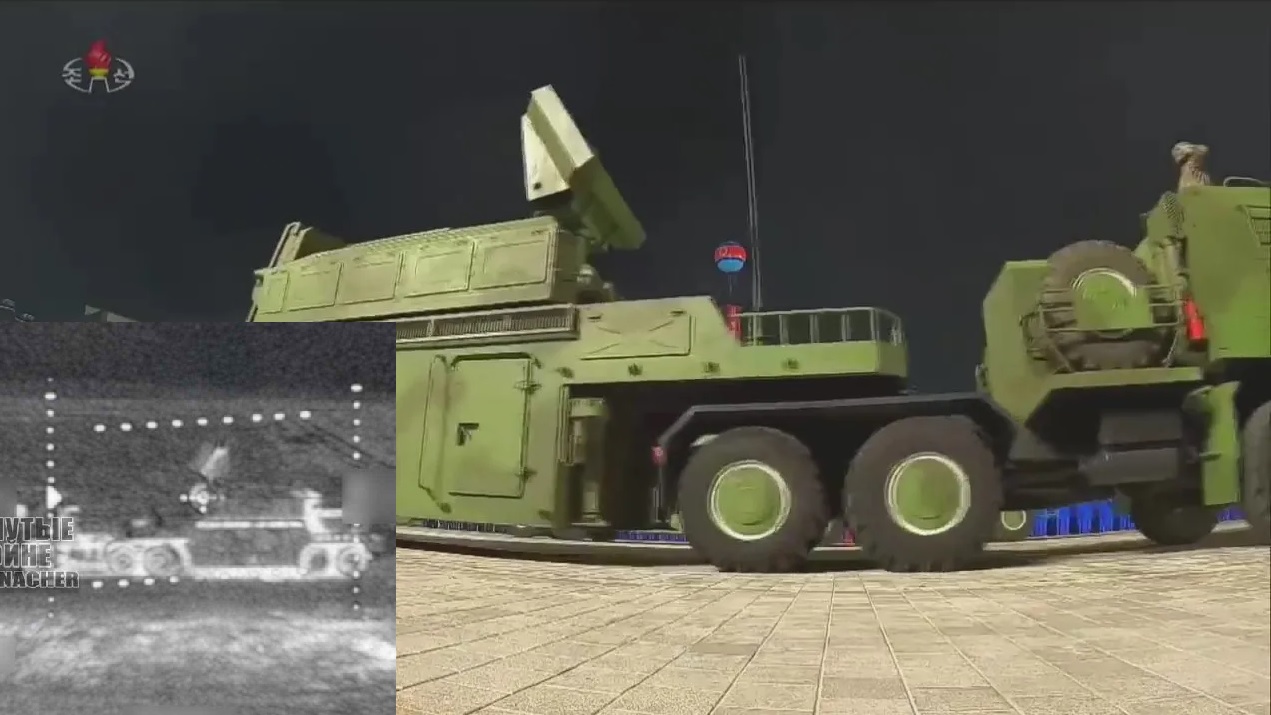
World
In a recent turn of events, Russian media channels shared footage claiming to show the destruction of a "Western-made radar system" operated by Ukrainian forces. However, defense analysts have since identified the destroyed system as a rare North Korean surface-to-air missile (SAM) system. The video, shared by the Russian channel "Povernutye na Voynie," appears to document an incident of friendly fire—a striking example of the complexities of modern warfare. The Target: A Rare North Korean SAM System The air defense system seen in the footage is believed to be a North Korean analog of the Russian Tor short-range SAM system, known in NATO terminology as the SA-15. Mounted on a semi-trailer with a centrally positioned missile array, the system bears notable differences from its Russian counterpart. This is the first time such a vehicle has been spotted in the ongoing conflict, prompting speculation about its origin and purpose. Specifications of the North Korean SAM System First unveiled during a military parade in Pyongyang in 2020, this SAM system reflects North Korea's ambition to bolster its indigenous defense capabilities. While its exact designation remains unclear, its specifications resemble the Tor-M2 system in terms of operational scope: Role: Short-range air defense Targets: Aircraft, cruise missiles, UAVs, and precision-guided munitions Missile Configuration: Mounted in a vertical launch setup with high-speed engagement capability Mobility: Semi-trailer design for greater deployment flexibility compared to tracked or wheeled systems The North Korean SAM is thought to have advanced radar and engagement systems optimized for countering low-flying, high-speed aerial threats. Implications of the Incident If the destroyed SAM system indeed belonged to Russian forces, its presence in the conflict underscores an emerging military relationship between Russia and North Korea. Such cooperation would have significant geopolitical implications, particularly in light of sanctions and international scrutiny faced by both nations. However, the strike also highlights the dangers of friendly fire incidents. Misidentification of targets, especially in high-pressure scenarios like drone operations, can undermine operational credibility and harm morale. This incident is a stark reminder of the challenges inherent in modern, high-stakes conflicts. Unanswered Questions The appearance of this rare system raises several questions: Origin: How did the system reach Russian forces? Deployment Strategy: Was it deployed experimentally, or as part of a broader cooperation initiative? Friendly Fire Protocols: What measures are in place to prevent similar incidents in the future? Conclusion The destruction of this North Korean SAM system, whether by accident or miscalculation, highlights the complexities of identifying and deploying advanced military hardware in modern warfare. If the system's origins are confirmed, it could signal a deepening of military ties between Russia and North Korea—an alliance with potential global ramifications.
Read More → Posted on 2025-01-13 16:51:58
World
Russia has accused Ukraine of attempting a drone strike on critical infrastructure connected to the TurkStream gas pipeline, a key channel for delivering Russian natural gas to Europe via Turkey. According to the Russian Ministry of Defense, the attack, which occurred on January 11, involved nine drones targeting a gas compressor station in Gai-Kodzor, a village near the Black Sea coast. Attack Details and Outcome The Russian military reported that all nine drones were intercepted and neutralized. However, debris from the drones caused minor damage to a gas measuring station, affecting a building and some equipment. Despite this, the facility continued to operate normally, and gas supplies through the TurkStream pipeline remained unaffected. The targeted station is located near Crimea, a region annexed by Russia in 2014 and frequently targeted by Ukraine since the ongoing conflict escalated. The attack appears to align with Kyiv’s broader strategy to disrupt Russian energy infrastructure, which has played a critical role in funding Moscow’s military operations. TurkStream Pipeline: A Strategic Energy Lifeline The TurkStream pipeline, inaugurated in January 2020, is a vital energy conduit spanning 930 kilometers (577 miles) under the Black Sea. It has an annual capacity of 31.5 billion cubic meters (1.11 trillion cubic feet) and delivers gas to Turkey and several European countries, including Serbia, Hungary, and Bulgaria. As the last active Russian pipeline supplying gas to Europe, TurkStream has become a geopolitical flashpoint amidst the ongoing war. Following the suspension of the Nord Stream pipelines and Ukraine's halt of Russian gas transit earlier this year, TurkStream remains one of Russia’s few remaining avenues for supplying natural gas to European nations. Broader Context of Energy Dependence The European Union has been steadily reducing its reliance on Russian gas since the onset of Russia’s full-scale invasion of Ukraine in February 2022. Sanctions, alternative energy projects, and expanded liquefied natural gas (LNG) imports have contributed to this shift. Nevertheless, certain EU member states, particularly in the Balkans, remain dependent on Russian energy supplies through TurkStream. Interestingly, while pipeline imports of Russian gas have decreased, several European nations have increased purchases of Russian LNG. Transported by sea, LNG offers more flexible delivery options, complicating efforts to fully sever energy ties with Moscow. Implications of the Drone Attack The alleged Ukrainian attack on the TurkStream infrastructure highlights the intersection of energy security and military strategy in the conflict. Disrupting critical energy routes not only hampers Russia’s revenue streams but also challenges the stability of energy supplies to Europe. However, the limited damage and uninterrupted operations suggest that the pipeline’s defenses are robust enough to withstand similar attempts in the future. As Europe and Russia continue to recalibrate their energy strategies amidst geopolitical tensions, TurkStream remains a crucial artery in a broader network of energy diplomacy, economic dependency, and military confrontation. This incident serves as a stark reminder of how energy infrastructure can become a battleground in modern conflicts.
Read More → Posted on 2025-01-13 16:27:41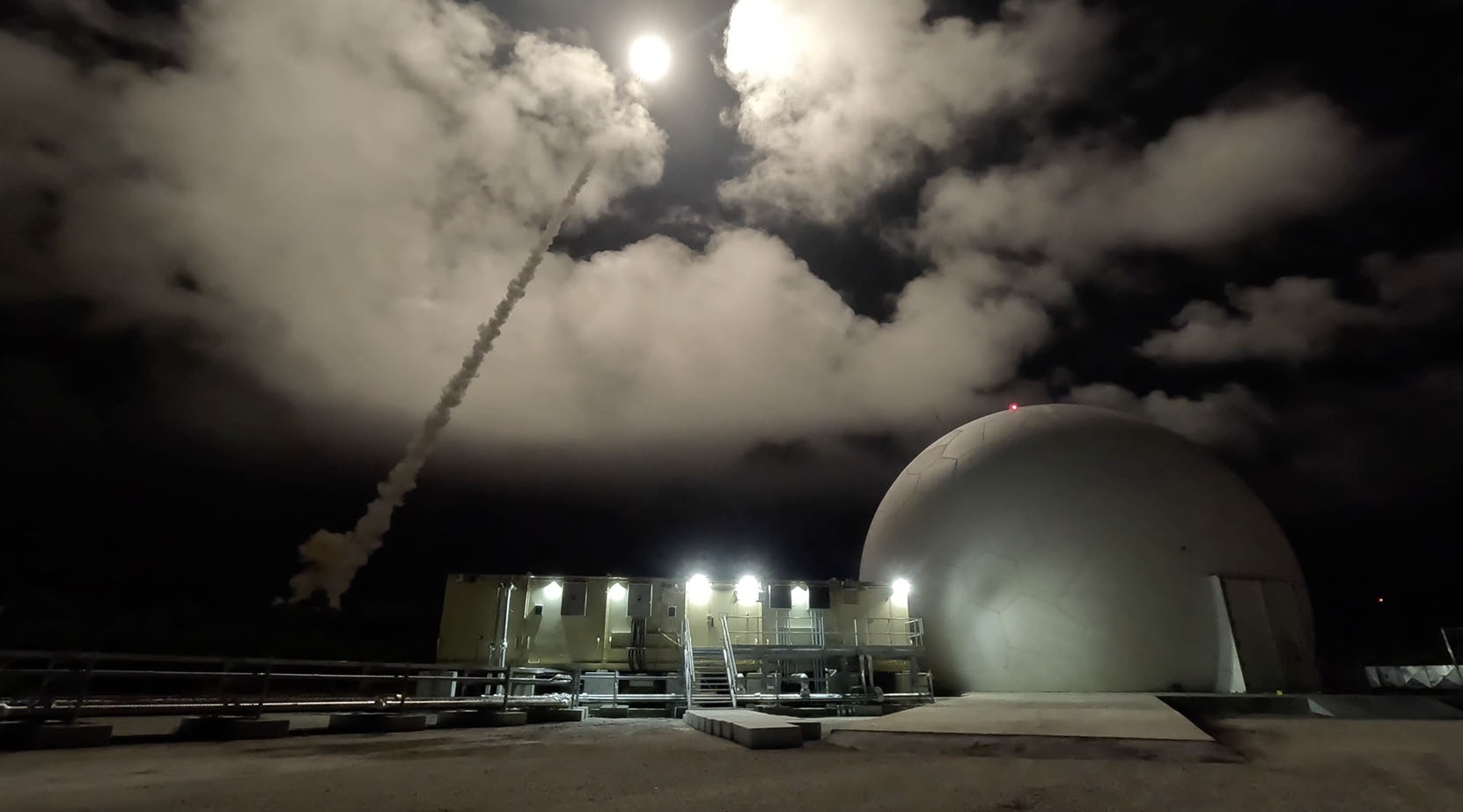
World
The United States Air Force (USAF), in collaboration with the Missile Defense Agency (MDA) and Department of Defense (DoD) partners, achieved a groundbreaking milestone in missile defense with the successful live intercept of a ballistic missile target near Guam. This historic event, announced by the MDA on December 10, marked the first-ever live test of the Aegis Guam System integrated with advanced radar and missile technologies, solidifying progress in the U.S.'s layered air and missile defense strategy for the Indo-Pacific region. The Experiment: Flight Experiment Mission-02 (FEM-02) Designated as Flight Experiment Mission-02 (FEM-02), this test was a comprehensive demonstration of cutting-edge missile defense capabilities. At its core, the experiment featured the Aegis Guam System in tandem with the AN/TPY-6 radar and a Vertical Launching System. The operation culminated in the successful interception of a Medium-Range Ballistic Missile (MRBM) target, which had been launched from an aircraft near Andersen Air Force Base. A key element of this mission was the integration of the Standard Missile-3 (SM-3) Block IIA, a highly advanced interceptor designed to neutralize ballistic missile threats at both high altitudes and long ranges. The SM-3 Block IIA is equipped with an enhanced kinetic warhead and an expanded engagement envelope, making it a critical component of modern missile defense systems. The AN/TPY-6 radar, a next-generation ballistic missile defense radar, played a pivotal role by tracking the missile target immediately after launch. Its ability to deliver precise real-time data was instrumental in ensuring the SM-3 Block IIA successfully intercepted the threat. This marked the radar's debut in an end-to-end tracking scenario during a live ballistic missile flight. Significance of the Test This test represents a significant leap forward in protecting Guam, a strategically vital territory in the Indo-Pacific region, from regional missile threats. Lt. Gen. Heath Collins, MDA Director, emphasized the importance of this achievement, noting that the data gathered will aid in the development of the Guam Defense System (GDS). This future system is designed to offer persistent, layered missile defense to safeguard both U.S. forces and regional allies. Guam’s defenses are a critical focus for the Indo-Pacific Command (USINDOPACOM), as the region faces escalating threats from adversarial ballistic missile capabilities. By successfully validating the Aegis Guam System's performance, FEM-02 serves as a stepping stone in creating a more robust missile defense architecture. Role of the 418th Flight Test Squadron The 418th Flight Test Squadron (FLTS), part of the 412th Test Wing, played a crucial role in ensuring the test's success. Known for its expertise in flight testing and airdrop operations, the squadron provided critical support by utilizing a modified C-17 Globemaster III aircraft. This aircraft was equipped with advanced instrumentation designed to interface with missile launch systems, enabling the collection of critical telemetry and data throughout the test. Lt. Col. Daniel Edelstein, Commander of the 418th FLTS, praised the squadron’s decade-long collaboration with the MDA, highlighting its experience in high-altitude experimental tests. He described FEM-02 as a vital stress test of multi-domain missile defense systems and a demonstration of the squadron’s commitment to advancing national security objectives in the Indo-Pacific. Future Implications for Guam Defense The FEM-02 test is part of a broader initiative to establish a persistent and layered air and missile defense system in Guam. The proposed Guam Defense System will integrate multiple DoD service components and cutting-edge technologies to ensure a seamless, collaborative defense network. This initiative underscores the U.S.'s commitment to strengthening regional security and maintaining a strategic deterrence posture. By integrating advanced capabilities like the SM-3 Block IIA and AN/TPY-6 radar, the system will enhance situational awareness and defense readiness against evolving missile threats. This historic test not only validated key components of the Guam Defense System but also demonstrated the collaborative strength of the U.S. Air Force, Missile Defense Agency, and allied partners in securing critical assets in the Indo-Pacific. As Lt. Gen. Collins noted, such tests provide invaluable insights that shape the future of missile defense, ensuring a robust shield for Guam and U.S. forces operating in the region.
Read More → Posted on 2025-01-13 16:23:10
World
Schiebel, an Austrian company renowned for its cutting-edge drone technology, has taken a prominent role in the European Defence Fund’s ambitious SEACURE project. This multinational initiative, spearheaded by Thales and involving 35 companies from 13 European nations, aims to revolutionize anti-submarine and seabed warfare capabilities while enhancing the protection of Europe’s critical maritime infrastructure. The SEACURE project, officially titled “Seabed and anti-submarine warfare capability through unmanned feature for Europe,” focuses on deploying advanced unmanned systems across air, surface, and underwater domains. These systems will detect, classify, identify, and track underwater threats under challenging conditions, boosting Europe’s joint maritime defense. Schiebel’s CAMCOPTER S-300: A Game-Changer At the heart of Schiebel’s contribution to the SEACURE project is its CAMCOPTER S-300, an advanced Unmanned Air System (UAS). This VTOL (vertical take-off and landing) drone sets new standards in endurance, versatility, and payload capacity. Key specifications of the CAMCOPTER S-300 include: Maximum Takeoff Weight: Up to 700 kg. Endurance: Over 24 hours with a standard payload, and six hours with a heavier 250 kg payload. Payload Flexibility: Capable of carrying advanced sensors and equipment for underwater threat detection. Navigation: Operates effectively in harsh weather and maritime environments. Range: Equipped with secure communications and real-time data transmission capabilities over extended distances. The S-300 builds on the success of Schiebel’s earlier model, the CAMCOPTER S-100, which has proven its reliability in NATO exercises. The S-300’s ability to integrate seamlessly into multi-domain operations makes it a critical asset for anti-submarine and seabed warfare. A Milestone for Europe’s Maritime Defence The SEACURE project exemplifies Europe’s commitment to strengthening its maritime security infrastructure through innovation and collaboration. It brings together leading aerospace and defense companies, research organizations, and technology developers to address the growing complexity of underwater threats. With Schiebel and Thales leading the charge, the project’s objectives extend beyond current needs, focusing on future-proofing Europe’s defense capabilities. The initiative is scheduled to culminate in a large-scale sea trial by 2028, providing a real-world testing ground for the integrated technologies developed under SEACURE. This final phase will demonstrate the effectiveness of unmanned systems, including Schiebel’s S-300, in detecting and neutralizing underwater threats while protecting critical seabed infrastructure, such as undersea cables and pipelines. Strategic Impact of the SEACURE Project As underwater threats, such as sabotage and espionage, become increasingly sophisticated, the SEACURE project represents a timely response to these challenges. By integrating air, surface, and underwater systems, the project offers a comprehensive approach to maritime defense. Schiebel’s CAMCOPTER S-300, with its cutting-edge features and adaptability, is poised to play a pivotal role in this effort. Hans Georg Schiebel, Chairman of the Schiebel Group, emphasized the significance of this collaboration: “The S-300 opens up a multitude of new possibilities for anti-submarine and seabed warfare. We are proud to contribute to this significant project that underlines Europe’s commitment to safeguarding its maritime assets.” Future Prospects The SEACURE project marks a crucial step in Europe’s efforts to lead in maritime defense technology. By harnessing the strengths of companies like Schiebel, the initiative underscores the importance of international cooperation and technological innovation in addressing emerging threats. As the project progresses, the CAMCOPTER S-300 is expected to redefine the standards for unmanned systems in maritime defense, further cementing Schiebel’s position as a global leader in drone technology.
Read More → Posted on 2025-01-13 15:39:32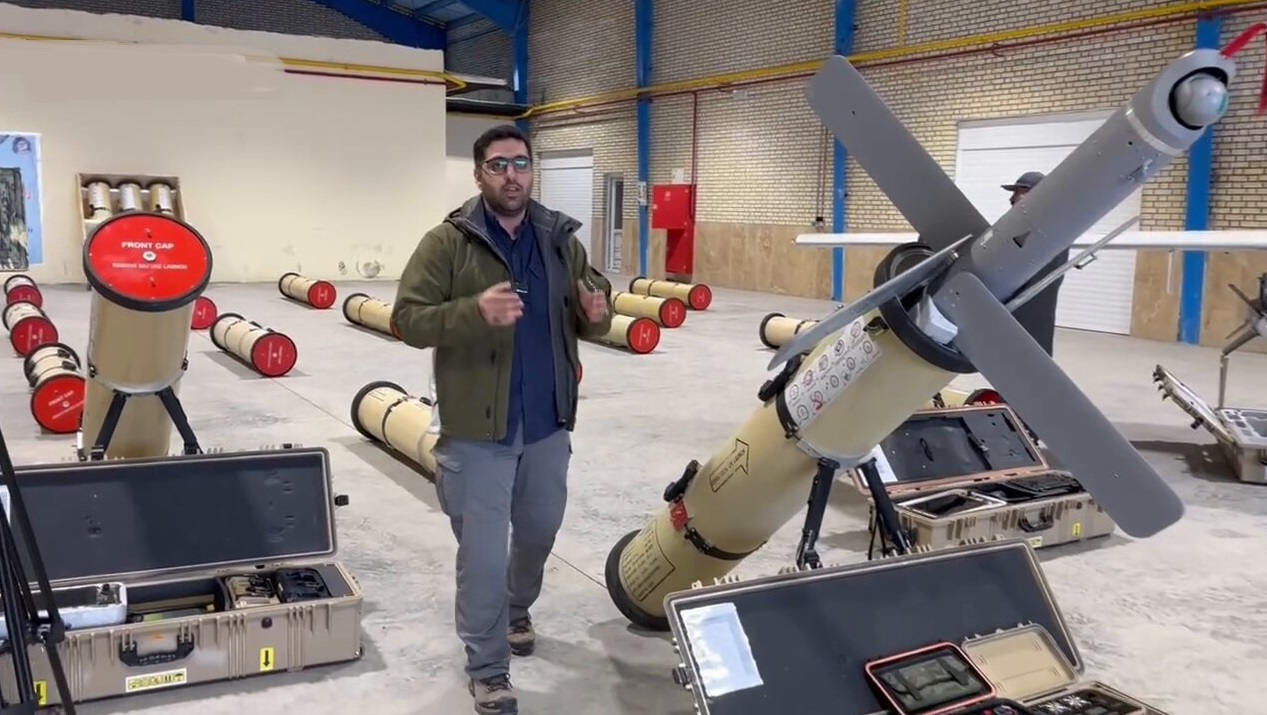
World
Iran's Islamic Revolutionary Guards Corps (IRGC) has officially unveiled the "Razvan," a loitering munition designed to enhance its tactical capabilities. The drone, introduced during the recent Payambar-e Azam (The Great Prophet) 19 military exercise, has a reported range of 20 kilometers (12 miles) and is aimed at bolstering Iran's defense strategy in rugged terrains and complex operational environments. Key Specifications of the Razvan Drone The Razvan stands out as a versatile, tactical weapon system with several advanced features: Range and Flight Duration: It can travel up to 20 kilometers and stay airborne for approximately 20 minutes. Camera Technology: The drone is equipped with a front-facing camera, enabling first-person view (FPV) operations, allowing operators to guide it with precision in real-time. Launch System: It uses a cylindrical launcher, ensuring quick deployment in the field. Wingspan and Design: Foldable wings expand mid-flight, increasing its maneuverability and stealth capabilities. Targeting: Designed to identify, lock onto, and neutralize targets effectively, even in challenging mountainous terrains. Strategic Importance The Razvan is part of a broader initiative by Iran to deploy 1,000 new "strategic" drones. These drones are intended to improve the IRGC's precision, mobility, and intelligence capabilities amidst growing regional tensions. According to IRGC Ground Forces Commander Mohammad Pakpour, the Razvan has already demonstrated its effectiveness in simulations, successfully neutralizing threats to Iranian bases. This drone is particularly suited for operations in difficult environments, such as mountainous regions, where conventional military equipment may face operational challenges. Controversy Over Alleged Design Similarities The Razvan’s unveiling has stirred controversy, with some observers claiming it closely resembles the Hero family of loitering munitions developed by Israel's UVision. These Israeli drones boast advanced capabilities, including ranges of up to 200 kilometers (124 miles). The shared characteristics between the Razvan and the Hero series include: Foldable wing designs for improved stealth and compact storage. Electro-optical and infrared cameras for enhanced visual feedback during missions. Comparable size and structural design, contributing to high maneuverability. Iran has not addressed these allegations, but such accusations are not new. Tehran has faced similar claims in the past regarding its drone programs, which critics often describe as adaptations of foreign designs. Strengthening Iran's Drone Arsenal Iran's drive to develop and deploy advanced drones like the Razvan is part of its larger ambition to become a regional drone power. IRGC officials have emphasized the strategic value of drones in modern warfare, especially in areas requiring rapid response and high precision. The introduction of these kamikaze drones is expected to significantly enhance Iran's ability to address asymmetric threats and maintain a strong defensive posture. As regional dynamics continue to shift, the Razvan and similar systems will likely play a crucial role in shaping Iran's military strategy, while the controversies surrounding their designs highlight the ongoing geopolitical and technological rivalries in the region.
Read More → Posted on 2025-01-13 15:31:06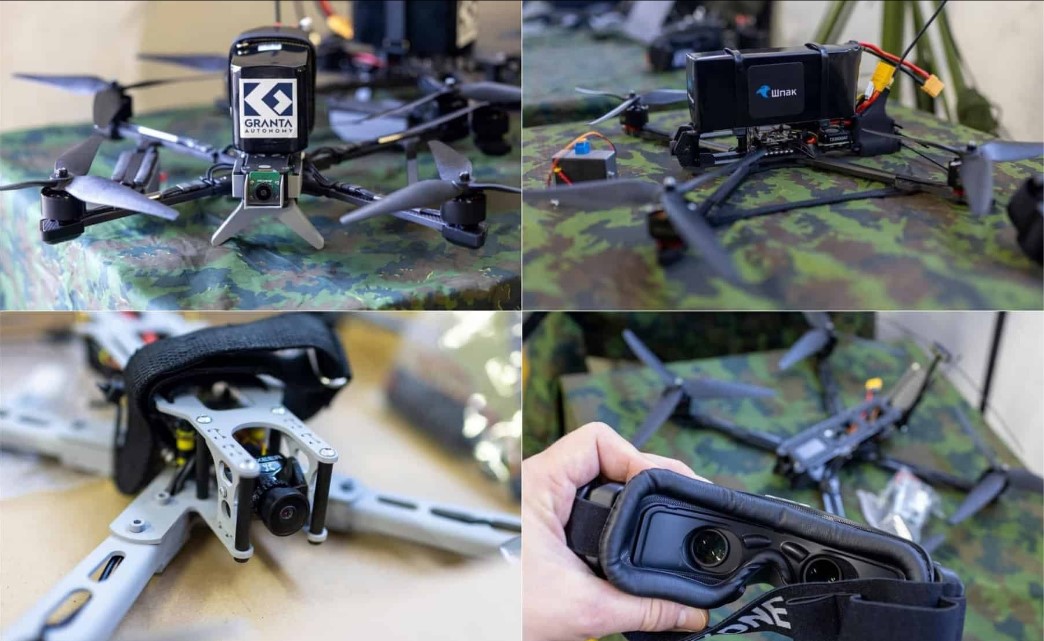
World
Lithuania’s ambitious contribution to Ukraine’s defense—thousands of drones—has hit a frustrating standstill. Despite manufacturing and procurement efforts aimed at strengthening Ukraine’s military capability against Russian aggression, these drones remain grounded in Lithuanian warehouses. Bureaucratic inefficiencies have been cited as the primary reason for the delays, causing concerns among manufacturers and military officials alike. Delays Disrupting Ukraine’s Defense Plans Lithuania has been a staunch ally of Ukraine, investing heavily in drone technology to support the embattled country. Nearly 5,000 drones worth €5 million were purchased for Ukraine's armed forces earlier this year, with additional procurements made for Lithuania's military. However, drone manufacturers have sounded alarms over the inefficiencies stalling these deliveries. RSI Europe, one of the companies involved, confirmed that it delivered part of the drones in October and the rest in November 2024. Yet, CEO Tomas Milašauskas lamented the lack of updates about their transfer. "If these drones are not in the hands of Ukrainian soldiers, it’s a loss for both sides," he stated, emphasizing the critical nature of timely deployment. The delays have further compounded problems, as manufacturers have not been invited to train Ukrainian personnel on how to operate the drones. This raises concerns that even after delivery, Ukrainian forces may face challenges in effectively utilizing the equipment. Bureaucratic Hurdles The six-step process required to transfer military equipment, as outlined by former Lithuanian Defense Minister Laurynas Kasčiūnas, is at the heart of the issue. This complex chain involves approvals by the Defense Resources Agency, decisions by the government, and logistical arrangements, each of which can introduce delays. Gedrimas Eglinskas, Chairman of Lithuania’s Parliamentary Committee on National Security and Defense, stressed the need for a streamlined approach. "Modern equipment like these drones must reach Ukraine without unnecessary delays," he said, calling for systemic reforms to prevent similar bottlenecks in the future. Drone Specifications and Capabilities The drones in question include a mix of surveillance and combat drones designed to meet modern warfare requirements. Some key specifications include: Reconnaissance Drones Flight Range: Up to 150 kilometers Flight Time: Approximately 4–6 hours Payload: Advanced cameras with thermal and night-vision capabilities Purpose: Real-time intelligence gathering and battlefield monitoring Combat Drones Payload Capacity: 15–20 kilograms of explosive material Flight Range: Up to 50 kilometers Targeting System: Precision-guided systems for pinpoint strikes Purpose: Targeted attacks on enemy positions, minimizing collateral damage These drones are tailored to assist Ukraine in countering Russian forces, offering both reconnaissance and strike capabilities crucial for modern warfare. A Push for Systemic Overhaul The Lithuanian Ministry of Defense has acknowledged the delays and vowed to address the issues. Recent reforms have eliminated redundant approval processes, allowing state-purchased military equipment to bypass certain bureaucratic steps. The Ministry assured that under the new procedures, future deliveries to Ukraine will proceed more efficiently. The Road Ahead Lithuanian manufacturers are optimistic that the streamlined measures will prevent further delays. However, questions remain about whether the promised timelines can still be met. For Ukraine, the immediate deployment of these drones is critical as the country continues its efforts to defend against Russian advances. The delay not only underscores the challenges of military logistics but also highlights the need for better coordination among NATO allies supporting Ukraine. As the drones sit idle in warehouses, both Ukrainian forces and Lithuanian manufacturers await decisive action to ensure these critical tools make it to the battlefield. This issue serves as a reminder that while intentions are noble, timely execution is equally vital in the face of urgent defense needs.
Read More → Posted on 2025-01-12 15:13:11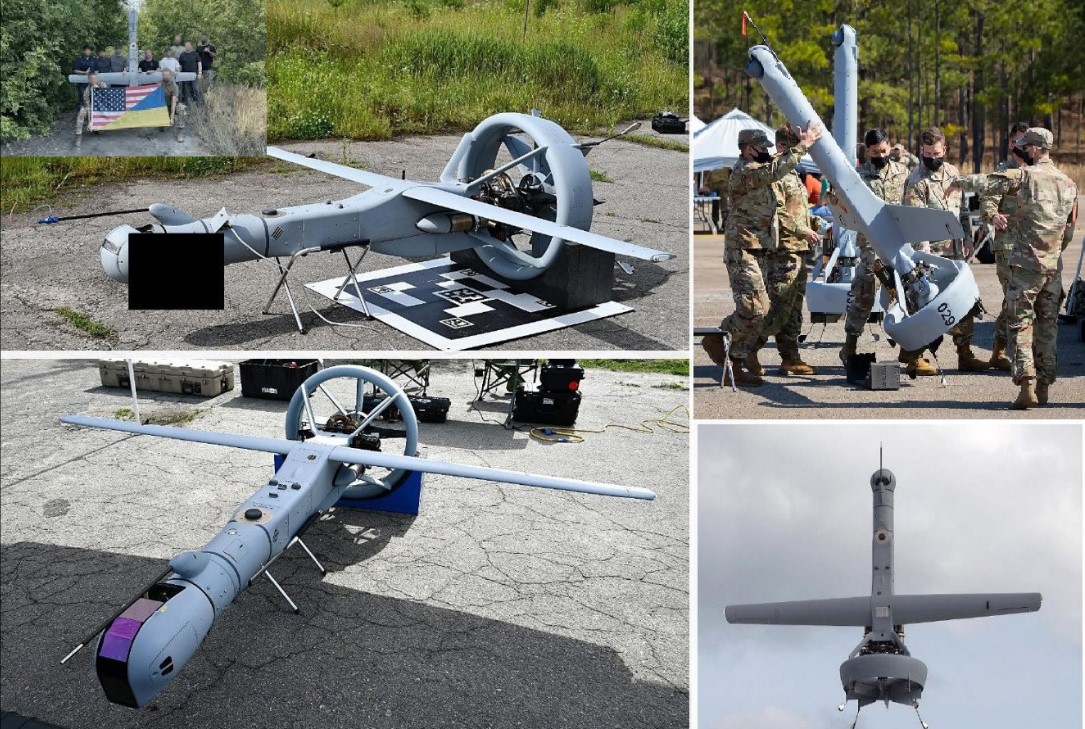
World
American defense technology firm Shield AI has revealed key details about its V-BAT drone's deployment in Ukraine during 2024, showcasing the drone’s impressive capabilities in active combat situations. This marks a significant step forward in the use of unmanned aerial vehicles (UAVs) to counter modern battlefield challenges. Deployment and Battlefield Performance In June 2024, Shield AI delivered its V-BAT drones to Ukraine, accompanied by a team of developers to facilitate real-world testing under combat conditions. The drones were tasked with intelligence, surveillance, and reconnaissance (ISR) missions, as well as supporting strike operations, despite facing severe electronic warfare (EW) measures by Russian forces. One of the key highlights of the deployment was the V-BAT’s ability to maintain operational autonomy even when GPS and communications were jammed. Shield AI confirmed that the drone completed long-endurance ISR and targeting missions in these challenging environments. For instance, the V-BAT played a pivotal role in detecting a Russian SA-11 Buk-M1 mobile air defense missile system. The intelligence gathered by the drone enabled Ukrainian forces to destroy the target using HIMARS multiple launch rocket systems. This successful mission demonstrated the V-BAT’s resilience, reliability, and effectiveness in modern warfare, emphasizing its potential to outmaneuver adversaries equipped with advanced EW capabilities. Specifications and Design Features The V-BAT drone is a vertical takeoff and landing (VTOL) UAV, known for its adaptability in diverse operational settings. Key specifications include: Endurance: Up to 11 hours of continuous flight. Payload Capacity: Capable of carrying up to 25 pounds of sensors or equipment. Range: Approximately 350 miles in a single mission. Design: A single-engine ducted fan design allows for VTOL operations in confined spaces, making it ideal for land or maritime environments. Autonomy: Powered by Shield AI’s Hivemind software, enabling AI-driven autonomous navigation and decision-making in contested environments. Resilience: Engineered to counteract GPS jamming and other forms of electronic interference, ensuring mission continuity in complex warfare zones. Broader Applications and Global Reach To date, Shield AI has manufactured and delivered around 250 V-BAT drones globally, with production taking place at its facility in Dallas, Texas. These drones are in service with several high-profile clients, including the U.S. Special Operations Command (SOCOM), the U.S. Marine Corps, and the U.S. Coast Guard, which is set to receive its first batch in 2025. The V-BAT is being integrated to replace older ISR platforms and establish new drone programs for various military and paramilitary organizations. Its versatility, long endurance, and resilience to EW make it an attractive solution for modern ISR and targeting missions. Implications for Modern Warfare The deployment of V-BAT drones in Ukraine highlights the increasing role of advanced UAVs in modern conflict. Shield AI’s success demonstrates how cutting-edge autonomous systems are reshaping the battlefield by providing militaries with reliable, precision-based ISR and strike support capabilities. As global militaries continue to adopt UAVs for diverse combat roles, the V-BAT’s performance in Ukraine serves as a proof of concept for its ability to thrive in the most demanding and hostile environments. This underscores the growing importance of innovative drone technology in achieving tactical and strategic advantages in contemporary warfare. The V-BAT’s impressive showing in Ukraine sets a new benchmark for UAV performance and resilience, making it a valuable asset for nations looking to strengthen their operational capabilities in the face of evolving threats.
Read More → Posted on 2025-01-12 15:07:06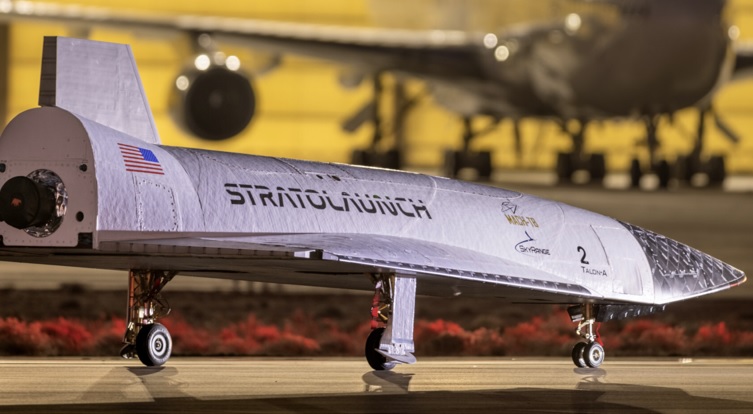
World
Stratolaunch, the American aerospace giant renowned for its innovative flight systems, has been awarded a $24.7 million contract by the U.S. Missile Defense Agency (MDA) to spearhead hypersonic flight testing. This partnership underscores the growing emphasis on countering hypersonic threats, which represent a significant challenge to modern defense systems. Advancing Missile Defense Through Hypersonic Testing The contract revolves around the modification of Stratolaunch’s Spirit of Mojave, a 747-based launch platform, which will serve as the carrier for the Talon-A test vehicle. Designed as a reusable hypersonic platform, Talon-A will be central to the upcoming flight tests aimed at validating cutting-edge defensive technologies against hypersonic threats. Unlike traditional missiles, hypersonic weapons travel at speeds exceeding Mach 5, exhibit unpredictable trajectories, and fly at low altitudes, making them exceptionally difficult to detect and neutralize. Scheduled to begin in the fourth quarter of 2025, the flight campaign will focus on evaluating missile defense systems capable of intercepting these advanced threats. By utilizing Stratolaunch's unique launch systems, the program aims to significantly enhance the nation’s readiness against hypersonic weapons from adversaries. Specifications of Stratolaunch Systems At the heart of this initiative is the Spirit of Mojave, a heavily modified Boeing 747-400 aircraft. Key features include: Launch Capability: The Spirit of Mojave can carry and deploy hypersonic test vehicles like Talon-A from high altitudes, providing operational flexibility. Payload Capacity: Designed to transport test vehicles weighing up to 8,000 pounds. Global Reach: With the ability to launch from any 747-capable airport, the system supports global testing operations. The Talon-A test vehicle is a key asset in this project: Speed: Capable of flying at speeds of Mach 5 to Mach 7. Reusable Design: Allows for multiple test flights, reducing costs and accelerating development timelines. Instrumentation: Equipped with advanced telemetry systems to gather critical data on hypersonic flight dynamics. Leadership Perspectives Dr. Zachary Krevor, Stratolaunch's President and CEO, emphasized the strategic importance of this partnership, stating, "This mission enhances our ability to test and validate advanced missile defense architectures in response to emerging hypersonic threats." He highlighted the Spirit of Mojave's global operational flexibility, which expands testing options beyond U.S. borders. MDA Director Michael Kryzak also praised the collaboration, noting that hypersonic weapons represent a critical and evolving threat to global security. He expressed confidence in Stratolaunch’s expertise, affirming the importance of this initiative for the future of missile defense. The Road Ahead The funding for this project comes under the MDA’s Innovation, Science & Technology Broad Agency Announcement for fiscal year 2024. Stratolaunch’s headquarters in Mojave, California, will oversee the necessary modifications to the Spirit of Mojave, reinforcing the company’s role as a leader in aerospace technology. With the clock ticking toward 2025, this collaboration is poised to redefine how nations address the growing hypersonic threat, ensuring that defense systems remain robust and responsive in an increasingly unpredictable world.
Read More → Posted on 2025-01-12 14:57:00Search
Top Trending in 24 Hours
-
 Tulsi Gabbard Releases Declassified Files Detailing U.S.-Backed Network of 120 Biolaboratories Across 30+ Countries
-
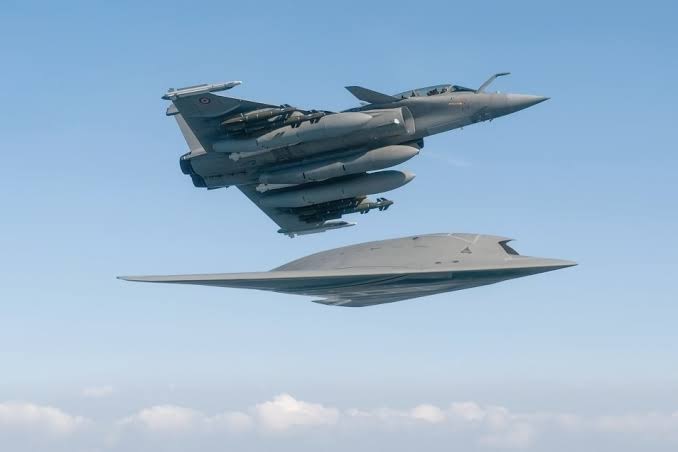 France Agrees to Equip Future Indian Rafales with AI, MUM-T and Secure Satellite Links Under F5 Standard
-
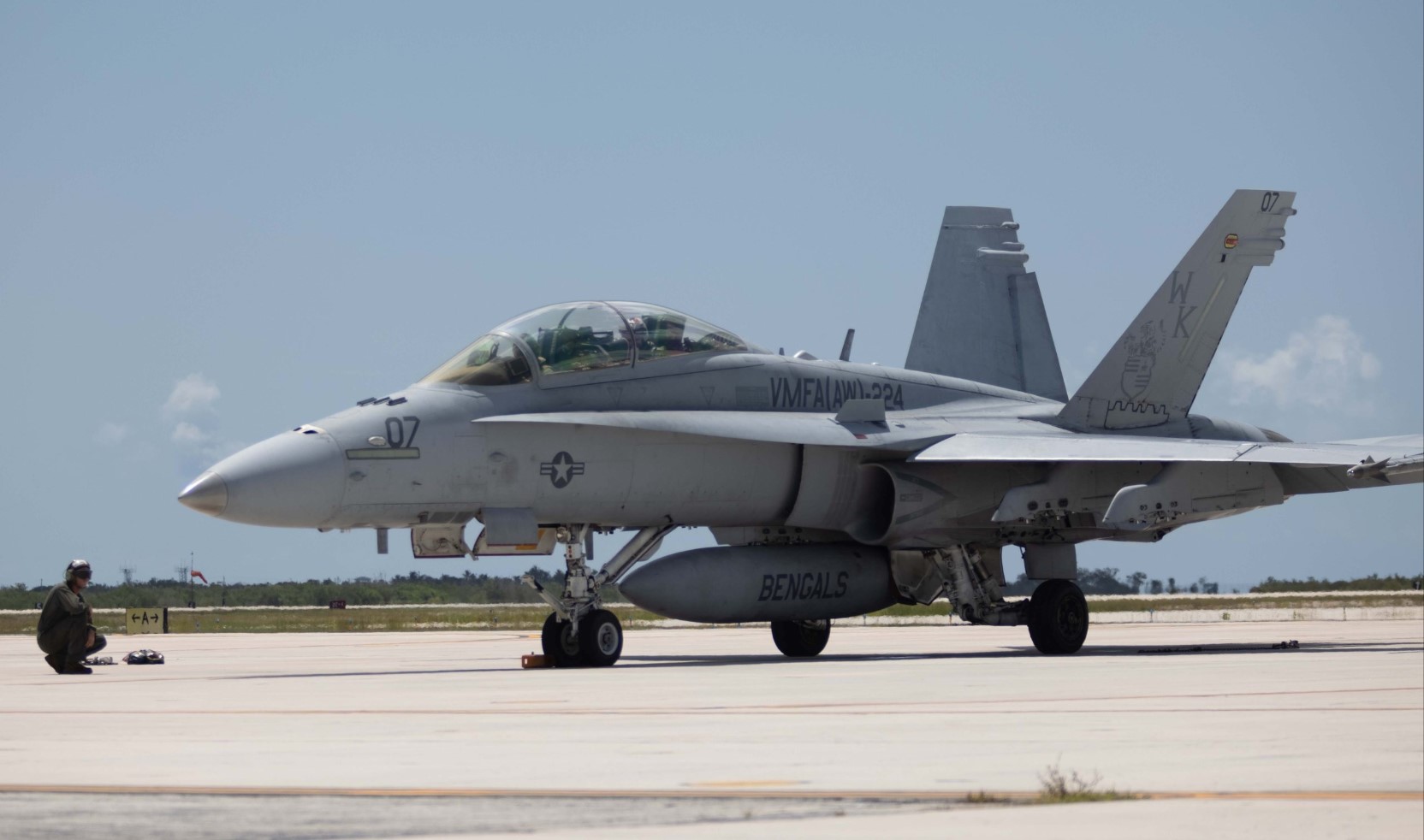 US Marine Corps F/A-18D Hornet Crashes During Training Flight in Washington Mountains; Pilot Ejects Safely
-
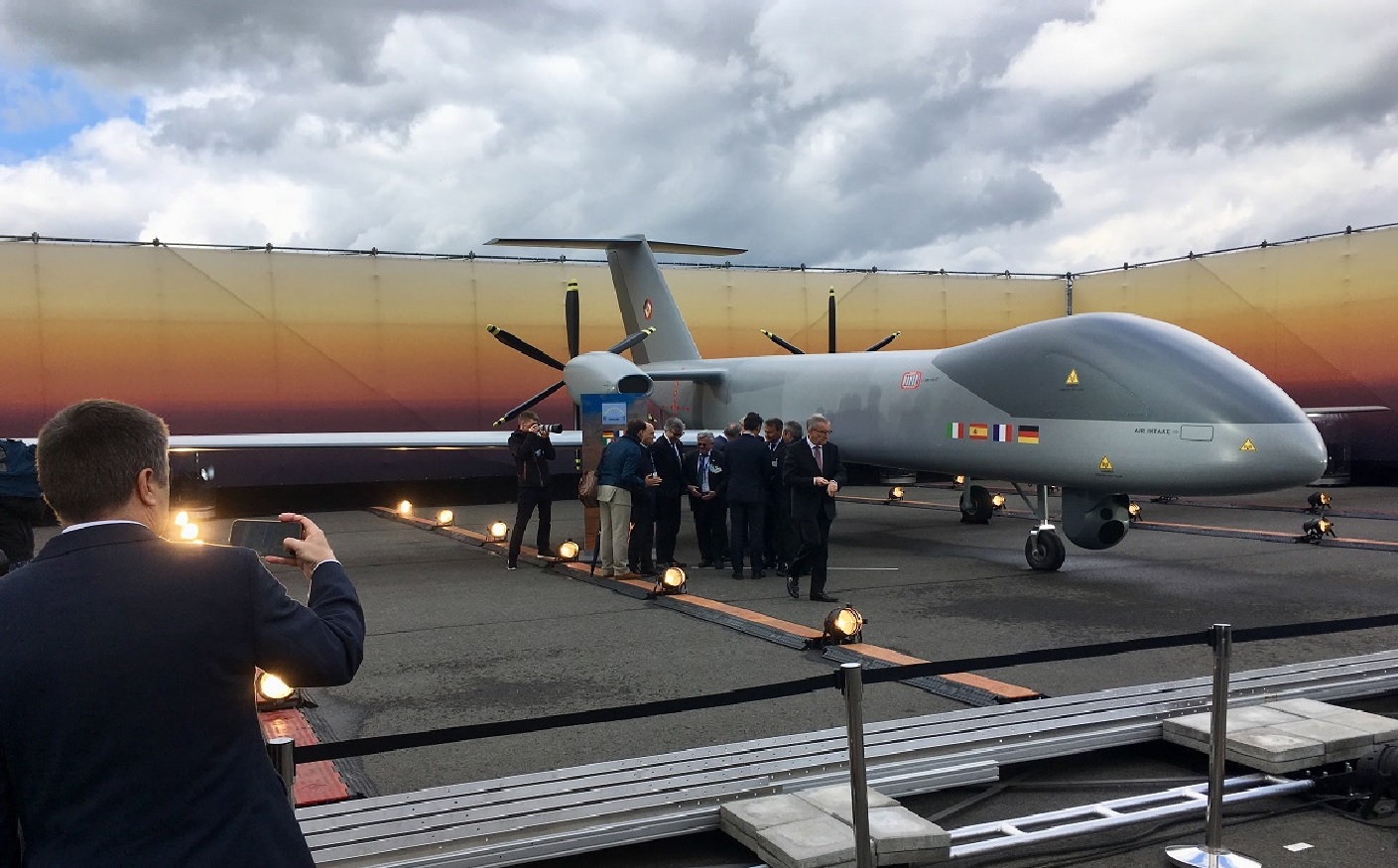 Dassault Seeks Compensation From Airbus as Eurodrone Dispute Erupts After FCAS Collapse
-
 AM General Unveils Next-Generation UGV and JLTV A2 with Counter-Drone Systems at Eurosatory 2026
-
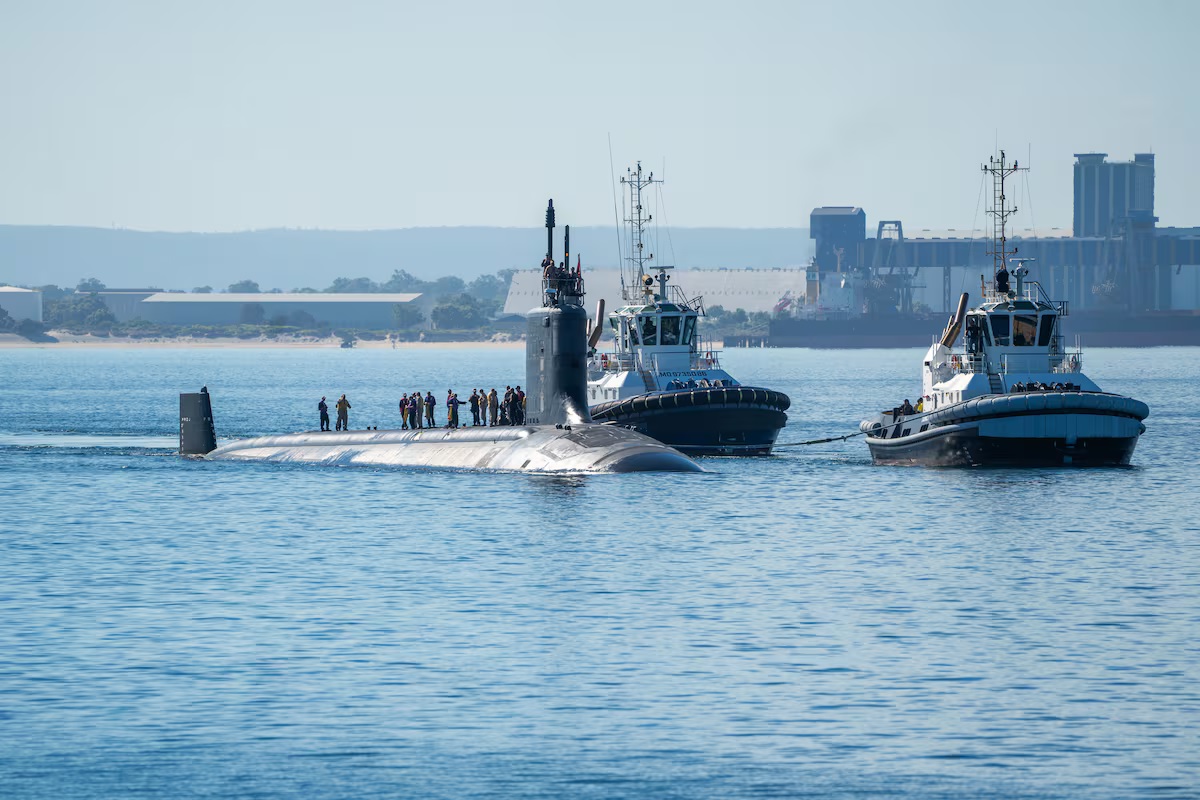 U.S. Navy Reestablishes Submarine Squadron 3 at HMAS Stirling to Support AUKUS Rotational Force
-
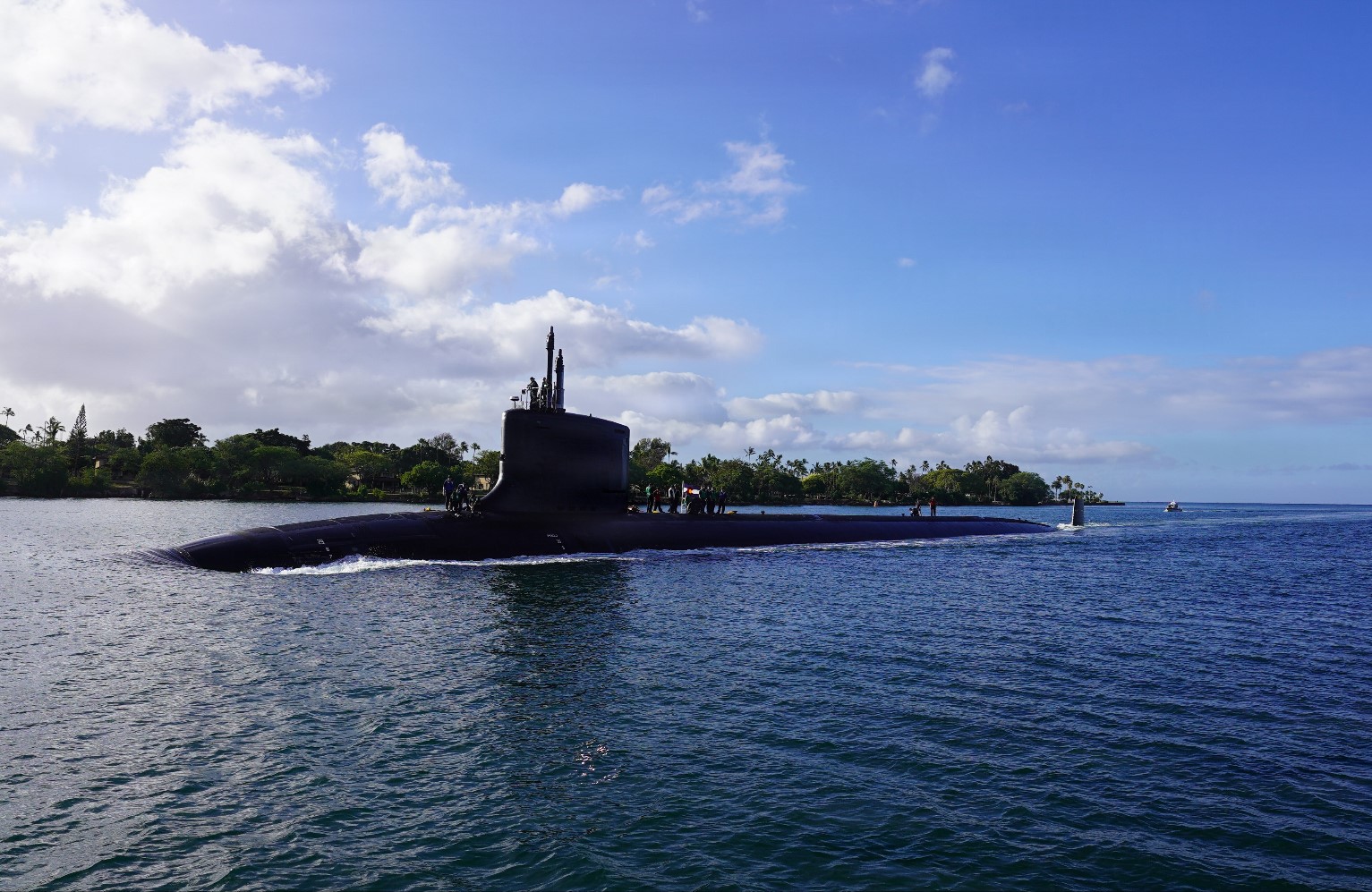 U.S. Navy's USS Colorado Submarine Returns to Pacific Fleet 29 Days Early After Major Pearl Harbor Overhaul
-
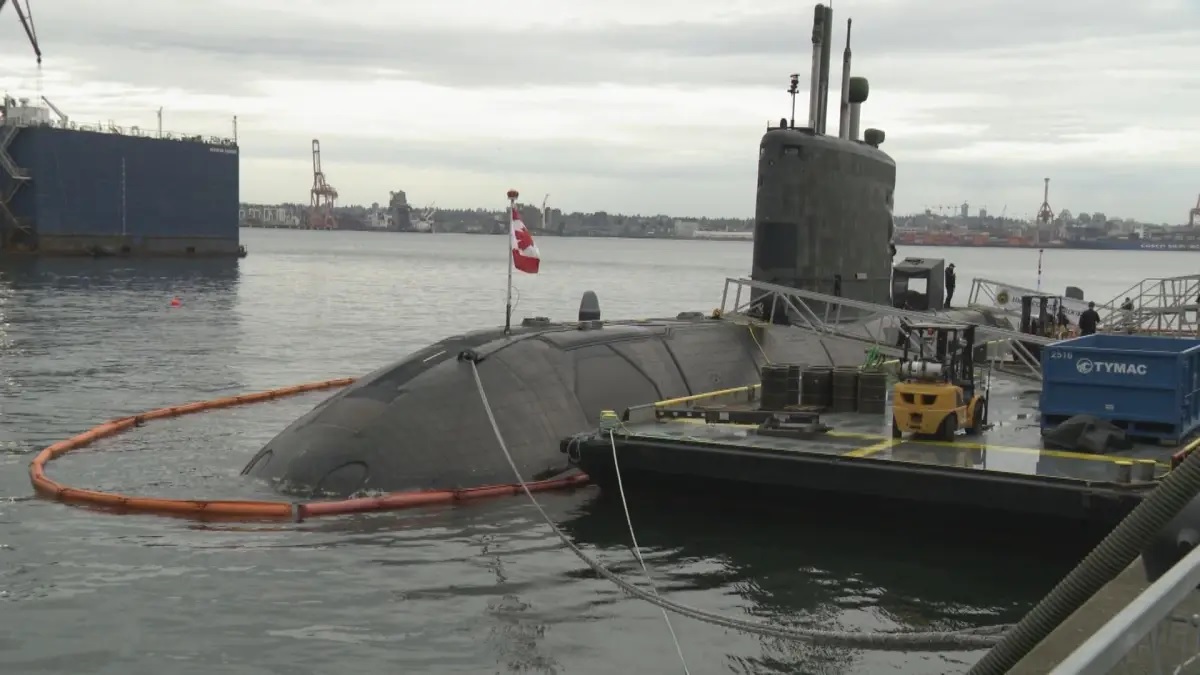 Royal Canadian Navy Deploys HMCS Corner Brook for First RIMPAC Submarine Mission in Over a Decade
Top Trending in 4 Days
-
 Iranian Media Leaks 14-Point U.S.-Iran Peace Framework Amid Ongoing Negotiations
-
 US Plans Significant Reduction of Fighter Jets and Warships for NATO Operations in Europe
-
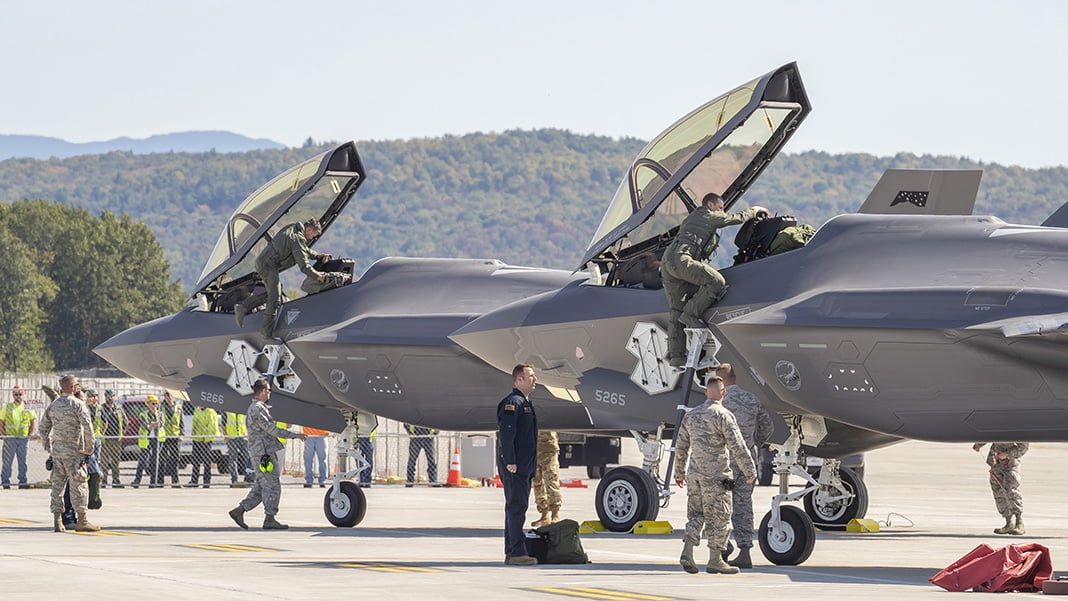 F-35 Fleet Readiness Falls to 25% Amid Parts Shortages and Software Delays: GAO Report
-
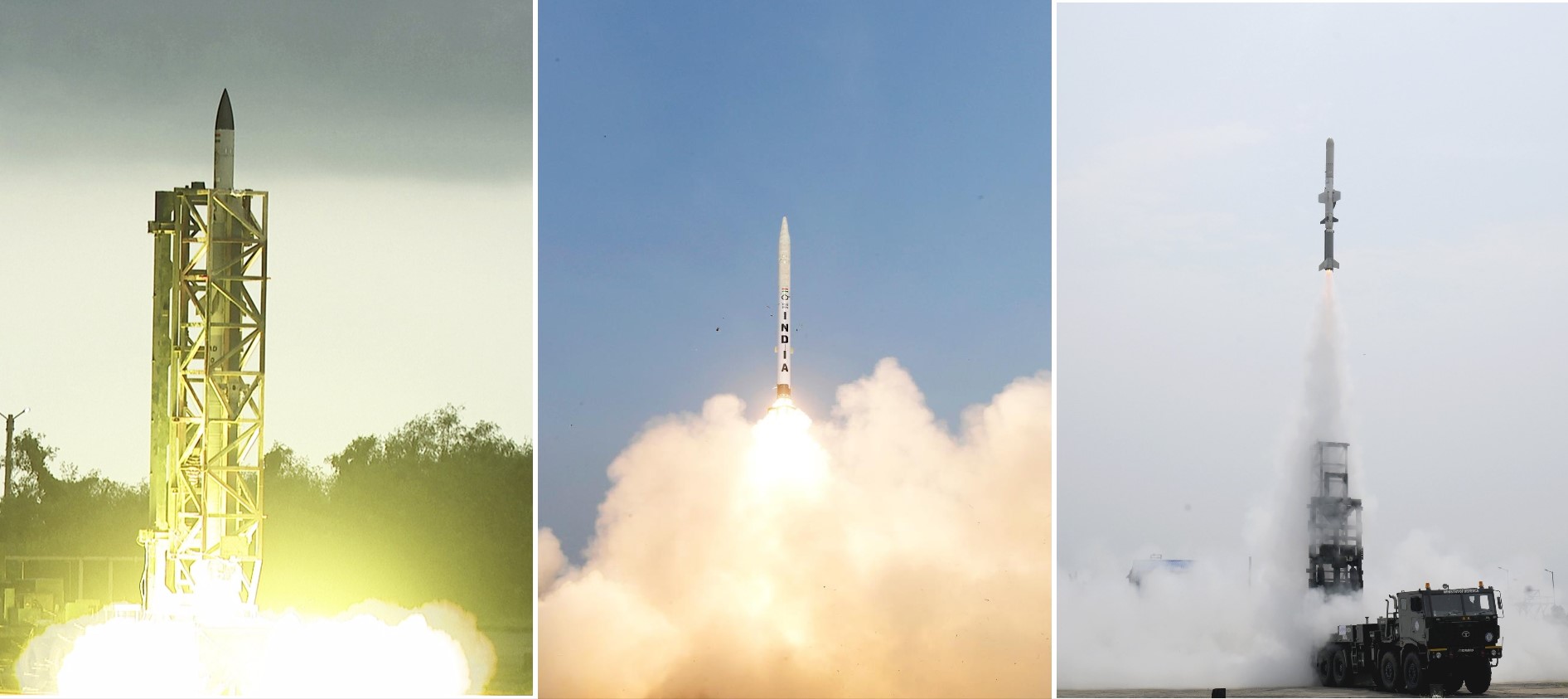 India Successfully Conducts AD-1, AD-2 Interceptor Tests and Maiden NASM-MR Flight Trial
-
 U.S. Air Force Faces Strategic Airlift Shortfall as C-17 Production Restart Remains Uncertain
-
 NATO Commander Says Russia Not Seeking Conflict With Alliance Despite U.S. Force Reductions
-
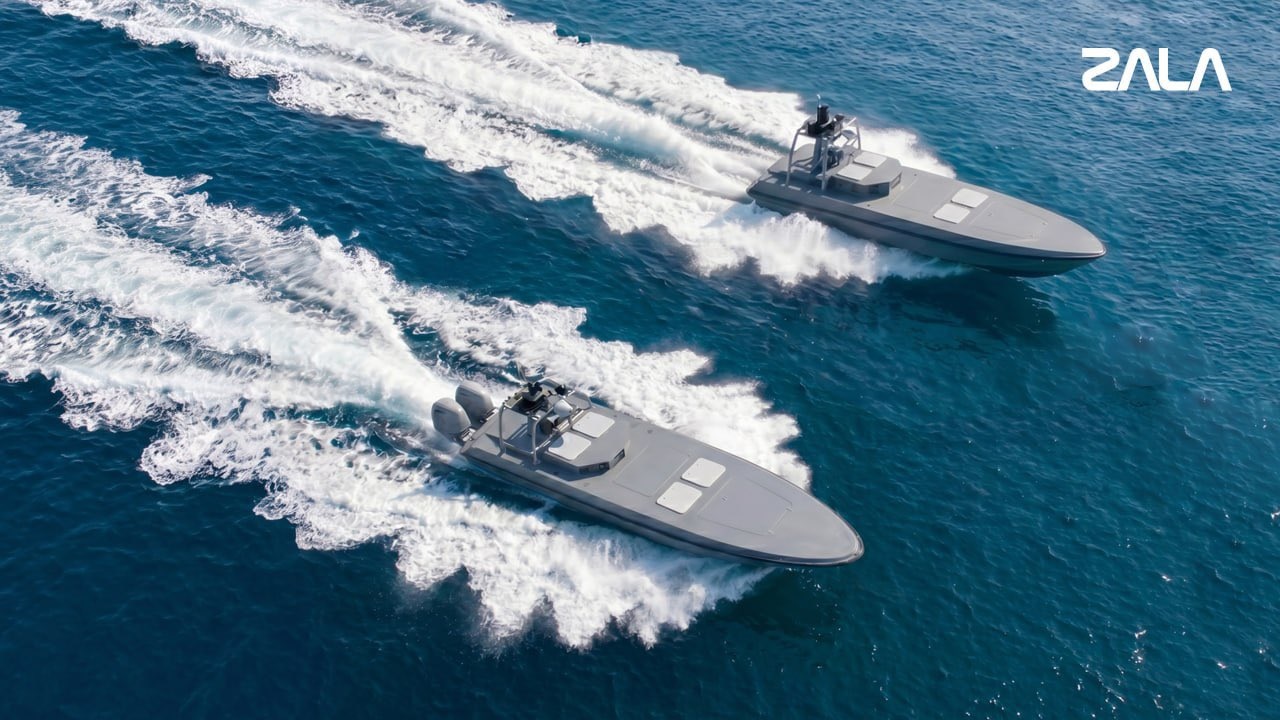 Russian Defense Firm ZALA Unveils KAMA Unmanned Surface Vessel Family at FLOT-2026 Naval Exhibition
-
 U.S. Space Force Awards $437.7 Million Contracts for First PTS-G Swarm 1 Anti-Jam Satellites