
World
In a pioneering step toward advancing defense technology, Larsen & Toubro (L&T), a leader in engineering and manufacturing, has teamed up with Amrita University (Amrita Vishwa Vidyapeetham) to develop a revolutionary lightweight bulletproof material. This joint initiative is poised to transform the protective gear and armor industry, delivering unprecedented levels of safety, agility, and cost-effectiveness. The Vision Behind the Collaboration L&T, known for its expertise in cutting-edge engineering solutions, has partnered with Amrita University, a research-intensive institution with significant accomplishments in science and technology. The collaboration aims to create a material that surpasses traditional bulletproof materials by combining superior ballistic protection with dramatically reduced weight. The innovation is expected to enhance the operational efficiency of defense and law enforcement personnel by addressing one of the most significant challenges in protective gear: weight. Traditional bulletproof vests and helmets, while effective, often lead to fatigue and reduced mobility. This project seeks to eliminate those constraints, empowering soldiers and security forces to operate more effectively in critical situations. Technical Highlights and Material Specifications The development process focuses on advanced materials science, incorporating nanotechnology and composite materials to achieve the desired balance of strength and lightness. The project leverages expertise from Amrita University's AMMACHI Labs, renowned for its interdisciplinary research in engineering solutions. Key characteristics of the proposed material include: High Ballistic Resistance: Designed to withstand a range of ballistic threats, including high-velocity rifle rounds. Lightweight Composition: Estimated to be 30-40% lighter than conventional materials like Kevlar or ceramic plates. Enhanced Durability: Resistant to environmental factors such as heat, moisture, and wear, ensuring long-term reliability. Customizability: Potential for shaping and sizing to meet specific operational needs, from body armor to vehicle and aircraft applications. Implications for Defense and Beyond The lightweight nature of this material could revolutionize military and law enforcement operations. Soldiers equipped with lighter vests and helmets would experience less fatigue, enabling quicker movement and prolonged endurance during missions. Similarly, vehicle armor made from this material could enhance mobility without compromising protection. Beyond defense, the material's applications could extend to: Aerospace: Lightweight armor for aircraft, enhancing fuel efficiency without sacrificing safety. Automotive: Armored vehicles for both military and VIP use. Commercial Security: Bulletproof barriers, doors, and windows for critical infrastructure and private use. Potential Economic Benefits Another exciting aspect of the project is its scalability. If successfully produced at scale, this material could reduce manufacturing costs compared to traditional bulletproof solutions. This cost advantage might enable wider adoption across industries, making state-of-the-art protection more accessible. A Step Toward Self-Reliance This collaboration aligns with India’s vision of self-reliance in defense technology under the "Make in India" initiative. By developing advanced materials domestically, the country reduces its dependence on imports while fostering innovation and expertise within its borders. As the project progresses, the defense and scientific communities are eagerly watching its potential to redefine protective technology. If successful, the partnership between L&T and Amrita University could mark a significant milestone in the evolution of bulletproof materials, setting new standards for safety and efficiency.
Read More → Posted on 2025-01-19 09:32:31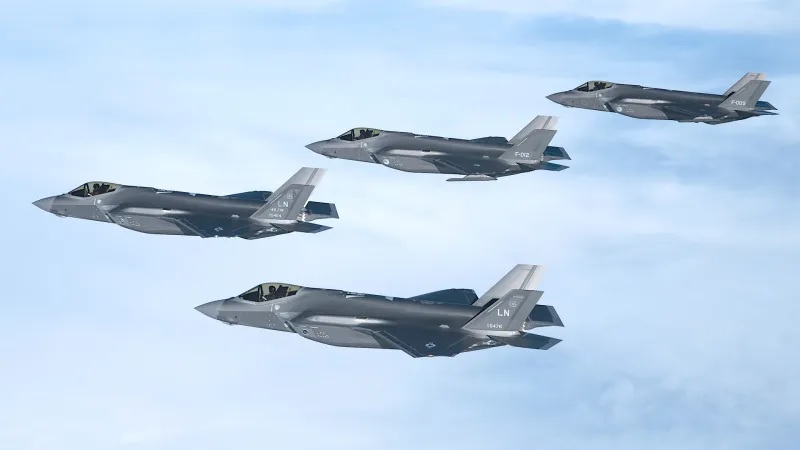
World
In a significant move underscoring NATO's commitment to its eastern flank, Norwegian F-35 fighter jets were deployed in Poland on January 15 in response to a large-scale Russian missile and drone attack on Ukraine. This marked the first time Norwegian jets were scrambled for the active defense of Polish airspace, signaling the alliance’s readiness to counter regional threats as tensions continue to escalate. First Deployment of Norwegian Jets in Poland NATO’s Air Command confirmed the historic deployment, stating, “This is the first time the Norwegian jets have scrambled in the active air defense of Polish airspace, demonstrating Allied commitment to NATO's eastern flank.” The Norwegian F-35s, stationed in Poland as part of NATO’s rotational air defense mission, responded swiftly after significant Russian air activity was detected near the Polish border. The jets are part of NATO’s broader air policing strategy, which ensures the security of Eastern European airspace amid growing concerns over spillover from the ongoing conflict in Ukraine. NATO’s decision to mobilize the Norwegian fighters highlights the alliance’s proactive measures to deter potential threats in the region. Poland Strengthens Military Readiness Polish authorities also intensified their defense posture in response to the heightened threat. Additional fighter jets were scrambled, and ground-based air defense systems and radars were placed on high alert. A spokesperson for the Operational Command of the Polish Armed Forces stated, “Intense long-range aviation activity from Russia was detected early on Wednesday,” emphasizing the seriousness of the situation. Incidents involving Russian drones and missiles entering Polish airspace during attacks on Ukraine have become increasingly frequent. In response, public opinion in Poland has shifted toward supporting stronger military actions. A survey by the Polish newspaper Rzeczpospolita in September revealed that a majority of Poles advocate shooting down Russian drones that violate Polish airspace. Russia’s Coordinated Attack on Ukraine The trigger for NATO’s latest deployment was a massive Russian assault on Ukraine on January 15. The attack targeted critical energy infrastructure, employing a mix of drones, cruise missiles, and ballistic missiles. According to the Ukrainian Air Force, Russia launched 74 drones and multiple missiles, of which Ukrainian forces intercepted 30 missiles and 47 drones. However, significant damage was reported to energy facilities in Kharkiv, Lviv, and Ivano-Frankivsk. Ukrainian President Volodymyr Zelensky described the strike as a “massive attack” aimed at crippling the nation’s energy supply during winter. Meanwhile, the Kremlin acknowledged the attacks, reiterating its focus on weakening Ukraine’s critical infrastructure as part of its broader war strategy. NATO’s Eastern Commitment and Collective Defense The escalation of Russian aggression has heightened concerns among NATO’s eastern members, including Poland and Romania, about the potential for spillover into their territories. While airspace violations by Russian drones and missiles have not been classified as direct attacks, NATO remains vigilant under its collective defense principle, which treats an attack on one member as an attack on all. In recent weeks, Poland has scrambled fighter jets multiple times to respond to Russian aerial activities near its borders. Notably, on Christmas Day, Polish forces intercepted suspicious activity, highlighting the frequency of such incidents. NATO jets from Spain and Romania have also been involved in responding to airspace violations, reflecting the alliance's coordinated approach to securing its eastern territories. Broader Implications for Regional Security As the conflict in Ukraine continues to escalate, NATO’s actions demonstrate its resolve to protect member states from potential threats. The deployment of Norwegian F-35s in Poland marks a pivotal moment, showcasing the alliance's operational readiness and solidarity. At the same time, Poland’s proactive measures, including enhanced air defenses and public support for military responses, signal the nation’s determination to safeguard its sovereignty. With tensions showing no signs of easing, NATO’s presence along its eastern borders serves as both a deterrent and a reassurance to member states. The alliance’s commitment to collective defense will likely remain a cornerstone of its strategy as the crisis unfolds, ensuring regional stability amidst an increasingly volatile security landscape.
Read More → Posted on 2025-01-19 09:27:57
World
Astronomers are raising alarms about a looming threat to one of the most pristine stargazing locations on Earth. Mount Paranal in Chile, home to the European Southern Observatory’s (ESO) Very Large Telescope (VLT), faces potential light pollution from the proposed INNA renewable hydrogen project. This $10 billion industrial park, spearheaded by AES Energy, could drastically alter the unparalleled conditions that make Mount Paranal an astronomical haven. Specifications of the VLT and ELT Very Large Telescope (VLT): Location: Mount Paranal, Atacama Desert, Chile. Structure: Four 8.2-meter (27-foot) telescopes working in unison. Cost: $350 million (1990s value), equivalent to $840 million today. Notable Achievements: Traced orbits of stars near the Milky Way’s central black hole. Captured the first image of an exoplanet. Mapped the cosmic web across the universe. Extremely Large Telescope (ELT): Location: Neighboring Mount Armazones. Mirror Size: 39.3 meters (130 feet) wide, the largest in the world. Cost: Over $1.5 billion. Expected Completion: End of this decade. Purpose: Explore the deepest regions of the universe. Analyze atmospheres of potentially habitable exoplanets. The Threat of Light Pollution The INNA project spans 3,021 hectares, featuring three solar farms, three wind farms, a battery storage system, and hydrogen production facilities. If constructed, it could emit as much light pollution as a city of 20,000 people, increasing the sky’s brightness by up to 10%. This would severely compromise the ability of VLT and ELT to detect faint celestial objects. Astronomers estimate that the light pollution might hinder: Observation of 30% of the faintest galaxies. Detailed study of exoplanet atmospheres, which is vital for identifying potentially habitable worlds. Why Mount Paranal is Unique Mount Paranal, situated at an elevation of 8,740 feet (2,664 meters) in the Atacama Desert, boasts some of the darkest and clearest skies on Earth. Its remote location and minimal artificial light make it ideal for advanced astronomical research. A 2023 survey ranked Paranal as the least light-polluted site among the world’s top 28 observatories. This exceptional environment influenced ESO’s decision to establish its facilities in Chile over six decades ago. Balancing Renewable Energy and Astronomy While ESO supports green energy initiatives, it argues that the INNA project can be relocated to prevent irreversible damage to the observatories. Moving the project 31 miles (50 kilometers) away could eliminate the threat to astronomical research without significantly impacting its objectives. ESO’s Call for Action ESO is urging the Chilean government to strengthen regulations protecting the night sky. Although Chile implemented light emission controls in 2023, stricter measures are needed to safeguard sites like Mount Paranal. Conclusion The INNA project highlights the growing tension between renewable energy expansion and the preservation of scientific sanctuaries. While green hydrogen production is crucial for sustainable development, Mount Paranal’s irreplaceable role in advancing our understanding of the universe must not be compromised. Finding a balance is essential to ensure both environmental progress and astronomical discovery.
Read More → Posted on 2025-01-18 15:34:13
World
Recent developments in the Russia-Ukraine conflict have highlighted a glaring weakness in Russia’s defense infrastructure—its inability to counter the increasing frequency and sophistication of Ukrainian drone attacks. These strikes, often deep within Russian territory, are exposing significant gaps in the Kremlin’s air defense systems and forcing a reevaluation of military strategies. The Drone Threat in Action In recent weeks, Ukrainian drones have successfully targeted critical infrastructure, including oil depots, refineries, and military installations far from the front lines. Notable incidents include: Kaluga and Tula regions: Strikes on oil facilities caused significant damage, with videos of the aftermath circulating widely on social media. Tver Oblast: A Ukrainian drone strike reportedly destroyed a stockpile of Iskander tactical missiles, glide bombs, and artillery shells, leading to massive explosions. Engels Air Base: A critical site for Russia’s strategic bomber fleet was targeted, damaging fuel and ammunition depots and disrupting military operations. These attacks not only inflict material damage but also deliver a psychological blow, challenging Russia’s narrative of control and security. Why Russian Defenses Are Struggling Russia’s air defense systems, designed primarily to counter high-altitude threats such as missiles and aircraft, are proving inadequate against small, low-flying drones. Key challenges include: Swarm Tactics: Ukrainian forces often deploy multiple inexpensive drones simultaneously, overwhelming localized defenses. Evasive Maneuvers: Modern drones can fly at low altitudes, evading radar detection. Geographic Spread: Strikes on diverse locations strain Russia’s ability to concentrate defensive resources effectively. Military analysts have criticized Russia’s failure to adapt to these challenges. Calls for mobile anti-drone units and centralized information networks to counter this emerging threat are growing louder, particularly on Telegram channels linked to the military. Ukraine’s Advantage in Drone Warfare Ukraine’s drone capabilities have surged, thanks to collaboration with Western nations, including the United States. This partnership has enabled: Advanced Technology Development: Access to cutting-edge UAV designs that are both cost-effective and highly efficient. Rapid Production: Scaling manufacturing to meet operational demands. Strategic Precision: Using drones to target high-value assets, such as ammunition depots and fuel storage, amplifying the impact of each strike. Strategic Implications for Russia The growing vulnerability to drone attacks is not just a tactical concern but a strategic one. Ukrainian drone strikes force Russia to: Divert military resources to defend critical infrastructure. Strain its logistical networks, already stretched by the prolonged ground conflict. Acknowledge the shifting balance of power in modern warfare, where asymmetric strategies can undermine conventional military strengths. Conclusion The rise of drone warfare in the Russia-Ukraine conflict marks a pivotal shift in modern military strategy. Ukraine’s ability to exploit Russia’s weaknesses using cost-effective UAVs demonstrates the transformative power of technology in asymmetric conflicts. For Russia, addressing these vulnerabilities is not merely a matter of improving air defenses but a necessity to maintain its operational effectiveness and protect its homeland from an increasingly emboldened adversary.
Read More → Posted on 2025-01-18 15:26:14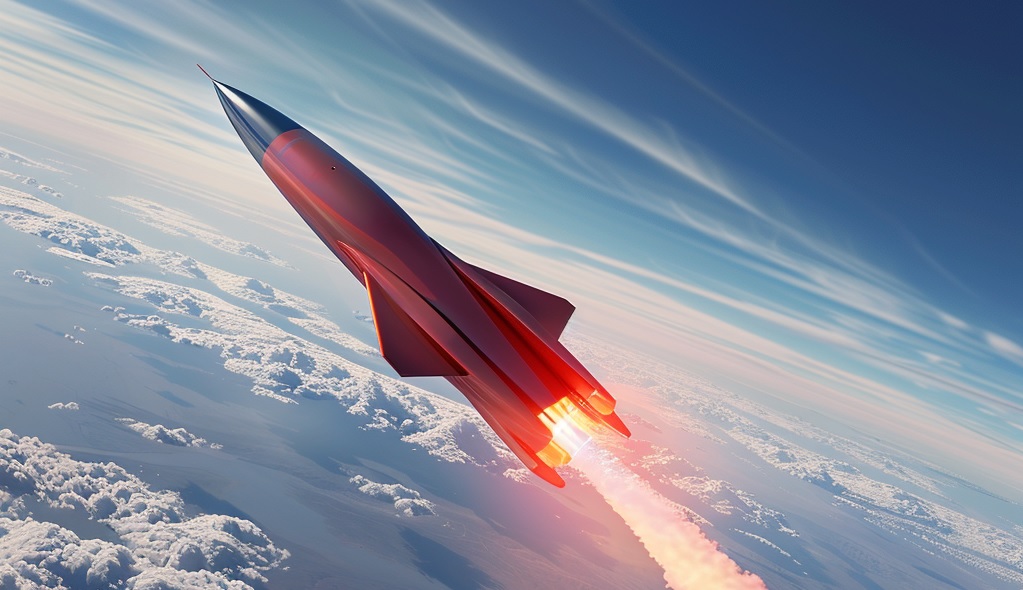
World
In a significant achievement for the Missile Defense Agency (MDA), the recent successful test flight of a hypersonic missile marks a major advancement in defense technology. This milestone underlines the growing focus on hypersonic weaponry, a rapidly emerging area of defense, especially as countries like Russia and China continue to advance their hypersonic missile programs. The Hypersonic Test Flight The successful flight test, which took place at a top-secret facility, was designed to assess the performance of an advanced hypersonic weapon system capable of reaching speeds of Mach 5 and beyond. This high-speed missile, traveling faster than five times the speed of sound, poses a challenge to current defense systems due to its velocity, maneuverability, and unpredictable trajectory. The MDA’s test flight demonstrated the missile’s ability to navigate complex flight patterns at hypersonic speeds. The missile’s maneuverability allows it to bypass conventional missile defense systems designed to intercept slower, predictable projectiles. This breakthrough is crucial for countering emerging threats from adversaries who are enhancing their hypersonic capabilities. Specifications and Capabilities The hypersonic missile tested by the MDA is part of the U.S. military's broader effort to develop a new generation of advanced weapons. The missile’s specifications include: Speed: Capable of reaching Mach 5 (approximately 3,800 miles per hour or 6,100 km/h), making it nearly impossible for current missile defense systems to intercept. Maneuverability: Designed with advanced technology to allow the missile to change course mid-flight, making it highly unpredictable and difficult to track. Range: While specific range details remain classified, hypersonic missiles are expected to cover distances of thousands of kilometers, potentially reaching targets deep within adversary territory. Payload: These missiles are likely equipped with both conventional and nuclear payloads, giving them significant strategic importance in modern warfare. Strategic Implications The successful test highlights the increasing importance of hypersonic weapons in modern military strategy. These weapons, capable of striking with minimal warning, are becoming a priority for defense agencies worldwide. They are considered an ideal option for countering advanced missile defense systems that are effective against slower, more predictable missiles. For the U.S., hypersonic weapons offer a way to deter adversaries, such as Russia and China, who have been aggressively pursuing similar technology. With Russia’s advancements in hypersonic missile systems, including the Avangard and Zircon, and China’s own hypersonic weapons development, the successful test by the MDA demonstrates the U.S.'s commitment to maintaining a technological edge. The Future of Hypersonic Technology The Missile Defense Agency is not stopping at this success. Future tests will focus on refining the missile's guidance systems and further enhancing its ability to outmaneuver advanced defense technologies. Additionally, there is growing interest in integrating hypersonic missiles into broader defense networks, enabling rapid response capabilities in both conventional and nuclear scenarios. As geopolitical tensions rise, especially with Russia’s ongoing war with Ukraine and China’s military ambitions in the Pacific, hypersonic missiles are expected to play an increasingly pivotal role. Their ability to penetrate air defenses and strike high-value targets with little warning makes them an essential component of modern military arsenals. In conclusion, the successful hypersonic test flight conducted by the Missile Defense Agency represents a significant leap in defense technology. With continued advancements, hypersonic weapons will likely become a cornerstone of global military strategy, reshaping how nations approach both offense and defense in the coming decades.
Read More → Posted on 2025-01-18 15:21:06
World
China has unveiled the discovery of an enormous rare earth deposit in Yunnan province, marking a significant milestone in the country’s efforts to dominate global supply chains for critical minerals. This breakthrough, officially announced by the Ministry of Natural Resources’ China Geological Survey, underscores China’s strategic foresight in securing its position in the rare earths industry—a sector critical for global technological advancement. Details of the Discovery The newly discovered deposit in Yunnan contains an estimated 1.15 million tonnes of rare earth resources, including over 470,000 tonnes of key rare earth elements such as praseodymium and neodymium. These elements are crucial for the production of: Electric vehicles (EVs): Used in powerful and lightweight magnets for EV motors. Wind turbines: Enhancing efficiency in green energy systems. Defense systems: Key components in advanced weaponry and radar technologies. Why This Discovery Matters The deposit primarily consists of medium and heavy rare earths, which are more scarce and valuable than light rare earths. Medium and heavy rare earths, such as terbium and dysprosium, are vital for high-temperature-resistant magnets and other advanced technologies. The Ministry emphasized the discovery’s role in: Strengthening China’s rare earth resources: It further consolidates China’s global dominance in medium and heavy rare earth production. Enhancing the industrial chain: Facilitates self-reliance and mitigates supply chain vulnerabilities. Boosting strategic reserves: Provides leverage in international trade and competition. China’s Rare Earth Industry in Perspective China is already the global leader in rare earth production, with an estimated 44 million tonnes of deposits, according to the US Geological Survey. The country’s ability to control the supply of these critical materials is enhanced by initiatives like the Regulation on Rare Earth Administration, which requires exporters to submit detailed transaction reports, ensuring tighter oversight. In 2023, China capped its annual rare earth mining output at 270,000 tonnes, a 5.9% increase compared to the previous year, with smelting output also rising to 254,000 tonnes. Despite a 6% rise in export volume to 55,431.1 tonnes, the export value fell by 36%, reflecting global price adjustments. Strategic Implications This discovery is not just a geological milestone but a geopolitical one. Rare earths are considered critical for national security, with their applications spanning defense, renewable energy, and cutting-edge technology. As competition intensifies—especially with the United States—China's strategic reserves ensure its ability to exert influence over industries reliant on these materials. Additionally, the find aligns with China’s broader initiatives to secure essential resources, including lithium and helium, to support its ambitions in high-tech manufacturing and green energy transitions. Future Prospects The Yunnan deposit promises to bolster China’s self-sufficiency in rare earths and provide a buffer against international pressures. However, the global market may face tighter supplies and higher prices as China enforces stricter export controls, further cementing its role as the gatekeeper of critical raw materials. This discovery not only strengthens China's position in the rare earth sector but also reaffirms its strategic approach to resource management in an increasingly competitive and resource-constrained world.
Read More → Posted on 2025-01-18 15:17:51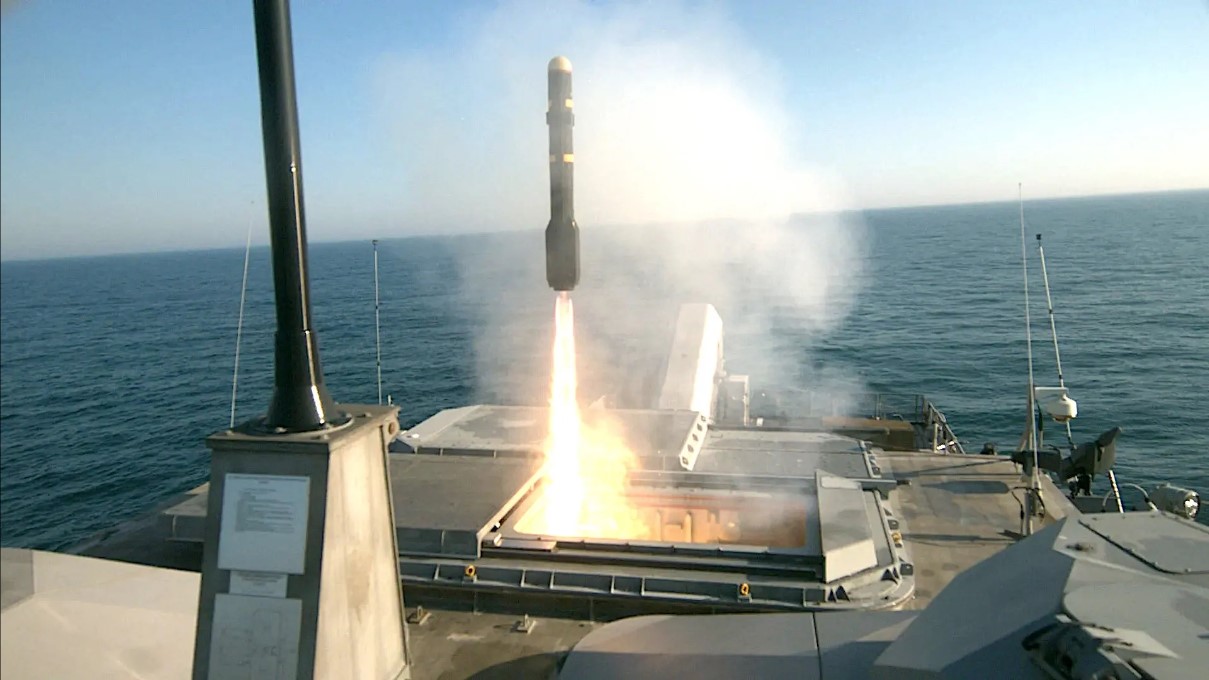
World
The U.S. Navy’s Freedom-class Littoral Combat Ships (LCS) are now better equipped to counter aerial threats, thanks to the integration of upgraded Longbow Hellfire missiles with counter-unmanned aerial system (C-UAS) capabilities. This enhancement comes in response to growing operational demands in regions such as the Red Sea, where drones and other aerial threats have increasingly challenged naval operations. Enhancements to Surface-to-Surface Missile Module (SSMM) USS Indianapolis (LCS-17) is among the first to receive this critical upgrade. While stationed in Bahrain under the U.S. 5th Fleet, the ship underwent hardware and software modifications to its Surface-to-Surface Missile Module (SSMM). The module, originally designed to target small boats, now features an enhanced ability to intercept and neutralize unmanned aerial systems (UAS). This upgrade equips the LCS to handle evolving threats and ensures its ability to maintain freedom of navigation and uphold international maritime rules in contested waters. The SSMM is equipped with 24 vertically launched AGM-114L Longbow Hellfire missiles. These missiles, manufactured by Lockheed Martin, are already well-regarded for their precision and lethality in targeting. They were initially developed for use against ground and naval targets, but the upgraded variant now includes the capability to engage low-flying drones. The Longbow Hellfire missiles have been employed in similar roles by the U.S. Army for its Initial Maneuver Short-Range Air Defense (IM-SHORAD) systems, as well as on Apache helicopters conducting anti-drone exercises in the Middle East. Specifications of the Longbow Hellfire Missile The AGM-114L Longbow Hellfire is a radar-guided missile capable of engaging moving and stationary targets with exceptional accuracy. Its specifications include: Length: 5.33 feet (1.63 meters) Diameter: 7 inches (17.78 cm) Weight: 108 pounds (49 kg) Range: Up to 8 km (5 miles) Warhead: High-explosive anti-tank (HEAT) with tandem charge Guidance: Millimeter-wave radar The missile’s millimeter-wave radar seeker ensures all-weather capability and allows it to track and hit targets even in complex environments. These features make the upgraded Hellfire a versatile tool for addressing both traditional and emerging threats, including drones. Expanding C-UAS Capabilities The successful integration of C-UAS Hellfire missiles on USS Indianapolis has paved the way for broader deployment. USS Minneapolis-Saint Paul (LCS-21) has also been equipped with the enhanced SSMM, with more LCS platforms expected to follow. While the upgraded systems have not yet been tested in live combat against drones, their deployment marks a significant step forward in the Navy’s ability to counter unmanned threats. Rear Adm. Kevin Smith, Program Executive Officer for Unmanned and Small Combatants, emphasized the importance of this development, stating, “This rapid integration of C-UAS capabilities enhances our ability to project power and maintain freedom of maneuver in contested environments.” Addressing Regional Challenges The upgrades come at a time when the U.S. Navy faces growing challenges in regions like the Red Sea, Indo-Pacific, and the Atlantic. Drones have become a key tool for adversaries, often used for surveillance or direct attacks on naval assets. The enhanced Hellfire-equipped LCS provides a valuable countermeasure, helping to secure maritime operations in these contested waters. In addition to the Hellfire upgrades, other improvements have been made to bolster the LCS’ capabilities. Notable among them is the Mk.70 Payload Delivery System, which features a containerized four-cell Mk.41 vertical launch system. This system has been tested on other LCS platforms, such as USS Nantucket (LCS-27) and USS Savannah (LCS-28), further extending the class’s firepower and versatility. Future Prospects As threats evolve, the Navy continues to adapt its assets to maintain operational superiority. The Longbow Hellfire missile’s transition into a C-UAS role reflects this adaptability and highlights the Navy’s commitment to equipping its ships with cutting-edge technology. With these upgrades, the Freedom-class LCS gains a significant boost in defensive capability, ensuring it remains a valuable asset in the face of modern threats. The integration of these missiles marks a critical milestone in the Navy’s broader efforts to enhance the combat readiness of its littoral forces, underscoring the role of innovation in addressing emerging challenges.
Read More → Posted on 2025-01-18 15:06:08
World
The successful maiden flight of Blue Origin’s New Glenn rocket on January 13 marked a historic milestone for the United States Space Force (USSF) and the future of space exploration. Launching from Space Launch Complex 36 (SLC-36) at Cape Canaveral Space Force Station, this mission not only showcased the advanced capabilities of the New Glenn orbital-class rocket but also revived a site that had been dormant for nearly two decades. A Historic Launch and the Legacy of SLC-36 Originally constructed in 1961 to support the Atlas-Centaur family of launch vehicles, SLC-36 witnessed its final launch in 2005 before being decommissioned. For years, the site remained silent, a relic of an earlier era in space exploration. In 2015, Blue Origin leased the complex, embarking on an ambitious redevelopment project to modernize the facility for the New Glenn reusable launch vehicle. Named in honor of John Glenn, the first American to orbit Earth, the New Glenn rocket represents a significant leap forward in reusable space technology. Its maiden flight, designated as the NG-1 mission, served as the first certification step under the National Security Space Launch (NSSL) program. Specifications of the New Glenn Rocket The New Glenn rocket is a technological marvel designed to support a variety of missions: Height: 98 meters (322 feet), taller than the iconic Saturn V rocket. Payload Capacity: Up to 45 metric tons to low Earth orbit (LEO). First Stage Reusability: Powered by seven BE-4 engines, the first stage is designed to be reusable for at least 25 missions, significantly reducing launch costs. Second Stage Efficiency: Equipped with a high-performance engine for delivering payloads to higher orbits. Payload Fairing: A 7-meter (23-foot) fairing, the largest in the industry, designed to accommodate a wide range of payloads. The rocket’s robust design positions it as a game-changer in both commercial and government space operations. National Security Space Launch Program The NG-1 mission is a critical step for Blue Origin in its quest to secure certification under the NSSL program, managed by the USSF’s Space Systems Command in collaboration with the National Reconnaissance Office. This program ensures that launch services meet the stringent requirements of national security payloads, including satellites vital to defense, intelligence, and global communications. Blue Origin’s inclusion in the NSSL program underscores the growing role of commercial partnerships in enhancing the Space Force’s capabilities. By leveraging private-sector innovation, the USSF ensures resilience in space architecture and maintains a competitive edge in a rapidly evolving geopolitical landscape. Space Launch Delta 45: The Backbone of U.S. Space Operations At the heart of the NG-1 mission’s success lies Space Launch Delta 45 (SLD 45), the organization responsible for managing launch operations at the Eastern Range. SLD 45 plays a pivotal role in shaping the future of U.S. space operations, providing critical support to both government and commercial partners. By facilitating the New Glenn’s debut flight, SLD 45 reaffirmed its status as the world’s premier gateway to space. This mission also highlights the strategic importance of collaboration between military and commercial entities in ensuring continued access to space amid an increasingly competitive global environment. Looking Ahead The successful launch of the New Glenn rocket from SLC-36 signals a new chapter in U.S. space exploration. With its advanced capabilities and focus on reusability, New Glenn is poised to play a key role in supporting both commercial ventures and critical national security missions. As Blue Origin continues to advance through the NSSL certification process, its partnership with the U.S. Space Force exemplifies how commercial innovation and military expertise can combine to drive progress in the space domain. This collaboration not only strengthens the U.S.’s position as a global leader in space but also sets the stage for a new era of exploration, discovery, and security.
Read More → Posted on 2025-01-18 15:02:41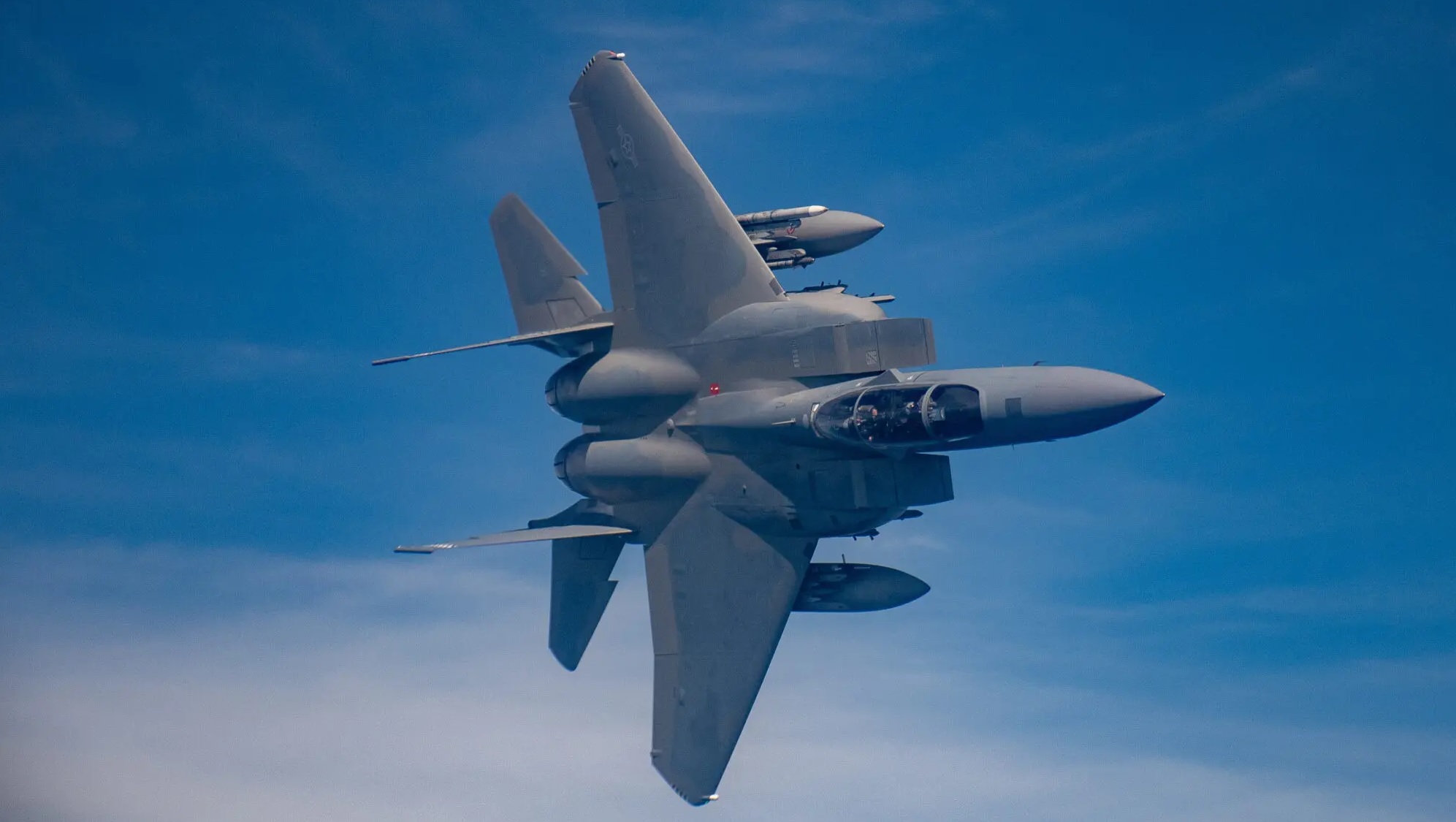
World
The United States Air Force (USAF) has achieved a major milestone in its modernization efforts with the delivery of the first F-15E Strike Eagles equipped with the state-of-the-art Eagle Passive/Active Warning and Survivability System (EPAWSS). These aircraft arrived at RAF Lakenheath in England on January 16, marking a transformative leap in the combat capabilities of the F-15 fleet. The Role of EPAWSS in Modern Combat EPAWSS replaces aging Cold War-era electronic warfare systems, introducing a next-generation suite designed to handle the complexities of today’s threat landscape. Developed by BAE Systems and integrated by Boeing, this technology empowers the F-15E with the ability to autonomously detect, identify, and counter threats. This advanced system significantly enhances situational awareness for pilots. By leveraging real-time threat detection and countermeasures, EPAWSS provides comprehensive electronic protection, ensuring that the F-15E can operate effectively in contested environments. The system also includes adaptive capabilities that allow it to evolve with software updates, ensuring long-term relevance against emerging threats. Brigadier General Jason Voorheis, Program Executive Officer for the Air Force Life Cycle Management Center’s Fighters and Advanced Aircraft Directorate, emphasized the importance of this system, stating, “EPAWSS significantly improves the survivability and lethality of the F-15E and F-15EX.” Key Specifications of the F-15E with EPAWSS The integration of EPAWSS into the F-15E Strike Eagle includes the following advancements: Electronic Threat Detection: Autonomous systems that identify and respond to radar and missile threats in real time. Enhanced Countermeasures: Advanced jamming and decoy capabilities to disrupt enemy radar and missile tracking systems. Situational Awareness: Improved pilot displays and data integration for better decision-making during combat. Adaptability: Open-architecture design that supports software upgrades, ensuring the system can counter evolving threats. These enhancements work in tandem with the F-15E’s formidable capabilities, including its top speed of Mach 2.5, a combat range of approximately 1,200 miles, and the ability to carry up to 23,000 pounds of mixed ordnance. A Decade of Development The development and deployment of EPAWSS is the result of over a decade of collaboration between government and industry teams. According to Lt. Col. Matt Heil, Materiel Leader for F-15 EPAWSS, “This achievement represents 11 years of focused effort and innovation.” Heil also highlighted the system’s critical role in ensuring the safety and effectiveness of F-15 aircrews in today’s high-stakes operational environments. The Future of the F-15 Fleet Boeing, which produces the F-15EX Eagle II and integrates EPAWSS, has ensured seamless compatibility with the F-15E platform. The F-15EX, the most advanced version of the Eagle, will also benefit from EPAWSS as part of its baseline configuration. The deployment of these upgraded aircraft underscores the USAF’s commitment to maintaining air superiority in the face of growing global threats. As EPAWSS-equipped F-15Es join the fleet, the Air Force will continue to strengthen its operational readiness and technological edge. This milestone signals the beginning of a new era for the F-15 program, blending proven airframe performance with cutting-edge electronic warfare capabilities to address the challenges of 21st-century warfare.
Read More → Posted on 2025-01-18 14:53:45
World
The Philippine Navy staged unilateral military exercises near the contested Scarborough Shoal on Friday as part of its ongoing sovereignty patrols in the West Philippine Sea. This move is seen as a demonstration of Manila’s resolve to safeguard its territorial waters amid Beijing's persistent claims over almost the entire South China Sea, a position invalidated by a 2016 international tribunal ruling. The exercises were carried out just days after the Philippine Coast Guard raised concerns about Chinese patrol ships advancing closer to the country’s shores. Scarborough Shoal, known locally as Bajo de Masinloc, has been a focal point of tensions since its seizure by China in 2012 following a naval standoff. Strengthening Operational Capabilities The Philippine Navy’s statement described the drills as “routine” yet vital for maintaining the operational readiness of its assets and personnel. The exercises took place south of the reef and involved some of the Navy’s most advanced vessels, including: BRP Antonio Luna (FF-151): A Jose Rizal-class guided missile frigate equipped with surface-to-air and surface-to-surface missile systems, advanced radar, and sonar for multi-role operations. BRP Ramon Alcaraz (PS-16): A Hamilton-class cutter that has been upgraded to include modern navigation and combat systems, capable of conducting maritime security operations. BRP Andres Bonifacio (PS-17): Another Hamilton-class cutter, primarily utilized for patrol missions and search-and-rescue operations. The Navy released footage of the exercises, showcasing crew members firing a machine gun from a warship and vessels maneuvering through plumes of white smoke as bullets splashed into the sea. These drills are crucial for the Navy’s mandate to secure the country’s maritime domain and assert its territorial integrity, the statement emphasized. Strategic Importance of Scarborough Shoal Scarborough Shoal is a fish-rich reef located about 230 kilometers (143 miles) from the Philippines' main island of Luzon. The reef is within the country’s 200-nautical-mile Exclusive Economic Zone (EEZ) but has remained under Chinese control since 2012. The shoal is strategically significant, serving as a potential military outpost and a symbol of sovereignty struggles in the region. The growing frequency of Chinese patrols near Philippine waters has intensified concerns about Beijing’s militarization of the South China Sea. Manila’s military drills are seen as a countermeasure to assert its claims and deter further encroachments. Regional and International Implications The confrontations around Scarborough Shoal and other parts of the South China Sea have broader geopolitical ramifications. The United States, a long-time defense ally of the Philippines, has expressed its commitment to defending the country under their Mutual Defense Treaty. Any escalation could potentially draw Washington into a conflict, further heightening tensions between the U.S. and China. A Test of Resolve As China continues to expand its presence in the South China Sea, the Philippine Navy’s exercises are both a demonstration of capability and a signal of resistance against Beijing's aggressive territorial claims. With the involvement of state-of-the-art vessels and trained personnel, these maneuvers underscore Manila’s determination to uphold its sovereign rights over its waters. The recent drills highlight the strategic importance of Scarborough Shoal and reflect the Philippine government’s broader commitment to protecting its maritime territories amid growing regional and global tensions.
Read More → Posted on 2025-01-18 14:46:31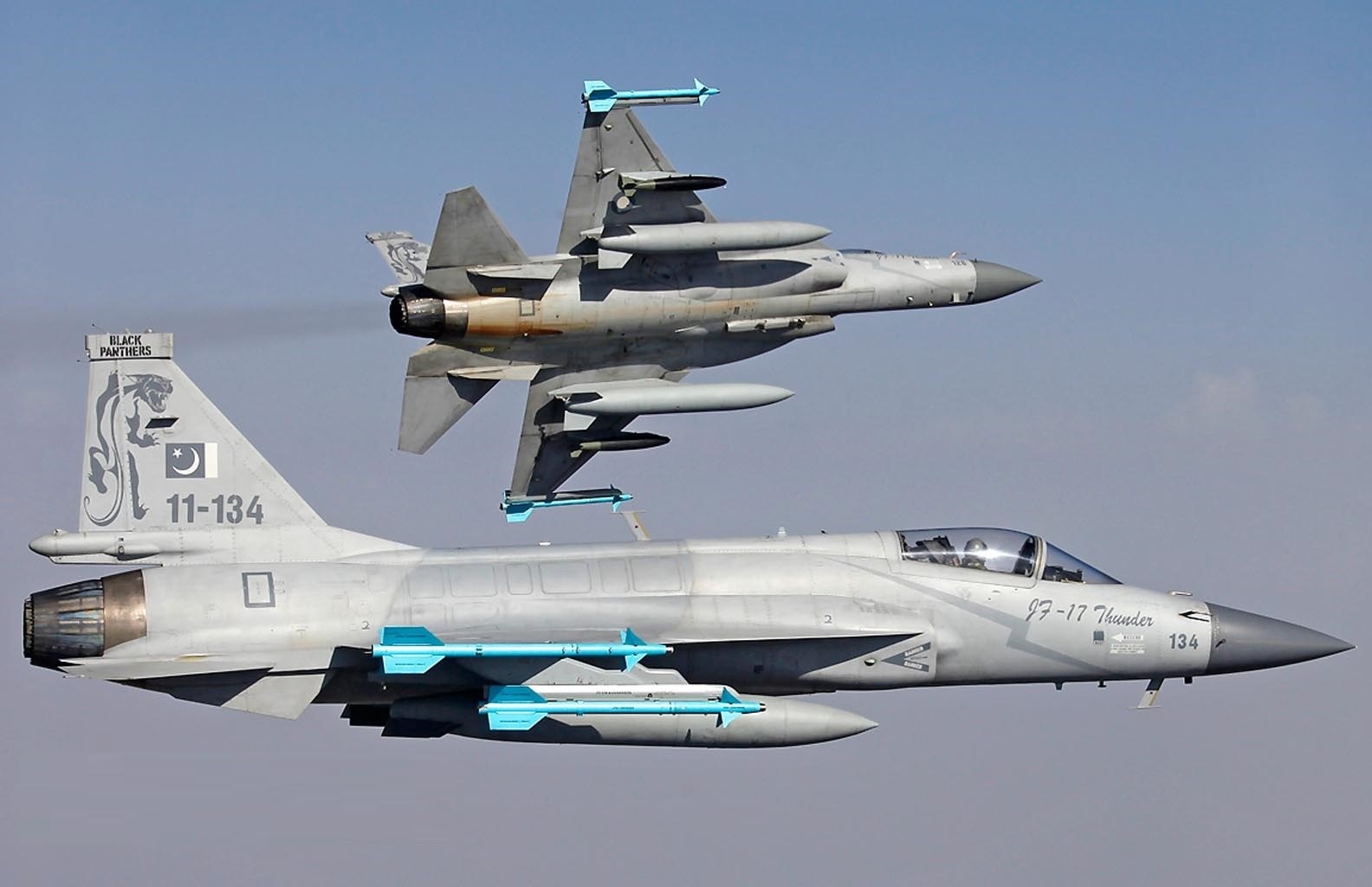
World
The Pakistan Air Force (PAF) is set to unveil its next-generation combat aircraft, the JF-17 Block 4, by 2028. As part of the ambitious Pakistan Fighter Experimental (PF-X) program, this 4.5-generation fighter jet promises to redefine the capabilities of the PAF with advanced stealth features, cutting-edge avionics, and internal weapons storage. The Evolution of the JF-17 Program The JF-17 Thunder, a joint project between Pakistan and China’s Chengdu Aircraft Industry Corporation, has served as the backbone of the PAF for years. Since its inception, the aircraft has undergone significant upgrades across three blocks. The latest iteration, the Block 4, represents a bold step forward, incorporating lessons learned from global trends in stealth and aerial warfare. Key concepts such as the JF-17.7 and the futuristic JF-20 influenced the design evolution. Both variants explored advanced stealth elements, including Diverterless Supersonic Inlets (DSI) and an Internal Weapons Bay (IWB). These features aim to reduce the aircraft’s radar signature, offering a strategic advantage in modern combat scenarios. The JF-20, with its larger IWB and redesigned air intakes, set a high bar for stealth integration. Key Specifications of the JF-17 Block 4 The JF-17 Block 4 is expected to feature several advancements over its predecessors: Stealth Design: The integration of DSI technology and an Internal Weapons Bay reduces the aircraft's radar cross-section, making it harder to detect during combat. Internal Weapons Bay (IWB): Capable of housing 2-4 Beyond Visual Range Air-to-Air Missiles (BVRAAMs), the IWB minimizes external weapon exposure, improving stealth. Enhanced Avionics: The Block 4 is anticipated to include an Active Electronically Scanned Array (AESA) radar for superior target tracking and engagement. Upgraded Powerplant: The jet may utilize an improved engine, such as the RD-93MA, offering increased thrust and fuel efficiency. Advanced Weaponry: In addition to BVRAAMs, the aircraft will support a diverse arsenal of precision-guided munitions, enabling multi-role capabilities. Electronic Warfare (EW) Systems: Cutting-edge EW capabilities will allow the aircraft to detect and counter enemy radars and missiles. Balancing Stealth and Firepower A major challenge for the JF-17 Block 4 lies in achieving the right balance between stealth and firepower. The inclusion of an IWB enhances stealth but limits weapon capacity. To address this, Pakistan has opted for a streamlined internal weapon configuration of 2-4 missiles, ensuring minimal trade-offs in performance and agility. Strategic Significance The PF-X program underscores Pakistan’s focus on self-reliance in defense production and technological innovation. The JF-17 Block 4 is expected to bolster the PAF’s ability to operate in contested airspaces dominated by advanced enemy radar and air defense systems. Its cost-effectiveness, combined with its stealth enhancements, makes it a formidable competitor in the global market for 4.5-generation fighters. The Road Ahead The 2028 debut of the JF-17 Block 4 is highly anticipated, with the global defense community closely observing Pakistan’s progress. If successful, this fighter jet could solidify the PAF’s position as a technologically advanced air force while opening avenues for export to allied nations seeking affordable yet capable stealth aircraft. The introduction of the JF-17 Block 4 demonstrates Pakistan’s determination to stay ahead in the ever-evolving world of aerial warfare. Its mix of stealth, advanced avionics, and adaptability will likely make it a game-changer for the PAF’s operational capabilities.
Read More → Posted on 2025-01-18 14:40:39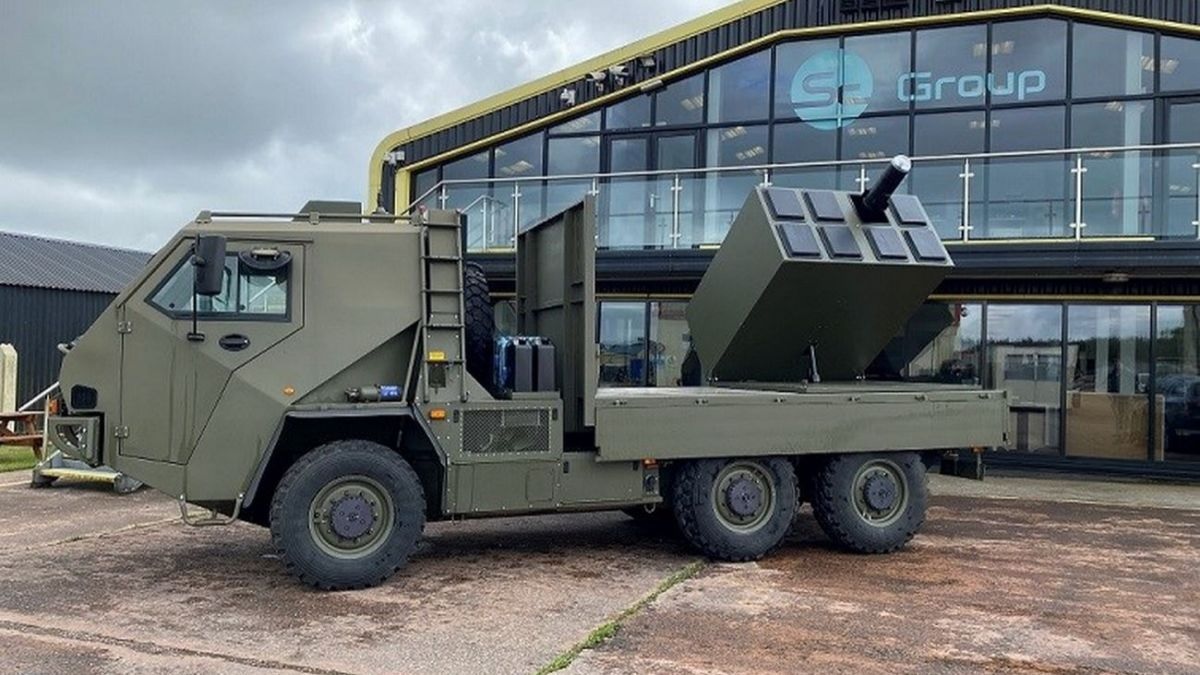
World
In a significant step to enhance Ukraine's air defense capabilities, the United Kingdom has announced the delivery of 15 newly-developed Gravehawk mobile air defense systems. The deployment is part of a broader defense aid package valued at £4.5 billion ($5.51 billion), co-funded by Denmark, and is aimed at bolstering Ukraine's defenses against relentless Russian aerial assaults. Prime Minister Keir Starmer, emphasizing the UK’s commitment to Ukraine, remarked, “Ukraine’s security is our security. We must continue to do everything possible to ensure Ukraine is in the strongest position – that is why the UK is going further than ever before, ramping up military and humanitarian support.” What is the Gravehawk System? The Gravehawk mobile air defense system represents a cutting-edge addition to Ukraine’s arsenal. While specific details remain classified, its key features include: Compact Design: The system is contained within a shipping container-sized platform, ensuring mobility and rapid deployment. Versatile Missile Compatibility: It can deploy a range of air-to-air missiles, including those already integrated into the Ukrainian Armed Forces. Mobile Defense Capability: The system is designed to be quickly relocated, making it highly effective in defending dynamic, high-priority targets such as cities, critical infrastructure, and military units. Two prototypes of the Gravehawk system were successfully tested in Ukraine in September, showcasing its readiness for operational deployment. Strengthening Ukraine’s Air Defenses The Gravehawk system is a timely reinforcement for Ukraine, which has faced constant Russian missile and drone strikes. It complements an array of existing short-range air defense solutions, including: NASAMS (National Advanced Surface-to-Air Missile System): While highly sophisticated, the NASAMS remains in short supply. Out of eight pledged systems, Ukraine has only received two due to global production backlogs. Modified SupaCat Truck-Based Launchers: Previously delivered systems utilized SupaCat vehicles equipped with AIM-132 ASRAAM short-range missiles, adding to Ukraine’s mobile defense capabilities. Brimstone-2 Missile Systems: Dozens of SupaCat platforms have been provided to Ukraine, firing these anti-armor, air-to-ground missiles. FrankenSAM Solutions: Initiated by the Pentagon, these improvised systems use donated components from disparate air defense platforms to address immediate short-range defense gaps. Strategic Importance of Gravehawk Ukraine’s air defense infrastructure is under immense strain as Russia continues its aerial campaign, targeting both civilian and military assets. Systems like the Gravehawk play a vital role in: Protecting Critical Infrastructure: Airports, power plants, and government facilities are prioritized targets that require reliable air defense. Supporting Troop Movements: Mobile systems like Gravehawk can defend frontline positions and enable safer troop deployments. Boosting Urban Defense: The system's versatility and mobility make it well-suited for protecting cities from missile and drone threats. The UK’s decision to deliver these systems reflects its unwavering support for Ukraine and its recognition of the need for rapid, innovative solutions to address evolving battlefield challenges. Challenges in Air Defense Supply Despite substantial international efforts, Ukraine’s access to advanced air defense systems like NASAMS has been limited due to production delays and high global demand. The Gravehawk system, with its rapid development and deployment capabilities, is a practical response to this pressing need. Its ability to utilize existing Ukrainian missiles further enhances its effectiveness and integration into the nation’s defense ecosystem. Looking Ahead The delivery of the 15 Gravehawk systems marks a pivotal moment in strengthening Ukraine’s air defense capabilities. As the conflict continues, innovations like the Gravehawk underscore the importance of international collaboration and swift action in addressing modern military challenges. The UK’s commitment to Ukraine, backed by record-breaking financial aid and cutting-edge defense technology, exemplifies the role of strategic partnerships in ensuring regional stability and security. This latest support aligns with the broader global effort to provide Ukraine with both short-term solutions and long-term resilience against evolving threats, ensuring it remains equipped to defend its sovereignty.
Read More → Posted on 2025-01-18 14:36:42
World
A recent confrontation over the Baltic Sea has highlighted escalating tensions between NATO and Russia. France has revealed that one of its maritime patrol aircraft, the Atlantique-2, became the target of a Russian "intimidation attempt" earlier this week. The incident, described by French Defense Minister Sébastien Lecornu as "unacceptable," involved attempted jamming and radar targeting by a Russian S-400 surface-to-air missile system. Details of the Incident The French Navy’s Atlantique-2 was engaged in a surveillance mission as part of NATO’s Operation Baltic Sentry, a response to growing concerns about Russian interference with submarine power and telecom cables. While flying over international waters, the aircraft was subjected to electronic jamming and was tracked by the sophisticated radar of an S-400 system. Lecornu emphasized the importance of freedom of navigation in international air and maritime spaces and reiterated France’s commitment to ensuring it. NATO's Supreme Allied Commander Europe, U.S. General Christopher Cavoli, also commented on the incident, noting that such aggressive actions by Russian forces are becoming increasingly frequent and extend beyond European borders. The Atlantique-2: France’s Maritime Patrol Workhorse The Dassault Atlantique-2 (ATL2) is a second-generation maritime patrol aircraft designed to provide advanced surveillance and anti-submarine capabilities. Operated primarily by the French Navy, this versatile aircraft has been a crucial part of France's maritime defense strategy. Key Specifications of the Atlantique-2: Role: Maritime patrol, anti-submarine warfare, intelligence, surveillance, and reconnaissance (ISR). Crew: Typically 10-12 members, including pilots, tactical coordinators, and sensor operators. Engines: Equipped with two Rolls-Royce Tyne turboprop engines, offering excellent endurance and low-speed maneuverability. Range: Over 13,000 km, allowing long-duration missions over vast maritime areas. Sensors: Includes a radar for surface surveillance, magnetic anomaly detectors (MAD) for submarine detection, and electro-optical/infrared (EO/IR) systems. Armament: Can carry torpedoes, depth charges, and Exocet anti-ship missiles, making it a formidable platform for anti-submarine and anti-ship operations. The Atlantique-2 has undergone continuous modernization to maintain its relevance in modern warfare. Upgrades include improved radar systems, new sonobuoy processors, and enhanced communications equipment, enabling seamless integration with NATO operations. Implications of the Baltic Sea Incident This incident underscores the growing risks of military confrontations in Europe’s contested air and maritime zones. The Baltic Sea, a strategic region for both NATO and Russia, has witnessed heightened military activity in recent years. Russia’s deployment of the S-400 system, one of the world’s most advanced air defense systems, signals its intent to assert dominance in the region. The aggressive behavior displayed toward the French aircraft also raises questions about the broader implications for NATO operations. It highlights the challenges of balancing deterrence and escalation management in an environment where tensions run high. Escalation Risks and NATO’s Stance As NATO continues to bolster its presence near Russian borders, incidents like these could potentially spiral into larger confrontations. Operation Baltic Sentry, under which the Atlantique-2 was flying, is a direct response to suspected Russian sabotage activities targeting critical undersea infrastructure. This context adds a layer of complexity to the already strained NATO-Russia relationship. France’s firm stance against such provocations, as expressed by Lecornu, reflects NATO’s collective resolve to safeguard freedom of navigation and deter any attempts at coercion. However, as U.S. General Cavoli noted, these incidents are not isolated, signaling a broader pattern of Russian aggression that NATO must contend with globally. Conclusion The confrontation between the French Atlantique-2 and Russian forces serves as a stark reminder of the fragile security environment in Europe. The Atlantique-2’s advanced capabilities underscore the importance of modern, resilient military platforms in addressing such threats. As tensions continue to escalate, NATO’s vigilance and commitment to collective defense will remain critical to ensuring stability in the region.
Read More → Posted on 2025-01-18 14:24:29
World
Israel’s Ministry of Defense (IMOD) has signed a landmark contract with Rafael Advanced Defense Systems to expand the production of the Iron Dome interceptor missiles. This deal, announced on January 16, 2025, marks the first defense procurement agreement under the recently finalized U.S. aid package. The move underscores a robust U.S.-Israel partnership aimed at reinforcing Israel’s air and missile defense capabilities in an increasingly volatile region. A Strategic Boost for Israel’s Defense The $5.2 billion funding allocated under the U.S. aid package will be used to enhance Israel’s comprehensive missile defense systems, including the Iron Dome, David’s Sling, and an advanced laser-based platform. The aid package is part of a larger $8.7 billion Congressional approval secured in April 2024, reflecting strong U.S. support for Israel's security needs. Maj. Gen. (Res.) Eyal Zamir, IMOD Director General, highlighted the significance of the Iron Dome, stating, “This system has transformed the battlefield, safeguarded civilian lives, and protected vital infrastructure. This agreement will further elevate its capabilities to address evolving threats.” The Iron Dome System: Specifications and Performance The Iron Dome is a state-of-the-art air defense system designed to intercept and destroy short-range rockets, missiles, and drones. Its key specifications include: Interception Range: Approximately 4 to 70 kilometers. Missile Speed: Can intercept threats traveling at supersonic speeds. Response Time: A mere 15 seconds from detection to interception. Components: Detection and Tracking Radar: Developed by ELTA Systems, detects and monitors incoming threats. Battle Management & Weapon Control (BMC): Developed by mPrest Defense, manages the entire interception process. Intercept Missiles (Tamir): Highly maneuverable missiles equipped with electro-optical sensors and proximity fuze warheads. The Iron Dome system operates as a mobile unit and can be deployed quickly to protect urban areas, critical infrastructure, and military bases. Its proven success rate, exceeding 90% in real-world combat scenarios, has made it a critical component of Israel’s multi-tiered missile defense strategy. Expanding Capabilities Amid Evolving Threats The new contract will enable the production of additional Iron Dome interceptors, enhancing Israel's ability to counter a broader spectrum of threats, including increasingly sophisticated rocket, missile, and drone attacks. Brig. Gen. (Ret.) Dr. Daniel Gold, head of the Directorate of Defense Research and Development (DDR&D), emphasized, “The continued procurement of interceptors is crucial to maintaining Israel’s security and technological superiority.” Rafael Advanced Defense Systems will collaborate with ELTA Systems and mPrest Defense to deliver these interceptors. This partnership ensures that the Iron Dome system remains adaptable and effective against new challenges. Strengthening U.S.-Israel Defense Cooperation The signing ceremony in Tel Aviv brought together senior officials from the IMOD, Rafael, and the U.S. Missile Defense Agency (MDA). Rafael’s CEO, Yoav Tourgeman, described the deal as “a testament to the Iron Dome’s unmatched performance and its role in safeguarding lives and infrastructure.” This agreement also highlights the synergy between U.S. and Israeli defense industries, showcasing their shared commitment to advancing security measures. The U.S.’s investment in Israeli technologies reflects its confidence in Israel’s defense innovations, which have global implications for countering asymmetric threats. Looking Ahead With over 350 active interceptors and a track record of saving countless lives, the Iron Dome’s expanded production will solidify Israel’s readiness to face future challenges. This agreement not only enhances Israel’s defensive capabilities but also reinforces the strategic bond between the U.S. and Israel, ensuring regional stability in an era of rising tensions. As the Iron Dome continues to evolve, it stands as a symbol of technological excellence and international cooperation, pivotal for safeguarding both nations’ interests and the broader Middle East.
Read More → Posted on 2025-01-17 15:41:06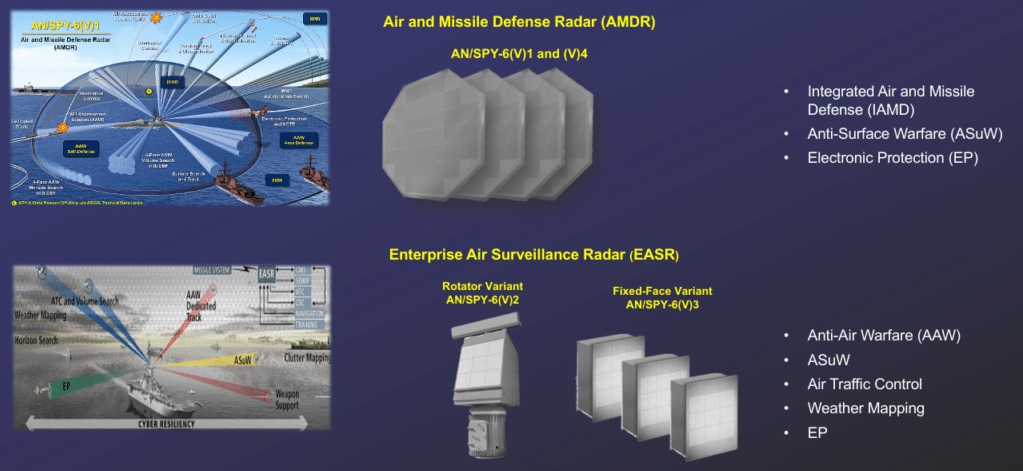
World
The U.S. Navy is gearing up for a significant technological leap with the backfitting of SPY-6 radars on its Nimitz-class aircraft carriers, starting in 2026. This advanced radar system, developed by RTX (formerly Raytheon Technologies), is set to replace older AN/SPS-48 and AN/SPS-49 radars, enhancing the fleet's detection capabilities, resilience, and overall combat readiness. What is the SPY-6 Radar? The SPY-6 is the latest generation of shipborne radar technology, designed to meet the evolving demands of modern naval warfare. Its modular design allows for customization to suit different ship types and mission requirements. The radar is composed of Radar Modular Assemblies (RMAs), compact units each measuring approximately 60 cm (1 foot) cubed. By combining these RMAs, the size and capabilities of the SPY-6 can be tailored, making it versatile for various naval platforms. Key Variants of SPY-6 SPY-6(v)1: Deployed on Arleigh Burke-class Flight III destroyers. Features 37 RMAs, delivering exceptional long-range detection. First installed on the USS Jack H. Lucas, commissioned in 2023. SPY-6(v)2: A rotating radar variant with 9 RMAs. Used on amphibious assault ships and transport vessels like USS Richard M. McCool Jr. SPY-6(v)3: Fixed 3-face configuration with 9 RMAs. Set for Constellation-class frigates and Gerald R. Ford-class carriers like USS John F. Kennedy. SPY-6(v)4: Composed of 24 RMAs. Designed to upgrade Arleigh Burke-class Flight IIA destroyers, replacing the older SPY-1 radars. SPY-6 on Nimitz-Class Aircraft Carriers The Nimitz-class carriers, renowned for their pivotal role in power projection and maritime dominance, are slated to receive the SPY-6(v)2 radar during their mid-life overhauls. The first installation will take place on USS John C. Stennis during its ongoing Refueling and Complex Overhaul (RCOH) at Newport News Shipbuilding, with completion expected in 2026. This upgrade is part of a broader modernization effort to align older vessels with cutting-edge technology. Advantages of the SPY-6(v)2 Upgrade Enhanced Detection: Improved ability to detect and track threats, including low-observable and hypersonic targets. Scalability: Modular design enables efficient integration with existing systems. Durability: Higher resilience in contested electronic environments. Ease of Maintenance: Modular RMAs simplify repair and maintenance, reducing downtime. Destroyer Modernization 2.0 and SPY-6(v)4 Integration The SPY-6(v)4 variant will also play a vital role in the U.S. Navy’s Destroyer Modernization 2.0 program. The USS Pinckney (DDG-91) will be the first ship to undergo this radar backfit, beginning in 2026, with service resumption expected in 2028. Notably, future upgrades will streamline the integration of both the SPY-6(v)4 and advanced electronic warfare systems, such as the AN/SLQ-32(v)7, into a single upgrade process. Future Implications The introduction of SPY-6 radars on Nimitz-class carriers and other naval platforms represents a transformative step in naval warfare capabilities. By enhancing detection, improving interoperability, and future-proofing systems against emerging threats, the U.S. Navy is solidifying its dominance in maritime operations for decades to come. As the SPY-6 program progresses, it underscores the Navy's commitment to maintaining technological superiority in an increasingly complex and contested global maritime environment.
Read More → Posted on 2025-01-17 15:36:03Search
Top Trending in 24 Hours
-
 Tulsi Gabbard Releases Declassified Files Detailing U.S.-Backed Network of 120 Biolaboratories Across 30+ Countries
-
 France Agrees to Equip Future Indian Rafales with AI, MUM-T and Secure Satellite Links Under F5 Standard
-
 US Marine Corps F/A-18D Hornet Crashes During Training Flight in Washington Mountains; Pilot Ejects Safely
-
 Dassault Seeks Compensation From Airbus as Eurodrone Dispute Erupts After FCAS Collapse
-
 U.S. Navy Reestablishes Submarine Squadron 3 at HMAS Stirling to Support AUKUS Rotational Force
-
 AM General Unveils Next-Generation UGV and JLTV A2 with Counter-Drone Systems at Eurosatory 2026
-
 U.S. Navy's USS Colorado Submarine Returns to Pacific Fleet 29 Days Early After Major Pearl Harbor Overhaul
-
 Why India’s Phase 3 BMD Program Is Unique in the Global Race Against Hypersonic and MIRV Missiles
Top Trending in 4 Days
-
 Iranian Media Leaks 14-Point U.S.-Iran Peace Framework Amid Ongoing Negotiations
-
 F-35 Fleet Readiness Falls to 25% Amid Parts Shortages and Software Delays: GAO Report
-
 US Plans Significant Reduction of Fighter Jets and Warships for NATO Operations in Europe
-
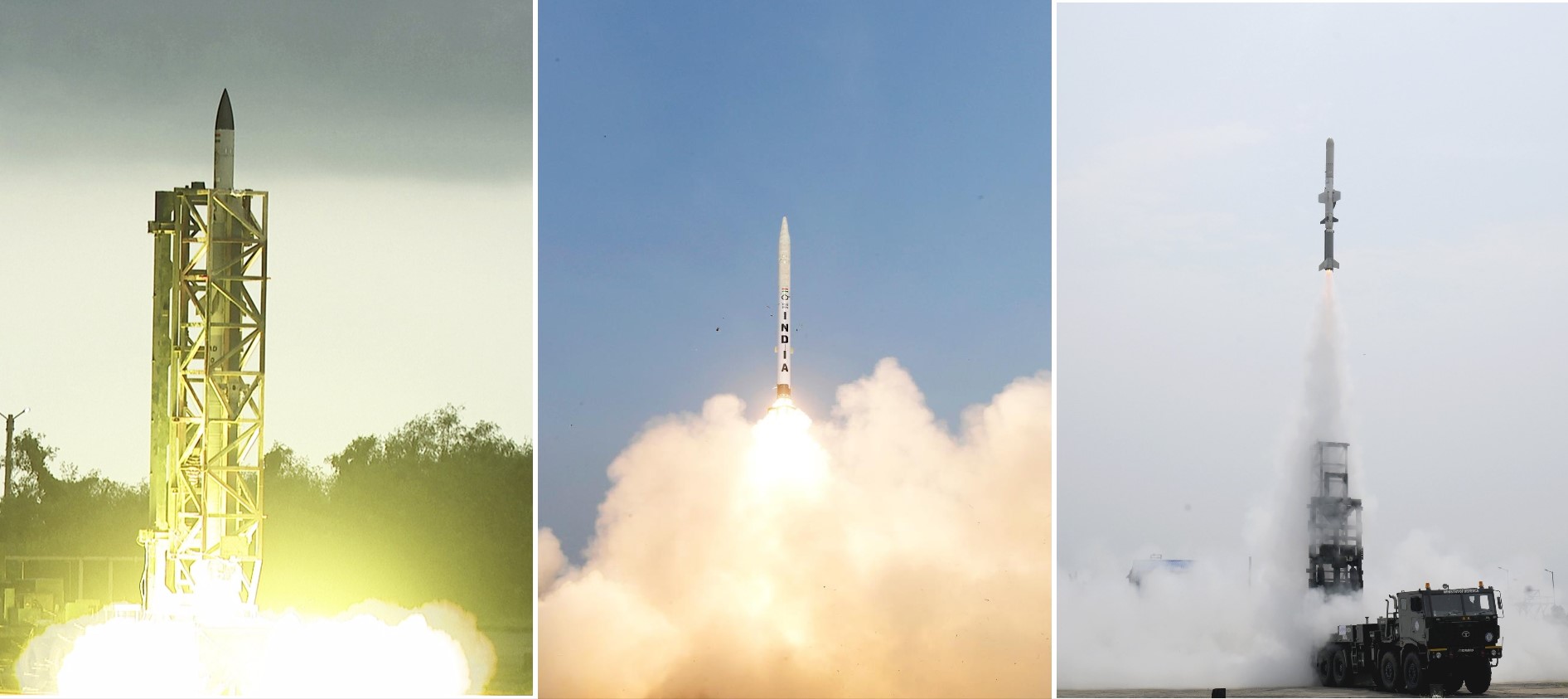 India Successfully Conducts AD-1, AD-2 Interceptor Tests and Maiden NASM-MR Flight Trial
-
 U.S. Air Force Faces Strategic Airlift Shortfall as C-17 Production Restart Remains Uncertain
-
 NATO Commander Says Russia Not Seeking Conflict With Alliance Despite U.S. Force Reductions
-
 U.S. Space Force Awards $437.7 Million Contracts for First PTS-G Swarm 1 Anti-Jam Satellites
-
 Russian Defense Firm ZALA Unveils KAMA Unmanned Surface Vessel Family at FLOT-2026 Naval Exhibition