World
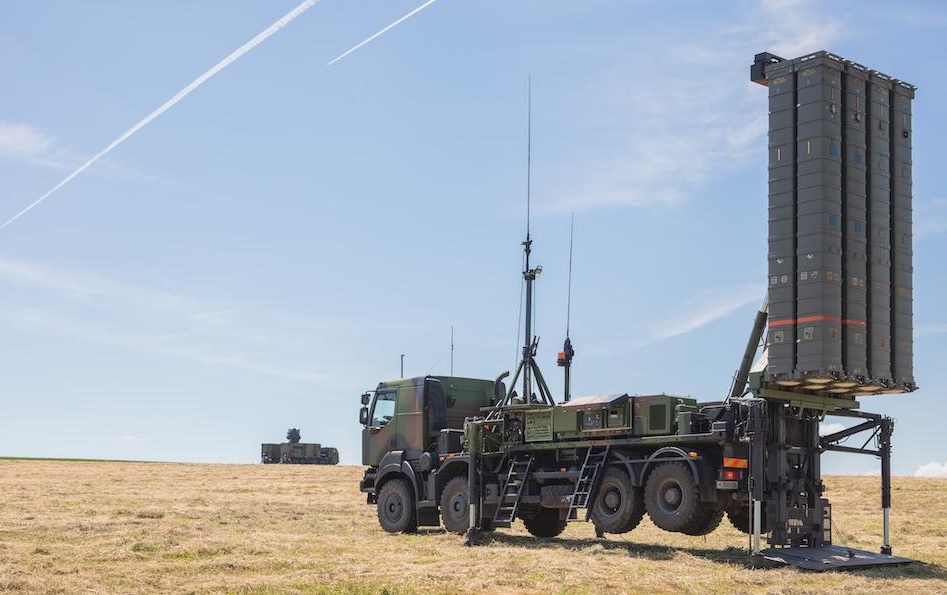
In a move to bolster Ukraine's air defence capabilities amidst ongoing conflict with Russia, Deputy Minister of Defence of Ukraine, Brigadier General Anatolii Klochko, recently engaged in high-level discussions with a delegation from the Defence Industry Agency of Italy's Ministry of Defence. The talks revolved around the innovative use of revenues derived from frozen Russian assets to finance Italian-made air defence systems and ammunition procurement. Key Discussions and Areas of Interest Brigadier General Klochko emphasized Ukraine's urgent need for modern air defence systems and ammunition, underscoring the importance of understanding costs and delivery schedules to ensure timely support for the nation's Defence Forces. He also extended his gratitude to Italy for its unwavering support since the onset of Russia’s full-scale invasion, highlighting Italy’s critical role in providing military aid and humanitarian assistance. Marcello Mele, representing the Italian Defence Industry Agency, provided a detailed overview of the agency’s key operations and proposed mechanisms to foster collaboration. The discussions also included the involvement of Ukraine’s Ministry of Strategic Industry and General Staff, who reviewed the technological and manufacturing capabilities of Italian defence companies. Both sides expressed a shared vision of establishing joint industrial projects to deepen defence cooperation. These projects could pave the way for long-term partnerships and enhanced military capabilities for Ukraine. Specifications of Italian Air Defence Systems Italy has been at the forefront of developing cutting-edge air defence technologies. Some notable systems under consideration include: SAMP/T (Surface-to-Air Missile Platform/Terrain): Capability: Designed to intercept and destroy a wide range of aerial threats, including cruise missiles, UAVs, and aircraft. Range: Up to 120 km. Features: Equipped with Aster 30 missiles and advanced radar systems for precise tracking and targeting. Skyguard Aspide Air Defence System: Capability: Short to medium-range air defence system effective against aircraft and missiles. Range: Approximately 20 km. Features: Employs Aspide 2000 missiles with rapid deployment capabilities and electronic countermeasure resistance. CAMM-ER (Common Anti-Air Modular Missile - Extended Range): Capability: A versatile, mobile air defence solution for neutralizing aerial threats. Range: Up to 45 km. Features: Compact design suitable for integration into various platforms, including ground-based launchers. These systems are designed to integrate seamlessly with NATO standards, ensuring interoperability with allied forces. Their deployment in Ukraine would significantly enhance the country’s ability to defend critical infrastructure and civilian populations against Russian aggression. Broader Implications The idea of utilizing revenues from frozen Russian assets reflects a strategic approach to ensuring sustainable funding for Ukraine’s defence needs. This innovative mechanism aligns with the European Union’s broader support framework for Ukraine and demonstrates Italy’s commitment to providing practical and timely assistance. Moreover, the exploration of joint industrial projects marks a step toward fostering self-reliance in defence manufacturing for Ukraine. By collaborating with Italian defence companies, Ukraine aims to establish a foundation for developing indigenous capabilities while maintaining access to advanced technologies. Next Steps Both parties agreed to continue dialogue and transform these discussions into actionable initiatives. The establishment of clear timelines, cost frameworks, and implementation plans will be the focus of subsequent meetings. If successful, this partnership could serve as a model for other EU nations to adopt similar approaches in supporting Ukraine. As the conflict persists, Ukraine’s efforts to secure advanced air defence systems remain critical. The collaboration with Italy not only underscores the importance of international solidarity but also highlights the innovative strategies being employed to ensure Ukraine’s sovereignty and security in the face of continued aggression.
Read More → Posted on 2025-01-12 14:36:13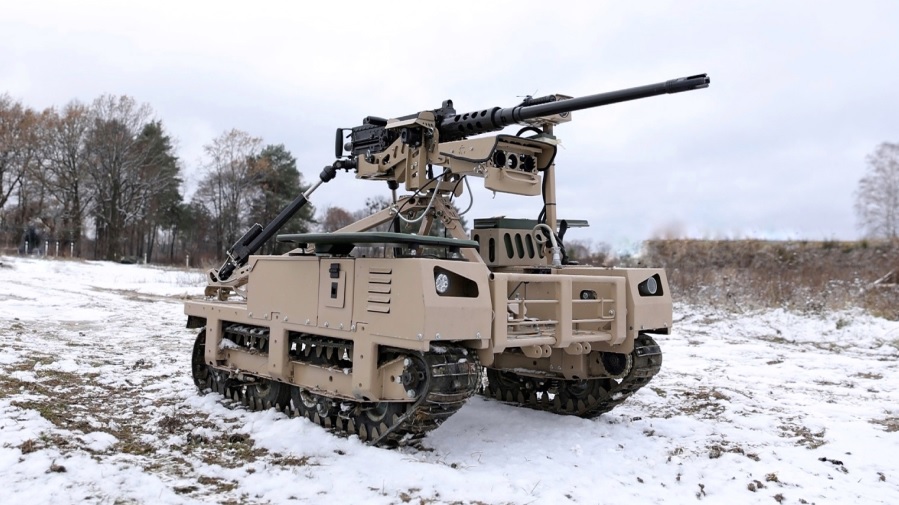
World
The Ministry of Defence of Ukraine has officially codified and approved the deployment of the Droid TW 12.7, a cutting-edge robotic combat system. Designed to enhance battlefield efficiency, this state-of-the-art system is built on a robust tracked platform and is equipped with a Browning 12.7 mm heavy machine gun, making it a formidable addition to Ukraine’s arsenal. Specifications of the Droid TW 12.7 The Droid TW 12.7 is designed to operate effectively in diverse and challenging combat environments. Its key specifications include: Primary Weapon: Browning M2 12.7 mm heavy machine gun. Platform: Tracked chassis, enabling mobility across rugged terrains. Control System: Fully remote-controlled via a secure tablet interface, allowing operators to maintain a safe distance from the combat zone. Communication: Utilises advanced digital communication systems to ensure seamless control and real-time data transmission. Operational Range: The system can be deployed over significant distances while maintaining precise control and functionality. Capabilities: Equipped with thermal and optical sensors for day-and-night operations, the Droid TW 12.7 can engage targets with high accuracy. Successful Combat Testing The Droid TW 12.7 underwent rigorous combat trials to validate its operational reliability and performance. These tests included live-fire exercises, stress tests in extreme weather conditions, and functionality assessments in urban and open battlefield scenarios. The system demonstrated exceptional adaptability, precision targeting, and durability, meeting the high standards set by the Ministry of Defence. Strategic Importance The codification and deployment of the Droid TW 12.7 mark a significant step in Ukraine’s efforts to modernise its military capabilities. As part of a broader push towards integrating advanced technology into defense operations, this robotic system enhances both the safety and effectiveness of personnel on the battlefield. By leveraging unmanned systems, Ukraine aims to reduce casualties while maintaining a tactical edge against adversaries. Broader Implications The introduction of the Droid TW 12.7 aligns with global trends in robotic warfare, where nations are increasingly adopting unmanned systems to strengthen their defensive and offensive operations. The system’s design reflects a shift towards autonomous and remote-controlled weaponry, capable of functioning in high-risk zones without endangering human operators. As Ukraine continues to face significant security challenges, the deployment of the Droid TW 12.7 underscores the country’s commitment to innovation in defense technology. This development is expected to pave the way for further advancements in robotic systems, potentially incorporating artificial intelligence and enhanced automation in future iterations. By codifying this advanced combat system, Ukraine sends a clear signal of its intent to remain at the forefront of modern military strategy. The Droid TW 12.7 is not only a testament to the nation’s technological progress but also a crucial asset in bolstering its defense capabilities amid ongoing challenges.
Read More → Posted on 2025-01-12 14:22:23
World
A tragic airstrike carried out by Myanmar's military junta has claimed the lives of at least 15 civilians and injured 10 others in the gold-mining region of northern Kachin state. The attack, which took place at a market in Tanaing Township on Saturday around 11:00 am, was confirmed by Colonel Naw Bu, a spokesperson for the Kachin Independence Army (KIA). Among those killed were gold miners and local shopkeepers, highlighting the devastating toll of the junta's actions on ordinary citizens. The Attack and Its Aftermath Eyewitness accounts and images from local media reveal the sheer destruction caused by the airstrike. A large crater, surrounded by flattened structures and debris, marked the epicenter of the blast. Among the 10 initially reported injured, three succumbed to their wounds, further deepening the tragedy. The targeted area, a gold-mining hub, is part of Kachin state, a region rich in jade and rare earth elements, making it a focal point of conflict over resources. The Kachin Independence Army (KIA) and Its Role The KIA, which has been fighting the Myanmar military for decades, controls significant parts of Christian-majority Kachin state. The group boasts around 7,000 fighters and has long sought autonomy and control over the region's abundant resources, including jade mines and other mineral-rich territories. The region has been a hotspot of violence since the military coup in 2021, which toppled Myanmar's democratically elected government. The junta has accused the KIA of supporting and arming the newly formed People’s Defence Forces (PDFs), which emerged as a resistance movement against the military's brutal crackdown. Widening Conflict in Myanmar The tragedy in Kachin state was not the only violence reported over the weekend. In a separate incident, the Arakan Army, another ethnic rebel group, reported that the junta dropped 15 bombs on a public market in Kyauktaw, Rakhine state. While specific casualty figures were not provided, the attack underscores the junta’s strategy of targeting civilian areas in its effort to suppress ethnic rebel groups and resistance forces. The Arakan Army, like the KIA, has been locked in fierce battles with the military, vying for control over Rakhine state. This region has also faced significant upheaval, further illustrating the widespread instability gripping Myanmar since the coup. The Bigger Picture: Resources and Resistance Kachin state’s wealth in jade and rare earth elements has made it a lucrative but contested territory. Most of these resources are exported to China, which has deep economic ties to the region. However, the exploitation of these resources has fueled longstanding grievances among the local population, who see little benefit from the wealth extracted from their lands. Since the coup, Myanmar's military has intensified its assaults on ethnic-controlled regions, often using airstrikes and heavy artillery against civilian populations. These attacks not only aim to weaken rebel groups like the KIA and Arakan Army but also to assert control over resource-rich areas critical to the junta's economic survival. Global Condemnation and Local Impact The international community has repeatedly condemned the Myanmar military’s actions, yet little has been done to curb the junta’s atrocities. For civilians living in conflict zones like Kachin and Rakhine states, the future remains uncertain. The recent airstrikes serve as grim reminders of the junta's willingness to use violence indiscriminately, leaving a trail of destruction and loss in its wake. As Myanmar continues to spiral deeper into conflict, the plight of its citizens becomes increasingly dire. The international community faces mounting pressure to intervene and address the growing humanitarian crisis in the country. Meanwhile, groups like the KIA and Arakan Army remain critical players in resisting the junta’s control, albeit at great cost to the regions they represent. This latest tragedy underscores the urgent need for a resolution to Myanmar’s ongoing conflict—one that prioritizes the safety and well-being of its people over resource exploitation and political power struggles.
Read More → Posted on 2025-01-12 14:16:03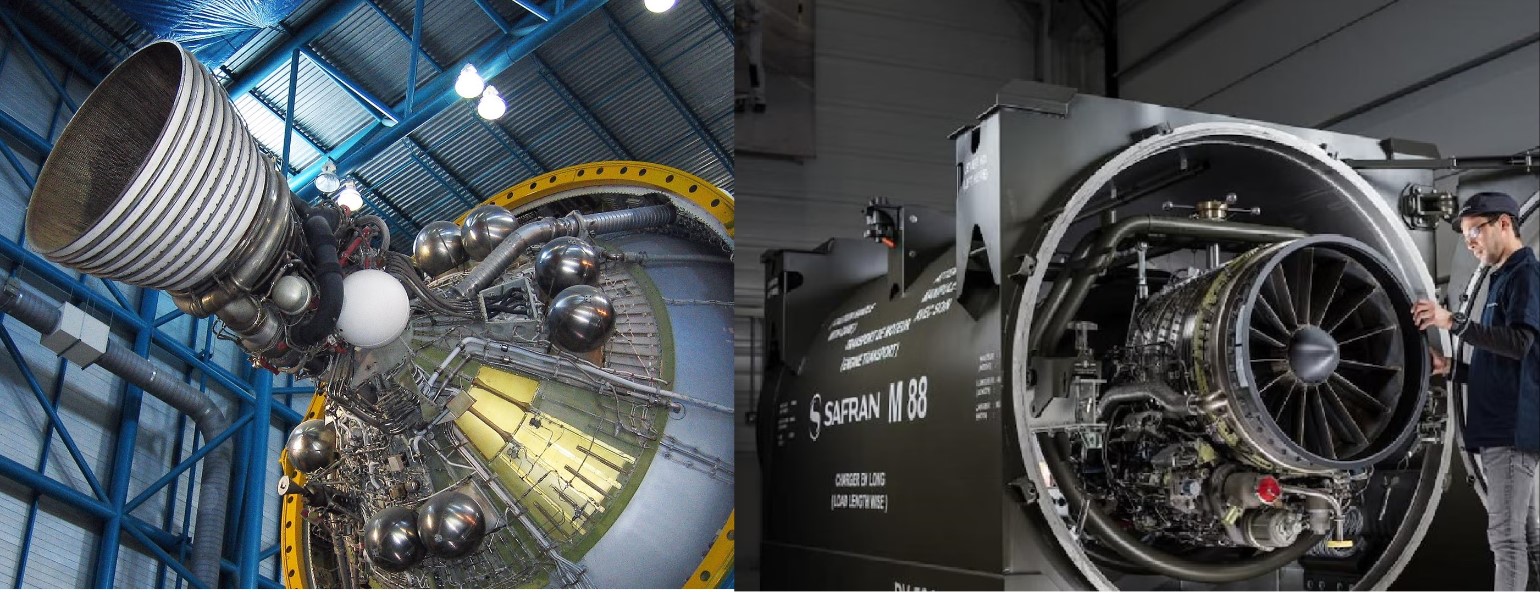
World
The development of a fighter jet engine is often regarded as one of the most intricate engineering challenges in aerospace technology. While rocket engines might appear more impressive due to their sheer power and role in space exploration, the complexity of fighter jet engines far surpasses them in many ways. This article explores why the development of fighter jet engines is more challenging than that of rocket engines. 1. Operational Environment Fighter Jet Engines: Operate in dynamic environments with rapid changes in altitude, speed, and maneuverability. They must handle supersonic speeds, low-speed takeoffs, and idle conditions, requiring adaptable performance across a wide range of scenarios. Rocket Engines: Operate in a relatively linear and controlled trajectory, moving from ground-level atmospheric pressure to the vacuum of space in a single flight. 2. Reusability and Lifespan Fighter Jet Engines: Designed for long-term use, with thousands of flight hours and multiple starts and stops. They require exceptional durability and reliability under varying conditions. Rocket Engines: Often single-use (in traditional designs) or reused for a limited number of launches in modern reusable systems like SpaceX's Falcon engines. 3. Thermal and Mechanical Stresses Fighter Jet Engines: Experience cyclical thermal and mechanical stresses due to repeated use and rapid throttle changes, necessitating advanced cooling and material technologies. Rocket Engines: While they endure extreme temperatures and pressures, the stress is transient and limited to the duration of a launch. 4. Complexity of Design Fighter Jet Engines: Feature intricate designs like afterburners, variable geometry nozzles, and adaptive cycles to optimize performance for both subsonic and supersonic flight. Rocket Engines: While complex, their design focuses primarily on maximizing thrust-to-weight ratio and efficiency for unidirectional propulsion. 5. Multifunctionality Fighter Jet Engines: Must balance multiple objectives, including thrust generation, fuel efficiency, stealth, noise reduction, and compatibility with onboard systems. Rocket Engines: Primarily designed to provide maximum thrust to overcome gravity and reach orbit, with less emphasis on versatility. 6. Safety and Redundancy Fighter Jet Engines: Operate in manned systems, demanding stringent safety protocols, real-time fault tolerance, and redundant systems to protect pilots. Rocket Engines: Though safety is critical, especially for crewed missions, unmanned missions do not require the same level of redundancy and safety mechanisms. 7. Manufacturing and Maintenance Fighter Jet Engines: Designed for routine maintenance, repair, and upgrades over their service life, requiring complex manufacturing and modularity. Rocket Engines: Typically manufactured for single-use or limited reuse, with less emphasis on long-term maintenance. While rocket engines boast tremendous power and play pivotal roles in space exploration, the complexity of fighter jet engine development lies in their need for adaptability, precision, and endurance across diverse and demanding operational scenarios. Fighter jet engines must strike a delicate balance between power, efficiency, and versatility, making their development one of the most intricate challenges in modern engineering.
Read More → Posted on 2025-01-11 16:05:11
World
Developing a fighter jet engine is one of the most complex engineering feats in the aerospace industry. The process demands rigorous testing across multiple specialized facilities to ensure the engine meets safety, performance, reliability, and efficiency standards under extreme operating conditions. Here’s a comprehensive look at the key types of test facilities required for the full development of a fighter jet engine. 1. Material and Component Testing Facilities Before building the engine, individual materials and components are tested to ensure they can withstand the high stresses, temperatures, and pressures of jet engine operation. Materials Testing Labs: Assess the thermal resistance, fatigue strength, and durability of materials like titanium, nickel alloys, and composites. Static Load Test Rigs: Measure how individual components, such as turbine blades, behave under physical loads and stresses. Creep and Fatigue Testing Labs: Evaluate how materials degrade under prolonged high-stress and temperature conditions. 2. Aerothermal and Aerodynamic Test Facilities Aerothermal testing is essential to simulate the extreme heat and airflow conditions that a fighter jet engine endures during operation. Wind Tunnels: Used to test the airflow dynamics around the engine's external surfaces and nacelles. Combustor Test Rigs: Simulate conditions inside the combustion chamber to optimize fuel-air mixing, combustion efficiency, and emissions. Turbine Cooling Test Facilities: Examine cooling systems for high-pressure turbines to ensure thermal management under operational heat loads. 3. Engine Component Test Rigs Key subsystems of the engine are tested individually in specialized rigs to validate their design and functionality. Compressor Test Rigs: Assess the performance, stability, and efficiency of the axial and centrifugal compressors. Fan Testing Facilities: Analyze the fan’s efficiency in compressing and directing air into the engine. High-Pressure Turbine Test Beds: Simulate the mechanical and thermal loads on the turbine for performance optimization. 4. Full Engine Test Facilities Once individual components pass their tests, the full engine undergoes integrated testing to evaluate its overall performance and reliability. Altitude Test Chambers: Simulate high-altitude conditions, including reduced air pressure and temperature, to assess the engine's performance at various altitudes and speeds. Sea-Level Test Cells: Used for initial performance testing under controlled ground conditions. Engine Start Test Facilities: Evaluate the engine’s ignition system and starting sequence across different environmental conditions. 5. Environmental Testing Facilities Fighter jet engines operate in diverse and often extreme environments, so their ability to withstand environmental challenges must be rigorously tested. Icing Wind Tunnels: Simulate high-altitude icing conditions to ensure the engine performs reliably in cold weather. Sand and Dust Ingestion Facilities: Evaluate how the engine handles debris and particulate matter, simulating desert or battlefield conditions. High-Temperature and Humidity Chambers: Assess the impact of tropical and maritime climates on engine performance. 6. Structural and Vibration Test Facilities Jet engines experience intense vibrations and structural loads during operation. These facilities ensure that the engine remains structurally sound throughout its lifecycle. Vibration Test Rigs: Simulate operational vibrations to test for potential fatigue and failure points. Rotor Spin Testing Facilities: Analyze the behavior of rotating components like turbine disks at high speeds to prevent catastrophic failures. Structural Integrity Test Stands: Evaluate the strength and resilience of the engine casing and mounts. 7. Noise and Emission Testing Facilities Modern fighter jet engines must balance performance with environmental considerations, such as reducing noise and emissions. Anechoic Chambers: Measure the noise levels produced by the engine and explore noise-reduction technologies. Emission Testing Labs: Assess greenhouse gas and pollutant emissions to ensure compliance with international standards. 8. Operational and Reliability Testing Facilities To verify long-term performance and reliability, the engine undergoes extensive operational testing. Endurance Test Stands: Run the engine for extended periods under varying conditions to simulate its lifecycle. Failure Mode Analysis Facilities: Test how the engine reacts to simulated failures, such as fuel pump malfunctions or foreign object ingestion. Accelerated Life Testing Labs: Use advanced simulations to predict the engine’s lifespan and maintenance requirements. 9. Flight Test Facilities After extensive ground testing, the engine is installed on a testbed aircraft for real-world flight evaluations. Testbed Aircraft: Modified aircraft equipped with instrumentation to monitor engine performance during flight. Flight Simulation Labs: Allow engineers to simulate flight conditions and fine-tune engine parameters before live tests. 10. Specialized Test Facilities for Future Technologies With advancements like adaptive engines, stealth technologies, and AI integration, specialized facilities are emerging to test cutting-edge innovations. Adaptive Engine Test Rigs: Evaluate engines with variable cycle designs for improved efficiency and performance. Plasma and Hypersonic Test Labs: Test advanced propulsion systems for next-generation fighter jets. AI-Driven Diagnostics Labs: Develop and validate artificial intelligence systems for predictive maintenance and performance optimization. Conclusion Developing a fighter jet engine is an exhaustive process requiring a network of highly specialized facilities. Each type of testing plays a crucial role in ensuring the engine’s safety, reliability, and performance in the harshest conditions. From material testing to full-scale flight trials, these facilities collectively enable the creation of engines that power the world’s most advanced fighter jets, ensuring operational superiority in the skies.
Read More → Posted on 2025-01-11 15:57:59
World
The United States Space Force has unveiled a bold new initiative to counter China's satellite surveillance capabilities in the Indo-Pacific region: the deployment of advanced anti-satellite jammers. This move has ignited concerns about escalating electronic warfare (EW) tensions between the two superpowers, with analysts predicting a "battle for the first EW salvo" in any future conflict. The Role of Remote Modular Terminals (RMTs) The linchpin of this strategy is the Remote Modular Terminals (RMTs), sophisticated jamming systems designed to disrupt critical satellite communication links. By emitting high-powered interference signals, the RMTs can effectively "yell" into a satellite's communication channels, disrupting their ability to relay information or coordinate military actions. The RMTs specifically target China's growing satellite constellation, including the Yaogan series, which boasts advanced optical and radar systems capable of tracking objects as small as cars across vast distances. The Yaogan satellites have proven instrumental in bolstering China's anti-access/area denial (A2/AD) strategies, particularly in the Indo-Pacific region where US and allied forces operate. Strategic Importance of Jamming According to Brigadier General Anthony Mastalir, Commander of the Space Force Indo-Pacific, China's satellite network enables precision targeting and surveillance that could exploit vulnerabilities in US military operations. The RMTs aim to disrupt these capabilities, giving the US a strategic advantage in space-based warfare. However, analysts caution that the jammers themselves could become high-value targets. Drawing parallels with the war in Ukraine, Clayton Swope of the Center for Strategic and International Studies (CSIS) warned that jamming devices might attract retaliatory strikes, particularly from advanced loitering munitions like China's ASN-301 anti-radiation drone, which can home in on radar emissions. RMT Deployment Plans The US Space Force has approved the first phase of the RMT deployment, starting with 11 units. Eventually, up to 200 systems will be fielded, focusing on the Indo-Pacific theater. These deployments are expected to significantly degrade the operational effectiveness of China's People's Liberation Army (PLA) Aerospace Force satellites by blocking their ability to transmit data. Vulnerabilities and Limitations While the RMTs are a formidable addition to the US military’s arsenal, they are not without limitations. For instance, optical satellites like China's Yaogan-41, which rely on visual and infrared imaging, are less susceptible to jamming compared to radar and communication satellites. Analysts like Song Zhongping, a former People’s Liberation Army instructor, argue that these jammers have "limited interference capabilities" against optical systems. Additionally, environmental factors such as weather conditions can impact the effectiveness of optical satellites, making traditional countermeasures like camouflage and decoys viable options for evading detection. Implications for Future Conflicts The deployment of RMTs represents a significant shift in the strategic balance in the Indo-Pacific. As Malcolm Davis, a space security expert from the Australian Strategic Policy Institute, highlighted, these systems could mark the beginning of an electronic warfare arms race. China is likely to develop counter-EW technologies to neutralize these jammers, setting the stage for a prolonged cat-and-mouse game in space. The increasing militarization of space also underscores the urgency for clear communication protocols and rules of engagement. With both nations expanding their satellite constellations at an unprecedented pace, the risk of misunderstandings or unintended escalations in the space domain grows exponentially. The Road Ahead As the US Space Force continues its deployment of RMTs, the world watches closely to see how China will respond. Whether through the development of countermeasures, kinetic strikes, or enhanced satellite resilience, it is clear that space will play a pivotal role in the geopolitical contests of the 21st century. The Indo-Pacific is fast becoming the frontline of a new kind of warfare—one fought not with guns or tanks, but with signals and satellites. The deployment of the RMTs is a bold step, but it is only the beginning of what promises to be a long and complex struggle for dominance in the final frontier.
Read More → Posted on 2025-01-11 15:50:44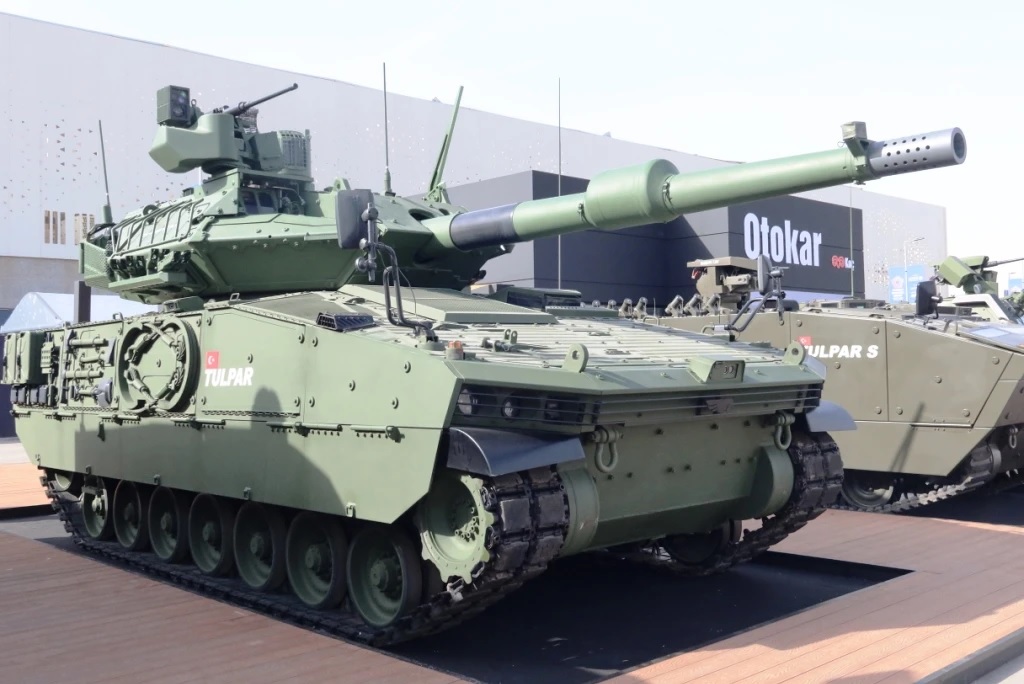
World
Bangladesh is intensifying its efforts to modernize its military capabilities and is actively negotiating with Turkey to procure 26 Tulpar light tanks. This move follows Bangladesh’s recent deployment of Turkish-made drones along its border with India, hinting at a significant shift in regional defence dynamics. The acquisition of these tanks is seen as part of Bangladesh’s strategy to diversify its defence partnerships and enhance its military strength. Details of the Tank Deal The negotiations are being conducted with Otokar Otomotiv Ve Savunma Sanayi A.S., a leading Turkish defence manufacturer known for its advanced military vehicles. The delivery of the Tulpar tanks is expected to commence in 2025. Bangladesh's military strategists have chosen the Tulpar due to its modular design and suitability for the country’s varied terrains, including marshy and soft landscapes that characterize much of the region. Specifications of the Tulpar Light Tank The Tulpar, developed by Otokar, is a highly versatile tracked armoured vehicle capable of performing a wide range of military roles. Its adaptability and cutting-edge features make it an optimal choice for Bangladesh’s operational needs. Weight and ConfigurationThe Tulpar can be configured for multiple roles, including a light tank, infantry fighting vehicle, troop carrier, reconnaissance platform, command and control vehicle, ambulance, air defence unit, or mortar carrier. Weight Range: 28,000 to 45,000 kg, depending on the configuration. Mobility Engine Power: Equipped with a turbocharged diesel engine offering outputs between 700 and 1,100 horsepower, depending on the configuration. Some variants come with an 810-horsepower engine. Speed and Range: The Tulpar can achieve speeds up to 70 km/h on paved roads and has an operational range of approximately 600 km without refuelling, making it ideal for extended missions. Armament Weapon Systems: The Tulpar can be armed with a 105mm or 120mm main gun, tailored for different battlefield scenarios. It also features a coaxial 7.62mm machine gun and supports the integration of unmanned weapon systems. The armament versatility enables it to be effective in direct combat and supportive roles. Strategic Implications Bangladesh’s decision to acquire the Tulpar tanks comes at a time of heightened geopolitical tension in South Asia. The recent deployment of Turkish drones along the Indian border had already sparked concerns in New Delhi. This tank deal adds another layer of complexity to the region’s security equation. Analysts believe that these developments are part of Bangladesh’s broader strategy to counter perceived threats and assert its defence autonomy. The growing military cooperation between Bangladesh and Turkey, along with Pakistan’s involvement in the region, is likely to be seen as a potential challenge to India’s influence. Strengthened ties between these countries could alter the security dynamics in South Asia, compelling India to reassess its strategic approach. Additionally, Bangladesh’s move signals its intent to expand military partnerships beyond traditional allies, reflecting a desire to diversify its sources of advanced weaponry and reduce reliance on specific countries. This not only enhances its military readiness but also aligns with its vision of maintaining balanced relationships with global powers. The Tulpar tanks, with their advanced mobility, adaptability, and firepower, are expected to significantly bolster Bangladesh’s ground combat capabilities. While the deliveries are slated for 2025, the geopolitical implications of this deal are already resonating across the region.
Read More → Posted on 2025-01-11 15:30:06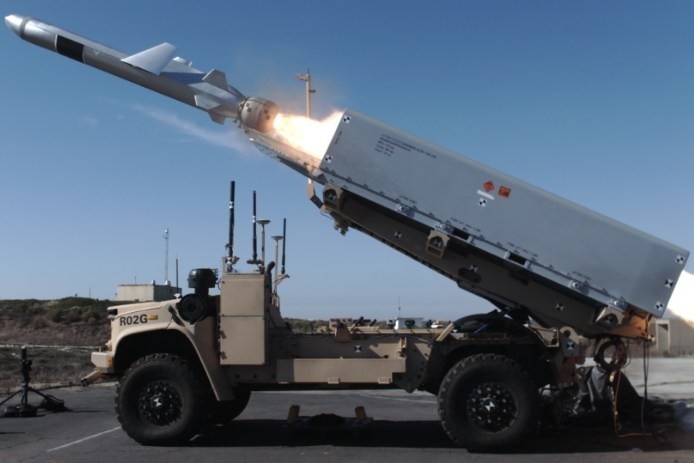
World
The U.S. Department of Defense has awarded Oshkosh Defense LLC a $30 million contract to produce and deliver ROGUE missile launchers for the United States Marine Corps. This cutting-edge system, pivotal to the Marine Corps' evolving strategy in the Pacific, is set to be completed by late 2026, with full funding already in place. This new agreement builds upon the initial production phase that began in October 2023, under a preliminary contract. The ROGUE missile launcher is an innovative system based on the Joint Light Tactical Vehicle (JLTV) chassis, which is also manufactured by Oshkosh Defense. This adaptable design incorporates advanced technologies to enable both remote-controlled and autonomous operations, offering exceptional versatility and operational capability. Specifications of the ROGUE Missile Launcher The ROGUE system has been specifically designed to serve as the backbone of the Navy-Marine Expeditionary Ship Interdiction System (NMESIS), an advanced platform for deploying Kongsberg's Naval Strike Missiles (NSM), known in the U.S. as the RGM-184A. Key specifications include: Platform: A modified JLTV chassis with enhanced capabilities for rugged terrains. Missile System: Equipped to fire RGM-184A anti-ship missiles, renowned for their long-range precision targeting and sea-skimming capabilities. Automation: Features remote and autonomous operation capabilities, reducing the need for direct human involvement in high-risk environments. Mobility: Compact and lightweight design optimized for quick deployment and mobility, especially across remote island chains and atolls. Logistics Efficiency: Uses standardized U.S. military vehicle platforms, simplifying supply chains and maintenance in dispersed operations. Strategic Importance The ROGUE missile launchers represent a significant technological advancement in the Marine Corps' efforts to bolster its Pacific-focused strategy. By integrating the RGM-184A missiles, the system offers a powerful interdiction capability, allowing forces to neutralize enemy ships and deny access to contested waters. The lightweight and transportable nature of the ROGUE system is particularly valuable in the Indo-Pacific theater, where operations often span vast areas and require rapid adaptability. The ability to deploy these systems via standard military transport aircraft or amphibious ships ensures operational readiness in geographically challenging environments. A Step Toward the Future of Warfare The ROGUE missile launcher program underscores the Marine Corps’ emphasis on modernization and distributed lethality. It aligns with the Corps' Force Design 2030 initiative, which prioritizes smaller, mobile, and highly capable units for contested environments. With this latest contract, Oshkosh Defense solidifies its position as a key partner in advancing the Marine Corps' mission capabilities. The ROGUE systems, with their cutting-edge technology and strategic adaptability, are poised to play a critical role in securing maritime dominance and supporting the U.S. military’s evolving operational needs in the Pacific. This development marks another leap forward in transforming military capabilities to meet the challenges of tomorrow's battlefields.
Read More → Posted on 2025-01-11 15:28:01
World
Pixxel, the US-India-based space technology company pioneering hyperspectral satellite solutions, has taken a major step in expanding its global presence. On November 19, 2024, Pixxel signed a memorandum of understanding (MOU) with South Korea's SIIS Co., Ltd. (led by CEO Kim Moon-Gyu) during the Satellite Utilization Conference. This collaboration aims to supply hyperspectral satellite data to Korean industries, transforming the way satellite data is utilized across various sectors. What Makes Pixxel’s Hyperspectral Data Unique? Pixxel’s hyperspectral satellite technology is revolutionizing Earth observation. Unlike traditional multispectral data, which captures only a limited number of wavelengths, hyperspectral data collects detailed information across hundreds of narrow spectral bands. This enables unparalleled insights into the physical and chemical properties of Earth's surface and atmosphere. Industries can leverage this data for applications such as agriculture, climate change monitoring, natural resource management, and defense. Pixxel’s upcoming hyperspectral constellation, named Fireflies, is set to launch in early 2025. The constellation will include six commercial-grade satellites capable of delivering: 5-meter spatial resolution 40-kilometer swath coverage Daily revisit capabilities Hundreds of spectral bands These specifications make Pixxel’s satellites the most advanced in hyperspectral imaging, providing global industries with precise, high-fidelity data for actionable insights. Strengthening SIIS’s Earth Observation Portfolio For SIIS, the partnership with Pixxel signals a strategic expansion of its offerings. Currently specializing in optical and radar satellite imagery, SIIS plans to integrate Pixxel’s hyperspectral data into its portfolio. CEO Kim Moon-Gyu highlighted the importance of this collaboration, stating that it will enable SIIS to provide advanced insights to industries ranging from energy and agriculture to environment and defense. SIIS is also preparing to launch SpaceEye-T, Korea’s first private Earth observation satellite, in March 2025. Developed with domestic investment and technology, SpaceEye-T will deliver 30cm-class ultra-high-resolution spatial information. This marks a significant milestone for SIIS as it seeks to compete with global leaders in the geospatial data market. Bridging Technology and Market Demand Pixxel’s hyperspectral imaging capabilities, combined with SIIS’s expertise in satellite data applications, create a powerful synergy. Awais Ahmed, Founder and CEO of Pixxel, emphasized that this partnership aligns with the company’s mission to build a "health monitor for the planet." SIIS will leverage its local expertise to educate Korean industries about the benefits of hyperspectral technology and facilitate its adoption in critical areas such as agriculture, environmental monitoring, and defense. Pixxel’s Chief Commercial Officer, Aakash Parekh, praised SIIS as an ideal partner for entering the Korean market. “SIIS has built a high-caliber team with deep expertise,” Parekh said. “Together, we will enable Korean users to leverage the transformative benefits of hyperspectral technology, expanding its applications and solving complex challenges.” A New Era of Satellite Data in Korea The integration of Pixxel’s hyperspectral data with SIIS’s existing capabilities is expected to enhance Korea’s competitiveness in the global satellite data market. By combining ultra-high-resolution imagery with hyperspectral analysis, SIIS aims to meet diverse analytical demands and unlock new applications in Earth observation. As Pixxel prepares to launch its Fireflies constellation and SIIS gears up for SpaceEye-T’s deployment, the collaboration signals the dawn of a new era in satellite data solutions. With their combined strengths, both companies are set to drive innovation, improve decision-making across industries, and redefine the possibilities of Earth observation technology.
Read More → Posted on 2025-01-11 15:25:45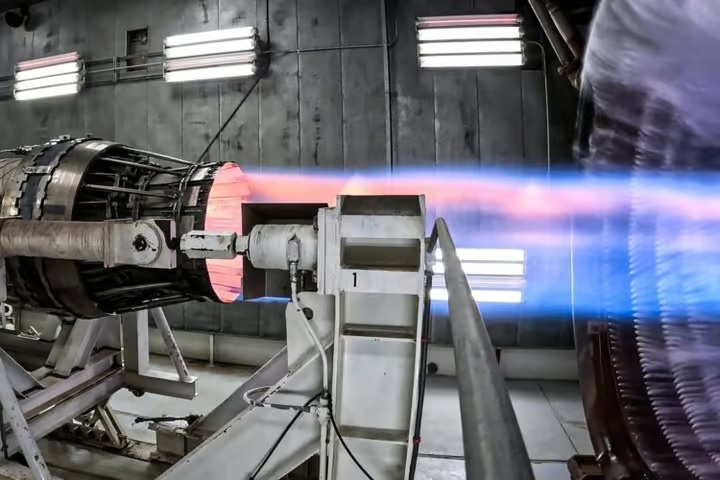
World
Hermeus, a leading aerospace and defense company specializing in high-speed aircraft, has unveiled its cutting-edge High Enthalpy Air-Breathing Test Facility (HEAT) at Cecil Airport in Jacksonville, Florida. Built in just three months, this facility marks a major milestone in addressing the significant shortage of hypersonic testing infrastructure in the United States, a gap that has long hindered advancements in both military and commercial aerospace technologies. Transforming Hypersonic Testing The HEAT facility is designed to revolutionize the landscape of hypersonic propulsion testing by offering high-capability, cost-effective solutions. Traditional hypersonic testing facilities in the U.S. are often overbooked, expensive, and time-consuming, creating bottlenecks in innovation. By contrast, HEAT promises to dramatically reduce costs and eliminate scheduling delays, positioning itself as a vital resource for hypersonic technology development. According to Hermeus Co-Founder and CEO AJ Piplica, "HEAT is poised to revolutionize hypersonic testing by unlocking low-cost, high-capability propulsion solutions. Current facilities are overbooked and expensive. HEAT will not only expand capacity but also serve as a vital national resource for advancing hypersonic technology." Key Specifications and Capabilities The HEAT facility features state-of-the-art infrastructure retrofitted from existing buildings at the former Cecil Naval Air Station, originally constructed in 1959 and 1989. The first phase of the project, now operational, focuses on testing existing propulsion systems. Future phases will introduce continuous high-Mach airflow capabilities, allowing for more flight-like conditions in ground tests. Key advancements of the facility include: Custom Fuel Systems: Designed for precise and efficient delivery of various fuels needed for high-speed propulsion testing. Advanced Data Acquisition Technology: Enables real-time monitoring and analysis of engine performance. Rapid Development Timeline: Completed in one-eighth the time and at one-tenth the cost of similar projects. Alex Miller, Manager of Propulsion Test Engineering, emphasized the achievement: "From custom fuel systems to advanced data acquisition technology, the transformation of these facilities is remarkable." Pratt & Whitney F100: Pioneering Future Aircraft The initial engine tested at the HEAT facility is the Pratt & Whitney F100, which will power Hermeus’ Quarterhorse Mk 2, an autonomous aircraft capable of exceeding Mach 2.5. The F100, paired with Hermeus’ proprietary precooler technology, is set to redefine high-speed aviation by achieving speeds faster than any current aircraft in its class. The F100 engine also serves as the foundation for the Chimera engine, a turbine-based combined cycle (TBCC) propulsion system capable of Mach 5. The Chimera engine will power Hermeus’ Quarterhorse Mk 3, which aims to demonstrate seamless transitions between turbine and ramjet modes, a crucial step in hypersonic propulsion. The ultimate goal is to surpass the legendary speed record of the SR-71 Blackbird, which once dominated the skies at Mach 3.3. A Glimpse Into the Future Located strategically at Cecil Airport, the HEAT facility represents more than just a testing ground; it is a launchpad for groundbreaking innovations in aerospace technology. With its ability to support the development of engines capable of achieving Mach 5 and beyond, HEAT positions Hermeus at the forefront of hypersonic innovation. Looking ahead, the advancements made possible by HEAT will not only benefit military applications but also have far-reaching implications for commercial aviation. The development of hypersonic passenger jets could reduce intercontinental travel times to mere hours, potentially revolutionizing global connectivity. Hermeus’ ambitious vision, combined with the state-of-the-art capabilities of the HEAT facility, underscores its commitment to shaping the future of aerospace. By leveraging advanced technologies and a forward-thinking approach, Hermeus is paving the way for faster, more efficient, and cost-effective high-speed flight.
Read More → Posted on 2025-01-11 15:16:11
World
The recent fall of Bashar al-Assad, Russia's long-time ally in Syria, has upended Moscow’s strategy for the Mediterranean and Africa. As the political and military landscape in Syria shifts under the leadership of Ahmed al-Sharaa, the Kremlin appears to be recalibrating its regional ambitions, with Libya emerging as a potential strategic alternative. This transition underscores Russia's broader intent to maintain its influence in Africa while navigating geopolitical challenges in the Mediterranean and Middle East. Russia's Syrian Strategy Under Threat For years, Russia relied on its presence in Syria to project power in the Mediterranean and support operations in sub-Saharan Africa. Military installations like the Tartus naval port and Hmeimim airbase provided Moscow with critical infrastructure to coordinate activities in regions like the Sahel, Sudan, and the Central African Republic. However, the fall of Assad has shaken this model. Despite assurances from Syria's new leader that Russia remains a valued ally, the changing power dynamics have made Russia's continued dominance in Syria uncertain. This vulnerability has led Moscow to explore new avenues to sustain its influence in the region, with Libya standing out as a viable option. Libya as Russia's Next Launchpad In Libya, Russia’s involvement is already evident through its support for Khalifa Haftar, the commander controlling eastern Libya. Haftar’s forces are engaged in a protracted conflict with the Tripoli-based Government of National Unity (GNU), which enjoys United Nations recognition and backing from Turkey. This support has manifested through the Wagner Group, a Russian paramilitary organization linked to the Kremlin. In 2024, Russian activities were documented at multiple Libyan sites, including the strategically significant Tobruk port. Reports suggest that military equipment, including advanced S-300 and S-400 air defense systems, has been transferred from Syria to Libya. Additionally, the number of Russian troops in Libya surged from 800 in early 2024 to approximately 1,800 by May of the same year. Libya's role is critical to Russia's larger strategy of retaining a foothold in Africa. By establishing a presence in Libya, Moscow aims to disrupt Western interests, exploit Libya's internal divisions, and solidify its influence across the continent. Challenges and Opportunities Despite its strategic significance, Libya poses unique challenges for Russia. Unlike Syria, where Moscow operated with minimal international scrutiny, Libya's fractured political landscape and active Western and regional involvement complicate Russian operations. The United States and European Union have closely monitored Russian movements, with NATO expressing concern over a potential Russian military installation in Tobruk. Compounding the complexity is Turkey's involvement. A staunch supporter of the Tripoli government, Turkey has established a significant military and economic presence in Libya. However, Ankara has recently shown signs of pragmatism, exploring opportunities for collaboration with Haftar. This delicate balance of power requires Russia to navigate carefully to avoid direct confrontations with competing actors like Turkey, Egypt, and the United Arab Emirates. Additionally, Russia faces limitations in its ability to replicate the autonomy it enjoyed in Syria. Libya's political landscape is more transparent, with greater international oversight. This visibility limits Moscow's ability to operate covertly, making its actions more susceptible to external pushback. Strategic Implications for Africa Libya’s importance extends beyond its borders, serving as a gateway to Africa. Moscow views Libya as a springboard for its activities in resource-rich regions like the Sahel and sub-Saharan Africa. The Kremlin’s long-term objective remains the expansion of its geopolitical footprint in Africa, leveraging partnerships with local actors to challenge Western influence. However, the reliance on Khalifa Haftar carries inherent risks. As one expert noted, Russia must avoid repeating the mistakes made in Syria, where its strategy relied heavily on a single leader. Should Haftar falter or shift allegiances, Moscow would need a contingency plan to preserve its investments and influence. A New Chapter in Geopolitics Russia’s pivot to Libya reflects its broader strategy of adapting to geopolitical realities while safeguarding its interests. Though the path ahead is fraught with challenges, Libya offers Moscow a critical opportunity to maintain its foothold in Africa and counter Western influence in the Mediterranean. As the situation unfolds, it remains to be seen whether Moscow can navigate Libya’s complex political landscape as effectively as it did in Syria. For now, Libya is poised to become the centerpiece of Russia’s efforts to reshape its strategic influence across Africa and beyond.
Read More → Posted on 2025-01-11 15:03:51
World
The United States Air Force (USAF) is set to integrate the AGM-158C-1 Long Range Anti-Ship Missile (LRASM) onto its F-15E and F-15EX aircraft, marking a significant step in boosting its long-range maritime strike capabilities. This decision underscores the growing importance of anti-ship missions, particularly in the Indo-Pacific region, where maintaining maritime dominance is a strategic imperative. What is LRASM? The LRASM is a cutting-edge, precision-guided anti-ship missile designed to operate in contested environments. Originally developed by Lockheed Martin Missiles & Fire Control in response to an urgent operational need, it is based on the AGM-158B Joint Air-to-Surface Standoff Missile-Extended Range (JASSM-ER). LRASM stands out for its advanced multi-mode sensor suite, which includes: Passive Radio Frequency (RF) Sensor: Enables wide-area target acquisition by detecting enemy radar emissions. Imaging Infrared (IIR) Seeker: Provides high-precision terminal targeting, even in challenging weather or visibility conditions. Enhanced GPS: Features anti-jam and precision navigation capabilities. Weapon Data Link: Allows real-time in-flight updates for dynamic targeting. This combination of features enables the missile to autonomously detect and engage specific maritime targets while avoiding countermeasures. Its all-weather capability and day/night operability make it a versatile tool for modern warfare. Specifications of the AGM-158C-1 LRASM Range: Over 500 nautical miles (approximately 930 kilometers). Speed: Subsonic, optimized for stealth and survivability. Weight: Approximately 2,500 pounds (1,133 kilograms). Warhead: A 1,000-pound penetrating blast fragmentation warhead. Launch Platforms: Compatible with various platforms, including B-1B bombers, F/A-18E/F Super Hornets, and now the F-15E/EX. Why Integrate LRASM on F-15E/EX? The decision to integrate LRASM onto the F-15E and F-15EX is driven by the USAF's operational focus on deterring maritime threats in regions like the South China Sea. The F-15EX, with its advanced avionics, high payload capacity, and extended range, is an ideal platform for deploying LRASM. This move aligns with the USAF's broader strategy to modernize its air fleet and ensure interoperability across platforms. The integration process will involve modifying the aircraft’s Universal Armament Interface (UAI) to accommodate the AGM-158C-1 missile. Broader Implications and Future Developments Alongside LRASM, the USAF is acquiring the AGM-184A Kraken, a Kongsberg Joint Strike Missile (JSM) variant designed for internal carriage on the F-35A Lightning II. This missile offers a complementary capability, enabling precision strikes against both maritime and land targets in heavily defended environments. The USAF and US Navy are also collaborating on next-generation systems like the Hypersonic Air-Launched Offensive Anti-Surface Warfare (HALO) weapon. HALO, envisioned as a high-speed, carrier-compatible anti-ship missile, aims to achieve operational capability by FY2029, further bolstering the U.S. military’s maritime strike arsenal. Strategic Importance The integration of LRASM onto the F-15E and F-15EX is more than a technological milestone—it represents a strategic pivot to address evolving maritime threats. As adversaries invest in advanced naval capabilities, the USAF’s move ensures it can project power effectively in contested maritime regions. This development highlights the USAF’s commitment to maintaining superiority in air and sea domains, ensuring its forces remain equipped for the challenges of modern warfare.
Read More → Posted on 2025-01-10 15:52:50
World
A gripping video released by the OSINT monitoring account Status-6 on its X platform page has captured a tense moment over the neutral waters of the Baltic Sea. The footage reveals a Russian Sukhoi fighter jet flying uncomfortably close to an Italian F-35A Lightning II, sparking heated debates on safety and professionalism in international airspace. The short clip, captioned “A close meeting between a Russian Sukhoi and Italian F-35A Lightning II fighter jet,” has drawn widespread attention. While some observers argue that the video might exaggerate the closeness due to camera zoom, others have voiced concerns over the Russian pilot's approach, calling it "unprofessional" and potentially dangerous. Reactions to the Incident The online response to the video has been polarized. Some viewers humorously speculated on the Russian pilot’s motives, suggesting he was perhaps admiring the advanced technology of the F-35. A tongue-in-cheek comment highlighted this sentiment: “Now I understand why the Russian pilot wants to keep a souvenir. It’s not every day he gets the chance to see such a debauchery of high-tech.” Others, however, stressed the seriousness of the encounter, noting the inherent risks involved in such close aerial interactions. The F-35's slight maneuver to the left at the video's end was seen by some as a cautious response to the Sukhoi’s approach. The Context: A Tense Baltic Region This incident is a vivid reminder of the ongoing geopolitical tensions in the Baltic region. NATO aircraft, including Italian F-35s, routinely patrol the area to ensure the security of allied airspace. Meanwhile, Russian jets frequently test the boundaries of international airspace, leading to close encounters like this one. While such incidents are not uncommon, they underscore the fine line between routine interceptions and potentially dangerous provocations. Miscalculations in such scenarios could lead to severe consequences, emphasizing the need for professionalism and adherence to international protocols. Looking Ahead Neither NATO nor the Italian Air Force has officially commented on the incident, leaving speculation to dominate public discourse. This interaction serves as a reminder of the fragile balance in contested regions like the Baltic. While intercepts are routine, professionalism and caution are paramount to avoiding unintended escalations. As global tensions persist, such encounters are likely to continue, underlining the importance of robust communication channels and adherence to international aviation norms.
Read More → Posted on 2025-01-10 15:44:06
World
Anyone wondering what an invasion of Taiwan might look like has a new reason to pay attention. Recent developments in Chinese shipyards have revealed a fleet of specialized barges designed with unique capabilities, sparking speculation about their intended use. Defense analysts believe these vessels could play a critical role in amphibious operations, specifically in a potential conflict involving Taiwan. Unveiling the Unusual Barges At least five of these unconventional vessels have been spotted under construction at the Guangzhou Shipyard International (GSI) on Longxue Island in southern China. These barges feature an unusually long road bridge—measuring over 120 meters (393 feet)—extending from their bows. This design allows them to reach coastal roads or hard surfaces beyond a beach, facilitating the rapid unloading of heavy equipment such as tanks and trucks. At the aft end, these barges have open platforms for docking other ships and transferring their cargo. Some models are equipped with "jack-up" pillars, which provide stability even in adverse weather conditions. In essence, these vessels act as mobile piers, similar to the Mulberry Harbors used during the D-Day landings in World War II. A Glimpse into China's Amphibious Capabilities The GSI shipyard has been pivotal in China's naval modernization, known for producing a range of unconventional vessels, including large uncrewed surface ships and light aircraft carriers. The construction of these barges follows a similar trend, showcasing rapid production and innovative designs. While a prototype was reportedly seen as early as 2022, the current batch has only recently become visible, suggesting a focused and expedited effort. Specifications of the Barges Length of Road Span: Over 120 meters (393 feet). Primary Function: Acts as a mobile pier to enable rapid unloading of vehicles and equipment. Stabilization Feature: Jack-up pillars for enhanced stability in rough seas. Docking Capability: Open aft platform for docking ships and transferring heavy cargo. Material and Design: Built for military-grade operations, far exceeding civilian specifications. Strategic Implications for Taiwan Taiwan’s defense has historically relied on the assumption that amphibious landings would be limited to a few predictable beaches on the island’s western coast. However, the advent of these barges introduces a new dimension to the equation. The extreme reach of their road spans enables them to operate on rocky or soft beaches previously deemed unsuitable for landings. This flexibility could allow China to select landing sites outside of Taiwan's heavily fortified zones, making defensive planning more complex. By bypassing the need for established ports, China could deploy its own "mobile ports" across the Taiwan Strait, potentially overwhelming Taiwan's defenses with speed and surprise. Dual-Use Capability and Military Preparedness The new barges complement China’s strategy of leveraging dual-use assets. China has built a significant fleet of roll-on/roll-off (RORO) ferries capable of transporting military vehicles, including main battle tanks. These ferries, often disguised as civilian vessels, are regularly tested in military exercises. Experts believe the barges' ability to integrate seamlessly with these ferries makes them a critical component of China’s amphibious strategy. Broader Implications While the construction of these barges could be framed as a civilian initiative, their military-grade specifications and sheer number make this unlikely. Analysts suggest that these vessels are a clear indicator of China's readiness to project power across the Taiwan Strait. They provide the PLA with the flexibility to execute landings in unconventional locations, significantly altering the strategic calculus in the region. Final Thoughts China's new fleet of specialized barges underscores its intent to modernize and expand its amphibious capabilities. Whether as a preparation for an invasion or a means of strategic leverage, these vessels demonstrate China's ability to innovate and adapt in pursuit of its geopolitical goals. For Taiwan, this development serves as a stark reminder of the challenges it faces in ensuring its sovereignty and security.
Read More → Posted on 2025-01-10 15:39:25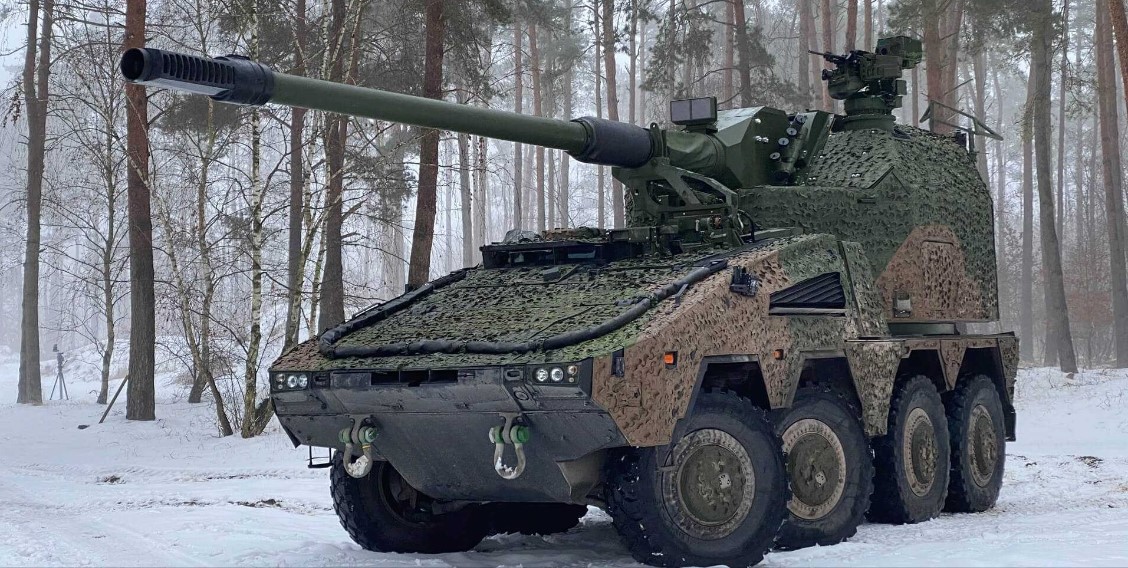
World
In a firm show of support, German Defence Minister Boris Pistorius announced during the Ukraine Contact Group meeting on January 9 at Ramstein that Germany will provide Ukraine with 18 additional RCH 155 self-propelled howitzers. This latest pledge raises the total number of these cutting-edge artillery systems destined for Ukraine to 54, cementing Germany’s commitment to bolstering Ukraine’s defense capabilities. Timeline of Deliveries Germany’s support with the RCH 155 began in mid-2022 when an initial batch of 18 units was approved, scheduled for delivery between December 2025 and 2027. A second order of 18 systems followed in mid-2024, and now, the third set of 18 howitzers has been promised. Notably, six units from this latest batch are set to arrive by the end of this year, enabling Ukraine to equip three self-propelled artillery battalions. RCH 155: Technical Specifications The RCH 155 is a state-of-the-art self-propelled artillery system developed by KNDS Deutschland, a leader in advanced defense technology. Key specifications include: Chassis: Built on the GTK Boxer 8×8 wheeled armored vehicle, renowned for its mobility and protection. Turret: Features an unmanned rotating turret with a 155mm gun capable of firing up to nine rounds per minute. Range: Capable of reaching targets up to 54 kilometers using advanced ammunition. Ammunition Capacity: Stores 30 shells and 144 propellant modules on board. Weight: Operational weight is under 39 tonnes, balancing firepower and maneuverability. Crew: Operable by just two soldiers, reducing manpower requirements. The RCH 155 stands out for its advanced automation and efficiency, making it one of the most modern artillery systems in the world. Strategic Impact on Ukraine The RCH 155’s deployment will significantly enhance Ukraine’s artillery capabilities. Its extended range and high rate of fire provide a considerable edge over older systems. Moreover, its mobility and automation are crucial in a fast-paced conflict environment, allowing Ukrainian forces to execute precision strikes while minimizing exposure to counter-battery fire. Global Interest in the RCH 155 Ukraine is joining an elite group of nations, including Germany, Qatar, the UK, and Switzerland, that have acquired the RCH 155. Other countries, such as Italy and the Netherlands, have expressed interest in this advanced artillery system. Despite some criticisms regarding its cost due to the premium GTK Boxer chassis, the RCH 155 is lauded for its unmatched performance and versatility on the battlefield. Conclusion Germany’s latest pledge of RCH 155 howitzers underscores the continued international effort to support Ukraine in its ongoing conflict. With its advanced design and capabilities, the RCH 155 promises to be a game-changer in enhancing Ukraine’s defense and maintaining its sovereignty.
Read More → Posted on 2025-01-10 15:30:58Search
Top Trending in 24 Hours
-
 Tulsi Gabbard Releases Declassified Files Detailing U.S.-Backed Network of 120 Biolaboratories Across 30+ Countries
-
 France Agrees to Equip Future Indian Rafales with AI, MUM-T and Secure Satellite Links Under F5 Standard
-
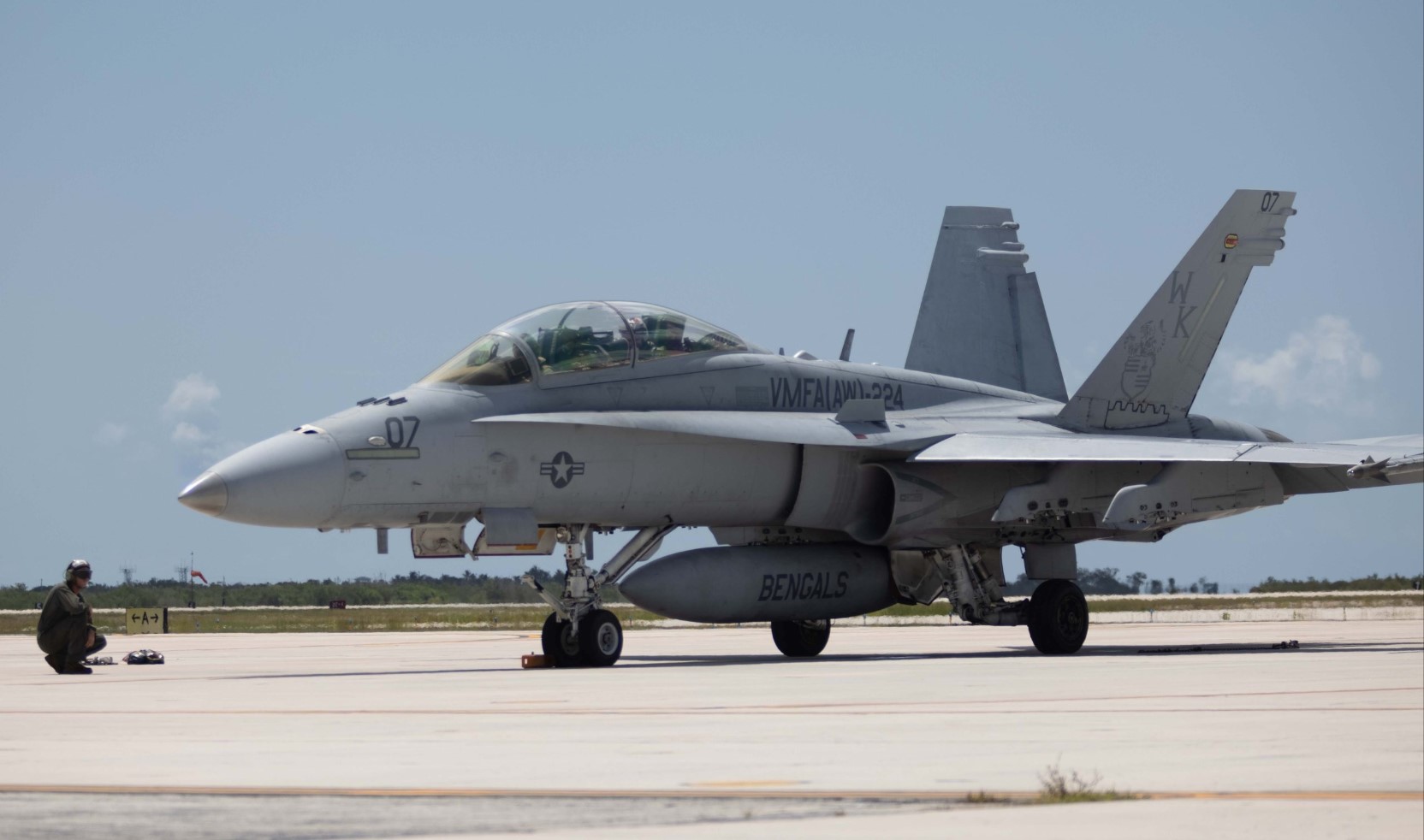 US Marine Corps F/A-18D Hornet Crashes During Training Flight in Washington Mountains; Pilot Ejects Safely
-
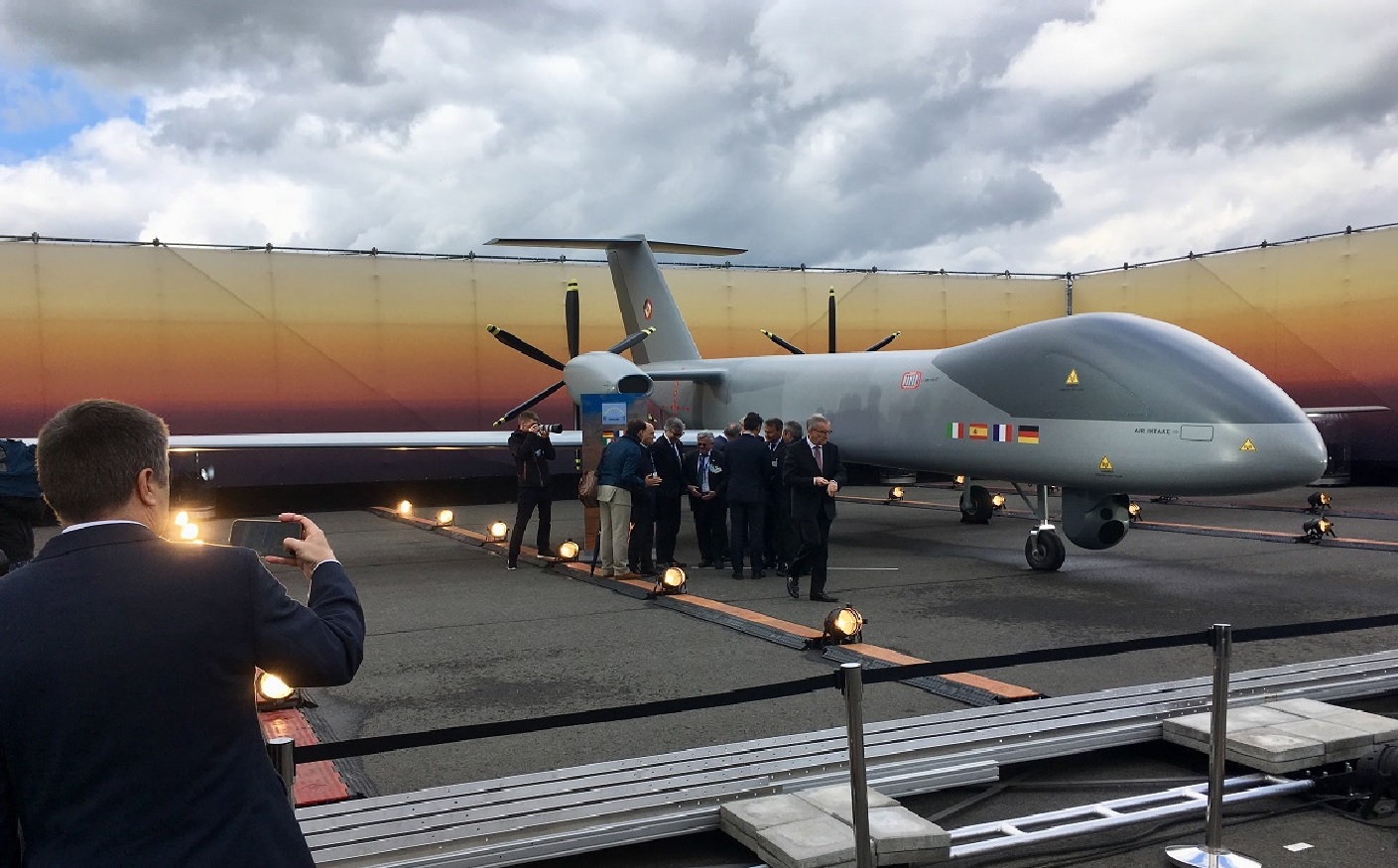 Dassault Seeks Compensation From Airbus as Eurodrone Dispute Erupts After FCAS Collapse
-
 AM General Unveils Next-Generation UGV and JLTV A2 with Counter-Drone Systems at Eurosatory 2026
-
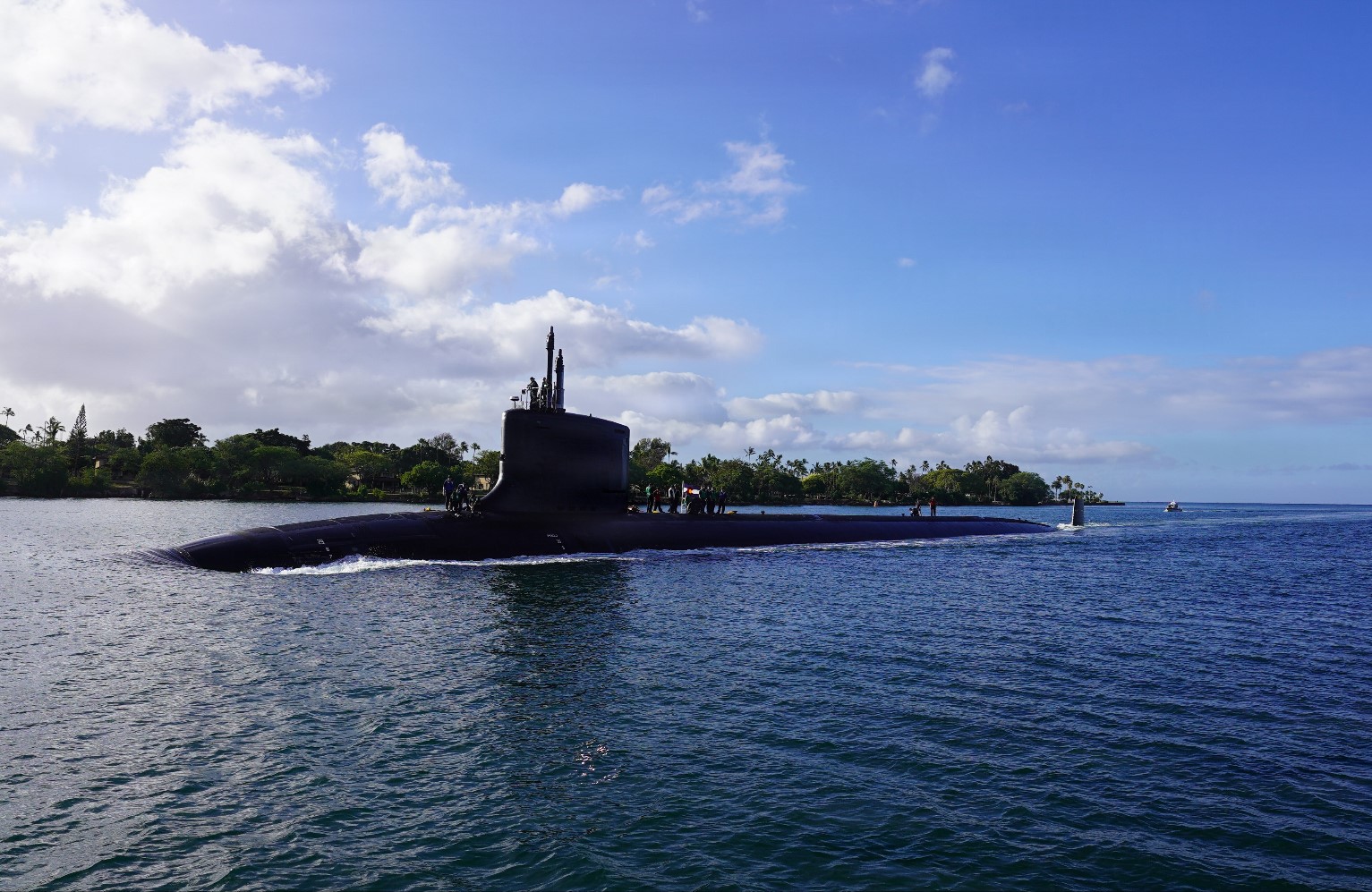 U.S. Navy's USS Colorado Submarine Returns to Pacific Fleet 29 Days Early After Major Pearl Harbor Overhaul
-
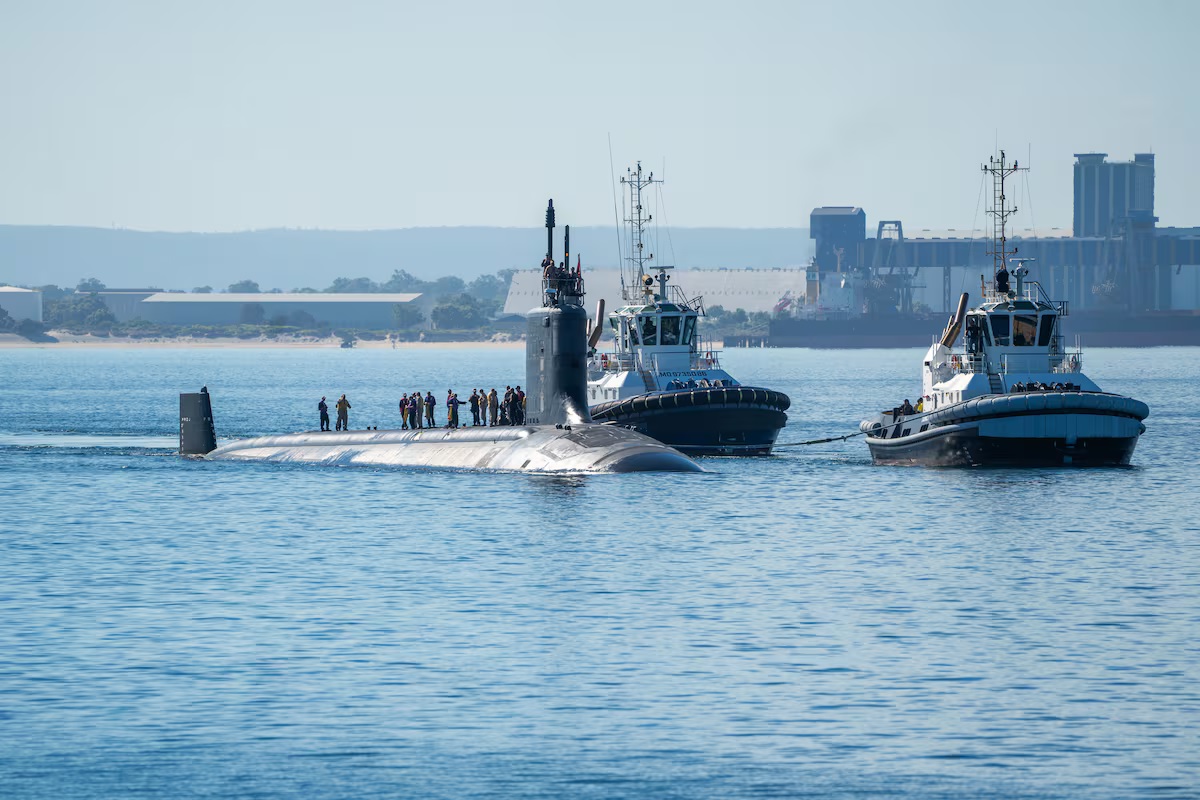 U.S. Navy Reestablishes Submarine Squadron 3 at HMAS Stirling to Support AUKUS Rotational Force
-
 Pakistan Raises Defence Budget from $9 Billion to $10.8 Billion as J-35 Fighter and Hangor Submarine Programs Advance
Top Trending in 4 Days
-
 Iranian Media Leaks 14-Point U.S.-Iran Peace Framework Amid Ongoing Negotiations
-
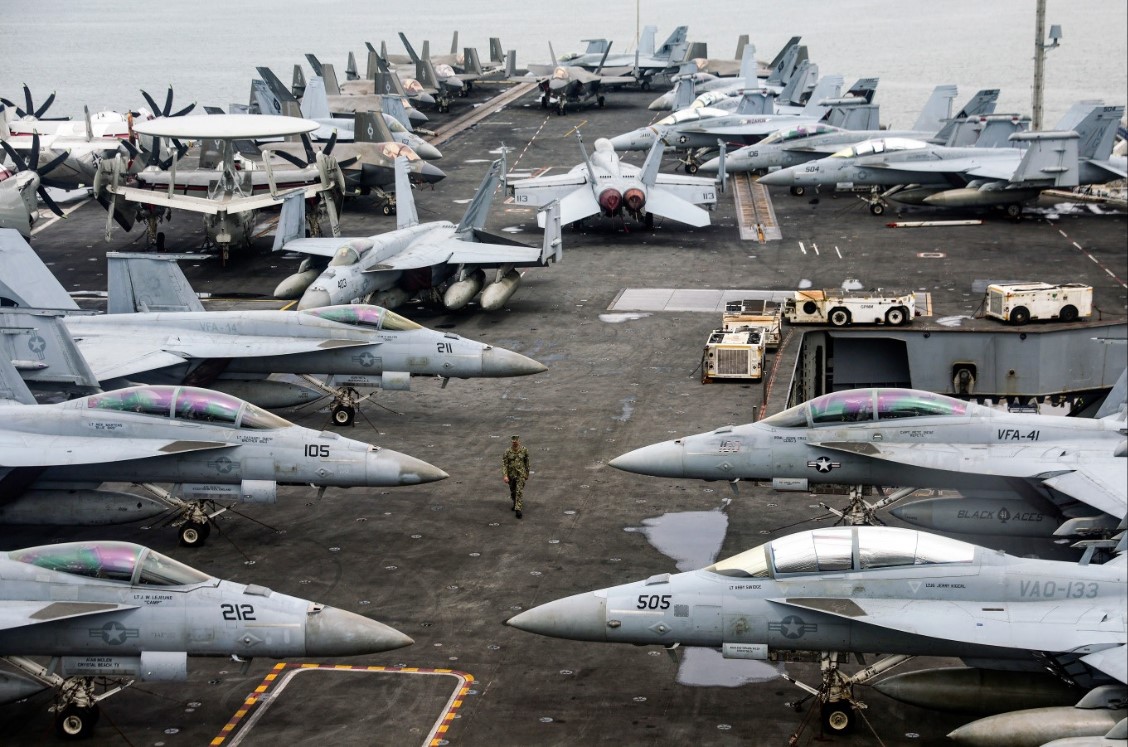 US Plans Significant Reduction of Fighter Jets and Warships for NATO Operations in Europe
-
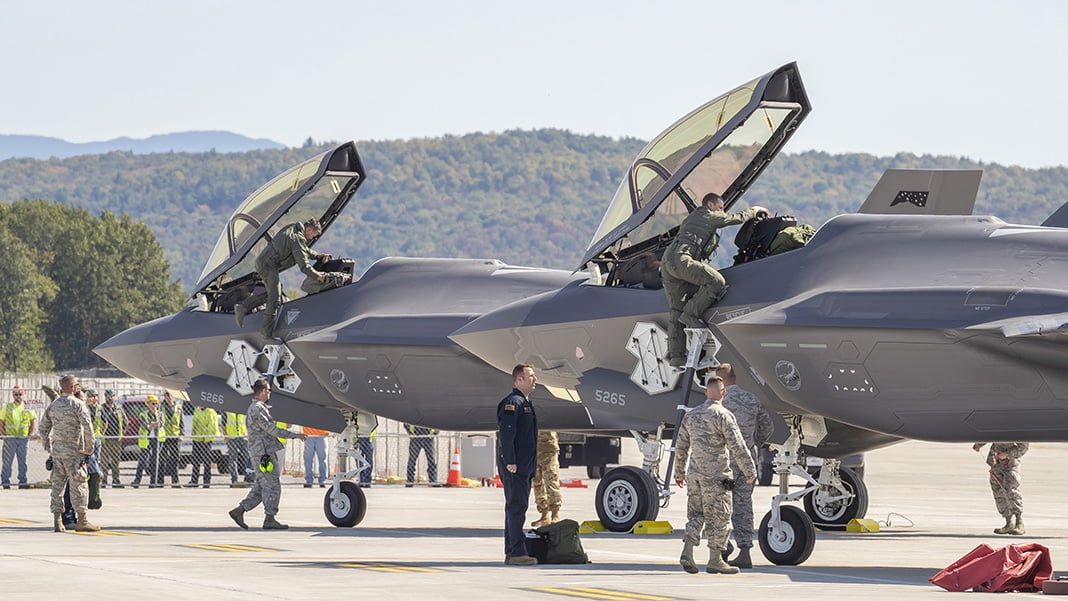 F-35 Fleet Readiness Falls to 25% Amid Parts Shortages and Software Delays: GAO Report
-
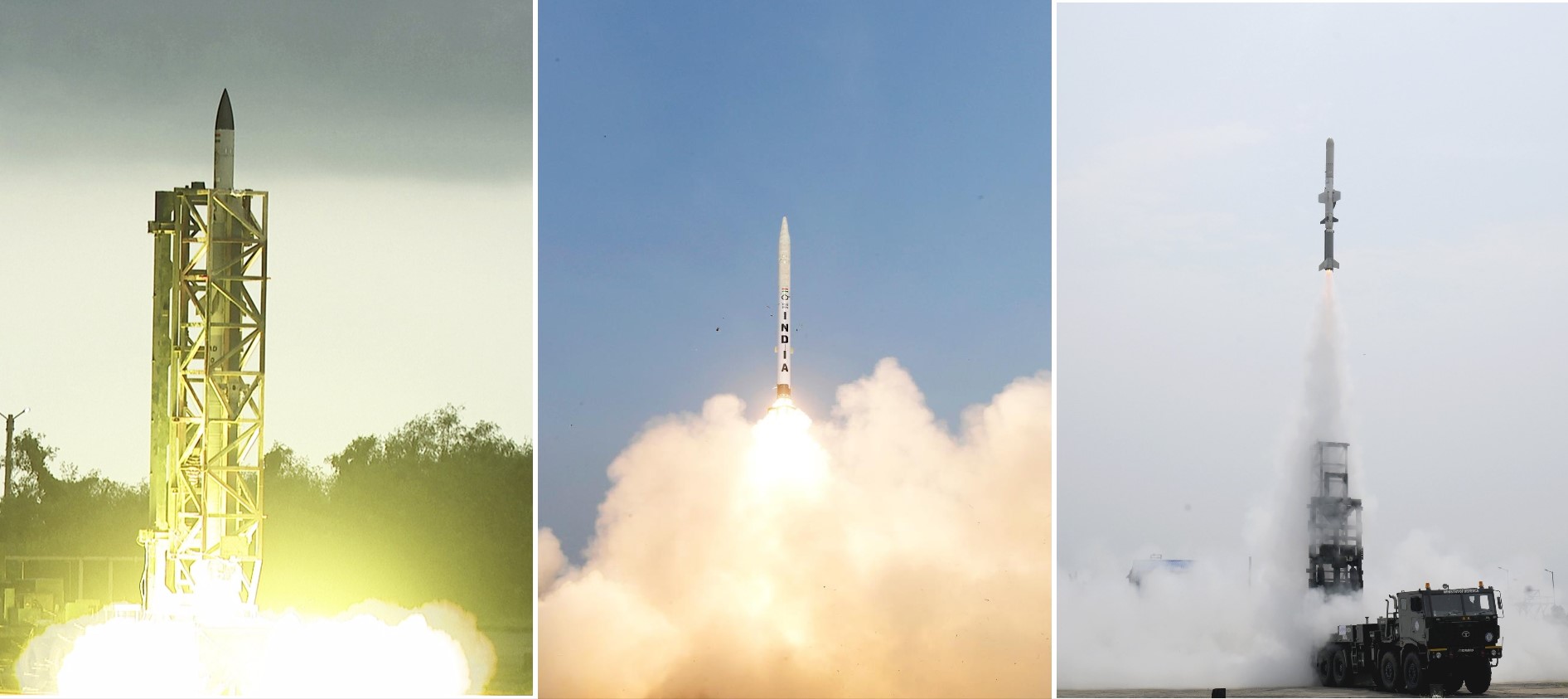 India Successfully Conducts AD-1, AD-2 Interceptor Tests and Maiden NASM-MR Flight Trial
-
 U.S. Air Force Faces Strategic Airlift Shortfall as C-17 Production Restart Remains Uncertain
-
 NATO Commander Says Russia Not Seeking Conflict With Alliance Despite U.S. Force Reductions
-
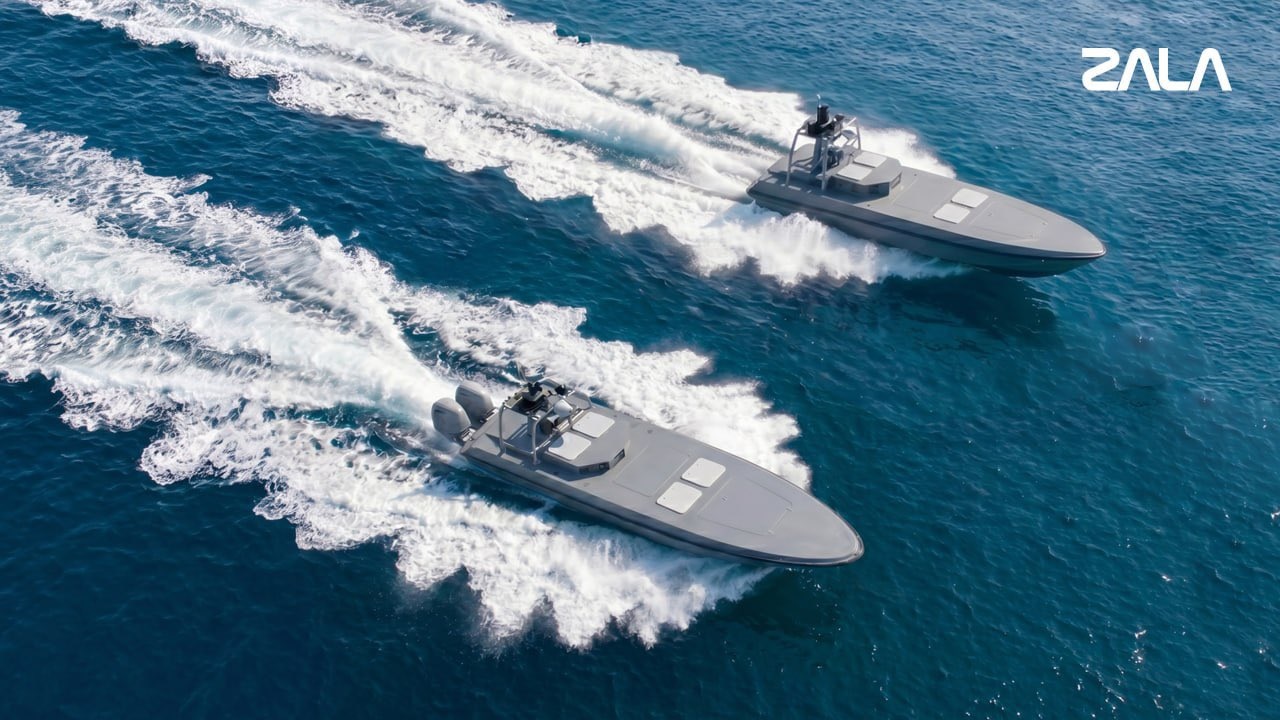 Russian Defense Firm ZALA Unveils KAMA Unmanned Surface Vessel Family at FLOT-2026 Naval Exhibition
-
 U.S. Space Force Awards $437.7 Million Contracts for First PTS-G Swarm 1 Anti-Jam Satellites