World
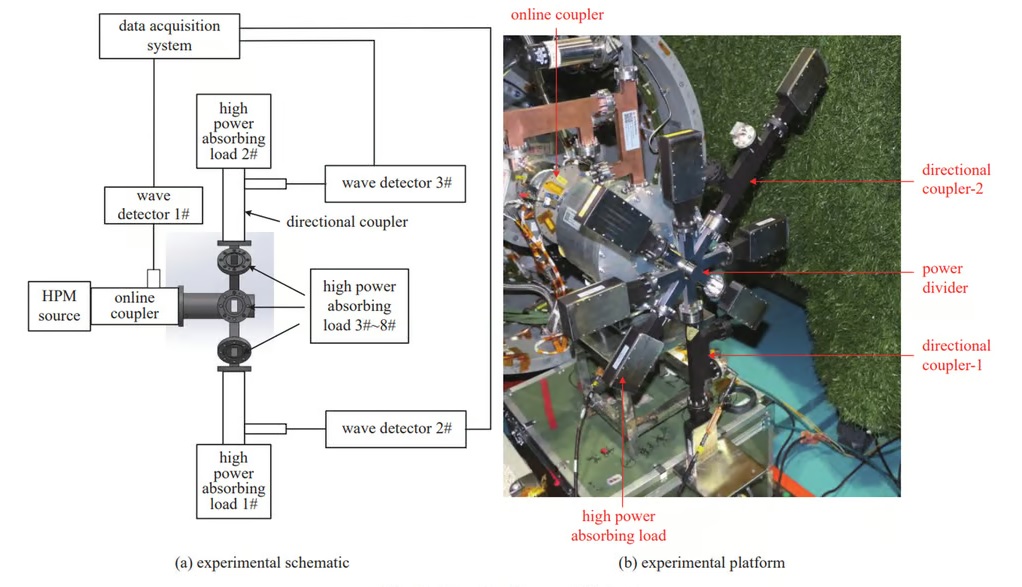
China is making significant strides in the development of a high-power microwave (HPM) weapon, which could unleash electromagnetic pulses (EMPs) similar to those from a nuclear explosion. This powerful new technology has been described as capable of disabling or destroying enemy electronics, including weapon systems, by generating intense electromagnetic waves. Researchers claim that the weapon is compact yet incredibly potent, although it is still in the laboratory testing phase and has not yet been deployed in the field. Specifications and Capabilities This HPM weapon employs advanced phased-array transmission technology, allowing for precise energy focus. The system generates electromagnetic pulses that can exceed one gigawatt of power, with rotating waves needing exact conversion to maintain stability across eight channels. The weapon's power divider, the size of a pedestal fan, produces electric field strengths greater than 80,000 volts per meter, mimicking the electromagnetic pulses from a nuclear blast. These specifications indicate that the weapon is capable of reaching immense power levels, with Chinese researchers claiming it can withstand thousands of nuclear-like blasts during testing. The high-performance power divider developed by the research team has successfully endured over 5,000 full-power pulse emissions without degradation. The system maintained stable waveforms throughout its trials, with an operating efficiency of 96.6%. With a power threshold surpassing 1 gigawatt, the weapon meets military demands for high-power output and efficient transmission. Military Impact and Applications High-power microwave weapons, including HPM systems, are emerging as promising solutions in the military’s race to develop directed energy weapons. The growing threat from drones and other aerial targets has accelerated the need for cost-effective countermeasures. Unlike traditional weapons that require finite ammunition, HPM systems can fire indefinitely, offering a distinct advantage in prolonged engagements. One of the unique features of HPM weapons is their non-lethal capability. These systems can disable enemy vehicles and drones without causing harm to personnel. This could have profound implications for modern warfare, allowing for more precise and humane engagements. Moreover, HPM weapons emit wide-area, cone-shaped beams that can target multiple threats simultaneously, unlike lasers that are limited to concentrated beams. The military applications for HPM systems extend beyond drones. China is also exploring the potential to use these weapons against satellites in low Earth orbit. With the proliferation of commercial satellite networks like SpaceX’s Starlink, which has played a pivotal role in the Russia-Ukraine conflict, China views these satellites as vulnerable targets. Starlink’s reliance on large antennas and commercial-grade components makes it susceptible to high-energy strikes, such as those from HPM weapons. In recent tests, China’s new weapon demonstrated its ability to emit Ku-band electromagnetic pulses—a frequency commonly used by communication satellites, including those of Starlink. Researchers suggest that many commercial satellites lack the military-grade reinforcement needed to withstand such attacks. As a result, China is accelerating the development of anti-satellite weapons designed specifically to disrupt these systems. A Global Race for Directed Energy Weapons The competition in directed energy weaponry is heating up, with both China and the United States investing heavily in technologies like HPM systems. The U.S. military has already deployed advanced systems such as the Helios laser weapon aboard the USS Preble, a guided-missile destroyer, in the Indo-Pacific region. This reflects the growing importance of these technologies in modern military strategy, especially in areas where conventional weapons are less effective against emerging threats like drones. China’s development of HPM weapons has sparked concerns in the West, especially regarding its potential to disrupt critical infrastructure like communication networks, satellites, and unmanned aerial systems. Chinese scientists have even suggested that these weapons could be used to target multiple Starlink satellites, with simulations showing that a fleet of Chinese satellites could approach and neutralize over 1,400 Starlink satellites in a matter of hours. Conclusion China’s progress in developing high-power microwave weapons represents a significant leap in the realm of directed energy technologies. These weapons have the potential to change the landscape of modern warfare, offering capabilities to disable enemy electronics and satellite systems with devastating electromagnetic pulses. While still in the testing phase, the rapid development and successful trials of this technology indicate that it could soon become a major player in military operations, with implications for both terrestrial and space-based defense strategies.
Read More → Posted on 2025-01-17 15:28:39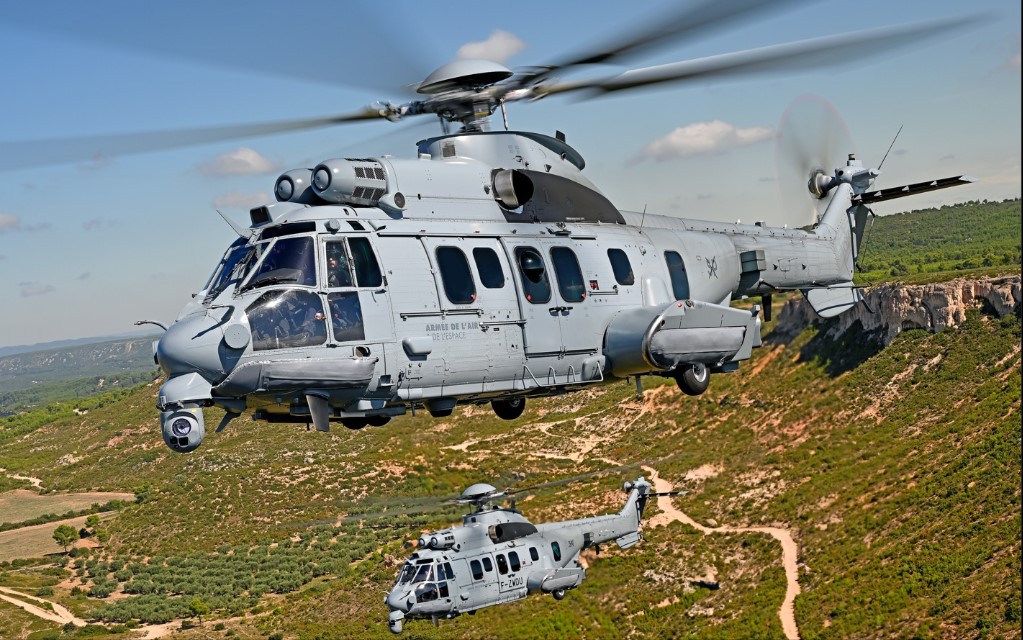
World
On January 16, 2025, France’s Directorate General of Armaments (DGA) proudly announced the delivery of the first two H225M Caracal helicopters to the French Air and Space Force. This milestone marks the beginning of an eight-unit order placed in April 2021, aimed at modernizing the nation's military helicopter fleet. The H225M Caracal, manufactured by Airbus Helicopters, is a multi-role, medium-lift helicopter renowned for its versatility, advanced technology, and exceptional performance. Designed primarily for combat search and rescue (CSAR), troop transport, and medical evacuation, the H225M has gained recognition as a reliable and capable platform across global militaries. Cutting-Edge Upgrades The H225M Caracals delivered to France come equipped with a suite of advanced systems tailored for operational effectiveness. These include: Safran EuroFLIR 410M Electro-Optical System: This sophisticated observation and targeting system enhances reconnaissance and situational awareness, making the aircraft highly effective in both day and night operations. CMA5024 GPS Navigation System: A new navigation system that ensures precise positioning and reliability, even in challenging environments. Night Vision Goggles-Compatible Lighting: Enables pilots to conduct missions safely and effectively during nighttime operations. These enhancements are part of Airbus's commitment to equipping the French Air and Space Force with cutting-edge technology to meet modern military demands. Replacing an Aging Fleet The delivery of the H225M Caracals is a critical step in replacing the ageing fleet of Sud-Aviation SA 330 Puma transport helicopters. The Pumas, which have served in mainland France and overseas territories, are gradually being retired after decades of reliable service. With the addition of the H225Ms, France is set to bolster its operational capabilities in troop transport, logistics, and disaster response missions. Since the H225M’s introduction, France has received a total of 20 units, although one was tragically lost in a crash. This new delivery underscores France's ongoing investment in maintaining a robust and modern helicopter fleet. A Broader European Adoption France's acquisition of the H225M is part of a broader economic support program initiated to mitigate the impact of the COVID-19 pandemic. Beyond France, other European nations are also adopting this versatile helicopter platform. Hungary: Out of its 16 ordered H225Ms, 14 units have already been delivered, reflecting the platform's growing popularity in Central Europe. Netherlands: The Netherlands has also placed an order for 12 H225Ms, with deliveries scheduled between 2030 and 2032. These partnerships highlight the H225M’s reputation as a dependable solution for military transport, making it a cornerstone of European defense modernization. Specifications of the H225M Caracal The H225M is designed to handle the most demanding missions with efficiency and reliability. Its key specifications include: Crew: 2 pilots + up to 28 troops Maximum Takeoff Weight: 11,000 kg Maximum Speed: 324 km/h (175 knots) Range: 1,148 km (with additional fuel tanks) Engine: 2 × Safran Makila 2A1 turboshaft engines, each producing 2,382 hp Armament Options: Can be equipped with machine guns and rockets for combat roles Payload Capacity: 4,750 kg (internal and external loads) These specifications make the H225M a versatile workhorse, capable of adapting to a wide range of operational scenarios, from high-intensity combat to humanitarian missions. Strengthening France's Defense As the French Air and Space Force integrates the H225M into its operations, the country stands to benefit from enhanced mission readiness and flexibility. The Caracal’s ability to perform under extreme conditions, coupled with its advanced avionics and reliability, makes it a valuable asset for both national defense and international missions. The delivery of these advanced helicopters not only strengthens France’s air capabilities but also reinforces Airbus’s position as a leader in the global defense sector. With more nations adopting the H225M, the helicopter is poised to play a pivotal role in shaping the future of military aviation across Europe and beyond.
Read More → Posted on 2025-01-17 14:50:10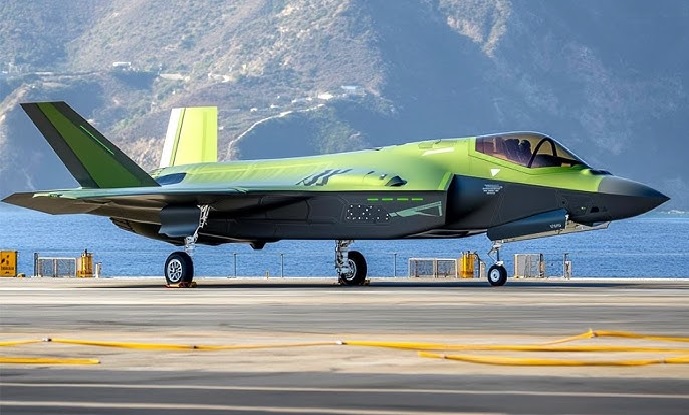
World
In a significant development for modern aerial warfare, Norwegian-Finnish defense company Nammo has secured a landmark contract worth 22.9 million Australian dollars ($14.2 million) to supply its cutting-edge APEX 25mm armor-piercing ammunition to Australia’s fleet of F-35A fighter jets. This deal not only marks the first major sale of Nammo's advanced ammunition but also underscores Australia’s commitment to equipping its fifth-generation stealth fighters with top-tier capabilities. What Sets Nammo's APEX Ammunition Apart? Nammo’s APEX ammunition is regarded as one of the most advanced aircraft munitions ever developed. It combines multiple capabilities within a single round, offering a mix of armor-piercing and explosive effects that give the F-35A an operational edge. At its core is a tungsten carbide penetrator, a high-density material capable of neutralizing heavily armored, semi-armored, and even lighter targets with remarkable efficiency. The round's effectiveness isn’t confined to direct hits; its design ensures it remains lethal even in the case of glancing strikes. Additionally, the APEX round contains an explosive warhead that produces blast, fragmentation, and incendiary effects upon detonation. This multi-effect capability ensures versatility against a broad spectrum of targets, ranging from armored vehicles to fortified structures and other battlefield assets. The ammunition also integrates a dual-safety fuse mechanism, which not only guarantees a safe arming distance from the aircraft but also ensures a delayed detonation inside the target for maximum damage. Key Specifications of the APEX 25mm Round Material: Tungsten carbide penetrator for exceptional armor-piercing capability. Warhead: High-explosive filler delivering blast, fragmentation, and incendiary effects. Effective Range: Designed for optimal performance in both air-to-ground and air-to-air engagements. Safety Features: Dual-safety fuse ensuring safe operation and precise detonation timing. Operational Advantage: Effective against a diverse range of targets, even with partial impacts. Enhancing Australia’s F-35A Fleet Deliveries under this contract will commence later this year, with completion expected by 2027. Once fully equipped with Nammo’s APEX rounds, Australia’s F-35A Lightning II fighters will see a significant enhancement in their mission effectiveness. The new ammunition is expected to bolster the jets’ ability to neutralize high-value targets while improving their accuracy and adaptability in complex operational environments. Reijo Bragberg, executive vice president of Nammo’s Small and Medium Caliber business unit, emphasized the significance of this contract, stating, “Our APEX ammunition is recognized as the most capable aircraft ammunition ever deployed, and its performance against a diverse range of targets sets it apart.” Strategic Importance of the Deal This contract reflects the growing demand for advanced munitions tailored to meet the needs of modern combat scenarios. For Australia, the addition of the APEX ammunition aligns with its broader strategy to maintain technological superiority in the Indo-Pacific region. Nammo’s deal with Australia also demonstrates the company’s dedication to innovation in defense technology. With its unique blend of armor-piercing and explosive capabilities, the APEX round is poised to play a key role in enhancing the combat readiness of the F-35A, which is already one of the world’s most advanced fighter platforms. The Future of APEX Ammunition As the first major sale of Nammo’s APEX rounds, this deal is expected to pave the way for further adoption by allied nations operating the F-35. Its multi-role design, coupled with unmatched performance, positions it as a game-changing ammunition for air combat and ground support missions alike. By integrating such advanced munitions, Australia ensures its defense forces remain at the forefront of military innovation, capable of responding effectively to evolving threats in a dynamic geopolitical landscape.
Read More → Posted on 2025-01-17 14:39:30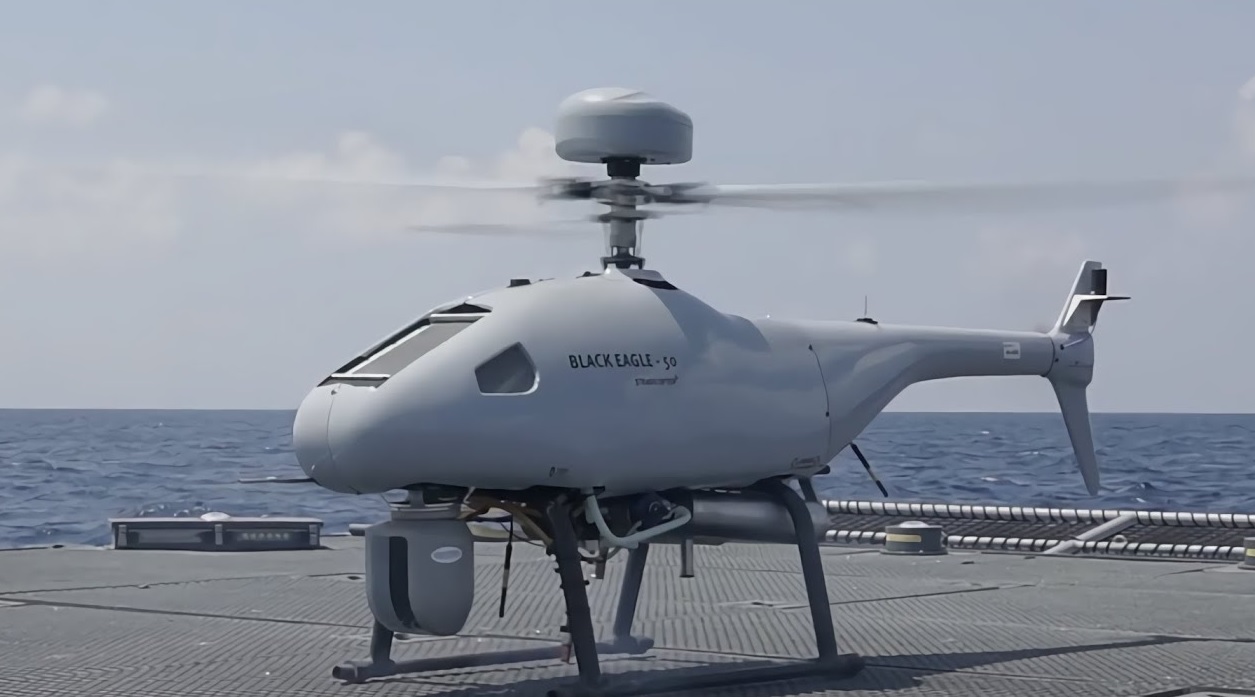
World
In a landmark collaboration poised to redefine India’s defense technology landscape, Lotus Advance Technologies Pvt Ltd, an Indian manufacturing powerhouse, has partnered with Israel-based Steadicopter Pvt Ltd. Together, the two firms aim to usher in a new era of Rotary Unmanned Aerial Vehicles (RUAVs) tailored specifically for the Indian Armed Forces and Paramilitary Forces. This strategic alliance is set to strengthen India's self-reliance in advanced defense technologies under the “Make in India” initiative. A Powerful Alliance: Combining Expertise Lotus Advance Technologies brings a wealth of experience in mechanical manufacturing, electronic testing, and assembly. Operating out of their state-of-the-art facility in Uttar Pradesh, certified by institutions like HAL (Hindustan Aeronautics Limited) and DGAQA (Directorate General of Aeronautical Quality Assurance), the company is well-equipped to manufacture sophisticated defense systems. Known for their focus on precision engineering, Lotus aims to produce cutting-edge RUAV solutions that meet stringent military requirements. Steadicopter, a global leader in RUAV technology, is renowned for its Black Eagle series—highly maneuverable, stable, and versatile unmanned rotary platforms. By integrating their world-class technological expertise with Lotus Advance Technologies’ robust manufacturing capabilities, the partnership is positioned to deliver RUAVs optimized for India’s unique operational environments. Specifications of the Black Eagle Series The RUAV systems likely to emerge from this collaboration are expected to build on the foundation of Steadicopter's Black Eagle series. These specifications showcase their exceptional capabilities: Black Eagle 50E: Weight: Approx. 35 kg, including payload Payload Capacity: Up to 5 kg Endurance: 2-4 hours (depending on mission profile) Range: Over 150 km Key Features: Fully electric propulsion for quieter operations Integrated advanced sensors for ISTAR missions Designed for high mobility in rugged environments Black Eagle 50H (Hybrid Version): Weight: Approx. 50 kg Payload Capacity: Up to 10 kg Endurance: 5 hours (hybrid fuel-electric system) Range: Over 200 km Key Features: Hybrid engine offering extended flight times Precision navigation and stability in extreme weather conditions Modular payload options for various mission requirements Black Eagle 25 (Compact Version): Weight: Approx. 18 kg Payload Capacity: 3 kg Endurance: Up to 3 hours Key Features: Optimized for tactical surveillance in constrained environments Rapid deployment capabilities Key Objectives of the Partnership The collaboration between Lotus Advance Technologies and Steadicopter is designed to address specific needs of the Indian defense ecosystem, emphasizing three core objectives: Localization of Manufacturing:By leveraging Steadicopter's advanced designs and Lotus' manufacturing expertise, the partnership seeks to establish India as a hub for RUAV production. This will reduce reliance on imports and provide indigenous solutions that comply with the “Make in India” initiative. Customization for Indian Conditions:The RUAVs will be tailored to meet the operational challenges faced by Indian forces. From surveillance in harsh Himalayan terrain to disaster relief in dense urban areas, the vehicles will be equipped with adaptive technologies to handle diverse environments. Advanced Capabilities for Multiple Roles:Equipped with cutting-edge sensor suites, precision strike technologies, and extended flight endurance, the RUAVs will serve in intelligence, surveillance, target acquisition, and reconnaissance (ISTAR) missions. Additionally, they will support applications in anti-terrorism, border security, and disaster management. Implications for India’s Defense Landscape The partnership is expected to boost India’s indigenous defense manufacturing capabilities, enhancing the country’s strategic autonomy. The tactical RUAVs developed under this collaboration will not only modernize India’s surveillance and combat readiness but also create a robust ecosystem for innovation and job creation in the defense sector. By merging Lotus Advance Technologies’ commitment to quality with Steadicopter’s trailblazing expertise, this joint effort promises to transform how RUAVs are designed, produced, and deployed in India. This initiative underscores the growing importance of public-private partnerships in securing India’s borders and empowering its defense forces with next-generation technology.
Read More → Posted on 2025-01-17 14:33:52
World
The ongoing conflict in Gaza, which has left a devastating impact on the region, is now poised for a significant development. Hamas is expected to release the first hostages under a carefully negotiated ceasefire deal on Sunday, according to Israeli Prime Minister Benjamin Netanyahu’s office. This agreement comes after 15 months of relentless warfare that has reduced much of Gaza to rubble, claimed over 46,000 lives, and displaced millions in the densely populated enclave of 2.3 million people. If fully implemented, the ceasefire could not only halt the violence in Gaza but also ease tensions across the broader Middle East. The conflict has drawn in Iran and its regional allies, including Hezbollah in Lebanon, Yemen’s Houthis, and various armed groups in Iraq, further destabilizing the region. Details of the Ceasefire Agreement The deal, which unfolds in three stages, begins with a six-week initial phase. During this period, Hamas has agreed to release 33 hostages, prioritizing women (both soldiers and civilians), children, and men over the age of 50. In return, Israel will release all Palestinian women and minors under the age of 19 who are currently detained in its prisons. The number of Palestinians freed could range between 990 and 1,650, depending on the number of hostages released. While Hamas confirmed on Friday that earlier disagreements over the terms of the ceasefire had been resolved, the agreement still requires formal approval from Israel’s security cabinet. Delays in the cabinet’s meeting earlier in the week sparked concerns about the potential postponement of the ceasefire. However, Netanyahu’s office reassured that a deal had been reached and awaited final ratification. Challenges to Implementation The agreement has faced opposition from hardliners within Netanyahu’s government. National Security Minister Itamar Ben-Gvir and Finance Minister Bezalel Smotrich have voiced strong objections, with Ben-Gvir even threatening to resign. These dissenters argue that the ceasefire constitutes a concession to Hamas and undermines Israel’s objectives in Gaza. However, the majority of ministers are expected to support the deal, recognizing the urgent need to address the humanitarian and political crisis. In Gaza, the situation remains dire. Despite the ceasefire announcement, Israeli airstrikes have persisted, with at least 101 people, including 58 women and children, reportedly killed since Wednesday. Scenes of devastation continue to emerge, as families mourn the loss of loved ones and struggle to survive amid destroyed infrastructure and dwindling resources. Humanitarian and Strategic Implications The ceasefire agreement also includes provisions to increase humanitarian aid to Gaza, where most residents have been displaced and are grappling with severe shortages of food, water, and medical supplies. In parallel, it calls for a gradual withdrawal of Israeli troops from the region, a move that could help de-escalate hostilities. The deal was brokered through the combined efforts of Qatar, Egypt, and the United States, highlighting the critical role of international mediation in resolving such conflicts. Families of Hostages Push for Swift Action As of now, Israel estimates that 98 hostages remain in Gaza. About half are believed to be alive, including both Israelis and non-Israelis. The majority of these individuals were abducted during the Hamas-led assault on October 7, 2023, which resulted in the deaths of over 1,200 Israeli soldiers and civilians. For the first time, the families of hostages have been informed about the names of the first 33 individuals expected to be released. However, there is lingering uncertainty over how many of them are still alive. Advocacy groups representing these families have called on Netanyahu to expedite the process, emphasizing the trauma endured by those still in captivity. Broader Impacts The potential success of this ceasefire holds significant implications. Beyond the immediate halt to hostilities, it could serve as a framework for longer-term peace negotiations and foster stability in the Middle East. However, the road ahead remains fraught with challenges, as deep-seated political and ideological divides continue to hinder progress. As the world watches closely, Sunday’s developments will undoubtedly shape the trajectory of the Gaza conflict, offering a glimmer of hope amid the ongoing humanitarian crisis.
Read More → Posted on 2025-01-17 14:29:32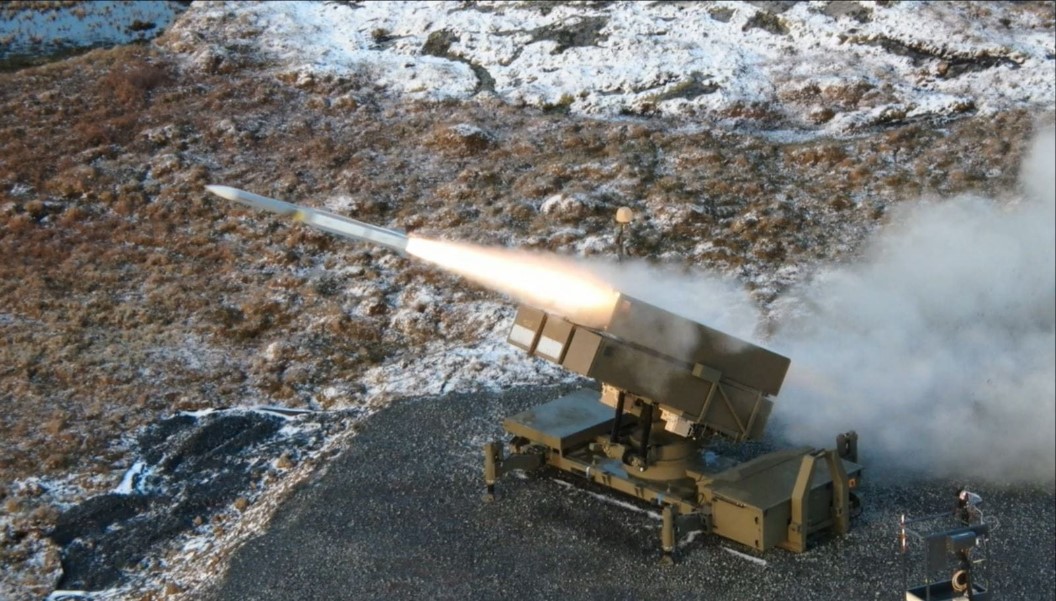
Raytheon Secures $529 Million Deal to Equip the Netherlands with Advanced Patriot Air Defense System
World
In a significant step toward bolstering European air defense, Raytheon, a division of RTX, has secured a $529 million contract to supply the Netherlands with a Patriot air and missile defense system. This new agreement aims to replenish a Patriot fire unit that the Netherlands had previously donated to Ukraine, reflecting the country’s commitment to enhancing NATO's collective defense strategy amid heightened regional tensions. A Comprehensive Package for Enhanced Security The contract includes the delivery of a complete fire unit, which comprises a sophisticated radar system, multiple launchers, command-and-control stations, and vital support equipment. This fully integrated system is designed to provide a robust, layered defense against a variety of aerial threats, ranging from long-range cruise missiles to tactical ballistic missiles and aircraft. Pete Bata, senior vice president of Global Patriot at Raytheon, underscored the strategic importance of the agreement: “The Netherlands’ investment in Patriot ensures collective security and deterrence across Europe. This partnership highlights our shared commitment to protecting allied nations from evolving threats.” The Patriot System: A Global Standard in Missile Defense The Patriot system has long been recognized as the gold standard in air and missile defense. Operated by 19 nations worldwide, it is the only combat-proven ground-based solution capable of neutralizing advanced threats, including: Tactical Ballistic Missiles: Effective against short- to medium-range ballistic missiles, ensuring strategic deterrence. Cruise Missiles: Advanced radar technology enables detection and interception of fast, low-flying cruise missiles. Air-Breathing Threats: The system provides reliable defense against fighter jets, drones, and other aircraft. A key component of the Patriot system is its AN/MPQ-65 radar, renowned for its phased-array technology that tracks multiple targets simultaneously, even in cluttered environments. The system’s PAC-3 MSE (Missile Segment Enhancement) interceptors deliver pinpoint accuracy and are equipped with advanced hit-to-kill technology to destroy incoming threats through kinetic energy. Meeting Europe’s Growing Security Needs This deal comes at a time when Europe is facing escalating security challenges. With NATO’s eastern flank witnessing increased geopolitical tension, the Netherlands' acquisition of the Patriot system reinforces both national and regional defense. By choosing the Patriot, the Netherlands aligns itself with a network of allied nations that depend on the system, ensuring interoperability and seamless coordination during joint operations. The Patriot air defense system has consistently demonstrated its reliability in real-world combat scenarios, including recent deployments in the Middle East and Europe. Its adaptability to new threats through regular upgrades makes it a future-proof investment for nations seeking long-term security solutions. A Strategic Investment in Collective Defense The $529 million contract not only strengthens the Netherlands' defense capabilities but also sends a strong signal of unity within NATO. By replacing the fire unit previously sent to Ukraine, the Netherlands ensures its armed forces remain ready to respond to emerging challenges while supporting allies in need. With this deal, Raytheon further solidifies its position as a leading provider of cutting-edge defense solutions, delivering systems that protect nations from an increasingly complex array of threats. As the Patriot system continues to evolve, it remains a cornerstone of global air and missile defense.
Read More → Posted on 2025-01-17 14:22:35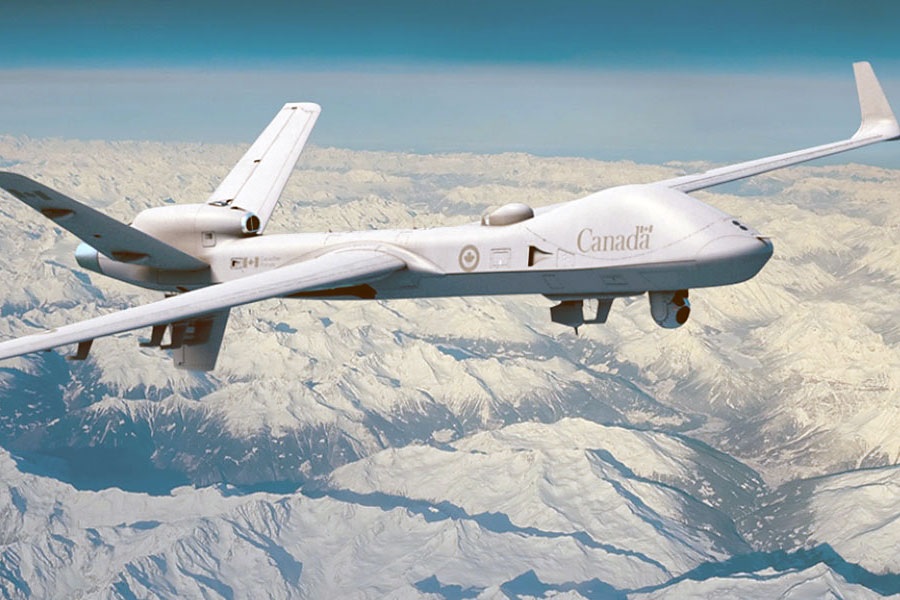
World
Canada’s ambitious step toward strengthening its aerial surveillance and operational capabilities has taken a significant leap forward with the commencement of production for its MQ-9B SkyGuardian drones. The assembly process, currently underway in San Diego, California, marks a critical milestone in Canada’s $1.72 billion (2.49 billion Canadian dollars) defense program signed in 2023. This program aims to procure 11 advanced SkyGuardian Remotely Piloted Aircraft Systems (RPAS) from General Atomics Aeronautical Systems, Inc. (GA-ASI). Key Highlights of Canada’s MQ-9B SkyGuardian Program The initial phase of the project focuses on assembling the first two drones, with a crucial testing phase scheduled for 2026. Alongside the aircraft, Canada will receive a comprehensive package that includes: Six Ground Control Stations: These systems will enable seamless operation and mission planning. A Centralized Ground Control Center: Designed for robust operational oversight. Two Dedicated Hangars: For maintenance and storage. Sustainment Services: To ensure long-term operability. Mission Crew and Technician Training: To prepare personnel for the efficient use of the platform. Additionally, the program will supply an initial stock of AGM-114 Hellfire air-to-ground missiles. These precision-guided munitions, weighing approximately 100 pounds (45 kilograms), will significantly enhance the SkyGuardian's strike capability. The first deliveries from the program are expected in 2028. Strategic Deployment Across Canada The new fleet of MQ-9B SkyGuardians will be stationed at key locations, including Canadian Forces Base Greenwood in Nova Scotia and Comox in British Columbia. These strategic bases will enable the drones to monitor Canada’s vast territories, including the Pacific and Atlantic coasts and the Arctic region. The SkyGuardian’s ability to operate under extreme weather conditions makes it an ideal choice for Canada’s diverse and often challenging environments. Apart from military surveillance and territorial security, the drones will be used in civilian applications such as flood monitoring, forest fire response, and search-and-rescue operations. The MQ-9B SkyGuardian: Specifications and Capabilities The MQ-9B SkyGuardian is an advanced iteration of General Atomics’ MQ-9 Reaper, which itself evolved from the renowned MQ-1 Predator. Designed for long-endurance missions in complex operational domains, the SkyGuardian boasts the following specifications: Dimensions: The drone measures 38 feet (12 meters) in length, with an impressive wingspan of 79 feet (23 meters). Payload Capacity: It can carry up to 4,750 pounds (2,155 kilograms) of equipment or weaponry, making it highly versatile for a variety of missions. Engine: A Honeywell turboprop engine powers the aircraft, enabling a maximum service ceiling of 43,000 feet (13,106 meters). Range: With a range of 6,000 nautical miles (11,112 kilometers), it can conduct long-endurance missions without the need for frequent refueling. Speed: The SkyGuardian reaches a top speed of 300 miles (483 kilometers) per hour. The drone is equipped with cutting-edge sensors and systems for intelligence, surveillance, and reconnaissance (ISR). Its modular design allows integration with a variety of payloads, including radar, electro-optical systems, and communication relays, making it a true force multiplier for Canada’s defense. Advancing Canada’s Defense Goals Canada’s investment in the SkyGuardian program reflects its commitment to modernizing its military capabilities while addressing emerging security challenges. The ability to patrol vast territories, especially the Arctic, where extreme weather poses significant hurdles, highlights the strategic importance of this acquisition. General Atomics is also delivering additional hardware and components under a $107.9 million contract, further advancing the development of Canada’s SkyGuardian fleet. As the program progresses, these drones will not only bolster Canada’s territorial defense but also provide critical support for humanitarian and environmental missions, making them a vital asset for both military and civilian purposes. The MQ-9B SkyGuardian program is a testament to Canada’s forward-looking defense strategy, ensuring that it remains well-equipped to navigate the complexities of modern security and environmental challenges.
Read More → Posted on 2025-01-17 14:18:50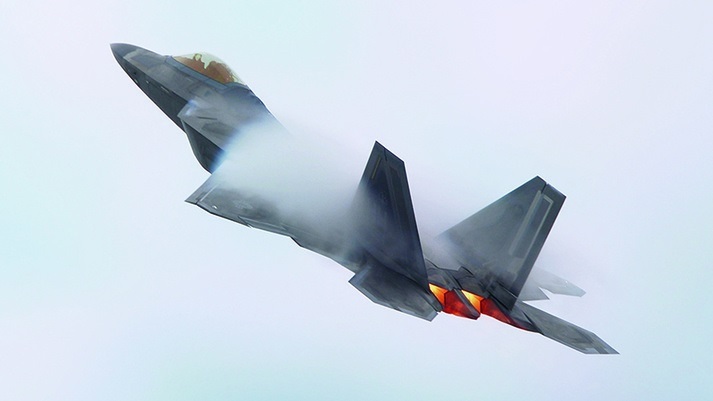
World
On January 15, 2025, the U.S. Air Force conducted a large-scale readiness exercise at Kadena Air Base in Okinawa, Japan, emphasizing the operational capabilities of the F-22A Raptors and F-15C Eagles. This exercise demonstrated the strategic importance of Kadena as a critical hub for U.S. military operations in the Indo-Pacific region, particularly as tensions remain high in the area. The F-22A Raptors, deployed from the 525th Expeditionary Fighter Squadron at Joint Base Elmendorf–Richardson, Alaska, joined forces with F-15C Eagles from Kadena’s 67th Fighter Squadron. Together, these fourth- and fifth-generation fighters showcased advanced interoperability and tactical readiness, reinforcing their role as a deterrent against potential regional threats. Kadena: The Keystone of the Pacific Kadena Air Base is central to the U.S. Air Force’s Indo-Pacific strategy, hosting a variety of airframes to enhance operational flexibility. Master Sgt. Benjamin Alesse, production superintendent for the 67th Fighter Squadron, highlighted the significance of Kadena's infrastructure, stating, “Kadena is one of the bases that has so many different airframes that make it the Keystone of the Pacific.” As part of ongoing modernization efforts, Kadena has integrated transitional fighter squadrons to ensure continuous readiness. This includes the deployment of F-16C Fighting Falcons from the 77th Expeditionary Fighter Squadron and F-35A Lightning IIs from the 134th Expeditionary Fighter Squadron. These advanced aircraft provide vital coverage while the F-15C/D Eagles are gradually returned to the United States for upgrades and maintenance. Specifications of the F-22A Raptor and F-15C Eagle The F-22A Raptor is a fifth-generation stealth fighter renowned for its unmatched air superiority capabilities. Its specifications include: Speed: Over Mach 2.0 (supercruise without afterburner) Range: 1,600 nautical miles with internal fuel Armament: Six AIM-120 AMRAAMs, two AIM-9 Sidewinders, and a 20mm M61A2 cannon Unique Features: Stealth design, advanced avionics, and supermaneuverability The F-15C Eagle, a fourth-generation fighter, remains a formidable airframe with proven combat performance. Key specifications include: Speed: Mach 2.5 Range: 1,967 nautical miles with external tanks Armament: Eight air-to-air missiles, including AIM-7 Sparrow, AIM-120 AMRAAM, and AIM-9 Sidewinder Unique Features: Exceptional climb rate, radar range, and weapons-carrying capacity Training for Operational Excellence To ensure seamless operations, the Air Force leverages Kadena's diverse fleet to conduct advanced training exercises. One critical component of this readiness is "hot-pit" refueling, which allows aircraft to refuel quickly without shutting down their engines. Master Sgt. Alesse noted the recent certification of Kadena's crew chiefs on hot-pit refueling for F-16s, highlighting the base's adaptability to support various platforms. By integrating multiple airframes and fostering joint training, Kadena Air Base reinforces the U.S. Air Force’s commitment to maintaining peace and stability in the region. This readiness exercise underscores the pivotal role of advanced airpower in deterring aggression and supporting allied operations across the Indo-Pacific.
Read More → Posted on 2025-01-16 15:54:17
World
Blue Origin’s flagship rocket, New Glenn, has successfully achieved orbit on its maiden mission, marking a significant leap forward for the Jeff Bezos-founded space company. The NG-1 mission launched flawlessly from Launch Complex 36 at Cape Canaveral Space Force Station on January 16, 2025, at 2:03 a.m. EST (0703 UTC), showcasing Blue Origin’s potential to compete in the growing commercial spaceflight sector. Specifications of New Glenn: A Technological Marvel The New Glenn rocket is a two-stage orbital launch vehicle designed to deliver heavy payloads into space. The rocket stands 98 meters (321 feet) tall, with a reusable first stage capable of supporting up to 25 missions—a feature central to reducing costs in space exploration. Key specifications of New Glenn include: First Stage Engines: Seven BE-4 engines, fueled by liquid oxygen (LOX) and liquefied natural gas (LNG), producing a combined thrust of 3.85 million pounds. Second Stage Engine: A single BE-3U engine, optimized for vacuum operations, also using LOX and liquid hydrogen. Payload Capacity: Capable of delivering up to 45 metric tons (100,000 pounds) to low Earth orbit (LEO) and 13 metric tons (29,000 pounds) to geostationary transfer orbit (GTO). Payload Fairing: A massive 7-meter (23-foot) diameter fairing, designed to accommodate large satellites and modular spacecraft. Milestone Mission with Challenges The NG-1 mission was a success in terms of reaching orbit, but the booster, named “So You’re Telling Me There’s a Chance,” was lost during its descent. Despite this setback, Blue Origin’s team remains optimistic about perfecting their booster recovery techniques in future missions. CEO Dave Limp emphasized the importance of learning from this attempt, expressing confidence in achieving a successful landing by spring 2025. A Cornerstone for Future Missions New Glenn’s success signals a major step forward for Blue Origin’s ambitions in space exploration and commercialization. The rocket is already lined up for a host of significant missions, including supporting NASA’s Artemis program, which aims to establish a sustainable human presence on the Moon. Future payloads include: Blue Moon Landers: Cargo and crewed landers for lunar missions. Blue Ring Pathfinder: Modular satellite systems for versatile orbital operations, which successfully demonstrated its capabilities during the NG-1 flight. Beyond exploration, New Glenn is positioned to play a critical role in national security. Blue Origin is working with the U.S. Space Force to certify the rocket for the National Security Space Launch (NSSL) program. The company has also secured contracts with major clients such as Amazon’s Project Kuiper, aimed at deploying satellite constellations for global broadband, and AST SpaceMobile, which is building space-based cellular networks. A New Era in Commercial Space The success of New Glenn underscores Blue Origin’s emergence as a major player in the commercial space industry. Jarrett Jones, Senior Vice President of New Glenn, highlighted the importance of this milestone:“Today marks a new era for Blue Origin and for commercial space. We are committed to ramping up our launch cadence and manufacturing rates to meet the growing demands of the space industry.” This achievement places Blue Origin in direct competition with SpaceX’s Falcon Heavy and other heavy-lift launch vehicles. By focusing on reusability, payload flexibility, and a wide range of mission capabilities, New Glenn is poised to reshape the economics of space access. As Blue Origin continues to refine its technology and scale up operations, the successful launch of New Glenn is more than just a first flight—it’s the beginning of a bold new chapter in humanity’s journey to explore and utilize space.
Read More → Posted on 2025-01-16 15:50:01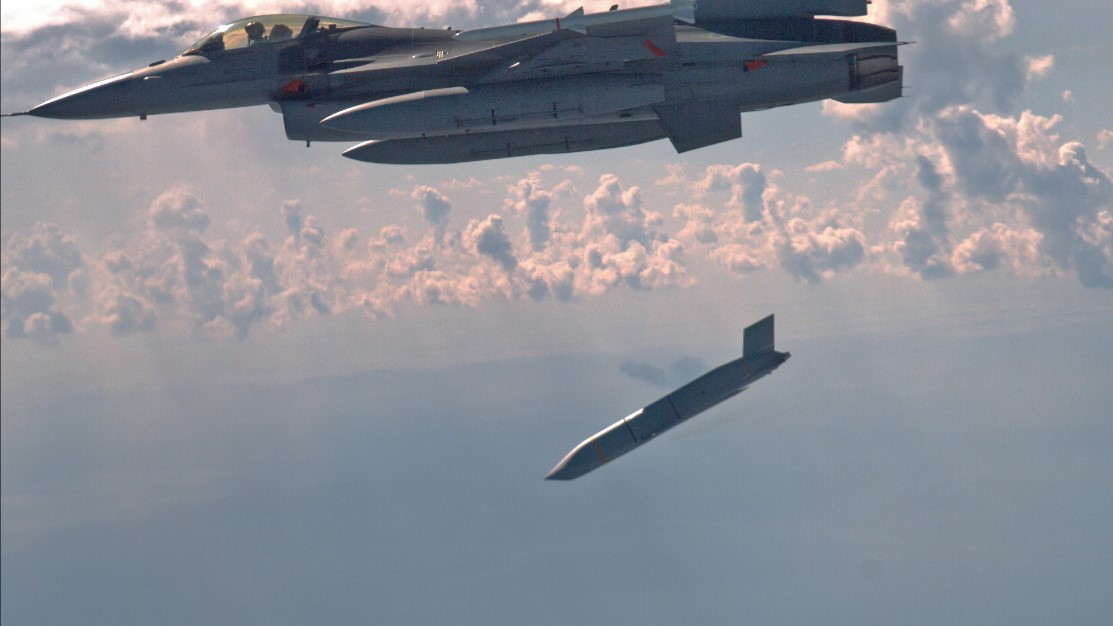
World
In a significant move to enhance its defense capabilities, Japan has secured approval from the U.S. State Department to acquire up to 16 AGM-158B/B-2 Joint Air-to-Surface Standoff Missiles with Extended Range (JASSM-ER) through a Foreign Military Sale (FMS) agreement. The estimated $39 million deal underscores Japan’s efforts to modernize its arsenal amidst growing security challenges in the Indo-Pacific region. Overview of the JASSM-ER and Its Role in Japan's Defense The JASSM-ER is an advanced, precision-guided, long-range missile system designed for high-value, heavily defended targets. It boasts a range of approximately 925 kilometers (575 miles), allowing for effective strikes from a safe distance, far beyond the reach of enemy air defenses. Equipped with a 450-kilogram (1,000-pound) penetrator or blast fragmentation warhead, the missile is highly effective against hardened or fortified targets. Key specifications include: Range: 925 km (575 miles) Warhead: 450 kg penetrator/blast fragmentation Guidance System: GPS and Inertial Navigation System (INS) with anti-jam capabilities Stealth Design: Low-observable airframe to minimize radar detection Compatibility: Can be launched from platforms like the F-15J, F-35A, and F-35B fighter jets The JASSM-ER’s extended range and precision strike capability make it a vital addition to Japan's Air Self-Defense Force (JASDF). By equipping platforms like the F-15J and F-35 variants, Japan will gain a significant edge in deterring potential adversaries and protecting its territorial integrity. Comprehensive Package to Enhance Japan's Military Readiness Beyond the missiles themselves, the deal includes several critical components designed to maximize operational effectiveness. These include: Dummy air training missiles for practice missions Advanced anti-jam GPS receivers to ensure reliability in contested environments Support equipment, spare parts, and classified and unclassified software Training for personnel, logistics, and engineering support The inclusion of these elements underscores the U.S. commitment to ensuring that Japan’s JASSM-ER capabilities are fully integrated into its defense ecosystem. Strengthening the U.S.-Japan Alliance The U.S. Defense Security Cooperation Agency (DSCA) emphasized that this deal aligns with U.S. foreign policy objectives by bolstering the security of a key ally. As regional tensions rise in the Indo-Pacific, Japan’s enhanced strike capabilities will play a critical role in maintaining peace and stability. Lockheed Martin, the principal contractor based in Orlando, Florida, will oversee the production and delivery of the missiles. Notably, the deal does not require the stationing of U.S. personnel in Japan, and no offsets have been proposed at this stage. Strategic Implications for the Indo-Pacific The acquisition of JASSM-ER missiles is part of Japan's broader efforts to modernize its Self-Defense Forces and address the shifting security landscape in the Indo-Pacific. The missiles’ long-range and stealth capabilities provide a significant deterrent against potential threats, ensuring that Japan remains prepared to counter adversarial advances. This move also signals Japan’s increasing commitment to burden-sharing within the U.S.-Japan alliance. By investing in advanced military technology, Japan not only enhances its own defense but also reinforces the region's collective security framework. A Step Towards Regional Stability The approval of this sale highlights the enduring partnership between the United States and Japan. It reflects a shared commitment to addressing emerging threats and maintaining the balance of power in a volatile region. For Japan, the acquisition of JASSM-ER missiles represents a leap forward in its defense strategy, equipping the nation with cutting-edge technology to safeguard its sovereignty and contribute to regional stability. With this latest development, Japan continues to solidify its role as a key player in the Indo-Pacific, reinforcing its military capabilities while reaffirming its alliance with the United States.
Read More → Posted on 2025-01-16 15:44:13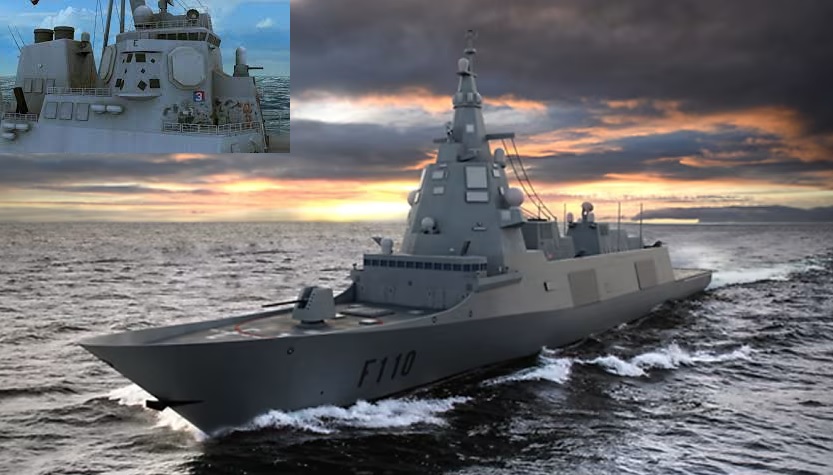
World
Lockheed Martin has achieved a significant milestone by delivering the first AN/SPY-7(V)1 radar antenna to Japan. This delivery, facilitated by Mitsubishi Corporation under a Direct Commercial Sale (DCS) arrangement, follows rigorous acceptance testing and marks a crucial step in enhancing Japan’s defense capabilities. The radar antenna will now undergo final integration with the ASEV (Aegis System Equipped Vessel) combat system at the Production Test Center (PTC-2) in Moorestown, New Jersey. This integration phase is critical for minimizing risks during the ship's integration process and ensuring optimal performance before its full deployment to Japan. Lockheed Martin has expressed its commitment to supporting Japan’s national security objectives, with additional antenna deliveries scheduled for 2025. Chandra Marshall, Vice President of Multi-Domain Combat Solutions at Lockheed Martin, emphasized, “This milestone continues to demonstrate Lockheed Martin’s ability to rapidly scale mature, cutting-edge technology for Japan.” Specifications of the AN/SPY-7(V)1 Radar The AN/SPY-7(V)1 radar is a state-of-the-art solid-state radar system designed to address modern naval defense challenges. Its key specifications and capabilities include: Advanced Detection and Tracking:The SPY-7 radar can detect and track complex ballistic missiles and advanced aerial threats with remarkable precision. Its solid-state design enables simultaneous engagement of multiple targets using proven interceptors. Versatility:The radar technology is adaptable for both naval and land-based applications. It is already planned for deployment on Spain’s F-110 Multi-Mission Frigates, Canada’s River-Class Destroyers, and a transportable version for Guam. Reliability and Scalability:Leveraging its proven heritage from the U.S. Missile Defense Agency’s Long-Range Discrimination Radar, the SPY-7 is designed for high reliability, scalability, and adaptability in diverse operational scenarios. Enhanced Combat Capability:The SPY-7 system enhances situational awareness, enabling warfighters to make rapid and accurate decisions in high-pressure situations. ASEV: Japan’s Advanced Defense Platform The ASEV, which will feature the SPY-7 radar, is a monumental upgrade in Japan’s naval defense. According to the Japanese Ministry of Defense, the ASEV is 190 meters long, 25 meters wide, and has a standard displacement of 12,000 tons. For comparison: The Maya-class destroyers of the Japan Maritime Self-Defense Force (JMSDF) are 170 meters long, 21 meters wide, and displace 8,200 tons. The ASEV is 1.7 times larger than the U.S. Navy’s Arleigh Burke Flight III destroyer in terms of displacement. The ASEV also boasts 128 Vertical Launch System (VLS) cells, significantly outpacing the Maya-class destroyer’s 96 cells. This larger VLS capacity allows the ASEV to deploy a broader array of missiles for both offensive and defensive operations, making it a formidable addition to Japan’s naval fleet. Lockheed Martin’s Global Impact The delivery of the SPY-7 radar to Japan underscores Lockheed Martin’s position as a global leader in advanced radar technology. Beyond Japan, the system is set to redefine naval defense capabilities worldwide. Its deployment on various platforms demonstrates its versatility and the confidence global allies have in its reliability. As Japan progresses toward integrating this advanced radar system into its ASEV fleet, the collaboration between Lockheed Martin, Mitsubishi Corporation, and the Japanese government highlights the commitment to strengthening regional security in the Indo-Pacific. With further deliveries planned for 2025, the SPY-7 radar is set to play a pivotal role in ensuring Japan’s 21st-century security objectives.
Read More → Posted on 2025-01-16 15:32:28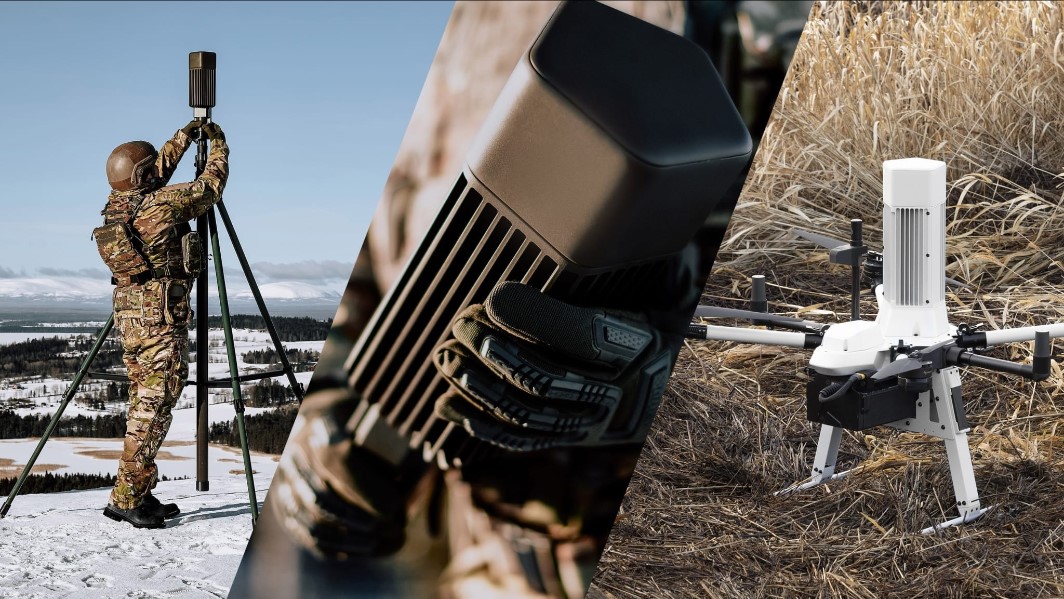
World
Swedish defence giant Saab has announced plans to establish a new production facility in Tampere, Finland, dedicated to the manufacturing of its Sirius Compact passive electronic warfare (EW) sensors. This move underscores Saab's commitment to addressing the increasing global demand for sophisticated defence technologies. The facility, which is expected to be operational by early 2025, will focus on the volume production of the highly advanced Sirius Compact sensor system. Sirius Compact: Cutting-Edge Capabilities in Electronic Warfare Unveiled in 2022, the Sirius Compact has rapidly become a critical tool for defence forces worldwide. Designed and manufactured in Finland, this sensor system excels in detecting, geo-locating, classifying, and prioritising radar and communication emitters used by adversaries. Its compact, lightweight design makes it highly adaptable, enabling seamless integration across land, air, and naval platforms. Key specifications of the Sirius Compact include: Frequency Coverage: Wideband capability to monitor multiple frequency ranges. Detection Range: Long-range performance for identifying emitters in complex environments. Mobility: Lightweight, modular design suitable for fixed, mobile, or platform-based applications. Power Efficiency: Low power consumption, ensuring operational reliability in field conditions. Interoperability: Seamless integration with existing electronic support measures (ESM) systems. Saab is also enhancing the Sirius Compact with sensor network capabilities and advanced threat library management tools. These features empower users to optimise tactical Electronic Support Measures (ESM) operations, giving them a significant edge in situational awareness and threat response. Expanding Saab’s Presence in Finland The Tampere facility represents Saab's growing investment in Finland's defence sector. According to Kristian Tornivaara, Managing Director of Saab Finland, the company is focusing on strengthening its research and development capabilities in electronic warfare. "Saab’s footprint is growing in Finland with a focus on research and development operations in the field of electronic warfare. This initiative underscores Saab’s commitment to providing cutting-edge defence solutions to customers," Tornivaara said. Currently, Saab employs over 200 professionals across Helsinki, Tampere, and Turku. With the new production facility, the company plans to further expand its workforce, supporting both local talent and the Finnish defence industry. Bolstering Finland's Defence Landscape The Sirius Compact's role extends beyond Saab’s portfolio. By leveraging Finland's advanced technological capabilities, the system contributes to strengthening the country’s position in global defence markets. It also aligns with Finland's strategic objectives to develop robust indigenous defence solutions while fostering international partnerships. As Saab prepares for significant deliveries of the Sirius Compact starting in 2025, the Tampere facility is poised to become a hub of innovation and manufacturing excellence. This development solidifies Saab’s reputation as a global leader in electronic warfare technology while boosting Finland's role in shaping the future of defence systems.
Read More → Posted on 2025-01-16 15:27:31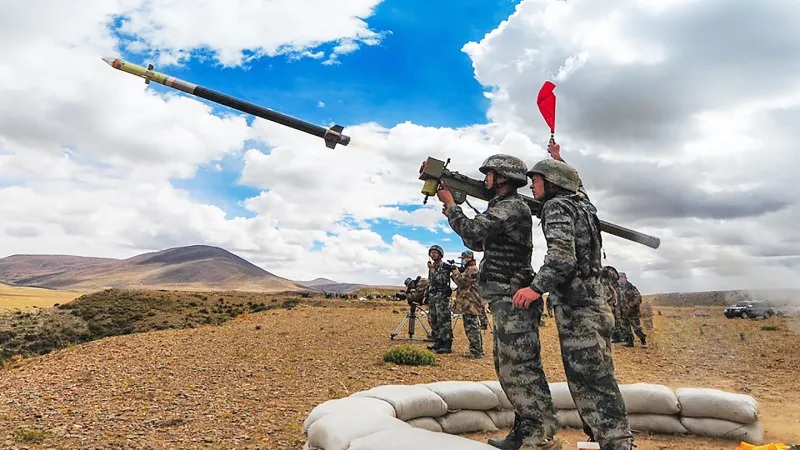
World
In a significant move to bolster the United States' defence capabilities, Congress has approved over $500 million for the production and enhancement of the Patriot missile systems and the Stinger portable air defence systems. This funding, part of the National Defense Authorization Act (NDAA) for the 2025 fiscal year, more than doubles the $250 million initially requested by the US Army, reflecting the growing importance of these systems amid increasing global security challenges. The Strategic Importance of Patriot and Stinger Systems The Patriot missile system and Stinger missiles have been critical components of the US defence arsenal, proving their effectiveness in conflicts such as the ongoing war in Ukraine. The additional $505 million will accelerate production, modernisation, and procurement of these systems to meet growing demand, both domestically and among US allies. The Patriot system, developed by Raytheon and Lockheed Martin, serves as a long-range, high-altitude air defence solution capable of countering tactical ballistic missiles, cruise missiles, drones, and advanced aircraft. Its most advanced variant, the PAC-3 Missile Segment Enhancement (MSE), features an improved range, agility, and precision, making it a cornerstone of US and allied missile defence networks. Lockheed Martin had previously set a goal to increase PAC-3 MSE production from 500 units annually to 650 by mid-2027. With the new funding, this ramp-up could happen sooner, ensuring faster deployment of these state-of-the-art systems. The Stinger, a shoulder-fired, short-range missile system, is designed to counter low-flying aircraft and drones. Known for its portability and ease of use, the Stinger has been instrumental in Ukraine's ability to defend against aerial threats. However, production of the Stinger has faced challenges due to a manufacturing hiatus since 2007, requiring significant efforts to restart the supply chain and upgrade existing stockpiles. Reviving and Advancing the Stinger Missile The renewed focus on the Stinger involves refurbishing and modernising older missiles, replacing outdated components with advanced alternatives. This includes integrating the Lightweight Command Launch Unit (LWCLU), initially developed for the Javelin anti-tank system, to improve targeting accuracy and compatibility. Testing of this integration, which began in 2021, has shown encouraging progress. Moreover, efforts are underway to develop a next-generation successor to the Stinger. In 2023, RTX and Lockheed Martin were awarded $418 million and $311 million, respectively, to fund this initiative. These next-generation systems aim to address evolving threats, such as advanced drones and hypersonic vehicles, with testing and evaluation expected by 2028. Meeting Global Demand The increased funding also underscores the rising global demand for advanced missile technology. US allies in Europe and Asia are increasingly seeking Patriot and Stinger systems to bolster their own defences. The Patriot system, in particular, has been a key element of NATO's collective security strategy, with deployments in Poland, Germany, and other allied nations. Similarly, the Stinger's portability makes it an attractive option for smaller, mobile forces operating in contested environments. Future Implications This substantial investment not only reinforces the United States' military capabilities but also sends a clear message to allies and adversaries alike about the nation's commitment to maintaining its technological edge in missile defence. As geopolitical tensions rise and the nature of modern warfare evolves, systems like the Patriot and Stinger will remain critical to protecting national and allied security interests. With accelerated production timelines, modernisation efforts, and the development of next-generation technologies, the United States is ensuring its missile defence systems remain at the forefront of global defence innovation.
Read More → Posted on 2025-01-16 15:21:54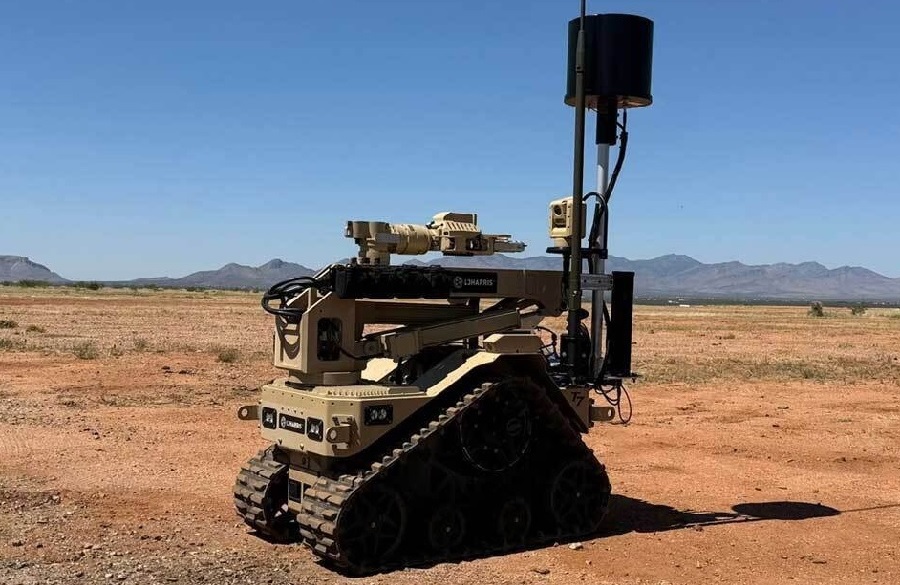
World
L3Harris Technologies has unveiled a significant enhancement to its T7 robotic platform, demonstrating advanced drone detection and defeat capabilities during the U.S. Army’s annual Vanguard 24 capstone experiment. This milestone showcases the T7 robot’s ability to remotely detect, track, and neutralize small uncrewed aircraft systems (UAS), a critical advancement in modern military operations. The T7, widely known for its role in Explosive Ordnance Disposal (EOD) and handling complex hazardous operations, now incorporates cutting-edge counter-UAS technology. This addition allows it to play an expanded role in addressing emerging threats posed by hostile drones. The demonstration also highlighted the Individual CORVUS Node, a portable device that supports electronic warfare and cyber operations by enabling remote sensing, monitoring, and decoding of various signals in the field. T7 Robot Specifications and Capabilities The T7 robot is renowned for its robust design and versatility, which enable it to operate effectively in high-stakes environments. Some of its key features include: Highly Dexterous Manipulators: These provide precise control for handling hazardous materials and neutralizing explosive threats. All-Terrain Mobility: Its rugged construction and track-based design allow it to traverse diverse terrains, including sand, mud, and uneven surfaces. Advanced Communication Systems: The T7 is equipped with secure, high-bandwidth communication links, ensuring reliable control at extended ranges. Haptic Feedback Controls: Operators can benefit from intuitive controls with realistic haptic feedback, enhancing accuracy and responsiveness. Multi-Mission Capability: The T7 can be outfitted with a variety of payloads, including sensors and counter-UAS systems, to meet the demands of evolving missions. The integration of counter-drone capabilities into the T7 builds on its proven foundation, offering military forces a scalable and adaptive solution for emerging threats. Vanguard 24: A Testing Ground for Innovation The Vanguard 24 experiment served as a critical testing ground for L3Harris to showcase the adaptability of the T7 platform. By integrating a counter-small UAS system, the demonstration underlined the platform’s capacity to take on multi-domain operations. Ed Zoiss, President of Space and Airborne Systems at L3Harris, emphasized the importance of this capability, stating, “This demonstration proves it is possible to expand the future roadmap of the multi-mission T7 platform.” The addition of the Individual CORVUS Node further highlights the platform’s versatility. This lightweight device enhances the T7’s role in electronic warfare, providing real-time data collection and analysis to combat electronic threats. A Global Standard for Mission-Critical Operations Already deployed by the United Kingdom, the United States, and Australia, the T7 robotic system has earned its reputation as a reliable and effective solution for challenging operational scenarios. Its ability to adapt to new mission requirements, such as drone detection and defeat, ensures its relevance in addressing the complex threats of the modern battlefield. With this latest demonstration, L3Harris has solidified its position as a leader in providing innovative and scalable solutions for military forces worldwide. By continually advancing the capabilities of the T7 platform, the company is helping shape the future of robotics in defense and security operations. This development marks a significant step forward in enhancing battlefield safety and operational effectiveness, ensuring military forces remain equipped to counter evolving threats in a rapidly changing landscape.
Read More → Posted on 2025-01-16 10:36:43
World
In a significant development, Israel and Hamas have agreed to a ceasefire after more than 460 days of intense conflict in Gaza, according to sources. This breakthrough represents a crucial opportunity to address the ongoing humanitarian crisis and pave the way for a more stable future in the region. Ceasefire Overview The ceasefire agreement is set to begin on Sunday and will initially last for six weeks. During this period, all hostilities will be paused, enabling the flow of humanitarian aid into Gaza. This truce is designed to address the immediate need for relief while creating conditions for longer-term stability. Prisoner Exchange and Humanitarian Provisions A core element of the deal involves a prisoner exchange. Hamas has agreed to release 33 Israeli hostages, including women and children, who were taken during the October 7 attacks. In return, Israel will release approximately 2,000 Palestinian prisoners, many of whom are serving life sentences. The agreement also promises a significant increase in humanitarian assistance to Gaza, which has been devastated by the conflict. Thousands of Palestinians are currently displaced, with many living in makeshift shelters amid widespread destruction of homes, schools, and hospitals. Phased Implementation Plan The ceasefire will be implemented in three phases: Phase One: A six-week ceasefire will begin immediately, focusing on halting hostilities and releasing the initial batch of hostages and prisoners. Phase Two: Starting two weeks into the truce, efforts will focus on releasing additional hostages and ensuring the withdrawal of Israeli forces from densely populated areas in Gaza. Phase Three: A long-term reconstruction plan for Gaza will be developed, along with arrangements to recover and return the remains of any remaining hostages. International Mediation and Political Context The agreement comes at a politically sensitive time, just days before the inauguration of U.S. President-elect Donald Trump. Trump has emphasized the urgency of resolving the crisis and warned of consequences if hostages are not released. The negotiations were mediated by Qatar and the United States, highlighting the importance of international cooperation in achieving the truce. While Hamas has publicly confirmed its acceptance of the agreement, Israel’s cabinet is yet to formally approve the deal. However, Israeli officials have expressed cautious optimism about its potential to reduce tensions and facilitate humanitarian relief. Implications for Gaza and the Region This ceasefire is the first significant truce since November 2023. It offers a chance to address the severe humanitarian crisis in Gaza while potentially laying the groundwork for a more sustainable resolution to the conflict. However, the success of the deal will depend on the commitment of both parties to uphold their obligations and the ability of international mediators to ensure its smooth implementation. The agreement marks a critical step in restoring stability and providing relief to the people of Gaza, but the long-term resolution of underlying issues will require sustained dialogue and cooperation. For now, the ceasefire offers a glimmer of hope in a region that has endured immense suffering.
Read More → Posted on 2025-01-16 10:21:43Search
Top Trending in 24 Hours
-
 Tulsi Gabbard Releases Declassified Files Detailing U.S.-Backed Network of 120 Biolaboratories Across 30+ Countries
-
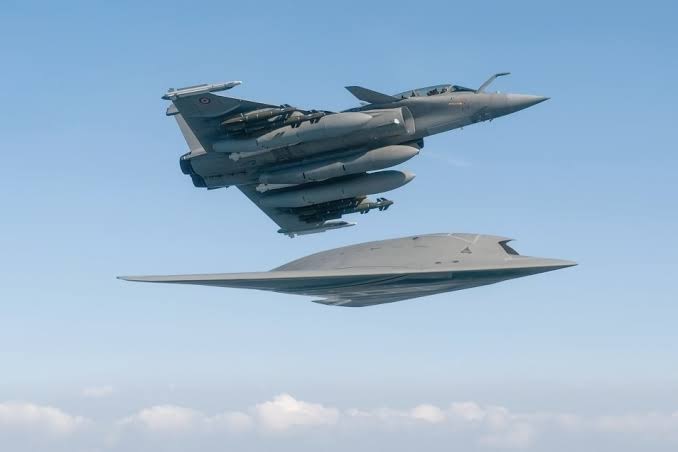 France Agrees to Equip Future Indian Rafales with AI, MUM-T and Secure Satellite Links Under F5 Standard
-
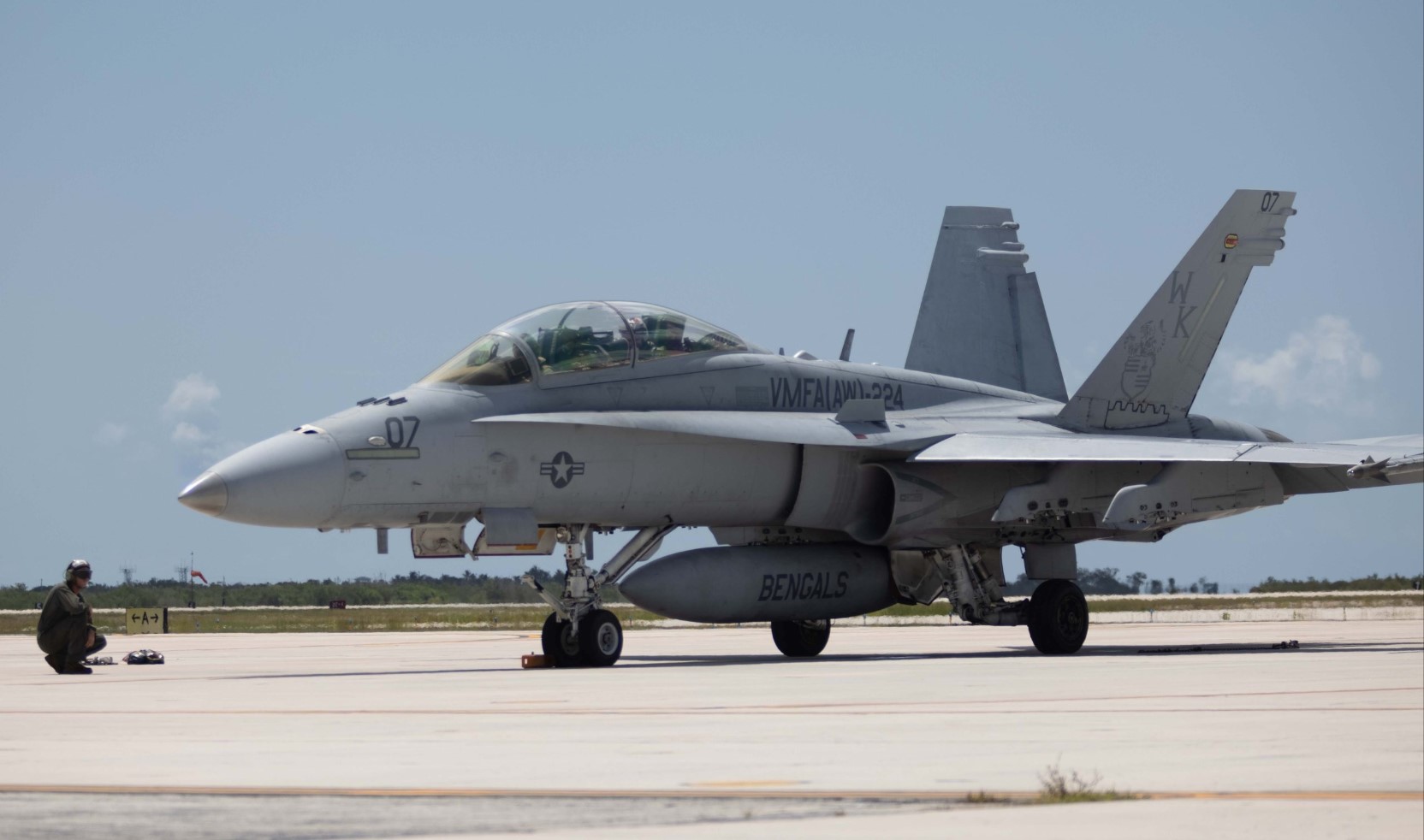 US Marine Corps F/A-18D Hornet Crashes During Training Flight in Washington Mountains; Pilot Ejects Safely
-
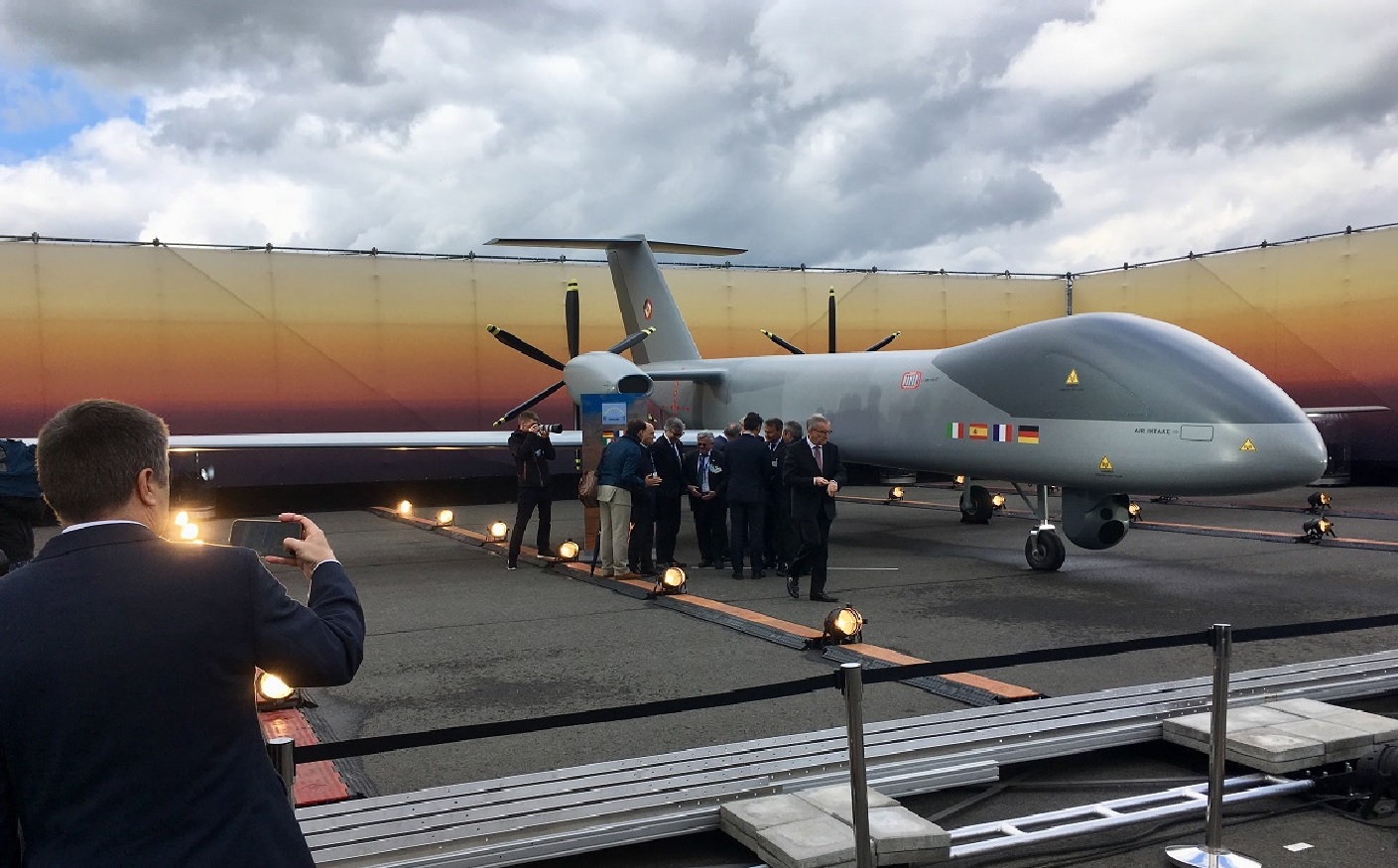 Dassault Seeks Compensation From Airbus as Eurodrone Dispute Erupts After FCAS Collapse
-
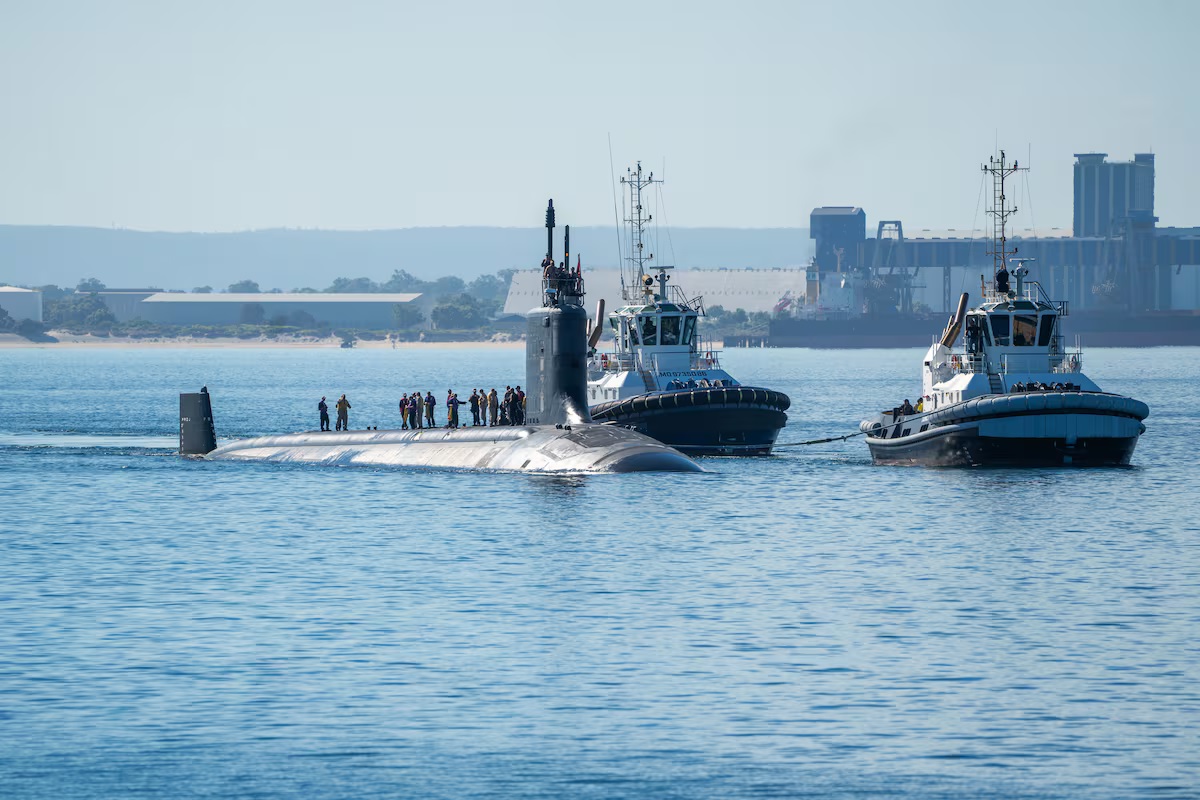 U.S. Navy Reestablishes Submarine Squadron 3 at HMAS Stirling to Support AUKUS Rotational Force
-
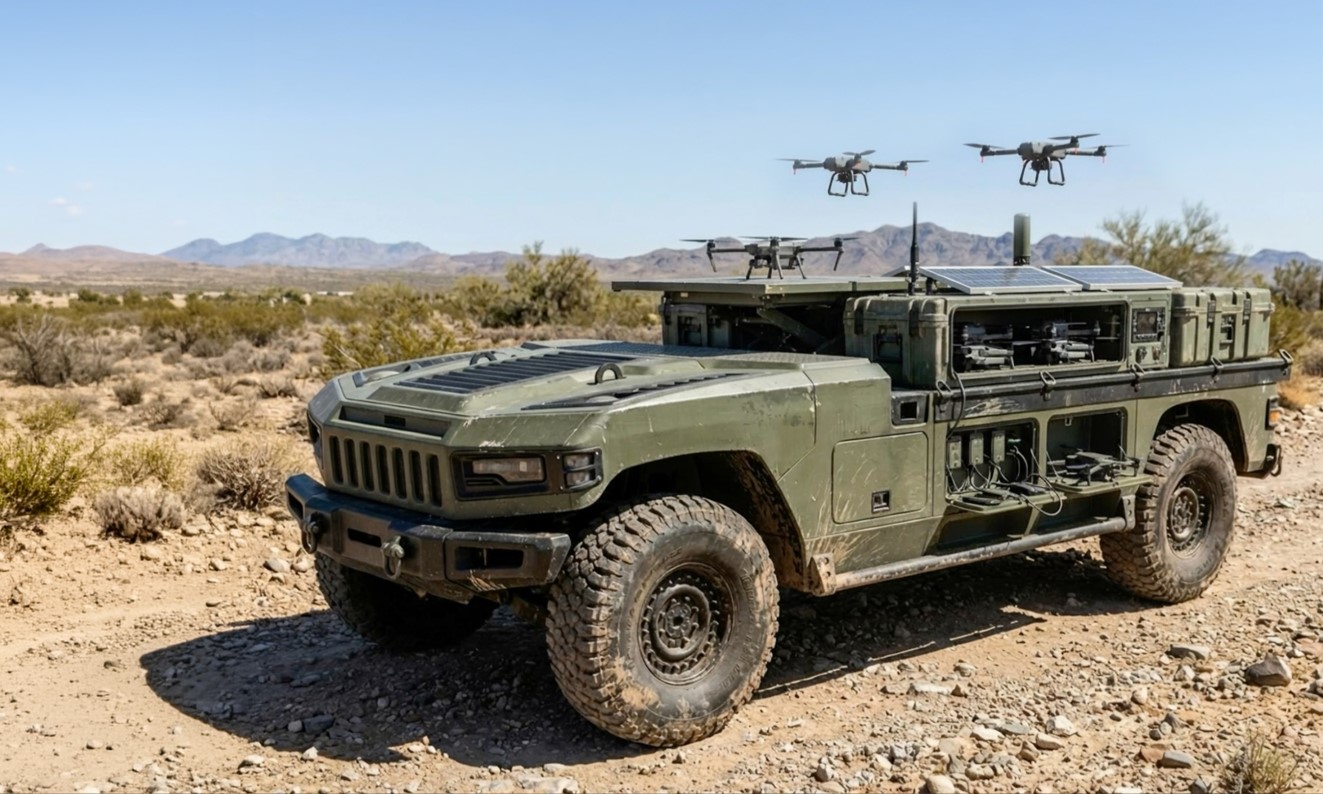 AM General Unveils Next-Generation UGV and JLTV A2 with Counter-Drone Systems at Eurosatory 2026
-
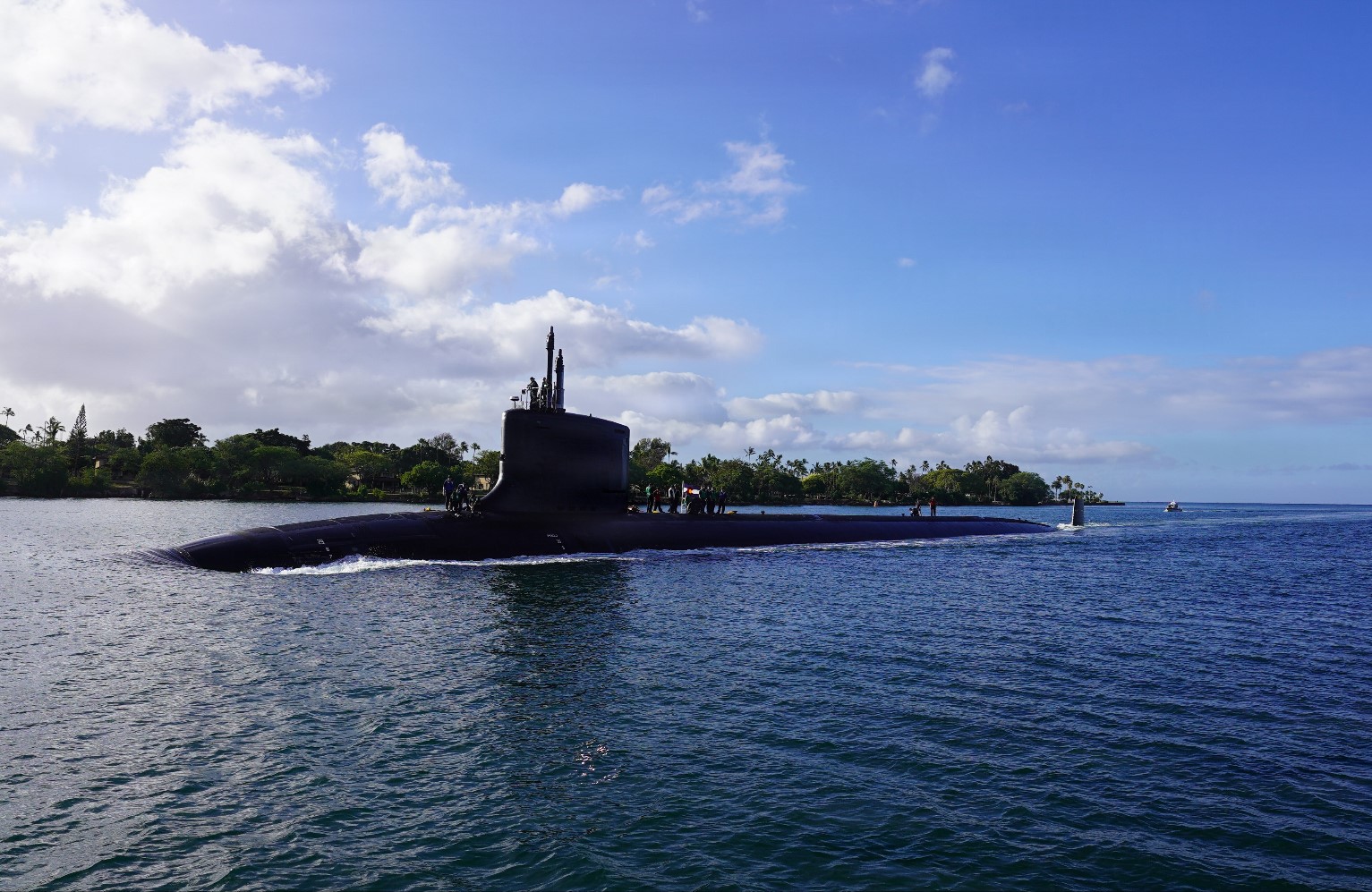 U.S. Navy's USS Colorado Submarine Returns to Pacific Fleet 29 Days Early After Major Pearl Harbor Overhaul
-
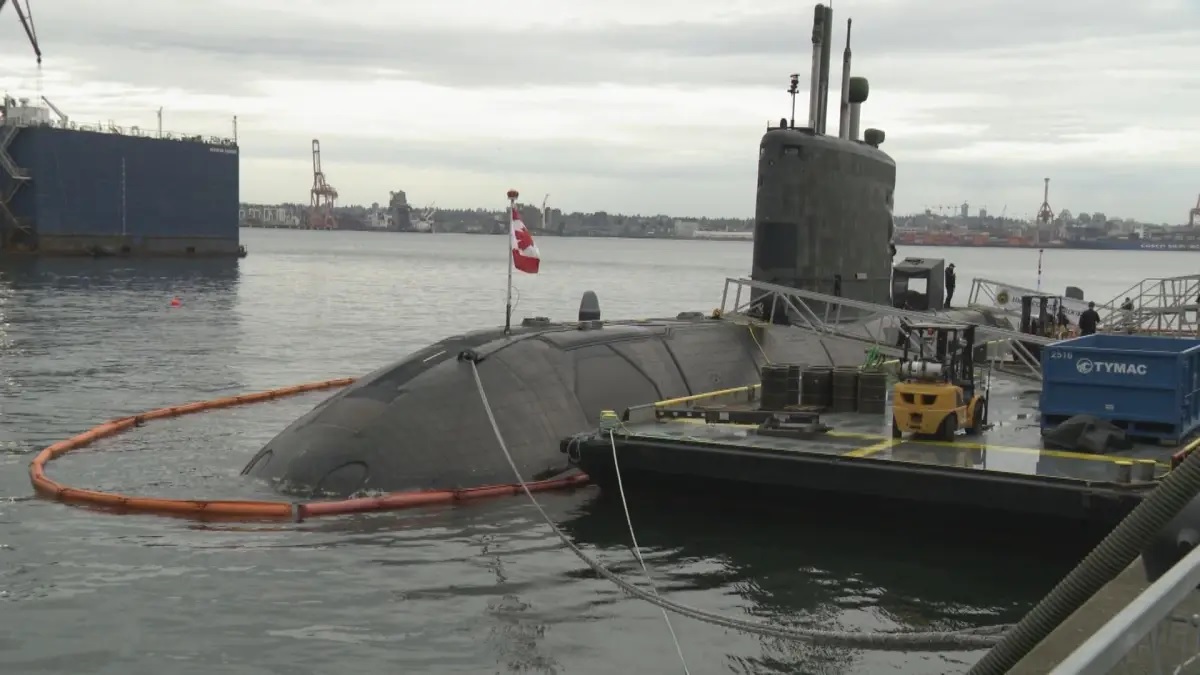 Royal Canadian Navy Deploys HMCS Corner Brook for First RIMPAC Submarine Mission in Over a Decade
Top Trending in 4 Days
-
 Iranian Media Leaks 14-Point U.S.-Iran Peace Framework Amid Ongoing Negotiations
-
 US Plans Significant Reduction of Fighter Jets and Warships for NATO Operations in Europe
-
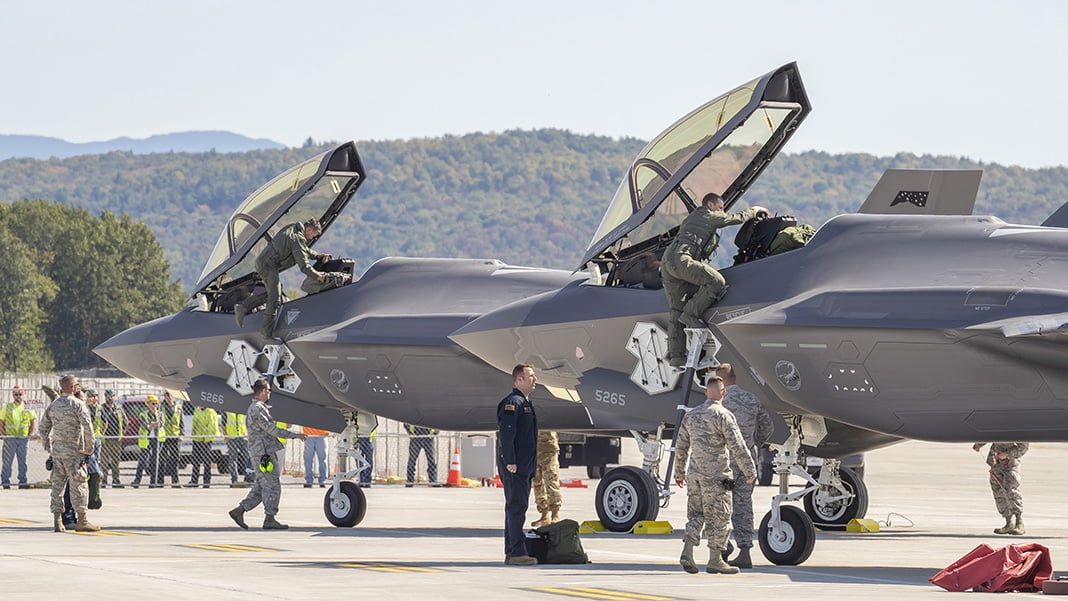 F-35 Fleet Readiness Falls to 25% Amid Parts Shortages and Software Delays: GAO Report
-
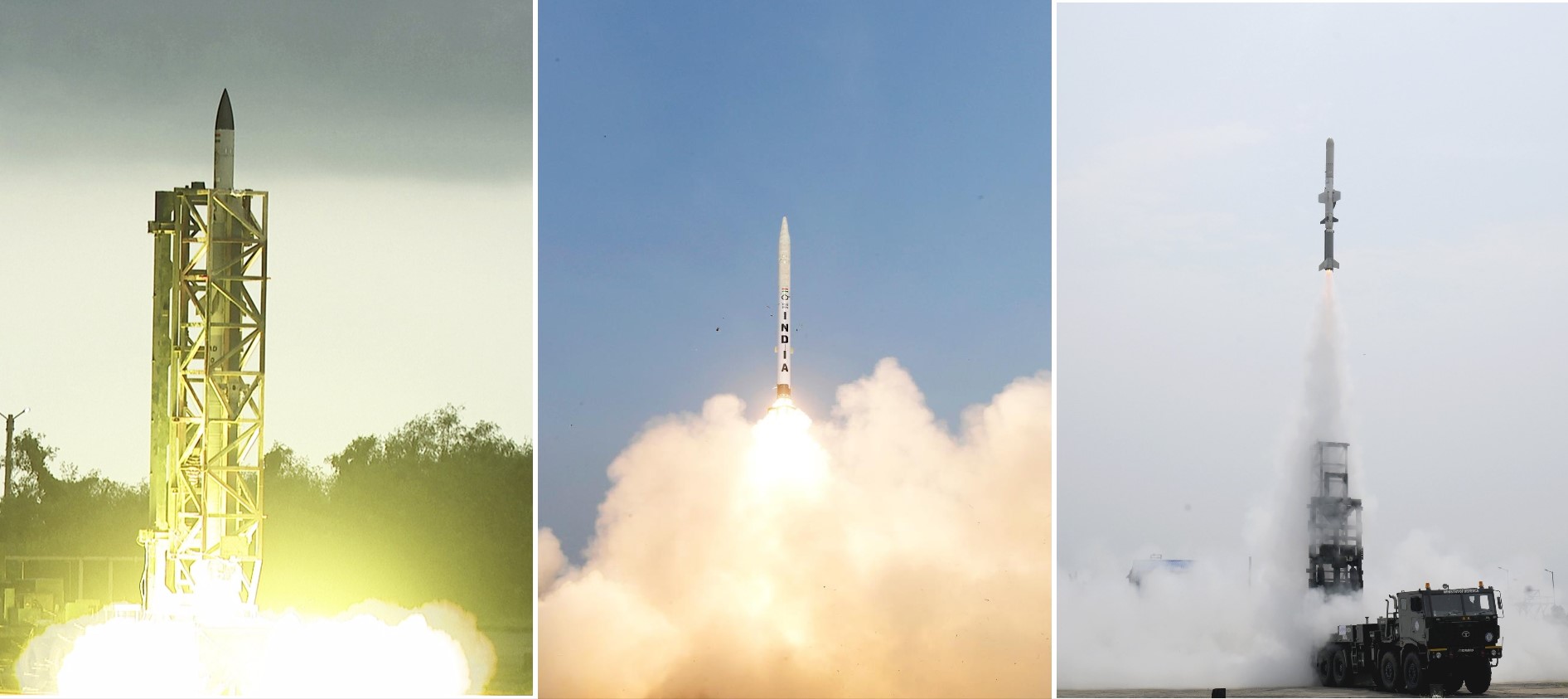 India Successfully Conducts AD-1, AD-2 Interceptor Tests and Maiden NASM-MR Flight Trial
-
 U.S. Air Force Faces Strategic Airlift Shortfall as C-17 Production Restart Remains Uncertain
-
 NATO Commander Says Russia Not Seeking Conflict With Alliance Despite U.S. Force Reductions
-
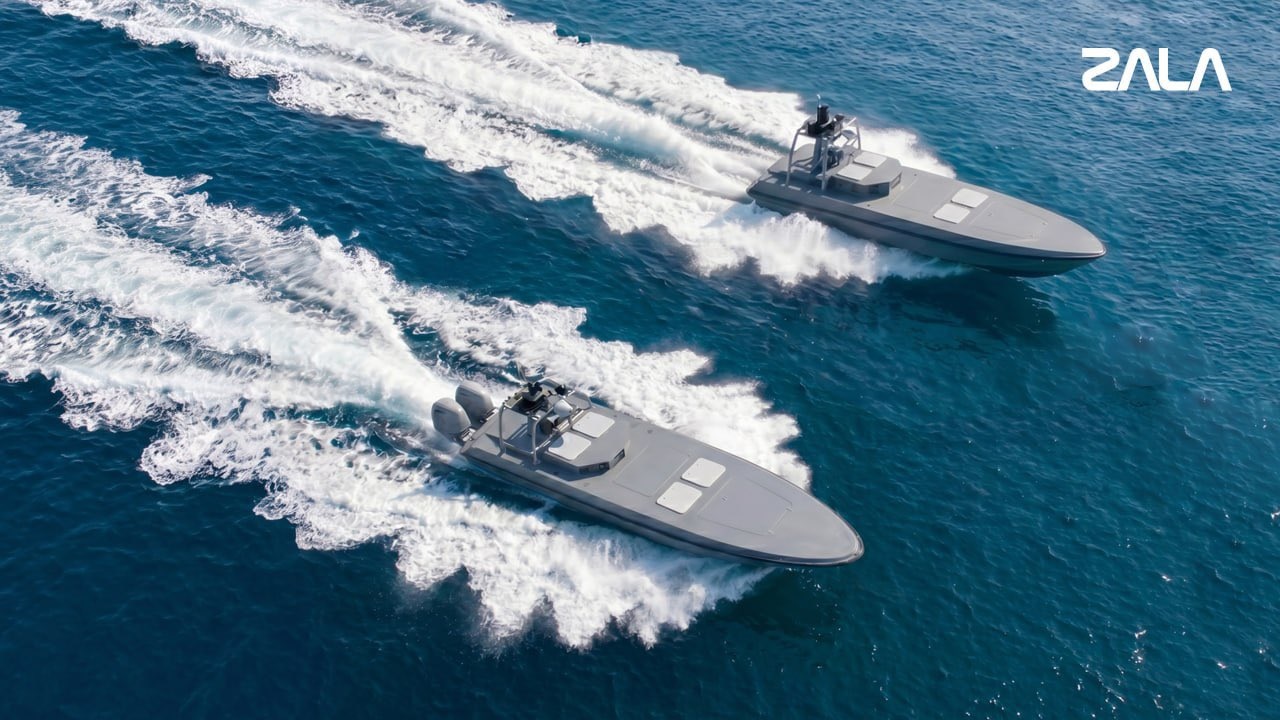 Russian Defense Firm ZALA Unveils KAMA Unmanned Surface Vessel Family at FLOT-2026 Naval Exhibition
-
 U.S. Space Force Awards $437.7 Million Contracts for First PTS-G Swarm 1 Anti-Jam Satellites