
World
Dynamit Nobel Defence (DND) has entered into a significant framework agreement with the Federal Office of Bundeswehr Equipment, Information Technology and In-Service Support (BAAINBw) to supply explosive reactive armour (ERA) modules for the Puma infantry fighting vehicle. Finalized on December 19, 2024, this agreement includes an initial order valued in the mid-double-digit million Euro range, aimed at bolstering operational stockpiles. Strategic Importance of the Agreement This framework agreement enables the Bundeswehr to procure ERA modules swiftly and flexibly, ensuring the Puma fleet remains mission-ready during crises or operational deployments. This initiative reflects Germany's commitment to enhancing its military capabilities in response to evolving security challenges. DND's ERA Technology DND's ERA technology integrates passive, reactive, and active protection measures for land platforms, offering a comprehensive defense system. The Bundeswehr's confidence in this technology underscores its effectiveness and future-proof nature. The agreement also provides long-term stability for the industry, allowing for effective scaling of production capacities. Puma Infantry Fighting Vehicle and Its Protection Systems The Puma infantry fighting vehicle is renowned for its advanced protection systems, combining various technologies to safeguard its crew and ensure operational effectiveness. Passive Protection: The Puma is equipped with AMAP composite armor, with AMAP-B modules protecting against kinetic energy threats and AMAP-SC modules offering protection against shaped charges. The vehicle's basic armor can withstand direct hits from 14.5mm rounds, with enhanced protection against medium-caliber projectiles and shaped charges in its frontal armor. Additional armor modules can be added to increase protection levels, with the vehicle's weight adjustable to maintain air transportability. Reactive Armour: The upper hull sides of the Puma are protected by explosive reactive armour developed by Dynamit Nobel Defence. This armour is designed to counter advanced hollow charge munitions, significantly enhancing the vehicle's defense against anti-tank weapons. The reactive armour modules are modular and can be removed to adjust the vehicle's weight for different operational requirements. Active Protection System: The Puma is equipped with the Multifunktionales Selbstschutz-System (MUSS), a soft-kill system capable of detecting and neutralizing incoming anti-tank guided missiles by disrupting their guidance systems. This active protection enhances the vehicle's survivability against modern threats. Additional Protection Features: The vehicle includes a fire suppression system in both the engine and crew compartments, a full NBC (nuclear, biological, chemical) protection system, and strategically placed fuel tanks outside the hull to enhance crew safety. The design also incorporates decoupled seats and a heightened floor in the dismount compartment to improve resistance against mine blasts and improvised explosive devices. These integrated protection systems make the Puma one of the most advanced and well-protected infantry fighting vehicles in the world, capable of operating effectively in diverse and challenging combat environments.
Read More → Posted on 2025-01-10 15:28:42
World
Northrop Grumman is set to revolutionize missile defense testing with its Modified Ballistic Re-Entry Vehicle-11 (MBRV-11), a cutting-edge system designed for the Missile Defense Agency's (MDA) Next Generation Interceptor (NGI) program. This milestone aligns with the MDA's Integrated Master Test Plan (IMTP), which aims to advance the capabilities of the U.S. missile defense systems against evolving threats. Accelerated Development Timeline In October 2024, Northrop Grumman completed the Critical Design Review (CDR) for the MBRV-11, achieving this milestone just 16 months after securing the initial contract. This rapid progress was facilitated by an innovative approach that merged the System Requirements Review (SRR) and Preliminary Design Review (PDR) into a single streamlined process. Additionally, the company began hardware procurement and qualification testing before the CDR, enabling an accelerated timeline for production readiness. Robin Heard, director of targets at Northrop Grumman, emphasized the importance of this efficient methodology:"By executing with speed and building for the future, the MBRV-11 is a paradigm shift in how we collaborate with the MDA to develop advanced programs. Our mission expertise allowed us to compress the timeline by combining critical reviews and initiating testing early." MBRV-11 Specifications and Features The MBRV-11 is designed to emulate complex missile threats for advanced defense systems like the NGI. Its key specifications include: Baseline Design: A versatile vehicle architecture that supports multiple mission configurations. Optional Enhancement Kits: Four modular kits provide additional adaptability for specific mission needs. Compatibility: Integration with Intermediate Range Ballistic Missile (IRBM) and Intercontinental Ballistic Missile (ICBM) target vehicles to replicate a wide range of adversary threats. Avionics System: Advanced avionics enable precise operation and realistic simulation of target trajectories. Solid Rocket Motor Technology: Proven propulsion systems enhance reliability and performance. These features make the MBRV-11 a critical tool for validating the performance of the NGI and other missile defense systems under real-world conditions. Testing and Future Prospects The MBRV-11 program includes the production of five units for missile defense demonstrations, with the first flight test slated for 2027. To further enhance its capabilities, Northrop Grumman will also upgrade existing IRBM and ICBM target vehicles, ensuring seamless integration with the MBRV-11. Northrop Grumman’s decade-long expertise in developing threat-representative target vehicles underpins the MBRV-11's design. Since 2011, the company has delivered 25 advanced target systems and supported 10 successful missile defense demonstrations. By combining advanced avionics, adaptable enhancement kits, and reliable propulsion technology, the MBRV-11 sets a new standard for simulating the sophisticated threats faced by modern missile defense systems. A New Chapter in Missile Defense As Northrop Grumman transitions the MBRV-11 into production, the program marks a pivotal step in bolstering the U.S. missile defense infrastructure. Its innovative design and rapid development underscore the importance of agility and technological excellence in countering evolving global threats. With the first test flight scheduled for 2027, the MBRV-11 is poised to play a central role in shaping the future of missile defense, ensuring robust protection against increasingly complex adversary capabilities.
Read More → Posted on 2025-01-10 15:22:02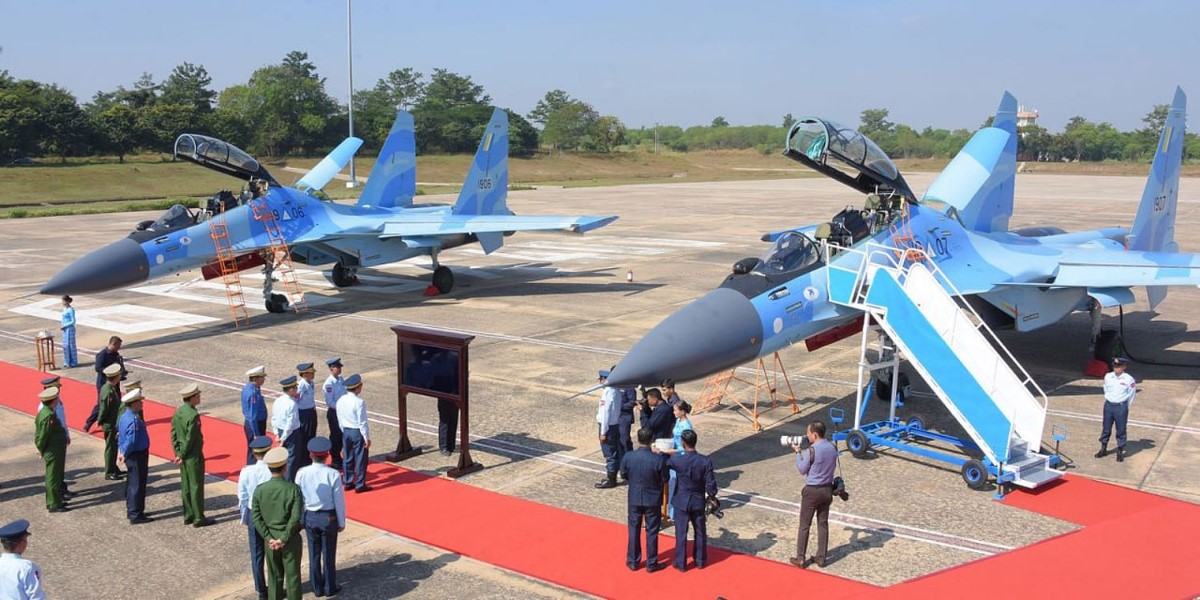
World
Russia has successfully completed the delivery of its Su-30 combat jets to Myanmar, fulfilling a key contract signed in 2018. The final batch of the advanced multi-role fighters was handed over at the Meiktila Air Base Aviation School during the celebration of Myanmar’s military’s 77th founding anniversary. This marks the culmination of a $400 million deal, strengthening Myanmar’s aerial capabilities amidst ongoing modernization efforts. A Closer Look at the Delivery The delivery process unfolded in three tranches. The first pair of Su-30 jets arrived in July 2022, followed by a second batch four months later. The latest delivery included the final two jets, bringing the total number to six aircraft. This deal underscores Moscow’s role as a critical defense partner to Myanmar, despite the Southeast Asian country’s political and humanitarian controversies. In a parallel move, the Myanmar Navy celebrated its 77th anniversary in Yangon by inducting a medium-class frigate and commissioning two anti-submarine corvettes. This dual focus on air and naval defense highlights Myanmar’s effort to bolster its overall military strength. The Su-30: A Powerhouse in the Skies The Su-30, known by NATO as the “Flanker,” is one of Russia’s most versatile and capable combat aircraft. The jet measures 22 meters in length with a wingspan of 15 meters, making it a large but highly maneuverable aircraft. Its robust airframe allows for a gross weight of 24,900 kilograms and an internal fuel capacity of 9,400 kilograms, ensuring extended operational reach and endurance. The Su-30 is powered by twin afterburning turbofan engines, enabling it to reach a maximum speed of 1,140 knots (2,111 km/h) and operate at altitudes over 17,000 meters (55,774 feet). The aircraft’s range extends to 1,600 nautical miles (2,963 kilometers), making it suitable for long-range missions across diverse terrains and strategic objectives. Weapon Systems and Versatility Armed to the teeth, the Su-30 is equipped with a 30-millimeter automatic cannon and an array of guided and unguided bombs. It also boasts advanced missile capabilities, carrying air-to-air, air-to-surface, anti-ship, and anti-radiation missiles. These features make it a formidable asset for both offensive and defensive operations, allowing it to adapt to various mission requirements. The Su-30’s versatility has made it a favorite among several nations. Over 10 countries currently employ these jets, including India, Vietnam, Malaysia, and Ethiopia. In many cases, these nations have opted for customized variants tailored to their specific operational needs. Strategic Implications For Myanmar, the acquisition of the Su-30 represents a significant leap in its air combat capabilities. The jet’s advanced avionics, long-range operational capacity, and multi-role versatility align with Myanmar’s goals of modernizing its military. It also serves as a deterrent in a region where territorial disputes and geopolitical tensions remain prevalent. From Russia’s perspective, the completion of this deal reinforces its position as a reliable defense partner and exporter. At a time when Moscow faces international sanctions and diplomatic isolation, such agreements with nations like Myanmar showcase its ability to maintain influence in global arms markets. Final Thoughts The delivery of the Su-30 jets to Myanmar highlights the intersection of advanced military technology and strategic diplomacy. As Myanmar integrates these state-of-the-art aircraft into its air force, the country’s defense posture is set to become more robust, albeit amidst regional and international scrutiny. The Su-30’s proven track record and cutting-edge capabilities make it a valuable asset, not just for Myanmar but also for any nation seeking to bolster its aerial dominance.
Read More → Posted on 2025-01-10 15:11:29
World
German defense and sensor technology giant HENSOLDT has joined forces with the German Aerospace Center (DLR) and the tech start-up Tensor AI Solutions GmbH in an ambitious initiative to revolutionize radar remote sensing through quantum computing. Under the DLR Quantum Computing Initiative (DLR QCI), the collaboration is centered on the QUA-SAR research project, which seeks to redefine the way radar systems operate by harnessing the immense computational power of quantum technology. The Quantum Leap in Radar Remote Sensing Radar remote sensing, which relies on radio waves to gather information about objects and landscapes from a distance, is critical in defense, surveillance, environmental monitoring, and disaster management. Traditional radar systems, while highly effective, face challenges when tasked with managing complex multi-sensor systems in rapidly evolving environments. Conventional computing methods often struggle to process data in real time when faced with dynamic, high-stakes scenarios. This is where quantum computing comes into play. Quantum computers excel at solving problems involving vast datasets and complex computations, thanks to their ability to process information in quantum bits or "qubits." Unlike traditional bits, qubits can represent multiple states simultaneously, enabling exponentially faster data processing. This capability could revolutionize radar resource management, allowing for real-time optimization of sensor networks and unprecedented adaptability in challenging conditions. HENSOLDT’s Role in the QUA-SAR Project As part of the QUA-SAR project, HENSOLDT is working closely with the Microwaves and Radar Institute of the German Aerospace Center (DLR) and Tensor AI Solutions GmbH to develop quantum-enhanced algorithms tailored for radar systems. Supported by funding from the German Federal Ministry for Economic Affairs and Climate Protection, the project highlights the strategic importance of quantum technology for national and industrial security. HENSOLDT’s focus on quantum technologies began in early 2024 and aligns with its broader commitment to advancing sensor digitization and networking. By integrating quantum computing into radar systems, the company aims to overcome existing computational limitations and provide cutting-edge solutions for both defense and civilian applications. Specifications and Capabilities HENSOLDT’s involvement in the QUA-SAR project includes designing and implementing quantum-based radar resource management systems. Key elements of the initiative include: Quantum-Enhanced Signal Processing: Leveraging quantum algorithms to improve radar signal clarity, reduce noise, and enhance detection accuracy. Real-Time Multi-Sensor Optimization: Enabling adaptive control of multiple radar sensors in dynamic environments, a critical requirement for modern defense operations. Improved Imaging and Terrain Analysis: Achieving higher-resolution imaging for applications like environmental monitoring and disaster response. Scalability and Integration: Developing systems that can be integrated into existing radar platforms, ensuring a seamless transition to quantum-enhanced operations. The research also explores the integration of quantum computing hardware, such as superconducting qubits and photonic quantum processors, to maximize system performance. A Strategic Focus on Quantum Technologies HENSOLDT CEO Oliver Dörre emphasized the significance of this initiative, stating, “We are doing pioneering work in the area of software-defined defense. Quantum computing is a critical future technology that we must address. The QUA-SAR project provides a fantastic opportunity to advance this area and reinforce our leadership in cutting-edge sensor solutions.” The QUA-SAR project represents just one facet of HENSOLDT’s larger push into quantum technologies. The company is actively investing in research and development to maintain its position as a leader in sensor innovation, with a focus on areas like artificial intelligence, machine learning, and now quantum computing. Broader Implications The success of the QUA-SAR project could have profound implications for industries beyond defense. Quantum-enhanced radar systems could revolutionize air traffic control, urban planning, agriculture, and autonomous navigation, among other fields. By leading this initiative, HENSOLDT is not only addressing immediate challenges but also shaping the future of radar technology for a wide range of applications. With quantum computing poised to become a cornerstone of technological advancement, HENSOLDT’s proactive approach ensures it remains at the forefront of innovation. The QUA-SAR project is a testament to the company’s vision of combining cutting-edge technologies to create impactful solutions that redefine the boundaries of what’s possible in sensor systems.
Read More → Posted on 2025-01-10 14:35:25
World
Serbia has taken a decisive step in its defense policy by terminating multiple military contracts with Russia. This move, confirmed by Serbian Armed Forces Chief of Staff General Milan Mojsilovic, reflects the growing challenges in maintaining military ties with Moscow in light of international sanctions imposed on Russia after its invasion of Ukraine. Breaking Ties With Russian Military Suppliers The decision to halt military contracts stems from difficulties in acquiring weapons and parts from Russia, a problem compounded by the geopolitical isolation of Moscow. Serbia has historically relied on Russian-made military equipment, including the aging MiG-29 Fulcrum fleet and Soviet-era systems. However, General Mojsilovic stated that it has become "practically impossible" to secure deliveries from Russia under the current circumstances. To address the gap, Serbia has been exploring alternative sources for its defense needs. General Mojsilovic revealed that strategies are already in place to acquire military equipment from other partner nations. Some of these systems are licensed versions of Russian equipment, allowing Serbia to maintain operational continuity while reducing dependence on direct Russian supplies. The Fighter Jet Shift: From Russia to France Serbia’s pivot from Russian military suppliers was already evident last year when the government abandoned plans to procure fighter jets from Moscow. Instead, Belgrade entered a €2.7 billion ($2.7 million) agreement with France to purchase 12 Rafale fighter aircraft. The decision to invest in the French-built Rafales marks a significant modernization effort for the Serbian Air Force, replacing its aging fleet of MiG-29s. The Rafale, a fourth-generation multirole fighter, is known for its versatility and advanced capabilities, including air superiority, ground attack, and reconnaissance missions. Equipped with state-of-the-art avionics and weaponry, the Rafale offers Serbia a cutting-edge platform to bolster its defense capabilities amid shifting regional dynamics. Neutrality Amid Geopolitical Pressures Despite its decision to terminate contracts with Russia, Serbia continues to maintain a delicate stance of neutrality. It is one of the few European nations, alongside Mexico and Brazil, that has refrained from imposing sanctions on Russia. This position, however, has not shielded Serbia from significant pressure from NATO member states surrounding the country. Russian International Affairs First Deputy Chairman Vladimir Dzhabarov acknowledged Serbia’s challenging position, citing the "constant pressure" Belgrade faces from NATO. He described Serbia's neutral stance as rational but noted that geopolitical realities often force compromises. “Politics has its own considerations,” Dzhabarov remarked, expressing his belief that Serbia’s decision was influenced more by practicalities than ideological differences. Balancing Defense Needs and International Relations Serbia’s recent moves underline the delicate balancing act it must perform to navigate its defense requirements while managing its geopolitical relationships. By diversifying its military suppliers and aligning with Western nations like France for advanced equipment, Belgrade signals a gradual shift away from its historical reliance on Russia. At the same time, Serbia’s adherence to neutrality and resistance to anti-Russian sanctions showcase its attempt to maintain an independent foreign policy. The termination of military contracts with Russia is not merely a logistical decision but a reflection of the changing defense and diplomatic landscape in the Balkans. As Serbia transitions to modern, Western-built military platforms like the Rafale, the implications of this shift extend beyond its armed forces, highlighting the country’s evolving role in an increasingly polarized world.
Read More → Posted on 2025-01-10 14:32:51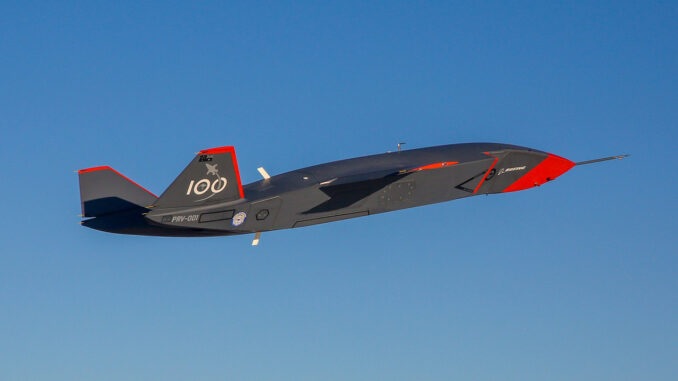
World
The Japanese Ministry of Defense has taken a major step in its effort to integrate cutting-edge technology into its defense systems. It recently awarded a contract worth 155.1 million Japanese yen (approximately $979.8 million) to Boeing for testing aerial drones designed for manned-unmanned teaming (MUM-T) operations. This initiative aims to bolster Japan’s combat capabilities by integrating drones that can operate alongside manned aircraft, echoing the U.S. military’s "loyal wingman" concept. Aiming for Collaborative Combat Systems This project is part of Japan’s broader plan to enhance its Self-Defense Forces' capabilities. The idea is to develop drones that not only complement existing fighter jets but also integrate seamlessly with the country's future sixth-generation fighter jet. This ambitious sixth-generation program is being developed in partnership with Italy and the UK. The Acquisition, Technology & Logistics Agency (ATLA) selected Boeing due to its proprietary testing software and deep expertise in developing unmanned systems. The contract tasks Boeing with simulating drones capable of conducting combat missions collaboratively with manned aircraft. In addition, Japan has been actively collaborating with international partners to advance its capabilities in artificial intelligence (AI) and machine learning for military applications. In 2023, Tokyo agreed with the U.S. Department of Defense to jointly explore AI solutions for future drones. Japan, the U.S., and Taiwan also initiated a project to share real-time drone data for enhancing regional defense coordination, particularly in the Pacific. Boeing’s MQ-28 Ghost Bat: A Model for the Future Boeing’s MQ-28 Ghost Bat drone is at the heart of its manned-unmanned teaming experiments. Initially developed in collaboration with the Royal Australian Air Force, this drone is now being used for similar ventures by the U.S. Air Force. The MQ-28 Ghost Bat is a versatile platform with impressive specifications: Length: 12 meters (40 feet). Wingspan: 7 meters (23 feet). Speed: Subsonic, powered by a turbofan engine. Range: Over 2,000 nautical miles (approximately 2,301 miles or 3,704 kilometers). Features: The Ghost Bat is equipped with advanced radars, electro-optical sensors, and electronic warfare systems, making it suitable for a variety of combat and surveillance roles. This drone is designed to operate as a "loyal wingman," providing advanced capabilities to manned aircraft by engaging in tasks such as electronic warfare, reconnaissance, and even direct combat. Japan’s Indigenous Development Efforts While leveraging Boeing’s expertise, Japan is also working on its own indigenous drone development programs. Mitsubishi Heavy Industries is actively developing unmanned systems tailored for both combat roles and support functions for the upcoming sixth-generation fighter jet. These efforts highlight Tokyo’s intent to build a robust, multi-layered aerial defense system. Strengthening Pacific Security Japan’s manned-unmanned teaming initiative is not just about technological advancement; it also has significant geopolitical implications. By collaborating with the U.S. and other allies, Japan is solidifying its position in the Pacific region's defense ecosystem, particularly in light of increasing challenges posed by rival powers. This contract with Boeing signals a critical milestone in Japan’s journey to integrate autonomous technologies into its defense forces, offering a glimpse into the future of aerial warfare. With advancements in AI, sensor technology, and international collaboration, Japan is poised to take a leading role in the evolving landscape of modern military aviation.
Read More → Posted on 2025-01-10 14:22:35
World
China is charting a bold new course in energy innovation with a plan to build a space-based solar power station, dubbed the "Three Gorges Dam in Space." This ambitious project, spearheaded by top scientists and engineers, aims to harness the Sun’s power from Earth’s orbit and transmit it back to the ground, revolutionizing the global energy landscape. What is Space-Based Solar Power? Space-based solar power stations are advanced facilities that collect solar energy directly from space. Unlike ground-based systems, they are not influenced by weather, seasonal variations, or the day-night cycle. Energy density in space is significantly higher—about ten times that of Earth’s surface. This allows these stations to generate continuous, abundant, and clean energy. The Vision Behind the Project Long Lehao, a renowned rocket scientist and member of the Chinese Academy of Engineering (CAE), unveiled the scale of this venture. “We are essentially moving the Three Gorges Dam to a geostationary orbit 36,000 kilometers above Earth,” Long stated during a lecture at the Chinese Academy of Sciences (CAS). The energy harvested annually from such a solar array could rival the total amount of oil extracted from Earth. Specifications of the "Three Gorges Dam in Space" Geostationary Orbit: The station will be positioned 36,000 km (22,370 miles) above Earth. Solar Array Dimensions: Proposed to span up to 1 km wide along the geostationary orbit. Energy Output: Designed to surpass the capacity of traditional terrestrial energy projects, potentially equating to the power generated by vast fossil fuel reserves. Technological Marvels Driving the Initiative Long March-9 Heavy-Lift Rocket: Thrust: 6,000 tonnes. Take-off Weight: Over 4,000 tonnes. Payload Capacity: Up to 150 tonnes to low Earth orbit. Dimensions: 10.6 meters in diameter and 110 meters in height.This next-generation rocket is critical for transporting the materials required to construct the space station. Microwave Wireless Energy Transmission: Enables efficient transfer of energy from the orbiting station to Earth. Demonstrated by China’s “Chasing Sun Project,” which leads in beam collection and power transfer efficiency. Ground Verification Systems: China’s first experimental space solar power station in Bishan, Chongqing, focuses on technology validation. A team from Xian University has developed a groundbreaking ground verification system for microwave power transmission. Progress and Challenges China's journey to realize this vision has not been without hurdles. Early rocket development faced failures, including a Long March 3B crash. However, perseverance led to success, with the rocket completing 99 subsequent launches, placing 108 satellites into orbit. In addition to rocket technology, advancements are being made in space communication networks, high-power microwave transmission, and energy storage. These developments are critical to building and maintaining the solar power station. Potential Applications Beyond Energy Generation This technology extends far beyond supplying power to the grid. It could: Charge satellites and power airships. Supply energy to drones and maritime platforms. Provide wireless electricity to remote regions and disaster-stricken areas. A Step Towards a Sustainable Future This grand vision is part of China’s broader space ambitions, which include lunar exploration, Mars sample return missions, and constructing a lunar base. The "Three Gorges Dam in Space" represents a transformative leap in how humanity can generate and utilize energy sustainably. As the world watches, this project underscores China’s role in shaping the future of renewable energy and space exploration. The successful realization of this endeavor could redefine global energy dynamics, making space-based solar power a cornerstone of the 21st-century energy revolution.
Read More → Posted on 2025-01-09 16:08:18
World
British defense group Cohort has announced a significant contract amendment for its German subsidiary, ELAC Sonar GmbH (ELAC). The €16.4 million deal will see ELAC supply an additional state-of-the-art sonar system for the Italian Navy’s new submarine program, raising the total contract value to over €100 million. This extension will cover sonar systems for four advanced submarines, further solidifying ELAC’s position as a global leader in underwater acoustic technology. A Cutting-Edge Solution for Modern Naval Warfare At the heart of this contract is ELAC’s Sphere sonar system, a digital hydroacoustic technology known for its exceptional underwater detection and tracking capabilities. Designed to meet the Italian Navy’s stringent requirements, Sphere represents a generational leap in underwater battlespace performance. The system’s specifications include: Digital Hydroacoustic Processing: Sphere leverages advanced algorithms to detect, classify, and track underwater threats with remarkable precision. Multi-Mode Operation: The system integrates active and passive sonar modes, enabling flexibility across a range of operational scenarios, from anti-submarine warfare to intelligence gathering. High-Frequency Performance: It offers superior resolution and detection range, even in challenging underwater environments. Compact and Modular Design: Sphere’s architecture allows for easy integration into a variety of submarine platforms, ensuring adaptability for future naval requirements. Strategic Importance This contract amendment reflects the Italian Navy’s commitment to enhancing its underwater capabilities, a critical element of modern maritime defense. As regional tensions and undersea competition rise, advanced sonar systems like Sphere provide a decisive edge in maintaining security and operational superiority. Andy Thomis, Cohort’s Chief Executive, underscored the significance of this development:“This important order is another significant win for ELAC and demonstrates its ability to meet the demanding specifications of the Italian Navy. ELAC’s cutting-edge technology reaffirms its position as a leader in underwater acoustic solutions.” Boosting Cohort’s Market Position The deal also highlights the growing importance of ELAC within Cohort’s portfolio. With Sphere and other advanced technologies, the company has been steadily expanding its footprint in the global defense market. The Italian Navy’s confidence in ELAC’s solutions not only ensures robust future revenue streams for Cohort but also reinforces its reputation for delivering top-tier defense systems. The Future of Submarine Sonar With its commitment to innovation and excellence, ELAC is well-positioned to support modern navies worldwide. As underwater threats become increasingly complex, the integration of digital hydroacoustic technologies like Sphere will play a pivotal role in shaping the future of naval defense. This contract amendment is yet another milestone in ELAC’s journey, showcasing its ability to blend cutting-edge technology with operational reliability to meet the demands of 21st-century naval warfare.
Read More → Posted on 2025-01-09 15:56:27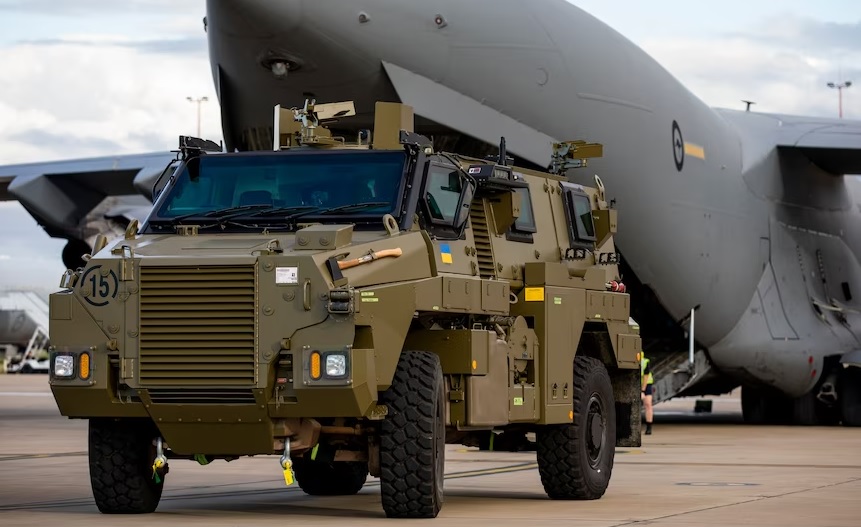
World
In a strategic move to bolster its defence capabilities, the Australian Government has awarded Thales Australia a contract worth AUD 100 million to produce 44 additional Bushmaster Protected Mobility Vehicles (PMVs). These vehicles, celebrated for their robust design and battlefield performance, will be manufactured at Thales’ Bendigo facility in Victoria, ensuring continued support for local jobs, the defence supply chain, and national security. Specifications of the Bushmaster PMV The Bushmaster, a globally recognized platform, is designed to provide superior protection and mobility in combat scenarios. Key specifications include: Role: Multi-role protected vehicle (e.g., troop transport, command, patrol, and ambulance) Weight: Approximately 15 tons Capacity: Up to 10 personnel, including the driver Protection: Ballistic, mine, and improvised explosive device (IED) protection with high-hardness steel armor Speed: Maximum speed of 100 km/h Range: Up to 800 km on a full tank Armament: Configurable with machine guns, grenade launchers, or remote weapon systems Engine: Turbocharged diesel engine (up to 300 horsepower) Additional Features: Run-flat tires, central tire inflation system, and extensive communication systems Supporting Australia’s Defence Strategy The additional Bushmasters are destined for the Australian Army’s second long-range fires regiment, headquartered at the Edinburgh Defence Precinct in South Australia. This unit is part of the newly established 10th Fires Brigade, emphasizing the growing focus on advanced and mobile artillery capabilities. Since its inception over two decades ago, the Bushmaster has earned its reputation as a reliable, battle-proven asset. Over 1,300 units have been produced at Bendigo, with exports to allied nations such as the UK, New Zealand, Japan, Indonesia, and the Netherlands. The vehicle’s adaptability makes it suitable for diverse operational needs, from peacekeeping missions to high-intensity combat scenarios. Thales’ Commitment to Innovation and Local Industry Thales Australia’s CEO, Jeff Connolly, hailed the government’s investment as a testament to the Bushmaster’s enduring value and the expertise of the Bendigo workforce. “This is an important investment in Australia’s industrial base that will deliver the capabilities our army needs – a battle-proven and locally-made platform that will get the job done for decades to come,” Connolly stated. The new contract ensures job security for hundreds of workers and sustains Australia’s manufacturing capabilities. It also enables Thales to invest in future upgrades, ensuring the Bushmaster remains relevant in evolving operational environments. These advancements may include enhanced survivability, increased payload capacity, improved communication systems, and integration of emerging technologies such as autonomous navigation. Broader Implications of the AUD 100 Million Deal This latest order is part of a broader investment in the Bushmaster programme, which has already exceeded AUD 300 million. The funding underscores the vehicle’s critical role in Australia’s defence strategy, cementing its status as a cornerstone of national and allied military operations. By securing this deal, Thales reinforces its position as a trusted partner of the Australian Defence Force (ADF). The company’s focus on innovation, coupled with the Bushmaster’s proven performance, ensures it will continue to play a key role in safeguarding Australia and supporting global allies for decades to come. The Bushmaster’s legacy, combined with Thales’ manufacturing expertise, reflects a commitment to both national security and local industry growth. As the Bendigo facility gears up for this latest production cycle, it underscores the essential link between defence capability and industrial resilience in a rapidly evolving global security landscape.
Read More → Posted on 2025-01-09 15:35:35
World
The United States has clarified that it currently has no plans to expand its military presence in Greenland, despite the island’s significant strategic importance in the Arctic region. This statement came from the U.S. embassy in Copenhagen on Thursday, following comments by incoming President Donald Trump, who described control over Greenland as an "absolute necessity" for U.S. national security. Trump, set to take office on January 20, also hinted at the possibility of leveraging military or economic tools, such as tariffs, against Denmark to secure influence over the island. Greenland's Strategic Importance Greenland, an autonomous territory under Denmark, occupies a pivotal position in Arctic geopolitics. Its geographic location makes it crucial for the United States' ballistic missile early-warning system, as the shortest route between Europe and North America crosses the Arctic region. Greenland's proximity to the Arctic's mineral-rich waters and potential shipping lanes further heightens its strategic value. Currently, the U.S. maintains a military presence at Pituffik Space Base (formerly Thule Air Base), located in northwest Greenland. This facility, operational since 1951, is home to an advanced radar system critical for tracking ballistic missiles and monitoring space activities. It also serves as part of the U.S. Space Command's broader network, highlighting its dual importance for missile defense and space surveillance. Cooperation with Copenhagen and Nuuk Despite its strategic value, the U.S. embassy emphasized a collaborative approach with Denmark and Greenland's capital, Nuuk, to address mutual security concerns. "There are no plans to increase the United States' current military footprint in Greenland," the embassy spokesperson said, reaffirming Washington's commitment to shared security goals in the Arctic. The statement follows increased attention on Greenland in recent years as Arctic nations, including Russia and China, ramp up their presence in the region. Russia has expanded its military infrastructure in the Arctic, while China has sought investments in Greenland, framing its activities as part of its "Polar Silk Road" strategy. This growing geopolitical competition has prompted NATO allies to monitor Arctic developments closely. Trump's Renewed Focus on Greenland President Trump’s comments this week mark a continuation of his administration’s focus on Greenland, which first came to light in 2019 when he proposed purchasing the island. The idea was met with resistance from Denmark and Greenland, with Danish Prime Minister Mette Frederiksen calling the proposal "absurd." However, Trump's renewed interest underscores his administration's view of Greenland as a critical asset in the Arctic, particularly as global warming opens new opportunities for resource exploration and trade routes in the region. The Path Ahead While there are no immediate plans to increase the U.S. military presence, Greenland remains a focal point of Arctic strategy for Washington. As climate change accelerates the melting of Arctic ice, the region's geopolitical significance is only expected to grow. The U.S. may continue to engage Greenland through diplomatic, economic, and security frameworks to maintain its strategic edge while balancing its relationships with Denmark and Greenland’s autonomous government. This latest development highlights the delicate balance the U.S. must strike between pursuing its national security interests and respecting the sovereignty of its allies in the increasingly contested Arctic.
Read More → Posted on 2025-01-09 15:30:34
World
QinetiQ Target Systems (QTS) has once again reaffirmed its position as a trusted partner of the United States Navy (USN) with the renewal of a five-year contract to provide uncrewed aerial target (UAV-T) support services. This agreement, valued at $13.3 million, extends QTS’s longstanding collaboration with the USN and is slated to run until late 2029, with a provision for a six-month extension. The Vindicator II: A Key Asset for Naval Training At the heart of this contract lies the Vindicator II aerial target system, a reliable and cost-effective solution for military training. The Vindicator II is designed to simulate high-speed aerial threats, providing naval personnel with realistic scenarios to enhance their defensive capabilities. Specifications of the Vindicator II Type: Uncrewed Aerial Target (UAV-T) Performance: Capable of simulating high-speed aerial threats with exceptional precision. Payload Capacity: Configurable for various mission-specific payloads, including radar reflectors and IR augmentation. Operational Range: Extended range, ensuring adaptability for diverse training scenarios. Launch Mechanism: Catapult or rail launch for flexible deployment. Recovery: Parachute-assisted recovery, ensuring reuse and cost efficiency. The Vindicator II has proven itself to be a robust and adaptable system, pre-qualified to meet the rigorous demands of naval operations. Its versatility and proven track record have made it an indispensable tool for the USN at critical training ranges, including San Nicolas Island, California, and Dam Neck, Virginia. A Long-Standing Partnership with the U.S. Navy This marks the sixth consecutive renewal of QTS’s contract, highlighting the trust and confidence the USN places in the company’s capabilities. The agreement was facilitated through a collaboration with the Canadian Commercial Corporation (CCC) and Public Services and Procurement Canada (PSPC). The Medicine Hat facility in Alberta, Canada, continues to serve as the operational hub for these uncrewed systems, reflecting QTS’s commitment to excellence and innovation. Under the new contract, QTS will deploy Canadian personnel to deliver tailored services for the USN, leveraging expertise gained from its globally renowned Banshee operations. This customized approach ensures that the Vindicator II systems are fully aligned with the specific requirements of the USN, enhancing the realism and effectiveness of their training programs. Commitment to Excellence and Innovation Ryan Peterson, Project and Customer Account Manager for QinetiQ, emphasized the importance of this partnership, stating, “This contract is a testament to the excellent working relationship between QinetiQ and our USN customer.” He also praised the dedication of QinetiQ’s Global Field Services team, which has consistently delivered outstanding service for over two decades. This achievement reflects QinetiQ’s innovative approach to uncrewed systems and its ability to adapt to evolving industry needs. The company’s commitment to delivering high-quality training and support services has cemented its reputation as a leader in the field of uncrewed aerial targets. Strategic Implications for QinetiQ and the U.S. Navy The Vindicator II’s deployment not only strengthens the USN’s training capabilities but also underscores QinetiQ’s strategic role in supporting defense forces globally. As uncrewed aerial systems become increasingly important in modern warfare, this partnership demonstrates how innovative solutions like the Vindicator II can bridge the gap between current operational challenges and future defense needs. This contract renewal reaffirms QinetiQ’s leadership in the uncrewed aerial target market, paving the way for continued advancements in naval training and readiness.
Read More → Posted on 2025-01-09 15:12:53
World
Russia has halted all naval ship repair activities in Crimea due to the growing intensity of Ukrainian strikes, according to Ukrainian Navy spokesperson Dmytro Pletenchuk. This development signals a significant shift in the operational strategy of Russia’s Black Sea Fleet, which has been forced to relocate its warships from the Sevastopol naval base in Crimea to the port city of Novorossiysk. The decision follows a series of successful Ukrainian attacks utilizing missiles and drone boats. These strikes have caused extensive damage to Russian naval assets, sinking or crippling dozens of warships, including a possible submarine. Pletenchuk underscored this in a recent telethon, stating, “The main facilities for the Russians are still in Crimea. But we’ve demonstrated in practice that using repair bases for their Black Sea fleet is no longer possible.” Novorossiysk: A Partial Solution While Novorossiysk has become the alternative port of choice for the Black Sea Fleet, it lacks the comprehensive ship repair capabilities available at the Sevastopol naval base. The facility in Novorossiysk can handle basic maintenance but falls short in terms of advanced repair operations needed for larger and more complex vessels. Another potential facility, located in Zelenodolsk, Tatarstan, lies over 2,200 kilometers (1,367 miles) away from Crimea. However, its capabilities are limited to smaller missile ships, making it both inefficient and cost-prohibitive for the repair of larger naval vessels. Strategic Implications for Russia The inability to use Sevastopol’s shipyards has far-reaching consequences for Russia's naval operations in the Black Sea. Sevastopol has historically been a critical hub for maintenance and repairs due to its advanced infrastructure and strategic location. The ongoing Ukrainian strikes have effectively neutralized this advantage, forcing Russia to rely on less-equipped alternatives and increasing the logistical challenges of sustaining its naval presence. Pletenchuk emphasized that repairing warships at Sevastopol has become virtually impossible. “To repair their ships, they first need to bring them there. And now, no one will be doing that,” he remarked, highlighting the growing risks associated with operating in Crimea. Ukrainian Strategy and Successes Ukraine’s persistent targeting of Russian naval assets demonstrates a well-coordinated strategy to weaken Russia's Black Sea Fleet and its operational capabilities. The use of innovative attack methods, including drone boats and precision missile strikes, has been pivotal in inflicting significant damage on Russian warships. These efforts are part of Ukraine’s broader strategy to regain control over Crimea and assert dominance in the Black Sea region. A Shifting Naval Landscape The relocation of Russia’s Black Sea Fleet to Novorossiysk marks a significant adaptation in response to evolving threats. However, the lack of suitable repair facilities is a critical vulnerability that could impede Russia’s naval operations in the long term. As Ukrainian forces continue to escalate their offensive against Russian naval targets, the strategic importance of Crimea as a naval hub diminishes, reshaping the dynamics of the conflict in the Black Sea region. This shift not only underlines the impact of Ukrainian military innovation but also serves as a reminder of the increasingly precarious position of Russian forces in occupied territories. The loss of Crimea's naval repair capabilities is a strategic setback for Russia, highlighting the growing effectiveness of Ukraine’s counteroffensive efforts.
Read More → Posted on 2025-01-09 15:10:06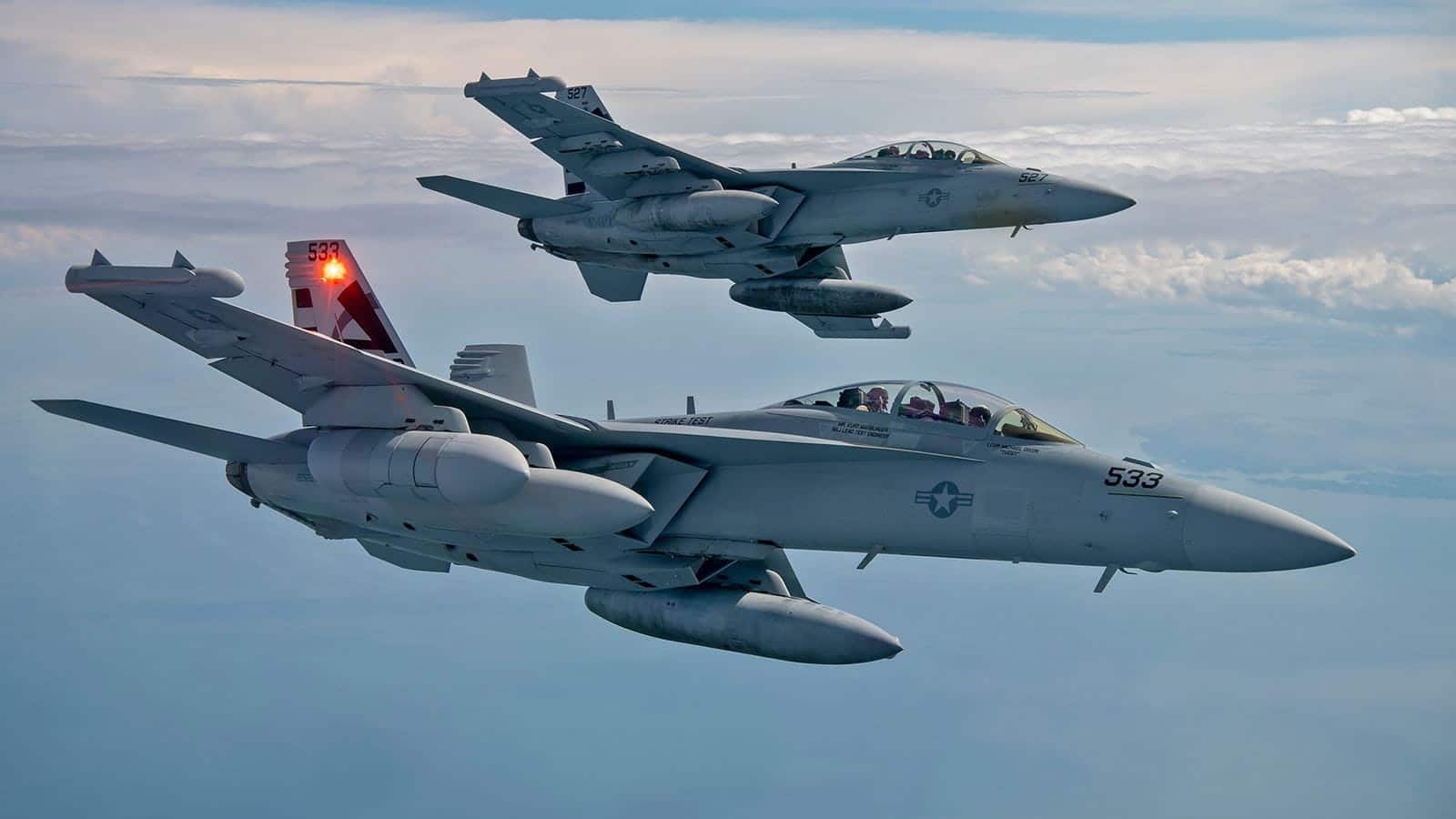
World
The United States Navy has declared Initial Operational Capability (IOC) for the Next-Generation Jammer Mid-Band (NGJ-MB) system, marking a pivotal moment in advancing the E/A-18 Growler’s capabilities in electromagnetic spectrum warfare. This development underscores the Navy’s commitment to staying ahead in countering evolving threats in modern combat scenarios. Cutting-Edge Technology and Specifications The NGJ-MB is designed to operate within the 2 GHz to 6 GHz frequency range, offering enhanced abilities to disrupt, deny, and deceive adversary radar and communication systems. This system integrates state-of-the-art software-defined technologies and electronically scanned array (ESA) antennas, enabling faster and more precise jamming. These advancements ensure the NGJ-MB can respond dynamically to a variety of threats in contested environments. Key specifications of the NGJ-MB include: Frequency Range: 2 GHz to 6 GHz Technology: Electronically Scanned Array (ESA) and software-defined systems Modular Design: Easily upgradable for future enhancements Deployment: Operable with EA-18G Growlers, optimized for carrier-based missions This system has already proven its mettle during a five-month deployment aboard the USS Abraham Lincoln in the Middle East, where it supported combat operations by effectively countering advanced radar systems and electronic threats. Replacing Legacy Systems The NGJ-MB is part of a broader Next-Generation Jammer (NGJ) program aimed at replacing the aging ALQ-99 Tactical Jamming System, which has been in service since the 1970s. The NGJ program is divided into three key segments: NGJ-LB (Low-Band): Operates between 100 MHz and 2 GHz. NGJ-MB (Mid-Band): Covers the 2 GHz to 6 GHz range. NGJ-HB (High-Band): Focuses on frequencies from 6 GHz to 18 GHz. Each band addresses specific parts of the electromagnetic spectrum, ensuring comprehensive coverage against modern threats. Enhanced Capabilities for Spectrum Dominance The NGJ-MB significantly boosts the U.S. Navy’s ability to maintain electromagnetic spectrum dominance. By targeting and neutralizing adversary radar and communication systems, the NGJ-MB ensures that EA-18G Growlers can operate effectively in high-threat environments. Lieutenant Commander Michael Bedwell, an EA-18G Naval Flight Officer, highlighted the importance of the system, stating, “Yielding new capabilities is critical for addressing current and future threats. The era of isolated surface-to-air missile systems, which operate within a non-agile and limited frequency range, is behind us.” Future Upgrades and Development Raytheon, the primary developer of the NGJ-MB, is already working on an upgraded version that will extend its frequency range and further enhance its capabilities. This next iteration is expected to address emerging threats and provide greater adaptability for future missions. The upgraded version is anticipated to be ready by 2027. Strategic Implications The IOC declaration for the NGJ-MB signals the system’s readiness to meet the logistical and operational needs of carrier air wings and EA-18G Growler squadrons. This advancement strengthens the U.S. Navy’s ability to operate in contested electromagnetic environments, ensuring a tactical edge in modern warfare. As the NGJ program progresses, the U.S. Navy is poised to set new benchmarks in electronic warfare, ensuring its fleet remains prepared to face the challenges of future conflicts.
Read More → Posted on 2025-01-08 16:21:03
World
In 2025, the French defense budget is set to rise to €50.5 billion, marking a 3% increase from 2024 and continuing an upward trend since 2017. This budget underscores France's commitment to enhancing its military capabilities, with significant allocations directed toward the Navy's modernization and expansion. Nuclear Deterrence Renewal A substantial portion of the budget is dedicated to renewing France's nuclear deterrence capabilities. Approximately €26 billion is allocated for the maintenance and upgrade of the current fleet of four Le Triomphant-class SSBNs (nuclear-powered ballistic missile submarines) and their infrastructure. This includes the development of the M51.3 submarine-launched ballistic missile, with preliminary work on the M51.4 variant also commencing. Additionally, the SNLE 3G program, aimed at constructing four new-generation SSBNs to replace the existing fleet, receives around €11 billion. The first steel cutting for these submarines occurred in early 2024, with commissioning planned post-2035. Surface Fleet Enhancements The French Navy's surface fleet is poised for significant developments: Aircraft Carrier: Plans are underway for the PANG (Porte-Avions Nouvelle Génération), the successor to the Charles de Gaulle aircraft carrier. While the official order is anticipated by late 2025, preliminary work, including the development of nuclear reactors, has already begun. Frigates: The Navy's first-rank vessels, currently comprising eight FREMM frigates and two Horizon-class destroyers, will be augmented by five FDI (Frégate de Défense et d'Intervention) frigates. The first of these, "Amiral Ronarc’h," is undergoing sea trials and is expected to be commissioned soon. An order for the fourth FDI is scheduled for next year, with all units expected to be in service by 2032. Mine Warfare: The SLAMF program aims to replace legacy mine warfare platforms. Orders for future mine countermeasure vessels (BGDM) are expected in 2025, with the existing Tripartite-class MCMVs receiving life extensions in the interim. Additionally, two new mine warfare modules are slated for delivery to enhance current capabilities. Patrol Vessels: The patrol fleet will be bolstered by the addition of two overseas-based offshore patrol vessels (POM), bringing the total to four out of six planned units. Replenishment Tankers: The second Jacques Chevallier-class replenishment tanker, recently launched in September, is expected to be delivered, enhancing the Navy's logistical support capabilities. Maritime Aircraft Updates Several advancements are planned for the Navy's aerial assets: Maritime Surveillance Aircraft (AVSIMAR): Five Falcon 2000 aircraft from Dassault Aviation are slated for order, supplementing the seven previously ordered. To bridge capability gaps, two upgraded Falcon 50s will be introduced temporarily. Maritime Patrol Aircraft (MPA): Two upgraded Atlantique 2 aircraft will join the squadron based in Lan-Bihoué, Brittany. The future replacement program for these MPAs remains under consideration, with the Airbus A321 MPA being a potential candidate. Unmanned Aerial Vehicles (UAVs): The SDAM program, focusing on the VSR700 from Airbus, is progressing, though service entry is not imminent. In the meantime, alternatives like the Schiebel S100, already in service, and the developing S300 are being considered to meet immediate operational needs. Ammunition and Armaments The budget allocates funds for various munitions: Missiles: Orders for an undisclosed number of missiles, including upgrades to the MdCN naval cruise missile and Exocet systems, are planned. Additional F-21 heavyweight torpedoes and Aster surface-to-air missiles will be procured to bolster stockpiles. Naval Gun Systems: A new airburst ammunition for the Rapidfire naval gun system is expected to be ordered, enhancing the Navy's close-in defense capabilities. Uncertainties and Political Context It's important to note that recent political developments have introduced uncertainties into these plans. A vote of no confidence in December 2024 led to delays in the national defense budget approval. Although a new government was formed later that month, political tensions persist, and some projects may face postponements or cancellations. A special law has been enacted to maintain existing budgets temporarily, ensuring the continuity of public services, including defense. In summary, the 2025 budget reflects France's commitment to modernizing its naval forces, with significant investments across various domains. However, the evolving political landscape may impact the execution of these plans, necessitating close monitoring of future developments.
Read More → Posted on 2025-01-08 16:08:57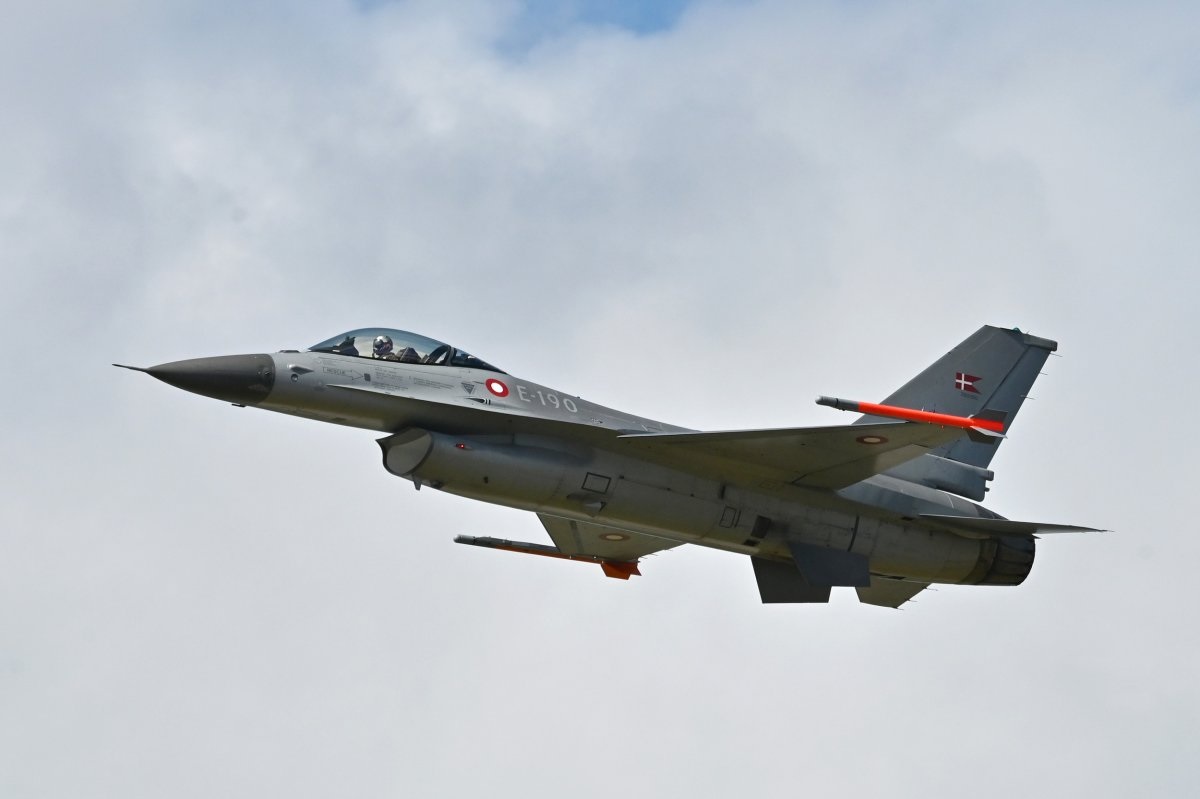
World
In a dramatic display of skill and cutting-edge technology, a Ukrainian F-16 pilot downed six Russian cruise missiles in a single sortie during a mass aerial assault in December 2024. This extraordinary achievement, confirmed by the Ukrainian Air Force, marks a significant milestone in modern air combat and highlights the versatility of the F-16 Fighting Falcon. A Historic Feat in Air Defense This event set a new record for F-16 operations, as no other fighter jet has achieved such a feat in a single engagement. The pilot, whose identity remains classified for security reasons, skillfully neutralized multiple threats, even overcoming advanced electronic countermeasures designed to protect the cruise missiles. “Everything happens for the first time… I tried, it worked!” the pilot stated in a post-mission debriefing. The sortie was part of Ukraine's response to a massive Russian offensive involving over 200 drones, ballistic missiles, and 94 cruise missiles aimed at critical targets. Technical and Tactical Brilliance The F-16, equipped with advanced avionics, radar systems, and targeting capabilities, played a crucial role in the mission. The pilot used only four AIM-120 AMRAAM air-to-air missiles and the aircraft's 20mm M61 Vulcan cannon to intercept and destroy the threats. The operation unfolded in high-stakes conditions. The pilot was directed toward a formation of eight incoming cruise missiles. Despite interference caused by electronic countermeasures, the F-16’s onboard systems identified and locked onto the targets. Four missiles were intercepted with air-to-air missiles, while the final two were taken down using the aircraft’s cannon—an unprecedented achievement for the F-16. “When I spotted the last missile, I realized I had only the cannon left,” the pilot explained. “I aligned with the target, accounting for its speed and trajectory. A few bursts from the cannon, and I saw the explosion.” Expert Insights Military analyst Taras Chmut praised the F-16 as “a super-fast, super-mobile air defense missile system.” However, he pointed out that the jets delivered to Ukraine lack some of the cutting-edge systems available in newer models. For example, these F-16s do not include AESA (Active Electronically Scanned Array) radar systems or AIM-260 Joint Advanced Tactical Missiles, limiting their ability to confront advanced threats such as Russian Su-34 bombers deploying guided munitions. “These bombers pose a significant challenge,” Chmut noted, emphasizing the need for additional air defense capabilities like Patriot missile systems to safeguard both frontline troops and critical infrastructure. Why This Matters The F-16’s performance in this operation underscores its value as a multi-role fighter capable of adapting to diverse mission requirements. While the jets supplied to Ukraine may not represent the latest generation, this record-breaking sortie demonstrates their potential when combined with skilled pilots and tactical innovation. Ukraine’s success with the F-16 has also bolstered calls for additional international support, highlighting the aircraft's critical role in countering advanced aerial threats. Specifications of the F-16 Fighting Falcon Manufacturer: Lockheed Martin Role: Multirole fighter Top Speed: Mach 2.0 (approx. 2,470 km/h) Range: 2,622 km (ferry range) Weapons: AIM-120 AMRAAM air-to-air missiles AGM-88 HARM missiles M61 Vulcan 20mm cannon Bombs: JDAM, Paveway series, cluster munitions Radar: AN/APG-68 (Older models) or AN/APG-83 AESA (Modernized versions) This historic mission by a Ukrainian F-16 pilot illustrates not only the aircraft's effectiveness in air defense but also the critical importance of continued technological upgrades and international military support in shaping the outcome of modern conflicts.
Read More → Posted on 2025-01-08 16:04:46Search
Top Trending in 24 Hours
-
 Tulsi Gabbard Releases Declassified Files Detailing U.S.-Backed Network of 120 Biolaboratories Across 30+ Countries
-
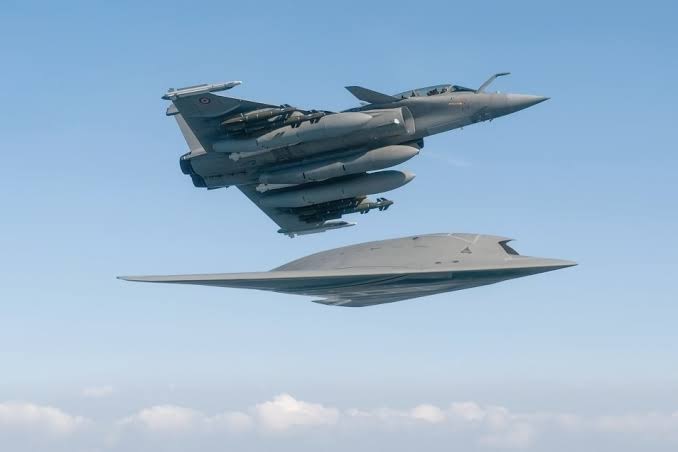 France Agrees to Equip Future Indian Rafales with AI, MUM-T and Secure Satellite Links Under F5 Standard
-
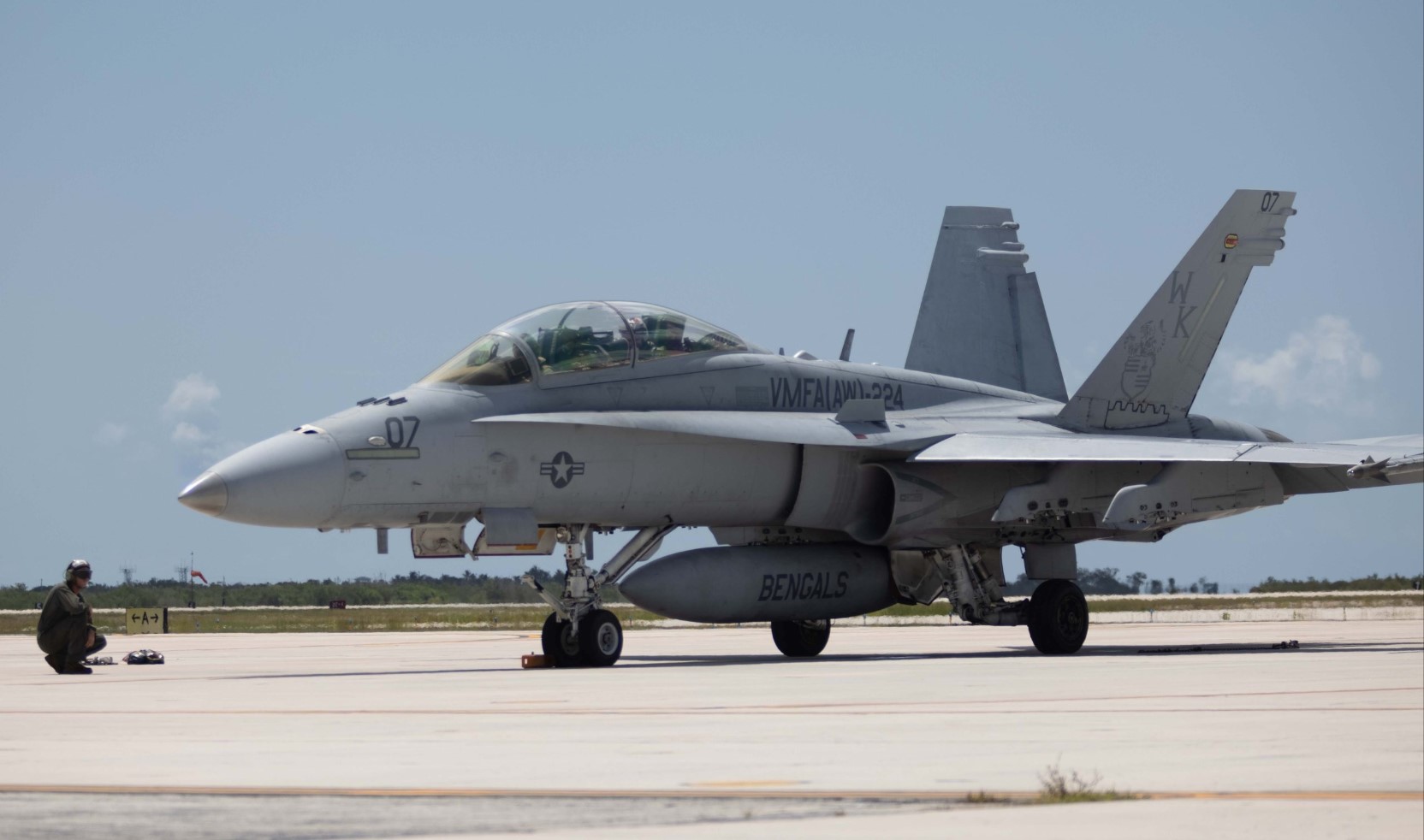 US Marine Corps F/A-18D Hornet Crashes During Training Flight in Washington Mountains; Pilot Ejects Safely
-
 Dassault Seeks Compensation From Airbus as Eurodrone Dispute Erupts After FCAS Collapse
-
 AM General Unveils Next-Generation UGV and JLTV A2 with Counter-Drone Systems at Eurosatory 2026
-
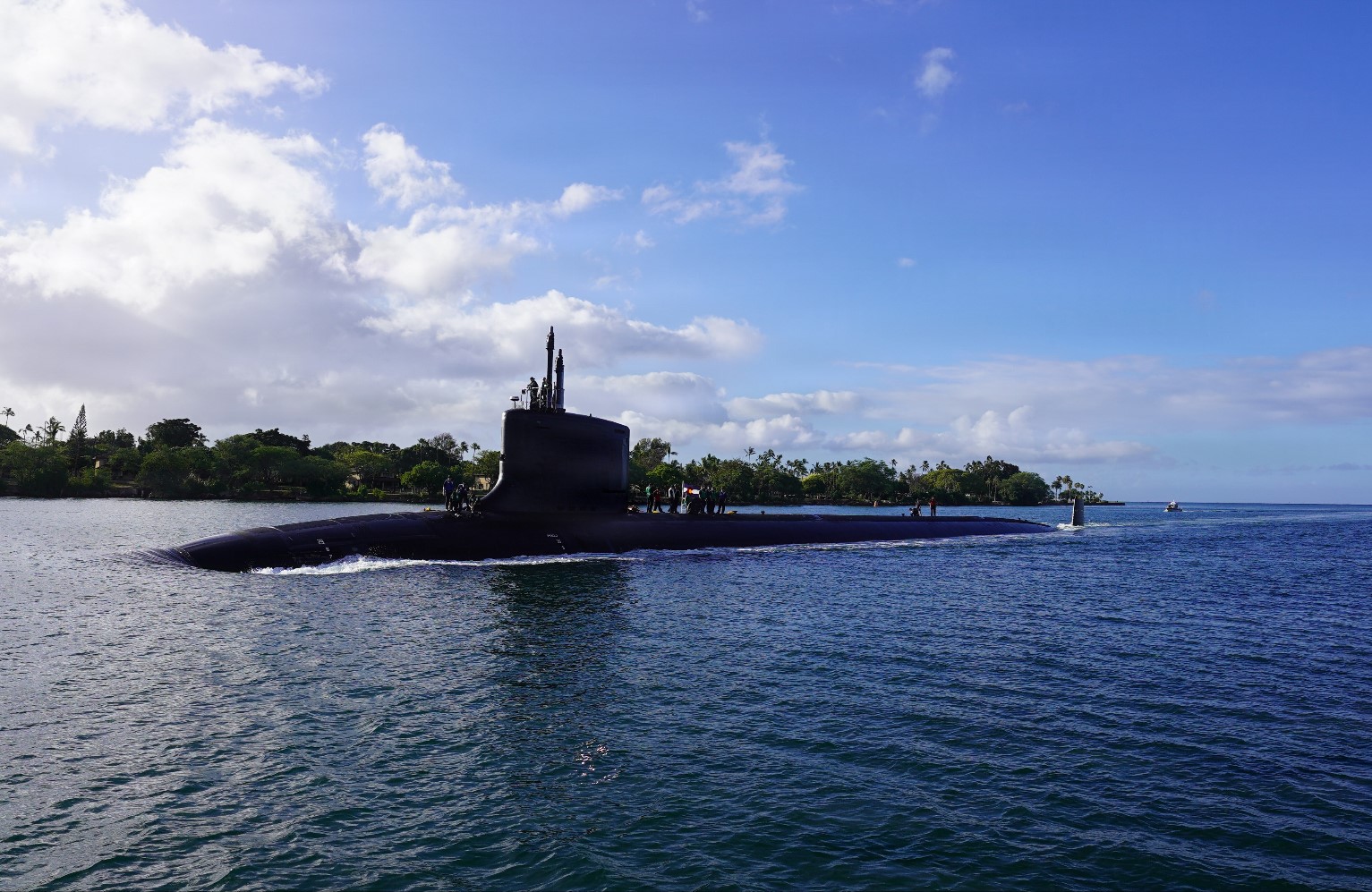 U.S. Navy's USS Colorado Submarine Returns to Pacific Fleet 29 Days Early After Major Pearl Harbor Overhaul
-
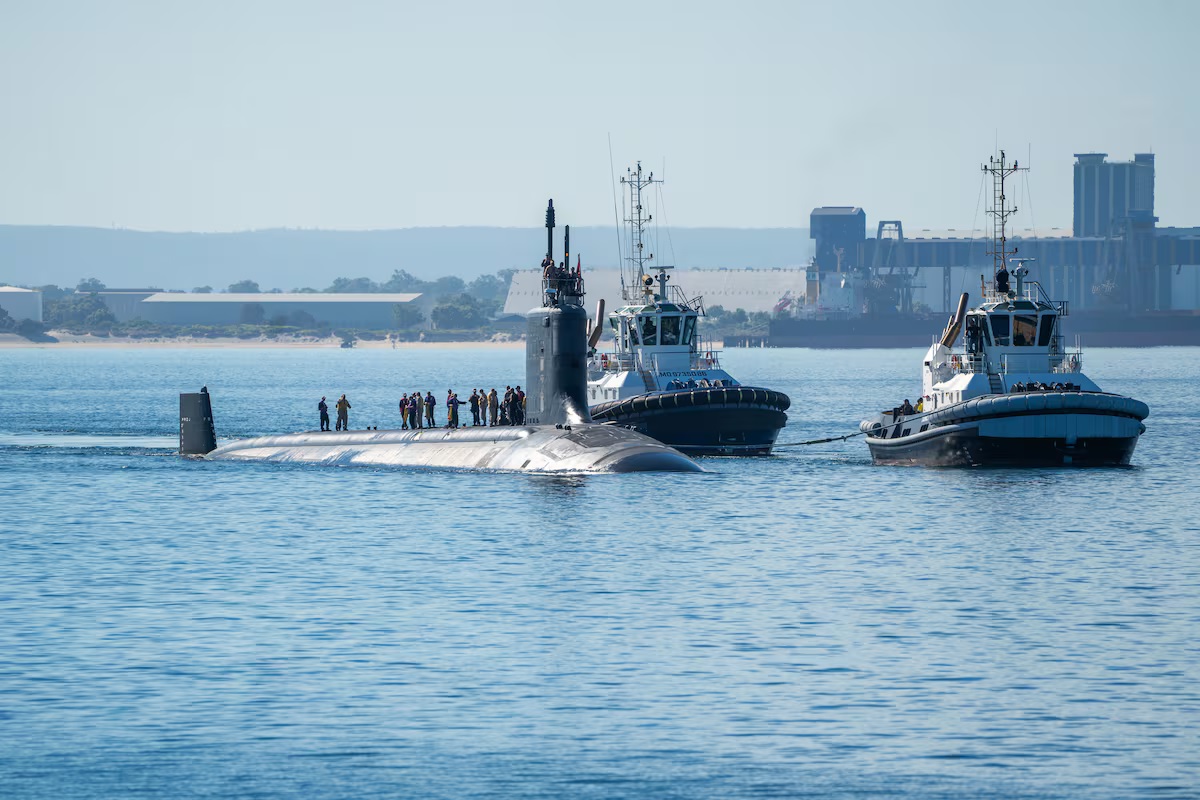 U.S. Navy Reestablishes Submarine Squadron 3 at HMAS Stirling to Support AUKUS Rotational Force
-
 Pakistan Raises Defence Budget from $9 Billion to $10.8 Billion as J-35 Fighter and Hangor Submarine Programs Advance
Top Trending in 4 Days
-
 Iranian Media Leaks 14-Point U.S.-Iran Peace Framework Amid Ongoing Negotiations
-
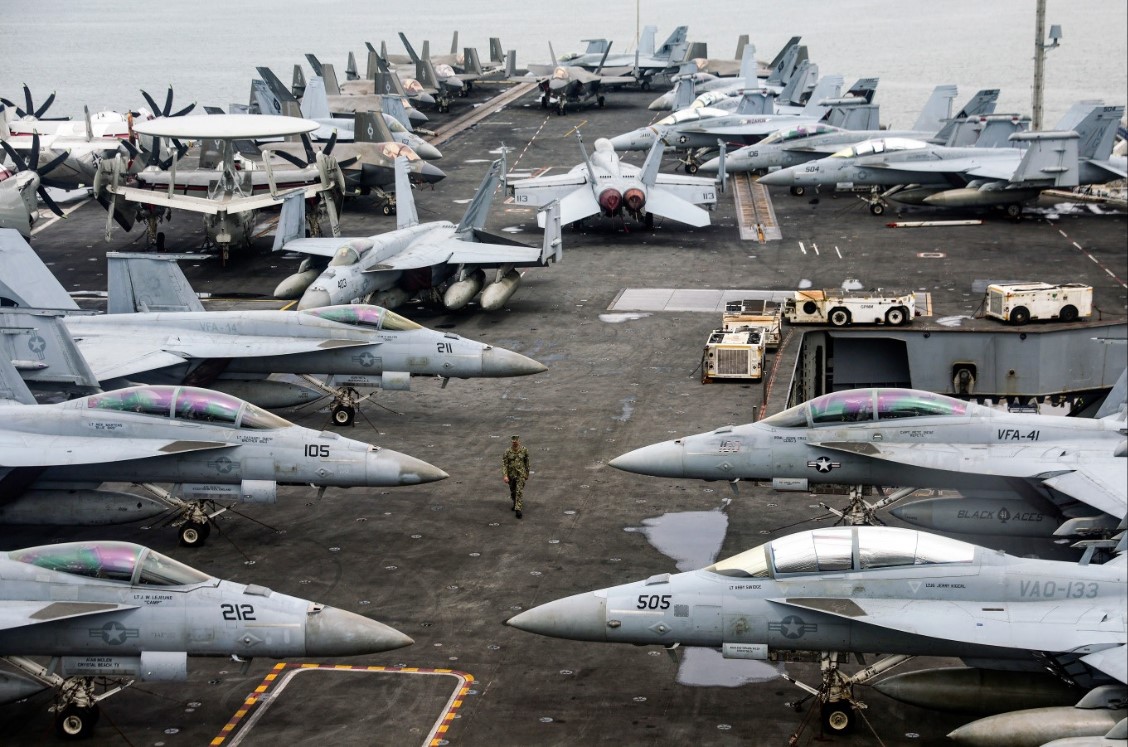 US Plans Significant Reduction of Fighter Jets and Warships for NATO Operations in Europe
-
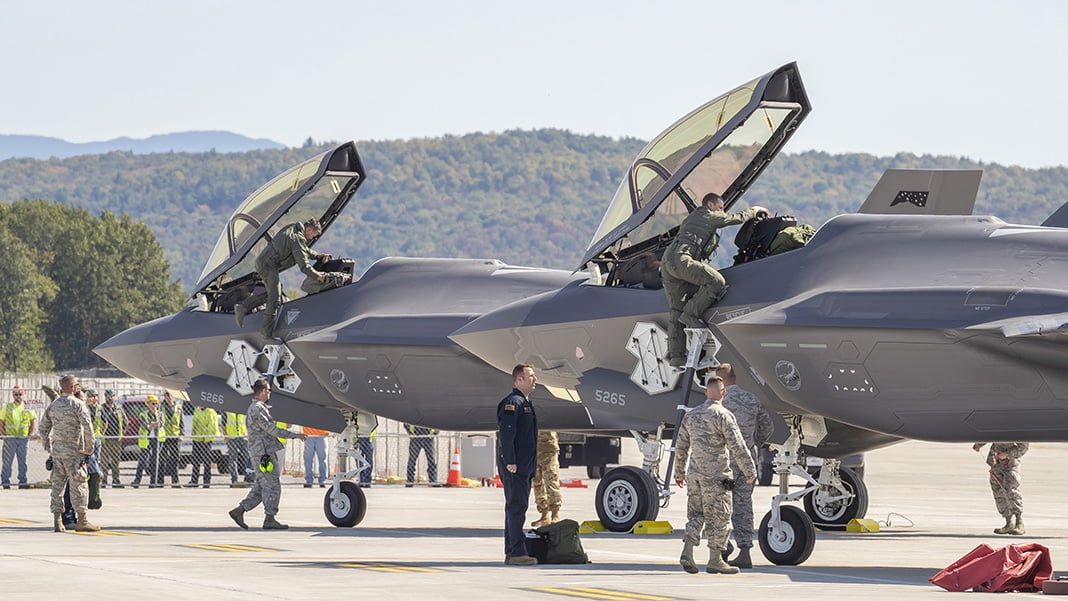 F-35 Fleet Readiness Falls to 25% Amid Parts Shortages and Software Delays: GAO Report
-
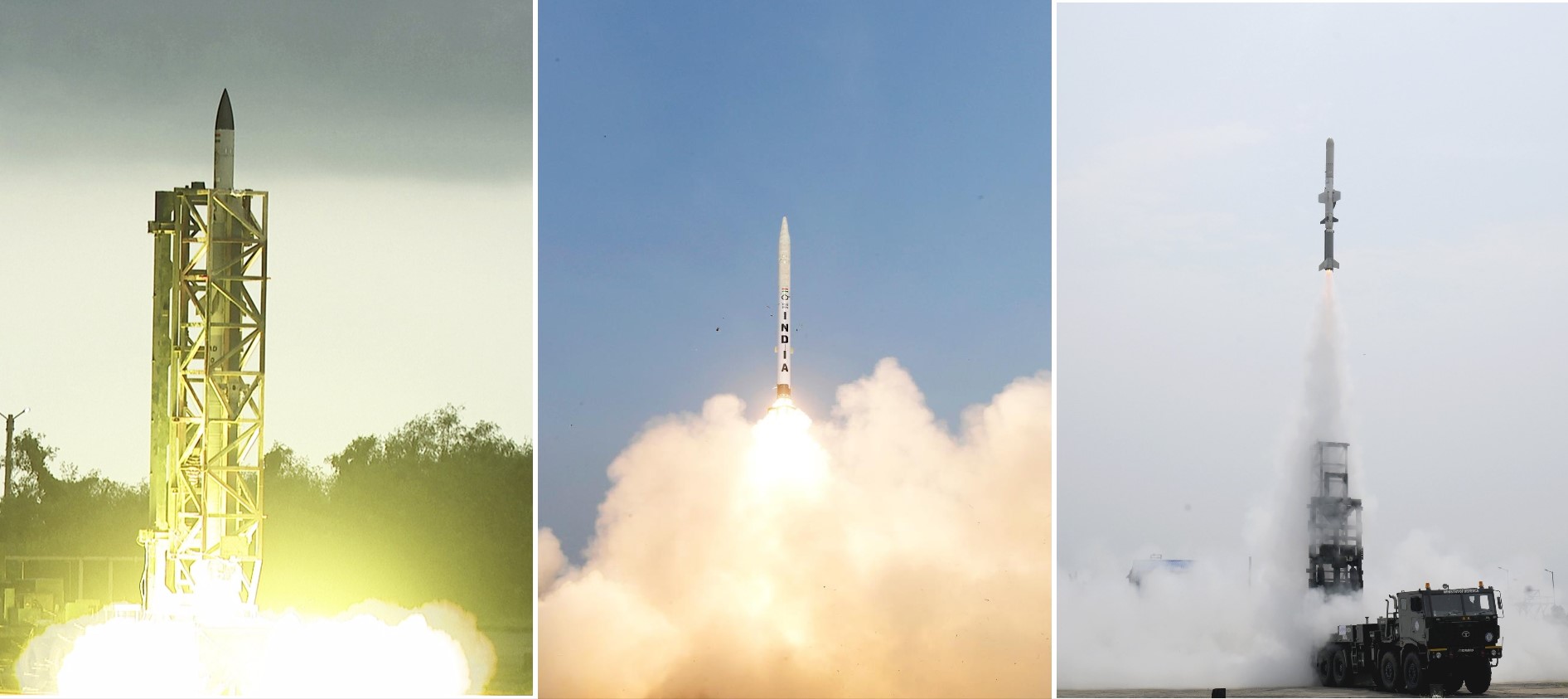 India Successfully Conducts AD-1, AD-2 Interceptor Tests and Maiden NASM-MR Flight Trial
-
 U.S. Air Force Faces Strategic Airlift Shortfall as C-17 Production Restart Remains Uncertain
-
 NATO Commander Says Russia Not Seeking Conflict With Alliance Despite U.S. Force Reductions
-
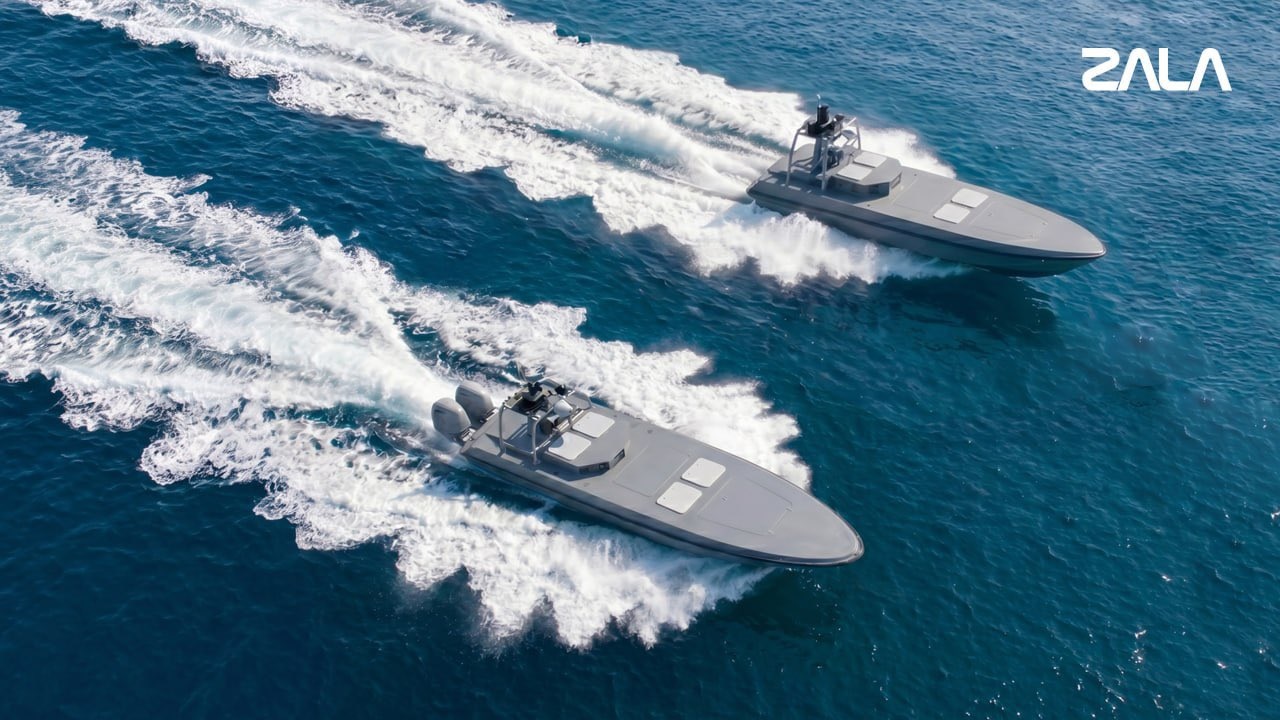 Russian Defense Firm ZALA Unveils KAMA Unmanned Surface Vessel Family at FLOT-2026 Naval Exhibition
-
 U.S. Space Force Awards $437.7 Million Contracts for First PTS-G Swarm 1 Anti-Jam Satellites