
World
Oracle has teamed up with Adarga, a pioneer in AI-powered intelligence software, to bring cutting-edge advancements to defence and security operations. This collaboration is centered around integrating Adarga’s flagship software, Vantage, with Oracle Cloud Infrastructure (OCI) to deliver unparalleled data analytics, enhanced decision-making capabilities, and operational efficiency for military and government entities. The Key to AI-Driven Defence: Adarga Vantage Adarga’s Vantage software is engineered to process vast amounts of unstructured and structured data, extracting actionable insights in real time. With support for over 75 languages, Vantage enables defence analysts and commanders to connect diverse data points, improving situational awareness and strategic planning. Notable Specifications of Adarga Vantage: Multilingual Data Processing: Handles intelligence from global sources, ensuring comprehensive analysis. AI-Driven Insights: Uses advanced algorithms to extract meaningful patterns and insights from unstructured data. Multi-Domain Functionality: Optimized for land, sea, air, cyber, and space operations. Customizable Workflows: Tailors intelligence delivery to meet specific mission requirements. Oracle Cloud Infrastructure: The Ideal Partner Oracle’s OCI serves as the backbone for deploying Adarga Vantage, offering a highly secure and reliable environment tailored to sensitive defence operations. Key Features of OCI: Air-Gapped Networks: Ensures data security for classified information. Data Sovereignty Compliance: Adheres to national and regional regulations, vital for public sector and defence clients. Scalable Performance: Handles the high computational demands of AI and big data analytics. Resilient Dual-Region Cloud: Guarantees uninterrupted operations and strict control over sensitive data. The Strategic Advantage By combining Oracle’s robust cloud capabilities with Adarga’s intelligence software, defence organisations can: Accelerate Decision-Making: Minimize delays in critical operations by processing intelligence faster. Enhance Threat Detection: Leverage AI to predict and mitigate risks in real-time. Improve Resource Allocation: Utilize data-driven insights for more efficient use of assets. Ensure Mission Readiness: Maintain operational supremacy by staying ahead of digital threats. What This Partnership Means for Global Defence This partnership aligns with the growing demand for advanced digital solutions in the military sector. With evolving cyber threats and increasingly complex operational requirements, the fusion of AI-powered intelligence with resilient cloud infrastructure is a game-changer. Oracle’s commitment to providing secure, scalable, and compliant cloud solutions complements Adarga’s mission to revolutionize how defence organisations harness data. Together, they are set to transform intelligence analysis and operational planning, ensuring military entities are equipped to maintain a strategic edge in the digital era. This initiative underscores the importance of collaborations between technology innovators and defence-focused AI specialists, paving the way for smarter, faster, and more secure operations.
Read More → Posted on 2025-01-15 17:51:12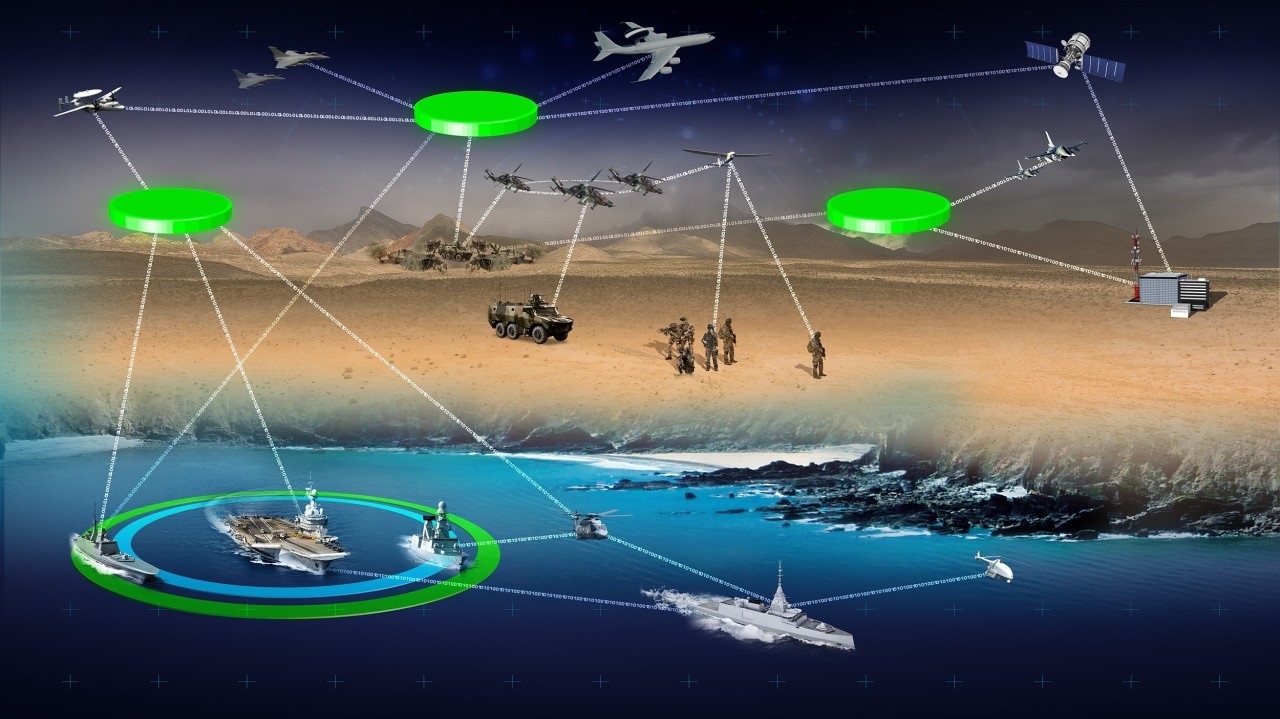
World
In 2024, BAE Systems, a global leader in defense and aerospace technology, secured an $85 million contract from the U.S. Navy for the production and delivery of advanced Network Tactical Common Data Link (NTCDL) systems. This deal is a significant step in modernizing the Navy's communication and data-sharing capabilities, ensuring secure and real-time transmission of critical mission information across platforms. Key Features and Capabilities of NTCDL The NTCDL system is a state-of-the-art solution designed to address the U.S. Navy's Common Data Link (CDL) requirements. Its robust capabilities include: Multi-Platform Integration: The system supports operations across air, surface, subsurface, and portable platforms, ensuring seamless interoperability. Real-Time Data Sharing: It enables secure transmission and reception of voice, data, imagery, and video, critical for mission-critical decision-making. Scalability and Modularity: The modular design of NTCDL allows for adaptation to evolving technologies, increasing link capacity and accommodating new waveforms. Simultaneous Network Operations: Operators can manage multiple networks simultaneously, facilitating intelligence, surveillance, and reconnaissance (ISR) operations alongside command and control activities. Future-Ready Design: Its architecture supports integration with manned and unmanned platforms, enhancing mission flexibility and capability. Deployment and Strategic Impact The NTCDL systems will be installed on U.S. Navy aircraft carriers and the next-generation Constellation-class frigates. These installations will bolster the Navy’s operational readiness, allowing for enhanced coordination and communication in complex maritime environments. Amber Dolan, BAE Systems’ director of Adaptive Communications and Sensing, emphasized the innovative nature of the system: “We have designed and produced a faster next-generation system to meet the demands of our customers’ evolving connectivity mission requirements. These solutions ensure secure, reliable information sharing for critical missions.” Extended Collaboration This contract is an extension of BAE Systems’ ongoing collaboration with the U.S. Navy, expanding the program’s timeline by an additional three years. As the original developer of NTCDL, BAE Systems has a proven track record in delivering cutting-edge solutions that align with the Navy's strategic goals. The deal also highlights the increasing demand for advanced tactical communication systems as global maritime security challenges evolve. The NTCDL system’s ability to provide real-time intelligence and operational coordination positions the U.S. Navy at the forefront of maritime warfare capabilities. Conclusion This $85 million investment underscores the U.S. Navy’s commitment to maintaining technological superiority in communication and connectivity. With BAE Systems at the helm, the NTCDL program is set to enhance operational effectiveness across the fleet, ensuring secure and efficient data sharing in the most demanding operational environments.
Read More → Posted on 2025-01-15 17:48:25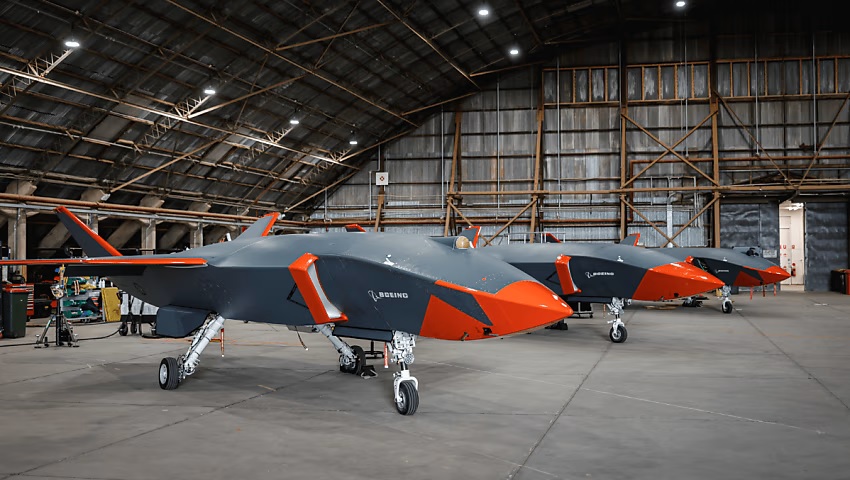
World
Saab, a global leader in defense and security solutions, has officially joined Boeing’s MQ-28 Ghost Bat industry team. This partnership marks a significant milestone in the development of cutting-edge unmanned aerial systems (UAS) designed to enhance Australia’s defense capabilities. Boeing’s MQ-28 Ghost Bat, co-developed with the Royal Australian Air Force (RAAF), is Australia’s first domestically designed and manufactured combat drone, showcasing advanced technology and collaborative effort on a global scale. Saab’s Role and Contributions Saab will play a pivotal role in the Ghost Bat program by supplying its state-of-the-art TactiCall Communications Solution. This solution integrates multiple communication technologies into a single, intuitive user interface, enabling seamless, secure sharing of information across various classification levels. Additionally, Saab Sweden will contribute avionics components such as Electro-Mechanical Actuators and Controllers for the Primary Flight Control System, critical for the drone’s operational precision and safety. Andy Keough, Managing Director of Saab Australia, highlighted the importance of the collaboration, stating, “The Ghost Bat is an exciting program for the Australian defense sector and demonstrates what can be achieved through collaboration between global defense organizations, local businesses, and the Defence Force.” The MQ-28 Ghost Bat: Key Specifications and Capabilities The MQ-28 Ghost Bat is a highly versatile unmanned aircraft designed to operate alongside crewed fighter jets, providing enhanced capabilities in mission scenarios. Its key specifications and features include: Length: Approximately 11 meters (36 feet). Range: Over 3,700 kilometers (2,300 miles), making it ideal for long-range reconnaissance and combat missions. Payload Capacity: Flexible payload options for surveillance, combat support, and electronic warfare. Speed: Capable of high subsonic speeds, enabling rapid deployment and response. Autonomous Capabilities: Equipped with advanced artificial intelligence (AI) for autonomous flight, targeting, and mission adaptability. Teamwork with Crewed Aircraft: Designed to complement manned aircraft by sharing mission data and enhancing situational awareness. The Ghost Bat program has undergone rigorous testing, including successful teaming flights where multiple drones coordinated missions and shared real-time information while airborne. Collaboration and Local Industry Engagement Boeing’s commitment to fostering local industry participation has been a cornerstone of the MQ-28 program. Over 200 companies are now part of the initiative, with the number of Australian firms engaged in the platform’s development increasing from 55 to 74 in just one year. Saab’s inclusion brings flight-proven actuation equipment and cutting-edge technology to the project, accelerating progress toward operational readiness. Glen Ferguson, Boeing MQ-28 Global Program Director, emphasized the significance of this collaboration, saying, “We are incorporating Saab’s flight-proven electromechanical actuation equipment to enable us to work at speed to accelerate our ability to meet operational requirements.” A Vision for the Future Launched in 2017, the MQ-28 Ghost Bat program has rapidly advanced from concept to reality, achieving milestones that include design, development, and successful flight demonstrations. The drone’s ability to operate autonomously or in tandem with crewed aircraft positions it as a game-changer in modern aerial combat. As Boeing and Saab continue to refine the Ghost Bat’s capabilities, the program is poised to deliver a globally competitive platform with applications beyond Australia. This collaboration highlights the importance of international partnerships and innovation in addressing the evolving needs of modern defense forces.
Read More → Posted on 2025-01-15 16:59:40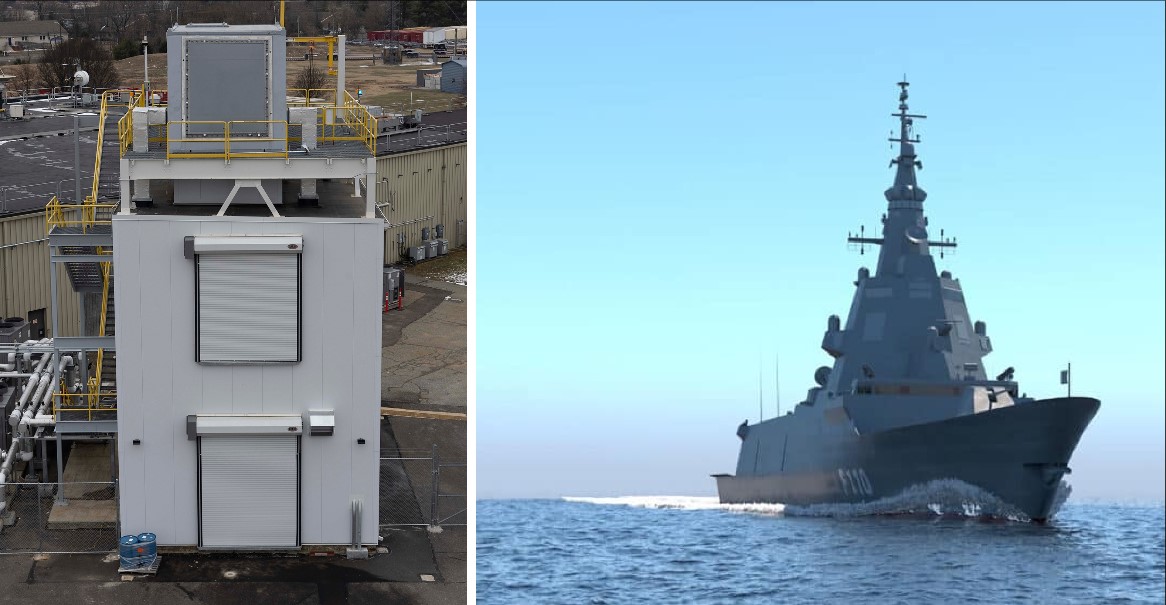
World
Lockheed Martin, in collaboration with Spanish shipbuilder Navantia, has reached a crucial milestone in the development of the AN/SPY-7(V)2 radar system for Spain's advanced F-110 Multi-Mission Frigate. This achievement was marked by a successful live tracking demonstration conducted at Lockheed Martin's Aegis SCOMBA Integration Center (ASIC) in Moorestown, New Jersey. The event is a major step forward in ensuring the radar system meets operational standards for Spain's next-generation naval fleet. The AN/SPY-7(V)2 Radar System: Advanced Capabilities The AN/SPY-7(V)2 radar is a state-of-the-art, multi-function phased-array radar designed to provide enhanced situational awareness and target tracking capabilities. Its specifications include: Detection Range: Extended range for detecting multiple threats, including ballistic missiles, aircraft, and surface targets. Adaptive Radar Technology: Utilizes gallium nitride (GaN) technology, offering greater power efficiency and performance compared to traditional systems. Multi-Mission Functionality: Capable of simultaneous air and missile defense operations, ensuring comprehensive coverage. Modular Design: Allows scalability for integration across various platforms, including ships, ground installations, and even land-based missile defense systems. This advanced radar is central to the F-110 frigate’s Aegis Combat System, which combines Spain’s SCOMBA (Sistema de Combate de la Armada Española) for seamless integration with NATO standards and Spanish Navy requirements. Key Achievements and Project Timeline Chandra Marshall, Vice President of Multi-Domain Combat Solutions at Lockheed Martin, described the live tracking demonstration as a pivotal moment for the program. The radar hardware and software successfully tracked airborne targets, affirming their readiness for full-scale testing. This milestone confirms that the system is on schedule for delivery, with the SPY-7 radar slated for formal handover in 2026. Carlos Lopez, Navantia’s F-110 Program Director, emphasized the importance of staying on track for the first frigate’s commissioning in 2028. The success of the radar demonstration ensures the project will meet its timelines, allowing the Spanish Navy to achieve operational capability with advanced radar technology. Testing and Integration: Paving the Way for Operational Readiness As part of the ongoing development, Lockheed Martin plans extensive testing of the SPY-7 radar and associated Aegis tactical equipment. These evaluations will ensure seamless integration with the frigate’s systems, including its Combat System Light-off, a critical phase in the ship’s operational lifecycle. Additionally, integration testing will continue at Lockheed Martin's ASIC and the Spanish Navy’s Combat System Integration and Test (CIST) facility in Rota. These efforts are aimed at fine-tuning the Aegis and SCOMBA Combat Systems, which together form the backbone of the F-110’s advanced defensive capabilities. The F-110 Frigate: A Strategic Asset for Spain The F-110 frigate program represents a significant leap forward in Spain's naval capabilities. Designed to replace the Spanish Navy’s aging Santa María-class frigates, the F-110 boasts cutting-edge technology, including: Stealth Design: Features a reduced radar signature to enhance survivability in contested environments. Multi-Mission Capability: Equipped to perform anti-submarine warfare (ASW), air defense, and surface warfare. Advanced Automation: Incorporates artificial intelligence and automation to reduce crew size while enhancing operational efficiency. Flexible Payload Options: Modular mission bays for UAVs, boats, or other mission-specific equipment. With the first two ships already under construction, the F-110 class is set to redefine Spain’s naval power projection while aligning with NATO's defense initiatives. The integration of the AN/SPY-7 radar ensures these ships will feature some of the most advanced surveillance and tracking capabilities available globally. Looking Ahead: Strengthening Spain’s Defense Infrastructure The partnership between Lockheed Martin and Navantia highlights the importance of international collaboration in advancing defense technology. By combining Lockheed Martin's expertise in radar and combat systems with Navantia’s shipbuilding capabilities, the F-110 program is poised to deliver a modern, robust naval platform tailored to Spain's security needs. As development continues, the focus remains on meeting key milestones to ensure the Spanish Navy’s F-110 frigates are equipped with cutting-edge technology. With delivery of the first radar unit expected in 2026 and the commissioning of the lead ship planned for 2028, this program underscores a shared commitment to innovation, readiness, and maritime security.
Read More → Posted on 2025-01-15 16:51:41
World
The Biden administration has made a significant diplomatic move by officially removing Cuba from the U.S. State Department's list of state sponsors of terrorism. This announcement, coming just before President Biden concludes his term, is part of a broader agreement mediated by the Vatican to address human rights concerns in Cuba and secure the release of political prisoners. Background on Cuba's Terrorism Designation Cuba's inclusion on the terrorism list dates back to January 11, 2021, during the closing days of the Trump administration. The designation was based on allegations that Cuba harbored individuals tied to terrorist activities, particularly in relation to Colombia's ELN guerrilla group and political networks in Venezuela. These claims, however, have been contested over time. The Biden administration's decision to delist Cuba follows a detailed review of the evidence. Officials concluded there is "no credible evidence" to support Cuba's continued designation as a state sponsor of terrorism. This move aligns with broader U.S. efforts to encourage positive reforms in Cuba, including addressing human rights violations and facilitating the release of political prisoners. Humanitarian Focus and Political Prisoners Central to this decision is the plight of political prisoners in Cuba. Human rights organizations estimate that more than 1,000 individuals remain detained for participating in protests against the Cuban government, most notably the widespread demonstrations in July 2021. The agreement brokered with the Vatican aims to secure the release of a significant number of these detainees, marking a pivotal step in addressing human rights issues on the island. Economic Implications for Cuba Being listed as a state sponsor of terrorism comes with severe economic restrictions, including limitations on international trade, access to financial systems, and foreign investment. Cuba's removal from this list is expected to ease some of these restrictions, offering a potential boost to its beleaguered economy. This development could pave the way for increased economic collaboration and the resumption of previously stalled partnerships. However, the economic benefits might be short-lived if the incoming Trump administration reinstates Cuba on the terrorism list. Early indications suggest that a harder stance on Cuba might be part of the next administration's policy. Mixed Reactions to the Decision The Biden administration's move has sparked diverse reactions across the political spectrum. Proponents argue that delisting Cuba opens the door for improved U.S.-Cuba relations and demonstrates a commitment to fostering dialogue over punitive measures. Advocates of the decision also highlight its humanitarian focus, especially regarding the release of political prisoners and the alleviation of Cuba's economic hardships. On the other hand, critics—mainly Republican lawmakers—view the decision as premature and detrimental to holding the Cuban government accountable for its authoritarian practices. They argue that easing restrictions may inadvertently strengthen the regime rather than the Cuban people. A Balancing Act for U.S.-Cuba Relations The removal of Cuba from the U.S. terrorism list is a calculated decision aimed at striking a balance between diplomatic engagement and human rights advocacy. While it signals a potential thaw in relations, the political complexities surrounding this move underscore the challenges of fostering lasting change. Whether this decision will lead to meaningful reforms in Cuba or become a contentious issue in the evolving U.S.-Cuba narrative remains to be seen. For now, it marks a significant, albeit controversial, step in reimagining U.S. foreign policy towards its neighbor in the Caribbean.
Read More → Posted on 2025-01-15 16:46:51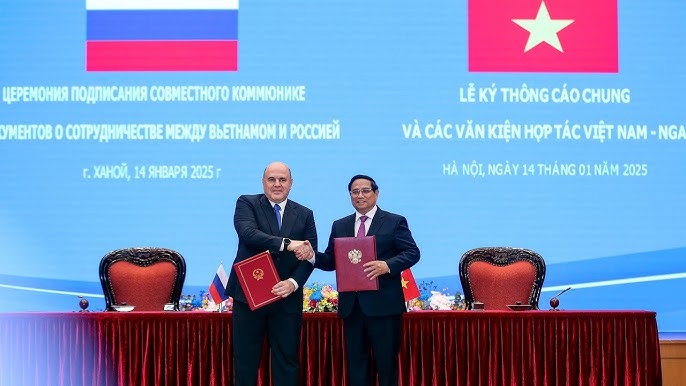
World
Russia and Vietnam have taken a significant step towards strengthening their long-standing alliance with the signing of a nuclear energy agreement during Russian Prime Minister Mikhail Mishustin's visit to Hanoi. This move highlights Vietnam's renewed focus on nuclear power to address its growing energy demands and underscores the deepening collaboration between the two nations in multiple strategic sectors. Reviving the Ninh Thuan Nuclear Power Project The centerpiece of this new partnership is Vietnam's aspiration to revive the Ninh Thuan nuclear power project, which had been shelved in 2016 due to economic constraints and public opposition. The ambitious project initially planned to construct two nuclear plants in central Ninh Thuan province with a combined capacity of 4,000 megawatts. Rosatom, Russia's state-run nuclear energy giant, had been a key player in the original plans, alongside Japan's JINED consortium. During the visit, Alexey Likhachiov, the general director of Rosatom, expressed keen interest in collaborating on the Ninh Thuan project. Vietnam’s Ministry of Science and Technology emphasized that this cooperation could provide a pathway for Vietnam to meet its rapidly growing energy needs while ensuring energy security and sustainability. Strategic Importance of Nuclear Energy in Vietnam Vietnam's energy demand has been surging, driven by its fast-growing economy and industrial expansion. Despite its significant renewable energy initiatives, the country is seeking a stable and long-term energy solution to complement its power grid. Nuclear energy offers an attractive option due to its reliability, low greenhouse gas emissions, and capacity for large-scale energy generation. The potential revival of the Ninh Thuan project signals Vietnam's ambition to join the ranks of nations with advanced nuclear energy capabilities. If completed, the plants could provide clean and stable electricity to millions, contributing to Vietnam’s economic growth and energy diversification. Broader Cooperation Beyond Nuclear Energy The nuclear energy deal was one of seven agreements signed between Russia and Vietnam during the visit, spanning various fields such as digital technology, electronics, and scientific research. This reflects the broad scope of bilateral cooperation and the intention to deepen ties across multiple domains. Prime Minister Mishustin's meetings with Vietnamese leaders, including Prime Minister Pham Minh Chinh and Communist Party General Secretary To Lam, underscored the historical alliance between the two nations. Since the Cold War era, Vietnam has relied heavily on Russia for defense and technology support, making this renewed focus on nuclear and digital sectors a natural progression in their partnership. Geopolitical Implications and Challenges This agreement also comes at a time when Russia faces increasing isolation from Western nations due to the ongoing conflict in Ukraine. Vietnam's willingness to collaborate with Moscow underscores its independent foreign policy approach and its focus on securing strategic benefits. However, challenges remain. International sanctions on Russia could impact the transfer of technology and financing for the Ninh Thuan project. Additionally, Vietnam will need to address public concerns about nuclear safety and ensure robust regulatory frameworks are in place to govern its nuclear ambitions. Strengthening a Historical Alliance The nuclear energy agreement highlights the enduring strength of the Russia-Vietnam relationship. Beyond energy, defense cooperation remains a cornerstone of their alliance, with Russia supplying over 80% of Vietnam’s military equipment between 1995 and 2023. While arms orders have slowed in recent years due to sanctions, the strategic dialogue between the two nations continues to evolve. This renewed focus on nuclear collaboration signals a broader intent to diversify and modernize their partnership, paving the way for new opportunities in science, technology, and energy. Conclusion As Vietnam takes steps to address its burgeoning energy needs, the partnership with Russia offers both opportunities and challenges. The successful revival of the Ninh Thuan nuclear project could mark a transformative chapter in Vietnam’s energy strategy while solidifying its ties with Russia. This collaboration also highlights the geopolitical significance of Vietnam as a strategic partner for Moscow in Southeast Asia, amidst shifting global dynamics.
Read More → Posted on 2025-01-15 16:44:15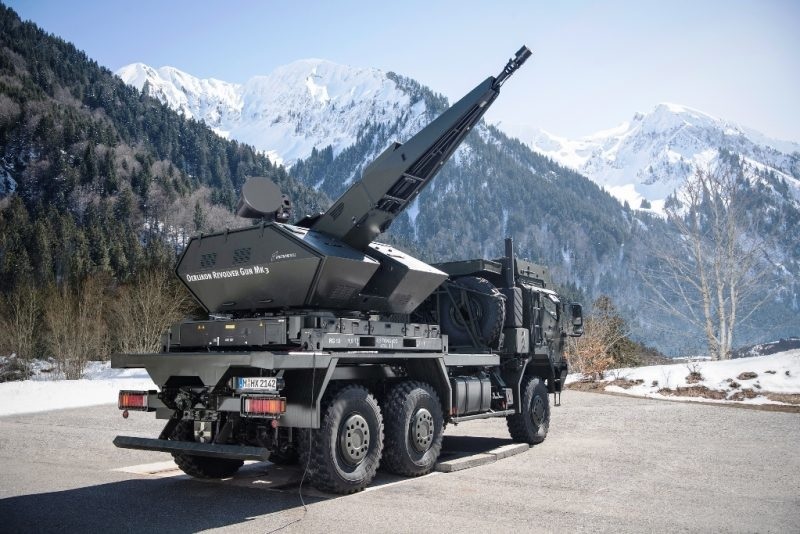
World
In a significant move to bolster its national defence capabilities, Italy has inked a €280 million agreement with Rheinmetall for its cutting-edge Skynex air defence systems. The deal, spearheaded by Rheinmetall Italia S.p.A., involves an initial contract of €73 million for the first system, with an option to procure three additional systems valued at €204 million. If the option is exercised, the agreement will represent a comprehensive boost to Italy's air defence infrastructure. Specifications of the Skynex Air Defence System The Skynex system is a state-of-the-art air defence solution engineered to counter a wide array of airborne threats, including drones, missiles, loitering munitions, and artillery shells. Key features include: Revolver Gun Mk3 Units: Each system incorporates four 35mm Revolver Gun Mk3 firing units, capable of unleashing 1,000 rounds per minute. These guns have an effective range of up to four kilometres. Programmable Ahead Ammunition: Designed to resist electronic countermeasures, this ammunition maximises precision and lethality. Command-and-Control System: A central hub ensures real-time threat analysis and engagement coordination. Air Surveillance Sensor: Equipped with the XTAR 3D radar, the system provides a 50-kilometre monitoring radius, ensuring robust situational awareness and early threat detection. Delivery Timeline and Support Services The first Skynex system is scheduled for delivery by the second quarter of 2026. Should the additional three systems be ordered, final contractual agreements are expected by 2027. The package includes comprehensive training programs, maintenance services, spare parts, and ammunition to ensure seamless operational readiness. Strategic and Global Implications Italy is the first NATO member to adopt the Skynex system, including its Revolver Gun Mk3 units. This decision underscores Rheinmetall’s growing influence in establishing its cannon-based air defence technology as a global benchmark. The Skynex system has already demonstrated its effectiveness on the battlefield in Ukraine, successfully neutralising drones and cruise missiles under live combat conditions. The modular design of Skynex allows integration with various existing air defence systems, such as Rheinmetall's Skyshield and Skyguard. This adaptability makes it an attractive option for nations seeking to enhance their layered defence strategies. Rheinmetall’s Growing Footprint in Italy Rheinmetall’s partnership with Italy extends beyond air defence. With three subsidiaries operating in the country, the company generates approximately €1 billion annually and employs over 1,500 people across five locations. Rheinmetall, in collaboration with Italian defence giant Leonardo, is pursuing several high-value contracts, including the supply of advanced combat vehicles like the Italian main battle tank and the Lynx Armoured Infantry Combat System. This deal marks a strategic milestone for Italy, aligning its defence infrastructure with NATO’s evolving requirements while solidifying Rheinmetall’s position as a leading defence technology provider. The Skynex system’s integration into Italy's defence arsenal represents a proactive step towards addressing modern aerial threats with unparalleled precision and efficiency.
Read More → Posted on 2025-01-15 15:41:11
World
A groundbreaking innovation by US Army scientists promises to revolutionize the way batteries are treated, extending their lifespan and improving their efficiency. The innovative approach involves a specially designed surface treatment that could redefine energy storage solutions for military and commercial applications alike. How the Solution Works The core of this new technology lies in an acidic solution applied to the metal electrodes of rechargeable batteries, such as zinc-based batteries. Following the application, the electrodes undergo a controlled drying process. This procedure results in the formation of an ultra-thin protective interphase layer, thinner than a human hair. Despite its microscopic size, this layer delivers a significant boost to battery performance and durability by minimizing degradation during repeated charge and discharge cycles. Dr. Travis Pollard, a chemist on the research team, described the innovation as a “quick, commercially viable treatment process” that directly addresses the energy challenges faced by soldiers in the field. “For soldiers, this could ultimately mean more reliable and longer-lasting power for their essential equipment,” he explained. Specifications and Benefits The innovative treatment offers the following key benefits: Enhanced Performance: Improves the energy efficiency of rechargeable zinc batteries, providing more consistent power delivery. Increased Lifespan: Reduces the wear and tear on electrodes, prolonging battery life significantly. Cost-Effective: The process is scalable, quick, and cost-efficient, making it suitable for widespread adoption. Eco-Friendly: As zinc-based batteries are less toxic than lithium-ion alternatives, this innovation promotes environmentally safer energy storage. The process has been patented as of November 2024, and efforts are underway to make it available for licensing. This opens the door for widespread industrial and military adoption. Potential Applications The research team envisions diverse applications for this technology: Military Equipment: From advanced defense systems to portable electronic devices, the treatment ensures reliable power for mission-critical operations. Electric Vehicles (EVs): The improved performance of zinc-based batteries could be a game-changer for the EV industry, offering a safer and more sustainable alternative to lithium-ion batteries. Energy Storage Systems: The technology is well-suited for large-scale energy storage solutions, including those needed for renewable energy systems. Consumer Electronics: Portable devices, including smartphones and laptops, could also benefit from the extended battery life and enhanced durability. AnnMarie Martin, the team lead for technology transfer, highlighted the importance of this breakthrough. "This innovation ensures taxpayer dollars are maximized, delivering benefits across a range of sectors," she stated. Complementary Developments This innovation builds on a broader effort by the US military to improve energy solutions. In 2023, the US Defense Logistics Agency’s Research and Development Office initiated a program focused on enhancing the safety, shelf life, and operability of batteries powering military hardware. The new treatment aligns perfectly with these goals, addressing the need for better power solutions in challenging operational environments. What Lies Ahead The patented technology is poised to create waves in both military and civilian domains. With licensing opportunities on the horizon, manufacturers and developers will soon be able to integrate this cutting-edge treatment into their battery production processes. If adopted on a large scale, this could lead to a paradigm shift in energy storage, enabling longer-lasting and safer batteries for a wide range of applications. By tackling one of the most persistent challenges in energy storage, the US Army scientists have not only advanced military capabilities but also paved the way for innovations that could benefit industries worldwide. This breakthrough exemplifies how research rooted in defense applications can have far-reaching impacts, ultimately enhancing daily life and energy sustainability for all.
Read More → Posted on 2025-01-15 15:19:22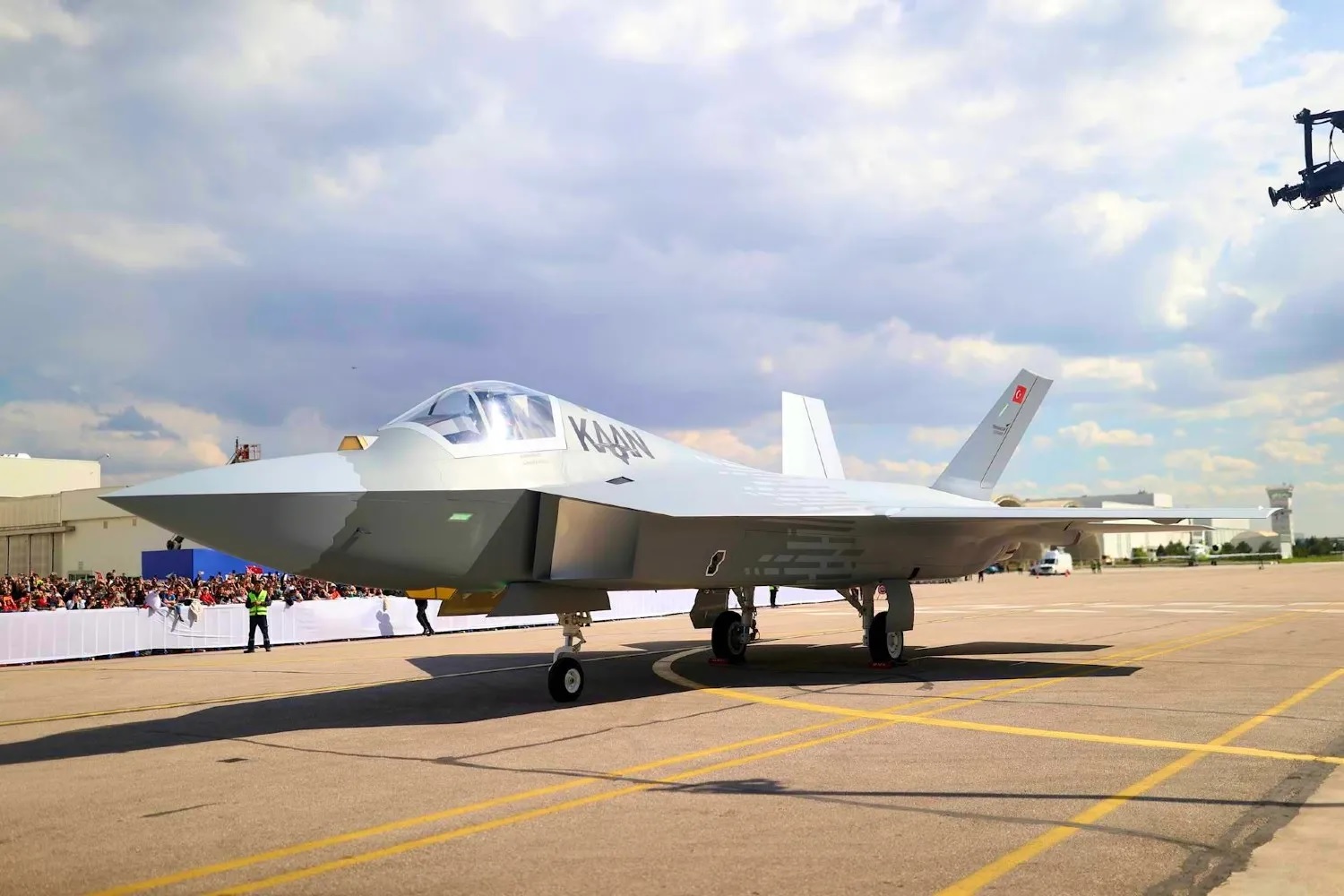
World
Pakistan is stepping up its efforts to modernize its air force through an ambitious collaboration with Turkey, aimed at domestically producing the fifth-generation TAI Kaan stealth fighter jet. This partnership underscores Pakistan’s intent to bolster its defence industry and reduce reliance on foreign suppliers by establishing a local production line for advanced military aircraft. The TAI Kaan, also known as the TF-X, is Turkey’s indigenously developed stealth fighter jet designed to compete with global fifth-generation aircraft. Equipped with advanced radar-evading features, state-of-the-art avionics, and high maneuverability, the TAI Kaan represents a cutting-edge solution for modern aerial combat. The aircraft boasts the following specifications: Stealth Design: Incorporates radar-absorbent materials and a low-observable structure for superior stealth capabilities. Engine Options: Planned to integrate twin-engine configurations, initially using General Electric F110 engines, with future variants potentially featuring indigenous powerplants developed by Turkey. Weapons Systems: Can carry an array of air-to-air, air-to-ground, and precision-guided munitions, integrated with advanced target acquisition and tracking systems. Avionics: Includes an Active Electronically Scanned Array (AESA) radar, cutting-edge electronic warfare systems, and secure communication technologies. Performance: Capable of reaching a maximum speed of Mach 2, with an operational ceiling of over 55,000 feet and a combat range exceeding 1,000 nautical miles. This collaboration with Turkey marks a strategic diversification for Pakistan, which is also in advanced negotiations with China to acquire 40 Shenyang J-35 stealth fighters. The J-35, a naval stealth jet, is expected to replace aging F-16s and French Mirage fighters in Pakistan’s fleet. These dual initiatives underscore Pakistan’s desire to elevate its air force capabilities through partnerships with multiple nations. Strengthening Pakistan-Turkey Defence Ties Reports suggest that Pakistan may officially join Turkey’s TAI Kaan project, with plans to locally manufacture multiple subsystems. The proposed joint production line would not only lower costs but also create significant employment opportunities in Pakistan. This initiative reflects a broader commitment to deepening defence technology collaboration between Islamabad and Ankara. Turkish media indicates that the partnership extends beyond aircraft production, encompassing broader joint development projects, including advanced helicopters. Such ventures align with Pakistan’s long-term goal of enhancing its domestic defence industry while reducing dependence on external sources. Strategic Implications for the Region The development of the TAI Kaan and the acquisition of J-35s are expected to shift the balance of air power in South Asia. Pakistan’s growing cooperation with Turkey, a NATO member with cutting-edge defence technology, signals a move to diversify its military procurement beyond its traditional reliance on China. However, Pakistan’s dual pursuit of two stealth fighter programs raises questions about its economic feasibility. Indian Air Force Chief, Air Chief Marshal A.P. Singh, expressed concerns about the rapid modernization of Pakistan’s air force, especially when contrasted with India’s delays in inducting the indigenous Tejas fighter jet. “While Pakistan may face economic constraints in simultaneously pursuing two fifth-generation fighters, their engagement with Turkey demonstrates an intent to broaden their military alliances and capabilities,” Singh remarked. A Vision for the Future Pakistan’s collaboration with Turkey on the TAI Kaan project signifies more than just acquiring a modern stealth fighter. It reflects a strategic pivot to enhance its defence manufacturing base and build alliances with trusted global partners. As Pakistan works to integrate the TAI Kaan and J-35 into its air force, the regional security dynamics are poised for a significant transformation. In the coming years, Pakistan’s air force may emerge as a more formidable player, leveraging advanced technologies from both Turkey and China to bolster its operational readiness and strategic deterrence. This dual approach not only enhances Pakistan’s aerial combat capabilities but also underscores its intent to play a more assertive role in regional defence and security affairs.
Read More → Posted on 2025-01-15 15:14:03
World
In a significant escalation of hostilities, Ukraine launched a series of missile and drone strikes on key military and energy infrastructure deep within Russian territory. Early Tuesday, explosions rocked chemical plants, oil refineries, and warehouses across several regions of Russia, marking one of the most extensive attacks since the conflict began. The strikes highlight Ukraine’s increasing capability to target strategic assets far from the frontline, shaking Russia's confidence in its internal security. The Targets and Impact The attacks were aimed at Russia’s military-industrial complex and energy facilities, causing significant disruptions. Notable incidents included: Chemical Plants in Tula and Bryansk Regions: These facilities are crucial for producing rocket fuel and explosives for the Russian military. Reports indicate that Ukraine’s missiles successfully hit a plant near the town of Seltso, over 100 kilometers from the border. Oil Refinery and Arms Depot in Saratov Region: Located more than 600 kilometers southeast of Moscow, this refinery and depot play a vital role in Russia’s logistics and energy supply chain. Gas Storage Facility in Tatarstan: A drone strike on a liquefied gas storage base near Kazan led to massive flames and thick smoke, raising concerns over energy security. Regional governor Roman Busargin described the scale of the attack as "massive," leading to school closures in Saratov and Engels. Weaponry and Execution Ukraine employed a mix of US-supplied ATACMS missiles, British Storm Shadow cruise missiles, and domestically manufactured drones. The Ukrainian military’s Unmanned Systems Forces confirmed that drones successfully distracted Russian air defenses, enabling missiles to strike their targets with precision. Russia’s defense ministry claimed to have intercepted six ATACMS and six Storm Shadow missiles, but the effectiveness of Ukraine’s strategy was evident in the widespread damage. Strategic Implications Ukraine’s strikes go beyond retaliation for Russia’s persistent targeting of its energy grid. Each attack weakens Russia’s war machinery, disrupting its supply of ammunition, fuel, and other essential resources. An SBU source stated, "Each damaged ammunition depot, oil refinery, or chemical plant is a painful blow to Russia's ability to wage war in Ukraine." These "painful strikes" also serve as a morale booster for Ukrainian forces, which have faced intense battles along the frontlines, particularly in the Donetsk region. Russia’s Response and Ongoing Conflict The Russian military vowed to respond to the attacks, labeling them as provocations supported by Western nations. However, the strikes have exposed vulnerabilities in Russia’s air defense systems, even in regions far from the border. Meanwhile, Russia’s offensive continues in eastern Ukraine, with Moscow claiming to have re-captured two villages, Neskuchne and Terny, that Ukraine had previously liberated. Broader Context and International Concerns The timing of the attacks comes ahead of a potential shift in US policy, as President-elect Donald Trump prepares to take office. Trump has expressed his intent to end the conflict swiftly, raising concerns in Kyiv about potential pressure to concede territory in exchange for peace. Conclusion Ukraine’s overnight barrage on Russian facilities underscores its evolving military strategy and growing capacity to strike deep into enemy territory. While these attacks disrupt Russia’s war efforts, they also highlight the persistent volatility of the conflict. As the war enters another critical phase, the balance of power and international diplomacy will play a crucial role in shaping its future trajectory. Title Suggestion for Google Index:"Ukraine Hits Russian Military Factories and Energy Hubs in Major Missile and Drone Offensive"
Read More → Posted on 2025-01-14 16:45:09
World
Textron Systems Corporation, a subsidiary of Textron Inc., has introduced its latest innovation in maritime technology—the TSUNAMI family of autonomous maritime surface vessels. Designed to address the dynamic needs of the U.S. Department of Defense (DoD) and allied forces, these cutting-edge vessels promise affordability, adaptability, and rapid deployment for diverse maritime missions. A Synergy of Expertise and Innovation The TSUNAMI family is a testament to Textron's expertise in multi-domain autonomous systems and its collaboration with the U.S. commercial shipbuilding industry. Leveraging Brunswick Corporation's high-performance vessels, Textron has integrated its proven Common Unmanned Surface Vehicle (CUSV) autonomy control system into this new platform. This partnership ensures a balance between advanced technology and cost-effective production. David Phillips, Senior Vice President of Air, Land, and Sea Systems at Textron, emphasized the company's unique position: "We design, integrate, and support autonomous systems across air, land, and sea. The TSUNAMI family represents a fusion of our expertise with Brunswick’s proven shipbuilding capabilities, offering unmatched maritime force strength." Specifications of the TSUNAMI Family The TSUNAMI vessels are available in three variants—24-foot, 25-foot, and 28-foot models—each tailored for specific operational requirements: Payload Capacity: Up to 1,000 pounds (453.6 kilograms) Operational Range: Between 600 and over 1,000 nautical miles Sea State Capability: Designed for operations in conditions up to Sea State 4 Power System: Gasoline-powered for simplified logistics and maintenance The modular design ensures adaptability to various mission payloads, enabling the TSUNAMI vessels to perform tasks such as: Surveillance and reconnaissance Mine countermeasures Maritime security operations Versatility and Affordability Textron has prioritized scalability and cost-effectiveness in the TSUNAMI project. These vessels not only meet current operational needs but can also be scaled for larger production volumes or customized configurations. By combining cutting-edge technology with affordability, the TSUNAMI family provides a robust solution for distributed maritime operations. Building on a Proven Legacy The TSUNAMI family builds upon the success of Textron’s CUSV program, the U.S. Navy’s first small unmanned surface vessel (USV) program of record. With thousands of operational hours under its belt, the CUSV program serves as a solid foundation for this next-generation platform. The launch of the TSUNAMI family aligns with the U.S. Navy’s strategy to enhance maritime capabilities using innovative, uncrewed platforms. These vessels are expected to play a pivotal role in reducing operational costs while bolstering naval strength. A Future of Autonomous Excellence Textron’s TSUNAMI family represents a significant leap forward in autonomous maritime technology, delivering a versatile and cost-efficient solution for military and allied forces. With its advanced capabilities, modular design, and proven reliability, the TSUNAMI series is poised to redefine the landscape of autonomous maritime operations.
Read More → Posted on 2025-01-14 16:40:30
World
NATO has announced the launch of a new mission, dubbed Baltic Sentry, to protect undersea cables and critical maritime infrastructure in the Baltic Sea. The decision comes amid growing concerns about potential Russian activities in the region, following several incidents involving suspected sabotage and threats to vital energy and communication links. Why Undersea Cables Matter Undersea cables are the backbone of global connectivity, carrying over 95% of internet traffic and facilitating approximately $10 trillion in daily financial transactions. With 1.3 million kilometers of these cables spanning the ocean floor, they are indispensable to global communications, commerce, and security. Any disruption to this network can have far-reaching consequences, making their protection a high priority for NATO and its allies. Key Features of the Baltic Sentry Mission Frigates and Maritime Patrol Aircraft: The mission will deploy advanced naval ships and patrol planes to monitor the region and respond swiftly to potential threats. Naval Drones: A fleet of drones will enhance surveillance capabilities and provide critical intelligence for detecting and deterring sabotage activities. Innovative Technologies: NATO plans to integrate cutting-edge solutions, including underwater sensors and tracking systems, to monitor suspicious vessels and ensure the integrity of maritime infrastructure. International Cooperation: The mission will involve close collaboration between NATO members bordering the Baltic Sea, including Finland, Germany, Poland, Denmark, Sweden, Latvia, Lithuania, and Estonia. Heightened Threats in the Region Reports of Russian "shadow fleet" activity, including vessels operating near gas pipelines and other critical infrastructure, have raised alarms. These aging tankers, often of uncertain ownership, are suspected of circumventing sanctions and funding Russia’s ongoing aggression in Ukraine. Poland recently reported a Russian vessel circling a gas pipeline connecting Norway to Poland, further escalating concerns. Finland’s President Alexander Stubb confirmed discussions on this issue during a recent NATO meeting but withheld specifics. Commitment to Deterrence NATO Secretary-General Mark Rutte emphasized the alliance's resolve to defend critical infrastructure, stating, "We will do everything in our power to make sure that we fight back, that we are able to see what is happening, and then take the next steps to make sure that doesn't happen again." The alliance has also pledged to explore new legal measures, enhance information sharing, and deepen cooperation with private infrastructure operators and technology firms. Member Contributions Germany has committed naval resources, with Chancellor Olaf Scholz stating that the country will participate with "everything we have in the way of naval capabilities." Sweden, although not yet a full NATO member, has pledged up to three warships to strengthen the alliance’s presence in the Baltic Sea. A Unified Response In a joint statement, the Baltic Sea allies condemned the threats posed by Russia’s shadow fleet, stating that such actions endanger maritime and environmental security while funding illegal military operations. They reiterated their determination to deploy innovative solutions and strengthen surveillance to counter these threats effectively. Conclusion The Baltic Sentry mission represents a robust and unified response to growing security challenges in the Baltic Sea. By deploying advanced technologies, enhancing surveillance, and fostering international cooperation, NATO aims to protect critical infrastructure and ensure stability in the region. This initiative underscores the alliance's commitment to safeguarding global connectivity and deterring adversaries from exploiting vulnerabilities in vital maritime networks.
Read More → Posted on 2025-01-14 16:37:34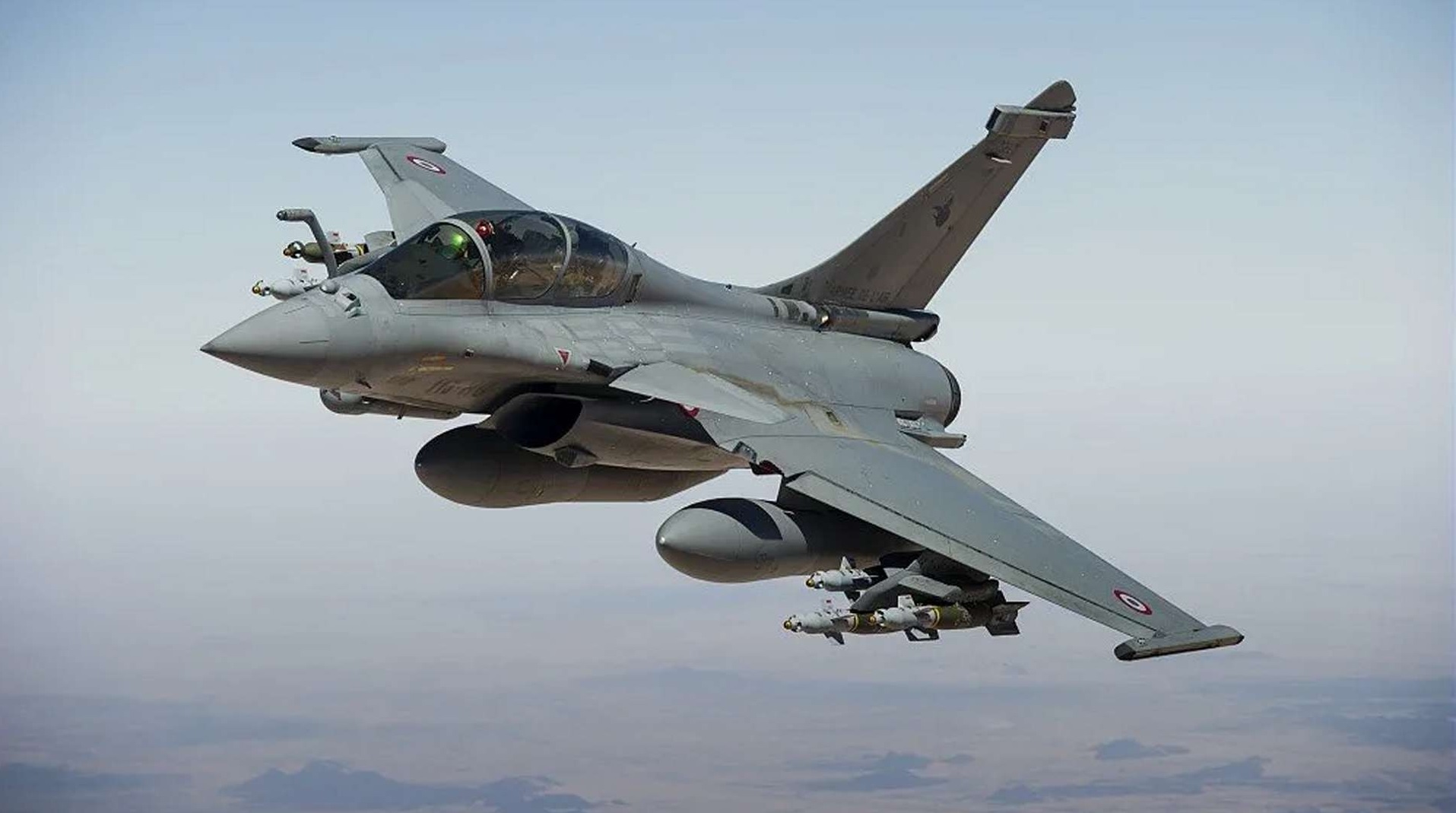
World
Indonesia is taking significant strides in modernizing its air force by preparing to deploy the advanced Rafale fighter jets, which it has acquired from France. The aircraft will be integrated into the Indonesian Air Force (TNI-AU) through a phased deployment, although the exact delivery timeline remains undisclosed. Air Force Chief Marshal Tonny Harjono has announced that Indonesian pilots will begin their training alongside French Air Force instructors starting in July, marking a crucial step towards enhancing the nation’s defense capabilities. Strategic Deployment of Rafale Jets The Rafale fighter jets will be stationed at two key air bases in Indonesia: Pekanbaru and Pontianak. These locations are strategically chosen to bolster Indonesia’s airspace sovereignty, especially over the South China Sea, an area where regional security concerns are ever-increasing. By deploying Rafale jets at these hubs, Indonesia is aiming to strengthen its ability to respond to threats and safeguard its national interests. Rafale’s Capabilities and Specifications The Rafale is a multirole, combat-proven fighter jet, renowned for its versatility in a variety of missions. It can perform a range of operations, including reconnaissance, close air support, air-to-ground precision strikes, and anti-ship attacks. Additionally, the Rafale has the unique capability of executing nuclear deterrence missions, making it an invaluable asset for Indonesia’s defense strategy. One of the standout features of the Rafale is its long operational range. Capable of flying for over 10 hours, it is equipped for long-duration missions, ensuring it can operate across vast areas and under demanding conditions. The jet has a top speed of 750 knots (863 miles or 1,389 kilometers per hour) and can reach altitudes up to 50,000 feet (15,240 meters), making it highly effective for a range of tactical and strategic purposes. The Rafale’s combat history further enhances its reputation. It has been successfully deployed in multiple conflict zones, including Afghanistan, Libya, Chad, the Central African Republic, and Syria, proving its reliability and effectiveness in real combat situations. Indonesia’s Efforts to Modernize Its Air Force Indonesia’s acquisition of the Rafale jets is part of a broader effort to modernize its military fleet in response to growing regional security challenges. This move is particularly significant given the ongoing tensions in the South China Sea, where Indonesia faces strategic pressures from competing territorial claims. In 2024, Indonesia further bolstered its air defense by signing a contract for an additional 18 Rafale jets, bringing the total number of aircraft ordered from France to 42. This expanded fleet will give the Indonesian Air Force the advanced capabilities necessary to maintain a strong and modern defense posture in the region. The integration of the Rafale jets into Indonesia’s air force reflects the country's commitment to strengthening its military capabilities and ensuring it remains resilient against emerging threats. With these advanced fighter jets, Indonesia is poised to significantly enhance its ability to protect its airspace and assert its sovereignty on the global stage. Conclusion With the arrival of the Rafale fighter jets, Indonesia is entering a new era of air defense. These advanced aircraft, with their cutting-edge technology and proven combat performance, will play a vital role in safeguarding the nation’s interests in a rapidly changing geopolitical landscape. The continued partnership with France and the phased deployment of the Rafale jets mark an important step in Indonesia’s ongoing efforts to modernize and strengthen its military forces.
Read More → Posted on 2025-01-14 16:29:40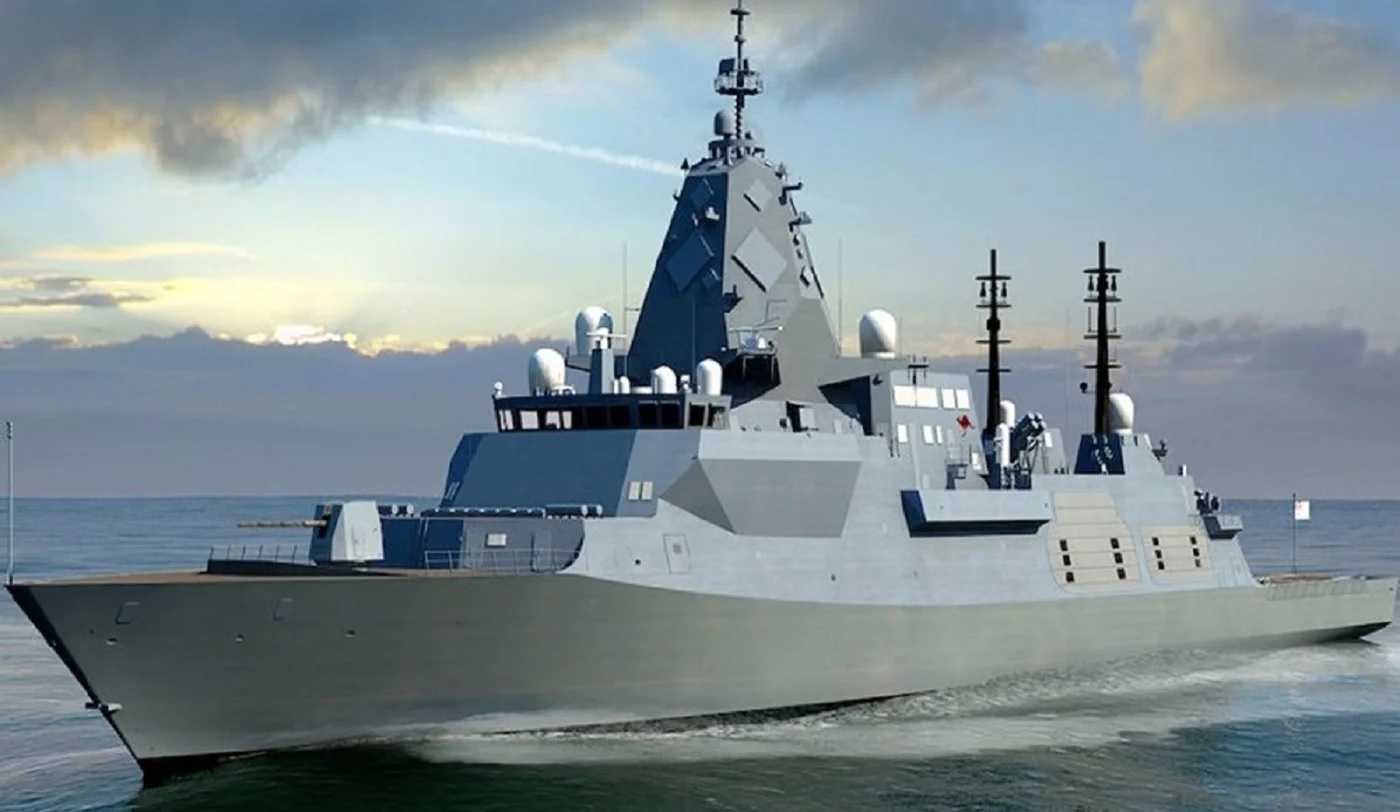
World
L3Harris Technologies has been awarded the contract to provide its state-of-the-art Integrated Platform Management System (IPMS) for Australia's Hunter-class frigates. These next-generation vessels, based on the UK’s Type 26 frigate design, are being constructed at the Osborne Naval Shipyard in South Australia as part of the nation’s Continuous Naval Shipbuilding program. The IPMS will play a critical role in enhancing the ships' operational efficiency, reliability, and safety. What is the IPMS? The Integrated Platform Management System (IPMS) developed by L3Harris is an advanced technology that enables centralized control and monitoring of key shipboard systems. Designed to manage propulsion, power generation, auxiliary systems, and more, the IPMS simplifies ship operations while improving performance and crew situational awareness. Specifications of the IPMS L3Harris’ IPMS is built on cutting-edge technology and offers the following features: Automation and Remote Control: Centralized control of propulsion, electrical, and auxiliary systems for efficient operations. Real-Time Monitoring: Continuous diagnostics and monitoring of onboard systems to predict and prevent potential failures. Alarm Management: Advanced alarm processing to alert operators about critical events, ensuring swift responses. Scalability: Flexible architecture to accommodate future upgrades and integration of new technologies. Multi-Console Capability: Interfaces that allow multiple operators to manage systems simultaneously. The IPMS has been successfully deployed on over 300 vessels across 27 navies worldwide, demonstrating its reliability and adaptability. These include the UK’s Royal Navy, Royal Netherlands Navy, and Royal Canadian Navy, making it a proven solution for modern naval platforms. Hunter-Class Frigates: A Technological Marvel The Hunter-class frigates, considered among the world’s most advanced anti-submarine warfare vessels, represent a significant leap in naval capabilities for the Royal Australian Navy (RAN). Equipped with advanced sensors, combat systems, and now the IPMS, these frigates are designed to operate in high-threat environments, providing enhanced deterrence and combat effectiveness. The construction of the Hunter-class frigates is a cornerstone of Australia’s sovereign shipbuilding program. This initiative is not only aimed at delivering a world-class naval fleet but also at fostering local expertise, creating jobs, and enhancing Australia’s defense industry capabilities. Industry Collaboration L3Harris’ involvement in the program underscores the collaborative approach of the Australian defense industry. Alan Clements, Vice President of L3Harris Australia, emphasized the company's commitment to delivering cutting-edge technologies to strengthen the RAN’s operational capabilities. Similarly, Paul Berryman of BAE Systems Australia highlighted how the Hunter-class program is laying the groundwork for sustained naval shipbuilding in the country, equipping Australian workers with critical skills and expertise. Global Recognition of L3Harris IPMS L3Harris has refined its IPMS through decades of collaboration with leading naval forces worldwide. The system’s widespread adoption underscores its versatility and dependability in diverse maritime environments. The Royal Navy’s use of the IPMS on its Type 26 frigates—a design that serves as the basis for the Hunter-class frigates—further validates its performance. Strategic Importance The Hunter-class frigates, equipped with L3Harris’ IPMS, will provide Australia with a modern naval fleet capable of responding to evolving maritime threats. The partnership between L3Harris, BAE Systems, and the Australian government is a testament to the importance of fostering technological innovation and self-reliance in defense. By integrating cutting-edge systems like the IPMS, the Hunter-class program not only advances Australia’s naval capabilities but also strengthens its position as a key player in regional security.
Read More → Posted on 2025-01-14 16:24:30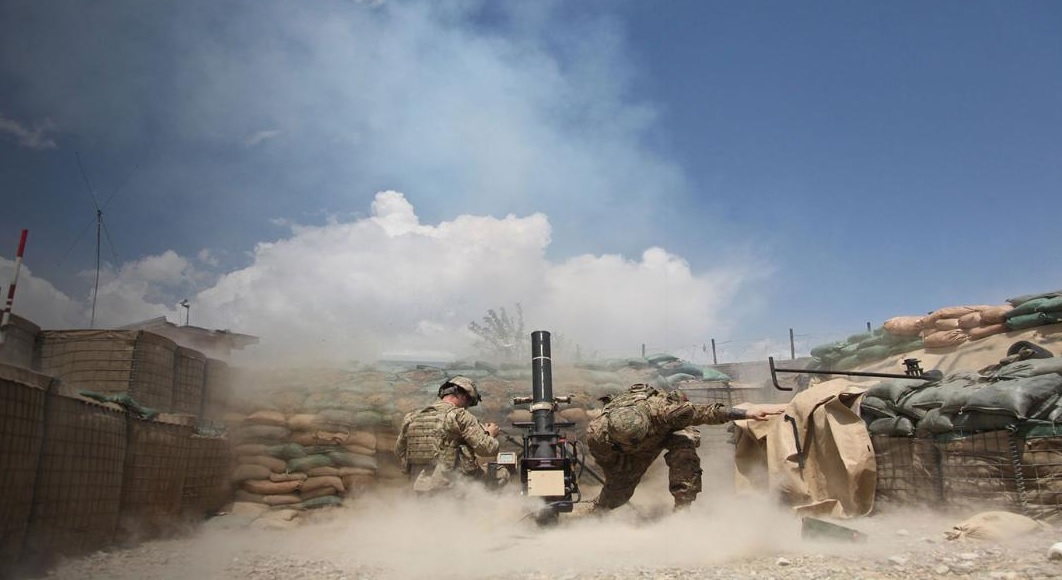
World
Leonardo DRS has announced a major contract win valued at $99 million to supply next-generation Mortar Fire Control Systems (MFCS) to the U.S. Army. This fixed-price Indefinite Delivery/Indefinite Quantity (IDIQ) contract marks a significant step in modernizing the Army’s mortar fire capabilities, aiming to enhance precision, speed, and connectivity on the battlefield. Revolutionizing Mortar Fire Control The MFCS is a technological leap forward in mortar fire control, designed to operate seamlessly in the digital battlefield. Key features of the system include: Weapon Pointing Device: A precise mechanism that ensures accurate targeting. Inertial Navigation System: Provides precise positioning data for the weapon in any environment. Rugged Fire Control Computer: Built to withstand harsh battlefield conditions while enabling advanced computing capabilities. Digital Communications: Facilitates real-time exchange of fire messages and improves coordination among units. Ballistic Calculations: Integrates advanced software to calculate trajectories with unmatched precision. These systems enable mortar crews to respond faster, improve situational awareness, and deliver firepower more accurately, reducing collateral damage and enhancing overall combat effectiveness. Supporting U.S. Army Modernization The contract also includes fielding services, ensuring the seamless integration of these systems into the Army’s existing Mortar Weapons and Fire Control programs. According to Dennis Crumley, Senior Vice President and General Manager of Leonardo DRS Land Electronics division, the company’s extensive expertise in ruggedized and networked computing systems makes it uniquely qualified to deliver on this critical program. This initiative aligns with Leonardo DRS’s broader focus on networked computing and C5 (Command, Control, Communications, Computers, and Cyber) technologies. These capabilities are central to the company’s strategy for enhancing multi-domain battlefield operations, enabling faster data flow, better targeting efficiency, and improved situational awareness for commanders and crews. Investment in Future Technologies Leonardo DRS is also looking ahead, investing heavily in the development of future tactical computing systems and artificial intelligence (AI) processing solutions. These advancements are aimed at further improving sensor integration, enhancing battlefield awareness, and reducing the cognitive workload of military personnel. The company’s modular C5ISR/EW (Command, Control, Communications, Computers, Intelligence, Surveillance, and Reconnaissance/Electronic Warfare) systems are designed to offer scalability and interoperability for future missions. Strategic Impact The MFCS program is a critical component of the U.S. Army’s broader modernization efforts, equipping soldiers with the tools needed to maintain a technological edge on the battlefield. The system’s ability to integrate with other digital assets makes it a force multiplier, ensuring seamless operations in complex, multi-domain scenarios. By securing this contract, Leonardo DRS reinforces its position as a leading provider of advanced defense solutions, contributing to the U.S. military’s readiness and operational superiority. This contract not only strengthens the company’s portfolio but also highlights its commitment to empowering U.S. warfighters with cutting-edge technology. This contract underscores the Army's emphasis on leveraging innovative solutions to maintain its operational advantage, while Leonardo DRS continues to position itself as a key player in the modernization of military technologies.
Read More → Posted on 2025-01-14 16:20:30Search
Top Trending in 24 Hours
-
 Tulsi Gabbard Releases Declassified Files Detailing U.S.-Backed Network of 120 Biolaboratories Across 30+ Countries
-
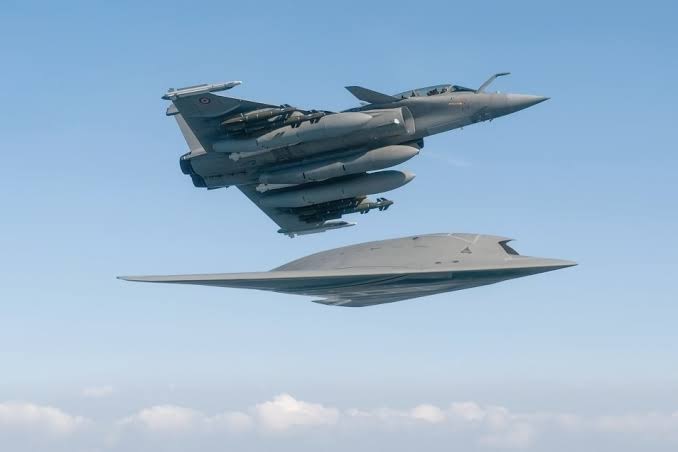 France Agrees to Equip Future Indian Rafales with AI, MUM-T and Secure Satellite Links Under F5 Standard
-
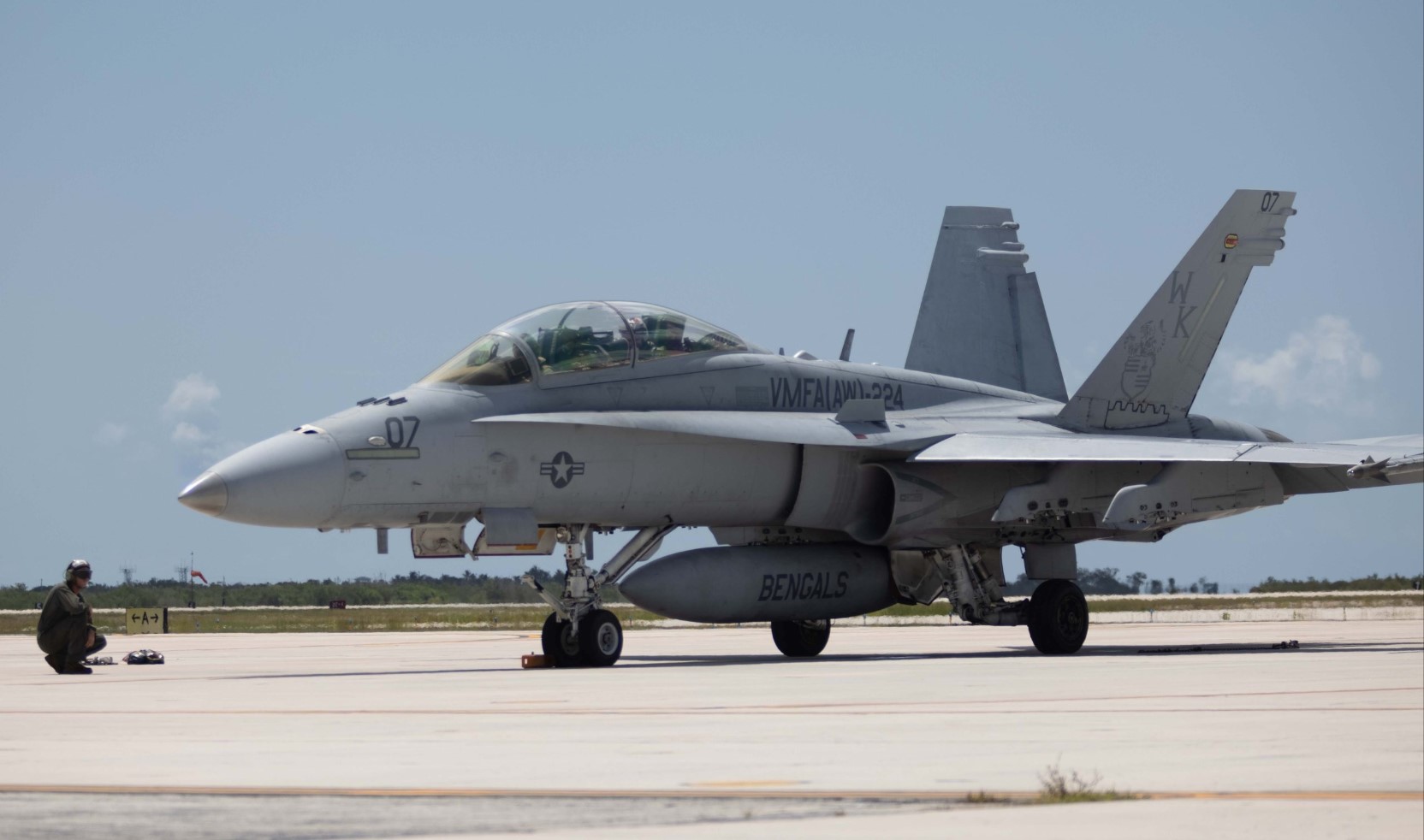 US Marine Corps F/A-18D Hornet Crashes During Training Flight in Washington Mountains; Pilot Ejects Safely
-
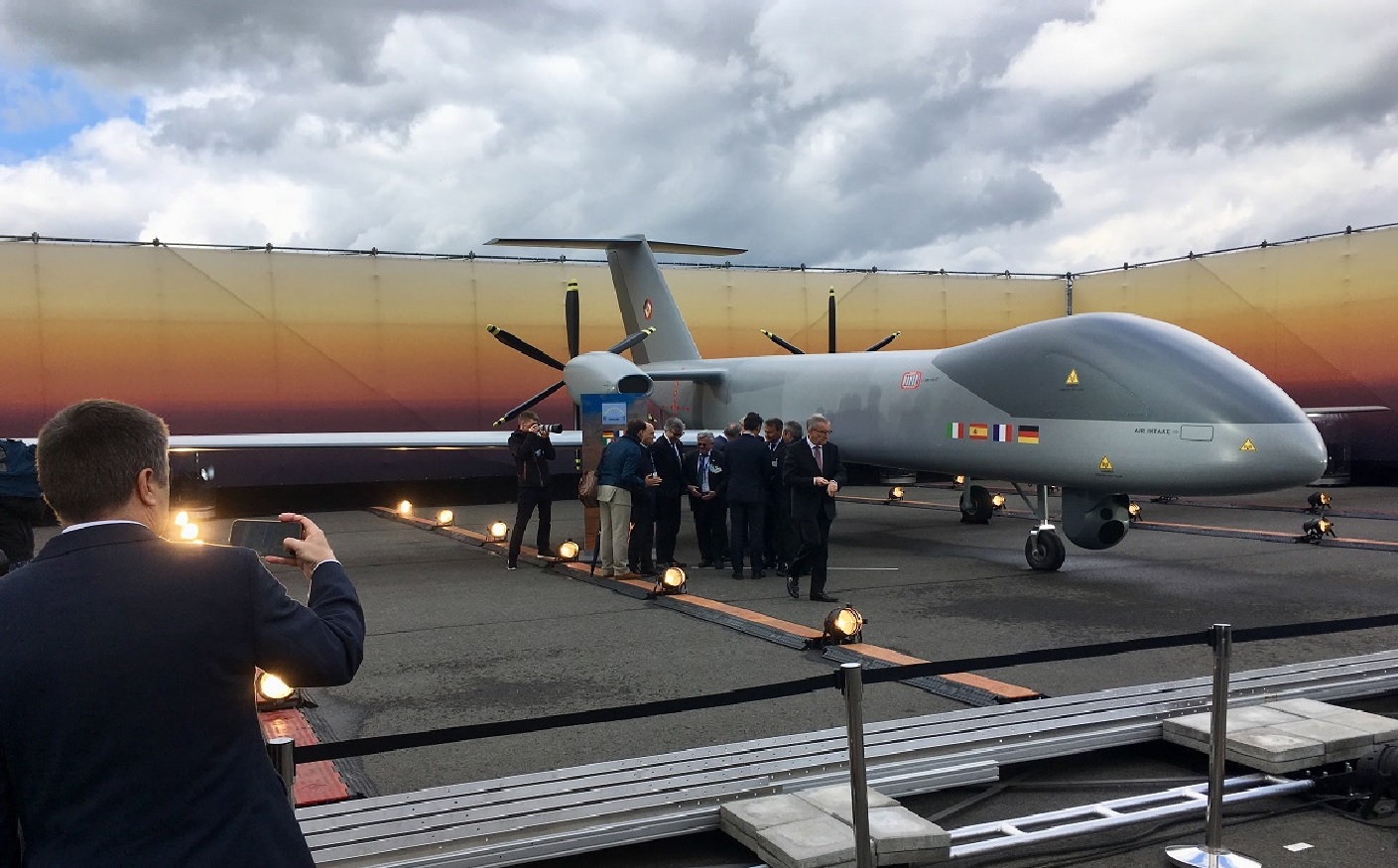 Dassault Seeks Compensation From Airbus as Eurodrone Dispute Erupts After FCAS Collapse
-
 AM General Unveils Next-Generation UGV and JLTV A2 with Counter-Drone Systems at Eurosatory 2026
-
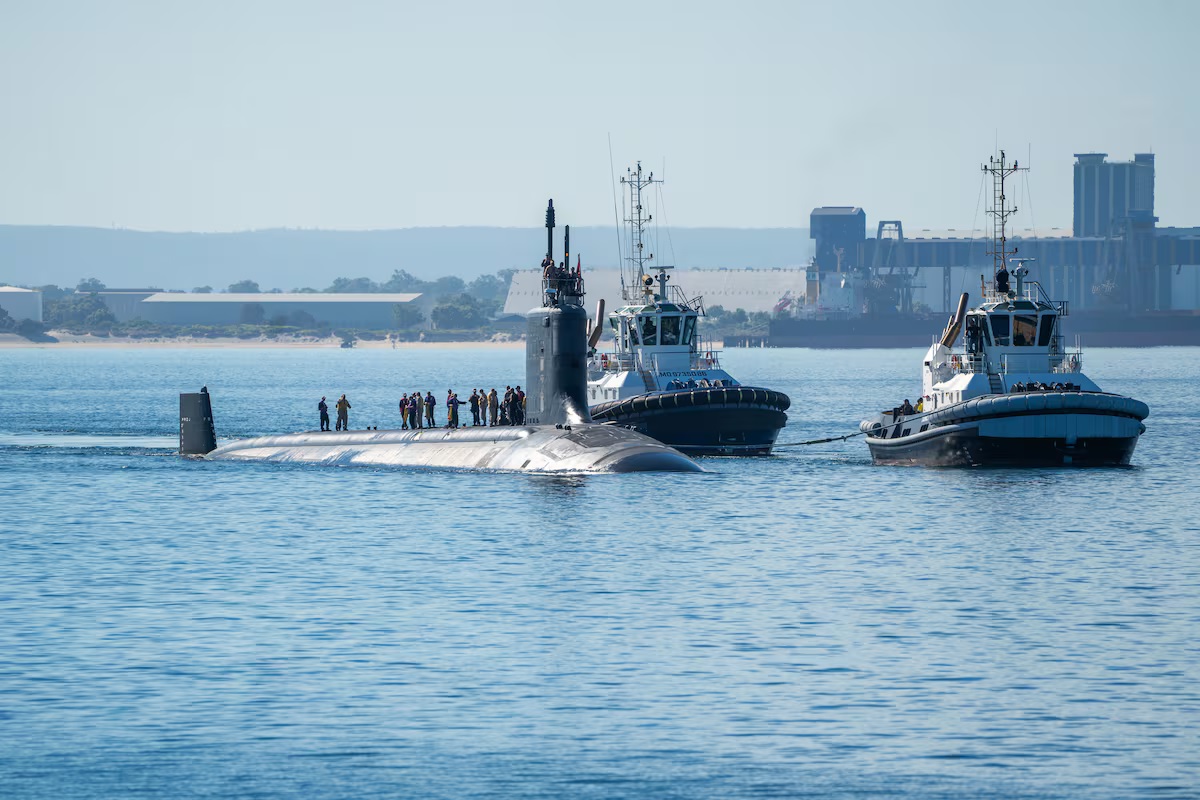 U.S. Navy Reestablishes Submarine Squadron 3 at HMAS Stirling to Support AUKUS Rotational Force
-
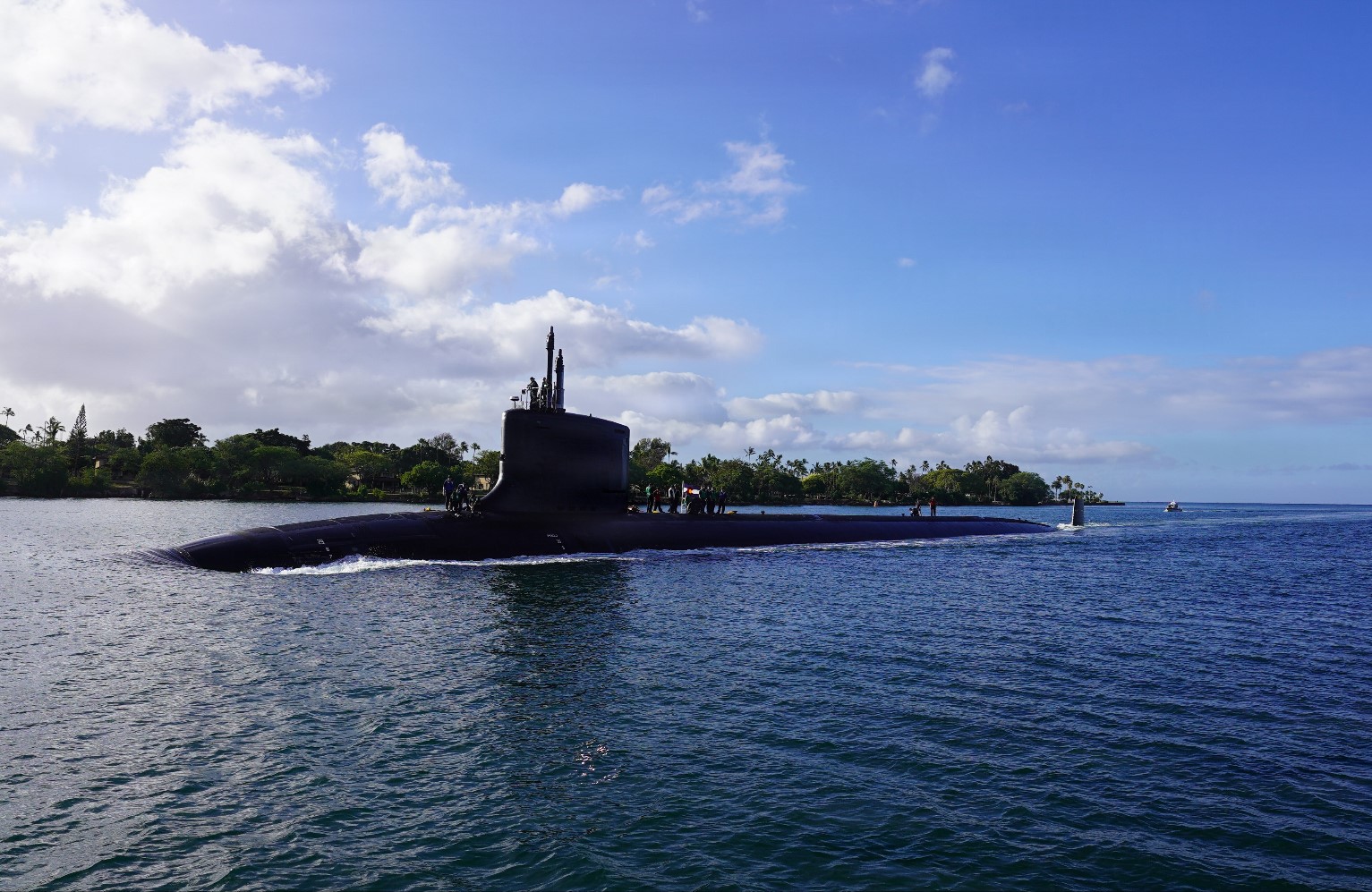 U.S. Navy's USS Colorado Submarine Returns to Pacific Fleet 29 Days Early After Major Pearl Harbor Overhaul
-
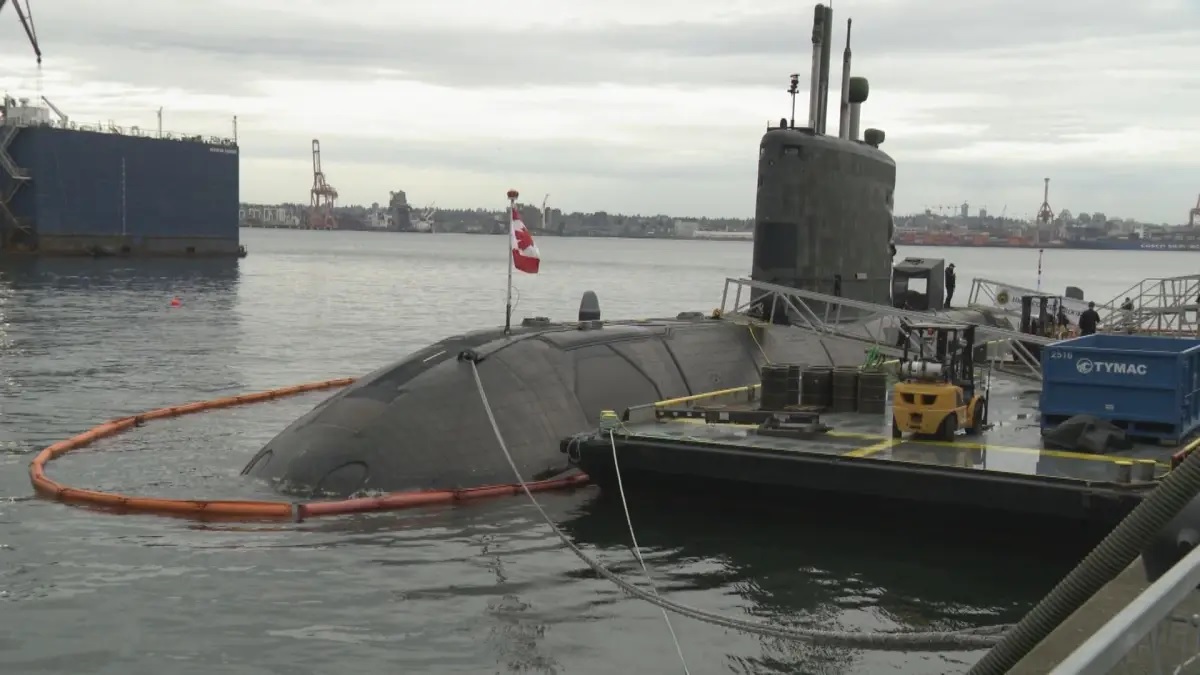 Royal Canadian Navy Deploys HMCS Corner Brook for First RIMPAC Submarine Mission in Over a Decade
Top Trending in 4 Days
-
 Iranian Media Leaks 14-Point U.S.-Iran Peace Framework Amid Ongoing Negotiations
-
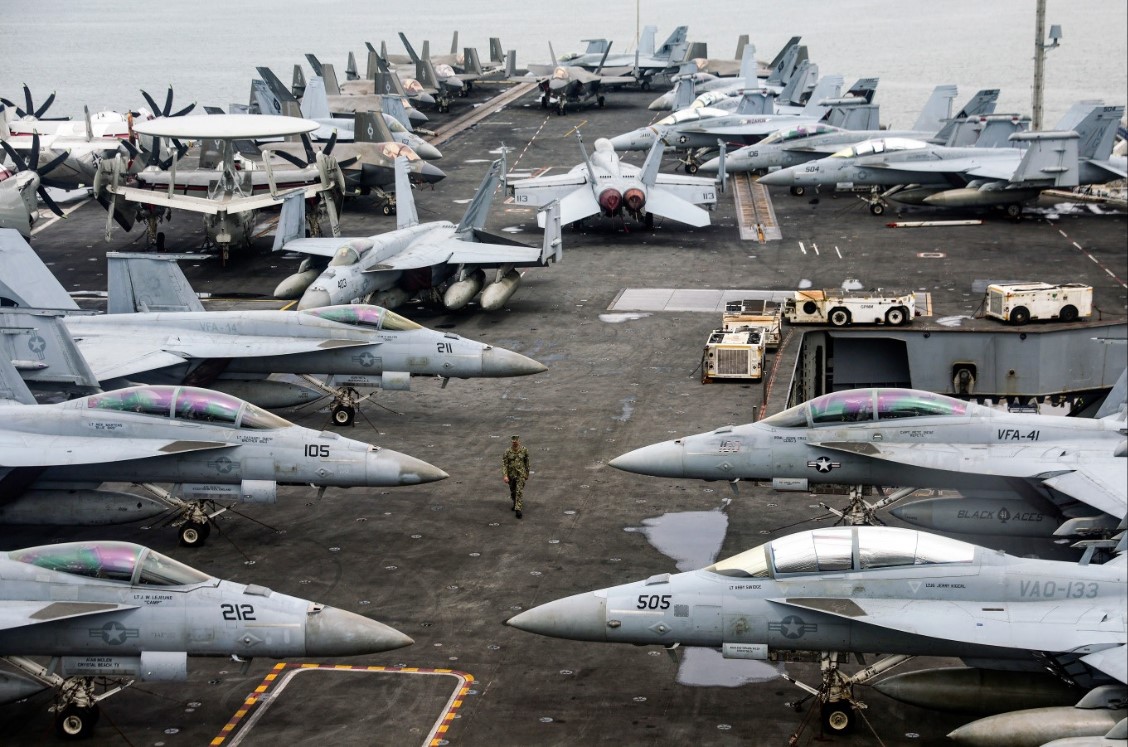 US Plans Significant Reduction of Fighter Jets and Warships for NATO Operations in Europe
-
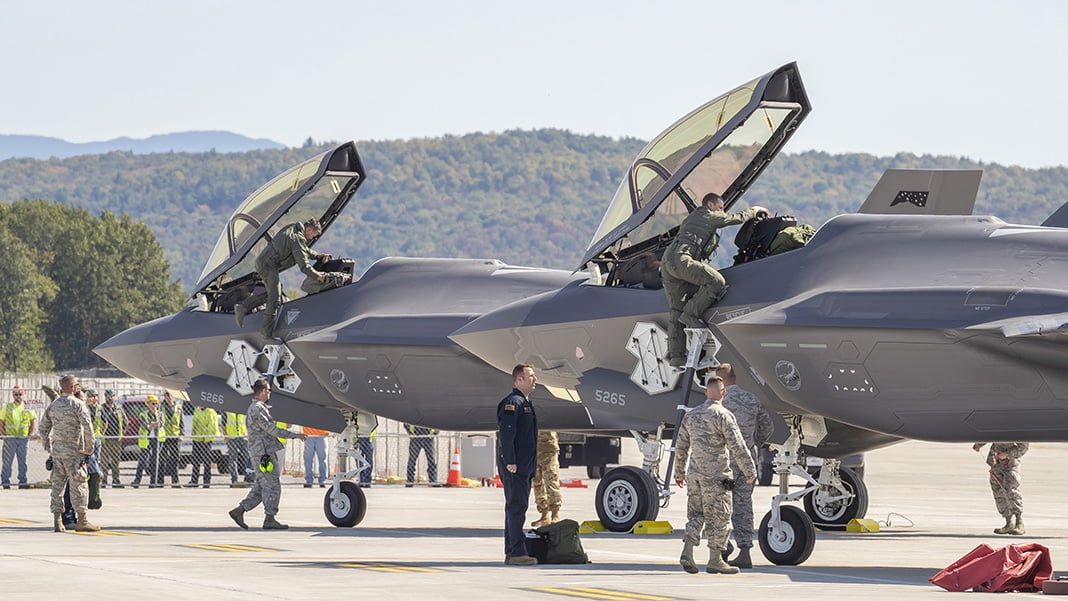 F-35 Fleet Readiness Falls to 25% Amid Parts Shortages and Software Delays: GAO Report
-
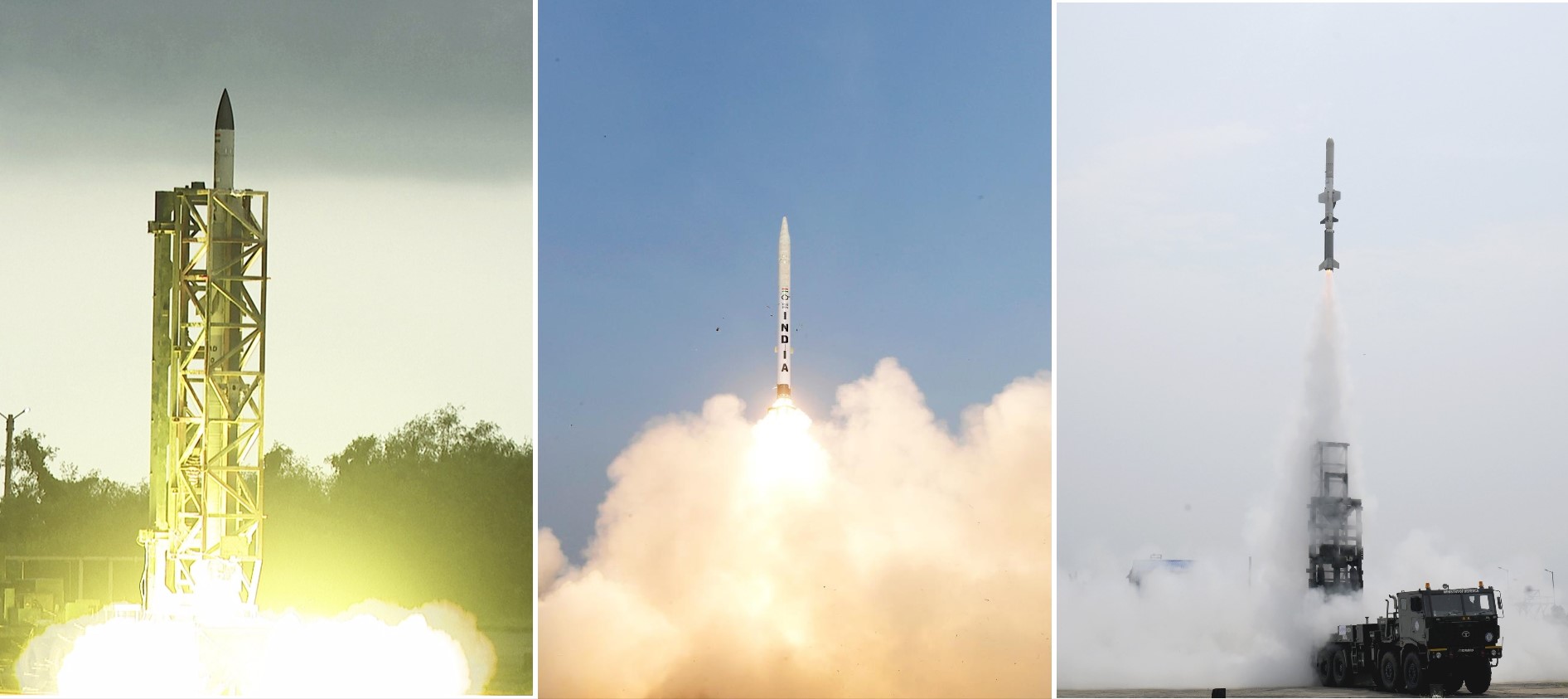 India Successfully Conducts AD-1, AD-2 Interceptor Tests and Maiden NASM-MR Flight Trial
-
 U.S. Air Force Faces Strategic Airlift Shortfall as C-17 Production Restart Remains Uncertain
-
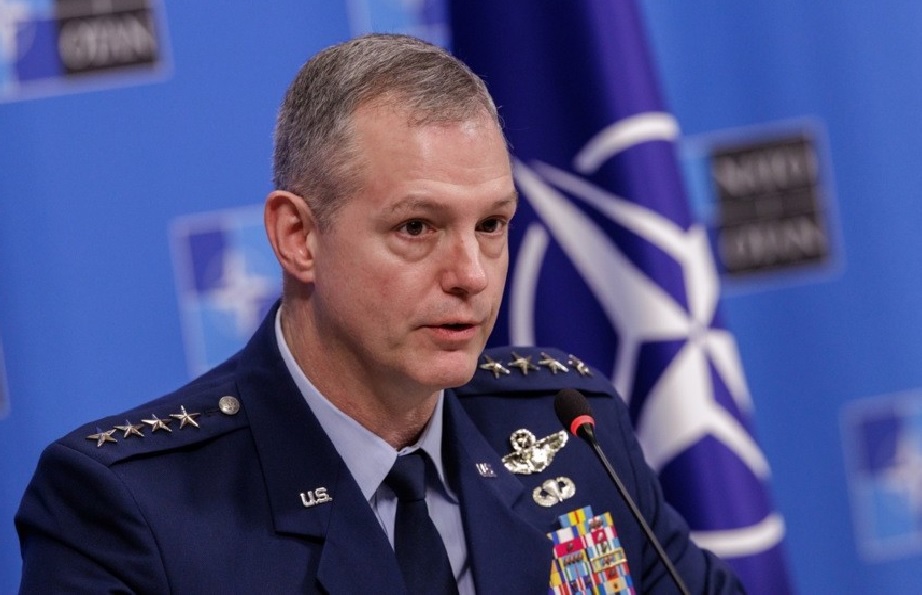 NATO Commander Says Russia Not Seeking Conflict With Alliance Despite U.S. Force Reductions
-
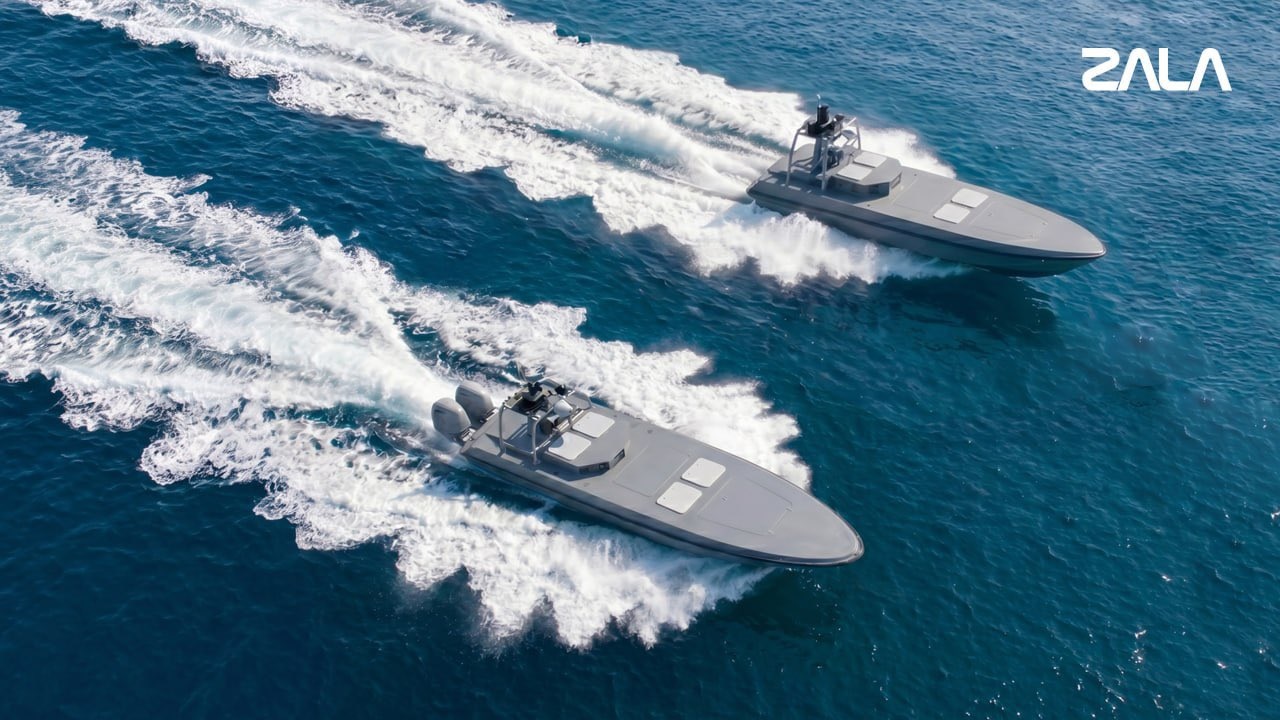 Russian Defense Firm ZALA Unveils KAMA Unmanned Surface Vessel Family at FLOT-2026 Naval Exhibition
-
 U.S. Space Force Awards $437.7 Million Contracts for First PTS-G Swarm 1 Anti-Jam Satellites