
World
L3Harris Technologies has been awarded a significant contract by the U.S. Space Force’s Space Systems Command to create advanced concepts for the Resilient Global Positioning System (R-GPS) program. This groundbreaking initiative is focused on fortifying the resilience of GPS infrastructure by incorporating cost-effective small satellites into the broader GPS constellation. A Modernized GPS Framework for National Security The R-GPS program is an ambitious step toward enhancing the current 31-satellite GPS constellation that serves both military and civilian users worldwide. Its goal is to provide uninterrupted positioning, navigation, and timing (PNT) services, even in the face of sophisticated threats like jamming, spoofing, and permanent disruptions. To achieve this, the program plans to add up to eight new satellites to the constellation, equipped with advanced capabilities to detect and mitigate potential threats. Ed Zoiss, President of Space and Airborne Systems at L3Harris, stated, “Our mission is to protect national security and ensure global accessibility to reliable GPS technologies.” He emphasized the company's extensive experience in GPS-related projects, positioning it to deliver cutting-edge solutions for evolving challenges. L3Harris' Expertise in GPS Technology L3Harris Technologies has a long-standing relationship with the U.S. GPS system, being the sole provider of navigation technology for every U.S. GPS satellite to date. The company has contributed critical components, including control systems, monitoring receivers, and user equipment, which are central to its proposed solutions for the R-GPS program. One of the key innovations in L3Harris' approach is its modular and scalable PNT technology. This design not only ensures adaptability to different operational scenarios but also leverages commercial interfaces to align with the Space Force's dynamic requirements. The company’s role as the prime contractor for the Navigation Technology Satellite-3 (NTS-3) program further solidifies its leadership in advancing GPS technology. NTS-3 is aimed at testing and validating next-generation GPS features, enabling quicker implementation into operational systems. Technical Specifications of the Proposed Satellites While the R-GPS satellites are in the concept development phase, early indications suggest several advanced specifications: Enhanced Anti-Jamming and Anti-Spoofing Capabilities: These satellites will be equipped with cutting-edge signal processing technologies to counter electronic interference and cyber threats. Reduced Weight and Cost: By leveraging small satellite technology, the program aims to achieve cost efficiency without compromising performance. Rapid Deployment: Modular design allows for quicker production and deployment timelines compared to traditional GPS satellites. Advanced PNT Algorithms: Improved precision in positioning and navigation calculations to support both military operations and commercial applications. Beyond R-GPS: A Vision for the Future The R-GPS initiative reflects a broader trend within the U.S. Space Force to modernize and secure space-based infrastructure. By integrating innovative satellite designs, the program not only addresses current threats but also lays the groundwork for future advancements in space technology. L3Harris' commitment to delivering results on accelerated timelines underscores its ability to adapt to the fast-paced needs of the Space Force, ensuring that critical PNT services remain resilient in an increasingly contested space domain. This collaboration between L3Harris and the U.S. Space Force signifies a transformative approach to GPS modernization, blending innovation with national security imperatives.
Read More → Posted on 2025-01-08 15:42:41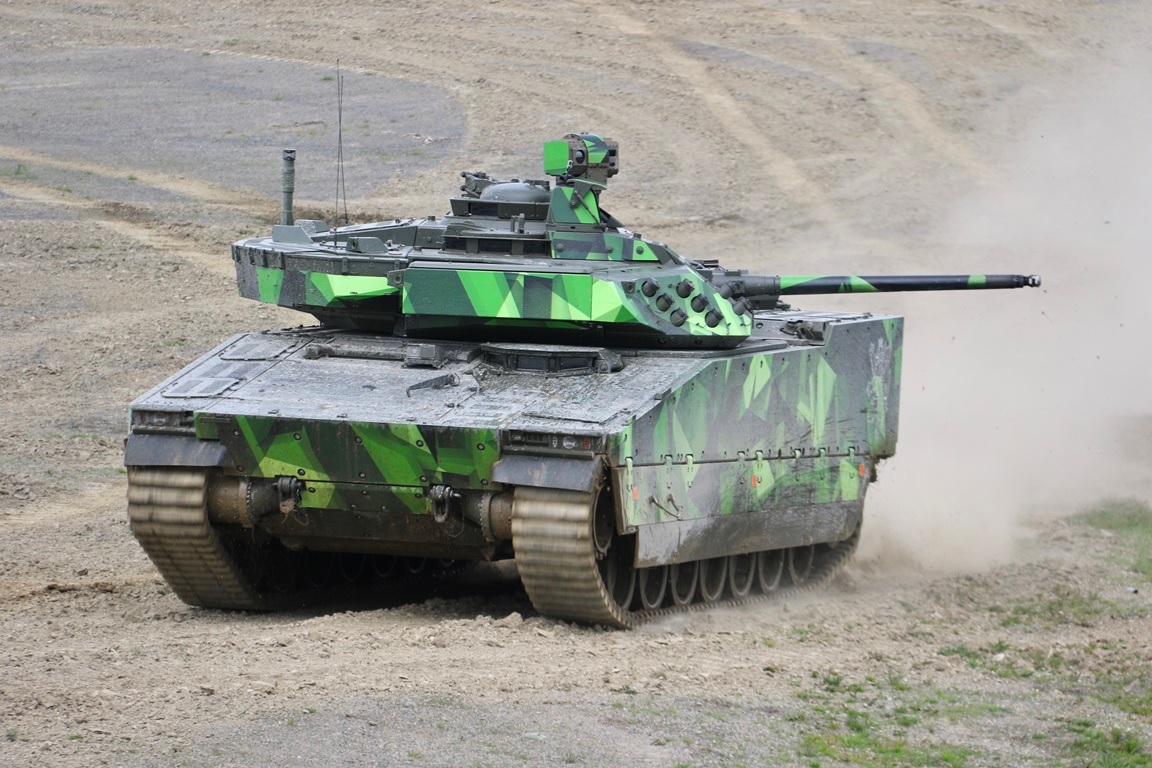
World
The Czech Ministry of Defence is contemplating delaying the acquisition of the Leopard 2A8 main battle tanks from Germany due to mounting financial pressures. The decision stems from a shortfall in government revenues and a downward revision of the defence budget for 2025, which threatens to impact this high-profile military programme. Background on the Leopard 2A8 Tank Acquisition The proposed acquisition includes 77 vehicles, comprising 58 Leopard 2A8 main battle tanks and 19 support vehicles based on tank platforms. This ambitious programme was initially pegged at CZK 39.8 billion (EUR 1.64 billion). However, revised estimates now exceed CZK 50 billion (EUR 2.06 billion), raising concerns about affordability and its effect on other critical defence initiatives. The Leopard 2A8 is the latest evolution of the Leopard 2 family, boasting advanced features that enhance its combat effectiveness. These include upgraded armor for improved survivability, cutting-edge sensors for battlefield awareness, and a fully digitized fire control system. The tank retains the 120mm L/55 smoothbore gun from its predecessors, known for its precision and compatibility with various NATO-standard munitions. Enhanced mobility is achieved through an improved MTU MB 873 Ka-501 engine and advanced suspension, making it a formidable asset in both offensive and defensive operations. Despite its cutting-edge capabilities, the substantial cost has led to debates over prioritizing this project in the context of broader military modernization efforts. Recommendations to Postpone In November 2024, the General Staff of the Army of the Czech Republic (AČR) recommended deferring the Leopard 2A8 procurement programme. This advice comes even though the project has already been approved by the government and classified as strategically essential for national security. While the Defence Ministry had been in close negotiations with its German counterpart regarding the Leopard 2A8 deal, the Czech Republic has been modernizing its armoured fleet in phases. Notably, the country has been acquiring older Leopard 2A4 tanks to bridge the gap in its armoured capabilities. On December 3, 2024, the government ordered an additional 14 Leopard 2A4 tanks, bringing the total to 42 by 2026. Budget Challenges In 2024, the Czech Republic allocated CZK 177.1 billion (EUR 7.31 billion) to defence, representing over 2% of GDP for the first time in two decades. Of this, the Ministry of Defence received CZK 166.8 billion (EUR 6.89 billion), marking a significant increase compared to 2023. However, projections for 2025 indicate a decrease in defence spending, with the overall budget set at CZK 166 billion (EUR 6.85 billion). Out of this, less than CZK 160 billion (EUR 6.6 billion) is expected to go directly to the Ministry of Defence—a notable drop from the initially planned CZK 169 billion (EUR 6.98 billion). These reductions are likely to limit the ministry's ability to execute its strategic programmes, including the Leopard 2A8 acquisition. Strategic Implications The delay in acquiring Leopard 2A8 tanks could have both short- and long-term implications for the Czech Republic's military capabilities. While the older Leopard 2A4 tanks serve as an interim solution, they lack the advanced systems and survivability features of the Leopard 2A8. Delaying the purchase may also impact the country's ability to align with NATO's modern military standards, particularly at a time of heightened geopolitical tensions in Europe. The Ministry of Defence faces the challenge of balancing immediate operational needs with long-term strategic objectives. Postponing the acquisition could free up resources for other programmes but might also risk leaving a capability gap in the future. The situation underscores the complexities of defence planning amidst economic uncertainties. Conclusion As budget constraints weigh heavily on the Czech government, the future of the Leopard 2A8 tank acquisition remains uncertain. The Ministry of Defence must now navigate a delicate balancing act between financial realities and the imperative of modernizing its armed forces to meet evolving security challenges.
Read More → Posted on 2025-01-08 15:31:24
World
Russia is taking a bold step toward revolutionizing military aviation with the development of its first sixth-generation fighter jet. Spearheading this ambitious initiative is the Sukhoi Design Bureau, a name synonymous with cutting-edge aerospace innovation. This next-generation aircraft is expected to redefine air combat capabilities, with its groundbreaking engine technology as the centerpiece of its design. Next-Generation Engine: A Game-Changer At the core of Sukhoi’s sixth-generation fighter is the promise of a revolutionary power plant. The new engine will deliver unparalleled thrust while boasting exceptionally low specific fuel consumption. This dual emphasis on power and efficiency is essential for the aircraft to achieve high-speed, long-range missions without compromising on operational flexibility. The engine’s design aims to overcome the inherent challenges of supersonic and hypersonic flight. Advanced power characteristics are crucial for ensuring the fighter can execute high-speed maneuvers over extended distances. By reducing the need for frequent refueling, the aircraft will offer unmatched endurance, giving it a tactical edge in prolonged combat scenarios. Specifications and Advanced Features Although Sukhoi has kept certain details under wraps, industry insiders highlight some expected specifications and technological innovations for the fighter jet: Engine Efficiency: Capable of delivering high thrust while consuming significantly less fuel than fifth-generation counterparts, such as the Su-57. Stealth Capabilities: Enhanced radar evasion technologies, including advanced coatings and airframe designs. AI Integration: Artificial intelligence to assist in autonomous operations, target acquisition, and combat decision-making. Hypersonic Capabilities: Ability to operate at hypersonic speeds, crucial for both offensive and evasive maneuvers. Network-Centric Warfare: Advanced connectivity features to integrate seamlessly with other air, land, and sea systems. Multirole Versatility: Suited for air superiority missions, ground attacks, reconnaissance, and electronic warfare. The fighter’s emphasis on stealth, speed, and AI-driven autonomy positions it as a formidable weapon in the future of aerial warfare. Why Sixth-Generation Fighters Are the Future Sixth-generation fighters represent a quantum leap in combat aviation, surpassing fifth-generation models like the American F-35 and Russia's own Su-57. These aircraft are designed to adapt to the rapidly changing landscape of aerial warfare, where traditional metrics like speed and firepower are augmented by intelligence, adaptability, and survivability. Key features like hypersonic flight, AI-guided decision-making, and seamless integration into a digital battlefield are not just upgrades—they are necessities for the air dominance of tomorrow. The Sukhoi fighter is expected to incorporate these advancements, ensuring Russia remains competitive in the global race for technological supremacy. Strategic Importance for Russia As the global defense landscape shifts, Russia’s investment in a sixth-generation fighter reflects its commitment to maintaining a robust defense posture. With the United States, China, and other nations making significant strides in similar programs, Sukhoi’s project is poised to assert Russia’s aerospace capabilities on the world stage. This new fighter jet will serve as a powerful deterrent, ensuring Russia’s ability to respond to evolving threats. It also highlights the country’s focus on modernizing its military assets to stay ahead in a rapidly advancing technological era. Sukhoi's Legacy of Excellence The Sukhoi Design Bureau has a storied history of developing some of the most advanced fighter jets in the world, from the iconic Su-27 to the fifth-generation Su-57. Their expertise and commitment to innovation provide a solid foundation for this ambitious new project. The sixth-generation fighter jet is not just another addition to Sukhoi’s portfolio—it is a testament to their vision of the future of air combat. Russia’s Path to Air Dominance As countries around the world ramp up their sixth-generation fighter jet programs, Sukhoi’s initiative underscores Russia’s intent to remain a dominant player in the global defense arena. With a focus on high thrust, fuel efficiency, and advanced capabilities, this fighter jet represents the future of military aviation—a future where speed, precision, and adaptability reign supreme.
Read More → Posted on 2025-01-08 15:28:18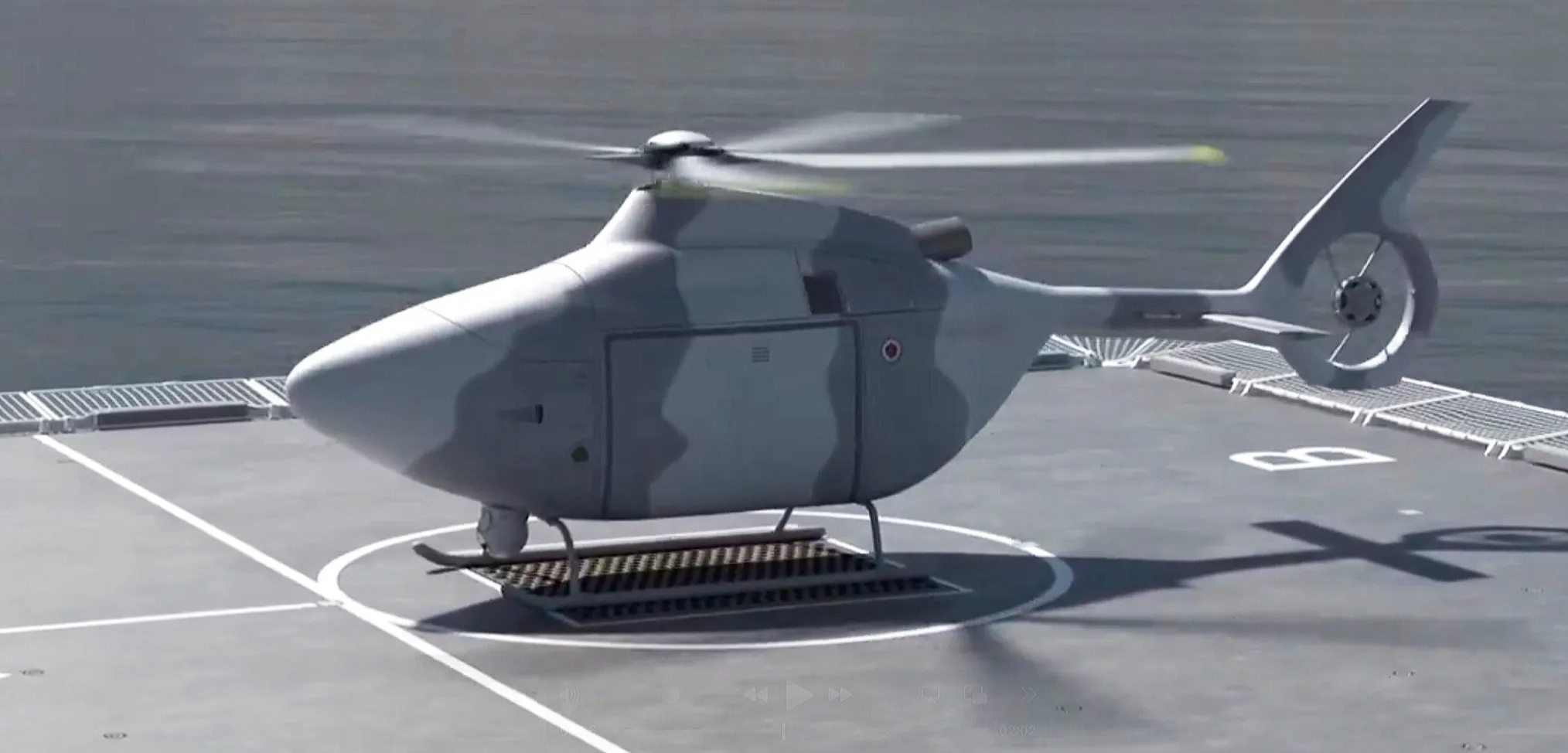
World
Leonardo UK has unveiled its latest innovation, the Proteus uncrewed rotorcraft technology demonstrator, representing a groundbreaking step in the evolution of autonomous aviation. Designed as a transformative platform for the Royal Navy’s Maritime Aviation Transformation (MATx) strategy, Proteus showcases cutting-edge advancements in autonomy, modular payloads, and manufacturing techniques. A Visionary Design for Adaptable Missions At approximately three tonnes, Proteus is a marvel of engineering, tailored to perform diverse roles in maritime environments. The rotorcraft features a modular payload bay that allows mission-specific customization. Operators can easily swap payloads for additional fuel or specialized equipment, ensuring unparalleled versatility across missions such as reconnaissance, logistics, surveillance, and combat support. By integrating proven components from Leonardo’s extensive helicopter portfolio, the company has reduced costs and shortened development cycles. This modularity and adaptability align perfectly with the UK Ministry of Defence's goals of creating flexible, future-ready defence solutions. Digital Engineering at Its Core Proteus represents a new era in digital engineering. Leonardo employs advanced techniques like digital twins, enabling synthetic testing and refinement of capabilities without the need for physical prototypes. This process leverages Artificial Intelligence (AI) and Machine Learning (ML) to simulate real-world scenarios, cutting costs and accelerating the development timeline significantly. Sustainability and Innovation in Materials The rotorcraft’s design incorporates more than 40 advanced composite components, many of which are produced using additive manufacturing. This not only enhances the rotorcraft’s durability but also promotes sustainability by reducing material waste and through-life costs. Such innovations ensure resilience across Leonardo’s supply chain while meeting the demands of environmentally conscious manufacturing. Key Specifications of Proteus Weight Class: ~3 tonnes Payload Capacity: Modular bay for adaptable mission payloads Key Technologies: Autonomous flight systems, modular design, digital twin testing Materials: Advanced composites and additive manufacturing components Maiden Flight Timeline: Mid-2025 Collaboration and Agile Development The €71 million (£60 million) Proteus project is a testament to close collaboration between Leonardo, the UK’s Defence Equipment and Support (DE&S) Future Capability Innovation team, and the Royal Navy. By adopting Agile development methodologies, the team has ensured iterative design improvements and constant stakeholder engagement, keeping the project on track to achieve its ambitious goals. Shaping the Future of Maritime Aviation Proteus is more than just a rotorcraft; it is a testbed for the future of uncrewed systems in maritime operations. By combining cutting-edge technology, sustainable practices, and modular adaptability, Leonardo has created a platform that addresses the Royal Navy’s evolving needs while setting new benchmarks for the aerospace industry. As Proteus gears up for its maiden flight in mid-2025, it underscores Leonardo’s commitment to redefining the boundaries of autonomous aviation and maritime capabilities. The future of defence technology is here, and Proteus is leading the charge.
Read More → Posted on 2025-01-08 15:20:30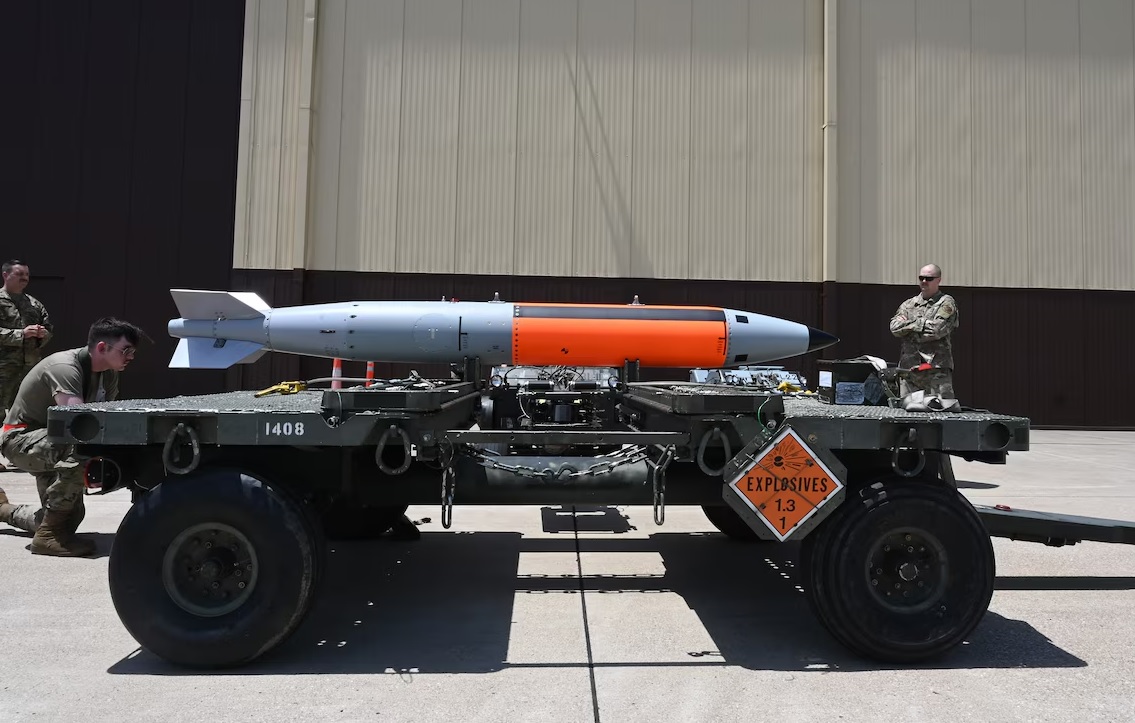
World
The United States has successfully completed a $9-billion Life Extension Program (LEP) for its B61-12 nuclear bombs, marking a significant milestone in the modernization of its nuclear arsenal. The National Nuclear Security Administration (NNSA) announced the achievement, which ensures the continued relevance and reliability of these weapons for at least the next two decades. Known as "gravity bombs," the B61 series has served as the backbone of America's nuclear deterrent since the 1960s. The B61-12: Modern Features for Precision and Reliability The B61-12 is a technologically advanced iteration of the original B61 bomb. Weighing approximately 825 pounds (374 kilograms), this upgraded weapon is equipped with an inertial navigation system that enables precise targeting and a high probability of success. One of its most notable enhancements is the addition of four maneuverable tail fins, which significantly improve accuracy and provide a stand-off capability. This allows the bomb to be deployed from a distance, reducing risks to the aircraft and its crew. The B61-12 also boasts enhanced safety, security, and reliability features, ensuring that the weapon meets modern operational and strategic requirements. These improvements have been achieved without altering its nuclear yield, maintaining its flexibility for various tactical and strategic scenarios. Strategic Deployment and Operational Platforms The B61-12 is a cornerstone of US and NATO nuclear deterrence. The bomb is deployed at key US Air Force and NATO bases, ensuring readiness and interoperability with allied forces. In March 2024, the F-35A Joint Strike Fighter became the first fifth-generation aircraft authorized to carry the B61-12, enhancing the US military's ability to deliver these weapons in modern combat environments. The bomb is also compatible with other aircraft, such as the B-2 Spirit stealth bomber and the F-15E Strike Eagle, ensuring versatility across the US Air Force's fleet. A Look Back: Development and Production Milestones The journey to modernize the B61 began more than 17 years ago. In 2021, the warhead received formal production clearance, paving the way for large-scale manufacturing. The LEP addressed aging components in the bomb's design, some of which dated back to the Cold War, and integrated state-of-the-art technologies to meet contemporary needs. The $9-billion investment not only extends the bomb's service life by at least 20 years but also underscores the importance of maintaining a credible nuclear deterrent. According to NNSA Administrator Jill Hruby, "Completing the B61-12 on schedule is the latest example of what we’ve been saying for several years now: NNSA is delivering capabilities at the pace and scale needed by our Department of Defense partners and our deterrence requirements." The Road Ahead: Focus on the B61-13 With the B61-12 program successfully concluded, the NNSA has shifted its focus to the development and production of an even more advanced variant, the B61-13. While specific details about the B61-13 remain under wraps, it is expected to incorporate further technological advancements, reinforcing the US military's position in an evolving global security landscape. Why the Upgrade Matters The modernization of the B61-12 nuclear bombs is a critical step in maintaining the credibility of the US nuclear deterrent. With potential adversaries such as Russia and China advancing their own nuclear capabilities, the upgrades ensure that the US retains a technological and strategic edge. Additionally, the enhanced precision and stand-off capabilities reduce the likelihood of collateral damage, making the B61-12 a more responsible choice in the event of deployment. By completing this program, the United States not only extends the operational life of its oldest nuclear bombs but also demonstrates its commitment to adapting its defense posture to meet 21st-century challenges. The successful integration of the B61-12 with advanced platforms like the F-35A further strengthens the military’s readiness and versatility in responding to global threats.
Read More → Posted on 2025-01-08 15:14:36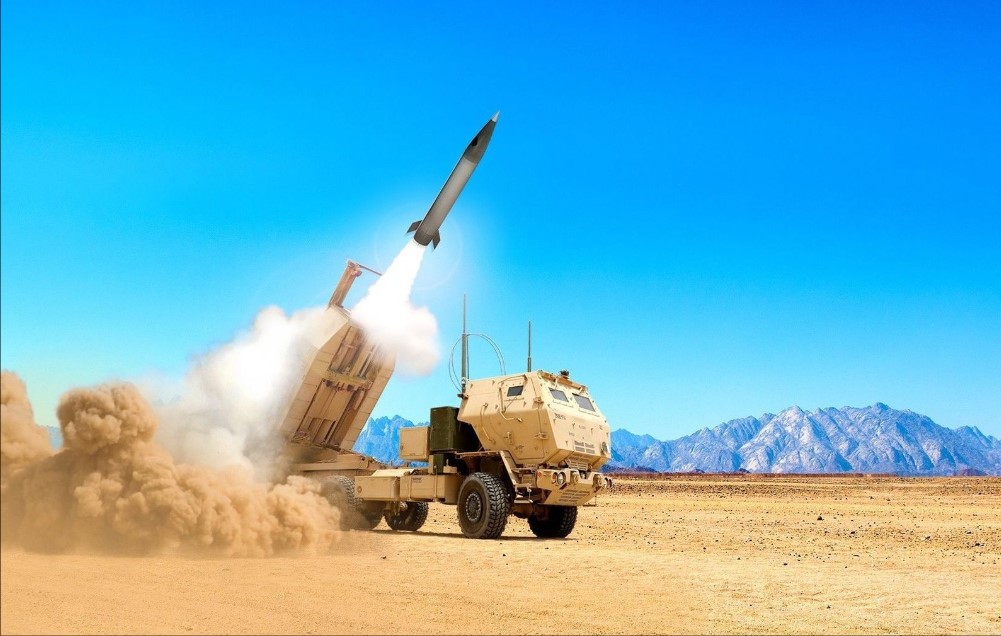
World
The U.S. Army's 5th Battalion, 3rd Field Artillery Regiment, known as the Long Range Fires Battalion (LRFB), has recently achieved groundbreaking success in enhancing its long-range precision strike capabilities. This milestone was part of the efforts under the 1st Multi-Domain Task Force (MDTF), which is pivotal in modernizing the Army’s artillery systems to meet emerging global challenges. In November, the LRFB demonstrated the operational effectiveness of its Mid-Range Capability (MRC) system at the White Sands Missile Range in New Mexico. This live-fire exercise was significant for two reasons: it marked the first time the Army conducted such a test using exclusively Army-operated sensors and shooters, and it proved the MRC's capability to strike a moving surface target with pinpoint accuracy. This accomplishment highlights not just the system’s technological sophistication but also the high level of readiness among the soldiers operating it. What is the Mid-Range Capability (MRC)? The MRC is designed to fill the critical gap between short-range tactical missiles and long-range strategic systems. It leverages proven technologies, including the Tomahawk cruise missile and the Standard Missile-6 (SM-6), providing the Army with the capability to engage targets at ranges between 500 and 1,800 miles.Key specifications of the MRC system include: Weapons: Tomahawk cruise missiles (precision strikes) and Standard Missile-6 (anti-air and anti-ship capabilities). Range: 500 to 1,800 miles, placing it between tactical and strategic missile systems. Mobility: Modular design for quick transport via maritime and land platforms. Sensor Integration: Operates with advanced targeting systems to ensure precision even against moving targets. Live-Fire Test and Operational Readiness The November live-fire test showcased the MRC’s ability to engage a moving target with precision, a vital capability in modern multi-domain battlefields. The successful demonstration involved extensive training, particularly in fire team operations and reloading procedures. One of the standout moments was Sergeant W. Teloh becoming the first U.S. Army soldier to fire both a Tomahawk missile and an SM-6. This historic achievement underscores the adaptability and expertise of the battalion's personnel. Delta Battery Commander Captain Michael Geissler emphasized the importance of the event, stating that it not only demonstrated the MRC's capabilities but also boosted operator confidence. Lieutenant Colonel Ben Blane, the 5-3 LRFB Commander, echoed these sentiments, commending the battalion for its progress and readiness to support strategic missions. Mobility and Deployment Another key milestone achieved during this period was the successful maritime transport of the MRC system. At the Port of Tacoma, the battalion, in collaboration with Lockheed Martin engineers and the Military Surface Deployment and Distribution Command (SDDC), loaded the system onto a maritime vessel for the first time. This exercise highlighted the Army’s ability to rapidly deploy land-based missile systems in diverse environments, including coastal and amphibious operations. This capability is vital for enhancing the Army’s strategic flexibility, particularly in regions like the Indo-Pacific, where rapid response and precision strikes are crucial to maintaining deterrence and operational readiness. Training and Soldier Excellence The soldiers operating the MRC system are an elite group, selected for their exceptional performance and skills. Their training includes advanced courses such as the Navy’s Tactical Tomahawk Weapon Control System program, ensuring they are well-prepared to handle the Army’s most sophisticated weaponry. This rigorous preparation has set new benchmarks for operational excellence within the battalion. Strategic Implications The advancements achieved by the LRFB align with the Army’s vision for multi-domain operations. By integrating long-range precision strike capabilities with advanced mobility, the MRC enhances the Army’s ability to deliver lethal effects across domains. For theater commanders, this translates into a powerful tool for deterring adversaries and ensuring combat superiority in strategically vital regions. Lt. Col. Blane summarized the battalion’s progress, highlighting its role in providing innovative, deployable, and highly lethal solutions for the modern battlefield. As part of the Indo-Pacific-based 1MDTF, the battalion’s achievements bolster the Army’s overall readiness and deterrence capabilities in one of the world’s most geopolitically sensitive areas. In conclusion, the 5th Battalion, 3rd Field Artillery Regiment has not only proven the Mid-Range Capability’s precision and operational readiness but also underscored the U.S. Army’s commitment to innovation and adaptability in an era of rapidly evolving threats. The combination of advanced weaponry, elite training, and strategic deployment ensures the Army remains at the forefront of global defense capabilities.
Read More → Posted on 2025-01-08 15:11:47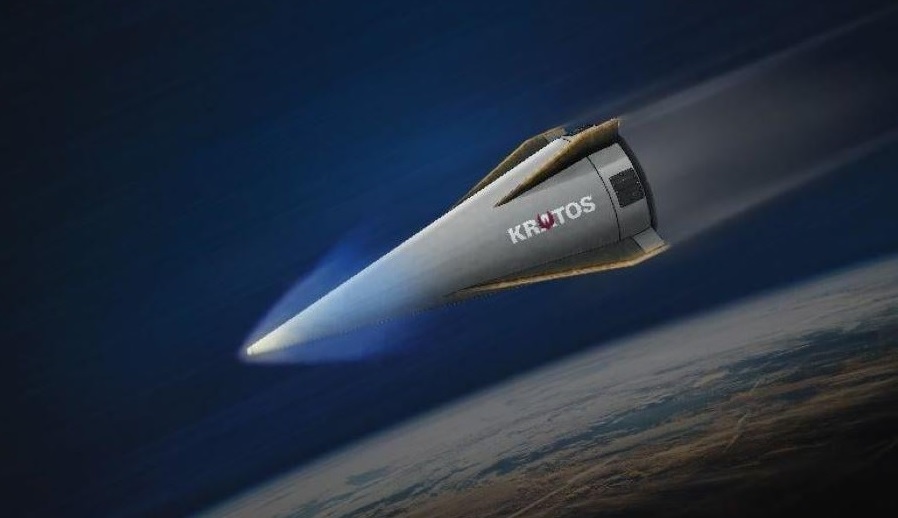
World
Kratos Defense & Security Solutions has been awarded a five-year contract worth up to $1.45 billion—the largest in the company's history—to lead the Multi-Service Advanced Capability Hypersonic Test Bed (MACH-TB) 2.0 program. This initiative, overseen by the U.S. Department of Defense's Test Resource Management Center (TRMC), is a key element of the National Hypersonic Initiative 2.0, which aims to accelerate the development and deployment of hypersonic technologies. Purpose of MACH-TB 2.0 MACH-TB 2.0 is designed to bridge the gap between ground-based hypersonic tests and full-scale flight trials. By providing an affordable and efficient test bed, the program seeks to increase the frequency of hypersonic flight tests, thereby reducing development risks and costs. This approach is expected to expedite the transition of advanced hypersonic technologies into operational use, addressing a critical need in the nation's defense strategy. Kratos' Role and Expertise As the prime contractor for Task Area 1, Kratos will focus on Systems Engineering, Integration, and Testing (SEIT). The company will provide both subscale and full-scale launch services, along with comprehensive mission planning, to support the increased cadence of hypersonic flight tests. Kratos' recent successes with the Erinyes Hypersonic Flyer and Zeus Solid Rocket Motors underscore its leadership in hypersonic system testing and deployment. Collaborative Effort The MACH-TB 2.0 program is a collaborative endeavor involving key partners such as Leidos, Rocket Lab, Stratolaunch, and academic institutions including Purdue University and the University of Minnesota. These collaborators bring specialized expertise in engineering, integration, and testing, all crucial for achieving the program's objectives. Strategic Significance The National Hypersonic Initiative 2.0 emphasizes the rapid and cost-effective development of hypersonic capabilities to maintain the United States' technological edge. By focusing on affordability and production capacity, the initiative aims to enable the Department of Defense to procure hypersonic weapons in large quantities, thereby enhancing national security. Leadership Perspectives George Rumford, TRMC Director, stated, "MACH-TB is an essential tool to accelerate science and technology experiments into next-generation hypersonic capabilities for our nation." Michael Johns, Senior Vice President of Kratos SRE, added, "The nation is at a critical point in the need for rapid and affordable hypersonic flight testing, and the MACH-TB program is filling that need." Conclusion Kratos' leadership in the MACH-TB 2.0 program represents a significant advancement in the United States' efforts to develop and deploy hypersonic technologies. By enhancing testing capabilities and reducing development timelines, this initiative is poised to play a pivotal role in strengthening national defense.
Read More → Posted on 2025-01-07 15:57:45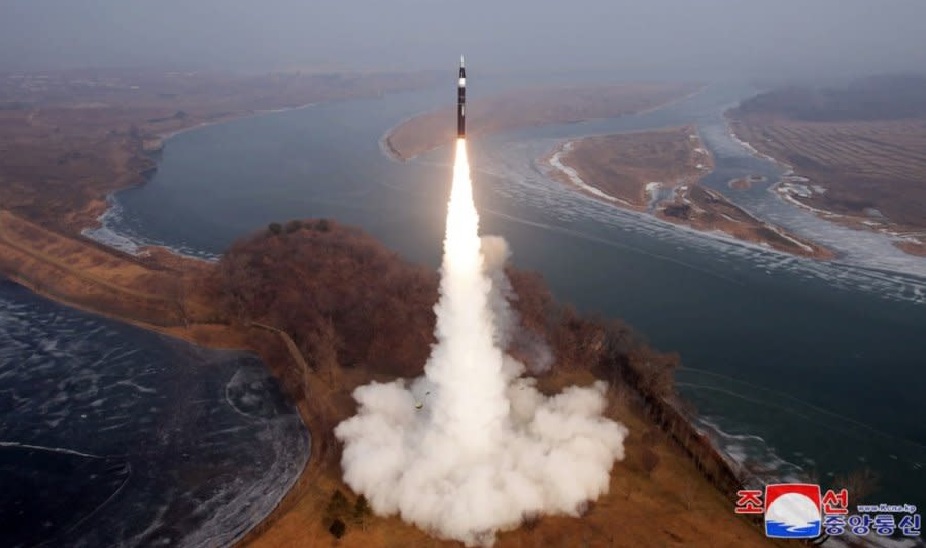
World
North Korea recently announced a significant milestone in its weapons program, claiming the successful test of a new intermediate-range ballistic missile (IRBM) equipped with a hypersonic warhead. According to the Korean Central News Agency (KCNA), the missile traveled approximately 1,500 kilometers at an astounding speed of Mach 12, underscoring its potential as a strategic deterrent. The Official Claims and Regional Skepticism North Korean leader Kim Jong-un reportedly supervised the test remotely, emphasizing the weapon's strategic importance. KCNA quoted Kim describing the missile as a "game-changer," capable of penetrating sophisticated defensive systems and effectively countering threats in the Pacific. The missile allegedly incorporated advanced materials like a carbon fiber compound for its engine body and featured upgraded guidance systems, suggesting significant advancements in the country's missile technology. Despite these bold claims, South Korean military officials expressed skepticism. The Joint Chiefs of Staff (JCS) reported that the missile's flight was observed to be shorter than claimed, covering around 1,100 kilometers. They also noted the absence of a secondary peak in the trajectory, a critical feature of hypersonic glide vehicles designed for unpredictable flight paths. South Korean spokesperson Col. Lee Sung-un remarked that North Korea has a history of overstating its technological capabilities, raising doubts about the accuracy of Pyongyang’s assertions. Hypersonic Technology and Its Implications Hypersonic missiles, which travel at speeds exceeding Mach 5, are gaining prominence due to their ability to evade traditional missile defense systems. Unlike conventional ballistic missiles, hypersonic weapons can alter their trajectory mid-flight, making them more challenging to intercept. North Korea's purported advancements in this domain, if verified, would represent a significant leap in its military capabilities, intensifying regional security concerns. Experts are divided on the extent of Pyongyang’s progress. Hong Min, a senior research fellow at the Korea Institute for National Unification, suggested that external collaboration might have played a role, pointing to possible technical assistance from countries like Russia. This view aligns with suspicions that North Korea's technological strides are not entirely homegrown, as its missile programs have often relied on foreign expertise and components. Rising Tensions in the Region The test comes amid escalating tensions in Northeast Asia. Military cooperation between South Korea, the United States, and Japan has deepened in response to North Korea's missile tests and its growing arsenal. Pyongyang has repeatedly condemned these alliances, accusing them of forming a “military bloc for aggression” aimed at undermining its sovereignty. In response to North Korea's test, the U.S. and its allies have reinforced their commitment to maintaining a strong defensive posture in the region. Joint military exercises and enhanced missile defense systems are likely to be prioritized, further fueling the cycle of provocation and counteraction. What’s Next? North Korea's announcement has drawn global attention, but skepticism from experts and regional powers highlights the ongoing uncertainty surrounding its missile capabilities. While the country’s advancements are undeniable, the true extent of its hypersonic technology remains a topic of debate. As the geopolitical landscape in Northeast Asia grows increasingly complex, North Korea's missile developments are set to remain a focal point for both military strategists and policymakers. For now, the world watches closely, balancing between skepticism and caution over Pyongyang’s claims.
Read More → Posted on 2025-01-07 15:49:05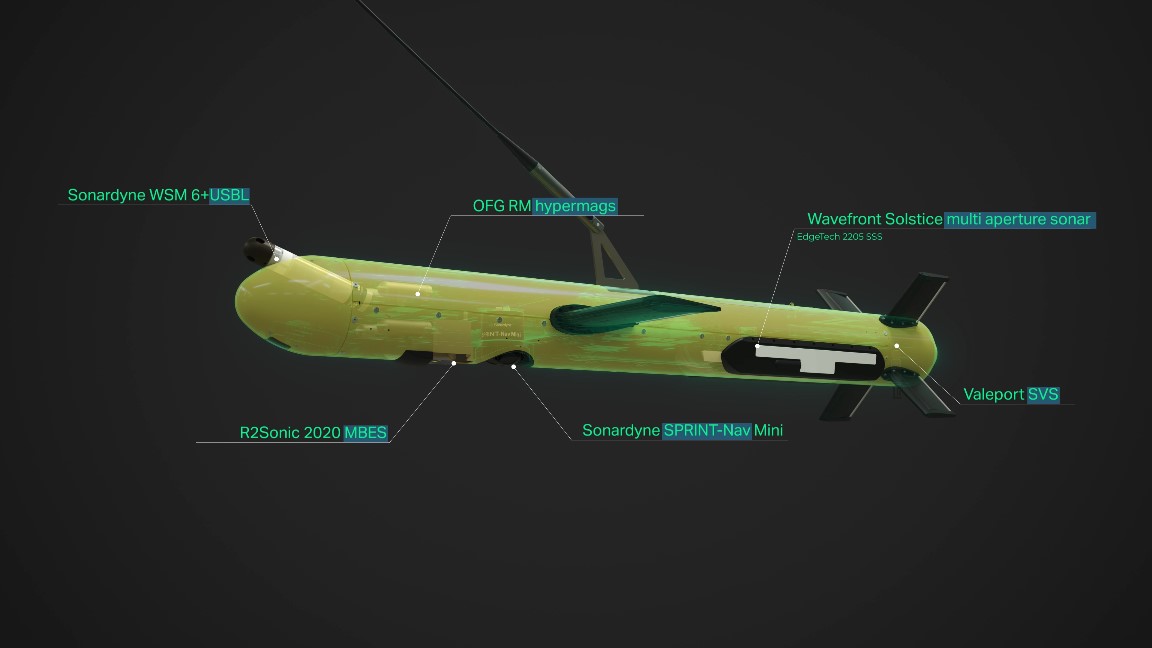
EIVA and Tuco Marine Unveil Autonomous Subsea Survey System for Enhanced Underwater Asset Monitoring
World
A groundbreaking partnership between EIVA, a specialist in subsea survey technologies, and Tuco Marine, a leading developer of unmanned surface vessels (USVs), promises to revolutionize how subsea assets are monitored and maintained. This collaboration combines the strengths of both companies to create an integrated autonomous system for inspecting critical underwater infrastructure, such as renewable energy cables, with unmatched precision and efficiency. The Game-Changing Duo: ProZero USV and ViperFish ROTV The innovative system pairs Tuco Marine's ProZero 8m Naval Intelligence USV with EIVA’s state-of-the-art ViperFish remotely operated towed vehicle (ROTV). The ProZero USV autonomously navigates to designated locations, where it deploys the ViperFish to carry out high-resolution seabed imaging and detailed mapping of depth and magnetic signals. This system is designed to address a growing demand for robust solutions capable of autonomously surveying subsea infrastructure. The collaboration aims to enhance efficiency and reduce costs, making frequent and thorough inspections more feasible than ever before. Meeting Industry Needs: Why Integration Matters One of the critical success factors for autonomous systems lies in seamless integration. This partnership ensures that both the USV and the ROTV work cohesively, supported by EIVA’s proprietary software suite. By combining these technologies, operators can benefit from real-time data acquisition and analysis, which is crucial for monitoring and maintaining infrastructure like offshore wind farm cables, pipelines, and communication networks. Christian Thomsen, CEO of EIVA, emphasized the synergy between the two companies: "Leveraging the complementary nature of our technologies, EIVA is looking forward to working with Tuco Marine to offer the market a solution that we see a lot of demand for – a fully integrated system to autonomously survey subsea assets." Jonas Pedersen, Managing Director of Tuco Marine, added: "By combining a USV, like our ProZero, together with EIVA’s ROTV sensor platform and survey software, it’s possible to monitor the conditions of critical subsea infrastructure much more thoroughly and frequently than with conventional setups." Proven Expertise and Versatile Applications EIVA and Tuco Marine bring years of experience and proven technologies to the table. EIVA’s earlier success with the ScanFish sensor platform, widely used for unexploded ordnance (UXO) surveys, showcases their expertise in delivering reliable subsea solutions. Their newly launched ViperFish (2023) reflects inputs from customers seeking advanced capabilities in autonomous systems. Tuco Marine’s ProZero vessels, meanwhile, are already trusted in offshore wind operations, environmental monitoring, and defense applications. This makes their integration with EIVA’s ROTV and software ecosystem a natural fit. The partnership is further bolstered by the Covelya Group, of which EIVA is a part. This group’s members include sensor specialists like Sonardyne, Wavefront Systems, and defense-focused company Forcys, enabling the new system to address a wide range of applications, including mine countermeasures and rapid environmental assessments. Expanding Horizons for Maritime Technology This collaboration opens up exciting possibilities for industries dependent on subsea infrastructure. By enabling autonomous operations with high-quality data output, the system reduces the need for costly manned surveys while improving safety and operational efficiency. Its applications extend beyond renewable energy and offshore installations to defense, aquaculture, and environmental research. The EIVA-Tuco Marine partnership highlights a shared vision of leveraging innovative technologies to meet evolving industry needs. As demand for autonomous maritime systems continues to grow, this collaboration stands as a benchmark for what’s possible when expertise and innovation come together.
Read More → Posted on 2025-01-07 15:46:20
World
Russia's defense capabilities are receiving a significant boost as Uralvagonzavod, the state-run tank manufacturer, delivers upgraded T-90M and T-72B3M main battle tanks to the Russian Army. These modernized tanks come with over 100 enhancements, tailored to counter evolving battlefield threats and address the shortcomings exposed during the ongoing Ukraine conflict. Key Upgrades for Modern Warfare The latest iterations of the T-90M and T-72B3M tanks incorporate advanced defensive measures to withstand the rigors of modern combat. Among the notable improvements are: Anti-Drone Protection: New anti-first-person view (FPV) drone nets and electronic warfare systems designed to disrupt drone operations. Enhanced Armor: Reinforced rubber protection and additional shielding for critical areas, including the engine and transmission compartments. Reduced Visibility: Measures to decrease detectability by enemy sensors, improving survivability on the battlefield. Upgraded Firepower: The T-90M retains its formidable 125mm smoothbore gun and is capable of firing 9M119 Refleks anti-tank guided missiles, bolstering its offensive capabilities. Crew Safety: Efforts to address the infamous "jack-in-the-box" vulnerability—a design flaw common to many Russian tanks where ammunition storage in the autoloader increases the risk of catastrophic explosions upon penetration. T-90M: Russia's Premier Tank As the most advanced operational tank in Russia's arsenal, the T-90M is a comprehensive upgrade over its predecessors. Its features include: Advanced Targeting Systems: Thermal imaging and an encrypted digital communications system for improved situational awareness. Secondary Armament: A coaxial 7.62 mm machine gun for engaging infantry and lighter targets. Mobility: Enhanced engines and drivetrain systems for better performance in diverse terrains. Despite these advancements, the T-90M remains vulnerable to modern anti-tank weapons, particularly when its hull and turret ammunition stores are struck. Production Amid Heavy Losses Russia’s armored fleet has faced severe attrition during the Ukraine war, with an estimated 3,700 tanks lost—more than the initial invasion force in 2022. These losses stem from: Design Flaws: The vulnerability of Russian tanks to ammunition detonations has been a persistent issue. Inadequate Crew Training: Poorly trained crews often struggle to utilize the tanks effectively. Tactical Missteps: Improper deployment of armored units has led to avoidable casualties. To offset these losses, Russia has ramped up production and modernization efforts. Approximately 231 T-90Ms have been built or upgraded since 2020, with recent batches containing 11 to 15 tanks each. However, nearly 100 of these tanks have been destroyed, abandoned, or captured, as per open-source analysis. Reviving Old Tanks In addition to producing new tanks, Russia has been reactivating older models from storage. These mothballed vehicles are refurbished with modern components or scavenged for spare parts. This practice underscores the strain on Russia's defense-industrial complex as it attempts to meet the demands of sustained conflict. Future Prospects The upgraded T-90M and T-72B3M tanks reflect Russia’s commitment to adapting its military hardware to contemporary warfare challenges. However, the success of these efforts will depend on addressing the structural and tactical issues that have hampered their effectiveness. For Russia, these upgraded tanks are not just military assets but symbols of resilience in a prolonged and grueling conflict. Whether these advancements will tilt the balance on the battlefield remains to be seen.
Read More → Posted on 2025-01-07 15:29:36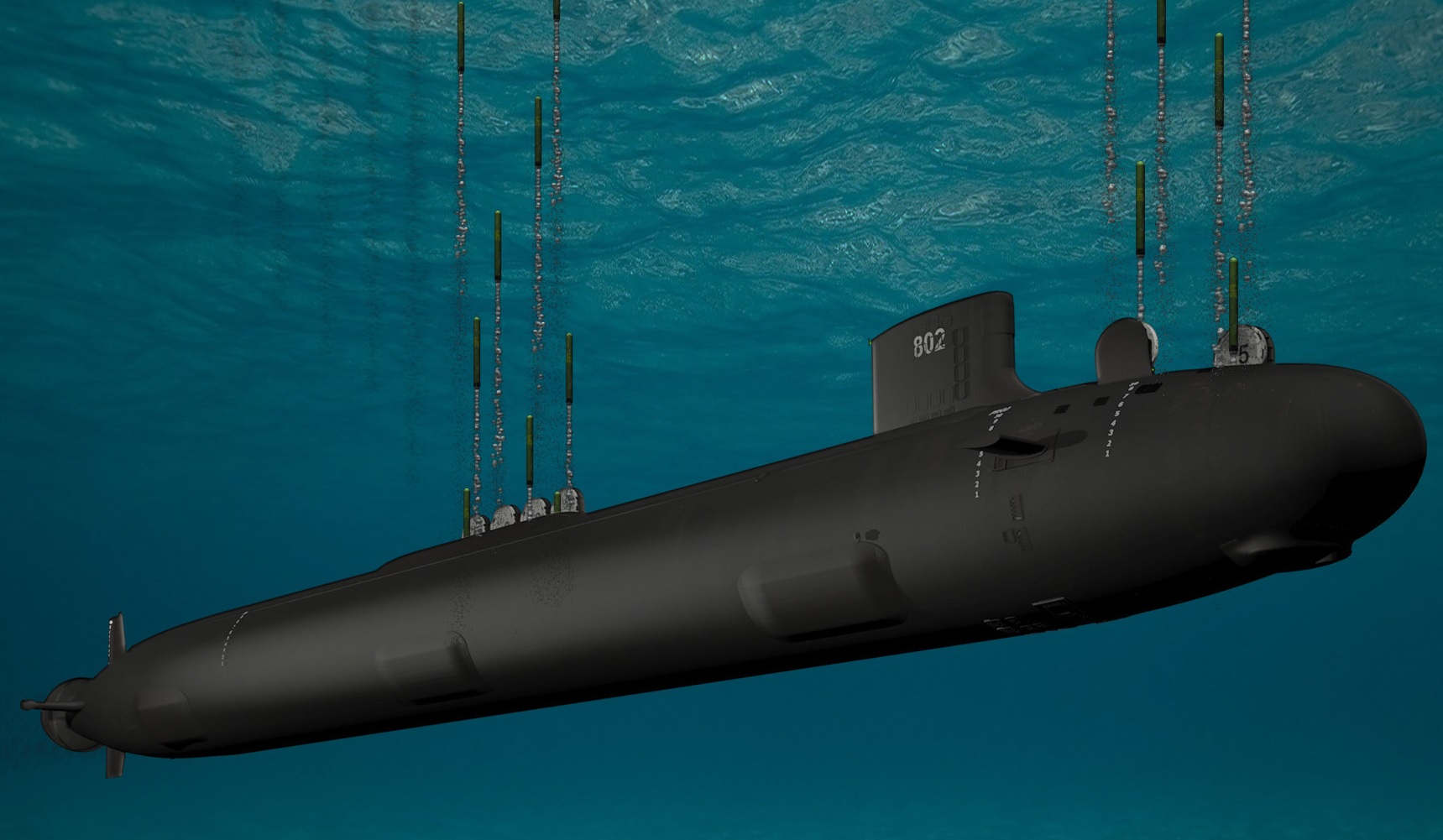
World
General Dynamics has officially delivered the USS Iowa (SSN 797), the 24th Virginia-class nuclear-powered fast attack submarine, to the US Navy. This significant milestone highlights the Navy’s ongoing efforts to modernize its undersea warfare capabilities with state-of-the-art vessels. The USS Iowa will undergo a series of tests and evaluations alongside its crew before entering active service. A Joint Effort in Submarine Development The USS Iowa is the 13th Virginia-class submarine developed by General Dynamics Electric Boat as part of a collaboration with HII Newport News Shipbuilding. The Virginia-class program is shared between the two defense contractors, with half of the fleet built at each facility. The contract for the Iowa and nine additional submarines was awarded in 2014, valued at approximately $17.8 billion. The Iowa’s keel was laid in 2019, and the submarine was launched in 2023, marking a steady progression in its development timeline. Block IV Configuration: Enhanced Capabilities The USS Iowa is the sixth Virginia-class submarine equipped with the Block IV configuration. This advanced variant incorporates several upgrades designed to enhance the submarine’s combat and operational performance. Key features of the Block IV configuration include: Vertical Launch Systems (VLS): The Iowa is equipped with 12 VLS tubes capable of deploying Tomahawk cruise missiles. These missiles provide a long-range precision strike capability, crucial for modern naval warfare. Torpedo Tubes: The submarine features four additional torpedo tubes that can launch Mk-48 heavy torpedoes or UGM-84 Harpoon anti-ship missiles, offering versatility in its offensive arsenal. Reduced Maintenance: Block IV submarines have been designed for increased operational availability, requiring fewer major maintenance periods over their service life compared to earlier blocks. Performance and Technical Specifications The Virginia-class submarines are built to replace the aging Los Angeles-class submarines and are expected to remain in service well into the 2070s. The submarines boast impressive technical specifications: Propulsion System: A 280,000-horsepower nuclear reactor powers the vessel, driving steam turbines and advanced propulsion systems. Speed and Depth: The submarine can reach speeds of up to 29 miles per hour (46 kilometers per hour) and operate at depths of 800 feet (240 meters). Crew Capacity: A typical Virginia-class submarine houses approximately 135 personnel, including officers and enlisted crew. Stealth Design: With advanced acoustic technology and low-noise operation, the submarines are designed for superior stealth, ensuring minimal detection by enemy forces. Strategic Importance of the Virginia-Class Fleet The Virginia-class program underscores the Navy’s commitment to maintaining an edge in undersea warfare. These submarines are not only designed for conventional missions such as anti-ship and anti-submarine warfare but also for intelligence gathering, special operations support, and strike missions. “The Virginia-class submarine represents a Navy and industry commitment to deliver warfighting excellence to the fleet,” said Captain Mike Hollenbach, Virginia Class Submarine Program Manager, during the USS Iowa’s delivery ceremony. With advanced capabilities, the USS Iowa and other Virginia-class submarines provide a critical advantage in securing US interests both domestically and abroad. Designed for adaptability and sustainability, the fleet is set to bolster the Navy’s undersea dominance for decades to come. Conclusion The delivery of the USS Iowa represents a significant achievement in the Virginia-class program, showcasing the US Navy’s pursuit of technological excellence and readiness for future challenges. With its state-of-the-art features and enhanced operational flexibility, the USS Iowa will play a vital role in reinforcing the Navy’s undersea superiority and global strategic presence.
Read More → Posted on 2025-01-07 15:15:30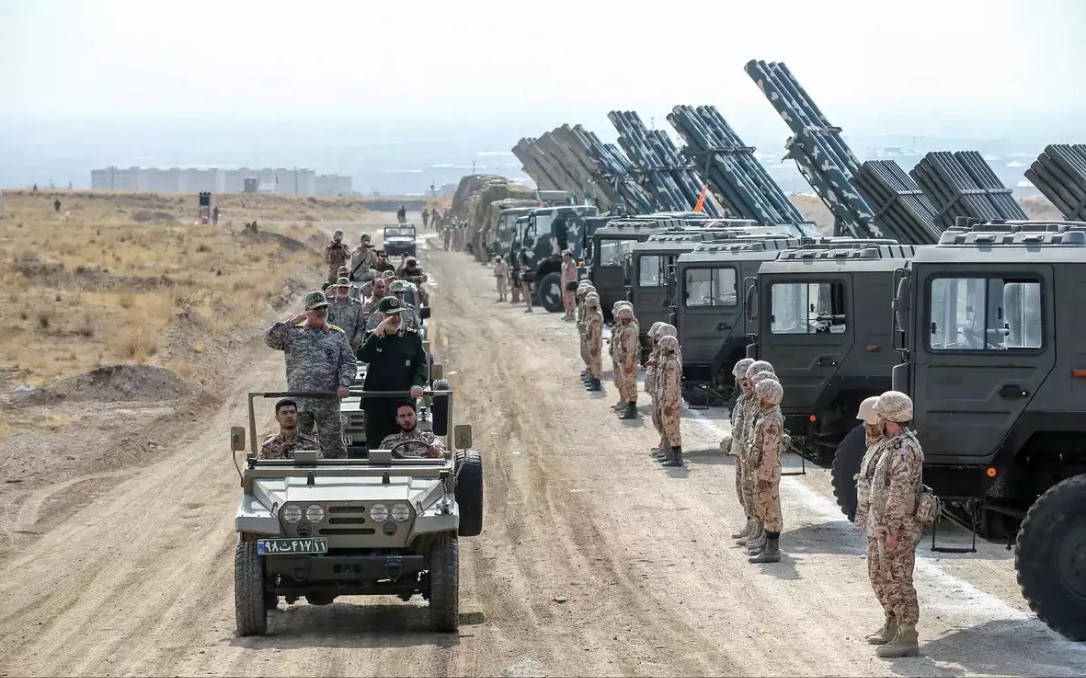
World
Iran has launched extensive military drills near the Natanz nuclear enrichment plant, a critical and sensitive facility in the center of the country. These exercises, named "Eqtedar," meaning "might" in Farsi, were reported by Iranian state media as part of a broader, nationwide readiness initiative. The drills are led by the Islamic Revolutionary Guard Corps (IRGC), Iran’s elite military force, and the national army, demonstrating a unified show of strength and preparedness. Key Details of the Drills The exercises are focused on securing the airspace and safeguarding the Natanz facility against potential threats. According to state television, the first phase of the Eqtedar drills began under the direct supervision of the air defense headquarters. The IRGC air forces are engaging in "all-out point defense" operations, designed to simulate defending against complex air threats under conditions of intense electronic warfare. This training regimen includes advanced radar systems, surface-to-air missile batteries, and drone interception strategies. The IRGC navy and Basij paramilitary forces are also participating in the broader exercises across Iran, further underscoring the country’s multi-dimensional defense strategy. Motivation Behind the Drills The IRGC has stated that these drills are a response to "new security threats," though officials did not specify the nature of these threats. The timing of these exercises aligns with increasing tensions between Iran and Western nations over the country’s nuclear program. The drills are set to continue until mid-March, covering other key regions of Iran as part of a comprehensive military readiness campaign. The Natanz Facility: A Strategic Asset The Natanz nuclear plant is a cornerstone of Iran’s nuclear program, primarily dedicated to uranium enrichment. Iran has accelerated its uranium enrichment activities in recent years, reaching levels of up to 60%, as confirmed by the International Atomic Energy Agency (IAEA). This is significantly closer to the 90% enrichment required for weapons-grade uranium, a threshold that has alarmed global powers. However, Iran insists its nuclear program is solely for peaceful purposes and denies any ambition to develop atomic weapons. International Implications and Growing Tensions The drills come amid heightened international scrutiny of Iran's nuclear activities. Last week, a report from Axios suggested that U.S. national security adviser Jake Sullivan had presented President Joe Biden with potential military options should Iran make significant strides toward developing nuclear weapons. Such a strike, if carried out, would mark a dramatic escalation in the already tense U.S.-Iran relations. Iranian officials, including foreign ministry spokesman Esmaeil Baqaei, dismissed the threats of action against their nuclear facilities, labeling them as violations of international law. These developments recall the fallout from 2018 when the United States, under then-President Donald Trump, withdrew from the 2015 Iran nuclear deal. This deal had provided sanctions relief to Iran in exchange for curbs on its nuclear activities, and its collapse has since led to heightened regional and global tensions. Broader Context of Iran's Defense Posture The Eqtedar drills underscore Iran’s emphasis on military preparedness in the face of perceived external threats. The involvement of multiple branches of the IRGC and the army highlights the country's resolve to protect its nuclear assets, which it views as central to its sovereignty and scientific progress. With tensions at a boiling point and the potential for international confrontation looming, Iran’s latest show of military might is both a defensive measure and a message to its adversaries that it is ready to defend its strategic interests.
Read More → Posted on 2025-01-07 14:31:28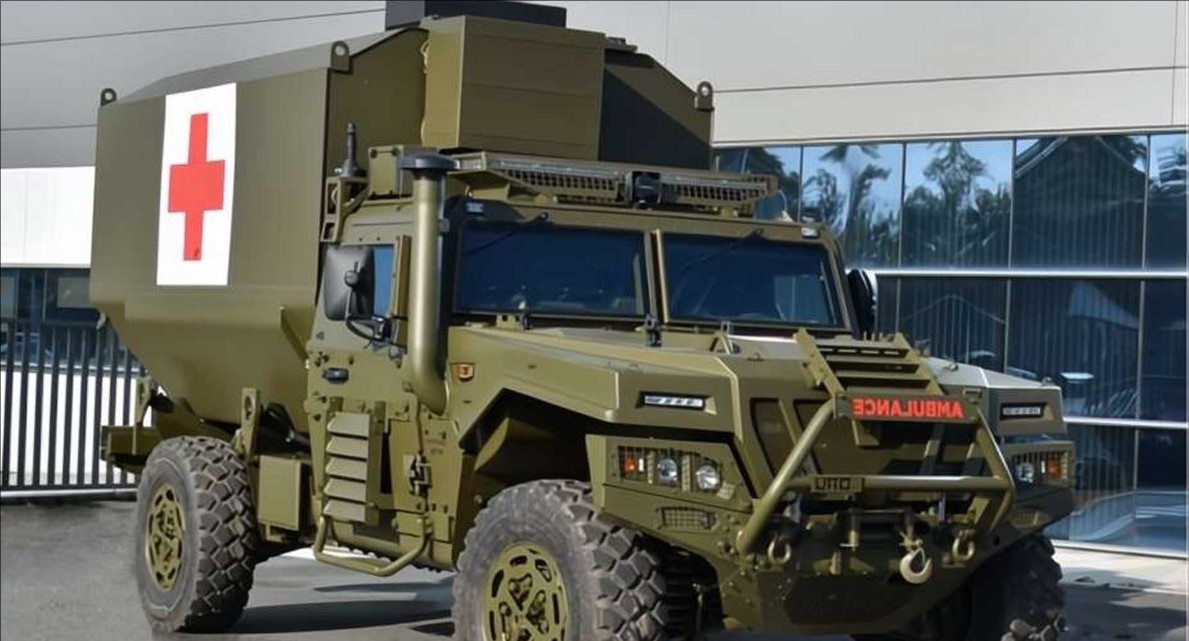
World
The Spanish Army has embarked on a significant modernization initiative, investing €93.2 million ($97.1 million) to acquire 350 state-of-the-art medical vehicles over the next four years. This ambitious project, approved by the Spanish government in November, aims to enhance the military’s medical evacuation and emergency response capabilities. A Diverse Fleet for Tactical Medical Operations The procurement plan includes a variety of vehicle types to address diverse operational requirements. Future contracts are expected to include: 36 Basic Life Support (BLS) ambulances and 14 Advanced Life Support (ALS) ambulances at a combined cost of €12 million ($12.5 million). Approximately 300 all-terrain ambulances, designed for off-road and challenging environments, valued at €81 million ($84.4 million). These vehicles will serve multiple roles, such as transporting patients between bases, barracks, and field hospitals, as well as facilitating medical evacuations during active military operations. Cutting-Edge Features for Independent Operations The new fleet will be equipped to operate autonomously without external support, a critical requirement for military medical operations. Depending on the specific vehicle type, the ambulances will feature either standard medical equipment or advanced life support systems. These capabilities ensure effective care during transit, even in the most remote or hostile environments. Spotlight on the Urovesa VAMTAC ST5 A likely candidate for the Spanish Army’s fleet is the ambulance variant of the Urovesa VAMTAC ST5 High Mobility Tactical Vehicle. Known for its robust design and versatility, the VAMTAC ST5 has already proven its utility in military operations, being widely adopted by the Spanish Navy and other ground-based units. The VAMTAC ST5 specifications include: Dimensions: 6 meters (20 feet) in length. Gross Weight: 11,000 kilograms (24,250 pounds). Engine: 245-horsepower engine paired with a 6+1 automatic transmission. Speed and Range: A top speed of 135 kilometers (84 miles) per hour and a range exceeding 600 kilometers (378 miles). This vehicle is built for high tactical mobility, enabling it to navigate challenging terrains while maintaining the safety and stability required for medical operations. Enhanced Capability for the Spanish Army The integration of these new medical vehicles marks a significant upgrade for the Spanish Army. They will improve the efficiency of medical evacuation missions, provide better care for wounded personnel, and strengthen the army’s overall operational readiness. With a focus on modern equipment like the Urovesa VAMTAC ST5, the Spanish Army is taking a vital step toward ensuring that its medical teams can respond swiftly and effectively in any scenario, whether during training exercises or real-world operations. This investment not only highlights Spain’s commitment to modernizing its defense infrastructure but also underscores the importance of prioritizing the safety and well-being of its soldiers on the front lines.
Read More → Posted on 2025-01-07 14:26:58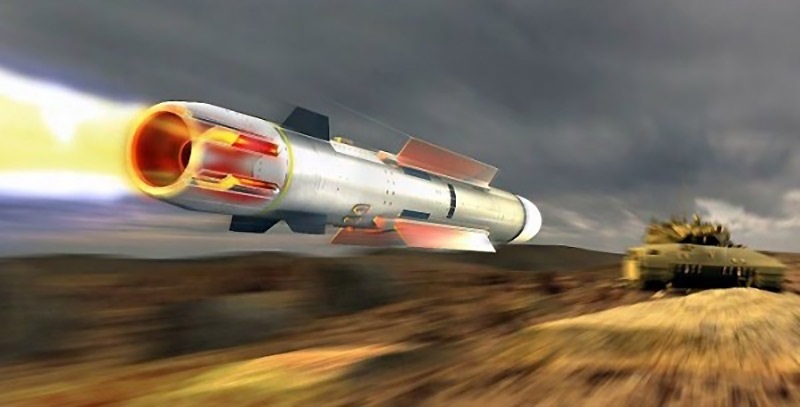
World
MBDA, a leading European defence manufacturer, has successfully acquired Safran’s 50% share in Roxel, transforming the Franco-British solid propulsion specialist into a wholly-owned subsidiary. The acquisition, completed on December 19, 2024, is expected to bolster Roxel’s position in the global defence market, with a focus on tactical propulsion systems for advanced missiles. Enhancing Roxel’s Autonomy and Global Reach Despite its new ownership structure, Roxel will maintain its operational independence, continuing to fulfil existing contracts while actively seeking new export opportunities. This approach ensures that Roxel retains its competitive edge and commitment to innovation in solid propulsion technologies. Éric Béranger, CEO of MBDA, highlighted the strategic value of the acquisition: “This transaction supports Roxel’s operational and industrial excellence and enhances our ability to address the challenges of a war economy.” His remarks underline MBDA's commitment to strengthening the collaboration between its teams and Roxel to meet rising global demands for cutting-edge missile propulsion systems. Sylvie Grison, CEO of Roxel, shared her vision for the future: “This acquisition enables us to drive innovation in solid propulsion technologies and optimise industrial cycles for faster ramp-up.” This new chapter for Roxel is set to streamline its operations, enhance its R&D capabilities, and accelerate its ability to scale production to meet emerging defence needs. Roxel’s Expertise in Solid Propulsion Roxel, founded in 2003 through the merger of Celerg and Royal Ordnance Rocket Motors, specialises in the design and manufacture of solid propulsion systems for tactical and cruise missiles. These systems are critical for delivering precision and range in modern air, land, and naval missile platforms. The company operates four state-of-the-art production sites across France and the UK, supported by offices in the Paris region. Its products are integral to a wide range of missile systems, ensuring high performance, reliability, and adaptability for various mission profiles. Key specifications of Roxel’s solid propulsion technologies include: High-Energy Propellants: Designed for maximum thrust and efficiency. Lightweight and Compact Designs: Optimised for modern missile platforms to ensure enhanced agility and performance. Thermal and Mechanical Durability: Capable of withstanding extreme conditions during flight. Environmentally Conscious Manufacturing: Committed to reducing emissions during production while adhering to stringent safety protocols. Strategic Implications for MBDA The acquisition strengthens MBDA’s tactical missile capabilities, particularly in the domain of solid propulsion—a critical component for next-generation missile systems. By fully integrating Roxel’s expertise, MBDA is better positioned to meet the evolving demands of defence forces globally. This move also aligns with MBDA’s broader strategy to enhance its industrial base and production capacity in response to increasing geopolitical tensions. Furthermore, Roxel’s dual presence in France and the UK ensures that MBDA can continue to support key national and multinational defence programs, maintaining its role as a vital partner for European and NATO allies. Looking Ahead As a wholly-owned subsidiary of MBDA, Roxel is poised to expand its technological frontiers in solid propulsion systems, supporting the development of advanced missile platforms for diverse operational needs. The acquisition not only strengthens MBDA’s industrial base but also reinforces Europe’s position as a leader in defence innovation. This strategic integration of resources and expertise between MBDA and Roxel ensures a robust response to future challenges in the defence sector, paving the way for new breakthroughs in missile propulsion technology.
Read More → Posted on 2025-01-07 14:24:07
World
Israeli defence giant Elbit Systems Ltd. has secured a $60 million contract to supply its cutting-edge Counter Unmanned Aerial Systems (C-UAS) to an undisclosed European NATO member. This three-year agreement underscores the growing global emphasis on counter-drone technology in response to the escalating threat posed by unmanned aerial systems (UAS). Comprehensive Drone Defense with the ReDrone Solution At the heart of this contract lies Elbit Systems’ advanced ReDrone modular C-UAS solution, a multi-layered defence system designed to detect, identify, track, and neutralize hostile drones. The ReDrone system’s standout feature is its adaptability, supporting both stationary and mobile configurations for versatile deployment in urban and rural settings. Key components of the ReDrone solution include: DAiR Radar: A sophisticated radar system capable of identifying multiple aerial threats with precision. SIGINT Sensors: Advanced Signal Intelligence sensors that provide critical data to detect and classify drone threats. Electronic Warfare (EW) Countermeasures: Cutting-edge technology to disrupt drone communication and control systems. Electro-Optical (EO) Payloads: Day/night camera systems for real-time visual identification and tracking of drones. The modularity of the system ensures its scalability, enabling operators to customize it for specific operational needs. Whether mounted on vehicles or deployed as a fixed installation, the ReDrone system offers unmatched flexibility and effectiveness. Cutting-Edge Command and Control Capabilities The ReDrone solution is equipped with advanced Command, Control, Communications, Computers, and Intelligence (C4I) capabilities. This allows seamless mission management and coordination, making it possible to counter multiple drones simultaneously. Furthermore, the system can operate across various communication channels, providing comprehensive protection for critical infrastructure, military installations, and other high-value assets. Rising Demand for C-UAS Technology The award of this contract comes as NATO member states and other global powers increasingly prioritize counter-drone solutions. The rapid evolution of drone technology has resulted in significant challenges, with drones being used for reconnaissance, smuggling, and even armed attacks. Countries are now investing in robust C-UAS technologies to mitigate these risks. Proven Effectiveness in Real-World Scenarios Elbit Systems’ ReDrone solution has demonstrated its capabilities in various operational settings, earning recognition for its reliability and effectiveness. Oren Sabag, General Manager of Elbit Systems ISTAR & EW, remarked, “This contract follows a series of awards in the C-UAS field, further showcasing the robustness of our system. We are proud to see another NATO member trust our solution in addressing the ever-evolving threat of unmanned aerial systems.” Future Implications With this contract, Elbit Systems solidifies its position as a global leader in counter-drone technology. As the threat of UAS continues to rise, the demand for sophisticated defence solutions like the ReDrone system is expected to grow, paving the way for further international collaborations and technological advancements. This development not only enhances the defensive capabilities of the recipient country but also sets a benchmark for future C-UAS deployments in NATO and beyond.
Read More → Posted on 2025-01-06 16:30:36Search
Top Trending in 24 Hours
-
 Tulsi Gabbard Releases Declassified Files Detailing U.S.-Backed Network of 120 Biolaboratories Across 30+ Countries
-
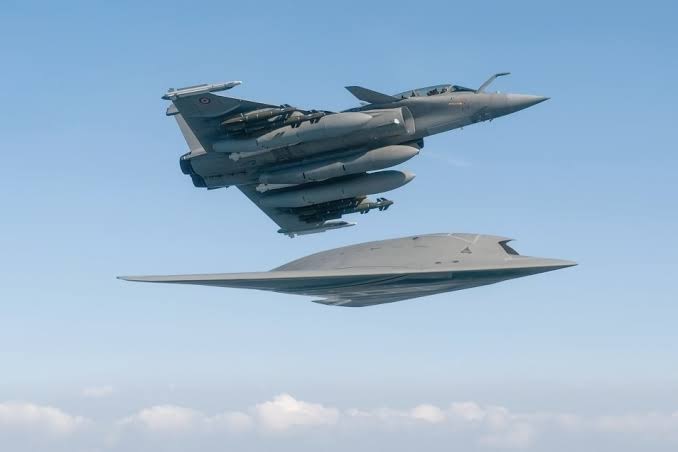 France Agrees to Equip Future Indian Rafales with AI, MUM-T and Secure Satellite Links Under F5 Standard
-
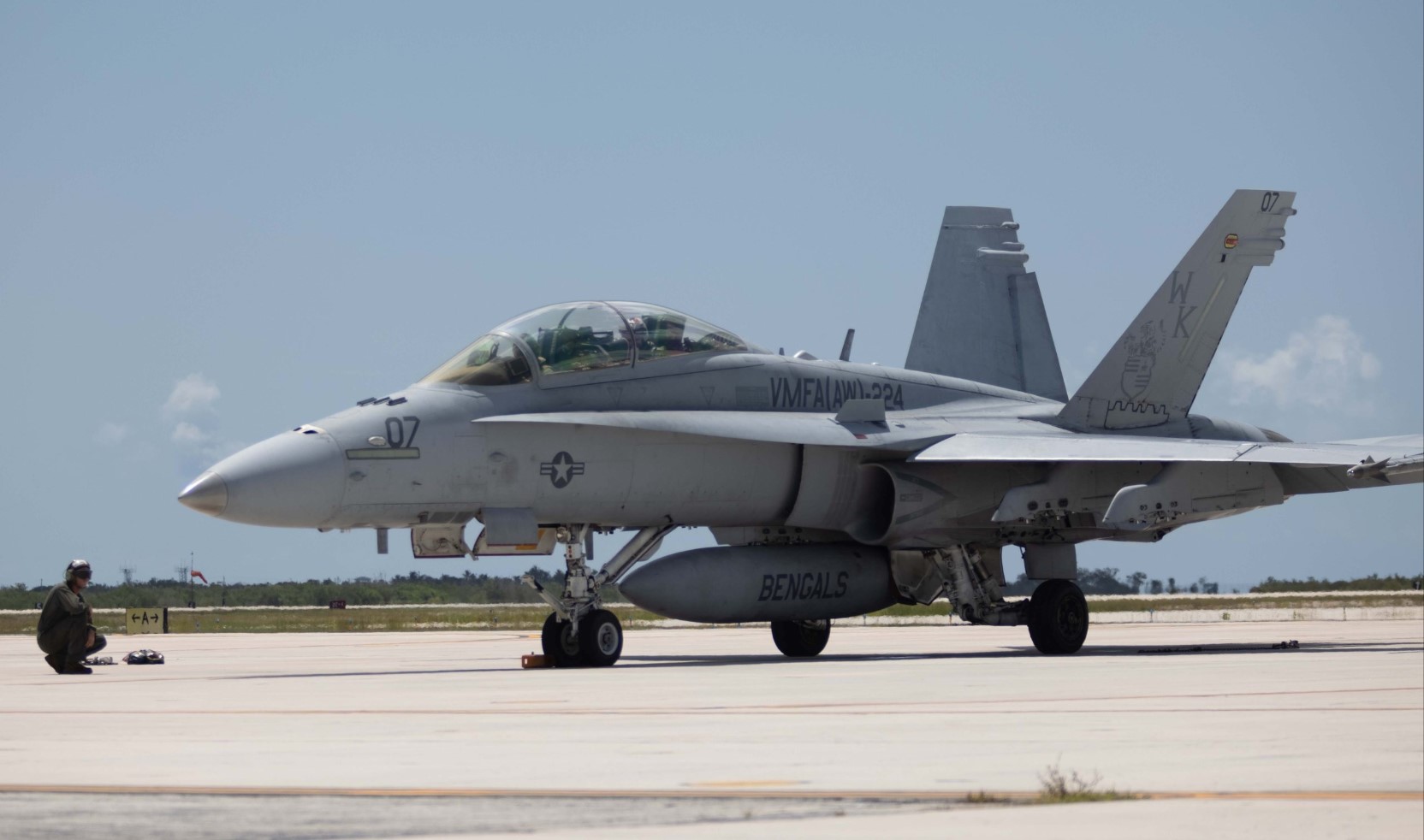 US Marine Corps F/A-18D Hornet Crashes During Training Flight in Washington Mountains; Pilot Ejects Safely
-
 Dassault Seeks Compensation From Airbus as Eurodrone Dispute Erupts After FCAS Collapse
-
 AM General Unveils Next-Generation UGV and JLTV A2 with Counter-Drone Systems at Eurosatory 2026
-
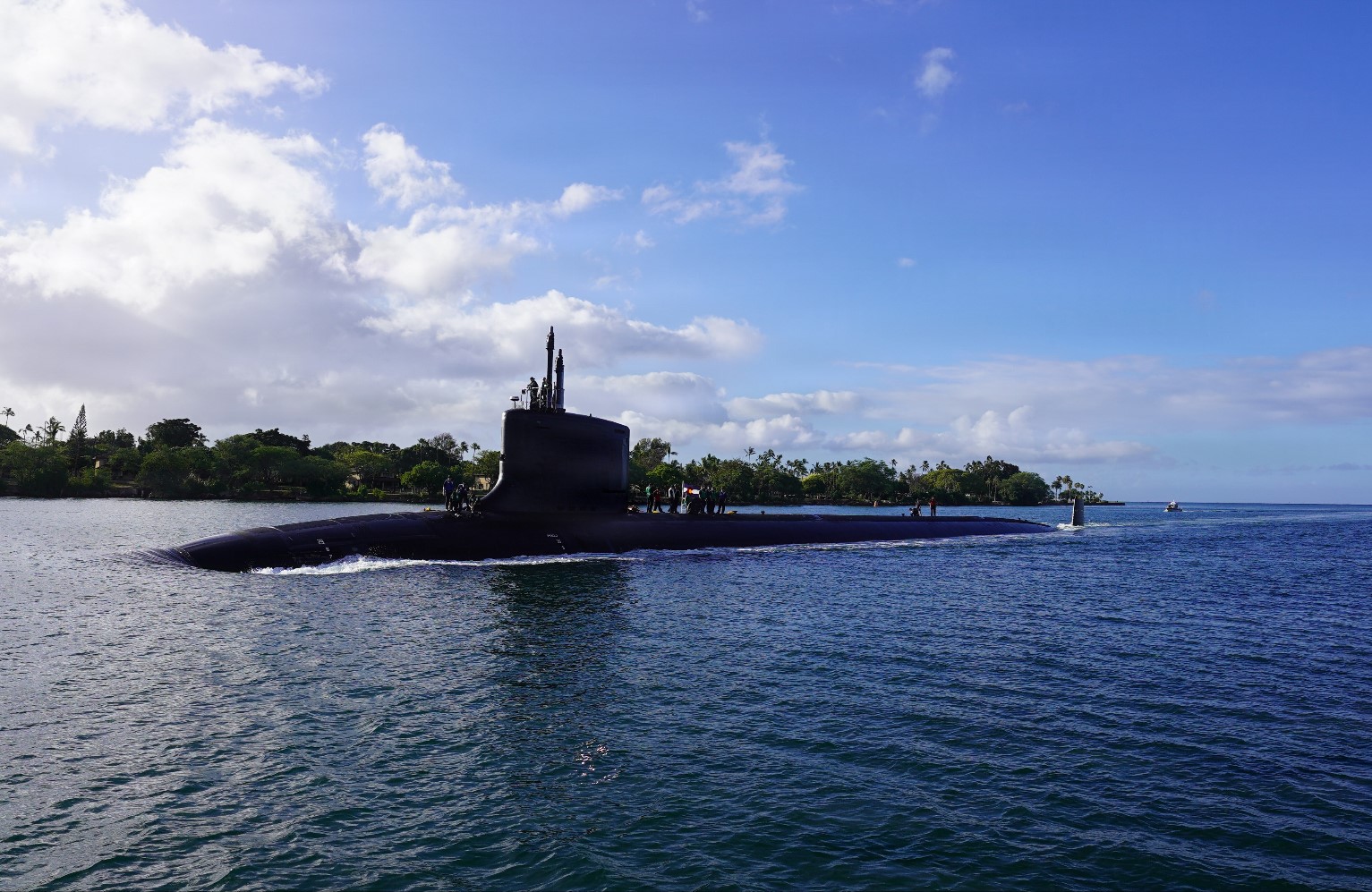 U.S. Navy's USS Colorado Submarine Returns to Pacific Fleet 29 Days Early After Major Pearl Harbor Overhaul
-
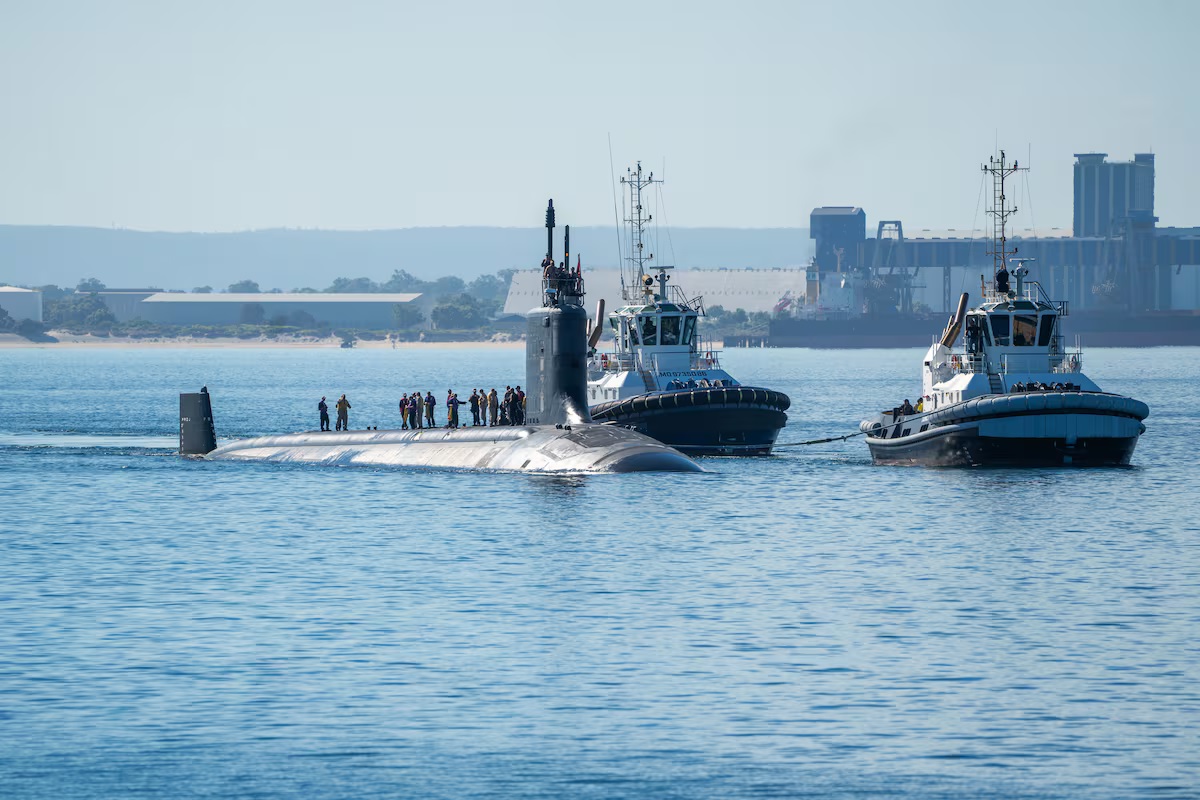 U.S. Navy Reestablishes Submarine Squadron 3 at HMAS Stirling to Support AUKUS Rotational Force
-
 Pakistan Raises Defence Budget from $9 Billion to $10.8 Billion as J-35 Fighter and Hangor Submarine Programs Advance
Top Trending in 4 Days
-
 Iranian Media Leaks 14-Point U.S.-Iran Peace Framework Amid Ongoing Negotiations
-
 US Plans Significant Reduction of Fighter Jets and Warships for NATO Operations in Europe
-
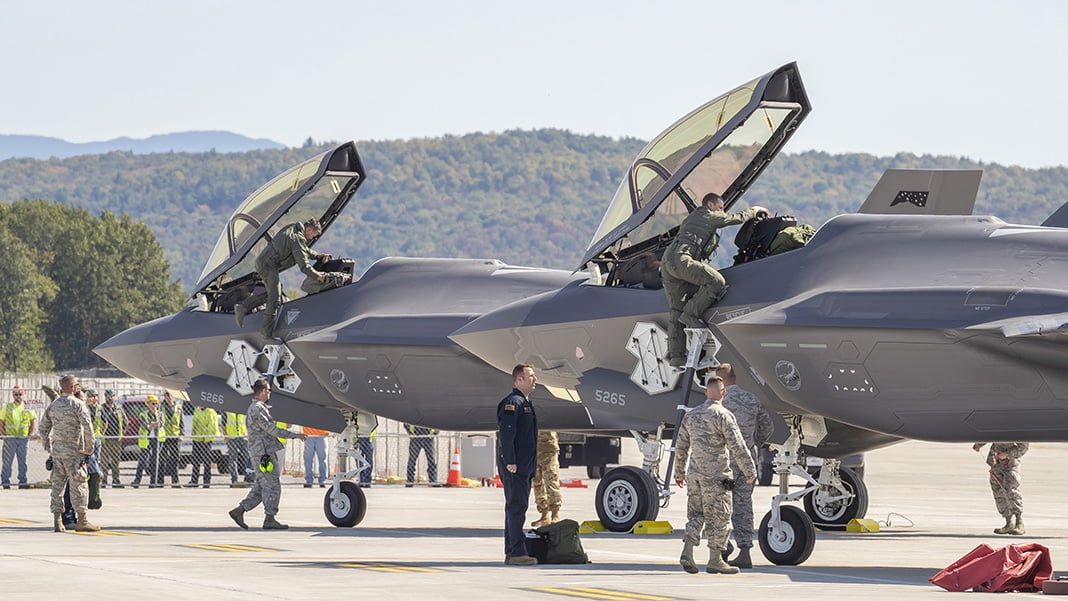 F-35 Fleet Readiness Falls to 25% Amid Parts Shortages and Software Delays: GAO Report
-
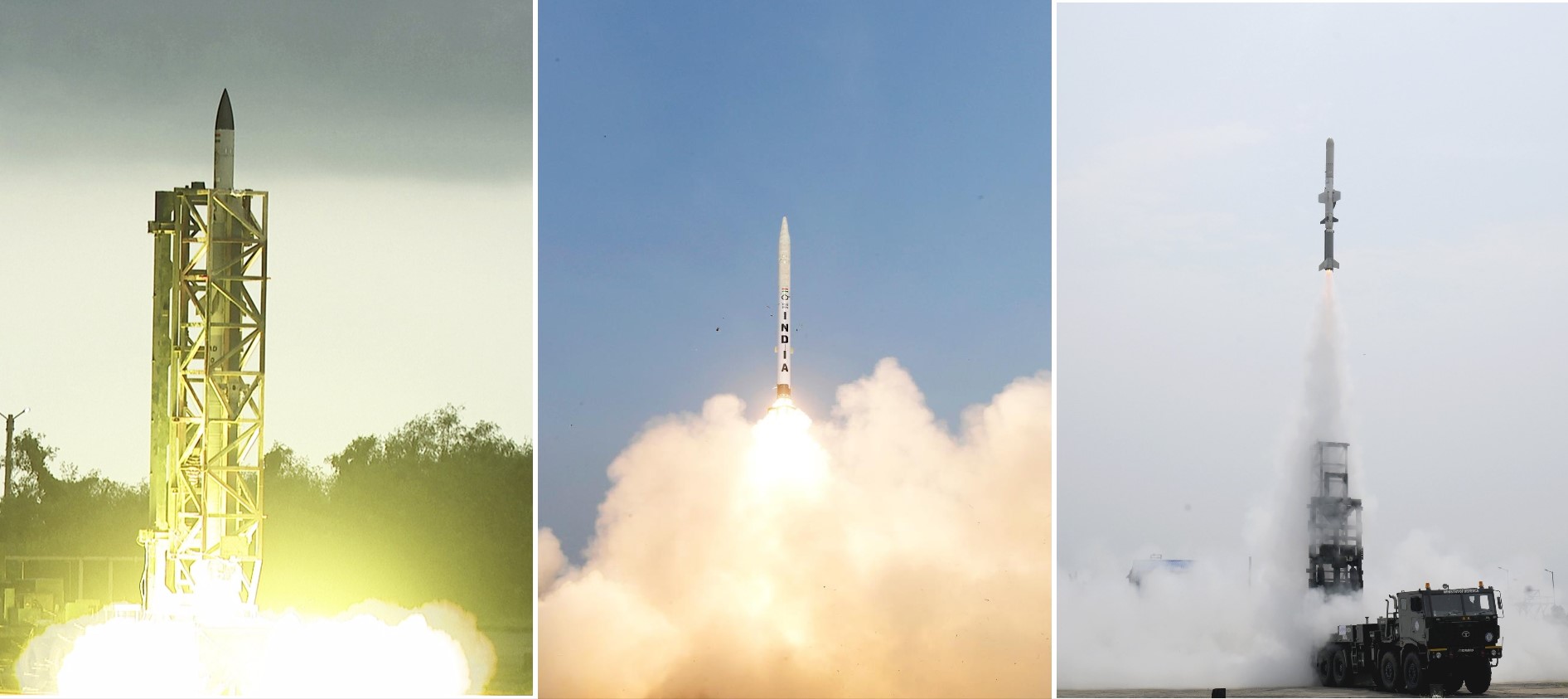 India Successfully Conducts AD-1, AD-2 Interceptor Tests and Maiden NASM-MR Flight Trial
-
 U.S. Air Force Faces Strategic Airlift Shortfall as C-17 Production Restart Remains Uncertain
-
 NATO Commander Says Russia Not Seeking Conflict With Alliance Despite U.S. Force Reductions
-
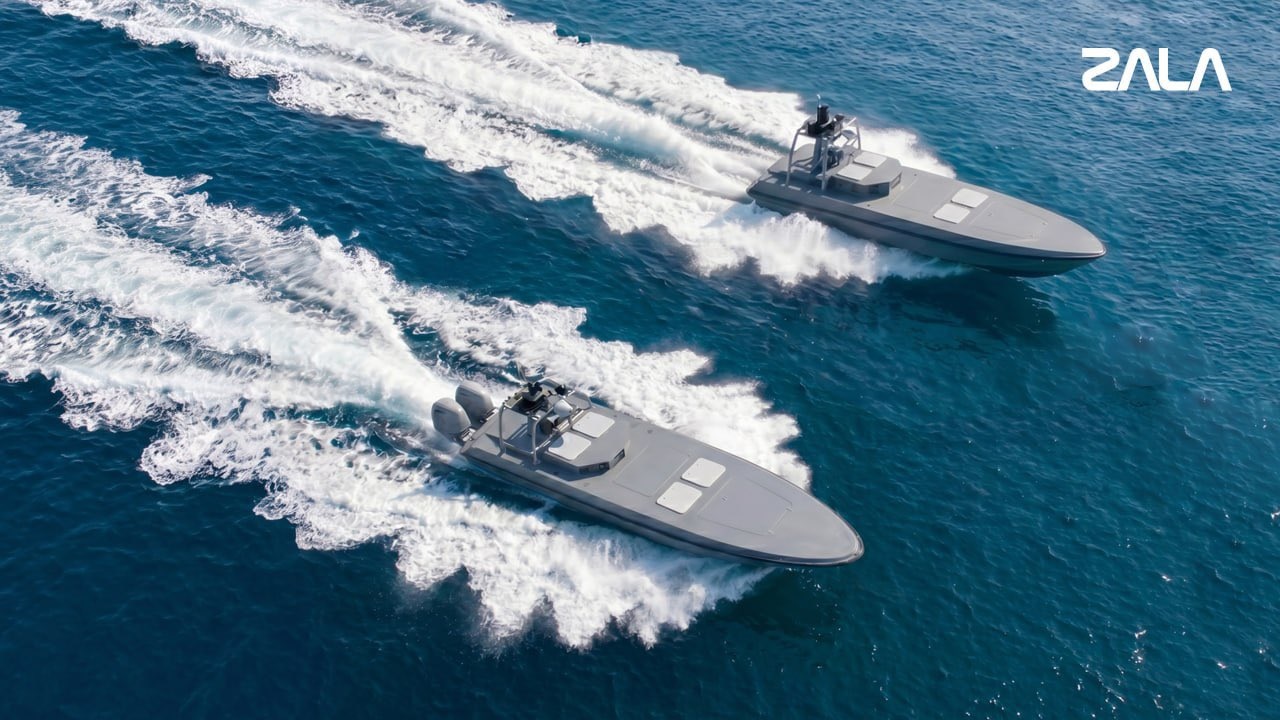 Russian Defense Firm ZALA Unveils KAMA Unmanned Surface Vessel Family at FLOT-2026 Naval Exhibition
-
 U.S. Space Force Awards $437.7 Million Contracts for First PTS-G Swarm 1 Anti-Jam Satellites