World
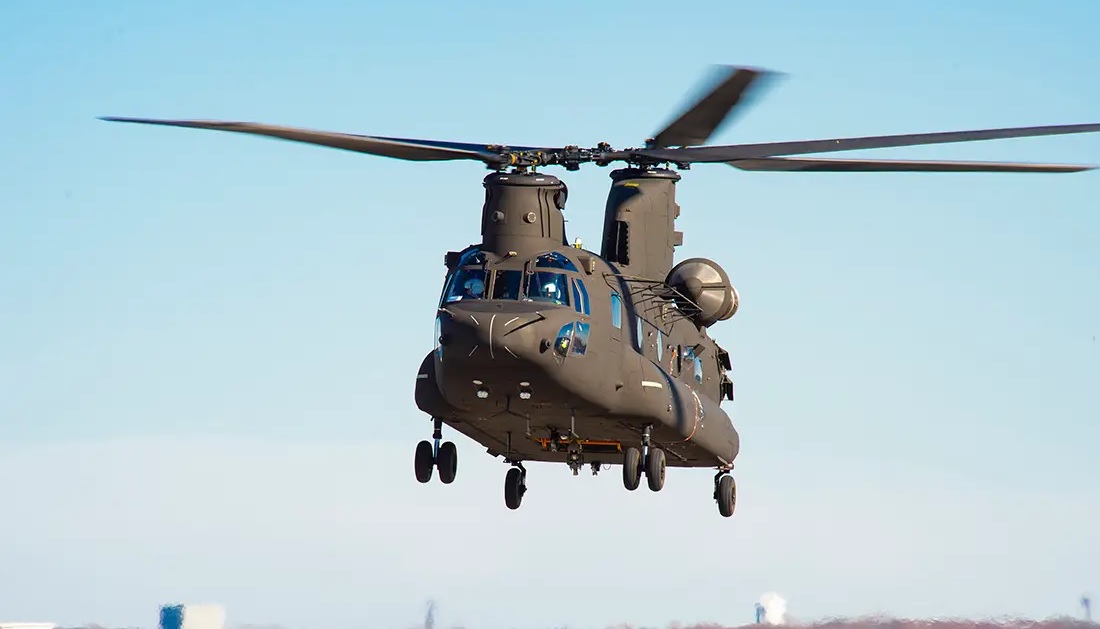
Japan has taken a significant step in modernizing its military capabilities by awarding Kawasaki Heavy Industries a $1.45 billion contract to produce 17 CH-47 Chinook helicopters. This contract includes the production of five CH-47J and 12 CH-47JA extended-range variants, specifically tailored to meet the operational demands of Japan's Self-Defense Forces. Enhanced Capabilities with Chinook Block II Under the agreement, the new helicopters will be built locally by Kawasaki Heavy Industries and configured with the advanced Chinook Block II specifications. This updated design introduces several improvements, including a reinforced airframe, an upgraded fuel system, and an enhanced drivetrain. These modifications enable the Chinook to handle increased payloads, making it an even more effective heavy-lift platform. The Chinook Block II design has already been embraced internationally, with Japan becoming the fourth global customer for this advanced variant. Boeing, the original developer of the Chinook, confirmed this latest contract and highlighted the helicopter’s growing appeal. The United States began deploying its Block II Chinooks in 2024, solidifying the design’s operational maturity. Specifications of the CH-47 Chinook The CH-47 Chinook, one of the most recognizable heavy-lift helicopters, is a true workhorse with impressive technical capabilities: Dimensions: The aircraft has a length of 98 feet (30 meters) and a wingspan of 60 feet (18 meters). Payload: It can lift up to 27,000 pounds (12,247 kilograms), enabling it to transport troops, vehicles, and heavy equipment with ease. Armament: The Chinook can be equipped with mounted machine guns, miniguns, and missile systems, making it versatile for both transport and combat operations. Engines: The platform is powered by two Honeywell T55 engines, each producing 4,777 horsepower. Performance: The helicopter boasts a top speed of 170 knots (302 kilometers/188 miles per hour), a service ceiling of 20,000 feet (6,096 meters), and a range of 165 nautical miles (190 miles/306 kilometers). Custom Variants for Japan Japan’s acquisition includes two custom variants: CH-47J: This standard variant is optimized for heavy-lift missions and troop transport within Japan’s operational zones. CH-47JA: An extended-range model designed to enhance Japan's ability to conduct long-range operations, including missions in remote or disaster-stricken areas. Strategic Implications This investment highlights Japan’s commitment to strengthening its military infrastructure in response to growing regional security challenges. The locally produced fleet will not only support Japan’s defense capabilities but also reinforce its domestic aerospace industry by leveraging Kawasaki Heavy Industries’ expertise. With its robust lift capacity, advanced avionics, and versatility, the CH-47 Chinook will continue to play a vital role in Japan’s defense strategy. The adoption of the Block II configuration ensures that the country remains at the forefront of military technology, capable of responding to modern operational demands efficiently.
Read More → Posted on 2025-01-21 14:56:00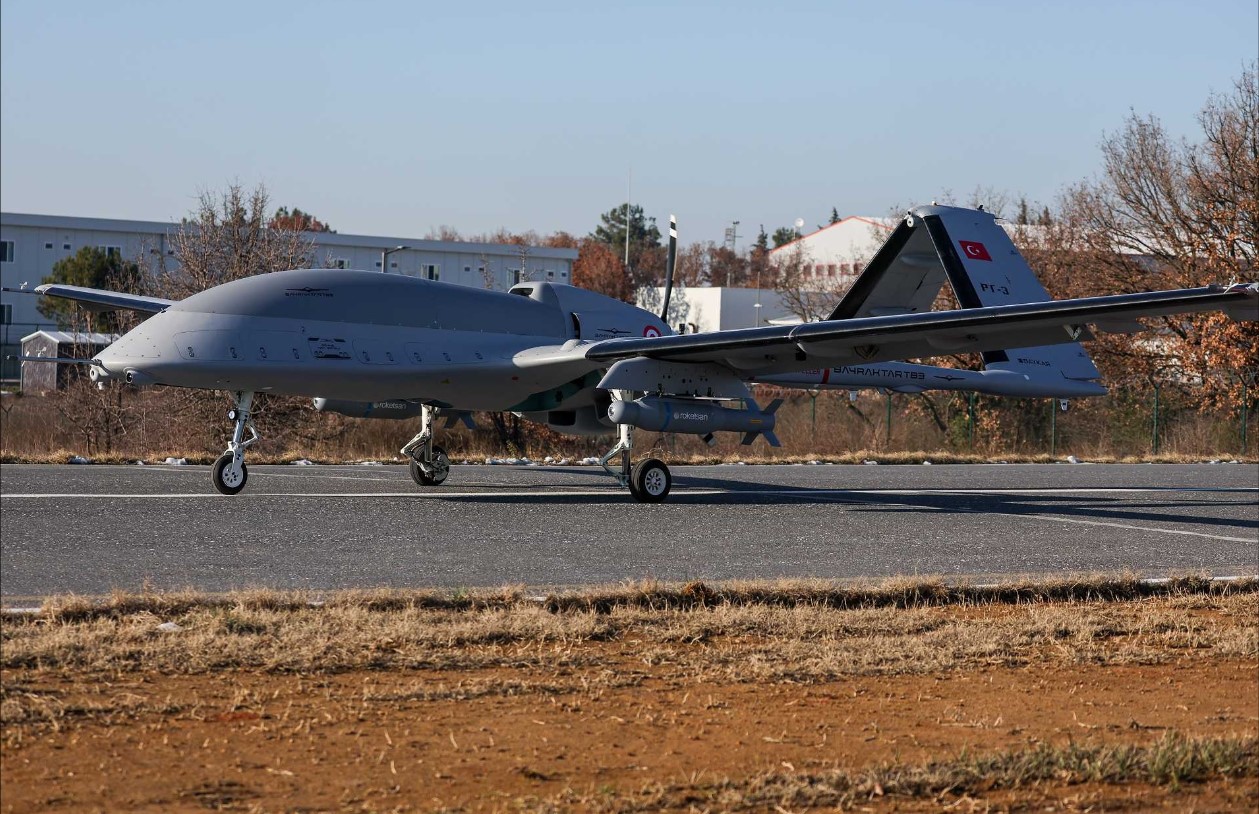
World
The Bayraktar TB3 Unmanned Combat Aerial Vehicle (UCAV) has marked a groundbreaking milestone in aviation with the successful integration and testing of advanced munitions. Building on its historic achievements in carrier-based operations, this state-of-the-art drone cements Türkiye’s position as a leader in cutting-edge aerospace technology. A Landmark Achievement in Munitions Integration On January 20, 2025, the Bayraktar TB3 carried out its first munitions test flight at the Baykar Flight Training and Test Center in Keşan, Edirne. Armed with Roketsan’s MAM-T precision-guided munitions and equipped with Aselsan’s ASELFLIR-500 electro-optical system, the drone demonstrated exceptional precision in striking its target. This milestone highlights its readiness to function as a fully armed UCAV capable of executing complex military operations with unmatched accuracy. Pioneering Carrier-Based Operations The Bayraktar TB3 had already made waves on November 19, 2024, when it became the first drone in the world to successfully take off and land on a short-runway vessel, the TCG Anadolu. Equipped with a 12-degree ramp, the TCG Anadolu facilitated a historic 46-minute flight over the Aegean and Mediterranean Seas. The TB3’s ability to complete the mission without requiring landing support equipment set an international benchmark for drone technology. Subsequent sea trials near Çanakkale further solidified its capability to operate in maritime environments. Impressive Performance Metrics The Bayraktar TB3’s development timeline is marked by extraordinary achievements, including its ability to cruise at an average altitude of 20,000 feet during trials. On June 25, 2024, the drone surpassed expectations by reaching a flight altitude of 36,310 feet during its High-Altitude System Performance Test. This milestone came shortly after Baykar’s Bayraktar AKINCI UCAV set a national record with a flight altitude of 45,118 feet, showcasing Türkiye’s rapid advancements in aerospace engineering. With over 887 flight hours logged, the TB3 has demonstrated remarkable endurance, including a long-range test on December 20, 2023. During this mission, the drone flew for 32 consecutive hours, covering an impressive distance of 5,700 kilometers, underscoring its reliability for extended operations. Specifications The Bayraktar TB3 stands out with its innovative features: Engine: Powered by the TEI PD-170, the drone boasts exceptional high-altitude performance and efficiency. Payload: Capable of carrying various precision-guided munitions, including MAM-T, MAM-L, and MAM-C, enhancing its versatility in combat scenarios. Electro-Optical System: The Aselsan ASELFLIR-500 enhances reconnaissance, surveillance, and targeting capabilities, ensuring precision and real-time intelligence. Design: Its foldable wings allow for easy storage and deployment from short-runway vessels, a critical feature for maritime operations. Communication: Equipped with beyond-line-of-sight (BLOS) communication, it can operate effectively from remote and challenging locations. Endurance: With a 24-hour operational endurance and a maximum takeoff weight of 1,450 kilograms, the TB3 is built for long missions. Strategic Implications and Future Potential The Bayraktar TB3 is more than just a technological marvel; it represents a strategic asset for Türkiye’s defense. Its ability to perform reconnaissance, surveillance, and precision-strike missions makes it a versatile tool for modern warfare. The drone’s compatibility with maritime platforms like the TCG Anadolu extends its operational reach, offering a significant advantage in overseas deployments and maritime security. As global demand for advanced drones grows, the Bayraktar TB3 positions Türkiye as a key player in the international defense market. With its proven capabilities and continuous innovation, the TB3 is set to shape the future of unmanned aerial systems. Conclusion The Bayraktar TB3’s latest achievements in munitions integration and carrier-based operations underscore its transformative potential in military aviation. From its advanced technology to its record-breaking performance, the TB3 exemplifies the future of unmanned combat systems, paving the way for Türkiye to remain at the forefront of aerospace innovation.
Read More → Posted on 2025-01-21 09:36:57
World
In a swift and controversial move, former U.S. President Donald Trump reinstated Cuba on the list of state sponsors of terrorism, overturning a decision by President Joe Biden to remove the island nation from the blacklist just days earlier. This dramatic reversal, announced by the White House hours after Trump’s inauguration, has drawn sharp criticism from Cuban leadership and sparked renewed debate about U.S.-Cuba relations. The decision to re-designate Cuba as a state sponsor of terrorism has far-reaching consequences, as it severely restricts foreign investment and imposes economic sanctions that further isolate the nation. Biden’s original decision to remove Cuba from the list had come as part of a negotiated agreement to release 553 prisoners, many of whom were arrested during mass protests in 2021. Following through on its promise, Cuba released the prisoners, including prominent opposition leader Daniel Ferrer. However, Trump’s abrupt policy reversal left Cuban officials and international observers questioning the future of U.S.-Cuba diplomacy. Political Fallout and Cuban Reaction Cuban President Miguel Díaz-Canel expressed outrage over Trump’s move, labeling it as an act of "arrogance and disregard for the truth." In a statement on social media, Díaz-Canel accused the U.S. administration of escalating an “economic war” aimed at undermining Cuba’s sovereignty. His comments reflect longstanding grievances over U.S. policies that have subjected Cuba to decades of sanctions. The decision also sparked broader criticism of U.S. foreign policy, particularly the practice of using economic pressure as a tool for political leverage. Analysts suggest that this move could have significant ramifications for Cuba’s economy, which has already been battered by ongoing sanctions and the global economic downturn. The Role of Secretary of State Marco Rubio Trump’s reinstatement of Cuba on the terror list coincided with the confirmation of Marco Rubio as Secretary of State. A Cuban-American and vocal critic of the communist regime, Rubio strongly supported the designation. During his confirmation hearing, Rubio cited multiple reasons for Cuba’s inclusion on the list, including its alleged support for militant groups like the ELN in Colombia, the FARC, Hamas, and Hezbollah. He also highlighted Cuba’s history of hosting espionage operations on behalf of foreign governments, just 90 miles from U.S. shores. Rubio’s hardline stance underscores a broader shift in U.S. policy toward Cuba, reversing the reconciliation efforts championed by former President Barack Obama. Under Obama, relations between the two countries had thawed, leading to the removal of Cuba from the terror list in 2015 and the reopening of embassies in Washington and Havana. Historical Context and Broader Implications The U.S. designation of Cuba as a state sponsor of terrorism has deep historical roots, dating back to the Cold War. The Trump administration’s decision in 2021 to initially re-add Cuba to the list cited its refusal to extradite ELN members to Colombia and its alleged support for terrorist organizations. Although Colombia’s new president, Gustavo Petro, has taken a more conciliatory approach toward the ELN, recent conflicts between the group and the Colombian government have reignited tensions, adding complexity to U.S. considerations. Only three other countries—Iran, North Korea, and Syria—are currently designated as state sponsors of terrorism. The inclusion of Cuba on this list not only isolates the nation further but also signals a significant departure from Biden’s strategy of engagement and diplomacy. Critics argue that the move risks deepening Cuba’s economic struggles without offering tangible benefits to U.S. security. Looking Ahead The reinstatement of Cuba on the terror list highlights the deep ideological divide in U.S. foreign policy approaches. While proponents of the move argue it is necessary to hold Cuba accountable for its alleged actions, detractors warn that it could exacerbate humanitarian issues and hinder any future diplomatic progress. As the U.S. grapples with shifting geopolitical realities, the implications of this decision will likely reverberate for years to come. This development underscores the fragile nature of U.S.-Cuba relations and raises questions about the role of sanctions in achieving foreign policy goals. Whether this approach will succeed in pressuring Cuba remains uncertain, but it undoubtedly cements Trump’s hardline legacy on the issue.
Read More → Posted on 2025-01-21 08:31:12
World
Bangladesh's interim government has announced plans to equip its paramilitary Border Guard Bangladesh (BGB) with non-lethal sound grenades and tear gas canisters. This strategic move aims to enhance the BGB's ability to handle crowd control and prevent border-related incidents, aligning its operational capabilities with those of India's Border Security Force (BSF), which has already deployed similar equipment. Retired Lieutenant General M Jahangir Alam Chowdhury, the Home Affairs Adviser, disclosed the decision during a press briefing on Monday following a high-level law and order meeting attended by Social Welfare Adviser Sharmin Murshid and Chief Adviser Muhammad Yunus' special assistant Khuda Baksh. Chowdhury confirmed, “We have already approved the procurement of sound grenades and tear gas shells for BGB." India's Reaction and Border Stability When questioned about India's potential response to the decision, Chowdhury stated that there is no reason for New Delhi to view the move negatively. He clarified that this measure mirrors India's practices, as the BSF has effectively utilized non-lethal tools for managing border incidents. Emphasizing stability, he added that the shared 4,096-kilometer-long border with India is currently calm, and there are "no major problems" at the moment. Enhancing BGB's Capacity While the BGB is already equipped with lethal weaponry for critical situations, the introduction of sound grenades and tear gas reflects a shift toward equipping the force with tools that focus on non-lethal deterrence. Chowdhury highlighted the need for such measures to ensure swift, peaceful resolutions to potential disruptions along the border or within the country's interior. Understanding Sound Grenades and Tear Gas Sound grenades, also known as stun grenades or flashbangs, are designed to disorient individuals or crowds temporarily with intense flashes and loud noises, providing an opportunity to regain control in volatile situations. Tear gas, on the other hand, causes severe eye irritation, respiratory discomfort, and burning sensations, making it an effective tool for dispersing crowds during protests or unrest. Such tools are not new to border security operations. For instance, last week, BSF troops employed a stun grenade to thwart a smuggling attempt in North 24 Parganas district along the India-Bangladesh border. New Uniforms for Security Forces In addition to equipping BGB with non-lethal weapons, the Bangladeshi government has also introduced new uniforms for various security forces to enhance their professional image. Police personnel will now wear "iron-color" uniforms, while the elite Rapid Action Battalion (RAB) will adopt olive-green attire. The para-police force Ansar is set to transition to a "golden wheat" uniform. These changes reflect efforts to modernize and streamline the appearance of law enforcement and security forces. Context of the Bangladesh-India Border The Bangladesh-India border spans 4,096 kilometers, touching five Indian states—Assam, West Bengal, Mizoram, Meghalaya, and Tripura. This extensive border has historically been a hotspot for smuggling, illegal migration, and sporadic violence, necessitating robust security measures on both sides. Non-lethal weapons like sound grenades and tear gas will enable BGB to address these challenges more effectively without escalating tensions or causing unnecessary casualties. The decision to modernize BGB's equipment and upgrade the uniforms of security forces signals the interim government’s commitment to strengthening national security and law enforcement capabilities. It also showcases Bangladesh's intention to align its border management practices with global standards, ensuring peace and stability in a sensitive geopolitical region.
Read More → Posted on 2025-01-21 08:08:37
World
In a dramatic move shortly after resuming office, former U.S. President Donald Trump declared a national emergency at the U.S.-Mexico border, unveiling sweeping new immigration policies aimed at halting illegal entry and overhauling existing systems. The announcement came during a fiery press conference at the Oval Office, where Trump laid out his plans to deploy troops to the border, reinstate controversial policies from his previous term, and challenge constitutional provisions like birthright citizenship. Ending Birthright Citizenship Sparks Legal Firestorm One of the most contentious aspects of Trump’s announcement was his executive order seeking to revoke the constitutional right to birthright citizenship, which grants U.S. nationality to anyone born on American soil, except children of foreign diplomats. "That's a big one," Trump remarked, acknowledging the legal hurdles this policy is likely to face. Experts predict a fierce legal battle, as the 14th Amendment has long been interpreted to guarantee citizenship to anyone born in the U.S. Immigration advocates and constitutional scholars have already voiced strong opposition, highlighting that such a move would require more than an executive order to overturn what has been a bedrock principle of American identity for centuries. Troops at the Border and Policy Reinstatements As part of his crackdown, Trump announced the deployment of military personnel to the U.S.-Mexico border. During his inaugural speech, he referred to illegal immigration as a "disastrous invasion" and vowed to halt all illegal entries. "Millions and millions of criminal aliens will be returned to their home countries," he declared. Trump also reinstated the "Remain in Mexico" policy, which mandates that asylum seekers wait in Mexico while their claims are processed. Additionally, the administration announced the immediate termination of asylum appointments scheduled under policies implemented during Joe Biden’s presidency. A mobile app used for asylum applications, introduced under Biden, was reportedly taken offline, affecting thousands of migrants. Death Penalty for Non-Citizens In another controversial decision, Trump stated that his administration would pursue the death penalty for non-citizens who commit capital crimes, including murder. White House Deputy Press Secretary Anna Kelly emphasized that the measure was aimed at ensuring national security and public safety, describing it as a decisive step against violent criminals. "This is about protecting Americans and victims of heinous crimes," Kelly said. Chaos at the Border Trump’s hardline policies have already begun to create turmoil along the U.S.-Mexico border. Thousands of migrants, many of whom endured grueling journeys to seek refuge in the U.S., found themselves stranded as border policies abruptly shifted. Yaime Perez, a 27-year-old Cuban migrant, pleaded for leniency, saying, "Please let us in. After all the work we have put in to get here, allow us to better our lives." The reinstatement of strict border protocols has left many in despair, with advocates warning of a humanitarian crisis. Legal Challenges Loom Trump’s declaration of a national emergency and his efforts to curtail birthright citizenship are expected to face significant legal opposition. Aaron Reichlin-Melnick, a senior fellow at the American Immigration Council, pointed out that the 14th Amendment is "crystal clear" in granting citizenship to anyone born in the U.S., barring exceptions like foreign diplomats’ children. "We have had birthright citizenship for centuries, and a president cannot take it away with an executive order," Reichlin-Melnick emphasized, predicting immediate court challenges. A Return to Hardline Immigration This latest wave of policies marks a return to the hardline immigration stance that defined Trump’s first term, including the now-rescinded Title 42 policy. Originally introduced during the COVID-19 pandemic, Title 42 allowed authorities to expel migrants on public health grounds. Critics of Biden’s reversal of Trump-era policies argue that the changes led to a surge in migrants at the southern border, intensifying challenges for U.S. immigration authorities. With this renewed focus on immigration enforcement, Trump has reignited debates over border security, constitutional rights, and the moral dimensions of immigration policy. As legal battles and humanitarian concerns escalate, the nation braces for the profound implications of these sweeping changes.
Read More → Posted on 2025-01-21 08:05:31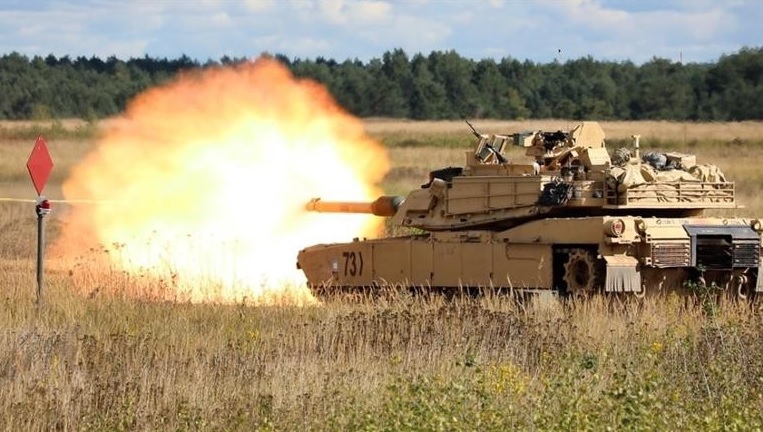
World
The U.S. Army has officially approved the M1147 120mm Advanced Multi-Purpose (AMP) round for full-rate production as of December 20, 2024. This significant milestone, announced by the Joint Program Executive Officer for Armaments & Ammunition (JPEO A&A), allows for the expansion of production beyond the initial low-rate phase, effectively addressing critical ammunition needs for both the Army and its international allies. Enhanced Capabilities for the M1 Abrams Tank The M1147 AMP round is designed to provide M1 Abrams tank crews with versatile capabilities by consolidating the functions of four legacy rounds into a single munition. This integration is achieved through a multi-mode programmable fuze, offering three operational settings: Point Detonate (PD): Immediate explosion upon impact, suitable for engaging standard targets. Point Detonate Delay (PDD): Delayed detonation post-impact, effective for penetrating structures or fortified positions. Airburst (AB): Detonation above or in front of targets, ideal for neutralizing infantry units, including Anti-Tank Guided Missile (ATGM) teams, in defilade positions. This advanced fuze technology enables tank crews to effectively counter a variety of threats, including ATGM teams, and to breach double-reinforced concrete walls, thereby enhancing battlefield versatility. Logistical Efficiency and Modernization By replacing four separate rounds—the M830 High Explosive Anti-Tank (HEAT), M830A1 Multi-Purpose Anti-Tank (MPAT), M1028 Canister, and M908 Obstacle Reduction rounds—the M1147 streamlines logistics and simplifies the Abrams tank's ammunition loadout. This consolidation not only reduces the logistical burden but also addresses issues related to aging ammunition stockpiles, ensuring that soldiers have access to reliable and modern munitions. Commitment to Readiness and Modernization The approval for full-rate production of the M1147 AMP round underscores the Army's dedication to maintaining readiness and advancing modernization efforts. By equipping soldiers and international partners with cutting-edge ammunition, the Army ensures that its forces maintain a decisive advantage on the battlefield, both now and in the future. In summary, the M1147 120mm Advanced Multi-Purpose round represents a significant leap forward in military ammunition technology, offering enhanced lethality, operational flexibility, and logistical efficiency for the M1 Abrams Main Battle Tank.
Read More → Posted on 2025-01-20 14:50:12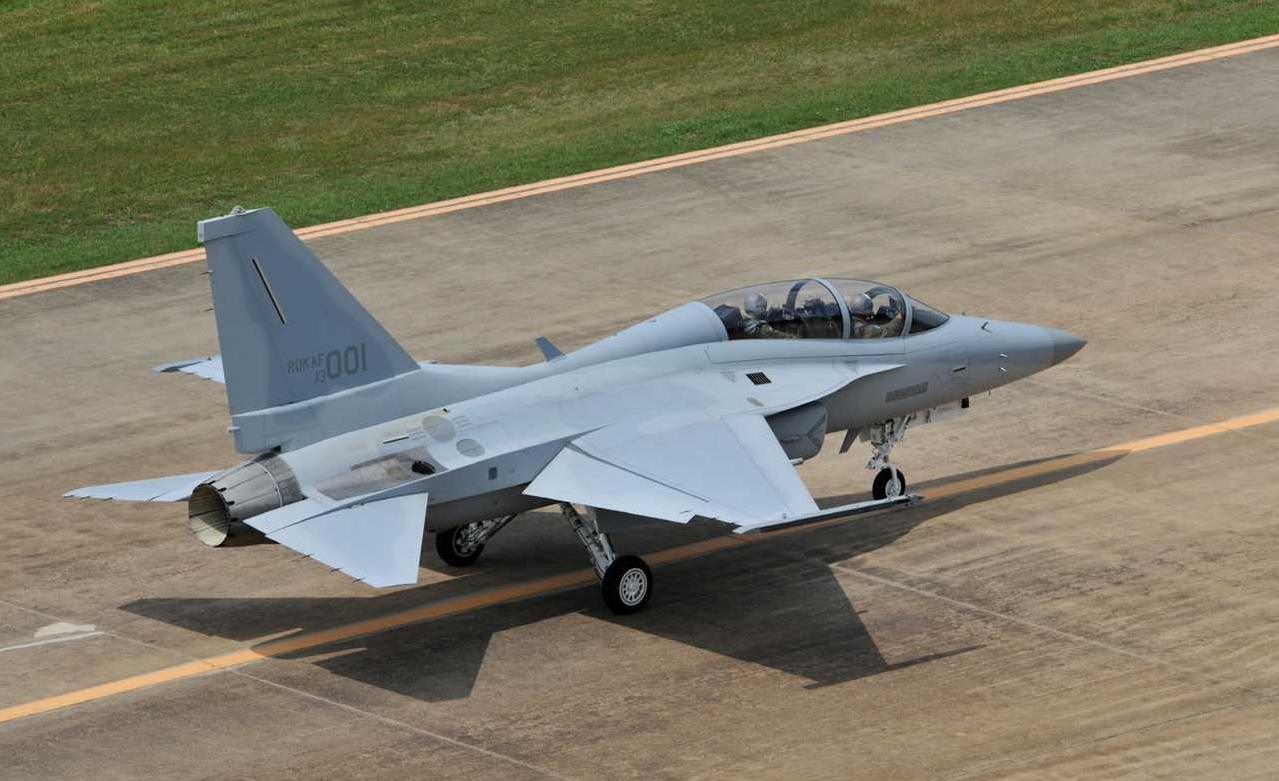
World
The Philippines is set to significantly bolster its air force capabilities with plans to acquire an additional 12 FA-50 Fighting Eagle supersonic combat aircraft from South Korea. This potential deal, valued at approximately 40 billion Philippine pesos ($683.7 million), would double the country’s current fleet of FA-50s, signaling a major step in its ongoing military modernization efforts. A Growing Partnership with South Korea The FA-50 jets, developed by Korea Aerospace Industries, first entered the Philippine Air Force (PAF) in the early 2010s. Since then, these versatile aircraft have proven their value, particularly during the 2017 conflict in Marawi City, Mindanao, where they played a key role in countering militants affiliated with the Islamic State. The initial procurement of 12 FA-50s cost the government 18.9 billion pesos ($323.1 million), offering a cost-effective yet powerful solution for the country’s defense needs. The new deal, currently under discussion between Manila and Seoul, underscores the deepening defense collaboration between the two nations. According to reports, the contract is expected to be finalized by mid-2025, with deliveries likely to follow soon after. The Role of the FA-50 The FA-50 Fighting Eagle is a supersonic light combat aircraft, offering a balance between affordability and capability. It boasts a 13-meter-long airframe and a 9-meter wingspan, equipped with advanced weaponry, including a 20-millimeter cannon, precision-guided bombs, and air-to-air and air-to-surface missiles. Powered by a General Electric turbofan engine, the aircraft can reach speeds of Mach 1.5 (1,852 kilometers/1,151 miles per hour), making it a formidable asset for both air defense and ground attack missions. Broader Modernization Efforts The planned expansion of the FA-50 fleet is just one aspect of the Philippines’ comprehensive defense modernization program. Alongside the new jets, the Philippine government is investing heavily in other military assets: Bell 412 EPX Helicopters: The Philippine Army is set to acquire these helicopters for emergency operations under a 1-billion peso ($17.1 million) investment. A-29 Super Tucano Expansion: The Philippine Air Force will double its fleet of A-29 light attack aircraft. A 6.5-billion peso ($111.1 million) contract has been signed, with deliveries expected following Embraer’s confirmation of the order. Naval Enhancements: The Philippine Navy is preparing for the arrival of two Miguel Malvar-class corvettes purchased from South Korea’s Hyundai Heavy Industries. These warships, part of a 28-billion peso ($478.8 million) deal, are expected to be delivered in early 2025. Cyber and Air Defense Upgrades: Efforts are underway to modernize the military’s cyber infrastructure and implement a ground-based air defense system, further strengthening the nation’s overall security. Strategic Implications The Philippines’ decision to enhance its air and naval capabilities reflects its strategic focus on addressing regional security challenges, particularly in the South China Sea. By doubling its fleet of FA-50s, Manila aims to not only improve its defensive posture but also ensure a robust deterrent against potential aggressors. Moreover, these acquisitions align with broader regional trends, as neighboring countries also ramp up military spending to counter evolving threats. For the Philippines, the partnership with South Korea and other international defense firms marks a significant shift toward modernizing its armed forces to meet 21st-century security demands. Conclusion The planned purchase of additional FA-50 jets and other defense upgrades signifies a new chapter in the Philippines’ military transformation. With advanced equipment and international collaboration, the country is positioning itself as a more capable and self-reliant regional power. These developments will not only enhance national security but also bolster the Philippines’ standing in the broader geopolitical landscape.
Read More → Posted on 2025-01-20 14:41:10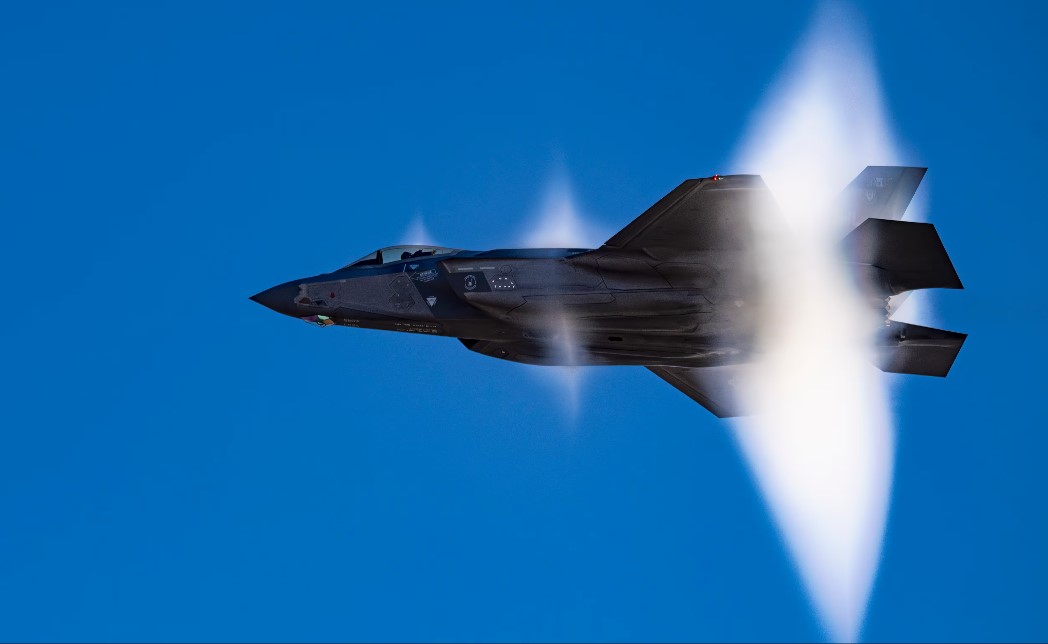
World
In his final week as Secretary of the Department of the Air Force, Frank Kendall unveiled an ambitious and forward-looking vision for the U.S. Air Force and Space Force at an event hosted by the Centre for Strategic and International Studies. His report, titled The Department of the Air Force in 2050, outlines the challenges, opportunities, and priorities that will shape the nation’s air and space defense strategy over the next 25 years. Navigating an Uncertain Future Kendall’s report emphasizes the unpredictability of technological and geopolitical developments through mid-century, but he firmly identifies China as the most significant strategic competitor to the United States. This competition, he notes, will be defined by both conventional military challenges and an enduring nuclear threat. The report underscores the importance of sustained modernization in response to evolving threats. Kendall pointed out that while the Air Force will continue to serve as a cornerstone of U.S. military power projection, achieving this goal will require expanded resources, new technologies, and a sharper focus on operational efficiency. Space as a Critical Battleground One of Kendall’s most prominent themes is the growing importance of space as a decisive operational domain. He emphasized the need to significantly strengthen the Space Force, particularly its counter-space capabilities, to combat the advancements of adversaries in space-based military systems. These systems, increasingly sophisticated, are seen as direct threats to U.S. forces. Kendall also highlighted the strategic value of space for both defense and offense, calling for improved resilience in U.S. satellite networks and enhanced capabilities to detect, deter, and neutralize potential threats in orbit. Accelerating Technological Innovation Modernization under Kendall’s tenure has focused heavily on integrating cutting-edge technologies like artificial intelligence (AI) and unmanned systems into military operations. His report proposes scaling up Collaborative Combat Aircraft (CCA), unmanned systems designed to operate alongside manned aircraft, enhancing their operational flexibility and effectiveness. AI, in particular, is envisioned as a transformative tool in future warfare. Kendall described a future where decision-making must occur at “machine speed,” enabling rapid, precise responses to threats. He called for investments in automation, long-range precision strike capabilities, and advanced data systems to ensure U.S. forces maintain their technological edge. A Renewed Nuclear Deterrence Strategy With global nuclear security becoming more complex, Kendall’s report stresses the necessity of maintaining a credible nuclear deterrent. He expressed concerns over the proliferation of nuclear weapons and the growing risks posed by tactical nuclear strategies, which could lower the threshold for nuclear conflict. The modernization of U.S. nuclear capabilities, including delivery systems and command-and-control infrastructure, remains a priority to deter adversaries and ensure strategic stability. Balancing Resources and Strategic Goals Acknowledging the perennial challenge of budget constraints, Kendall urged future leaders to avoid simplistic cost-cutting measures and instead pursue reforms rooted in a deep understanding of defense priorities. Efficiency, he argued, should not come at the expense of operational readiness or long-term capabilities. His vision encourages a strategic approach to resource allocation, emphasizing the importance of aligning investments with emerging threats and opportunities in both the air and space domains. Two Diverging Futures Kendall concluded with a sobering reflection on the potential trajectories for the Air Force and Space Force. The first path envisions a future shaped by successful adaptation to challenges, leveraging technological advancements, and securing the necessary resources to remain competitive. The second path, however, foresees limitations imposed by insufficient funding and strategic missteps, potentially leaving the United States vulnerable to adversaries. His report serves as both a blueprint and a warning, urging current and future leaders to prioritize adaptability, innovation, and resilience in navigating the complexities of global security by 2050. This vision represents a call to action for policymakers, military leaders, and industry stakeholders, emphasizing that maintaining U.S. superiority in air and space domains will require unwavering commitment, foresight, and collaboration.
Read More → Posted on 2025-01-20 08:04:37
World
In a major leap for military technology, China has unveiled a new mobile electromagnetic gun, called Metal Storm, designed to enhance its air defense capabilities. This advanced system, showcased in the Chinese military magazine Modern Weaponry, is mounted on a 6x6 military truck chassis, offering both mobility and power to tackle modern aerial threats. The Metal Storm system primarily targets air threats such as FPV drones, winged missiles, and anti-tank guided missiles (ATGMs). With the rise in the use of drones and missile technology in modern warfare, electromagnetic guns like Metal Storm are poised to become a key element in air defense arsenals around the world. How Electromagnetic Guns Work Electromagnetic guns, including railguns and coil guns (also known as Gauss guns), represent a revolutionary shift in defense technology. Unlike conventional firearms that rely on gunpowder or explosives to propel projectiles, electromagnetic guns use magnetic forces to accelerate projectiles to incredibly high speeds. This eliminates the need for traditional explosive propellants. Railguns use electric currents to generate magnetic fields that propel a projectile along a pair of rails. These electromagnetic forces allow for much higher muzzle velocities compared to conventional weapons, enhancing accuracy and the potential to inflict more damage upon impact. The high velocity of the projectiles also means they can pierce through defenses that would otherwise be effective against traditional projectiles. Global Trends in Electromagnetic Weapons Development The development of electromagnetic guns like Metal Storm follows a global trend where several countries are investing in this next-generation technology to stay ahead in modern warfare. For instance, the United States explored the use of electromagnetic guns, particularly in the form of railguns, for the Zumwalt-class destroyers. However, despite the promise of such systems, practical challenges like extreme energy requirements and barrel wear prevented their widespread adoption. Russia, too, has been working on developing electromagnetic systems, particularly for coastal and naval defense. These weapons are intended to intercept missiles or other projectiles at high speeds, which can be difficult for traditional defense systems to counter. European nations, including France and Germany, have also entered the race, dedicating resources to creating similar systems, recognizing their potential for both offensive and defensive purposes. Israel has incorporated electromagnetic technology into its defense strategy, particularly in its advanced missile interception systems. This integration helps Israel stay at the forefront of air defense, especially in a region where missile threats are prevalent. The Metal Storm Advantage China's Metal Storm is designed to offer a highly mobile solution for defending against air threats. Mounted on a military truck chassis, the system can be easily relocated to different positions on the battlefield, providing flexibility in the defense strategy. The mobile nature of this electromagnetic gun ensures it can be deployed in a wide variety of combat scenarios, including areas with high-density drone activity or regions vulnerable to missile attacks. This mobile air defense system is particularly valuable because it can fire rapidly and consistently, offering a cost-effective and efficient alternative to traditional air defense systems, which may be more expensive or slower to respond. The ability to deploy such systems on-demand could give China an edge in rapidly evolving combat environments. Conclusion With the unveiling of the Metal Storm electromagnetic gun, China is signaling its commitment to developing cutting-edge defense technologies. The system’s ability to target a range of modern aerial threats with speed and precision could significantly bolster the country's air defense capabilities. As other global powers continue to explore and refine similar technologies, the future of electromagnetic guns in military applications looks set to expand, potentially revolutionizing the way nations defend their skies.
Read More → Posted on 2025-01-19 15:47:54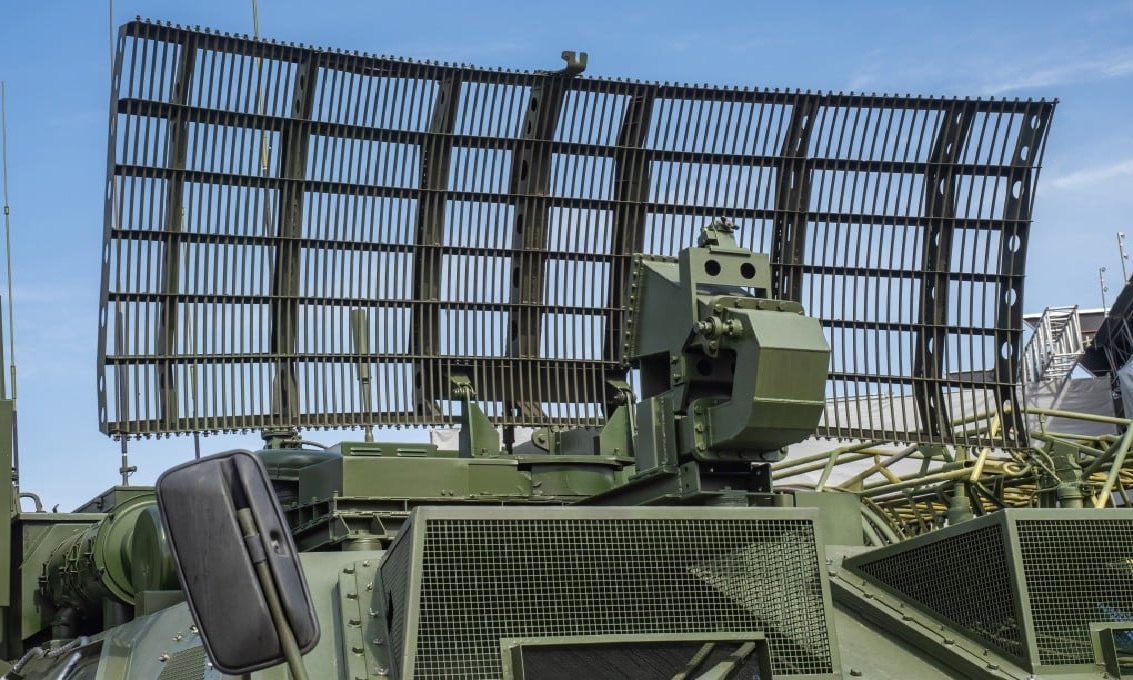
World
China has taken a monumental step in advancing its high-power microwave (HPM) weapon technology, overcoming a critical engineering challenge that previously hindered its development. This compact and immensely powerful directed energy weapon has the potential to redefine electronic warfare, with its capability to generate electromagnetic pulses (EMPs) of intensity comparable to a nuclear explosion. Such pulses can disrupt, damage, or even destroy the electronic systems within enemy weapons, satellites, and other critical systems. While still under laboratory testing and not yet ready for field deployment, the weapon's design and functionality highlight China's ambitions to stay ahead in the race for advanced military technologies. The new HPM weapon employs phased-array transmission technology, which significantly enhances its operational efficiency and precision. Unlike traditional dish-shaped antennas requiring constant rotation to engage multiple targets, the phased-array system allows for precise energy focus, extending its range and enabling simultaneous attacks on multiple targets. Surpassing Technological Barriers One of the greatest hurdles in developing gigawatt-level HPM weapons was the inherent risk of self-damage. The immense electromagnetic waves generated by the weapon could destabilize its components, making phased-array transmission at such high power levels nearly impossible. However, a joint research team from the National University of Defence Technology in Changsha and the Northwest Institute of Nuclear Technology in Xian has resolved this issue. The researchers developed a high-performance power divider capable of withstanding over 5,000 full-power pulse emissions without showing any signs of damage or degradation. The power divider evenly distributes the electromagnetic waves to eight independent channels for phased-array antennas, ensuring stability and operational efficiency. During testing, the divider achieved an impressive 96.6% efficiency and demonstrated the ability to handle power levels exceeding one gigawatt. To put this into perspective, the electric field strength inside the device exceeds 80,000 volts per meter, a figure comparable to the EMPs generated by nuclear explosions. The weapon's ability to sustain such extreme conditions marks a significant achievement in directed energy technology. Strategic Implications The weapon's capacity to emit Ku-band electromagnetic pulses is particularly notable, as this frequency range is widely used by communication satellites, including SpaceX's Starlink constellation. Starlink satellites, which played a critical role in providing internet connectivity during the Russia-Ukraine conflict, rely on commercial-grade electronic components. These components, designed to minimize costs, may lack the reinforcement required to withstand high-intensity EMP attacks. This development underscores China's focus on countering satellite systems, which are increasingly pivotal in modern military operations. Gigawatt-level energy weapons could potentially target not only drones but also satellites in low-Earth orbit, disrupting communication networks and surveillance capabilities. Global Context and Future Outlook China's advancements come as the United States plans to deploy its own HPM weapons in the Indo-Pacific region, specifically to counter Chinese satellites and bolster its strategic presence. Unlike China's phased-array system, U.S. HPM weapons currently rely on traditional dish-shaped antennas, which may limit their operational flexibility. This technological divergence highlights the competitive nature of military innovation between the two nations. The successful testing of China’s HPM weapon represents a major milestone. The ability to endure thousands of nuclear-like electromagnetic blasts without compromising performance suggests that this technology is nearing a stage where it could be adapted for practical military use. If successfully deployed, it could serve as a powerful tool for disabling enemy electronics, rendering drones, missiles, and even satellites inoperable. In addition to its military implications, this breakthrough raises questions about the future of electronic warfare and space security. The increasing reliance on satellites for communication, navigation, and surveillance makes them a prime target for such advanced weaponry. As nations like China and the U.S. continue to push the boundaries of HPM technology, the international community may need to address the ethical and strategic challenges posed by these emerging capabilities. China’s ability to resolve long-standing technical challenges reflects its growing expertise in cutting-edge military technologies. While its HPM weapon is not yet combat-ready, the progress made signifies a pivotal shift in the dynamics of modern warfare, with far-reaching implications for global security and defense strategies.
Read More → Posted on 2025-01-19 15:44:21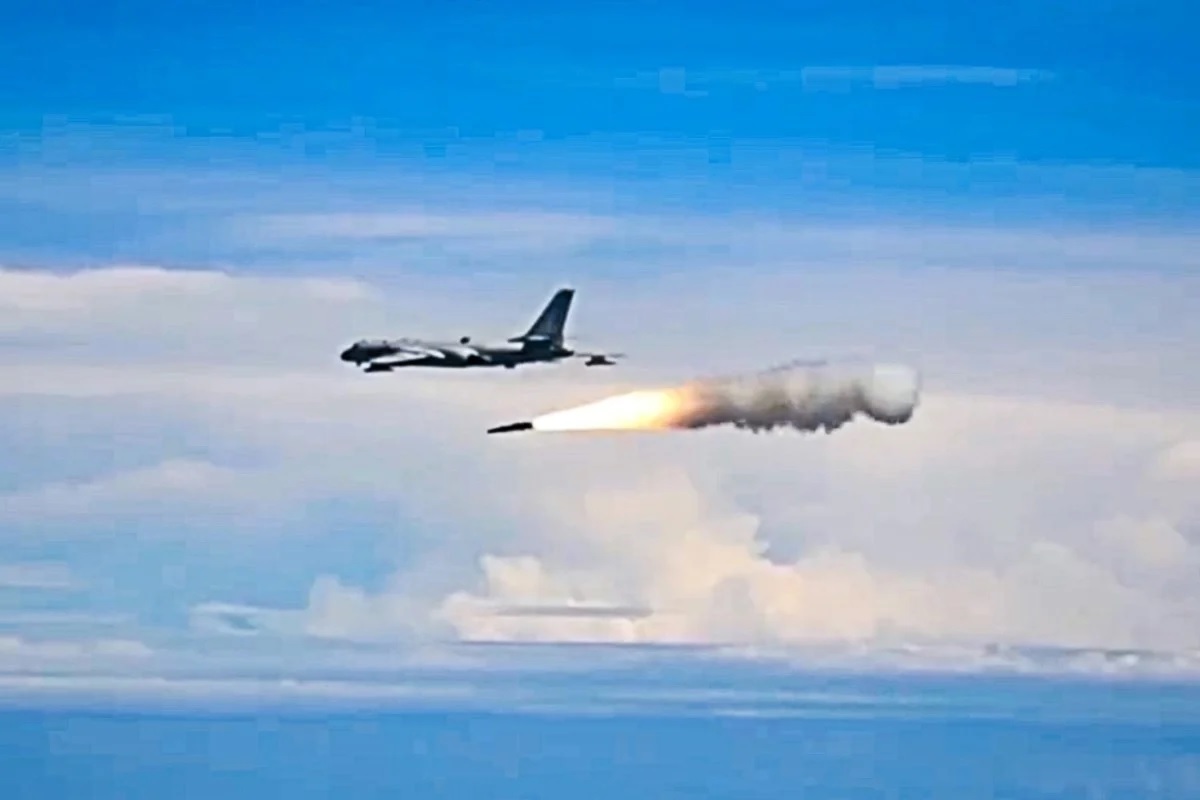
World
China has made significant advancements in hypersonic missile technology, recently confirming that its cutting-edge air-to-air missile has undergone rigorous final testing in an arc-heated wind tunnel. These tests are pivotal for ensuring the missile’s capability to withstand extreme thermal environments, marking a significant leap in China’s military arsenal. The People’s Liberation Army (PLA) Air Force's latest development poses a potential challenge to U.S. military air platforms, including the next-generation B-21 stealth bomber. The arc-heated wind tunnel, located in Luoyang, Henan province, is part of the China Airborne Missile Academy (CAMA), a leading developer of air-to-air missiles. This facility, typically reserved for high-profile space missions like the Tianwen-1 Mars landing, was repurposed for this project due to its ability to simulate hyper-realistic aerodynamic conditions. With temperatures ranging from thousands to tens of thousands of degrees Celsius, the wind tunnel creates an environment comparable to Mach 9 flight conditions at high altitudes. Weapon Design Meets Unprecedented Challenges The hypersonic air-to-air missile represents a leap in thermal and structural engineering. Scientists Cheng Gong and Huang Yimin from CAMA revealed that the missile's design had to account for prolonged exposure to temperatures exceeding 1,200 degrees Celsius (2,192 degrees Fahrenheit). Unlike traditional designs where only the missile’s front end requires thermal shielding, this system incorporates advanced heat-resistant materials throughout its body, including the engine, to ensure aerodynamic stability under extreme conditions. High-speed flight during hypersonic missions introduces challenges such as intense heat flow, structural deformation, and rapid temperature fluctuations. To address these, researchers subjected missile components to tests involving oxyacetylene flames, lasers, and plasma environments reaching temperatures of up to 16,000 degrees Celsius. However, only the arc-heated wind tunnel could simulate the full-scale performance under realistic flight scenarios. Implications for Global Air Combat If operationalized, this missile could redefine air combat dynamics. Its ability to climb to near-space altitudes and descend at hypervelocity makes it a formidable countermeasure against large, slow-moving air platforms such as airborne warning aircraft and refueling tankers. With a detection range of less than 10 kilometers, current missile warning systems would give pilots only seconds to react—far too little time to evade. Even the U.S. Air Force's advanced F-22, capable of Mach 2 speeds, would struggle to escape such a weapon. For comparison, Russia's Vympel R-37 air-to-air missile, with a range of 200 kilometers and a speed of Mach 6, has already demonstrated the disruptive potential of hypersonic weapons during the ongoing Russia-Ukraine war. Ukrainian pilots often experience immense psychological pressure, forced to evade long before these missiles reach their targets. The Chinese hypersonic missile, with its superior thermal shielding and potential Mach 9 speed, could pose an even greater challenge. The Race for Hypersonic Supremacy Western nations, including the United States, have yet to field hypersonic air-to-air missiles, largely due to the difficulties of heat management during high-speed flight. The U.S. military’s B-21 stealth bomber and other air platforms remain vulnerable to such advanced threats. In contrast, China's ability to conduct sustained testing in extreme thermal environments gives it a distinct advantage in developing these next-generation weapons. The breakthrough also underscores China's broader military-industrial advancements. The Civil Aviation Composite Materials Collaborative Innovation Centre at Donghua University, known for its expertise in high-performance military textiles, contributed significantly to the missile’s thermal protection systems. This collaboration highlights the increasing role of civilian institutions in supporting China’s defense technology. Strategic Implications The hypersonic air-to-air missile program signals China’s intent to assert dominance in aerial warfare and challenge the technological superiority of Western air forces. By pushing the boundaries of missile design and testing in Mars-grade conditions, the PLA is sending a clear message: it aims to achieve tactical superiority in future conflicts, especially in contested regions like the Indo-Pacific. This development further intensifies the hypersonic arms race, with nations worldwide now prioritizing advancements in missile technology. The global strategic balance may shift significantly as China’s hypersonic capabilities become operational, posing new challenges for military planners and policymakers alike.
Read More → Posted on 2025-01-19 15:40:42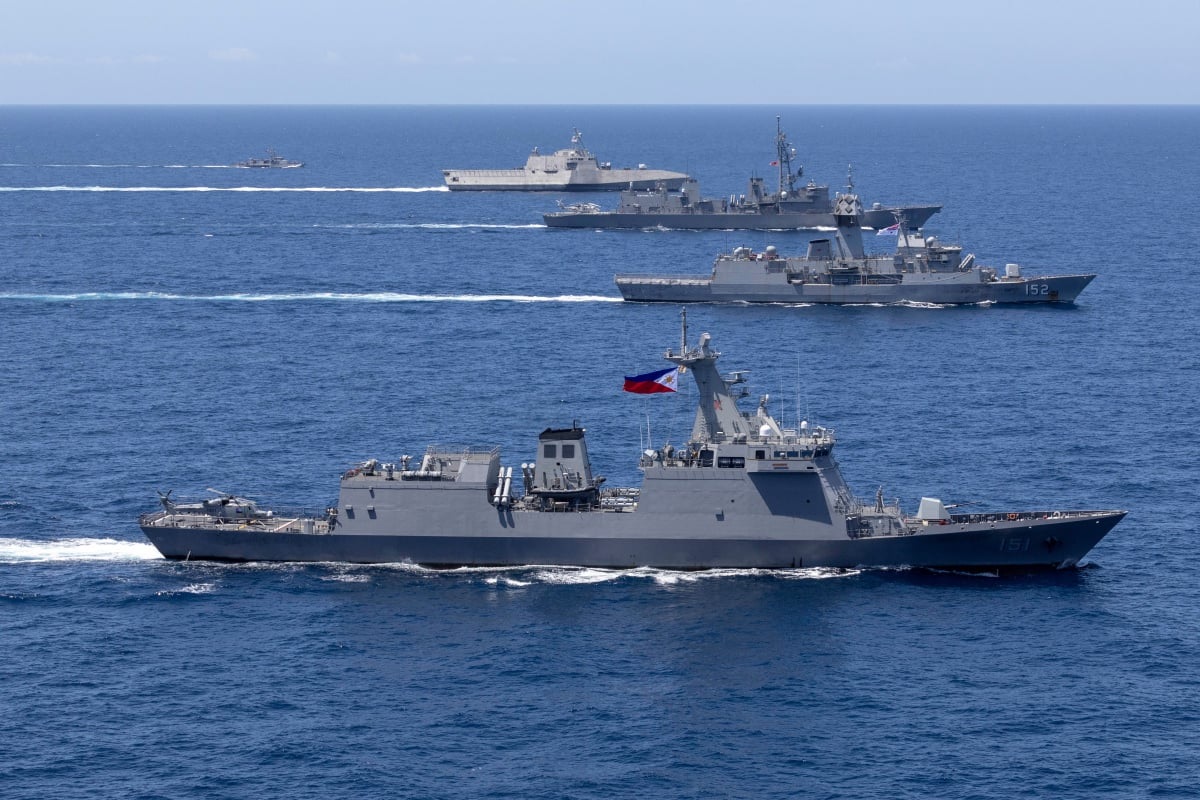
World
In a significant display of unity and commitment to regional stability, the Armed Forces of the Philippines and the United States Navy carried out their first joint patrol of 2025 in the South China Sea on January 17-18. This bilateral Maritime Cooperative Activity (MCA) comes at a time of heightened tensions in the region, particularly with ongoing confrontations between Philippine and Chinese vessels near Manila’s exclusive economic zone (EEZ). The joint operation highlights the enduring partnership between the two allies, aimed at reinforcing a free and open Indo-Pacific. Rear Admiral Michael Wosje, commander of Carrier Strike Group 1 (CSG-1), emphasized the importance of such engagements, stating, “The U.S. and the Philippines are ironclad allies. As fellow maritime nations, we share the common goal of assuring access to the seas while promoting regional stability.” Expanded Scope and Complexity The 2025 MCA represents a significant escalation in the scale and complexity of bilateral naval exercises. For the first time, the U.S. deployed the Carl Vinson Carrier Strike Group, including its flagship, the Nimitz-class aircraft carrier USS Carl Vinson (CVN 70), accompanied by a fleet of advanced warships and aircraft. Participating assets included: USS Carl Vinson (CVN 70): Featuring cutting-edge squadrons such as the F-35C Lightning II and F/A-18E/F Super Hornets. USS Princeton (CG 59): A Ticonderoga-class guided-missile cruiser. USS Sterett (DDG 104) and USS William P. Lawrence (DDG 110): Arleigh Burke-class guided-missile destroyers. A P-8A Poseidon from Commander, Task Force 72, specializing in maritime surveillance. The Philippine Navy’s contributions were equally noteworthy, featuring the BRP Andrés Bonifacio (PS 17), a Gregorio del Pilar-class offshore patrol vessel, and the BRP Antonio Luna (FF 151), a Jose Rizal-class guided-missile frigate. These joint patrols are not mere symbolic gestures. According to Captain Matthew Thomas, commanding officer of the USS Carl Vinson, such exercises “enhance interoperability and refine tactics, techniques, and procedures, ensuring both nations are prepared to respond to emerging challenges.” A Strategic Message Amid Rising Tensions The timing of this joint patrol is critical. The activity unfolded against the backdrop of a two-week standoff between Philippine and Chinese Coast Guard vessels near Scarborough Shoal, a contested area within Manila’s EEZ. This showdown has intensified calls for stronger defense partnerships in the region. The joint patrol sends a clear signal of solidarity to Beijing, reaffirming that the U.S.-Philippine alliance is prepared to counter any attempts to undermine international law and sovereign rights in the South China Sea. The presence of the Carl Vinson Carrier Strike Group in these waters further underscores the U.S. Navy’s commitment to upholding freedom of navigation and deterring aggressive actions. The U.S. 7th Fleet, the Navy’s largest forward-deployed fleet, routinely operates in the Indo-Pacific to strengthen alliances and partnerships. Building on a Legacy of Cooperation Bilateral maritime activities between the U.S. and the Philippines have steadily grown in scale and sophistication over recent years. Each MCA builds upon the previous, fostering greater interoperability and mutual trust between the two navies. This collaboration also aligns with the 1951 Mutual Defense Treaty, which obligates both nations to come to each other’s aid in the event of an armed attack. The exercise also sets the stage for further cooperative activities throughout 2025, with plans for expanded naval drills and defense exchanges. As regional security dynamics continue to evolve, the partnership between the Philippines and the United States remains a cornerstone of stability in the Indo-Pacific. A Crucial Year Ahead The South China Sea, one of the world’s busiest and most contested waterways, will likely remain a focal point of geopolitical tension in 2025. As the Philippines seeks to strengthen its maritime defense capabilities, its alliance with the U.S. serves as a vital counterbalance to assertive actions by other regional powers. This first joint patrol of the year is more than just a military exercise—it is a statement of shared values, collective resolve, and unwavering commitment to maintaining peace and stability in the Indo-Pacific.
Read More → Posted on 2025-01-19 15:37:51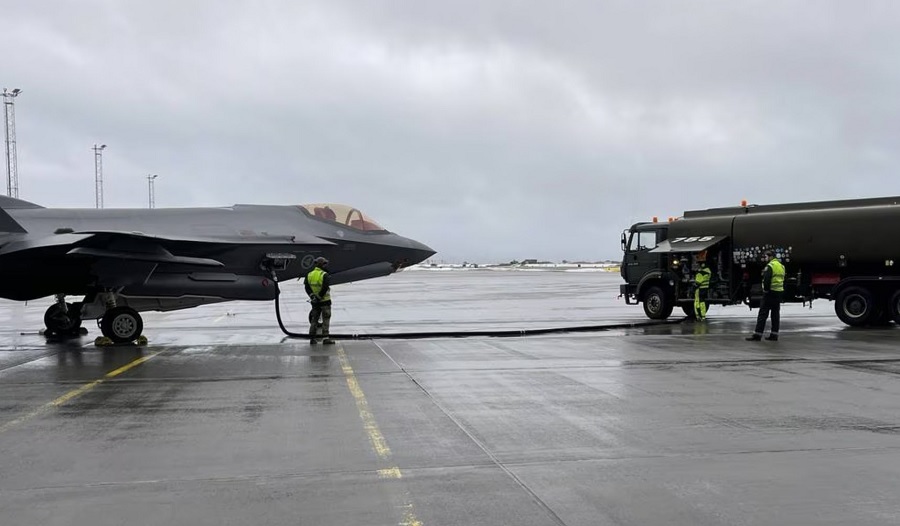
World
Lockheed Martin has taken a significant step in modernizing the operational capabilities of the F-35 Lightning II by approving the use of synthetic aviation turbine fuels (SATFs) for the fleet. This decision aims to enhance energy resilience, reduce reliance on traditional supply chains, and support sustainability goals, aligning with the Department of Defense's push for energy diversification and operational flexibility. What Are Synthetic Aviation Turbine Fuels? Synthetic aviation turbine fuels, or SATFs, are a blend of traditional jet fuel and synthetically derived alternatives. These fuels can be produced using both fossil-based raw materials like coal and natural gas, and renewable sources such as waste oils, agricultural residues, and other non-fossil feedstocks. By allowing the F-35 fleet to operate on up to 50% SATF blends, depending on the production method and raw materials, Lockheed Martin ensures operational excellence while paving the way for future advancements in aviation fuel technology. Ensuring Performance and Reliability The approval followed comprehensive technical and strategic analyses conducted by Lockheed Martin to ensure SATFs meet the stringent requirements of the F-35. Given the aircraft's advanced capabilities and high-demand missions, maintaining strict performance and reliability standards is non-negotiable. The synthetic fuels were evaluated for their ability to sustain high thrust, complex flight operations, and extended mission durations without compromising the F-35's performance. Chauncey McIntosh, vice president and general manager of the F-35 program at Lockheed Martin, emphasized, "Adding new fuel sources diversifies the supply chain while maintaining operational excellence. The F-35 will continue to lead U.S. and allied air dominance missions for decades to come." Supporting Global Operations and Energy Goals The integration of SATFs into the F-35 program aligns with the Department of Defense’s objectives for energy substitution. It reduces dependency on traditional jet fuel sources while enhancing the fleet’s energy resilience. By incorporating these synthetic fuels, Lockheed Martin ensures that the F-35 remains versatile and mission-ready, even in scenarios where conventional fuel supply chains are disrupted. Currently, more than 1,100 F-35s are operational across 33 bases worldwide, with 10 nations utilizing the aircraft on home soil. The fleet has collectively logged over 971,700 flight hours, underscoring its critical role in maintaining air dominance as global adversaries develop advanced capabilities and legacy aircraft age out of service. Why This Matters As modern warfare evolves, so does the need for adaptable and sustainable military solutions. The approval of SATFs is not just a technical advancement but a strategic move that addresses environmental sustainability, energy independence, and operational readiness. By adopting innovative fuel technologies, Lockheed Martin ensures the F-35 Lightning II remains at the forefront of global air power for decades to come. This shift toward synthetic fuels also reflects broader trends in the aviation and defense sectors, where energy diversification and environmental considerations are increasingly influencing policy and strategy. The use of SATFs is a step forward in achieving a more sustainable, resilient, and efficient operational framework for advanced military fleets. In summary, Lockheed Martin's decision to integrate synthetic aviation turbine fuels into the F-35 program represents a forward-thinking approach to ensuring the fleet’s readiness, sustainability, and adaptability in an ever-changing global landscape.
Read More → Posted on 2025-01-19 15:21:08
World
In a dramatic display of military capability, the naval arm of Iran’s Revolutionary Guards unveiled an underground naval base designed to enhance its strategic presence in the Gulf region. The state television broadcast revealed the base, which lies 500 meters (approximately 1,650 feet) below ground, houses dozens of missile-equipped assault boats. These vessels are capable of engaging and destroying advanced warships, including U.S. destroyers. While the exact location of the base remains undisclosed, it is strategically positioned in Iran’s “southern waters,” which encompass the Gulf, the Strait of Hormuz, and the Gulf of Oman. These regions are critical for global energy trade, as a significant portion of the world's oil passes through the Strait of Hormuz, making it a hotspot for geopolitical tensions. A Deeper Look at the Facility The underground base is a state-of-the-art facility designed to protect Iran’s naval assets from aerial or surface attacks. Housing missile assault boats in such a secure location allows Iran to maintain a strategic edge by shielding its military capabilities from satellite surveillance and preemptive strikes. These high-speed assault boats, equipped with advanced missile systems, can perform rapid attacks against larger naval vessels. Some vessels are reported to have been designed to carry precision-guided missiles capable of hitting targets at considerable distances. The fleet is specifically engineered to counter U.S. naval assets and allied forces operating in the region. Leadership Presence at the Unveiling Guards chief General Hossein Salami and Rear Admiral Alireza Tangsiri, the commander of the naval arm, were prominently featured in the broadcast touring the underground facility. General Salami emphasized the base's strategic importance, showcasing Iran's preparedness to respond to external threats. The unveiling also underscored Iran’s resolve to defend its territorial waters and demonstrate its military self-reliance amid ongoing tensions with the United States. Historical Context and Strategic Implications The timing of this unveiling is significant, coming just days before the inauguration of a new U.S. presidential term. The previous U.S. administration had pursued a policy of "maximum pressure" on Iran, which included withdrawing from the 2015 nuclear agreement and reimposing harsh sanctions. These measures severely impacted Iran’s economy but also spurred the country to accelerate its military advancements. Iran’s move to reveal such an advanced facility signals its readiness to counter perceived threats in a region that remains central to U.S. strategic interests. By showcasing its underground capabilities, Iran is sending a clear message about its preparedness to defend its sovereignty and its ability to disrupt maritime traffic if provoked. A Potential Challenge for Regional Stability The development of this underground naval base adds a new layer of complexity to the already volatile Gulf region. Iran’s strategic positioning and enhanced naval capabilities could escalate tensions with the United States and its allies, particularly given the frequent military exercises and patrols conducted in the area. The missile-equipped assault boats stored in this underground facility are not just defensive assets but also serve as tools of asymmetric warfare, capable of leveraging the region's narrow waterways to their advantage. This makes the base a critical component of Iran’s broader military strategy and a potential challenge for any adversary seeking to dominate the region’s waters. Conclusion Iran’s unveiling of its underground naval base underscores its ongoing efforts to strengthen its defensive and offensive maritime capabilities. The facility reflects the nation's strategic foresight in securing vital assets against external threats and enhancing its ability to project power in the Gulf region. As tensions remain high in this geopolitically sensitive area, Iran’s new naval facility is likely to shape regional dynamics in the years to come.
Read More → Posted on 2025-01-19 15:14:02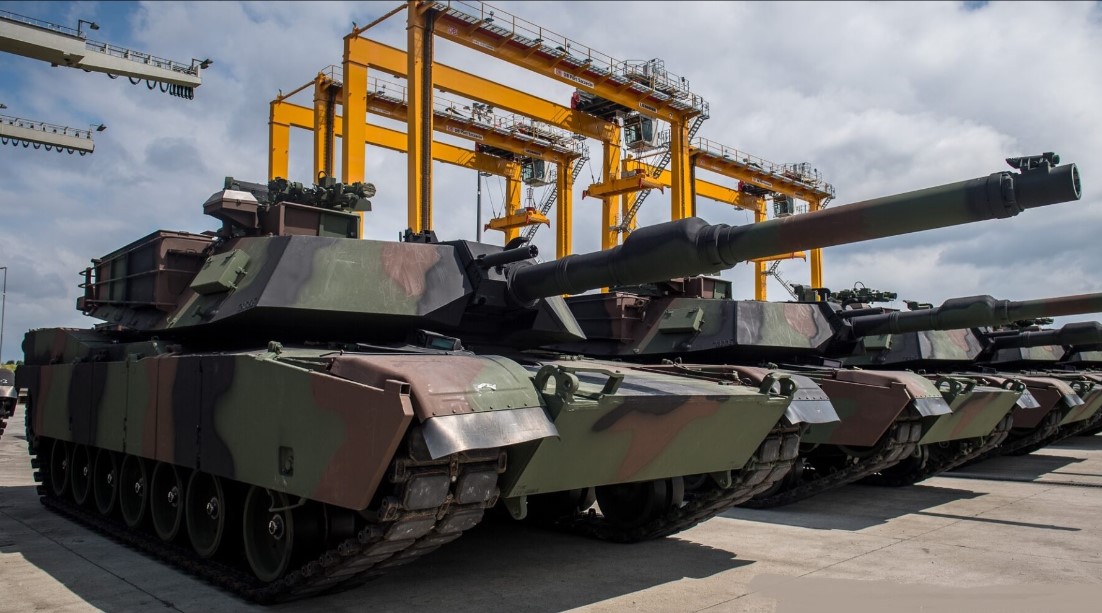
World
The first shipment of M1A2 SEPv3 Abrams main battle tanks has officially arrived at the port of Gdynia, Poland, marking a significant step forward in the strengthening of Poland's defense capabilities and its partnership with the United States. This milestone underlines Poland's growing commitment to modernizing its military amid rising regional tensions. Key Details of the Delivery On January 17, 2025, 28 Abrams tanks were transported aboard the MV Cape Texas to Poland. These tanks are part of a larger $4.75 billion deal signed in April 2022 between the Polish government and the United States. The agreement includes the procurement of 250 M1A2 SEPv3 Abrams tanks, along with 26 M88A2 Hercules recovery vehicles, 17 M1074 Joint Assault Bridge systems, ammunition, and comprehensive logistical support. The Ministry of National Defence of Poland has confirmed that the delivery of all 250 tanks is on track to be completed by 2026. In addition to these new tanks, Poland also acquired 116 refurbished M1A1FEP Abrams tanks, deliveries of which were completed in 2024. Once the M1A2 SEPv3 tanks are fully integrated into its armed forces, Poland will operate a total of 366 Abrams tanks, enhancing its combat readiness and defensive posture. Specifications of the M1A2 SEPv3 Abrams Tank The M1A2 SEPv3 (System Enhancement Package version 3) represents the most advanced variant of the Abrams tank, developed by General Dynamics Land Systems (GDLS). Key specifications and features include: Weight and Dimensions: The tank weighs approximately 73.6 tons, with a length of 9.8 meters (including the gun), a width of 3.66 meters, and a height of 2.44 meters. Engine: Powered by a Honeywell AGT1500 gas turbine engine, it delivers 1,500 horsepower, enabling the tank to reach speeds of up to 42 mph (67 km/h) on roads and 30 mph (48 km/h) off-road. Main Armament: A 120mm M256 smoothbore cannon capable of firing advanced kinetic energy and multi-purpose rounds. Secondary Armament: It includes a .50-caliber M2 machine gun and two 7.62mm M240 machine guns for anti-personnel and anti-air defense. Armor and Survivability: Equipped with advanced composite armor and optional Explosive Reactive Armor (ERA) to counter threats from anti-tank weapons. The SEPv3 variant also integrates an active protection system (APS) for intercepting incoming projectiles. Modernized Systems: Enhanced command-and-control systems, upgraded communications, and a new Auxiliary Power Unit (APU) to reduce the tank's fuel consumption during stationary operations. Ammunition Handling: Improved ammunition data link and fire-control systems to handle advanced rounds, ensuring greater accuracy and lethality. Strategic Importance for Poland Poland’s decision to acquire the M1A2 SEPv3 Abrams tanks comes at a critical time when European nations are ramping up their defense investments in response to geopolitical uncertainties, particularly along NATO's eastern flank. These advanced tanks will significantly boost the Polish Armed Forces' capability to deter and, if necessary, respond to potential threats. The M1A2 SEPv3 Abrams is regarded as one of the most advanced main battle tanks in the world, combining firepower, mobility, and survivability. For Poland, this investment not only enhances its defense capabilities but also strengthens its interoperability with NATO allies, particularly the United States, which operates the same tank model. A Comprehensive Modernization Effort The acquisition of the Abrams tanks is part of Poland's broader military modernization program, which also includes investments in advanced artillery systems, missile defense platforms, and combat aircraft. Poland's growing arsenal underscores its ambition to become one of NATO's most well-equipped and strategically positioned members. By 2026, when the full delivery of the M1A2 SEPv3 Abrams tanks is complete, Poland will have one of the largest and most modern tank fleets in Europe, second only to the United States among NATO allies. This not only ensures Poland’s ability to defend its territory but also strengthens the collective security of the entire NATO alliance. With the arrival of the first batch, Poland is well on its way to reshaping its land forces into a formidable force capable of responding to current and future security challenges.
Read More → Posted on 2025-01-19 09:35:36Search
Top Trending in 24 Hours
-
 Tulsi Gabbard Releases Declassified Files Detailing U.S.-Backed Network of 120 Biolaboratories Across 30+ Countries
-
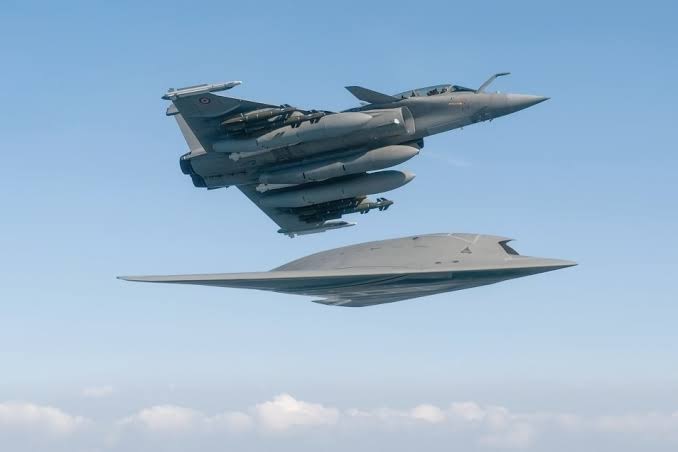 France Agrees to Equip Future Indian Rafales with AI, MUM-T and Secure Satellite Links Under F5 Standard
-
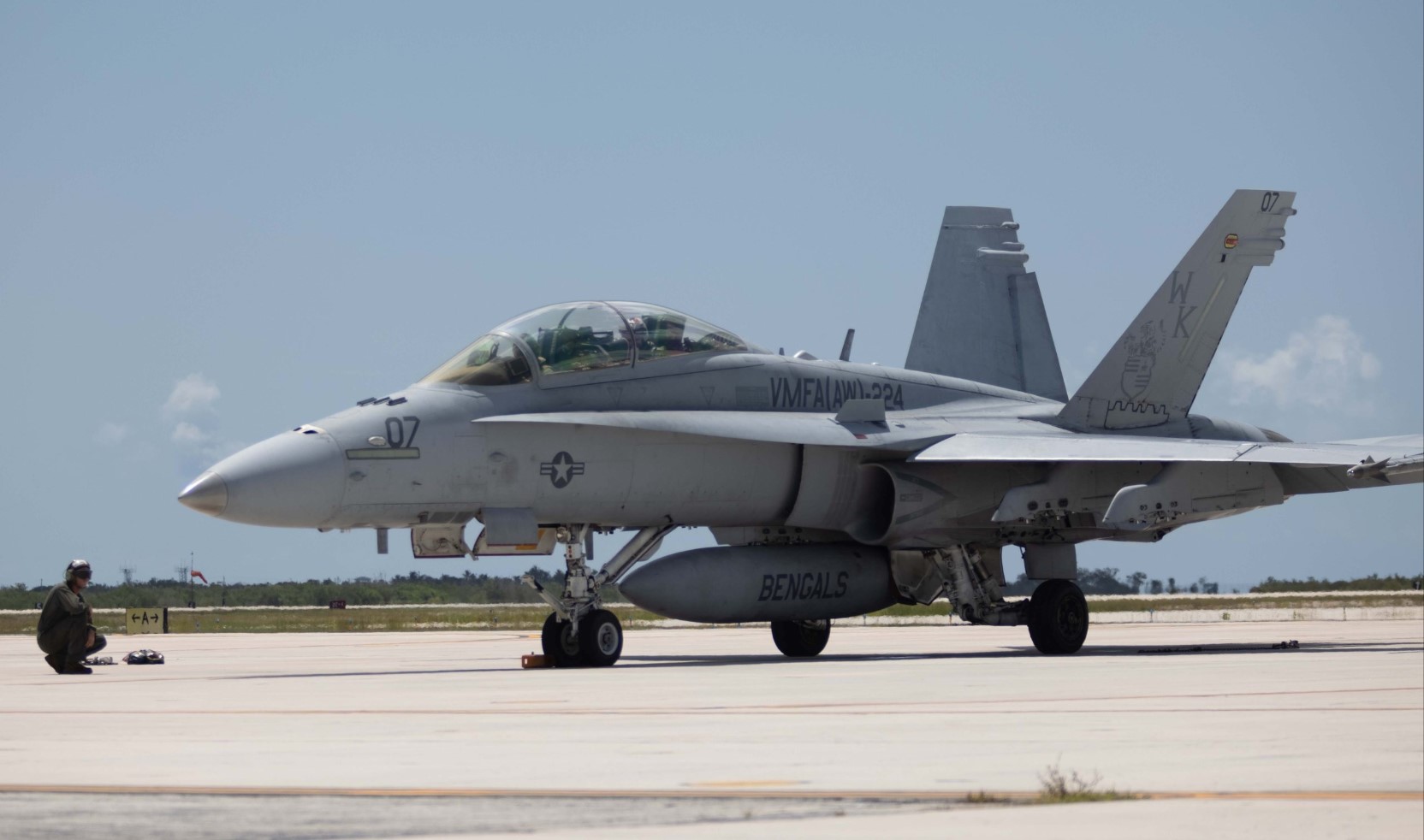 US Marine Corps F/A-18D Hornet Crashes During Training Flight in Washington Mountains; Pilot Ejects Safely
-
 Dassault Seeks Compensation From Airbus as Eurodrone Dispute Erupts After FCAS Collapse
-
 U.S. Navy Reestablishes Submarine Squadron 3 at HMAS Stirling to Support AUKUS Rotational Force
-
 AM General Unveils Next-Generation UGV and JLTV A2 with Counter-Drone Systems at Eurosatory 2026
-
 U.S. Navy's USS Colorado Submarine Returns to Pacific Fleet 29 Days Early After Major Pearl Harbor Overhaul
-
 Why India’s Phase 3 BMD Program Is Unique in the Global Race Against Hypersonic and MIRV Missiles
Top Trending in 4 Days
-
 Iranian Media Leaks 14-Point U.S.-Iran Peace Framework Amid Ongoing Negotiations
-
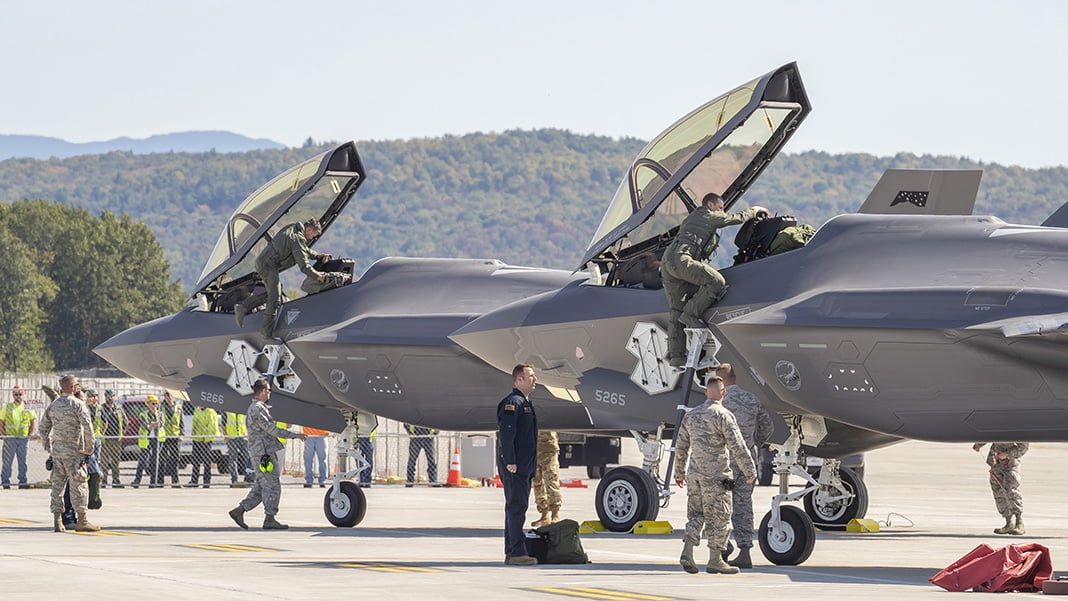 F-35 Fleet Readiness Falls to 25% Amid Parts Shortages and Software Delays: GAO Report
-
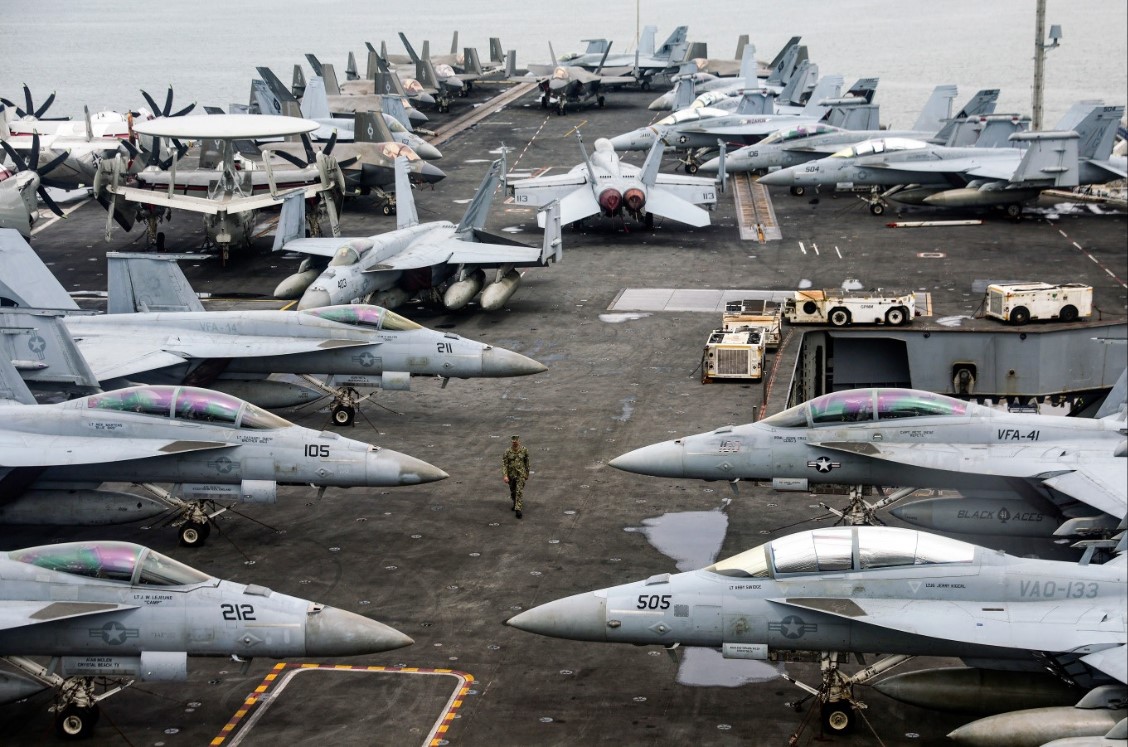 US Plans Significant Reduction of Fighter Jets and Warships for NATO Operations in Europe
-
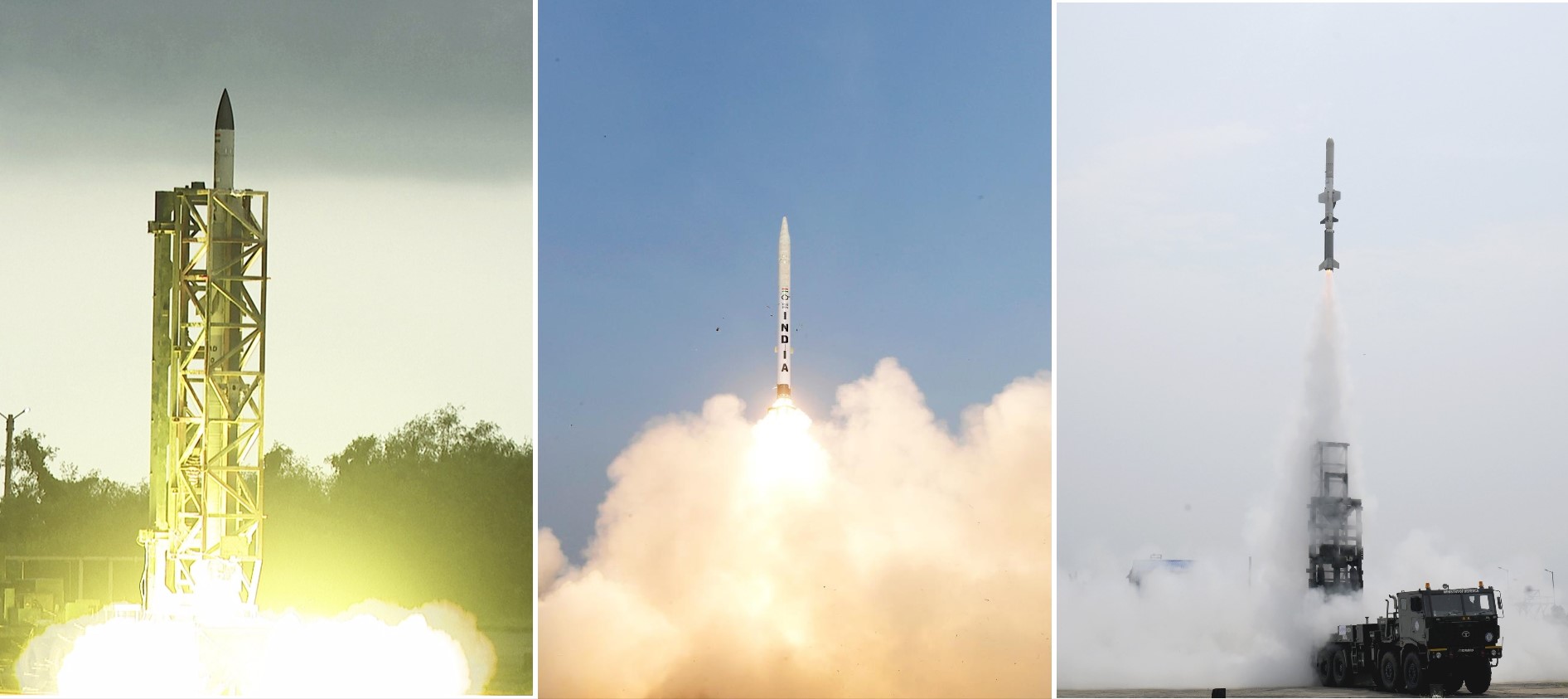 India Successfully Conducts AD-1, AD-2 Interceptor Tests and Maiden NASM-MR Flight Trial
-
 U.S. Air Force Faces Strategic Airlift Shortfall as C-17 Production Restart Remains Uncertain
-
 NATO Commander Says Russia Not Seeking Conflict With Alliance Despite U.S. Force Reductions
-
 U.S. Space Force Awards $437.7 Million Contracts for First PTS-G Swarm 1 Anti-Jam Satellites
-
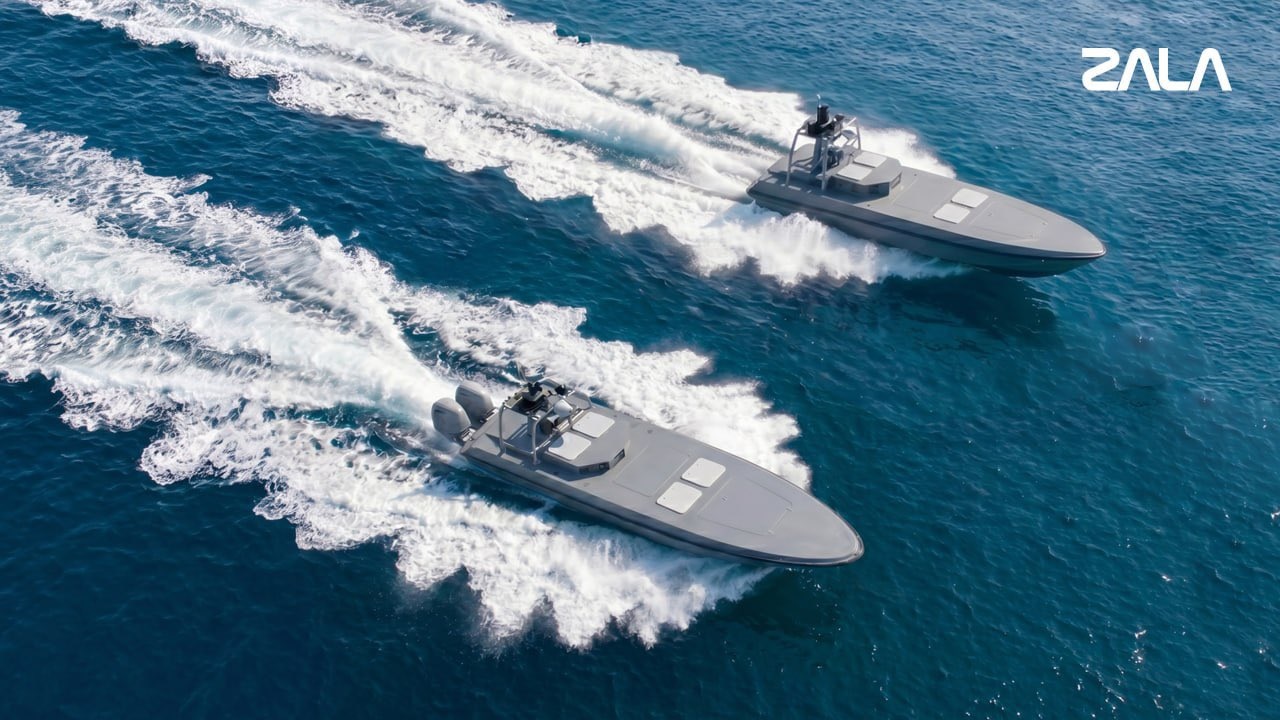 Russian Defense Firm ZALA Unveils KAMA Unmanned Surface Vessel Family at FLOT-2026 Naval Exhibition