World
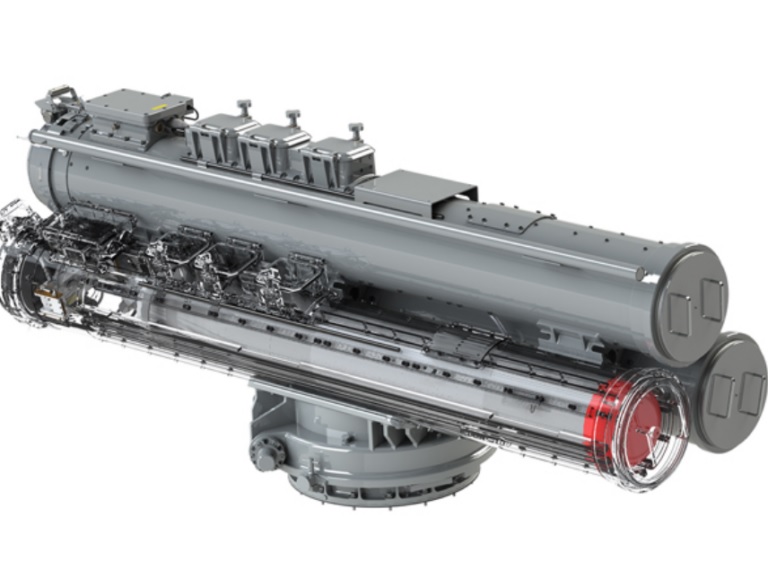
The Torpedo Launcher System (TLS) by Systems Engineering & Assessment Ltd. (SEA) has been selected for integration into a Latin American navy's new frigate programme, marking another significant milestone for this versatile naval defence solution. Having served with the UK Royal Navy for over three decades, the TLS has proven itself as a reliable and adaptable system, earning global recognition for its weapon-agnostic design and cutting-edge technology. A Weapon-Agnostic Naval Solution One of the standout features of SEA’s Torpedo Launcher System is its ability to support a variety of NATO-compatible lightweight torpedoes, including the US-made Mk44, Mk46, and Mk54 torpedoes, the UK’s Sting Ray, Italy’s A244S, France’s MU90, and South Korea’s Blue Shark. This capability ensures that the system remains versatile across various operational requirements and ammunition preferences. By accommodating multiple torpedo types, the TLS offers operational flexibility, allowing navies to tailor their arsenals to meet diverse mission profiles. Modular Design for Long-Term Value The TLS features a modular design that has been a key factor in its global appeal. This design enables the system to be easily configured to fit different platforms, including containerized mission modules. The modularity not only simplifies integration onto different vessels but also minimizes risks associated with capability obsolescence. The system’s adaptability extends to future-proofing, as it can be configured to use newer weapons as they are developed, ensuring navies retain operational edge over time. This reduces lifecycle costs and provides long-term value to users, making it a strategic investment for modern naval fleets. A Strategic Win in Latin America The Latin American navy’s decision to adopt SEA’s TLS underscores its growing reputation as a robust and reliable solution. Neil Herbert, Vice President of Strategic Accounts for Latin America at SEA, emphasized the importance of this contract in strengthening ties with international partners. He stated, “This contract award represents a major step in our ambition to share the best of the industry’s technology with navies across the globe. It also proves the pedigree of our Torpedo Launcher System and the value of weapon-agnostic defence capabilities to international navies.” Herbert further highlighted that the system would empower the customer to maintain control over its ammunition supply chain while future-proofing the frigates for upcoming weapon developments. This is particularly important as naval defence systems must adapt to rapidly evolving technologies and geopolitical challenges. Key Specifications of the Torpedo Launcher System Compatibility: Supports a wide range of NATO-standard lightweight torpedoes, including the Mk44, Mk46, Mk54, Sting Ray, A244S, MU90, and Blue Shark. Design: Modular and adaptable, enabling integration into a variety of platforms, including containerized mission modules. Rapid Reaction: Capable of close-range rapid-reaction firing for maximum operational readiness. Future-Proofing: Configurable to accommodate emerging weapons, ensuring longevity and relevance in dynamic combat environments. Global Service: Proven track record with the UK Royal Navy and various international navies for over 30 years. Strengthening Global Defence Partnerships This contract serves as a testament to SEA’s commitment to providing cutting-edge naval technology to international partners. The selection of the TLS for a new Latin American frigate programme highlights its growing popularity among global navies seeking adaptable, reliable, and cost-effective solutions for modern defence challenges. With its modularity, weapon-agnostic design, and proven operational record, SEA’s Torpedo Launcher System continues to solidify its position as a preferred choice for naval fleets worldwide.
Read More → Posted on 2025-01-22 14:49:40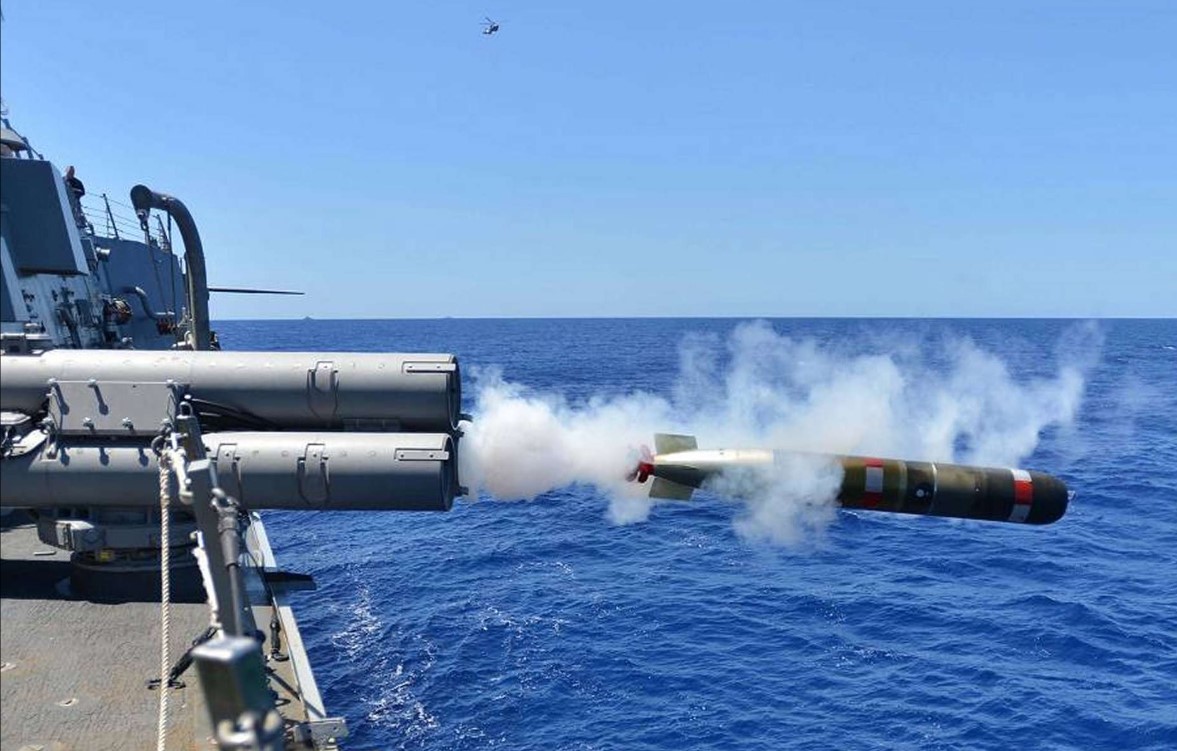
World
The U.S. Navy has taken a significant step toward strengthening its underwater warfare capabilities by awarding General Dynamics Mission Systems (GDMS) a massive contract worth $808.6 million. This agreement, extending through December 2032, aims to supply advanced MK 54 MOD 1 Lightweight Torpedo Kits, along with a comprehensive package of test equipment, spares, and engineering support to bolster the Navy's operational readiness. Contract Details and Execution The contract incorporates multiple pricing models, including fixed-price-incentive, firm-fixed-price, and cost-plus-fixed-fee mechanisms, ensuring flexibility in execution. Production and related work will primarily occur at GDMS's facilities in Canonsburg, Pennsylvania, reinforcing the company’s role as a critical supplier to the U.S. Navy and its allies. The project’s timeline reflects its long-term importance, with completion scheduled for December 2032. This extended duration underscores the strategic nature of the MK 54 torpedo program in sustaining maritime defense readiness over the coming decade. Cutting-Edge MK 54 MOD 1 Lightweight Torpedoes The MK 54 MOD 1 torpedo is a state-of-the-art, lightweight anti-submarine weapon designed to operate in a variety of challenging environments. It combines advanced sonar systems and sophisticated software to detect, track, and neutralize modern submarine threats. Its modular design allows for easy upgrades, ensuring continued relevance as technology evolves. Key specifications of the MK 54 MOD 1 torpedo include: Weight: Approximately 608 pounds (275 kg). Length: 9.2 feet (2.8 meters). Diameter: 12.75 inches (324 mm). Range: Classified but optimized for close-range engagements. Speed: Capable of achieving high speeds with advanced propulsion technology. Guidance System: Acoustic homing with advanced signal processing. Targeting: Effective against submarines operating in shallow coastal waters and deep ocean environments. The MK 54 torpedo is compatible with a wide range of platforms, including surface ships, helicopters, and fixed-wing aircraft. This versatility makes it a cornerstone of naval anti-submarine warfare. Strategic Collaboration and Technological Edge A key element of this project is the involvement of Progeny Systems, a company acquired by GDMS in 2022. Headquartered in Manassas, Virginia, Progeny Systems specializes in advanced electronics and lifecycle support for naval platforms, including submarines and surface ships. The expertise brought by Progeny Systems will enhance the production and integration of the MK 54 torpedo systems, ensuring their operational effectiveness. Laura Hooks, Vice President and General Manager of Maritime and Strategic Systems at GDMS, emphasized the contract's importance. “This agreement ensures U.S. and allied naval forces will continue to benefit from advanced torpedo technology, enhancing their ability to maintain dominance in underwater warfare,” she said. Broader Implications The contract with GDMS reflects the U.S. Navy’s commitment to maintaining a technological edge in undersea warfare. By equipping its fleet with modern, adaptable torpedoes like the MK 54 MOD 1, the Navy ensures its preparedness to counter evolving threats from adversarial submarines, which are becoming increasingly sophisticated. Moreover, the deal extends benefits to allied nations, as the MK 54 torpedoes are often exported through Foreign Military Sales (FMS) programs. This collaboration strengthens ties with allied navies and reinforces collective maritime security in key regions, including the Indo-Pacific and the Atlantic. Conclusion The $808.6 million contract awarded to General Dynamics Mission Systems not only highlights the importance of the MK 54 MOD 1 Lightweight Torpedo but also demonstrates the U.S. Navy’s strategic focus on modernizing its underwater warfare capabilities. With cutting-edge technology, collaborative expertise, and a long-term vision, this initiative ensures that U.S. and allied naval forces remain equipped to counter undersea threats well into the future.
Read More → Posted on 2025-01-22 14:45:24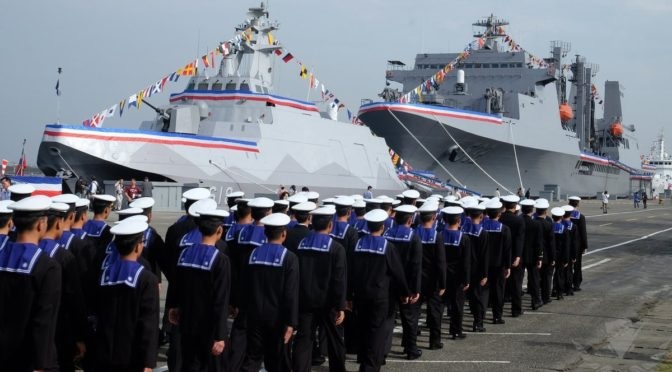
World
In a significant development reflecting deepening ties between Washington and Taipei, Taiwan’s Ministry of National Defence has unveiled a two-year training program facilitated by the United States for the Taiwanese Navy. The program, valued at 50 million New Taiwan dollars ($1.5 million), aims to bolster Taiwan’s naval capabilities in the face of increasing regional security concerns. The deal was signed between Taiwan’s Navy and the American Institute in Taiwan (AIT), the US's unofficial diplomatic office on the island. Under the agreement, US military personnel will provide specialized training in the Zuoying district near Kaohsiung, a key naval hub in southern Taiwan. The program, slated to conclude by the end of 2026, underscores a growing commitment by the US to support Taiwan’s defense readiness. Training Scope and Strategic Implications While the specific details of the training remain classified, the program is expected to focus on advanced naval tactics, operational coordination, and the integration of US-supplied weapons systems. Over the years, Taiwan has procured a range of cutting-edge military hardware from the US, including frigates, guided missiles, and advanced radar systems. Familiarity with these systems is critical for the Taiwanese Navy as it seeks to modernize its fleet and strengthen its maritime defense capabilities. The announcement of the program marks a notable departure from past practices, where details of US-Taiwan military cooperation were kept under wraps to avoid antagonizing China. Wang Ting-yu, a senior legislator from Taiwan’s Democratic Progressive Party, highlighted this shift, describing the disclosure as a strategic signal to Beijing. “This is a clear message to China: Taiwan’s security is a priority for the US and its democratic allies. The transparency reflects a growing confidence in the US-Taiwan partnership,” he said. Challenges to Taiwan’s Military Modernization Despite the program’s strategic significance, Taiwan’s military modernization efforts face domestic political hurdles. Opposition parties in Taiwan’s legislature have proposed a 15-percent budget cut for overseas military training and travel expenses. They argue that such allocations are excessive and prone to misuse for non-military purposes. The Ministry of National Defence has strongly opposed these proposed cuts, warning that reduced funding could severely impact the military’s combat readiness. “Overseas training is vital for gaining tactical expertise and preparing our forces for real-world scenarios,” the ministry stated in response to the proposed reductions. Broader Context and Regional Ramifications The US-Taiwan training program comes amid heightened tensions in the Taiwan Strait, with China ramping up military activities near the island. In recent months, Chinese warships and aircraft have conducted frequent maneuvers around Taiwan, raising concerns over a potential conflict. The Biden administration’s continued military assistance to Taiwan aligns with its broader strategy to deter aggression in the Indo-Pacific region. Alongside military support, the US has also engaged in joint drills with other regional allies, including Japan and the Philippines, to ensure a free and open Indo-Pacific. A Strategic Signal The unveiling of this training program not only strengthens Taiwan’s defense capabilities but also reinforces the US’s commitment to regional stability. For Taiwan, the program represents a crucial step toward self-reliance in defense, while for the US, it signifies a broader strategy to counterbalance China’s growing influence. As the program unfolds, it is likely to further solidify the partnership between the two nations, sending a clear message to the international community about their shared resolve to maintain peace and stability in the region.
Read More → Posted on 2025-01-22 14:41:20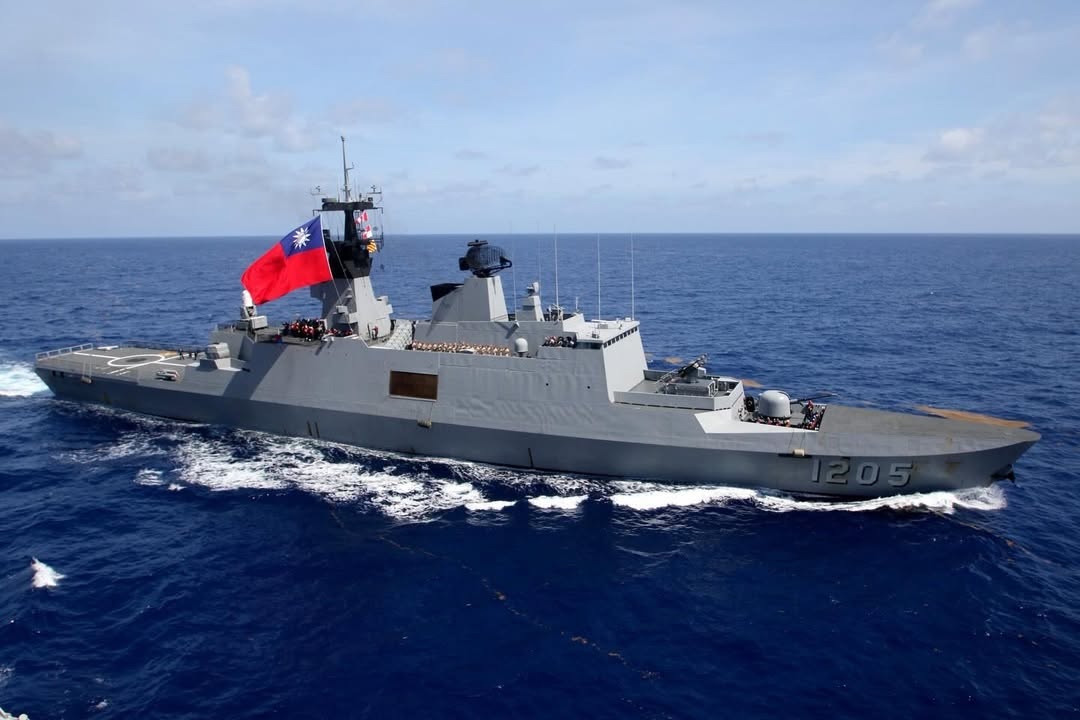
World
The Taiwanese Navy is set to receive its first modernized Kang Ding-class frigate, ROCS Chen De, later this year, as part of the island's ambitious military modernization strategy initiated in 2021. This upgrade marks a significant milestone in Taiwan's efforts to enhance its maritime defense capabilities amid increasing regional tensions. A Leap in Combat Capability ROCS Chen De, the sixth ship of the Kang Ding-class fleet, will be the first to complete its upgrades by September 2025. The modernization involves advanced systems that significantly bolster the frigate's defensive and offensive capacities. A notable addition is the cutting-edge radar system supplied by BAE Systems, similar to those used by the UK Royal Navy. This radar system provides enhanced situational awareness and target tracking, crucial for modern naval warfare. Additionally, the frigate will feature a new vertical launch system capable of deploying up to 32 surface-to-air missiles. These missiles have a range of 30 kilometers (19 miles), a substantial improvement over the original missile system, which had a maximum range of only six kilometers (3.7 miles). This extended range will allow the ship to better counter aerial threats and defend its fleet against modern, high-speed aircraft and missile attacks. Following the delivery of ROCS Chen De, Taiwan plans to upgrade the remaining five Kang Ding-class frigates, with all six expected to be operational by 2026. The total cost of the modernization project is projected to reach 43.15 billion New Taiwan dollars (approximately $1.3 billion). Kang Ding-Class: A Proven Platform The Kang Ding-class frigates are based on the French-designed La Fayette-class frigates, which are known for their stealthy design and versatility. The Kang Ding ships measure 125 meters (410 feet) in length, with a beam of 15 meters (49 feet). They can accommodate over 120 crew members and are equipped to carry two medium-sized support boats and a helicopter, such as the Sikorsky S-70 utility helicopter, enhancing their operational flexibility. The frigates are armed with a variety of weapons, including: A 76mm naval gun for surface and aerial threats. A 40mm autocannon for close-range defense. A close-in weapon system (CIWS) for intercepting incoming missiles. Anti-ship and anti-surface missiles for offensive operations. Powering these ships are four diesel engines that generate a combined output of 21,000 horsepower. This enables a top speed of 25 knots (46 kilometers or 29 miles per hour) and a remarkable range of 9,000 nautical miles (16,668 kilometers or 10,357 miles). These specifications make the Kang Ding-class frigates ideal for extended patrols and rapid deployment in Taiwan's maritime domain. Strategic Significance The modernization of the Kang Ding-class frigates underscores Taiwan's commitment to fortifying its naval strength amid rising geopolitical challenges. The upgraded ships will enhance Taiwan's ability to monitor and defend its waters, deter potential aggression, and maintain freedom of navigation in the region. As Taiwan faces an increasingly complex security environment, these advanced frigates will play a pivotal role in safeguarding the island's interests. The delivery of the revamped ROCS Chen De is a testament to Taiwan's resolve to maintain a modern and capable defense force, ensuring its maritime sovereignty and contributing to regional stability.
Read More → Posted on 2025-01-22 13:48:57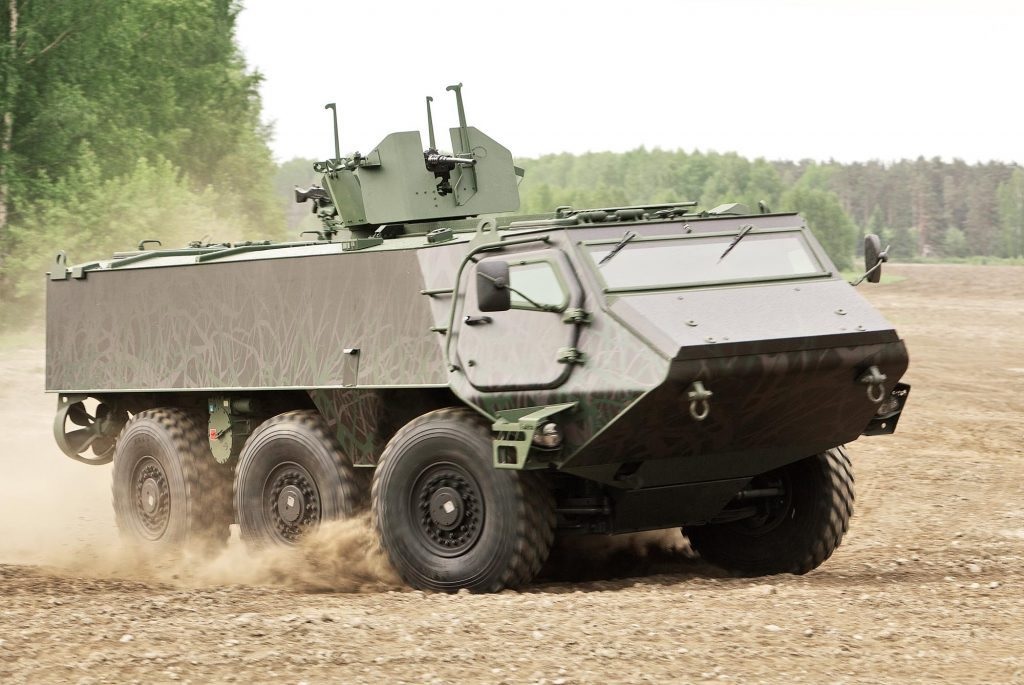
World
In a move aimed at strengthening the operational capabilities of the British Army, Finnish defence company Patria and UK-based Babcock International Group have signed a Memorandum of Understanding (MoU) to introduce the advanced Patria 6x6 armoured vehicle platform to the UK. The collaboration is set to align with the UK Ministry of Defence’s Land Industrial Strategy, ensuring both cutting-edge technology and support for local manufacturing. A Partnership for Modern Defence Needs Under this partnership, Patria will spearhead the design and development of the 6x6 platform, tailoring the system to meet the unique operational needs of the British Army. Babcock, with its extensive expertise in platform integration and high-volume production, will manage large-scale manufacturing and provide a comprehensive platform support package. This approach not only guarantees a world-class vehicle but also bolsters the UK’s defence industrial base. The Patria 6x6: A Proven Multi-role Platform The Patria 6x6 armoured vehicle is widely regarded for its modular design, cost-efficiency, and exceptional performance in diverse operational environments. It boasts high mobility, advanced protection, and the flexibility to adapt to various missions, including troop transport, command and control, medical evacuation, and reconnaissance. Key specifications include: Mobility: The 6x6 configuration enables excellent off-road performance, allowing operations in challenging terrains. Payload: It can carry up to 8 tonnes, accommodating up to 10 troops with their gear. Protection: The platform is equipped with STANAG Level 4 protection, offering defence against ballistic threats, IEDs, and mines. Armament: The vehicle can integrate a variety of weapon systems, including remote weapon stations with machine guns or automatic grenade launchers. Powertrain: The robust diesel engine supports speeds of over 100 km/h and a range exceeding 700 km. Maintenance: Designed for ease of serviceability, the vehicle ensures low lifecycle costs. The Patria 6x6 is already in service under the multinational Common Armoured Vehicle System (CAVS) programme, which includes Finland, Latvia, Sweden, and Germany. More than 200 of the 800 ordered vehicles have been delivered, demonstrating the platform’s reliability and versatility. Enhancing Local Capability A significant feature of this partnership is its focus on leveraging local expertise. Patria’s role as the lead contractor in the CAVS programme has already demonstrated the benefits of involving local industries within member nations. This approach ensures security of supply while promoting defence collaboration across Europe. Babcock’s involvement adds further value, bringing decades of experience in delivering platforms to the British Army. Its skilled workforce, already engaged in key defence programmes, is expected to ensure timely delivery and long-term operational support. By combining Finnish and British engineering expertise, the partnership aligns with NATO standards and reinforces the UK’s defence readiness for future challenges. Strategic Voices Hugo Vanbockryck, Senior Vice President at Patria, underlined the strategic importance of the agreement:“This collaboration delivers a cost-effective, fully developed platform that meets NATO standards while supporting local manufacturing in the UK. The Patria 6x6 offers a proven solution for modern battlefield requirements.” Tom Newman, Chief Executive of Babcock Land and UK Aviation, echoed this sentiment:“By combining British and Finnish engineering expertise, we are ensuring that the British Army is equipped with a world-class armoured personnel carrier, fully prepared for future missions.” Meeting the Future Head-On The partnership between Patria and Babcock not only promises to deliver an advanced armoured vehicle platform but also reinforces the UK’s commitment to modernising its defence capabilities. The Patria 6x6’s adaptability and performance, combined with local production and support, make it a game-changing addition to the British Army's fleet. As global security challenges evolve, initiatives like this reflect the importance of international collaboration in ensuring readiness for the missions of tomorrow.
Read More → Posted on 2025-01-22 13:45:57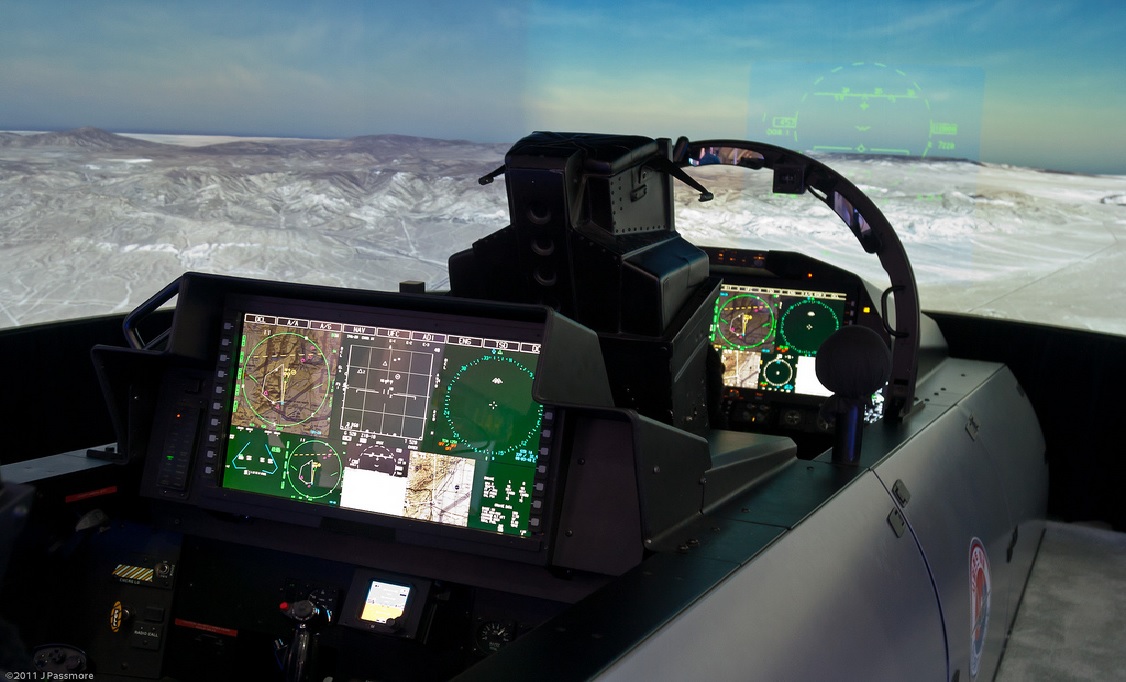
World
The United States Air Force has awarded a monumental $801 million, 10-year contract to Northrop Grumman to enhance its pilot training capabilities. This initiative, part of the Combat Air Forces’ Distributed Mission Operations (CAF DMO) 3.0 program, is a critical step forward in modernizing simulator-based training for fifth-generation fighter aircraft, particularly the F-35 Lightning II and F-22 Raptor. Advanced Virtual Training for a New Era of Warfare Under the CAF DMO 3.0 initiative, the program aims to deliver an impressive 20,000 hours of virtual training annually. This advanced training framework is designed to cater to the U.S. Air Force, Air National Guard, Air Force Special Operations Command, and key international allies, including the United Kingdom, Australia, and Canada. The advanced simulator training will integrate aircrews from multiple generations of aircraft, enabling a seamless approach to joint and coalition operations across global theaters, such as the Pacific, Europe, and the continental United States. By leveraging cutting-edge technology, this program ensures that aircrews can train in highly realistic, mission-ready scenarios without the logistical and financial challenges of live-fly exercises. One of the most significant advantages is cost efficiency. Training through simulators is estimated to be four times more cost-effective than traditional live-fly exercises. This ensures not only financial savings but also reduces wear and tear on aircraft and minimizes environmental impacts. Expanding Global Connectivity for Training The CAF DMO 3.0 contract focuses on interconnected training scenarios for fifth-generation fighters, allowing pilots of the F-35 and F-22 to train simultaneously at multiple sites. Initially linking eight simulator locations, the program plans to expand to up to 25 globally, ensuring wide-ranging accessibility. This level of connectivity enables 16 or more aircrew members to participate in synchronized training missions from geographically dispersed locations. This connectivity is a game-changer for joint operations. Pilots from different locations can train together in a simulated combat environment, practicing coordinated missions such as air superiority, ground attacks, and defensive maneuvers. This not only sharpens their tactical skills but also fosters interoperability between allied forces. Specifications and Training Features The simulators under this contract represent the pinnacle of high-fidelity virtual training systems. Some of the standout features include: Realistic Environments: Immersive 3D visuals and dynamic battlefield scenarios that replicate real-world conditions, including weather effects and electronic warfare challenges. Interoperability: Compatibility across various platforms, allowing pilots of legacy aircraft, such as F-15s and F-16s, to train alongside F-35 and F-22 pilots. Advanced Networking: Secure global networking to support distributed mission training with minimal latency. AI and Data Analytics: Integrated artificial intelligence to analyze pilot performance and suggest improvements in real-time. Multi-Domain Training: Scenarios that incorporate air, land, sea, space, and cyber domains, preparing pilots for complex modern warfare. Enhancing Fifth-Generation Fighter Capabilities For F-35 and F-22 pilots, the CAF DMO 3.0 initiative brings unmatched realism to their training. These fifth-generation aircraft, with their advanced stealth capabilities, sensor fusion, and high-speed maneuverability, require rigorous and specialized training to maximize their operational potential. Through these simulators, pilots can practice evading radar systems, engaging in dogfights, and coordinating precision strikes in hostile environments. Furthermore, the ability to train with other aircraft types ensures that F-35 and F-22 pilots can seamlessly integrate into broader mission scenarios. Strengthening Joint and Coalition Readiness A core objective of this program is to bolster joint and coalition readiness. By training alongside allied forces, aircrews can refine their ability to operate as a cohesive unit in multinational operations. This is particularly important in addressing challenges posed by near-peer adversaries in contested regions like the Indo-Pacific and Eastern Europe. The training also prepares aircrews for emerging threats, such as hypersonic missiles and advanced electronic warfare systems, ensuring that they remain ahead of potential adversaries. A Strategic Investment in the Future The $801 million investment highlights the Air Force’s commitment to modernizing its training infrastructure to meet the evolving demands of modern warfare. By prioritizing cost-effective, high-fidelity virtual training, the U.S. Air Force ensures that its pilots are equipped with the skills and readiness needed to dominate in any combat scenario. The CAF DMO 3.0 initiative is not just a leap forward for training; it is a testament to the Air Force’s focus on innovation, efficiency, and global collaboration. With the integration of cutting-edge technology, enhanced interoperability, and a commitment to joint readiness, this program solidifies the U.S. Air Force’s position as a leader in advanced military training.
Read More → Posted on 2025-01-22 08:15:11
World
On the day Donald Trump was sworn in as the 47th President of the United States, Ukraine signaled a strong intention to engage with his administration to address the ongoing conflict with Russia. The war, now entering its third year, continues to devastate Ukraine’s infrastructure and population. In a virtual interaction with journalists in New Delhi, Andriy Yermak, Head of the Office of the President of Ukraine, emphasized the importance of President Trump’s role in facilitating peace and announced plans to initiate consultations with the new U.S. leadership. Ukraine Eyes India as a Key Partner for Peace Ukraine has also turned its attention to key global players outside the traditional Western alliance, particularly India, to bolster the peace process. Describing India as "one of the biggest democracies in the world," Yermak highlighted its potential to mediate and influence global conflicts, citing the close relationship between India and Russia. Over the past two years, Ukraine and India have participated in multiple discussions under a Swiss-proposed peace framework. Yermak expressed optimism about India's willingness to support Ukraine’s goals, referencing ongoing dialogue with National Security Adviser Ajit Doval. Humanitarian Crisis: Displaced Children The war has triggered a humanitarian crisis, with a disturbing focus on Ukrainian children forcibly displaced or abducted by Russian forces. According to Baroness Helena Kennedy, co-chair of the Bring Kids Back Task Force, an estimated 10,000 to 19,000 children have been taken to Russia under claims of protection. The Yale Humanitarian Research Lab’s report from December 2024 revealed that over 300 children have been placed for adoption in Russia since the war began. Yermak called for India’s support in addressing this crisis, noting India’s earlier role in evacuating its citizens from Ukraine at the onset of the war. He reiterated the importance of international cooperation, urging Russia to release a comprehensive register of the children it has taken. Modi’s Visit to Kyiv: A Diplomatic Milestone Prime Minister Narendra Modi’s visit to Kyiv in August 2024 marked a significant step in India-Ukraine relations. During this visit, Ukrainian President Volodymyr Zelenskyy and Modi held extensive discussions on the issue of displaced children and the broader peace process. Modi’s visit to a children’s memorial in Kyiv, where he offered a silent prayer and placed a toy as a tribute to the young victims of war, resonated deeply with the Ukrainian leadership. Yermak remarked on the emotional significance of the visit, highlighting India’s potential to act as a mediator due to its strong diplomatic ties with Russia. He emphasized that Ukraine counts on India’s involvement to bring Ukrainian children back and push for a peaceful resolution to the conflict. Trump’s Promises and Russia’s Stance During his campaign, President Trump pledged to resolve the conflict swiftly, stating, "Before I even arrive at the Oval Office, I will have the horrible war between Russia and Ukraine settled." Russian Foreign Minister Sergey Lavrov has expressed cautious optimism about Trump’s approach, calling recent signals from the U.S. administration “encouraging.” In preparation for future talks, Yermak has already met with key members of Trump’s team, including Marco Rubio, the nominee for Secretary of State. These early engagements suggest that Ukraine is eager to leverage Trump’s promises to broker a lasting peace. A Call for Lasting Peace Ukraine’s leadership continues to advocate for a comprehensive resolution to the conflict rather than temporary ceasefire agreements. The Swiss peace framework, with India’s involvement, has provided a platform for ongoing dialogue. Meanwhile, the humanitarian aspect of the crisis, particularly the plight of displaced children, has drawn international attention and demands immediate action. With the Trump administration now in office and India’s growing diplomatic engagement, Kyiv is hopeful that 2025 could mark the beginning of a peaceful chapter in Ukraine’s struggle. By fostering partnerships with global powers, Ukraine aims to not only end the war but also address the deep humanitarian scars it has left behind.
Read More → Posted on 2025-01-22 08:04:54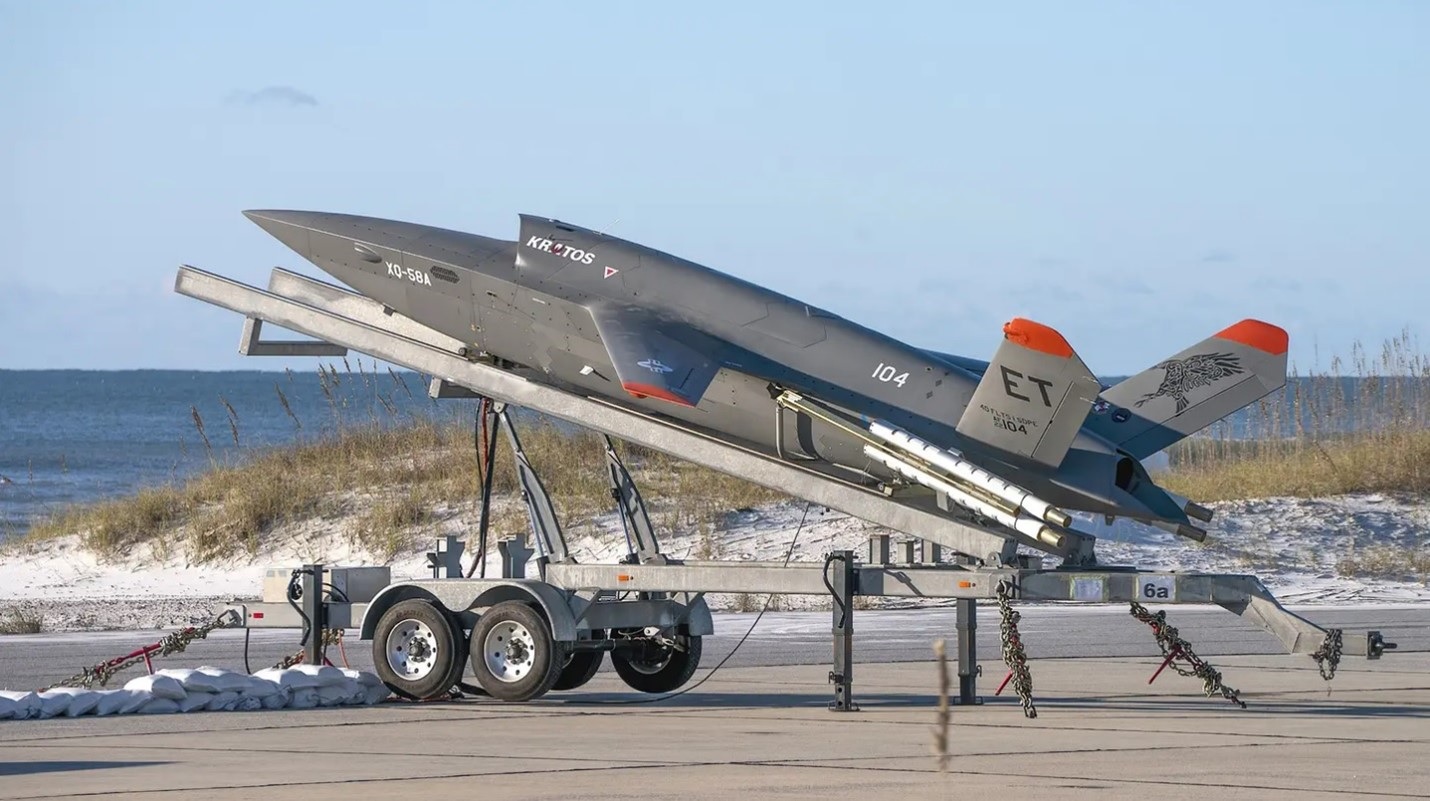
World
Kratos Defense & Security Solutions, Inc., a leader in advanced defence and security solutions, has secured a $34.8 million contract expansion with the U.S. Marine Corps. This modification builds on an ongoing effort to develop and integrate mission systems and subsystems for the XQ-58A Valkyrie Unmanned Aerial System (UAS), a key element in the Marine Corps’ Tactical Aircraft (TACAIR) modernization program. Advancing the Valkyrie for Tactical Excellence The XQ-58A Valkyrie, developed by Kratos, represents a significant step forward in unmanned aerial systems. Known for its affordability, versatility, and advanced capabilities, the Valkyrie is designed to operate autonomously alongside manned aircraft. It plays a critical role in the Marine Corps' broader strategy of deploying Collaborative Combat Aircraft (CCA) as part of its air-ground task force operations. This contract modification will fund extensive engineering, material procurement, and additional flight testing to enhance the Valkyrie’s operational capabilities. Key upgrades will include advanced mission payloads, sensor integration, and enhanced autonomous systems, ensuring the Valkyrie meets the stringent requirements of modern battlefield scenarios. Strategic Collaboration and Testing Since 2022, Kratos has worked closely with Northrop Grumman and the U.S. Marine Corps under the Marine Air-Ground Task Force Unmanned Aerial System Expeditionary (MUX) program. The MUX program aims to develop unmanned systems that can complement manned aircraft, reduce risks, and enable precision missions. Recent demonstrations under the Penetrating Affordable Autonomous Collaborative Killer Portfolio (PAACK-P) initiative showcased the Valkyrie’s collaborative capabilities, paving the way for its integration into Marine Corps operations by 2025. Testing and development activities for the Valkyrie will be conducted at several key locations, including Sacramento, California; Oklahoma City, Oklahoma; China Lake, California; and Patuxent River, Maryland. These sites will focus on refining the Valkyrie’s performance, ensuring seamless integration with existing combat platforms, and validating its capabilities through rigorous flight testing. Cutting-Edge Specifications of the XQ-58A Valkyrie The XQ-58A Valkyrie is a high-subsonic unmanned aerial system built for versatility and affordability. Key features include: Runway Independence: The Valkyrie can be launched without requiring traditional airstrip infrastructure, allowing deployment in remote and austere locations. Long-Range Capabilities: With an operational range of approximately 3,000 nautical miles, the Valkyrie can support extended missions. Payload Flexibility: The drone is equipped with a modular mission bay that can carry precision-guided munitions, surveillance equipment, and electronic warfare payloads. Stealth Design: Its low-observable airframe reduces radar cross-section, enhancing survivability in contested environments. Cost-Effectiveness: Designed to be significantly less expensive than traditional manned aircraft, the Valkyrie allows for large-scale deployment without overwhelming defence budgets. Vision for Collaborative Combat Aircraft Colonel Derek Brannon, Director of the HQ USMC Cunningham Group, emphasized the Marine Corps’ commitment to pioneering Collaborative Combat Aircraft. The goal is to deploy an operational squadron of CCAs that leverage advanced technologies while maintaining cost efficiency. Steve Fendley, President of Kratos’ Unmanned Systems Division, reiterated the importance of the Valkyrie in modernizing defence capabilities. “The Valkyrie’s ability to operate autonomously alongside manned aircraft significantly reduces risks and enhances mission effectiveness,” he said. He also highlighted the system’s rapid development and affordability as key enablers for the Department of Defense’s long-term goals. A Transformative Role in Modern Warfare The XQ-58A Valkyrie exemplifies the shift toward integrating unmanned systems into military operations. Its development aligns with the Marine Corps’ vision of future warfare, where affordability, flexibility, and autonomy play pivotal roles in maintaining strategic advantage. As the Valkyrie continues to evolve, it is poised to redefine the role of unmanned systems in tactical air operations, ensuring the U.S. military remains at the forefront of innovation and combat readiness.
Read More → Posted on 2025-01-22 08:01:15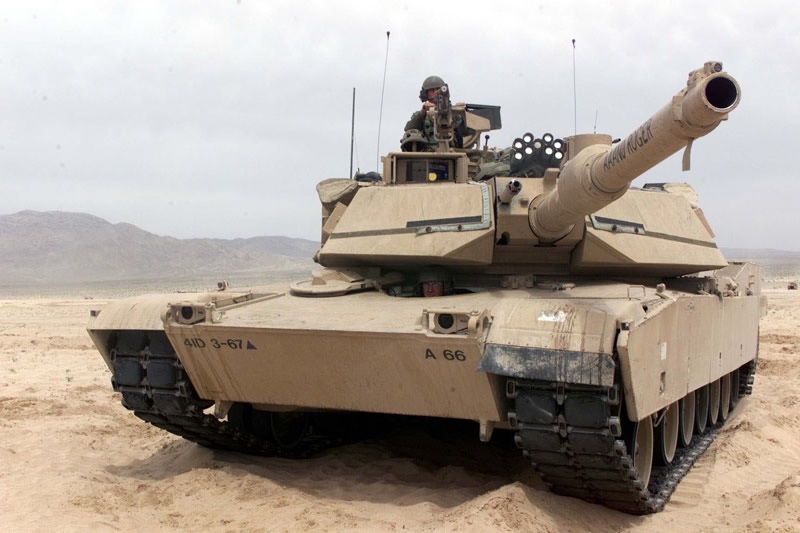
World
The U.S. Army has officially moved the M1147 120mm Advanced Multi-Purpose (AMP) round into full-rate production, signaling a significant leap forward in tank ammunition technology. This development ensures that the M1 Abrams main battle tanks are equipped with next-generation firepower to meet the challenges of modern warfare. What is the M1147 AMP Round? The M1147 AMP round is a game-changing piece of ammunition designed to streamline and enhance the capabilities of Abrams tanks. By consolidating four legacy rounds into a single versatile round, it simplifies logistics while expanding operational flexibility. The legacy rounds it replaces are: M830 High-Explosive Anti-Tank (HEAT) – Designed to destroy enemy armor. M830A1 Multi-Purpose Anti-Tank (MPAT) – Used against airborne threats and light vehicles. M1028 Canister – Effective in anti-personnel applications, similar to a giant shotgun blast. M908 Obstacle Reduction – Specialized for breaching obstacles such as reinforced concrete. Capabilities of the M1147 AMP Round The M1147 AMP combines the core strengths of its predecessors and enhances them with advanced technology. Its features include: Selectable Modes of Operation: Tank crews can adjust the round for various purposes, such as airburst, point detonation, or delayed detonation, depending on the target. Versatility in Combat: The round is effective against anti-tank guided missile teams, light-armored vehicles, and reinforced fortifications, including concrete walls in urban warfare scenarios. Enhanced Lethality: With better penetration and fragmentation, it provides superior lethality against enemy personnel and light armored threats. Advanced Fuzing Technology: The M1147 employs smart fuzing systems that allow crews to engage targets with precision and adaptability. Production Milestone: Full-Rate Production Achieving full-rate production marks a significant milestone in the M1147 program. This status indicates that the ammunition has passed rigorous testing for performance, reliability, and safety, and is now ready for mass production to meet operational demands. Maj. Gen. John T. Reim, the program executive officer, emphasized the importance of this milestone, stating: "The M1147 AMP round is the result of years of dedication and innovation. It provides Abrams tanks with unmatched versatility and firepower, ensuring our soldiers are prepared for any battlefield scenario." Why Does It Matter? The M1147 AMP addresses logistical and operational challenges by reducing the number of different ammunition types tank crews need to carry. This streamlining simplifies training, reduces supply chain complexity, and ensures faster deployment of the right capabilities in critical moments. Moreover, the enhanced functionality of the AMP round aligns with the modern battlefield's demands, which include rapid adaptability, urban combat readiness, and the ability to counter a range of threats with a single solution. Key Specifications of the M1147 AMP Round Caliber: 120mm Compatible Platform: M1A2 Abrams Main Battle Tank and variants. Modes of Operation: Airburst: For personnel in open or concealed positions. Point Detonation: For direct strikes on vehicles or other targets. Delayed Detonation: For penetrating obstacles before detonation. Penetration Capability: Effective against reinforced concrete and light armored vehicles. Smart Fuzing: Advanced programmable fuzes for precise mission tailoring. Weight: Approximately 50 pounds per round. Global Impact and Future Prospects The adoption of the M1147 AMP round enhances the Abrams tank’s lethality, ensuring that U.S. forces and their allies maintain battlefield superiority. International partners operating the Abrams tanks are expected to benefit from the technology as well, strengthening interoperability and collective defense capabilities. As the U.S. Army transitions to mass production, the M1147 represents not just an ammunition upgrade but a strategic advantage, enabling faster and more efficient response to evolving threats in diverse combat scenarios. This achievement cements the Abrams tank’s reputation as one of the world’s most formidable armored platforms, capable of adapting to the future of warfare.
Read More → Posted on 2025-01-21 15:41:09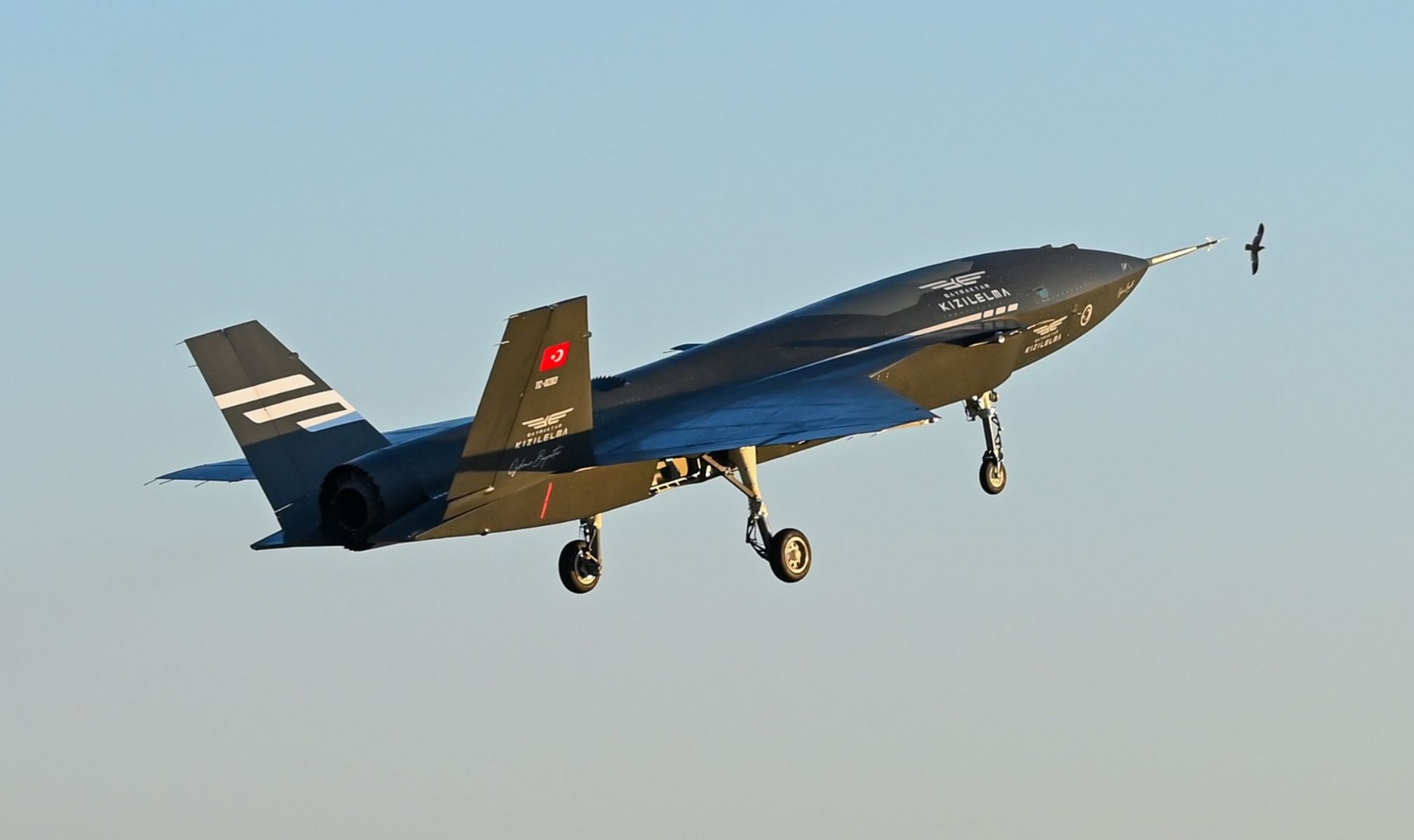
World
Baykar Technologies, Türkiye's leading drone manufacturer, continues to make strides in aviation innovation with its Bayraktar KIZILELMA unmanned fighter jet. Recently, the company announced the successful completion of a critical flight test for the production prototype Bayraktar KIZILELMA PT-3 (tail number TC-ÖZB3). Conducted at the AKINCI Flight Training and Test Center in Çorlu, Tekirdağ, the test focused on system identification activities, confirming the jet's capabilities and readiness for advanced development stages. Key Specifications and Design Features The Bayraktar KIZILELMA is designed to redefine aerial combat with advanced technology and groundbreaking features: Powerful Propulsion: The integration of an afterburner engine allows the aircraft to achieve near-supersonic speeds, enhancing its performance in high-stakes missions. Advanced AESA Radar: Equipped with an Active Electronically Scanned Array (AESA) radar, the KIZILELMA offers exceptional situational awareness, enabling precision targeting and effective threat detection. Aerodynamic Refinements: Structural enhancements and streamlined designs improve the jet’s agility and operational range. Short-Runway Capability: The aircraft is engineered to take off and land on vessels with short runways, including Türkiye’s TCG Anadolu, providing strategic value for naval operations. Development Timeline and Achievements The Bayraktar KIZILELMA project began in 2021, with Baykar Technologies fully funding its development. The production prototype rolled off the assembly line on November 14, 2022, and completed its maiden flight just a month later, on December 14, 2022. Since then, it has achieved numerous milestones: Formation Flights: In 2023, the KIZILELMA conducted formation flights alongside the Bayraktar AKINCI unmanned combat aerial vehicle and Türkiye’s manned fighter jets, such as the F-16 SOLOTÜRK and F-5 Turkish Stars, during TEKNOFEST 2023. These flights demonstrated its interoperability in mixed airspace operations. Maritime Flexibility: The jet's ability to operate from short-runway vessels enhances its deployability for naval missions and overseas operations, aligning with Türkiye's strategic defense goals. Export Potential and Global Reach Baykar Technologies is a key player in Türkiye's defense sector, with 90% of its $1.8 billion revenue in 2023 generated from exports. The company has already signed agreements with 35 countries for its Bayraktar TB2 and AKINCI drones, and the KIZILELMA is poised to further expand this market reach. Strategic Implications The Bayraktar KIZILELMA represents a significant leap for Türkiye in unmanned aerial technology. With its advanced systems, enhanced maneuverability, and ability to integrate seamlessly with manned and unmanned platforms, the jet is set to play a transformative role in modern aerial combat. Its versatility, particularly in naval operations, makes it a strategic asset for Türkiye’s defense forces and a promising contender in the global unmanned aircraft market. Baykar Technologies’ rapid progress with the KIZILELMA project underscores its commitment to innovation and its ambition to position Türkiye as a global leader in the defense aviation sector.
Read More → Posted on 2025-01-21 15:20:14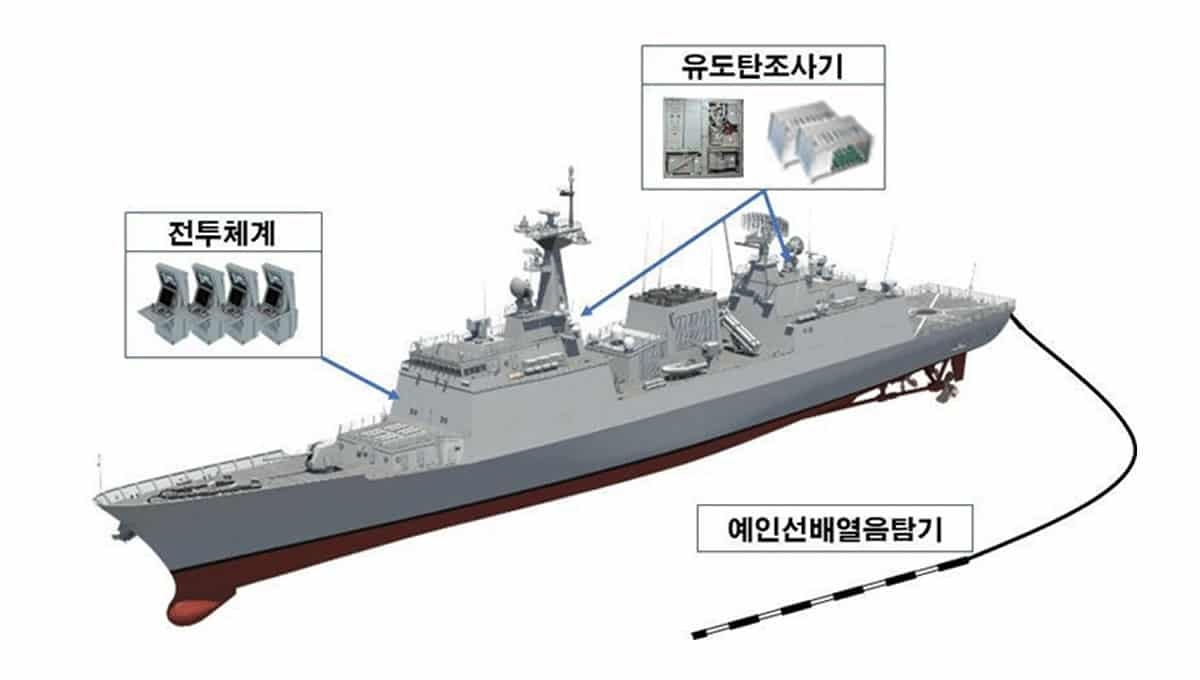
World
South Korea has officially launched an ambitious upgrade program for its Chungmugong Yi Sun-sin-class destroyers (KDX-II) to enhance their combat readiness and operational reliability. On January 15, the Defense Acquisition Program Administration (DAPA) convened a kickoff meeting to initiate the Performance Improvement Program (PIP), a comprehensive modernization effort focused on combat, sonar, and missile capabilities. This project, which involves a $135.93 million contract awarded to Hanwha Systems, is poised to extend the service life of the KDX-II fleet while integrating advanced domestic technologies. Strengthening the Combat System The Chungmugong Yi Sun-sin-class destroyers, which have been a cornerstone of the Republic of Korea Navy (ROKN) since their commissioning in the early 2000s, are undergoing a significant transformation. The upgrade includes replacing the aging combat systems with domestically developed technology that boasts advanced software, enabling faster target processing and enhanced information management. This marks a significant leap in the destroyers' capabilities, ensuring better preparedness against modern threats. One critical improvement involves the integration of a new towed-array sonar system, similar to the one deployed on the state-of-the-art FFX Batch-III Chungnam-class frigates. This will bolster the destroyers' anti-submarine warfare capabilities, making them more effective in countering underwater threats. Additionally, upgrades to the missile illuminators for SM-2 surface-to-air missiles will strengthen the fleet's air defense systems, enabling more precise interceptions of aerial threats. The United States is also playing a pivotal role in the program. The U.S. Department of Defense approved a $300 million Foreign Military Sale (FMS) in late 2024 to support the KDX-II upgrade. This includes critical components like the MK 99 fire-control system and software solutions, ensuring the destroyers meet modern operational standards. Addressing Past Challenges The urgency of the upgrade stems from repeated system failures in the KDX-II fleet. A prominent incident during the 2022 RIMPAC exercise saw the destroyer Munmu the Great fail to intercept a target with its SM-2 missile, which self-destructed mid-air due to a software error. Such incidents highlighted vulnerabilities in the weapon control systems, emphasizing the need for comprehensive modernization. These destroyers have been in service for over two decades, with the lead ship commissioned in December 2003. Given their age and history of malfunctions, the performance improvement program is a critical step toward ensuring the fleet's operational reliability and mission readiness. Specifications of the KDX-II Destroyers The Chungmugong Yi Sun-sin-class destroyers are multi-role vessels designed for both offensive and defensive operations. Below are their key specifications: Displacement: 5,500 tons (full load) Dimensions: Length – 150m; Beam – 17.4m; Draft – 7.3m Propulsion: Combined Diesel or Gas (CODOG) system with 2 GE LM2500 gas turbines and 2 MTU diesel engines Speed and Range: Top speed of 30 knots; range of 5,500 nautical miles at 20 knots Crew: Approximately 230 personnel Combat System: SYQ-500K mod.II KDCOM2 Armaments 5-inch Mk 45 naval gun 30 mm Goalkeeper CIWS 8 RGM-84D Harpoon or SSM-700K C-Star anti-ship missiles 32-cell Mk41 VLS for SM-2 Block IIIA missiles 24-cell K-VLS for C-Star-II and Red Shark missiles Torpedo tubes for K745 Blue Shark torpedoes Sensors and Sonar Systems RTX AN/SPS-49(V)5 2D long-range radar Thales Nederland MW08 3D radar Thales STIR 240 fire-control radar Atlas Elektronik DSQS-21BZ hull-mounted sonar SQR-220K towed-array sonar Next Steps for the Fleet Although the upgrade program excludes a radar replacement for now, future enhancements may address this gap. The inclusion of a domestically developed 3D AESA radar, such as the SPS-560K, or advanced systems like Lockheed Martin's SPY-7, remains a possibility in subsequent phases. Meanwhile, the ROK Navy is also preparing for the eventual successor to the KDX-II class. At MADEX 2023, Hanwha Ocean unveiled the KDDX-S concept, a next-generation destroyer featuring automation, unmanned systems, and increased displacement. A Legacy of Blue-Water Capabilities Since their introduction, the KDX-II destroyers have played a pivotal role in transitioning the ROK Navy into a formidable blue-water force. Regularly deployed as part of the Escort Task Group in the Gulf of Aden, these vessels have safeguarded commercial shipping from piracy and other maritime threats. With the modernization efforts now underway, South Korea’s KDX-II destroyers are set to remain a vital asset for the nation's maritime defense strategy, ensuring operational superiority and readiness for the challenges of modern naval warfare.
Read More → Posted on 2025-01-21 15:17:28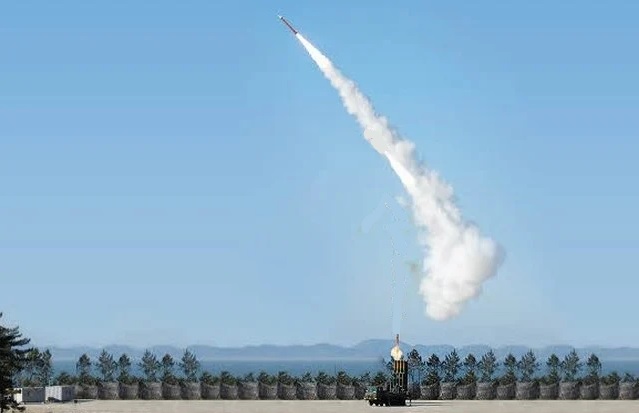
World
South Korea has taken a significant step forward in strengthening its missile defense capabilities with the approval of the next-generation Long-Range Surface-to-Air Missile (L-SAM II) project. The nation’s Defense Acquisition and Program Administration (DAPA) has sanctioned a budget of 567.7 billion South Korean won (approximately $388 million) to develop the advanced system by 2028, ensuring that South Korea stays ahead of evolving threats, including hypersonic and intercontinental ballistic missiles. L-SAM II: Expanding Missile Defense Horizons The L-SAM II is designed to surpass its predecessor, the L-SAM, in both altitude and range. While the original L-SAM has an operational range of 150 kilometers (93 miles) and an altitude of 40 kilometers (25 miles), the L-SAM II aims to extend these capabilities significantly. Early assessments suggest that its defensive coverage could be three to four times greater than the L-SAM, offering South Korea a critical edge in intercepting high-altitude threats. The system will utilize advanced hit-to-kill technology, ensuring pinpoint accuracy against incoming threats. Similar to its predecessor, the L-SAM II is expected to include a combat control station, four truck-mounted launchers, and interceptors specialized for anti-aircraft and anti-ballistic functions. However, the new iteration will incorporate enhanced capabilities to neutralize hypersonic and gliding-stage missiles, particularly those potentially launched by North Korea. Strategic Vision and Investment South Korea’s decision to accelerate the development of the L-SAM II stems from rising regional tensions and the growing sophistication of North Korea’s missile arsenal. In 2023, DAPA approved a broader funding plan amounting to 2.71 trillion won ($1.86 billion) for L-SAM II development, spanning 2024 to 2035. This comprehensive plan also includes research and development for a gliding-stage interceptor missile aimed specifically at countering North Korea's hypersonic weapons and intercontinental ballistic missile systems. In addition to the L-SAM II, South Korea is working on complementary systems, such as the Low-Altitude Missile Defense (LAMD) system, to address threats posed by long-range artillery barrages. Together, these initiatives form a multi-layered defense strategy capable of countering threats at various altitudes and trajectories. A Collaborative Effort The state-run Agency for Defense Development (ADD) will spearhead the L-SAM II project, supported by 19 other domestic companies. This collaborative effort highlights South Korea’s commitment to leveraging local expertise to bolster its national security. The development process will focus on refining the system’s precision, reliability, and integration with existing missile defense networks, such as the Terminal High Altitude Area Defense (THAAD) system operated by the U.S. military in South Korea. L-SAM’s Progress and Future Outlook The original L-SAM system, whose development was completed in December 2023, is set to enter serial production this year. Designed to intercept ballistic missiles and aircraft at high altitudes, the L-SAM has already demonstrated South Korea's ability to develop cutting-edge missile defense technologies. The L-SAM II aims to build on this foundation, providing an even more robust defense against modern and emerging threats. By focusing on advanced interception technologies and expanding coverage capabilities, the L-SAM II represents a crucial step in South Korea’s ongoing efforts to ensure national security and regional stability. As tensions in the Korean Peninsula persist, the development of the L-SAM II underscores the nation’s resolve to counter missile threats with innovation and preparedness. This ambitious project not only reinforces South Korea’s defense infrastructure but also signals its commitment to maintaining a technological edge in the face of an increasingly unpredictable geopolitical landscape.
Read More → Posted on 2025-01-21 15:12:37
World
In an escalation of the ongoing conflict between Russia and Ukraine, the Russian defense ministry announced on Tuesday that its air defense systems intercepted and destroyed 55 Ukrainian drones during the night. The drones targeted six regions of Russia, with significant incidents reported in the western region of Voronezh, which borders Ukraine. The Voronezh region faced a renewed fire at an oil depot after debris from one of the downed drones struck the facility. This follows a similar incident six days earlier when remnants of a drone caused another blaze at the same location. Governor Alexander Gusev confirmed that no injuries occurred but highlighted the efforts of firefighters and emergency services to control the flames and ensure the safety of the local population. Increasing Drone Warfare The overnight attack underscores the intensifying drone warfare between Russia and Ukraine. Both nations have heavily relied on unmanned aerial vehicles (UAVs) to gain strategic advantages. Ukraine, in particular, has used drones to target Russian infrastructure, including oil depots and military installations, to disrupt supply chains and weaken Moscow's operations. Russia, on the other hand, has bolstered its air defense systems to counter these drone strikes. The downing of 55 drones in a single night reflects the increasing scale and frequency of such confrontations. It also highlights the evolving nature of modern warfare, where drones play a pivotal role in both offensive and defensive strategies. A Broader Context of Hostilities The drone attacks and subsequent Russian countermeasures come amid heightened hostilities in the nearly three-year-long conflict. Both sides have ramped up efforts to gain the upper hand as the war shows no signs of resolution. Ukraine continues to press for Western military aid to sustain its defenses and reclaim territories, while Russia remains focused on consolidating its positions and countering Ukrainian advancements. Adding a layer of complexity to the situation is the potential shift in U.S. foreign policy. Former U.S. President Donald Trump, currently campaigning for re-election, has pledged to cut off military aid to Ukraine and prioritize negotiating a peace deal to end the conflict. If implemented, such a policy could significantly alter the dynamics of the war, potentially forcing Ukraine to rely more heavily on European allies and its domestic capabilities. Implications of the Oil Depot Fire The fire at the Voronezh oil depot poses challenges not only for the local population but also for Russia's logistical operations. Oil depots are critical to sustaining military activities, and repeated attacks on such facilities could disrupt supply lines, impacting Russia's ability to maintain its military presence in key regions. The fire also highlights the vulnerabilities in Russia's critical infrastructure despite its advanced air defense systems. While intercepting drones can prevent widespread damage, the falling debris from downed drones continues to pose risks to strategic facilities and civilian areas. A Conflict Without Resolution As the conflict drags on, both sides are intensifying their efforts to outmaneuver each other. Ukraine's drone campaign has proven to be an effective tool for targeting Russian assets deep within its territory, while Russia continues to retaliate with airstrikes and defensive measures. The war's trajectory remains uncertain, with diplomatic efforts seemingly stalled and international actors divided on their approach to the crisis. The rising scale of drone warfare and infrastructure attacks suggests that the conflict is entering a new phase—one marked by technological advancements and strategic disruptions. With no immediate resolution in sight, the human and economic toll of the war continues to mount, further entrenching the animosity between the two nations.
Read More → Posted on 2025-01-21 15:06:52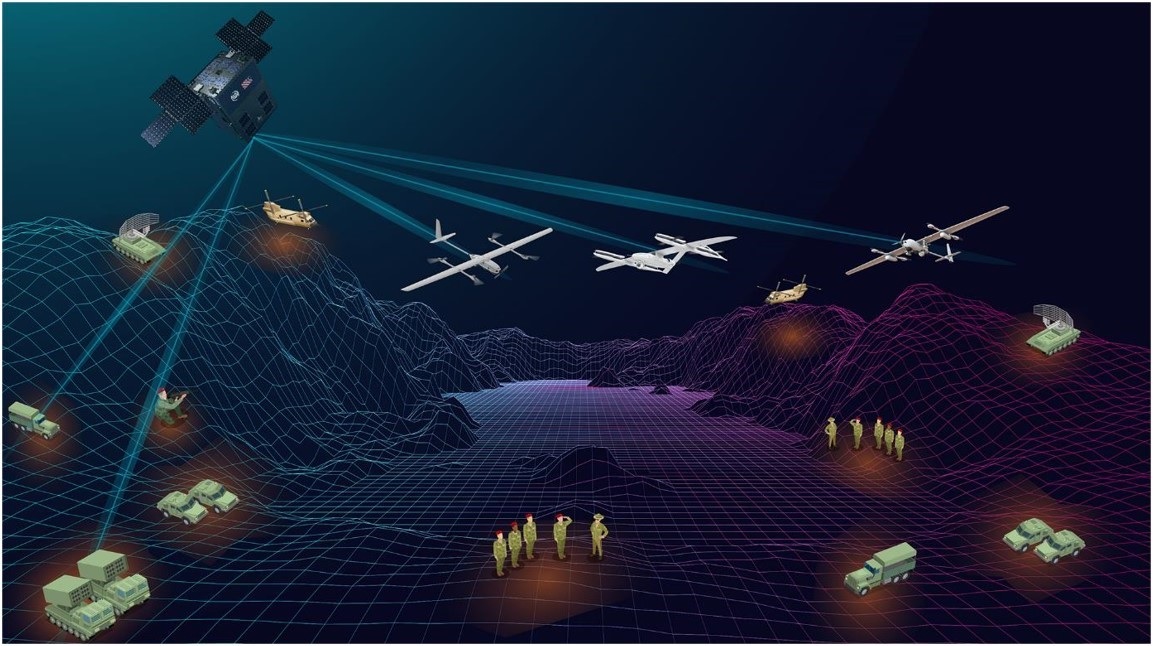
World
Redwire Corporation, a major force in the space infrastructure sector, has announced its acquisition of Edge Autonomy, a globally recognized innovator in uncrewed aerial systems (UAS) technology. The $925 million transaction will consist of $150 million in cash and $775 million in Redwire common stock, based on a 30-day volume-weighted average trading price. This strategic merger is set to redefine the landscape of autonomous technology, enabling Redwire to expand its influence across defense, intelligence, and space sectors. A Game-Changing Acquisition This acquisition positions Redwire as a leader in multi-domain autonomous technology, integrating combat-proven airborne platforms with its cutting-edge space infrastructure solutions. The deal is expected to significantly enhance Redwire’s financial performance, with projected combined revenues for 2025 estimated between $535 million and $605 million. Furthermore, it will improve key financial metrics, including Adjusted EBITDA and Free Cash Flow, reinforcing Redwire’s commitment to sustainable growth. The Legacy of Edge Autonomy Edge Autonomy, formed in 2021 through a strategic merger, has over three decades of experience in developing advanced uncrewed systems. The company’s flagship products, including the Stalker and Penguin series, are renowned for their capabilities in long-range reconnaissance, rapid deployment, and adaptability to various operational environments. The Stalker, for instance, boasts impressive endurance and precision, while the Penguin series excels in providing cost-effective, long-endurance surveillance solutions. These platforms have been extensively utilized by the U.S. Department of Defense and allied governments, underlining their reliability in critical missions. Edge Autonomy’s innovative approach and proven track record make it a valuable addition to Redwire’s portfolio. Expanding Redwire’s Capabilities Redwire has been steadily scaling its operations in national security and space technologies. Recent innovations include AI-enabled autonomous spacecraft for diverse orbital missions and pioneering “orbital drones” that bridge the gap between airborne and space technologies. The integration of Edge Autonomy’s UAS expertise will further strengthen Redwire’s ability to deliver comprehensive solutions spanning land, air, and space. Peter Cannito, Chairman and CEO of Redwire, emphasized the transformative potential of this acquisition, stating, “This merger positions Redwire at the forefront of defense technology trends, creating a unified network of autonomous, collaborative systems for operations spanning Earth to the Moon and beyond.” Global Workforce and Infrastructure Edge Autonomy’s global footprint, which includes a skilled workforce of 600 employees and extensive manufacturing facilities in the U.S. and Europe, will provide Redwire with unparalleled production capabilities. These resources will be instrumental in meeting the growing demand for autonomous systems in both defense and commercial markets. Steve Adlich, CEO of Edge Autonomy, echoed the enthusiasm, noting, “This partnership will unlock growth opportunities and drive innovation to meet evolving customer needs. By combining our expertise, we are well-positioned to tackle the challenges of modern warfare and space exploration.” Strategic Implications The merger underscores Redwire’s commitment to staying ahead in a rapidly evolving technological landscape. By combining Edge Autonomy’s expertise in uncrewed airborne systems with Redwire’s advanced space technologies, the company is poised to create a robust ecosystem of autonomous solutions. This comprehensive approach aligns with emerging trends in multi-domain operations, where interoperability and adaptability are critical. The deal also reflects broader shifts in the defense and aerospace sectors, where autonomy and artificial intelligence are becoming central to operational success. By leveraging these technologies, Redwire aims to enhance its offerings for government and commercial customers, ensuring readiness for future challenges. Conclusion The acquisition of Edge Autonomy by Redwire Corporation represents a significant milestone in the evolution of autonomous systems. With a shared vision for innovation and excellence, the combined entity is set to redefine the boundaries of technology, offering groundbreaking solutions for defense, intelligence, and space exploration. As the demand for autonomous systems continues to grow, this partnership is well-positioned to lead the way in delivering cutting-edge capabilities across multiple domains.
Read More → Posted on 2025-01-21 15:03:26
World
Bangalore-based Q-Alpha Aerospace is making waves in the aerospace industry with the development of the QAL-J10, an advanced 10 kN turbojet engine. Tailored for next-generation unmanned combat aerial vehicles (UCAVs) and drones, the QAL-J10 represents a significant leap forward in propulsion technology. Beyond drones, the engine’s compatibility with Turbine-Based Combined Cycle (TBCC) architecture positions it as a critical enabler for future hypersonic platforms. A Technological Marvel The QAL-J10 turbojet engine is a multi-stage, AI-augmented propulsion system built to deliver superior performance in unmanned systems. At its core lies a highly efficient afterburner and exhaust choking mechanism, engineered to maximize thrust-to-weight ratios while ensuring operational flexibility. Designed with precision using advanced scientific models, the QAL-J10 demonstrates Q-Alpha Aerospace’s ability to push the boundaries of modern aerospace engineering. One of the standout features of the QAL-J10 is its digital twin technology. This system allows engineers to create a virtual replica of the engine, enabling real-time monitoring and optimization across a wide range of scenarios. This capability not only enhances efficiency but also provides end-to-end situational awareness, ensuring that the engine performs seamlessly even in the most demanding environments. Cutting-Edge Features AI-Driven Optimization:The QAL-J10 integrates artificial intelligence to enhance situational awareness and operational performance. AI allows for multi-sensor fusion, ensuring the engine adapts dynamically to varying conditions. This capability enables drones and UCAVs to function more autonomously while maintaining peak efficiency. Digital Twin Technology:The inclusion of digital twin technology offers a new level of control. Engineers can simulate and optimize the engine’s parameters, providing actionable insights and improved reliability. This feature also facilitates predictive maintenance, reducing downtime and operational costs. Hypersonic Readiness:With its compatibility with TBCC architecture, the QAL-J10 is not just limited to drones or UCAVs. The engine’s design ensures it can be adapted for hypersonic applications, paving the way for its deployment in cutting-edge aerospace platforms of the future. Compact and Lightweight:Despite its powerful 10 kN thrust, the QAL-J10 has a compact and lightweight design, making it ideal for unmanned systems where weight savings and efficiency are paramount. Specifications Thrust Output: 10 kN Architecture: Multi-stage turbojet with afterburner AI Integration: Advanced multi-sensor fusion for real-time optimization Digital Twin Technology: Real-time monitoring and predictive maintenance Fuel Efficiency: Designed for extended operational range Weight: Lightweight construction for drone compatibility Applications: UCAVs, advanced drones, and potential hypersonic platforms Applications and Future Potential The QAL-J10 is a pivotal advancement in propulsion systems for unmanned systems. Its focus on efficiency, AI-driven optimization, and versatility make it well-suited for various platforms, including reconnaissance drones, combat UCAVs, and high-speed surveillance systems. The integration of TBCC compatibility further expands its potential to power hypersonic UCAVs, a crucial area for future aerospace innovation. A Game-Changer in Aerospace Q-Alpha Aerospace’s QAL-J10 turbojet engine is set to redefine how drones and UCAVs operate. By leveraging AI, digital twin technology, and advanced engineering, the company has created a propulsion system that not only meets current demands but also anticipates the needs of tomorrow’s aerospace landscape. With this innovation, Q-Alpha Aerospace is positioning itself as a global leader in next-generation aerospace solutions.
Read More → Posted on 2025-01-21 15:00:51Search
Top Trending in 24 Hours
-
 Tulsi Gabbard Releases Declassified Files Detailing U.S.-Backed Network of 120 Biolaboratories Across 30+ Countries
-
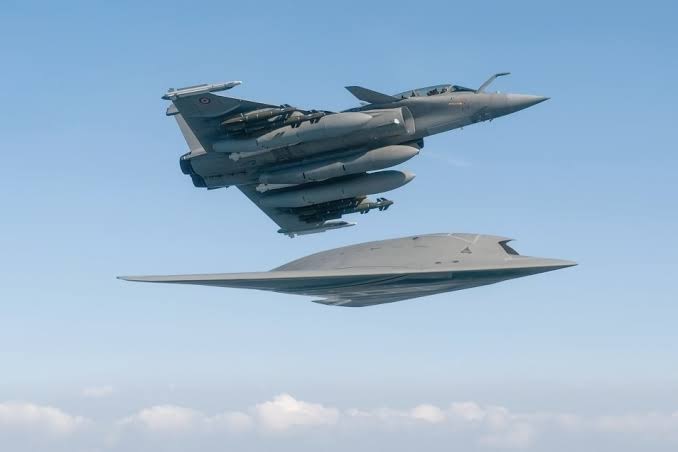 France Agrees to Equip Future Indian Rafales with AI, MUM-T and Secure Satellite Links Under F5 Standard
-
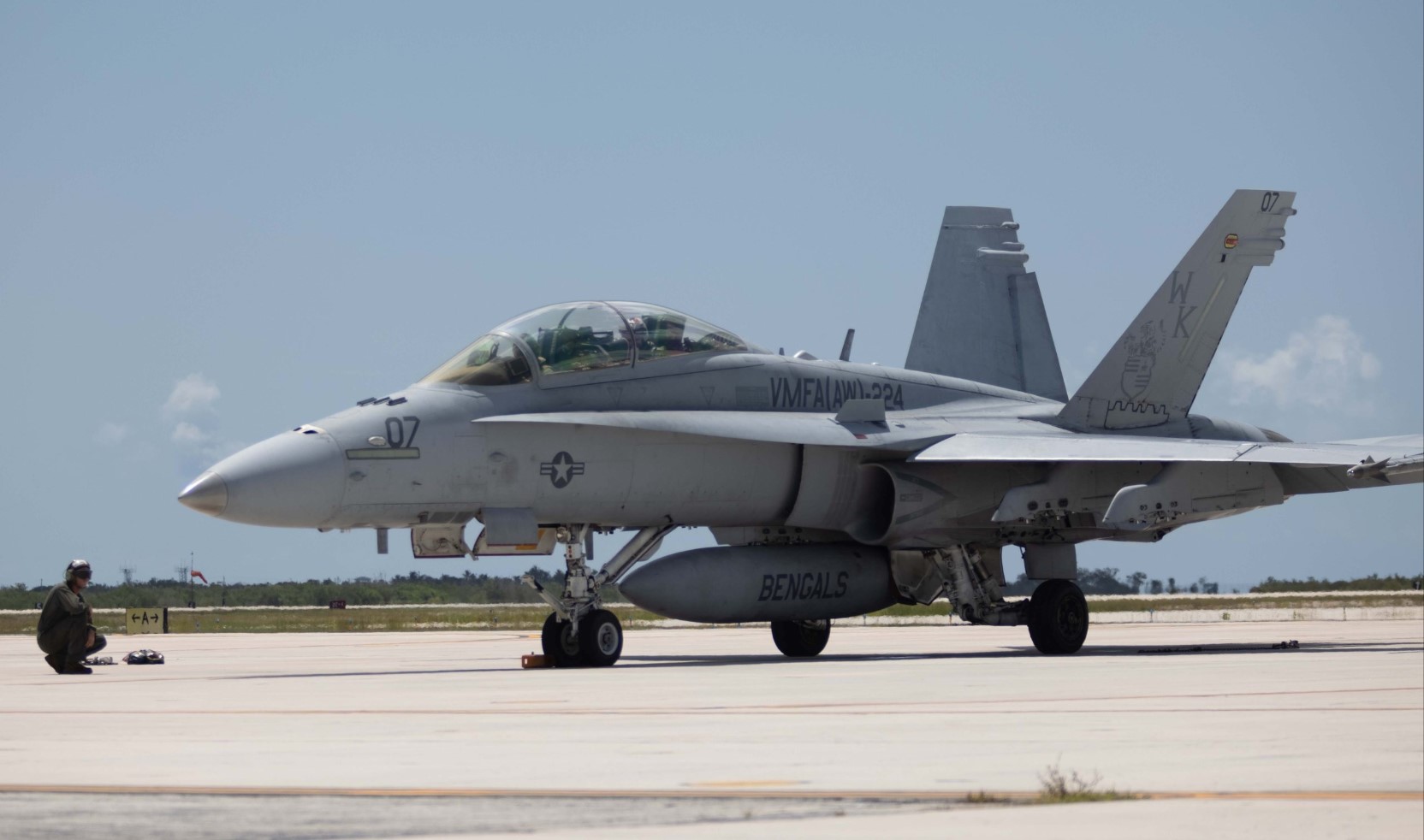 US Marine Corps F/A-18D Hornet Crashes During Training Flight in Washington Mountains; Pilot Ejects Safely
-
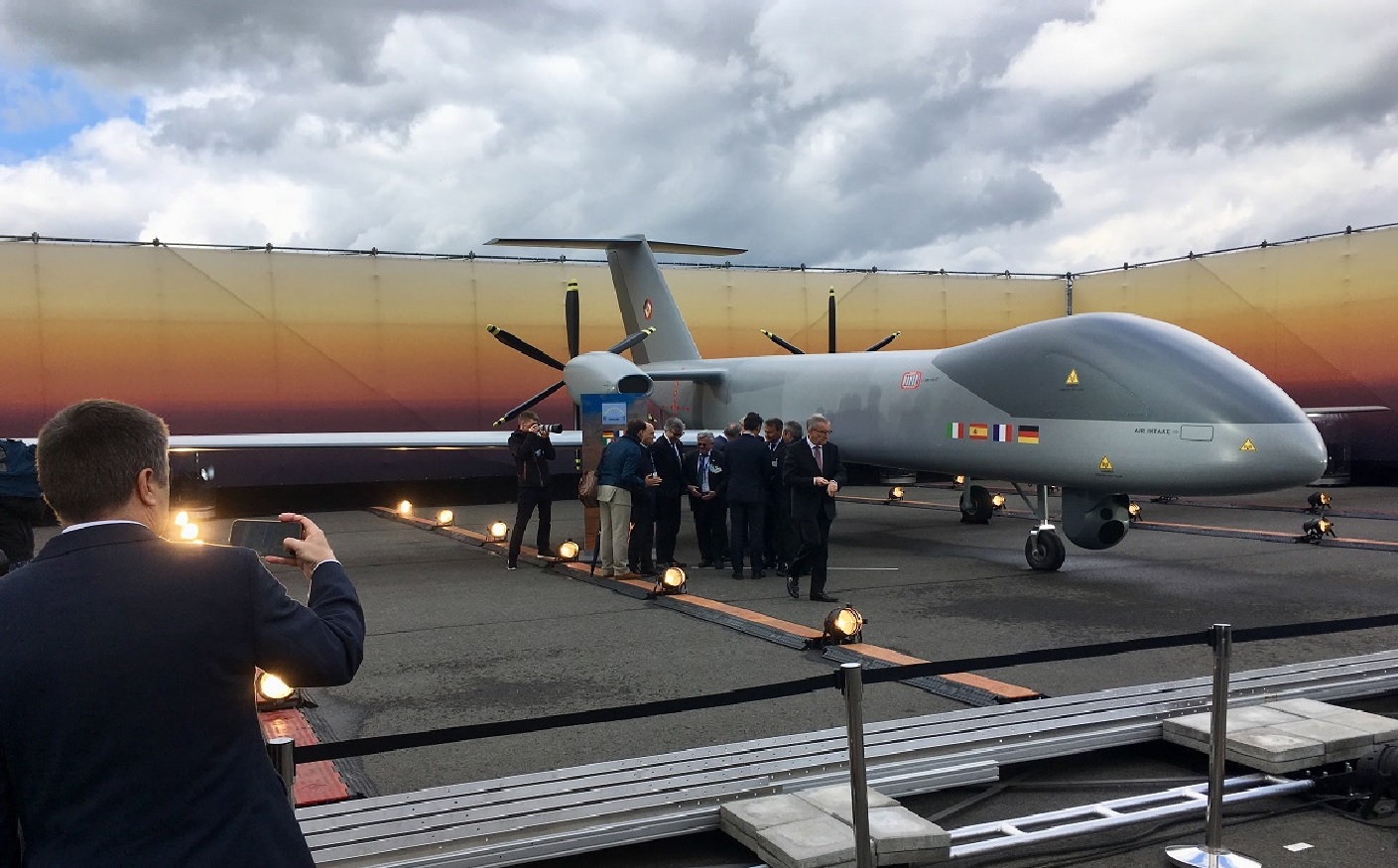 Dassault Seeks Compensation From Airbus as Eurodrone Dispute Erupts After FCAS Collapse
-
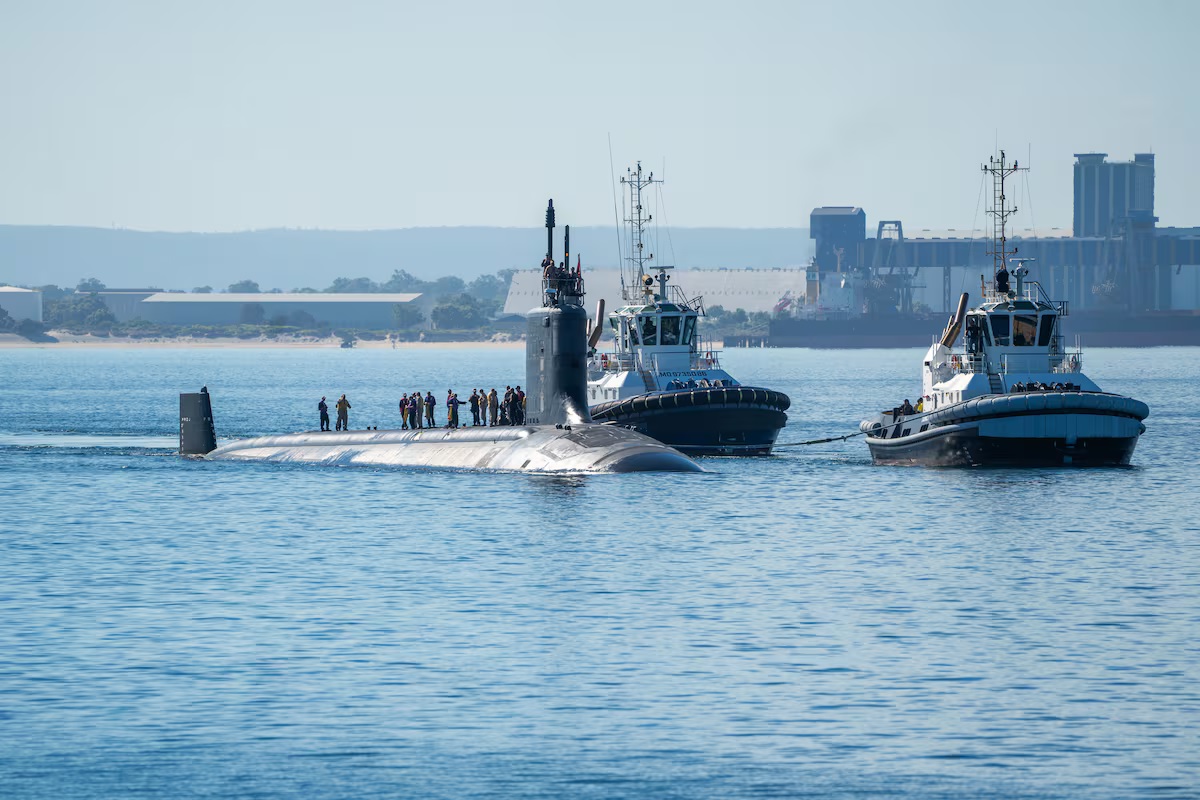 U.S. Navy Reestablishes Submarine Squadron 3 at HMAS Stirling to Support AUKUS Rotational Force
-
 AM General Unveils Next-Generation UGV and JLTV A2 with Counter-Drone Systems at Eurosatory 2026
-
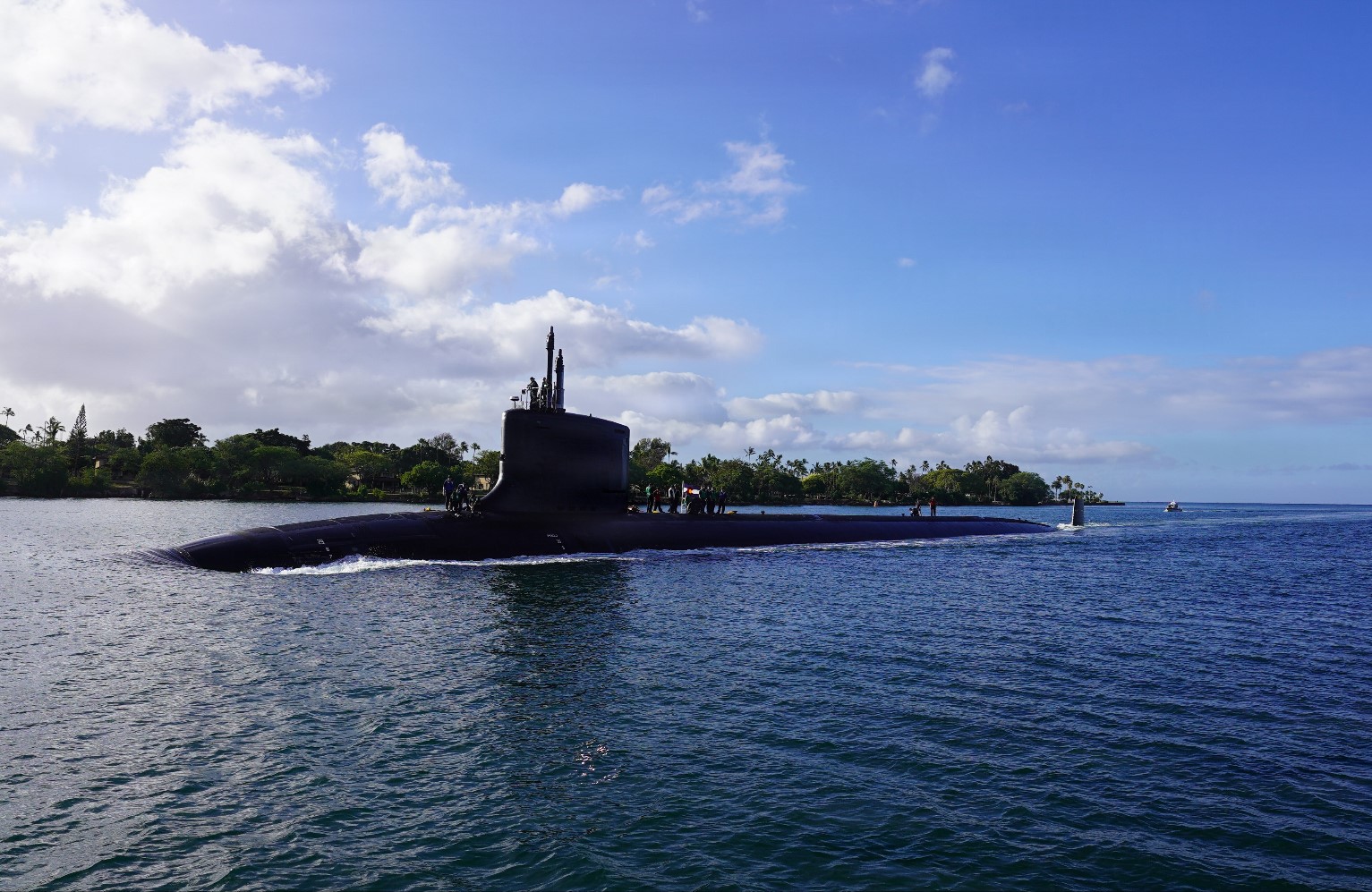 U.S. Navy's USS Colorado Submarine Returns to Pacific Fleet 29 Days Early After Major Pearl Harbor Overhaul
-
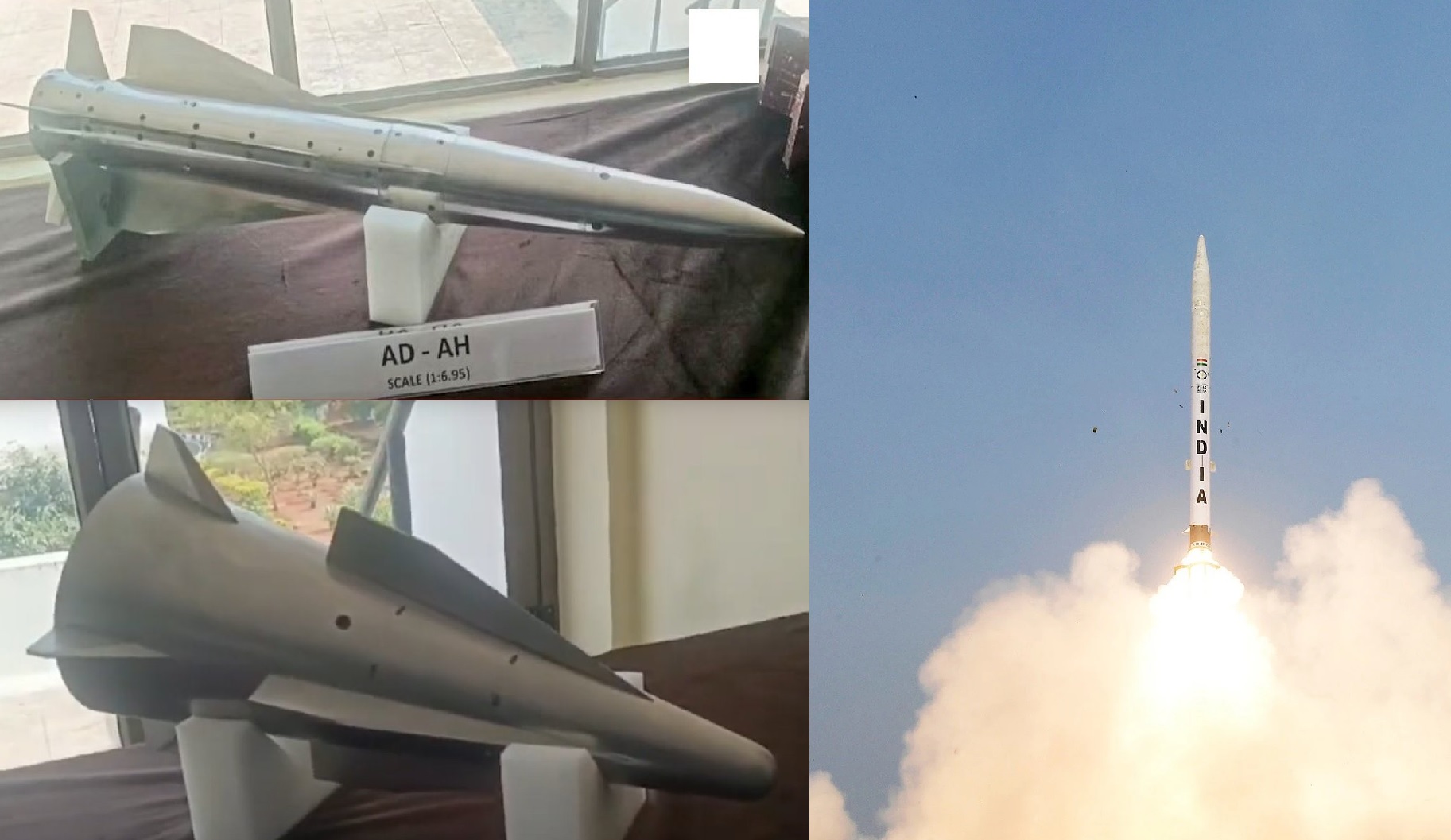 Why India’s Phase 3 BMD Program Is Unique in the Global Race Against Hypersonic and MIRV Missiles
Top Trending in 4 Days
-
 Iranian Media Leaks 14-Point U.S.-Iran Peace Framework Amid Ongoing Negotiations
-
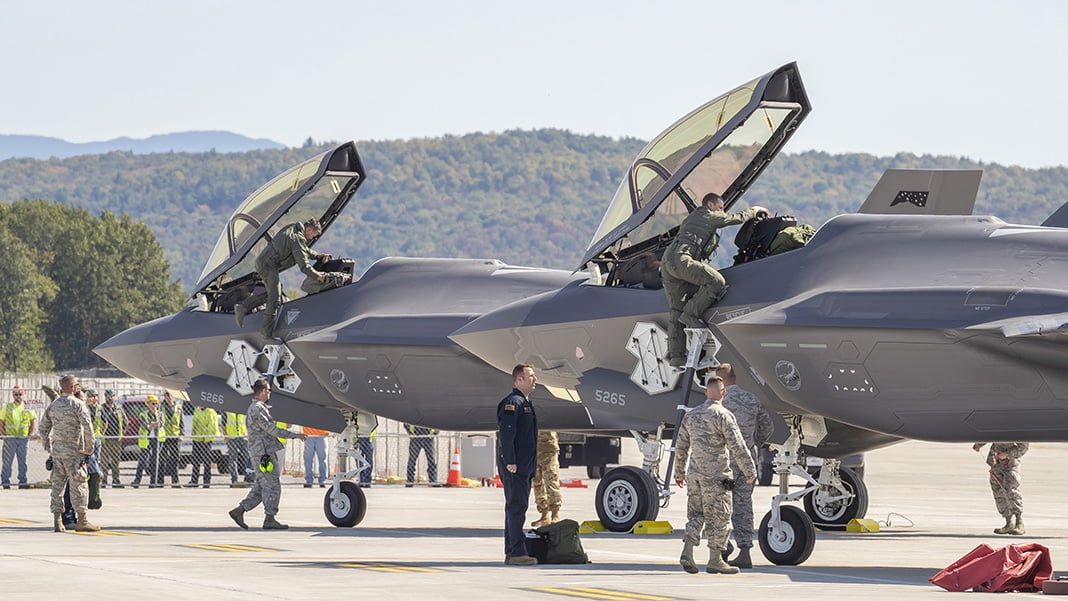 F-35 Fleet Readiness Falls to 25% Amid Parts Shortages and Software Delays: GAO Report
-
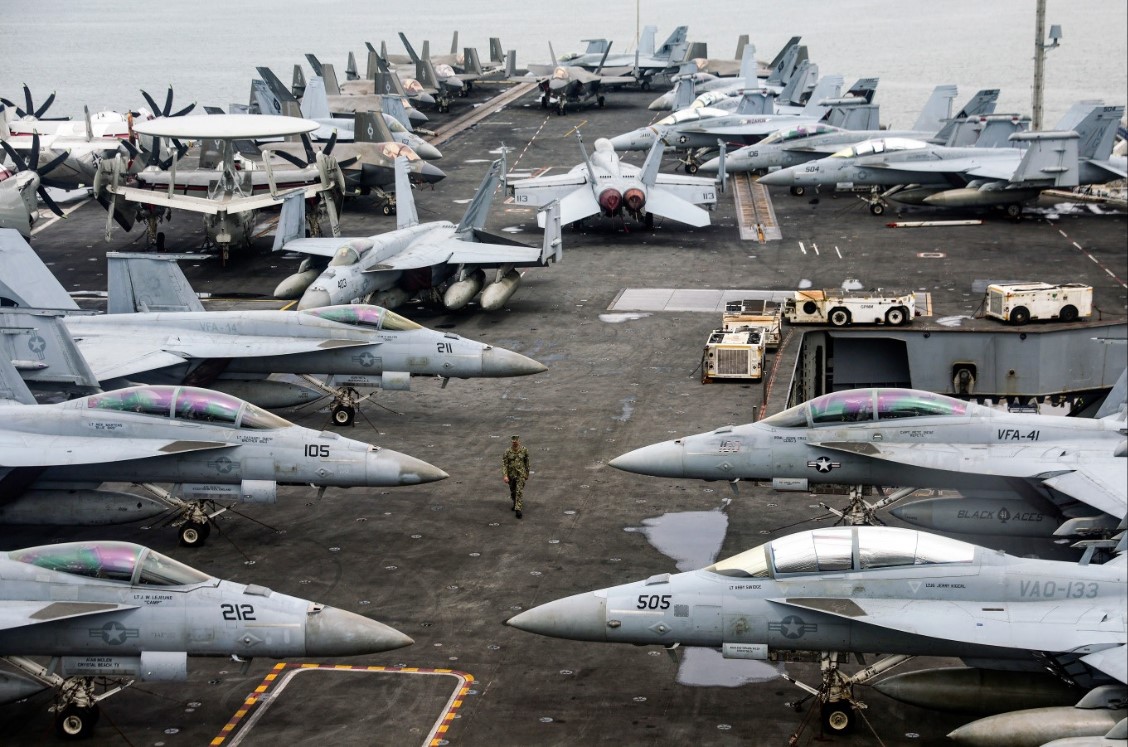 US Plans Significant Reduction of Fighter Jets and Warships for NATO Operations in Europe
-
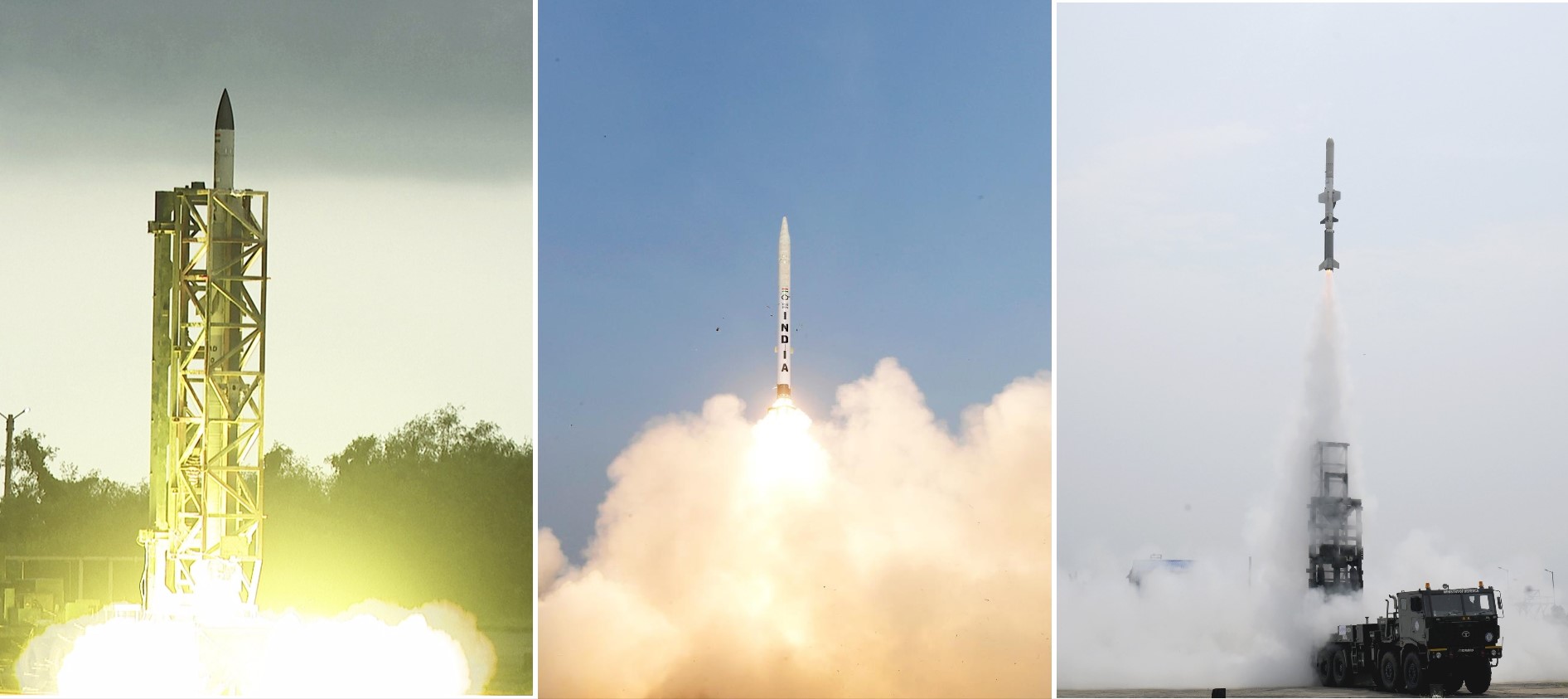 India Successfully Conducts AD-1, AD-2 Interceptor Tests and Maiden NASM-MR Flight Trial
-
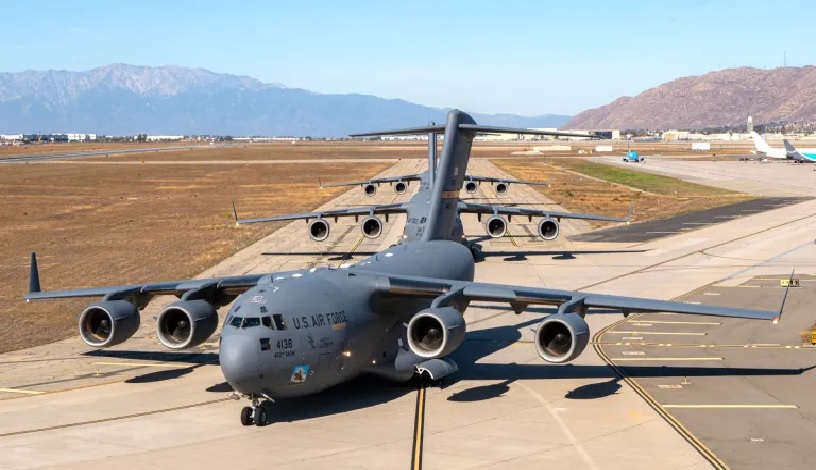 U.S. Air Force Faces Strategic Airlift Shortfall as C-17 Production Restart Remains Uncertain
-
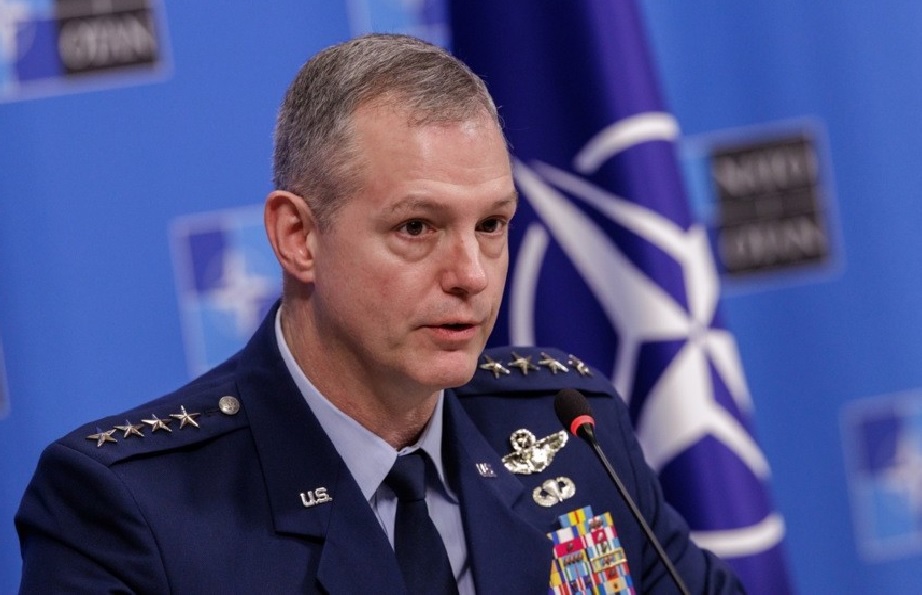 NATO Commander Says Russia Not Seeking Conflict With Alliance Despite U.S. Force Reductions
-
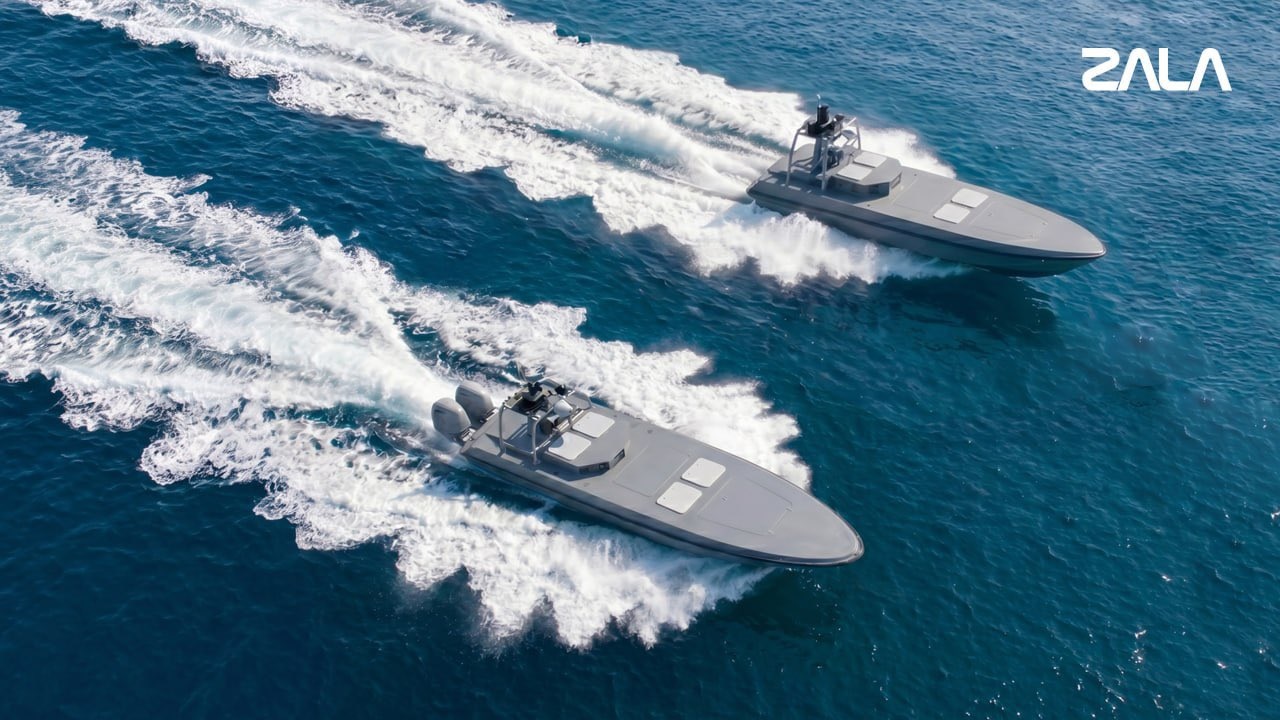 Russian Defense Firm ZALA Unveils KAMA Unmanned Surface Vessel Family at FLOT-2026 Naval Exhibition
-
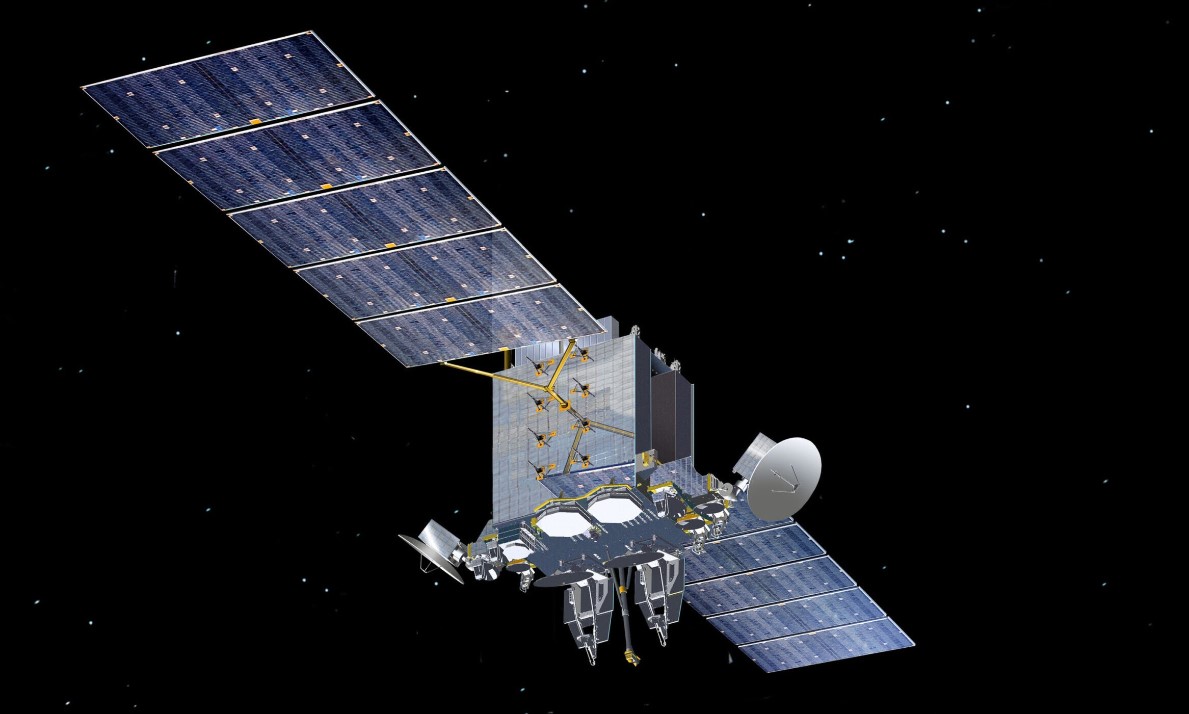 U.S. Space Force Awards $437.7 Million Contracts for First PTS-G Swarm 1 Anti-Jam Satellites