World
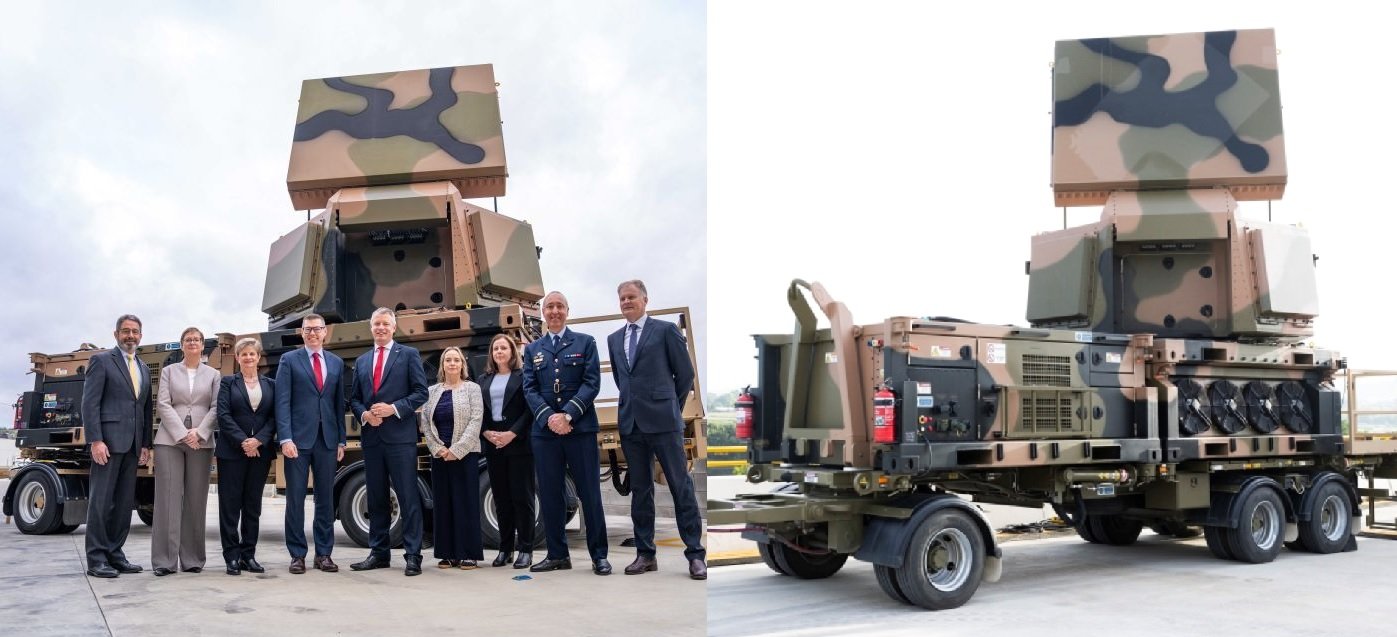
CANBERRA, Australia — The United Kingdom and Australia are strengthening defence-industry cooperation over the potential adoption of Australian Active Electronically Scanned Array (AESA) radar technology for UK frontline forces. A Statement of Intent involving the UK Ministry of Defence, the Australian Department of Defence, British defence company QinetiQ and Canberra-based CEA Technologies was signed at the CEA Technologies facility in Canberra. The signing was attended by UK Minister for Defence Readiness and Industry Luke Pollard and Australian Minister for Defence Industry Pat Conroy. The agreement builds on commitments made during the Australia-UK Ministerial Consultations (AUKMIN) in June. At those talks, the two governments announced a Government-to-Government Project Arrangement to advance cooperation on AESA radar capabilities supplied by CEA Technologies, including the possibility of jointly developing and producing CEA systems. QinetiQ to support UK integration and testing Under the new framework, QinetiQ will support the integration, testing and assurance of CEA radar technology across the UK defence enterprise. The company will provide technical expertise as the two countries assess potential opportunities for using the Australian radar technology in UK systems. The statement does not identify specific UK platforms or military branches that would receive the radar. “Today, we are deepening our industrial cooperation with Australia on cutting-edge radar technologies,” Luke Pollard said. He said combining QinetiQ’s expertise with CEA’s radar technology could strengthen the readiness of both countries while supporting their defence industries. QinetiQ Group Chief Executive Officer Steve Wadey said the company’s expertise positioned it as a strategic partner for the UK Ministry of Defence and its allies. He also pointed to the increasing importance of air-defence capabilities in current conflicts. CEA Technologies Chief Executive Officer Alan Clements said the agreement was an important milestone for the company and the Australian and UK defence industries. He said it reflected confidence in CEA’s radar technology and the role of industrial partnerships in strengthening sovereign capability. CEA radar technology CEA Technologies specialises in advanced radar systems, including AESA technology used by the Australian Defence Force. The company’s CEAFAR phased-array radar family is used on Royal Australian Navy Anzac-class frigates and has also been selected for the Hunter-class frigates. CEA radar technology has additionally been integrated with the Aegis combat system during Australian missile-defence testing. In July 2026, Australian Defence confirmed that CEA Technologies worked with Lockheed Martin on a first-of-type integration between a CEA radar and the Aegis Combat System. AESA radars electronically steer their radar beams rather than relying on mechanical movement of a conventional antenna. This architecture allows radar systems to perform functions such as tracking multiple objects and rapidly changing between different operating tasks. Cooperation linked to AUKUS The radar initiative is part of wider defence and industrial cooperation between Australia and the UK under their broader strategic partnership and AUKUS. At the June AUKMIN meeting, both governments said their cooperation on CEA’s AESA technology could create opportunities for further radar development, including potential co-development and co-production. The two countries had already identified Australian AESA radar technology as an area for closer cooperation earlier in 2026. During the Australia-UK Defence Industry Dialogue in February, ministers agreed to undertake targeted risk-reduction activities to help inform future decisions on the potential use of Australian AESA technology by the UK. The latest Statement of Intent provides a framework for continued cooperation while the two governments and companies examine future opportunities. No specific UK platform, acquisition quantity, delivery schedule or production arrangement has been confirmed under the agreement. Further decisions will depend on subsequent technical and defence-industry work between the participating organisations.
Read More → Posted on 2026-08-12 14:32:35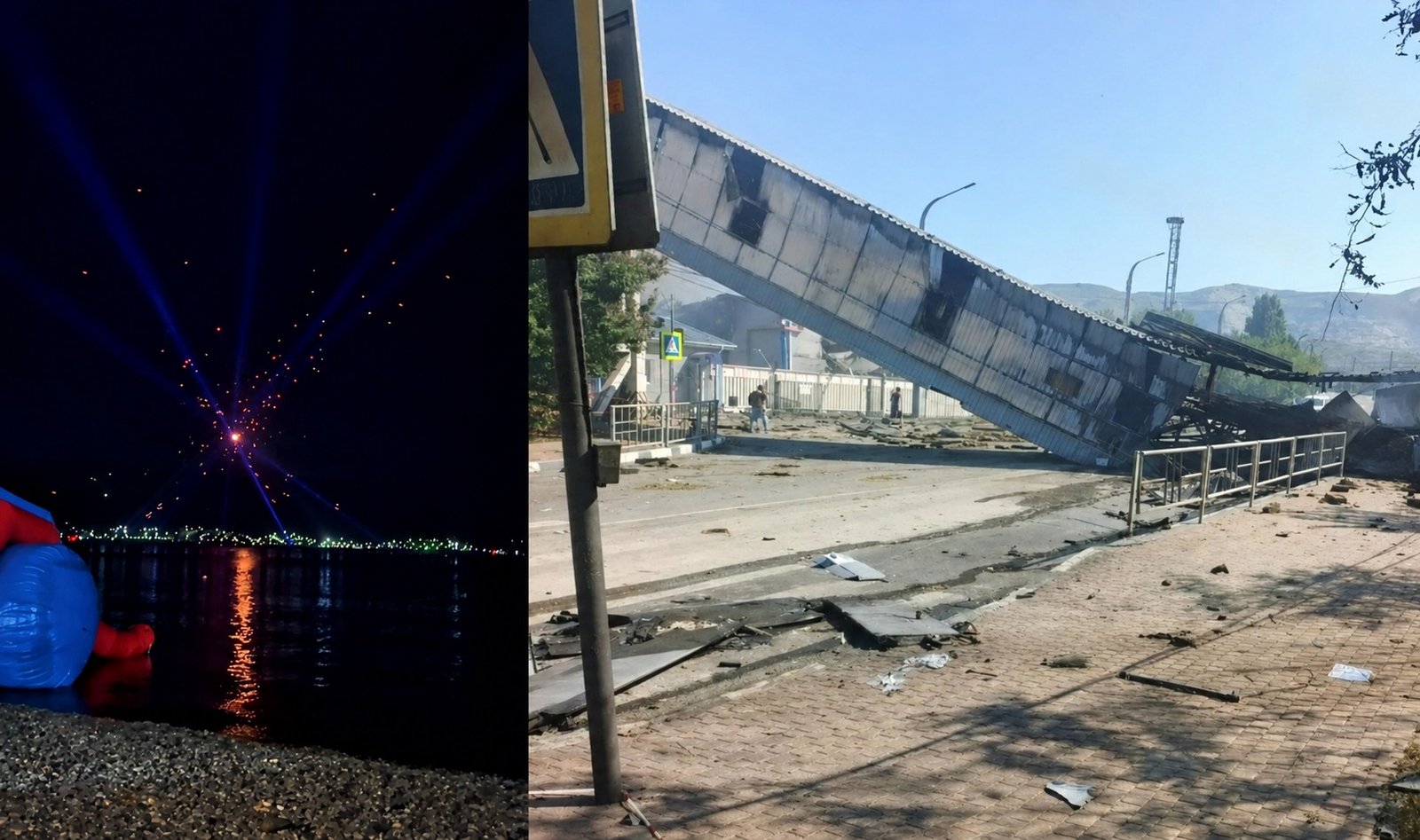
World
NOVOROSSIYSK, Russia — Ukrainian forces carried out a large overnight attack on the Russian Black Sea port city of Novorossiysk, targeting the Russian naval base and port infrastructure with drones, missiles and unmanned naval systems. Ukrainian President Volodymyr Zelenskyy said the operation involved Palianytsia jet-powered drones, Neptune missiles and unmanned naval systems. He said the strikes hit designated targets, including air-defense positions, piers and seaport infrastructure. Zelenskyy described Novorossiysk as the Russian Black Sea Fleet's last major stronghold and said the port is located more than 300 kilometers from the front line. Ukraine has launched a major overnight strike on Russia’s Novorossiysk naval base, using Neptune missiles, Palianytsia jet-powered drones and unmanned naval systems. Ukrainian officials said the attack hit air-defense positions, piers and port infrastructure. pic.twitter.com/MUYoCa2unP — The Defense News (@TheDefenseNews) August 12, 2026 Naval Base Targeted Novorossiysk has become an important base for Russian Black Sea Fleet vessels after Russia moved some of its warships and submarines there following repeated Ukrainian attacks on naval assets in occupied Crimea. The August 12 operation therefore targeted both military and commercial infrastructure in one of Russia's most important Black Sea ports. The reported strikes came amid a broader increase in Ukrainian attacks against Russian ports, vessels and energy infrastructure in the Black Sea. Grain Terminals Damaged The attack also disrupted grain exports from Novorossiysk. Russia's Novorossiysk Grain Terminal suspended operations after sustaining damage during the overnight attack, according to an industry source cited by Reuters. Demetra Holding, which owns the terminal, confirmed that the facility had been damaged and said the extent of the damage was being assessed. The Novorossiysk Grain Terminal has an annual export capacity of 8.5 million metric tons, according to the information provided for the facility. Operations were also suspended at the Novorossiysk Grain Products Combine (NKHP), which has an annual capacity of 7.1 million metric tons. Reuters reported that the two major grain terminals were put out of operation following the attack. Damage was also reported to a conveyor trestle at the Novorossiysk Grain Terminal. The structure is used to move grain between storage and loading facilities. The available reporting has not established whether the damage was caused directly by a Ukrainian weapon or by Russian air-defense activity. Novorossiysk is an important outlet for Russian grain exports. Russia is the world's largest wheat exporter, and its Black Sea ports handle a major share of its seaborne agricultural shipments. Oil Infrastructure Also Affected Fires were reported around the Sheskharis oil terminal in Novorossiysk during the overnight attack. The terminal is a major Russian oil-export facility on the Black Sea and serves as an endpoint for oil pipelines operated by Transneft. Novorossiysk also handles oil transported through the Caspian Pipeline Consortium (CPC) system. Reuters reported that there was no indication that CPC infrastructure or tankers using the CPC terminal were hit in the overnight attack. Ukraine had reportedly agreed not to target CPC infrastructure and certain non-Russian vessels following a U.S. request, although Reuters said it could not independently verify all details of that reported arrangement. Civilian Damage and Casualties Krasnodar Krai Governor Veniamin Kondratyev described the overnight attack as massive and said several hundred drones were involved. Russian authorities reported damage to residential buildings and local businesses in Novorossiysk. The city's mayor said the attack damaged more than two dozen residential buildings, four enterprises and some educational facilities. Water supplies in the city were also suspended, and an emergency situation was declared. Kondratyev reported that at least two people were killed, including an eight-year-old child, while several others were injured in the wider area. Emergency services were deployed to damaged locations to clear debris and respond to the effects of the attack. Russia Reports Large-Scale Drone Attack Russia's Defense Ministry said its air defenses intercepted more than 500 Ukrainian drones overnight across several Russian regions. That figure has not been independently verified. The attack on Novorossiysk comes after weeks of increasing Ukrainian operations against Russian maritime and energy infrastructure. Earlier in July, Russia introduced restrictions on nighttime vessel movements at Novorossiysk because of drone attacks, while grain terminals in the region also faced growing security and logistical problems. The latest strike has added further disruption to a port that serves simultaneously as a major commercial shipping center, grain-export hub, oil-export facility and Russian naval base.
Read More → Posted on 2026-08-12 14:02:12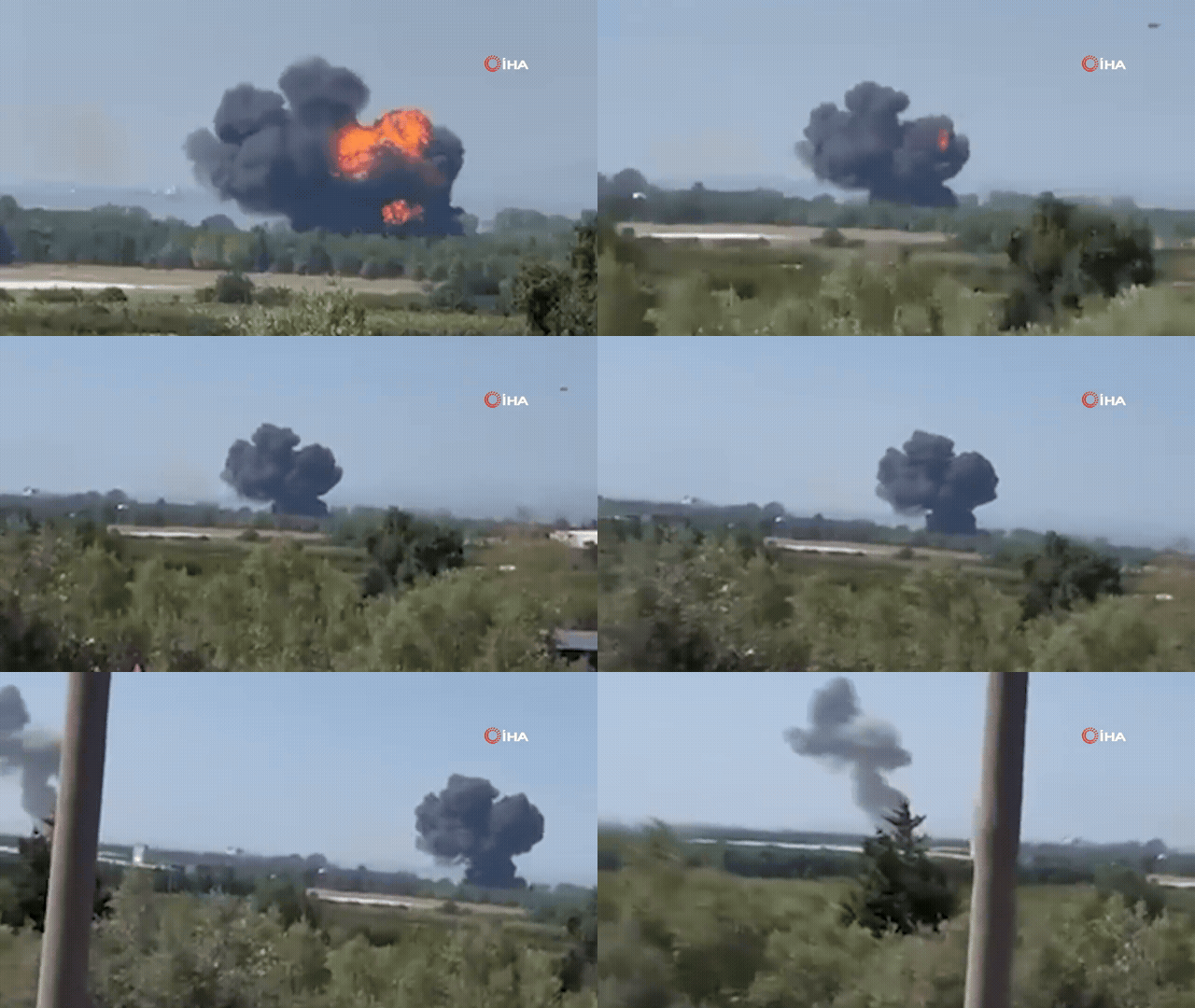
World
YALOVA, Türkiye, August 12, 2026 — A Turkish Air Force F-16 fighter jet crashed on Wednesday during a training flight in the northwestern province of Yalova, the Turkish Defense Ministry said. The aircraft was involved in the incident at Yalova Airfield Command. The pilot successfully ejected before the crash and survived. “One of our Air Force’s F-16 aircraft crashed in Yalova during a training flight; the pilot ejected and survived,” the Defense Ministry said. The ministry added that the cause of the crash will be determined through a detailed investigation. Yalova Governor Ahmet Hamdi Usta also confirmed the accident and said he was heading to the scene. Local media footage showed black smoke rising from a field near the crash site. Military authorities secured the area, while an investigation was launched to determine the cause of the accident. Officials have not provided further details about the pilot’s condition or any damage or injuries on the ground.
Read More → Posted on 2026-08-12 12:55:37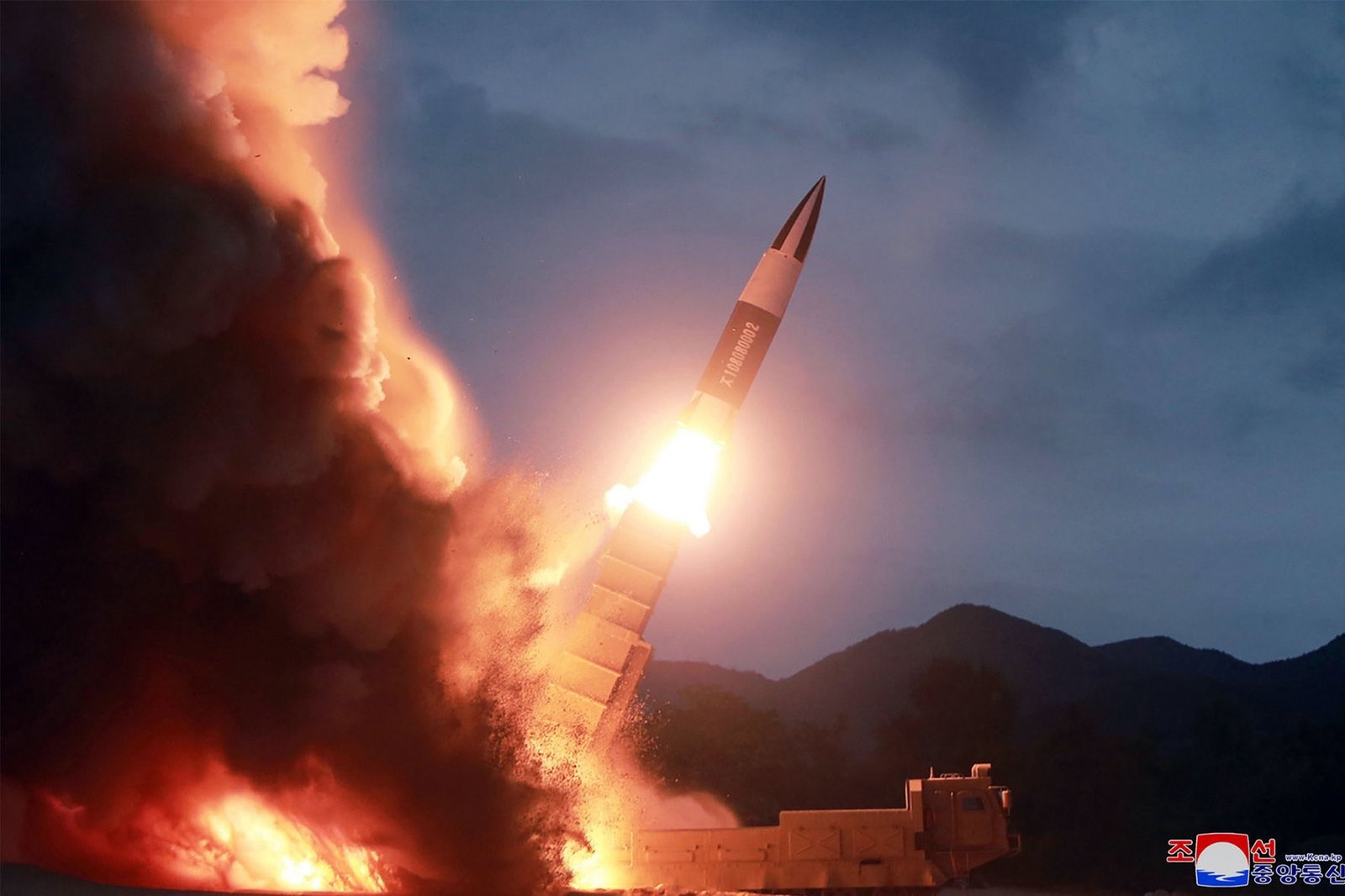
World
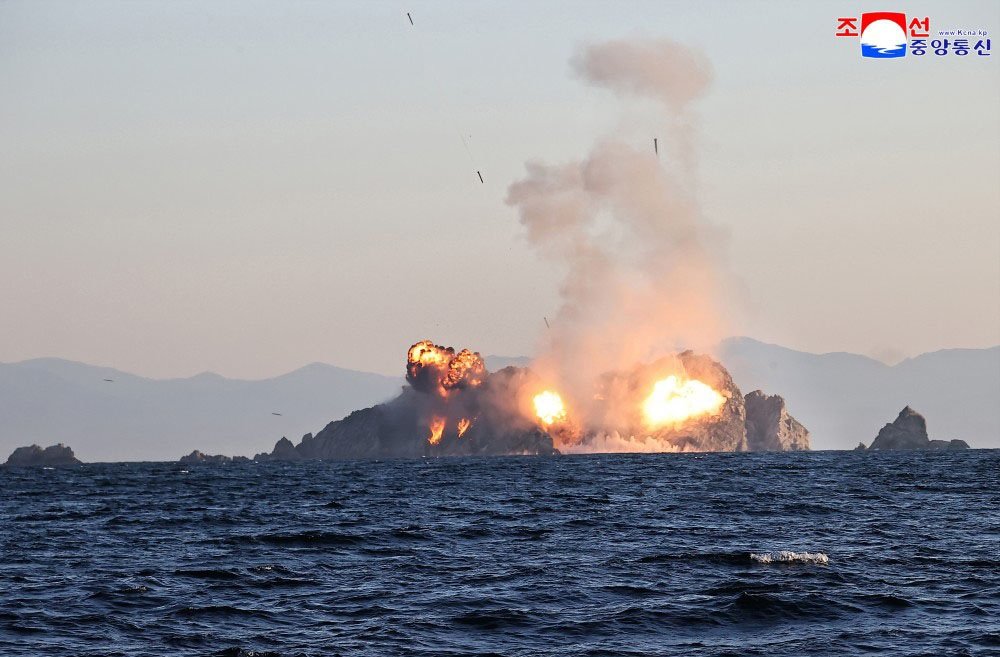
SEOUL — North Korea launched a ballistic missile from the Wonsan area toward the East Sea, also known as the Sea of Japan, early Wednesday, according to South Korea and Japan. The launch came less than a week before the start of the annual Ulchi Freedom Shield military exercises between South Korea and the United States. South Korea’s Joint Chiefs of Staff said the missile was launched at around 6 a.m. local time from the Wonsan area on North Korea’s eastern coast. South Korean authorities said it traveled more than 700 kilometers, while Japan’s Defense Ministry estimated the distance at about 690 kilometers and the maximum altitude at around 90 kilometers. Japanese authorities said the missile landed outside Japan’s exclusive economic zone, and there were no reports of damage to aircraft or ships. Missile Type Still Under Analysis South Korea’s Joint Chiefs of Staff has not yet identified the exact type of missile. Officials said a detailed analysis is being carried out by South Korean and U.S. authorities. The reported flight distance falls within the range generally associated with short-range ballistic missiles, but Seoul has not officially classified Wednesday’s weapon as an SRBM. Analysts have therefore left open several possibilities regarding the missile’s identity. Hong Min, a senior researcher at the Korea Institute for National Unification in Seoul, said the missile’s range, trajectory and launch location could indicate a hypersonic-type weapon, while a submarine-launched missile was also considered a possibility. These remain assessments rather than an official identification of the weapon. Second Launch From Wonsan in Less Than a Week Wednesday’s launch was the second ballistic missile firing from the Wonsan area in less than a week. South Korean authorities said North Korea launched another ballistic missile from the same area on August 6. That missile reportedly traveled about 300 kilometers. North Korean state media did not report the August 6 launch. Hong Min said the earlier test may not have achieved its intended objective, although North Korea has not publicly confirmed the reason for not reporting it. South Korean assessments indicate that Wednesday’s launch was North Korea’s 11th suspected ballistic missile test of 2026. The country’s missile testing this year has included short-range ballistic missiles, artillery rockets and other tactical weapons. Launch Comes Before Ulchi Freedom Shield The missile launch took place five days before the scheduled start of the Ulchi Freedom Shield exercise. The annual South Korean-U.S. military drills are scheduled for August 17 to August 27 and are intended to improve the allies’ ability to respond to North Korea’s nuclear and weapons capabilities. North Korea has repeatedly criticised U.S.-South Korean military exercises, describing them as preparations for an invasion. Hong Min said Wednesday’s missile test could be part of North Korea’s existing weapons development program, while the timing may also have been selected to send a political message ahead of the exercises. “Even if it was a test of a weapon under development, choosing when to conduct it requires a political decision,” Hong said. South Korea, Japan and U.S. Respond South Korea’s Office of National Security held an emergency meeting following the launch and called on North Korea to stop actions that violate United Nations Security Council resolutions. The South Korean military said it was maintaining readiness under its combined defence posture with the United States and was prepared to respond to further provocations. The U.S. Indo-Pacific Command said it was consulting with allies and partners. Its initial assessment was that the launch did not pose an immediate threat to U.S. personnel or territory, or to U.S. allies. Japan also condemned the launch. Defense Minister Shinjiro Koizumi said Tokyo had lodged a strong protest with North Korea through diplomatic channels at the Japanese Embassy in Beijing. He said the launch threatened peace and security in Japan, the region and the wider international community. North Korea Criticizes South Korea and Japan North Korea did not immediately issue a statement specifically addressing the Wonsan missile launch. However, its officials and state media issued separate criticism of South Korea and Japan on Wednesday. A North Korean Foreign Ministry official responsible for South Korean affairs criticised Seoul’s plans related to nuclear-powered submarines, describing them as a serious security challenge for North Korea. The official said Pyongyang needed retaliatory capabilities against military moves by its opponents. In separate commentary, North Korea’s state news agency KCNA accused Japan of seeking nuclear weapons under the cover of peaceful nuclear energy. The commentary referred to Japan’s nuclear power program and domestic political debate over nuclear armament. The latest missile launch adds to tensions on the Korean Peninsula ahead of the U.S.-South Korean military exercises. South Korean, Japanese and U.S. authorities are continuing to assess the missile’s exact type and technical characteristics.
Read More → Posted on 2026-08-12 12:50:09
World
KYIV, Ukraine — Russian forces may be attempting to equip some Shahed-type long-range attack drones with two different electronic warfare (EW) systems, one intended to suppress Ukrainian interceptor drones and another designed to interfere with ground-based radar systems, according to Ukrainian radio technology expert and Defense Ministry adviser Serhiy “Flash” Beskrestnov. Beskrestnov reported in May 2026 that there were reasonable suspicions that certain Shahed drones had been fitted with EW equipment for these two purposes. The report did not establish that all Shahed drones carry such systems. EW Systems Intended to Counter Interceptor Drones One of the suspected EW systems is intended to interfere with Ukrainian interceptor drones used to attack Shahed-type UAVs. According to Beskrestnov, the system can target the video transmission between an interceptor drone and its operator on the ground. By transmitting interference on the relevant frequencies, the onboard jammer can make it difficult or impossible for the operator to receive the interceptor's live video feed. The loss of the video connection is particularly relevant for FPV-style interceptor drones that depend on an operator to control the final approach toward a target. Beskrestnov has also explained that the frequencies used by Ukrainian interceptor drones can be identified because information about some of the equipment and communication systems is publicly available. Possible Radar-Jamming System The second suspected EW system would have a different role: creating interference for ground-based radar systems. Beskrestnov described the presence of such equipment as a reasonable suspicion rather than a confirmed feature of every Shahed. The available reporting therefore does not establish how many drones may carry radar-jamming equipment or how effective such a system is against Ukrainian radar networks. Evidence of EW Modifications The reports are part of a broader series of modifications observed on Russian Shahed/Geran-type drones. Ukrainian officials have previously confirmed that some modified Shahed-type drones have been equipped with electronic warfare systems intended to suppress Ukrainian interceptor drones. In May 2026, Ukrainian Deputy Defense Minister Oleksii Vyskub said that such modified drones had been observed during Russian attacks. Other modifications reported on Shahed-type drones include additional antennas and cameras. Ukrainian analysts have also reported rear-facing cameras on some drones, although the exact operational purpose of individual modifications can vary. Russia has also been changing the types and tactics of Shahed-family drones used in attacks. Serhiy Beskrestnov said in July that Russia was increasingly using jet-powered Shahed variants for attacks deeper inside Ukraine after Ukrainian forces improved their ability to intercept conventional propeller-driven versions. Continuing Drone and EW Competition The reported EW modifications reflect the continuing adaptation of Russian long-range attack drones in response to Ukraine's use of interceptor drones. Ukrainian forces have increasingly used relatively low-cost interceptor UAVs against Shahed-type attack drones. Russia has responded with modifications intended to make its drones more difficult to intercept, including electronic warfare equipment and other changes to their configuration. However, the exact number of Shahed drones equipped with the suspected two types of EW systems, their technical specifications and their overall effectiveness remain unclear. For now, the key assessment from Beskrestnov is that some Russian Shahed-type drones may be carrying one EW system intended to suppress Ukrainian interceptor drones and another intended to create interference for ground-based radar systems. This remains a reported assessment rather than confirmation that the capability is present across the entire Shahed fleet.
Read More → Posted on 2026-08-12 12:07:34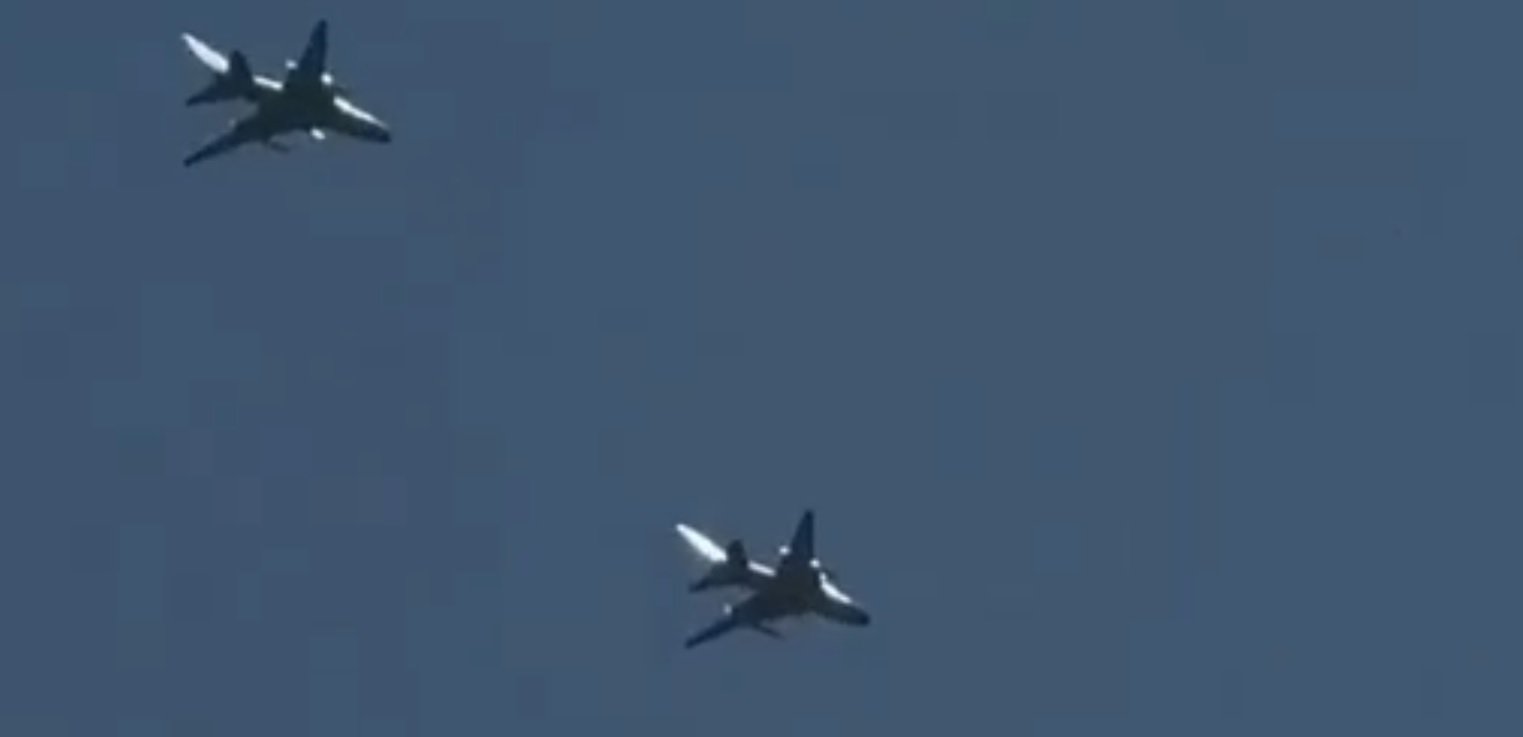
World
NORTHERN SYRIA — The Syrian Air Force has resumed training flights with at least two Su-22 fighter-bombers as the country’s new government continues efforts to rebuild its aviation capabilities following the fall of Bashar al-Assad’s government in December 2024. Video footage analyzed by aviation analyst Hassan shows two Su-22M3/M4 aircraft flying over northern Syria. The aircraft are export versions of the Soviet Su-17 fighter-bomber. Reports have identified the flights as part of renewed training activity involving Syrian fixed-wing combat aircraft. The exact number of Su-22s that are currently airworthy remains unclear. According to The Military Balance, Syria had 20 Su-22M3/M4 aircraft in its inventory in 2024, before the change of government. طائرات سوخوي سورية تجري طلعات تدريبية فوق سماء عدة محافظات سورية. pic.twitter.com/JqYwI2urOB — مُضَر | Modar (@ivarmm) August 10, 2026 Syria Begins Rebuilding Its Air Force Most of the aircraft left behind after the fall of the Assad government were reportedly found in storage and were not considered ready for flight. The new government has not disclosed the exact number or types of aircraft that have been preserved and returned to service. The rebuilding effort began soon after the political transition. In December 2024, rebel forces seized several SA342 Gazelle helicopters equipped with anti-tank missiles at Mezzeh Air Base in Damascus. In January 2025, former rebels from Hayat Tahrir al-Sham began organizing aviation units for training and territorial patrols. By March, the new government’s forces had used Mi-24 attack helicopters in combat against remaining pro-Assad forces. The new authorities also returned the Su-22 to the air. On September 7, 2025, an Su-22 was flown from Shayrat Air Base, marking the first reported flight of the type by the new Syrian government. The latest flights over northern Syria therefore follow earlier efforts to restore a limited fixed-wing capability. Training Expansion The renewed Su-22 activity comes after the graduation of 1,000 cadets from the Syrian Air Force College on July 26. They were the first class trained entirely under the new administration. The graduation ceremony was held at Khalid bin al-Walid Air Base, formerly known as Kuweires, east of Aleppo. L-39 trainer aircraft and Mi-24 helicopters took part in ceremonial flyovers. Reports from Israeli sources have also described an accelerated effort by Syria to rebuild its air power, including recruitment of pilots and training involving trainer aircraft, helicopters and fighter aircraft. The recent Su-22 flights reportedly took place over northern Syrian provinces, including Idlib. Reports identified the pilots as Abdullah al-Obeido from Kafr Nabl and Ibrahim al-Khalid from Maarat al-Numan, although independent confirmation of their identities was not available in the sources reviewed. Five Decades of Su-22 Operations in Syria Syria has operated the Su-22 family for decades. The country received its first 15 Su-20 aircraft, an earlier export version of the Su-17, from the Soviet Union in 1973. Eight were lost during that year's war with Israel. The Soviet Union later supplied additional aircraft. Syria received Su-22M-3s in 1983 and at least 42 Su-22M-4Ks between 1984 and 1985. Syrian industry also upgraded the remaining older Su-22Ms to the Su-22M-2K standard. In 2010, Syria allocated funding for a gradual modernization program. At that time, the fleet consisted of seven Su-22M-2s, 12 Su-22M-3s, 24 Su-22M-4Ks, five Su-22UM-2Ks and four to five Su-22UM-4Ks, giving an estimated total of 52–53 aircraft. The fleet suffered substantial losses during the Syrian civil war. The first confirmed Su-22 loss occurred on February 14, 2013, when rebels shot down an aircraft using a man-portable air-defense system. Several aircraft underwent major overhauls in 2014, but by mid-2015 only about a dozen Su-22s were reported to remain fully combat-ready. The prolonged combat operations had also depleted bomb stocks and spare external fuel tanks. By mid-2016, around 30 Su-22s of different variants remained, distributed among three squadrons at Tiyas, Shayrat and Dmeir air bases. Further losses followed. On July 24, 2018, Israel said it had shot down a Syrian Sukhoi fighter after it entered Israeli airspace. Israel said two Patriot missiles were fired; Syrian authorities disputed the claim that the aircraft had entered Israeli airspace. The aircraft was identified by Syrian sources as a Su-22. In August 2019, Syrian opposition groups reported shooting down another Syrian Su-22 over the Idlib area. Russia-Syria Agreement Covers Hmeimim and Tartus The rebuilding of Syria's military aviation is also taking place alongside a new agreement with Russia. On August 9, Syria and Russia signed a memorandum of understanding concerning the future of Russia's military presence at Hmeimim Air Base near Latakia and the naval facility at Tartus. The agreement followed 18 months of negotiations. Under the agreement, Syria will take over management of civilian facilities, including Hmeimim Airport and the commercial section of Tartus Port. Military facilities are to be transformed into joint training and qualification centres, with the transition scheduled to be completed within three months. Russian forces are expected to remain at the new training facilities, although the number of personnel has not been specified. The latest Su-22 flights are therefore part of a broader process in which the new Syrian government is rebuilding its military aviation structure, training personnel and attempting to return some surviving aircraft to operational use. However, the number of Su-22s currently capable of sustained operations remains unknown, and the available evidence does not establish the size of the restored fleet. The recent flights demonstrate that at least a small number of the aircraft have returned to the air, but they do not by themselves establish the overall readiness of Syria's rebuilt air force. Source : militarnyi
Read More → Posted on 2026-08-11 15:57:19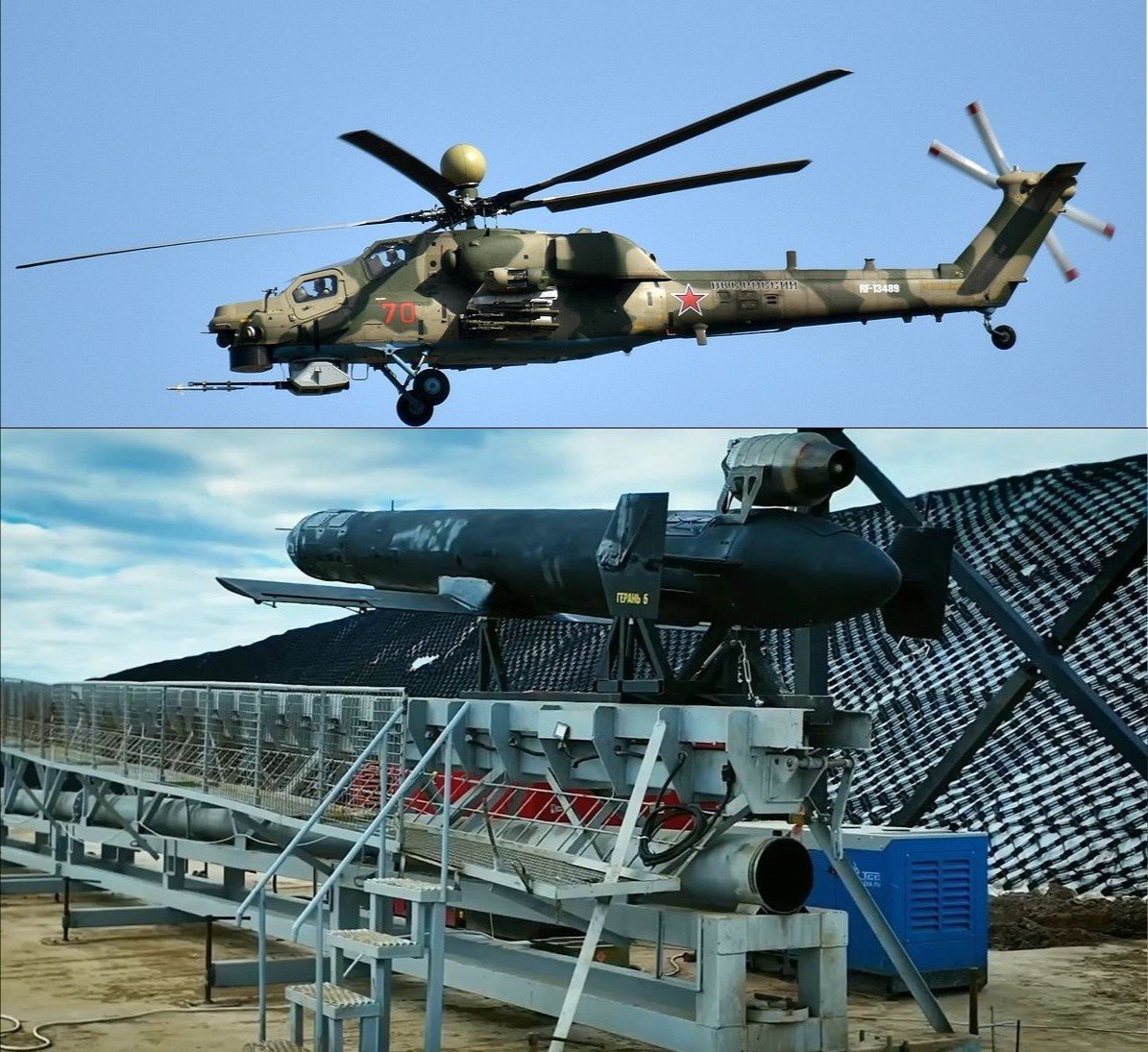
World
KYIV — Ukrainian sources have reported that Russia is now launching its jet-powered Geran-5 one-way attack drone from Mi-28 attack helicopters. The reported helicopter launch method would add another way of deploying the system, which had previously been associated with ground launch systems and planned air-launch trials involving the Su-25. The Geran-5 first appeared in combat use against Ukraine in January 2026, according to Ukraine’s Main Directorate of Intelligence (HUR). Unlike earlier propeller-driven Geran variants based on the Iranian Shahed design, the Geran-5 uses a conventional aircraft-style configuration and a turbojet engine. According to HUR, the Geran-5 has a maximum takeoff weight of 850 kg, a 90-kg warhead, a cruising speed of 450–600 km/h, flight endurance of up to two hours, and a reported range of about 950 km. Its maximum altitude is listed at 6,000 meters. The drone is powered by the Chinese TELEFLY TF-TJ2000A turbojet engine, which HUR identifies as producing 200 kgf (about 1,960 newtons) of thrust. Its navigation and communications equipment includes the Kometa-M12 satellite navigation system, SADRA/MINSOO inertial navigation, Tracker V3 telemetry equipment and an Xingkai Tech XK-F358 MESH modem. HUR has also identified electronic components originating from China, the United States and Germany in the Geran-5. The Ukrainian intelligence service previously reported that Russia was examining the possibility of launching the drone from Su-25 aircraft. The reported use of Mi-28 helicopters has not been independently confirmed in the sources reviewed for this report.
Read More → Posted on 2026-08-11 13:35:06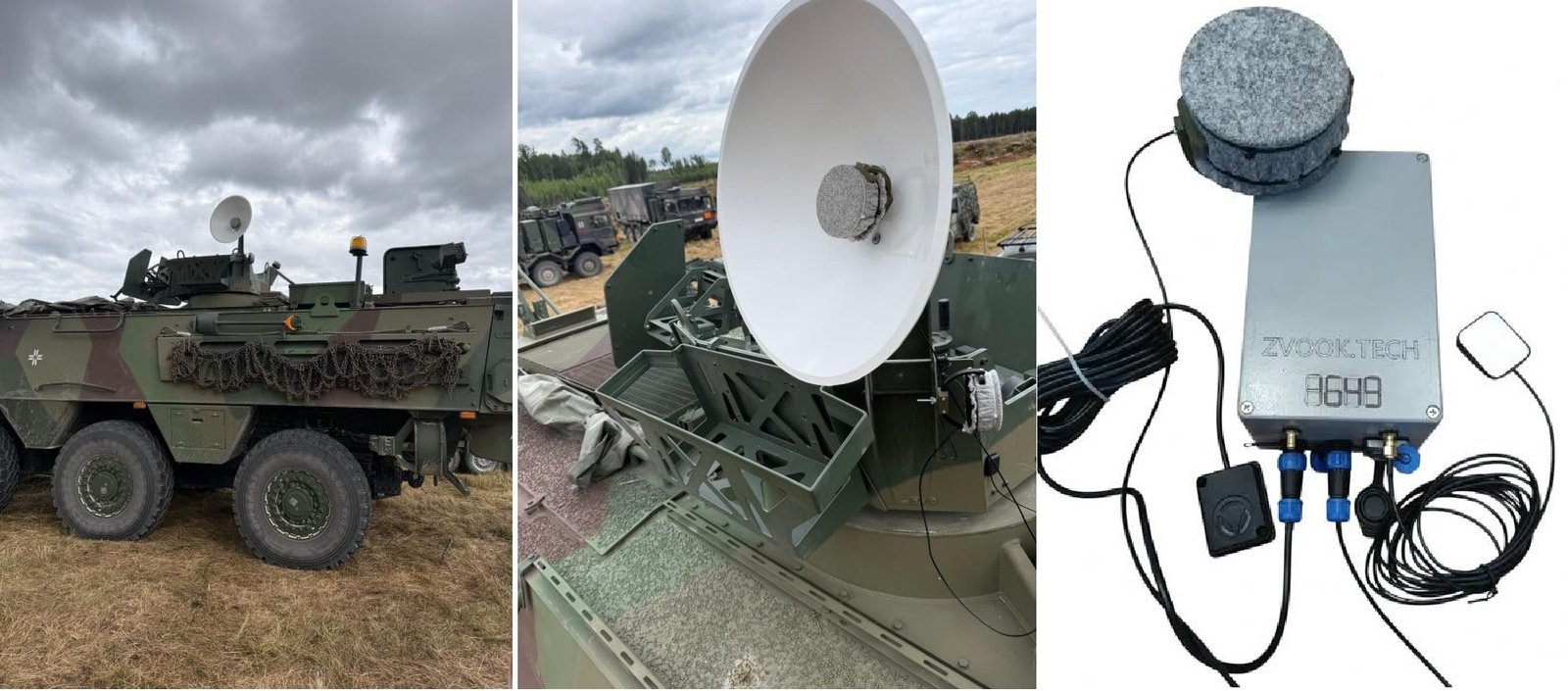
World
RIGA, LATVIA, — Ukrainian defence and space manufacturing company Zvook has tested its passive acoustic early-warning system on a moving vehicle for the first time during NATO’s Baltic Trust 26 (BATT26) exercise in Latvia. The Lviv-based company conducted the trial with the Latvian National Armed Forces, demonstrating that technology originally designed for fixed installations such as telecom towers could also operate from a moving vehicle. BATT26 was held from August 3 to 14 at the Sēlija training area and was organised by the Latvian National Armed Forces and the NATO Communications and Information Agency. Around 650 participants from NATO countries and partners, including Ukraine, Australia and Japan, took part. The exercise focused on integrating unmanned and counter-unmanned aircraft systems, testing interoperability and practising responses to reconnaissance and attack drones. It formed part of NATO Allied Command Transformation’s Layered Counter-Unmanned Aircraft Systems Initiative. Mobile Acoustic Detection Zvook's system uses passive acoustic sensors that detect the sound signatures of drone motors, propellers, cruise missiles and low-flying aircraft. Unlike active radar, the sensors do not transmit signals, reducing the risk of revealing the location of the detection system. In Ukraine, Zvook has operated networks of fixed sensors since 2022. These are typically installed on radio towers and similar structures around 10 to 12 metres above the ground. The network sends detections to Ukraine’s Delta situational-awareness system, with the company reporting warning times of about 12 seconds for incoming threats. The Ukrainian network is designed to detect Shahed-type drones, cruise missiles and low-flying aircraft. Reported detection ranges are around 5 km for drones and 7 km for cruise missiles. Zvook says machine-learning updates have reduced false-positive rates to about 1.6 percent, while individual sensors cost roughly $500. The company has also developed a compact tactical sensor for smaller threats, including fibre-optic FPV drones, which are difficult to detect using conventional radio-frequency methods. Its acoustic detection approach does not depend on the drone maintaining a radio link. During BATT26, Zvook mounted the sensors on a vehicle, moving beyond its standard fixed-site deployment. The company said the experiment was not completely trouble-free, but engineers, military personnel and partners identified problems and improvements while testing the system under operational conditions. A mobile configuration could allow acoustic detection to accompany moving convoys, mobile command posts and units that frequently change position. The company is therefore examining how a capability previously used from fixed infrastructure can be adapted for mobile tactical use. Integration With Other Sensors Zvook's technology is designed to operate as part of a layered air-defence architecture rather than replace other sensors. The system can work alongside radar, electro-optical/infrared and radio-frequency systems. At BATT26, Zvook said its system exchanged information within the NATO SAPIENT and KYBER architecture in a multi-sensor environment. The company has also developed acoustic tracking capabilities that can estimate a target's location, direction, speed, altitude and classification for Shahed-type and larger threats. Zvook previously demonstrated its technology at the Dronetex event at Odense Airport in Denmark, working with European and Ukrainian companies including DefSecIntel Solutions, Weibel Scientific, TYTAN Technologies and Marduk Technologies. The BATT26 trial provided Zvook with another opportunity to test its technology with NATO forces and examine whether passive acoustic detection can be used from mobile platforms as part of a wider counter-drone network.
Read More → Posted on 2026-08-11 12:50:24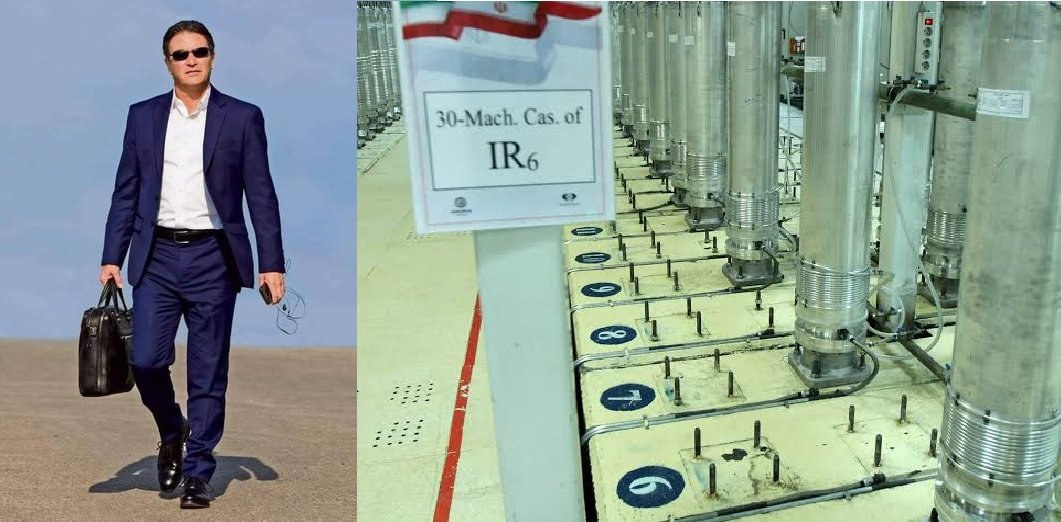
World
SAFED, ISRAEL — Former Mossad director Yossi Cohen said Tuesday that Israeli intelligence operatives had visited Iran’s underground Fordow nuclear facility many times as part of efforts to understand the site. Cohen made the comments while speaking at the Galilee Conference in Safed, offering a rare public reference to Israeli intelligence operations connected to Iran’s nuclear program. “We toured the Fordo nuclear site many times in order to understand the site,” Cohen said, according to Hebrew media reports. He did not provide dates for the alleged visits. He also did not clarify whether the statement referred to Mossad personnel physically entering the facility or to intelligence operations that allowed Israel to obtain detailed information about the site. Cohen comments on U.S. strike on Fordow Cohen also discussed the U.S. military operation against Iran’s nuclear facilities during the 12-day Israel-Iran war in June 2025. The United States struck Iran’s three major nuclear sites at Fordow, Natanz and Isfahan. The Fordow facility was targeted with U.S. bunker-penetrating weapons. The operation was publicly known as Operation Midnight Hammer, while Israel’s campaign against Iran was known as Operation Rising Lion. The International Atomic Energy Agency said after the strikes that the underground damage at Fordow could not immediately be fully assessed. Satellite imagery showed large impact craters at the facility, but the extent of damage below the surface remained uncertain. Cohen described the U.S. bombing of Fordow as “the fulfillment of all my dreams.” Debate over Iran’s enriched uranium Cohen also commented on Iran’s stockpile of uranium enriched to 60 percent, saying that material at that enrichment level was still “far from a bomb.” The status and location of Iran’s enriched uranium stockpile have remained a major issue since the 2025 strikes. A June 2026 analysis based on IAEA reporting said the IAEA did not have confirmed information on whether enriched uranium was being stored at locations including Fordow, the new Pickaxe Mountain facility and other underground sites. The same analysis cited an estimated Iranian stockpile of about 441 kilograms of uranium enriched up to 60 percent. Nuclear experts have noted that uranium enriched to 60 percent can be further enriched to weapons-grade levels. The distinction between possessing highly enriched uranium and actually producing a nuclear weapon remains important, as additional steps are required to produce a usable weapon. Focus shifts to Pickaxe Mountain Attention has increasingly shifted to Iran’s underground Pickaxe Mountain complex near Natanz following the damage to Fordow, Natanz and Isfahan. Reuters reported in July that Pickaxe Mountain is located about 220 kilometers south of Tehran and about 2 kilometers from the Natanz nuclear complex. The underground facility was not targeted during the 2025 strikes and has since become a focus of U.S. and Israeli concerns over Iran’s nuclear infrastructure. Recent satellite imagery has shown continued construction activity at the site. However, the exact status and purpose of the facility remain subjects of intelligence assessments, and Iran has denied nuclear activity there. Cohen’s previous disclosures about Mossad operations Cohen has previously spoken publicly about Israeli intelligence operations against Iran after leaving Mossad in 2021. In a television interview following his departure, he discussed the 2018 Mossad operation in which Israeli agents stole Iran’s nuclear archive from a warehouse in Tehran. He also spoke about Israel’s efforts against Iran’s nuclear program and its long-standing intelligence focus on Iranian nuclear scientist Mohsen Fakhrizadeh, who was killed in 2020. His latest remarks provide another public indication of the level of intelligence attention Israel had directed toward Fordow before the U.S. military strikes. Cohen did not provide further operational details about the alleged visits to Fordow, leaving the timing and exact nature of those operations undisclosed. Source : timesofisrael
Read More → Posted on 2026-08-11 12:36:06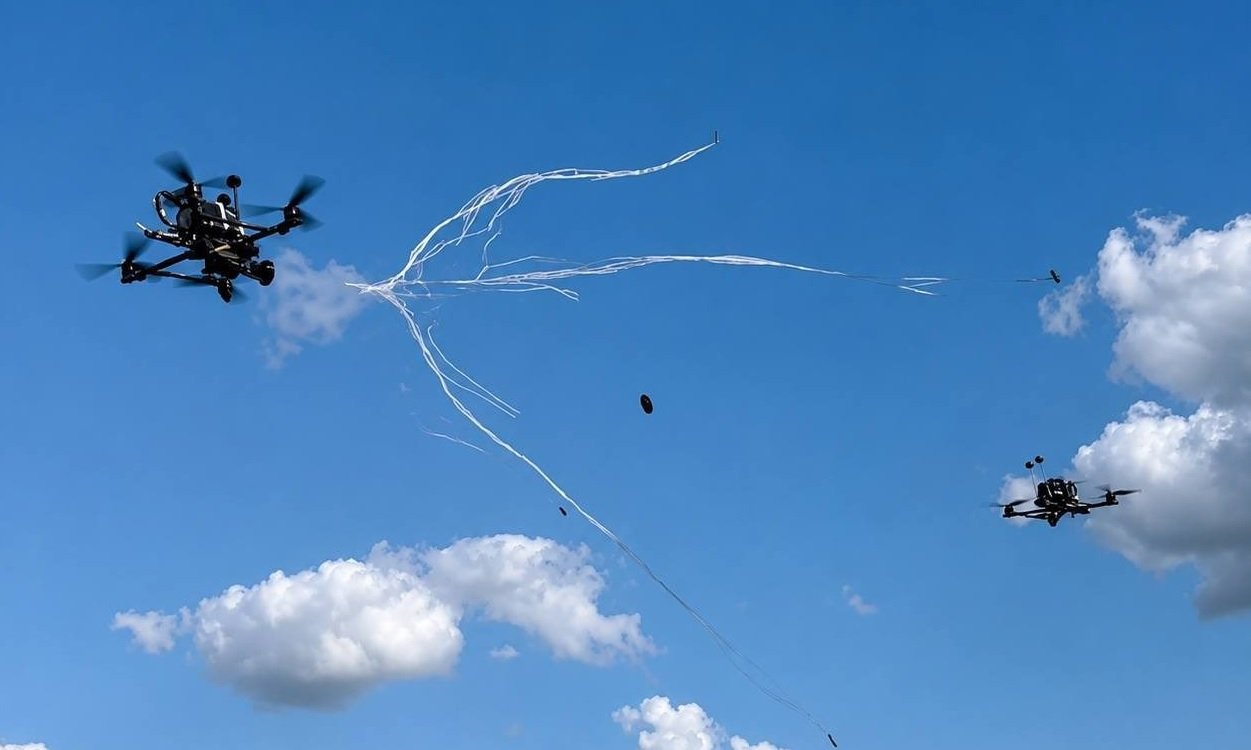
World
KYIV, Ukraine — Ukrainian defense technology company WINFLY has introduced the WINFLY Spider, a reusable interceptor drone designed to capture enemy unmanned aerial vehicles (UAVs) using a net rather than destroying them through a direct impact. The Spider is based on WINFLY's existing WINFLY 10 Hunter airframe and is equipped with the KARAKURT-K2 net-launching system. According to WINFLY, the interceptor can deploy the net against an airborne target and then return to its launch point for another mission. The development was reported by Ukrainian defense outlet Militarnyi. WINFLY Spider Based on WINFLY 10 Hunter The WINFLY 10 Hunter platform gives the Spider a maximum speed of up to 160 km/h and an operational ceiling of up to 5,000 meters. The drone has a range of more than 18 kilometers and can remain airborne for up to 25 minutes. WINFLY states that the system can be deployed in less than three minutes and can detect and identify targets at distances of up to 500 meters through its digital video link. The Spider is intended to counter several types of UAVs, including fixed-wing reconnaissance drones, Mavic-series quadcopters, FPV drones and fiber-optic-controlled UAVs. WINFLY produces the system in both daytime and night-vision configurations. KARAKURT-K2 Net Launcher The main difference between the Spider and conventional impact-based interceptors is its KARAKURT-K2 net launcher. The launcher weighs 210 grams and is made from high-strength aluminum. It connects to the drone through a USB Type-C interface and is designed to operate in temperatures ranging from −20°C to +50°C. According to the manufacturer, the KARAKURT-K2 can fire its net at a target from a distance of up to 15 meters. When launched from approximately 3 to 5 meters from the target, the net expands to around 3 × 3 meters and is intended to entangle the target's rotors or airframe. Reusable Interceptor WINFLY designed the Spider to remain intact after an interception. Instead of colliding with the target and being lost, the interceptor deploys the net and then returns to its launch location, where it can be prepared for another sortie. WINFLY lists the cost of a single net deployment at 1,100 Ukrainian hryvnia, reported as approximately $26. The reusable design therefore separates the cost of the interceptor itself from the expendable net deployment. WINFLY Spider Specifications Specification Details Base platform WINFLY 10 Hunter Maximum altitude Up to 5,000 m (16,400 ft) Maximum speed Up to 160 km/h (99 mph) Operational range More than 18 km (11 miles) Flight endurance Up to 25 minutes Deployment time Less than 3 minutes Target detection/identification Up to 500 m (1,640 ft) Net launcher KARAKURT-K2 Launcher weight 210 g Net firing range Up to 15 m Expanded net size Approximately 3 × 3 m Net deployment distance Approximately 3–5 m from target Operating temperature −20°C to +50°C Net deployment cost 1,100 UAH, approximately $26 The introduction of the Spider adds a reusable net-based interception option to WINFLY's UAV systems. Its development also reflects the company's move from an earlier impact-based interception approach toward a system in which the interceptor can recover after engaging a target.
Read More → Posted on 2026-08-11 12:06:45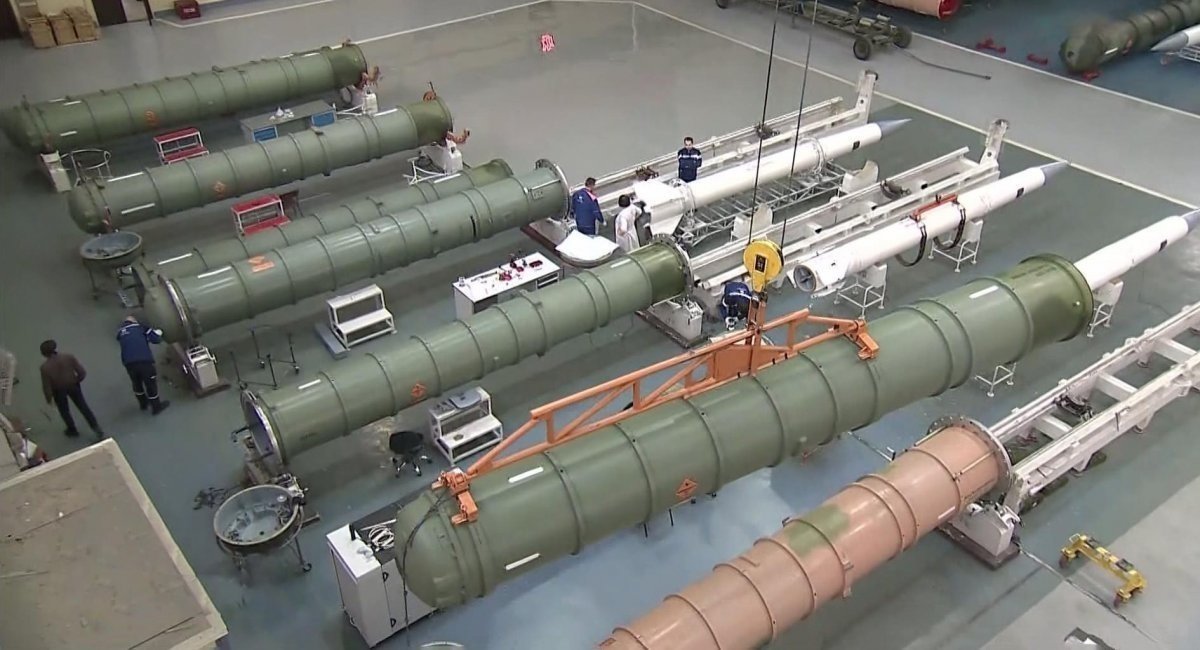
World
KYIV — Russia has suspended production of its Kh-47M2 Kinzhal air-launched ballistic missile and Kh-32 cruise missile, redirecting components, missile fuel and other resources toward missile systems that Ukraine’s Defence Intelligence says are considered more effective. Major General Vadym Skibitskyi, deputy head of Ukraine’s Defence Intelligence (DIU), disclosed the production changes in an interview with RBC-Ukraine published on August 10, 2026. According to Skibitskyi, the suspension of production began in April. Kinzhal Production Suspended The Kinzhal is an air-launched missile carried by Russia’s MiG-31K aircraft. Russia introduced the system publicly in 2018 and has described it as a high-speed weapon derived from the Iskander-M missile system. According to Skibitskyi, accuracy problems are one of the reasons behind the decision to stop production. He said that an effective guided missile should have a deviation of no more than 5–7 metres, while the Kinzhal has reportedly shown deviations of 30 metres or more. Ukrainian forces have also previously reported intercepting Kinzhal missiles using Patriot air-defence systems. The production suspension does not mean that Russia has permanently cancelled the Kinzhal programme or withdrawn the MiG-31K aircraft used to launch the missile. Instead, the move described by DIU represents a change in production priorities. Kh-32 Returned for Further Development Russia has also suspended serial production of the Kh-32, an upgraded version of the Soviet-era Kh-22 missile. According to Skibitskyi, Russian engineers attempted to improve the Kh-32's accuracy and range, but the modifications did not achieve the required results during several combat tests. The missile was subsequently returned for further development, while serial production was suspended. Russian forces have used Kh-22-family missiles against targets in Ukraine, including land targets, despite the system originally being developed as an anti-ship weapon. Resources Shifted to Other Missiles DIU says the suspension of Kinzhal and Kh-32 production has allowed Russia to redirect missile fuel, components and financial resources toward other missile programmes. Skibitskyi said Russia is currently producing its main missile types at between 110% and 120% of planned monthly targets. July production figures cited by him include: Missile July production Planned production Target completion Kh-101 87 72 140% Kalibr 29 26 111% Kh-35 Not specified Not specified 200% Iskander-M 9M723 65 60 Above target The Kh-101 is a long-range cruise missile, while Kalibr missiles are launched from Russian naval platforms. The 9M723 is the ballistic missile used by the Iskander-M system. DIU also reported that, by August 3, Russia had already met its full-year production targets for 33 Zircon hypersonic missiles and 60 modernised Oniks missiles. According to the same assessment, Russia had about 130 9M723 missiles in its stockpile allocated to its forces as of August 5. Skibitskyi said Ukrainian intelligence has documentary evidence covering Russian missile-production plans and actual production. He also stated that some Kh-101 missiles that fail during launch are returned to production facilities for inspection and repair. New Banderol Munition Used From Helicopters Alongside changes to missile production, Russian forces are also introducing new methods of deploying other strike weapons. Skibitskyi confirmed that the Banderol loitering munition is being launched from Russian helicopters. Ukrainian Defence Intelligence had previously reported efforts to adapt the system for use with Mi-28 attack helicopters. DIU has also reported that work is underway to enable the munition to be launched from fixed-wing aircraft. The Banderol, also referred to as Banderole or S8000 in Ukrainian reporting, has been associated with Russia's Kronstadt company and the Orion unmanned aircraft system. Ukrainian intelligence has previously reported a range of up to 500 kilometres, a speed of about 500–600 km/h and a warhead weighing up to approximately 150 kg. The reported production changes show that Russia is directing more resources toward missile systems that its defence industry is currently able to produce in larger quantities, while the Kinzhal and Kh-32 programmes remain suspended or under further development, according to Ukraine's Defence Intelligence. The claims about Russian production levels and the reasons for the suspensions come from Ukrainian intelligence and should therefore be understood as Ukrainian assessments rather than independently verified Russian production data.
Read More → Posted on 2026-08-10 15:58:16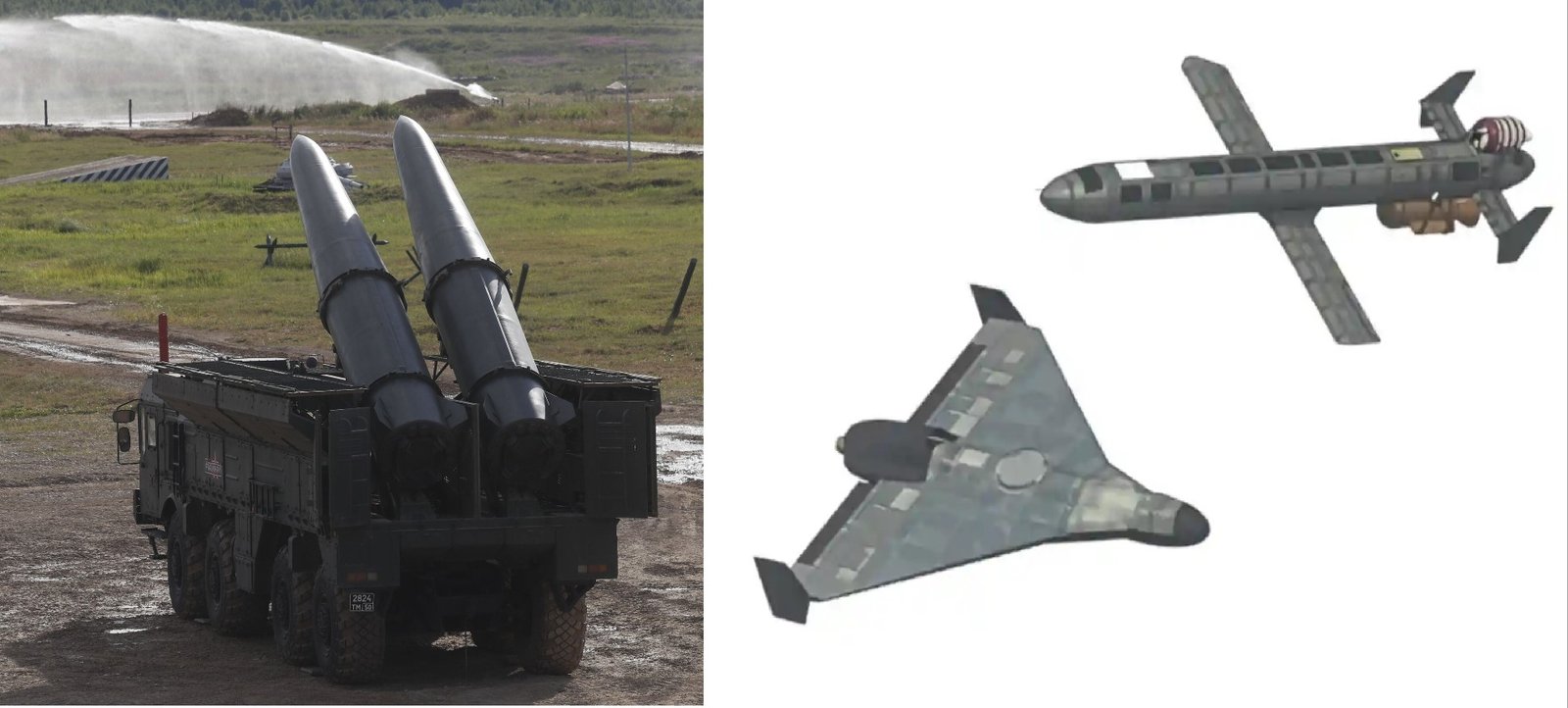
World
KYIV, Ukraine — Russia is producing several major missile types above its planned monthly targets while shifting part of its drone production toward turbojet-powered strike drones, according to Major General Vadym Skibitskyi, Deputy Chief of the Defence Intelligence of Ukraine (DIU). Speaking to RBC-Ukraine, Skibitskyi said Russia is currently producing its main missile types at around 110–120 percent of monthly targets. Missile Production Above Targets According to the DIU, Russia had already fulfilled its full-year production targets for Zircon and Oniks missiles by August 3. During the first seven months of 2026, Russia reportedly produced 33 Zircon and 60 Oniks missiles. Both systems were originally developed as anti-ship weapons and have also been modernized for ground-attack missions. In July, production exceeded targets for several missile types. Russia produced 87 Kh-101 missiles against a target of 72, reaching 140 percent of the planned output. Kalibr production reached 29 against a target of 26, or 111 percent, while Kh-35 production reached 200 percent of its planned volume. The reported monthly production figures are 87 Kh-101, 60–65 Iskander, 29 Kalibr, eight Oniks and five Zircon missiles. Iskander 9M723 production reached 65 in July against a target of 60, while the stockpile allocated to Russian forces was estimated at around 130 missiles as of August 5. Skibitskyi said most newly produced missiles are being used in combat rather than added to stockpiles. Kalibr is the main exception, with newly produced missiles largely being supplied to other Russian naval fleets because newer Russian warships and submarines are equipped with Kalibr launch systems. Some Kh-101 missiles that fail during launch are reportedly returned to factories for inspection and repair. Production of Kinzhal and Kh-32 missiles has been halted since April, with resources redirected toward other systems. RM-48U Production Russia has also begun producing the RM-48U surface-to-surface missile, which can be launched from S-400 systems. The August production plan calls for about 40 missiles, while the existing stockpile is estimated at around 400 units. Shift Toward Jet-Powered Drones Russia's August production target for the Geran, Garpiya and Gerbera drone families is 11,000 units. The DIU said Russia reduced drone strike intensity and production in July while factories reconfigured production lines for the turbojet-powered Geran-4 and Geran-5. In one recent attack, these turbojet-powered drones reportedly accounted for 50 percent of the drones used. Ukrainian intelligence said Russia is increasingly using the faster Geran-4 and Geran-5 for deep-strike missions, which require different interceptors or short-range air-defense systems for countering them. Foreign Components and July Missile Launches Skibitskyi said Russia continues to obtain critical missile-production components, including dual-use items, through supply chains connected to European countries, the United States, China, Japan, Taiwan and South Korea, despite efforts to increase domestic production. Ukrainian intelligence also reported that a North Korean missile unit was deployed in Russia, with information about the deployment becoming public on August 5. In July, Russia launched 153 Kh-101, Kalibr and Kh-32 cruise missiles, the second-highest monthly total after February's 157. Ballistic and hypersonic missile launches, including 9M723 Iskander, RM-48U and Zircon, totaled 198, the highest monthly figure reported so far in 2026. The DIU said it has documentary evidence of Russia's missile production plans and actual output.
Read More → Posted on 2026-08-10 14:29:08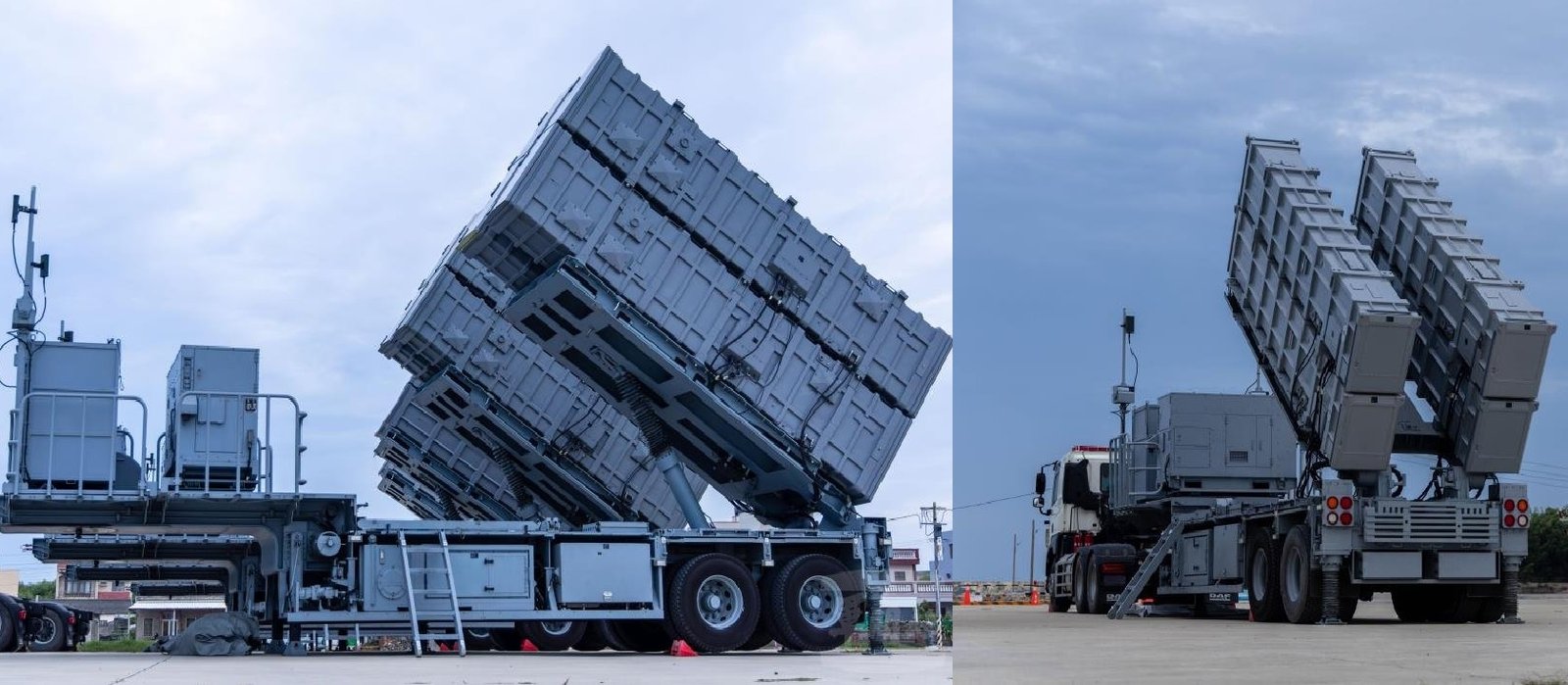
World
PENGHU, TAIWAN — Taiwan’s newly established Navy Littoral Operations Command deployed mobile launchers carrying Hsiung Feng II (HF-2) and Hsiung Feng III (HF-3) anti-ship missiles across the Penghu archipelago on August 9, 2026, during the ongoing Han Kuang military exercises. After receiving simulated targeting information, missile crews rapidly moved the launchers from their bases to pre-designated tactical positions. The units then rehearsed coordinated fires against maritime targets, testing their ability to conduct mobile coastal-strike operations and control key waterways surrounding the Penghu islands. The deployment was part of the fifth day of Taiwan’s 10-day Han Kuang exercise, which began earlier in the week and is scheduled to conclude on August 14. The annual exercise uses live troops, real terrain and military equipment to test combat readiness and the ability of Taiwan’s armed forces to respond to potential threats. Hsiung Feng II and Hsiung Feng III The Hsiung Feng II is a subsonic anti-ship missile developed by Taiwan’s National Chung-Shan Institute of Science and Technology (NCSIST). It has a reported range of about 160 km, while the Block II version has a range of up to 250 km. The missile has a top speed of about Mach 0.85 and carries a warhead of approximately 180 kg. The Hsiung Feng III is a supersonic anti-ship missile with a reported range of more than 100–150 km, with some versions reaching around 250 km. Its speed is reported at Mach 2 to 3.5, and it carries a 225 kg warhead using self-forging fragments. NCSIST describes the HF-III as using an integrated rocket-ramjet propulsion system. The missile uses inertial guidance during its mid-course flight and an active radar seeker during the terminal phase. Both the HF-II and HF-III can be deployed from land-based mobile launchers and are part of Taiwan’s domestically developed coastal-defense capabilities. Taiwan’s 2025 National Defense Report lists the Hsiung Feng II, Hsiung Feng III and extended-range Hsiung Feng missiles among the country’s shore-based anti-ship missile systems. Littoral Operations Command The Littoral Operations Command began operations in July 2026 and is responsible for integrating Taiwan’s coastal-defense capabilities. Its forces include anti-ship missile units, coastal and mobile radar systems and unmanned systems. The command places particular emphasis on mobile launchers, allowing missile units to relocate between positions and operate from different tactical locations. Its responsibilities include defending the waters surrounding Taiwan and its outlying islands, including Penghu. The Penghu exercise tested this concept by requiring missile crews to rapidly move after receiving targeting information, establish firing positions and coordinate attacks against simulated maritime targets. Exercise conducted during difficult weather The missile deployment was conducted despite heavy rainfall and adverse weather conditions associated with Typhoon Dolphin. The operation provided an opportunity to test the movement and employment of the missile units under difficult weather conditions. The exercise also comes amid continued Chinese military activity around Taiwan. Between Saturday and Sunday morning, Taiwan’s Ministry of National Defense reported tracking six Chinese naval vessels, nine official ships and four Chinese military aircraft operating around the island. Two of the aircraft crossed the median line of the Taiwan Strait, prompting Taiwan to deploy aircraft, naval vessels and coastal missile systems. Photos of the Penghu deployment were released by Taiwan’s Military News Agency and credited to photographer Cai Fangyun. Penghu is located in the Taiwan Strait and has strategic importance because of its position along maritime approaches to Taiwan. The Han Kuang exercises are continuing at multiple locations, including coastal and island-defense scenarios. The Penghu drill demonstrated the Littoral Operations Command’s ability to move mobile Hsiung Feng missile units to designated positions and coordinate coastal-strike operations as part of Taiwan’s broader defense preparations.
Read More → Posted on 2026-08-10 13:26:55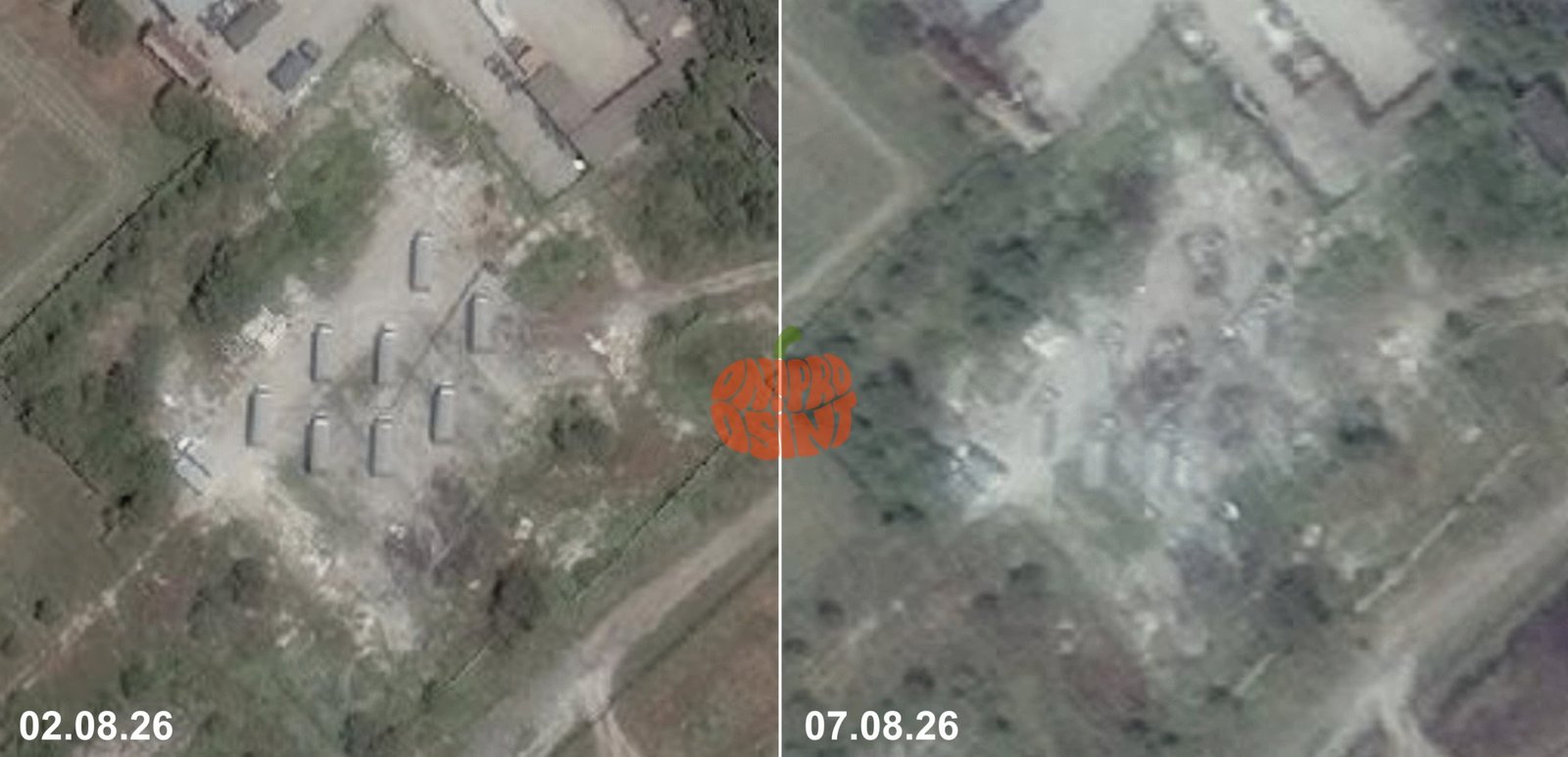
World
GELENDZHIK, Russia — Ukrainian forces have destroyed a Russian Volna Kupol Garant electronic warfare system in Gelendzhik, Krasnodar Krai, according to satellite imagery published by open-source intelligence analysts. The system was located at Russian military unit No. 2156, which is part of the Novorossiysk Border Detachment of the FSB Border Service. Satellite images published by the OSINT group Dnipro Osint show the complex at the location on August 2. By August 7, the equipment was no longer visible, while changes to the site were consistent with the aftermath of a strike. The destruction has not been independently confirmed by Russian authorities. Volna Kupol Garant Targets Starlink The Volna Kupol Garant is designed to interfere with Starlink satellite communications by transmitting radio-frequency signals toward Starlink satellites rather than directly jamming individual ground terminals. The system operates in the 14–14.5 GHz range, which is used by Starlink terminals to communicate with satellites. Its antennas transmit interference toward satellites passing over the affected area, disrupting their ability to properly receive signals from terminals on the ground. A complete complex is reported to cover an area of approximately 20 square kilometres. The system uses multiple directional antennas and can be deployed across as many as six trailers. The antennas can remain mounted on the trailers or be positioned separately. The system can receive power from generators carried with the equipment or from external sources. Large Size Creates Detection Challenges The Volna Kupol Garant's physical size makes it difficult to conceal compared with smaller electronic warfare systems. Its operation also produces strong radio-frequency emissions, which can provide another means of locating an active system through electronic reconnaissance. Ukrainian defence adviser Serhii Beskrestnov and other open-source analysts have previously highlighted these characteristics when discussing the system. Reuters reported in July that Ukrainian drone units had identified around 10 Volna Kupol Garant systems and were targeting them because of their role in disrupting Starlink-linked drone operations. Third Documented Destruction The Gelendzhik strike is being described in open-source reporting as the third documented destruction of a Volna Kupol Garant system. Earlier systems were reported destroyed in June, including one near Kerch in occupied Crimea. Ukrainian forces have focused on these systems because of their ability to interfere with satellite communications used by Ukrainian drone units. The Volna Kupol Garant is produced by Rossiysky Kupol LLC, based in Simferopol, Crimea. Estimates reported for the system's cost range from approximately $1.5 million to $1.8 million, with some reports giving a figure of around 150 million rubles. The reported destruction in Gelendzhik is notable because the system was located on Russian mainland territory, rather than in occupied Ukrainian territory. The incident adds another documented loss to Russia's deployment of specialised electronic warfare equipment intended to disrupt Starlink communications used by Ukrainian forces.
Read More → Posted on 2026-08-10 13:09:16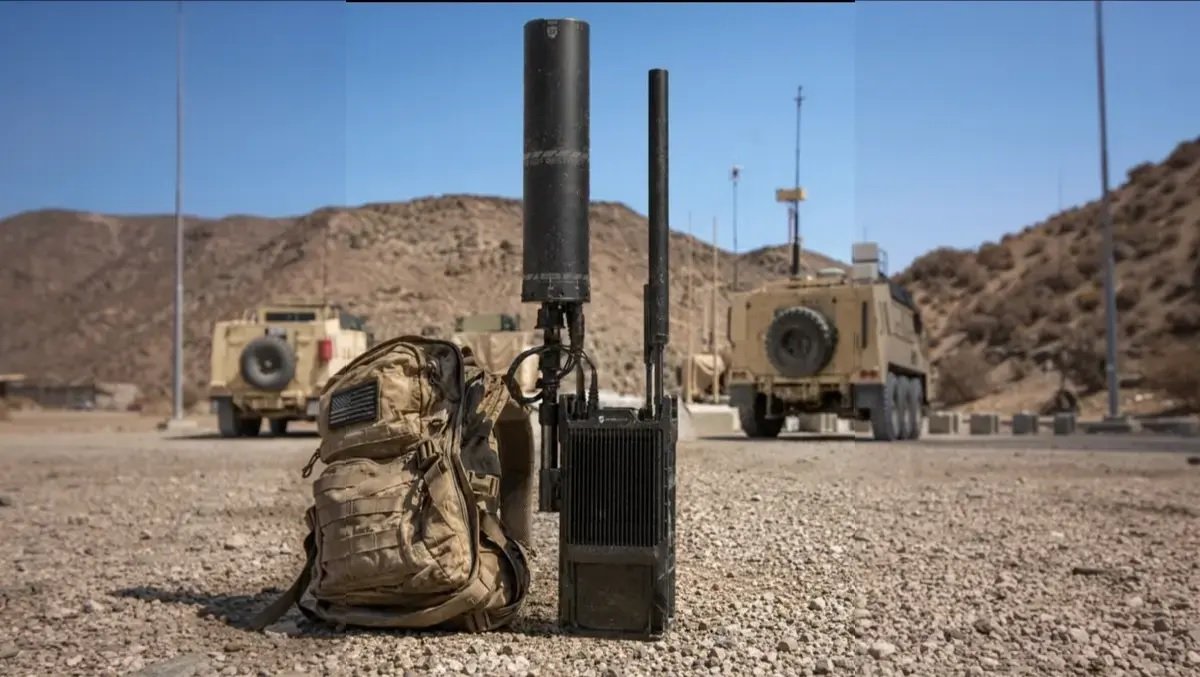
World
SYDNEY, Australia — Australian defence technology company DroneShield (ASX: DRO) has launched RfRecon, a portable radio frequency (RF) intelligence system designed to help defence, government and security organisations detect, identify, locate and assess activity across the electromagnetic environment. The new system builds on DroneShield’s recently introduced RfAI-3 intelligence architecture, which was unveiled on July 28, 2026. RfRecon combines wideband RF spectrum awareness, precision direction finding and AI-based signal intelligence in a single portable platform. The company said the system is intended to provide operators with more than raw spectrum data by helping them understand RF activity and use that information during operations. DroneShield said the increasing use of uncrewed systems, electronic warfare capabilities and wireless communications has made the RF environment more complex for operators. Higher Processing and RF Coverage According to DroneShield, RfRecon provides approximately six times greater RF spectrum coverage, four times more processing and AI compute capacity, 31 times more storage and eight times more memory compared with previous industry-adopted solutions cited by the company. The system also adds several capabilities, including direction finding, Bluetooth and Wi-Fi detection, Remote ID, AIS/ADS-B detection, integrated GNSS and hardware-based security. These capabilities are intended to allow the device to collect and process RF information while also providing information about the location and nature of detected activity. Built Around RfAI-3 RfRecon is powered by DroneShield’s third-generation RF intelligence engine, RfAI-3. DroneShield introduced RfAI-3 on July 28 and said it changes its approach from relying primarily on previously catalogued RF signatures to wideband detection of emissions across the spectrum. When a detected emission matches a known signature, the system can classify it. For unfamiliar emissions, RfAI-3 can generate a new signature and provide a confidence assessment to the operator. DroneShield said RfAI was originally developed in 2018, while RfAI-2 was released in 2023. The company describes RfAI-3 as the next stage of that development, combining its existing RF intelligence dataset with wideband detection of previously unseen emissions. The company also says RfAI-3 is designed for edge deployment, allowing RF intelligence to be generated during operations without depending on cloud connectivity. Its software-defined architecture is intended to allow continued improvements through software updates. Designed for Different Operational Environments RfRecon can be used in dismounted, vehicle-mounted, expeditionary and fixed-site operations, according to DroneShield. The system uses an open architecture and supports industry-standard data transfer for integration with existing defence and security systems. DroneShield specifically identifies compatibility with ATAK (Android Team Awareness Kit), third-party command-and-control platforms and complementary sensor technologies. The company also said RfRecon can operate as part of a layered counter-uncrewed aircraft system (C-UAS) architecture alongside cyber takeover and kinetic defeat capabilities. DroneShield plans to continue providing software enhancements for the system through its software development roadmap, allowing future RF intelligence improvements to be delivered to the platform. Available to Qualified Customers DroneShield said RfRecon is available immediately to qualified defence, government and security customers worldwide. The launch follows the introduction of RfAI-3, which DroneShield says is designed for its next-generation hardware platforms, with initial releases planned during the second half of 2026 and additional releases expected through 2027. RfRecon therefore represents the hardware platform through which DroneShield is bringing its latest RF intelligence architecture into a portable system, combining RF detection, direction finding, signal intelligence and integration capabilities for use at the tactical edge.
Read More → Posted on 2026-08-10 11:10:33Search
Top Trending in 24 Hours
-
 North Korea Fires Short-Range Ballistic Missile Toward Sea of Japan After Freedom Edge 26
-
 India’s xTerra Robotics Launches Indigenous DHAV-Hy Wheeled-Legged Quadruped for Industrial Inspection
-
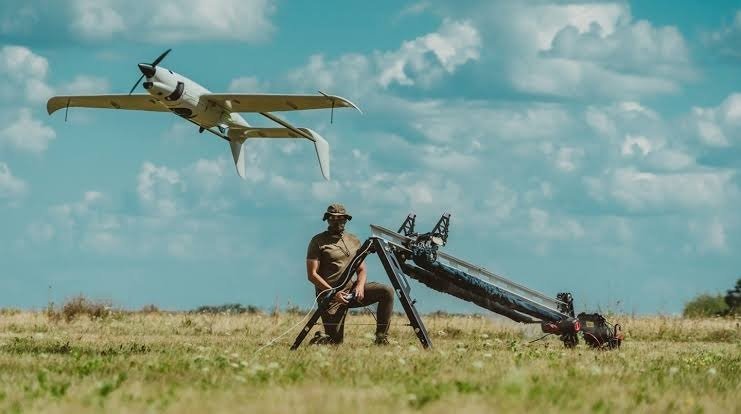 U.S. Army Awards $10.64 Million Contract to Ukrainian Drone Maker Skyeton for Raybird Systems
-
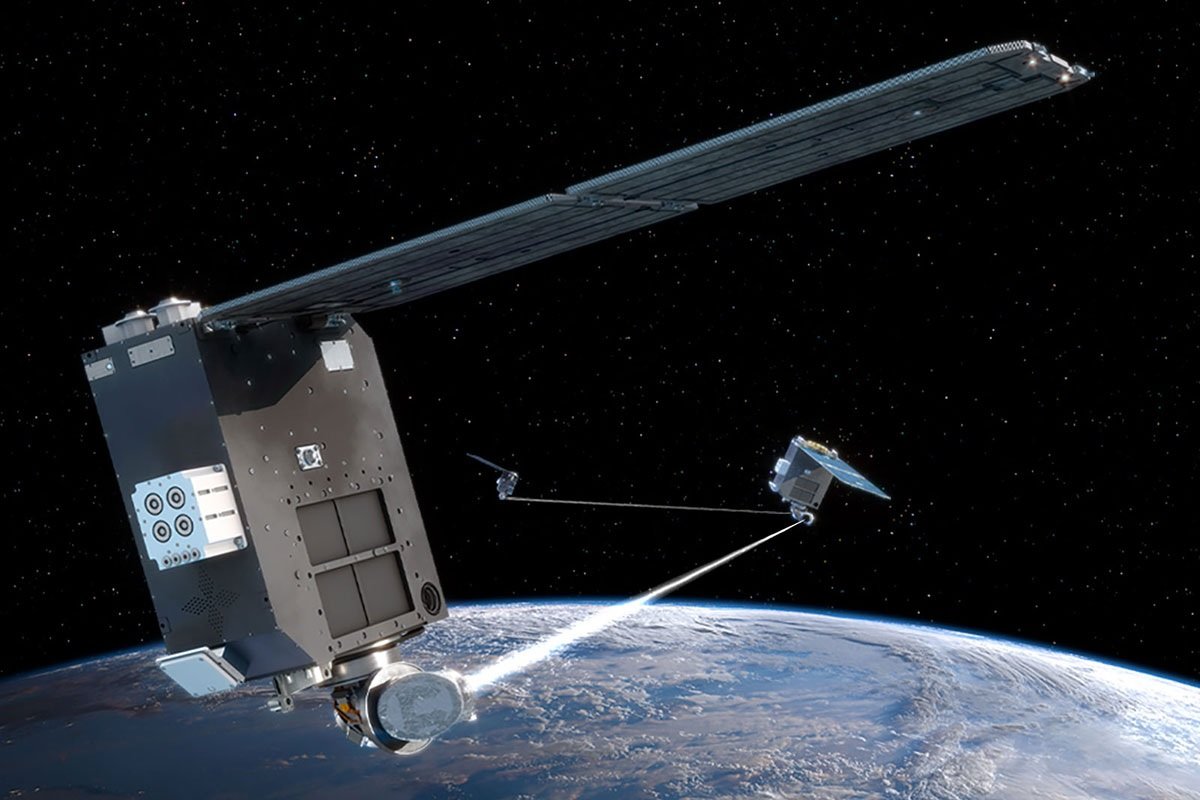 U.S. Space Force Seeks Rapid-Response Satellites for Close-Range Orbital Inspections
-
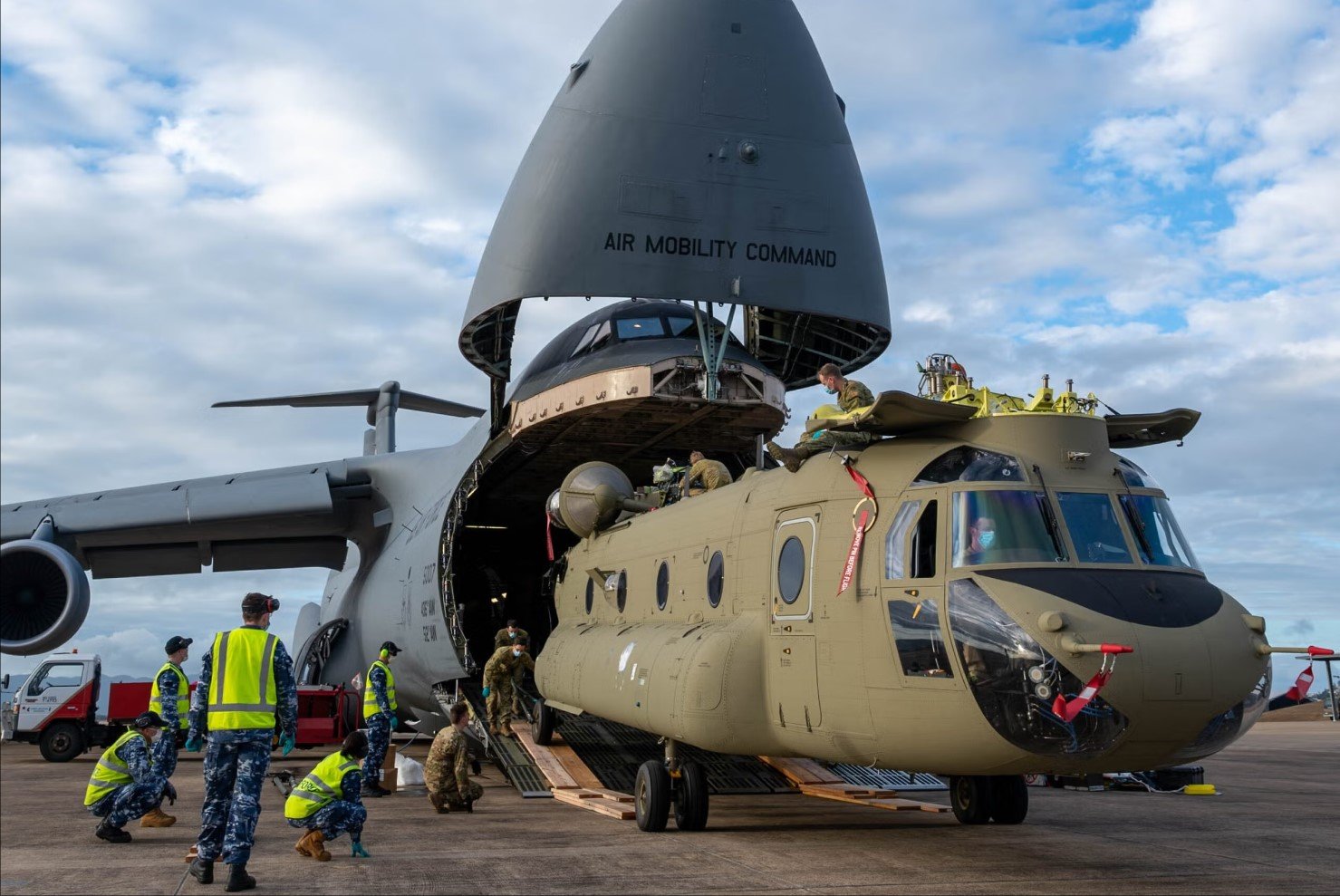 U.S. Delivers First CH-47F Chinook to Egypt Under 12-Helicopter Deal
-
 BEL Showcase X-Band Multi-Function Radar for QRSAM to Japanese Delegation
-
 U.S. Government Seizes Almasirah.net, Houthi-Linked News Website
-
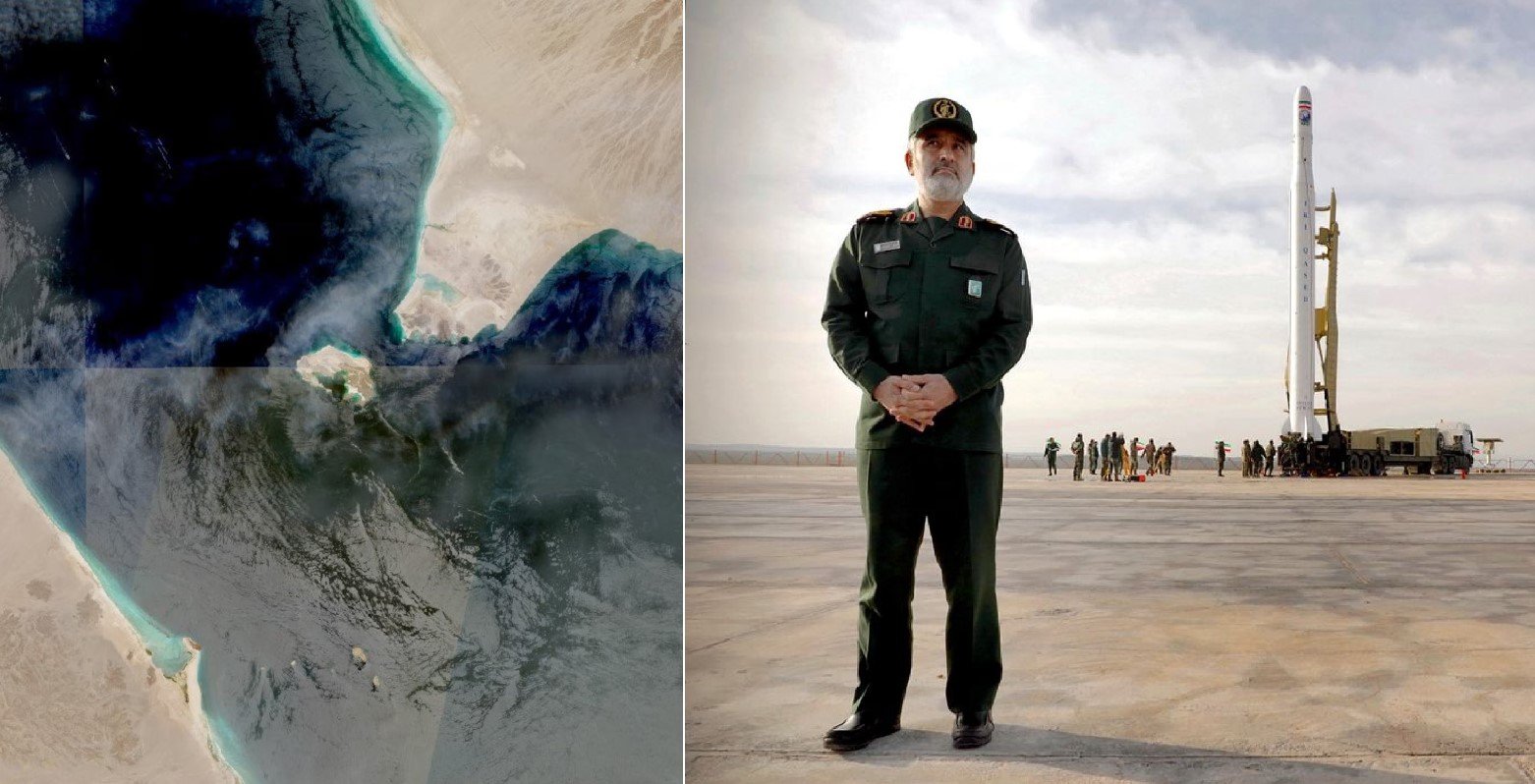 IRGC Experts Visit Bab El-Mandeb to Oversee Radar Installation and Tunneling, Houthi Sources Say
Top Trending in 4 Days
-
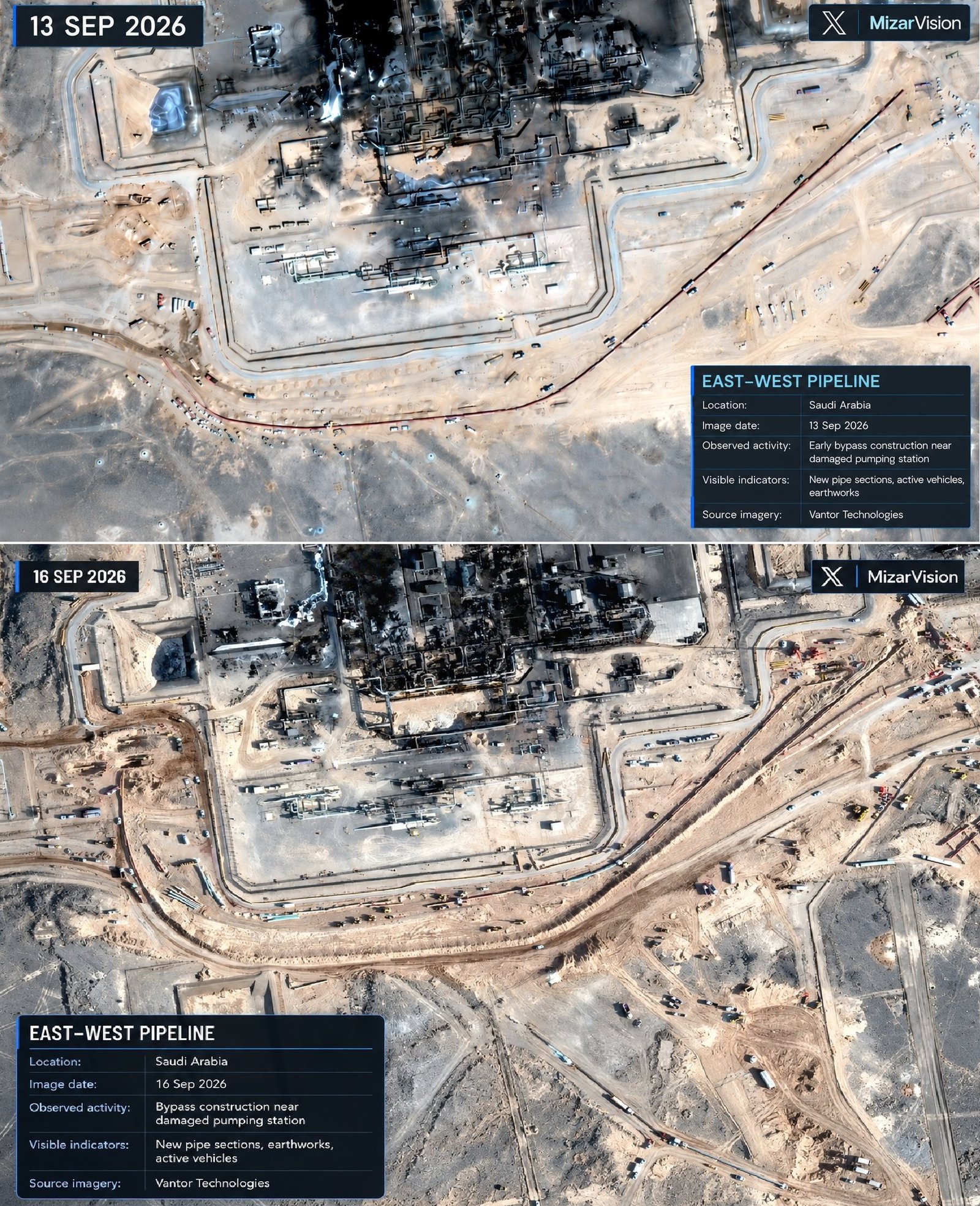 Satellite Images Show Saudi Arabia Building Emergency Bypass Around Damaged East-West Oil Pipeline Station
-
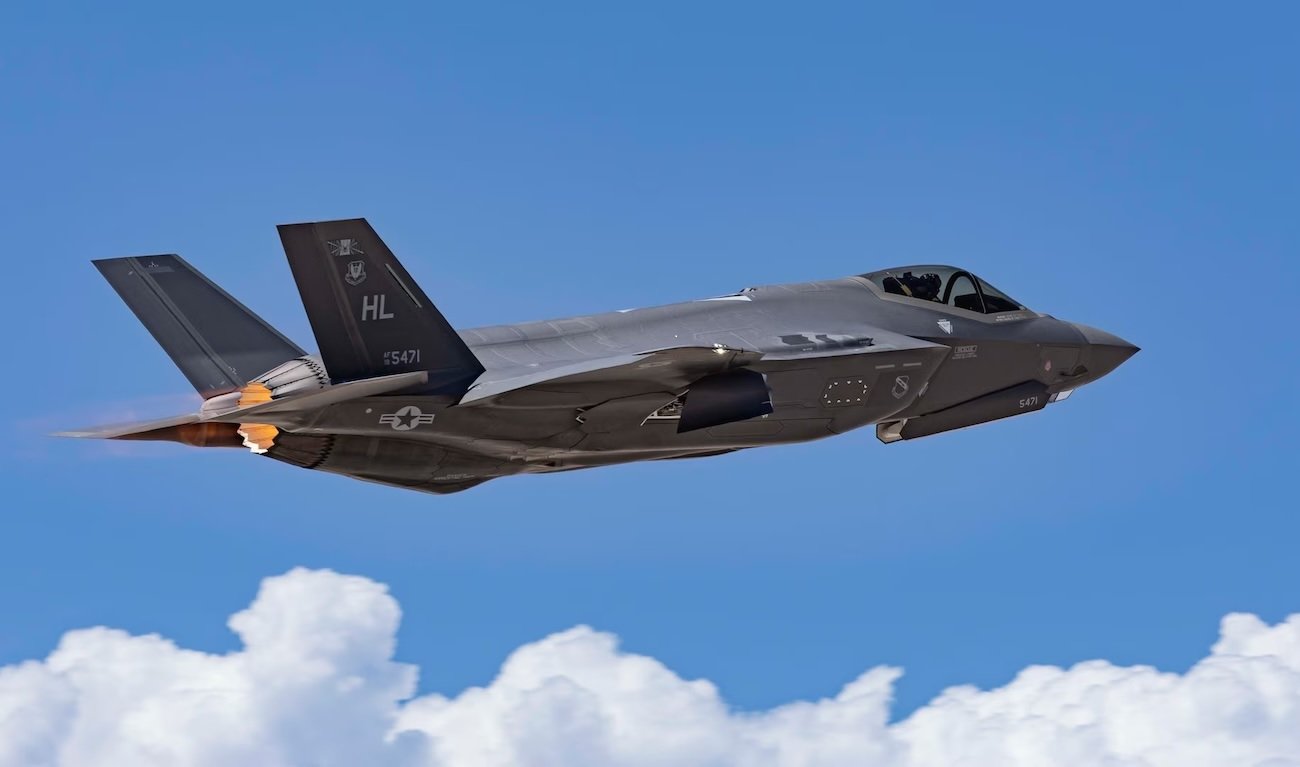 Sensitive F-35 Components Diverted to Hong Kong, Some Parts Missing
-
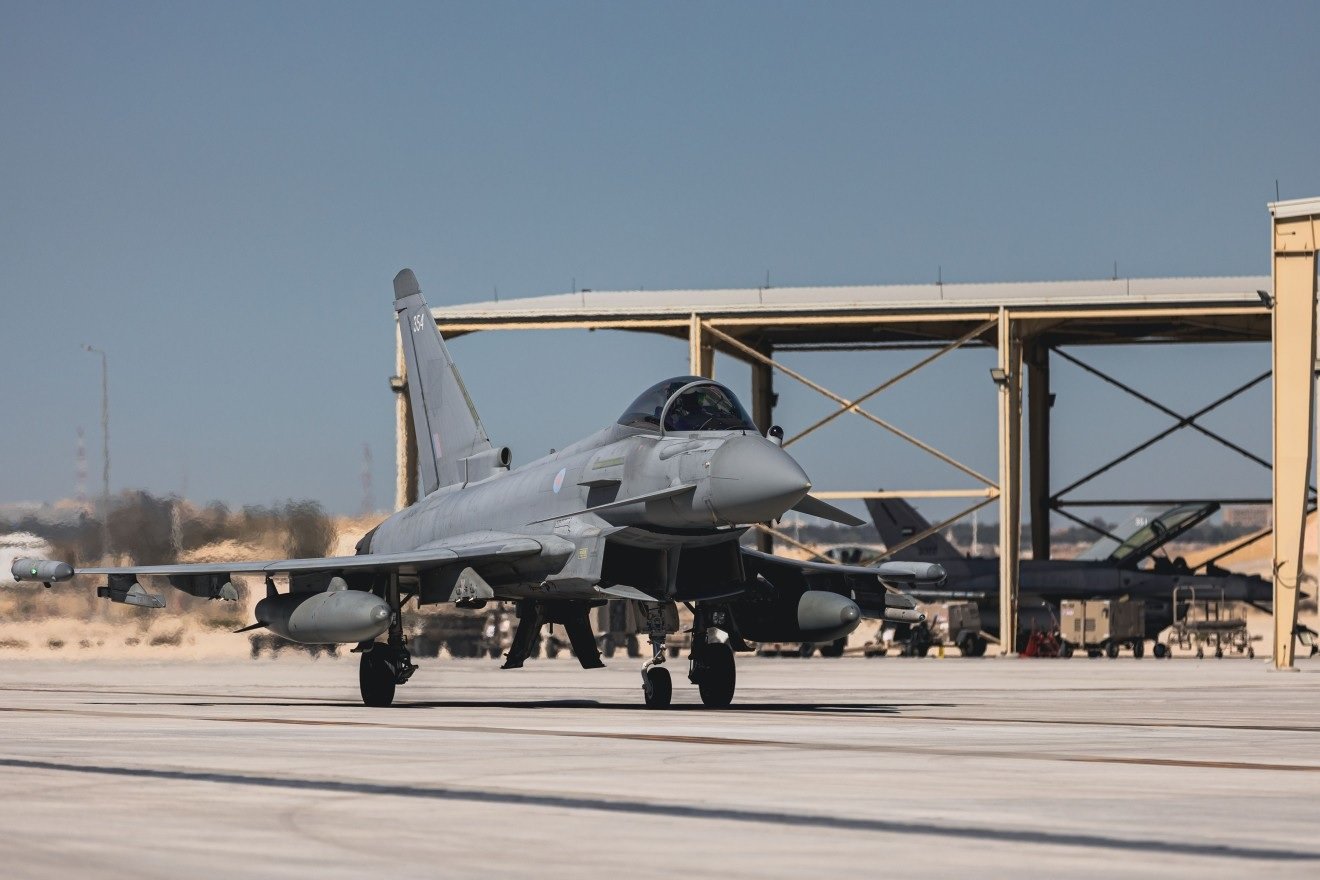 Italian Eurofighter Damaged in Houthi Attack on Saudi Arabia’s King Fahd Air Base
-
 U.S. Secures Permanent Military Rights in Greenland in Historic Security Pact with Denmark
-
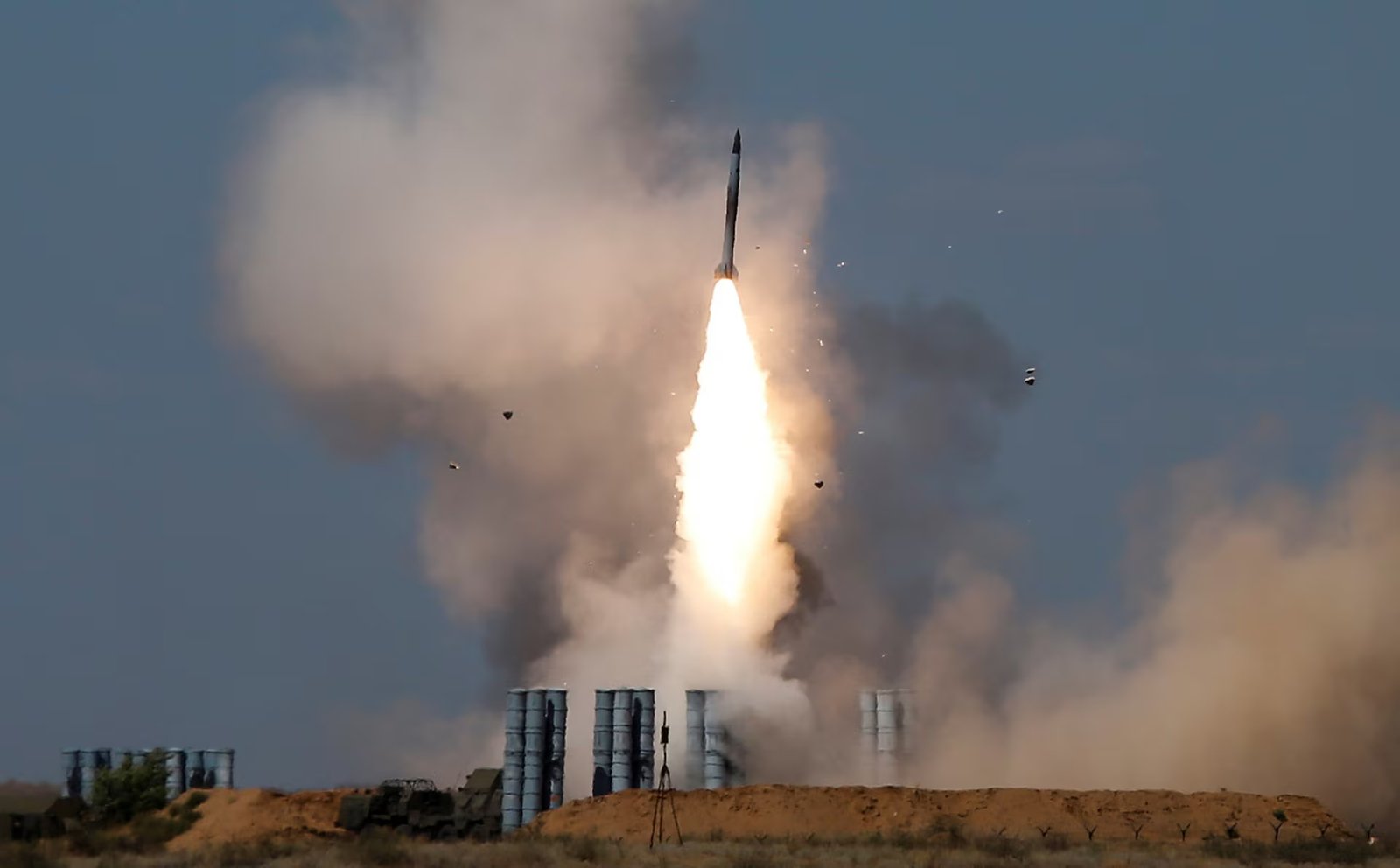 U.S. Approves Potential $2.68 Billion Air Defense Package for Ukraine Including S-300 Clone Missiles
-
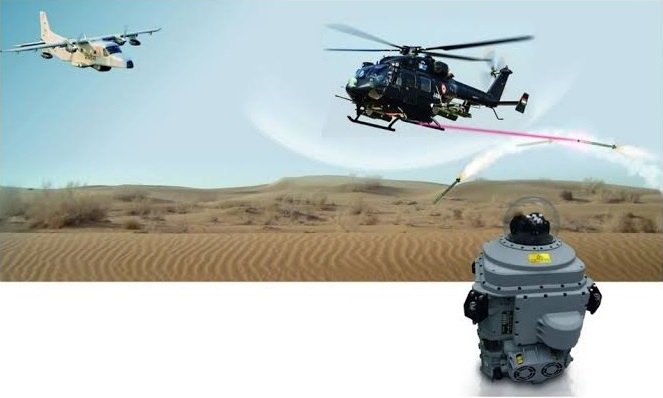 BEL Signs Export Deal with Elbit Systems for Directed Infrared Countermeasure Sub-Assemblies, Secures ₹648 Crore in Additional Orders
-
 China Privately Urges Iran to Restrain Houthis After Saudi Appeal
-
 Israeli Firm Arbe Robotics Unveils Alerion High-Resolution 4D Radar for Counter-Drone Operations