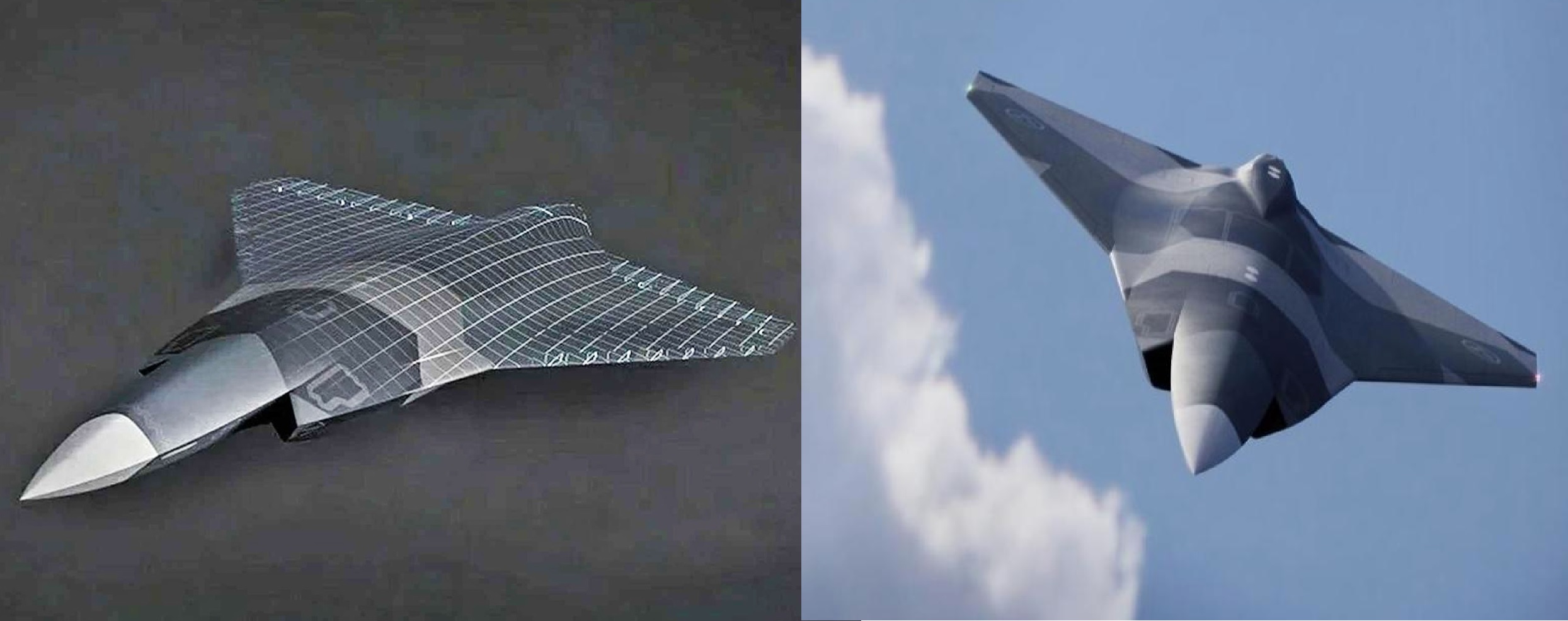
On October 14, 2025, Saab announced that it had received a SEK 2.6 billion (approximately USD 238 million) contract from the Swedish Defence Materiel Administration (FMV) to continue studies and technology development for Sweden’s next-generation fighter system. This contract is part of the broader national program, Koncept för Framtida Stridsflyg (KFS), which aims to determine the future path of Sweden’s air combat capabilities and a successor to the JAS 39 Gripen fleet in the 2040s.
The work under this contract focuses on the development of Sweden’s first stealth-capable fighter jet alongside a family of autonomous wingman drones. These drones are intended to operate in coordination with the manned fighter, providing force multiplication and enhancing operational flexibility. Saab will carry out the program in close collaboration with FMV, the Swedish Armed Forces, the Swedish Defence Research Agency (FOI), and GKN Aerospace. The joint effort will support strategic decisions regarding Sweden’s air combat capabilities for the next several decades.
The KFS program explores three primary pathways for Sweden’s next-generation fighter. One pathway involves fully domestic development, in which Sweden would design and manufacture a new fighter jet using national expertise and industrial capabilities. Another considers international collaboration with partner nations to co-develop the aircraft. The final option examines acquiring an off-the-shelf fighter from foreign suppliers. Decisions regarding the preferred development pathway are expected by 2031, with the goal of fielding a new aircraft post-2030.
Saab’s work under this contract will extend through 2027 and includes technology demonstrator development to validate key technologies such as stealth, advanced propulsion systems, and next-generation avionics. The program also encompasses detailed conceptual studies examining how manned and unmanned systems can operate together effectively. A key component of the effort is the Vägval Stridsflyg (Combat Aviation Pathway) initiative, which seeks to explore and shape the technological and operational concepts for Sweden’s air power beyond 2040.
Lars Tossman, head of Saab’s Aeronautics business, emphasized that the contract represents a major step in preparing innovative solutions to meet the Swedish Armed Forces’ long-term operational needs. Saab’s involvement ensures that the country will maintain a leading edge in air combat technology, combining the capabilities of manned fighters with autonomous drones to enhance mission flexibility and survivability.
According to the project timeline, Saab will conduct studies and technology development from 2025 through 2027, with initial flights of the technology demonstrator expected around 2027. By 2030, the Swedish government aims to make a decision on the preferred pathway for the next-generation fighter, shaping the country’s defense posture and technological roadmap for the coming decades.
This strategic initiative positions Sweden at the forefront of next-generation air combat technology. Saab’s work is central to ensuring that the nation’s future fighter program, supported by cutting-edge manned and unmanned systems, aligns with national security objectives and maintains Sweden’s operational independence in air warfare.
——— End of Article ———