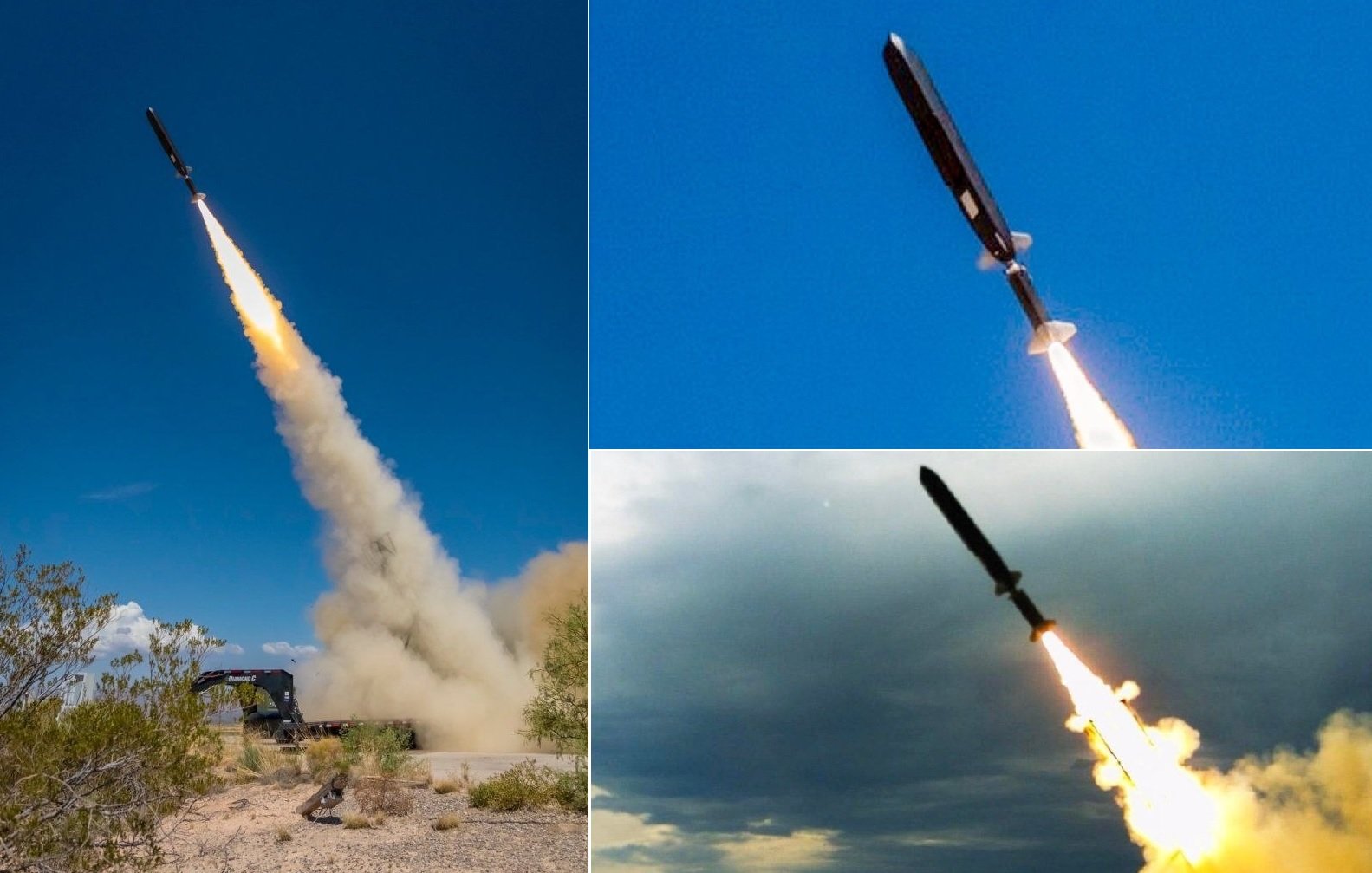
In a bold and defiant statement, Venezuelan President Nicolás Maduro has declared that his country possesses 5,000 Russian-made anti-aircraft missiles ready to defend its skies against any potential U.S. aggression. The warning was directed at former U.S. President Donald Trump, whom Maduro accused of plotting military actions against Venezuela during his tenure.
Venezuela’s Massive Missile Arsenal
During a televised address from Caracas, Maduro said, “Any military power in the world knows the strength of the Russian Igla-S system — and Venezuela has no less than 5,000 of them deployed to protect our homeland.”
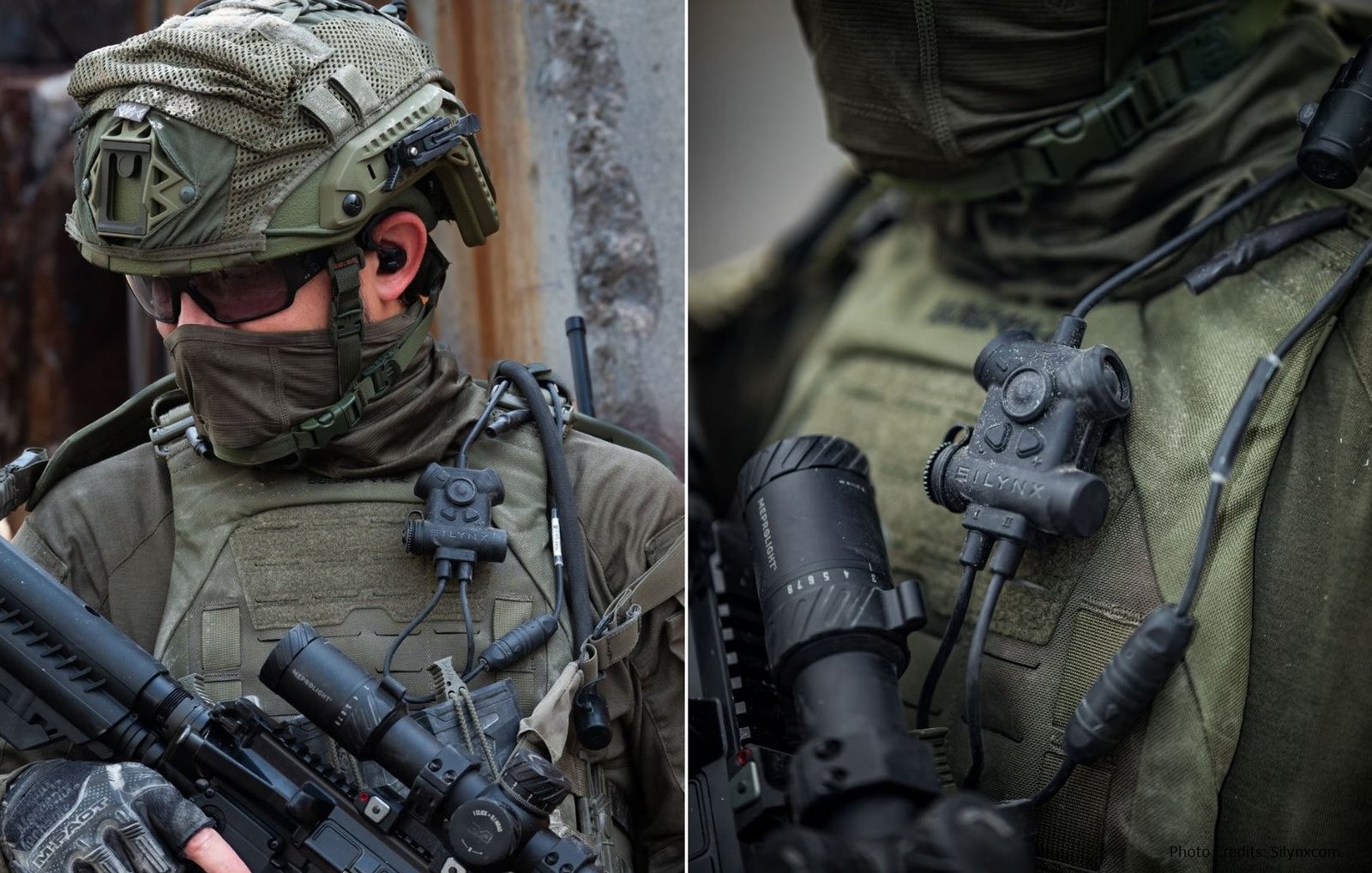
The Igla-S, known by NATO as the SA-24 Grinch, is a man-portable air-defense system (MANPADS) capable of targeting low-flying aircraft, helicopters, and drones. These missiles are compact yet deadly, with an effective range of about 6 kilometers and the ability to engage targets at altitudes of up to 3,500 meters.
According to defense analysts, if Venezuela truly has 5,000 operational Igla-S missiles, that represents one of the largest MANPADS inventories in the Western Hemisphere—a staggering number that could pose serious challenges to any aerial campaign.
A Strategic Message to Washington
Maduro’s comments come amid renewed tensions between Caracas and Washington. The Venezuelan leader accused the United States of maintaining a “hostile military posture” in the Caribbean, pointing to U.S. naval activity near Venezuelan waters under the pretext of anti-narcotics operations.
He warned that Venezuela is “fully prepared” for any attempt to violate its sovereignty, emphasizing that the deployment of Russian systems forms part of a wider defensive alliance with Moscow.
The statement also serves a domestic purpose—portraying Maduro as a strong leader standing firm against U.S. “imperialism.” Since 2019, Venezuela has faced crippling sanctions and international isolation, with the U.S. recognizing opposition leader Juan Guaidó as the legitimate president. Maduro’s rhetoric of resistance has been central to his political survival.
The Russian Connection
Venezuela’s missile stockpile traces back to a defense cooperation pact with Russia signed in the 2000s under Hugo Chávez. Over the years, Caracas has purchased fighter jets, tanks, and surface-to-air systems from Moscow, making Venezuela one of Russia’s most important military partners in Latin America.
The Igla-S systems were part of these deals, reportedly delivered between 2009 and 2012. Russia also helped Venezuela establish local maintenance facilities and train personnel, further cementing the partnership.
Analysts believe Moscow continues to supply technical support, ensuring the missiles remain serviceable—a sign of Russia’s strategic intent to maintain influence in the Americas.
Why 5,000 Missiles Is a Huge Number
If the claim is accurate, Venezuela’s 5,000 anti-aircraft missiles represent a formidable defensive grid. To put this in perspective:
-
Most medium-sized countries operate only a few hundred MANPADS at most.
-
A network of thousands would allow Venezuela to defend air bases, coastal zones, oil refineries, and urban centers simultaneously.
-
The sheer quantity creates a deterrent effect, as any low-flying aircraft or helicopter entering Venezuelan airspace could face an unpredictable threat.
However, experts caution that the effectiveness of these systems depends heavily on training, maintenance, and command control. Many of the missiles may be in storage or require servicing, and Venezuela’s economic crisis raises questions about the readiness of its arsenal.
Implications for U.S.-Venezuela Relations
Maduro’s warning to Trump, even years after his presidency, carries symbolic weight. Trump’s administration openly discussed possible military options against Venezuela, including a naval blockade and CIA covert operations.
By invoking the image of 5,000 ready-to-fire Russian missiles, Maduro seeks to deter future U.S. intervention and remind Washington that Venezuela is not an easy target. It also reinforces Russia’s message to the West that it can project power in the Western Hemisphere through its allies.
For the United States, the statement may not signal an immediate threat but highlights the growing reach of Russian arms influence across Latin America — a development that complicates U.S. strategic interests in the region.
The Bigger Picture
The timing of Maduro’s statement aligns with deepening global polarization. As the U.S. and its allies support Ukraine against Russia, Moscow continues to cultivate partners in regions long considered America’s backyard. Venezuela, isolated and sanctioned, finds in Russia both a supplier and a political shield.
Maduro’s message is clear: Venezuela is aligned with Moscow, armed with Russian technology, and ready to defend its sovereignty. Whether or not all 5,000 missiles are fully operational, the announcement has already achieved its purpose — reminding the world that Venezuela remains defiant, armed, and unyielding.
——— End of Article ———