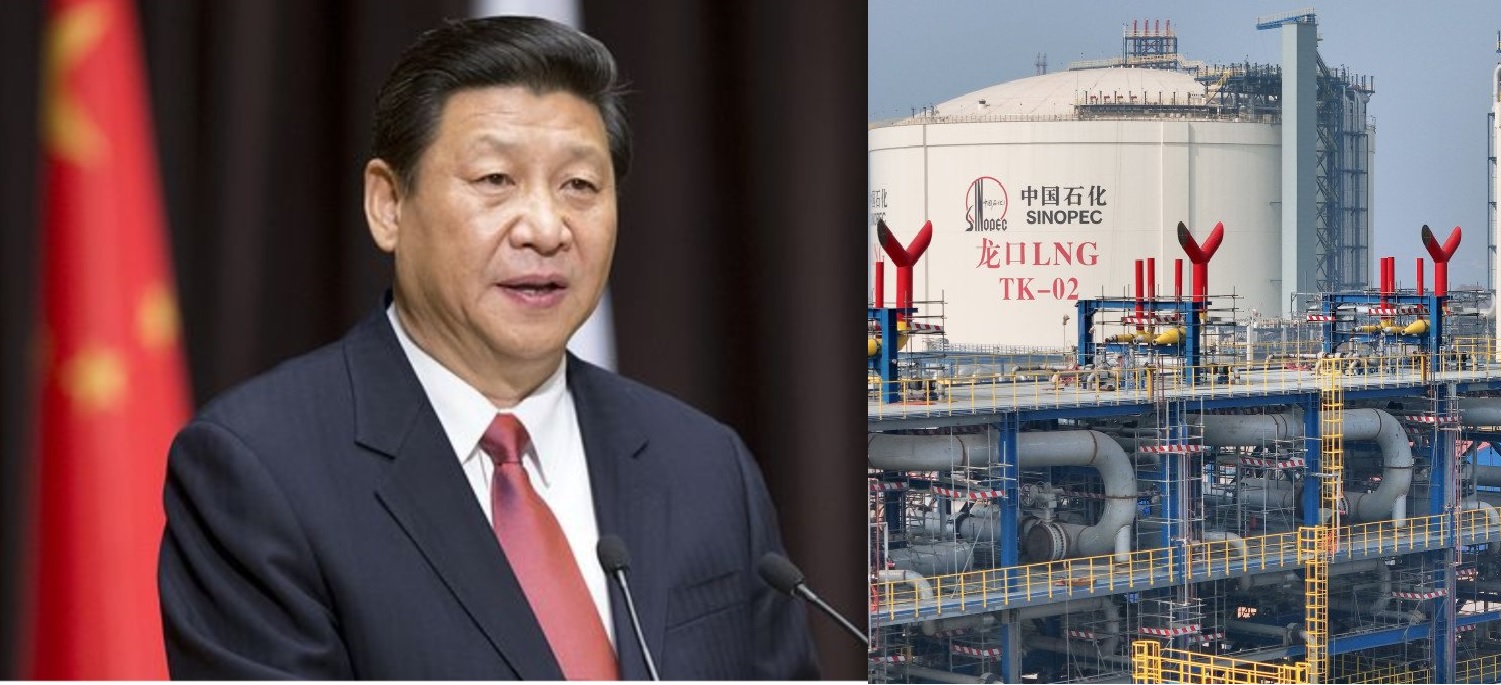
China’s state-owned oil majors have halted or sharply reduced seaborne purchases of Russian crude oil following new U.S. sanctions on Rosneft and Lukoil, raising concerns over secondary penalties that could hit their global operations.
According to industry sources, PetroChina, Sinopec, CNOOC, and Zhenhua Oil have all suspended new spot purchases or significantly cut import volumes of Russian oil in recent weeks. Together, these companies had been importing between 250,000 and 500,000 barrels per day (bpd) earlier in 2025 — a modest share of China’s total 1.4 million bpd Russian intake, but a key component of Moscow’s energy exports to Asia.
The move comes after the U.S. Treasury Department expanded sanctions last month, targeting Rosneft subsidiaries, Lukoil-linked shipping firms, and entities involved in facilitating payments or transport of Russian crude. The updated measures specifically warned of secondary sanctions on non-U.S. companies engaging with restricted Russian oil transactions.
“Chinese state firms are highly risk-averse when it comes to sanctions exposure,” said an energy analyst in Beijing. “They have overseas assets, dollar-denominated trade, and banking links that could be vulnerable if Washington tightens enforcement.”
While state firms are stepping back, independent refiners — commonly known as “teapot refiners” — are expected to continue buying Russian oil through intermediaries. These smaller players often operate outside mainstream financial systems, using yuan settlements, barter trade, or ship-to-ship transfers to secure discounted barrels of Urals and ESPO crude.
Analysts say the pause by major Chinese importers could temporarily reduce Russia’s seaborne oil exports, forcing Moscow to offer deeper discounts or divert supplies to India and Middle Eastern buyers.
Despite the pullback, Beijing’s stance toward Moscow remains strategically neutral. China continues to support Russia politically while carefully avoiding direct violations of U.S. sanctions, balancing energy security needs with international financial stability.
“The current suspension appears tactical rather than permanent,” said a Singapore-based oil trader. “If the U.S. signals flexibility or if prices become attractive again, some state firms may quietly resume limited purchases.”
Russia is China’s largest oil supplier, accounting for nearly 20% of total crude imports. Any prolonged disruption could reshape trade flows across Asia and put upward pressure on global oil prices if buyers seek alternative supplies.
——— End of Article ———