World
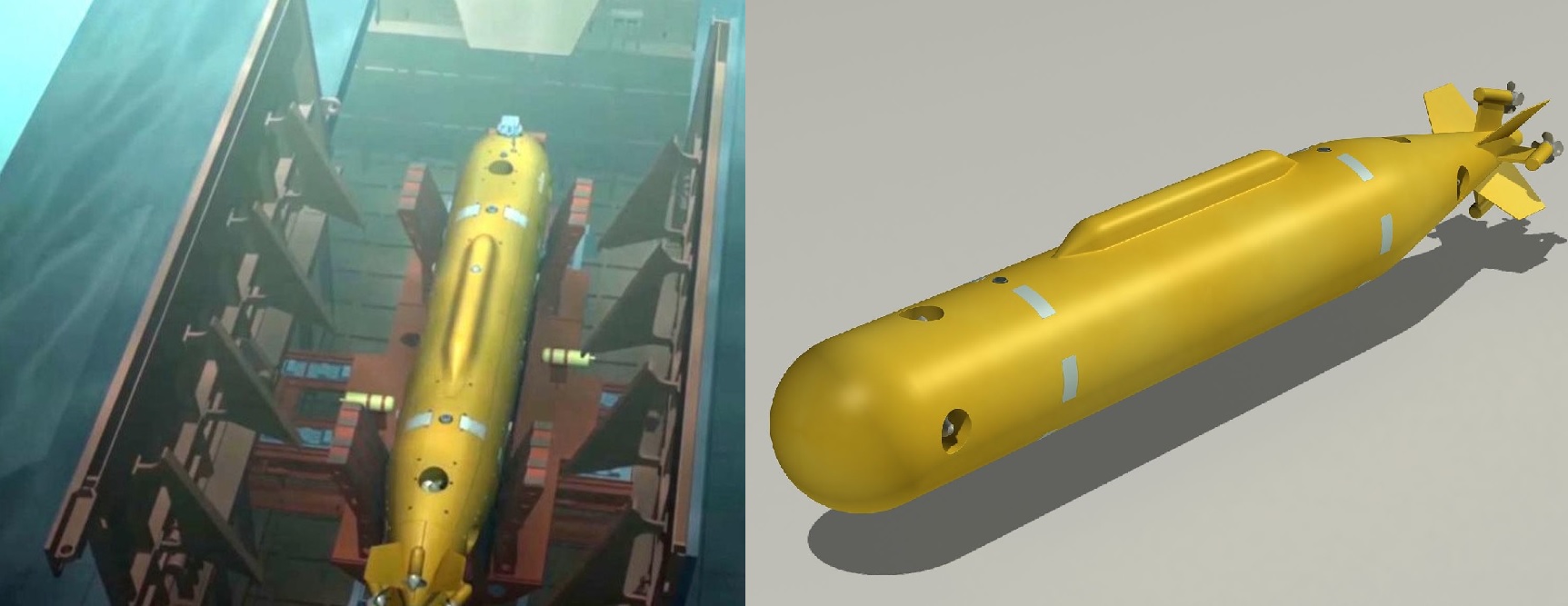
Russian President Vladimir Putin announced that Russia has successfully conducted tests of the “Poseidon” nuclear-powered underwater vehicle yesterday, marking a significant milestone in the country’s strategic weapons development program. The announcement, made during a defense meeting in Moscow, underlines Russia’s continued focus on strengthening its underwater nuclear deterrence capabilities despite ongoing geopolitical tensions and Western sanctions. According to Putin, the Poseidon is equipped with a nuclear power unit, allowing it to operate at virtually unlimited range and depth for extended durations. This makes it one of the most advanced and unique systems ever developed for strategic deterrence. The weapon, sometimes referred to as a nuclear-powered, nuclear-armed unmanned underwater vehicle (UUV), is designed to bypass traditional missile defense systems by traveling beneath the ocean’s surface at great depths and high speeds. Originally unveiled by Putin in 2018 as part of a new generation of “invincible” strategic weapons, the Poseidon—also known under its development code name Status-6—is designed to carry either a conventional or nuclear warhead, potentially up to 100 megatons. This yield would make it capable of generating massive underwater shockwaves or radioactive tsunamis against coastal targets, a capability that has raised deep concern among Western analysts. The recent test, according to sources within the Russian defense establishment, was conducted in the Arctic region, where the nuclear-powered submarine “Belgorod” (K-329)—Russia’s first dedicated Poseidon carrier—launched the vehicle as part of a validation trial. While details of the test parameters remain classified, defense experts believe it focused on verifying the reactor’s endurance, guidance accuracy, and propulsion stability during extended underwater operation. The Poseidon program is being developed by the Rubin Design Bureau under the Russian Navy’s special-purpose division, and is expected to become operational in the late 2020s. Each Belgorod-class submarine can reportedly carry up to six Poseidon torpedoes, giving Russia a formidable second-strike capability independent of its land-based intercontinental ballistic missile (ICBM) systems. Russian officials describe Poseidon as a “strategic retaliatory weapon,” intended to ensure the survivability of Russia’s nuclear deterrent in the event of a first strike. By combining nuclear propulsion and an autonomous control system, Poseidon could patrol undetected for months before being activated for an attack. International reactions have been cautious but closely observant. Western defense analysts note that the development of Poseidon reflects a shift in Russia’s nuclear strategy toward highly survivable, unconventional deterrence systems designed to evade NATO’s missile defense infrastructure. However, questions remain about the practical deployment timeline, command-and-control mechanisms, and environmental risks associated with a nuclear-powered, unmanned underwater platform. Putin’s confirmation of the recent test signals that Russia is not only maintaining but advancing its next-generation strategic systems amid a global climate of renewed great-power competition. The Poseidon, if deployed as envisioned, could redefine the future of underwater warfare and nuclear deterrence—combining stealth, endurance, and destructive potential in a way no previous weapon has achieved.
Read More → Posted on 2025-10-29 14:42:32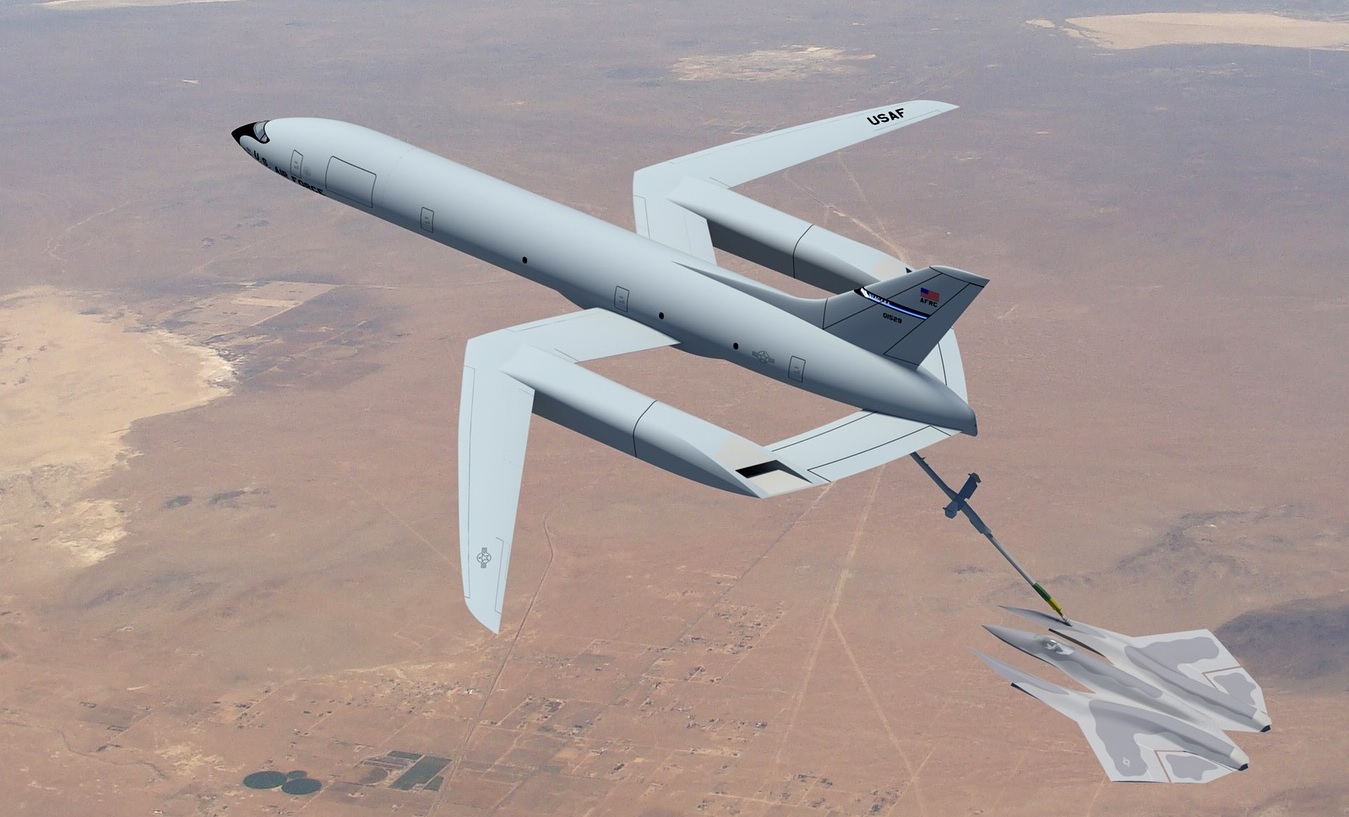
World
Stavatti Aerospace has officially entered the U.S. Air Force’s Next Generation Air-refueling System (NGAS) program with two distinct aircraft proposals — the SM-940K transonic tanker and the SM-635 stealth blended-wing concept. Announced on October 24, 2025, the submission marks the company’s first major participation in an Air Force tanker competition, placing it among the growing list of contenders shaping the next era of aerial refueling. The NGAS program is the U.S. Air Force’s flagship initiative to develop a next-generation tanker fleet that can operate effectively in highly contested environments. The program’s long-term objective is to replace the aging KC-135 Stratotanker and KC-10 Extender while complementing the KC-46A Pegasus, which currently serves as the mainstay of U.S. aerial refueling operations. NGAS envisions a family of systems with increased range, survivability, and adaptability—capable of supporting next-generation bombers, stealth fighters, and unmanned systems across multiple theaters with fewer sorties and greater operational flexibility. Dual Proposal: Transonic Efficiency and Stealth Adaptability Stavatti’s proposal offers two complementary platforms tailored for different operational needs. The SM-940K serves as a high-performance transonic conventional tanker, while the SM-635 introduces a stealth-oriented blended-wing-body design for missions where low observability is essential. This dual approach reflects the Air Force’s evolving doctrine that demands both high-capacity refueling in secure airspace and stealthy operations closer to contested zones. The SM-940K is engineered for a maximum fuel offload of 300,000 pounds (136,000 kg), capable of refueling up to three fighter aircraft simultaneously using both flying boom and hose-and-drogue systems. It is designed to support long-endurance missions, with a ferry range exceeding 25,000 kilometers (13,500 nautical miles) and a refueling radius of 7,756 kilometers (4,189 nautical miles). This positions it well above most existing tankers in both range and payload capacity. Engineering and Performance Constructed with metal sandwich and composite materials, the SM-940K emphasizes strength, efficiency, and reduced weight. The aircraft features an M-wing configuration that enhances aerodynamic performance while reducing drag at transonic speeds. It measures 45.7 meters in length, with a 37.8-meter wingspan and 13.1-meter height, and has a maximum takeoff weight exceeding 226,000 kilograms (500,000 pounds). Engine options under evaluation include the Pratt & Whitney PW1133G-JM, GE CF6-80C2B1F, and Rolls-Royce Trent 7000 series, each capable of generating 33,000 pounds of thrust, giving the aircraft a combined output near 294 kilonewtons (66,000 pounds). With a maximum cruise speed of Mach 0.97, the SM-940K ranks among the fastest heavy tankers proposed for NGAS. In comparison with existing platforms, the SM-940K’s range and offload capacity outperform the KC-10A Extender and A330 MRTT by a significant margin. The aircraft’s short takeoff and landing performance, combined with a fuel burn rate of 1.87 kilograms per kilometer (4.125 lb per nautical mile), underlines its potential for extended-range operations with lower operating costs. The projected unit cost is around $300 million, and the estimated cost per flight hour is $18,623. The Stealth Companion: SM-635 While the SM-940K focuses on performance and fuel capacity, the SM-635 introduces a blended-wing stealth design aimed at survivability in hostile airspace. Its low radar cross-section, internalized systems, and adaptable airframe enable operations in anti-access/area-denial (A2/AD) environments. The SM-635 could also integrate autonomous flight systems, secure data relay modules, and distributed refueling nodes, making it ideal for next-generation combat logistics. Together, the SM-940K and SM-635 give Stavatti a flexible edge — one focusing on high-volume operations, the other on low-observable persistence. This combination offers the U.S. Air Force an opportunity to field a scalable tanker architecture, balancing fuel efficiency, speed, and survivability. Industrial Capability and Future Vision Founded in 1994 and restructured in 2019, Stavatti Aerospace Ltd operates from the Niagara Falls International Airport facility, spanning over 180,000 square feet. The company plans to establish a massive “2M Plant” production complex with more than 185,000 square meters of manufacturing space, intended to employ approximately 15,000 aerospace professionals. The firm’s portfolio already includes both civil and military designs such as the SM-920 airliner, SM-920E early warning aircraft, SM-27/28 Machete close-support jets, SM-31 Stiletto, and SM-39 Razor air-superiority fighter. All share core design philosophies—modular systems, transonic aerodynamic optimization, and metal sandwich construction—which are also central to the new NGAS submissions. Competing in a Crowded Field The NGAS competition has drawn responses from established aerospace giants such as Lockheed Martin, Boeing, and Northrop Grumman. Boeing continues refining the KC-46A Pegasus, while Lockheed Martin promotes its LMXT (based on the Airbus A330 MRTT). In contrast, Stavatti’s clean-sheet approach brings fresh engineering solutions that prioritize performance, stealth, and mission adaptability rather than relying on derivative designs. If the Air Force selects either of Stavatti’s proposals, it would mark a significant shift in the aerial refueling domain—introducing a new American manufacturer into a field long dominated by a few defense primes. Toward the Future of Aerial Refueling Stavatti’s entry into the NGAS program represents more than a single product proposal; it signifies an effort to redefine what next-generation refueling can mean. With the SM-940K’s range, speed, and payload capacity and the SM-635’s stealth and survivability, the company aims to deliver a complementary system capable of meeting the U.S. Air Force’s multi-domain operational goals for decades to come. In a rapidly evolving strategic environment, where future conflicts may demand speed, endurance, and stealth in equal measure, Stavatti’s dual-offer strategy positions it as an unexpected yet credible contender in shaping the future of U.S. aerial refueling capability.
Read More → Posted on 2025-10-29 13:05:55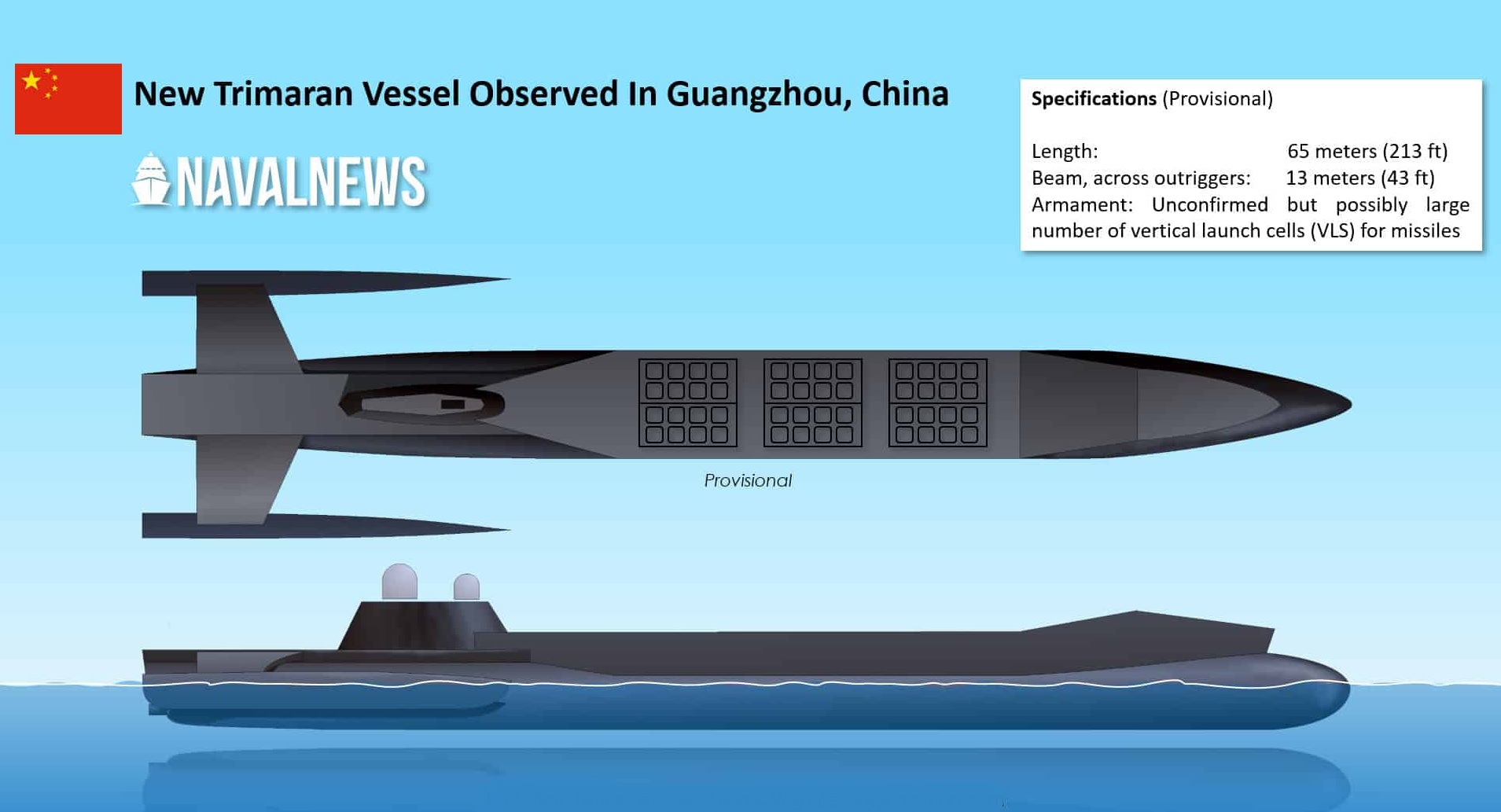
World
A mysterious trimaran-hulled vessel has recently drawn attention at the Huangpu shipyard in Guangzhou, China—one of the nation’s major naval construction centers known for producing frigates and corvettes for the People’s Liberation Army Navy (PLAN). What makes this vessel unusual is not only its hidden construction under tarpaulins, a rare sight in Chinese shipyards, but also its distinctive shape, which seems to merge characteristics of surface warships and submarines. Satellite imagery and preliminary analysis indicate that it could be an uncrewed, high-speed platform, reflecting the growing ambition and sophistication of China’s naval research and development programs. The vessel, estimated to be about 65 meters in length, features a long, narrow hull with trimaran outriggers at the stern, suggesting a design optimized for stability at high speed. Its rounded lower hull resembles a submarine, while the small and narrow superstructure implies minimal crew accommodation or possibly a fully autonomous design. Such a configuration is consistent with next-generation unmanned surface combatants—vessels designed for stealth, speed, and flexible mission profiles without traditional crew requirements. One leading theory among defense analysts is that the vessel represents a long-rumored semi-submersible arsenal ship. This concept, circulating in Chinese defense circles since around 2017, envisions a vessel capable of carrying a large battery of land-attack cruise missiles or anti-ship weapons, acting as a floating missile magazine. The ship’s dark grey or black paint scheme—uncommon for standard surface ships—further supports the theory of a semi-submersible role, potentially optimized for reduced radar visibility. If true, this new vessel could feature a Vertical Launch System (VLS) beneath its flat forward deck, allowing it to deploy a range of long-range precision missiles. In line with the arsenal ship concept, such a vessel would not require its own targeting sensors or radar; instead, it would rely on data links and external cueing from other ships, aircraft, or satellites, enabling it to strike targets while remaining partially hidden or submerged. The internal structure would likely include ballast tanks to allow controlled submersion for stealth operations or missile deployment. However, due to the vessel’s concealment, no clear imagery of its deck layout or possible missile silos has yet emerged. This leaves room for alternative explanations about its true nature. One possibility is that the vessel serves as a drone carrier, capable of deploying large multirotor or fixed-wing drones for reconnaissance, electronic warfare, or strike missions. The box-like section on its forward hull could serve as a drone hangar or launch bay, similar to the modular drone systems used on smaller uncrewed surface vessels (USVs) seen in conflicts such as Ukraine. Yet, the scale of the vessel raises questions—its displacement appears excessive for a drone mothership alone. Another possibility is that it is a transport or support vessel designed to carry smaller surface or underwater drones—extending the range of extra-large unmanned underwater vehicles (XLUUVs) or fast-attack USVs. In such a role, the trimaran configuration would provide stability for launch and recovery operations in open waters. This would align with China’s increasing interest in distributed unmanned operations, allowing multiple autonomous platforms to work cooperatively across the maritime domain. The Huangpu shipyard’s history of building semi-submersible transport ships—like the Type-711 ‘Yinmahu’—adds weight to this hypothesis. However, the presence of stern outriggers complicates interpretations, as they would likely interfere with traditional loading or docking arrangements, suggesting a more specialized purpose. Regardless of its exact mission profile, the appearance of this vessel underscores the rapid pace of naval experimentation and innovation in China. The country’s shipbuilding capacity, supported by vast resources and a highly skilled engineering workforce—many trained in Western naval architecture programs—has enabled it to move from theoretical concepts to working prototypes far faster than most other nations. While Western navies continue to deliberate over the future of arsenal ships and uncrewed naval combatants, China appears to be building and testing them in real conditions. Whether this mysterious trimaran becomes a semi-submersible missile platform, a drone carrier, or an entirely new class of hybrid warship, it highlights a clear trend: China’s naval innovation is increasingly bold, practical, and far ahead in prototyping next-generation maritime warfare systems.
Read More → Posted on 2025-10-29 12:46:35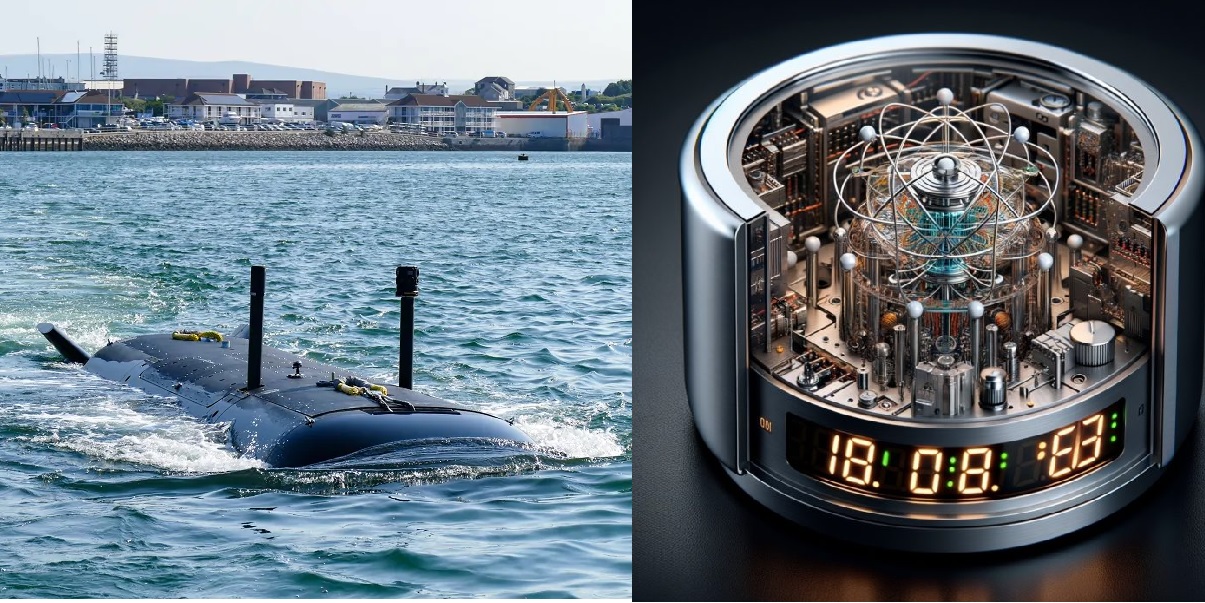
World
In a major technological milestone, Infleqtion, a United States-based quantum technology company, has successfully demonstrated the world’s first deployment of a quantum optical atomic clock on an underwater autonomous vehicle, in collaboration with the Royal Navy of the United Kingdom and MSubs Ltd. The trial integrated Infleqtion’s Tiqker optical atomic clock into the Royal Navy’s Excalibur (XCal) testbed submarine, marking a defining achievement in underwater navigation and precision timing. The Need for Quantum Timing in Submarines Submarines from any nation face a similar challenge: they operate in GPS-denied environments. Once submerged, they lose access to Global Navigation Satellite Systems (GNSS), including the U.S.-operated GPS network, forcing them to rely on onboard timing and navigation systems. Traditional microwave-based atomic clocks, though accurate, gradually accumulate timing errors—known as drift—which can lead to navigational inaccuracies during long underwater missions. The Tiqker optical atomic clock changes that paradigm. It provides an ultra-stable “local time heartbeat” that enables submarines and autonomous underwater vehicles (AUVs) to navigate accurately for extended durations without relying on external signals. This breakthrough is crucial for modern naval operations, particularly for stealth or deep-sea missions where external navigation aids are unavailable or jammed. A UK–US Quantum Collaboration Commander Matthew Steele, Head of Futures at the Royal Navy’s Disruptive Capabilities and Technologies Office (DCTO), stated that this trial represents “a first critical step towards understanding how quantum clocks can be deployed on underwater platforms to enable precision navigation and timing (PNT).” He confirmed that the Royal Navy plans to continue testing quantum-based navigation systems, including Tiqker, on Excalibur (XCal) as part of its broader strategy to gain a quantum operational advantage. Infleqtion, headquartered in the United States, became the first external partner selected for the UK Royal Navy’s XCal programme — a strong sign of the trust and collaboration between the two allied nations in the field of advanced quantum and defence technologies. The Tiqker Advantage Infleqtion’s UK General Manager, Ryan Hanley, said, “By putting Tiqker directly on the Royal Navy’s Excalibur (XCal) testbed submarine, we are laying the foundation for fleets to navigate, coordinate, and operate with precision in any environment.” The Tiqker system provides several operational advantages: Unmatched accuracy in maintaining time over long underwater missions. Improved navigation and sonar coordination in the absence of GNSS. Enhanced synchronization for secure communications and onboard systems. Reduced reliance on external references or recalibration intervals. The trial involved multiple dives under operational conditions, confirming Tiqker’s durability and stability in real-world naval environments — a vital proof point for future Royal Navy and NATO missions. Engineering Validation and Future Prospects Matthew Troughton, Engineering Director at MSubs Ltd, a UK-based submarine manufacturer, remarked: “Integrating a quantum clock onto XCal demonstrates how advanced timing can redefine what autonomous submarines are capable of. This trial points the way to platforms that can operate independently for longer durations, with the precision and reliability needed for future undersea missions.” The trial also validates the UK’s growing commitment to quantum-enabled defence systems, a strategic area where Anglo-American cooperation continues to deepen. The successful demonstration sets the stage for future quantum navigation packages across next-generation AUVs, unmanned surface vessels, and even space applications. Strategic Significance The UK Ministry of Defence has prioritized quantum timing and sensing technologies under its Defence Science and Technology Laboratory (Dstl) roadmap. Infleqtion’s success aligns perfectly with this vision, bolstering the United Kingdom’s efforts to secure quantum sovereignty while drawing upon U.S. expertise and industrial partnerships. For Infleqtion, this achievement follows the announcement of its planned merger with Churchill Capital Corp X, a move expected to strengthen its investment base and accelerate product deployment across defence and aerospace sectors. The integration of Infleqtion’s Tiqker quantum optical atomic clock into the Royal Navy’s Excalibur submarine marks a historic moment in underwater navigation. It demonstrates the growing technological synergy between the United States and the United Kingdom, both at the forefront of quantum defence innovation. By merging American quantum engineering with British naval expertise, the project has delivered a clear message: the future of submarine warfare and autonomous operations will be defined by quantum precision, ensuring that fleets can operate with confidence, accuracy, and independence — no matter how deep or disconnected from the surface they go.
Read More → Posted on 2025-10-29 12:27:07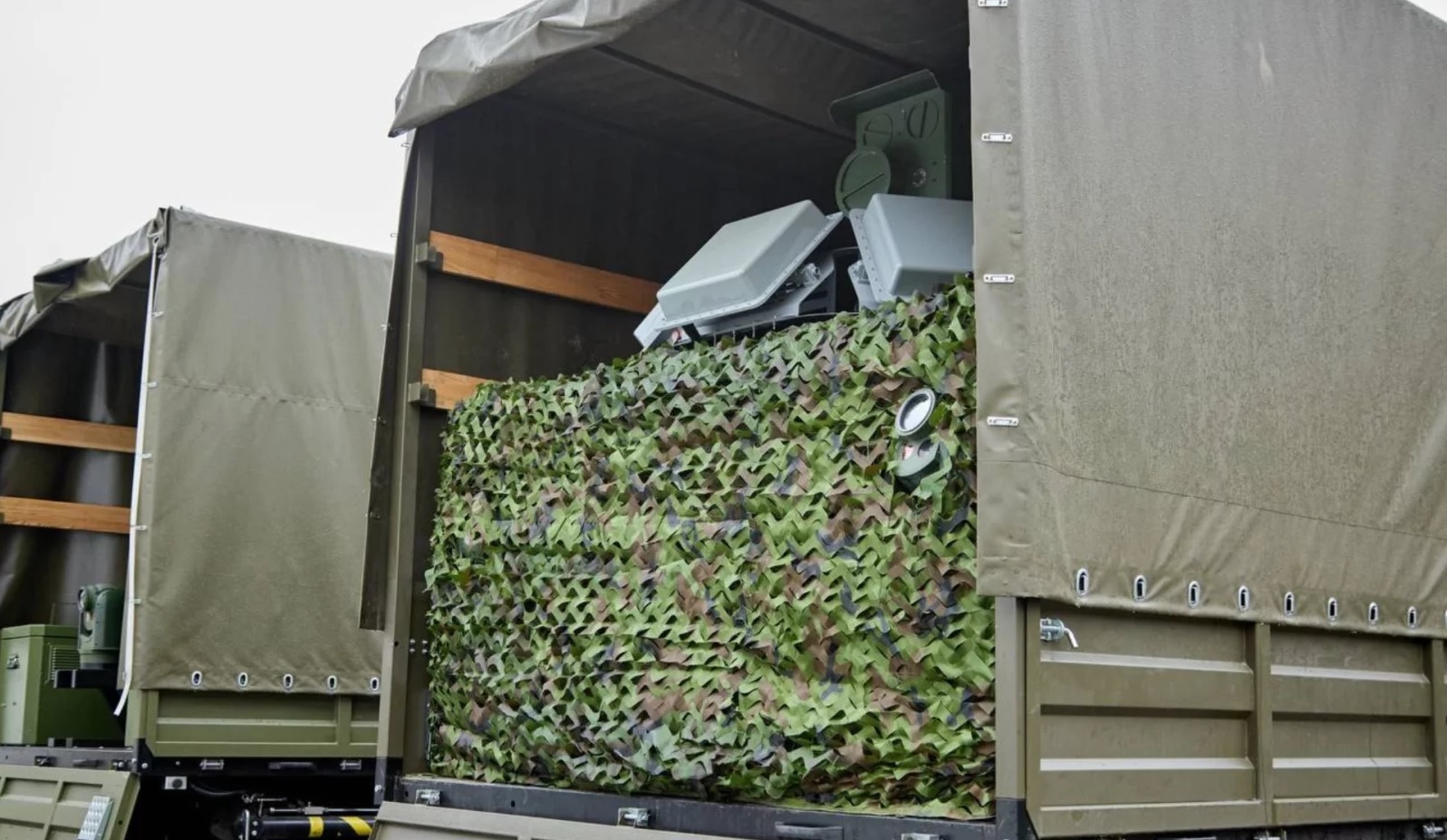
World
At the Interpolitex 2025 defense exhibition in Moscow’s VDNH complex, Russian optics and electronics firm Shvabe, part of Rostec, unveiled a mobile high-energy laser complex designed for counter-drone and close-range air defense operations. The system combines a high-power air-cooled laser, an optronic detection and tracking suite, and a command post, all housed within an all-terrain truck for rapid deployment and mobility. According to Rostec’s official release and Russian defense media, the Shvabe mobile laser unit is capable of disabling several UAVs within a minute, including small FPV (First-Person View) drones that have become prominent on modern battlefields. The system operates on rechargeable onboard batteries that can be replenished from external sources, minimizing its thermal and acoustic signature. This makes it suitable for stealthy operation in forward-deployed or urban environments. Design and Configuration At the core of the system is an air-cooled laser, which marks a practical shift from traditional liquid-cooled designs. The air-cooled configuration simplifies logistics, reduces maintenance needs, and decreases system weight — a significant factor in enabling rapid relocation and deployment. The optronic suite integrates electro-optical sensors and precision trackers to detect, track, and maintain a stable aim on small aerial targets, ensuring sustained beam contact for sufficient thermal effects. The entire system, including its command-and-control (C2) station, fits within a single all-terrain truck. This compact layout allows setup within minutes, ideal for mobile air defense missions where frequent movement is required to evade enemy reconnaissance or artillery fire. Power and Operational Capability Power is derived from high-capacity onboard batteries, enabling silent operation and reducing dependence on external generators. In favorable conditions, the laser can engage targets within a few hundred meters to about one kilometer, depending on atmospheric clarity. Rostec indicates that the system can be cued by external radar, acoustic, or passive RF detection stations, allowing it to operate as part of a layered air defense network alongside short-range guns, missiles, and jammers. The firing sequence allows several drones to be neutralized within a minute — suggesting 2–4 seconds of dwell time per target. The laser’s effects range from sensor blinding and cable melting to thermal ignition of batteries or circuits, leading to drone failure or descent. Technical Specifications (Estimated Based on Available Data) Parameter Specification Laser Type High-energy air-cooled solid-state laser Power Source Rechargeable onboard battery pack (external recharging supported) Cooling System Air-cooled (no liquid cooling) Detection & Tracking Integrated optronic suite with EO/IR sensors Vehicle Platform All-terrain truck (likely 6×6 configuration) Engagement Range 500 m – 2 km (estimated) Targets Small UAVs, FPV drones, quadcopters Setup Time Within minutes Crew 2–3 operators Integration Compatible with radar, acoustic, or passive detection nodes Operation Mode Silent, low-signature (battery-driven) Tactical Context and Use In Russia’s air defense architecture, the Shvabe mobile laser is envisioned as a point-defense effector — intercepting drones that bypass radio jamming and gun-based countermeasures. When integrated with radar and acoustic sensors, it functions as the final layer of defense, silently destroying small aerial threats that pose risks to frontline troops, vehicles, or infrastructure. The system’s low cost per shot, compared to kinetic interceptors, gives it a significant logistical advantage in high-drone-density environments. However, performance depends heavily on weather conditions; fog, dust, and rain can degrade beam intensity and precision. The system is most effective from elevated positions with stabilized optics to maintain line of sight on slow or medium-speed drones. Comparative Analysis The Shvabe laser complex positions Russia within the same class of directed-energy air defense systems being developed globally. In the United States, the DE M-SHORAD system on the Stryker platform employs a 50 kW laser, while the United Kingdom’s DragonFire and Raytheon HELWS demonstrators target similar UAV threats under LDEW (Laser Directed Energy Weapon) trials. Israel’s Iron Beam, set for operational use in 2025, employs a more powerful fiber laser for drone and rocket defense. Shvabe’s approach differs by emphasizing air cooling, modularity, and battery-driven mobility, creating a more logistically lean solution tailored for Russia’s field conditions. The absence of liquid cooling and reliance on line-replaceable modules simplify maintenance and reduce supply chain complexity. Outlook The public debut of Shvabe’s mobile laser at Interpolitex 2025 marks a step forward in Russia’s counter-UAV technology. With modern conflicts increasingly defined by drone swarms and low-cost aerial threats, directed-energy systems like this offer an attractive balance between sustainability, mobility, and affordability. If serial production begins, the complex could be integrated into frontline SHORAD units, supplementing gun and missile systems such as Pantsir-S1 or Tor-M2. Over time, further upgrades — including adaptive optics, improved beam control, and enhanced tracking algorithms — could strengthen its operational reach and reliability. By presenting this compact, all-electric counter-drone laser, Shvabe underlines Russia’s intent to field practical directed-energy weapons that match the realities of contemporary battlefields — mobile, quiet, and increasingly autonomous in detecting and neutralizing airborne threats.
Read More → Posted on 2025-10-29 11:43:59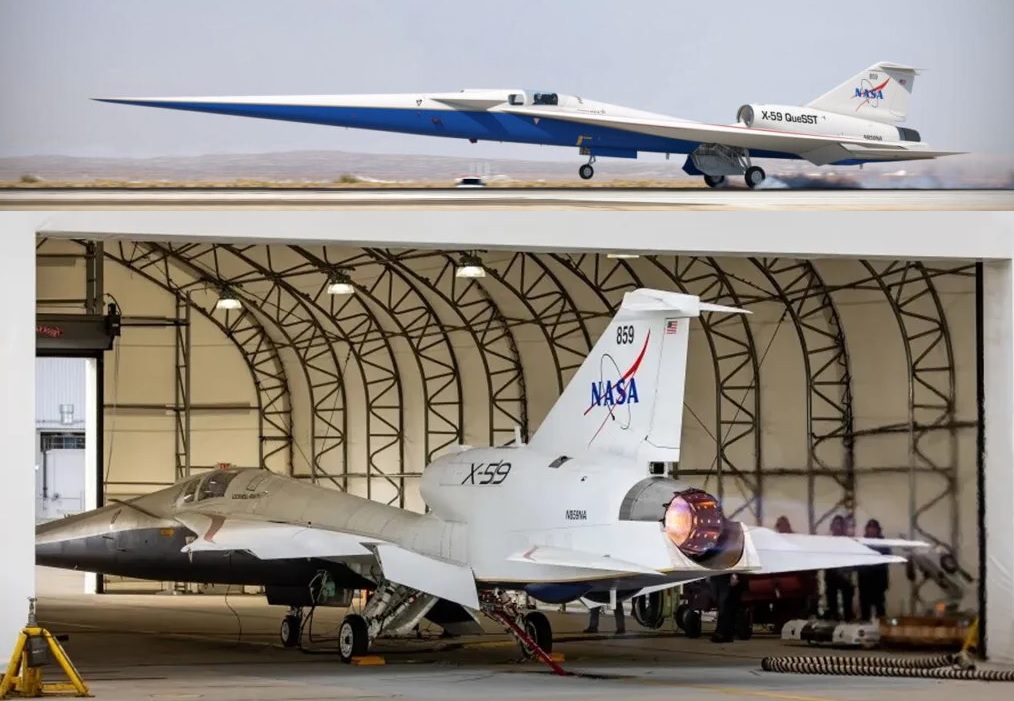
World
NASA’s long-awaited X-59 supersonic-but-quiet jet successfully took to the skies over the Southern California desert on Tuesday, marking a major step toward restoring commercial supersonic flight—this time without the ear-splitting booms that once grounded such ambitions. The sleek experimental jet, developed by Lockheed Martin’s Skunk Works division, completed its first test flight from Plant 42 in Palmdale, roughly 60 miles north of Los Angeles, to Edwards Air Force Base, home to NASA’s Armstrong Flight Research Center. The X-59 QueSST (Quiet Supersonic Technology) aircraft represents years of engineering effort to overcome one of aviation’s biggest hurdles—the sonic boom. Its distinctive long, slender fuselage and uniquely contoured nose are designed to shape shock waves that occur when breaking the sound barrier, transforming the usual thunderous boom into a gentle “sonic thump”, reportedly no louder than the slamming of a car door. During the first test flight, which lasted about an hour, the X-59 climbed to an altitude of 12,000 feet (3,660 meters) and reached a speed of 230 mph (370 kph)—well below its designed supersonic capability. This low-altitude loop was part of the aircraft’s airworthiness verification phase, ensuring that all flight control systems, sensors, and avionics were performing as expected. NASA’s chief test pilot, Nils Larson, was at the controls. Built under a $518 million contract between NASA and Lockheed Martin signed in 2018, the X-59 is a one-of-a-kind experimental jet that measures 99.7 feet (30.4 meters) in length and 29.5 feet (9 meters) in wingspan. The aircraft is powered by a General Electric F414-GE-100 turbofan engine, the same family used in the F/A-18 Super Hornet, generating up to 22,000 pounds of thrust. The X-59 is expected to reach a cruising speed of Mach 1.4 (925 mph or 1,490 kph) at an altitude of 55,000 feet (16,764 meters)—twice as high and nearly twice as fast as conventional commercial airliners. One of the most innovative aspects of the X-59 is its forward cockpit placement and lack of a front-facing window. Instead, the pilot relies on the eXternal Vision System (XVS)—a combination of high-definition cameras and display screens—to provide real-time visibility, improving aerodynamics while maintaining safety. NASA and Lockheed Martin intend to use data gathered from the X-59 program to help redefine regulations for supersonic flight over land, which have been restricted globally for over five decades due to the disruptive noise of sonic booms. By demonstrating that supersonic travel can be quiet, the X-59 could pave the way for a new generation of commercial jets capable of flying from New York to London in half the current time—without disturbing people on the ground. About 200 aerospace workers and their families gathered along a nearby highway to witness the takeoff, which Lockheed Martin hailed as a “significant aviation milestone.” NASA plans to conduct a series of progressively faster and higher-altitude flights over the coming months, culminating in supersonic tests exceeding Mach 1. Once validated, the X-59 will embark on community overflight missions across several U.S. cities, where sound data will be recorded and public reaction to the “sonic thump” will be evaluated. This research will directly inform future FAA and international aviation policies, potentially allowing commercial supersonic routes over land for the first time since the Concorde was retired in 2003. The California Manufacturers & Technology Association recently named the X-59 the “Coolest Thing Made in California” for 2025, a testament to its groundbreaking design and technological innovation. U.S. Transportation Secretary Sean Duffy, also serving as acting NASA administrator, praised the milestone: “This work sustains America’s leadership in aviation and has the potential to change the way the public flies.” If successful, the X-59 will not only revive supersonic passenger travel but redefine it—quieter, faster, and more efficient, ushering in a future where crossing continents in a few hours may again become a reality.
Read More → Posted on 2025-10-29 11:11:05
World
In a surprising development that has stirred regional military watchers, Afghanistan has successfully repaired a fighter jet and made it flight-worthy again, marking a symbolic yet significant milestone in the Taliban-led regime’s effort to rebuild its once-dismantled air capability. The repaired aircraft, reportedly armed with air-to-air missiles, took to the skies recently, signaling Kabul’s determination to restore an operational air fleet amid growing tensions along the Pakistan border. This comes just days after Afghan forces deployed two fully functional Soviet-era ZU-23 anti-aircraft guns following extensive repairs. The ZU-23, a twin-barrel 23mm autocannon, is a Cold War-era weapon designed for short-range air defense. While basic in nature, it remains deadly effective against low-flying aircraft, drones, and helicopters — assets frequently used by Pakistan in its border operations. Pakistan Points Fingers at India The developments have not gone unnoticed in Islamabad. Several Pakistani media outlets have accused India of covertly providing technical assistance to Afghanistan in restoring both the ZU-23 guns and the recently revived fighter jet. According to reports aired by Pakistani television channels, “Indian technicians” allegedly guided Afghan engineers remotely in the repair process, though no official evidence has been presented to support the claims. Analysts believe these accusations reflect Islamabad’s growing unease over Kabul’s emerging military assertiveness, particularly after repeated border clashes between Pakistani troops and Afghan forces in recent months. Pakistan has often accused the Taliban of harboring the Tehrik-e-Taliban Pakistan (TTP), a group responsible for attacks inside Pakistan — a charge Kabul denies. Rebuilding a Crippled Air Force When the Taliban took over Afghanistan in August 2021, much of the Afghan Air Force’s fleet was left inoperable. Many aircraft were flown to neighboring countries like Uzbekistan and Tajikistan by fleeing Afghan pilots. What remained was a mix of damaged helicopters, grounded jets, and abandoned Soviet-era systems. However, in the past year, Afghanistan’s Defense Ministry has quietly initiated repair programs, using salvaged parts and local technical expertise. The successful restoration of both ground-based air defense and a fighter jet indicates a gradual rebuilding of military capability, though far from the scale of modern regional powers. Military experts suggest the aircraft restored could be a Aero L-39C Albatros or MiG-21 or Su-22, both of which were part of Afghanistan’s Soviet-supplied fleet during the 1980s. These jets, though outdated, can still be formidable when paired with basic missile systems or used in reconnaissance roles. Strategic Implications The revived aircraft and ZU-23 guns, while limited in number, carry symbolic weight. They signal Afghanistan’s desire to operate independently and deter any external threats — particularly from Pakistan, whose airstrikes in Afghan border provinces have drawn sharp protests from Kabul. For Pakistan, even a modest Afghan air revival presents a new variable in its western security calculus. A handful of operational aircraft and air-defense systems, especially if positioned near volatile border areas like Kunar or Nangarhar, could restrict Pakistan’s freedom of operation. Despite the political noise, defense observers caution that Afghanistan’s re-emerging air power remains rudimentary and largely symbolic. Without a supply chain for spares, trained pilots, or modern radar systems, the country’s ability to sustain these assets remains questionable. Yet, the broader message is unmistakable — Afghanistan is attempting to stand on its own militarily, drawing from its Soviet-era inventory and indigenous repair efforts. Whether aided by foreign technicians or not, this self-reliance reflects a slow but determined move toward sovereignty in defense affairs. For Pakistan, this could mean more than just rhetoric. It could mark the beginning of a militarily resurgent Afghanistan, one increasingly capable of defending its skies — and perhaps, in time, projecting limited power beyond them.
Read More → Posted on 2025-10-29 10:04:39
World
Israeli Prime Minister Benjamin Netanyahu announced on Tuesday (28 October 2025) that he had ordered “powerful strikes in the Gaza Strip immediately”, following what Israeli officials described as a Hamas attack on Israeli forces in the southern city of Rafah. The renewed violence shattered the fragile ceasefire that had held for several days, reigniting fears of another prolonged round of conflict in the region. Ceasefire Collapse and the Trigger Incident According to the Israel Defense Forces (IDF), the latest escalation began when Hamas fighters ambushed an Israeli patrol in Rafah, killing seven Israeli soldiers and injuring at least a dozen others. The IDF said the incident was a “clear and deliberate violation” of the ceasefire agreement mediated by Qatar and Egypt, which was aimed at facilitating ongoing hostage and prisoner exchanges between Israel and Hamas. Israel immediately blamed Hamas for “breaking the ceasefire first”, claiming that the attack in Rafah left the government with no choice but to respond with force. “We will not tolerate repeated ceasefire violations,” Netanyahu said in a televised address. “Hamas must understand that every attack on our soldiers will be met with overwhelming retaliation.” Hamas, on the other hand, denied violating the truce intentionally, saying the clash in Rafah occurred after Israeli forces entered a “restricted area” in violation of the terms of the ceasefire. Hamas spokesperson Abu Obeida accused Israel of “provoking conflict” to avoid further humanitarian obligations, including prisoner and aid agreements. Hostage and Body Exchanges: Progress and Disputes Before the ceasefire broke down, both sides had been engaged in a sensitive exchange process involving Israeli hostages held in Gaza and Palestinian prisoners detained in Israel. So far, according to official tallies from both governments and international mediators, approximately 105 Israeli hostages—mostly women and children—had been released by Hamas, while around 240 Palestinian prisoners were freed from Israeli jails. However, dozens of hostages remain unaccounted for, and Israel estimates that at least 30 of them may be dead, based on intelligence assessments and forensic evidence. The issue of dead body exchanges has also caused tension. Israel accused Hamas of handing over several bodies that were not those of Israeli citizens, claiming forensic tests revealed them to be Palestinian casualties mislabeled as hostages. Israeli officials described this act as “a cruel and deliberate deception.” Hamas rejected the accusation, saying the confusion resulted from the “chaos of war and destruction” caused by Israeli bombardments. “Many bodies are burned, disfigured, and difficult to identify. It is Israel’s relentless attacks that created this situation,” a Hamas statement said. Israel’s Renewed Strikes and Military Objectives Following Netanyahu’s order, the IDF launched a wave of air and artillery strikes across multiple areas of Gaza, including Rafah, Khan Younis, and Gaza City. The Israeli military described the strikes as targeting “Hamas command centers, tunnel networks, and weapons depots.” Palestinian health officials reported dozens of casualties from the strikes, many of them civilians, as Israel’s jets bombarded dense urban zones. The United Nations and several humanitarian agencies have called for restraint, warning that the renewed hostilities could derail ongoing humanitarian aid efforts and plunge Gaza deeper into crisis. Reactions and International Mediation Efforts The latest escalation has alarmed international mediators. Qatar, Egypt, and the United States—all of which played key roles in brokering the truce—have urged both sides to return to negotiations and resume the exchange framework. U.S. Secretary of State Antony Blinken expressed “deep concern” over the renewed violence, saying, “Every effort must be made to protect civilians and maintain the humanitarian corridor. The breakdown of trust only benefits extremists.” Meanwhile, Netanyahu’s government faces growing pressure domestically, as Israeli families of remaining hostages demand faster action to bring their loved ones home. In Gaza, Hamas continues to portray itself as resisting occupation and defending Palestinian sovereignty. With both Israel and Hamas blaming each other for the breakdown of the ceasefire, prospects for restoring calm appear dim. Analysts warn that if the fighting in Rafah and surrounding areas continues, the humanitarian situation in Gaza could deteriorate rapidly, and diplomatic efforts could stall for months. For now, Israel insists that the strikes will continue until Hamas “pays the price” for attacking its soldiers, while Hamas vows to retaliate “for every life lost.” The renewed cycle of violence once again underscores the fragile nature of ceasefire agreements in the decades-long conflict—where every truce seems only one spark away from collapse.
Read More → Posted on 2025-10-29 09:43:10
World
Venezuela’s government announced on Sunday that it had captured a “mercenary group” allegedly linked to the U.S. Central Intelligence Agency (CIA) — a claim that, if true, could mark one of the most serious incidents between Washington and Caracas in recent years. According to Vice President Delcy Rodríguez, the detained individuals were supposedly plotting a “false flag attack” aimed at sparking a military conflict in the Caribbean, particularly near the waters separating Trinidad and Tobago and Venezuela. Rodríguez accused the CIA of being directly involved in coordinating the alleged plot, which she described as an operation designed to provoke U.S. military retaliation or regional instability. “A false flag attack is underway in waters bordering Trinidad and Tobago or from Trinidadian or Venezuelan territory to generate a full military confrontation with our country,” she said in a televised statement. However, the Venezuelan official offered no verifiable evidence, nor did she specify how many people had been captured, their nationalities, or the nature of their mission. President Nicolás Maduro, speaking later in a separate address broadcast nationally, said that Venezuela was suspending all energy cooperation agreements with Trinidad and Tobago, citing “security concerns and foreign interference.” The suspension affects a series of joint gas exploration and pipeline projects in the Dragon Field, a key natural gas reserve off the Venezuelan coast that was intended to supply Trinidad’s liquefied natural gas (LNG) plants. The move underscores a serious deterioration in regional energy ties just months after both nations had restored dialogue to boost economic cooperation. Maduro’s administration compared the alleged CIA-linked operation to historic provocations that triggered major wars, invoking the 1898 USS Maine explosion—which led to the Spanish-American War—and the 1964 Gulf of Tonkin incident, which preceded America’s deep involvement in Vietnam. “History teaches us that imperial powers manufacture excuses to justify invasions,” Rodríguez said, portraying Venezuela as a potential target of a similar plot. A Brewing Storm in the Caribbean The accusation arrives amid a sharp rise in U.S. military activity in the Caribbean. Just last week, War Secretary Pete Hegseth ordered the deployment of the USS Gerald R. Ford Carrier Strike Group to the region as part of expanded operations against drug cartels believed to have ties to the Maduro regime. U.S. officials have accused top Venezuelan military and political leaders of facilitating narcotics trafficking through the Caribbean and into Central America. The Pentagon confirmed over ten U.S. airstrikes in recent weeks targeting suspected narco-trafficking boats operating in the Caribbean Sea and Eastern Pacific, reportedly killing more than 30 individuals. These operations form part of a larger campaign combining naval patrols, drone surveillance, and intelligence-sharing with Caribbean allies to disrupt what Washington calls “narco-terrorist networks backed by hostile regimes.” Compounding tensions, joint U.S.–Trinidad and Tobago military exercises are currently underway in the southern Caribbean, focusing on maritime security, search-and-rescue, and anti-smuggling operations. The proximity of these drills to Venezuelan waters has raised alarm in Caracas, where officials allege they are cover for potential “covert infiltration attempts.” The CIA Factor and Washington’s Silence Earlier this month, President Donald Trump confirmed during a press briefing that he had authorized covert operations in Venezuela, ostensibly to dismantle narcotics networks and “restore democracy.” The statement marked the first open acknowledgment of CIA activity in the country since 2019, when Washington backed opposition leader Juan Guaidó’s failed uprising. Trump hinted that U.S. intelligence and special forces could “expand operations on land” to dismantle trafficking networks allegedly controlled by Maduro and his inner circle. The U.S. government maintains a $50 million bounty on Maduro’s head, accusing him of running the so-called “Cartel of the Suns” — a network of Venezuelan military and political officials accused of shipping cocaine to North America and Europe. The White House declined to comment on the latest Venezuelan claims, and U.S. defense officials privately dismissed the allegations as “propaganda meant to distract from domestic unrest and economic collapse.” Venezuela is currently enduring one of its worst economic crises on record, with hyperinflation, fuel shortages, and international sanctions crippling its oil exports. Regional Repercussions The Venezuelan announcement could have ripple effects across the region. Trinidad and Tobago, a critical energy hub and U.S. security partner, has so far not issued any formal response, though local media report that the government is seeking clarification from both Caracas and Washington. The suspension of energy cooperation deals could undermine efforts to stabilize gas production and exports in the southern Caribbean, where both countries had hoped to create a joint LNG supply chain. Meanwhile, observers warn that any military misstep or naval skirmish in the Caribbean could spiral into a wider confrontation. With U.S. carrier groups, F-35 fighter jets, and thousands of troops now operating in international waters close to Venezuela, the risk of miscalculation is significant. While Maduro’s regime has a history of issuing unverified claims about foreign invasions, this latest allegation comes at a particularly volatile time — one where geopolitical friction, energy politics, and covert warfare are converging in one of the world’s most strategically important maritime zones. Whether this “mercenary group” truly exists or serves as another piece of political theater, Venezuela’s dramatic accusations have added a dangerous new layer to an already combustible Caribbean security landscape.
Read More → Posted on 2025-10-28 16:06:55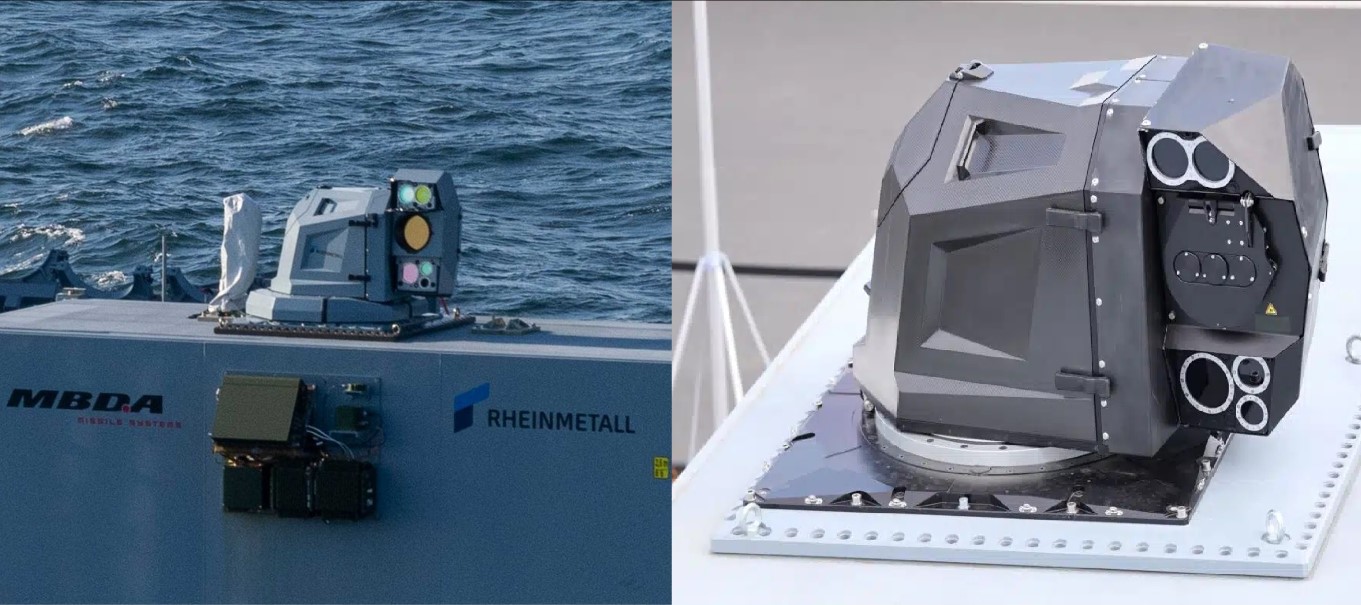
World
Rheinmetall and MBDA Germany have officially transferred their naval laser demonstrator to the Laser Competence Centre at WTD 91 in Meppen, marking the end of a year-long sea trial phase and the beginning of advanced testing on land. The move represents one of the most significant milestones in Europe’s laser weapon development effort and sets Germany on course to deploy its first operational high-energy laser weapon system (HELWS) by 2029. Following an extensive series of successful trials aboard the German Navy’s F124-class frigate SACHSEN, the containerized laser weapon demonstrator has now been recommissioned for further testing at WTD 91’s land-based range, where it will undergo additional counter-drone and close-range threat assessments. The German defense technology evaluation center has played a key role in ensuring smooth commissioning and operational readiness, validating both the weapon’s robustness and performance in maritime environments. Europe’s Directed Energy Capability The Rheinmetall–MBDA demonstrator represents the first European laser weapon to undergo sustained operational trials at sea, proving its capability under real-world conditions. The system was tested in over 100 live-fire engagements and numerous tracking exercises against a variety of targets, including small drones and simulated fast-attack craft, demonstrating high precision, stability, and engagement speed — even under challenging environmental conditions such as vibration, humidity, and salt exposure. One of the standout achievements of the program was the ability to track and neutralize drones without reliance on terrain as a beam block—a first for Europe—allowing safe and precise targeting “in front of blue sky.” This capability is vital for naval environments where engagements typically occur in open airspace. Designed for Modern Naval Warfare Once operational, Germany’s future HELWS will complement existing guns and guided missiles by providing a cost-effective, virtually limitless magazine option for drone, swarm, and missile defense. Laser weapons, unlike conventional systems, can engage multiple small targets in rapid succession with minimal logistical strain. The system’s scalable architecture also makes it adaptable to higher power levels, potentially enabling the neutralization of supersonic missiles, rockets, and artillery shells in future iterations. By integrating advanced German-made optics, sensors, and beam control technologies, the system achieves pinpoint accuracy and rapid engagement cycles — essential for countering the growing threat of unmanned aerial vehicles (UAVs) and low-cost precision munitions. The laser’s instantaneous response and ability to operate silently make it particularly suited for modern naval combat, where electronic warfare environments can render traditional munitions less effective. Division of Expertise: Rheinmetall and MBDA Germany Since their partnership began in 2019, Rheinmetall and MBDA have developed a tightly integrated approach to laser weapon design. MBDA Germany handles target detection and tracking, the operator interface, and integration into the ship’s command-and-control network — ensuring the weapon communicates seamlessly with the frigate’s existing combat systems. Rheinmetall, on the other hand, is responsible for the beam guidance and aiming system, the containerized demonstrator structure, mechanical and electrical integration aboard the SACHSEN, and the core high-energy laser source itself, including its cooling and energy management subsystems. The partnership has leveraged both companies’ extensive experience in electro-optics, automation, and system integration, aligning with Germany’s broader vision of creating indigenous, exportable directed-energy systems for NATO allies. Toward Operational Deployment by 2029 According to Rheinmetall’s press release, the successful transfer of the laser demonstrator to WTD 91 marks the beginning of Phase II — advanced land-based testing that will refine the system’s target engagement algorithms, energy efficiency, and heat management. By late 2026, the program is expected to transition into pre-production configuration, paving the way for operational deployment aboard future German Navy vessels by 2029. Germany’s HELWS initiative aligns closely with NATO’s strategic goal of developing layered air and missile defense solutions against emerging threats. As drone warfare continues to redefine modern battlefields, directed-energy weapons are becoming increasingly essential for both cost control and operational flexibility. A Vision of the Future The success of the Rheinmetall–MBDA laser demonstrator marks a turning point not only for Germany but for Europe’s defense industry as a whole. It showcases the continent’s ability to develop cutting-edge, indigenous weapon systems capable of matching — and potentially surpassing — similar U.S. and Israeli efforts in the directed-energy domain. When operational, the German Navy’s high-energy laser weapon system could fundamentally change maritime defense paradigms, offering commanders a scalable, precise, and sustainable tool to counter asymmetric threats — from swarming drones to missile saturation attacks — with light-speed precision and near-zero per-shot cost. In the words of Rheinmetall’s statement, this achievement represents “an important milestone toward achieving market and operational readiness for a future naval laser system,” and a testament to what European defense innovation can achieve when technology and purpose converge.
Read More → Posted on 2025-10-28 15:33:12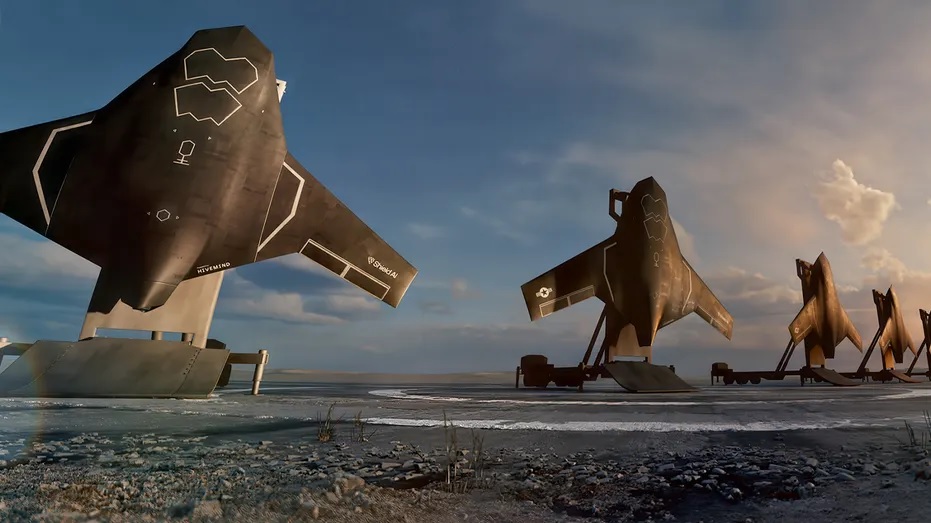
World
A San Diego-based defense company has unveiled its bold new project — an AI-powered fighter jet that could redefine the way wars are fought in the coming decade. Known as the X-BAT, the aircraft promises to be combat-ready by 2029 and is designed specifically to survive and strike back during the opening hours of a high-tech war, especially one involving China. The Meaning Behind “Outsmarting a Chinese First Strike” When the company says the X-BAT “could outsmart a Chinese first strike,” it refers to the jet’s ability to function and fight effectively even when the enemy cripples communication networks, satellites, and GPS systems — a scenario central to modern Chinese military doctrine. China’s People’s Liberation Army (PLA) emphasizes “first strike” warfare, where they aim to blind, jam, or destroy the opponent’s early warning systems and command infrastructure through cyberattacks, electronic warfare, and precision missile strikes. In such a situation, traditional aircraft dependent on GPS, satellite communication, or centralized command could become nearly useless. The X-BAT, however, is being built to think, adapt, and operate independently using advanced onboard AI, allowing it to continue missions without relying on external communication or GPS guidance. In essence, while most current aircraft would be digitally “deaf and blind” after a Chinese first strike, the X-BAT would still be fully operational — capable of identifying, targeting, and engaging threats on its own. Designed for a New Kind of Warfare The X-BAT’s design philosophy stems from the realization that future wars will likely be fought in contested electronic environments, where satellites are jammed, radar is spoofed, and data links are severed. To counter that, the X-BAT will integrate: AI autonomy that allows mission execution without human intervention. Edge computing systems capable of real-time data processing and decision-making. Sensor fusion technology that enables the jet to “see” using multiple types of data — radar, infrared, and optical — even if some sensors are jammed. Encrypted, low-probability-of-intercept communication links for limited but secure coordination. According to reports, the aircraft will also be able to take off vertically, like an advanced hybrid between a fighter and a drone, allowing it to launch from small or damaged airbases, amphibious ships, or even improvised launch pads. Long Range, High Survivability The X-BAT’s claimed ability to fly thousands of miles suggests the integration of efficient hybrid propulsion or advanced fuel management systems, giving it strategic reach across the Pacific — a critical advantage in any potential Indo-Pacific conflict. Moreover, the absence of a human pilot means the aircraft can pull extreme G-forces, execute maneuvers impossible for manned jets, and operate in high-risk zones without endangering lives. Combat by 2029 If the company’s timeline holds, the X-BAT could enter testing by 2027, with initial operational capability (IOC) around 2029. This would coincide with growing U.S. efforts to deploy AI-enabled, unmanned “loyal wingman” jets and autonomous strike aircraft across the Indo-Pacific to counter China’s growing military power. The U.S. Air Force and DARPA have already tested AI-driven dogfighting programs capable of outperforming human pilots in simulated engagements, suggesting that the X-BAT’s concept is grounded in real technological momentum. A Glimpse into the Future of Air Combat The X-BAT is more than just another next-gen aircraft — it represents the convergence of AI, autonomy, and survivability in future air warfare. If successful, it could serve as the backbone of America’s first AI fighter fleet, capable of defending U.S. and allied interests even in the chaos of a first strike scenario. In short, the X-BAT isn’t just being built to fly — it’s being built to think, survive, and strike back when everything else fails.
Read More → Posted on 2025-10-28 15:04:10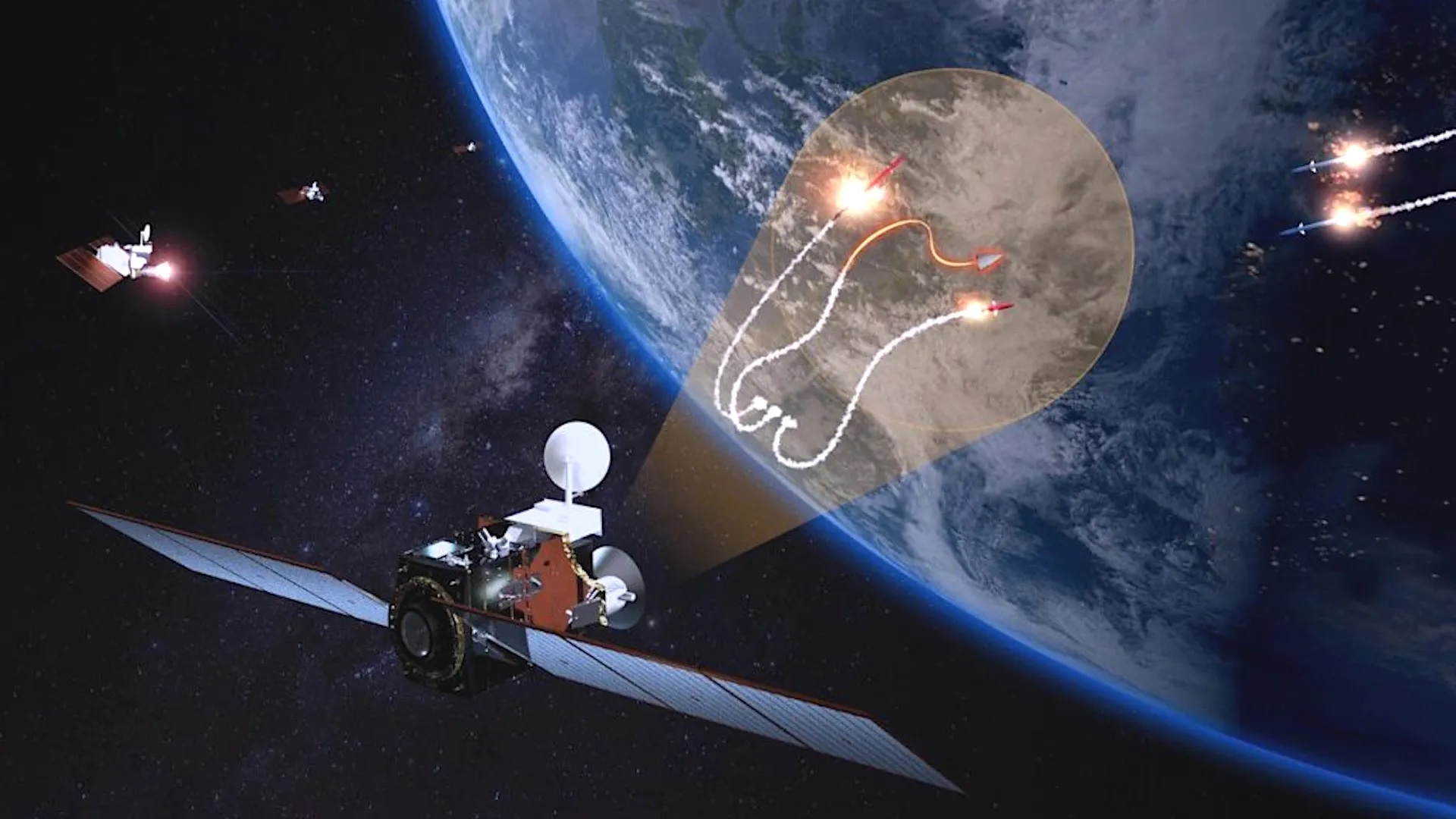
World
France and Germany have officially launched the JEWEL initiative (Joint Early Warning for a European Lookout)—a joint effort to establish an independent European early warning system for detecting and tracking missile threats. On October 15, 2025, French Minister for the Armed Forces and Veterans Catherine Vautrin and German Federal Minister of Defence Boris Pistorius signed a Letter of Intent (LoI) formalizing the bilateral cooperation, marking the formal beginning of a program long discussed within European defense circles. The JEWEL project is envisioned as a cornerstone of Europe’s emerging missile early warning capability, bridging the gap between reliance on American systems and Europe’s aspiration for sovereign strategic intelligence. While the United States’ space-based missile warning network, including the SBIRS (Space-Based Infrared System) and Next-Gen OPIR satellites, currently provides NATO with critical early warning data, JEWEL seeks to create a complementary European pillar within NATO’s Integrated Air and Missile Defence (IAMD) architecture. A Sovereign European Watchtower At its core, the JEWEL system will combine space-based infrared sensors, ground-based radar networks, and command-and-control (C2) infrastructure to create a multi-layered detection grid. This network will be capable of identifying ballistic and hypersonic missile launches in their early stages, tracking their trajectories, and relaying precise data to command centers within seconds. Unlike existing European systems, which depend heavily on U.S. satellite feeds, JEWEL’s architecture aims to establish independent detection and warning chains under European control. Data collected by the satellites will flow into a real-time analytical network, enabling rapid threat classification, early interception planning, and the attribution of missile launches—a crucial factor in crisis response and deterrence. The space component will be the centerpiece of JEWEL’s architecture. Both nations will develop and deploy one or two interoperable satellites each, equipped with advanced third-generation digital infrared sensors capable of detecting even low-signature launches, including hypersonic glide vehicles and next-generation cruise missiles. The satellites will likely operate in geostationary orbit, ensuring continuous coverage of Europe’s extended neighborhood, including the North Atlantic, Mediterranean, and Eastern frontiers. Foundations for a European Constellation France and Germany’s bilateral agreement includes the creation of a “preliminary interoperability backbone”, a secure data exchange network allowing seamless sharing of detection information between the two countries. This digital backbone is designed to serve as the foundation for future participation by other European nations, particularly those already involved in the ODIN’S EYE program, an EU-funded project aimed at developing a Europe-wide missile early warning capability. JEWEL’s first phase will focus on space-based assets, followed by integration with terrestrial radar stations, data fusion centers, and national air defense networks. The goal is to achieve Initial Operational Capability (IOC) by the early 2030s, with Full Operational Capability (FOC) expected later in the decade as additional European partners join. Strategic Context and Industrial Involvement The announcement follows through on commitments made during the Franco-German Defence and Security Council meeting in Toulon on August 29, 2025, where both nations reaffirmed their intent to jointly strengthen Europe’s strategic autonomy. The move comes amid growing concerns about emerging missile threats from adversarial states and the rapid proliferation of hypersonic technologies, which can outpace conventional radar and air defense systems. Industrial participation will be key to JEWEL’s success. On the French side, institutions such as DGA (Direction Générale de l’Armement), AID (Agence de l’Innovation de Défense), and ONERA (Office National d'Études et de Recherches Aérospatiales) are expected to lead satellite and sensor development. Germany will involve the Bundeswehr’s Space Command, DLR (German Aerospace Center), and leading defense companies such as Airbus Defence and Space and OHB Systems. The collaboration could also extend to European industrial partners, including Thales Alenia Space, Hensoldt, and Indra, aligning with the broader framework of the European Defence Fund (EDF) to promote cross-border defense innovation. Building the European Pillar of NATO While JEWEL emphasizes European sovereignty, it is designed not as a rival but as a reinforcing layer to NATO’s missile defense. The system’s data architecture will be compatible with NATO’s Allied Ground Surveillance (AGS) and Ballistic Missile Defence (BMD) command structures, ensuring interoperability with the U.S. and other allies. “By launching JEWEL, the two nations are fully assuming their leading role in building a European early warning capability,” the French Ministry of the Armed Forces declared in its official statement. The ministry emphasized that the project represents a decisive leap forward for Europe’s defense autonomy, providing the continent with the ability to detect and respond to missile threats independently for the first time. A Symbol of Strategic Maturity The JEWEL initiative embodies more than just a technical undertaking—it is a strategic symbol of Europe’s growing determination to defend itself with homegrown technology. It underscores the Franco-German axis as the driving force of European defense integration, setting a precedent for future collaborations in space, intelligence, and missile defense. By the early 2030s, once JEWEL’s first satellites are operational, Europe could finally take its place among the handful of global powers capable of independent missile early warning—joining the United States, Russia, and China in this elite domain. In a geopolitical landscape increasingly defined by speed and precision, JEWEL represents Europe’s bid to ensure it will never again be caught unprepared.
Read More → Posted on 2025-10-28 14:56:47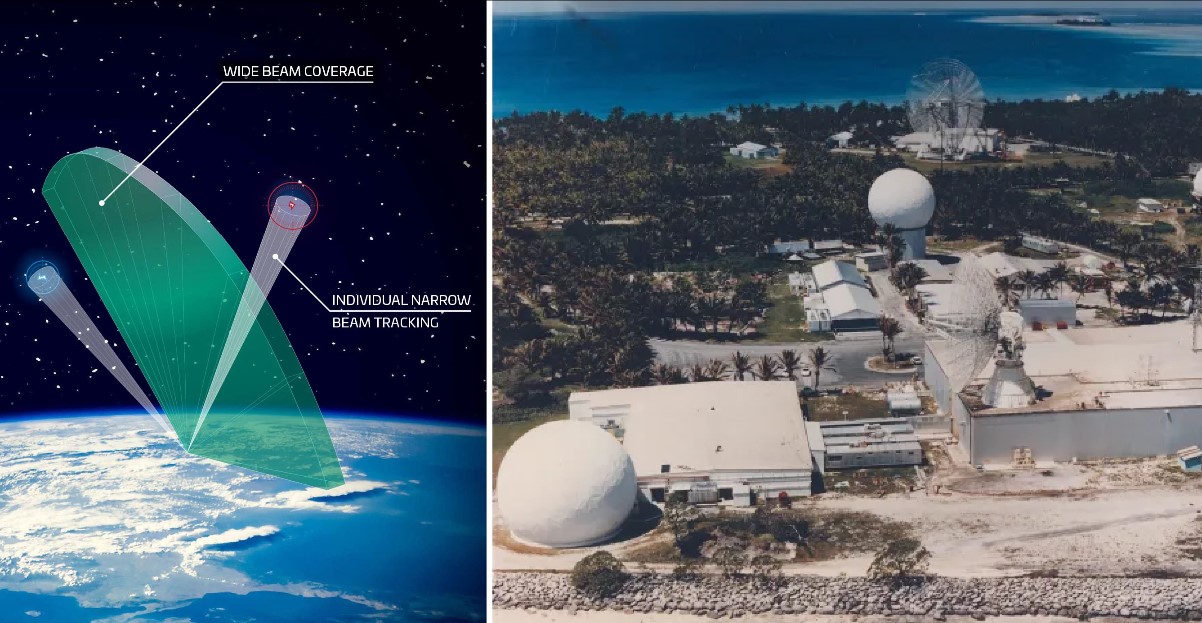
World
France has taken a significant step in strengthening its space capabilities with Thales being awarded a contract by the French Defence Procurement Agency (DGA) to develop and deploy AURORE, a new ground-based radar system designed to detect, track, and catalogue satellites and debris in low Earth orbit (LEO). The project is part of the ARES (Action et Résilience Spatiale) programme, which aims to enhance France’s space situational awareness and resilience against orbital challenges. The AURORE radar system will be one of the largest space surveillance radars in Europe, capable of real-time detection and tracking of multiple space objects simultaneously. Unlike optical systems, which depend on daylight and clear skies, AURORE will operate continuously and in all weather conditions, providing reliable coverage from Earth. Europe’s First Dedicated Radar for Low Earth Orbit AURORE is the first European system designed specifically to monitor low Earth orbit, the region up to about 2,000 kilometers above the planet’s surface. This zone hosts most modern satellites, including those used for communications, Earth observation, and defense. It is also the most crowded region, filled with active satellites and large amounts of debris. Monitoring LEO is essential for collision avoidance, satellite management, and identifying unusual orbital activity. Until now, Europe’s ability to independently track small, fast-moving objects in LEO has been limited. AURORE will close this gap by allowing France and Europe to monitor and catalogue satellites and debris with greater accuracy, reducing dependence on non-European data sources. Understanding “Space” in AURORE The “space” in AURORE refers to space situational awareness (SSA) — the capability to observe, track, and understand activities in Earth’s orbital environment. This includes identifying satellites, detecting debris, and monitoring orbital events such as breakups or maneuvers. Information collected by AURORE will support France’s military space command (Commandement de l’Espace) and contribute to European space safety efforts. Technology and Capability Thales will apply its expertise in radar design and signal processing to build a high-performance system with advanced detection and tracking features. AURORE is expected to use active electronically scanned array (AESA) radar technology, enabling it to follow numerous objects across wide sections of the sky with precision. The system will also assist in space traffic management, helping operators predict potential collisions and plan avoidance maneuvers. Supporting European Space Autonomy For France, AURORE is part of a broader effort to improve European space sovereignty. Under the ARES programme, the radar will enhance national and regional capacity for independent space surveillance and contribute data to the European Union Space Surveillance and Tracking (EU SST) framework. This will improve coordination and information sharing across European countries. Once operational, AURORE will become Europe’s first dedicated ground-based radar for low Earth orbit surveillance. It will allow France and Europe to track satellites and debris more accurately, supporting both defense and civil space activities. With AURORE, France aims to ensure that European assets in orbit are better protected and that future operations in space remain safe and sustainable.
Read More → Posted on 2025-10-28 13:55:40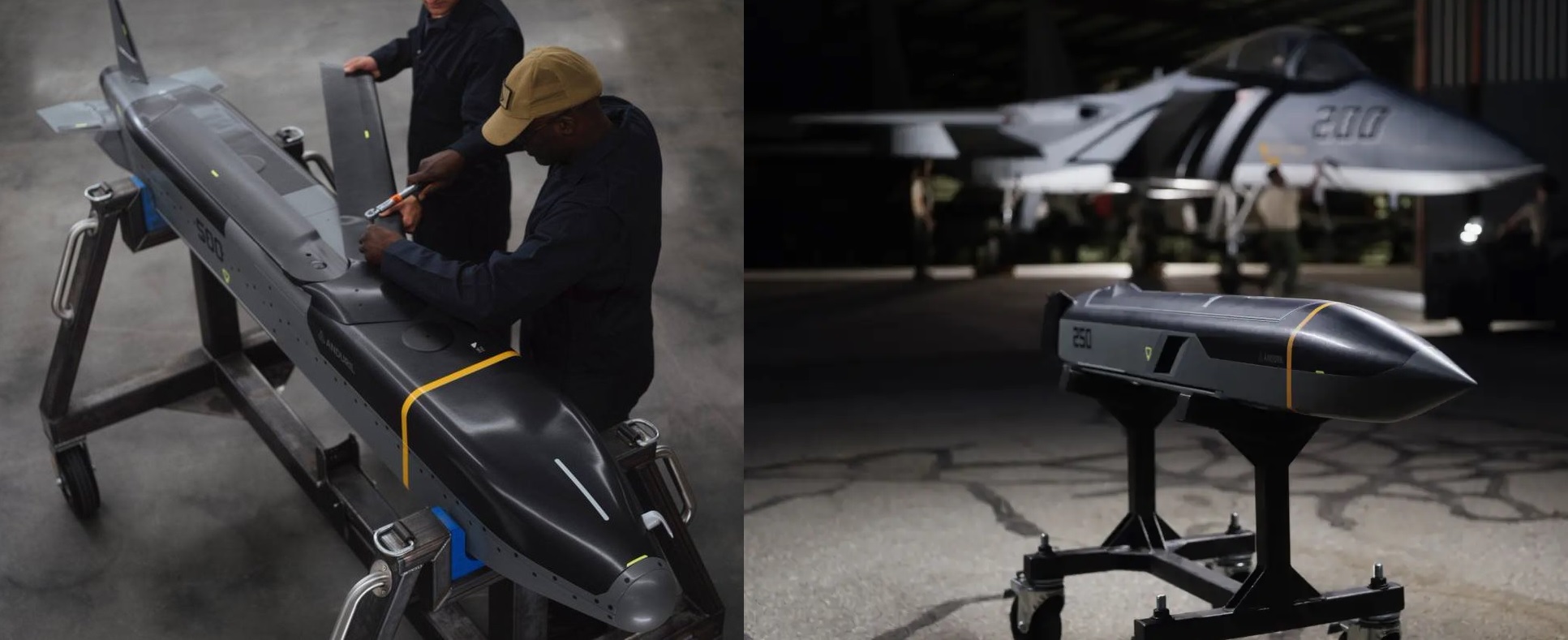
World
Poland is preparing to enter a new era of indigenous long-range strike capability as it gears up for mass production of the Barracuda-500M cruise missile. The move comes under a new cooperation agreement between state-owned Polska Grupa Zbrojeniowa (PGZ) and U.S. defense innovator Anduril Industries, marking a major step in Warsaw’s ambition to build a self-sufficient missile industry and bolster deterrence on NATO’s eastern flank. U.S.–Poland Partnership The agreement, signed in late October 2025, establishes a framework for technology transfer, local manufacturing, and co-development of the Barracuda system in Poland. The Barracuda program, designed by Anduril Industries (USA), emphasizes low-cost, high-rate production — a feature that directly aligns with Poland’s vision for scalable munitions manufacturing amid the ongoing European security crisis. Barracuda-500M Specifications The Barracuda-500M is the warhead-equipped variant of Anduril’s modular Barracuda family of autonomous air-breathing vehicles. It has been optimized as a long-range, low-cost cruise missile capable of precision strikes against high-value targets. Origin / Manufacturer: United States – Anduril Industries (Co-produced with PGZ in Poland) Variant: Barracuda-500M (armed version) Range: Over 926 km (≈500 nautical miles) Warhead: ≈45 kg (100 lb class) high-explosive or unitary payload Speed: Subsonic, turbojet-powered Propulsion: Air-breathing engine with modular two-stage configuration (booster + sustainer) Launch Platforms: Air, sea, or ground (including palletized Rapid Dragon-type deployment) Weight: Around 600–700 kg Length: Approximately 3.5–4 meters Unit Cost: Estimated $300,000–$500,000 per missile Production Model: Designed for mass production and modular servicing The Barracuda’s key innovation lies in its affordability — at less than one-tenth the cost of legacy cruise missiles such as the Tomahawk, it enables nations like Poland to stockpile large inventories for sustained deterrence operations. Production Capacity and Industrial Impact Anduril Industries has stated that its Barracuda line is engineered for “hyperscale” manufacturing, targeting thousands of missiles per year once full-scale production begins. The company has already demonstrated automated assembly techniques and modular manufacturing cells designed to drastically cut costs. In Poland, initial Barracuda-500M production is expected to begin within the next 24 months, starting with dozens of units per year as test runs and gradually expanding to hundreds — or even several thousand — annually depending on funding and export demand. This cooperation will not only give Poland sovereign control over missile manufacturing but also create a supply chain of local defense companies, integrating Polish electronics, guidance systems, and composite materials into the production process. Why the Barracuda-500M Matters for Poland Sovereign Defense Capability: Localized production ensures independent supply and replenishment without reliance on foreign stockpiles during crises. Cost-Effective Deterrence: At a fraction of the cost of traditional systems, Poland can afford large-scale deployment of standoff strike weapons. Industrial Expansion: PGZ’s participation deepens defense-industrial cooperation with the U.S. while elevating Poland’s status as a regional arms producer. Export Opportunities: Once licensed, the Barracuda could become a European export success, appealing to allies seeking low-cost long-range munitions. Strategic and Regional Implications A domestically built Barracuda-500M would give Poland a powerful standoff strike option, enabling engagement of targets well beyond the front lines — a key requirement in modern NATO operations. Its modularity also allows integration with multiple platforms, from aircraft to mobile ground launchers, increasing operational flexibility. Moreover, the ability to produce and sustain large stockpiles at home strengthens logistical resilience, something European militaries have struggled with since the start of the Ukraine conflict. However, the proliferation of such affordable long-range cruise missiles could raise new arms control questions in Europe, prompting discussions about escalation management and transparency among NATO members. What’s Next The next steps include the formal production contract, the qualification of Polish suppliers, and the construction of missile assembly facilities under PGZ supervision. Once operational, these factories could turn Poland into one of Europe’s largest missile producers, capable of sustaining both national and allied requirements. The Barracuda-500M represents a bold convergence of U.S. innovation and Polish industrial ambition. With its 926 km range, 45 kg warhead, and low unit cost, it offers a scalable strike solution unmatched in affordability and production speed. As Poland prepares for mass production, the country stands poised to redefine the balance of missile power in Europe — making advanced long-range weapons not only powerful but also widely accessible.
Read More → Posted on 2025-10-28 10:49:30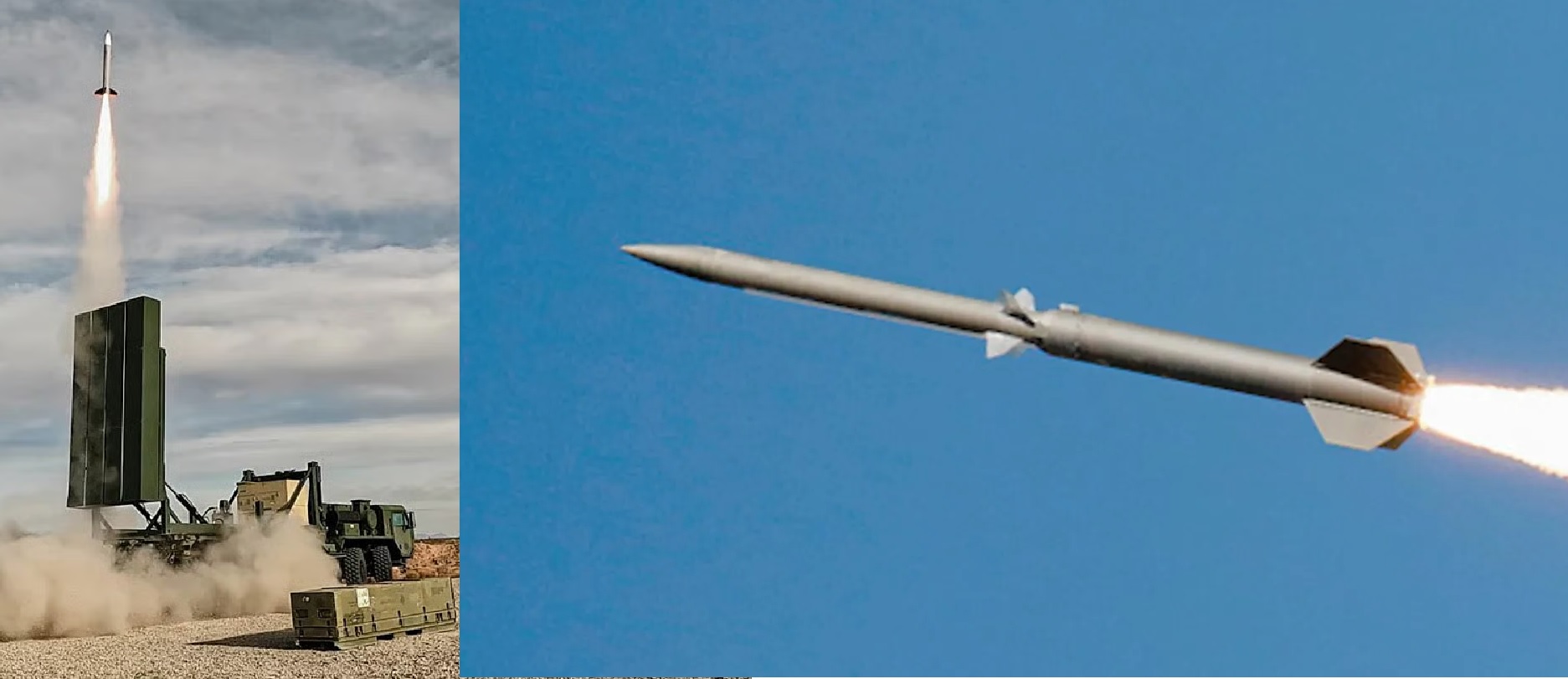
World
The U.S. Navy’s next leap in strike capability may not come from an established defense giant, but from an agile startup rewriting the economics of hypersonic warfare. Castelion Corporation, a Silicon Valley–style defense innovator, is now under contract to integrate its Blackbeard hypersonic missile onto operational Army and Navy platforms — a move that strongly hints at the development of an air-launched variant for naval aviation. This development could signal a significant shift in U.S. hypersonic strategy, centered not on monumental cost and complexity, but on affordability, adaptability, and mass production. Castelion’s Disruptive Approach to Hypersonic Weapons For decades, hypersonic missiles have been synonymous with enormous cost and limited numbers. Castelion’s Blackbeard, however, is challenging that paradigm. The company’s design philosophy emphasizes rapid manufacturing, cost control, and cross-platform integration — making hypersonic strike weapons more accessible to frontline units. The Blackbeard program aims to deliver Mach 6–7+ performance at a unit cost of just $300,000–$500,000, a fraction of the price of traditional systems like the U.S. Army’s Long-Range Hypersonic Weapon (LRHW) or the Navy’s Conventional Prompt Strike (CPS) missile, each of which can exceed $10–15 million per round. By leveraging commercial-style production lines and modular design, Castelion seeks to transform hypersonics from rare, strategic assets into mass-deployable tactical weapons that can saturate enemy defenses and deliver precision strikes at extreme speeds. New Integration Contracts Signal Broader Military Interest In October 2025, Castelion announced that it had secured integration contracts to adapt the Blackbeard for operational Army and Navy platforms. Although details remain limited, the announcement strongly implies that the company is working toward compatibility with existing launcher systems rather than developing entirely new infrastructure. For the U.S. Army, this likely means integration with launchers such as HIMARS or MLRS, offering a ground-based hypersonic option with rapid deployment capability. For the U.S. Navy, however, the integration points to something far more significant: a potential air-launched version capable of being carried by strike aircraft, naval bombers, or possibly carrier-based fighters. Such an adaptation would give the Navy an unparalleled strike capability — a tactical hypersonic missile deployable from aircraft such as the F/A-18E/F Super Hornet, F-35C, or P-8 Poseidon. This would allow naval forces to engage time-sensitive, high-value targets at speeds above Mach 6 without relying on fixed launch sites or heavy ship-launched systems. Technical Specifications (Estimated) While the Blackbeard missile remains under development, emerging information from defense sources and industry analysis outlines a credible technical profile: Rocket Motor Diameter: ~305 mm Overall Range: ~800 km (500 miles) Missile Weight: 600–700 kg Warhead: ~100+ lbs (high-explosive or modular payload) Speed: Mach 6–7+ Propulsion: Two-stage solid rocket motor Unit Cost: $300,000–$500,000 (projected) The missile’s compact dimensions and moderate weight make it ideal for airborne launch or containerized naval deployment, while its two-stage booster allows sustained hypersonic flight over long distances. With speeds above Mach 6, the missile could penetrate layered air defenses and reach targets within minutes. Why It’s So Affordable Castelion’s cost-cutting innovation comes from a combination of design pragmatism and industrial efficiency: Existing Launcher Compatibility: The missile is engineered to fit into current launch platforms, minimizing the need for new support infrastructure. Mass-Production Manufacturing: Borrowing techniques from the commercial aerospace industry, Castelion uses automated assembly and 3D-printed components to scale production. Simplified Architecture: Instead of highly complex scramjet propulsion, Blackbeard uses a boost-glide profile with solid propellant — reducing both development time and material cost. Private Investment Funding: Castelion’s venture-backed approach allows faster iteration cycles without the bureaucracy typical of large defense programs. This combination could enable the U.S. military to procure dozens of hypersonic missiles for the price of one traditional system, marking a seismic shift in affordability and availability. Program Timeline and Testing According to budget documents and industry briefings, the Blackbeard program is advancing on an accelerated schedule: Late 2025: Integration contracts awarded to adapt the missile for Army and Navy platforms. 2026: Planned live-fire tests, including ground and maritime launches, followed by air-launch trials. 2027 (Projected): Entry into low-rate initial production (LRIP) if flight tests validate performance claims. The U.S. Army has already allocated approximately $25 million in its FY2026 budget to support testing and evaluation, a clear signal of growing institutional confidence. Strategic Implications If successful, the Blackbeard could redefine the operational role of hypersonic weapons in U.S. doctrine. Instead of a small, strategic stockpile, the Department of Defense could field large numbers of affordable hypersonic missiles, enabling saturation attacks, flexible deterrence, and sustained operations across multiple theaters. For the Navy, an air-launched Blackbeard would provide a potent counterbalance to Chinese and Russian advancements in long-range anti-ship and hypersonic systems. It could give carrier air wings and maritime patrol squadrons a hypersonic strike option that is both mobile and scalable — a game-changer in contested regions like the Indo-Pacific. Moreover, its affordability could allow allied nations to participate in future cooperative production, strengthening collective deterrence without the cost barriers of traditional hypersonics. Challenges remain, especially in validating guidance precision, thermal protection, and multi-environment integration. Hypersonic flight introduces intense heat and structural stress, and even small deviations in trajectory can compromise accuracy. Still, Castelion’s rapid progress and innovative approach suggest that the Blackbeard program is poised to become a cornerstone of America’s next-generation hypersonic arsenal. If flight tests in 2026 prove successful, the U.S. could soon possess not just a faster missile — but a smarter, cheaper, and more deployable one.
Read More → Posted on 2025-10-28 10:11:38Search
Top Trending in 24 Hours
-
 Tulsi Gabbard Releases Declassified Files Detailing U.S.-Backed Network of 120 Biolaboratories Across 30+ Countries
-
 AM General Unveils Next-Generation UGV and JLTV A2 with Counter-Drone Systems at Eurosatory 2026
-
 Pakistan Raises Defence Budget from $9 Billion to $10.8 Billion as J-35 Fighter and Hangor Submarine Programs Advance
-
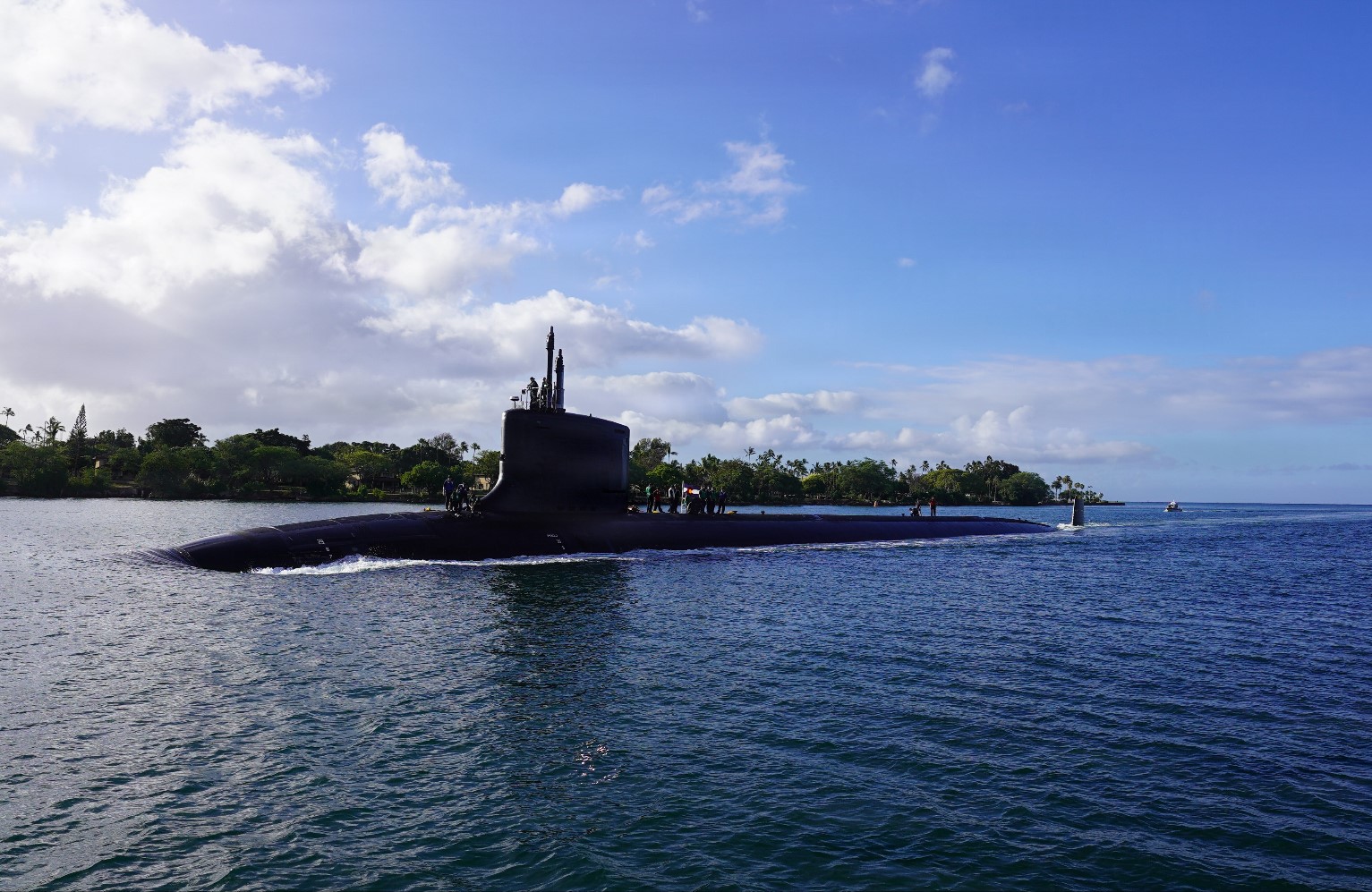 U.S. Navy's USS Colorado Submarine Returns to Pacific Fleet 29 Days Early After Major Pearl Harbor Overhaul
-
 Dassault Seeks Compensation From Airbus as Eurodrone Dispute Erupts After FCAS Collapse
-
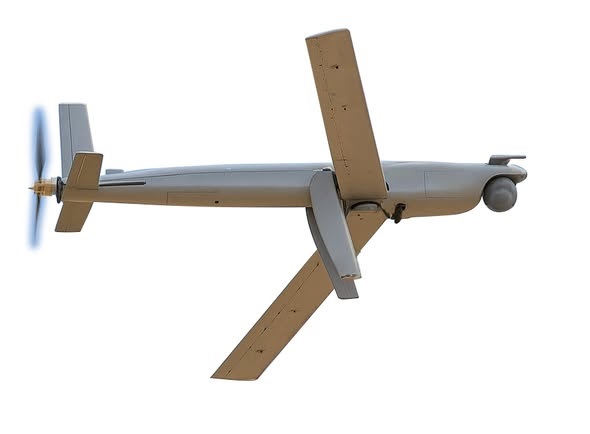 Elbit Systems and Diehl Defence Partner to Offer SkyStriker Loitering Munition to German Armed Forces
-
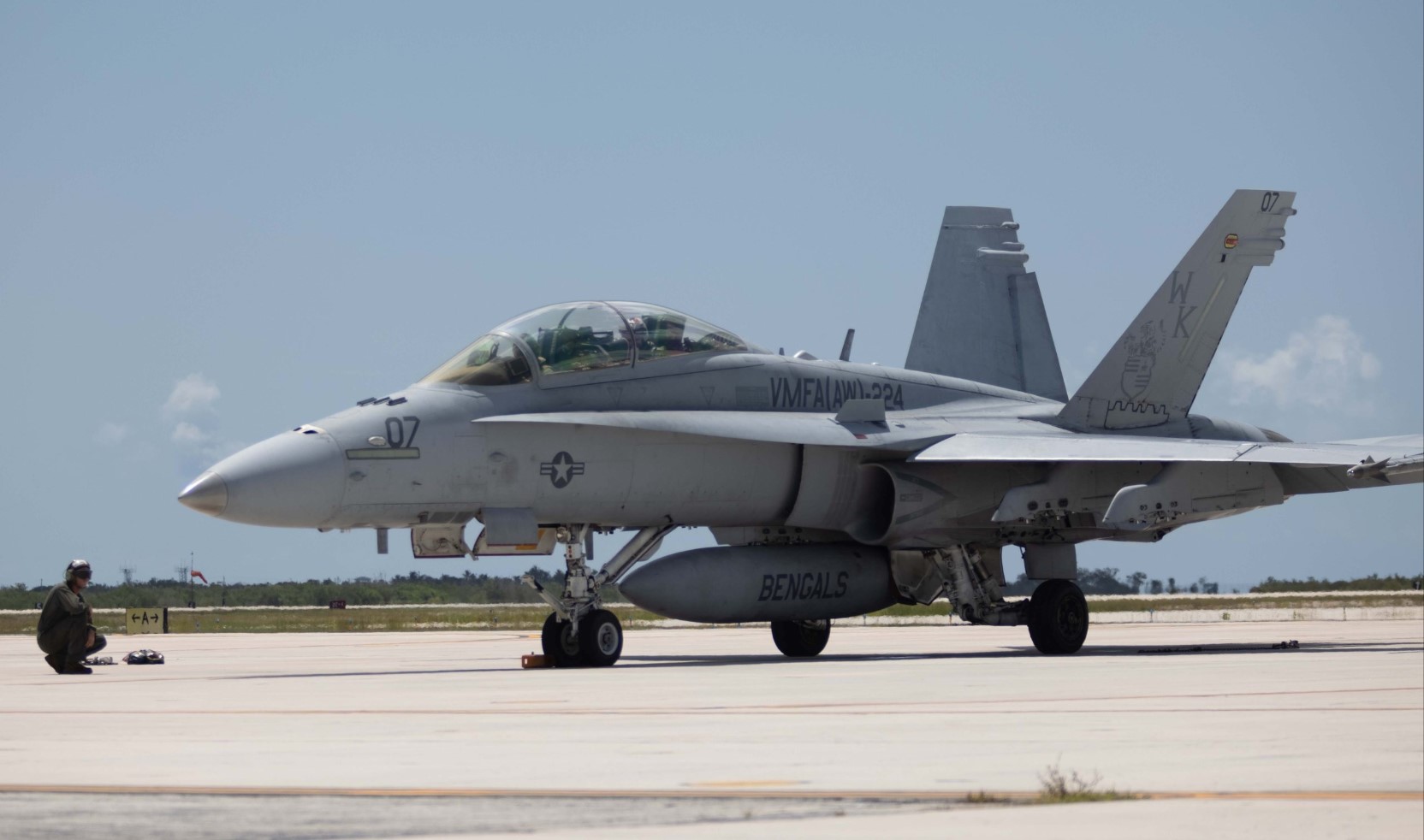 US Marine Corps F/A-18D Hornet Crashes During Training Flight in Washington Mountains; Pilot Ejects Safely
-
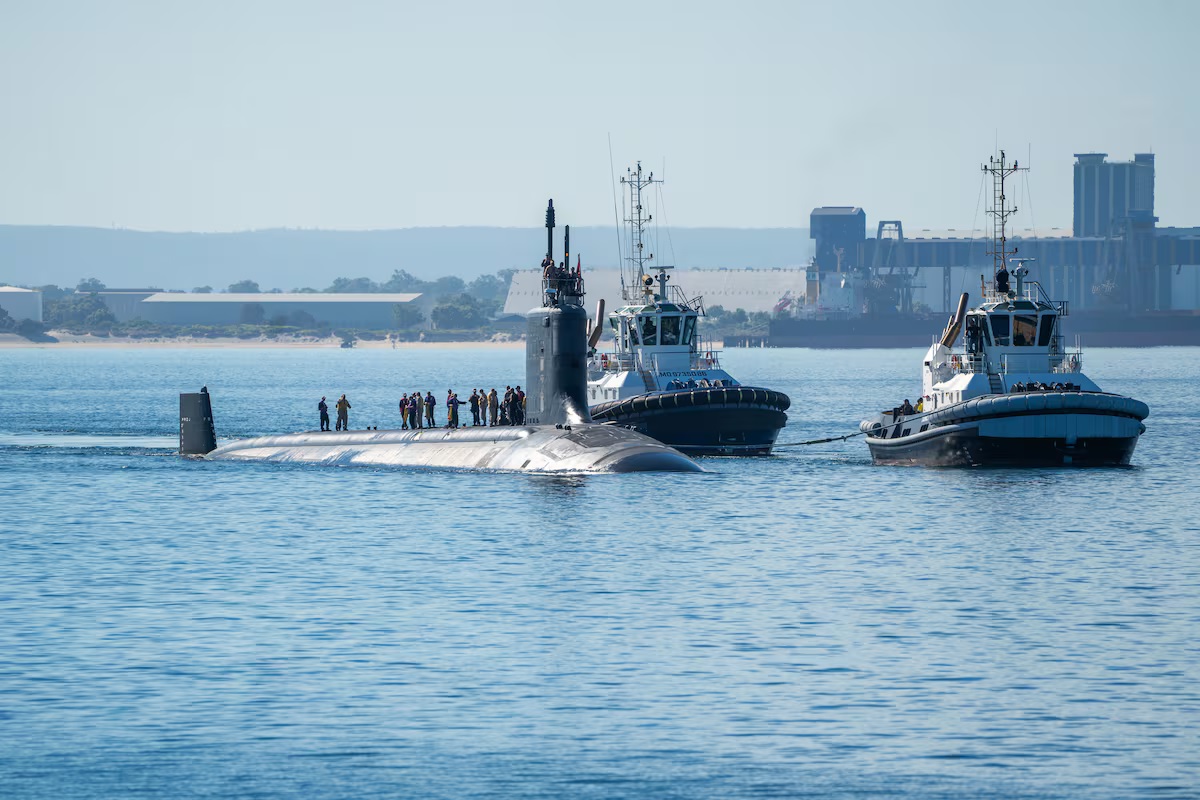 U.S. Navy Reestablishes Submarine Squadron 3 at HMAS Stirling to Support AUKUS Rotational Force
Top Trending in 4 Days
-
 Iranian Media Leaks 14-Point U.S.-Iran Peace Framework Amid Ongoing Negotiations
-
 US Plans Significant Reduction of Fighter Jets and Warships for NATO Operations in Europe
-
 U.S. Air Force Faces Strategic Airlift Shortfall as C-17 Production Restart Remains Uncertain
-
 NATO Commander Says Russia Not Seeking Conflict With Alliance Despite U.S. Force Reductions
-
 Russian Defense Firm ZALA Unveils KAMA Unmanned Surface Vessel Family at FLOT-2026 Naval Exhibition
-
 U.S. Space Force Awards $437.7 Million Contracts for First PTS-G Swarm 1 Anti-Jam Satellites
-
 India Successfully Conducts AD-1, AD-2 Interceptor Tests and Maiden NASM-MR Flight Trial
-
 UAE Urgently Airlifts Cheongung-II Missile Defense Battery From South Korea Using Eight C-17 Aircraft