World
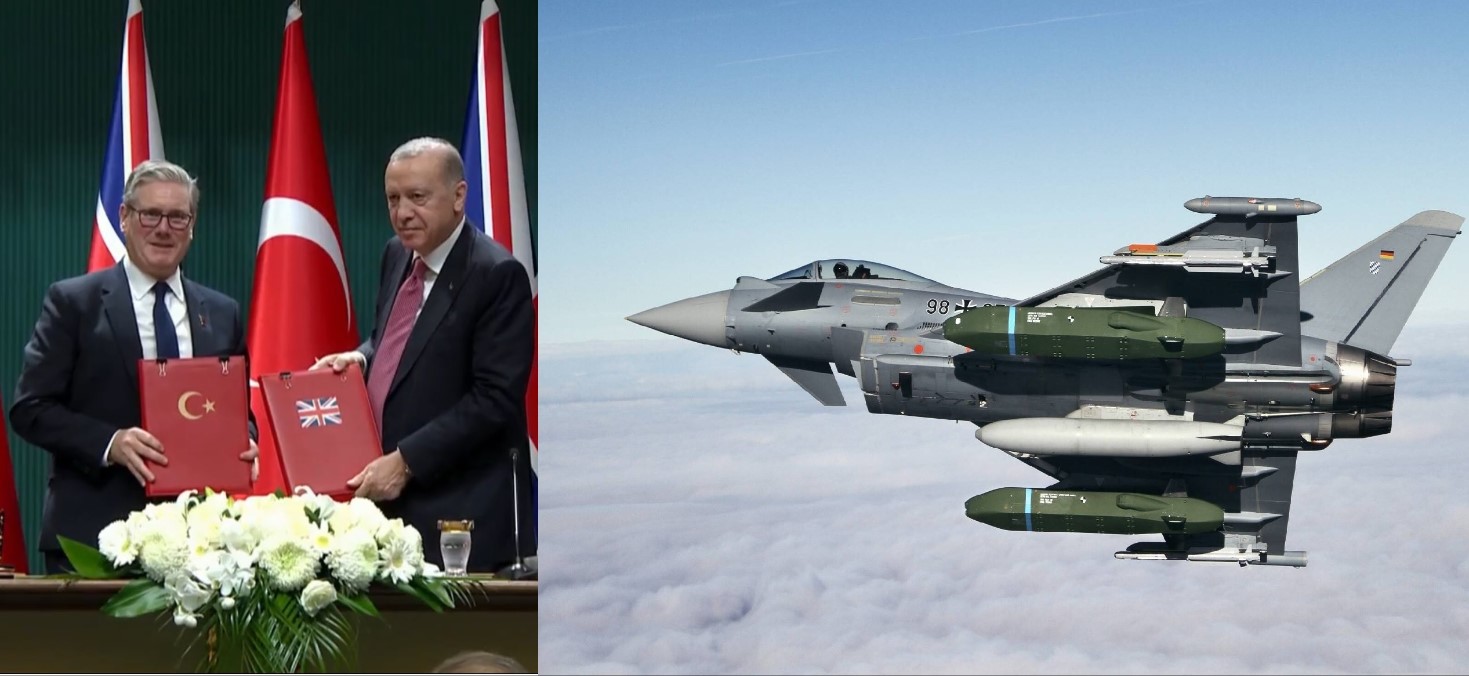
In a landmark defense agreement, Türkiye and the United Kingdom have signed an £8 billion ($10.7 billion) deal for the purchase of 20 Eurofighter Typhoon jets, marking the largest British fighter export in two decades. The first batch of aircraft is expected to be delivered by 2030, as Ankara moves decisively to strengthen its air combat capabilities and diversify its strategic defense partnerships beyond the United States. The Deal and Its Strategic Scope The Turkish order covers 20 brand-new Tranche 4 Eurofighter Typhoons, the most advanced variant of the aircraft, featuring upgraded avionics, AESA radar, and enhanced combat systems. The deal, valued at roughly $10 billion, includes a comprehensive MBDA weapons package, equipping the jets with Meteor beyond-visual-range air-to-air missiles, Brimstone, and Storm Shadow cruise missiles. Ankara is also negotiating for an additional 20 Typhoons as an optional second batch, depending on operational needs. If these follow-on orders proceed, Türkiye’s Eurofighter fleet could rise to 40 aircraft, alongside 12 second-hand jets expected from Qatar and Oman, bringing the total to approximately 52 Eurofighters. This would make Türkiye the fifth-largest Eurofighter operator in NATO, behind the UK, Italy, Germany, and Spain. A high-level UK defense delegation is expected to visit Ankara in the coming months to finalize the second phase of the agreement and coordinate technology transfer frameworks. Why Türkiye Chose the Eurofighter Türkiye’s decision to procure the Eurofighter Typhoon is rooted in both strategic necessity and technological continuity. Following its expulsion from the U.S. F-35 program in 2019 due to the acquisition of Russian S-400 air defense systems, Ankara faced a significant gap in its modern fighter inventory. Moreover, the U.S. halted export approval for the F110 engines intended for Türkiye’s indigenous KAAN fifth-generation fighter program, leaving the development timeline uncertain. The Eurofighter acquisition thus serves a dual purpose: To maintain air superiority as the aging F-16 fleet nears retirement. To secure technological leverage and potential collaboration opportunities with European industry—particularly Rolls-Royce, a key player in the Eurofighter consortium and a potential partner for the KAAN’s engine development. The Engine Factor: Rolls-Royce and KAAN Ankara’s growing defense cooperation with London is closely tied to the engine issue. Türkiye’s state defense agency, TUSAŞ Engine Industries (TEI), is developing the KAAN’s indigenous powerplant, but the process has been slowed by U.S. restrictions. By aligning with Rolls-Royce, Türkiye aims to co-develop a new turbofan engine that could power both the KAAN and future Turkish fighter platforms. The UK’s willingness to collaborate on such sensitive technologies makes the Typhoon deal more than just a fighter jet purchase—it represents a gateway to advanced aerospace cooperation between the two nations. Regional and Political Implications Equipping the Turkish Air Force with Meteor-armed Typhoons will significantly enhance Ankara’s beyond-visual-range engagement capabilities, surpassing the reach of standard AIM-120 AMRAAM-equipped jets in neighboring air forces. This development has raised concerns in Israel and Greece, both wary of the expanding reach of Türkiye’s aerial arsenal. Israeli defense officials reportedly view the deal as a potential threat to regional security, especially given the Meteor missile’s over 150 km range and advanced no-escape zone, which would provide Türkiye with a substantial tactical advantage in any confrontation. Greek analysts have also expressed alarm that the Typhoon’s arrival could tilt the regional air balance, especially as Türkiye simultaneously advances its KAAN fighter and Anka-3 UCAV programs. A Calculated Move Toward Independence The Eurofighter purchase is a clear signal that Türkiye is reshaping its defense relationships to reduce reliance on Washington. By aligning with the UK and leveraging European defense partnerships, Ankara aims to bypass American restrictions while accelerating its indigenous aerospace capabilities. If all current and planned acquisitions are executed, Türkiye’s air fleet will consist of: 40–52 Eurofighter Typhoons, Upgraded F-16 Block 70/Özgür aircraft, and The forthcoming KAAN fifth-generation stealth fighter, expected to enter service in the early 2030s. Türkiye’s decision to buy Eurofighter Typhoons from the UK is more than a stopgap—it’s a strategic realignment. The move consolidates Türkiye’s position as an emerging aerospace power and reflects President Erdoğan’s long-term goal of defense self-sufficiency. With British collaboration on both aircraft and engine development, Ankara is not only reinforcing its current air defense capability but also laying the foundation for an independent fighter ecosystem that could redefine its role in NATO and reshape the military balance in the Eastern Mediterranean.
Read More → Posted on 2025-10-28 09:55:22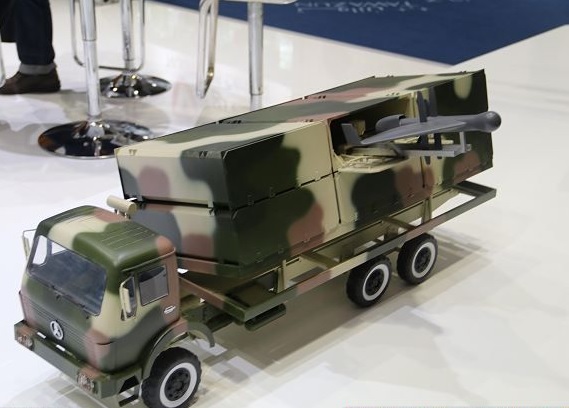
World
China’s People’s Liberation Army has released training footage showing batch launches of the ASN-301, an anti-radiation loitering munition designed to locate and destroy active radar emitters. The footage simulates strikes on radar sites, indicating that the system has moved from prototype testing to operational training as a SEAD (Suppression of Enemy Air Defenses) weapon intended to disable enemy air-defense networks. The ASN-301 uses a simple delta-wing airframe with a rear-mounted pusher propeller driven by a small piston engine. It has a body length of about 2.5 metres, a wingspan of 2.2 metres, and a weight of approximately 135 kilograms. The drone’s top speed is around 220 km/h, with an operational range of about 288 kilometres and an endurance of roughly four hours. These features allow it to stay airborne long enough to detect and attack radar signals across wide areas. The drone’s main component is its passive radar-homing seeker, which detects emissions in the 2–16 GHz frequency range — commonly used by early-warning and fire-control radars. Once an emission is detected, the ASN-301 switches to terminal homing, locking on to the source within a 25-kilometre radius. It carries a high-explosive fragmentation warhead with a laser proximity fuse, releasing about 7,000 pre-formed fragments to disable radar antennas and associated electronics. The ASN-301 is designed as a low-cost SEAD platform that can be launched in numbers from mobile, truck-mounted rail systems. These launchers enable quick deployment and repositioning. When used in groups, the drones can force enemy radar operators to turn off their systems to avoid detection, reducing overall air-defense coverage. The long loiter time and broad frequency detection range give the ASN-301 an advantage in identifying radar sites that operate intermittently. The system shows similarities to earlier anti-radiation drones such as the Israeli IAI Harpy, Germany’s DAR series, and Iran’s Shahed models. However, the ASN-301 is built entirely by China’s domestic defense industry and is now being used in training as a ready-to-deploy weapon. It demonstrates China’s progress in producing indigenous SEAD/DEAD systems and its focus on developing cost-effective unmanned solutions for air-defense suppression. The platform does have limitations. Since it relies on active radar signals to guide its attack, radar shutdowns, mobility, decoys, and electronic countermeasures can reduce its effectiveness. Defensive measures such as short-range interceptors, jamming systems, and directed-energy weapons can also be used against it. Despite these limits, the ASN-301 adds an affordable and flexible option for air-defense suppression operations. Overall, the ASN-301 represents a practical step in the PLA’s development of modern loitering munitions. Its appearance in training films suggests the system is now part of China’s regular operational exercises. As loitering anti-radiation weapons continue to develop, they are expected to play a growing role in reducing the effectiveness of radar-dependent air-defense networks across modern battlefields.
Read More → Posted on 2025-10-27 16:01:33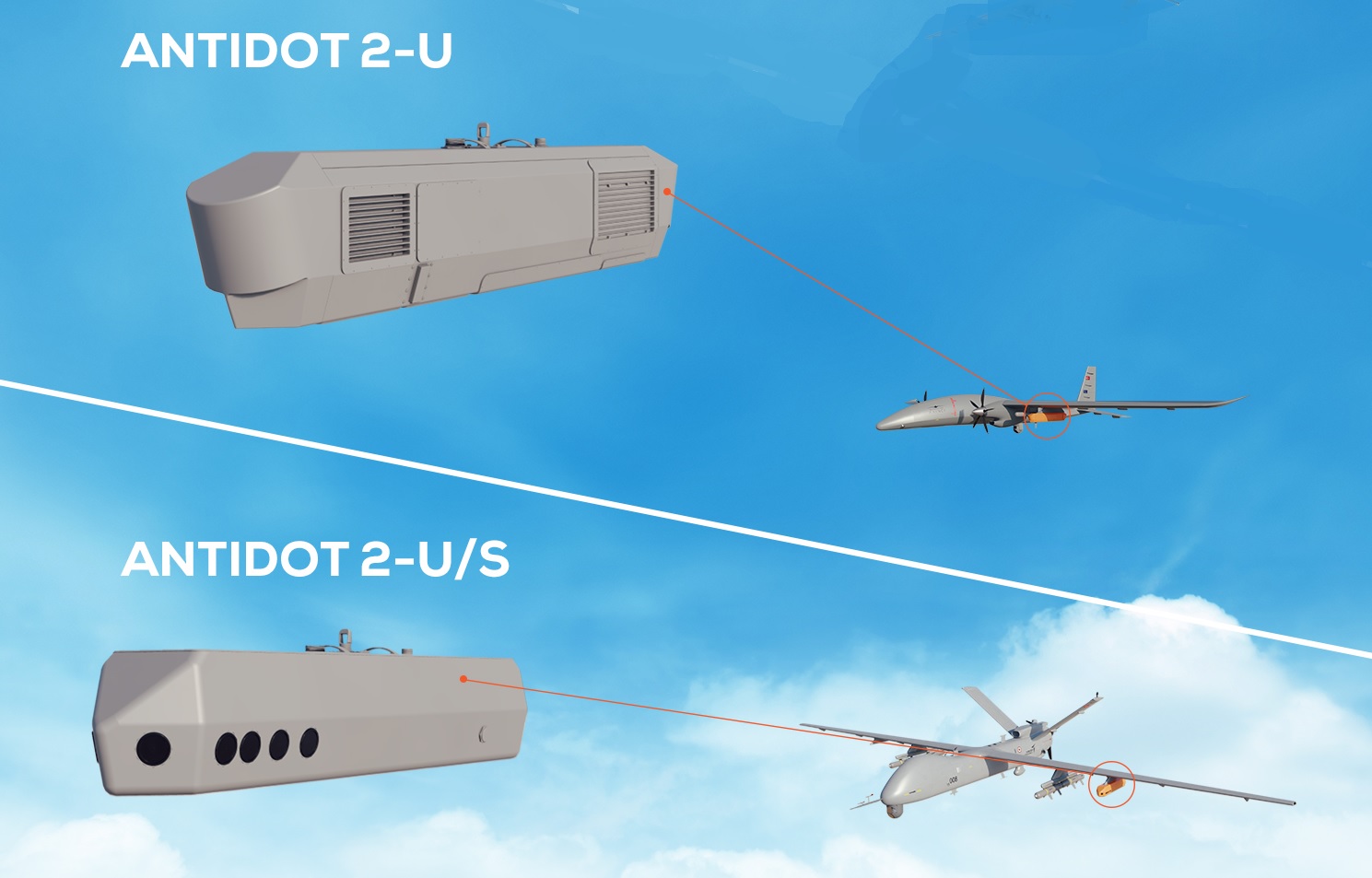
World
Türkiye has taken another major leap in unmanned combat aviation with the Bayraktar Akıncı UCAV now flying equipped with Aselsan’s new Electronic Support (ES) and Electronic Attack (EA) pods. The development — confirmed by both Baykar and Aselsan on 24 October 2025 — marks the first time a high-altitude, long-endurance (HALE) drone has transitioned from reconnaissance and strike missions into full-spectrum electronic warfare (EW) operations. This advancement fundamentally reshapes Türkiye’s approach to airpower, reducing its reliance on scarce, crewed electronic-warfare aircraft and allowing unmanned systems to assume roles once reserved for specialized platforms such as the Boeing 737 Peace Eagle AEW&C or modified F-16s with jamming pods. From ISR and Strike to Emitter Discovery and Jamming The Bayraktar Akıncı’s new configuration integrates two key systems developed by Aselsan: the ANTIDOT 2-U/ES (Electronic Support) and ANTIDOT 2-U/EA (Electronic Attack) pods. These units were spotted mounted on the seventh and tenth Akıncı prototypes during a live exercise, confirming that flight testing is already underway. The ANTIDOT 2-U/ES pod focuses on emitter detection, classification, and geolocation — allowing the Akıncı to identify and analyze radar, communication, and weapon-control signals from enemy systems. Meanwhile, the ANTIDOT 2-U/EA pod performs active jamming and deception, suppressing enemy radars and disrupting their situational awareness. Aselsan noted that these pods have significantly higher output power than the smaller ANTIDOT 2-U LB/MB/HB systems used on the lighter Bayraktar TB2 drones. This difference stems from Akıncı’s larger airframe, greater electrical power generation, and heavier payload capacity, enabling it to carry full-scale EW modules rather than lightweight escort jammers. Expanding the Role of Drones in Modern Air Campaigns By integrating these new pods, the Akıncı moves beyond the realm of intelligence, surveillance, reconnaissance (ISR), and precision strike into strategic-level electronic warfare. The system can now conduct wide-area emitter hunting, deception operations, and route sanitization for manned and unmanned strike packages — essentially clearing the airspace of hostile sensors before other assets enter. This transformation aligns with Türkiye’s broader defense vision: to achieve autonomous air dominance using networked, AI-driven unmanned systems that can operate in contested electromagnetic environments. In an era when modern air defenses — from Russia’s S-400s to Western-made Patriot and NASAMS systems — rely heavily on radar and electronic links, electronic warfare is now the entry ticket for any air operation. Incremental Growth Toward a Multi-Domain Platform The Akıncı’s journey to this point has been methodical. First entering service on August 29, 2021, the drone was initially fielded as a precision-strike UCAV, carrying Turkish-made MAM-L, MAM-T, and SOM-A cruise missiles. Over the following years, Baykar gradually expanded its avionics suite, adding SATCOM connectivity, synthetic aperture radar (SAR), and AESA radar options. These upgrades were designed with foresight — leaving growth space for SIGINT and EW payloads. As these systems matured, industry roadmaps emphasized longer endurance, higher power generation, and mission profiles tailored to electronic warfare, all of which set the stage for today’s ES/EA pairing. Strategic Impact and Future Outlook This integration has implications well beyond Turkish borders. In regional terms, it positions Türkiye among the few nations capable of fielding indigenous EW-capable drones, joining a club that includes the U.S., China, and Israel. Operationally, it gives the Turkish Armed Forces (TSK) a self-sufficient capability to suppress and deceive adversary air defenses without risking pilots or relying on imported EW systems. The Akıncı, already known for its endurance exceeding 24 hours, payload capacity of 1,500 kg, and ceiling above 40,000 feet, now emerges as a multi-domain warfare platform — equally capable of striking, surveilling, and electronically neutralizing the battlefield. In the long term, the introduction of Aselsan’s ANTIDOT pods could also pave the way for networked EW operations, where multiple Akıncıs coordinate to create distributed jamming and sensing networks, supporting both kinetic and cyber operations. The flight of the Bayraktar Akıncı with Aselsan’s ANTIDOT 2-U/ES and 2-U/EA pods marks a turning point in Türkiye’s defense evolution. It transforms an already formidable drone into an electronic-warfare spearhead, capable of protecting strike assets, blinding enemy sensors, and reshaping the architecture of future air campaigns. For a nation that has already redefined the global drone landscape, this latest step confirms that Türkiye’s unmanned future is no longer just about striking targets — it’s about mastering the entire spectrum of modern warfare.
Read More → Posted on 2025-10-27 15:37:30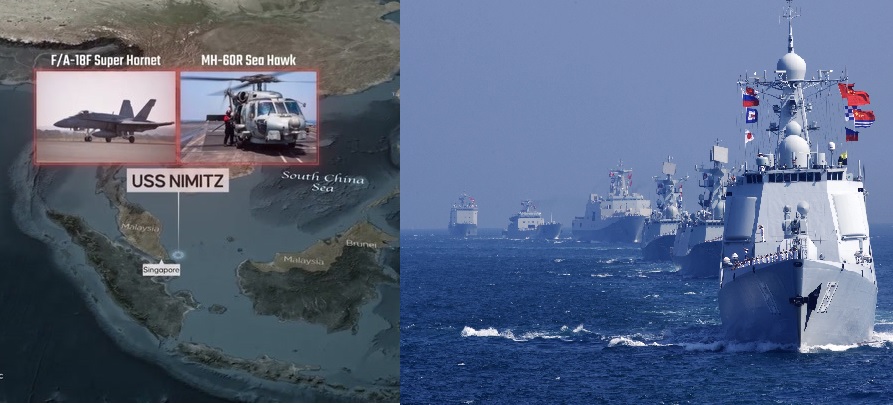
World
Tension is once again rising over the South China Sea after two U.S. Navy aircraft reportedly crashed under mysterious circumstances during operations in the region. The incidents, which occurred within hours of each other, coincided with large-scale naval and air exercises conducted by the People’s Liberation Army (PLA) Navy, sparking intense speculation about the possible use of Chinese electronic warfare (EW) systems that could have disrupted U.S. operations. A Sudden Double Crash Raises Questions According to early reports from defense monitoring networks, the two U.S. aircraft — both part of a carrier-based group operating near disputed waters — went down during what was described as a “routine training mission.” Initial U.S. Navy statements confirmed the loss of aircraft but declined to comment on the cause, saying only that “investigations are ongoing.” What has drawn particular attention is the timing and proximity of the crashes. They occurred just as the PLA Navy and PLA Air Force were carrying out a massive joint exercise involving dozens of warships, long-range bombers, and advanced electronic warfare aircraft near the same region. This has led to widespread suspicion that the U.S. aircraft may have been affected by intentional or collateral electronic interference emanating from Chinese assets. Electronic Warfare: A Growing Battlefield Military analysts note that China has been rapidly expanding its electronic warfare capabilities, integrating them into every layer of its maritime operations. Platforms such as the Type 055 destroyer, the J-16D electronic attack aircraft, and ground-based EW systems deployed across the Paracel and Spratly Islands are believed to be capable of jamming radar, communication, and GPS signals across vast distances. Some defense observers speculate that during the recent PLA drills, China might have been testing broad-area signal denial or spoofing systems designed to confuse enemy sensors and disrupt satellite navigation — technology that, if active during U.S. sorties, could theoretically have interfered with aircraft avionics or flight stability. A senior defense analyst told regional media that, “If the crashes were not mechanical, the most likely explanation would involve electronic interference — deliberate or accidental — as both aircraft went down in a high-intensity electromagnetic environment.” U.S. and Chinese Silence Fuels Speculation Neither Washington nor Beijing has directly addressed the speculation. The U.S. Indo-Pacific Command (INDOPACOM) has stated that recovery and investigation efforts are underway, but officials have refused to confirm whether electronic disruption is being considered as a possible cause. Meanwhile, Chinese state media outlets have emphasized the “success” of the PLA’s drills, highlighting the integration of advanced jamming systems and countermeasures without directly mentioning the U.S. incidents. The timing, however, is difficult to ignore. Strategic Implications If electronic warfare interference did play a role, it would mark one of the most serious confrontations between U.S. and Chinese forces in recent years — short of direct combat. It could also signal that China is testing the limits of U.S. electronic resilience in contested waters, probing how U.S. aircraft respond to non-kinetic threats in real time. Such incidents could further strain already fragile U.S.-China military communication channels, especially as both nations intensify their presence in the South China Sea — a region claimed by multiple countries but increasingly dominated by Beijing’s military build-up. The Unanswered Question As the investigation continues, experts caution that drawing conclusions too soon would be premature. Yet, the possibility that advanced electronic warfare systems might have downed two U.S. aircraft without a single shot fired underscores a new, silent danger in modern military confrontations. The South China Sea has long been a flashpoint of naval brinkmanship — but if these crashes indeed resulted from electronic disruption, it could mark the dawn of a more invisible form of conflict, where wars are not fought with missiles or bullets, but with signals, frequencies, and algorithms. For now, both nations are staying quiet — but the skies over the South China Sea have never felt more unpredictable.
Read More → Posted on 2025-10-27 14:55:26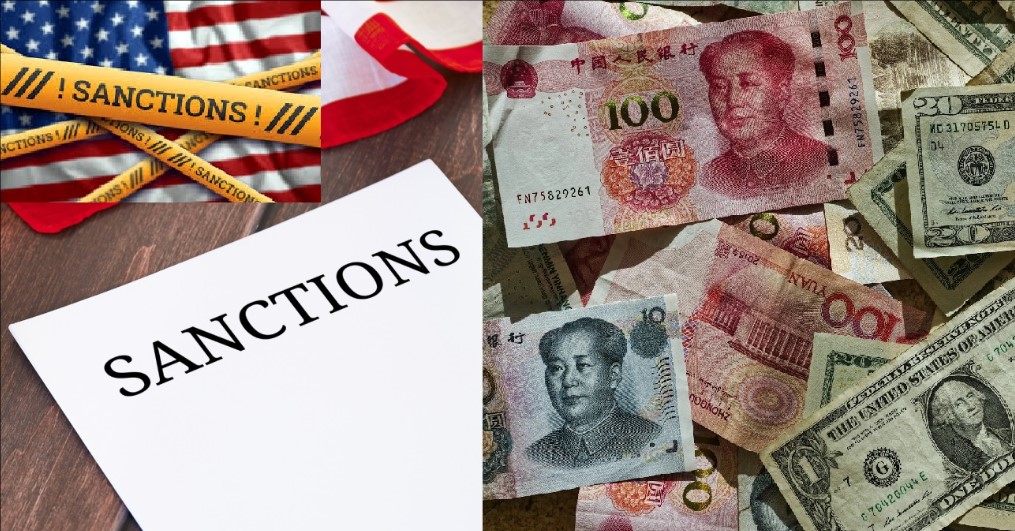
World
For decades, the U.S. dollar has stood as the uncontested backbone of global trade and finance. Its dominance allowed Washington to shape international policies, impose sanctions, and control the movement of capital across borders. But in recent years, a quiet transformation has been underway — one largely fueled by the very tool that made the dollar so powerful: economic sanctions. By using the dollar as a political weapon, the United States has inadvertently pushed countries toward China’s yuan, turning it into an increasingly viable alternative currency for international trade. The Weaponization of the Dollar Washington’s use of the dollar as a geopolitical instrument accelerated after 2014, when sanctions against Russia were expanded following the annexation of Crimea. Since then, the U.S. has used its control over the dollar-based global payment system — particularly the SWIFT network — to isolate adversaries and pressure governments. These moves, while effective in the short term, have sparked long-term resentment among affected nations who see the policy as an attack on their sovereignty. The message was clear: countries that opposed U.S. foreign policy could be cut off from global trade, their assets frozen, and their economies crippled. But for many of these nations, survival required adaptation — and that adaptation increasingly involved bypassing the dollar altogether. The Rise of the Yuan in Global Trade China saw the opportunity early. By promoting its currency, the yuan (or renminbi), as a politically neutral trade medium, Beijing began to position itself as an alternative hub for nations seeking economic independence from the dollar. With the People’s Bank of China opening currency swap lines across Asia, Africa, and the Middle East, and with the Cross-Border Interbank Payment System (CIPS) serving as a yuan-based alternative to SWIFT, the foundation for a new trade ecosystem quietly took shape. In just the past few years, several key economies — under U.S. or Western sanctions — have turned to the yuan for critical energy and commodity transactions: Russia: Following Western sanctions after the 2022 Ukraine invasion, Russia began settling a majority of its oil and gas trade with China in yuan. Over 80% of Russia-China trade is now conducted in yuan or rubles. Iran: Cut off from the dollar system since 2018, Iran now uses yuan for oil exports and imports with China, accounting for billions in annual trade. Venezuela: Facing crippling U.S. sanctions, Venezuela shifted much of its crude exports to yuan-based contracts with Chinese buyers. Ethiopia: As Western sanctions tightened over human rights concerns, Ethiopia began settling part of its Chinese infrastructure debts and trade invoices in yuan. Kenya: In 2024, Kenya started using the yuan for bilateral trade and debt payments with China, its largest trading partner. Pakistan, Bangladesh, and the UAE have also increased yuan-denominated transactions to hedge against U.S. financial restrictions and currency volatility. Collectively, these countries represent over $1.2 trillion in annual trade volume that now partially or fully bypasses the dollar. The Unintended Consequence of Sanctions Every new round of U.S. sanctions — whether against Russia, Iran, Venezuela, or China itself — sends a clear signal to the rest of the world: reliance on the dollar carries political risk. Even neutral or non-aligned countries are quietly exploring ways to de-dollarize their trade portfolios. The BRICS alliance, for example, is promoting local currency settlements, with the yuan taking the lead as the most liquid and stable non-dollar option. In this sense, Washington’s sanction-heavy foreign policy has created a paradox. The more the U.S. weaponizes the dollar, the more it encourages other nations to seek refuge in competing systems — effectively undermining the very dominance it seeks to preserve. Sanctions and Tariffs Are Backfiring on the Dollar Beyond sanctions, America’s growing use of tariffs and trade restrictions has also eroded global trust in the U.S. financial system. Countries that were once close partners — including Brazil, India, and Canada — have increasingly diversified their reserves and trade settlements away from the dollar to reduce exposure to American policy shifts. Brazil now trades energy with China in yuan, India has settled oil purchases from Russia in rupees and dirhams, and Canada has expanded its use of alternative currencies in Asia-Pacific trade. These shifts reflect a broader recognition that the U.S., by combining sanctions with tariff wars, has made the dollar appear less of a global public good and more of a political instrument, pushing both allies and adversaries to gradually move away from it. The Yuan’s Slow but Steady March China’s approach is subtle but strategic. Unlike the U.S., Beijing does not demand political alignment from trading partners in exchange for access to its financial systems. Through projects like the Belt and Road Initiative (BRI), China is offering yuan loans, building infrastructure, and expanding its currency’s acceptance in regions once dominated by the dollar. According to data from the International Monetary Fund (IMF), the yuan now accounts for nearly 5% of global foreign exchange reserves — a small share compared to the dollar’s 58%, but the fastest-growing among major currencies. In energy markets, yuan-denominated oil and gas trade through the Shanghai Petroleum and Natural Gas Exchange is also expanding, further embedding the currency in global commodity pricing. U.S. Sanctions Begin to Backfire, Weakening the Dollar’s Global Dominance Ironically, Washington’s growing reliance on sanctions and financial pressure has started to backfire on the U.S. dollar itself. Each time the U.S. blocks nations from the global banking system, seizes assets, or imposes trade restrictions, it reinforces the idea that the dollar is not merely a global currency but a political instrument. This perception has eroded international trust and pushed countries to diversify their reserves and trade in alternative currencies such as the yuan, ruble, euro, rupees, and local units. As a result, global demand for the dollar is gradually declining, and its role as the default medium for international trade is weakening. In attempting to project power through financial dominance, the United States has inadvertently undermined the neutrality and reliability of its own currency, paving the way for a more multipolar global financial system where the dollar’s supremacy is no longer absolute. A Shift in the Global Order While the yuan is still far from dethroning the dollar, the shift is undeniable. The United States, in its attempt to maintain global control through financial pressure, has effectively paved the way for a multipolar currency system. What began as isolated responses to sanctions has evolved into a structural trend reshaping global finance. As more countries diversify their reserves, strengthen regional payment systems, and sign currency swap agreements with China, the yuan’s legitimacy as an international currency grows stronger — not through confrontation, but through necessity. In short, America’s overreliance on sanctions and tariffs has done what decades of Chinese diplomacy could not: make the yuan a symbol of economic resistance and independence.
Read More → Posted on 2025-10-27 13:30:43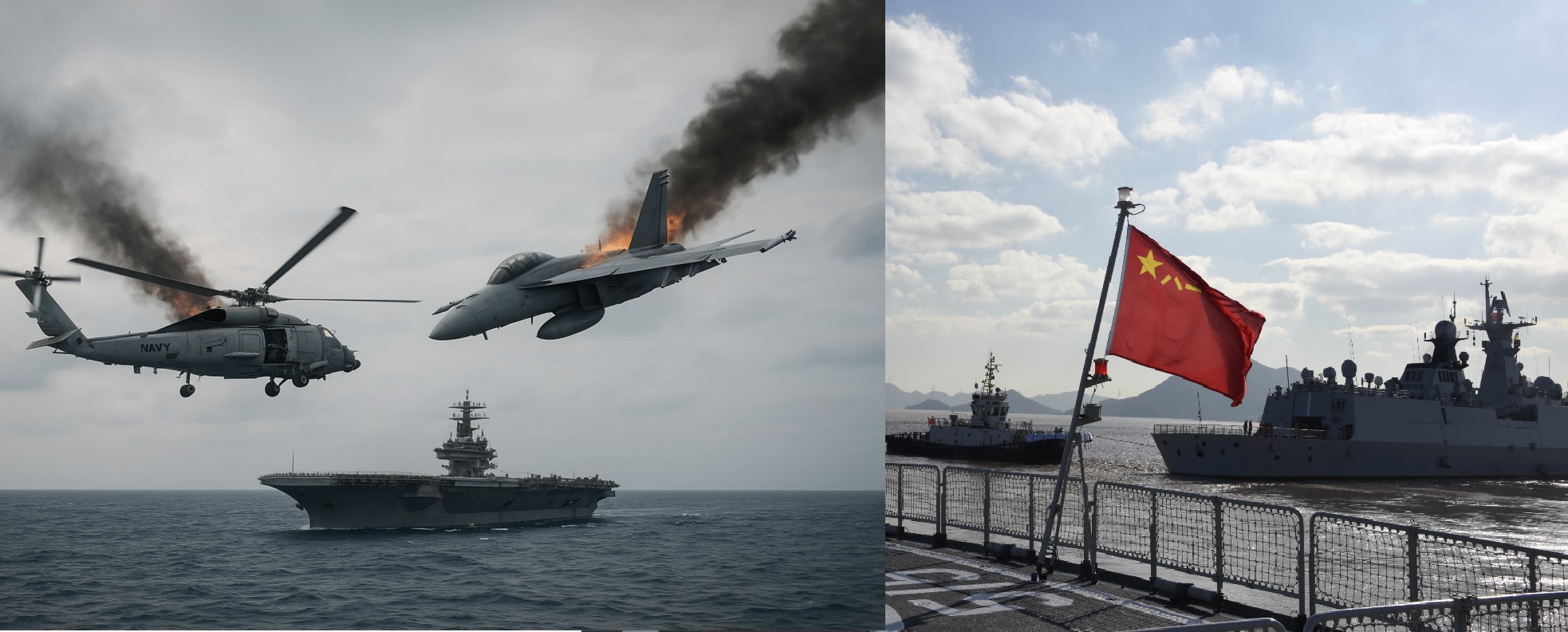
World
Tensions flared over the South China Sea after two U.S. Navy aircraft — an F/A-18F Super Hornet and an MH-60R Sea Hawk helicopter — from the USS Nimitz (CVN-68) carrier strike group crashed within 30 minutes of each other during operations. The incidents occurred over international waters in the western Pacific, an area that has become increasingly contested amid ongoing U.S.-China military posturing. According to official U.S. Navy reports, all five crew members — two from the Super Hornet and three from the Sea Hawk — were successfully rescued by nearby recovery teams and are now in stable condition aboard the Nimitz. The Navy described the incidents as unrelated but “under active investigation.” The near-simultaneous crashes, however, have sparked widespread speculation. Chinese state media outlets quickly noted that the People’s Liberation Army (PLA) Navy was conducting large-scale naval and air drills in the South China Sea at the same time as the U.S. operations. Beijing claimed the exercises were part of “routine defense readiness training,” but the timing has raised eyebrows among defense analysts. A Coincidence — or Cause for Concern? The U.S. Navy has not suggested foul play, but the coincidence of two separate crashes within such a short span — amid heightened Chinese military activity — has led some observers to question whether electronic interference or jamming could have been a factor. The South China Sea has long been a hotspot for electronic warfare (EW) activity, with both U.S. and Chinese forces reportedly testing signal disruption, radar spoofing, and GPS denial systems in the region. A retired U.S. Navy aviator, commenting anonymously, said the incidents “demand a deeper look” into potential electromagnetic anomalies or mid-air coordination failures. He added, “Losing two aircraft from the same carrier in under an hour is highly unusual — especially during routine operations.” The USS Nimitz’s Strategic Role The USS Nimitz, one of the U.S. Navy’s most powerful nuclear-powered aircraft carriers, has been conducting freedom of navigation patrols and joint exercises with allied forces, including Japan and the Philippines. These operations are part of Washington’s broader effort to counter China’s territorial claims across the disputed waters. The F/A-18F Super Hornet, a twin-seat strike fighter, is the backbone of U.S. naval aviation, while the MH-60R Sea Hawk is a multi-mission helicopter used for anti-submarine warfare, search and rescue, and maritime surveillance. Both aircraft were reportedly operating under “standard flight conditions” before losing contact. Chinese Media Reaction Chinese outlets, including Global Times, quickly highlighted the crashes, suggesting that “foreign military presence in regional waters increases the risk of accidents.” However, they denied any involvement or interference from Chinese forces, emphasizing that their concurrent drills were conducted “in accordance with international law.” Still, analysts note that the PLA Navy’s drills were taking place less than 300 nautical miles from where the U.S. carrier group was operating — a proximity that raises the possibility of unintentional electromagnetic overlap or radar confusion. Ongoing Investigation The U.S. Navy has launched a formal safety and technical investigation into the crashes. Preliminary reports indicate there was no mid-air collision between the aircraft, suggesting two separate mechanical or environmental failures. Naval officials have not yet commented on whether the crashes could have been influenced by external interference. A Fragile Balance at Sea The dual accidents come at a time of heightened U.S.-China friction in the Indo-Pacific. With both navies increasingly active in the same airspace and waters, even minor incidents risk escalating into broader confrontations. As the investigations continue, the Pentagon has reaffirmed that the USS Nimitz strike group remains fully operational and continues its mission in the region. But the mysterious timing of the two crashes — unfolding within half an hour amid parallel Chinese military drills — ensures that the incident will remain under close scrutiny from Washington, Beijing, and the international community alike.
Read More → Posted on 2025-10-27 12:27:57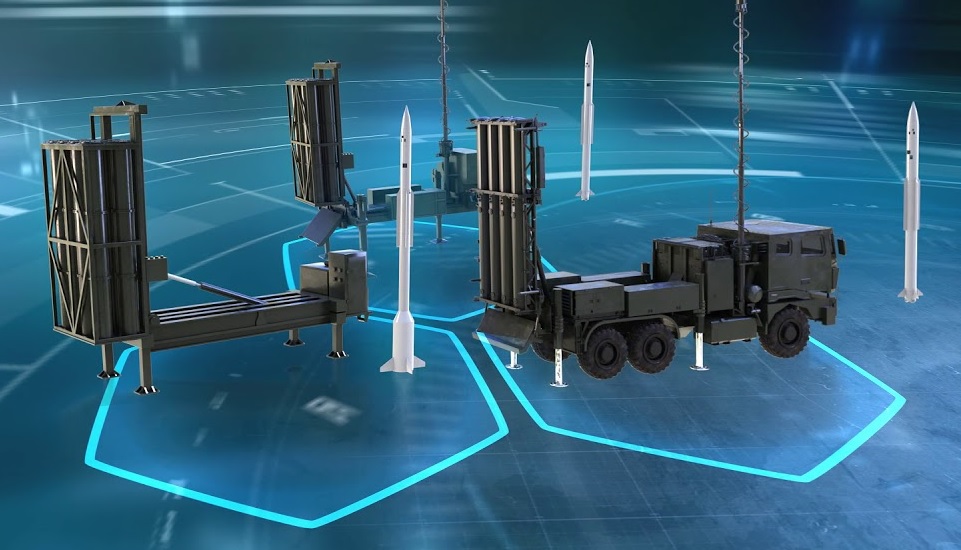
World
In a notable shift in defense strategy, Denmark has officially decided not to proceed with the procurement of Israel Aerospace Industries’ (IAI) Barak MX ground-based air defense system, despite earlier interest in the platform’s advanced multi-layered protection and anti-drone features. The announcement was made by Defence Minister Troels Lund Poulsen, who confirmed that the move follows a firm recommendation from the Danish Defence Command to invest in alternatives that offer greater immediate combat readiness and can be fielded more quickly. “We have decided, in accordance with the recommendations of the military command, to procure the most appropriate capabilities that will ensure rapid development of the capabilities,” Poulsen stated. He further explained that the senior military leadership advised against allocating resources to the Barak MX, recommending instead that funds be redirected “to other initiatives with greater immediate combat capability, including the rapid preparation of air defense capabilities on land.” The decision was endorsed by all parties to Denmark’s Defence Agreement, underscoring a unified approach toward strengthening the country’s air defense posture in a rapidly changing European security environment. The move signals Denmark’s growing urgency to field systems that can be deployed and integrated swiftly, rather than committing to complex platforms that require longer development and training timelines. A Reassessment of Priorities Amid Evolving Threats Earlier this month, Danish broadcaster DR reported that the Barak MX had attracted serious consideration within the Defence Ministry due to its advanced “soft kill” electronic warfare capability—a feature particularly effective against drones and loitering munitions. Denmark, like many European nations, has been reassessing its vulnerability to low-cost UAV threats observed in the Russia–Ukraine conflict. However, according to Danish defense officials, the evolving threat landscape has prompted a reevaluation of where to best allocate resources. Instead of investing in a single long-term, high-cost system, Denmark now aims to build a layered and flexible air defense network that can combine short-range, mobile, and electronic counter-drone assets within a shorter timeframe. Barak MX: A Capable System, But Not a Fit for Denmark’s Immediate Needs Developed by Israel Aerospace Industries (IAI), the Barak MX is a modular, combat-proven surface-to-air missile (SAM) system capable of defending against a wide array of aerial threats, including fighter aircraft, helicopters, UAVs, cruise missiles, and ballistic projectiles. Its architecture allows operators to customize the system with different interceptor types depending on operational requirements. The BARAK MX's family of interceptors are: Barak MRAD – short-range interceptor with a range of up to 35 km Barak LRAD – medium-range interceptor capable of reaching 70 km Barak ER – extended-range interceptor with coverage up to 150 km, featuring a booster stage for longer reach The system’s flexibility and modular design have made it one of the most sought-after air defense solutions among mid-sized militaries seeking integrated protection for land and naval assets. Despite these strengths, Danish defense planners reportedly found that the Barak MX’s procurement, integration, and training cycle would not deliver the rapid defensive readiness the country currently requires. Denmark is prioritizing systems that can plug directly into NATO’s Integrated Air and Missile Defence (IAMD) network, with minimal adaptation and shorter deployment times. Global Momentum for the Barak MX Continues While Denmark has opted out, the Barak MX continues to gain traction worldwide. The system has already been adopted by several nations seeking advanced multi-tier air defense capabilities: Slovakia signed a €560 million deal in December 2024. Azerbaijan purchased the system in November 2023 for approximately $1.2 billion. Morocco acquired the system in February 2022 in a deal valued at over $500 million. These procurements reflect the Barak MX’s rising reputation as a versatile, battle-tested solution adaptable to diverse operational environments — from NATO member states to Middle Eastern and North African militaries. Denmark’s Next Steps Denmark’s withdrawal from the Barak MX procurement does not signal a reduction in its air defense ambitions. On the contrary, the government and Defence Command are now expected to accelerate investments in short- and medium-range air defense systems, possibly in cooperation with European partners such as Germany’s IRIS-T SLM program or Norway’s NASAMS system, both of which have demonstrated interoperability with NATO forces. The decision aligns with Denmark’s broader defense modernization strategy, outlined in its 2024–2033 Defence Agreement, which emphasizes speed, resilience, and readiness in light of Russia’s continuing aggression in Eastern Europe and the increasing prevalence of drone warfare. As Minister Poulsen put it, Denmark’s priority is to “develop capabilities that can be rapidly deployed and that deliver immediate combat effect.” In essence, while Israel’s Barak MX remains a world-class system, Denmark’s defense planners are opting for speed over sophistication, ensuring the country’s air defenses evolve in step with the fast-changing realities of modern European warfare.
Read More → Posted on 2025-10-27 12:14:11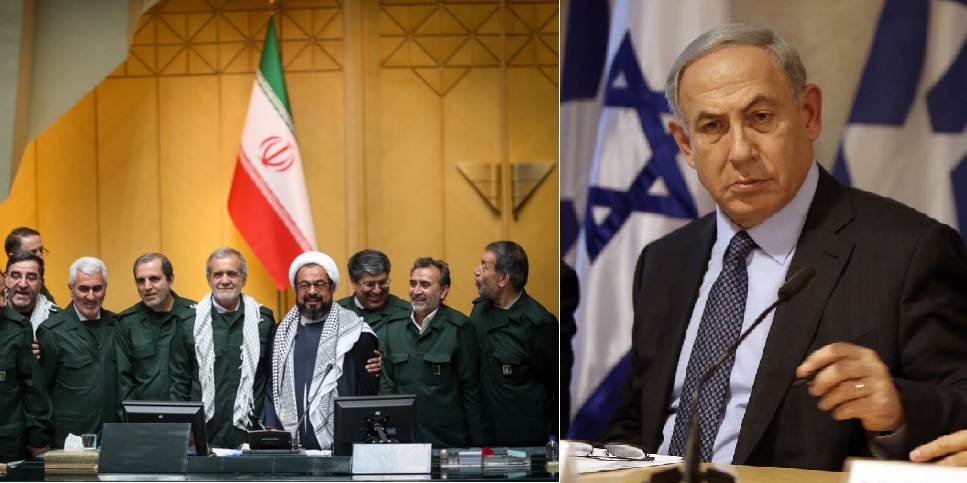
World
Israel’s intelligence agency Mossad has accused the Iranian regime of orchestrating a covert global campaign to attack Jewish and Israeli targets in multiple countries, including Germany, Greece, and Australia. According to Mossad officials, the operation was directed by Sardar Ammar, a senior IRGC Quds Force commander reportedly operating under the direct supervision of General Esmail Qaani, the head of Iran’s elite expeditionary wing. The claims mark a serious escalation in the shadow war between Iran and Israel — one that has increasingly spilled over from the Middle East into Western nations. Mossad’s statement alleges that the IRGC used hired criminals and foreign operatives to execute attacks, carefully designed to obscure Tehran’s direct involvement. “The strategy was clear,” one Israeli source said. “Hire outsiders, hide the trail, and maintain plausible deniability. But the pattern was unmistakable.” Covert Network Exposed According to the intelligence gathered, the Iranian network sought to ignite synagogues, Jewish community centers, and Israeli-linked facilities across Europe. In Germany, a man suspected of spying on Jewish institutions in Berlin was recently detained, prompting Berlin to summon Iran’s ambassador for an explanation. Meanwhile, in Greece, authorities foiled a plot last year that targeted an Israeli restaurant in Athens — an incident now linked to the same IRGC-run network. In Australia, the plot went even further. Intelligence agencies reportedly uncovered plans to attack Israeli diplomatic and business interests. In response, Canberra expelled Iran’s ambassador and began the process of blacklisting the Islamic Revolutionary Guard Corps (IRGC) as a terrorist organization — a move that would align Australia more closely with U.S., U.K., and Canadian policy. “Plausible Deniability” Ends Mossad’s statement, issued through Israeli government channels, declared that Iran’s “plausible deniability” is over. The agency claimed that dozens of terror attempts were disrupted through close coordination among Western and allied intelligence services. “Iran thought it could operate in the shadows through proxies and criminals,” a Mossad officer reportedly said, “but we have exposed the network, its command chain, and its financiers.” The Israeli intelligence community has long accused Iran of using covert terror operations to target Israeli citizens and Jewish communities worldwide. The new revelations suggest a more organized, transnational campaign — one that has now triggered diplomatic backlash across several continents. Diplomatic Fallout and Strategic Implications Iran has yet to issue an official response, but the allegations come at a time when Tehran faces increasing isolation over its nuclear ambitions, support for proxy groups like Hezbollah and the Houthis, and suspected cyberattacks on Western infrastructure. Analysts believe Mossad’s public disclosure serves a dual purpose: to warn Iran and to rally international support for designating the IRGC as a global terrorist entity. Western intelligence officials privately confirmed that Israeli intelligence had shared critical data leading to the arrest or surveillance of suspects in at least three countries. “Without Mossad’s coordination,” one European counterterror officer said, “several attacks would likely have succeeded.” A Warning of Severe Retaliation In closing its statement, Mossad issued a stark warning: any attack on Jewish or Israeli citizens anywhere in the world will draw a severe and direct response. The message underscores Israel’s growing willingness to strike Iranian assets abroad in retaliation for covert aggression — a policy shift visible in recent years across Syria, Iraq, and even inside Iran. As European capitals tighten security around Jewish institutions and reassess their diplomatic posture toward Tehran, one thing is clear: the battle between Israel and Iran’s shadow networks has gone global — and the world’s intelligence agencies are now on high alert.
Read More → Posted on 2025-10-27 12:02:00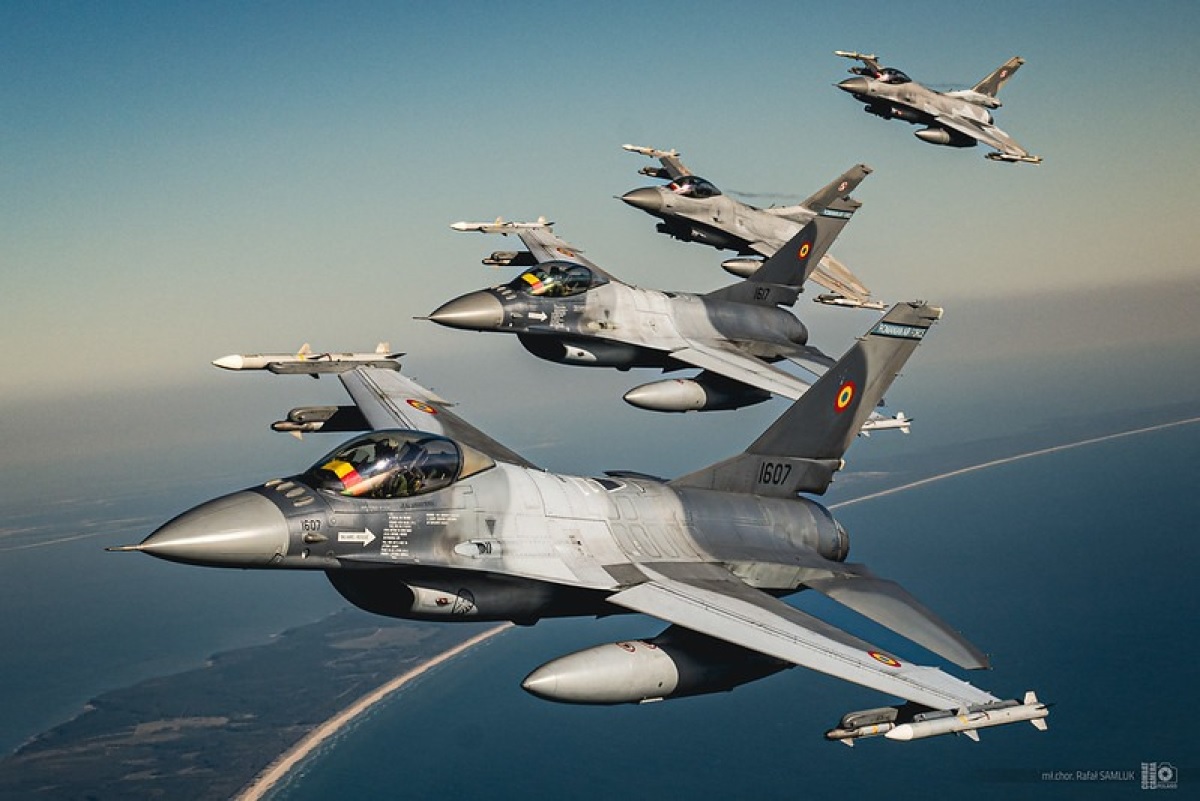
World
Romania has officially activated a new F-16 Fighting Falcon squadron at the 71st Air Base “General Emanoil Ionescu” in Câmpia Turzii, marking a major expansion of NATO’s air policing network along its eastern flank. Announced on 27 October 2025 by Romania’s Ministry of National Defence, the formation of the 48th Fighter Squadron—effective from 20 October—significantly strengthens NATO’s rapid-response posture over the Black Sea region and reinforces deterrence against growing Russian aerial incursions. \ The new unit joins Romania’s existing F-16 formations at Fetești Air Base, expanding the nation’s operational fleet to ensure a round-the-clock air policing presence across the country’s southeastern airspace. Equipped with upgraded F-16AM/BM aircraft procured from Portugal and later supplemented by aircraft from Norway, the 48th Squadron is tasked with quick reaction alert (QRA) duties, interception missions, and integrated joint operations with NATO allies. The timing of this activation is no coincidence. In recent months, Russian reconnaissance flights, drone incursions, and missile debris incidents have intensified near Romania’s eastern border—particularly around the Danube Delta and the Black Sea coast. The establishment of another operational squadron at Câmpia Turzii effectively extends NATO’s radar coverage and shrinks the air defense response time in case of violations or cross-border threats. Câmpia Turzii, long regarded as one of Romania’s most strategically positioned air bases, has seen continuous modernization since 2019. It hosts advanced radar installations, hardened shelters, and NATO-integrated command systems. The base also supports joint training exercises such as Dacian Eagle and Resilient Sky, which have improved interoperability between Romanian pilots and allied air forces, including the United States and Italy. Romanian Defence Minister Angel Tîlvăr highlighted the move as a vital step toward “a credible and resilient defense framework over the Black Sea and the eastern frontier of the Alliance.” He emphasized that the expanded F-16 presence enhances both deterrence and defense, ensuring that Romania remains a central contributor to NATO’s collective air security mission. The 48th Squadron’s activation also aligns with NATO’s broader strategic shift following Russia’s invasion of Ukraine, which prompted the Alliance to reinforce its eastern air policing corridor spanning from the Baltics to the Balkans. Under this framework, allied fighter detachments rotate through Romania and Bulgaria to maintain constant readiness against potential airspace violations. Operationally, the addition of the 48th Squadron allows Romania to conduct simultaneous air patrols in multiple sectors, covering the Black Sea, Moldova border, and Carpathian approaches. It also ensures greater flexibility for maintenance and training cycles across its expanding F-16 fleet—soon to be augmented by F-35 Lightning II jets under Romania’s future modernization plan approved in 2023. In strategic terms, this expansion represents more than an airpower upgrade. It sends a clear message of commitment and cohesion within NATO’s southeastern flank—where the Black Sea is increasingly seen as the Alliance’s most contested frontier. By standing up the 48th Fighter Squadron, Romania not only deepens its role in Europe’s collective defense but also reinforces the credibility of Article 5, the core principle that an attack on one ally is an attack on all. As aerial tensions continue to rise, Câmpia Turzii now stands as one of the Alliance’s most critical hubs—ready to respond within minutes to any threat over the Black Sea or beyond.
Read More → Posted on 2025-10-27 11:36:46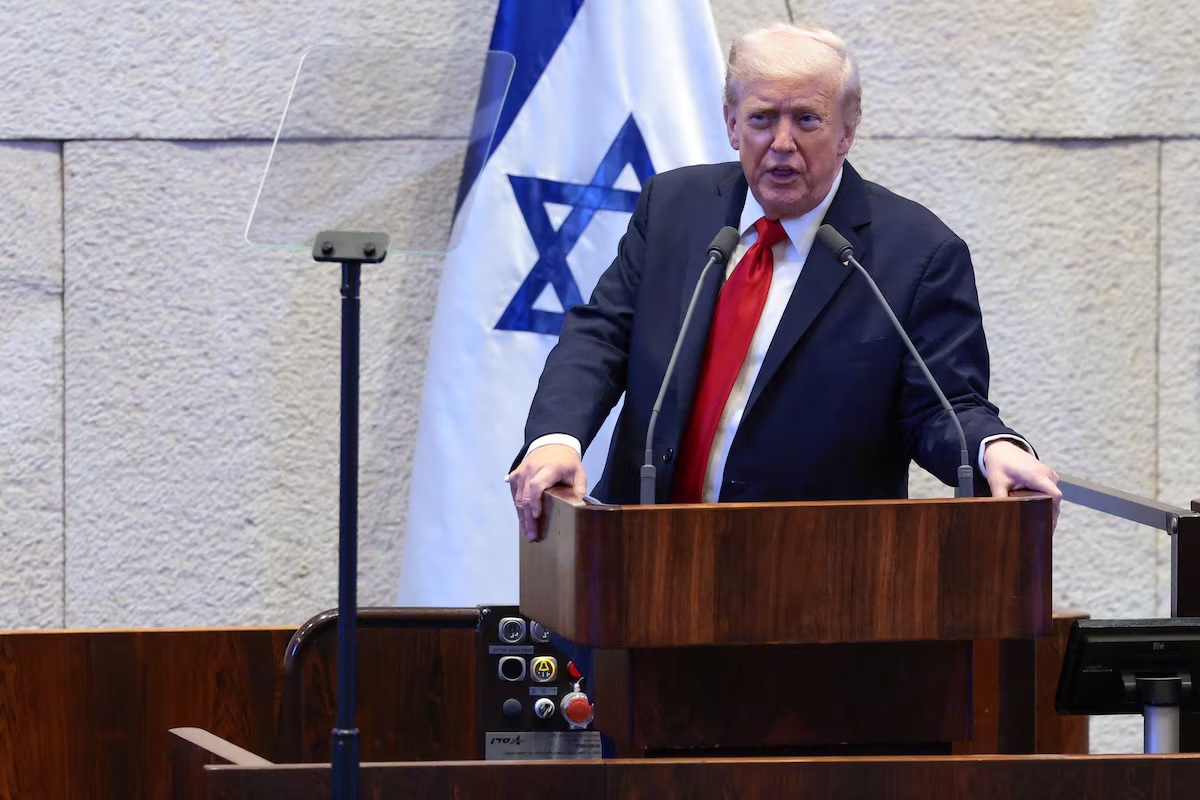
World
A tense deadline looms in the Middle East tonight as former U.S. President Donald J. Trump’s 48-hour ultimatum to Hamas reaches its expiration. The ultimatum, issued through a late-night social media post, demanded that Hamas immediately return the bodies of deceased hostages, including two Americans, or face collective consequences from what Trump described as “other countries involved in this GREAT PEACE.” In his statement, Trump asserted that the region currently enjoys a “very strong peace” and expressed confidence it could become “everlasting” — but only if both sides meet their obligations. He emphasized that the return of the bodies is a humanitarian and moral duty under the ongoing peace arrangements. “Some of the bodies are hard to reach,” Trump said, “but others they can return now and, for some reason, they are not.” The former president’s message has drawn international attention, marking one of his most forceful interventions in the Middle East since leaving office. His 48-hour warning is seen as a clear signal that patience is running out with Hamas’s slow or selective compliance following the latest ceasefire agreement. Trump suggested that Hamas’s reluctance could be tied to internal issues over disarmament, hinting that the group’s leadership may be struggling to maintain control or coordinate recovery operations. Observers believe Trump’s reference to “other countries involved in this GREAT PEACE” points to regional partners — possibly Egypt, Qatar, or Saudi Arabia — that have been part of the broader peace framework initiated during his previous administration. Diplomatic sources indicate that behind the scenes, Washington and its allies have been urging Hamas to fulfill all humanitarian commitments before deeper normalization steps can proceed. The ultimatum also serves as a symbolic test for Trump’s vision of a unified Middle East peace architecture, which he has continued to promote as an extension of the Abraham Accords. His demand for swift compliance suggests he sees this issue not only as a moral imperative but also as a litmus test for the durability of the current truce. As the deadline expires tonight, uncertainty surrounds what actions — if any — will follow. U.S. and regional officials have remained tight-lipped about contingency plans, though sources suggest that diplomatic pressure and potential sanctions could be on the table if Hamas fails to act. For now, Trump’s message carries both warning and resolve: peace will be sustained only through accountability. “Both sides would be treated fairly,” he wrote, “but that only applies if they comply with their obligations.” Whether this ultimatum solidifies peace or reignites tensions will become clear in the hours ahead, as the 48-hour clock runs out and the world watches closely for Hamas’s response.
Read More → Posted on 2025-10-27 11:20:25
World
In a shocking turn of events, some sources claim that the Pakistan Army has quietly agreed to hand over control of certain tribal areas to the Tehrik-e-Taliban Pakistan (TTP), effectively granting the militant group administrative and security authority. This unprecedented move reportedly follows a series of fierce clashes in which Pakistani soldiers suffered heavy losses, prompting the military to withdraw from several forward positions in Khyber Pakhtunkhwa (KP). According to local and intelligence sources cited by regional media, TTP has strengthened its grip over multiple districts in the former Federally Administered Tribal Areas (FATA) — including North Waziristan, South Waziristan, Bajaur, and Khyber District. The Tirah Valley, in particular, has become a stronghold for the group, where Pakistani security forces now face serious operational constraints. TTP Captures Pakistani Military Camp in Khyber District Reports indicate that in the Tirah Haidar Kando area of Khyber District, TTP militants completely captured a Pakistani Army camp, seizing all weapons, ammunition, and logistical supplies. Sources from the region claim that the outpost had been under siege for several days before being overrun. The attack reportedly resulted in the deaths of numerous Pakistani soldiers, while others fled amid overwhelming militant firepower. Local witnesses describe scenes of chaos following the battle, as TTP fighters hoisted their flags over captured military vehicles and announced control of the area. The Pakistan Army has yet to officially comment on the incident, but leaked reports suggest that the loss of the camp has had a significant psychological impact on ground troops operating in the volatile region. Khyber Pakhtunkhwa Becoming a “No-Go Zone” for the Army Security analysts now warn that large parts of Khyber Pakhtunkhwa are fast turning into no-go zones for the Pakistan Army, as TTP’s influence grows unchecked. Over the past few months, TTP has reportedly set up its own parallel administrative systems in some areas — including taxation, dispute resolution, and security enforcement — essentially replacing the state’s authority. These developments have raised alarms among regional observers who see a growing resemblance to the pre-2014 situation, when Pakistan launched Operation Zarb-e-Azb to dismantle militant sanctuaries in the tribal belt. However, unlike a decade ago, the Army now appears hesitant to re-engage in large-scale operations, fearing heavy casualties and internal backlash amid a deteriorating economic situation and political instability in Islamabad. Army’s Reported Retreat and Negotiated “Understandings” Unconfirmed reports suggest that the Pakistan Army may have entered into informal understandings with certain TTP factions, agreeing to vacate certain remote valleys and villages in exchange for a temporary cessation of attacks on military convoys and bases. In these zones, TTP is now said to exercise de facto control, running its own checkpoints and collecting “taxes” from local transporters and traders. Military insiders, speaking off record, reportedly admitted that low morale and logistical challenges have forced partial withdrawals from difficult terrain. Several units redeployed to more defensible positions, leaving behind lightly armed local militias or police units who have little capacity to resist organized TTP forces. Analysts Warn of a Looming Crisis Experts caution that this arrangement could have grave consequences for Pakistan’s national security, potentially emboldening militant groups across the region. Dr. Syed Farooq Hasan, a former Pakistani defense analyst, reportedly warned that “handing over territory, even informally, amounts to ceding sovereignty. It is not a tactical retreat — it is an erosion of state control.” He further added that if the TTP continues consolidating its administrative grip, the tribal belt could effectively slip out of Islamabad’s control, paving the way for renewed cross-border militancy and destabilization along the Afghan frontier. The Fear Within the Ranks According to sources close to the situation, many Pakistani soldiers are demoralized and increasingly fearful of confronting TTP fighters, who are battle-hardened and well-armed, often using equipment captured from previous engagements. The Pakistan Army’s traditional reliance on airpower and artillery has yielded limited success in the mountainous terrain, where TTP maintains the upper hand through guerrilla tactics and local support networks. Some reports claim that the army’s leadership in Peshawar is now prioritizing force preservation over offensive operations, fearing a repeat of previous high-casualty campaigns that failed to yield sustainable control. A Dangerous Precedent If these reports prove accurate, Pakistan may be witnessing one of the most significant reversals in its internal security since 2009, when the military last ceded ground to militants in the Swat Valley — an episode that required a full-scale offensive to undo. But this time, the stakes are higher: TTP’s influence extends deeper, and Pakistan’s political and economic conditions are far weaker than before. As the situation continues to evolve, analysts warn that the line between tactical compromise and territorial surrender is blurring rapidly. What was once Pakistan’s frontline in the war on terror could soon become a Taliban-administered zone, with Islamabad’s writ reduced to mere symbolism.
Read More → Posted on 2025-10-26 17:32:42
World
On 25 October 2025, Ukraine and the United Kingdom marked a significant step forward in their defence partnership by signing an agreement to jointly produce Octopus‑100 interceptor drones. Announced by Rustem Umerov, Secretary of Ukraine’s National Security and Defence Council, the accord formalizes co‑manufacturing under the UK’s “Build with Ukraine” initiative, with production taking place on British soil. This move makes the Octopus‑100 the first Ukrainian combat drone to be serially produced in a NATO country, symbolizing a shift from ad hoc battlefield procurement to a structured industrial partnership. The Octopus‑100 was initially developed in Ukraine by domestic defence firms, including Ukrspecsystems, as a response to waves of Russian loitering munitions. These drones were rapidly fielded in combat, designed specifically to intercept small strike and reconnaissance UAVs. With the UK’s involvement, the platform is transitioning from a battlefield improvisation to a formally industrialized programme, allowing for faster production, replenishment, and testing within NATO infrastructure. The political importance of the program was highlighted when President Volodymyr Zelensky showcased the Octopus‑100 to UK Prime Minister Keir Starmer earlier this year, emphasizing both operational relevance and high-level support for the initiative. While full specifications have not been officially released, reported performance figures suggest that the Octopus‑100 is a short-to-medium range interceptor capable of speeds around 400–450 km/h. It has an operational radius of approximately 150–200 km and carries a modular payload of 2.5–9 kg, enabling the use of electro-optical, infrared, or radar seekers, or small kinetic payloads. Previous battlefield versions were produced at very low unit costs, but UK-manufactured variants are expected to be more sophisticated and aligned with NATO quality standards. The production timeline anticipates an initial pilot batch of up to 1,000 drones in the UK, followed by scaling to thousands per month once factories, assembly lines, and testing facilities are fully operational. UK-based production hubs, reportedly including sites in East Anglia, will manage assembly, quality assurance, and training. Ukrainian engineers will work alongside British counterparts, transferring IP and technical expertise while retaining control over critical components. Strategically, this partnership strengthens Kyiv’s air-defence capabilities, allowing sustained replenishment against low-cost swarm threats. For the UK and NATO, it embeds industrial capacity for a combat-proven asymmetric system, creating a platform that can be upgraded and exported for allied use. The Octopus‑100’s serial production on NATO soil reflects the deepening of the UK–Ukraine defence relationship and signals a new era of structured collaboration between the two countries’ military industries. This agreement marks a turning point in drone warfare collaboration, moving Ukrainian battlefield innovation into a formal, industrialised environment, ensuring rapid replenishment, technological integration, and NATO-aligned standards for years to come.
Read More → Posted on 2025-10-26 16:30:32
World
In a bold move toward sustainable and future-ready defence technologies, Hyundai Rotem is preparing to launch mobility trials of its new 8×8 armoured vehicle powered by a hybrid hydrogen-electric propulsion system. The trials, set to begin before the end of 2025, mark a significant milestone in the company’s effort to develop zero-emission, high-endurance military platforms capable of operating in demanding combat environments. A Dual-Use Technology Advantage The development of hydrogen-based propulsion for armoured vehicles demonstrates a growing convergence between civilian and military innovation. Major industrial groups like Hyundai enjoy a natural advantage in this space — their R&D in civil automotive systems often finds direct application in military platforms. Hyundai Rotem’s Hydrogen Fuel Cell Tram, already considered one of the most advanced urban mobility solutions globally, provided much of the technological foundation for this effort. At ADEX 2025, the company showcased two key developments: Black Veil, an unmanned 4×4 electric mobility platform using hydrogen fuel cells with a range of 350 km. A scale model of the H2WAVe (Hydrogen Wheeled Armoured Vehicle electric), an 8×8 hybrid concept designed for future military deployment. Inside the H2WAVe: Engineering and Power The H2WAVe’s hybrid propulsion system combines a 350 kW (470 hp) electric motor operating above 600 volts, drawing energy from high-capacity batteries continuously recharged by two hydrogen fuel cells. The design prioritises modularity and efficiency. Instead of traditional powertrains, the vehicle uses electric drive units (EDUs) for propulsion, eliminating many complex mechanical components like transmissions and transfer cases. Hydrogen Storage: Two 700-bar pressure tanks mounted in a protected pod over the rear roof section. Energy System Layout: Batteries and fuel cells positioned centrally for balance, while five sodium cylinders occupy the right side of the crew compartment. Crew Arrangement: Five personnel seats along the left wall, reflecting a modified internal architecture due to the new propulsion system. Performance and Safety With its hybrid configuration, the H2WAVe achieves a power-to-mass ratio of 19–23 hp/ton, comparable to the conventionally powered K808 armoured vehicle, which uses a 420 hp diesel engine. Though the prototype employs a single-motor configuration for simplicity, Hyundai Rotem is already planning a multi-axle electric drive setup — allowing one motor per axle. Such a system would not only improve torque distribution and off-road capability but also enhance survivability, as damage to one motor or axle would not immobilise the entire vehicle. Safety remains a top concern, particularly given the use of hydrogen on a battlefield. Hyundai Rotem engineers acknowledge the associated risks but view this phase as a technology demonstrator rather than an operational prototype. Future iterations will focus on miniaturisation, shielding, and battlefield survivability. Electric Drive Unit (EDU): The Future Core Displayed alongside the H2WAVe model was the company’s Electric Drive Unit, a compact power module featuring differential lock and parking lock systems. Each EDU can be activated or disconnected independently, meaning the vehicle can run in 8×8 or 8×4 modes depending on terrain and mission needs — conserving energy during transit and maximising output in combat. Although Hyundai Rotem has not revealed detailed power figures, analysts suggest each EDU should generate over 90 kW, maintaining total system output near the 350 kW benchmark. Hydrogen on the Battlefield: Promise and Challenge The adoption of hydrogen fuel cell technology in armoured platforms represents a paradigm shift in military logistics. Unlike diesel, hydrogen offers: Silent operation for stealth movement. Reduced thermal signature, improving survivability. Independence from fossil fuels, aligning with global decarbonisation efforts. However, storage, refuelling infrastructure, and safety remain major hurdles. High-pressure hydrogen tanks must be protected from shrapnel and ballistics, and battlefield refuelling will require mobile hydrogen generation or supply systems — areas Hyundai Rotem and South Korea’s defence research community are already exploring. Long-Term Vision: 2035–2040 Company sources told EDR On-Line that Hyundai Rotem’s long-term objective is to field operational hydrogen-based armoured vehicles by 2035–2040. The ongoing H2WAVe trials will run through late 2026, gathering vital performance, safety, and maintenance data. This aligns with South Korea’s broader defence-industrial vision — integrating green energy technologies into its next generation of land systems, while reducing dependency on imported fossil fuels. The Hyundai Rotem H2WAVe project represents more than a new vehicle — it is a strategic shift toward sustainable defence innovation. By leveraging hydrogen fuel cells and hybrid electric propulsion, Hyundai is positioning itself at the forefront of a global transformation that could redefine how armies move, fight, and sustain themselves in the 21st century. If successful, the H2WAVe could pave the way for low-signature, high-endurance combat vehicles, offering a glimpse of the battlefield of 2040 — one powered not by diesel, but by hydrogen and silence.
Read More → Posted on 2025-10-26 15:55:52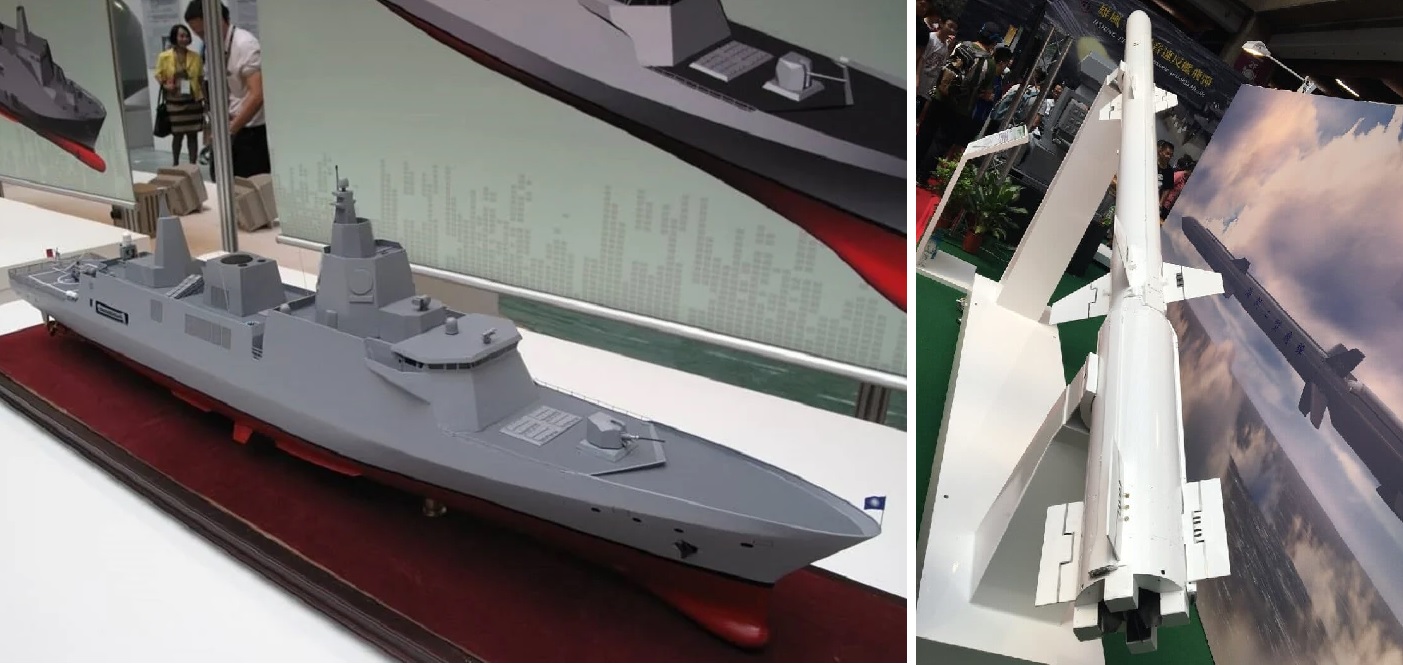
World
The National Chung-Shan Institute of Science and Technology (NCSIST) is quietly pressing forward on a capability that could reshape how Taiwan fields long-range strike at sea: adapting the indigenous HF-2E land-attack cruise missile for launch from the Mk 41 Vertical Launch System (VLS). The project — part engineering trial, part strategic hedge — leverages two Mk 41 sets Taipei acquired for testing and underlines the island’s ambition to arm a new 6,000-ton class destroyer with survivable, sea-based deep-strike firepower. The HF-2E, often described as Taiwan’s indigenous Tomahawk-style cruise missile, is a subsonic, terrain-hugging, GPS/INS-guided weapon designed to strike fixed, high-value targets deep inland. HF‑2E at roughly 6.0 m in length, about 0.5 m in diameter, with a launch weight near 980 kg and a warhead of roughly 200 kg; it is typically described as high‑subsonic (around Mach 0.75–0.85), powered by a turbofan with a solid‑rocket booster for launch, and reported accuracy in the low‑tens of metres (order 10–15 m). Open-source reports suggest the HF-2E variants have ranges from 600 Km to over 2000 Km, with infrared or electro-optical seekers for terminal guidance. Integrating it into the Mk 41 would allow the Republic of China Navy (ROCN) to deploy a true sea-launched land-attack capability, far more survivable than shore-based batteries. However, turning that concept into operational reality is technically demanding. The Mk 41 system — originally an American design used by U.S. and allied fleets — has strict limits on missile length, diameter, and exhaust flow. Converting a land-based weapon into a ship-launched canisterized missile requires developing new boosters, sealed launch canisters, and software for vertical ejection and ignition. It also demands deep integration with the ship’s combat management system (CMS) for targeting, mission planning, and flight-path control. Taiwan’s two evaluation Mk 41 units are reportedly being used as testbeds for these purposes by NCSIST. Complicating matters are export-control restrictions. The Mk 41 is a U.S.-origin technology, and while Taipei purchased two systems for testing, further procurement or software access could require Washington’s approval. This constraint might push Taiwan to accelerate the development of an indigenous VLS system, similar in size and function to the Mk 41, to ensure self-reliance. This initiative aligns with Taiwan’s future destroyer program — a 6,000-ton “New Generation” warship under design for the Republic of China Navy. Defence budgets between 2024 and 2026 have allocated funding for concept development and design studies. The ship is expected to carry advanced AESA radars, air-defence missiles, and strike weapons like the HF-2E in Mk 41 cells. The design reflects Taipei’s ambition to field a multi-role surface combatant capable of air defence, anti-ship warfare, and land-attack missions. Taiwan’s future destroyer program development timelines: 2024–2026: Continued design and Mk 41 integration trials by NCSIST. 2027–2029: Prototype testing, booster trials, and combat-system integration. 2030–2032: Construction and sea trials of the first 6,000-ton destroyer. Early 2030s: Possible operational deployment if testing and funding remain steady. If successful, integrating the HF-2E into Mk 41 VLS would give Taiwan a sea-based long-range strike capability, extending its deterrence reach and reducing reliance on vulnerable ground-based launchers. The system would enable distributed maritime strikes, complicating an adversary’s targeting and improving survivability of key assets at sea. However, such an offensive capability would also raise strategic concerns. A sea-launched land-attack missile changes the regional balance, signalling that Taipei can respond to aggression with precision strikes deep into enemy territory. This deterrent power comes with the risk of miscalculation or escalation, making careful policy management essential. For now, the NCSIST’s HF-2E Mk 41 project remains in the development and evaluation phase, but it represents one of the most significant advances in Taiwan’s defence modernization plan. If brought to fruition, the combination of indigenous cruise missile technology and U.S.-standard vertical launch architecture could transform Taiwan’s Navy into a far more versatile and survivable maritime strike force.
Read More → Posted on 2025-10-26 12:31:20
World
In a major strategic move to diversify critical mineral supplies, the United States has received its first-ever shipment of tungsten from Rwanda, marking a historic milestone in Washington’s effort to dismantle China’s decades-long monopoly over this vital industrial metal. The shipment — sourced from Trinity Metals’ Nyakabingo tungsten mine in Rwanda — arrived at Global Tungsten & Powders (GTP) in Towanda, Pennsylvania, where it will be refined and processed for use in high-performance manufacturing and defense systems. The deal, facilitated through partners such as Traxys, represents the first direct tungsten export from Rwanda to the U.S. and a tangible step toward supply-chain independence. Breaking China’s Dominance For decades, China has controlled nearly 80% of global tungsten production, using its vast reserves and refining capacity to dominate global supply chains. Tungsten — known for its extraordinary hardness, high melting point, and density — is indispensable for industries ranging from aerospace and electronics to armor-piercing ammunition, missile components, and high-strength alloys. By securing an alternate source from Africa, the U.S. aims to lessen dependence on Beijing and ensure steady access to the metal that underpins both economic security and military capability. This deal aligns with Washington’s broader policy — under the Trump administration’s critical minerals strategy — to strengthen ties with resource-rich allies and invest in domestic processing. How the U.S. Achieved It The agreement is the product of public–private coordination involving U.S. industry players and African producers. The U.S. has leveraged several tools, including: Defense Production Act incentives to expand domestic processing. U.S. International Development Finance Corporation (DFC) funding to promote responsible mining in Africa. Diplomatic engagement through the Department of State’s Minerals Security Partnership (MSP), which helps nations like Rwanda integrate into secure Western supply chains. By working through private sector channels rather than direct state purchases, Washington ensured the deal remained commercially sustainable while reinforcing strategic interests. Rwanda’s Role and Resources Though relatively small compared to global leaders, Rwanda is Africa’s top tungsten producer, supplying around 1,000–1,200 metric tons annually, according to mining reports. The country’s wolframite-rich deposits — primarily located in Ruli, Nyakabingo, and Gifurwe — are known for high purity and conflict-free certification under international traceability standards. While Rwanda does not possess “rare earth elements” in significant quantities, tungsten is classified as a critical mineral, not a rare earth. It is, however, equally strategic — and often grouped alongside rare earths in defense and technology supply chains due to its importance in advanced materials and weapon systems. Why Processing in Pennsylvania Matters The tungsten concentrate from Rwanda is being refined at GTP’s facility in Pennsylvania, one of the few in North America capable of converting raw ore into tungsten powder and carbides used for high-performance alloys, aerospace components, and precision tools. Domestic processing shortens supply lines, increases transparency, and allows U.S. defense contractors to qualify materials for sensitive applications. More importantly, it creates a secure, traceable pipeline independent of Chinese intermediaries — a critical step as Beijing has increasingly used export controls on strategic metals as a geopolitical lever. Strategic and Economic Implications A symbolic breakthrough: The deal signals Washington’s intent to create alternative routes for critical minerals, starting with Africa. Strengthened defense resilience: Tungsten is vital for kinetic energy weapons, guidance systems, and high-temperature engine components — areas where China’s dominance has raised alarm. A scalable model: If successful, the Rwanda–U.S. model could expand to other minerals like tantalum, tin, and niobium, further diversifying Western supply chains. However, experts caution that China’s entrenched control over refining and pricing means breaking its dominance will take years of sustained investment and partnership. A New Era of Critical Mineral Partnerships The Rwanda–U.S. tungsten corridor marks a new phase in global resource geopolitics — one in which strategic metals are as vital as oil once was. For Rwanda, the deal brings new investment, job creation, and an international endorsement of its transparent mining sector. For the United States, it is a small but decisive step toward reshoring control over critical minerals that power its economy and defense. If expanded, this initiative could form the backbone of a non-Chinese, democratically aligned critical mineral network spanning Africa, North America, and Europe — one that reshapes global supply chains for decades to come.
Read More → Posted on 2025-10-26 12:18:34Search
Top Trending in 24 Hours
-
 Tulsi Gabbard Releases Declassified Files Detailing U.S.-Backed Network of 120 Biolaboratories Across 30+ Countries
-
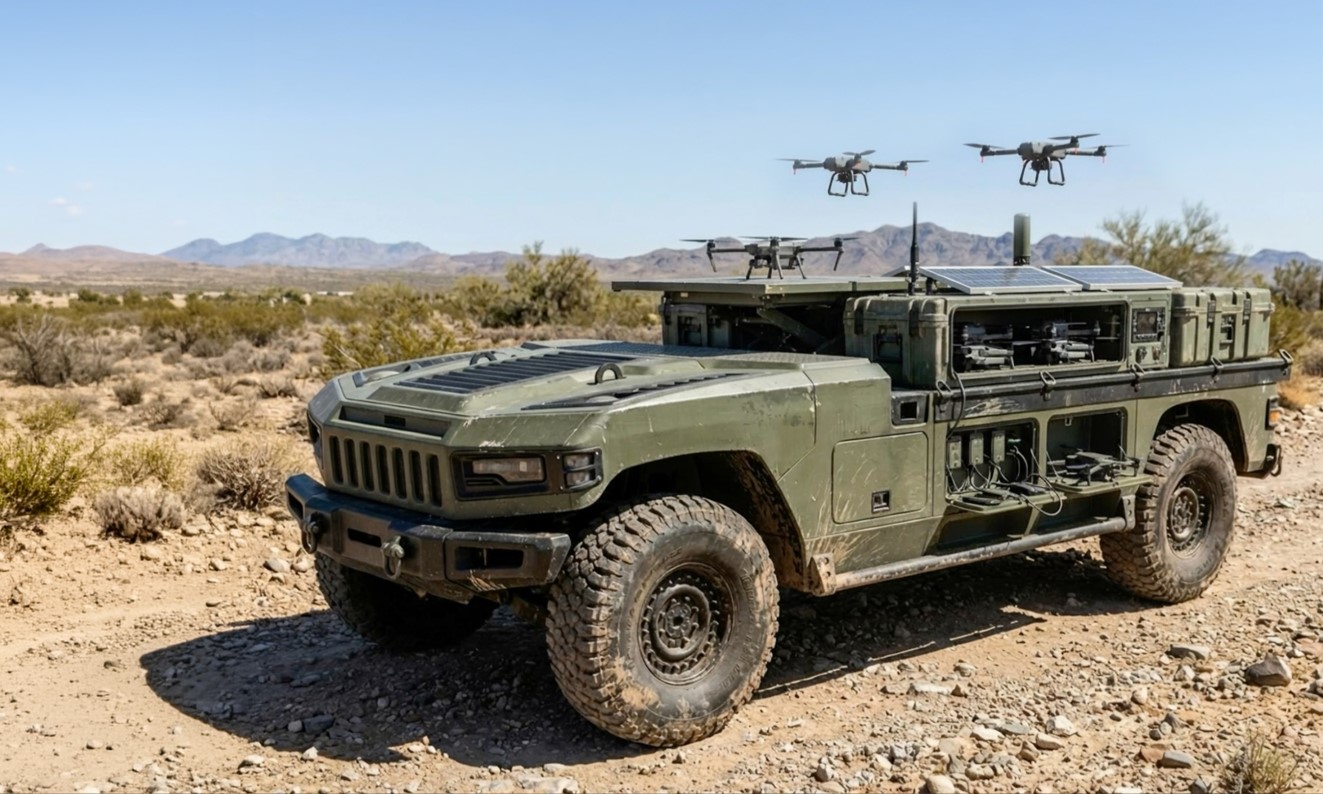 AM General Unveils Next-Generation UGV and JLTV A2 with Counter-Drone Systems at Eurosatory 2026
-
 Pakistan Raises Defence Budget from $9 Billion to $10.8 Billion as J-35 Fighter and Hangor Submarine Programs Advance
-
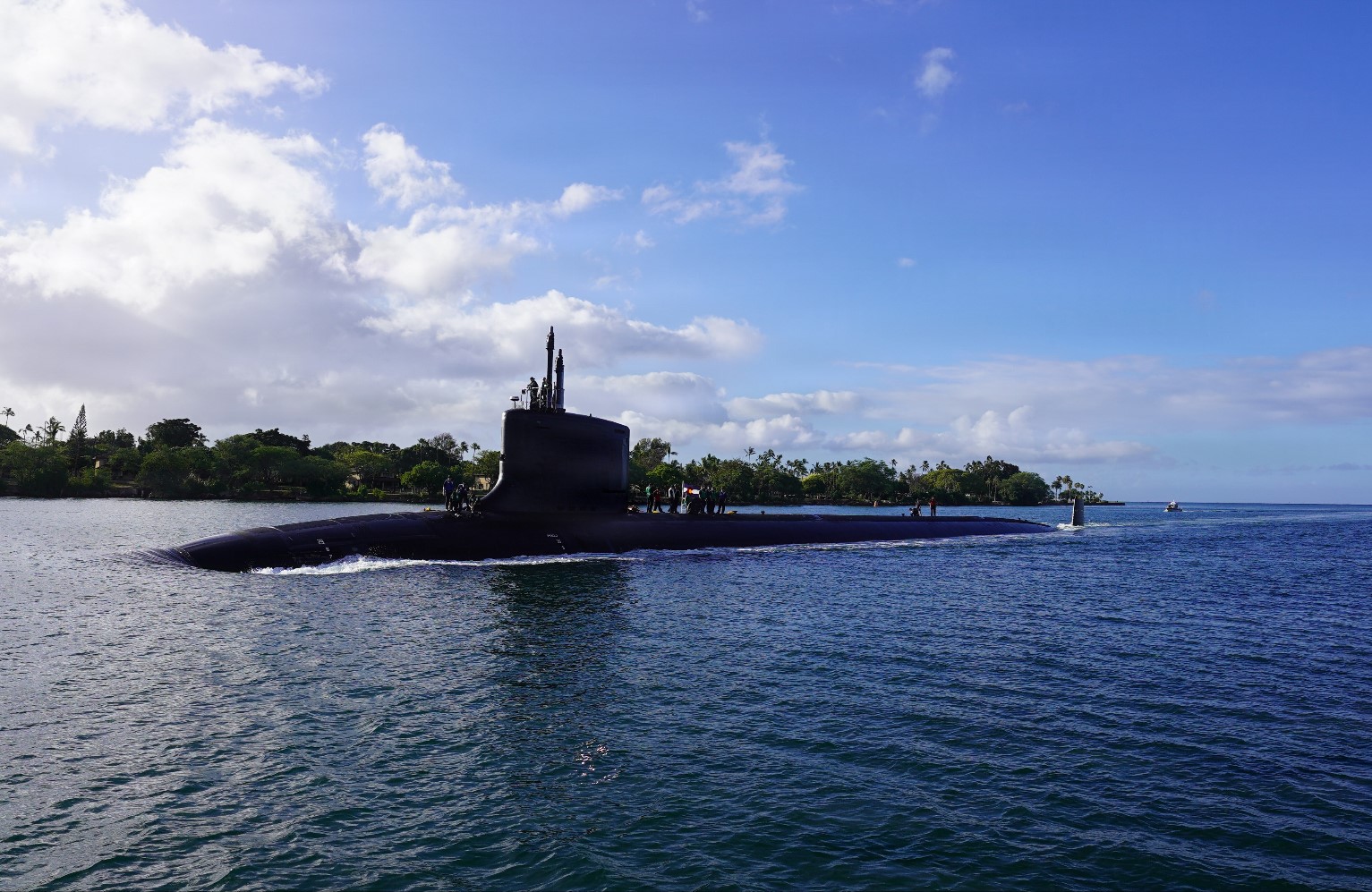 U.S. Navy's USS Colorado Submarine Returns to Pacific Fleet 29 Days Early After Major Pearl Harbor Overhaul
-
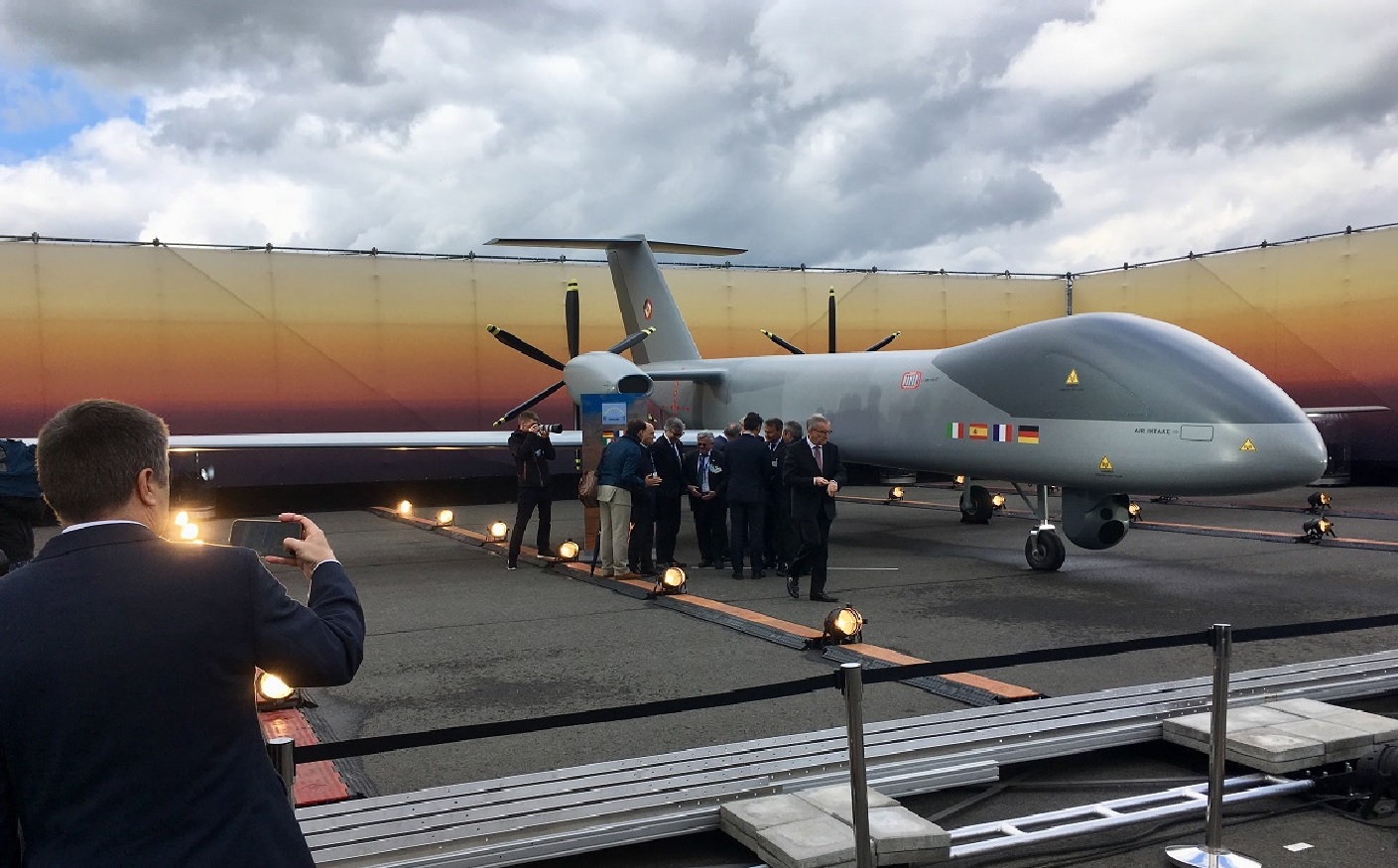 Dassault Seeks Compensation From Airbus as Eurodrone Dispute Erupts After FCAS Collapse
-
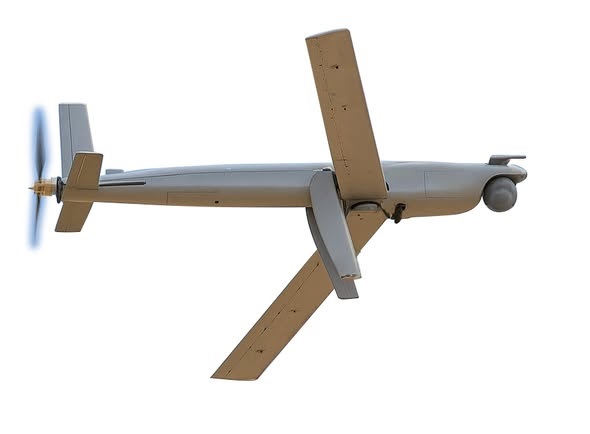 Elbit Systems and Diehl Defence Partner to Offer SkyStriker Loitering Munition to German Armed Forces
-
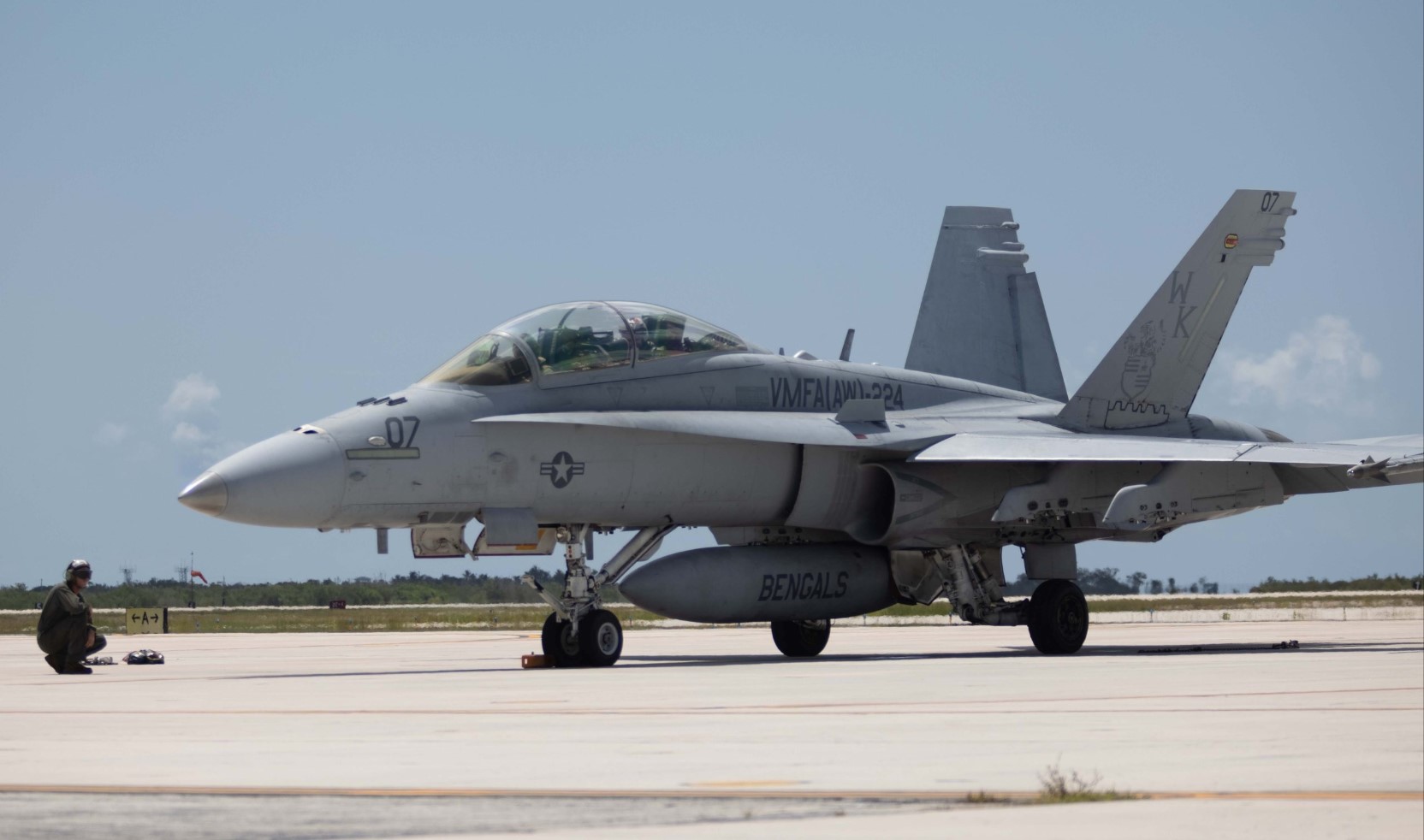 US Marine Corps F/A-18D Hornet Crashes During Training Flight in Washington Mountains; Pilot Ejects Safely
-
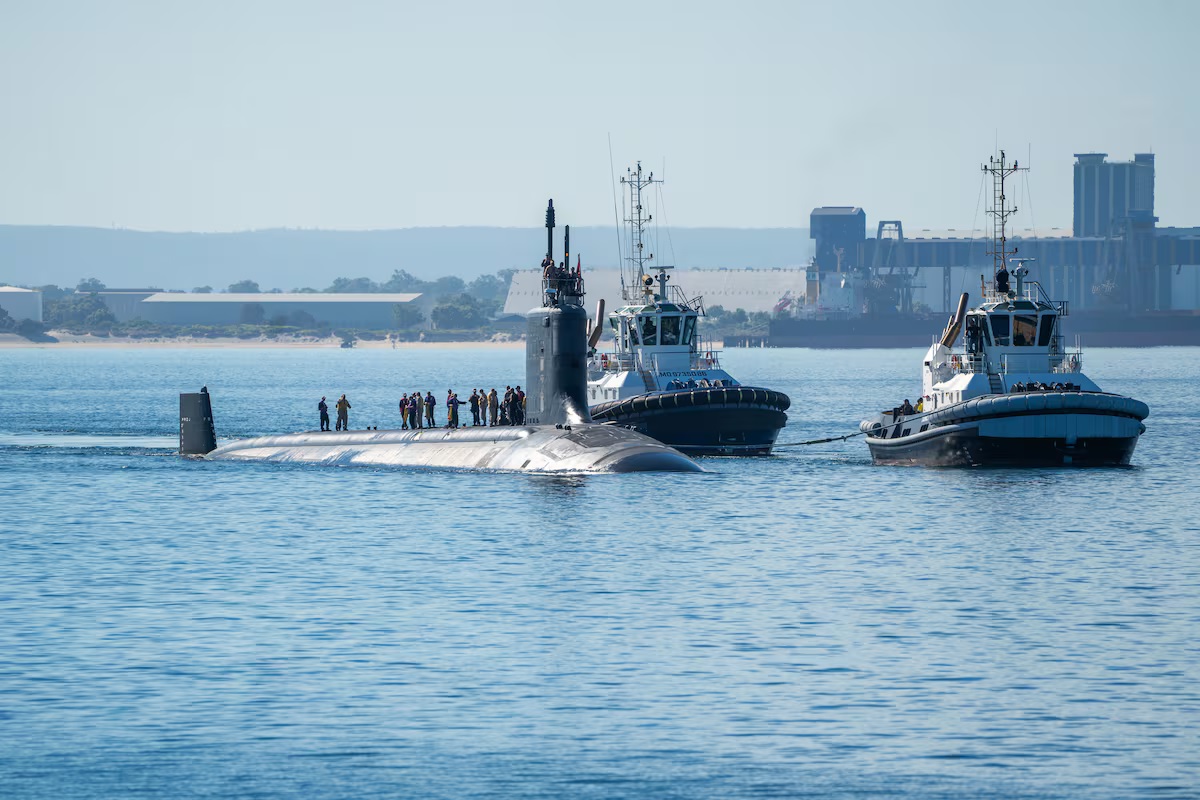 U.S. Navy Reestablishes Submarine Squadron 3 at HMAS Stirling to Support AUKUS Rotational Force
Top Trending in 4 Days
-
 Iranian Media Leaks 14-Point U.S.-Iran Peace Framework Amid Ongoing Negotiations
-
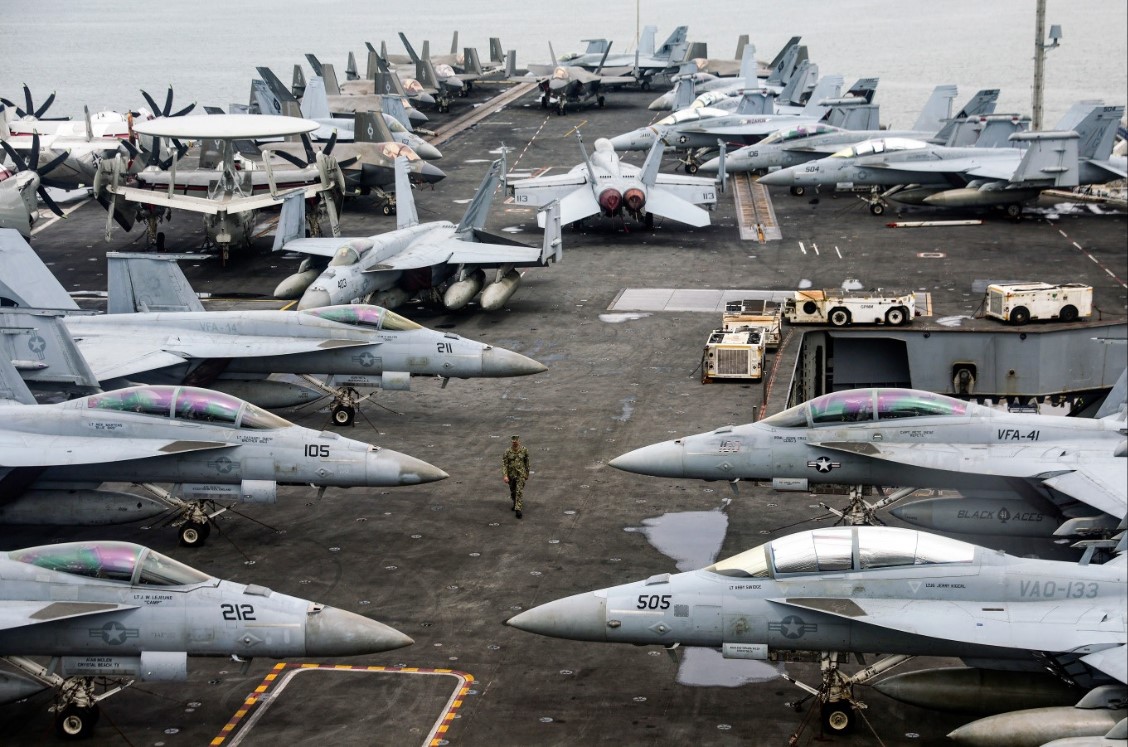 US Plans Significant Reduction of Fighter Jets and Warships for NATO Operations in Europe
-
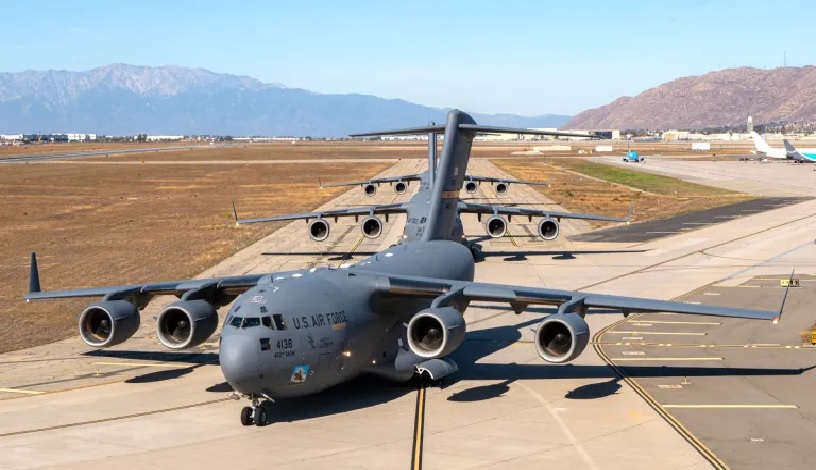 U.S. Air Force Faces Strategic Airlift Shortfall as C-17 Production Restart Remains Uncertain
-
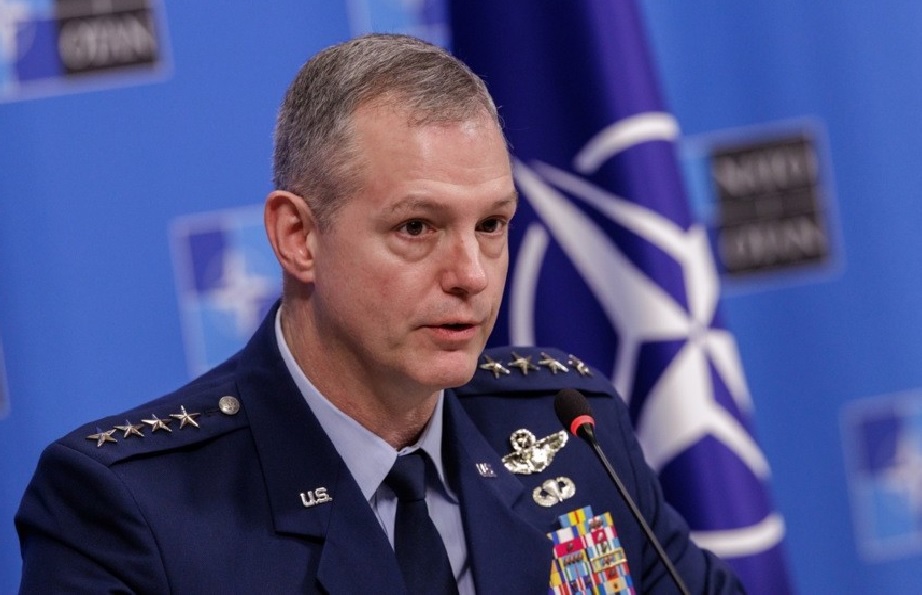 NATO Commander Says Russia Not Seeking Conflict With Alliance Despite U.S. Force Reductions
-
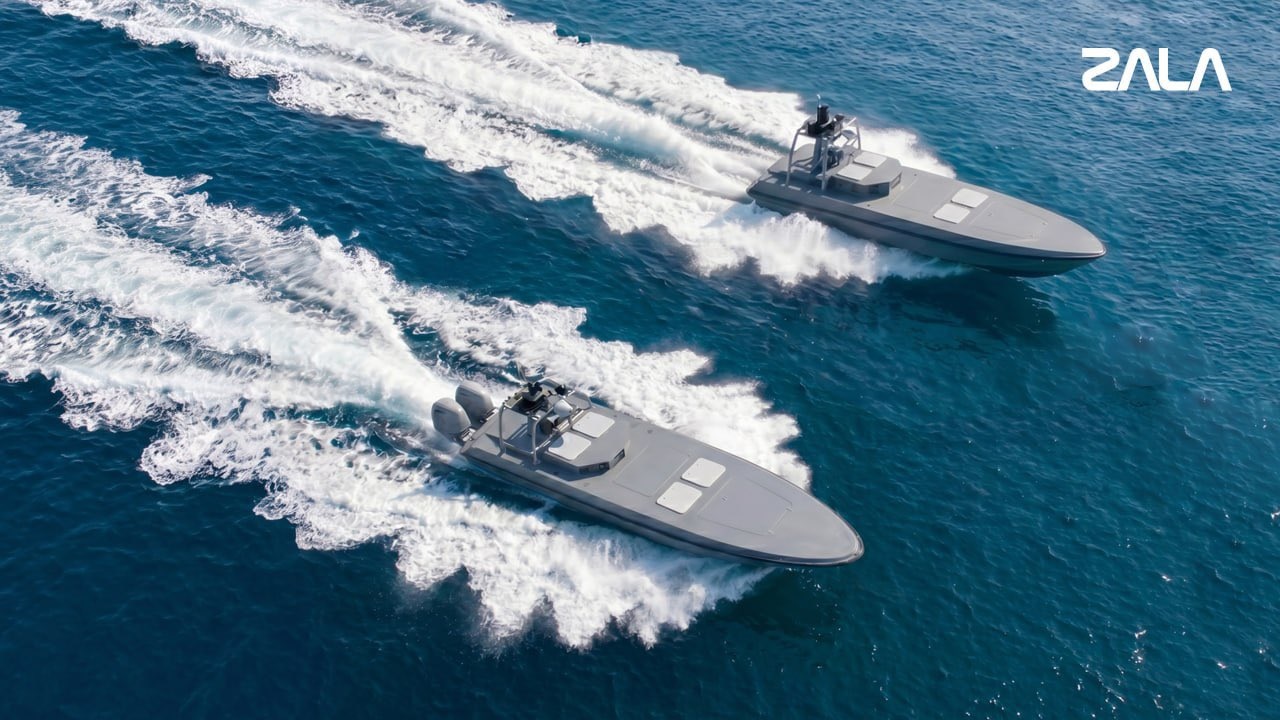 Russian Defense Firm ZALA Unveils KAMA Unmanned Surface Vessel Family at FLOT-2026 Naval Exhibition
-
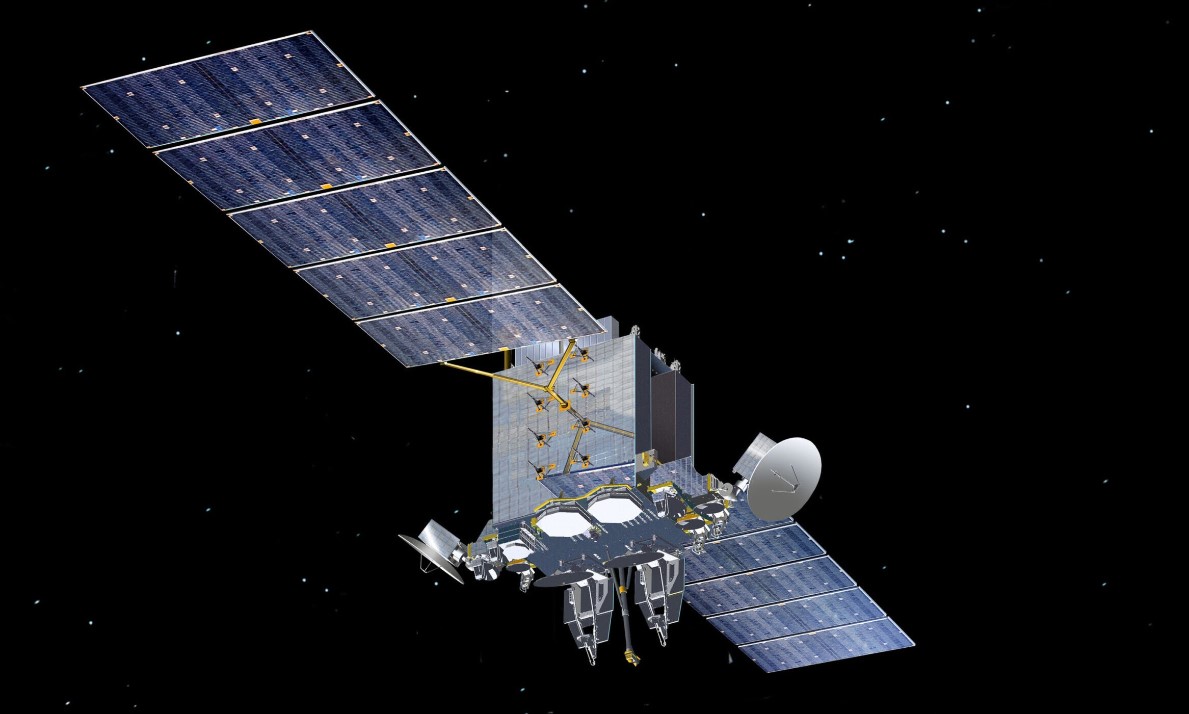 U.S. Space Force Awards $437.7 Million Contracts for First PTS-G Swarm 1 Anti-Jam Satellites
-
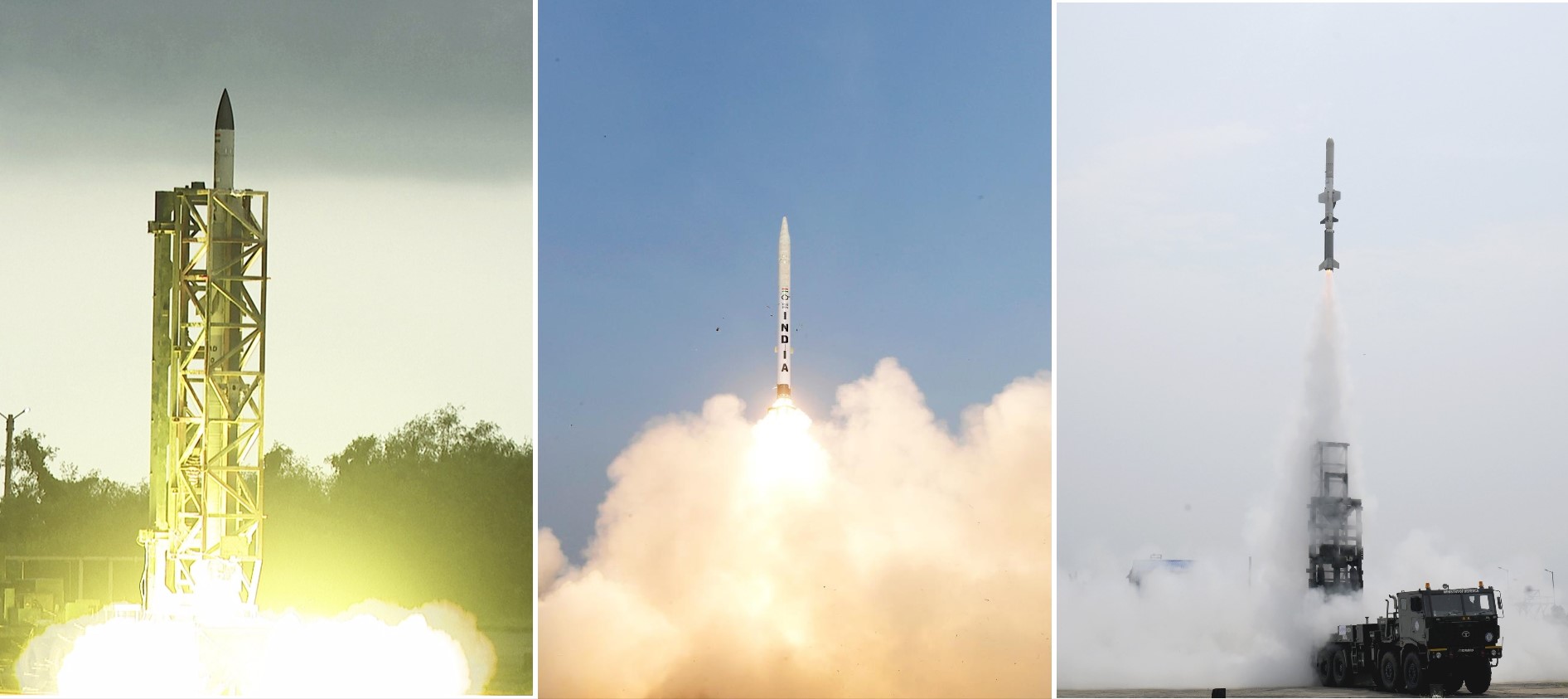 India Successfully Conducts AD-1, AD-2 Interceptor Tests and Maiden NASM-MR Flight Trial
-
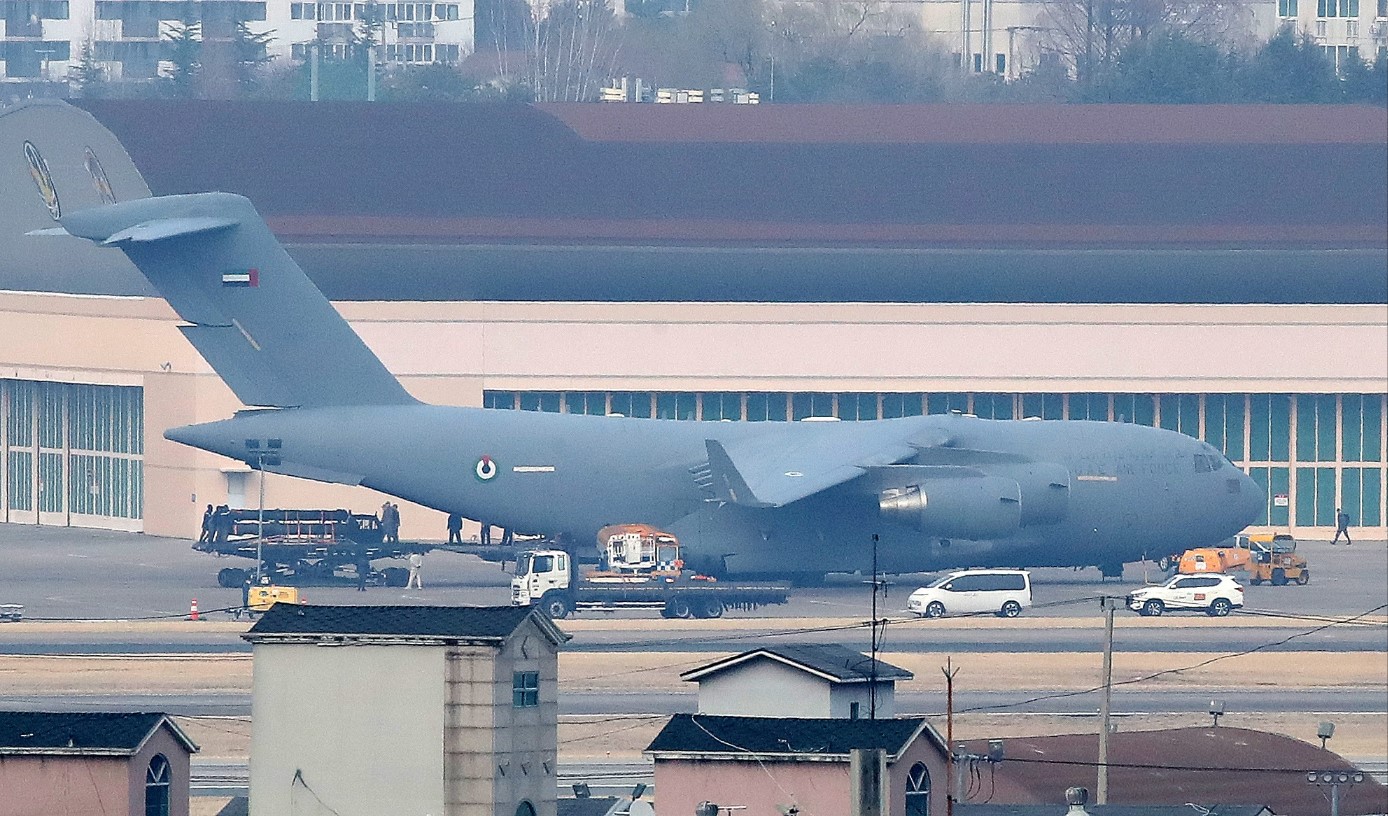 UAE Urgently Airlifts Cheongung-II Missile Defense Battery From South Korea Using Eight C-17 Aircraft