World
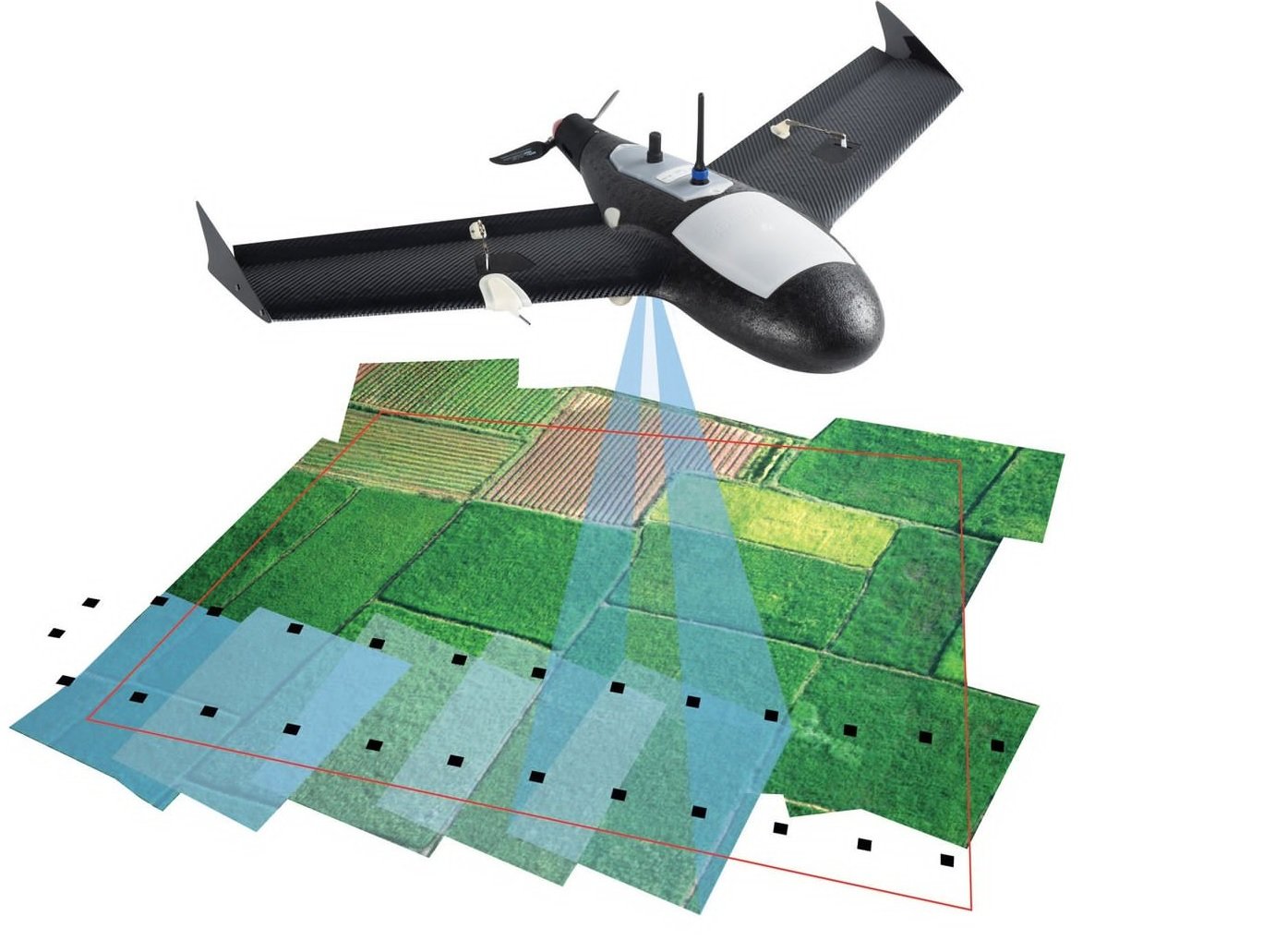
MOSCOW, Russia — Russian engineers have completed research and development of an autonomous navigation system for unmanned aerial vehicles (UAVs) that allows drones to determine their position using onboard cameras instead of satellite navigation or radio signals. The system was developed by Ploshchad, a resident of the Center for Unmanned Systems and Technologies (CBST), and Russian developers have already begun equipping drones with the technology, according to reporting by Izvestia published on August 17, 2026. How the Visual Navigation System Works The technology uses visual odometry, machine vision and a neural network to determine the drone's position. During flight, cameras mounted on the drone continuously observe the terrain below. The onboard neural network processes the video in real time and compares visible terrain features with a digital map stored in the drone before the flight. The reference map can be based on satellite imagery or aerial photography. By matching the terrain seen by the cameras with the stored imagery, the system calculates and continuously updates the drone's position. The approach also addresses the gradual accumulation of errors associated with conventional inertial navigation. According to the developers, continuous comparison with the terrain allows the system to correct such deviations during flight. The neural network can also identify a designated object by comparing what it sees with a predefined digital template. Why It Is Called "Martian" Navigation The approach is sometimes referred to as "Martian" technology because of its similarity to the navigation principle used by NASA's Ingenuity helicopter on Mars. Ingenuity operated without access to GPS. Its downward-facing cameras observed the Martian surface and used changes in visible terrain features to estimate movement. Communication with Earth also involved significant delays, making direct real-time control impractical. After the Ingenuity mission ended in 2024, related designs and code were made publicly available, contributing to wider interest in visual-odometry methods for terrestrial autonomous systems. The Russian system applies the same general principle to drones operating on Earth, but uses a pre-loaded digital map to match the terrain observed by the aircraft. Resistance to Electronic Warfare One of the main advantages of the system is that it does not require GPS or GLONASS signals, a radio link or continuous operator control for navigation. Military expert Yuri Lyamin told Izvestia that this makes the system resistant to electronic-warfare methods that interfere with satellite-navigation signals. Satellite navigation can be jammed or spoofed in areas where electronic warfare is active, while a navigation system based on onboard optical processing does not depend on those external signals. The system can also operate without antennas required for satellite-navigation reception or radio-based control, according to the reporting. The use of standard optical cameras is another factor highlighted by the developers. The technology does not require expensive specialized optical sensors, which can reduce the cost of adapting drones for visual navigation. Development Challenges Visual navigation is not a new concept. According to Dmitry Kuzyakin, chief designer of the Center for Integrated Unmanned Solutions, the basic approach has been known for more than a decade. The difficulty has been developing recognition algorithms capable of reliably processing terrain and objects during longer flights. Simpler optical-flow systems can track movement but have limitations in altitude and range, according to Kuzyakin. Izvestia reported that U.S. company Skydio had previously made significant progress with similar visual-odometry technology, including applications involving military drones. Russian developers now say they have demonstrated the technological capability to apply the approach to longer-range UAVs. Kuzyakin said the next important step is moving from development and demonstrated systems to mass production and delivery to operational units. Weather and Nighttime Limitations The system remains dependent on the ability of its cameras to obtain useful visual information. Its performance can decrease in dense cloud cover, heavy fog and precipitation. Night operations can also create difficulties because reduced visibility and contrast make it harder for optical systems to identify and match terrain features. These limitations mean that visual navigation does not eliminate the need to consider environmental conditions when operating autonomous drones. Potential Civilian Applications The technology is not limited to military UAVs. Optical navigation can also be used in commercial drone logistics, courier delivery and agricultural applications. These sectors can benefit from autonomous positioning systems that do not depend entirely on continuous satellite-navigation coverage. The ability to identify locations and objects through onboard cameras and machine-learning algorithms could also support autonomous operations in areas where satellite or communications signals are unavailable or unreliable. Part of Russia's Wider UAV Development The introduction of the visual-navigation system comes as Russia continues developing autonomous unmanned systems and other robotic technologies. The Russian Ministry of Defense has recently showcased various robotic complexes, drones and electronic-warfare equipment. These developments have included the AI-equipped "Skvorets-Intercessor" interceptor drone, reported to have a maximum speed of up to 350 km/h, an upgraded "Fir Tree" UAV equipped with a warhead, and new ammunition designed for Molniya-2 drones. The camera-based navigation system represents another effort to increase the autonomy of UAVs by reducing their dependence on satellite navigation, radio communications and continuous operator control. The information on the navigation system is primarily based on Izvestia's August 17, 2026 report, with the technical details provided in related Russian reporting on the development.
Read More → Posted on 2026-08-18 15:56:43
Red Cat’s Blue Ops and Havoc Partner to Integrate Collaborative Autonomy on Uncrewed Surface Vessels
World
SALT LAKE CITY — Red Cat Holdings, Inc. (Nasdaq: RCAT) and Havoc have announced a strategic partnership through Red Cat’s maritime division, Blue Ops, to integrate Havoc’s collaborative autonomy software and command-and-control capabilities into Blue Ops’ uncrewed surface vessels (USVs). The partnership will focus on the Variant 7 (V7) and other Blue Ops platforms as they are introduced. The companies aim to enable coordinated multi-vessel operations and expand autonomous capabilities for U.S. and allied defense customers. Open Architecture and Autonomy The integration will use Blue Ops’ Modular Open Systems Architecture (MOSA), which is designed to support the rapid integration of autonomy systems, sensors, communications, mission payloads and other technologies as requirements change. Havoc’s collaborative autonomy technology has already been deployed on behalf of the U.S. Department of War in multiple operational settings. “This partnership is exactly what our open-architecture strategy was built for,” said Barry Hinckley, President of Blue Ops. “Our goal is to build the best small USVs in the world while making it easy to integrate leading technologies from across the U.S. and our allies.” Variant 7 USV The Variant 7 is a roughly 7.8-meter mission-adaptable USV designed for intelligence, surveillance and reconnaissance, force protection, harbor and coastal security, and other payload-configurable missions. The V7 is currently ramping into full-rate production and is designed, built and assembled in the United States. It features a Steyr engine and a hybrid jet/inboard drive system, with a range of up to 800 nautical miles, more than 60 hours of continuous unmanned endurance, and payload capacity of up to 650 kg (1,433 lb). The vessel can reach speeds of more than 39 knots in its maximum combat configuration and supports the launch and recovery of integrated UAVs, connecting it with Red Cat’s existing ISR drone capabilities. Joint Testing and Market Expansion Blue Ops and Havoc plan to establish joint operational fleets at their headquarters in Florida and Rhode Island. The sites will support live demonstrations, testing, training and operational evaluation for U.S. and allied defense customers, including both single-vessel autonomy and coordinated multi-vessel operations. “Havoc’s primary strategy is to pair our leading-edge collaborative autonomy software with platform manufacturers who have already proven innovation, excellence, and scale,” said Paul Lwin, CEO and Co-Founder of Havoc. He said Blue Ops’ open and flexible maritime systems align with Havoc’s approach to deploying collaborative autonomy. Red Cat and Blue Ops plan to introduce Havoc’s autonomy and command-and-control capabilities to their government and commercial customers, while Havoc plans to market Blue Ops’ USV family to its own customer base. Red Cat develops robotic systems for military, government and public safety applications across air, land, sea and space. Blue Ops was launched in 2025 and focuses on modular USVs built in the United States. Havoc was founded in 2024 and is headquartered in Providence, Rhode Island, developing software that enables autonomous systems across sea, air and land to operate together, including during communications disruptions. No financial terms or contract value were disclosed. The partnership establishes a framework for continued technical integration, demonstrations and joint customer engagement as the companies develop autonomous maritime systems for defense and national security customers.
Read More → Posted on 2026-08-18 15:49:27
World
ANKARA, Turkey — Talks between Turkey and the United Arab Emirates over the possible transfer of Turkey’s Russian-made S-400 air defense systems have stalled, leaving Ankara’s effort to regain access to the U.S. F-35 fighter jet program unresolved, according to a report by the Russian newspaper Kommersant. Turkey purchased the S-400 systems in 2017, and deliveries began in 2019. The purchase led the United States to remove Turkey from the F-35 program and impose sanctions under the Countering America’s Adversaries Through Sanctions Act (CAATSA). Washington has maintained that Turkey must resolve the S-400 issue before it can receive F-35 aircraft. U.S. Conditions Remain Unmet On July 22, the U.S. State Department told Congress that Turkey had not yet met the legal conditions required for an F-35 transfer. The conditions include Turkey no longer possessing the S-400 system or related equipment, providing assurances that it will not acquire such systems again, and meeting remaining requirements under U.S. law, including Section 1245 of the Fiscal Year 2020 National Defense Authorization Act. The position came weeks after U.S. President Donald Trump met Turkish President Recep Tayyip Erdoğan during the NATO summit in Ankara. Trump said he would consider restoring F-35 sales to Turkey, while Erdoğan said he expected a favorable decision and later said he expected Trump to keep his commitment regarding the aircraft. UAE Transfer Stalls Turkey has explored transferring the S-400s to a third country as a way to address the U.S. restrictions, with the UAE emerging as a possible destination. However, the negotiations have now reached an impasse. One reported complication is that the UAE has also been interested in the F-35, meaning ownership of the S-400 could create similar concerns for Abu Dhabi. Turkey also needs to address Russia’s position on any resale. Kremlin spokesman Dmitry Peskov said on July 10 that Moscow and Ankara were in contact over the future of the systems and described the matter as highly sensitive. Turkey’s Foreign Minister Hakan Fidan said in July that discussions were taking place within the Turkish government regarding a possible transfer to the UAE. However, Turkey’s Defense Ministry later said that work on the S-400 systems was continuing and that concrete developments would be announced when available. Deactivation Also Discussed With the UAE option stalled, another possibility is to deactivate or decommission the S-400 systems while keeping them in Turkey. However, this approach could face difficulties because the U.S. legal requirements refer to Turkey no longer possessing the system or related equipment. Other options, including placing components in storage or under external supervision, have also been discussed in reporting, but none has been confirmed as an agreed solution. For now, Turkey remains outside the F-35 program, while the S-400 issue continues to be the main unresolved condition. The UAE transfer talks have not produced an agreement, and Turkey has yet to satisfy the U.S. legal requirements needed for F-35 transfers. Source : t24
Read More → Posted on 2026-08-18 14:34:11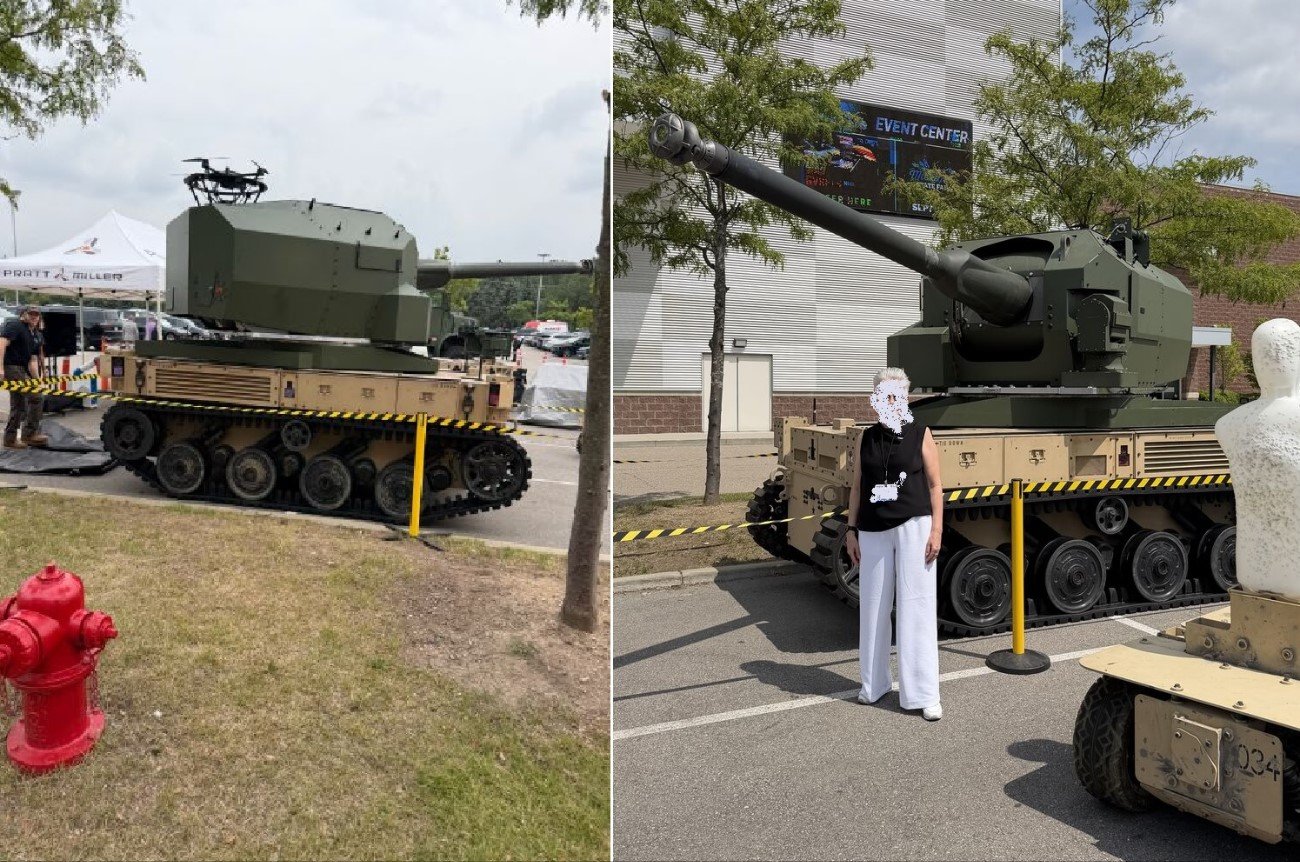
World
NOVI, Mich. — Pratt Miller displayed its Expeditionary Modular Autonomous Vehicle (EMAV), also known as the EAMV MCA or Oshkosh RCV, equipped with an XM913 50mm cannon at the 18th annual Ground Vehicle Systems Engineering & Technology Symposium (GVSETS), held August 11–13 in Novi, Michigan. The new configuration upgrades earlier versions of the tracked, hybrid-electric unmanned ground vehicle. In 2021, Pratt Miller displayed the EMAV-MCA with a 30mm XM813 Bushmaster cannon. The current vehicle carries the XM913, a 50x228mm chain gun developed at Picatinny Arsenal and produced by Northrop Grumman. The XM913 is planned as the primary weapon for the U.S. Army's XM30 Mechanized Infantry Combat Vehicle, which is being developed to replace the M2 Bradley. The cannon uses a dual-feed system and can fire at rates of up to 200 rounds per minute. Its ammunition includes programmable airburst capability, and the Army is also examining the XM913 for counter-unmanned aircraft system missions against Group 1–3 drones. EMAV Capabilities The EMAV is designed as a compact, highly mobile robotic combat vehicle that can operate through local control, tele-operation or autonomous modes. Its base weight is approximately 3 tons, while different EMAV/RCV-L configurations have been reported at around 3–3.8 tons. Payload capacity is up to about 3–3.2 tons. The vehicle can reach speeds of up to 72 km/h and is designed to operate over difficult terrain, including 60% grades, 40% side slopes and vertical obstacles of about 61 centimeters. Its continuous-band rubber tracks and low center of gravity support mobility over rough and soft terrain. The hybrid-electric powertrain also allows silent electric-only operation for watch and mobility missions. Earlier specifications included power-export capability, while related reporting has listed a range of approximately 320 km. Its compact dimensions allow the EMAV to be transported inside MV-22 Osprey, CH-53 and CH-47 Chinook helicopters and C-130 aircraft. The modular flat deck can carry cargo, sensors or different weapon systems. XM913 Integration The 50mm cannon gives the EMAV a substantially larger weapon than the 30mm system previously displayed. The integration demonstrates the modular design of the platform, allowing it to carry a weapon originally intended for a larger manned combat vehicle. However, the larger XM913 turret also creates a larger profile on the compact vehicle. The size of 50mm ammunition may limit the number of rounds that can be carried, while the weapon and turret must be integrated without compromising the EMAV's mobility, payload capacity and overall survivability. The EMAV has previously been tested in U.S. Army and U.S. Marine Corps robotic vehicle programs, including the Army's Robotic Combat Vehicle-Light (RCV-L) effort. Pratt Miller developed the platform in partnership with QinetiQ North America for autonomy and control systems. The EMAV also formed the basis of Oshkosh Defense's RCV offerings. The XM913-equipped EMAV displayed at GVSETS 2026 is a demonstration of the platform's ability to integrate different weapons and mission systems. Its display does not indicate that the configuration has been selected for a specific U.S. military program. GVSETS, organized by the NDIA Michigan Chapter, brings together government, industry and academic organizations to discuss ground vehicle technology, autonomy, power systems and modernization of Army and Marine Corps vehicles.
Read More → Posted on 2026-08-18 13:01:58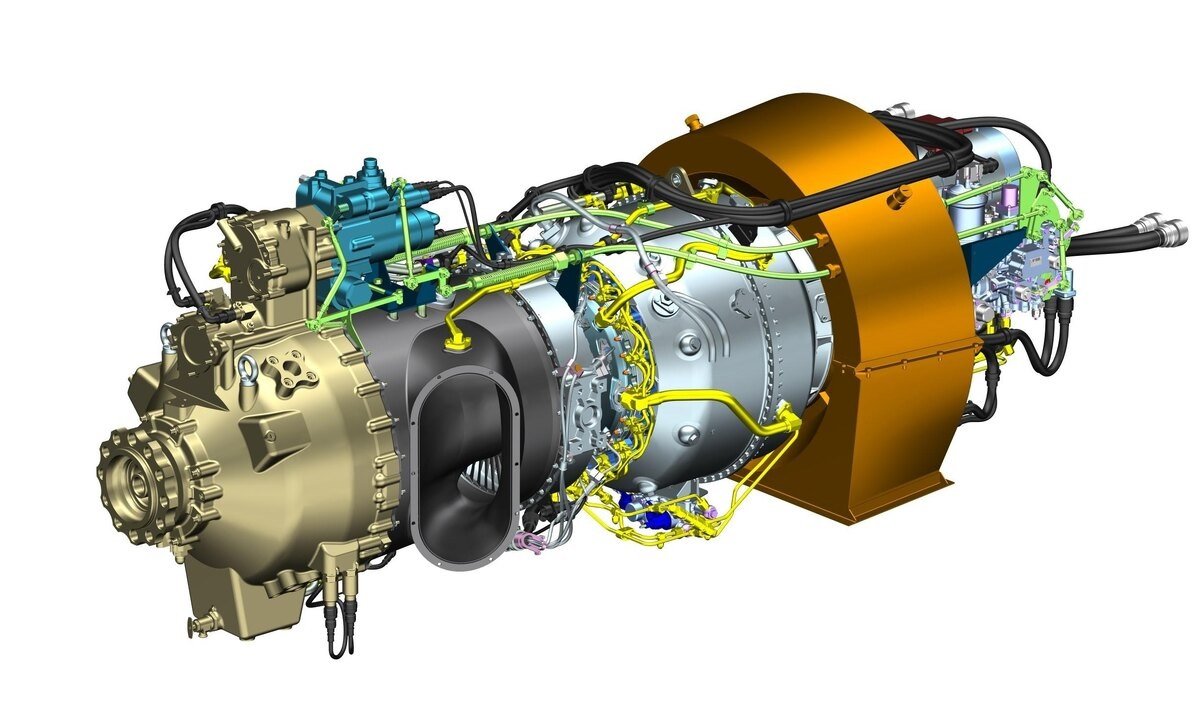
World
St. Petersburg, Russia — On August 18, Russia’s United Engine Corporation (UEC), part of the Rostec state corporation, announced that it has completed the design documentation and approved the mock-up of the new VK-1600S turboprop engine for small passenger and light aircraft. The VK-1600S is being developed by UEC-Klimov as a fixed-wing derivative of the VK-1600V turboshaft engine developed for the Ka-62 helicopter. The new engine is rated at 1,450 horsepower at take-off. Based on the VK-1600V UEC plans to use a significant number of existing components from the VK-1600V to reduce the time required to develop the aircraft version. According to the company, the VK-1600S and VK-1600V are expected to share 60–65 percent of their components, including the gas generator and other key assemblies. The adaptation for fixed-wing aircraft has required changes to the free turbine, while new gearbox and accessory-drive units have also been developed for the VK-1600S. The approach allows UEC-Klimov to use previously developed engine technology rather than developing the entire power plant from the beginning. Rostec has previously described the VK-1600V as an engine designed for helicopters in the 5–8-tonne take-off-weight class. FADEC and Operating Conditions The VK-1600S will use a full-authority digital engine control system (FADEC), or FADEC, with the BARK-15S control unit. The system is designed to support stable engine operation at altitudes from 300 to 4,500 metres, relative humidity of up to 100 percent, and temperatures ranging from –50°C to +55°C. The VK-1600 family already uses electronic engine-control technology. The VK-1600V, for example, uses the BARK-15V automatic regulation and control unit developed by UEC-Klimov. Demonstrator and Testing According to Anton Kolosov, chief designer of the VK-1600 programme at UEC-Klimov, work is now focused on completing the VK-1600S demonstrator and preparing a specialised test bench. The current development plan calls for completion of the test stand, manufacture of the demonstrator and bench testing by the end of 2026. After these activities, the programme is scheduled to move to the production of three engines for initial endurance and specialised testing. A flight-test programme using a flying laboratory is also planned. The overall development programme is scheduled for completion by the end of 2027, including type certification and the release of production design documentation. Planned Aircraft Applications The VK-1600S is designed for single-engine aircraft and is planned to operate with the AV-17 propeller. One of its intended applications is the TVS-2DTS, an all-composite aircraft developed as a successor to the Soviet-era An-2. The engine is also planned for installation on modernised An-2 and An-3 aircraft that remain in service in Russia. The programme is intended to provide a new turboprop power plant for this class of light aircraft and support the continued operation and modernisation of existing aircraft as well as the development of new designs. Development Contract The VK-1600S programme is being carried out under a 3.376 billion ruble contract signed between UEC and Russia’s Ministry of Industry and Trade in May 2025. The contract requirements include integration of the engine with the An-2, TVS-2DTS and other light aircraft. UEC describes the VK-1600S as the first Russian power plant developed in this class. Its development is based on the existing VK-1600V engine, while modifications to the turbine, gearbox and accessory systems are being made for fixed-wing applications. The programme is therefore moving toward a demonstrator and ground-testing phase in 2026, followed by prototype testing, flight evaluation and certification planned through 2027.
Read More → Posted on 2026-08-18 12:47:22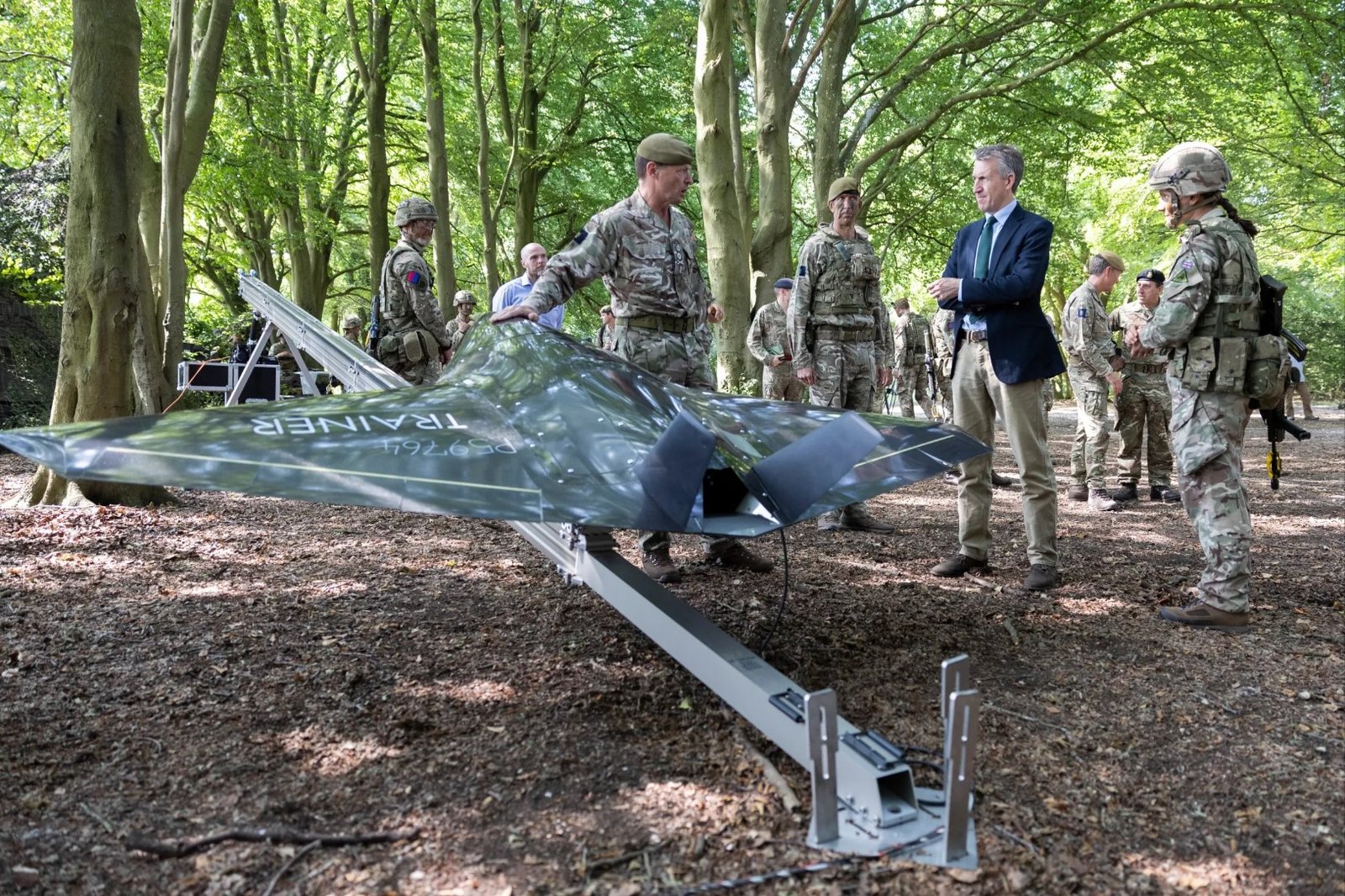
World
London, UK — Russia has warned the United Kingdom that it will face consequences over reports that British-made drones supplied to Ukraine have been used in long-range strikes against military and industrial targets inside Russia. The Russian Embassy in London accused Britain of “deliberately opting for an escalation” and described the UK as an “accomplice and co-perpetrator” in attacks on Russian territory. In a statement posted on Telegram, the embassy said London’s actions “will inevitably carry consequences for which it will have to answer.” It added that the deeper Britain becomes involved in the conflict and the greater its support for Kyiv, the higher the price it will pay. Reports of British-Made Drones The warning followed reports by The Times and The Sunday Times that British-made drones had been used by Ukrainian forces in long-range strikes inside Russia. One of the systems reportedly involved is the Nyan, developed by Callen-Lenz, a subsidiary of BAE Systems. A second British company involved in the supply chain has not been identified for security reasons. Reports said some British-made drones supplied to Ukraine have a range of more than 600 miles. Ukrainian forces have been using long-range drones against targets including oil refineries and logistics facilities. The UK Ministry of Defence did not confirm whether British-made drones were used in the specific strikes. A spokesperson said Britain “stands shoulder to shoulder with Ukraine” and remains committed to providing the equipment Ukraine needs to defend itself against Russia’s invasion. UK Military Support for Ukraine Britain has committed around £25 billion in support for Ukraine since Russia’s full-scale invasion in February 2022, including about £16 billion in military aid. In June, the UK announced a £752 million funding package to provide Ukraine with 150,000 drones and additional air-defence equipment by the end of 2026. Drone Attacks Intensify The Russian warning comes amid a major increase in Ukrainian long-range drone attacks against Russia. Russian officials said Ukraine launched almost 800 drones in related attacks across the country. Moscow Mayor Sergei Sobyanin said 180 drones were intercepted over the Moscow region, while Russian officials reported that more than 600 drones were heading toward the Moscow area. Regional Governor Andrei Vorobyov said drones struck several facilities, including a Wildberries warehouse, and that at least three people were injured, including a 10-year-old girl. At the same time, Russian forces continued attacks on Ukraine. Ukrainian officials said a Russian missile strike on Pechenihy in the Kharkiv region killed at least 10 people and wounded eight. The strike damaged private buildings, a cafe, post office, store and several vehicles. Russia has previously warned Western countries that military support for Ukraine could lead to retaliatory measures. The Russian Embassy did not specify what form the consequences mentioned in its latest warning could take.
Read More → Posted on 2026-08-18 11:43:53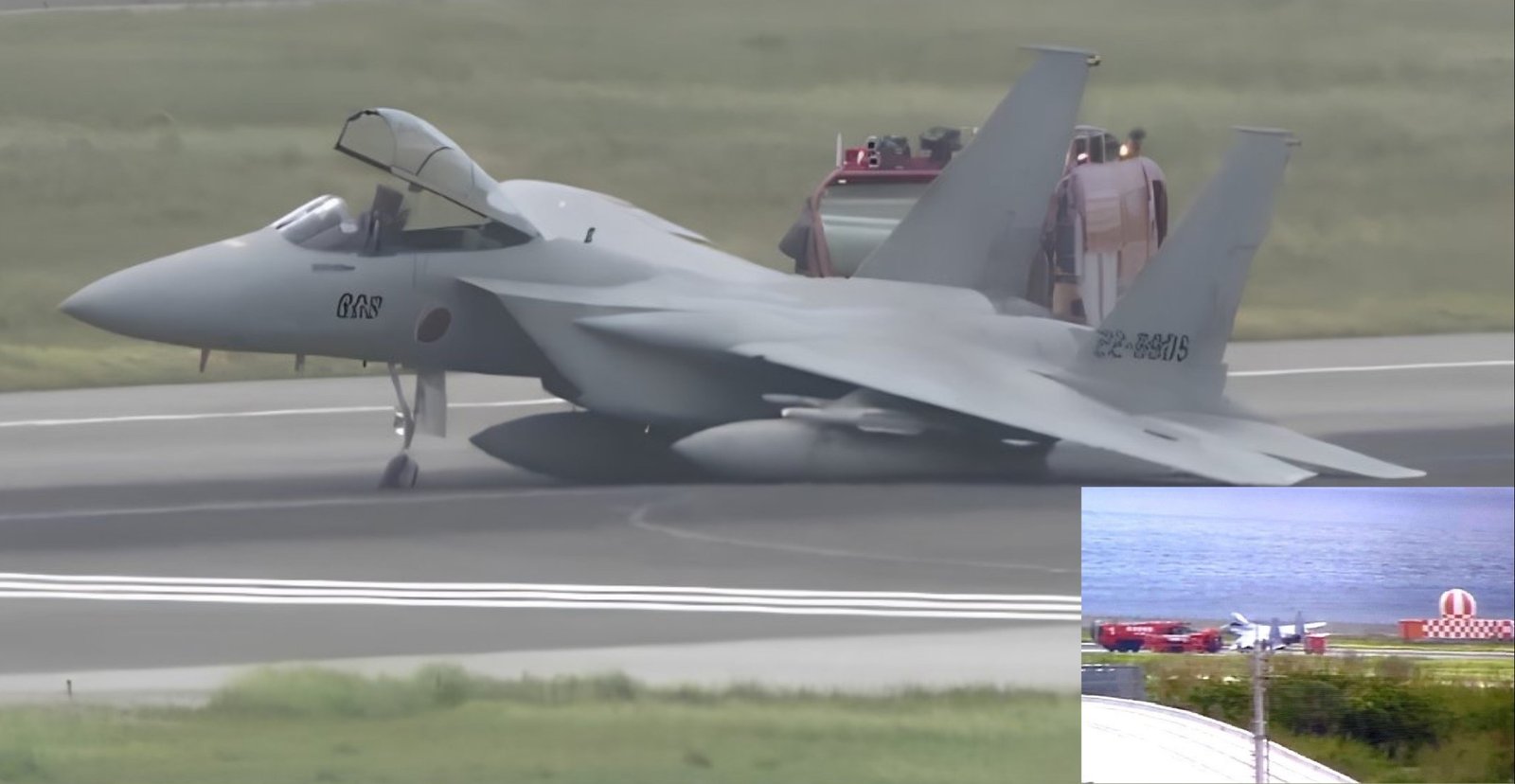
World
OKINAWA, Japan — A Japan Air Self-Defense Force (JASDF) F-15 fighter jet became immobilized on the runway at Naha Airport on Tuesday after its left main landing gear failed during landing. The pilot exited the aircraft safely and no injuries were reported. The single-seat F-15, based at nearby Naha Air Base, was returning from a scramble intercept mission when it landed on Runway B shortly before 1 p.m. local time. The landing gear failure caused the aircraft to tilt to the left, with its left wing contacting the runway. The jet skidded along the pavement, rotated about 180 degrees and stopped facing the opposite direction. NHK footage showed the fighter dragging its left wing along the runway while producing white smoke. Smoke and brief flames were also seen near the rear of the aircraft as it slowed. JASDF fire engines and emergency vehicles responded to the scene. Runway B was closed from around 12:55–12:57 p.m. until about 5:06 p.m. while the aircraft was inspected and removed. A crane later lifted the F-15 onto a truck. Runway A remained open for civilian operations, but about 40 flights experienced delays of up to 35 minutes, with some reports also noting further delays or cancellations. Okinawa Governor Denny Tamaki called the incident “gravely disappointing” and requested a prompt investigation and measures to prevent a recurrence. The JASDF is investigating the cause of the landing gear failure. Naha Airport is shared by civilian and military aircraft and hosts the JASDF’s 9th Air Wing. Its F-15Js conduct air-defense and scramble missions over Okinawa and surrounding islands. The JASDF operates roughly 200 F-15s nationwide. The aircraft is about 19 meters long with a wingspan of around 13 meters.
Read More → Posted on 2026-08-18 11:25:53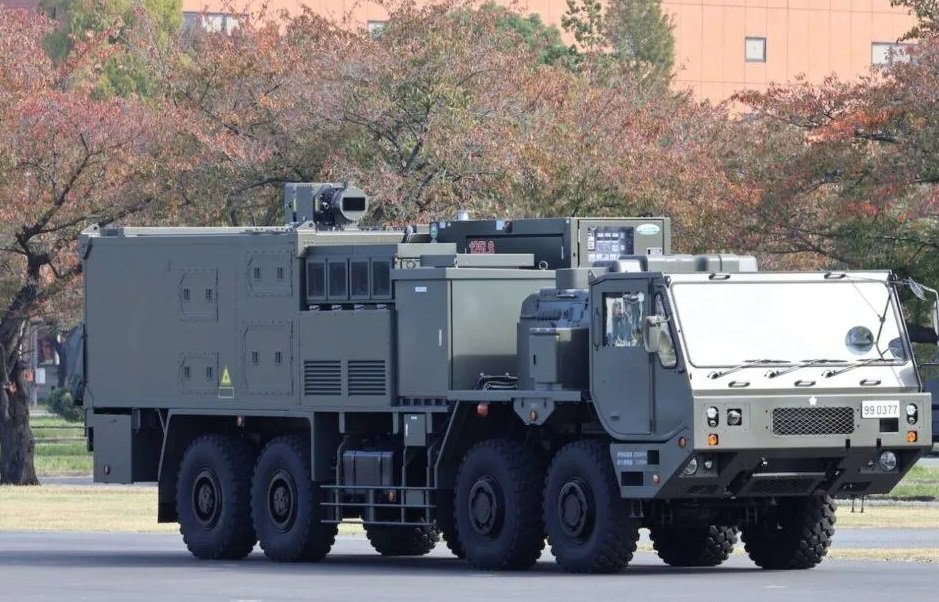
World
South Australia — Australia and Japan have completed the first field trials of their jointly developed Boobook high-energy laser system at test sites in South Australia, marking the first co-development project between Australian and Japanese defence industries. The trials were conducted at the Cultana Training Area and the Defence Science and Technology Group (DSTG) facility in Edinburgh. The Boobook program brings together DSTG, Mitsubishi Electric Australia (MEA) and its Tokyo-based parent company, Mitsubishi Electric Corporation (MELCO). Australia’s Defence Department said the project builds on more than two decades of laser research by DSTG. The department has not released specific performance information from the trials, including the system’s power output, range or other technical figures. Laser Designed for Surveillance and Protection Australian Defence Minister Richard Marles said the laser capability can be deployed on land combat platforms and littoral platforms. According to Marles, the system is intended to provide greater protection and situational awareness by using laser technology to optically detect incoming threats. The system is named after the Australian boobook owl, a species known for its ability to see in low-light conditions. The recent trials generated data on the system’s design and technical requirements. That information will be used to guide the next stages of development and potential commercialisation. The Australian government has not yet announced when Boobook will move into its next development phase or when it could enter operational testing with the Australian Defence Force. Australia-Japan Defence Technology Cooperation The Boobook trials are part of the broader expansion of defence cooperation between Australia and Japan. The project follows a May 4 agreement between Australian Prime Minister Anthony Albanese and Japanese Prime Minister Sanae Takaichi to expand defence and security cooperation between the two countries. The announcement of the trials also coincided with talks in Canberra on August 18 between Australian Defence Minister Richard Marles and Japanese Defence Minister Shinjiro Koizumi. The two defence ministers discussed military training, joint operations and technology sharing as part of their wider defence cooperation. Australia and Japan have previously identified Boobook as a major area of defence-industrial cooperation. In 2025, their defence ministers described it as the first co-development project between Japanese and Australian defence industries. The two countries have also been expanding cooperation in defence research, technology and testing. Australia’s Defence Department previously described the laser project as a collaboration between DSTG, MEA and MELCO aimed at developing and transitioning laser technology for Australian Defence Force applications. Mitsubishi Electric Plans Australian Manufacturing Facility The project is also linked to new industrial investment in Australia. Mitsubishi Electric Australia is establishing a new facility in Rydalmere, New South Wales, to support large-scale domestic manufacturing of the laser system. The company is investing $70 million in the site. The facility will house the newly established MEA Defence Division and is intended to support manufacturing in Australia while improving local access to Mitsubishi Electric’s wider defence technologies. Australian Defence Industry Minister Pat Conroy said the project demonstrates cooperation with Japan to develop technologies that address capability requirements of the Australian Defence Force. Conroy also said the Rydalmere investment would support advanced manufacturing, technology transfer and workforce growth. Part of Australia’s Wider High-Energy Laser Research Boobook is one part of Australia’s broader work on high-energy laser technologies. In 2023, DSTG and QinetiQ Australia signed an agreement involving QinetiQ’s coherent beam combining technology and DSTG’s high-power amplifiers. That separate program resulted in Australia’s first scalable high-power laser optical chain prototype demonstration in 2025. The QinetiQ program is separate from the Boobook project. The latest Boobook trials provide Australia and Japan with field-testing experience for their jointly developed laser technology. The data collected during the trials will support decisions on the system’s future design, development and possible commercialisation. No timeline has yet been announced for Boobook’s next development phase or its potential transition to operational testing with the Australian Defence Force.
Read More → Posted on 2026-08-18 11:06:56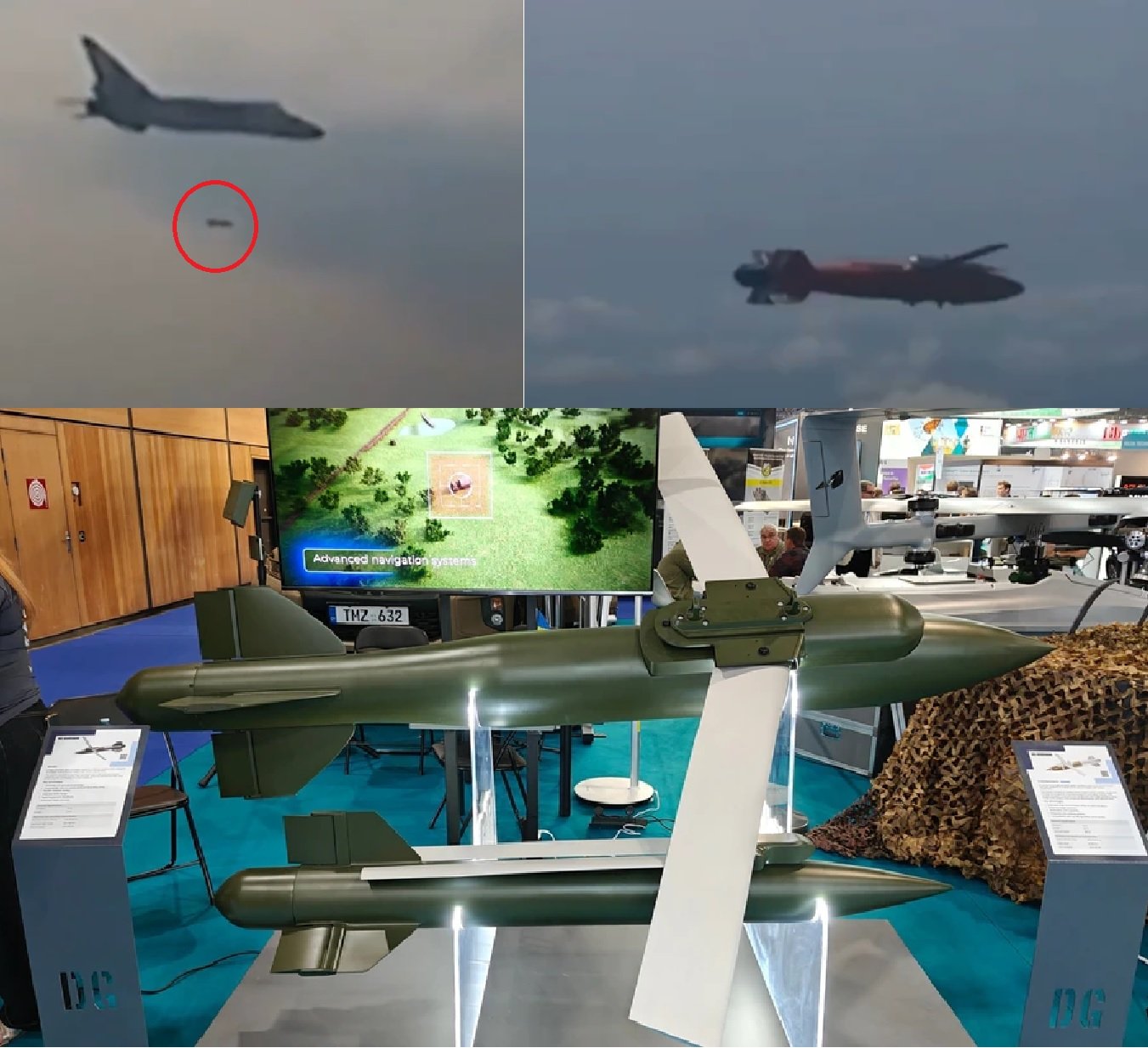
World
Kyiv, Ukraine — Ukraine has completed testing and begun official procurement of its first domestically developed guided aerial bomb, the Vyrivniuvach (Equalizer/Leveller). Developed by Ukrainian defence company DG Industry with support from the Brave1 defence technology initiative, the system converts a standard 250-kilogram unguided bomb into a precision-guided glide munition. The weapon was developed over about 17 months, and Ukraine’s Ministry of Defence announced its combat readiness on May 18, 2026. An initial experimental batch was purchased at that time. In mid-August, Colonel Vladyslav Voloshyn, head of the Central Directorate for Innovation Activities of the Armed Forces of Ukraine, confirmed that the system had passed the required tests, demonstrated effectiveness and was now being officially purchased for delivery to the military. Ukrainian Air Force aircraft have already conducted hundreds of test sorties with the system. Design and Range The Vyrivniuvach uses a wing module attached to an existing 250-kilogram bomb and a tail section containing navigation, guidance and control systems. Developers describe it as an original Ukrainian design developed for current battlefield conditions, while drawing on experience with foreign systems. The bomb can reportedly be released from about 500 meters to more than 10,000 meters, depending on the launch profile. Its reported range is 10 to 130 kilometers, with the maximum range requiring high-altitude release. In the lower-altitude toss-bombing profiles currently more practical for Ukrainian pilots, the range is typically around 40 kilometers. The system can reportedly be prepared by ground crews in about 30 minutes and is designed to operate in all weather conditions. It carries a 250-kilogram warhead. Combat Use and Aircraft Compatibility The Vyrivniuvach saw its first confirmed combat use in late June 2026, when Ukrainian MiG-29 fighters used the weapons against Russian frontline positions. Footage showed two bombs equipped with wing-correction kits striking trenches and fortifications. The system is compatible with Ukraine’s MiG-29, Su-24 and Su-27 aircraft. Integration with F-16 and Mirage 2000 fighters is possible after additional technical certification. The weapon was publicly shown in detail at the Eurosatory 2026 defence exhibition in Paris in June. Lower-Cost Alternative Cost is a major part of the Vyrivniuvach's design. The domestic guidance kit costs approximately one-third of a US-made JDAM-ER kit, providing Ukraine with a cheaper option for producing precision-guided aerial weapons. The development comes as Russia continues its extensive use of guided aerial bombs. Russian forces averaged roughly 180 guided bombs per day in 2025, with the rate later increasing to more than 300 per day. Ukrainian officials say the domestic system is intended to help balance the difference in both the number and quality of guided aerial weapons. Around 10 similar Ukrainian precision-guided aerial systems are also under development. Serial production of the Vyrivniuvach has begun, with early batches already delivered and used by Ukrainian forces. The system gives Ukraine a domestically produced method of converting existing bombs into guided glide weapons while reducing reliance on more expensive foreign systems and supporting larger-scale domestic production.
Read More → Posted on 2026-08-17 15:47:39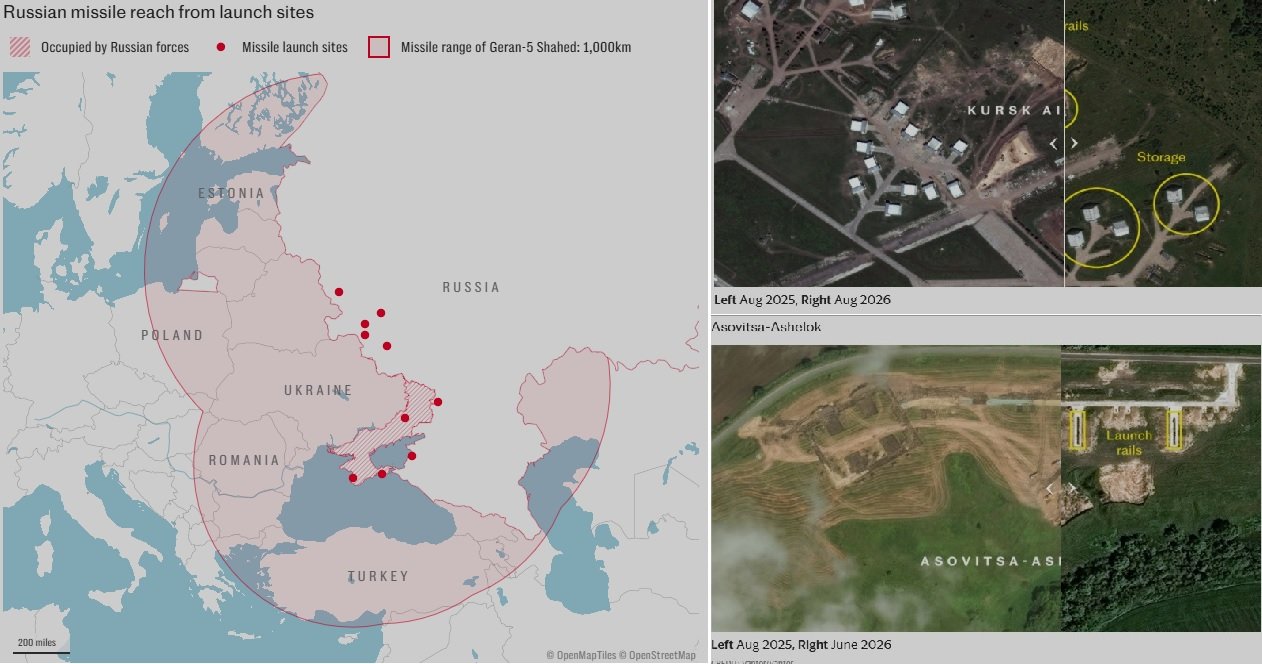
World
Moscow, Russia — Russia has built or expanded at least 10 drone bases along its borders with Ukraine and Belarus, with the sites equipped with new launch rails for long-range fixed-wing attack drones, according to an investigation by The Telegraph based on satellite imagery, leaked documents and analysis by drone-intelligence firm DroneSec. The investigation identified at least 59 newly installed launch rails across the locations. Seven of the 10 sites have reportedly been used in recent Russian drone attacks against Kyiv, according to open-source tracking data cited in the reporting. Expansion of Drone Launch Infrastructure The identified facilities include existing military airfields, civilian airports and newly constructed positions in rural areas. Some sites have been developed by expanding existing military infrastructure, while others have been established as standalone launch facilities. The launch rails are mechanical guide tracks used to launch fixed-wing drones without a conventional runway. DroneSec's analysis of satellite imagery identified about 20 rails that are longer than standard designs, indicating that they may be intended for newer long-range drones in the Geran family. Russia is also expanding storage and launch infrastructure at several locations. Analysts estimate that storage and hangar facilities at one of the bases could accommodate more than 1,000 drones at a time. Construction of additional launch positions is continuing at multiple sites. The sites are also linked through reporting to Russia's wider drone-production network, including facilities in the Alabuga Special Economic Zone, where large numbers of drones are produced. Newer Geran Drone Variants The longer launch rails are assessed by DroneSec as being suitable for newer jet-powered Geran variants, including the Geran-4 and Geran-5. These drones represent a development of the Geran family of Russian attack drones derived from the Iranian-designed Shahed-136. Unlike earlier propeller-powered versions, the newer variants use jet propulsion and are designed to operate at higher speeds. Leaked Ukrainian documents cited in the investigation describe the newer variants as capable of carrying warheads of up to 90 kilograms. The Geran-5 has been reported in some assessments as having a range of up to approximately 1,000 kilometers. The higher speed of the jet-powered drones can reduce the time available for air-defense systems to detect, track and engage them. The Institute for Science and International Security has also documented the increasing scale of Russia's use of Shahed/Geran-type drones against Ukraine in 2026. DroneSec CEO Mike Monnik said the expansion demonstrates Russia's increased ability to launch larger numbers of drones while introducing designs that are more difficult to intercept. Potential Reach Into NATO Territory The location of the new bases and the reported range of the longer-range Geran variants have raised concerns about their potential reach beyond Ukraine. A range of around 1,000 kilometers would place parts of NATO's eastern flank within potential operating range, including areas of Poland, Latvia, Lithuania, Estonia, Finland and Romania. Warsaw is also within the reported potential range of some of the launch locations. However, the reporting does not provide evidence that Russia is currently preparing an attack on NATO territory. The identified facilities are already being used primarily in the ongoing war against Ukraine, while their location provides Russia with additional launch infrastructure close to the Ukrainian border. European and US intelligence officials have raised concerns about possible future provocations, attacks on critical infrastructure or false-flag operations involving drones. These remain assessments of potential scenarios rather than confirmed Russian plans. NATO Response NATO has continued to strengthen its readiness against aerial and drone threats. A NATO official told The Telegraph that the alliance remains ready to defend allied territory and will continue enhancing its readiness against threats, including drones. The newly identified infrastructure therefore represents both an expansion of Russia's current drone-launch capacity against Ukraine and an additional network of facilities positioned close to NATO's eastern flank. The continued construction of launch rails, expansion of storage facilities and development of faster long-range Geran variants indicate that Russia is continuing to invest in the infrastructure needed for large-scale drone operations.
Read More → Posted on 2026-08-17 15:22:30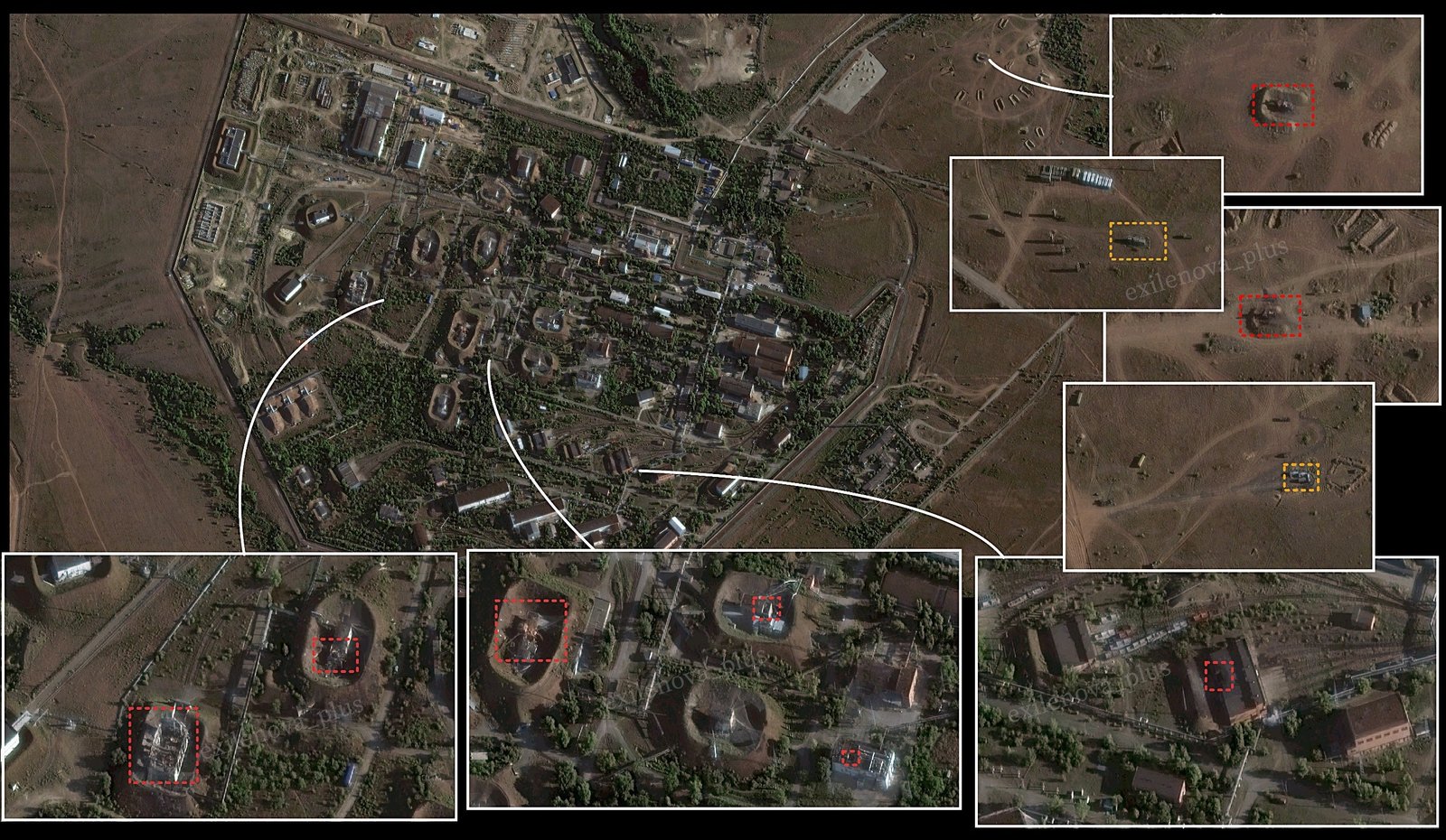
World
Kamensk-Shakhtinsky, Rostov Region, Russia — Ukrainian Defense Forces struck the Kamensky Combine, a Russian military-industrial facility in Kamensk-Shakhtinsky in the Rostov region, during the night of August 16, 2026. Ukraine’s General Staff confirmed the results of the attack on August 17. According to the General Staff, two workshops involved in the production of explosives and gunpowder were destroyed, while four other workshops were damaged. Satellite imagery analyzed by the Exilenova+ indicated damage to five production facilities overall, including roof penetrations and torn anti-drone nets on some buildings. Damage to Production Facilities The Kamensky Combine, also known as Combinat Kamensky or FSE Kamensky Combine, is a chemical enterprise that supplies products to Russia’s military-industrial sector. The European Union has identified the facility as a chemical plant producing special-purpose chemical products for Russia’s military industry. The plant produces solid rocket propellant for ammunition used by the Uragan, Smerch and Tornado-S multiple-launch rocket systems, as well as for a number of missile systems and air-launched weapons. The production buildings at the site were protected by earth berms and anti-drone nets. Satellite imagery showed that the protective netting did not prevent damage to several facilities. The plant is located at approximately 48.29943029832428, 40.17984650497104, around 10–15 kilometers from Ukraine’s state border. The facility is described by the OSINT resource VARTA as one of the largest chemical enterprises in southern Russia and an anchor enterprise. Air Defense Positions Also Affected The attack also affected Russian air-defense positions deployed around the facility. According to the imagery analysis provided by Exilenova+, signs of fire were observed at positions associated with a Pantsir-S1 air-defense system and multifunctional target illumination and guidance radars used with S-300/S-400 systems. Rostov region Governor Yuriy Slyusar said that Russian air-defense systems shot down more than 150 UAVs over the region during the night. He did not provide the total number of drones involved in the attack. NASA’s Fire Information for Resource Management System (FIRMS) detected a thermal signature at the plant beginning at 1:14 a.m. on August 16. The detected thermal signature continued and expanded until about 2:20 a.m. Previous Strike on the Plant The Kamensky Combine had previously been targeted during the war. On December 18, 2024, the facility was struck in a missile attack. Russian authorities later said the attack involved ATACMS and Storm Shadow missiles, while Ukrainian officials and analysts identified the Kamensky Combine as the target. The Ukrainian Air Force also indirectly confirmed the use of Storm Shadow/SCALP missiles in strikes against targets in the Rostov region. Satellite imagery released by the CyberBoroshno group after the 2024 attack showed critical damage to two buildings at the production site. The plant was also described at the time as producing solid-fuel components for rocket engines, including those used by multiple-launch rocket systems. The latest August 16 strike therefore represents another attack on the same Russian military-industrial facility. The Ukrainian General Staff said that operations against key Russian military and military-industrial facilities continue. Source : militarnyi
Read More → Posted on 2026-08-17 14:01:46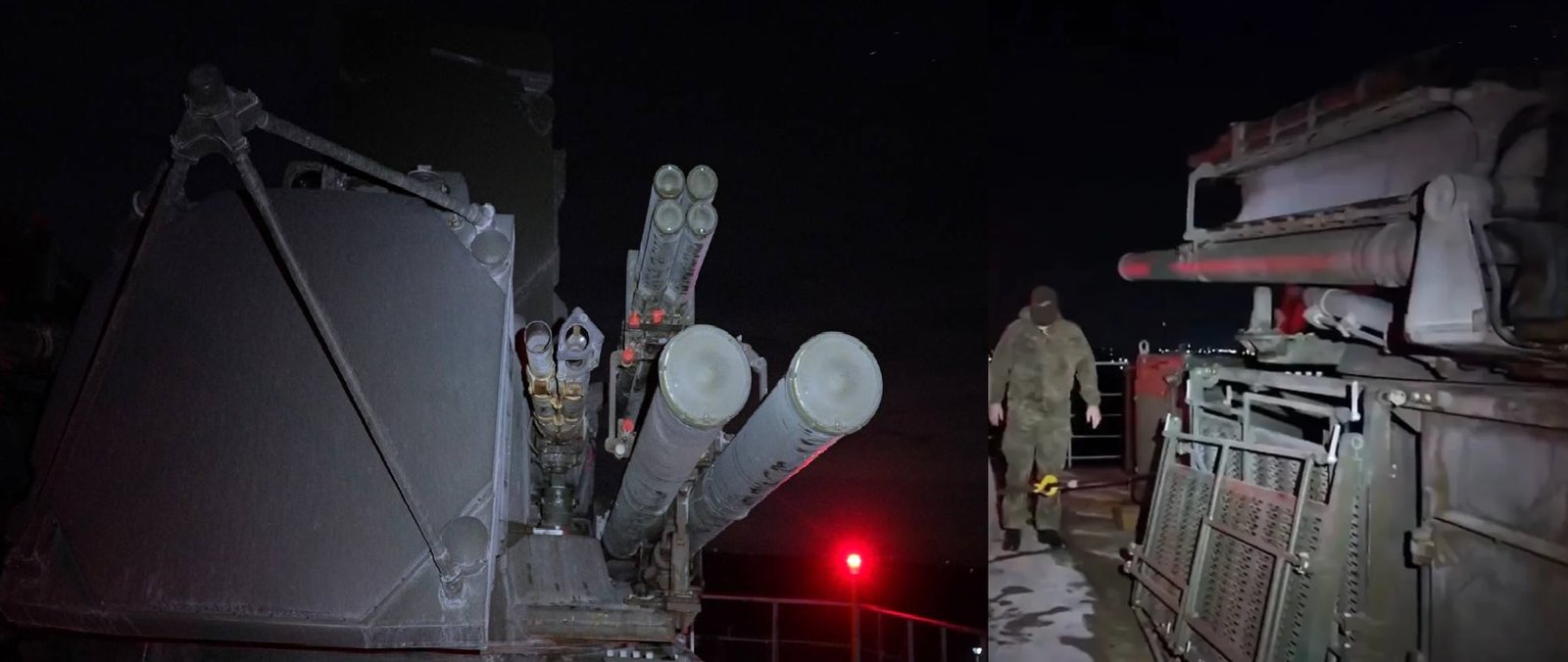
World
MOSCOW — Russia is expanding its air defense infrastructure with specialized 35-meter-high towers designed to host Pantsir-family short-range air defense systems against unmanned aerial vehicles (UAVs). A recent Russian report showed a Pantsir-S1M mounted on one such tower. Construction of these elevated positions began in 2023, initially forming several defensive rings around Moscow. Similar towers are now being built in other Russian regions. The Pantsir-S1M is equipped with the 1RS-ZE multifunctional phased-array radar, which has a reported detection range of approximately 50–70 kilometers, compared with around 30–40 kilometers for the radar of the earlier Pantsir-S1. The longer detection range provides the upgraded system with greater distance for detecting and tracking aerial targets. pic.twitter.com/MJKB9BL8vJ — 🪖MilitaryNewsUA🇺🇦 (@front_ukrainian) August 17, 2026 The elevated platforms raise the system above surrounding terrain and buildings, improving its radar horizon and helping detect and track low-flying drones that can be difficult to detect from ground level. Earlier, Russia also placed Pantsir systems on rooftops of government and commercial buildings, as well as on other elevated positions. Open-source satellite imagery and visual analysis have identified multiple Pantsir positions around Moscow, including locations roughly 40–50 kilometers from the capital, as well as positions near energy facilities, airports and other high-value sites. By the end of 2025, researchers had identified around 100 additional Pantsir positions across European Russia, including dozens around Moscow. Mid-2026 assessments placed the number of known short-range air defense positions in and around Moscow at more than 100, with roughly two dozen new towers observed earlier this year. New TKB-1055 “Gvozd” Missiles The tower-based Pantsir systems can use conventional missiles as well as the smaller TKB-1055 “Gvozd” interceptor developed for counter-drone operations. The Gvozd is considerably smaller than the standard Pantsir missile. Four Gvozd missiles can be placed in a container occupying the space of one standard missile, allowing a Pantsir system to carry up to 48 compact interceptors, compared with 12 standard missiles, depending on configuration. The TKB-1055 has a reported engagement range of 500 meters to 7 kilometers and can engage targets at altitudes from 15 meters to 5 kilometers. It uses radio-command guidance rather than an active radar or infrared seeker. Russian state corporation Rostec has confirmed that the miniature missiles completed state testing and entered serial production, with deliveries to Russian forces underway. Debris consistent with TKB-1055 missiles has also been documented after reported interceptions. The launchers can use mixed ammunition, allowing operators to combine the smaller Gvozd missiles with standard missiles for different types of aerial targets. Expansion Beyond Moscow The elevated towers are part of a broader layered air defense network around Moscow that also includes S-300 and S-400 systems. Russia has increasingly adjusted its air defense deployment since 2023 in response to the use of Ukrainian UAVs. The exact number of operational systems, prepared positions and towers, as well as their precise coverage and performance, remains limited in publicly available information.
Read More → Posted on 2026-08-17 12:48:43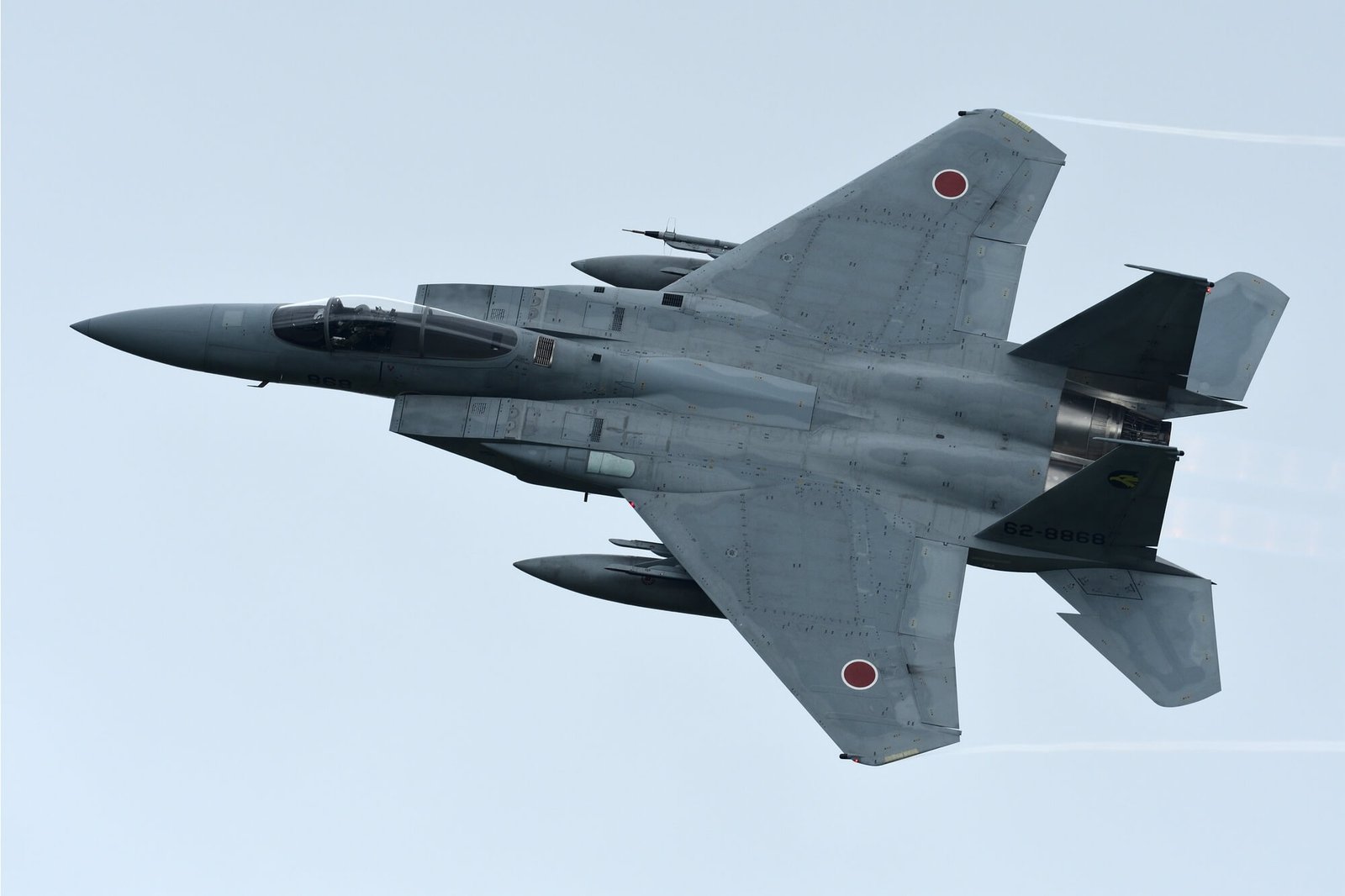
World
TOKYO — Japan’s Ministry of Defense signed four new contracts in May 2026 to support the ongoing modernization of Japan Air Self-Defense Force (JASDF) F-15J fighters to the F-15JSI, or Japan Super Interceptor, configuration. The four agreements were concluded with the U.S. Air Force under the Foreign Military Sales (FMS) program. Their combined value is ¥42.65 billion (approximately $267.75 million). The contracts cover equipment for improving the fighters’ combat capabilities, communications systems maintenance equipment, flight operations support and logistics support for the serial modernization program. Four Contracts Cover F-15J Modernization According to Japan’s Ministry of Defense contract information, the largest agreement is valued at ¥34,598,728,358, or approximately $217.2 million. It covers equipment intended to enhance the combat capabilities of the F-15Js being modernized to the JSI configuration. A second contract, worth ¥3,223,462,424 (about $20.2 million), covers communications systems maintenance equipment. The third agreement provides equipment to support flight operations of the upgraded F-15Js, identified as MDS. It is valued at ¥36,742,200, or around $230,600. The fourth contract covers logistics support for the serial modernization of the F-15J fleet. It is worth ¥4,794,000,798 (about $30.1 million). Together, the four contracts total ¥42,652,933,780, equivalent to approximately $267.75 million. F-15JSI Modernization Program The F-15JSI program is a major modernization effort for selected JASDF F-15J fighters. The program is being carried out by Boeing and Mitsubishi Heavy Industries under the U.S. FMS framework, with the main contract framework finalized at the end of 2021. The modernization is intended to bring selected F-15J aircraft to a capability level comparable to modern F-15 variants such as the F-15EX and F-15QA, while continuing to use the remaining service life of the existing airframes. A major part of the upgrade is the replacement of the F-15J’s older AN/APG-63(V)1 mechanically scanned radar with the AN/APG-82(V)1 active electronically scanned array (AESA) radar. The aircraft are also receiving upgraded electronic warfare, radar warning and communications equipment intended to bring their systems closer to the Advanced Eagle standard. The electronic warfare upgrade includes the Eagle Passive Active Warning Survivability System (EPAWSS). Mitsubishi Heavy Industries is separately studying the possibility of integrating a Japanese-developed AESA radar into the modernized aircraft. Further details of that work have not been released. Increased Weapon-Carrying Capability The F-15JSI modernization will also increase the aircraft’s ability to carry air-to-air weapons. An unmodernized F-15J can carry up to eight air-to-air missiles, while the JSI configuration is expected to carry more than twice that number. The final weapon configuration has not been fully detailed. Mitsubishi is testing the AAM-4 (Type 99) missile for compatibility with the upgraded aircraft, while the modernization includes integration for the AAM-4B and AAM-5B. Japan is also considering the integration of air-launched cruise missiles, including the AGM-158 JASSM. Modernization Numbers Reduced Japan initially planned to modernize approximately 98 F-15J aircraft to the F-15JSI standard. Funding was later secured for modernization of 68 aircraft. The number has since been reduced. Japan’s defense planning documents identify 54 F-15 aircraft for the modernization program. Japan’s Ministry of Defense has also continued to plan the replacement of F-15 aircraft that are not suitable for modernization with F-35A and F-35B fighters. The JASDF operates approximately 200 F-15J/DJ fighters in total. The reduction in the number of aircraft selected for the JSI program means that the modernization effort will apply to only part of Japan’s F-15J/DJ fleet. Surplus F-100 Engines The modernization and wider changes to the F-15J fleet are also creating surplus equipment. IHI Corporation has been examining options for disposing of approximately 200 Pratt & Whitney F100 engines removed from F-15J aircraft as older airframes leave service. The F-15 modernization program itself has also received multiple modifications under the broader U.S. contract FA8634-22-C-2705, covering areas including radars, self-protection systems, mission computers and other equipment. Japan’s wider fighter modernization effort is taking place alongside the introduction of the F-35 and development of the Global Combat Air Programme (GCAP) with the United Kingdom and Italy. Japan, the UK and Italy continue to advance GCAP through their joint government organization and industry partnership. The four May 2026 FMS contracts therefore represent another stage in Japan’s ongoing effort to modernize the selected F-15J aircraft that will remain in JASDF service.
Read More → Posted on 2026-08-17 12:04:48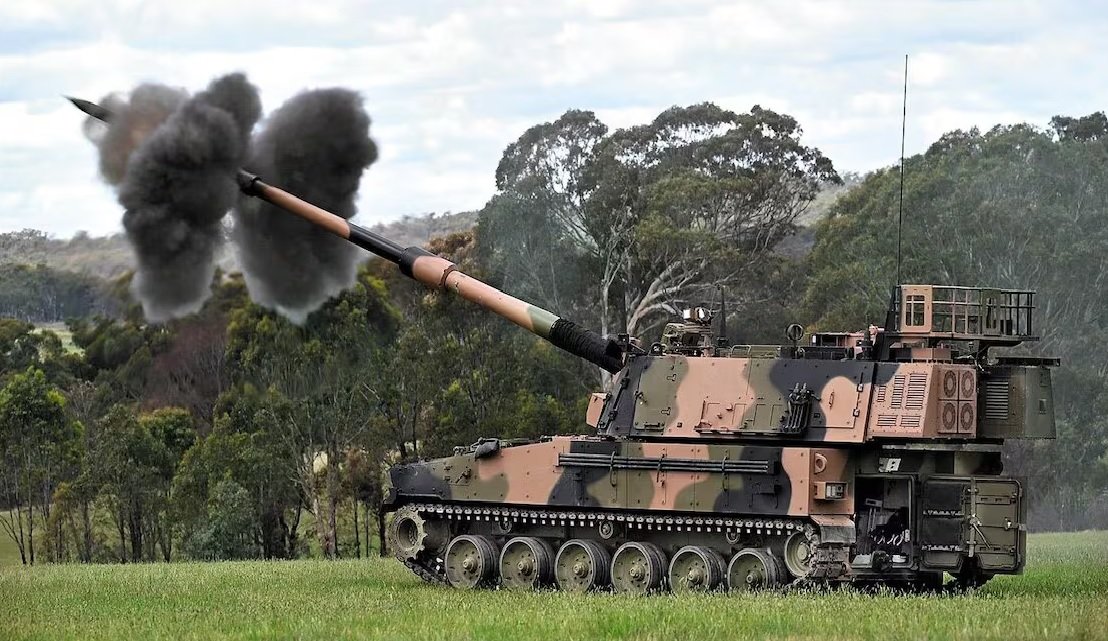
World
TOWNSVILLE, QLD — The Australian Army has officially fielded its first protected mobile fires battery with the 3rd Brigade, introducing the AS9 Huntsman self-propelled howitzer into operational training with 106 Battery, 4th Regiment, Royal Australian Artillery. Six AS9 Huntsman self-propelled howitzers and one AS10 Armoured Ammunition Resupply Vehicle have been delivered to 106 Battery at Lavarack Barracks in Townsville. The delivery follows Australia’s first AS9 operator training and live-fire activity at the School of Artillery in Puckapunyal, Victoria. In May, 30 gunners from 4th Regiment completed a six-week training course, followed by live-fire activity involving around 150 rounds from multiple AS9 systems. Brigadier James Davis, Director General Systems and Integration, said the transition from Australian production to trained crews conducting live fire in a short period demonstrated effective cooperation between the Army, the Capability Acquisition and Sustainment Group and industry partners. Australian-built artillery capability The AS9 Huntsman is a tracked 155mm/52-calibre self-propelled howitzer based on the South Korean K9 Thunder. It is designed to provide protected indirect fire while allowing artillery crews to rapidly relocate after completing a firing mission. The vehicle has a maximum road speed of more than 60 km/h, carries a crew of about five and has onboard storage for around 48 rounds. It can fire three rounds in about 15 seconds and sustain six to eight rounds per minute. Its reported range is approximately 30–40 km with standard ammunition and up to around 60 km with specialised ammunition. The AS10 uses the same tracked chassis and is designed to resupply the AS9. Its automated ammunition-transfer system allows ammunition to be transferred while crews remain under armour, with a stated capacity of around 100 rounds. Local production under LAND 8116 Australia is acquiring the Huntsman system through LAND 8116 Phase 1, Protected Mobile Fires. The program covers 30 AS9 howitzers and 15 AS10 resupply vehicles under a contract with Hanwha Defence Australia valued at approximately A$1 billion. Initial vehicles were manufactured in South Korea and arrived in Australia in late 2024 or early 2025. The remaining vehicles are being produced locally at Hanwha Defence Australia’s Armoured Vehicle Centre of Excellence near Avalon Airport in Geelong, Victoria. The program forms part of the Australian Army’s broader modernisation toward a heavier and more protected force, with the AS9 providing a tracked alternative to the M777 towed howitzers for the 3rd Brigade’s protected mobile fires capability. Moving to collective training The introduction of the first battery now allows 106 Battery to move beyond individual operator qualification and begin collective training. During Exercise Pozieres Run, crews will integrate the AS9 and AS10 into 3rd Brigade activities while 4th Regiment develops the tactics, techniques and procedures needed for brigade and divisional employment. Major General Ash Collingburn, Commander 1st Division, said the new capability was intended to provide a warfighting advantage by making soldiers more lethal, mobile and survivable. Lieutenant Colonel Simon Frewin, Commanding Officer of 4th Regiment, said 106 Battery was ready to take the systems into the field and build its collective proficiency. Sergeant Dale Chivers, battery guide for 106 Battery, said the AS9 could come into action in about 30 seconds, conduct its firing mission and move quickly, improving survivability and allowing the battery to keep pace with the brigade. The Australian Army is working toward full operational capability for protected mobile fires by 2028.
Read More → Posted on 2026-08-16 13:13:58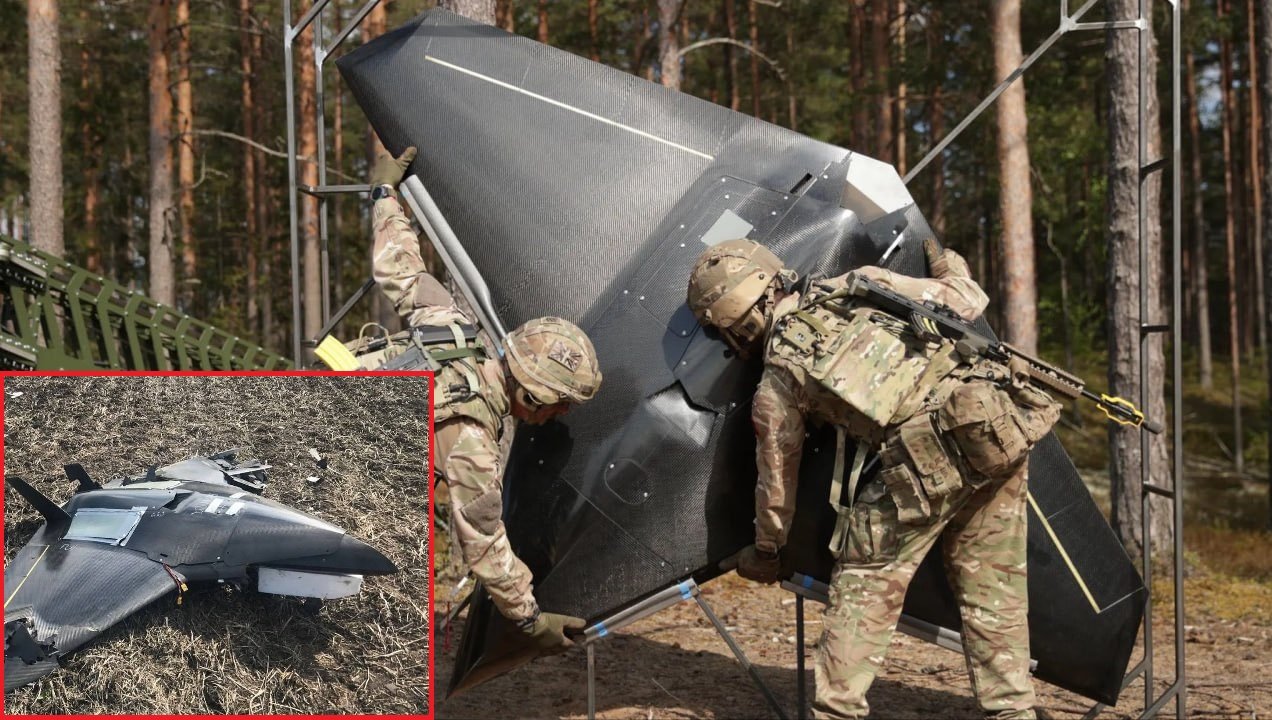
World
LONDON, UK — Ukraine has used British-made drones in deep-strike operations against targets inside Russia over the past six months, including oil refineries in Volgograd and Yaroslavl, according to The Times. Ukrainian military sources cited by the newspaper said the British systems have also been used against other targets, including naval bases, logistics hubs and transport networks. The Nyan One-Way Effector (OWE), developed by British company Callen-Lenz, is among the systems used in these operations. Callen-Lenz is part of FalconWorks, BAE Systems’ technology division. The Times reported that a second British-made drone has also been used, but the manufacturer was not identified for security reasons. pic.twitter.com/iRn2U5Ct6A — Drone Wars (@Drone_Wars_) August 16, 2026 Ukrainian sources said most of the country's deep-strike missions continue to rely on domestically produced drones, but British systems have contributed to long-range operations. The reported targets include the Volgograd and Yaroslavl oil facilities, as well as targets in the Belgorod region. Nyan One-Way Effector The Nyan is a jet-powered one-way effector designed for deep-strike missions. BAE Systems describes it as having a low radar cross-section, a flexible payload bay, modular architecture and the ability to operate in GNSS-denied environments. The company also lists deep strike among its intended operational uses. The aircraft has a 2.9-metre wingspan and a maximum takeoff weight of more than 75 kg. It is launched using a pneumatic catapult and is powered by a single micro gas-turbine engine. Its cruising speed is around 120 knots, or approximately 222 km/h, while its reported range is more than 150 miles (about 240 km). The drone can carry a payload of up to 20 kg. Its carbon-fibre airframe and modular design allow different equipment configurations depending on the mission. BAE Systems says the system is designed to be deployed from unprepared ground and has already been used operationally in contested environments. Nyan Already in Ukrainian and British Service The Nyan has been used by the Ukrainian Defence Forces for some time. In June 2024, an identical jet-powered drone was recovered on Russian territory and was initially identified as a new Ukrainian one-way attack drone. The system was later identified as the British-made Nyan. The system is also being introduced into the British Army. The UK Ministry of Defence said in March 2026 that the Army intends to field an initial One-Way Effector capability, including the Callen-Lenz Nyan, as part of the UK's deep-fires contribution on Operation CABRIT. In February 2026, the UK Ministry of Defence awarded Callen-Lenz a contract worth £4,996,500 excluding VAT for Nyan OWE systems for operational and training use. The official procurement notice said the Nyan was the only off-the-shelf product of its type registered on the Military Aircraft Register and had undergone a UK Ministry of Defence Article 36 legal review. BAE Systems has said that more than 1,000 Nyan systems have been produced. Tested in Estonia and at Sea The British Army demonstrated the Nyan during Exercise Spring Storm in Estonia in May 2026, where it was used as part of the UK's deep-fires capability. Callen-Lenz said the system was operated with the Estonian-built Threod Systems CATA launcher. The Nyan has also been tested for maritime operations. In June 2026, the Royal Navy and British Army launched the drone from the experimental vessel XV Patrick Blackett during trials off the south coast of England. The launch was conducted as part of Exercise Neptune Reach under Project Vantage, which is focused on testing maritime attack drones. The Royal Navy said the drone was launched from a launcher installed on the ship's deck and flown while the vessel was at sea. Further trials, including possible testing aboard HMS Queen Elizabeth, have been discussed. The use of British-made drones in Ukraine's deep-strike campaign adds another role for the Nyan beyond the British Army's own testing and deployment. While Ukraine continues to rely mainly on its domestic drone industry for long-range attacks, the reported use of British systems shows that UK-supplied unmanned platforms are also being employed in operations against targets inside Russia. BAE Systems said it provides a range of capabilities to the UK Ministry of Defence as part of Britain's support for Ukraine and described the Nyan as a rapidly developed uncrewed system that has been proven in contested environments.
Read More → Posted on 2026-08-16 13:03:29Search
Top Trending in 24 Hours
-
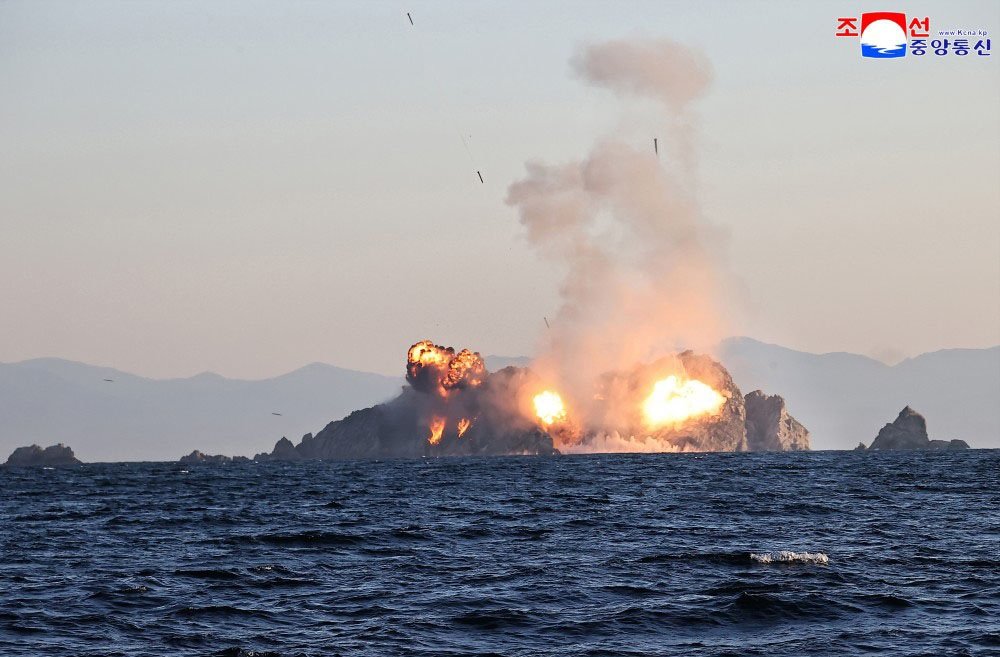 North Korea Fires Short-Range Ballistic Missile Toward Sea of Japan After Freedom Edge 26
-
 India’s xTerra Robotics Launches Indigenous DHAV-Hy Wheeled-Legged Quadruped for Industrial Inspection
-
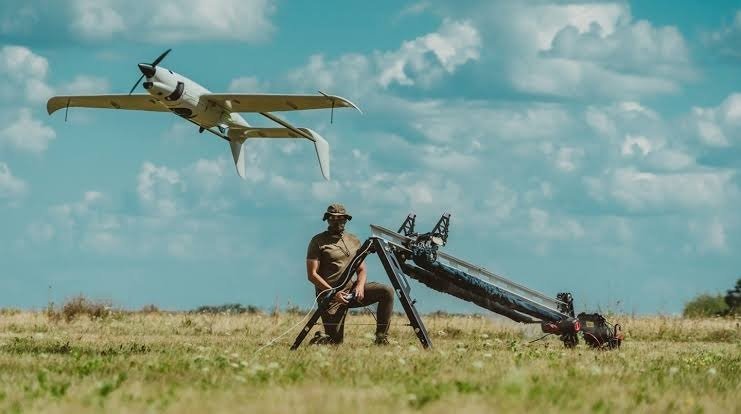 U.S. Army Awards $10.64 Million Contract to Ukrainian Drone Maker Skyeton for Raybird Systems
-
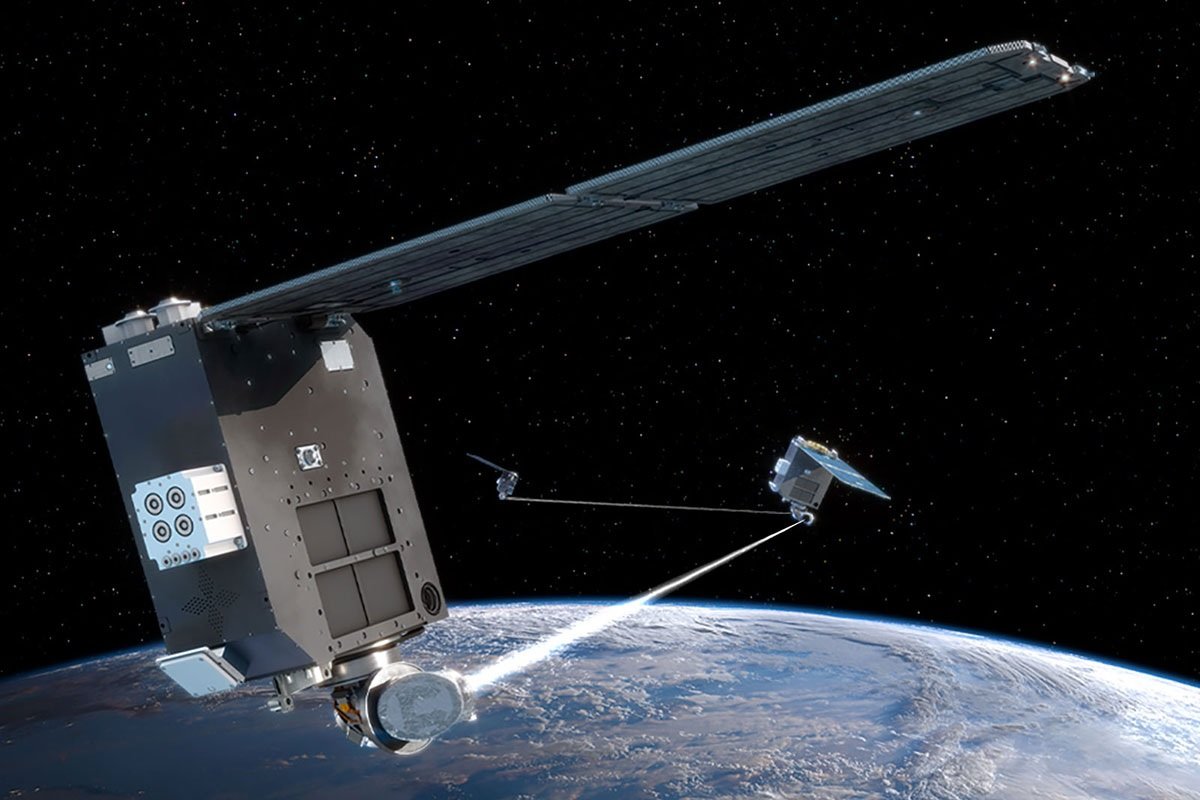 U.S. Space Force Seeks Rapid-Response Satellites for Close-Range Orbital Inspections
-
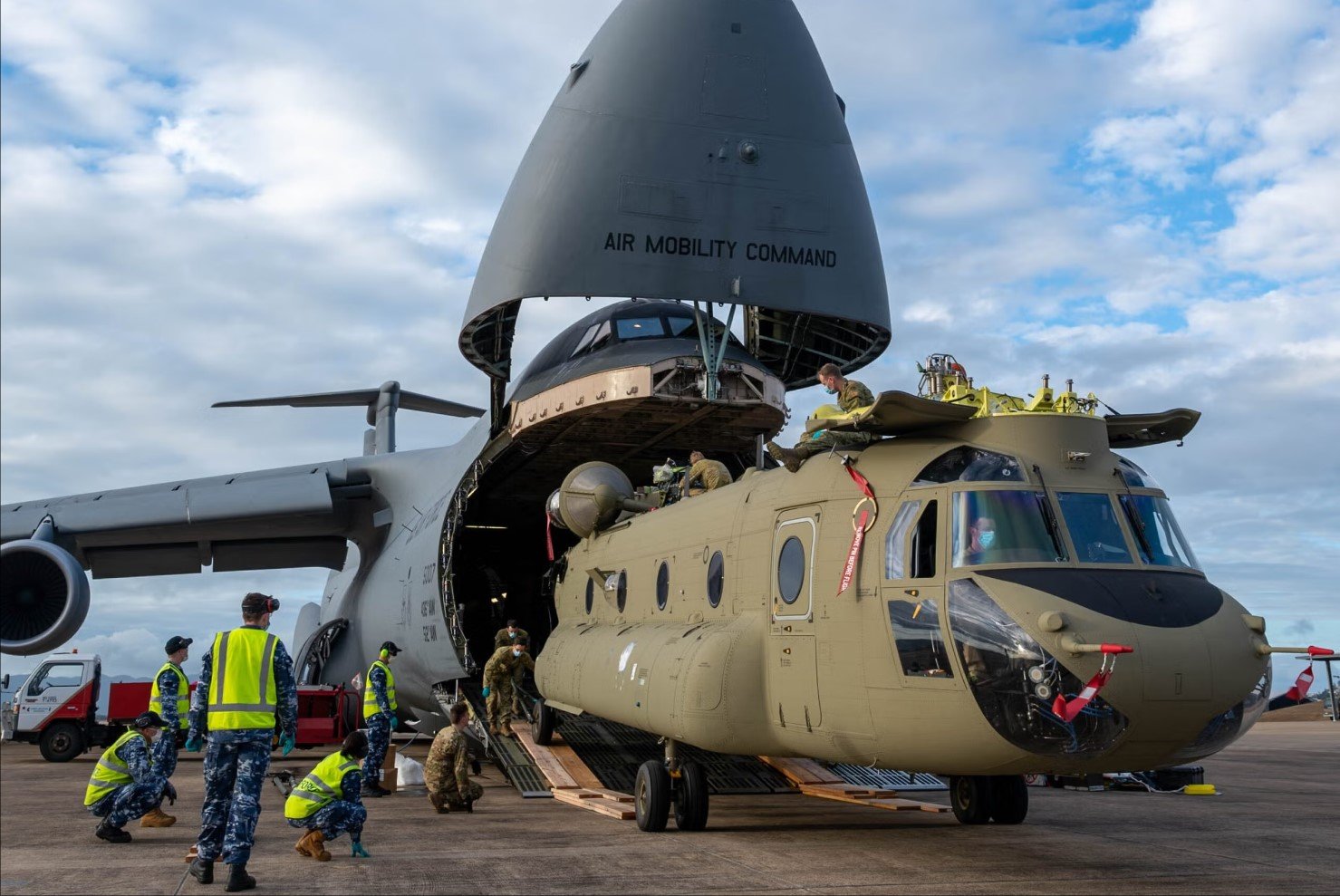 U.S. Delivers First CH-47F Chinook to Egypt Under 12-Helicopter Deal
-
 BEL Showcase X-Band Multi-Function Radar for QRSAM to Japanese Delegation
-
 U.S. Government Seizes Almasirah.net, Houthi-Linked News Website
-
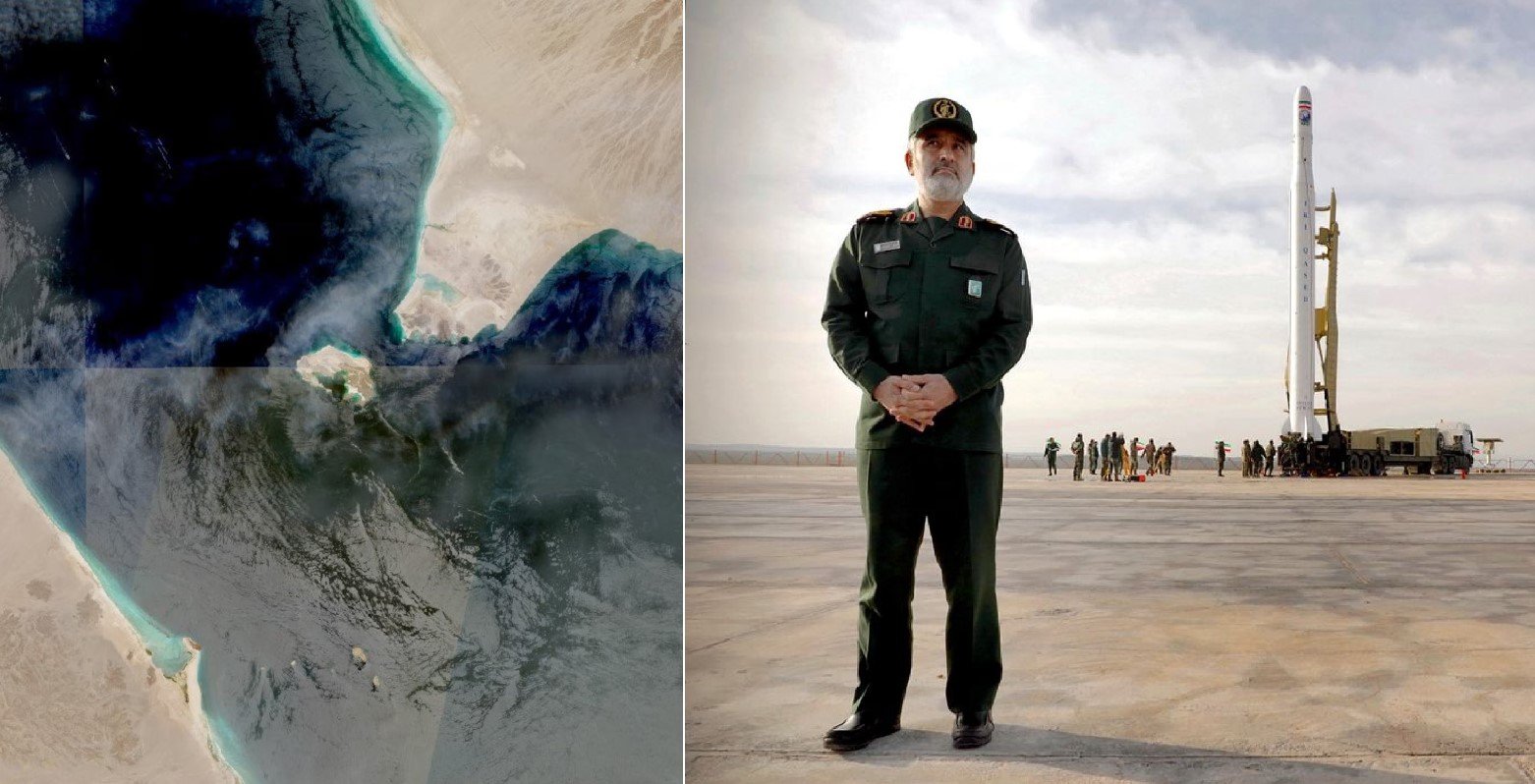 IRGC Experts Visit Bab El-Mandeb to Oversee Radar Installation and Tunneling, Houthi Sources Say
Top Trending in 4 Days
-
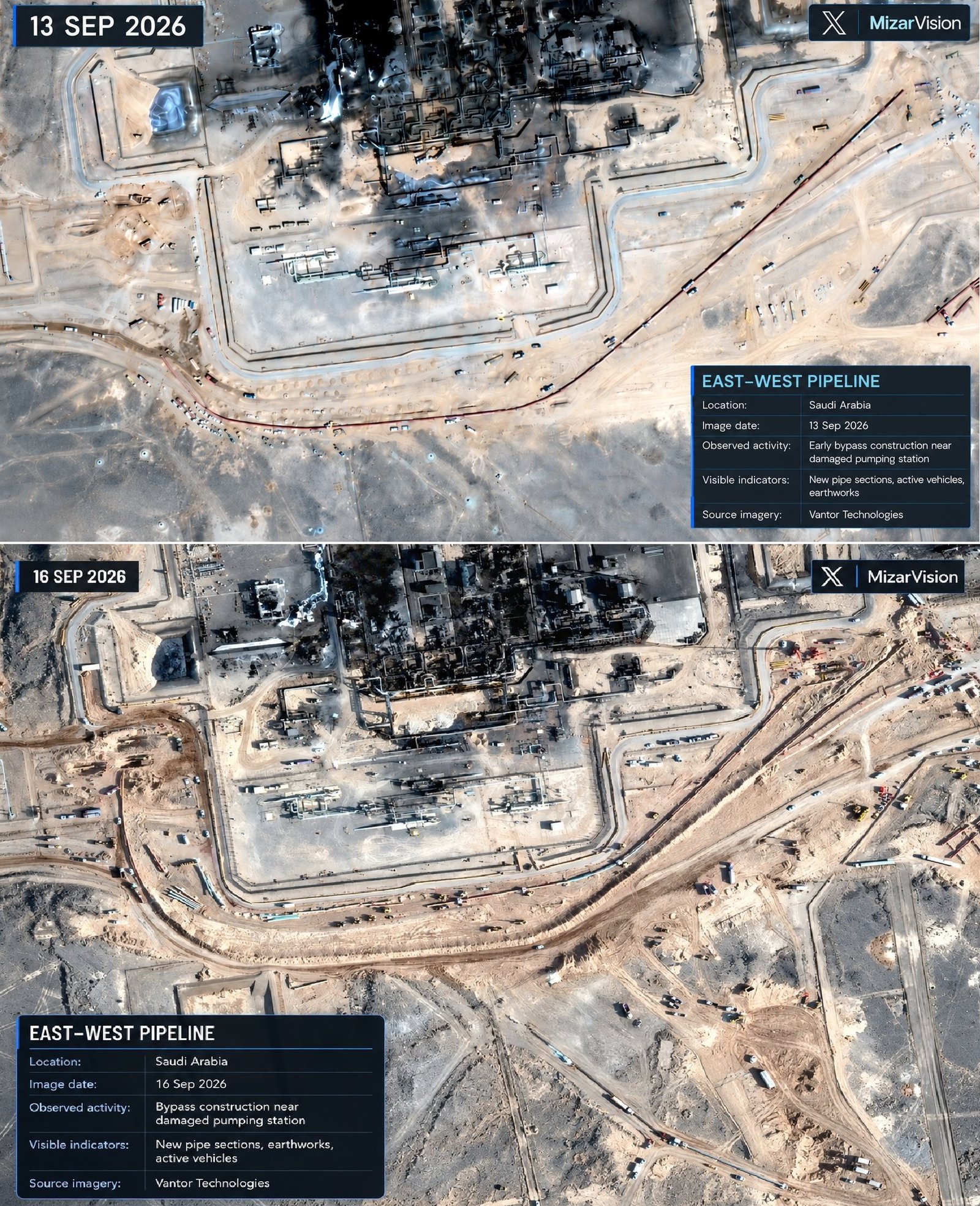 Satellite Images Show Saudi Arabia Building Emergency Bypass Around Damaged East-West Oil Pipeline Station
-
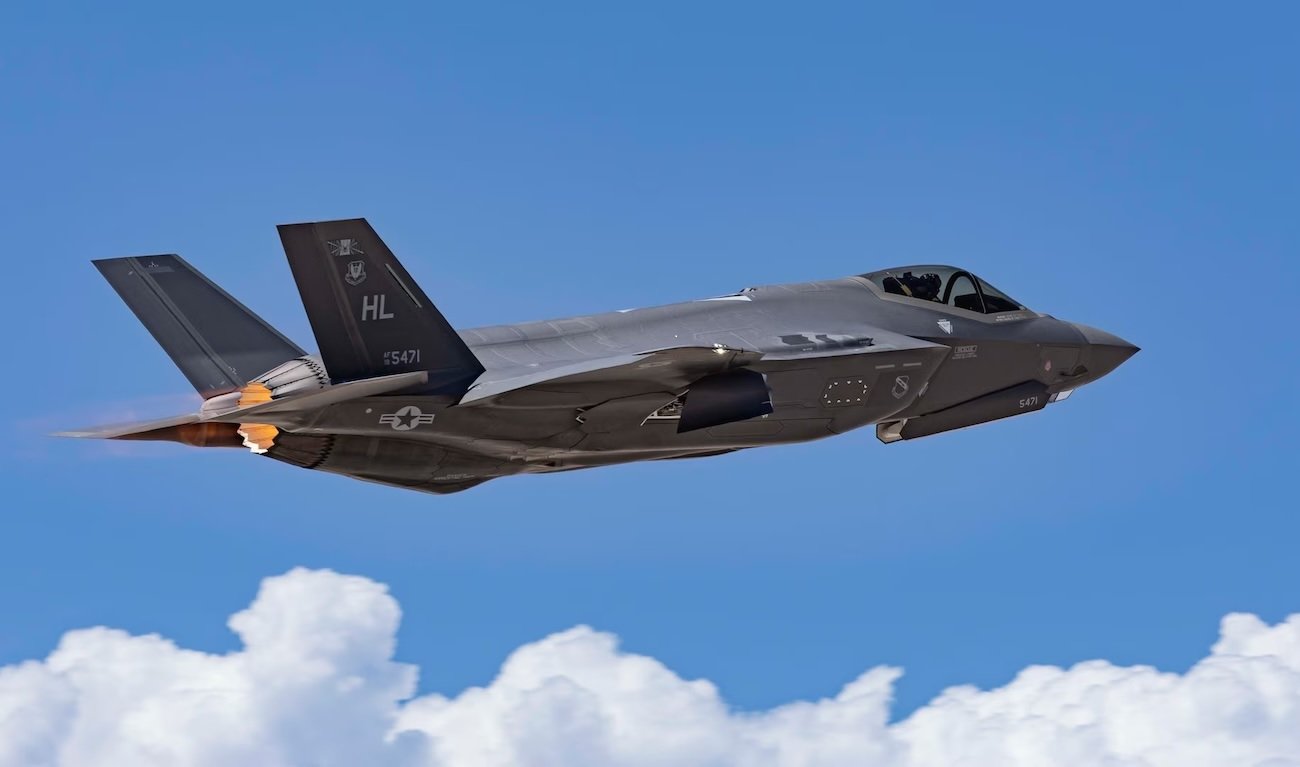 Sensitive F-35 Components Diverted to Hong Kong, Some Parts Missing
-
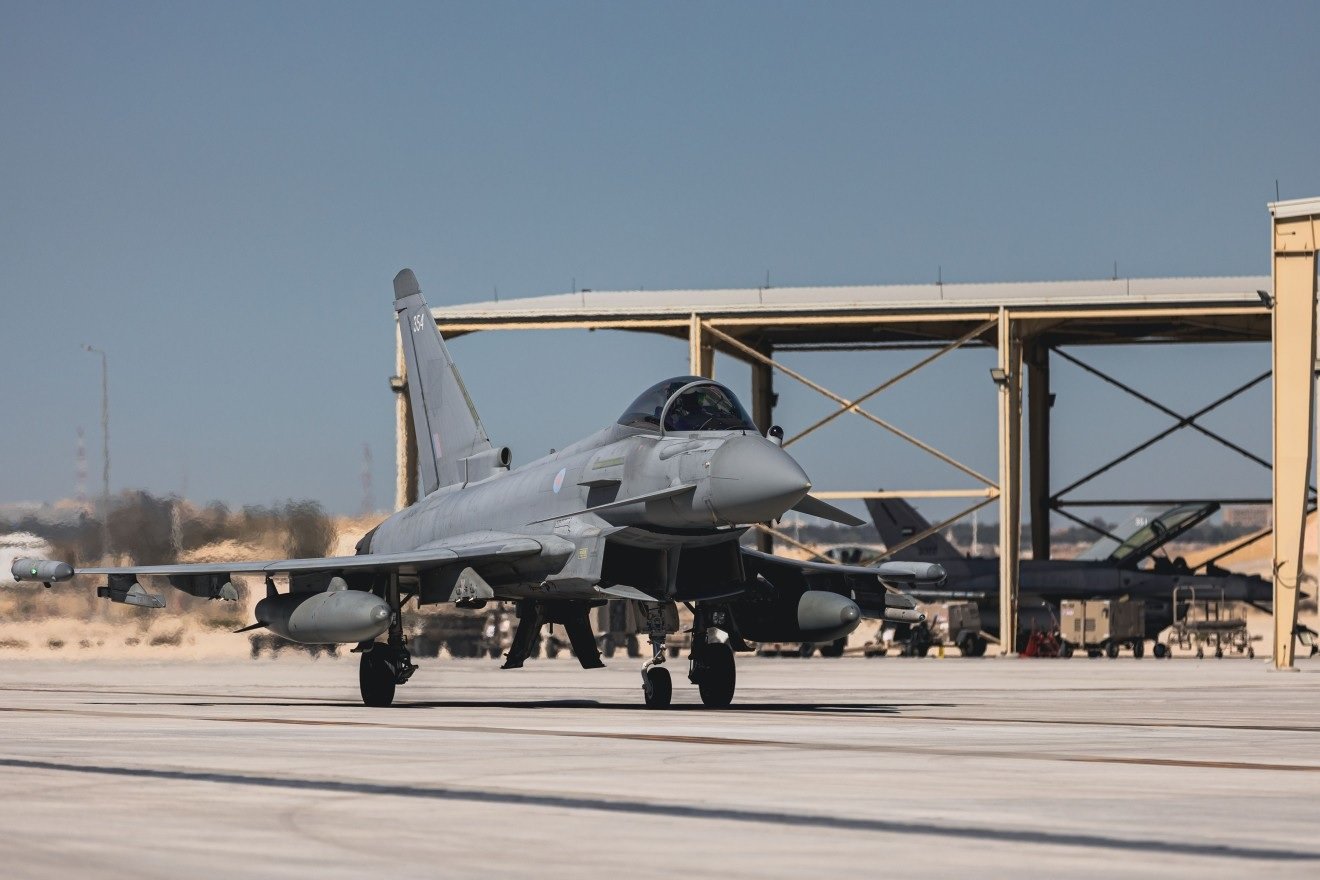 Italian Eurofighter Damaged in Houthi Attack on Saudi Arabia’s King Fahd Air Base
-
 U.S. Secures Permanent Military Rights in Greenland in Historic Security Pact with Denmark
-
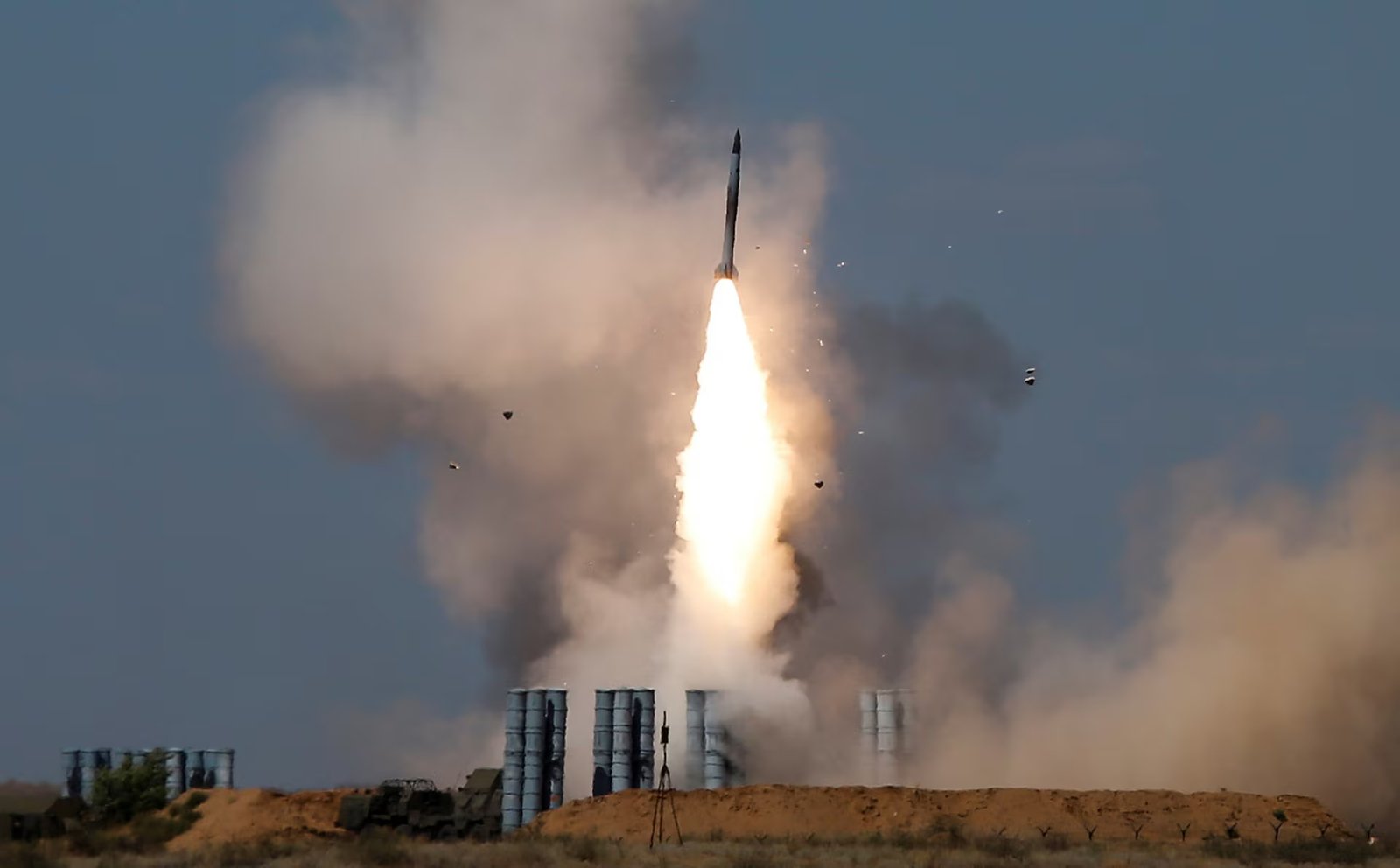 U.S. Approves Potential $2.68 Billion Air Defense Package for Ukraine Including S-300 Clone Missiles
-
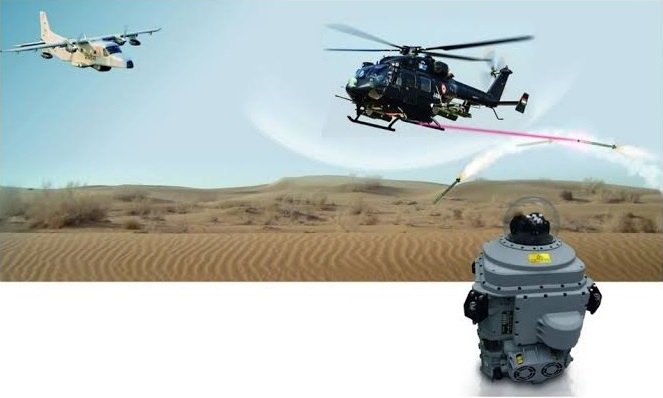 BEL Signs Export Deal with Elbit Systems for Directed Infrared Countermeasure Sub-Assemblies, Secures ₹648 Crore in Additional Orders
-
 China Privately Urges Iran to Restrain Houthis After Saudi Appeal
-
 Israeli Firm Arbe Robotics Unveils Alerion High-Resolution 4D Radar for Counter-Drone Operations