
World
MOSCOW — A large Ukrainian drone attack targeted Russia’s Moscow region overnight, causing fires at major logistics facilities in Podolsk and Domodedovo and killing one person. Regional authorities reported at least six other injuries. Moscow Mayor Sergey Sobyanin said that around 600 UAVs flew toward the Moscow region between August 15 evening and 6:30 a.m. August 16, with 201 drones destroyed. Moscow Region Governor Andrey Vorobyov separately said air defense and electronic warfare systems shot down or suppressed 187 drones across Domodedovo, Podolsk, Stupino, Odintsovo, Naro-Fominsk, Ramenskoye, Chekhov, Kolomna, Kashira and Yegoryevsk. Wildberries Warehouse Catches Fire A drone struck the Wildberries logistics facility in the Koledino industrial park in Podolsk, starting a fire at the company’s largest logistics complex. The warehouse has an area of more than 200,000 square meters. Wildberries said employees had been evacuated to shelters before the attack and that none were injured. The company also said its logistics operations had been reorganized, with deliveries and order shipments moved to other facilities. Ukrainian open-source monitoring account ASTRA identified the facility at 20 Troitskaya Street in Koledino. It also reported that the neighboring Koledino3PL logistics complex had been damaged by a Ukrainian attack on July 28. A second fire was reported at a warehouse storing medications in Domodedovo. Vorobyov said no injuries were initially reported there. ASTRA identified the site as Warehouse No. 15 at the Severnoye Domodedovo sorting and logistics complex. One Killed, Several Injured An 83-year-old man was killed in the Ramenskoye municipal district after a drone fell on a private home. Three people were injured in Podolsk, including one with shrapnel wounds and two injured by falling drone debris near the M-2 highway and in Zheleznodorozhny. A truck driver in Klimovsk suffered a hand injury, while another resident of Zheleznodorozhny sustained a shoulder injury. Authorities said the injuries were not life-threatening. Sobyanin also reported three people injured near the Moscow Ring Road (MKAD). Damage was reported in several other locations. In Podolsk, a private home, car and power line were damaged. In Domodedovo, residential buildings, two private homes and a shopping center roof were damaged. A newly built police station in Kashira, industrial structures in Voskresensk, a private home and church school building in Chekhov, and a bathhouse in Stupino were also reported damaged. Part of Wider Wildberries Campaign The Podolsk strike is part of a broader Ukrainian campaign against Wildberries logistics facilities. Ukrainian officials have claimed that some of the company’s warehouses support Russian military logistics by handling drone parts and other sanctioned dual-use components. Previous strikes have affected Wildberries facilities in the Tambov, Krasnodar, Stavropol, Ryazan, Leningrad, Vladimir, Tver and Sverdlovsk regions. Ukrainian sources have said nearly two dozen Wildberries logistics centers have been targeted since mid-July. Wildberries is also planning to build 260,000 square meters of new warehouse space in Kazakhstan, with construction expected to be completed in early 2027. The latest attack caused temporary flight restrictions at Vnukovo, Domodedovo and Zhukovsky airports. Russia later launched another wave of missile and drone strikes against targets in Ukraine, including areas around Kyiv, Kremenchuk and Kryvyi Rih. Independent verification of the exact number of drones launched and intercepted remains limited.
Read More → Posted on 2026-08-16 12:53:13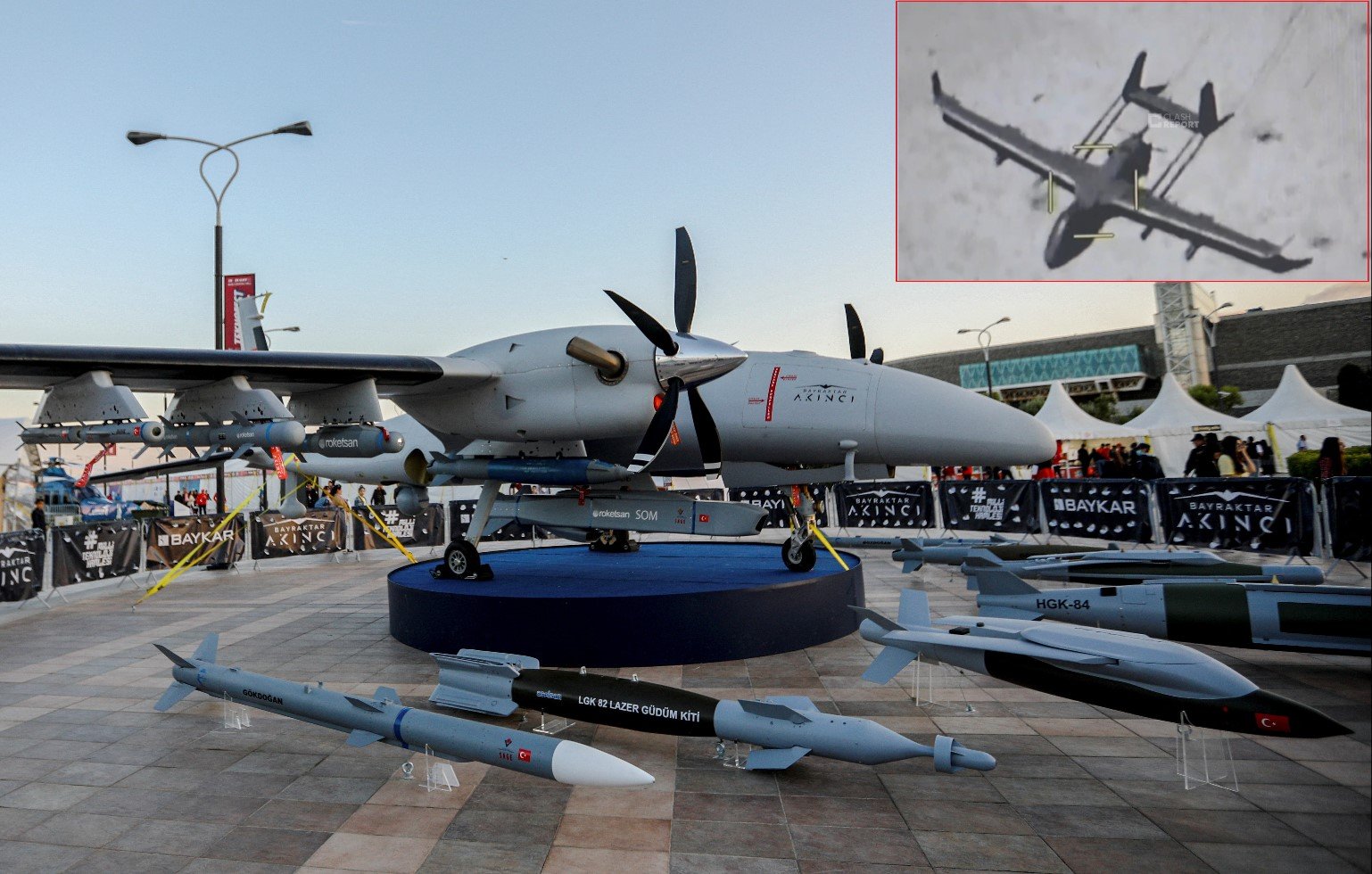
World
KHARTOUM, Sudan — The Sudanese Armed Forces (SAF) used a Turkish-made Bayraktar AKINCI unmanned combat aerial vehicle to intercept and destroy a Chinese-made CH-95 drone operated by the Rapid Support Forces (RSF) northwest of El Obeid in North Kordofan on July 13, 2026. According to reporting by Clash Report, the AKINCI fired an air-to-air missile and destroyed the CH-95 while it was in flight. A second CH-95 was also reportedly destroyed on the ground during the same operation. The incident was part of a series of losses involving Chinese-built RSF drones. Between June 23 and July 14, 2026, the RSF reportedly lost at least five FH-95 and CH-95 drones. An FH-95 was destroyed north of Tawila in North Darfur on June 23, another was lost near Tendelti in White Nile State on July 2, and another was destroyed along the highway linking Khartoum with North Kordofan. A further FH-95 was lost north of Al-Andaraba in North Kordofan on July 7. The locations cover several routes used by the RSF for reconnaissance and operations toward central Sudan. El Obeid is an important transportation junction, while Tendelti lies along the route between Kosti and western Sudan. The reported losses therefore cover multiple sectors rather than being concentrated around Khartoum. Akıncı Avlamaya Devam Ediyor!AKINCI, Sudan’da CH-95 SİHA’yı hava-hava angajmanında düşürdüSudan Silahlı Kuvvetleri’nin (SAF) kullandığı Bayraktar AKINCI , Hızlı Destek Kuvvetleri (RSF) tarafından işletildiği belirtilen Çin üretimi CH-95 SİHA’yı hava-hava angajmanında… pic.twitter.com/fVw6vsDNVH — Turkish Defence Agency (@tdefenceagency) August 15, 2026 CH-95 and FH-95 The CH-95 is a medium-altitude, long-endurance UAV with a maximum takeoff weight of about 650 kg and a payload capacity of up to 170 kg. It has an endurance of about six to 12 hours, a service ceiling of approximately 7,000 meters and a line-of-sight combat radius of roughly 250 km. Its payload options include day and night electro-optical sensors, synthetic aperture radar (SAR), ground-moving-target indication (GMTI) radar, precision-guided weapons, communications relay equipment and electronic-warfare systems. The larger FH-95 has a maximum takeoff weight of about 1,000 kg and can carry up to 250 kg of payload. Its endurance can reach about 30 to 35 hours in longer-range configurations, and it can use satellite communications for beyond-line-of-sight operations. The platform is designed for electronic warfare, signals collection, reconnaissance and command support while also being capable of carrying precision weapons. AKINCI's Air-to-Air Role The Bayraktar AKINCI used by the SAF is a medium-altitude, long-endurance combat UAV equipped with an active electronically scanned array (AESA) radar. The platform can carry air-to-air weapons, including Turkish systems associated with Roketsan such as Sungur and EREN in reported engagements. Its air-to-air capability allows the AKINCI to engage other large UAVs in flight rather than relying only on ground-based air-defense systems. The Sudanese conflict between the SAF and RSF has continued since April 2023, with both sides increasingly using larger unmanned aircraft equipped with long-endurance capabilities, satellite communications, precision weapons, radar, and electronic-warfare systems. The July 13 engagement near El Obeid adds to the growing number of reported Chinese drone losses suffered by the RSF and demonstrates the use of an armed UAV in an air-to-air interception role. Reporting on the incident has primarily come from Clash Report, with additional coverage from defense outlets including Army Recognition, Defence Blog and Military Africa. The SAF and RSF did not provide immediate independent confirmation of some details in the early reports.
Read More → Posted on 2026-08-15 14:46:37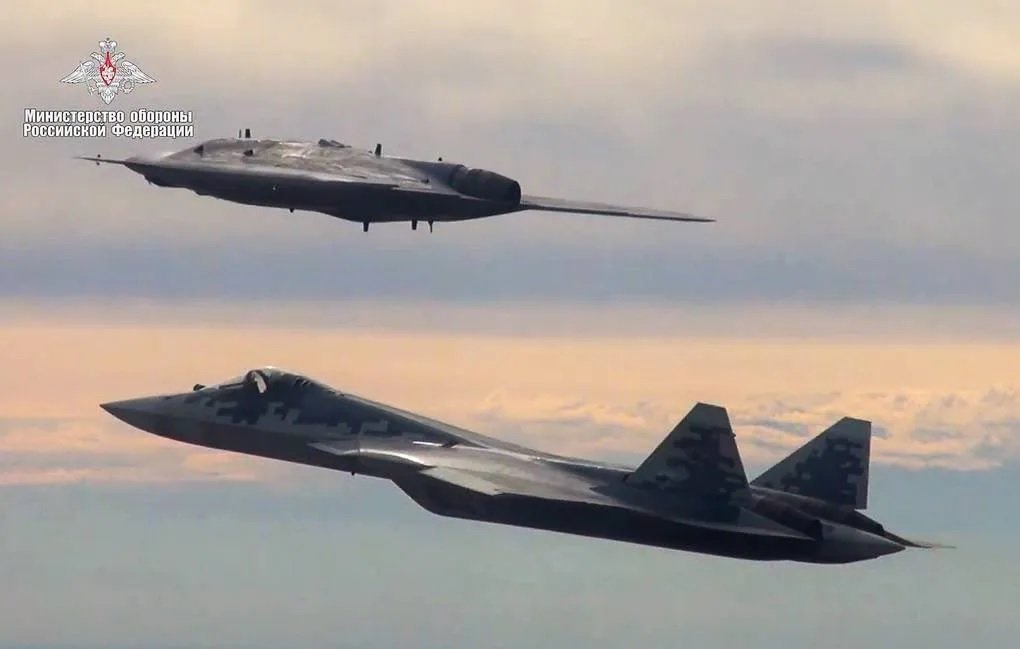
World
MOSCOW, Russia — Russia plans to use its new two-seat Su-57D as a testbed for technologies being developed for future sixth-generation fighter aircraft, including unmanned-aircraft control and combat artificial intelligence. Mikhail Strelets, chief designer at Sukhoi, said the second cockpit will allow an operator to control unmanned aerial vehicles, particularly the S-70 Okhotnik. The additional crew member could manage unmanned systems while the pilot focuses on flying and combat tasks. Russian officials have also described the two-seat aircraft as having combat, training and tactical-control roles. Russian two-seat Su-57D to serve as a testbed for sixth-generation fighter technologiesIts second cockpit will allow one pilot to control UAV such as the S-70 Okhotnik. Su-57D will also be used to test combat artificial intelligence according to chief designer Sergey Strelets. pic.twitter.com/9DdnpKwqDN — H. Memarian (@HEMemarian) August 14, 2026 The Su-57D is based on an early T-50-4 flight prototype, aircraft 054. It began taxi tests on May 16, 2026, and completed its first flight on May 19, lasting about 40 minutes. Sukhoi test pilot Sergey Bogdan conducted the flight. The aircraft is also being used to test combat artificial intelligence developed by Sukhoi specialists. The work is intended to examine how AI and autonomous decision-making systems can be integrated into the aircraft and the unmanned systems operating under its control. The Su-57D builds on earlier Russian tests involving the Su-57 and S-70 Okhotnik. The two-seat configuration provides a dedicated crew station for managing unmanned aircraft and processing mission information. Strelets has not disclosed details of Russia's planned sixth-generation fighter. He has previously described future combat aviation as a system involving manned, optionally manned and unmanned platforms connected through advanced information and control systems. Su-57 upgrades continue Russia is continuing to improve the existing Su-57 while developing these future technologies. In February 2026, UAC announced delivery of another batch of Su-57s equipped with modernized onboard systems and an updated weapons suite. Specific details of those upgrades were not released. Russia is also testing new engines. In December 2025, the T-50-2 prototype, aircraft 052, flew with the new Product 177 engine. The engine is being developed for the Su-57, Su-30 and Su-35 and has a declared afterburning thrust of 16,000 kgf, along with claimed reductions in fuel consumption and an increase in service life. Development of the Su-57's second-stage Product 30 engine is also continuing. The same T-50-2 prototype was observed in December 2024 testing a flat engine nozzle. The purpose of those tests has not been fully disclosed. Russia had previously considered a flat nozzle for the S-70 Okhotnik, although test aircraft were seen with conventional round nozzles. Alongside the Su-57, Russia is developing the Su-75 Checkmate as a lighter fighter intended to complement its heavier aircraft. In June 2026, UAC CEO Vadim Badekha said construction of the first flight prototype was underway. The Su-57D therefore provides Russia with an existing aircraft platform for testing technologies involving manned-unmanned teaming, AI-assisted combat operations and control of unmanned aircraft, while development of future fighter programmes continues. Detailed specifications of a Russian sixth-generation fighter have not yet been publicly disclosed.
Read More → Posted on 2026-08-15 14:27:40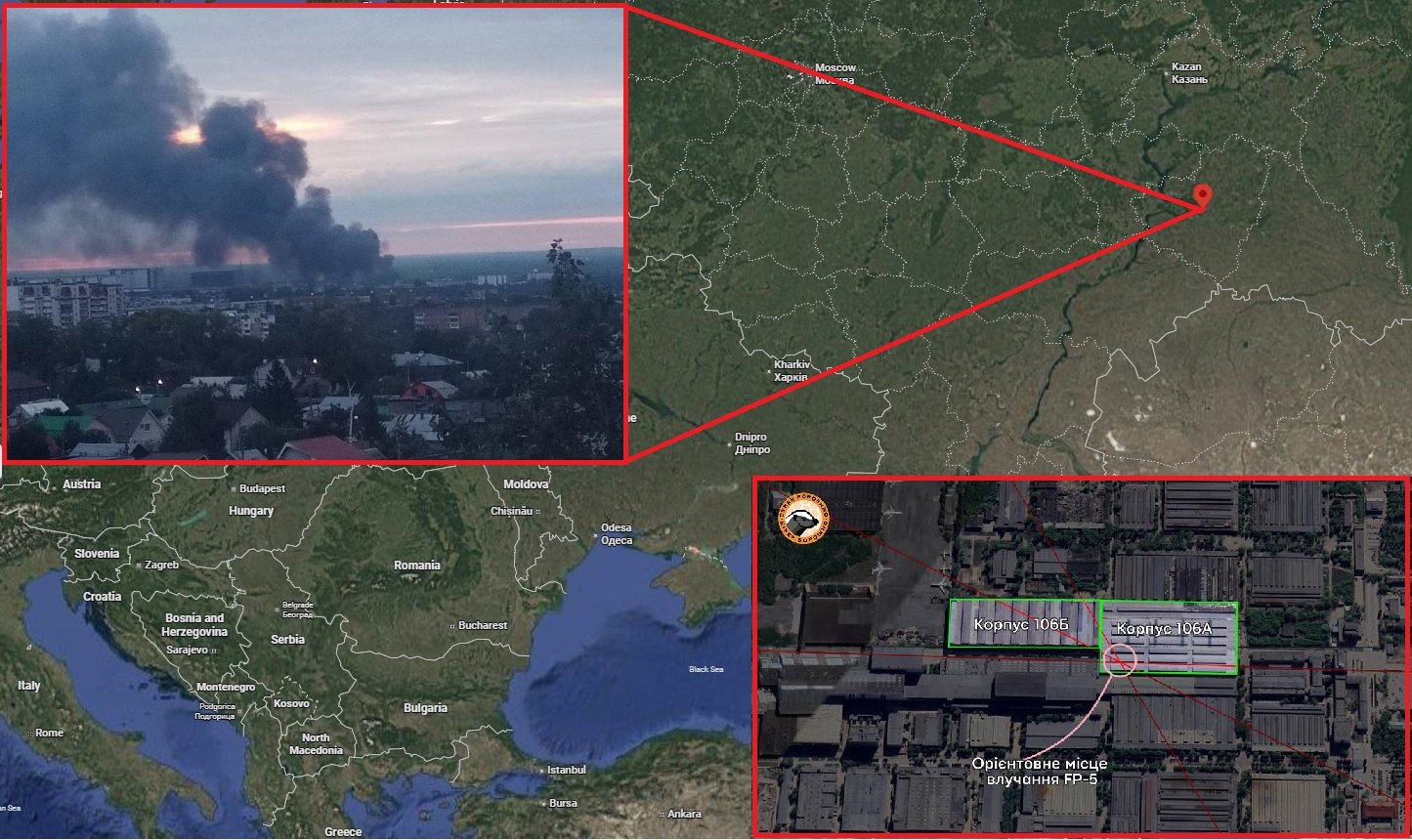
World
Samara, Russia — Ukrainian forces carried out a long-range missile strike against an industrial facility in Russia’s Samara region overnight into August 15, with Ukrainian officials later identifying the target as the Progress Rocket and Space Center in Samara. The attack triggered a regional air raid alert, while residents reported multiple explosions and smoke across the city. Samara Region Governor Vyacheslav Fedorishchev confirmed that an industrial enterprise had been targeted during what he described as a massed missile attack. Fedorishchev said emergency services were deployed and an operational headquarters was established at the site. He initially said authorities were still determining whether there were casualties. Later, he reported that two people were injured and that there were no deaths. Samara Mayor Ivan Noskov said the attack caused localized damage to industrial infrastructure. Russian officials also said that air defenses intercepted part of the incoming attack, but they did not specify the number of missiles involved or identify the missile system that reached the target. Progress Rocket and Space Center Identified as Target Ukrainian President Volodymyr Zelenskyy said Ukrainian forces had struck the Progress Center in Samara, describing it as a key enterprise under Russia’s Roscosmos space agency involved in rocket technology and electronics production. The General Staff of the Armed Forces of Ukraine confirmed a direct hit on the Progress Rocket and Space Center and said a fire broke out on the facility’s grounds. Ukrainian defense company Fire Point, which produces the Flamingo missile, also confirmed that the Progress center was struck. The facility was identified as the Progress Rocket and Space Center, formerly known as TsSKB-Progress. The company has produced Soviet and Russian launch vehicles since the 1950s, including the R-7-derived rocket used to launch Yuri Gagarin into orbit in 1961. Progress is the only Russian facility that performs series production of the Soyuz-2 family of launch vehicles. These rockets are used for crewed and uncrewed missions and for launching military and commercial satellites. The facility also produces electro-optical reconnaissance and Earth-observation satellites. Building 106A Identified by Open-Source Analysis The Ukrainian open-source intelligence group CyberBoroshno assessed that the primary impact occurred at Building 106A at the Progress facility, giving the coordinates as 53.217623, 50.303163. Ukrainian commentator Oleh Ponomar reported the same assessment based on CyberBoroshno’s GEOINT analysis. However, neither the Ukrainian military nor Progress had publicly confirmed the specific building at the time of reporting. The identification therefore remains based on the open-source imagery assessment. According to CyberBoroshno, Building 106A is part of the production complex for the Soyuz launch vehicle family. The building operates as a cleanroom where onboard electrical systems, instruments and circuit boards are installed. The work includes the rocket’s guidance and control systems, cable networks and instrument compartment. These components are installed after the rocket’s airframe and fuel tanks have been produced but before the vehicle is completed. A neighboring structure, Building 106B, is used for the final assembly of completed rockets and may also have been damaged in the strike. The nearby Aviakor aircraft plant, which repairs and services Tu-95MS strategic bombers, is also located in the same industrial area. Potential Impact on Production CyberBoroshno assessed that damage involving fire and firefighting water inside a cleanroom could require a longer recovery period than conventional industrial repairs. According to the group, restoring such a facility would involve reclassifying cleanroom zones, recertifying manufacturing processes and testing for airborne particulate contamination. CyberBoroshno estimated that this type of recovery could take months rather than weeks. The group also said that electronics used in Soyuz rockets depend on imported components affected by international export restrictions, which could complicate efforts to replace damaged equipment. The broader impact on Progress production remains unclear, and the full extent of the damage has not been independently established. Flamingo Missile Reportedly Used Ukraine’s Fire Point confirmed that its FP-5 Flamingo cruise missile was used in the operation. Fire Point chief designer and co-founder Denys Shtilerman released video of a missile launch on social media and linked it to the strike on the Progress facility. The FP-5 Flamingo is a ground-launched cruise missile with a published range of up to 3,000 kilometers (1,860 miles) and a reported warhead weight of approximately 1,000 to 1,150 kilograms. The missile is powered by a turbofan engine and uses satellite navigation. Ukraine first used the system in combat in August 2025, according to Ukrainian officials at the time. Ukrainian President Zelenskyy said the Progress facility was approximately 900 kilometers from the Ukrainian border. CyberBoroshno assessed that the Samara strike most likely involved an FP-5 Flamingo missile. The group has previously attributed other strikes to the same missile, including attacks on the VNIIR-Progress electronics plant in Cheboksary and the Antipinsky oil refinery in Tyumen in July. Progress and Russian Military Satellites The Progress facility has significance beyond launch-vehicle production because Soyuz-2 rockets produced there are used to place Russian military and commercial satellites into orbit. CyberBoroshno said the rockets support Russian military satellite systems including the Liana signals intelligence and targeting network, as well as the Persona and Razdan optical reconnaissance satellites. Soyuz-2 rockets have also been used to launch satellites for Russia’s Rassvet broadband satellite constellation, operated by Bureau 1440. Public launch records cited in the assessment show Rassvet satellites launched aboard Soyuz-2.1b rockets from the Vostochny and Plesetsk cosmodromes. Strike on Savasleyka Airfield The Samara operation was part of a broader series of Ukrainian strikes against Russian military and industrial targets. Ukrainian forces also struck Savasleyka airfield in Russia’s Nizhny Novgorod region during the same night. The airbase is known to station MiG-31K aircraft, which are used to carry Kh-47M2 Kinzhal aeroballistic missiles. The Ukrainian General Staff acknowledged the strikes and said operations against Russian military and industrial sites were continuing. The full scale of the damage at the Progress Rocket and Space Center remains under assessment. Russian officials have described localized damage, while Ukrainian authorities and open-source analysts have reported a direct hit and fire at the facility.
Read More → Posted on 2026-08-15 12:56:47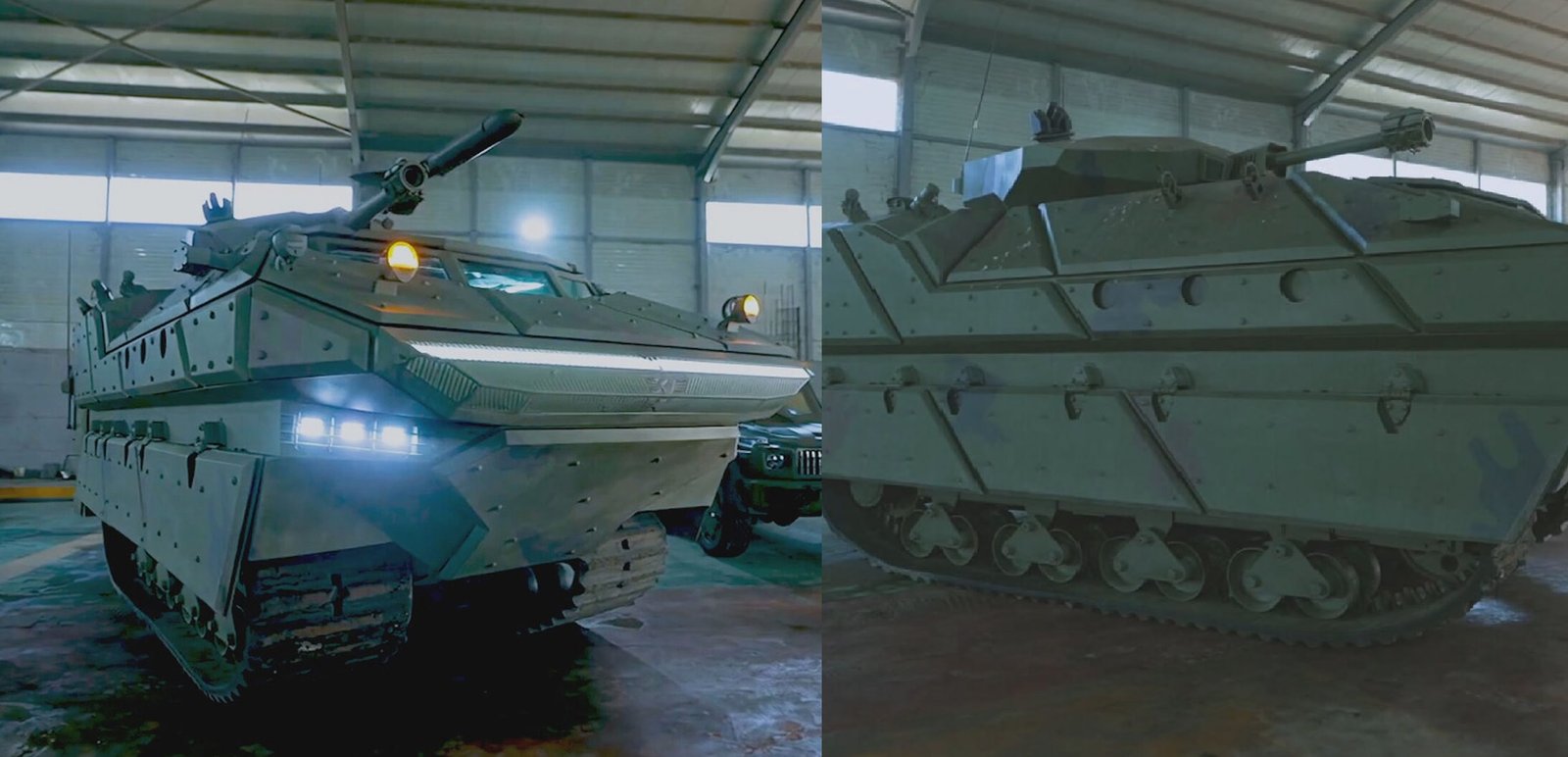
World
DUHOK, Kurdistan Region — Anwar Atroshi Company, also known as SHIELD, a private defense manufacturer based in Duhok, has unveiled the B70, a 25-ton combat tank that the company describes as the first tank in the Kurdistan Region to be designed and built locally by Kurdish engineers and technical specialists. Company owner Anwar Saeed, also referred to as Anwar Atrushi, Enwer Said or Anwar Saeed, said the B70 was developed through the company’s own engineering work and was not copied from a foreign tank design. “The design process was carried out entirely by our own engineers and technical specialists. We did not imitate any foreign model; we created the B70 based on an original design,” Saeed said in comments reported by Kurdistan24. B70 Underwent Field Testing According to SHIELD, the B70 incorporates modern military technology, including sensors and laser-based systems. The vehicle has undergone testing in different environments to assess its durability and operational performance. The tests included mountainous terrain, open plains and marshy or water-covered areas. The company said most of the vehicle is manufactured locally, while some specialized components, including the engine and tires, are sourced from Germany. SHIELD also said final technical adjustments are being made to the tank’s track and running systems before full deployment. Company Claims Lower Production Cost SHIELD says the B70 could provide a lower-cost option compared with foreign armored vehicles. According to Saeed, the company can produce the B70 for approximately $500,000. He compared this with what he described as a roughly $2 million price for comparable 2025-model foreign tanks available on the global market. The company estimates that its Duhok facility could produce approximately one B70 per month when operating at full capacity. SHIELD’s Expansion Into Vehicle Manufacturing SHIELD began operations in 2014, initially providing maintenance and repair services for armored military vehicles. The company later expanded into manufacturing military, security and civilian protected vehicles. Some of its earlier armored vehicles have been supplied to Peshmerga forces. The company is licensed by the Kurdistan Region’s Companies Registry and the Engineers Syndicate and employs local engineers and industrial specialists. Earlier reporting on SHIELD's vehicles stated that most components for previous models were produced locally, while engines and tires were sourced from Germany. Focus on Peshmerga Support Saeed said the company's main objective with the B70 project is to support the Peshmerga forces with domestically developed technology. He has also expressed hope for stronger coordination and support from the Kurdistan Regional Government (KRG) and the Ministry of Peshmerga Affairs to help the company expand production and work on additional military platforms. The project reflects SHIELD’s broader effort to develop local engineering and manufacturing capabilities for armored and protected vehicles in the Kurdistan Region. Government Attention The company has also received attention from Kurdistan Region leadership. Kurdistan Region Prime Minister Masrour Barzani previously visited SHIELD’s exhibition stand at the Zakho International Exhibition, where he reviewed the company’s work. During the visit, Barzani described the company’s achievements as unique or unprecedented and expressed support for the development of local industry. The B70’s introduction represents a new development in the Kurdistan Region’s domestic defense manufacturing sector. SHIELD says local production could help reduce future procurement costs for armored vehicles and related equipment while providing opportunities for local engineers and industrial specialists to participate in military technology development. The information in this report is based on statements from SHIELD and reporting by Kurdistan24 and related local coverage published in August 2026.
Read More → Posted on 2026-08-14 16:00:20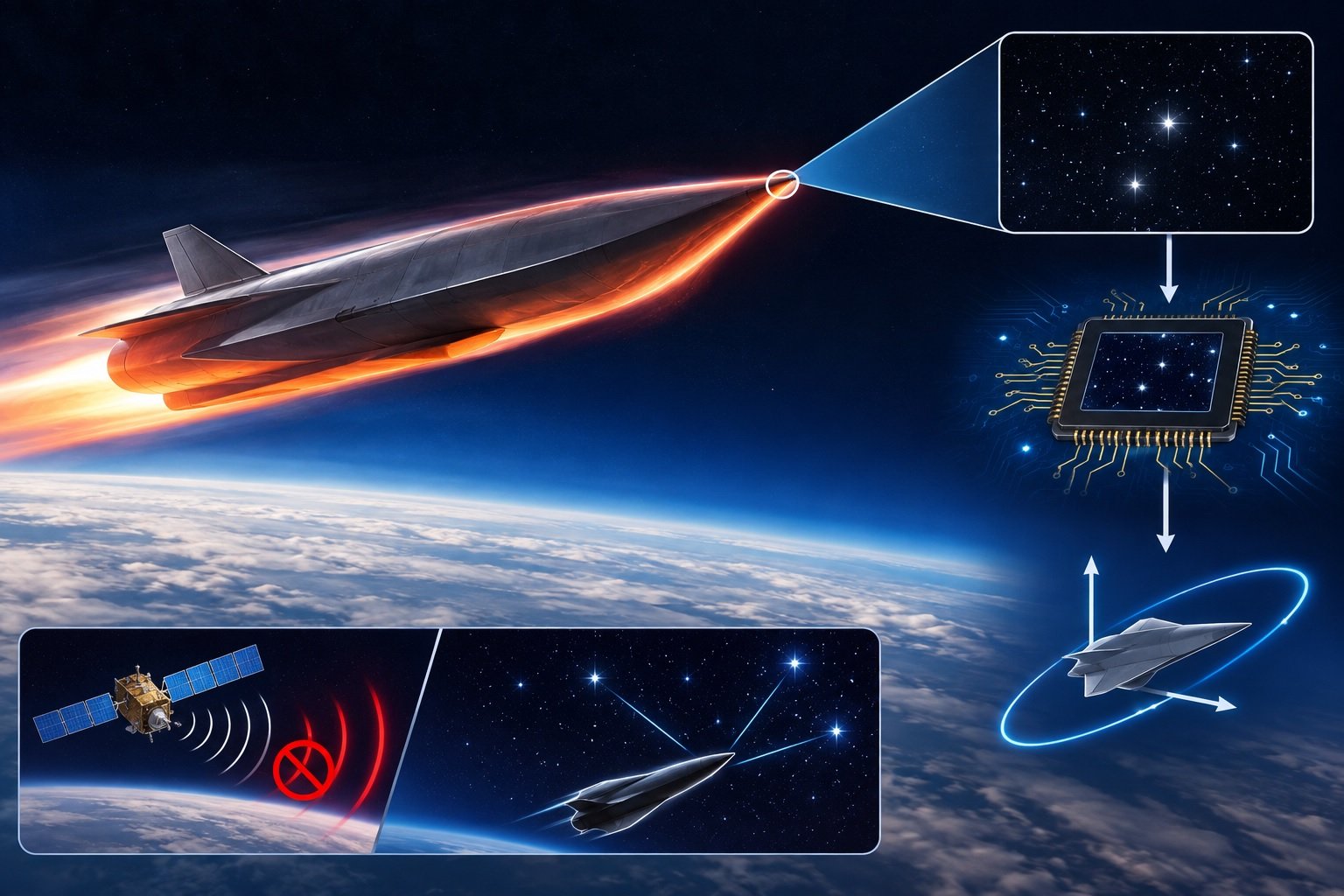
World
GUANGZHOU, China — Researchers at the Guangdong Aerospace Research Academy have completed a project to develop a star-based navigation system for hypersonic vehicles operating at Mach 5 or faster. The project passed its final expert review on Monday, and the academy published details of the results on August 10. The system is designed to provide a navigation option when satellite signals from systems such as GPS or China’s BeiDou become unavailable because of jamming or other interference. The research addresses a specific problem in high-speed flight: using stars for navigation is possible without external signals, but detecting stars becomes difficult when a vehicle is surrounded by intense aerodynamic heating and radiation. How the star-based navigation system works Celestial navigation uses the known positions of stars as reference points. A modern star sensor observes patterns of stars and uses them to determine the vehicle’s position and orientation. Unlike satellite-based navigation, the method does not depend on signals transmitted from satellites or other external sources. This means it can provide an independent navigation reference when satellite signals are disrupted. The system can also be combined with an inertial navigation system. In such an arrangement, the inertial system provides continuous navigation data while the star sensor can provide an independent reference for determining the vehicle’s orientation and position. The main challenge for hypersonic applications is that the sensor has to identify very faint stellar light while the vehicle is moving through an extremely hot and rapidly changing environment. Why hypersonic flight makes star navigation difficult At Mach 5 and above, friction between the vehicle and the surrounding air produces a shock layer and plasma sheath around the vehicle. The temperature of the hot gas can exceed 1,000 degrees Celsius. This environment creates two major problems for a star sensor. First, the hot gas can bend incoming starlight, changing how the stars appear to the sensor. Second, the heated gas produces strong radiation, including infrared radiation, that can overwhelm the much weaker light coming from stars. As a result, a star sensor designed for normal conditions cannot simply be used in the same way on a hypersonic vehicle. The navigation system must account for the changing radiation environment around the vehicle. Chinese researchers developed radiation databases and simulation software To address the problem, the research team created two databases. One covers the thermal-chemical radiation produced by hot air, while the other focuses on radiation interference caused by thermal effects. The team also developed simulation software to model the radiation environment around a high-speed vehicle. The software achieved a spectral resolution of 0.12 nanometres, while the reported simulation errors were kept within 18.9 percent. These tools were used to predict how atmospheric heating and radiation would affect the appearance of stars as seen by a sensor during high-speed flight. Based on this work, the team built a prototype star sensor designed to operate under radiation interference. Prototype performance Laboratory tests showed that the prototype achieved a star-pattern recognition rate of more than 99 percent when there was no radiation interference. Under strong aerodynamic radiation interference, the recognition rate remained above 80 percent. The prototype also achieved attitude measurement accuracy better than 5 arcseconds. One arcsecond is 1/3,600 of a degree. These results demonstrate that the prototype can continue identifying stellar patterns even when strong radiation from the surrounding high-speed flow interferes with the sensor. Technology also used for civilian applications The Guangdong Aerospace Research Academy said the radiation measurement and simulation technology developed through the work has already been used in mission-critical projects at several aerospace institutes. According to the academy, the technology has generated nearly 10 million yuan, or about US$1.5 million, in additional sales. The same technology has also been adapted for civilian applications. These include aircraft engine test stands and industrial boiler combustion monitoring, where it can provide real-time views inside combustion chambers. A backup for satellite-denied navigation The project is focused on navigation in high-speed flight environments where conventional satellite signals may not always be available. The prototype does not eliminate the need for other navigation systems. Instead, its purpose is to provide an independent reference based on stars and to work with inertial navigation when external satellite signals are disrupted. The key challenge remains maintaining reliable star detection through the intense thermal and radiation environment created during hypersonic flight. The research team's radiation databases, simulation tools and prototype sensor were developed specifically to address that problem. The project therefore represents an approach to maintaining navigation capability for hypersonic vehicles when satellite-based positioning signals are unavailable or affected by interference.
Read More → Posted on 2026-08-14 15:22:09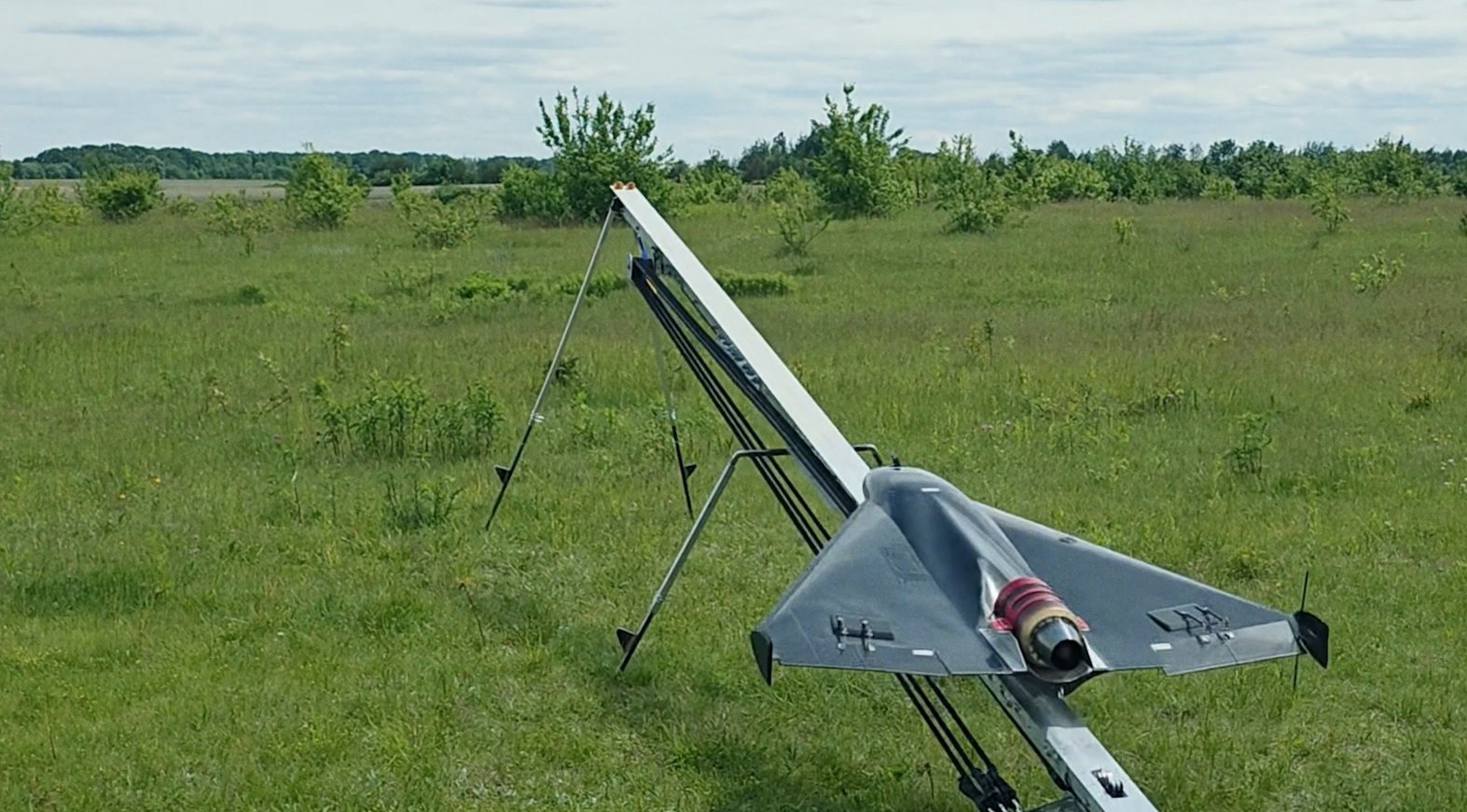
World
KYIV, Ukraine, August 14, 2026 — Ukraine has begun combat testing of its first jet-powered interceptor drones designed to counter Russia’s growing use of jet-powered Shahed-type attack drones. Former Ukrainian Defence Minister Mykhailo Fedorov said on August 14, after visiting a production facility, that one Ukrainian team had developed a jet-powered interceptor capable of reaching speeds of more than 600 km/h. 🇺🇦 Ukraine begins combat testing of its first jet-powered interceptor drones, designed to counter Russia’s growing use of jet-powered Shahed-type attack drones.The new interceptor can exceed 600 km/h, with developers awaiting the first confirmed combat results. pic.twitter.com/pZNNpWCuIA — The Defense News (@TheDefenseNews) August 14, 2026 “The system is now undergoing combat testing,” Fedorov said. Developers are awaiting the results of the trials, including the first confirmed shoot-downs of enemy targets. Fedorov said Russia is gradually replacing conventional Shahed drones with faster jet-powered versions, describing the development as a change in the strategy of aerial warfare. He said Ukraine must respond quickly to keep pace with each new technological development. Ukraine launched a coordinated interceptor-drone programme through the Defence Ministry last year. The programme focused on opening the market to manufacturers, conducting combat tests and increasing government procurement. Through Brave1, Ukraine’s defence technology cluster, manufacturers have received grants, while their systems have been assessed and supported during testing. Fedorov said several Ukrainian companies now have solutions designed to counter jet-powered drones and called for increased investment in research, development, testing and production. He said the immediate task is to increase efforts to counter the threat as quickly as possible. Other Ukrainian companies are also developing faster interceptors. SkyFall’s P1-SUN JetKiller has been reported at around 370 km/h, with the system already recording interceptions of jet-powered threats and moving toward mass production. British-Ukrainian company Firebolt Engineering’s Griffen jet-powered interceptor exceeds 350 km/h and has reportedly achieved a confirmed shoot-down of a Russian Geran-2, a Shahed-type drone. Separate reports said at least two Ukrainian companies were testing jet-powered interceptors by early June 2026, with one having already downed a Geran drone. Ukrainian military leadership has previously said Russia intends to increase the share of jet-powered systems, potentially to half of its long-range one-way attack drone inventory. Ukraine is also expanding the use of slower interceptor drones. On August 12, the Defence Ministry approved the TAF Kolibri-i10, developed by TAF Industries, for service. It can exceed 200 km/h, has a range of up to 25 km, an endurance of more than 20 minutes and an operating altitude of up to 3,000 meters. It is primarily intended to counter reconnaissance and other fixed-wing drones such as Molniya, Orlan and Zala. The combat testing of the new 600-km/h interceptor is part of Ukraine’s wider effort to develop faster systems as Russia increases its use of jet-powered attack drones.
Read More → Posted on 2026-08-14 12:51:32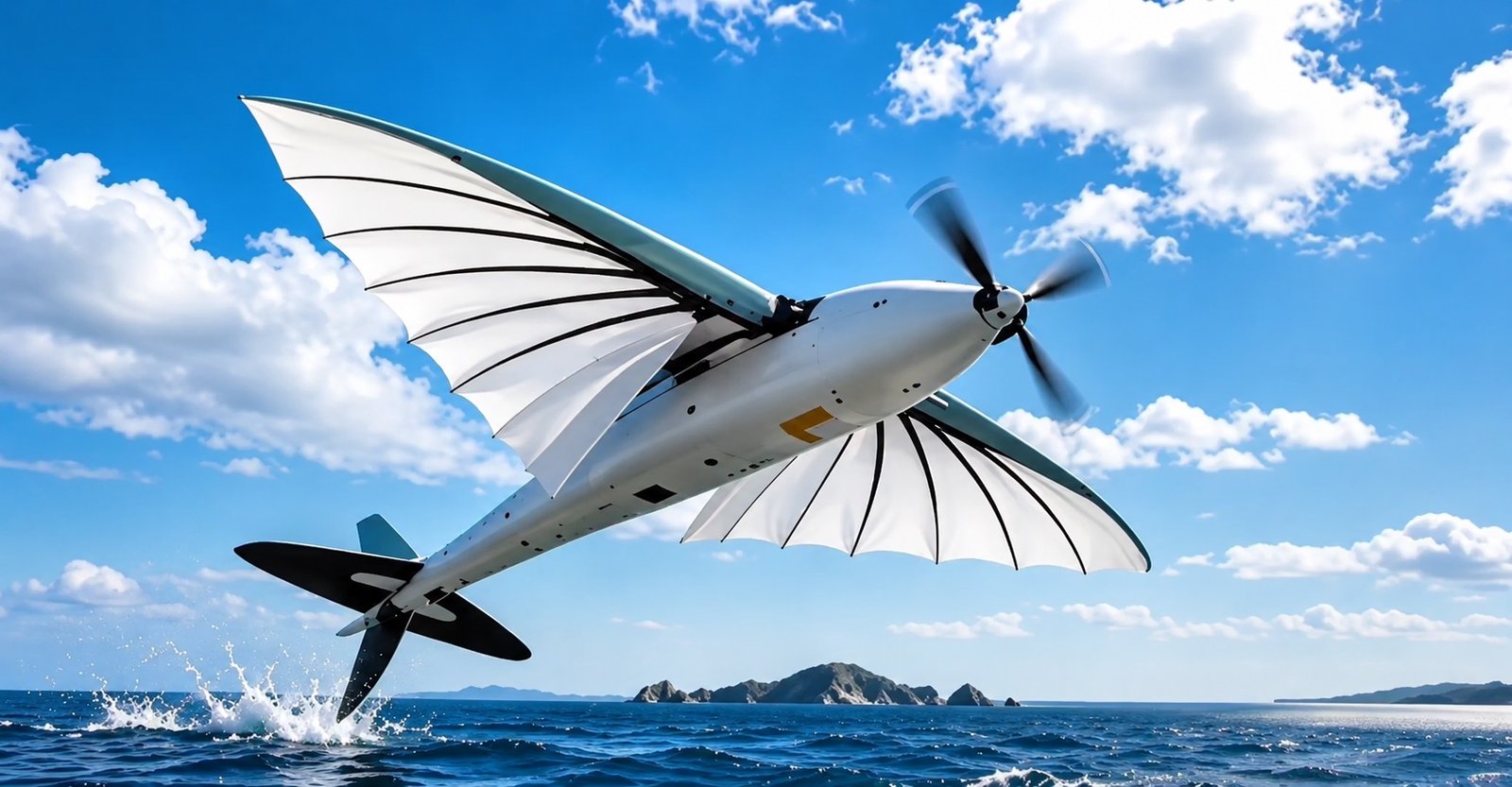
World
CHANGSHA, China — Chinese technology company Changsha Nighthawk Intelligent Technology is completing testing of its SkyX bionic amphibious system and preparing for serial production, according to Chinese reports and coverage including CGTN. Inspired by a flying fish, the SkyX is designed to operate in three modes: aerial flight, surface gliding and underwater travel. In the air, its wings unfold into a fixed-wing configuration while a front propeller provides thrust, giving the system an endurance of up to one hour. When entering the water, the wings fold inward to create a streamlined shape and reduce drag, while a tail propeller provides underwater propulsion. The company states that the vehicle can reach underwater speeds of up to 50 km/h (31 mph). China’s Changsha Nighthawk Intelligent Technology is preparing the SkyX bionic amphibious drone for serial production, with the system designed for air, surface and underwater operations, up to 1 hour of flight endurance and underwater speeds of up to 50 km/h pic.twitter.com/LH3skqVDY2 — The Defense News (@TheDefenseNews) August 14, 2026 Changsha Nighthawk says comparable foreign amphibious systems typically reach about 6 km/h (3.7 mph) underwater and have aerial endurance of roughly six minutes. Development began with a concept prototype in 2021, and the team has now completed five generations of prototypes. The fifth generation entered cross-medium testing in 2025. Real-world water tests have demonstrated flight, underwater movement, mode switching, surface jumping and passage under bridges. The system uses adaptive flight controls, combined ducted and propeller propulsion, and sealing measures to handle the major difference between air and water environments. Its range and maximum diving depth have not been publicly released, while development continues on water-exit reliability, complex sea conditions and payload capacity. The SkyX is being considered for emergency rescue, ocean monitoring, environmental data collection and search-and-rescue operations. Defense-related applications, including reconnaissance, have also been discussed, but available information does not indicate that the vehicle has been configured or armed for a specific military strike role. The project is being developed by a team of eight people that originated from a university drone club. The team has received 200,000 yuan from the Hunan provincial university student entrepreneurship investment fund, is listed on the Hunan equity exchange's student innovation and entrepreneurship board, and plans to raise 500,000 yuan for further engineering optimization and small-batch delivery. It is also applying for patents covering power systems, structure and algorithms. The project remains focused on prototype optimization, reliable air-water transitions and preparations for limited production.
Read More → Posted on 2026-08-14 12:01:33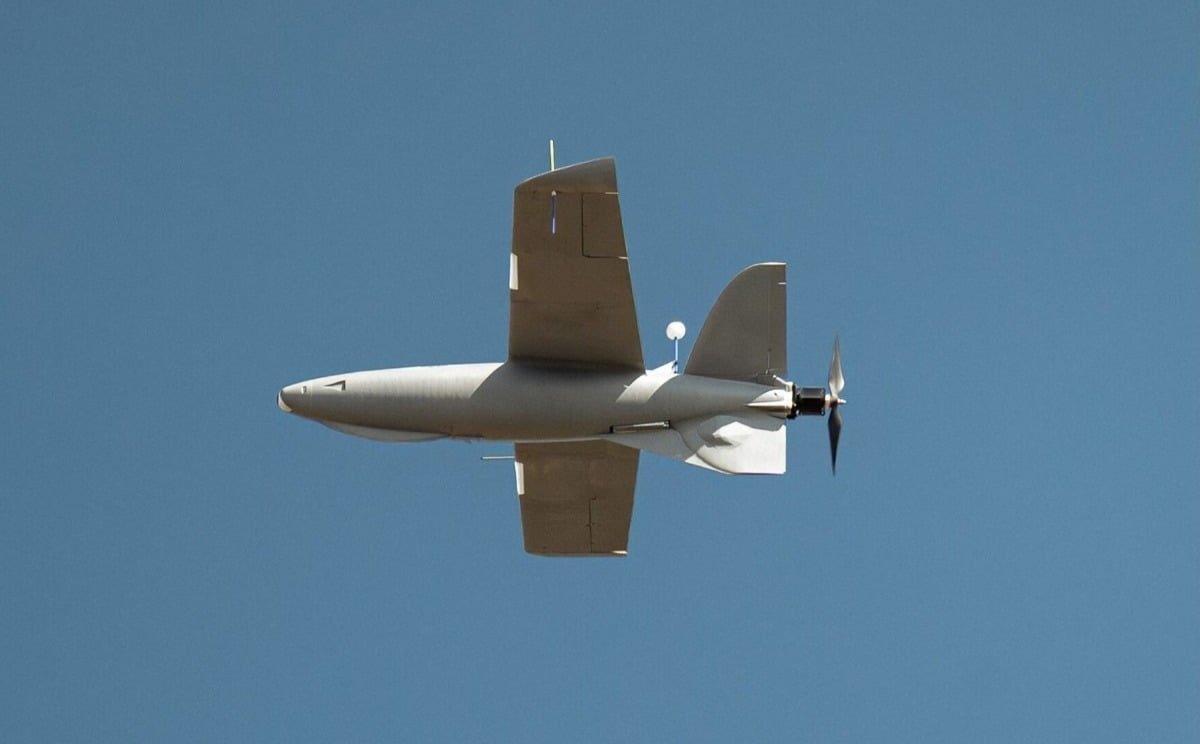
World
KYIV, Ukraine — Ukrainian defense-technology company Ukrainska Bavovna has unveiled the Last Shadow T200, a fixed-wing interceptor drone designed for city air defense and frontline operations against Russian unmanned aerial vehicles. The system was presented at an event organized by the Technological Forces of Ukraine association. According to information provided by the company to Militarnyi, the T200 is designed to intercept Shahed (Geran), Gerbera, Molniya, Lancet, Orlan and Zala drones. Development began last year. The T200 has a maximum speed of 300 km/h, a practical ceiling of 5,000 meters, and a maximum climb rate of 35 meters per second. Its propulsion system provides about 7 kilograms of thrust, although the company says normal flight uses much less of the available power. The drone has an endurance of about one hour at a cruising speed of 130 km/h, and around 40–50 minutes at higher interception speeds. Its initially stated operational range was 70 kilometers, but recent combat trials saw the aircraft cover 122 kilometers while maintaining a stable, high-quality video link with ground control. The interceptor is designed to operate in heavy electronic-warfare environments. It uses beacon-based navigation, a jamming-resistant Sine.link data channel, and systems that switch between video channels and frequency bands to counter Russian interference, including the Shtora image-spoofing system. Target detection is supported by a movable, gimbal-mounted camera that can be raised and lowered. It can tilt from -80 to +45 degrees and provides thermal imaging. Ukrainska Bavovna is also integrating an automated terminal-guidance system. The operator will designate the target using a switch, after which the onboard autopilot will control the final approach. The T200 uses a codified warhead and initiation board, with a PWM signal used when engaging aerial targets. Its 2.5-kilogram shaped-charge warhead was developed by Rendrock Ukraine. Both the drone and warhead have been codified. The T200 is launched from a pneumatic catapult, which can be deployed in less than five minutes. Its airframe is currently produced using 3D printing, but the company plans to switch to molding within several months to increase structural strength and enable reusable landings. Small-scale serial production has already begun following state codification. Ukrainska Bavovna said it focuses on maximizing the use of Ukrainian-made components and also provides joint research and development, testing, and maintenance, repair and overhaul services to foreign partners. For operator training, it works with the Dovzhyk pilot school, where more than 70 veterans prepare crews to operate various drones, including interceptors.
Read More → Posted on 2026-08-14 11:42:27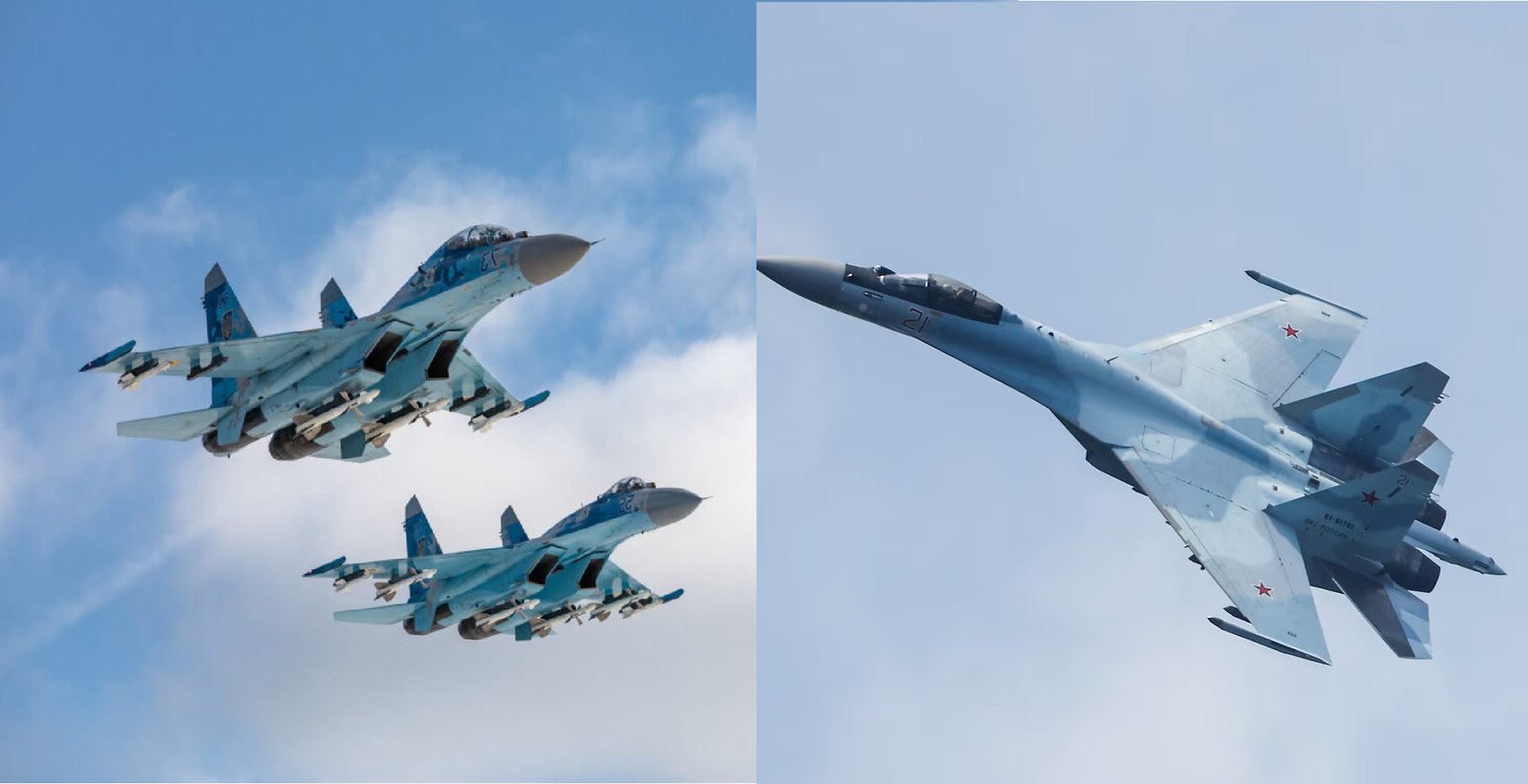
World
MOSCOW, Russia — A Russian Su-35S fighter pilot destroyed two Ukrainian Su-27 aircraft during a single air engagement, according to Sergey Kobylash, commander of the Russian Air Force and deputy commander-in-chief of the Russian Aerospace Forces. Kobylash described the incident in an interview with Krasnaya Zvezda published around the 114th anniversary of the Russian Air Force on August 12. Russian media, including Izvestia, subsequently reported his account. According to Kobylash, the young pilot was conducting a combat air patrol to provide cover for an advancing group of Russian ground forces. After reaching the assigned area, he used the Su-35S's onboard radar to search for airborne targets. Despite electronic jamming by Ukrainian forces, the pilot detected two Ukrainian Su-27 fighters. Kobylash said the pilot decided to engage even though he was facing two aircraft. During the engagement, the Su-35S pilot carried out a manoeuvre to obtain a more favourable tactical position and then launched three guided air-to-air missiles. Kobylash said both Ukrainian Su-27s were destroyed. The Russian commander did not provide the exact date or location of the engagement, and the name of the pilot was not disclosed. Ukrainian sources have not publicly confirmed the loss of the two Su-27s in connection with this particular account. Kobylash presented the incident as an example of Russian air operations during the ongoing conflict. He also referred to the continued effectiveness of Russian army aviation helicopters under current combat conditions. The account is based on statements made by the Russian Air Force commander in the Krasnaya Zvezda interview and subsequent Russian media reports.
Read More → Posted on 2026-08-14 11:15:56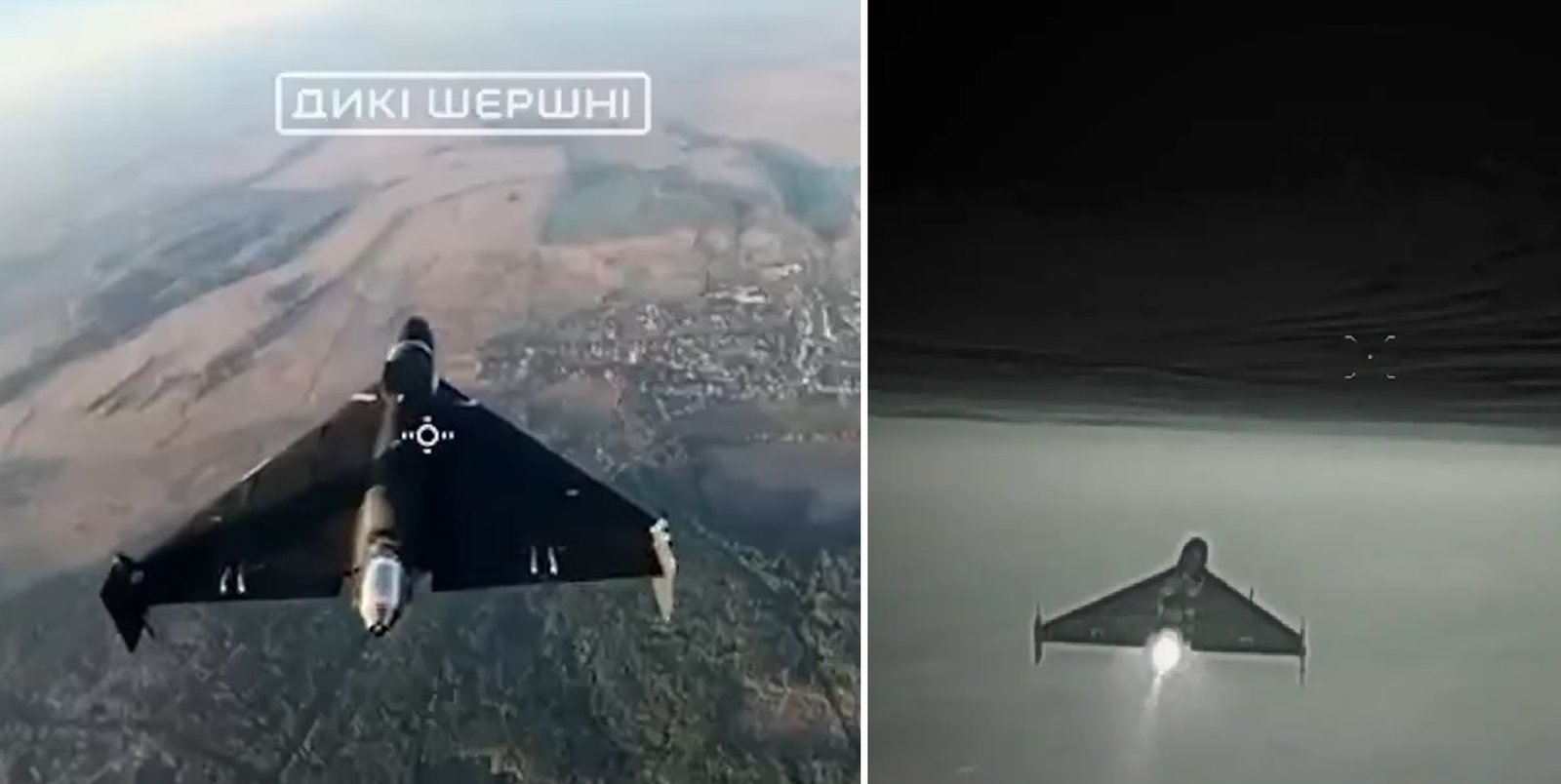
World
KYIV, Ukraine — Russia is increasingly using jet-powered attack drones against Ukraine, with the drones accounting for as much as two-thirds of some attack waves, according to Col. Yuriy Ihnat, spokesperson for the Ukrainian Air Force. Ihnat gave the assessment to Business Insider on Thursday. Earlier Ukrainian estimates had put the share of jet-powered drones at up to 20%. In 2025, such drones appeared only rarely in Russian attacks. In early June, Ukraine's then-Commander-in-Chief Gen. Oleksandr Syrskyi said Russia planned to increase their share to 50% of its attack-drone mix. The jet-powered drones are variants of the Geran series, Russia's version of Iranian-designed Shahed-type one-way attack drones. The standard Geran-2 uses a propeller and flies at about 185 km/h, while newer versions use mini turbojet engines. The Geran-3 typically cruises above 320 km/h. The Geran-4 can reach about 500 km/h, while the larger Geran-5 can reach up to about 600 km/h and has a shape closer to a small cruise missile. Their ranges generally fall between 850 and 1,000 km or more, with warheads ranging from 50 kg to 90 kg. Many of the newer drones use Chinese-made TeleFly turbojet engines. Ukraine says Russia has also sharply increased production and use of these systems. About 1,400 jet-powered Geran drones were reportedly launched during the first months of 2026, compared with 180 recorded during all of 2025. Ukrainian intelligence has also reported production of newer Geran-4 and Geran-5 models reaching about 3,000 units per month, while production of the earlier Geran-3 has reportedly stopped. The higher speed creates additional problems for Ukrainian air defenses. Ukrainian forces have reported interception rates of 92–96% against slower propeller-driven Shahed/Geran drones in some assessments, particularly in deeper rear areas. However, faster jet-powered drones reduce the reaction time available to mobile fire groups and interceptor drones, which can have top speeds of around 300–370 km/h. This can require more capable surface-to-air missiles or other air-defense systems. On Thursday, Ukrainian President Volodymyr Zelenskyy said a Russian jet-powered drone struck the locomotive of a passenger train in the Odesa region. The train was carrying 340 people, and the locomotive engineer and his assistant were killed. The same day's overnight attacks involved more than 130 attack drones across 11 Ukrainian regions. Russia continues to combine jet-powered drones with conventional kamikaze drones and decoys, putting additional pressure on Ukraine's air-defense network. Source : businessinsider
Read More → Posted on 2026-08-13 16:00:22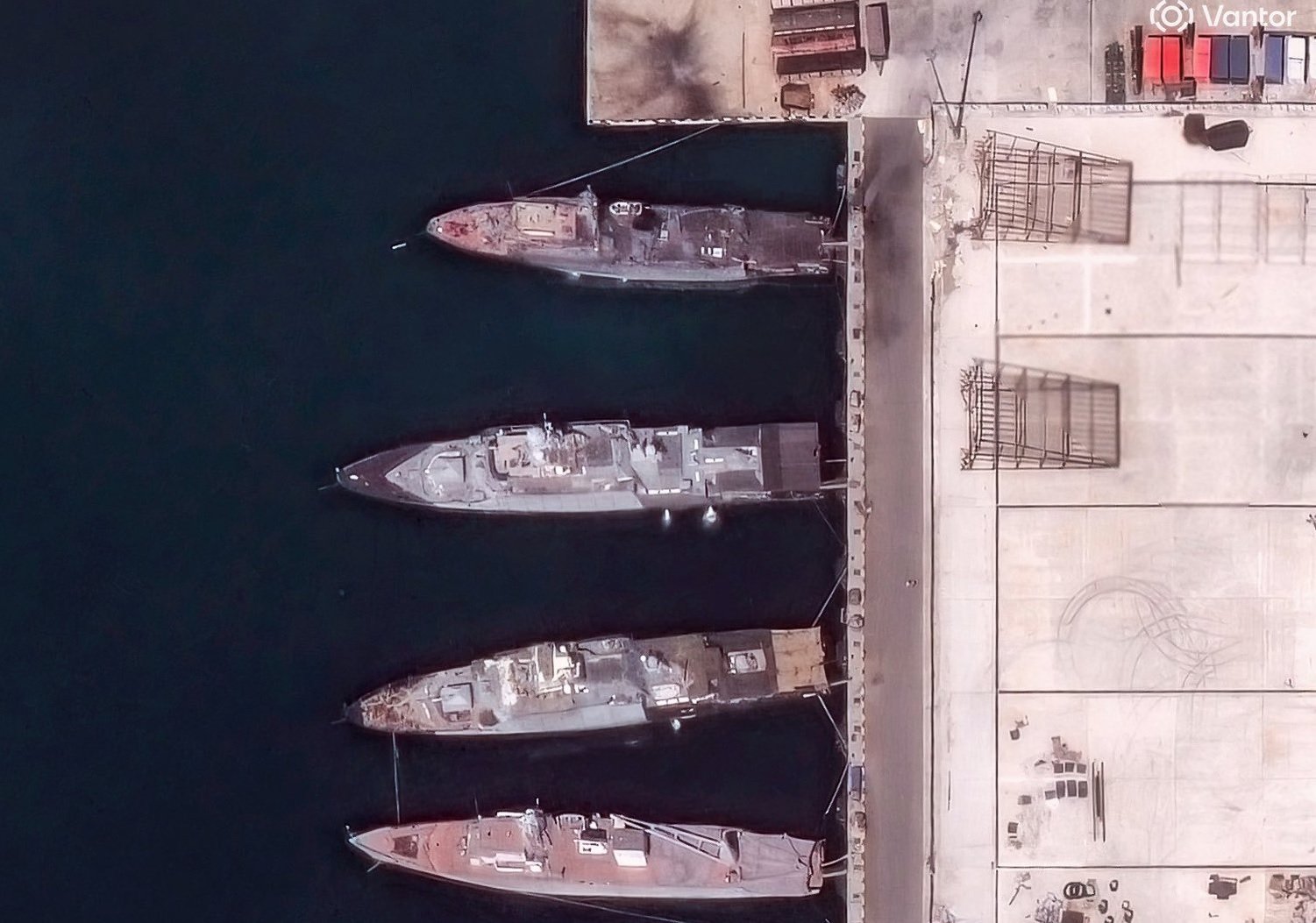
Satellite Images Reveal Four Russian Warships Damaged in Ukrainian Strike on Novorossiysk Naval Base
World
NOVOROSSIYSK, KRASNODAR KRAI — Ukrainian forces carried out a coordinated overnight strike on Russia’s Black Sea Fleet naval base and port facilities in Novorossiysk, Krasnodar Krai, on August 12, damaging four Russian warships, according to Ukraine’s General Staff. The attack involved drones and missiles and also affected air-defense equipment and infrastructure at the major Black Sea port. Russian regional authorities reported civilian casualties and damage to residential and other facilities. Four Russian Warships Damaged Ukraine’s General Staff said four Russian naval vessels sustained varying degrees of damage during the operation. They were: Admiral Makarov, a Project 11356R frigate Admiral Essen, a Project 11356R frigate A Project 21631 Buyan-M small missile ship Vasily Bykov, a Project 22160 patrol ship The two frigates are equipped to launch Kalibr cruise missiles. The Ukrainian military said the damage to the vessels was being assessed. Satellite imagery released after the attack showed visible damage to at least three of the vessels, including the two frigates and the Vasily Bykov. Open-source analysts identified damage around areas associated with the frigates’ missile-launch systems, although the full extent of the damage and the time required for repairs have not been independently established. The attack is significant for the Black Sea Fleet because Admiral Makarov and Admiral Essen are among its surface ships capable of carrying and launching Kalibr cruise missiles. Both frigates had also previously been reported damaged during Ukrainian attacks on Novorossiysk earlier in 2026. Satellite images don't lie. 📸Ukraine just took out a significant chunk of the Russian Navy in Novorossiysk. 4 warships confirmed hit, including two Admiral Grigorovich-class frigates. 🚢💥Russia is losing the battle for the sea without Ukraine even having a traditional navy. https://t.co/ti1oDfSopy pic.twitter.com/dwEYimSgkh — Ukraine News 🇺🇦 (@Ukrainene) August 13, 2026 Air Defense and Port Infrastructure Hit Ukrainian officials also reported strikes against Russian air-defense and port facilities. The reported targets included a 30N6E radar associated with an S-300 air-defense system, facilities at several naval berths and infrastructure at the Sheskharis oil terminal. Ukrainian President Volodymyr Zelenskyy said the operation combined drones, missiles and naval unmanned systems. Ukrainian officials described the operation as involving several domestically developed systems working together. The attack also affected civilian port infrastructure. Two major grain terminals in Novorossiysk suspended operations following the strikes, according to Russian and industry sources. Novorossiysk is an important Russian port for grain and other commodity exports. Civilian Damage Reported Russian authorities reported damage across parts of Novorossiysk following the attack. Krasnodar Governor Veniamin Kondratyev said people were killed, including an eight-year-old child, while others were injured. Novorossiysk Mayor Andrei Kravchenko said more than two dozen residential buildings, businesses and other facilities were damaged. The city also temporarily suspended its water supply and declared an emergency. Russian authorities also reported that air defenses engaged Ukrainian drones during the attack. Novorossiysk’s Role in the Black Sea Fleet Novorossiysk has become an important base for Russia’s Black Sea Fleet after repeated Ukrainian attacks on Russian naval assets in and around Crimea. Russia has moved a number of naval vessels to the eastern Black Sea, including Novorossiysk, as Ukraine has expanded its use of long-range drones and other weapons against naval targets. The latest attack therefore targeted Russian naval assets at a port that has increasingly been used to support Black Sea Fleet operations. The strike also came amid continued Ukrainian attacks on Russian military and energy infrastructure in the Black Sea region, while Russia continues to conduct attacks against Ukrainian ports and shipping infrastructure. The precise extent of the damage to the four warships and their operational status remains under assessment. Available satellite imagery confirms visible damage to several vessels, but there is no indication that the four ships were sunk in the August 12 attack.
Read More → Posted on 2026-08-13 14:14:45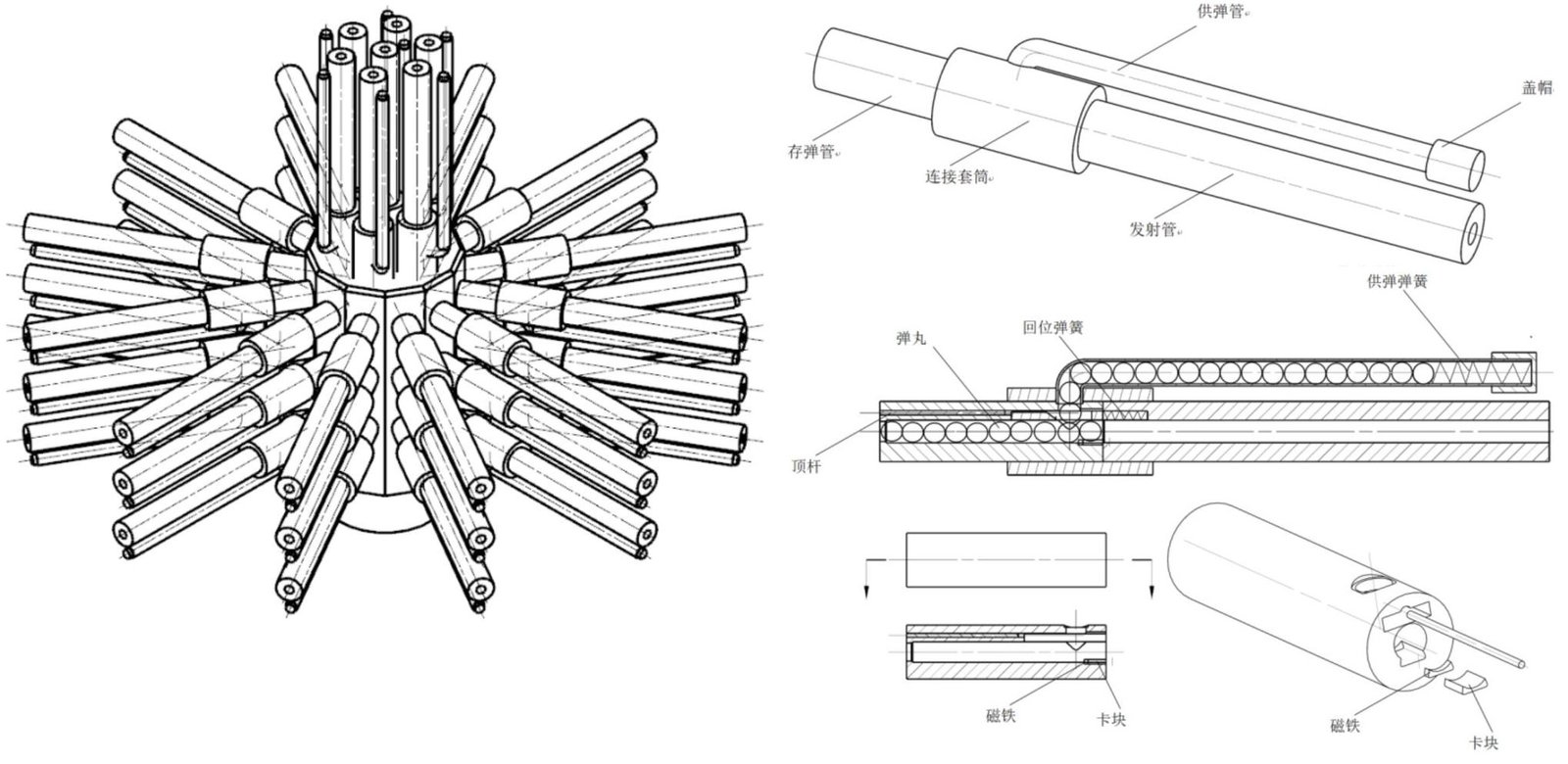
World
Chongqing, China — Chongqing Jianshe Industry (Group) Co., Ltd., a state-owned Chinese defense company under China South Industries Group Corporation, has filed a patent for a multi-azimuth steel-ball launching structure designed to counter unmanned aerial vehicles (UAVs). The patent, CN121977393A, titled “Structure for multi-azimuth launching steel balls,” was filed on March 30, 2026, and published on May 5, 2026. The company is based in Chongqing’s Banan District. Chongqing Jianshe Industry traces its history to the Hubei Arsenal established in 1889, later known as the Hanyang Arsenal. The company specializes in light weapons and related equipment and manufactures full-caliber firearms, including the QBZ-191 assault rifle family, as well as automotive parts and other products. It holds hundreds of patents and operates multiple production bases. Multi-barrel design The patented system uses several barrel assemblies connected to a common front combustion chamber. Each assembly has a feed tube containing spherical steel projectiles, a storage tube and a launch tube. A spring in the feed tube automatically moves the next steel ball into the storage tube after firing. The combustion chamber has multiple connection points on its front and circumference, allowing several barrels to be installed at different angles for multi-directional firing from a common propellant source. The launch tube has an internal diameter slightly smaller than the steel projectile, allowing gas pressure to force the ball through the barrel. The steel balls and propellant are loaded separately. Firing and loading mechanism When the system fires, propellant gas from the combustion chamber pushes a pusher rod. This moves a locking and gas-blocking component so that its projectile-passing hole becomes misaligned with the storage-tube feed opening, sealing the opening and preventing gas leakage. After chamber pressure falls, a return spring resets the blocking component and realigns the openings. The feed-tube spring then pushes the next steel ball into the storage tube. The blocking component also has a slope that helps move a partially advanced projectile back into the feed tube during the sealing process. A magnet inside the storage tube holds the forwardmost steel ball slightly off-centre to help prevent jamming. Anti-drone purpose The patent states that the design addresses limitations of conventional single-projectile firearms and existing shotguns against small, fast-moving drones. Conventional shotguns can experience projectile collisions inside the barrel, which can increase dispersion at longer distances. By placing steel balls in separate tubes and mounting multiple barrel assemblies at different angles, the patented design aims to create a wider spatial coverage pattern against approaching UAVs. The structure is intended primarily for individual or light anti-drone use. However, the patent remains pending and does not confirm that a completed production weapon has entered service or that the system has been operationally deployed. Images associated with the patent show technical drawings of the multi-barrel arrangement and its internal components.
Read More → Posted on 2026-08-13 13:58:50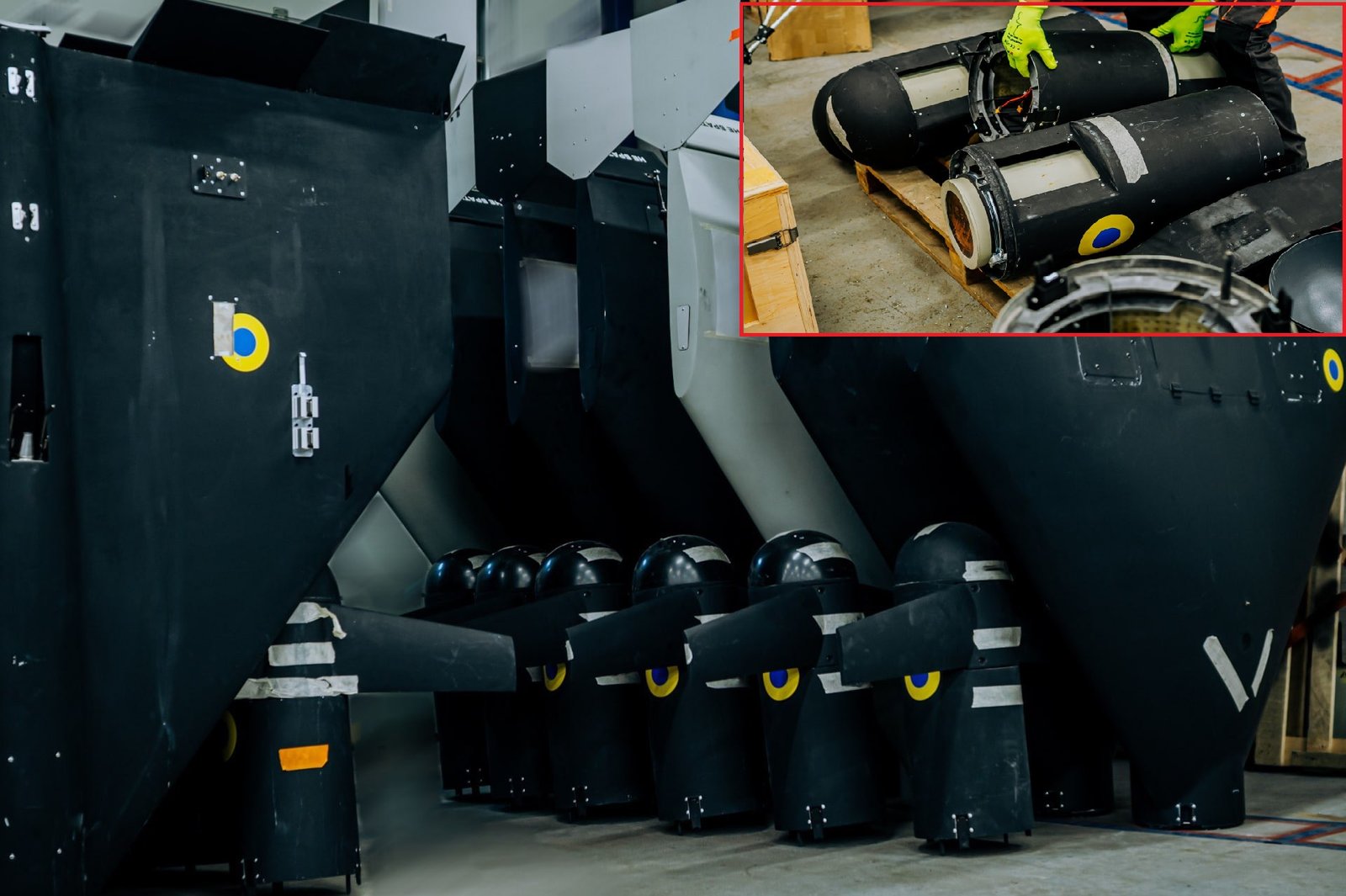
World
KYIV — Ukraine has identified a previously unidentified Shahed-like unmanned aerial vehicle used in long-range strikes as the MICH 2000, a domestically produced strike drone based on the Chinese ZTK-150, also known as the Z150. Details of the system were reported by Ukrainian outlet Oboronka on August 12, following journalists’ visit to a manufacturing facility involved in producing the drone. The report provides details about the MICH 2000’s development, production and operational use by the Security Service of Ukraine’s Special Operations Center “Alpha.” From Chinese Platform to Ukrainian Production The MICH 2000 program began in late 2023, when Ukrainian engineers traveled to China to acquire civilian unmanned systems for military adaptation. The original plan involved importing the Chinese ZTK-150 platform. After China tightened restrictions on the export of civilian drones that could be used for military purposes, Ukrainian specialists moved toward domestic production. According to the report, intermediaries initially offered technology transfer and training, but the factory later refused a direct agreement. Ukrainian specialists documented production processes during pilot training and returned with eight Chinese drones and trained operators. The design was subsequently reverse-engineered and adapted for production in Ukraine. The first test flights took place in summer 2024. Early testing identified several problems, including incorrect weight distribution, propeller separation caused by engine vibration and vulnerability to electronic warfare. The development team subsequently modified the airframe, electronics and construction methods. The first three MICH 2000 drones were used in combat missions in October 2024. One was shot down, while the other two reportedly missed their targets by about 10 meters. Following these initial missions, the SBU Special Operations Center “Alpha” approved serial production. The system has remained in service since autumn 2024 and is operated exclusively by Alpha, according to the report. MICH 2000 Specifications The MICH 2000 has a configuration similar to the Iranian Shahed-136, but its most recognizable feature is a pair of forward canards. Earlier sightings resulted in the drone being identified by observers as the Chinese ZTK-150, Egyptian Jabbar-150 or Turkish Troy T20. The manufacturer says the MICH 2000 has a maximum range of up to 2,000 kilometers and can carry a 25–60 kg warhead. The system is available in eight configurations for medium- and long-range missions. Operators can configure several elements of the drone depending on the mission, including: Communications systems, including radio, digital and Starlink options Fuel-tank capacity Warhead type Terminal guidance systems The basic version is reported to cost approximately $48,000. The manufacturer also states that about 85% of the drone's components are now localized in Ukraine. Domestic production includes the flying-wing airframes, engines, warheads, initiation boards and rocket boosters. Current production is reported at approximately 6,000 drones per year, with the facility working toward an annual output of 10,000 units. Combat Operations According to information provided in the report, Alpha personnel have launched thousands of MICH 2000 drones against Russian military targets in rear areas and in temporarily occupied territories. The manufacturer says the drones have struck hundreds of sites. One of the reported operations involved the Engels-2 strategic aviation base in Russia's Saratov region on the night of July 16, 2026. Satellite imagery reportedly confirmed that a Tu-95MS strategic bomber was hit, with its rear section completely destroyed and the aircraft assessed as beyond repair. On the morning of July 4, 2026, MICH 2000 drones were also used against an optical-mechanical plant in Azov, Rostov region. Another large-scale operation targeted the port of Ust-Luga, where more than 20 MICH 2000 drones reportedly reached their targets simultaneously. Other reported targets include a cargo ship near Novorossiysk and additional military and industrial facilities. MICH+ Variant Under Development The manufacturer is also developing a new variant known as the MICH+. Unlike the MICH 2000, the MICH+ is planned to omit the forward canards. It is designed for medium-range missions and is expected to carry a 70 kg warhead with a range of up to 600 kilometers. The development of the MICH+ indicates that the MICH family is being expanded into different configurations for varying ranges and payload requirements. The MICH 2000 program also shows how Ukraine has moved from attempting to acquire an imported civilian UAV platform toward localized production, with the manufacturer reporting that most of the system's components are now produced domestically. The Oboronka report, prepared in coordination with the manufacturer and the SBU, provides the first detailed public account of the MICH 2000 program and its reported operational use.
Read More → Posted on 2026-08-13 12:42:44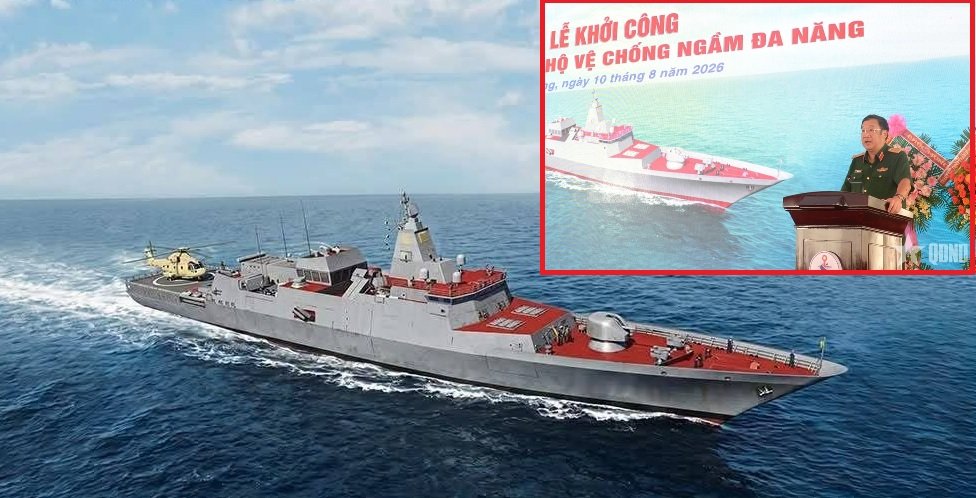
World
DA NANG, Vietnam — Vietnam has begun construction of its first indigenously designed multipurpose anti-submarine warfare frigate for the Vietnam People’s Navy (VPN), marking a major step in the country’s effort to expand domestic warship design, construction and combat-system integration capabilities. A steel-cutting ceremony for the new frigate was held on August 10, 2026, at the Song Thu Corporation shipyard in Da Nang. Song Thu Corporation operates under the Ministry of National Defence’s General Department of Defence Industry, while the Vietnam People’s Navy is the project investor. Senior Lieutenant General Pham Hoai Nam, Deputy Minister of National Defence, attended the ceremony along with other officials. Vietnamese state media described the vessel as the country’s largest and most advanced domestically designed and built combat ship to date. Vietnamese engineers have designed the frigate, while a high proportion of its weapons and technical systems are being developed or assembled domestically. Construction is expected to take 36 months. Viettel Military Industry and Telecoms Group and other defence research and manufacturing organisations will work with the Navy and Song Thu Corporation on weapons, equipment development and systems integration. Pham Hoai Nam instructed the organisations involved to give the programme priority, maintain technical and safety standards and complete construction according to schedule. Design and configuration Vietnam has not yet released a complete official technical specification for the frigate. Available information on its configuration comes from the scale model and digital rendering displayed during the August 10 ceremony, together with assessments of the equipment shown. The ship is estimated to be around 105 metres long, with displacement reported in the 2,500-to-3,000-tonne range. It is therefore slightly larger than Vietnam’s Russian-built Gepard 3.9-class frigates, which have a displacement of about 2,500 tonnes. Earlier reports had described a possible 4,000-tonne vessel based on a heavily modified Russian Project 11356R/Admiral Grigorovich-class design. Those reports do not describe the frigate now under construction, which is a new domestic design. The configuration shown in the model includes a combination of anti-submarine, air-defence, anti-ship and close-in weapon systems. At the bow are two RBU-6000-style anti-submarine rocket launchers, followed by an AK-176-based 76 mm naval gun. The 76 mm gun is already manufactured by Vietnam's Z173 and Z125 factories. The model also shows four chaff launchers, with two positioned toward the forward section and two near the rear hangar. A 12-cell vertical launch system (VLS) is positioned forward of the superstructure in two groups of six cells. The precise missile type for these cells has not been officially disclosed. Earlier assessments have linked the configuration to a possible naval version of Viettel's TLĐK-01 surface-to-air missile, which has been associated with an estimated range of around 70 kilometres. The possibility of using a quad-packed missile configuration remains an assessment rather than a confirmed specification. Two quadruple anti-ship missile launchers are positioned amidships. These are understood to be intended for missiles from Viettel's VCM family, although the exact missile configuration has not been officially confirmed. The bridge structure also shows two twin launchers for man-portable air-defence missiles, associated with systems produced by the Z131 Factory. For close-in defence, the ship has two AK-630M-type 30 mm close-in weapon systems positioned aft of the funnel. These are manufactured by Factory Z173. The frigate is also shown with two trainable twin 533 mm torpedo launchers, providing a further anti-submarine capability. Radar, sonar and aviation facilities The frigate's sensor configuration includes a four-panel phased-array multifunction radar positioned above the bridge superstructure, together with a separate fire-control radar. The radar, combat management system and electronic support measures are expected to involve Viettel, although complete official details of the systems have not been released. As an anti-submarine warfare platform, the frigate is expected to use a hull-mounted sonar. A towed-array sonar has also been discussed in assessments of the ship's configuration, but its installation has not been officially confirmed. At the stern, the frigate has a flight deck and hangar designed to accommodate a medium helicopter such as the Ka-28 operated by the Vietnam People's Navy. The propulsion system uses four engines. The exact engine types and suppliers have not been officially disclosed. The configuration has been assessed as a combined diesel and gas-turbine arrangement, potentially using two diesel engines and two gas turbines. Expanding domestic defence production The new frigate represents a significant expansion of Vietnam's domestic naval shipbuilding programme. Vietnam has traditionally relied heavily on foreign suppliers for major naval platforms, particularly Russia. Its fleet includes four Gepard 3.9-class frigates and six Project 636.1 Kilo-class submarines. The new programme is intended to increase Vietnam's ability to independently research, design, manufacture and integrate major defence systems. Vietnamese officials have linked the project to a broader policy of developing a defence industry that is autonomous, self-reliant, self-strengthening, dual-use and modern. The policy is also connected with Vietnam's wider maritime strategy and its objective of becoming a strong maritime nation. Resolution No. 20 of the 14th Party Central Committee, issued on July 28, 2016, is part of this broader policy framework. At the August 10 ceremony, Pham Hoai Nam described the frigate programme as an important task and called for close coordination between the Navy, shipbuilder, research organisations and defence manufacturers. Song Thu has been instructed to maintain technical quality, construction safety and schedule discipline. Other domestic naval programmes The frigate is part of a wider range of naval construction projects being undertaken in Vietnam. Song Thu Corporation is also nearing completion of a second submarine rescue vessel. The first vessel, Yết Kiêu, was commissioned into the Vietnam People's Navy in 2021. Song Thu has previous experience in constructing military and support vessels for Vietnam's defence sector. The Naval Technical Institute conducted the TN-75 midget-submarine project between 2020 and 2025. The 75-tonne submarine has been reported as capable of operating at depths of 200 to 300 metres, remaining submerged for up to seven days and carrying a six-to-seven-person commando team. A larger TN-300 design has also been mentioned, although details have not been publicly disclosed. Vietnam is also expanding its domestic landing-ship and troop-transport programmes. Ba Son Corporation launched the VDC-01 landing ship in August 2025, while the X55 Factory launched the third ST-294 aluminium troop-transport vessel on July 24, 2026. These vessels are assigned to patrol and transport duties, including operations in the southwestern Mekong Delta. Ba Son is also producing PS500 guided-missile corvettes, a class originally represented by a locally built 850-tonne vessel based on the Russian Pauk-class design. Construction of the second vessel, designated A2, began in October 2025, while work on the third and fourth units, A3 and A4, began in April 2026. The A2 vessel is scheduled for completion in 2027, with subsequent deliveries expected by September 2028. Vietnam is scheduled to host the Vietnam International Defence Expo in Hanoi in December 2026, providing another platform for the country's defence industry to present its growing domestic manufacturing and technology capabilities. The new multipurpose frigate remains Vietnam's most complex domestic naval shipbuilding programme announced so far. Its construction will bring together the Vietnam People's Navy, Song Thu Corporation, Viettel and other defence research and manufacturing organisations as Vietnam seeks greater domestic control over warship design, production and combat-system integration.
Read More → Posted on 2026-08-13 12:13:24Search
Top Trending in 24 Hours
-
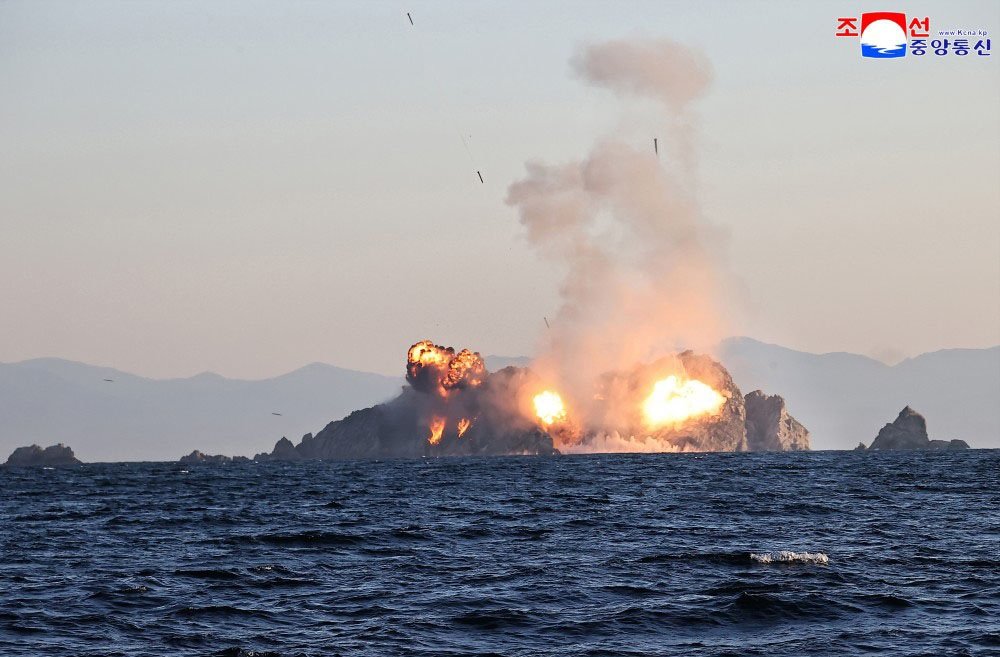 North Korea Fires Short-Range Ballistic Missile Toward Sea of Japan After Freedom Edge 26
-
 India’s xTerra Robotics Launches Indigenous DHAV-Hy Wheeled-Legged Quadruped for Industrial Inspection
-
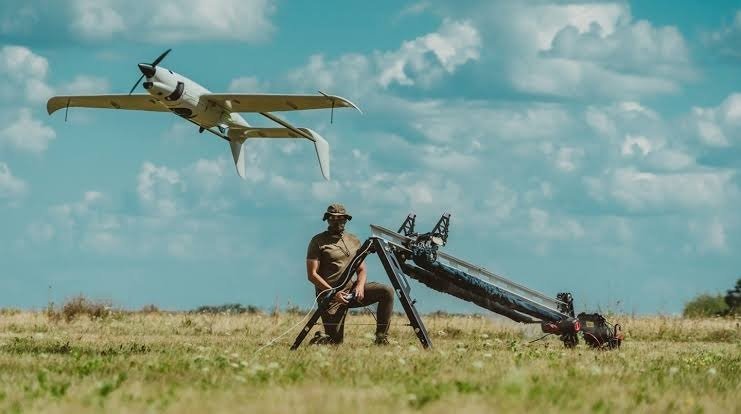 U.S. Army Awards $10.64 Million Contract to Ukrainian Drone Maker Skyeton for Raybird Systems
-
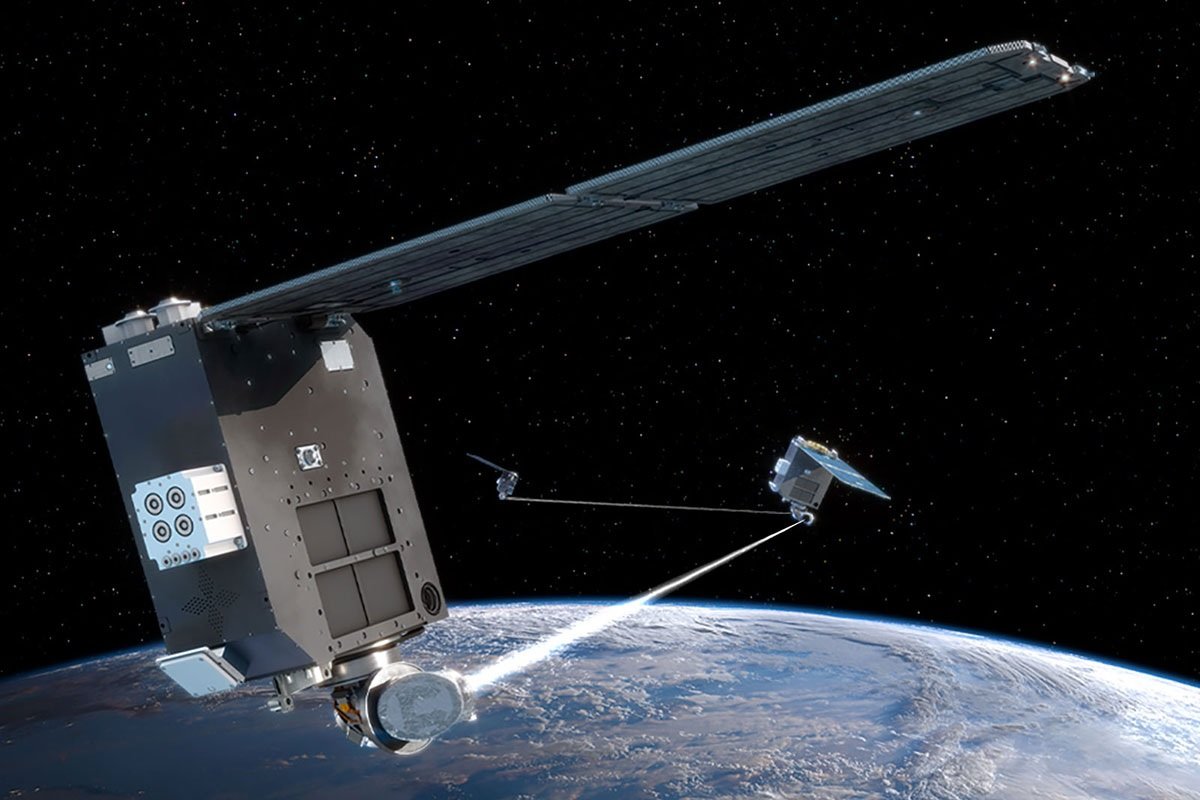 U.S. Space Force Seeks Rapid-Response Satellites for Close-Range Orbital Inspections
-
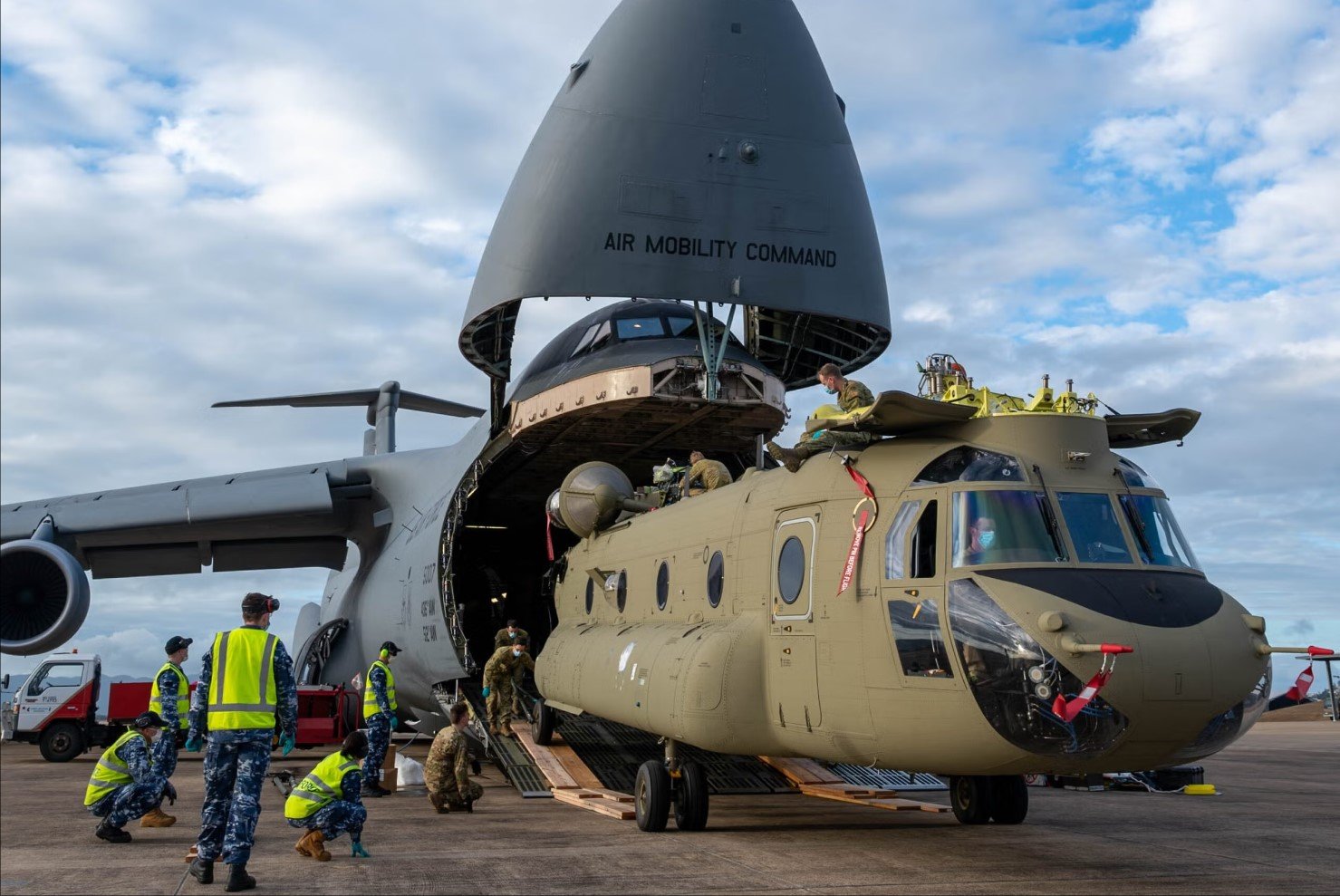 U.S. Delivers First CH-47F Chinook to Egypt Under 12-Helicopter Deal
-
 BEL Showcase X-Band Multi-Function Radar for QRSAM to Japanese Delegation
-
 U.S. Government Seizes Almasirah.net, Houthi-Linked News Website
-
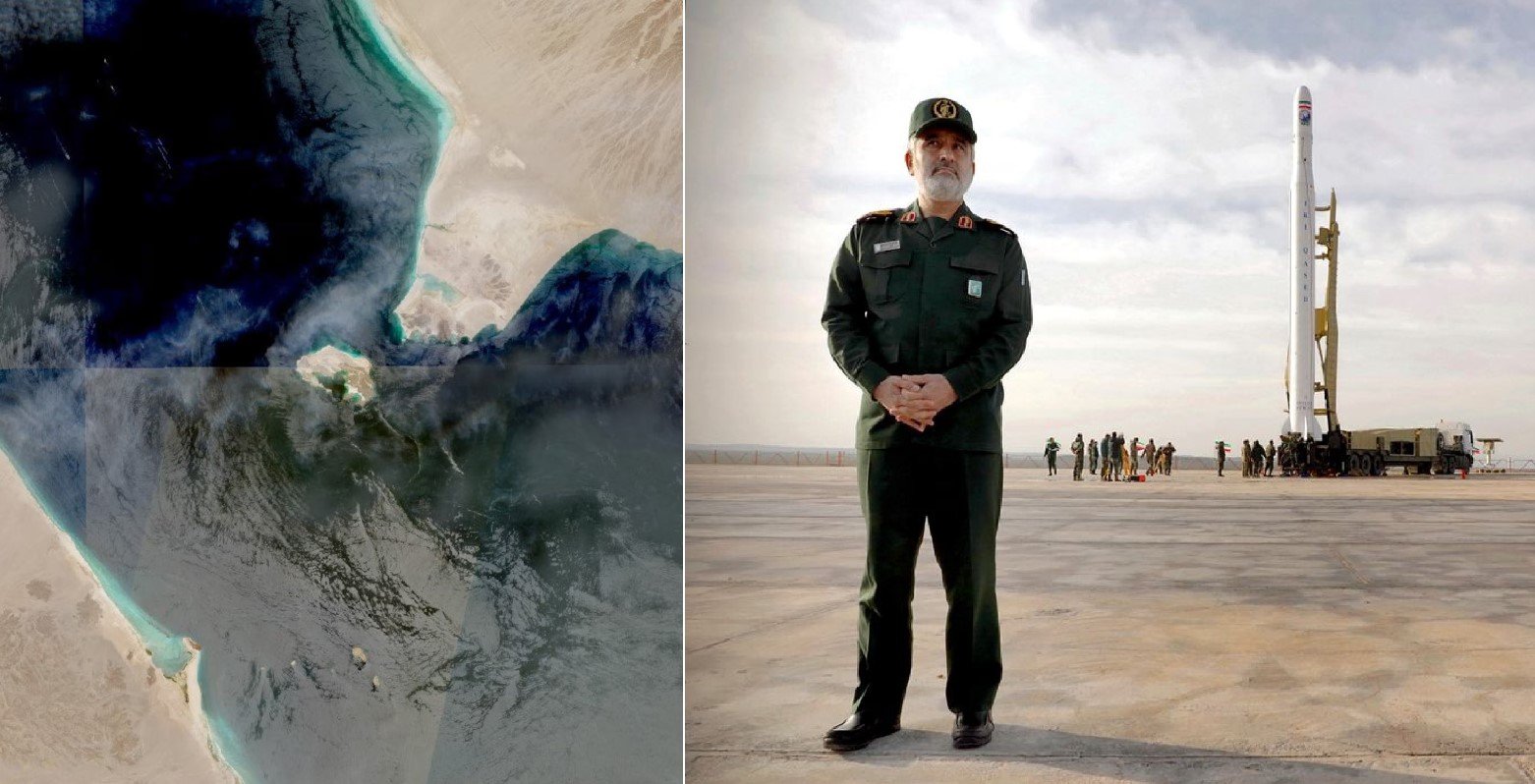 IRGC Experts Visit Bab El-Mandeb to Oversee Radar Installation and Tunneling, Houthi Sources Say
Top Trending in 4 Days
-
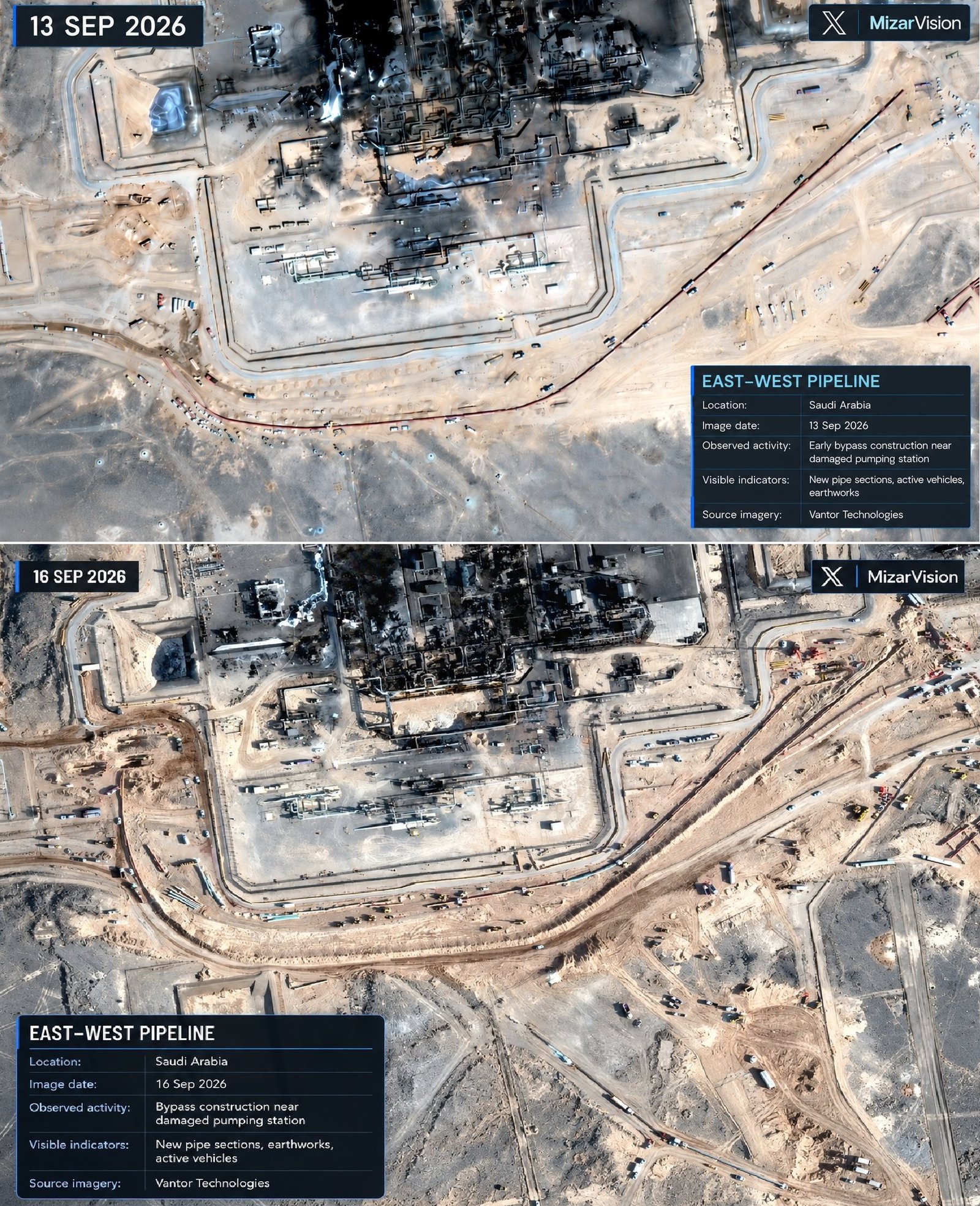 Satellite Images Show Saudi Arabia Building Emergency Bypass Around Damaged East-West Oil Pipeline Station
-
 Sensitive F-35 Components Diverted to Hong Kong, Some Parts Missing
-
 Italian Eurofighter Damaged in Houthi Attack on Saudi Arabia’s King Fahd Air Base
-
 U.S. Secures Permanent Military Rights in Greenland in Historic Security Pact with Denmark
-
 U.S. Approves Potential $2.68 Billion Air Defense Package for Ukraine Including S-300 Clone Missiles
-
 BEL Signs Export Deal with Elbit Systems for Directed Infrared Countermeasure Sub-Assemblies, Secures ₹648 Crore in Additional Orders
-
 China Privately Urges Iran to Restrain Houthis After Saudi Appeal
-
 Israeli Firm Arbe Robotics Unveils Alerion High-Resolution 4D Radar for Counter-Drone Operations