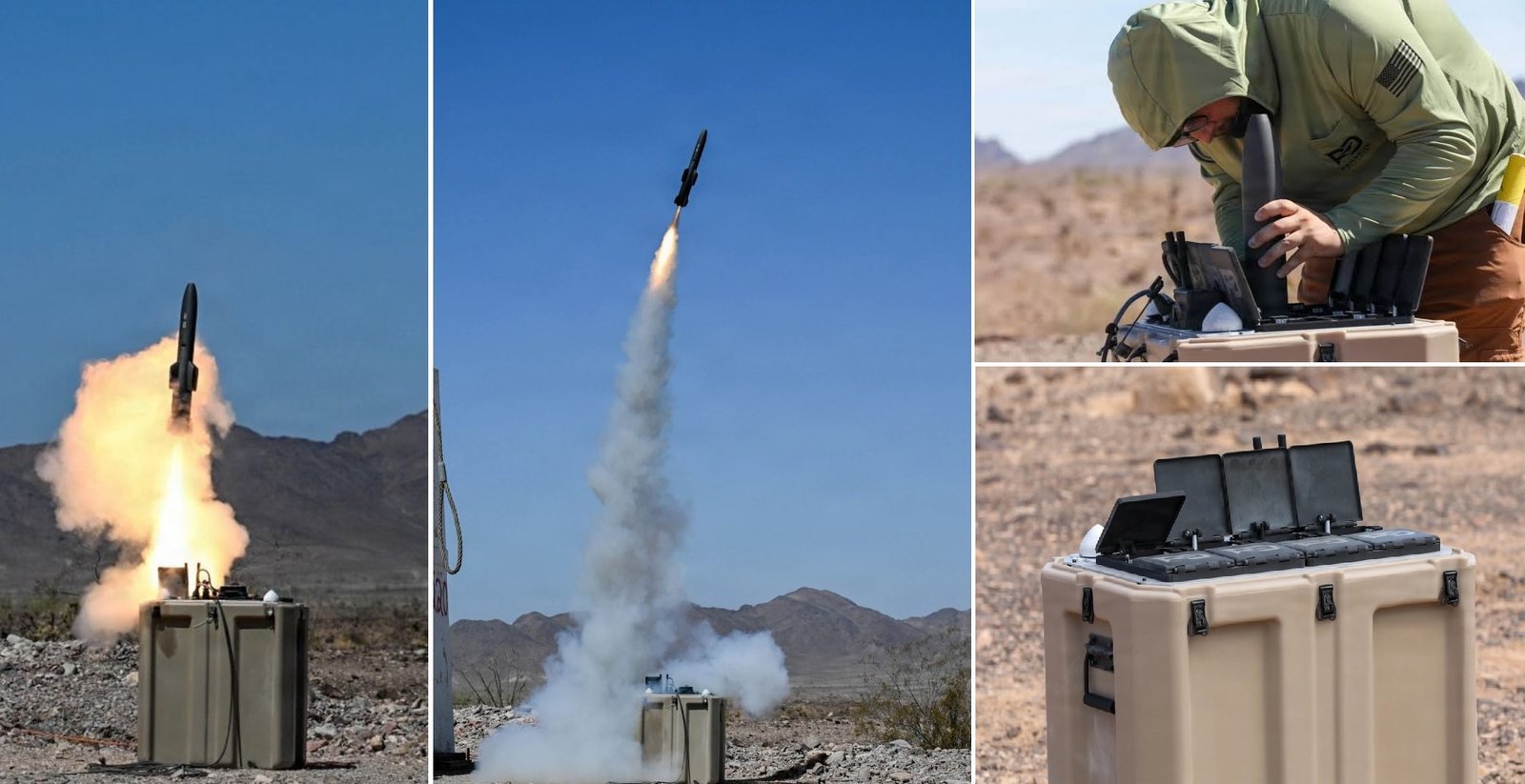
Washington, D.C., — March 4, 2026 : Operational data from the first days of the ongoing conflict involving Iran and a U.S.–Israeli coalition indicates a measurable decline in the volume of Iranian long-range missile and drone launches. Assessments from U.S. defense and intelligence sources state that the Islamic Revolutionary Guard Corps (IRGC) and the Iranian Army are facing increasing limitations in sustaining long-range strike operations due to the depletion of specialized missile fuel reserves and the reduction of available launch infrastructure.
According to these assessments, Iranian forces retain the capability to continue firing short-range rockets against nearby military installations for several months, but the ability to maintain sustained long-range ballistic or hypersonic missile strikes may be limited to roughly 8–10 days at the current rate of consumption.
Declining Launch Activity in the First Five Days
Launch tracking compiled from satellite monitoring, electronic intercepts, and battlefield damage assessments shows a steady reduction in Iranian offensive activity over the first five days of the conflict, which began on February 28, 2026.
- Ballistic missile launches declined significantly during this period.
| Day | Ballistic Missiles Launched |
|---|---|
| Day 1 | ~350 |
| Day 2 | ~175 |
| Day 3 | ~120 |
| Day 4 | ~50 |
| Day 5 | ~40 |
- Drone swarm deployments followed a similar pattern after an early surge.
| Day | Drone Swarms Launched |
|---|---|
| Day 1 | 294 |
| Day 2 | 541 |
| Day 3 | 200 |
| Day 4 | 85 |
| Day 5 | 45 |
The five-day total amounts to approximately 735 ballistic missiles and 1,165 drones launched by Iranian forces.
From Day 1 to Day 5, ballistic missile launches declined by roughly 88 percent, while drone deployments dropped by about 91 percent from their peak on Day 2.
Impact of Strikes on Launch Infrastructure
U.S. and Israeli military officials attribute the decline largely to strikes on Iranian military infrastructure. Coalition aircraft and drones have targeted missile launchers, storage depots, transporter-erector-launchers (TELs), and supporting command-and-control facilities.
U.S. intelligence assessments indicate that Iran initially operated approximately 1,200 mobile launch platforms for rockets and missiles. Following repeated strikes, the number of operational launchers is estimated to have fallen to fewer than 600.
Air operations targeting these assets have involved Israeli F-35I aircraft and U.S. MQ-9 Reaper drones, which have been used to track and strike mobile launch systems.
Fuel Supply Constraints
Analysts also cite the depletion of specialized fuels required for long-range missile systems. Iranian ballistic missiles such as the Fateh-110, Zolfaghar, and Sejjil, along with the Fattah hypersonic missile, rely on solid propellants that require specific chemical components.
Prior to the conflict, U.S. Defense Intelligence Agency estimates placed Iranian reserves of key propellant materials—primarily ammonium perchlorate and hydroxyl-terminated polybutadiene (HTPB)—at approximately 15,000 tons.
Coalition airstrikes since the start of hostilities have damaged or destroyed facilities capable of producing around 500 tons of propellant per month, including industrial sites in Semnan and Tabriz. With production capacity disrupted, Iran is relying primarily on existing stockpiles to support long-range missile operations.
At the current launch rate, those reserves are projected to sustain long-range barrages for approximately eight to ten days.
Continued Short-Range Rocket Activity
Iran retains more sustainable capacity for short-range rocket operations. Systems such as the Fajr-5 and Zelzal series rely on simpler fuel types that can be produced domestically with fewer specialized materials.
These rockets, which typically have ranges below 75 kilometers, have been used primarily against U.S. military positions in Iraq and Syria, with launch rates estimated at 200–300 rockets per day.
However, the targeting of mobile launch vehicles has gradually reduced the number of systems available to sustain these attacks.
Air Defense Interception Rates
Coalition air defense systems deployed across the region have intercepted a significant portion of incoming threats. According to operational reports, interception rates exceed 92 percent for ballistic missiles and approximately 85 percent for drones.
Defense systems used in these operations include the Patriot PAC-3 and Arrow-3, positioned across Israel, Jordan, and U.S. military installations in the Gulf region.
Background and Earlier Depletion of Reserves
The current situation follows earlier confrontations between Iran and Israel during the June 2025 conflict known as the Twelve-Day War. During that exchange, Iran launched more than 2,000 missiles and drones, which analysts estimate depleted roughly 40 percent of the country’s available missile reserves at the time.
The present conflict has further strained Iranian military logistics. Recent reported incidents include:
-
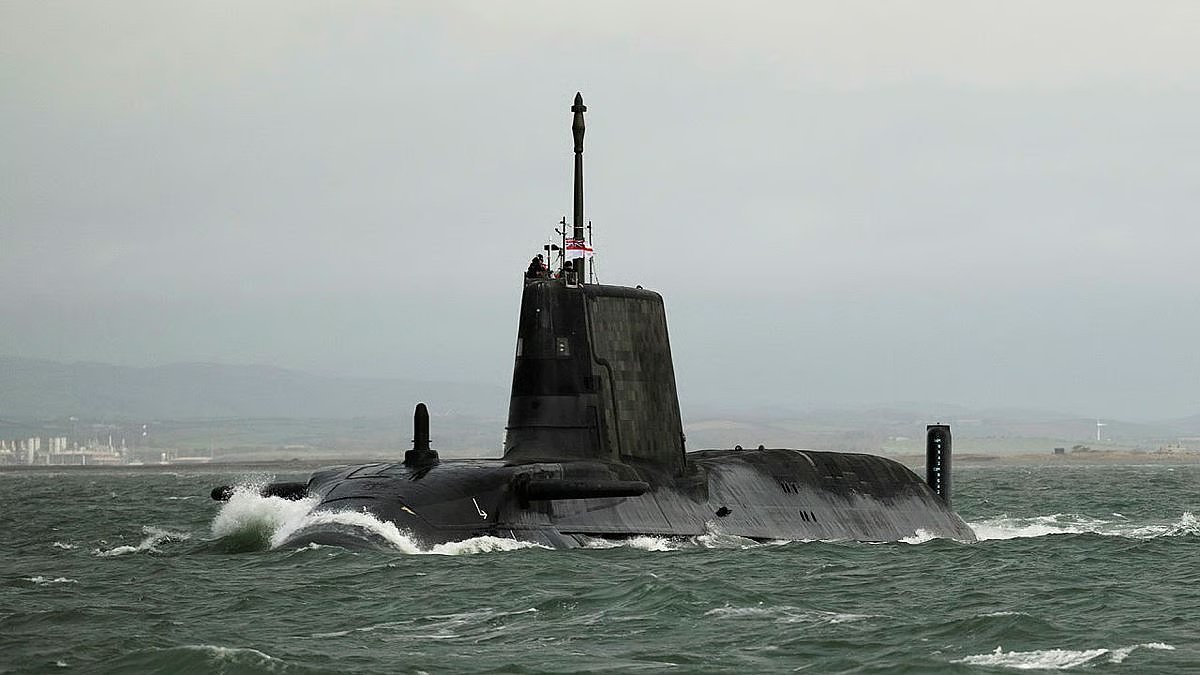
The sinking of the Iranian frigate IRIS Dena by a U.S. submarine near Sri Lanka on March 4
-
The shootdown of an Iranian Yak-130 aircraft over Tehran by an Israeli F-35I
-
Strikes on the IRGC corvette Shahid Sayyad Shirazi near Bandar Abbas
These events have added pressure on Iranian naval and air capabilities while military resources are also being diverted to internal security operations.
Iranian and International Responses
Iranian state media has acknowledged logistical challenges but states that the reduction in launch activity reflects operational adjustments rather than shortages. IRGC Aerospace Force commander Amir Ali Hajizadeh said in a March 4 broadcast that missile forces are undergoing “defensive reallocations,” while production continues at underground facilities located in the Zagros Mountains.
Limited inspections by the International Atomic Energy Agency (IAEA) have reported disruptions at several dual-use chemical plants, which are believed to contribute to missile propellant production.
In Washington, U.S. Secretary of Defense Lloyd Austin stated during a Pentagon briefing that coalition operations are focused on reducing missile threats while avoiding wider escalation.
Israeli Prime Minister Benjamin Netanyahu said in remarks to the Knesset that the reduction in Iranian launches reflects the effectiveness of strikes targeting command and launch infrastructure.
Diplomatic Developments
The United Nations Security Council convened an emergency meeting on March 4 to address the escalating conflict. Iran’s ambassador accused the United States and Israel of conducting attacks against civilian infrastructure.
Russia and China introduced a draft resolution calling for an immediate ceasefire, though the proposal faces opposition from the United States.
European Union foreign policy chief Josep Borrell urged the establishment of humanitarian corridors as cross-border strikes have displaced approximately 150,000 civilians in affected regions.
Outlook for the Conflict
Military monitoring continues as the conflict enters its sixth day. U.S. Central Command expects the volume of Iranian long-range launches to continue declining if fuel and launcher shortages persist.
Intelligence analysts are also observing whether Iran shifts toward asymmetric responses, including cyber operations or increased activity by regional allied groups such as Hezbollah and the Houthi movement.
A joint U.S.–Israeli intelligence review of Iranian missile stockpiles and launch capacity is scheduled for March 5, 2026, which is expected to update projections regarding Iran’s remaining long-range strike capability.
——— End of Article ———