LONDON — March 4, 2026 : The United States and Israel are reportedly coordinating efforts to support an armed Kurdish-led uprising inside western Iran, according to an investigation by ITV News that cites multiple sources familiar with the operation, including Kurdish representatives. The report states that weapons have been covertly smuggled into Iran since 2025 to equip thousands of Kurdish volunteers who are preparing to launch a ground operation targeting Iranian security infrastructure in Kurdish-majority areas.
Development of a Kurdish Volunteer Force
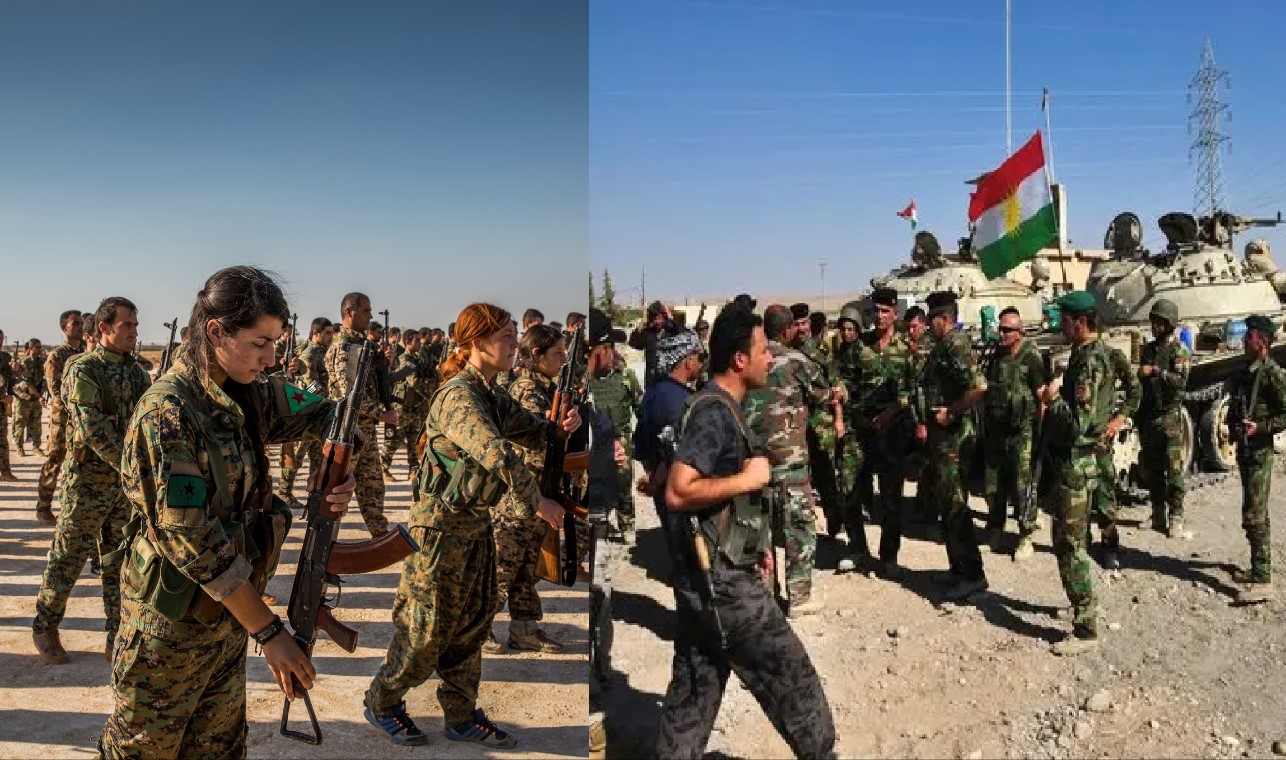
According to the ITV report, a Kurdish fighting force numbering more than 5,000 volunteers has been organized and armed over the past year. The volunteers are primarily drawn from Kurdish communities in the region known as Rojhelat, or eastern Kurdistan, which includes Iran’s Kurdistan, Kermanshah, and West Azerbaijan provinces.
Sources cited in the investigation say the volunteers have undergone training in mountainous areas along the Iran–Iraq border to avoid detection by Iran’s Islamic Revolutionary Guard Corps (IRGC). Training sites were reportedly established in remote locations, while cross-border logistical networks facilitated the transfer of small arms, ammunition, and anti-tank weapons into western Iran.
Smuggling routes are believed to run through border regions connecting Iran with Iraq and Turkey. These networks have been used since early 2025 to move equipment intended to prepare Kurdish fighters for a potential armed campaign against Iranian security installations.
Aftermath of the 2025 Twelve-Day War
The reported buildup of Kurdish forces began following the Twelve-Day War between Israel and Iran, which took place from June 13 to June 24, 2025. The conflict began with Israeli airstrikes targeting Iranian military infrastructure and nuclear-related facilities. Iran responded with ballistic missile launches against Israeli targets.
Analyses from the Centre for Eastern Studies (OSW) indicate that the brief conflict caused significant damage to elements of Iran’s air defense systems and ballistic missile infrastructure. Israeli aircraft reportedly gained temporary air superiority over several Iranian command and operational sites, including facilities near Tehran.
Security analysts assessed that the war weakened aspects of Iran’s regional military posture and created conditions that external actors might attempt to exploit through internal opposition groups.
Following the conflict, intelligence assessments cited by international media, including CNN and The Times of India, indicated that the U.S. Central Intelligence Agency (CIA) had been examining options to support Kurdish organizations as part of a broader strategy aimed at increasing internal pressure on the Iranian government.
Planned Ground Operations
Kurdish sources cited by ITV News say the volunteer force is preparing to initiate a coordinated ground operation against Iranian security installations in western Iran. Early targets are expected to include IRGC bases, supply depots, and logistical infrastructure.
Cities mentioned in planning discussions include Mahabad and Sanandaj, both located in areas with significant Kurdish populations. The reported objective is to disrupt Iranian security operations and challenge the government’s control over Kurdish-majority regions.
Kurdish representatives involved in the planning have also formally requested air support from U.S. and Israeli forces to assist ground fighters if the operation proceeds. It remains unclear whether such air support has been authorized.
Recent Airstrikes in Western Iran
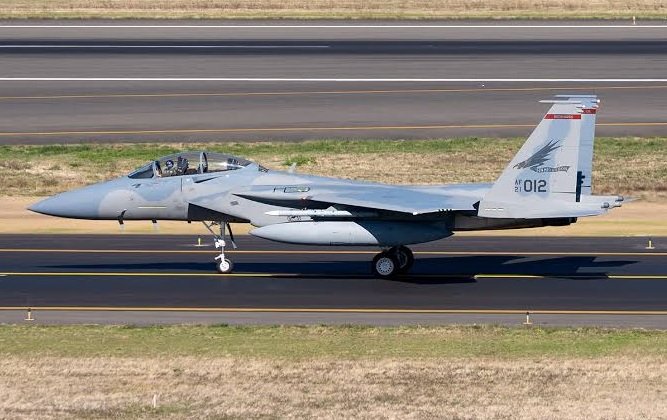
In the days leading up to the reported preparations, U.S. and Israeli aircraft have carried out strikes against Iranian military targets in western Iran, according to multiple regional reports.
Facilities in Qom, Khorramabad, and Esfahan have reportedly been targeted. Israeli outlets have referred to these strikes as part of a campaign described as Operation Shield of Judea, aimed at degrading Iranian radar systems, command infrastructure, and IRGC operational facilities.
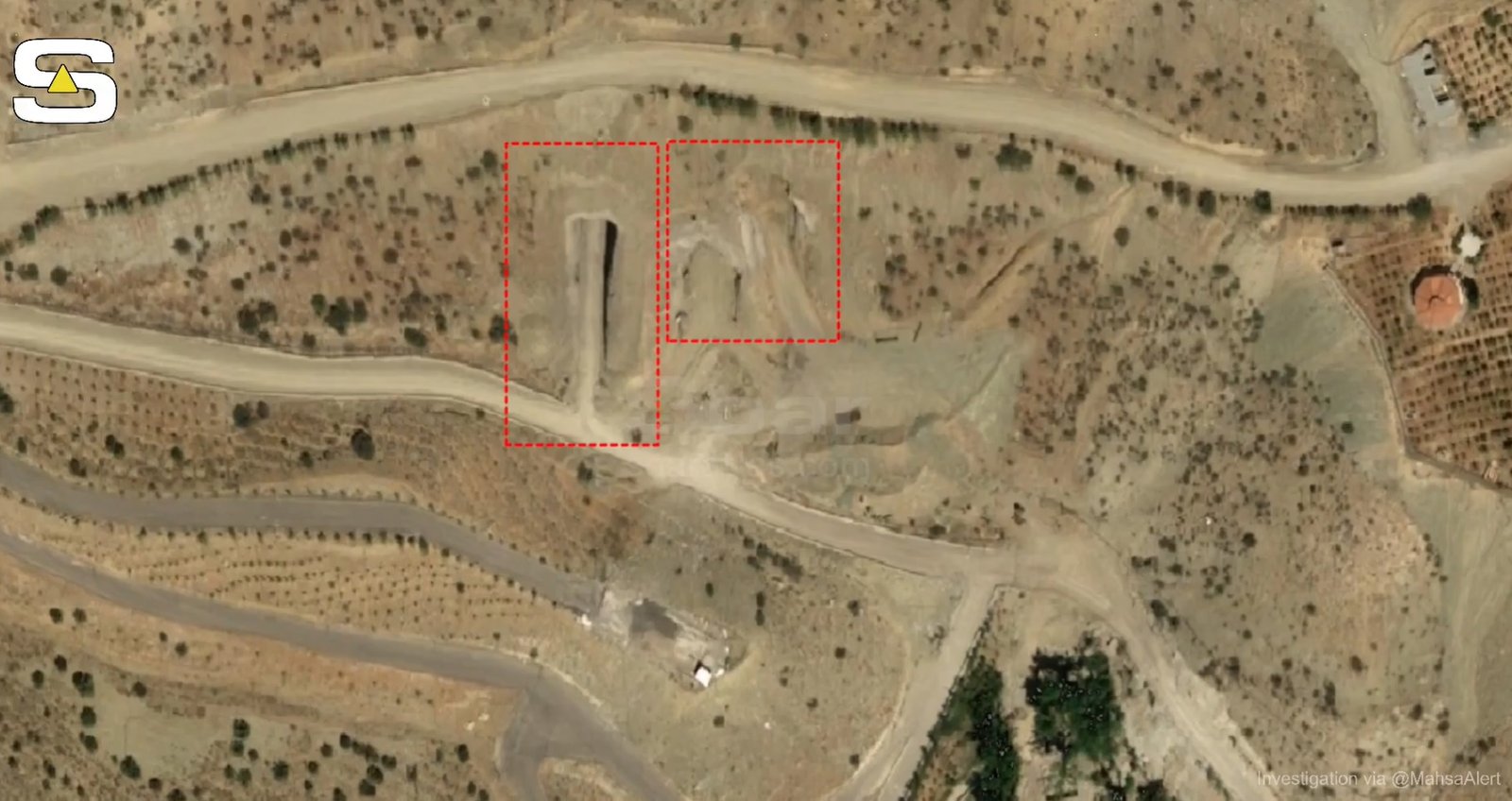
Observers monitoring the strikes through satellite imagery and open-source intelligence reported explosions at several military installations. Iranian state media acknowledged limited incidents but said the damage had been exaggerated by foreign media outlets.
Iranian Response
Iranian authorities have responded to the reports by strengthening security measures in Kurdish-majority areas and increasing border patrols near Iraq.
Tehran has also carried out strikes against suspected Kurdish militant positions in northern Iraq. According to regional reporting cited by LiveMint, one Iranian airstrike targeted Kurdish fighters believed to be aligned with groups receiving foreign backing.
Iran’s Foreign Ministry has rejected the ITV allegations, describing them as “baseless fabrications” intended to destabilize the country. Iranian state media has accused the United States and Israel of attempting to conduct a proxy conflict inside Iranian territory.
Kurdish Demographics and Political Context
Iran is home to an estimated 10 million Kurdish citizens, making it one of the largest Kurdish populations in the Middle East. Kurdish communities are concentrated primarily in western provinces bordering Iraq and Turkey.
Relations between Kurdish political movements and the Iranian central government have historically been tense, with periodic protests and clashes reported over political autonomy, cultural rights, and economic grievances.
Diaspora Kurdish organizations in Europe and the United States have expressed cautious support for the reported volunteer mobilization, describing it as an attempt to achieve greater regional autonomy rather than a campaign for nationwide regime change.
Regional Security Environment
The reported preparations for a Kurdish uprising are unfolding during a period of broader regional tensions involving Iran, Israel, and the United States.
Israeli military operations against Iranian-aligned groups in Syria and Lebanon have intensified over the past year. At the same time, Iran continues to face economic pressure from international sanctions and periodic domestic protests.
Security analysts note that Iran’s ballistic missile program remains a central component of its military strategy. However, Iranian policy has long maintained a self-imposed range limit of approximately 2,000 kilometers for its missiles, according to previous technical assessments.
International Reaction
International responses to the reports have so far been limited. The United Nations has called for restraint and emphasized the need to avoid actions that could further destabilize the region.
Foreign ministers from the European Union are scheduled to discuss the situation during a meeting in Brussels later this week, where the issue of escalating tensions involving Iran is expected to be addressed.
Parallel Developments
The developments come amid additional military incidents involving Iran. On the same day as the ITV report, search-and-rescue operations continued in the Indian Ocean following the sinking of the Iranian naval frigate IRIS Dena.
While the incident is not directly connected to the Kurdish preparations, it has added to the number of security challenges facing Iranian authorities.
Further information regarding the Kurdish volunteer force, the potential timing of any ground operations, and decisions regarding external air support is expected to emerge in the coming days as regional tensions continue to evolve.
——— End of Article ———