
World
KASSEL, Germany, February 26, 2026 : SWARM Biotactics, a defense technology startup headquartered in Kassel, has developed and deployed programmable bio-robotic insect swarms for paying NATO customers, including the German Armed Forces (Bundeswehr). Founded in 2024, the company has secured a total of €13 million in funding and has transitioned its systems from laboratory research to operational field use across Europe and the United States. The company confirmed that its platforms have completed field validation in European and U.S. operational environments. Within 12 months of its founding, SWARM Biotactics expanded to more than 40 engineers and scientists working across facilities in Germany and a U.S. subsidiary in San Francisco, California. Bio-Robotic Platform and Neural Interface Technology SWARM Biotactics’ primary platform is based on living Madagascar hissing cockroaches equipped with ultra-lightweight, modular microelectronic backpacks. The current system weight is approximately 15 grams, with engineering efforts underway to reduce the payload to 10 grams. The backpacks integrate bioelectronic neural stimulation modules, onboard edge artificial intelligence processing, secure communications systems, and mission-specific sensor payloads. Depending on operational requirements, the insects can carry optical cameras, microphones, Doppler radar modules, and environmental sensors capable of detecting gas, heat, or radiation. Neuroscientists at the company attach electrodes to the insects’ antennae, enabling operators to guide movement through low-voltage electrical impulses. In addition to direct control, the company has developed swarm autonomy software that allows algorithms to coordinate dozens or hundreds of insects simultaneously toward defined targets or operational zones. The technology stack includes four primary components: neural interface hardware, swarm autonomy software, modular payload systems, and mission-control architecture. This full-stack system allows operators to manage coordinated insect swarms in real time. Scaling Through Biological Production SWARM Biotactics differentiates its production model from traditional unmanned aerial or ground vehicle manufacturers by scaling through biological breeding rather than factory-based mechanical assembly lines. According to CEO Stefan Wilhelm, the company is pursuing what he describes as a different scaling approach for physical intelligence, where capability expands through biological replication instead of increased engineering complexity. The insects offer natural resilience to radiation, heat, and chemical exposure, as well as low energy requirements and minimal acoustic and thermal signatures. These characteristics allow operations in confined, hazardous, rubble-filled, subterranean, or GPS-denied environments where conventional drones and robotic systems have limited access. Funding and Investment Structure The company has raised €13 million to date, including a €3 million pre-seed round and a €10 million seed round closed in June 2025. The seed round was led by an international consortium of investors including Vertex Ventures US, Possible Ventures, and Capnamic. Capnamic also led the earlier pre-seed investment. The capital is being allocated toward scaling sensor hardware production, expanding research and development, launching pilot programs, and building go-to-market and operational teams in Europe and the United States. Operational Deployment and Military Context SWARM Biotactics has confirmed that its cyborg insect swarms have been deployed with paying NATO customers, including the Bundeswehr. The systems have undergone operational pilots with defense and emergency response agencies in Europe and North America. The deployment aligns with broader NATO and U.S. Department of Defense efforts to integrate frontier artificial intelligence and emerging autonomous systems into military operations. The company states that adversarial nations are investing in military bio-robotics, and positions its technology as part of Western efforts to maintain technological parity in this domain. The primary defense application is reconnaissance and situational awareness in complex operational environments. The insects are designed to access confined spaces, collapsed infrastructure, pipes, underground structures, and other terrain unsuitable for traditional unmanned systems. Dual-Use Applications In addition to defense use, SWARM Biotactics is developing protocols for dual-use applications in search-and-rescue operations, disaster response, and industrial inspection. In these scenarios, the bio-robotic insects can navigate unstable urban terrain or hazardous industrial sites to identify survivors, detect chemical leaks, or monitor environmental conditions. The company states that its approach is not focused on improving conventional drones but on building a biologically scaled system architecture that integrates living organisms with secure digital control infrastructure. SWARM Biotactics remains headquartered in Kassel, Germany, with ongoing operations in the United States, and continues to expand its engineering, neuroscience, and AI research capabilities as it scales production and deployment of its bio-robotic platforms.
Read More → Posted on 2026-02-26 17:15:06
World
WASHINGTON, February 26, 2026 : The U.S. Department of Defense has issued a formal “best and final offer” to artificial intelligence company Anthropic, requiring the firm to grant the military full lawful access to its Claude AI model without corporate-imposed usage restrictions. The proposal was delivered on the evening of February 25 and carries a deadline of Friday, February 27, 2026, at 5:01 p.m., as set by Defense Secretary Pete Hegseth. Under the terms outlined by the Pentagon, Anthropic must permit the use of Claude for all lawful military purposes. Failure to accept the conditions would result in the termination of its existing $200 million defense contract and could trigger additional federal actions, including designation as a supply chain risk, effectively blacklisting the company from U.S. defense supply chains, and potential invocation of the Defense Production Act. Contract Background and Classified Deployment Anthropic was awarded a two-year prototype Other Transaction Agreement valued at up to $200 million in July 2025 through the Department of Defense’s Chief Digital and Artificial Intelligence Office (CDAO). The agreement supports the development and deployment of frontier AI capabilities to advance U.S. national security objectives. Claude became the first AI model approved for operation on classified U.S. military networks and remains the only AI model currently operational for sensitive classified military work. Through a strategic partnership with Palantir Technologies, Anthropic secured direct integration within sensitive Pentagon systems. At present, Anthropic remains the only AI developer with an operational model on classified Department of Defense networks. The Pentagon simultaneously awarded similar contracts of up to $200 million each to OpenAI, Google DeepMind, and xAI in July 2025 as part of a diversified AI procurement strategy. However, those systems had not matched Claude’s classified deployment status at the time of initial integration. Core Dispute Over Usage Restrictions The dispute between the Pentagon and Anthropic centers on the company’s terms of service and built-in guardrails governing military applications of Claude. Anthropic, led by CEO Dario Amodei, has insisted on maintaining guardrails for military use, including prohibitions on domestic mass surveillance operations and fully autonomous lethal weapons systems. The company has also stipulated that its model must not make final lethal targeting decisions without meaningful human oversight, citing risks associated with AI-generated inaccuracies, commonly referred to as hallucinations, and the potential for operational errors. During negotiations in December 2025, Anthropic agreed to permit Claude’s use for missile defense and cyber defense applications. However, the Department of Defense is seeking broader authorization without vendor-imposed limitations beyond compliance with U.S. law. Defense officials have stated that the standard governing military AI procurement is “all lawful use,” arguing that determinations regarding legality in armed conflict and national security operations fall under federal jurisdiction rather than private corporate policy. Secretary Hegseth has publicly stated that the Department will not procure systems constrained by what officials describe as corporate ideological limitations and has emphasized the need for AI systems capable of full lawful military application, particularly in time-sensitive national security scenarios such as missile defense operations. Federal Enforcement Measures Under Consideration If Anthropic declines the final offer by the established deadline, the Pentagon has indicated it will immediately terminate the July 2025 contract. Additionally, the Department is prepared to designate Anthropic as a “supply chain risk,” a classification that would require U.S. defense contractors to remove Anthropic software from their operational networks and discontinue integration into defense systems. Officials have indicated that such a step would effectively bar the company from participating in future defense-related procurements. Officials have also stated that the Department of Defense is considering invoking the Defense Production Act. This federal statute would grant the government authority to compel compliance with national security requirements, potentially overriding Anthropic’s corporate usage restrictions if deemed necessary in the interest of defense readiness. xAI Signs Pentagon Deal; Grok Entering Classified Systems Amid the ongoing dispute, xAI has signed a Pentagon agreement enabling its Grok model to enter classified U.S. military systems. Defense officials confirmed that the deal has been finalized, positioning Grok as an alternative frontier AI system for sensitive national security applications. The agreement follows internal approvals for classified deployment and expands the Department’s access to AI systems beyond Claude. The Pentagon has stated that multiple vendors are necessary to ensure redundancy and operational flexibility across intelligence, cyber, and missile defense domains. Recent Escalation and Operational Context The dispute intensified following reports that Claude was integrated into a January 2026 military operation that resulted in the capture of former Venezuelan President Nicolás Maduro. Details regarding Claude’s specific operational role have not been publicly disclosed. Defense Secretary Hegseth met with CEO Dario Amodei on February 24, 2026, to discuss the matter prior to the issuance of the formal proposal. As of February 26, 2026, Anthropic has not publicly responded to the Pentagon’s final offer. Broader AI Integration Strategy The situation forms part of the Department of Defense’s broader initiative to integrate frontier artificial intelligence systems across operational, intelligence, cyber, and missile defense domains. The July 2025 contract awards to Anthropic, OpenAI, Google DeepMind, and xAI reflect a diversified procurement strategy aimed at accelerating AI adoption within the military while maintaining competitive development pathways. The outcome of the February 27 deadline may influence future federal procurement standards governing the interaction between commercial AI safety policies and national defense requirements, particularly as additional AI systems, including Grok, transition into classified operational environments.
Read More → Posted on 2026-02-26 17:02:43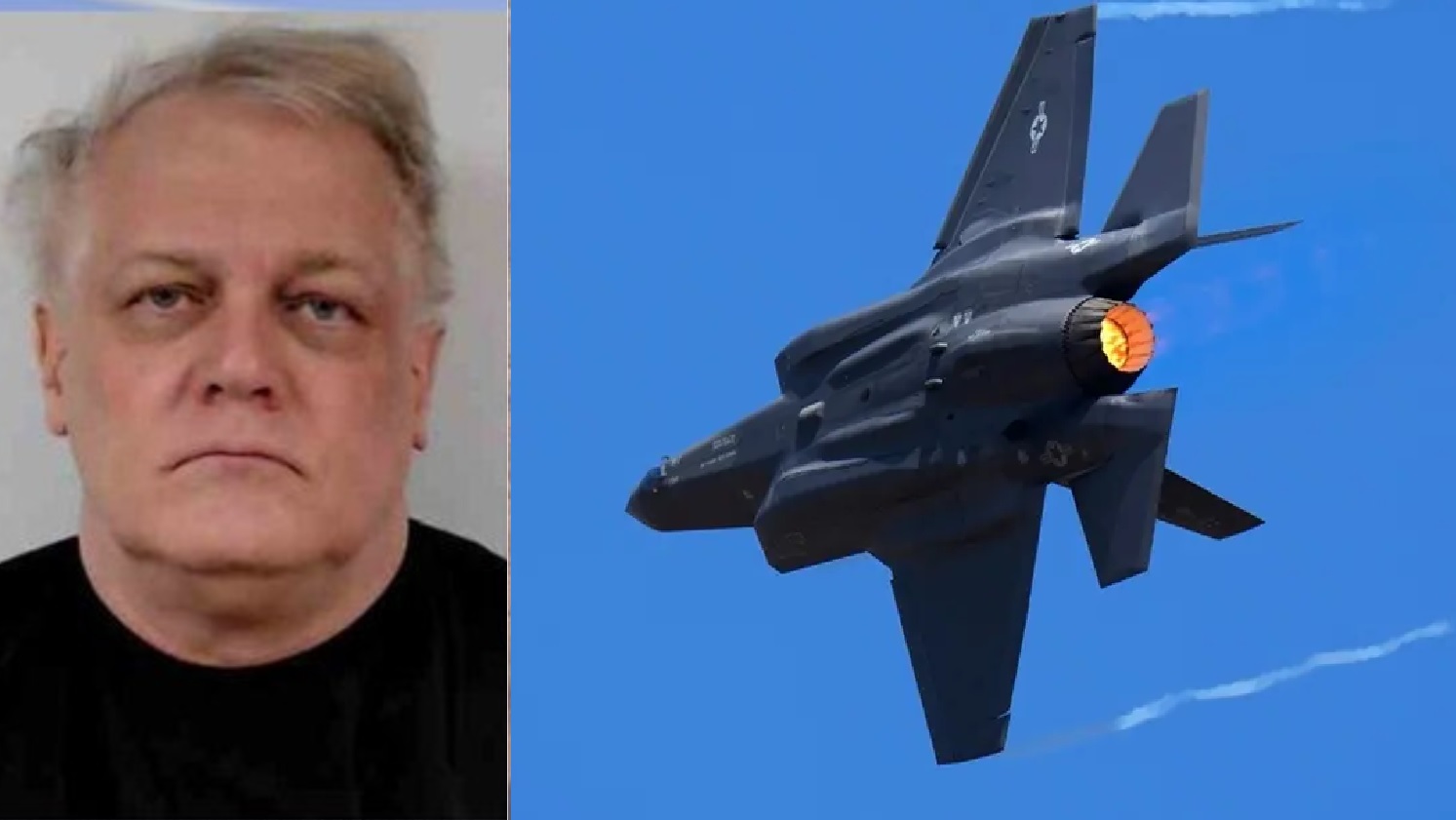
World
JEFFERSONVILLE, Indiana, February 26, 2026 : A former United States Air Force officer and civilian F-35 simulator instructor has been arrested and charged with illegally providing military training to pilots of the People’s Republic of China, according to the U.S. Department of Justice. Gerald Eddie Brown Jr., 65, also known by his military call sign “Runner,” was taken into custody on February 25, 2026, in Jeffersonville, Indiana. He is charged by criminal complaint with providing and conspiring to provide defense services to Chinese military pilots without authorization, in violation of the Arms Export Control Act (AECA). Brown is scheduled to make his initial appearance before a Magistrate Judge in the Southern District of Indiana on February 26. Alleged Violations Under U.S. Export Control Law Federal prosecutors allege that beginning in August 2023, Brown conspired with foreign nationals and U.S. persons to deliver combat aircraft training to pilots in the People’s Liberation Army Air Force (PLAAF). Under the International Traffic in Arms Regulations (ITAR), tactical military instruction provided to foreign entities is defined as a “defense service” and requires prior authorization from the U.S. State Department’s Directorate of Defense Trade Controls. According to the Justice Department, Brown did not seek or obtain the required license before engaging in the training arrangement. Court documents state that Brown expressed his intention to serve as an “Instructor Fighter Pilot” in communications related to the role. Prosecutors allege that he knowingly entered into an agreement to train foreign military personnel in combat operations involving advanced fighter aircraft. Travel to China and Duration of Training According to the criminal complaint, Brown traveled to China in December 2023 to begin providing instruction. On his first day in the country, he allegedly spent approximately three hours answering detailed questions regarding U.S. Air Force operations. The following day, he reportedly delivered a formal briefing to PLAAF personnel. Prosecutors state that Brown remained in China conducting flight and simulator instruction for more than two years. He returned to the United States in early February 2026 prior to his arrest. The charging documents do not specify the exact number of PLAAF pilots involved in the training or detail the full scope of the instructional material provided. Role of Co-Conspirators and Link to Prior Cyber Espionage Case Investigators allege that Brown used a co-conspirator to facilitate contract negotiations related to the training arrangement. That intermediary reportedly dealt directly with Stephen Su Bin, a Chinese national who pleaded guilty in 2016 in U.S. federal court to conspiring to hack into the computer networks of major American defense contractors. In that earlier case, Su Bin admitted to involvement in efforts to steal sensitive military data, including information related to the F-35 fighter aircraft and the C-17 transport aircraft. Prosecutors contend that Brown’s arrangement with individuals connected to Su Bin formed part of the alleged conspiracy to provide unauthorized defense services. Military Career and Post-Service Employment Brown served more than 24 years in the U.S. Air Force before retiring from active duty in 1996 with the rank of Major. His service record includes commanding units responsible for nuclear weapons delivery systems, leading combat missions, and serving as a fighter pilot and instructor. During his Air Force career, he flew and instructed on multiple combat aircraft, including the F-4 Phantom II, F-15 Eagle, and F-16 Fighting Falcon. He also served in instructional roles involving advanced fighter operations. Following his retirement from active duty, Brown worked as a commercial cargo pilot. He later held positions as a contract simulator instructor for two U.S. defense contractors, where he trained American military personnel on the A-10 Thunderbolt II and the F-35 Lightning II stealth fighter. Official Statements and Investigation Assistant Attorney General for National Security John A. Eisenberg stated that individuals providing military training to foreign forces are required to obtain proper authorization from the U.S. government. Roman Rozhavsky, Assistant Director of the FBI’s Counterintelligence and Espionage Division, said the case reflects ongoing efforts to address attempts by foreign governments to obtain U.S. military expertise. The investigation was led by the FBI’s New York Field Office with assistance from the Air Force Office of Special Investigations. Broader Enforcement Context The case follows prior federal actions involving former U.S. military pilots accused of providing unauthorized training to Chinese military personnel. In 2017, former U.S. Marine Corps pilot Daniel Edmund Duggan was charged with providing unauthorized carrier landing instruction to Chinese military pilots. Duggan was arrested in Australia in 2022 and is awaiting extradition to the United States. Federal authorities stated that the investigation into Brown remains ongoing. No additional details regarding the scope of the alleged training or potential additional defendants have been released.
Read More → Posted on 2026-02-26 16:48:29
World
MOBILE, Alabama, February 26, 2026 : Austal USA launched the future USNS Solomon Atkinson (T-ATS 12) on February 23, 2026, at its ship manufacturing facility in Mobile, Alabama. The launch marks the company’s first ship of the year and the second Navy Towing, Salvage, and Rescue Ship (T-ATS) delivered from the yard in less than one week. The vessel, a Navajo-class platform, was rolled out from the assembly bay and subsequently towed by tugboats following the launch sequence. At the time of launch, the ship was reported to be more than 75 percent complete. It is currently one of three T-ATS ships under construction at the Mobile facility, alongside T-ATS 11 (USNS Billy Frank Jr.) and additional follow-on ships under contract. Gene Miller, interim president of Austal USA, said the milestone reflects the coordinated work of the company’s workforce and its maritime industrial partners. He stated that the launch demonstrates the effectiveness of the yard’s established production and launch process. Program Overview and Capabilities The Navajo-class T-ATS is designed as a multi-mission common hull platform that combines and replaces the capabilities of the Navy’s retiring Rescue and Salvage Ships (T-ARS 50 class) and Fleet Ocean Tugs (T-ATF 166 class). The program supports fleet operations through ocean-going towing, salvage, and rescue capabilities. Each T-ATS vessel features approximately 6,000 square feet of unobstructed deck space. The open deck configuration enables embarkation of stand-alone and interchangeable mission systems. The design supports towing U.S. Navy vessels, salvage and rescue operations, oil spill response, humanitarian assistance, and wide-area search and surveillance missions. The ships are also engineered to support future rapid capability initiatives. This includes the ability to accommodate modular payloads that require integrated hotel services and specialized mission interfaces. The T-ATS program provides a common hull platform being constructed across multiple shipyards to modernize the Navy’s towing and salvage fleet under the oversight of the U.S. Navy’s Military Sealift Command. Following launch, the future USNS Solomon Atkinson will proceed with final outfitting. The next major milestone will be engine light-off, followed by comprehensive sea trials prior to delivery to the U.S. Navy. Ship Namesake T-ATS 12 is named in honor of Solomon “Sol” Atkinson, an Alaska Native from the Metlakatla Indian Community on Annette Island. Atkinson enlisted in the U.S. Navy in 1952 and became the first Alaska Native to serve in the Underwater Demolition Teams, the predecessor to the Navy SEALs. In 1962, he was a plankowner of SEAL Team One. During his 22 years of service, Atkinson deployed to Korea and completed three combat tours in Vietnam. His military decorations included the Bronze Star, the Navy Commendation Medal with Combat “V,” and the Purple Heart. He also served as an instructor at the Underwater Swimmers School in Key West, Florida, where he trained astronauts, including Neil Armstrong and Buzz Aldrin, in underwater weightless simulation techniques in preparation for space missions. After retiring from the Navy in 1973, Atkinson returned to Alaska. He later served as mayor of Metlakatla and established the first veterans’ organization on Annette Island. He passed away in 2019. With its launch completed, the future USNS Solomon Atkinson advances within the broader T-ATS acquisition program aimed at replacing legacy towing, salvage, and rescue vessels and sustaining fleet support operations worldwide.
Read More → Posted on 2026-02-26 16:13:53
World
WASHINGTON, February 26, 2026 : Senior advisers to President Donald Trump have privately expressed a preference for Israel to initiate any potential military strike against Iran, according to multiple sources familiar with internal administration discussions. The approach is being evaluated as part of broader contingency planning tied to Iran’s nuclear program and regional security dynamics. Officials cited in a February 25 report by Politico said some advisers believe that if Israel were to conduct an initial strike independently, and Iran subsequently retaliated against U.S. forces or interests, it would create stronger domestic justification for American military involvement. The assessment reflects concern within the administration that the American public remains cautious about initiating a new conflict in the Middle East. One person familiar with the discussions stated that there is “thinking in and around the administration that the politics are a lot better if the Israelis go first and alone and the Iranians retaliate against us, and give us more reason to take action.” According to sources, advisers believe public support would likely increase if the United States or its forces were directly targeted following an Israeli action. Political and Military Calculations The internal deliberations are focused in part on domestic political considerations, including the potential impact of a military confrontation ahead of upcoming midterm elections. Officials involved in the discussions reportedly view an Iranian strike on American assets as providing clearer grounds for congressional and public backing of a broader campaign. Sources indicated that U.S. military installations in the region could be exposed in the event of retaliation. Unlike Israel, which relies on layered air defense systems including the Iron Dome, many American facilities in the Middle East do not have equivalent comprehensive protective coverage. Advisers acknowledge that retaliatory strikes could result in U.S. casualties, a factor that is part of the broader strategic calculus under review. At the same time, officials said a coordinated U.S.-Israeli operation remains the more likely outcome if military action is ultimately authorized. No final decision has been announced. Diplomatic Engagements Continue in Geneva The military planning is unfolding alongside ongoing indirect nuclear negotiations in Geneva. U.S. envoys Steve Witkoff and Jared Kushner are engaged in talks with Iranian Foreign Minister Abbas Araghchi. The discussions are being mediated by Omani officials and overseen in part by Rafael Grossi, Director General of the International Atomic Energy Agency. Administration officials have stated that the diplomatic track remains active. However, President Trump has simultaneously overseen an expansion of U.S. naval and air deployments in the region, signaling that military options remain under consideration if negotiations fail to produce an agreement acceptable to Washington. On February 26, the USS Gerald R. Ford carrier strike group departed Souda Bay, Crete, for the eastern Mediterranean, further increasing the U.S. military presence near the potential theater of operations. Context of Previous Hostilities The current deliberations follow the June 2025 conflict that culminated in a U.S. strike operation known as Operation Midnight Hammer. During that episode, the United States conducted attacks on Iranian nuclear facilities at the Fordow Fuel Enrichment Plant, Natanz Nuclear Facility, and Isfahan Nuclear Technology Center. The exchange followed Israeli-initiated military action earlier in the escalation cycle. In contrast to that sequence of events, current and former Israeli officials have indicated that Jerusalem’s present posture differs from last year’s conflict. Prime Minister Benjamin Netanyahu has stated publicly that Israel is coordinating closely with Washington. Israeli officials have signaled a preference for the United States to take the lead in any renewed confrontation unless Israeli territory is directly targeted by Iranian forces. No Decision Announced Administration officials emphasized that no final determination has been made regarding military action. The discussions remain part of contingency planning as negotiations in Geneva continue. The White House has not publicly confirmed the reported internal preference for an Israel-first strike scenario. Officials maintain that diplomatic efforts are ongoing, while reiterating that the United States retains military options should talks with Tehran fail.
Read More → Posted on 2026-02-26 16:00:39
World
FALLS CHURCH, VIRGINIA — Febuary 26, 2026 : Northrop Grumman has delivered the 500th shipset of its Common Infrared Countermeasures (CIRCM) system, reaching the milestone within two years of entering full-rate production. At the same time, the company confirmed the system has accumulated more than 30,000 operational flight hours across U.S. Army aircraft. CIRCM serves as the U.S. Army’s program of record for directional infrared countermeasures on key rotary-wing platforms and represents Northrop Grumman’s fifth generation of infrared countermeasure (IRCM) technology. The system is designed to protect military aircraft and personnel from advanced infrared-guided anti-aircraft missiles, including man-portable air-defense systems (MANPADS). Operational Deployment Across U.S. Army Fleet The system has logged its 30,000 operational flight hours on standard U.S. Army platforms, including the AH-64 Apache, CH-47 Chinook, and UH-60 Black Hawk helicopters. Initial Operational Capability was achieved in September 2022 on UH-60M, HH-60M, CH-47F, and AH-64E aircraft. CIRCM is engineered as a lightweight, highly reliable solution compatible with rotary-wing, tiltrotor, and small fixed-wing aircraft. Its architecture is specifically designed to comply with strict size, weight, and power (SWaP) requirements common to smaller airframes. The system integrates with existing aircraft survivability equipment through an open architecture framework. This design supports interoperability with onboard systems and enables future capability enhancements and spiral upgrades without major redesign. The architecture incorporates commercial off-the-shelf processor components to enhance scalability and long-term supportability. System Architecture and Core Components CIRCM consists primarily of two technical subsystems: the pointer/tracker assembly and the Quantum Cascade Laser (QCL) subsystem. The pointer/tracker unit is designed for low lifecycle cost and high operational reliability. It features a lightweight configuration suitable for light helicopters and is aerodynamically shaped to minimize air-stream intrusion and drag. The subsystem’s modular design allows for hardware upgrades and incremental capability improvements over time. The Quantum Cascade Laser subsystem provides the system’s directed infrared jamming capability. It delivers rapid, simultaneous break-lock jamming against incoming threats and generates sufficient output power to counter modern and emerging infrared-guided missile seekers. The laser relies on solid-state technology for consistent energy generation and is certified for operation across all weather conditions and altitudes. Field-replaceable components are incorporated to reduce maintenance downtime. Production is supported by dual manufacturing facilities to ensure supply chain continuity. Operational Mechanism CIRCM operates in conjunction with the aircraft’s Common Missile Warning System (CMWS), which uses ultraviolet sensors to detect incoming infrared-guided missiles. Once a threat is identified, CMWS transmits angular bearing data to the CIRCM processor. The pointer/tracker rapidly slews to the missile’s location, acquires the target, and maintains tracking even after the missile motor burns out. The Quantum Cascade Laser then emits precisely modulated infrared energy tuned to the seeker’s wavelength band. This energy interferes with the missile seeker’s tracking function, producing a break-lock effect that causes the missile to deviate from the aircraft. The engagement sequence is automatic and occurs within seconds. If the missile warning system confirms a valid threat, it alerts the crew and can deploy flares as a supplementary countermeasure. In dual-jammer configurations, the system provides near-spherical coverage around the aircraft. Production, Contracts and Fleet Expansion CIRCM production continues under a 2021 base contract valued at up to $959 million. Following the delivery of the 500th shipset, the U.S. Army awarded Northrop Grumman an additional $147 million production order in mid-2024 for 336 additional shipsets. Combined delivered and on-order quantities now exceed 836 units, with long-term plans to equip more than 1,500 U.S. Army aircraft. The system has undergone laboratory testing, hardware-in-the-loop simulations, and flight evaluations against both live and simulated threats prior to fielding. Manufacturing facilities support domestic and international demand and are structured to maintain rapid sustainment capability. International Adoption CIRCM has also entered the export market. In late 2024, the United Kingdom became the first international customer through a Foreign Military Sales agreement. The UK Ministry of Defence plans to install the system on its fleet of 14 Boeing H-47 Chinook Extended Range helicopters. For the UK configuration, the pointer/tracker units are supplied in partnership with Leonardo, which manufactures the component at its Edinburgh facility. Production supports both U.S. Army and international program requirements.
Read More → Posted on 2026-02-26 15:31:19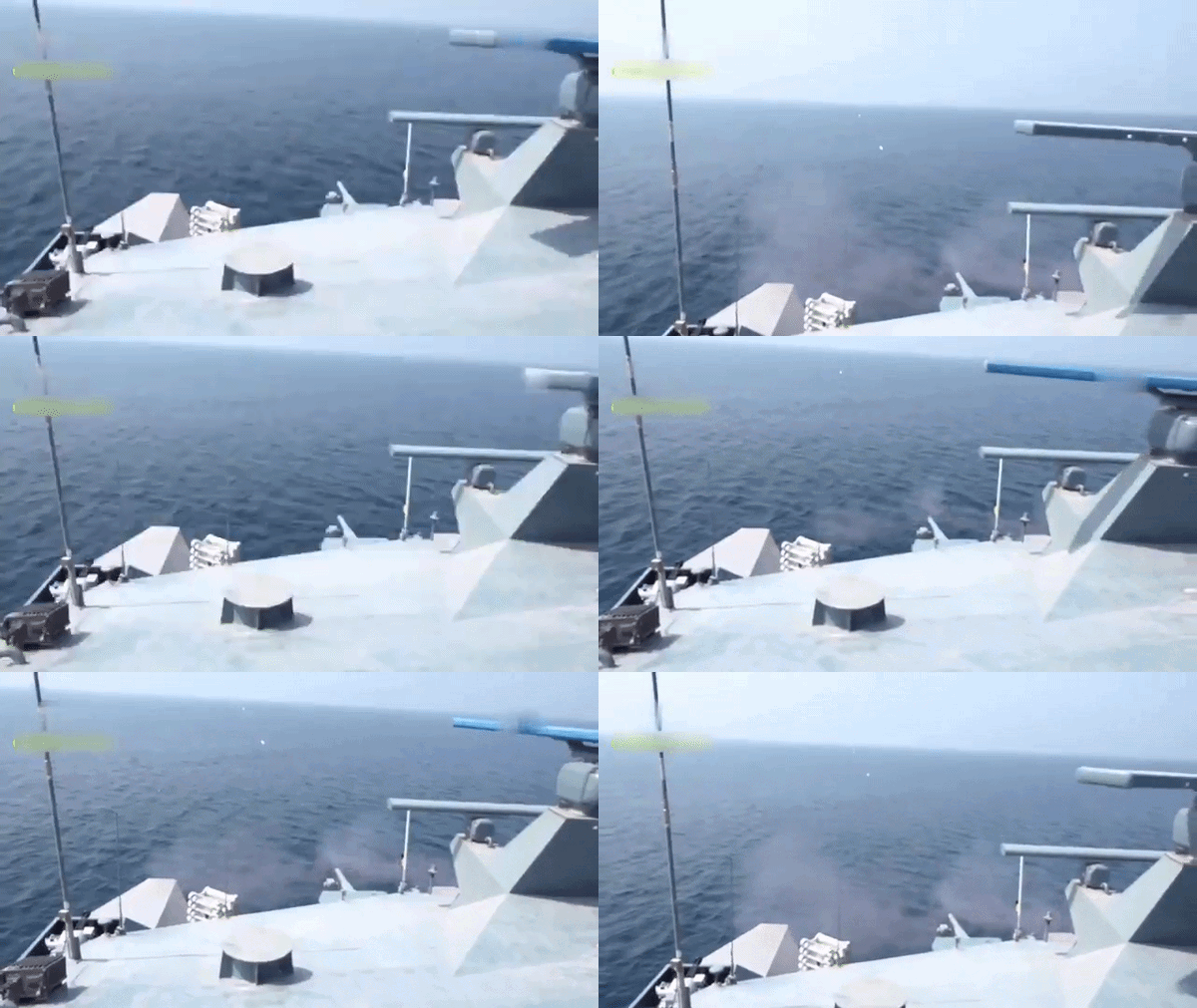
World
TEHRAN, February 26, 2026 : The Iranian Navy has formally unveiled a new close-range naval weapon system designated as the “Storm,” a 20mm remotely operated Gatling gun developed to strengthen shipborne point-defense capabilities. The system was presented publicly on February 26, 2026, with official footage showing the weapon mounted on a naval vessel during sea operations. According to the specifications released during the announcement, the Storm system is built around a three-barrel rotary cannon architecture. The weapon incorporates an adjustable firing mechanism that allows operators to select a rate of fire ranging from 300 to 1,500 rounds per minute, depending on mission requirements and target profile. The 20mm platform has a stated maximum ballistic range of 4 kilometers. Its effective engagement range — defined as the distance within which it can reliably strike designated targets — is 2 kilometers. This operational envelope positions the system within the category of short-range naval point-defense weapons designed to intercept threats at close proximity to the vessel. A central feature of the Storm system is its remote operation capability. The weapon is designed to be controlled from within the ship, eliminating the need for a manually operated deck-mounted gunner. This configuration allows personnel to remain inside protected compartments while operating the system. To enable remote engagement, the weapon mount is equipped with an integrated electro-optical suite that includes onboard cameras and precision optics. The sensor package provides live visual feeds and targeting data to operators, supporting tracking and engagement of both maritime and aerial targets. The optical and camera systems are intended to enhance accuracy during close-range engagements. Footage released alongside the announcement shows the Storm system installed on a naval vessel at sea, indicating its integration into active maritime platforms. No additional technical details regarding fire-control integration, ammunition types, stabilization systems, production scale, or deployment timelines were disclosed in the official release. The introduction of the Storm aligns with established naval practices involving layered close-in defensive systems. High-rate-of-fire rotary cannons are commonly employed as a final defensive layer against incoming threats that penetrate outer defensive perimeters. Based on its published specifications, the Storm is configured to counter short-range asymmetric threats, including small surface vessels, as well as aerial targets operating within its 2-kilometer effective engagement radius. The unveiling adds the Storm 20mm Gatling gun to the Iranian Navy’s inventory of short-range defensive systems intended for maritime platforms. No further platform integration details or future deployment plans were provided at the time of the announcement.
Read More → Posted on 2026-02-26 15:16:16
World
WASHINGTON — February 26, 2026 : The United States Navy has awarded Torrance, California-based Castelion Corp. a $49,998,005 firm-fixed-price contract to advance its Blackbeard hypersonic missile program into full-scale prototyping, flight testing, and early operational fielding. The contract runs through November 2027 and work will be performed in Torrance, California. The award was issued under a previously established basic ordering agreement and executed through a Small Business Innovation Research (SBIR) Phase III pathway. The SBIR topic is aligned with a U.S. Air Force requirement focused on low-cost, highly manufacturable long-range strike production. The contracting authority for the award is the Naval Air Warfare Center Aircraft Division (NAWCAD) in Lakehurst, New Jersey. Procurement Strategy and Program Transition The contract marks a transition of Blackbeard from initial prototype development into structured flight-test campaigns and early operational experimentation. It reflects a broader Department of Defense procurement shift toward hypersonic systems designed for manufacturability at scale and compatibility with existing launch platforms. Unlike high-cost strategic hypersonic weapons produced in limited quantities, Blackbeard is structured for industrial-rate output. Castelion has stated that the missile is engineered for unit costs in the hundreds of thousands of dollars and annual production volumes in the thousands once full-rate manufacturing is established. Navy Integration Path NAWCAD’s involvement indicates alignment with naval aviation integration and test infrastructure. The selection of this contracting activity follows the Navy’s earlier cancellation of the HALO (Hypersonic Air-Launched Offensive Anti-Surface Warfare) program due to schedule pressures and budget constraints. Blackbeard is being evaluated as a lower-cost air-launched hypersonic strike option capable of integration across existing platforms. Under the current roadmap, the program plans to demonstrate an extended-range, air-launched Blackbeard variant fired from a modified MLRS-family pod. Subsequent phases will include minimum viable ground-launched prototypes equipped with flight-termination instrumentation to support upcoming HIMARS test events. U.S. Army Integration and Budgeting Parallel integration efforts are underway within the U.S. Army. Army budget documents identify Blackbeard Ground Launch (GL) as an interim munition compatible with existing High Mobility Artillery Rocket System (HIMARS) pods. It is also envisioned as a primary munition for the future Common Autonomous Multi-Domain Launcher (CAML), a mobile launcher platform designed to enhance survivability through rapid displacement. The Army’s fiscal year 2026 budget includes $25 million for Blackbeard development. Documentation describes the system as delivering approximately 80 percent of the planned Precision Strike Missile (PrSM) Increment 4 capability at significantly reduced cost. Blackbeard GL is not intended to replace the Army’s Dark Eagle Long-Range Hypersonic Weapon (LRHW). While LRHW has experienced schedule delays, it is expected to complete fielding activities in early 2026. Blackbeard does not match the velocity or range of Dark Eagle but is positioned as a cost-efficient complementary capability. Technical Characteristics Blackbeard is described as a long-range hypersonic strike weapon capable of sustained speeds exceeding Mach 5 while maneuvering within the atmosphere. Hypersonic systems operating at these velocities and flight profiles present challenges for traditional radar tracking and interceptor engagement timelines. Specific range and maneuverability parameters remain classified. However, Blackbeard is characterized as a seeker-based precision-fires system designed to engage hardened structures and time-sensitive moving targets, including mobile launchers and maritime assets, while operating within contested air-defense environments. The lower unit cost profile is intended to allow operational commanders to allocate hypersonic salvos for missions such as suppression of enemy air defenses (SEAD) and distributed strike operations, rather than reserving such weapons solely for high-value strategic targets. Company Background and Industrial Expansion Castelion Corp., founded in November 2022, is headquartered in Torrance, California, with additional manufacturing operations in New Mexico, Texas, and California. The company was established by Bryon Hargis (Chief Executive Officer), Sean Pitt (Chief Operating Officer), and Andrew Kreitz (Chief Financial Officer), all former SpaceX executives. Blackbeard is Castelion’s first hypersonic system. The company maintains that it is the first U.S. hypersonic missile designed from inception for continuous flight-test iteration and industrial-scale output. In December 2025, Castelion closed a $350 million Series B funding round. The funding supports platform integration, multi-service testing activities scheduled for 2026, and construction of “Project Ranger,” a 1,000-acre solid rocket motor manufacturing and final-assembly facility located in Sandoval County, New Mexico. Groundbreaking for Project Ranger occurred in January 2026. Initial production of Blackbeard missiles is planned to begin in 2026. The facility is designed to enable continuous output of thousands of weapons annually by vertically integrating propulsion and guidance manufacturing processes and applying commercial space-sector production methodologies to missile manufacturing. Prior Awards and Testing Milestones In October 2025, Castelion received multiple awards supporting integration of Blackbeard onto operational U.S. Army and U.S. Navy platforms. These agreements include live-fire demonstration activities. The February 2026 Navy contract advances the program from prototype development into structured operational experimentation and fielding pathways. No additional platform-specific details or expanded contract terms were disclosed in the award announcement. Strategic Context The Department of Defense’s emphasis on affordable hypersonic mass production reflects assessments of international developments in the hypersonic domain. U.S. defense assessments identify China as possessing the leading hypersonic missile inventory, including the operational DF-17 medium-range missile equipped with a hypersonic glide vehicle capable of striking targets between approximately 1,800 and 2,500 kilometers. Russia has also integrated hypersonic systems into its force structure, including the Kinzhal air-launched ballistic missile and the Zircon hypersonic cruise missile, both of which have been publicly demonstrated during military exercises. Through programs such as Blackbeard, the U.S. military is pursuing expanded production capacity, accelerated testing throughput, and cross-platform integration to supplement its inventory of higher-cost strategic hypersonic weapons with scalable, lower-cost options.
Read More → Posted on 2026-02-26 15:01:24
World
MALMÖ, SWEDEN — February 26, 2026 : Swedish Armed Forces deployed electronic countermeasures to jam a Russian unmanned aerial vehicle (UAV) that approached the French aircraft carrier Charles de Gaulle while the vessel was docked at the port of Malmö, according to Swedish defense sources and national broadcaster SVT. The incident occurred on February 26, 2026, during the French Navy’s scheduled port visit as part of ongoing NATO activities in the Baltic region. Surveillance systems detected the drone after it was launched from a nearby Russian vessel operating in surrounding waters. The UAV subsequently moved toward the aircraft carrier while it was stationary in port. Upon identification of the approach as unauthorized, Swedish military personnel initiated electronic warfare protocols to disrupt the drone’s communication and navigation signals. Following the jamming measures, the UAV disappeared from tracking systems. Authorities stated that it remains unclear whether the drone returned to its Russian host vessel or crashed into the Baltic Sea as a result of the electronic interference. Swedish authorities classified the event as a security incident linked to the presence of the French carrier in Swedish waters. No additional technical details regarding the type of drone involved or the identity of the Russian vessel have been disclosed. Swedish and French defense officials are continuing to assess operational data collected during the interception. The aircraft carrier Charles de Gaulle, flagship of the French Navy, arrived in Malmö on February 24–25, 2026, marking the first time a French aircraft carrier has docked in Sweden. The visit also represents the first docking of a nuclear-powered vessel in Sweden in more than 50 years. Measuring 261.5 meters in length, the nuclear-powered carrier has a crew of approximately 2,000 personnel and typically embarks up to 30 Rafale M fighter aircraft along with additional fixed-wing and rotary aircraft. It is the world’s largest non-U.S. nuclear-powered aircraft carrier. The vessel is currently deployed as part of the French Carrier Strike Group under Mission La Fayette 26. The deployment includes operations across the North Atlantic and Baltic Sea and participation in NATO’s large-scale “Orion 26” and “Baltic Sentry” exercises. The Malmö port call forms part of scheduled activities designed to enhance interoperability and strengthen defense coordination among allied forces. The visit follows Sweden’s formal accession to NATO and reflects expanding military cooperation between Stockholm and Paris. Elements of the French strike group are also scheduled to conduct engagements in Copenhagen, Denmark, during the broader deployment. The Baltic Sea region remains an area of close proximity operations between NATO and Russian naval assets. Defense officials have indicated that counter-unmanned aircraft system procedures were implemented in accordance with established security protocols to protect high-value maritime assets during the port visit. The Charles de Gaulle is expected to remain in Malmö for several days before resuming maritime operations in the Baltic Sea as part of its ongoing NATO assignment.
Read More → Posted on 2026-02-26 14:56:29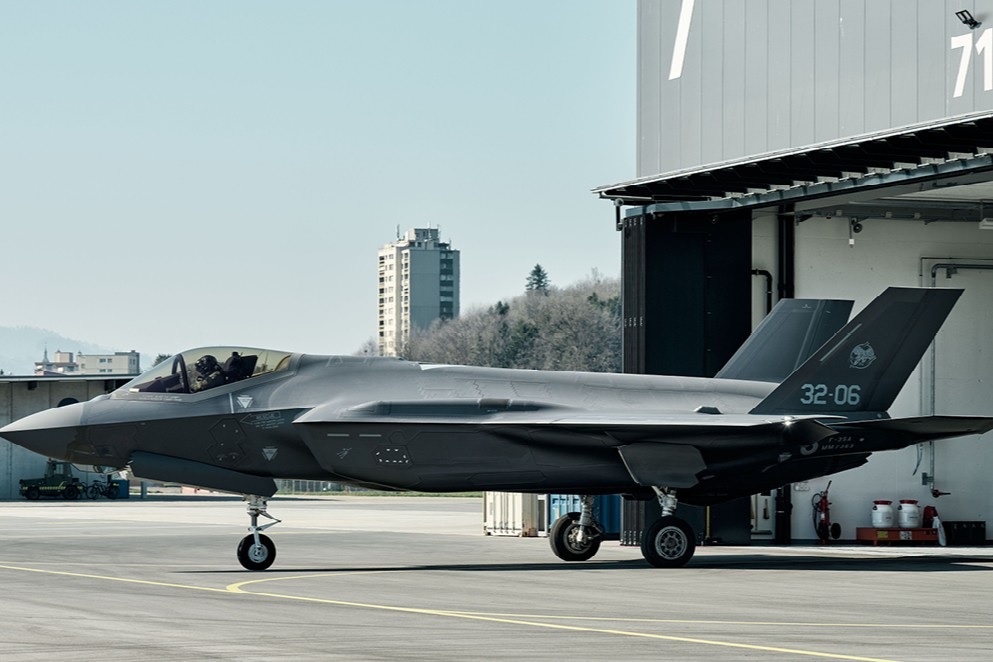
World
LISBON, February 26, 2026 : The United States has formally advocated for the selection of the Lockheed Martin F-35A Lightning II as Portugal evaluates options to replace the Portuguese Air Force (FAP)’s aging fleet of F-16 Fighting Falcon aircraft. The diplomatic engagement comes as Lisbon continues parallel discussions with European aerospace manufacturers regarding potential alternatives. U.S. Ambassador to Portugal John Arrigo stated in an interview with CNN Portugal on February 23 that the F-35A would ensure interoperability with leading European air forces and strengthen Portugal’s operational integration within NATO structures. He described the aircraft as a fifth-generation stealth platform and said that more than 900 F-35 aircraft are either in service or on order across Europe. Arrigo also noted that approximately 25 percent of the aircraft’s components are manufactured in Europe and urged Portugal to increase defense spending from around 2 percent of gross domestic product to NATO’s 5 percent target by 2035. Current Fleet and Replacement Requirement The Portuguese Air Force currently operates approximately 25 F-16AM/BM aircraft based at Monte Real Air Base. The fleet was acquired during the 1990s under the Peace Atlantis programs and consists of 21 single-seat F-16A variants and four two-seat F-16B aircraft. The jets range in age from 31 to 42 years and have undergone mid-life upgrades, including modernization to the Operational Flight Program S3.25 standard. FAP leadership has confirmed that the F-16 fleet will remain operational until a fifth-generation replacement is introduced. Chief of Staff João Cartaxo Alves stated in December 2025 that the replacement process is underway at the institutional level. He indicated that the air force is prioritizing the acquisition of at least 14 fifth-generation fighters, with the total number potentially increasing to 28 aircraft procured in one or two phases. Alves also acknowledged that the modernization process should have begun approximately two decades earlier. The proposed procurement program is estimated to range between €3.0 billion and €4.8 billion, depending on the final aircraft selection and quantity. Government Position and Procurement Status Portuguese Defense Minister Nuno Melo stated in November 2025 that no formal tender process had been launched and no acquisition decision had been made. He previously emphasized the need to evaluate geopolitical considerations and assess European defense options that could provide economic returns to Portugal’s domestic aerospace and defense industry. The fighter replacement program forms part of the Airpower Transformation Plan 2024–2030. While technical requirements are being finalized by the air force for submission to political authorities, no official timeline has been announced for issuing a formal tender or selecting a preferred platform. European Industry Engagement Portugal has engaged in discussions with multiple European aerospace manufacturers as part of its evaluation process. Sweden’s Saab has presented the Saab JAS 39 Gripen E/F as a cost-effective alternative, emphasizing lower operating and maintenance costs as well as potential industrial participation for Portuguese firms. France’s Dassault Aviation has offered the Dassault Rafale multirole fighter. Dassault Chief Executive Officer Éric Trappier confirmed the company’s readiness to supply the aircraft. The proposal aligns with broader French government efforts, led by President Emmanuel Macron, encouraging European nations to prioritize domestically produced defense systems. In addition, Airbus Defence and Space, representing the Eurofighter consortium, has signed a Memorandum of Understanding (MoU) with the Portuguese Cluster for Aeronautics, Space and Defence Industries (AED) to examine potential integration of Portuguese companies into the supply chain should the Eurofighter Typhoon be selected. Strategic and Operational Considerations The evaluation process is expected to assess multiple factors, including acquisition and lifecycle costs, delivery schedules, industrial participation, NATO interoperability, and the avoidance of capability gaps in national air defense. Portugal is not currently a member of the F-35 program. A selection of the F-35A would place the country among a growing group of European operators, including Denmark, Norway, and the Netherlands, which have already transitioned or committed to the platform. The Portuguese government has not announced a decision date. Political authorization will be required before a formal procurement phase can begin.
Read More → Posted on 2026-02-26 14:45:38
World
SOUDA BAY, GREECE / WASHINGTON, February 26, 2026 : The United States Navy aircraft carrier USS Gerald R. Ford (CVN-78) departed Naval Support Activity Souda Bay on the Greek island of Crete on February 26 after completing a scheduled four-day port visit for refueling and resupply operations. The nuclear-powered carrier is now transiting eastward through the Mediterranean Sea and is expected to reach its initial operating area off the Israeli coast within 24 hours. U.S. defense officials indicated that the deployment is part of the current American naval posture in the eastern Mediterranean and surrounding waters. The USS Gerald R. Ford had arrived at Souda Bay earlier in the week for routine logistical support. No details were released regarding the specific escort ships currently accompanying the carrier strike group, though officials confirmed that it continues to operate with its assigned surface combatants and support vessels. Initial Deployment Off Israel According to U.S. defense sources, the carrier’s initial tasking involves operating off the coast of Israel to support regional air defense requirements. The vessel’s embarked Carrier Air Wing 8 provides fighter, attack, electronic warfare, airborne early warning, and helicopter squadrons capable of countering drones and cruise missile threats. Military planners stated that the carrier’s aviation assets could complement Israel’s air defense systems in the event of potential Iranian ballistic missile launches or other aerial threats. The ship’s presence offers extended early warning coverage and additional interception capability in the eastern Mediterranean theater. Alternative Operational Theaters Under Consideration While the carrier is proceeding toward the Israeli coast for its initial deployment, U.S. naval officials noted that its final station will depend on evolving security assessments over the next 24 to 48 hours. Three primary operational options remain under consideration: Eastern Mediterranean: The carrier may maintain position off Israel to provide sustained defensive air coverage and maritime security support. Red Sea / Gulf of Aden: Naval commanders could direct the carrier strike group to transit the Suez Canal and deploy off the coast of Yemen. Such a positioning would serve as a deterrent against Houthi forces and aim to prevent renewed attacks on international shipping lanes and long-range strikes directed toward Israel. Arabian Sea: A third option would involve continuing transit into the Arabian Sea to integrate with the USS Abraham Lincoln Carrier Strike Group, which has been operating in the region since January 2026. Operating both carrier strike groups in proximity would significantly increase available tactical aviation assets, expanding the number of strike aircraft in the area for potential military operations targeting Iran. Vessel Specifications and Capabilities USS Gerald R. Ford is the lead ship of the Ford-class aircraft carriers and is currently the world’s largest aircraft carrier. The vessel has a full-load displacement of approximately 100,000 tons and is powered by two nuclear reactors, enabling sustained high-speed operations without reliance on conventional fuel. The carrier has a crew of nearly 4,600 personnel, including ship’s company and embarked air wing members. Its design incorporates advanced systems for aircraft launch and recovery, increased sortie generation rates, and enhanced radar and command-and-control capabilities compared to previous Nimitz-class carriers. The USS Gerald R. Ford was redirected to the Middle East following prior operations in the Caribbean, aligning with the current U.S. military presence in the region. The USS Abraham Lincoln Carrier Strike Group remains deployed in the broader Middle East area. The carrier’s movement from Souda Bay forms part of ongoing U.S. naval operations in the eastern Mediterranean, with further deployment decisions expected to reflect regional security developments in the coming days.
Read More → Posted on 2026-02-26 14:30:49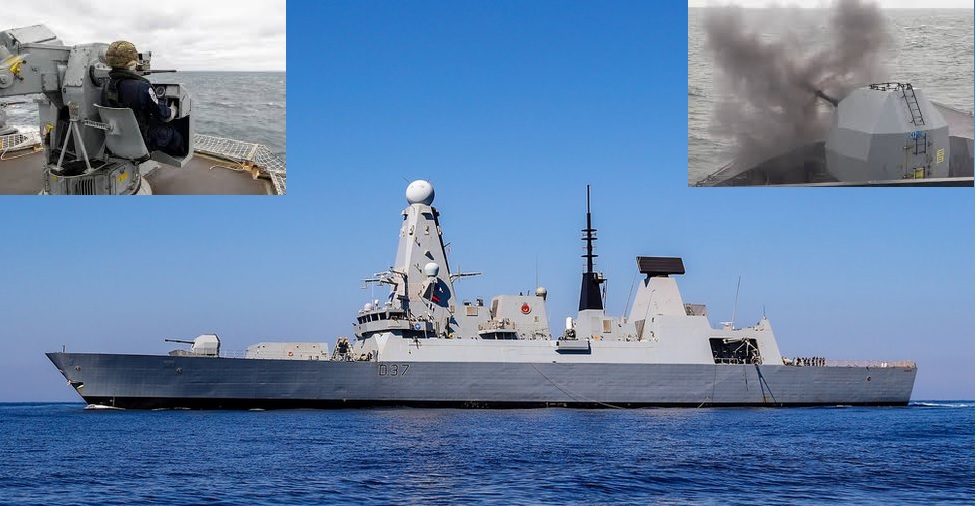
World
CARDIGAN BAY, WALES / LONDON — February 26, 2026 : The Royal Navy has confirmed that the Type 45 destroyer HMS Duncan (D37) has successfully completed Exercise Sharpshooter, a 72-hour live and synthetic training event conducted at the Ministry of Defence’s Aberporth Range in Cardigan Bay. The exercise was designed to evaluate the ship’s ability to defend critical national infrastructure against coordinated, multi-axis threats in a high-tempo operational environment. The Portsmouth-based destroyer operated as the central unit of a notional task group tasked with protecting offshore energy installations, subsea data cables, and coastal logistics hubs. The scenario required the ship to counter simultaneous waves of hostile aerial and surface threats, including uncrewed systems, aircraft, and simulated cruise and ballistic missiles. The tempo and structure of the exercise were informed by recent operational experience in the Red Sea, including the 2023–2024 deployment of HMS Diamond. Multi-Layered Air and Surface Defence Testing HMS Duncan employed its integrated air and missile defence architecture throughout the three-day trial. The ship’s operations room fused data from multiple radar and sensor inputs to classify, prioritise, and engage targets under strict time constraints while maintaining continuous Defence Watches. At extended ranges, the Sea Viper (PAAMS) system was exercised in synthetic mode against simulated cruise missile, ballistic missile, aircraft, and maritime vessel threats. Closer-range engagements involved live-fire serials using the Phalanx Close-In Weapon System, the 30 mm DS30M Mk I cannon, heavy machine guns, and the 4.5-inch naval gun. More than 200 rounds were expended from the 4.5-inch naval gun, including naval gunfire support serials. An embarked Wildcat helicopter from 815 Naval Air Squadron operated from the flight deck to extend the defensive perimeter. The helicopter engaged fast-moving aerial targets using Martlet lightweight multirole missiles at ranges of up to six kilometres. The live threat environment was delivered in partnership with industry providers QinetiQ and Inzpire, alongside Royal Navy Fleet Operational Standards and Training teams. The ship engaged five-metre Hammerhead uncrewed surface vessels capable of speeds up to 50 mph, as well as Banshee Whirlwind aerial targets flying at speeds exceeding 200 mph. By the conclusion of the exercise, HMS Duncan had tracked and neutralised five aerial targets and sunk two Hammerhead uncrewed surface vessels, meeting all assigned objectives. Engineering Resilience and Damage Control Exercise Sharpshooter incorporated concurrent onboard emergency scenarios to assess human endurance and system resilience alongside combat performance. While maintaining combat readiness around the clock, the crew responded to simulated internal fires, battle damage, and technical faults. Weapon engineers conducted fault diagnosis and repairs during operational pauses. Minor issues identified with the 30 mm medium-calibre gun were rectified between firing serials. Personnel responsible for the 4.5-inch naval gun reported successful sustained firing throughout the exercise period. The training model required sustained operations under Defence Watches, with crew members managing fatigue while continuing to conduct target tracking, threat evaluation, and live engagements. Operational Context and Strategic Relevance Exercise Sharpshooter forms part of a wider series of trials at Aberporth Range aimed at preparing Royal Navy surface ships for contemporary maritime threats, including the growing use of uncrewed aerial and surface systems by state and non-state actors. Previous iterations have included HMS Dauntless in 2025 and participation by the Royal Netherlands Navy. The exercise also reflects heightened attention to the protection of European subsea and offshore infrastructure following incidents of suspected sabotage in the Baltic Sea. By conducting the trial in home waters, the Royal Navy assessed the Type 45 destroyer’s capacity for both expeditionary air defence and the immediate protection of UK domestic maritime infrastructure. HMS Duncan is the sixth and final ship of the Daring-class (Type 45) destroyers. As part of ongoing modernisation efforts under the Sea Viper Evolution programme, the class continues to serve as the Royal Navy’s principal area air-defence platform for carrier strike groups and maritime security operations. The Royal Navy stated that Exercise Sharpshooter demonstrated the ship’s ability to conduct layered defensive operations while sustaining damage-control procedures and engineering continuity over a continuous 72-hour period.
Read More → Posted on 2026-02-26 14:15:07
World
NETANYA, Israel — February 26, 2026 : Orbit Communication Systems Ltd. (TASE: ORBI) has been awarded a $3.2 million follow-on contract by the Israeli Ministry of Defense (IMoD) for the supply of advanced satellite communication (SATCOM) systems. The order centers on the company’s Multi-Purpose Terminal (MPT) series and is intended to support operational connectivity requirements across multiple defense platforms. The new award builds on previous procurements by the IMoD and continues Orbit’s role in supplying sovereign defense communication infrastructure. In December 2024, the company received a $9.1 million tender for additional MPT systems scheduled for delivery during 2025. Contract Scope and Operational Role The $3.2 million order includes delivery of Orbit’s stabilized MPT SATCOM terminals configured for defense operational needs on mobile platforms. The systems are designed to maintain continuous connectivity across multiple satellite constellations while operating in complex terrain, contested environments, and adverse weather conditions. The MPT terminals are engineered to interface with satellites operating in Low Earth Orbit (LEO), Medium Earth Orbit (MEO), Geostationary Earth Orbit (GEO), and Highly Elliptical Orbit (HEO). This multi-orbit compatibility enables resilient network links and supports uninterrupted communications during maneuvering operations. The systems are intended to support network-centric warfare frameworks and modern C4ISR (Command, Control, Communications, Computers, Intelligence, Surveillance, and Reconnaissance) architectures used by defense forces. Technical Specifications and Platform Integration Orbit’s MPT family consists of stabilized Very Small Aperture Terminal (VSAT) systems available in Ku-band and Ka-band configurations, with support for additional X-band operations. Antenna aperture variants include 30 cm, 46 cm, 60 cm, and 87 cm models. The terminals deliver broadband data throughput exceeding 126 Mbps forward links and up to 29 Mbps return links in certain configurations. These performance parameters enable live video streaming, high-volume data transfers, and real-time ISR communications. The systems are optimized for low Size, Weight, and Power (SWaP) requirements, allowing integration across a range of platforms including: Airborne intelligence, surveillance, and reconnaissance (ISR) aircraft Rotary-wing aircraft Naval vessels and submarines Armored ground vehicles Unmanned surface vessels (USVs) Other unmanned systems The terminals are compliant with military and environmental standards including MIL-STD-188-164C, MIL-STD-810G, MIL-STD-461G, and RTCA DO-160G. These certifications support reliable signal tracking, polarization compensation, and uninterrupted performance during platform motion and dynamic maneuvers. Company Profile and Global Footprint Headquartered in Netanya, Israel, Orbit Communication Systems Ltd. develops and supplies airborne communications management systems, satellite-tracking maritime and airborne terminals, and ground station solutions. The company operates production, marketing, sales, and customer service activities in the United States, Europe, and the Far East. Orbit serves commercial operators, major air forces, navies, space agencies, and New Space companies. Its SATCOM solutions are deployed on mission aircraft, naval vessels, armored vehicles, rotary-wing platforms, and unmanned systems worldwide, including airborne platforms operated by the U.S. military and NATO member states. The company is controlled by the FIMI Investment Fund. Orbit’s broader product portfolio includes the OceanTRx maritime SATCOM series, Gaia earth observation ground stations, and airborne audio management systems. Executive Statement Daniel Eshchar, Chief Executive Officer of Orbit, stated that the company continues to provide the Israeli Ministry of Defense with satellite communication systems designed to deliver resilient and secure connectivity. He noted that the operational importance of secure communications continues to increase, particularly in complex and contested environments, and confirmed that Orbit will continue investing in product innovation for customers in Israel and international markets. Pending Acquisition by Kratos In November 2025, Kratos Defense & Security Solutions, Inc. signed a definitive agreement to acquire 100 percent of Orbit Technologies Ltd. for $356.3 million in cash. The transaction is expected to close by the end of March 2026, subject to regulatory approvals. The newly announced IMoD contract is part of Orbit’s continuing engagement in defense SATCOM supply programs and reflects sustained procurement activity for multi-orbit communication capabilities across Israeli defense platforms.
Read More → Posted on 2026-02-26 14:00:49
World
ANKARA / SEOUL / ASTANA — February 25, 2026 : Three military fighter aircraft from Turkey, South Korea and Kazakhstan were lost in separate training-related incidents within a 24-hour period on February 25, 2026. The accidents involved two F-16C Fighting Falcons operated by the Turkish Air Force and the Republic of Korea Air Force, and one Su-30SM multirole fighter operated by Kazakhstan’s Air Defense Forces. Authorities in all three countries have initiated formal investigations. One pilot was killed, while three others survived after ejecting. Turkish Air Force F-16C Crash in Balıkesir The first incident occurred at 00:56 local time in northwestern Turkey. An F-16C assigned to the 9th Main Jet Base Command crashed shortly after takeoff from Balıkesir Air Base during a nighttime mission. According to the Turkish Ministry of National Defense, radio and radar contact with the aircraft was lost approximately six minutes after departure. The crash occurred near Naipli village in the Karesi district of Balıkesir province, close to the Istanbul–İzmir motorway. Search and rescue teams were deployed immediately and located scattered wreckage across a wide area. Security forces and firefighters secured the crash site, and a section of the motorway was temporarily closed as a precaution due to debris. The pilot, Air Force Major İbrahim Bolat, was killed in the crash. The Ministry confirmed his death in an official statement. The Balıkesir Public Prosecutor’s Office, along with a specialized crash examination team, has begun a formal investigation. Authorities are examining possible factors including mechanical malfunction, pilot-related issues, and environmental conditions. A procedural ruling will be issued following completion of the investigation. Republic of Korea Air Force F-16C Crash in Yeongju Later the same day, at approximately 19:31 local time, a Republic of Korea Air Force F-16C single-seat fighter jet crashed during a scheduled nighttime training flight. The aircraft was assigned to Chungju Air Base and went down in a mountainous area near Yongsan-ri in Anjeong-myeon, close to the city of Yeongju in North Gyeongsang Province. The pilot successfully initiated the ejection sequence prior to impact. According to South Korean authorities, the pilot was initially suspended in a tree before being rescued by emergency responders. He sustained no life-threatening injuries and was transferred to the Korean Air Force Aerospace Medical Center for evaluation. The crash triggered a localized hillside fire, which was extinguished shortly after fire crews arrived at the scene. No civilian casualties or property damage were reported. Local authorities temporarily evacuated some nearby residents as a precaution. The Republic of Korea Air Force has established a special task force led by the Vice Chief of Staff to investigate the cause of the accident. A detailed technical and operational review is underway. Kazakhstan Air Defense Forces Su-30SM Crash in Karaganda Region In a separate and unrelated incident, a Sukhoi Su-30SM fighter jet belonging to the Kazakhstan Air Defense Forces crashed during a scheduled training flight in the Karaganda Region of central Kazakhstan. The Kazakh Defense Ministry stated that an emergency occurred while the twin-engine multirole aircraft was conducting routine operations. Both pilots onboard successfully ejected before impact. Search and rescue units recovered the crew members and placed them under medical supervision. Officials confirmed that neither pilot sustained life-threatening injuries. The crash site was secured by military personnel. Authorities reported no threat to the civilian population or nearby infrastructure. A special commission headed by the chief of the flight safety department has been formed to determine the circumstances of the aircraft’s loss. The commission includes specialized flight service personnel and will issue a formal legal and procedural assessment once the investigation is completed. Investigations Underway The three incidents occurred in different geographic regions under separate operational commands and flight conditions. There is no indication that the crashes are connected. All three air forces have launched independent investigations focused on technical performance, operational procedures and environmental factors. Findings will be released upon completion of the respective inquiries.
Read More → Posted on 2026-02-25 18:05:35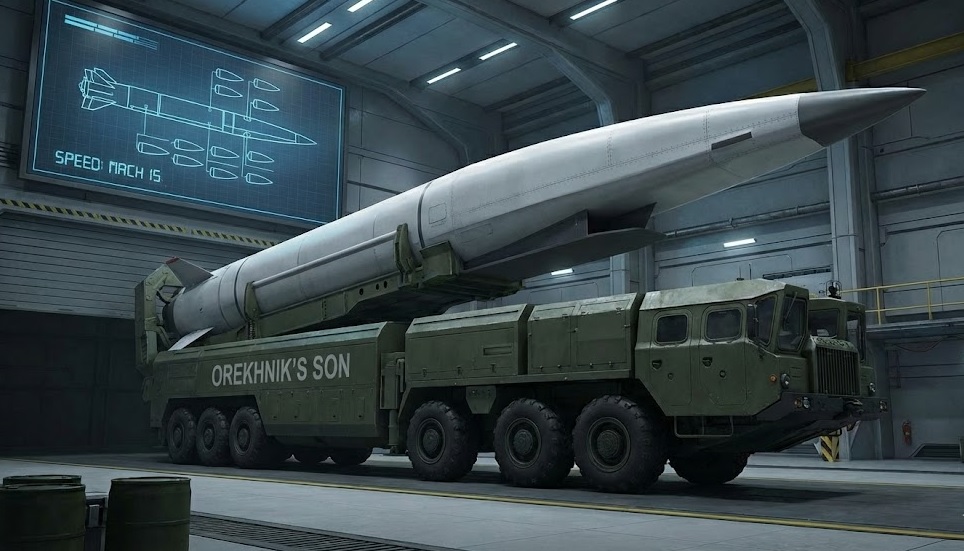
World
MOSCOW — Feb. 25, 2026 : Russia’s defense industry is reportedly developing a more advanced version of the Oreshnik intermediate-range ballistic missile (IRBM), according to statements published in Russian media and attributed to retired Colonel Viktor Baranets. The new system is unofficially referred to as “Orekhnik’s son” or “Son of Oreshnik” and is described as an upgraded, more powerful iteration of the existing missile. Development and Reported Capabilities According to media reports, the upgraded missile is designed to carry eight kinetic warheads, an increase over the configuration of the current Oreshnik system. The warheads are intended for deep-penetration strikes against fortified and underground facilities, with a stated capability to destroy targets located at depths of approximately 30 meters. The missile is also reported to feature a hypersonic flight profile, enabling rapid long-range deployment. Based on the specifications cited in the reports, the system would be capable of reaching London within eight minutes of launch. Assuming a launch from western Russian territory near Moscow, the approximate straight-line distance to London is about 2,500 kilometers. Covering this distance in 8 minutes (480 seconds) would require an average speed of approximately 5.2 kilometers per second, or about 18,750 kilometers per hour. This corresponds to roughly Mach 15–16, depending on atmospheric conditions. Baranets, a retired Russian colonel and military commentator for Komsomolskaya Pravda, stated that engineering efforts are currently focused on improving strike precision and overall accuracy. He said these enhancements are aimed at increasing the effectiveness of the system against strategic targets in Ukraine and Western countries. In addition to accuracy improvements, Baranets indicated that specialists are working on expanding payload capacity, advancing fuel technology, and integrating updated guidance systems. He described the project as intended to surpass the current Oreshnik missile in power and overall combat parameters. There has been no official confirmation of the new system from the Russian Ministry of Defense. The information available is based on media reports and statements attributed to Baranets. Background on the Oreshnik Missile The existing Oreshnik, meaning “Hazel Tree,” is a road-mobile intermediate-range ballistic missile capable of hypersonic speeds exceeding Mach 10. The system is equipped with six multiple independently targetable reentry vehicles (MIRVs), each carrying submunitions. It can be configured to carry either nuclear or conventional payloads. The missile has an estimated operational range of between 3,500 and 5,500 kilometers. It is derived from the RS-26 Rubezh program and entered service in 2025. The Oreshnik was first used in combat on Nov. 21, 2024, against a target in Dnipro, Ukraine. A second reported use occurred on Jan. 8, 2026, against targets in the Lviv region. Following its introduction, Oreshnik systems were placed on combat duty in Belarus. Strategic Context The reported development of “Orekhnik’s son” follows the deployment of the original Oreshnik system during the ongoing conflict in Ukraine. By increasing the number of kinetic warheads from six to eight and expanding its underground strike capability to approximately 30 meters, the upgraded missile is described as part of broader efforts by Russia’s defense sector to enhance systems capable of penetrating fortified structures and modern air and missile defense architectures across the European theater. All currently available details regarding the new missile remain based on media reporting and expert commentary, with no formal announcement or technical specifications released by Russian defense authorities.
Read More → Posted on 2026-02-25 17:52:23Search
Top Trending in 24 Hours
-
 North Korea Preparing Largest Military Deployment Abroad With 30,000 Troops for Russia, Zelensky Says
-
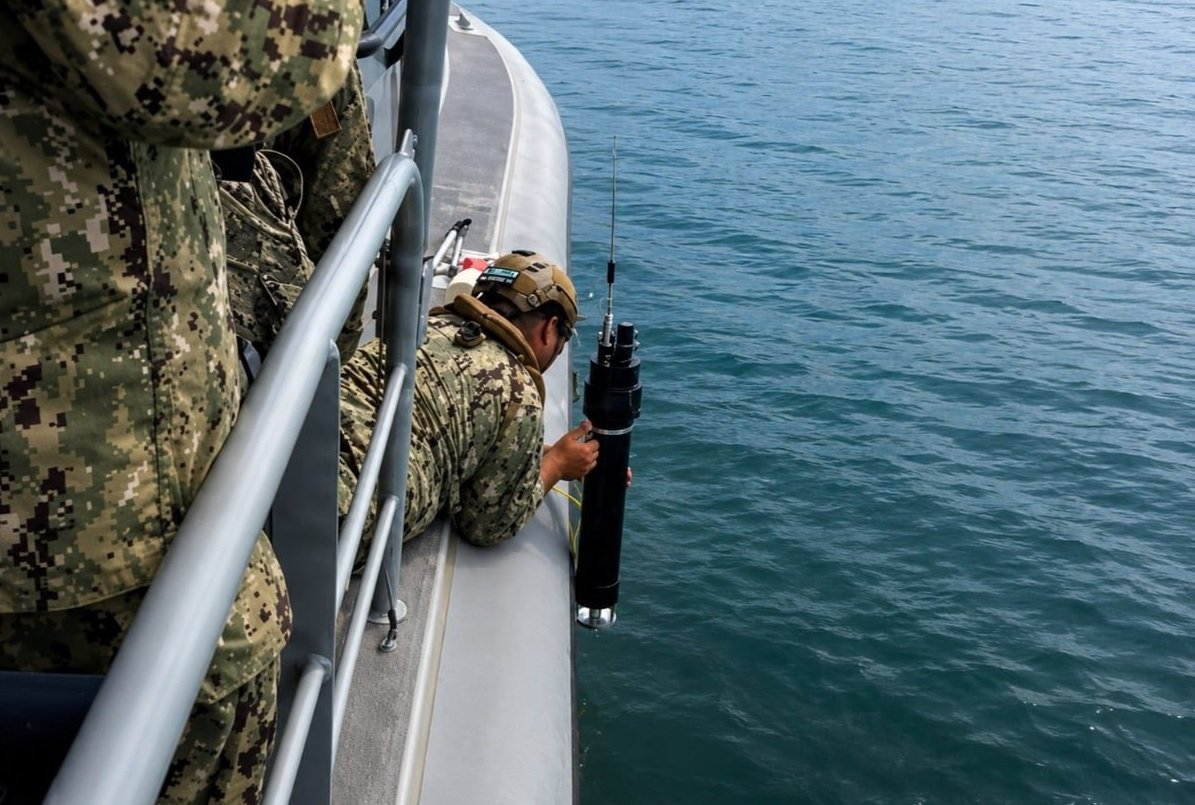 U.S. Army, Navy and Space Force Successfully Test Maritime Version of ‘Hammer of the Gods’ EW System During Project Convergence 2026
-
 Houthis Claim to Have Shot Down Saudi-Operated Bayraktar Akıncı Drone Over Northern Yemen, Release Video of Crash
-
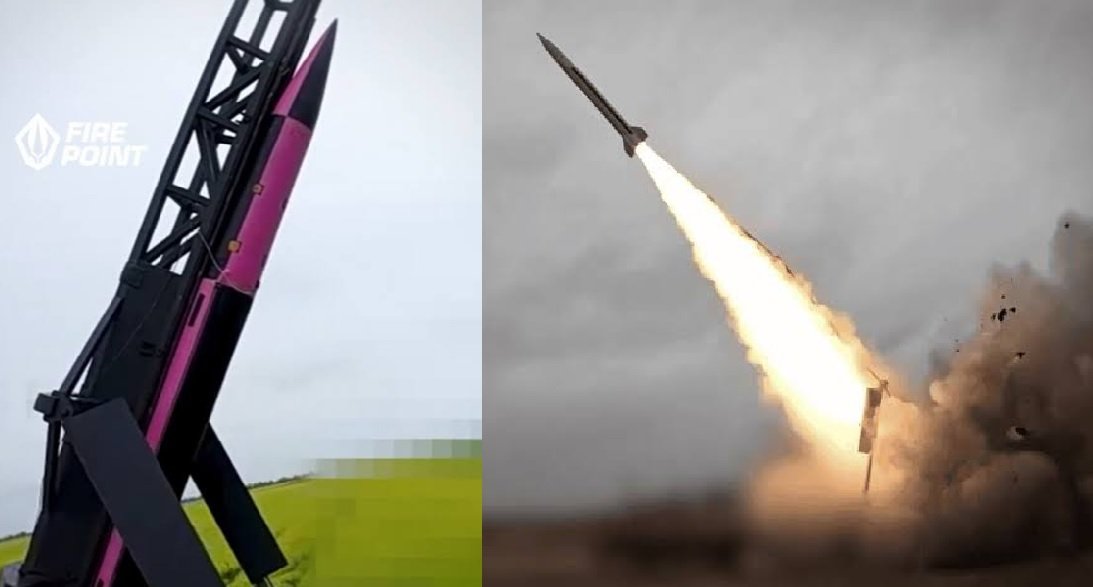 Ukraine, European Allies Target Mid-2027 Prototype for Freyja Missile Defense System
-
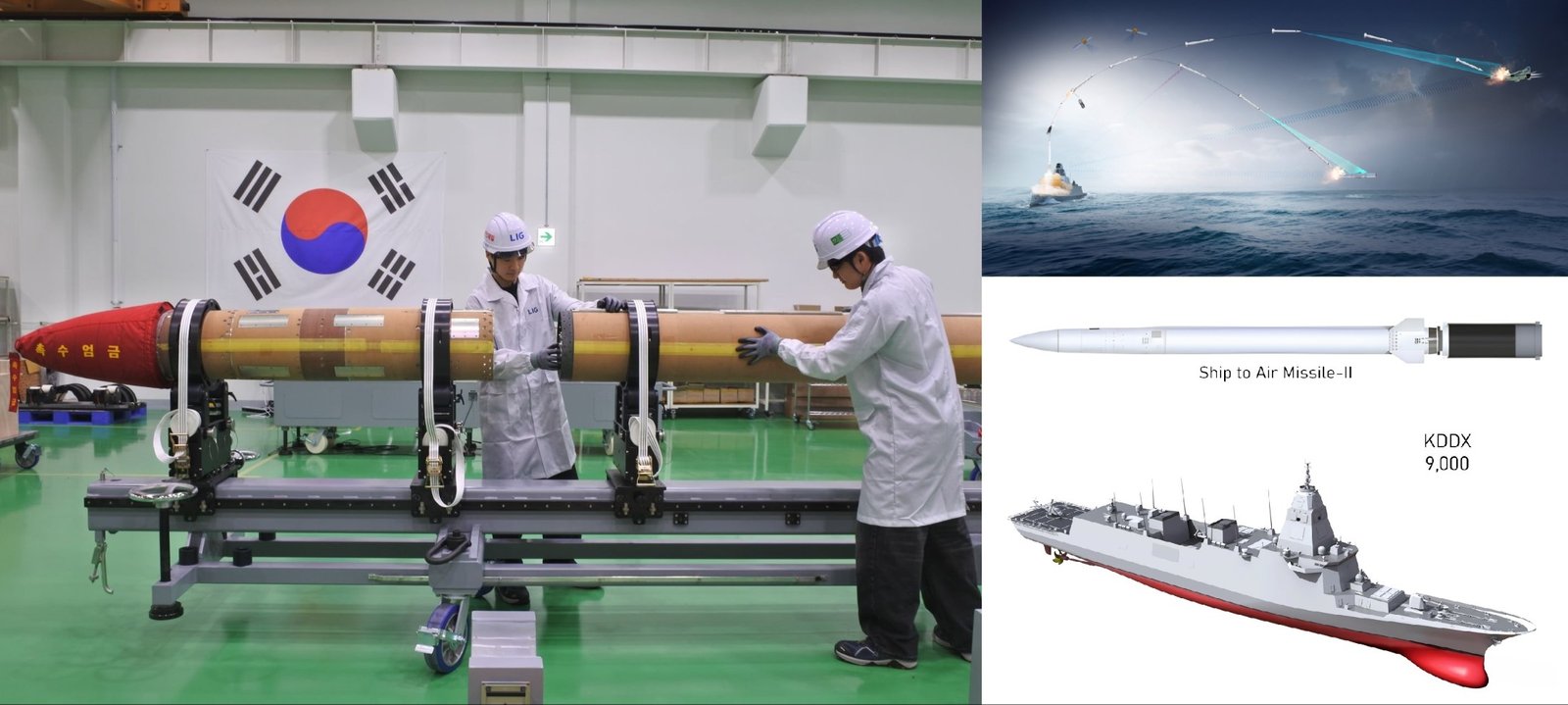 South Korea Begins First KSAM-II Naval Air-Defense Missile Prototype Assembly to Replace U.S.-Made SM-2
-
 Russia Triples BMP-3 Production as Rostec Delivers Upgraded BMP-3 IFVs with Factory-Fitted Anti-Drone Protection
-
 U.S. and France Clash Over U.N. Human Rights Leadership Vote
-
 QinetiQ Unveils HELENA High-Energy Laser, Announces £20 Million Investment to Expand Directed Energy Weapon Production
Top Trending in 4 Days
-
 U.S. Airstrikes Target IRGC Missile Base Near Taft as Overnight Strikes Hit Central Iran
-
 Kuwait and Bahrain Reportedly Launch First Joint Direct Airstrikes on Iran Since War Began : Report
-
 China Imposes Dual-Use Export Ban on 14 European Entities After EU's Russia Sanctions
-
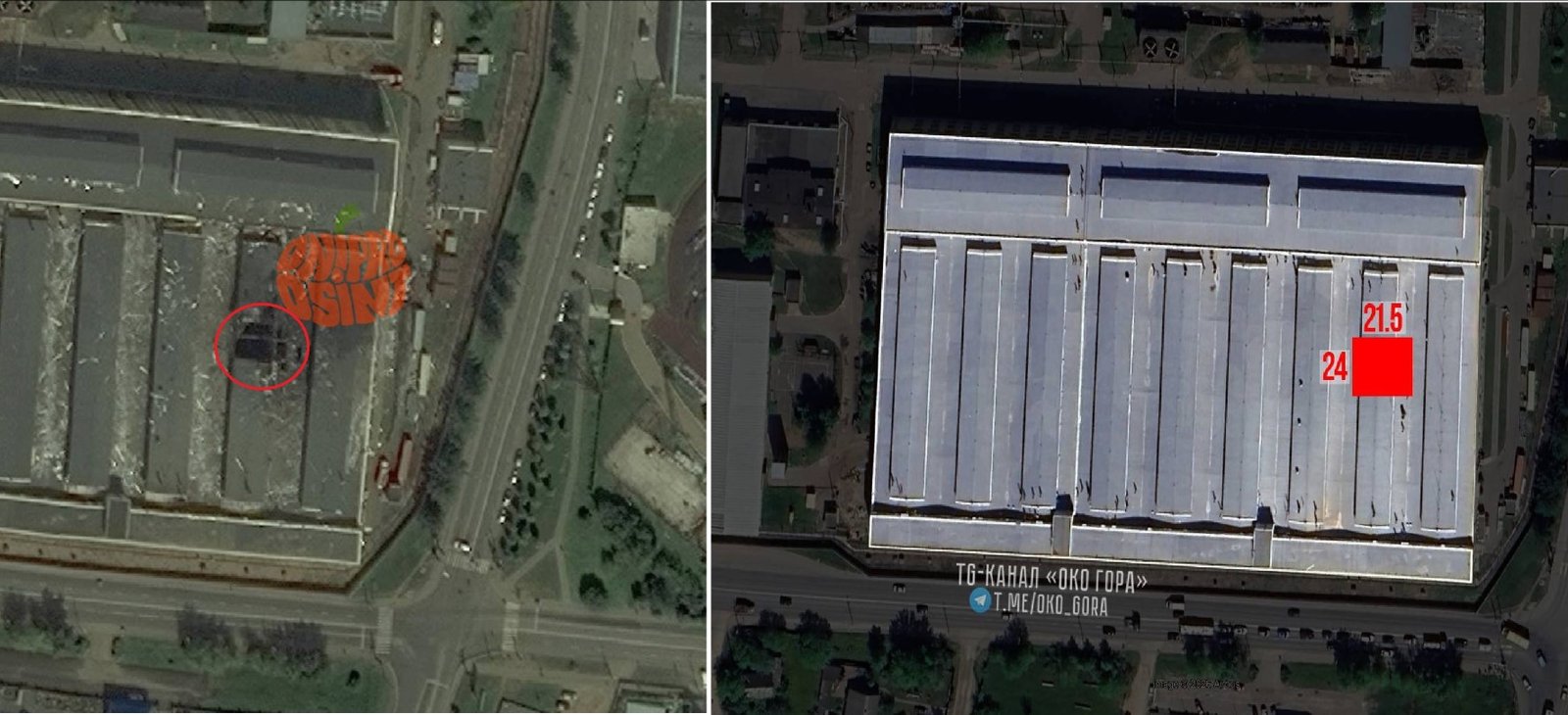 Satellite Images Confirm Damage to Russian Avitek Plant After Ukrainian FP-5 Flamingo Missile Strike
-
 U.S. Department of War Awards Oracle Up to $6.99 Billion Enterprise Software Deal
-
 Australia Commits Additional AUD 4.6 Billion to Expand Osborne Shipyard for AUKUS Submarines
-
 U.S. Army Revives PAC-2 Patriot Missile Production with First Domestic Order in Over Three Decades
-
 General Dynamics Awarded Up to $400.4 Million Contract for U.S. Missile-Tracking Satellite Ground Segment