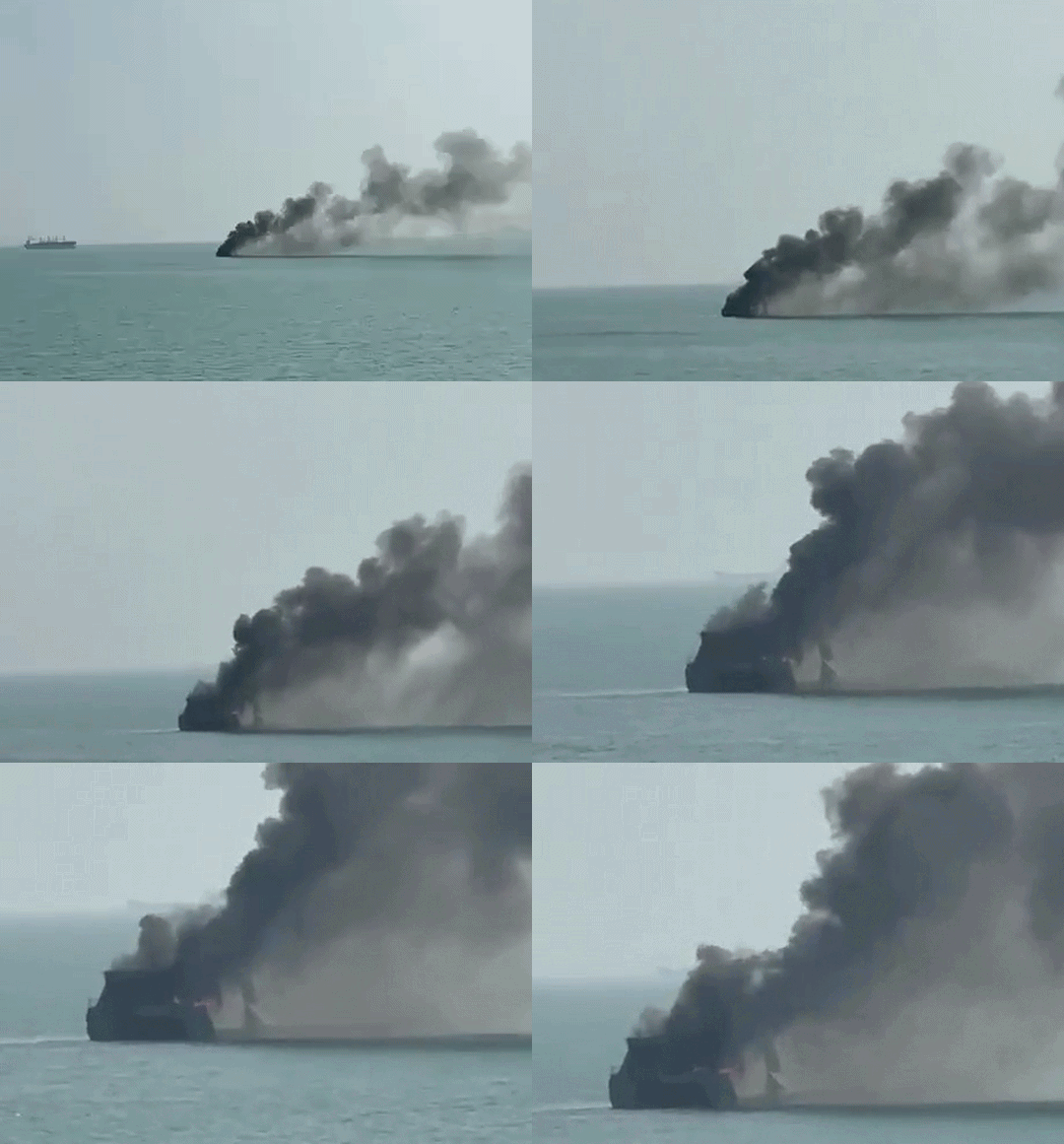
BANDAR ABBAS / TAMPA — March 4, 2026 : U.S. Central Command (CENTCOM) confirmed on Wednesday that American forces conducted a strike against the Islamic Revolutionary Guard Corps (IRGC) Navy corvette IRIS Shahid Sayyad Shirazi near the strategic Iranian port of Bandar Abbas in Hormozgan Province. The strike occurred overnight between March 3 and March 4 and left the vessel burning and heavily damaged in waters close to the naval hub overseeing the Strait of Hormuz.
According to CENTCOM officials, the attack forms part of ongoing U.S. operations aimed at countering maritime threats in the Persian Gulf and surrounding waterways. The command stated that the targeted warship was associated with IRGC naval activities that posed risks to commercial shipping routes in the region.
Strike Near Iran’s Main Naval Hub
The vessel was struck near Bandar Abbas, Iran’s most important naval center for both the IRGC Navy and the regular Iranian Navy. Eyewitnesses including fishermen and port workers reported multiple explosions shortly after 2 a.m. local time. Several videos circulating on social media platforms showed flames and thick black smoke rising from the ship’s superstructure.
Footage broadcast by Iranian state media later showed the damaged warship being towed by support craft toward shore while fires continued to burn onboard. Iranian reports indicated the ship had suffered serious damage to its engine room and missile systems but did not immediately sink.
U.S. officials did not disclose the exact weapon used in the strike. Defense analysts suggested the possibility of AGM-158C Long Range Anti-Ship Missiles (LRASM) launched by F/A-18 Super Hornets operating from the aircraft carrier USS Abraham Lincoln carrier strike group deployed in the region. CENTCOM described the operation as a defensive action intended to maintain maritime security.
Vessel Profile: IRIS Shahid Sayyad Shirazi
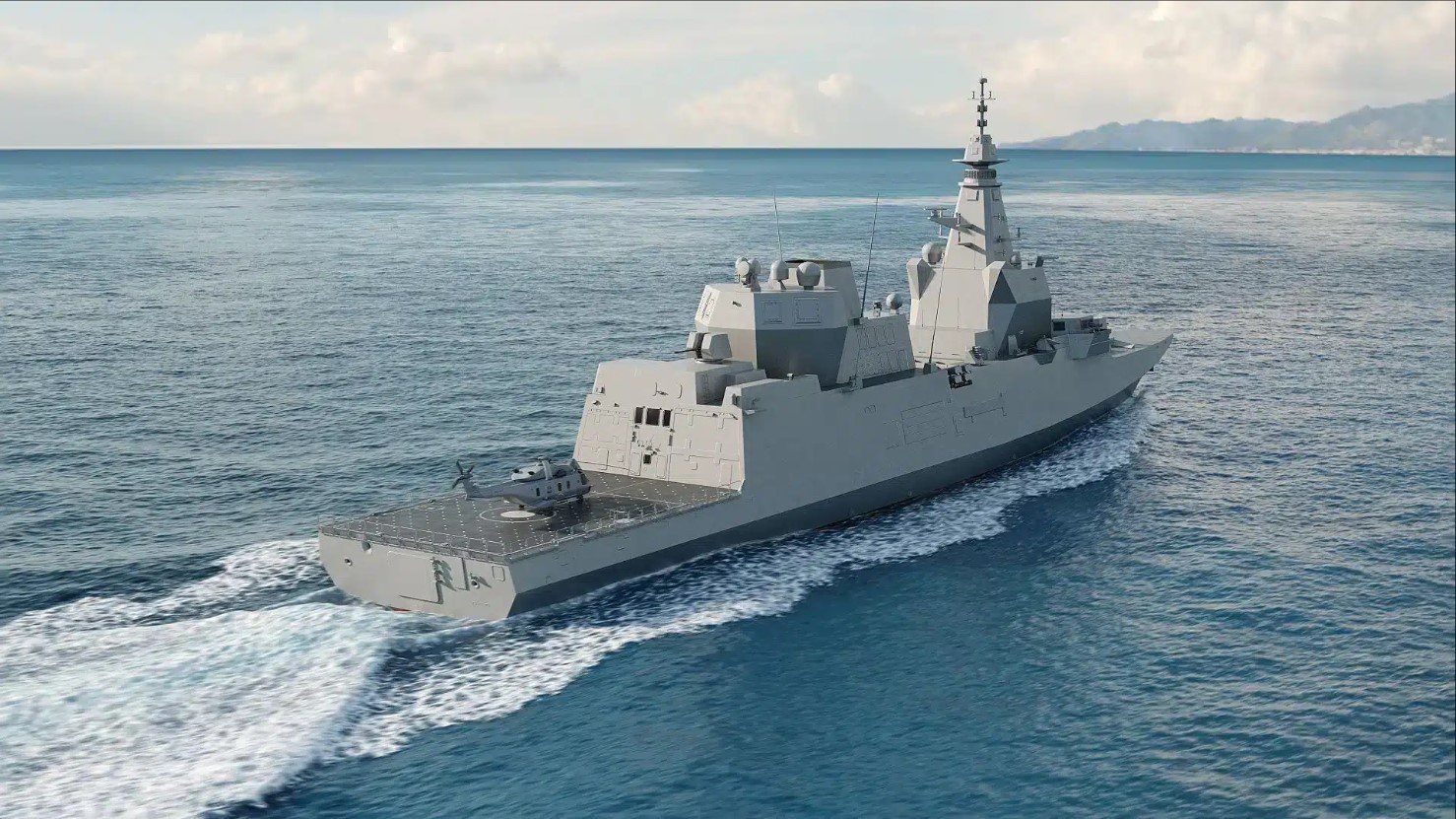
The IRIS Shahid Sayyad Shirazi is a Shahid Soleimani-class missile corvette belonging to the IRGC Navy. The vessel was built domestically at the Shahid Mahallati Marine Industries Complex in Bandar Abbas and commissioned as part of Iran’s naval modernization program.
The ship displaces roughly 600 tons and measures approximately 90 meters in length. It is powered by diesel engines capable of propelling the vessel to speeds of around 28 knots, with an operational range of approximately 2,500 nautical miles at 15 knots.
The corvette carries a crew of about 40 personnel and is equipped with a combination of anti-ship missiles, naval artillery, and close-range defensive systems. Its armament includes C-802 anti-ship cruise missiles, a 76-mm Oto Melara deck gun, and twin 20-mm close-in weapon systems designed for point defense against incoming threats.
The Soleimani-class design incorporates features intended to reduce radar visibility and support asymmetric naval operations. The ships draw structural and systems concepts from the Chinese Type-056 class of light frigates. Additional equipment reportedly includes Ghadir anti-submarine torpedoes, electronic warfare systems, and the ability to support helicopters or fast-attack craft in coordinated maritime operations.
Iranian military sources previously highlighted the vessel’s role in air-defense and missile operations at sea. During IRGC naval exercises in February 2026, the corvette reportedly carried out the first public ship-launched test of the Sayyad-3G surface-to-air missile, which Iranian officials claim has an operational range of approximately 150 kilometers.
The ship was named after Ali Sayyad Shirazi, a prominent Iranian military commander killed in 1999.
Casualties and Damage
Iran’s IRGC Navy confirmed the strike and reported 12 crew members injured, including five suffering shrapnel wounds and seven treated for smoke inhalation. Two sailors were reported missing following the attack.
The injured were transferred to Shahid Rajaee Hospital in Bandar Abbas. Iranian authorities stated that salvage operations were underway, with naval divers assessing structural damage to the vessel.
Iranian officials also indicated that the fire resulted in an estimated 50 tons of oil leaking into nearby waters. Environmental authorities are expected to release additional assessments regarding the spill and possible containment efforts.
Part of a Wider U.S. Naval Campaign
The strike occurred amid a broader U.S. military effort targeting Iranian naval assets in the region. According to operational summaries released by CENTCOM, more than 20 Iranian vessels have been destroyed or disabled since the escalation of hostilities in late 2025.
Among the vessels reportedly affected are:
- Six Kaman-class fast attack craft
- Four Houdong-class missile boats
- Three Bayandor-class corvettes
- Several fast-attack boats and smaller patrol vessels
Previous operations included submarine attacks conducted by Virginia-class submarines in the Arabian Sea as well as airstrikes on Iranian naval vessels moored at Bushehr and Chabahar ports.
CENTCOM described the campaign as part of Operation Epic Fury, which began in late February 2026 and focuses on preventing Iranian naval activities that could threaten shipping lanes or involve mining of international waters.
Additional Military Developments
The strike on the Shahid Sayyad Shirazi took place alongside several other reported military developments involving Iranian forces.
Earlier the same day, a U.S. submarine reportedly sank the Mowj-class frigate IRIS Dena in waters near Sri Lanka, with reports indicating 148 sailors missing. In a separate incident, an Israeli F-35I Adir fighter shot down an Iranian Yak-130 trainer aircraft over Tehran.
Regional reports also suggested preparations for a possible ground offensive by Kurdish volunteer forces supported by U.S. and Israeli elements in western Iran, though details remain limited.
Satellite imagery from Maxar Technologies has shown increased naval movement around Bandar Abbas in recent days, with Iranian vessels dispersing from major ports to secondary facilities.
Iranian Response
Iran’s IRGC commander-in-chief Maj. Gen. Hossein Salami condemned the strike, describing it as an illegal attack and stating that Iran would investigate the incident. Iran’s Foreign Ministry also submitted a formal protest to the United Nations Security Council, alleging violations of international maritime law.
Iranian naval authorities have not disclosed whether the damaged corvette can be repaired or returned to service.
Regional Reaction and Shipping Warnings
International maritime authorities have issued advisories to vessels transiting the Persian Gulf and the Strait of Hormuz. The International Maritime Organization warned of potential navigation hazards including debris from damaged ships and the possibility of further military actions.
Several Gulf states expressed support for efforts to maintain freedom of navigation in the region. Members of the Gulf Cooperation Council, including Saudi Arabia and the United Arab Emirates, stated that safeguarding international shipping routes remains a priority.
Russia and China called for a ceasefire and urged diplomatic efforts to prevent further escalation.
U.S. Government Statement
The White House released a statement confirming that U.S. operations are intended to protect international maritime commerce and allied interests in the region. U.S. Defense Secretary Lloyd Austin is scheduled to brief members of Congress on Thursday regarding the progress and strategic impact of the ongoing operations against Iranian naval forces.
Naval analysts from the U.S. Naval War College said that continued losses among Iran’s surface fleet could lead Tehran to rely more heavily on submarines, unmanned surface vessels, and swarming fast-attack boats in future maritime operations.
Rescue and salvage teams remain active near Bandar Abbas as Iranian authorities continue efforts to stabilize the damaged corvette and account for the missing crew members. Further updates from Iranian officials and environmental agencies are expected later this week.
——— End of Article ———