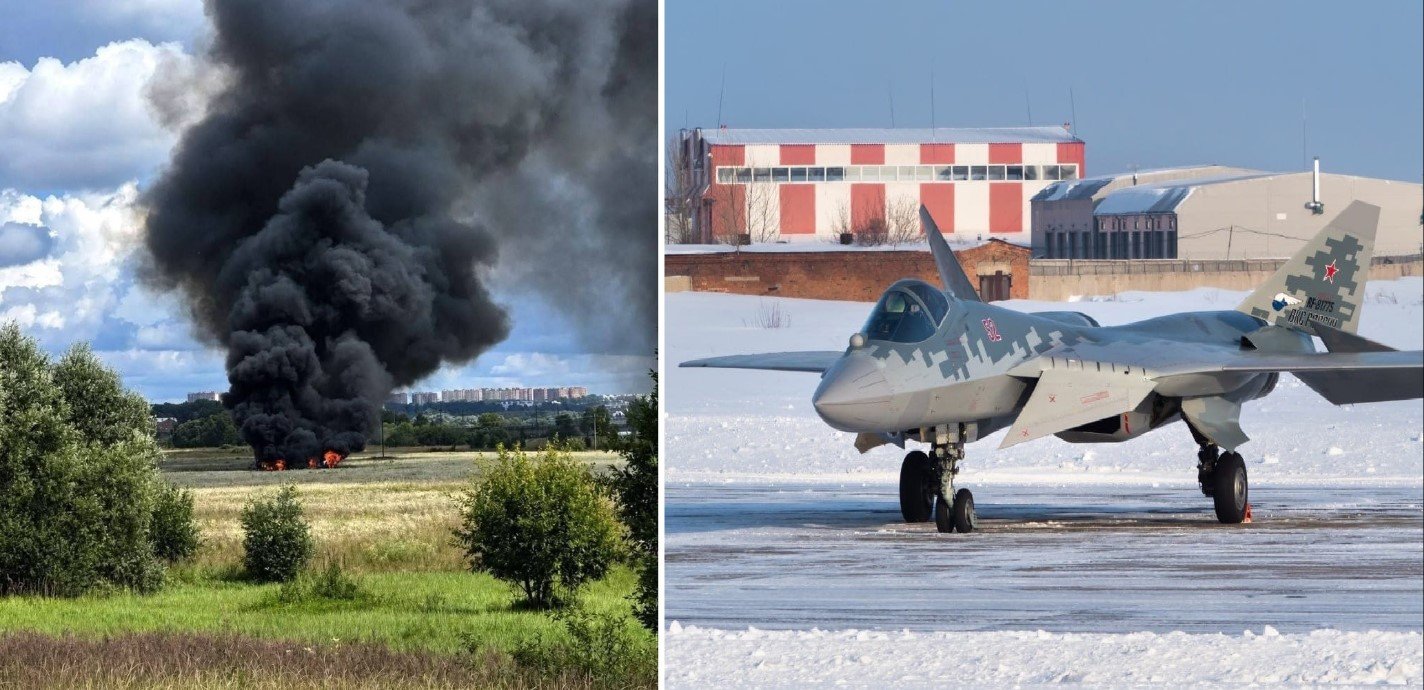
WASHINGTON — March 5, 2026 : Officials from the United States Central Command (CENTCOM) have confirmed that a U.S. Air Force F-15E Strike Eagle crashed over southwestern Iran on March 4 while conducting a strike mission connected to ongoing U.S. military operations in the region. Both crew members aboard the aircraft successfully ejected and were later recovered during a joint combat search and rescue mission carried out by U.S. and Israeli forces.
Aircraft Loss During Strike Mission
According to senior CENTCOM officials who briefed American media outlets, the aircraft went down during the morning hours of Wednesday while participating in a strike operation targeting Iranian military infrastructure. The mission was conducted as part of the broader U.S.-led campaign known as Operation Epic Fury.
The fighter jet involved in the incident was a two-seat F-15E Strike Eagle operated by the U.S. Air Force. The aircraft was crewed by a pilot and a weapons systems officer (WSO) and was performing an air-to-ground strike mission at the time of the crash.
Officials said the precise cause of the crash has not yet been determined. The incident remains under investigation, though at least one source familiar with the situation indicated that Iranian air defense systems may have engaged the aircraft prior to the loss.
CENTCOM has not publicly confirmed whether the aircraft was destroyed by a missile or suffered a technical malfunction, and operational details regarding the exact crash location within southwestern Iran have not been released for security reasons.
Crew Ejection Over Iranian Territory
Both aircrew members successfully activated their ejection systems before the aircraft crashed. The pilot and the weapons systems officer parachuted into Iranian territory and remained on the ground until rescue forces arrived.
Immediately after the incident, U.S. forces activated a combat search and rescue (CSAR) protocol designed to recover downed aircrew operating in hostile environments.
Joint Combat Search and Rescue Mission
CSAR units from the U.S. Air Force and the Israeli Air Force were already positioned on standby at a nearby regional location due to the ongoing military operations. Following confirmation of the crash, the rescue units were launched and entered Iranian airspace approximately one hour after the aircraft was lost.
The joint rescue team successfully located both aircrew members and extracted them from the area without reported interference or additional incidents. Officials described the recovery as a coordinated multinational effort conducted under time-sensitive operational conditions.
CENTCOM stated that the presence of pre-positioned rescue assets significantly reduced response time and allowed for the rapid evacuation of the downed personnel.
Medical Evacuation and Treatment
After the extraction was completed, the recovered aircrew members were transported to Prince Sultan Air Base for an initial medical assessment.
Preliminary reports indicate that both the pilot and the weapons systems officer sustained minor injuries during the ejection and recovery process but were otherwise in stable condition.
Following the initial evaluation, the two airmen were transferred to Muwaffaq Salti Air Base for further medical examination and operational debriefing.
Role of the F-15E in Regional Operations
The F-15E Strike Eagle is a multirole fighter aircraft manufactured by Boeing and designed primarily for long-range precision strike missions. The aircraft features advanced radar systems, conformal fuel tanks that extend operational range, and a weapons payload capacity exceeding 23,000 pounds.
Strike Eagle squadrons deployed to the region include aircraft from the U.S. Air Force’s 4th Fighter Wing based at Seymour Johnson Air Force Base. These aircraft have been heavily involved in strike operations targeting missile launch infrastructure and other military facilities linked to Iranian forces.
Context Within Current Operations
The crash represents the first confirmed loss of a U.S. aircraft over Iranian territory during the current escalation associated with Operation Epic Fury.
Earlier in the week, on March 1, three additional F-15E Strike Eagles assigned to the 4th Fighter Wing were lost during a separate incident over Kuwaiti airspace when Kuwait air defense systems mistakenly engaged the aircraft during the same regional operation. All six crew members in that incident successfully ejected and were recovered.
A joint investigation between the United States and Kuwait remains underway regarding that event.
Ongoing Investigation
CENTCOM officials said an investigation into the March 4 crash is ongoing and additional information will be released once preliminary findings are available.
Military officials have not reported any official response from Iran regarding the aircraft loss or the rescue operation conducted within its airspace.
U.S. forces operating under CENTCOM remain on heightened alert as regional tensions continue amid ongoing missile launches and military activity linked to Iranian forces and their regional partners.
——— End of Article ———