PARIS / WASHINGTON — March 15, 2026 : France is preparing a significant naval deployment toward the Strait of Hormuz following a public appeal from Donald Trump for allied countries to contribute maritime forces to secure the strategic shipping route. The move comes amid escalating tensions in the Persian Gulf and growing disruptions to commercial shipping through one of the world’s most critical energy corridors.
U.S. Appeal for Allied Naval Participation
On March 14, 2026, President Trump called on major economies that rely on oil shipments passing through the Strait of Hormuz to deploy naval assets alongside the United States to ensure the waterway remains open and secure. In a post on Truth Social, Trump said that several countries affected by Iran’s restrictions on maritime traffic should contribute ships to the effort.
The U.S. president specifically mentioned France, China, Japan, South Korea, and the United Kingdom as countries that could participate in the security initiative. Trump stated that the United States would provide substantial military support but emphasized that safeguarding the strait should be a shared responsibility among nations that depend on energy shipments through the route.
U.S. officials have indicated that the United States Navy is preparing to begin escort operations for commercial oil tankers transiting the strait. The escort missions are expected to start once operational conditions allow, though officials have not announced a precise timeline. Earlier remarks by Scott Bessent confirmed that the U.S. government was evaluating coordinated escort operations with potential coalition partners.
Recent military activity near the strait has also included operations by United States Central Command, which reported precision strikes against Iranian maritime assets involved in mine-laying activities near key shipping lanes.
French Naval Deployment Plans
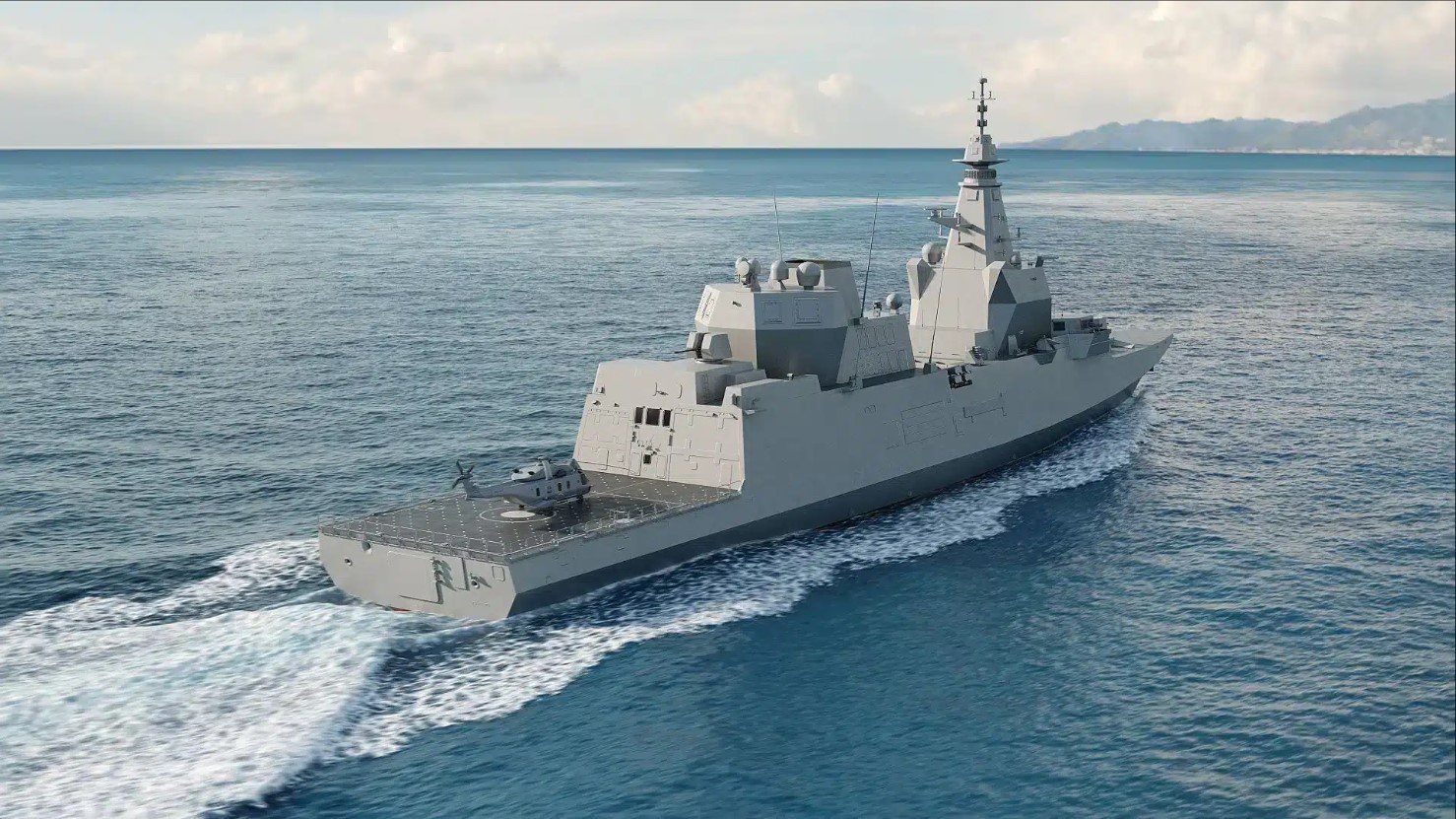
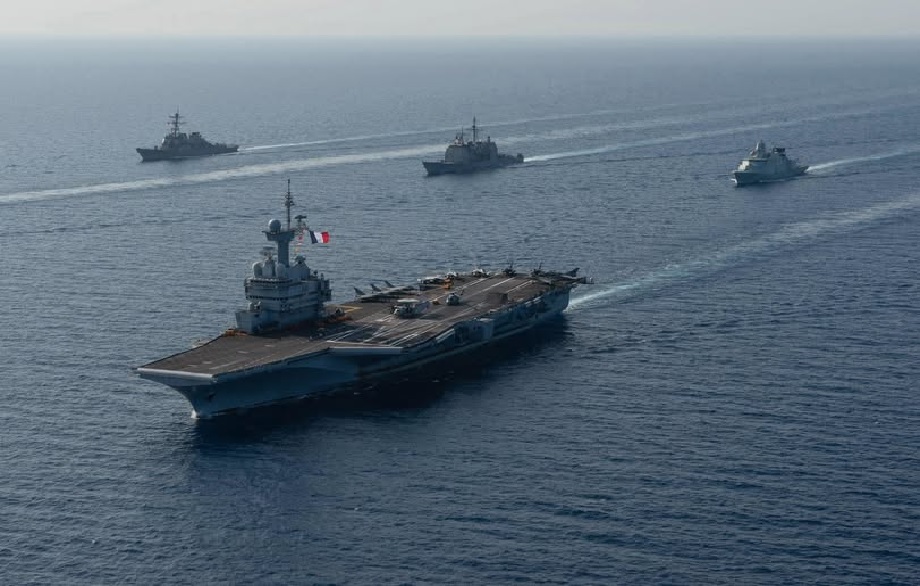
France has emerged as one of the first countries to respond with concrete military preparations. According to officials in Paris, the French Navy is preparing to deploy approximately ten warships toward the wider Middle East maritime region, including the Mediterranean, the Red Sea, and the Persian Gulf.
The deployment could involve elements of France’s carrier strike group centered on the aircraft carrier Charles de Gaulle (R91), along with additional surface combatants and support vessels. The ships are expected to operate across multiple maritime zones to strengthen security coverage and support allied operations aimed at maintaining freedom of navigation.
French President Emmanuel Macron has described the planned deployment as a defensive measure designed to support maritime security and coordinate with international partners. French officials have emphasized that the mission will focus on safeguarding shipping routes and stabilizing the security environment rather than engaging in offensive military operations.
Paris has also referenced the possibility of integrating elements of the deployment with existing European maritime security frameworks, including Operation Aspides, which currently focuses on protecting commercial vessels from threats in the Red Sea region.
Iranian Restrictions and Regional Escalation
The naval mobilization follows Iranian actions affecting maritime traffic through the Strait of Hormuz. Iranian authorities have indicated that while the strait remains technically open, access is restricted for vessels belonging to countries involved in military strikes against Iran or those supporting such operations.
The restrictions come amid the broader conflict involving U.S. and Israeli military operations targeting Iranian military infrastructure. Recent strikes have reportedly included attacks on facilities connected to Iranian naval and missile capabilities.
U.S. operations have also targeted military infrastructure near Kharg Island, though American officials have stated that direct strikes on oil export infrastructure have largely been avoided in an effort to limit escalation and reduce global energy market disruptions.
Iranian officials have warned that attacks on its energy infrastructure could prompt retaliatory actions against regional energy assets connected to the United States and its allies.
Strategic Importance of the Strait of Hormuz
The Strait of Hormuz is widely regarded as one of the most important maritime passages in global energy trade. Approximately one-fifth of the world’s oil shipments pass through the narrow waterway connecting the Persian Gulf with the Gulf of Oman and the Arabian Sea.
Disruptions to shipping through the strait have already had measurable economic effects. Oil markets have reacted to the increased security risks, with global crude prices rising significantly as insurers, shipping companies, and energy traders reassess the safety of transit routes through the region.
Reports from maritime monitoring groups indicate that more than 150 commercial oil tankers have been delayed or diverted due to the security situation, while shipping firms are awaiting clearer guidance regarding naval escort operations.
International Responses and Ongoing Discussions
Although France has begun preparations for naval deployment, other countries named in the U.S. appeal have taken more cautious positions.
The United Kingdom has confirmed that it is discussing possible responses with allies while evaluating maritime security requirements. China has called for de-escalation and diplomatic engagement, describing itself as supportive of regional stability. Japan has indicated that its threshold for participation in military operations in the region remains high due to constitutional and political constraints. South Korea has not publicly confirmed any plans to deploy additional naval forces.
As of March 15, no formal multinational naval coalition has been officially announced. However, diplomatic discussions among affected countries are ongoing, and further contributions could be announced if maritime security conditions continue to deteriorate.
France’s planned deployment therefore represents one of the earliest operational responses to the U.S. request for allied participation in securing the Strait of Hormuz and maintaining international energy shipping through the strategic waterway.
——— End of Article ———