ŠIAULIAI, Lithuania / MADRID — March 16, 2026 : Spanish defence technology company Indra has reported increasing interest from Northern and Eastern European countries in its counter-unmanned aerial systems (C-UAS) technology currently deployed with the Spanish Armed Forces in Lithuania.
International military delegations have recently visited the operational site at Šiauliai Air Base to observe the system in operation and exchange technical and operational experience with the Spanish contingent stationed there. The deployment forms part of NATO’s eastern flank security posture amid growing concerns over drone activity near regional borders.
Operational Protection for the Vilkas Tactical Air Detachment
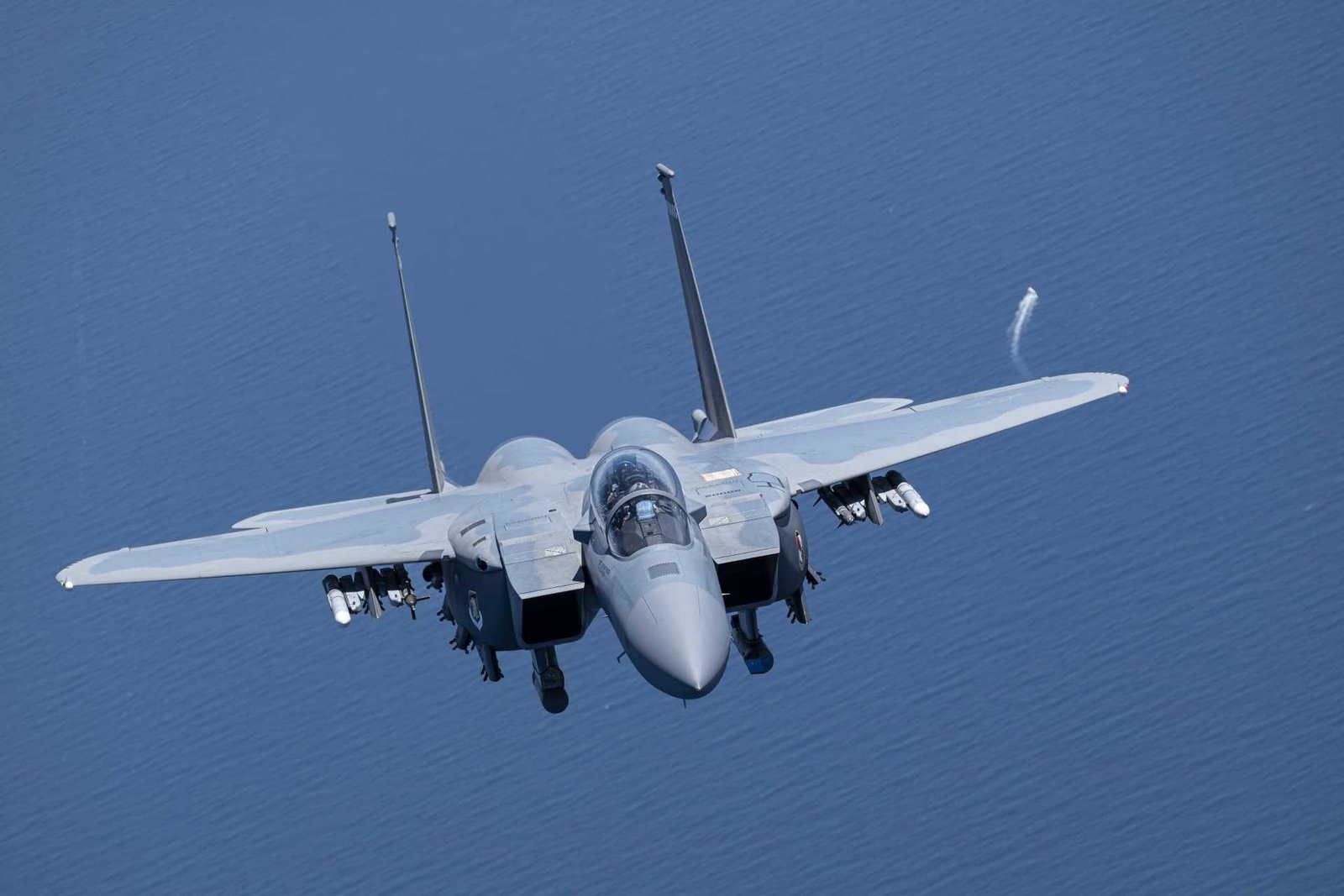
The counter-drone system is currently providing continuous surveillance and protective coverage for the Vilkas Tactical Air Detachment operating in Lithuania. The unit consists of approximately 200 personnel, 11 McDonnell Douglas F/A-18 Hornet fighter aircraft, and one Airbus A400M Atlas tanker aircraft deployed to support NATO air operations in the region.
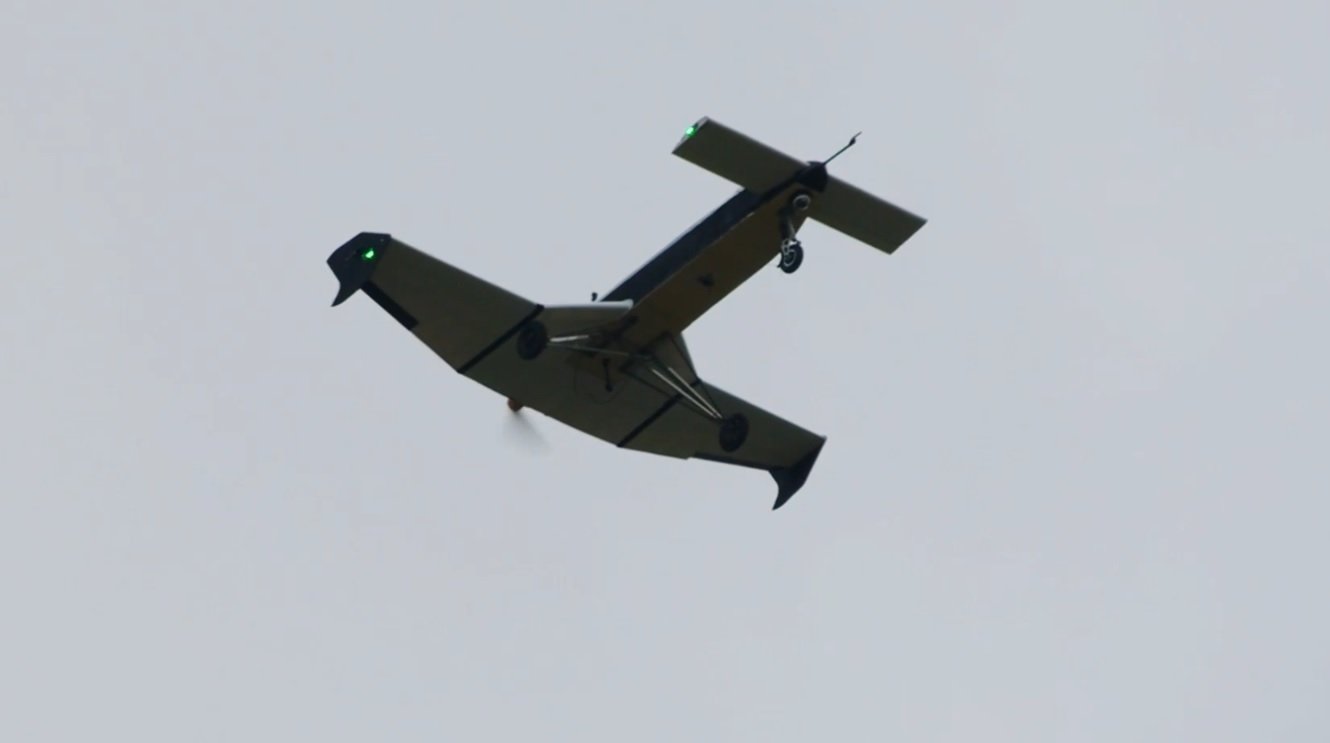
According to Spanish defence officials, the system creates a “surveillance and protection bubble” around the operational area. Its primary role is to monitor and counter frequent incursions by unauthorized unmanned aerial systems and unidentified balloons originating from areas associated with Russian and Belarusian territory.
The system is operated by the “Lobo” Tactical Unit of the Spanish Air and Space Force, which maintains continuous monitoring of the protected airspace and coordinates responses to potential aerial threats.
Deployment Decision and Operational Integration
Spain’s Spanish Ministry of Defence decided in December to reinforce protection for its Lithuanian mission by deploying Indra’s specialized counter-drone technology. Since the deployment, the system has maintained round-the-clock coverage over the area where Spanish forces operate.
Engineers from Indra are deployed alongside Spanish military personnel to support system operation, technical maintenance, and demonstrations for visiting delegations. These demonstrations allow partner nations to evaluate system performance under operational conditions and assess potential integration with national defence architectures.
Development Under the ARACNE Programme
The counter-UAS technology deployed in Lithuania is part of the ARACNE development programme, a joint initiative between Indra and the Spanish defence technology group EM&E Group.
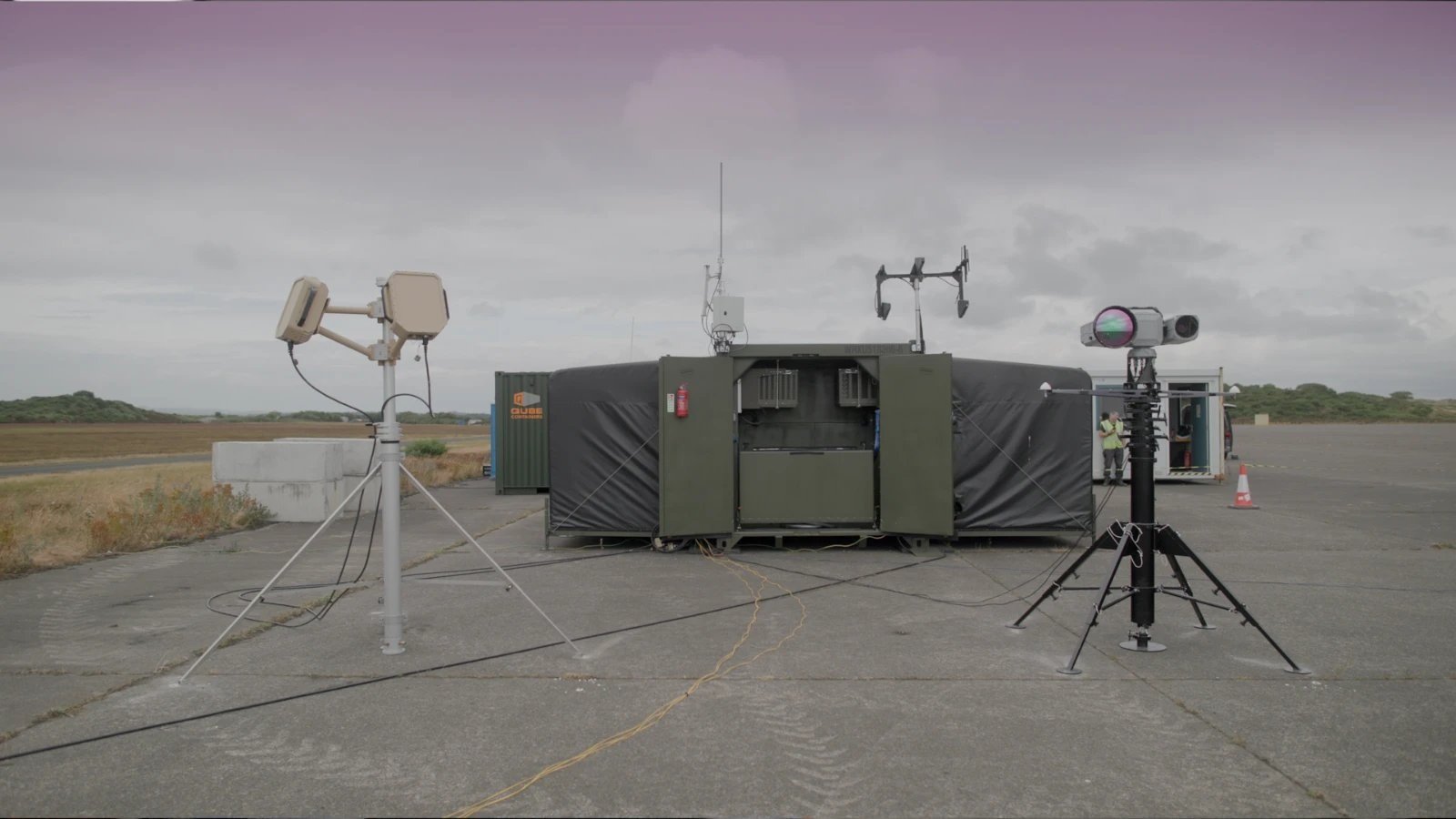
The programme focuses on continuously improving counter-drone capabilities to address evolving operational environments that combine electronic warfare, unmanned systems, and kinetic threats. The system deployed with Spanish forces is modular and scalable, allowing it to be adapted to different operational scenarios and defence infrastructures.
Key technological components include multispectral detection and integrated command-and-control architecture. The system combines multiple sensor types, including radiofrequency sensors, 3D radar systems, and electro-optical and thermal imaging cameras for identification and tracking.
Artificial intelligence is integrated into the system to assist operators in analysing sensor data and supporting rapid decision-making during threat detection and engagement.
Layered Counter-Drone Response
The system provides a layered response capability designed to address a range of unmanned aerial threats.
Soft-kill measures include electronic countermeasures such as radiofrequency jamming, which can disrupt the communication links or navigation systems of hostile drones.
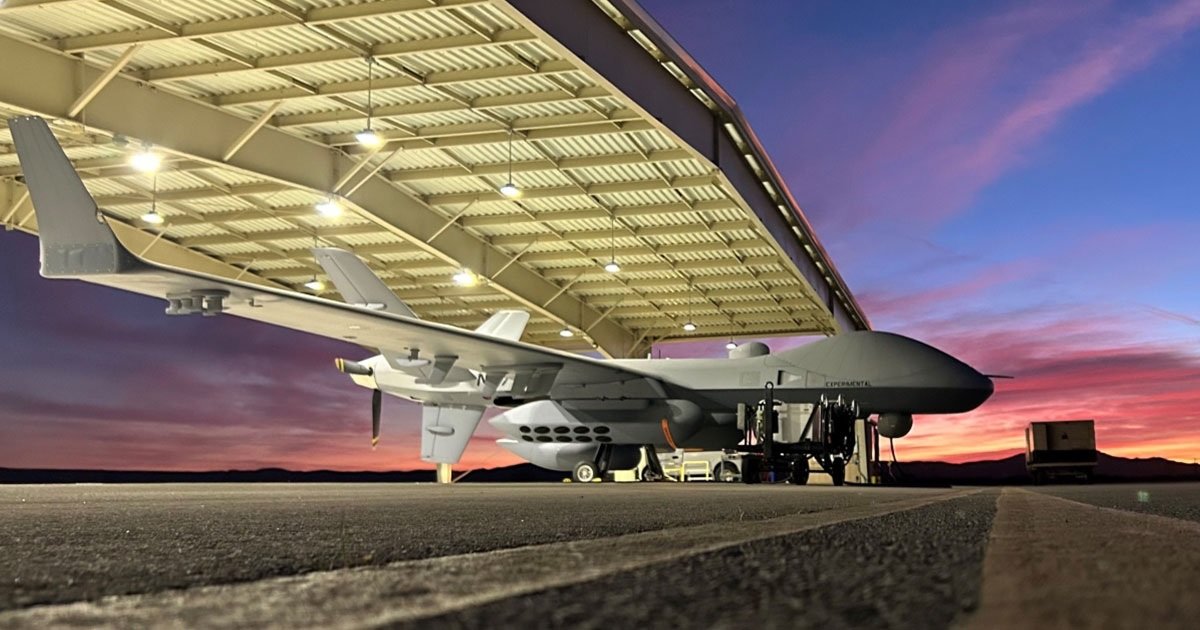
Hard-kill capabilities are also integrated to allow the physical neutralization of aerial threats when required. This layered structure enables the system to manage the full engagement cycle, from detection and classification of aerial objects to the application of countermeasures.
Another central feature is the unified command-and-control architecture, which allows the integration of sensors and effectors from multiple manufacturers within a single operational framework. This design enables interoperability with existing national air defence systems and facilitates coordinated responses across different platforms.
Regional Security Context and “Drone Wall” Initiative
The interest from Northern and Eastern European nations coincides with broader regional efforts to strengthen surveillance and air defence along NATO’s eastern borders.
The European Union has recently proposed the development of a large-scale counter-drone monitoring network, often referred to as a “drone wall.” The initiative would extend across more than 3,000 kilometres of border areas in Eastern Europe and is intended to enhance early detection and response capabilities against unmanned aerial threats.
According to Indra, the effectiveness of such a large-scale defence network depends on the ability to integrate data from multiple surveillance systems and sensors. The company states that its architecture is designed to fuse information from diverse platforms while maintaining a coordinated command structure.
Previous Operational Deployments
While the current deployment in Lithuania represents a key operational environment, the technology has previously been used in both military and civilian security operations.
During a European Union mission in Mali, the system was deployed to protect Spanish forces and secure the Koulikoro military base against potential unmanned threats.
The technology has also been integrated into maritime operations during Operation Atalanta in the Horn of Africa, where it was used to enhance protection for naval units operating in the region.
In civilian security roles, the system has been deployed during major international events. It was used during the 2022 NATO Madrid Summit to secure airspace for more than 30 international delegations.
During the 2024 APEC Summit, the system detected 94 unauthorized drones, of which 61 were neutralized.
The technology was also deployed during the 2026 presidential transition in Chile to secure the inauguration of José Antonio Kast.
Indra’s Role in European Air Defence
Indra remains a major contributor to European air defence technology, particularly through its Lanza 3D Radar family of radar systems and the AirDef command-and-control platform.
The company states that the ongoing visits by Baltic and Nordic defence delegations demonstrate growing demand for counter-drone systems capable of operating in harsh climatic conditions and environments characterized by high-intensity electronic warfare.
According to Indra, the modular architecture of its counter-UAS system allows it to be integrated into different national defence networks while supporting coordinated airspace protection across NATO’s eastern flank.
——— End of Article ———