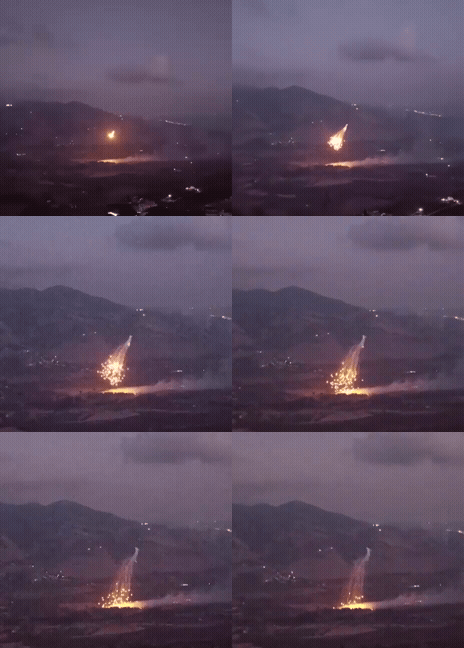
BEIRUT — March 15, 2026 : Footage released by regional media outlets and reviewed by multiple verification groups shows artillery airbursts consistent with white phosphorus munitions over the town of Khiam in southern Lebanon during Israeli military operations earlier this month. Lebanese state media reported that the shells struck the town and the nearby Tal Nahas area on March 8 as part of ongoing cross-border hostilities.
Lebanon’s National News Agency (NNA) stated that Israeli artillery units fired a series of shells that dispersed burning fragments over parts of Khiam. The town lies roughly five kilometers north of the Blue Line separating Lebanon and Israel and has been one of the areas affected by the recent escalation along the frontier. Visual analysis of the footage indicates airburst detonations above ground level, a common delivery method for certain smoke-producing artillery rounds.
White phosphorus munitions contain phosphorus in its white allotrope form, a pyrophoric chemical that ignites immediately upon contact with oxygen. When a shell bursts, the substance burns at temperatures that can reach approximately 1,300°C and produces dense white smoke composed largely of phosphorus pentoxide. Airburst rounds typically disperse burning fragments over a wide area, often between about 125 and 250 meters depending on the altitude of detonation and the projectile’s design. The burning material continues to react while oxygen is present.
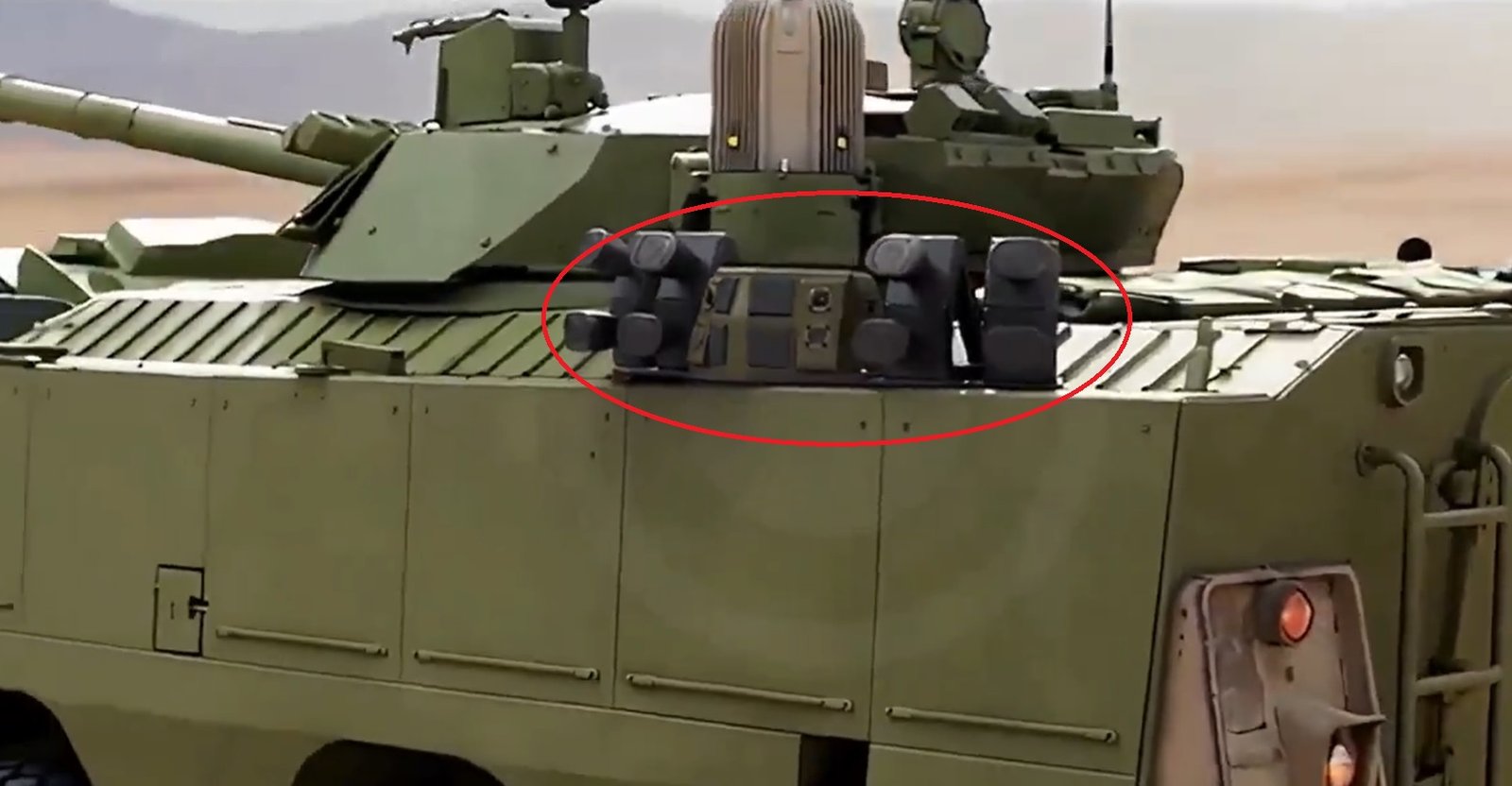
In artillery systems, white phosphorus is commonly loaded into 155 mm smoke shells such as the M825-series rounds used by several NATO-standard artillery platforms. Similar compounds are also deployed in mortar ammunition, grenades, and vehicle-mounted smoke launchers. Inside the shell, the material is usually packed around felt wedges or other carriers that scatter outward after detonation, creating smoke and light while spreading burning fragments across the target area.
The primary military purpose of these munitions is obscuration. White phosphorus produces one of the densest and fastest-forming smoke screens available for battlefield use, allowing forces to conceal troop movements, mask armored vehicles from optical and infrared sensors, and obscure defensive positions. The rounds are also used to mark targets for follow-up artillery or air strikes and to illuminate terrain during night operations. Although the substance can ignite fires and cause burn injuries if it comes into contact with people or structures, many armed forces classify these rounds as smoke or illumination munitions rather than dedicated incendiary weapons.
Human Rights Watch reported that it had verified images showing similar white phosphorus airbursts above residential areas in southern Lebanon earlier in the month. According to the organization, at least seven images taken on March 3 show airburst munitions over the town of Yohmor, with civil defense personnel responding to fires affecting rooftops and vehicles.
White phosphorus can cause severe thermal and chemical injuries when burning particles contact human tissue. The substance is fat-soluble and may continue burning until the chemical is consumed or deprived of oxygen. The combustion also produces dense smoke that can irritate respiratory systems and reduce visibility in surrounding areas. Unburned fragments can remain active and may reignite if exposed to air after being extinguished.
International humanitarian law does not prohibit white phosphorus itself. However, its use is regulated under Protocol III of the 1980 Convention on Certain Conventional Weapons (CCW), which restricts the use of air-delivered incendiary weapons against concentrations of civilians. Many militaries argue that white phosphorus rounds fall outside the protocol’s primary definition of incendiary weapons because their principal design purpose is smoke generation and target marking. Israel is not a signatory to Protocol III, though customary international humanitarian law still requires combatants to distinguish between military targets and civilian areas during operations.
White phosphorus munitions are held in the arsenals of numerous countries, including the United States, Israel, Russia, Syria, Turkey, and several NATO member states. The United States manufactures and distributes M825-series 155 mm white phosphorus shells and has historically used similar rounds for battlefield smoke generation. Israel also maintains stockpiles of 155 mm white phosphorus artillery ammunition and has previously employed the rounds in military operations in Gaza and Lebanon.
The Israel Defense Forces (IDF) state that smoke shells containing white phosphorus are used in accordance with international law and that internal guidelines limit their use in densely populated areas except under specific operational circumstances. Israeli officials said they could not confirm details related to the reported shelling in Khiam.
The reported use of these munitions occurred during continuing Israeli military operations in southern Lebanon along several axes near the border region. As of March 15, Lebanese authorities have not released independent casualty figures specifically attributed to the shells used in Khiam. International monitoring organizations continue to track the use of white phosphorus because of the potential risks posed by burning fragments, smoke exposure, and residual phosphorus contamination in populated areas.
——— End of Article ———