SINGAPORE, — May 30, 2026 : India has officially finalized an agreement to export the BrahMos supersonic cruise missile system to Vietnam in a deal valued at approximately ₹60 billion ($629 million), marking a major development in defence cooperation between the two countries and strengthening India’s growing role as a military exporter in Southeast Asia.
The agreement was publicly confirmed by Defence Secretary Rajesh Kumar Singh during the Shangri-La Dialogue in Singapore, Asia’s leading defence and security summit. Speaking during a session on “Building Defence Industrial Resilience,” Singh said the agreement with Vietnam had already been signed, although it had not been formally announced earlier.
“My understanding is that with both Indonesia and Vietnam, the deal is in the final stages. In fact, for Vietnam, I understand that it has already been signed — probably not publicly announced, but it's already been signed,” Singh said while responding to a question from a Vietnamese delegate.
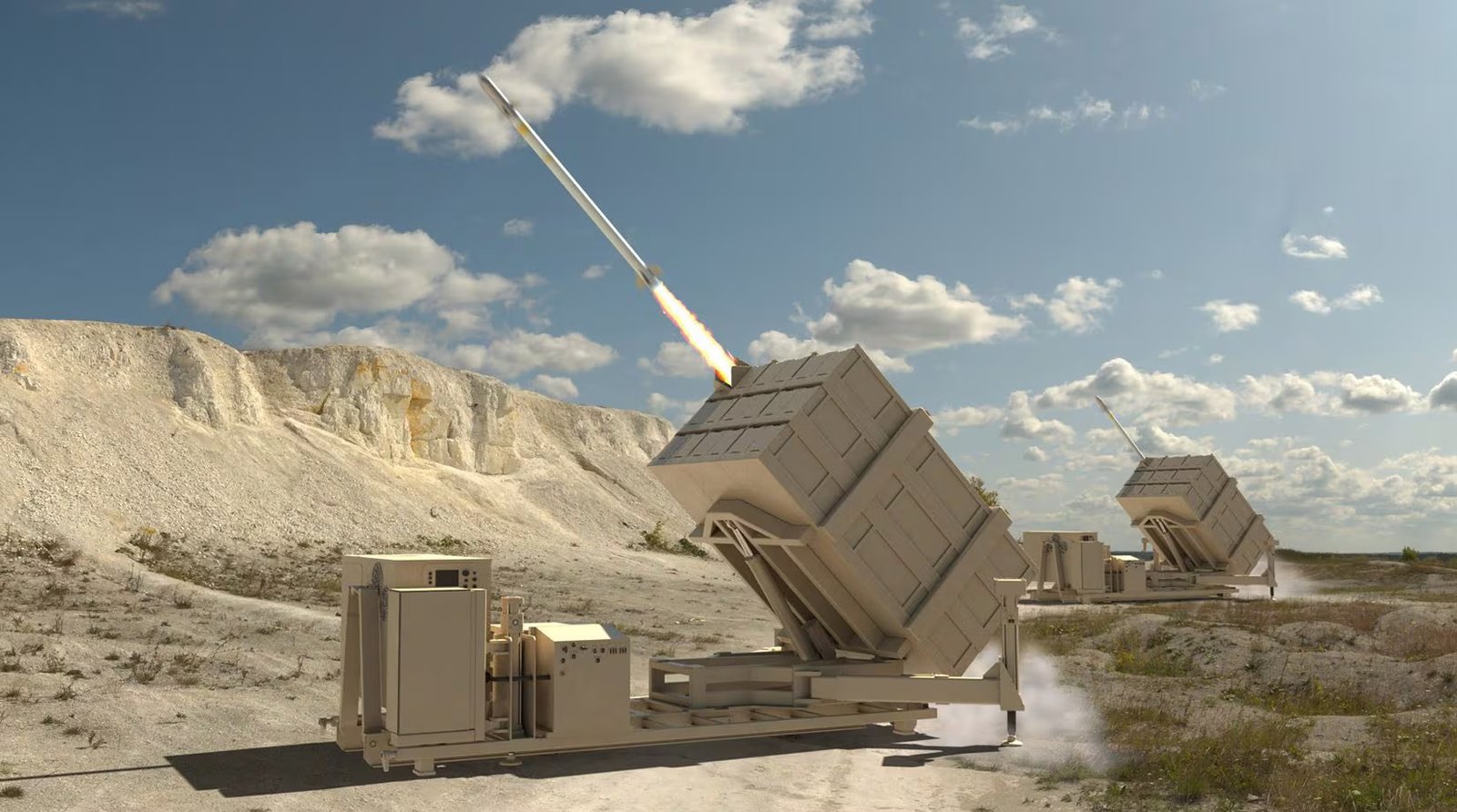
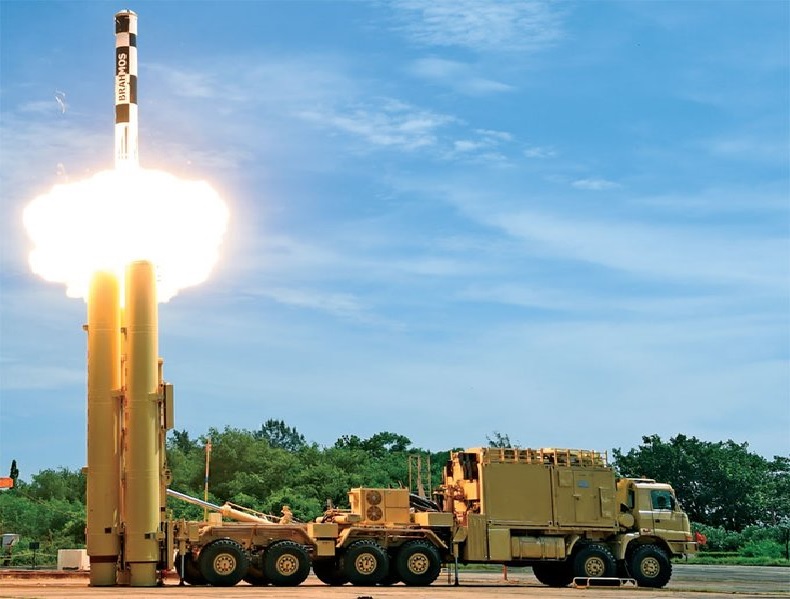
Under the agreement, Vietnam will procure the BrahMos Block 3 land-based coastal defence variant, designed primarily for shore-based anti-ship operations to strengthen maritime border security. The package includes an Integrated Logistics Support (ILS) framework, operator training, and technical instruction for Vietnamese maintenance personnel to ensure long-term operational readiness and sustainment capability.
The BrahMos missile, jointly developed by India’s Defence Research and Development Organisation (DRDO) and Russia’s NPO Mashinostroyeniya, is capable of speeds between Mach 2.8 and Mach 3.0. The Block 3 variant has a strike range of up to 290–300 kilometres, can carry a 300-kilogram warhead, and is equipped with sea-skimming flight capability as low as 10 metres above sea level along with steep-dive terminal attack capability. The missile can be launched from land, naval vessels, submarines, and aircraft, although Vietnam’s current acquisition is focused on land-based coastal batteries. Reports also indicate Hanoi has shown long-term interest in air-launched variants.
The deal makes Vietnam the second Southeast Asian country to acquire the BrahMos missile system after the Philippines, which signed a $375 million agreement in January 2022 for three shore-based anti-ship batteries, becoming India’s first BrahMos export customer. Deliveries to the Philippines began in April 2024, followed by the arrival of a second battery in April 2025, while training programs for Philippine personnel were conducted in India.
The agreement also places Vietnam among confirmed international BrahMos operators as India continues expanding defence exports to regional partners. Singh stated that negotiations with Indonesia for a similar BrahMos procurement agreement are in the final stages. Indonesia reportedly signed a $300 million contract in December 2025 for three coastal defence batteries with a projected 36-month delivery schedule, in a configuration similar to the Philippine package.
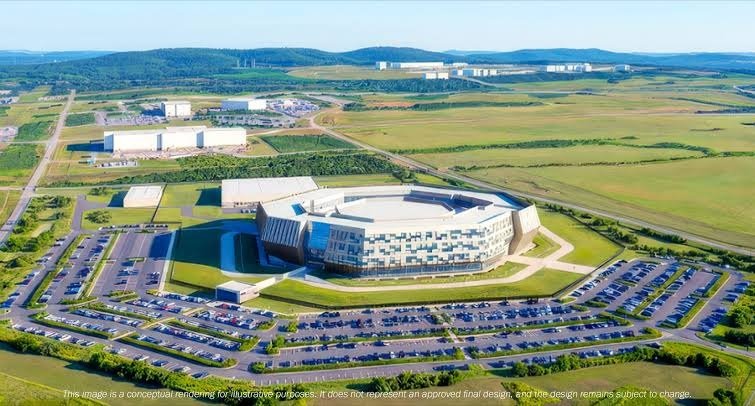
The BrahMos export agreement aligns with India’s broader objective to expand domestic defence manufacturing and raise defence exports to ₹50,000 crore by 2030, with BrahMos positioned as a flagship export platform. To support increasing domestic and overseas demand, India established a dedicated BrahMos production facility in Lucknow, Uttar Pradesh.
The missile agreement also reflects expanding defence and strategic engagement between New Delhi and Hanoi. Earlier this month, Defence Minister Rajnath Singh held talks in Hanoi with Vietnamese Defence Minister General Phan Van Giang focused on maritime security, defence industry cooperation, and regional stability. The discussions coincided with the 10th anniversary of the India–Vietnam Comprehensive Strategic Partnership, recently elevated to an Enhanced Comprehensive Strategic Partnership during Vietnamese President To Lam’s state visit to India.
During the Shangri-La Dialogue, Singh emphasized that India considers ASEAN member states trusted partners for defence cooperation and advanced military technology sharing, highlighting New Delhi’s continued focus on strengthening defence ties across Southeast Asia.
——— End of Article ———