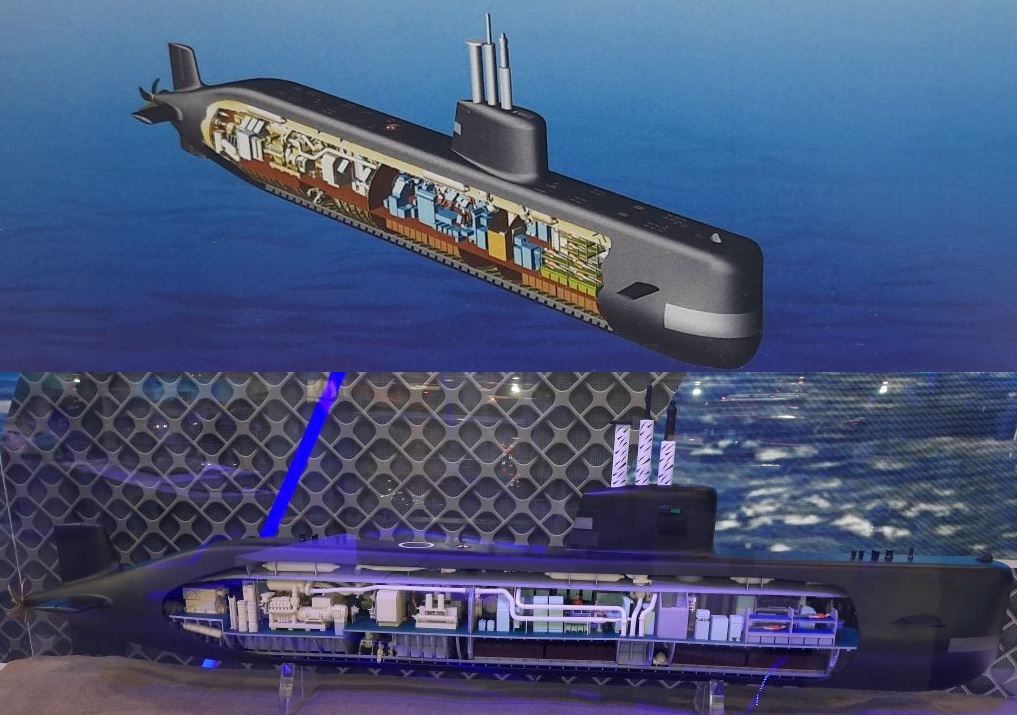
NEW DELHI — 01 June 2026 : The Indian Navy is advancing plans to acquire Special Operations Vessels (SOVs) and Swimmer Delivery Vehicles (SDVs) to strengthen the covert underwater operational capabilities of its elite Marine Commandos (MARCOS), reviving a long-pending requirement for specialised platforms designed for stealth missions in coastal and littoral waters.
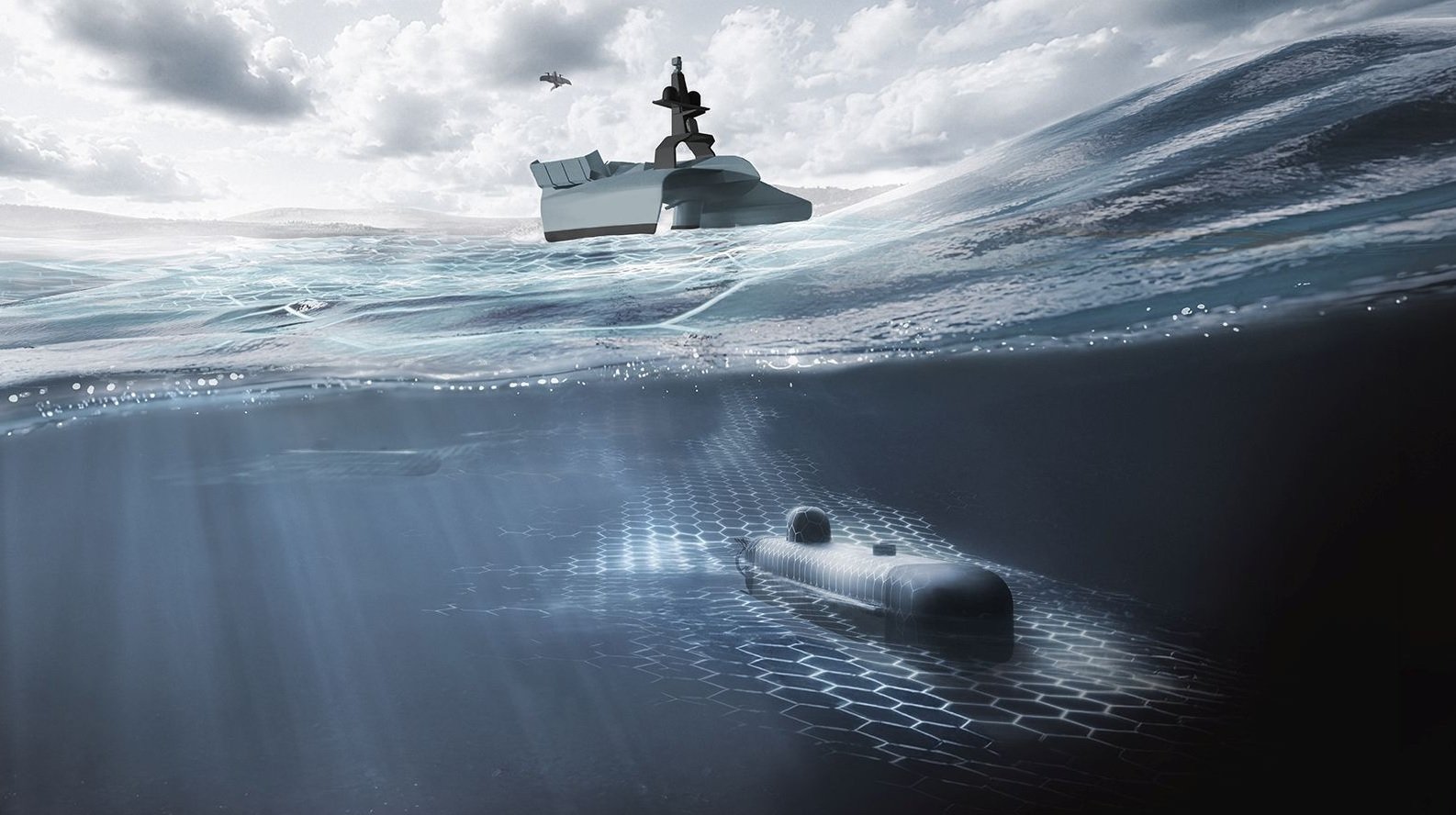
Commonly referred to as midget submarines, these specialised vessels are intended to support covert operations including reconnaissance, underwater infiltration, and the insertion and extraction of MARCOS personnel in areas where larger submarines and surface ships may face operational constraints.
As part of the procurement process, the Navy has initiated discussions with Indian shipbuilders Mazagon Dock Shipbuilders Limited (MDL) and Larsen & Toubro (L&T), alongside two European manufacturers. The requirement outlines a platform of approximately 500 tonnes displacement capable of carrying around 20 personnel, including crew members and special forces operators.
The programme reflects a distinct operational requirement within the Indian Navy. While India’s conventional and nuclear submarine fleets are designed for long-range maritime operations and strategic deterrence, midget submarines are intended for stealth-focused missions closer to shore, particularly in shallow and confined waters where covert access and rapid deployment of special forces are essential.
In addition to SOVs, the Navy plans to acquire Swimmer Delivery Vehicles, smaller underwater platforms designed specifically to transport combat divers and MARCOS teams during covert missions. Together, the systems are expected to improve the Navy’s ability to conduct underwater special operations, intelligence gathering, and maritime reconnaissance in contested coastal environments.
A Requirement Shaped by Operational Needs
Unlike larger submarine platforms used for blue-water missions, midget submarines are optimised for shallow-water operations, coastal defence, and stealthy deployment of special operations forces. Their smaller size and lower acoustic signature make them suitable for missions requiring secrecy and flexibility near hostile coastlines.
Globally, these platforms occupy a specialised niche. Countries including Iran, North Korea, and Pakistan have relied on midget submarines for asymmetric maritime operations and covert coastal defence roles. Iran, for instance, operates the domestically built Ghadir-class midget submarines, which are designed for operations in the shallow waters of the Persian Gulf.
Major conventional submarine manufacturers such as Germany’s TKMS, France’s Naval Group, South Korea’s Hanwha Ocean, and Spain’s Navantia largely focus on full-sized conventional or nuclear submarine programmes and do not currently offer dedicated midget submarine platforms for special operations.
A Programme Nearly Two Decades in Development
The Indian Navy’s interest in midget submarines dates back almost 20 years. The original programme began in 2006 and led to a formal tender in 2009, attracting participation from several Indian shipyards working with foreign partners.
During that process, Larsen & Toubro partnered with Russia’s Rubin Design Bureau, while Mazagon Dock Shipbuilders Limited and Hindustan Shipyard Limited (HSL) worked with Italy’s Fincantieri. Other participants included ABG Shipyard and Pipavav Shipyard in collaboration with overseas firms.
Despite early momentum, the programme was eventually scrapped.
A second effort to revive the project emerged during 2016–17 when Hindustan Shipyard Limited (HSL) was nominated for the programme. However, progress slowed as the shipyard struggled to finalise either an indigenous design or a suitable foreign partner. South Korea’s Hyundai Heavy Industries showed interest in the project, but its proposed all-electric platform reportedly failed to meet operational requirements laid down by the Navy. Attempts to transfer the programme to other shipyards also did not move forward, causing the project to lose momentum once again.
The requirement resurfaced in late 2022, when the Navy issued a fresh Request for Information (RFI) for Special Operations Vessels. Responses were received from MDL, L&T, and HSL, reopening the competition for a capability that has remained under consideration for years.
Indian Shipyards Present Indigenous Designs
Among domestic contenders, Larsen & Toubro and Mazagon Dock Shipbuilders Limited are positioning themselves as key candidates for the programme.
L&T has developed an indigenous mini-submarine concept drawing on industrial expertise gained through the Arihant-class nuclear submarine programme. The company has showcased various designs at defence exhibitions and is promoting its proposal under the Defence Acquisition Procedure’s Buy (Indian-IDDM — Indigenously Designed, Developed, and Manufactured) category.
Its concept has evolved toward the 500-tonne category sought by the Navy and is expected to incorporate systems such as torpedo tubes, sonar arrays, and accommodation for both crew and MARCOS operators during extended covert operations.
Mazagon Dock Shipbuilders Limited publicly unveiled a scaled model of its ‘Arowana’ midget submarine in May 2024. Although the display model generated online criticism regarding its appearance, officials associated with the programme maintain that the submarine remains under active development and that the final design continues to evolve.
The Arowana concept is expected to incorporate indigenous systems including sonar, inertial navigation, GPS, and secure communication equipment to support stealthy underwater missions.
Foreign Designs Also Under Evaluation
Alongside indigenous proposals, the Navy is examining European platforms, particularly from Italian defence firms Fincantieri and Drass, both of which are established players in the small submarine segment.
Fincantieri’s S800A is based on concepts derived from the larger U212 submarine programme. The platform measures approximately 51 metres and has a displacement of around 750 to 850 tonnes. Equipped with Air Independent Propulsion (AIP), the submarine is designed to remain submerged for extended durations and accommodate a crew of 18 in addition to eight special operations personnel.
Drass is offering its DGK-class submarine, a modular platform designed for covert operations and operational flexibility. The submarine can reportedly be transported discreetly by road without compromising structural integrity, deploy swimmer delivery vehicles, and carry up to four heavyweight torpedoes.
The company has previously supplied midget submarines to Pakistan and countries in West Asia and signed a framework agreement in February to provide DGK-class submarines and SDVs to the Indonesian Navy.
However, despite their detailed designs and projected capabilities, the latest Italian platforms remain conceptual at present and have not yet entered operational service with any navy in their current form.
Procurement Decision Ahead
The final direction of the programme will depend on decisions taken by the Ministry of Defence regarding procurement priorities, timelines, and budget allocations.
If the government chooses an indigenous route, Indian shipyards such as L&T and MDL are expected to lead development under domestic manufacturing categories. Alternatively, the Navy could proceed with a direct foreign acquisition if operational timelines favour an off-the-shelf solution.
Given the limited number of vessels planned and the specialised nature of the requirement, local production through a transfer of technology arrangement is generally viewed as economically less practical.
For the Indian Navy, the programme represents an effort to strengthen underwater special operations capability and provide MARCOS with dedicated platforms suited for covert maritime missions in shallow and contested waters.
——— End of Article ———