NEW DELHI, — May 23, 2026 : India is considering the acquisition of 50 Australian-developed MQ-28 Ghost Bat unmanned combat aerial vehicles (UCAVs) amid reports of Turkey’s potential transfer of Bayraktar Kizilelma unmanned fighter aircraft to Pakistan, as New Delhi evaluates options to strengthen autonomous air combat capabilities and maintain operational balance in the region.
The proposed procurement is being examined as part of the Indian Air Force’s (IAF) broader push toward manned-unmanned teaming (MUM-T), an operational concept that enables crewed fighter aircraft to operate alongside autonomous systems. The MQ-28 Ghost Bat is designed to function as a collaborative combat aircraft capable of supporting frontline fighters such as the Su-30MKI and Rafale in high-risk operational environments through artificial intelligence, sensor sharing, electronic warfare, and long-range mission support.
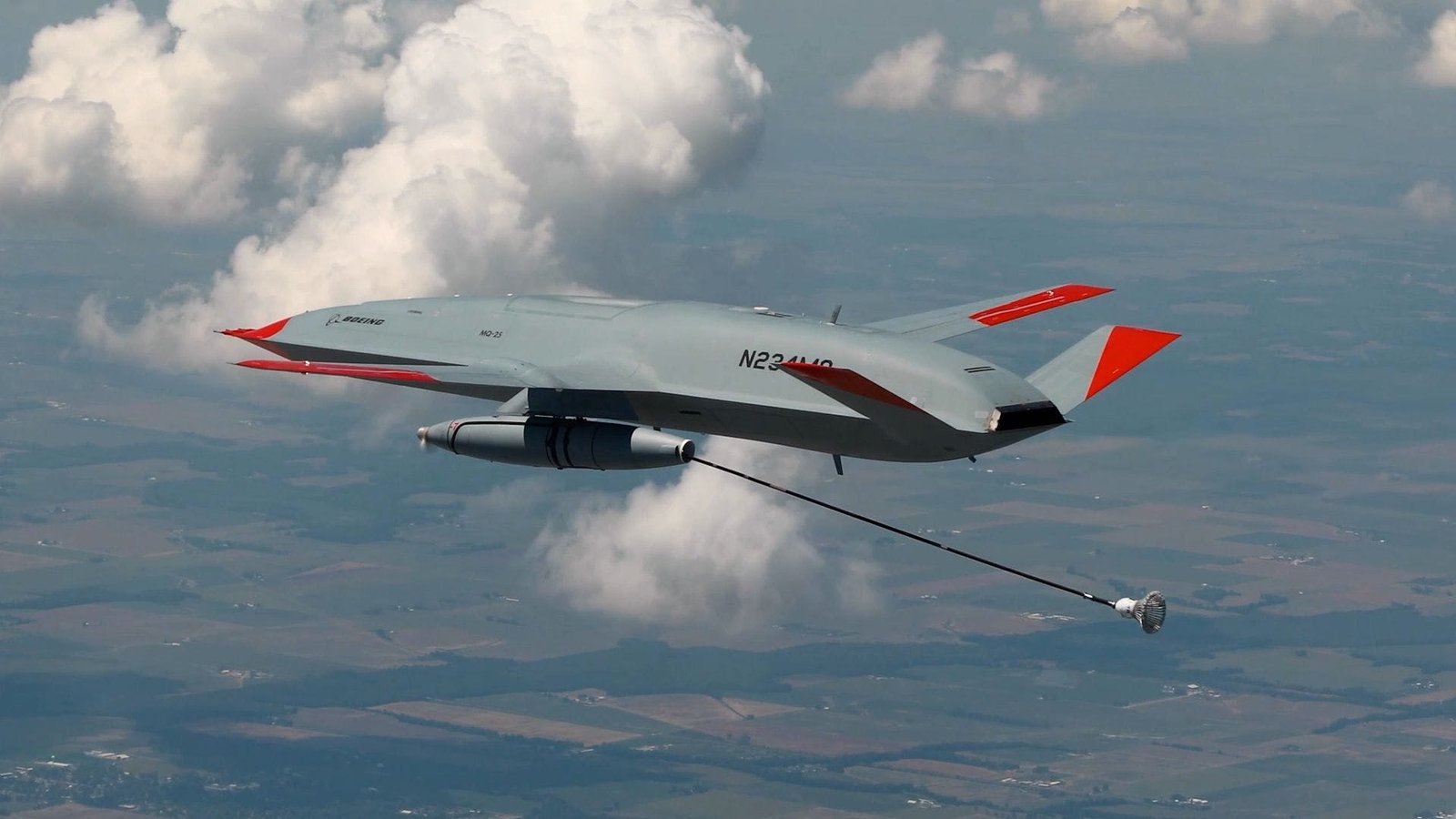
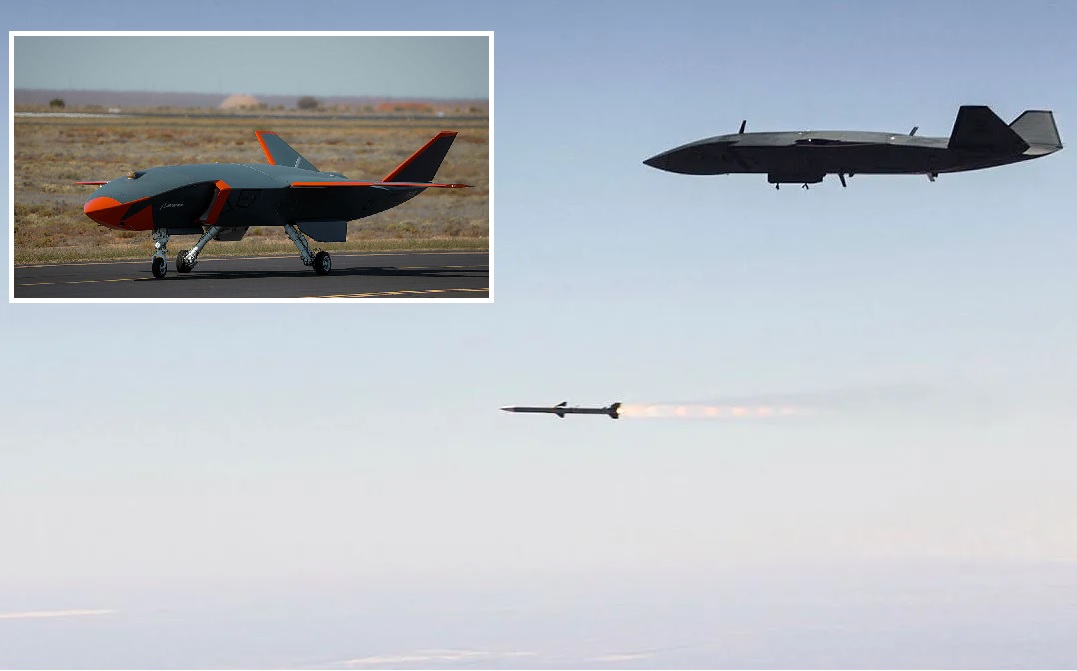
India is understood to be in discussions regarding the possible acquisition of 50 MQ-28 Ghost Bat platforms, developed by Boeing Defence Australia in partnership with the Royal Australian Air Force (RAAF). The aircraft is the first military platform designed, manufactured, and flown in Australia in more than five decades and has been developed specifically to operate as a “loyal wingman” supporting crewed combat aircraft.
Regional Context Behind the Consideration
The reported interest in the MQ-28 Ghost Bat comes amid expanding defence interactions between Turkey and Pakistan concerning the Bayraktar Kizilelma, a jet-powered stealth UCAV developed by Turkish defence company Baykar. Recent defence engagements, including the Pakistan Air Force Chief’s visit to Turkey and briefings on advanced Turkish aerospace systems, have increased attention around a possible Kizilelma sale or co-production arrangement between Islamabad and Ankara.
The Bayraktar Kizilelma is designed for operations in contested airspace and incorporates low-observable characteristics, artificial intelligence-assisted autonomy, and beyond-visual-range air combat capability. The platform has reportedly demonstrated air-to-air missile functionality during recent tests and is scheduled for initial deliveries to the Turkish Armed Forces during the first quarter of 2026.
Indian defence planners are assessing developments in autonomous combat aviation as part of wider military modernisation efforts, with emphasis on expanding electronic warfare, intelligence, surveillance and reconnaissance (ISR), and force-multiplying capabilities without increasing operational risk to pilots.
Technical Profile of the MQ-28 Ghost Bat
The MQ-28 Ghost Bat has been designed as a stealth-enabled collaborative combat aircraft capable of supporting crewed fighter jets through independent mission execution and coordinated network operations. The platform measures approximately 11.7 metres in length, features a 7.3-metre wingspan, and has a maximum take-off weight of around 3,175 kilograms.
Powered by a Williams FJ44 turbofan engine, the aircraft can operate at high subsonic speeds reaching up to Mach 0.9 and altitudes exceeding 40,000 feet. It possesses an operational range of more than 3,700 kilometres, making it suitable for long-range operations across the Indo-Pacific and South Asian theatres.
The platform incorporates a modular mission architecture that enables rapid payload reconfiguration according to operational requirements. Ground crews can modify mission systems through a configurable nose section designed to accommodate ISR payloads, electronic warfare systems, communications support equipment, tactical sensors, and other mission-specific technologies.
Combat and Operational Capabilities
The MQ-28 Ghost Bat is intended to perform a broad mission set, including intelligence gathering, surveillance, tactical early warning, electronic warfare, combat support operations, and autonomous mission coordination with manned aircraft.
In December 2025, the platform successfully demonstrated an autonomous air-to-air combat engagement by firing an AIM-120 AMRAAM missile against a target drone while operating in coordination with crewed Royal Australian Air Force aircraft. The demonstration highlighted the aircraft’s intended role in collaborative combat operations, where autonomous platforms provide additional combat mass, persistence, and survivability during high-risk missions.
The aircraft is also designed to integrate with existing command-and-control systems, allowing seamless coordination with fighter aircraft while extending sensor reach and reducing exposure of pilots to contested environments. In operational scenarios, the Ghost Bat could support electronic suppression missions, ISR collection, tactical targeting, stand-off strike support, and reconnaissance activities while crewed platforms operate from safer distances.
Growing India–Australia Defence Cooperation
The discussions surrounding the MQ-28 Ghost Bat acquisition are taking place alongside expanding defence cooperation between India and Australia in advanced aerospace and autonomous systems. During the 12th India-Australia Air Staff Talks held earlier in May 2026, Australian officials showcased the MQ-28 Ghost Bat to representatives of the Indian Air Force as part of discussions focused on interoperability, autonomous warfare systems, air power cooperation, and future aerospace technologies.
The engagement reflected growing strategic coordination between New Delhi and Canberra in emerging defence sectors, including unmanned systems, network-centric warfare, and advanced combat aviation technologies.
No Official Confirmation Yet
India has not issued an official statement regarding the reported talks or a formal procurement timeline for the acquisition of 50 MQ-28 Ghost Bat UCAVs. However, the reported discussions indicate continued evaluation of advanced autonomous combat systems as regional air forces expand investments in next-generation unmanned aerial combat platforms.
——— End of Article ———