BENGALURU — May 26, 2026 : Hindustan Aeronautics Limited (HAL) is developing a digital twin of the GTDE-117 gas turbine starter, a critical subsystem used to initiate the AL-31FP engines powering every Su-30MKI fighter aircraft operated by the Indian Air Force (IAF). The initiative is intended to support the gradual replacement of Russian-origin components with Indian alternatives as indigenisation efforts for the country’s frontline combat aircraft continue to expand.
The GTDE-117 functions as a gas turbine drive engine responsible for starting the AL-31FP thrust-vectoring turbofan engine installed on the Su-30MKI. Produced originally by Russian manufacturers, including Klimov Corporation and Krasny Octyabr, the GTDE-117 is a compact turboshaft engine with a free turbine that acts as an auxiliary power unit during engine start-up. It provides the mechanical shaft power necessary to rotate the AL-31FP engine to self-sustaining revolutions per minute (RPM) required for ignition and stable operation. Since each Su-30MKI is powered by two AL-31FP engines, the reliability of the starter system remains directly linked to aircraft availability and operational readiness.
Digital Twin to Support Testing, Maintenance and Indigenous Manufacturing
A digital twin is a virtual replica of a physical system that reproduces its performance, operational behaviour and mechanical characteristics in a simulated environment. HAL’s digital model of the GTDE-117 is expected to replicate thermodynamic properties, fluid dynamics, structural loads and operating parameters in real time, allowing engineers to assess system performance without repeated physical testing.
The platform will enable HAL to simulate engine start-up sequences, analyse performance under different operational and environmental conditions and monitor component behaviour during stress cycles. Engineers will also be able to evaluate wear patterns, identify possible failure points and forecast maintenance requirements before degradation occurs in physical hardware.
The use of a digital twin is expected to reduce dependence on repeated prototype development and shorten validation timelines for subsystem modifications. It will also provide HAL with the capability to conduct virtual testing of replacement parts, allowing performance and compatibility checks before physical integration into the engine system.
Entry Point for Replacing Russian-Origin Components
The GTDE-117 project is being viewed as a practical entry point for reducing dependence on Russian supply chains supporting the Su-30MKI fleet. By digitally replicating the starter engine’s specifications, performance limits and operating tolerances, HAL can support the design, validation and certification of Indian-manufactured replacement parts for components currently imported from Russia.
The capability is expected to assist HAL in addressing spare-part availability challenges, improving overhaul planning and ensuring long-term sustainment of the Su-30MKI fleet. Virtual validation of components through simulation may also reduce maintenance downtime and improve lifecycle support efficiency.
HAL’s Expanding AL-31FP Manufacturing Base
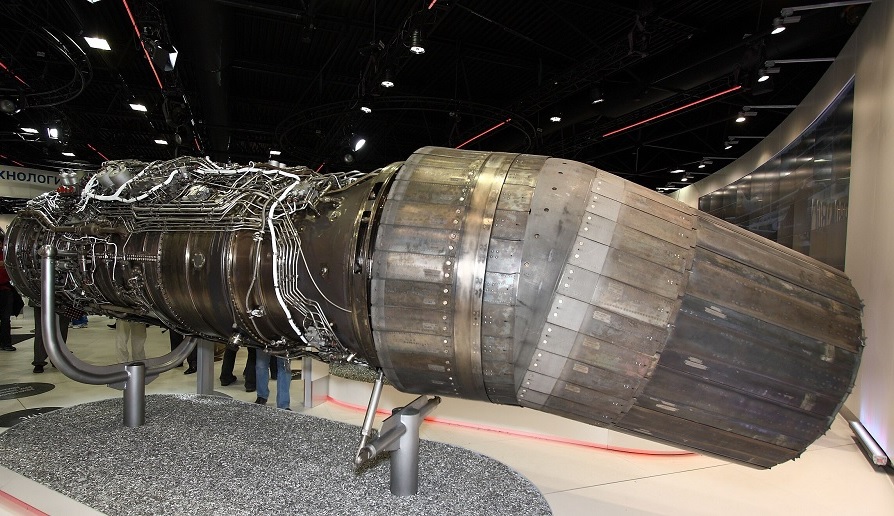
The AL-31FP engine, developed by Saturn (Lyulka) in Russia, has been licence-produced by HAL at its Engine Division in Koraput, Odisha, since the early 2000s. The facility currently undertakes assembly, manufacturing, testing and overhaul of the engine and its modular systems for the IAF’s Su-30MKI fleet.
As of 2026, HAL has manufactured nearly 1,000 AL-31FP engines at Koraput, reflecting a steady increase in indigenous production capability over the past two decades.
In September 2024, the Ministry of Defence signed a contract valued at approximately ₹26,000 crore with HAL for the production of 240 additional AL-31FP engines to sustain the Su-30MKI fleet. The programme began with an indigenous content level of about 54 per cent and is targeted to reach 63 per cent by the end of the eight-year delivery schedule, under which HAL is expected to manufacture around 30 engines annually.
Wider Su-30MKI Indigenisation Programme
The digital twin initiative aligns with HAL’s broader effort to increase self-reliance in aero-engine technologies and critical aircraft subsystems. HAL has also established partnerships, including a Centre of Excellence in Digital Twin Technology with the University of Hyderabad, to advance simulation-based engineering, predictive maintenance and lifecycle management technologies across aerospace platforms.
The effort forms part of India’s larger Su-30MKI modernisation and localisation programme, which includes upgrades to avionics, radar systems, weapons integration and structural improvements. Officials associated with the programme have stated that increasing indigenous content in propulsion systems and accessories is expected to improve fleet availability, reduce supply-chain dependence and lower long-term maintenance costs.
For HAL, the GTDE-117 digital twin represents a focused technical effort aimed at improving the reliability, maintainability and domestic support ecosystem of a critical subsystem directly tied to Su-30MKI engine start-up and aircraft readiness.
——— End of Article ———