
India
New Delhi : India has drawn firm red lines in negotiations with French aerospace major Dassault Aviation for the proposed acquisition of 114 additional Rafale fighter jets, making the integration of Indian weapons and systems a non-negotiable condition of the deal. According to The Tribune, the government has formally conveyed that every aircraft must be capable of firing Indian-origin missiles, carrying indigenous ammunition, and operating seamlessly within India’s sensor and command network. The requirement marks a significant shift from earlier foreign fighter procurements and underscores New Delhi’s push to blend frontline imports with domestic defence capabilities under the broader “Make in India” framework. Full Integration With Indian Combat Systems Officials familiar with the talks say Dassault will be required to provide secure, encrypted data links that allow the Rafale fleet to digitally integrate with Indian radars, airborne sensors, and ground-based command centres. This connectivity would enable real-time transmission of imagery and targeting data, allowing ground controllers to cue pilots and coordinate operations across services. The insistence on Indian weapons integration reflects lessons from the Indian Air Force’s experience with its existing Rafale fleet, where significant effort went into adapting the aircraft to local operational requirements. This time, the government wants such compatibility built in from the outset, across all 114 jets. Transfer of Technology and Indigenous Content A central pillar of the negotiations is an extensive Transfer of Technology (ToT) package. Dassault has agreed in principle to provide ToT for manufacturing Rafale airframes in India, a step expected to anchor a long-term domestic production ecosystem. Crucially, Dassault’s key partners will also participate. Engine manufacturer Safran and avionics specialist Thales are set to be part of the technology transfer, covering propulsion systems, sensors, and mission electronics. Once airframes, engines and avionics are produced locally with transferred know-how, officials estimate that indigenous content in the Indian Rafale programme could reach 55 per cent to 60 per cent. Defence planners view this as critical not just for cost control and supply security, but also for future upgrades and long-term sustainment without excessive dependence on overseas suppliers. Moving Beyond the 2015 Rafale Configuration The Indian Air Force currently operates 36 Rafale jets ordered in 2015. These aircraft are of the F3R standard, identical to those flown by the French Air and Space Force. Since then, Dassault has rolled out major technological upgrades. The manufacturer has introduced the F-4 version of the Rafale, with India now seeking a mix of the F-4 standard and the upcoming F-5 variant for the larger 114-jet programme. The newer versions represent a substantial leap in capability over the earlier F3R configuration. Radar, Electronic Warfare and AI-Assisted Flying At the heart of the upgrade is a next-generation Active Electronically Scanned Array (AESA) radar, offering longer detection ranges and greater resilience to electronic warfare. The aircraft will also feature an improved self-protection suite designed to detect, classify and counter emerging threats in increasingly contested airspace. Officials say the enhanced Rafale will be optimised for long-range detection and identification of enemy aircraft, supported by missiles with extended reach. Improved satellite communication links are planned to ensure secure beyond-line-of-sight connectivity during high-tempo combat operations. A notable addition is the integration of artificial intelligence-based algorithms to assist pilots. These systems are intended to fuse data from multiple sensors, present a clearer operational picture, and support faster, more informed decision-making in complex combat scenarios. Strategic Significance The government’s firm stance on Indian weapons, deep technology transfer, and high indigenous content signals a more assertive defence procurement policy as the IAF looks to replenish its fighter strength amid evolving regional security challenges. For Dassault, meeting these conditions would secure one of the world’s largest fighter aircraft contracts. For India, the programme is seen as a strategic bridge between immediate operational readiness and long-term self-reliance in combat aviation. Negotiations are expected to continue, but officials indicate that the core conditions — Indian weapons integration, secure networking with domestic systems, and substantial local manufacturing — are no longer open to dilution.
Read More → Posted on 2026-01-16 15:54:14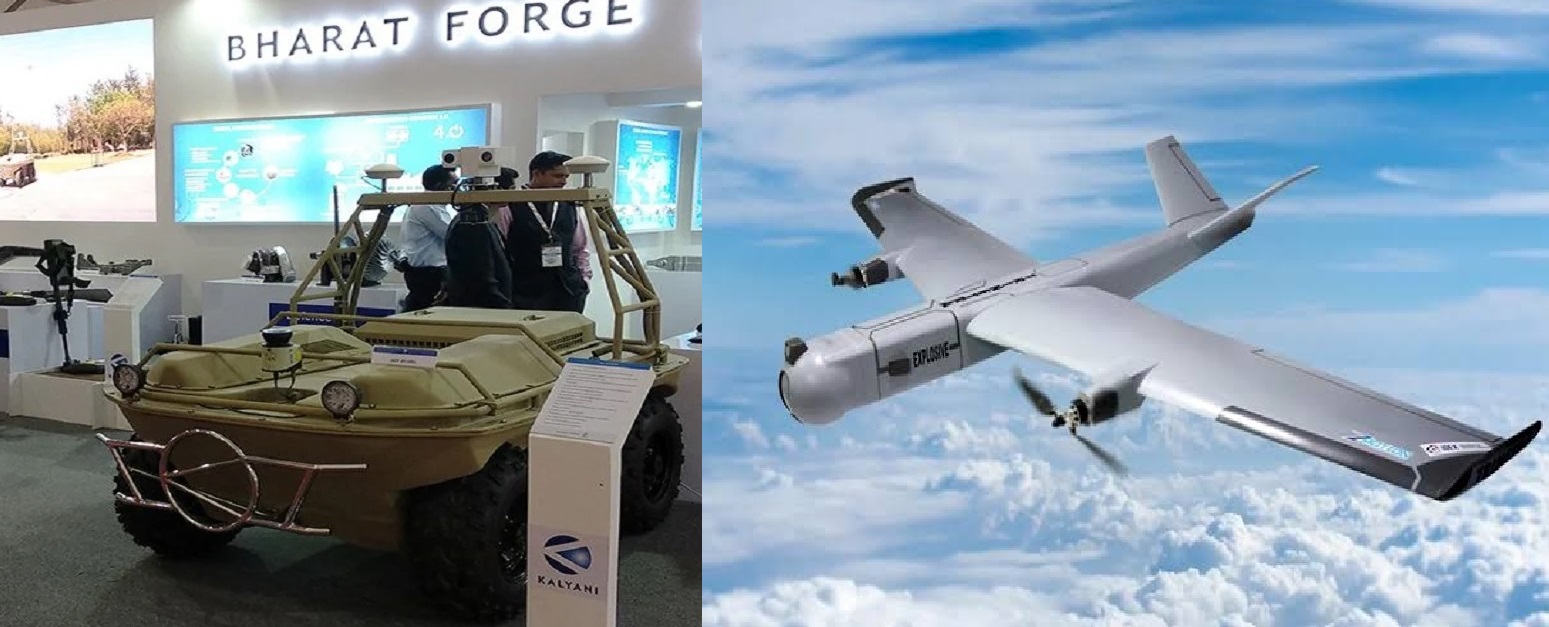
India
PUNE : Bharat Forge Limited has secured defence contracts worth approximately ₹300 crore under India’s Emergency Procurement – VI (EP-VI) framework, marking a significant boost to the country’s indigenous unmanned systems programme for both the Indian Army and the Indian Navy. The contracts, awarded to Bharat Forge’s aerospace and defence division, cover a range of homegrown unmanned platforms, including Intelligence, Surveillance and Reconnaissance (ISR) systems and loitering munitions, developed to meet urgent operational requirements across diverse terrains and mission profiles. Emergency Procurement Focuses on Unmanned Warfare According to details released by the company, the EP-VI orders reflect the Indian military’s growing emphasis on rapidly deployable, autonomous and EW-resistant unmanned solutions amid evolving battlefield conditions. Emergency procurement procedures are designed to fast-track acquisitions of critical systems, allowing the armed forces to induct proven technologies without lengthy tender cycles. The unmanned systems covered under the contracts are intended for frontline operational use, supporting real-time surveillance, target acquisition and precision strike missions. Both the Army and the Navy are expected to deploy these platforms for land and maritime roles, enhancing situational awareness and strike capability while reducing risk to personnel. Indigenous Platforms: ISR and Loitering Munitions Bharat Forge confirmed that the contracts include multiple indigenous unmanned platforms, notably: ISR systems designed for persistent battlefield surveillance, reconnaissance and intelligence gathering. Loitering munitions, capable of remaining airborne for extended periods before engaging high-value targets with precision. Key systems developed under the programme include Omega One, Omega Nine, Bayonet, and Cleaver, each tailored for specific mission sets ranging from tactical reconnaissance to precision strike at short and medium ranges. Omega One Showcased at Army Day Parade The growing prominence of Bharat Forge’s unmanned portfolio was highlighted during the Army Day Parade in Jaipur on 15 January, where the Omega One unmanned system was publicly showcased. The system was displayed mounted on an upgraded BMP-2 infantry fighting vehicle, underlining its integration potential with existing Indian Army platforms. Defence analysts say the public display served as a validation of the platform’s maturity and readiness for operational deployment, as well as a signal of the Army’s confidence in indigenous unmanned technologies. Technology, Autonomy and EW Resistance Bharat Forge stated that its unmanned systems are increasingly incorporating advanced autonomy, artificial intelligence and data-driven decision-making tools. These features are aimed at improving mission endurance, precision, survivability and adaptability in contested and dynamic operational environments. A key design focus has been resistance to electronic warfare, ensuring reliable performance in environments where jamming and signal interference are expected. The company has also emphasized modular architecture and scalability, allowing rapid upgrades as mission requirements evolve. Leadership Perspective and Strategic Significance Commenting on the contracts, Amit Kalyani, Vice Chairman and Joint Managing Director of Bharat Forge Limited, said the twin milestones of securing EP-VI contracts and showcasing Omega One at Army Day reaffirm the company’s commitment to Atmanirbhar Bharat. He noted that Bharat Forge is focused on delivering India-specific, domestically produced unmanned systems that combine speed of induction with long-term sustainability and quality. Strengthening India’s Unmanned Ecosystem With sustained investments in design, manufacturing and next-generation autonomy stacks, Bharat Forge is positioning itself as a key player in India’s unmanned and autonomous systems ecosystem. Defence experts view the ₹300-crore emergency procurement orders as a strong endorsement of private-sector participation in critical defence technologies. As unmanned systems become central to modern military operations, the latest contracts underline a broader shift in India’s defence strategy—towards indigenous, rapidly deployable and technologically advanced unmanned capabilities for both land and maritime domains.
Read More → Posted on 2026-01-16 14:15:05
India
New Delhi : For more than a decade, the Dassault Rafale has enjoyed near-mythical status within India’s defence ecosystem. Air Force veterans praised its combat readiness, analysts highlighted its deterrent effect after Balakot, and defence enthusiasts largely assumed that the Indian Air Force’s long-delayed 114-jet Multi-Role Fighter Aircraft (MRFA) tender would inevitably favour France once again. That assumption is now under serious strain. As clearer cost estimates and delivery timelines emerge, a growing section of India’s strategic community is reassessing the Rafale option and, in parallel, taking a fresh and unexpectedly serious look at Russia’s fifth-generation Sukhoi Su-57. The debate is no longer about whether the Rafale is a capable aircraft. It is about whether committing roughly $36 billion to a 4.5-generation fleet makes strategic sense at a time when India’s principal adversary is rapidly fielding stealth fighters at scale. The Rafale Equation Under The Microscope The outline of the prospective French package has triggered what many analysts describe as “sticker shock.” Under the structure being discussed in strategic circles, India would spend close to $36 billion for a mix of 114 new Rafales and upgrades to the existing fleet. This includes 24 fly-away Rafale F5 aircraft imported directly from France, 90 Rafale F4 fighters assembled in India under the Make-in-India framework, and the modernization of the current 36 India-specific Rafales from the F3R to the F4 standard. From a capability standpoint, the Rafale F4 and proposed F5 variants remain formidable. They promise enhanced network-centric warfare, more powerful sensors, and closer integration with unmanned systems. Yet they remain, by design, advanced 4.5-generation fighters. Their survivability in the most hostile airspace depends on electronic warfare and stand-off tactics, not on inherent low-observability. For many Indian analysts, the concern is not what the Rafale can do today, but what it may struggle to do in the mid-2030s. By then, China is expected to operate several hundred Chengdu J-20 aircraft alongside the emerging Shenyang J-35, supported by dense integrated air-defence networks and advanced sensors. Pakistan, meanwhile, is actively exploring fifth-generation pathways through China and Turkey. Against this backdrop, critics argue that investing such a large share of India’s capital acquisition budget in a platform approaching its technological ceiling carries an undeniable obsolescence risk. The Su-57 And The Fifth-Generation Imperative It is this strategic backdrop that has revived interest in the Su-57. For the Indian Air Force to credibly deter China in the 2030–2035 timeframe, analysts argue, it needs aircraft designed from the outset to penetrate Anti-Access/Area Denial (A2/AD) environments, operate deep inside contested airspace, and contest air superiority against stealth adversaries on more equal terms. The Su-57 was conceived for precisely this role. While Western commentary has often focused on how it compares unfavourably with the F-22, Indian observers tend to view it through a different lens. They point to its frontal stealth characteristics, large internal weapon bays, sensor-fusion architecture, supercruise capability, and emphasis on long-range engagement as a decisive leap beyond any 4.5-generation design. Equally significant is Russia’s claim that the Su-57 will soon transition fully to its true fifth-generation powerplant. Moscow has repeatedly stated that the aircraft will be equipped with the AL-51 (Izdeliye-30) engine within the next two to three years, offering higher thrust, improved fuel efficiency, and sustained supercruise. For Indian analysts, this addresses one of the long-standing criticisms of the platform and aligns its timeline with India’s future threat environment. Reframing The Cost Debate: What $36 Billion Buys By 2030 What has truly energised the discussion is the question of value versus outcomes. Western combat aircraft are expensive not only because of their sophistication but also because of high labour costs, overheads, and tightly controlled intellectual property. Russian platforms, by contrast, have historically been offered at significantly lower program costs. While exact figures remain classified, analysts have attempted to model what India could realistically obtain from Russia for the same $36 billion being discussed for Rafale. Even under conservative assumptions that factor in export premiums, weapons, spares, training, infrastructure, and an unprecedented level of transfer of technology, estimates suggest that India could potentially field 240 to 260 Su-57 aircraft within that budget envelope. Crucially, proponents argue that first deliveries could begin around 2030, precisely when China’s fifth-generation fleet is expected to reach critical mass. In that context, the strategic comparison becomes stark. One path leads to a fleet of roughly 150 highly capable but non-stealth fighters when upgrades are included. The other offers the possibility of a large, homogeneous fifth-generation force available during the most dangerous decade of regional competition. Transfer Of Technology, Engines, And The AMCA Factor Beyond numbers and stealth, the most powerful argument driving renewed interest in the Su-57 lies in transfer of technology (ToT). France has been a reliable defence partner, but it has consistently drawn red lines around its most sensitive technologies. The reluctance to share jet-engine hot-section know-how has been a persistent frustration for Indian planners. Russia’s strategic isolation has altered this calculus. Desperate for partners, funding, and long-term production stability, Moscow is widely believed to be offering levels of deep ToT that were unthinkable a decade ago. This reportedly includes access to avionics, sensor-fusion software, advanced radars, and most critically, the AL-51 engine program. This has direct implications for India’s own ambitions. India’s indigenous Advanced Medium Combat Aircraft (AMCA) is expected to be inducted into the Indian Air Force around 2035. Analysts argue that exposure to a true fifth-generation engine and stealth ecosystem through a Su-57 program could compress learning curves, de-risk AMCA development, and ensure that India is not left with a capability gap between 2030 and AMCA induction. A Strategic Debate, Not A Verdict None of this diminishes the Rafale’s achievements or its current importance to the Indian Air Force. The aircraft has proven itself operationally, and it remains a cornerstone of India’s present-day combat aviation. Yet defence planning is inherently forward-looking. As the MRFA debate intensifies, the question confronting New Delhi is no longer simply which aircraft is most refined or politically comfortable. It is what India gains by 2030—in numbers, technology, and deterrence—against a rapidly modernising China, while preparing for AMCA induction by 2035. For a growing number of Indian defence analysts and enthusiasts, the answer is shifting. In their view, a locally manufactured Su-57 fleet, powered by a true fifth-generation engine and backed by deep technology transfer, may offer not just air superiority in the next decade, but a rare chance at genuine strategic and technological independence.
Read More → Posted on 2026-01-15 16:54:29
India
NEW DELHI : Parliamentary records from 2016 show that India’s leading defence research agency, the Defence Research and Development Organisation (DRDO), had outlined an ambitious and costly roadmap to build critical aeronautical and aero-engine test infrastructure, even as some of the most strategically important facilities remain unapproved nearly a decade later. Details placed before the Lok Sabha in July 2016 reveal that DRDO’s aeronautical segment had assessed a major long-term requirement for domestic testing capabilities to support indigenous aircraft, helicopter, unmanned aerial vehicle, and gas turbine engine programmes. The disclosures underline how infrastructure constraints, rather than design capability alone, continue to shape India’s defence aerospace ambitions. ₹4,000 Crore Requirement Identified For Indigenous Programmes In a written reply to Unstarred Question No. 1141, the Ministry of Defence stated that DRDO had estimated a need of approximately ₹4,000 crore over a 10-year period for developing critical and high-value aeronautical test facilities. The response was provided by Subhash Bhamre, then Minister of State for Defence. The estimate reflected the growing complexity of indigenous platforms under development at the time and the increasing dependence on advanced testing infrastructure to validate performance, safety, and reliability before induction into service. GTRE And ADE Central To Infrastructure Expansion Plans The parliamentary response highlighted two key DRDO laboratories as central to this expansion. The Gas Turbine Research Establishment (GTRE) was projected to be the largest spender, with plans to invest roughly ₹2,100 crore at its Rajankunte campus near Bengaluru and about ₹1,600 crore at Nagarjunasagar. These investments were intended to support component-level and full-engine testing for aero gas turbine engines. Alongside GTRE, the Aeronautical Development Establishment (ADE) planned to develop a dedicated Aeronautical Test Facility at Chitradurga, Karnataka, at an estimated cost of ₹350 crore, aimed at supporting testing of both manned and unmanned aerial platforms. Rajankunte Envisioned As A Comprehensive Engine Test Hub At Rajankunte, GTRE proposed a Full Engine Test Facility designed to cover the complete spectrum of aero gas turbine testing. The facility was planned to include advanced infrastructure for fan and compressor testing, combustor, turbine and afterburner evaluation, and thrust-vectoring nozzle trials. Provisions were also made for twin test cells for full-scale engine testing, an engine assembly hangar, and a compressed air house. In addition, the plan included a small engine test facility, dedicated infrastructure for marine gas turbine engines, and extensive supporting systems such as air supply installations, buildings, roads, and utilities. The total projected cost for the Rajankunte complex alone was placed at approximately ₹2,100 crore, underscoring the scale of investment required for modern engine development. Chitradurga Test Range To Support UAVs And Aircraft The ADE-led Aeronautical Test Range at Chitradurga was conceived as a multi-role facility for testing unmanned and manned aerial vehicles. The plan included a 2-kilometre runway, a Range Control Centre, dedicated hangars for UAV assembly, a radar building, and associated logistics and security infrastructure. The facility was intended to ease pressure on operational air bases and accelerate experimental flight trials. High-Altitude Engine Test Facility Still Unapproved Despite these expansive plans, a crucial proposal has remained stalled. In 2016, GTRE sought ₹1,600 crore for establishing a High-Altitude Engine Test Facility in Andhra Pradesh, a capability essential for simulating low-pressure, low-temperature conditions encountered by aircraft engines at extreme altitudes. Such facilities are vital for validating engine relight capability, performance margins, and endurance in environments similar to those faced by fighters, helicopters, and high-end UAVs. As of now, the proposal has not been approved, leaving India without a domestic high-altitude engine testing capability and forcing continued reliance on foreign facilities. Strategic Consequences For Aero-Engine Development The absence of an indigenous high-altitude test facility has long been seen as a critical gap in India’s aero-engine ecosystem. Without it, development cycles for advanced engines are extended, costs rise, and strategic autonomy remains limited. The 2016 parliamentary disclosures make clear that DRDO had identified these weaknesses early. Nearly ten years later, the continued delay highlights the challenges of translating strategic planning into execution, even as India pushes ahead with self-reliance in defence aerospace. As new indigenous aircraft, helicopters, and unmanned systems move toward operational deployment, the urgency of completing this test infrastructure backbone is becoming increasingly pronounced within India’s defence planning establishment.
Read More → Posted on 2026-01-14 17:21:33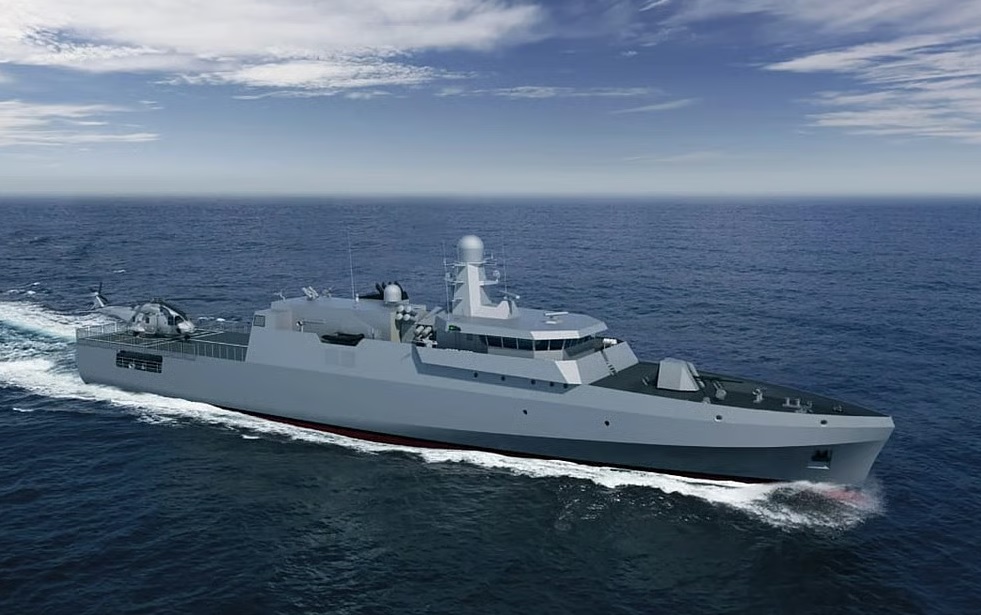
India
Visakhapatnam / New Delhi : In a significant boost to India’s indigenous defence manufacturing ecosystem, Hindustan Shipyard Limited (HSL) has emerged as the lowest bidder (L1) for a major Indian Coast Guard contract to build 18 Next Generation Fast Patrol Vessels (NGFPVs). The project, valued at approximately ₹3,000 crore (around $330 million), is expected to substantially enhance coastal and offshore security while reinforcing the revival of the state-run shipyard under the government’s self-reliance drive. The development marks another high-profile win for the Visakhapatnam-based public sector undertaking and reflects the growing confidence of India’s maritime forces in domestic shipbuilding capability. Competitive Tender and Contract Outlook HSL secured the L1 position after a fiercely contested tender process that saw participation from six leading Indian shipyards. Following an extensive technical evaluation and a detailed comparison of commercial bids, HSL’s offer was assessed as the most competitive, paving the way for the award of the formal contract after completion of remaining procedural steps. Industry sources indicate that contract signing is expected in the coming months, after which the project will move quickly into the design finalisation and steel-cutting stages. The programme is expected to generate sustained employment and business opportunities for a wide network of MSME vendors supplying equipment, systems and services. Accelerated Delivery Timeline The contract stipulates a fast-paced construction and induction schedule to meet the Indian Coast Guard’s urgent operational requirements. The first vessel is to be delivered within 30 months of contract signing, with subsequent ships scheduled to enter service at intervals of roughly four months. This compressed timeline is intended to ensure that all 18 vessels are inducted in quick succession, rapidly expanding the Coast Guard’s patrol and response capability. Next Generation Patrol Capability The NGFPVs represent a major technological upgrade over existing fast patrol craft. Designed indigenously and optimised for tropical maritime conditions, the vessels are conceived as medium-range, weapon-fitted surface platforms capable of sustained operations across India’s vast maritime zones, including island territories. A defining feature of the new class is its helicopter staging-through capability. The vessels will be able to support day-and-night operations of the Coast Guard’s ALH Mk III helicopters, including refuelling and staging at sea. This capability significantly extends the operational reach of the ships, particularly for long-range search and rescue, maritime surveillance and medical evacuation missions. The vessels are also designed for shallow-water operations, allowing them to operate closer to the coastline than larger offshore patrol vessels. This makes them particularly effective for fisheries protection, anti-smuggling, anti-piracy duties and the interception of suspicious vessels within the Exclusive Economic Zone (EEZ). Strategic Importance for the Indian Coast Guard For the Indian Coast Guard, the induction of 18 NGFPVs is a critical step in addressing evolving maritime security challenges in the Indian Ocean Region (IOR). Rising commercial traffic, the protection of offshore energy infrastructure and non-traditional security threats have placed growing demands on the force. The new patrol vessels are expected to bridge the capability gap between small, high-speed interceptor boats and larger Offshore Patrol Vessels (OPVs), offering a balance of speed, endurance and firepower. Their ability to support helicopter operations effectively enhances the Coast Guard’s surveillance envelope and response time across wide maritime areas. HSL’s Revival and Expanding Order Book The NGFPV project further underscores HSL’s transformation into a key player in India’s defence shipbuilding landscape. In August 2023, the shipyard secured a ₹19,000-crore contract to construct five Fleet Support Ships for the Indian Navy, one of the largest indigenous naval shipbuilding projects awarded to a public sector yard. In parallel, HSL is executing two specialised Diving Support Vessels — Nistar and Nipun — for the Navy, adding to a growing portfolio of complex, high-value platforms. The shipyard reported its highest-ever turnover of ₹1,413 crore in the last financial year, reflecting improved execution capability, stronger order inflows and enhanced financial health. Once the contract is formally signed, HSL’s NGFPV project is set to play a dual role: strengthening India’s coastal security posture and serving as another milestone in the country’s drive towards self-reliance in defence shipbuilding.
Read More → Posted on 2026-01-13 14:54:38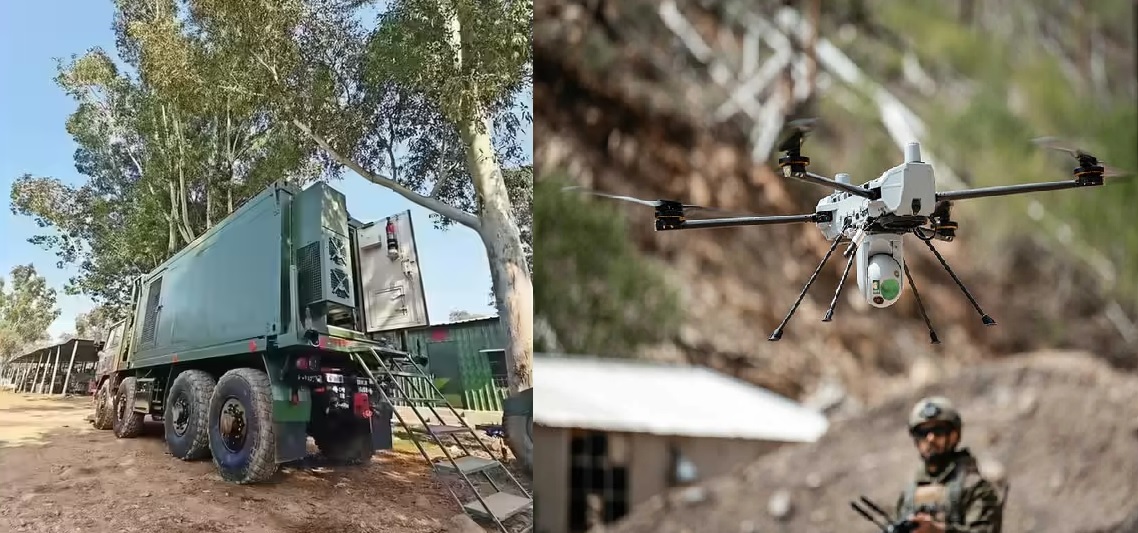
India
Hyderabad / Jammu : In a significant boost to India’s indigenous defence innovation ecosystem, Apollyon Dynamics, a startup founded by two 20-year-old student entrepreneurs, has successfully delivered a mobile drone manufacturing and repair laboratory to the Indian Army. The system, already deployed in Jammu, allows frontline units to assemble, repair and deploy FPV drones directly from a moving military vehicle, dramatically reducing dependence on rear-area supply chains. A Drone Factory on Wheels The newly inducted system—described as a “moving drone lab”—is built into a standard Army truck, converting it into a self-contained FPV drone workshop. Equipped with 3D printers, electronics assembly stations, soldering tools, flight-controller programming modules and testing equipment, the lab enables soldiers to manufacture drones within operational zones, sometimes just kilometres from active deployment areas. Defence observers note that this capability mirrors battlefield innovations seen during the Russia–Ukraine conflict, where rapid drone attrition forced forces to adopt on-site manufacturing and repair models. With this deployment, India becomes only the third country—after Russia and Ukraine—to operationalise a mobile frontline drone factory. Capacity: 100 FPV Drones a Month According to Apollyon Dynamics, the mobile lab can produce more than 100 FPV (First-Person View) drones per month, depending on mission requirements and component availability. These FPV drones, often used for reconnaissance, precision strikes and kamikaze missions, have become central to modern low-cost, high-impact warfare. Crucially, the system allows real-time design iteration, meaning soldiers can modify drone configurations—such as payload, range, or camera setup—based on immediate battlefield feedback, rather than waiting weeks for factory-level changes. Training Soldiers, Not Just Supplying Hardware A defining feature of the project is its soldier-centric approach. Rather than merely supplying finished drones, Apollyon Dynamics has trained Indian Army personnel to assemble, maintain and troubleshoot FPV drones independently. This ensures operational self-reliance, especially during high-tempo missions where drone losses can be frequent. Alongside the mobile unit, the startup has also helped establish a permanent drone laboratory within the regiment’s Jammu base, which functions as a hub for storage, advanced repairs, training and scaling production, complementing the deployable lab. Built by BITS Pilani Students The company was founded by Jayant Khatri (CEO) and Sourya Choudhury (CTO), both students of BITS Pilani Hyderabad. Working initially from their university environment, the duo began building drones using basic prototyping tools such as 3D printers and soldering stations, before rapidly transitioning into military-grade systems. Despite being in their early 20s, the founders reportedly delivered the mobile drone lab to the Army within just 15–20 days, even while managing academic commitments—an achievement that has drawn attention across India’s defence and startup communities. From Campus Prototypes to Battlefield Deployment Apollyon Dynamics has previously supplied the Army with indigenous kamikaze FPV drones, capable of high-speed flight and carrying payloads of around one kilogram. These drones are designed to be modular, allowing quick adaptation for different terrains and mission profiles, including mountainous regions like Jammu. The Army has reportedly issued formal appreciation for the startup’s work, citing quality benchmarks, technical reliability and professional execution during training and deployment. Strategic Significance for India Military analysts view the induction of a mobile FPV drone lab as a strategic shift in how India approaches unmanned warfare. Instead of treating drones as limited, centrally produced assets, the Army is moving toward a distributed, battlefield-edge manufacturing model—one that prioritises speed, adaptability and resilience. As global conflicts increasingly demonstrate that drones are expendable but decisive, India’s ability to build and rebuild them near the frontlines could prove critical in future contingencies. For Apollyon Dynamics, the deployment marks a rare milestone: a student-founded Indian startup delivering frontline capability usually associated with active war zones, signalling a new phase in the country’s Atmanirbhar defence innovation drive.
Read More → Posted on 2026-01-12 18:17:15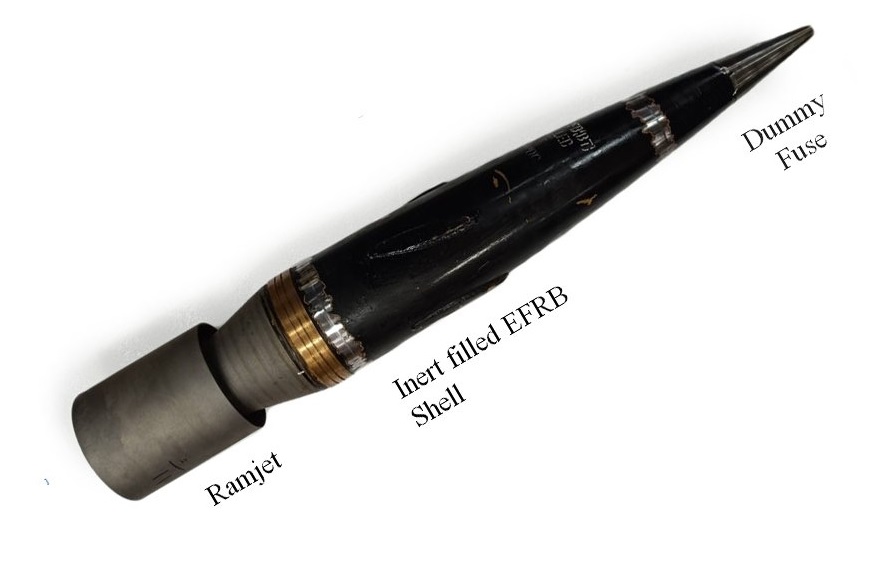
India
Chennai / New Delhi : In a major boost to India’s indigenous defence capabilities, Indian Institute of Technology Madras (IIT Madras) has recorded a significant defence-technology breakthrough with the successful development of ramjet-assisted artillery shells that can extend the range of existing gun systems by nearly 50 per cent without any loss in lethality. The newly developed ammunition integrates a compact ramjet engine inside a standard 155-mm artillery shell, replacing the conventional base-bleed unit. Unlike traditional shells that rely solely on ballistic momentum after leaving the barrel, the ramjet-assisted projectile continues to generate sustained thrust during flight, enabling longer range, deeper strike capability, and greater operational flexibility. Importantly, this enhancement requires no changes to existing artillery platforms, eliminating the need for costly missile systems or new gun acquisitions. Significant Range Enhancement Across Platforms Trials conducted across multiple frontline artillery systems have demonstrated substantial improvements in effective firing range. The Advanced Towed Artillery Gun System (ATAGS) recorded an increase from around 40 km to nearly 70 km. The K9 Vajra self-propelled howitzer saw its reach expand from approximately 36 km to about 62 km, while the indigenous Dhanush gun achieved a jump from roughly 30 km to nearly 55 km. These results place conventional tube artillery closer to the engagement envelope traditionally associated with guided rocket systems, but at a fraction of the cost. Years of Research And Extensive Trials The project was launched in 2020 as a collaborative initiative between IIT Madras and the Indian Army, bringing together academic researchers, defence scientists and retired senior military leaders. The programme was led by Prof. P. A. Ramakrishna of IIT Madras, with key contributions from Lt Gen P. R. Shankar (retd), Prof. H. S. N. Murthy, Prof. G. Rajesh, Prof. M. Ramakrishna, Prof. Murugaiyan, Lt Gen Hari Mohan Iyer (retd), Prof. Lazar C, and Dr Yogesh Kumar Velari. Extensive gun and field trials were carried out at Deolali and Pokhran, India’s primary artillery testing ranges. These trials successfully validated clean gun exit, stable aerodynamic flight, and reliable ramjet ignition under demanding operational conditions. Engineers involved noted that ensuring consistent ramjet ignition after the extreme acceleration of gun launch was among the most complex challenges of the programme. Cost-Effective Firepower And Strategic Impact Military analysts say the breakthrough could significantly enhance artillery survivability, allowing guns to operate from greater stand-off distances while retaining destructive effectiveness. By upgrading ammunition rather than platforms, the Indian Army can achieve major capability gains while keeping logistics, training and maintenance costs under control. The development strongly aligns with the government’s Atmanirbhar Bharat initiative, highlighting how indigenous research and development can deliver advanced, battlefield-relevant solutions. Beyond immediate military applications, the project also underscores the growing role of Indian academic institutions in addressing complex national security challenges. Following the successful trials, the technology is expected to move toward further refinement, industrial partnerships, and eventual production-scale deployment. If inducted, ramjet-assisted artillery shells could reshape India’s conventional firepower doctrine, offering a powerful combination of range, affordability and adaptability for future battlefields. As modern warfare increasingly demands precision, depth and survivability, the IIT Madras breakthrough demonstrates how upgrading existing systems can deliver future-ready, cost-effective firepower tailored to India’s strategic needs.
Read More → Posted on 2026-01-12 15:07:20
India
Ahilya Nagar (Maharashtra), New Delhi : India has taken a major step forward in strengthening its indigenous defence capability with the successful flight test of the Man Portable Anti-Tank Guided Missile (MPATGM) featuring top-attack capability. The test was conducted on January 11, 2026, at the KK Ranges in Ahilya Nagar, Maharashtra, by the Defence Research and Development Organisation (Defence Research and Development Organisation). The missile, a third-generation “fire-and-forget” weapon system, was developed by DRDO’s Defence Research & Development Laboratory (DRDL), Hyderabad. During the trial, the MPATGM successfully engaged and destroyed a moving armoured target, demonstrating its accuracy, reliability and effectiveness under realistic battlefield conditions. Advanced Capabilities and Design The MPATGM is equipped with an Imaging Infrared (IIR) homing seeker, enabling autonomous target tracking after launch. This allows the operator to fire and relocate immediately, significantly enhancing survivability during combat. The missile is capable of day-and-night operations and can function effectively in adverse weather conditions. A critical feature of the system is its top-attack mode, which enables the missile to strike the thinner upper armour of modern main battle tanks. The missile carries a tandem high-explosive anti-tank (HEAT) warhead, designed to defeat explosive reactive armour (ERA) and penetrate advanced composite armour. With an operational range of up to 2.5 kilometres, the MPATGM is intended to meet the Indian Army’s requirement for a lightweight yet lethal infantry-held anti-tank weapon. The system integrates an all-electric control actuation system, a modern fire control system, a high-performance propulsion unit, and a compact, high-precision sighting system. Indigenous Development Effort The MPATGM programme represents a significant multi-laboratory collaboration within DRDO. Research Centre Imarat, Hyderabad, contributed to guidance and control systems, while the Terminal Ballistics Research Laboratory, Chandigarh, developed the tandem warhead. The High Energy Materials Research Laboratory, Pune, supported propulsion and energetic materials, and the Instruments Research & Development Establishment, Dehradun, provided key electronics and sighting technologies. To replicate battlefield conditions, the thermal target system simulating an enemy tank was developed by Defence Laboratory, Jodhpur, enabling accurate evaluation of the missile’s seeker performance. Deployment and Production The MPATGM has been designed for operational flexibility. It can be launched from a man-portable tripod as well as from a vehicle-mounted launcher, making it suitable for deployment across mountainous, desert and urban terrain. For production, DRDO has partnered with Indian industry. Bharat Dynamics Limited (Bharat Dynamics Limited) and Bharat Electronics Limited (Bharat Electronics Limited) are the Development-cum-Production Partners, reinforcing the country’s push toward domestic defence manufacturing. Official Reactions Raksha Mantri Rajnath Singh congratulated DRDO, its industry partners and associated laboratories on the successful test, calling it an important milestone toward Aatmanirbhar Bharat in defence. He said indigenous systems like the MPATGM would significantly enhance the combat readiness of the armed forces. Secretary, Department of Defence R&D and Chairman DRDO Samir V Kamat stated that the successful trial against a moving target marked a crucial step toward induction of the missile into the Indian Army, adding that the system has demonstrated a high level of technological maturity. Strategic Significance With this successful flight test, India moves closer to inducting a fully indigenous third-generation man-portable anti-tank missile. The MPATGM is expected to play a vital role in strengthening the Army’s anti-armour capability, while reducing dependence on imported weapon systems and enhancing India’s strategic autonomy.
Read More → Posted on 2026-01-12 13:10:29
India
New Delhi / Islamabad — An audio recording allegedly featuring Masood Azhar, the chief of the Pakistan-based militant outfit Jaish-e-Mohammed (JeM), has surfaced on social media, prompting renewed security concerns in India and drawing close scrutiny from intelligence agencies. In the clip, Azhar purportedly claims that his organisation has “thousands” of suicide bombers ready to infiltrate India, describing them as ideologically driven and eager to attain “shahadat” (martyrdom). The authenticity, timing and location of the audio remain unverified, and Indian authorities have not issued an official confirmation. Nevertheless, the recording has circulated widely across platforms such as Telegram and X, amplified by accounts believed to be aligned with pro-Pakistan intelligence networks. Claims of “Thousands” and Rhetoric of Martyrdom In the audio, Azhar is heard making sweeping assertions about JeM’s operational strength. “Not one, not two, not a hundred — not even one thousand,” the speaker says, implying that revealing the true number of suicide attackers would cause an international media storm. He stresses that the alleged recruits are not motivated by money, family pressure or material reward, but by religious conviction alone. Counterterrorism experts caution that such language fits a long-standing pattern of militant propaganda. Analysts note that exaggeration of manpower and morale is a common tactic used by extremist leaders to project resilience, intimidate adversaries and boost recruitment, particularly after suffering operational setbacks. Context of Indian Military Strikes The audio’s emergence comes against the backdrop of recent Indian military strikes targeting JeM infrastructure inside Pakistan, including its long-time headquarters in Bahawalpur. According to security sources, these strikes were part of a broader retaliatory campaign launched after a deadly terror attack in Pahalgam on April 22, in which 26 civilians were killed. Indian officials have said the pre-dawn operations dismantled multiple terror facilities, degrading training camps, logistical hubs and command centres. Reports indicate that around ten of Azhar’s relatives, including close family members, were killed during the strikes — a claim previously acknowledged indirectly by JeM itself. In September last year, a senior JeM commander released a video conceding that members of Azhar’s family had died in Indian attacks, a rare public admission that underscored the impact of the operations. Azhar’s Long Absence and Global Terror Designation Masood Azhar has not been seen publicly since 2019, following a powerful explosion at his Bahawalpur hideout. Designated a UN-designated global terrorist, Azhar has been linked to some of India’s deadliest attacks in recent decades. These include the 2016 Pathankot Air Force base attack and the 2019 Pulwama suicide bombing, which killed 44 Central Reserve Police Force (CRPF) personnel. Intelligence assessments suggest that Azhar may now be operating from locations farther away from Bahawalpur, possibly under enhanced protection. Parallel Propaganda Signals The audio clip also surfaced days after the arrest and public exposure of Saifullah Kasuri, the deputy chief of Lashkar-e-Taiba. Kasuri was reportedly filmed claiming that the Pakistan army had invited him to lead funeral prayers for soldiers following Operation Sindoor last May. Security analysts view the near-simultaneous circulation of these audio and video messages as part of a coordinated information campaign aimed at rehabilitating militant groups that have suffered significant losses. By projecting defiance and continued strength, such groups seek to counter narratives of decline and internal damage. Official Response and Ongoing Vigilance Indian security agencies are currently analysing the audio for voice authentication, metadata clues and operational relevance. Officials stress that while the rhetoric is alarming, there is no immediate indication of an elevated threat level linked directly to the clip. Nonetheless, authorities remain on high alert, particularly in sensitive regions and along infiltration routes, amid concerns that propaganda messaging could be used to inspire lone-wolf attacks or revive dormant networks. As investigations continue, experts emphasise that distinguishing between psychological warfare and credible operational capability will be critical in assessing the real-world implications of the claims attributed to Masood Azhar.
Read More → Posted on 2026-01-11 18:26:53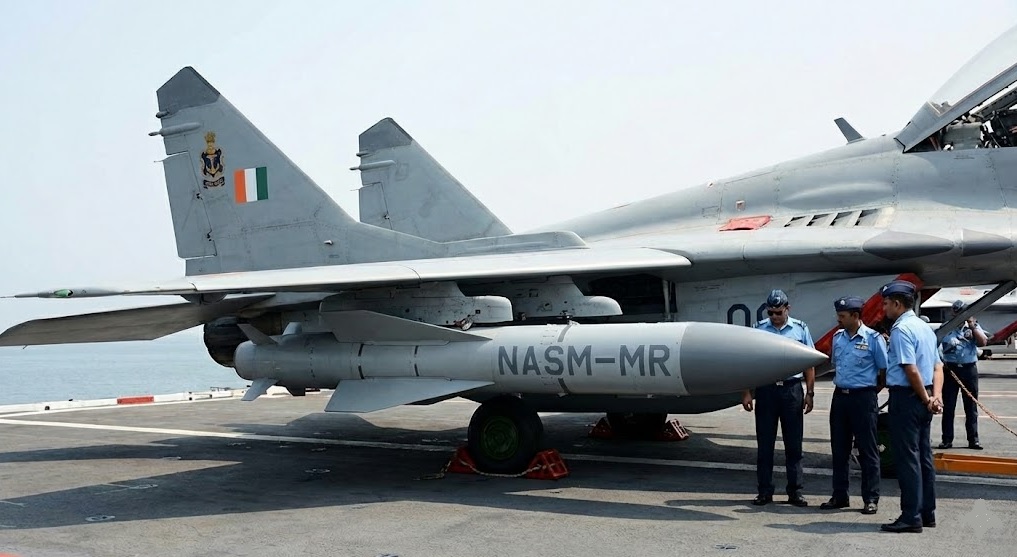
India
New Delhi : India has taken a significant step toward strengthening its maritime strike capability with the successful integration of the indigenously developed Medium Range Anti-Ship Missile (NASM–MR) on the Indian Navy’s MiG-29K fighter aircraft. Defence officials confirmed that the missile’s electrical and mechanical interfaces with the carrier-borne fighter have been fully validated, clearing the way for developmental flight trials expected in the first quarter of 2026. The integration marks a major milestone in India’s drive to field a common, multi-platform anti-ship weapon across air, sea, sub-surface and coastal defence roles. Once operational, NASM–MR is expected to become a key element of the Navy’s long-range precision strike doctrine in the Indian Ocean Region. Indigenous Missile for Multi-Domain Maritime Warfare The NASM–MR has been designed as a modular missile family with multiple launch variants tailored for different operational environments. The air-launched variant, integrated with the MiG-29K fleet operating from India’s aircraft carriers, is expected to have a strike range of around 290 kilometres, enabling stand-off attacks against hostile surface combatants well beyond the reach of most ship-based air defence systems. A ship-launched variant, intended for deployment aboard frontline Indian Navy surface combatants, is projected to have an extended range of approximately 350 kilometres, providing task groups with a potent long-range anti-ship capability. Officials also indicated the development of a submarine-launched variant, with an expected range of over 100 kilometres, designed for covert sea-denial missions from underwater platforms. In addition, a coastal defence variant is planned, aimed at strengthening India’s shoreline security and anti-access/area-denial (A2/AD) posture in critical maritime zones. Integration with Naval Aviation The successful mating of NASM–MR with the MiG-29K — the Indian Navy’s primary carrier-borne fighter — involved extensive validation of avionics, weapon control systems, and aircraft-missile interfaces. Defence sources said the integration ensures seamless communication between the missile and the aircraft’s sensors, fire-control radar and mission computer, a prerequisite for precision targeting in complex maritime environments. Developmental flight trials scheduled for early 2026 will focus on safe carriage, release characteristics, guidance performance, and end-game accuracy. These tests will be followed by user evaluation trials before the missile is formally inducted into service. Advanced Guidance and Strike Capabilities While detailed technical specifications remain classified, the NASM–MR is understood to feature an advanced guidance suite combining inertial navigation, mid-course updates, and an active seeker for terminal homing against moving naval targets. The missile is designed to operate in contested electronic warfare environments and to execute sea-skimming flight profiles to reduce detection and interception. The weapon is also expected to be compatible with network-centric warfare concepts, allowing targeting data to be shared between aircraft, ships, submarines and maritime surveillance assets. Strategic Significance The induction of NASM–MR across multiple platforms is seen as a major force multiplier for the Indian Navy, significantly enhancing its ability to deter and, if necessary, neutralise hostile naval forces at long range. Defence analysts note that a common missile family reduces logistical complexity while improving operational flexibility across the fleet. The programme also underscores India’s broader push for defence self-reliance, with indigenous missile systems increasingly replacing imported weapons in frontline roles. Once operational, NASM–MR is expected to complement existing Indian anti-ship missiles and form a central pillar of the Navy’s future maritime strike architecture. As flight testing approaches, attention will focus on the missile’s performance during trials — a critical step toward its eventual deployment aboard India’s aircraft carriers, warships, submarines and coastal defence units.
Read More → Posted on 2026-01-11 14:08:24
Why The Wire’s “China Control” Narrative on India’s S-400 Collapses Under Scrutiny, Without Evidence
India
New Delhi — A recent article by The Wire describing India’s S-400 air defence system as a “dangerous bet” has sparked sharp debate within defence circles, not for what it says, but for what it omits. At the centre of the controversy is the claim that China controls the S-400 supply chain, allegedly leaving India strategically vulnerable. Yet a closer examination of operational data, official timelines, and India’s broader air-defence posture presents a markedly different picture. A Critique Built on Thin Sourcing The article’s central argument relies almost entirely on the views of a single foreign analyst whose expertise is rooted in the Ukraine conflict, with no quoted Indian defence officials, no Ministry of Defence verification, and no operational data from India’s own experience. For a system that has already seen combat use under Indian command, this absence is striking. Defence planners point out that strategic assessments divorced from battlefield outcomes risk becoming theoretical exercises rather than serious analysis. Operation Sindoor and the Combat Record Those outcomes came into sharp focus during Operation Sindoor (May 2025), when India’s long-range air-defence network was activated at scale for the first time. According to declassified assessments and independent global defence analysts, the S-400 did not merely perform adequately; it reshaped the air battle. Indian batteries reportedly tracked more than 100 hostile aerial targets simultaneously, ranging from fighter aircraft to support platforms. This overwhelming situational awareness forced multiple Pakistani strike packages to abort missions, jettison ordnance prematurely, and retreat deep inside their own airspace. In several sectors, air denial was achieved without firing a single interceptor, underscoring the system’s deterrent value. The defining moment came with what analysts describe as a world-record engagement. An Indian S-400 unit, operating under the callsign “Sudarshan,” intercepted a high-value Pakistani airborne early warning and control (AEW&C) aircraft at a distance exceeding 300 kilometres. The aircraft, believed to be a Saab-2000-based AEW&C platform, represented a critical node in Pakistan’s air-command network. The interception shattered previous benchmarks for operational long-range surface-to-air kills and has since been cited by multiple independent defence monitors worldwide. Beyond the record-setting shot, Indian authorities confirm that several hostile fighter aircraft attempting to probe the air-defence envelope were successfully neutralized, despite the use of modern electronic countermeasures. The Supply-Chain Claim and India’s Domestic Capability The assertion that Beijing “controls” S-400 spare parts forms the backbone of the “dangerous bet” narrative. Indian defence officials argue that this claim collapses when viewed against confirmed domestic timelines. India is not positioning itself as a perpetual buyer; it is moving decisively toward becoming a sustainer. The Ministry of Defence has verified that a dedicated Maintenance, Repair and Overhaul (MRO) facility for the S-400 is under construction, in collaboration with Almaz-Antey. Scheduled to be fully operational by 2028, the facility will service radar arrays, electronic modules, and missile canisters on Indian soil, insulating the system from external geopolitical shocks. A senior official from the Defence Research and Development Organisation (DRDO) put it bluntly: India has sustained MiG-21s, Su-30MKIs, and T-90 tanks for over six decades without Chinese interference. Suggesting that the country suddenly lacks the metallurgy or electronics expertise to maintain the S-400, the official said, “is an insult to India’s defence industrial base.” Akashteer: The Game Changer Behind the Scenes Much of the public debate has focused on missile launchers and radars, but Operation Sindoor highlighted a quieter revolution. Project Akashteer, India’s automated air-defence command and control system, acted as the neural network binding disparate assets into a single, responsive shield. During the operation, Akashteer fused data from S-400 radars with indigenous systems, presenting commanders with a unified air picture. Threats were automatically classified and assigned to the most appropriate weapon, ensuring efficiency and preventing fratricide. Low-flying drones were handed off to short-range systems, while the S-400 was preserved for high-value aircraft and ballistic threats. Defence officials describe this integration as decisive in achieving seamless air denial. A Layered Shield, Not a Single Basket Contrary to claims that India has concentrated its air-defence strategy around a single system, the S-400 sits at the top of a layered and increasingly indigenous air-defence architecture. Medium- and short-range systems such as Akash, QRSAM, and MR-SAM provide operational depth, while development continues on extended-range interceptors under Project Kusha (XRSAM). Parallel progress on ballistic missile defence (BMD) further strengthens this multi-tiered shield. Russia, despite global sanctions, remains on track to deliver the final two S-400 regiments by 2026, completing India’s planned deployment. By that stage, defence officials say, India’s integrated air-defence architecture will stand among the most comprehensive and resilient networks outside the United States and Russia. Analysis and Conclusion Labeling the S-400 a “dangerous bet” requires overlooking a combat record that includes a historic long-range interception, ignoring verified plans for domestic sustainment, and discounting six decades of experience maintaining complex foreign-origin systems. It also requires sidelining transformative enablers like Akashteer that have fundamentally altered how air battles are fought. The debate, defence analysts argue, is less about hardware and more about narrative. Selective sourcing and the absence of Indian operational voices risk distorting public understanding of a system that has already demonstrated its value under fire. The reality emerging from Operation Sindoor is clear: India’s air-defence strategy is not a gamble, but a layered, evolving posture grounded in battlefield experience and growing self-reliance. In defence circles, analysts also observe that The Wire’s coverage pattern has repeatedly aligned with narratives favourable to Pakistan and China, often adopting external strategic talking points while downplaying Indian operational data and official positions, a tendency that has again surfaced in its handling of the S-400 debate.
Read More → Posted on 2026-01-10 17:29:36
India
New Delhi / Pune : India’s Armament Research and Development Establishment (ARDE), a key DRDO laboratory based in Pune, has stepped up work on an indigenous electromagnetic railgun, an emerging class of weapon that uses electricity instead of chemical propellants to hurl projectiles at hypersonic speeds, according to recent reporting and official briefings linked to DRDO’s public showcases. From Exhibition Model to Field-Trial Readiness At Aero India 2025 in Bengaluru, DRDO displayed a model of a compact, transportable electromagnetic railgun (EMRG) and indicated that a trailer-mounted configuration was ready for field trials, describing the move as a major step toward making the system fully functional. The compact EMRG concept presented by DRDO/ARDE is centred on a pulsed-power architecture designed to make railgun technology deployable outside a fixed test facility. Officials outlined a system combining a modular capacitor bank, a lithium-chemistry battery bank, the railgun launcher, and a diesel generator serving as the field power source. In the configuration described at Aero India, the generator rapidly charges the battery bank, after which stored energy is transferred to the capacitor bank and then discharged into the rails as a short, extremely high-current pulse. This pulse creates the electromagnetic force that accelerates the projectile down the barrel. What DRDO Has Disclosed So Far: Power, Speed And Rate of Fire According to DRDO’s Aero India briefing, the compact system’s capacitor-bank energy stands at 10 megajoules (MJ) and is capable of propelling a projectile to muzzle speeds exceeding 2,000 metres per second, placing it roughly in the Mach 6 class, depending on operating conditions. Officials also detailed the modular power-pack structure, consisting of 25 capacitor modules, each with 400 kilojoules (kJ) of storage capacity. When fully charged, the compact EMRG is said to be capable of firing 30 rounds, with a rate of fire of about three rounds per minute. DRDO has acknowledged the persistent challenge of rail wear, noting that rail life in the compact version has been improved to more than 50 shots before maintenance is required. The Longer-Range Ambition Under Discussion Separate defence-focused reporting and widely circulated posts have claimed that ARDE’s longer-term design objective is a railgun capable of launching a ~50 kg projectile to ranges approaching 200 kilometres, relying entirely on kinetic energy rather than explosive warheads. This approach would also eliminate the need to store and transport chemical propellants. However, since these figures have not yet appeared in detailed DRDO technical disclosures, they are best viewed as reported ambitions rather than confirmed specifications. Why Railguns Matter: Range, Precision And Logistics Globally, railguns are being pursued for the distinct advantages they promise: extreme projectile velocity, the potential for long-range precision fires, and the possibility of lower cost per shot compared with missile systems. By shifting logistics away from explosives toward electrical power generation and storage, railgun projectiles—typically dependent on kinetic impact—can simplify ammunition handling and safety. If India succeeds in moving from trials to deployment, potential roles could include long-range land strike, coastal defence, and rapid-response precision fire missions. Each of these roles, however, would require robust targeting networks, fire-control integration, and proven repeat-fire reliability in operational conditions. The Hard Part: Heat, Wear, Power Density And Guidance Despite their promise, railguns remain technically demanding. Extreme electrical currents and intense frictional heating can rapidly erode rails and armatures, while achieving a practical rate of fire demands high-density power systems that can recharge quickly without becoming overly heavy or complex. DRDO’s disclosures—highlighting rail-life improvements and the shift toward a compact generator-and-battery configuration—reflect this engineering focus. Another unresolved challenge is accuracy at extended ranges. Hypersonic-class projectiles face severe aerodynamic heating and require stable flight, and in many concepts some form of terminal guidance, to reliably strike point targets. DRDO has not publicly detailed guidance solutions for the compact EMRG, focusing instead on power architecture and launch performance. Where This Places India in the Global Race Over the past decade, multiple major powers have explored railgun technology, drawn by the promise of long-range kinetic firepower and reduced dependence on conventional explosives. The United States and China have both invested heavily in electromagnetic launch systems, while Japan has emerged as a particularly notable player by moving the technology from land-based testing to naval integration. Japan’s Acquisition, Technology & Logistics Agency (ATLA) has conducted electromagnetic railgun trials from a naval platform, mounting a prototype on a Japan Maritime Self-Defence Force vessel to study firing behaviour, power generation, and shipboard integration. This step—placing a railgun on a ship’s deck—has positioned Japan as one of the few countries to test the technology in a realistic operational environment, especially for naval air and missile defence roles. Against this backdrop, DRDO’s display of a field-transportable, trailer-mounted electromagnetic railgun signals India’s intent to remain firmly in the global competition, moving beyond laboratory experiments toward deployable configurations. While India’s programme is currently land-based, the emphasis on compact power systems and mobility suggests an eye on future adaptability across domains. For now, the most significant milestone remains DRDO’s assertion that the compact EMRG is ready for field trials—a critical inflection point that will determine whether India’s railgun effort can progress from controlled demonstrations to repeatable, real-world performance, and eventually stand alongside Japan’s ship-mounted experiments and other international efforts in this highly demanding technology race.
Read More → Posted on 2026-01-10 15:26:31
India
New Delhi: In a significant step to modernise India’s counter-terrorism architecture, Union Home Minister Amit Shah on Friday launched the National IED Data Management System (NIDMS), a secure, nationwide digital platform designed to integrate, analyse and share data related to all bomb blasts and improvised explosive device (IED) incidents recorded in the country since 1999. The system was inaugurated through a video-conferencing link and will be accessible to key security and intelligence stakeholders, including the National Investigation Agency, state anti-terrorism squads, state police forces and central armed police forces. According to the Home Ministry, NIDMS marks the first time India has brought decades of explosion-related data onto a single, standardised and searchable national platform. What Is the National IED Data Management System NIDMS is a comprehensive, two-way online database developed to catalogue and digitally map every recorded explosion and IED incident across India. The core dataset originates from the extensive archives of the National Security Guard, which has maintained records of bomb explosions nationwide for over two decades. This historical data has now been digitised, structured and integrated into NIDMS for real-time access by authorised agencies. The platform captures a wide range of technical and operational details, including the nature of explosive materials, triggering mechanisms, circuit designs, blast impact patterns, target profiles, casualty data and geographic coordinates. By consolidating this information, NIDMS aims to create a unified national memory of IED activity, enabling deeper analytical insight than was previously possible through fragmented records. How the System Works NIDMS functions as a secure analytical engine rather than a static repository. Whenever a new explosion or IED incident occurs, investigating agencies can upload incident-specific data directly into the system. The platform then cross-references new inputs with historical records to identify similarities in modus operandi, device construction, triggering methods and operational signatures. Through built-in analytical tools, investigators can trace inter-linkages between seemingly isolated incidents, identify recurring bomb-making techniques and assess whether specific components or methods point to known terrorist networks. The system also enables trend analysis over time, helping security planners understand shifts in targeting patterns, explosive composition and regional threat profiles. Amit Shah said the system would provide “necessary guidance during investigations in every state”, adding that it would play a crucial role in understanding explosion trends and formulating effective counter-terror strategies. A Secure National Intelligence Backbone The Home Minister emphasised that NIDMS has been built as a highly secure national digital platform, featuring strict access controls and encrypted data-sharing protocols. Its architecture strengthens the entire intelligence lifecycle — from data collection and standardisation to integration, analysis and inter-agency dissemination. By ensuring that all relevant agencies operate on the same verified dataset, the platform reduces duplication, improves investigative accuracy and accelerates operational decision-making. Officials noted that this coordinated approach is especially critical in complex terror investigations, where early identification of patterns can help prevent follow-up attacks. Global Context: How India Compares India’s move places it among a select group of countries that operate dedicated national-level IED intelligence systems. The United States developed extensive IED databases under its improvised-threat defeat framework during prolonged counter-insurgency operations, while the United Kingdom maintains classified bomb-incident intelligence platforms used by counter-terror police and EOD units. Several European nations also pool IED-related data through NATO-linked intelligence mechanisms. Unlike many overseas systems shaped primarily by external military deployments, NIDMS is specifically tailored to domestic law-enforcement and internal security needs, reflecting India’s long-term experience with cross-border terrorism, left-wing extremism and urban terror networks. Strategic Impact Security officials believe NIDMS will significantly enhance India’s ability to pre-empt, investigate and respond to terror threats. By transforming over two decades of legacy data into actionable intelligence, the system is expected to improve case linkages, support prosecutions and guide preventive security deployments. With NIDMS now operational, India has taken a decisive step toward data-driven counter-terrorism, leveraging technology and institutional memory to convert past experience into a forward-looking national security advantage.
Read More → Posted on 2026-01-10 13:11:46
India
New Delhi : Kongsberg Maritime has secured a significant contract to supply its advanced rim-drive propulsion systems for a new acoustic research vessel being built for India’s Naval Physical and Oceanographic Laboratory (NPOL), marking a major step forward in India’s underwater research and naval science capabilities. According to a company press release, the vessel is currently under construction at Garden Reach Shipbuilders & Engineers (GRSE) in Kolkata and is being developed to support specialised oceanographic and acoustic research missions for India’s Defence Research and Development Organisation (DRDO). Once delivered, the ship will form a critical part of India’s long-term strategy to enhance indigenous underwater sensing, sonar evaluation, and acoustic signature analysis. Ultra-Quiet Propulsion for Sensitive Acoustic Missions The contract centres on the supply of Kongsberg Maritime’s rim-drive thrusters, a propulsion technology specifically chosen to meet exceptionally stringent underwater radiated noise requirements. For acoustic research vessels, propulsion noise can directly interfere with sonar measurements and underwater data collection, making ultra-silent operation a decisive factor in system selection. Unlike conventional propulsion systems, the rim-drive design eliminates the traditional gearbox and places an electric motor directly into the propeller hub. This architecture dramatically reduces vibration, mechanical noise, and cavitation, while also improving efficiency and manoeuvrability. The result is a propulsion solution ideally suited for low-speed, high-precision scientific operations in acoustically sensitive environments. Comprehensive Thruster and Control Package Under the contract, Kongsberg Maritime will deliver a complete propulsion and control package comprising two RD-AZ2600 rim-drive azimuth thrusters, two RD-TT1600 rim-drive tunnel thrusters, and the company’s MCON integrated control system. Together, these systems will provide the vessel with high redundancy, precise dynamic positioning capability, and smooth, low-noise handling across a wide range of operating conditions. The azimuth thrusters feature a six-bladed propeller housed within a nozzle, optimised to enhance low-speed thrust while minimising underwater noise. The absence of blade tips reduces cavitation, a key source of acoustic disturbance. A permanent-magnet motor built into the nozzle removes the need for separate cooling systems, simplifying installation and reducing maintenance demands. With no mechanical gears apart from the steering gear, the overall design offers high reliability and low lifecycle costs. Crossing the 100-Unit Global Milestone This project also represents an important commercial and technological milestone for Kongsberg Maritime, taking the company beyond 100 rim-drive propulsion units delivered worldwide. The rim-drive technology was first introduced commercially a decade ago and has since become a benchmark solution for research vessels, naval platforms, and specialised commercial ships requiring silent and efficient propulsion. Nils Reidar Valle, Senior Vice President, Naval & Workboats at Kongsberg Maritime, said the contract highlights both the maturity of the technology and its relevance for advanced defence research. He noted that the rim-drive azimuth thruster is the quietest in its class, capable of meeting the most demanding acoustic research standards, and described the 100-unit milestone as clear evidence of the company’s sustained commitment to innovation. GRSE and International Collaboration A spokesperson for GRSE described the vessel as a prestigious national project, underlining the shipyard’s confidence in Kongsberg Maritime as a technology partner capable of meeting the strictest operational and acoustic requirements. The collaboration reflects GRSE’s growing role in delivering complex, high-technology vessels for both the Indian Navy and defence research establishments. Strengthening India’s Strategic Research Capability The advanced acoustic research vessel will be equipped with state-of-the-art laboratories, sensor suites, and data acquisition systems to support oceanographic surveys, sonar trials, and detailed acoustic signature studies. Such capabilities are vital for improving underwater situational awareness, validating indigenous sonar systems, and supporting future naval platform development. With the integration of Kongsberg Maritime’s rim-drive thrusters, the vessel is expected to combine operational flexibility, extreme acoustic discretion, and minimal environmental impact, aligning closely with India’s strategic and scientific objectives in the maritime domain. Delivery of the propulsion systems will be synchronised with the vessel’s construction schedule at GRSE, ensuring seamless integration as the project progresses toward completion.
Read More → Posted on 2026-01-09 17:31:52
India
Hyderabad, India : India has recorded a major breakthrough in next-generation missile propulsion with the successful long-duration ground test of a full-scale actively cooled scramjet combustor by the Defence Research & Development Laboratory (DRDL), a key laboratory of the Defence Research and Development Organisation (DRDO). The test, conducted at DRDL’s advanced Scramjet Connect Pipe Test (SCPT) Facility, achieved a continuous run time of over 12 minutes, marking a critical endurance benchmark for air-breathing hypersonic propulsion and significantly strengthening India’s Hypersonic Cruise Missile development roadmap. Progression From Subscale Validation to Full-Scale Endurance The January 2026 success builds on the subscale long-duration scramjet test conducted on April 25, 2025, which demonstrated sustained supersonic combustion under controlled conditions. Scaling the system to a full-scale, actively cooled combustor required major advances in high-temperature materials, thermal management, fuel injection control and structural endurance under extreme hypersonic operating environments. DRDO officials confirmed that both the scramjet combustor and the SCPT test facility were indigenously designed by DRDL and realised with strong participation from Indian industry partners. The SCPT facility can reproduce high-enthalpy airflow and prolonged thermal loads, allowing realistic simulation of hypersonic cruise conditions during ground testing. Operational Advantages of a Full-Scale Actively Cooled Scramjet Combustor Compared with current experimental or partially cooled scramjet engines used in hypersonic programmes worldwide, a full-scale actively cooled scramjet combustor offers decisive operational advantages. Active cooling enables the engine to withstand extreme thermal loads for much longer durations, preventing structural degradation at sustained Mach-5-plus speeds. This directly translates into greater range, higher mission endurance and improved reliability, allowing hypersonic cruise missiles to maintain high speed throughout their flight rather than for short bursts. The full-scale configuration also ensures realistic thrust generation and combustion stability, reducing performance uncertainties when transitioning from ground tests to operational flight. Collectively, these benefits make actively cooled full-scale scramjet systems a critical enabler for true long-range, persistent hypersonic cruise missiles, rather than limited-duration demonstrators. Enabling India’s Hypersonic Cruise Missile Programme Hypersonic Cruise Missiles are designed to fly at speeds exceeding Mach 5, or more than 6,100 km per hour, for extended durations within the atmosphere. Unlike rocket-powered systems, scramjet engines are air-breathing, using atmospheric oxygen to sustain combustion, which improves efficiency and range while enabling sustained high-speed flight. The successful SCPT run validated the aerothermal design, active cooling architecture and long-duration combustion stability of India’s scramjet engine—key prerequisites before progressing to integrated engine-airframe testing and flight trials. Leadership Applauds Strategic Breakthrough Rajnath Singh, Raksha Mantri of India, congratulated DRDO, industry partners and academic collaborators, stating that the achievement provides a strong technological foundation for India’s Hypersonic Cruise Missile Development Programme and reflects growing national self-reliance in critical defence technologies. Samir V Kamat, Secretary, Department of Defence R&D and Chairman of DRDO, praised the teams involved, calling the test a landmark step in mastering complex hypersonic propulsion systems. Global Context and India’s Position Globally, hypersonic cruise missile capability remains extremely limited. While countries such as the United States and China continue to develop and test hypersonic systems, Russia is currently assessed as the only nation to have fully developed and operationalised hypersonic cruise missile systems. India’s successful long-duration full-scale scramjet test significantly narrows the technological gap and places the country among the most advanced developers of air-breathing hypersonic propulsion. DRDO officials indicated that the validated scramjet engine will now support integrated engine-airframe evaluations, followed by controlled flight trials under the hypersonic technology demonstrator programme. The January 2026 milestone is expected to accelerate India’s progress toward an indigenous hypersonic cruise missile capability. The achievement underscores India’s growing mastery of advanced propulsion, extreme-temperature engineering and complex ground-test infrastructure—key pillars for future strategic deterrence in the hypersonic era.
Read More → Posted on 2026-01-09 14:38:21Search
Top Trending in 24 Hours
-
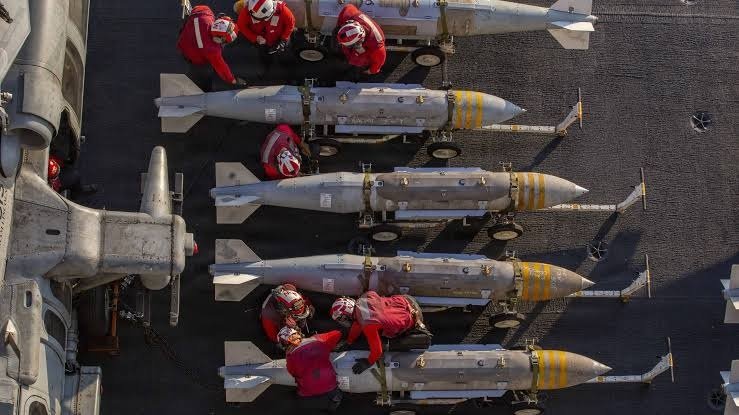 Pentagon Inspector General Report Finds Iran War Caused U.S. Ammunition Shortfalls and Industrial Bottlenecks
-
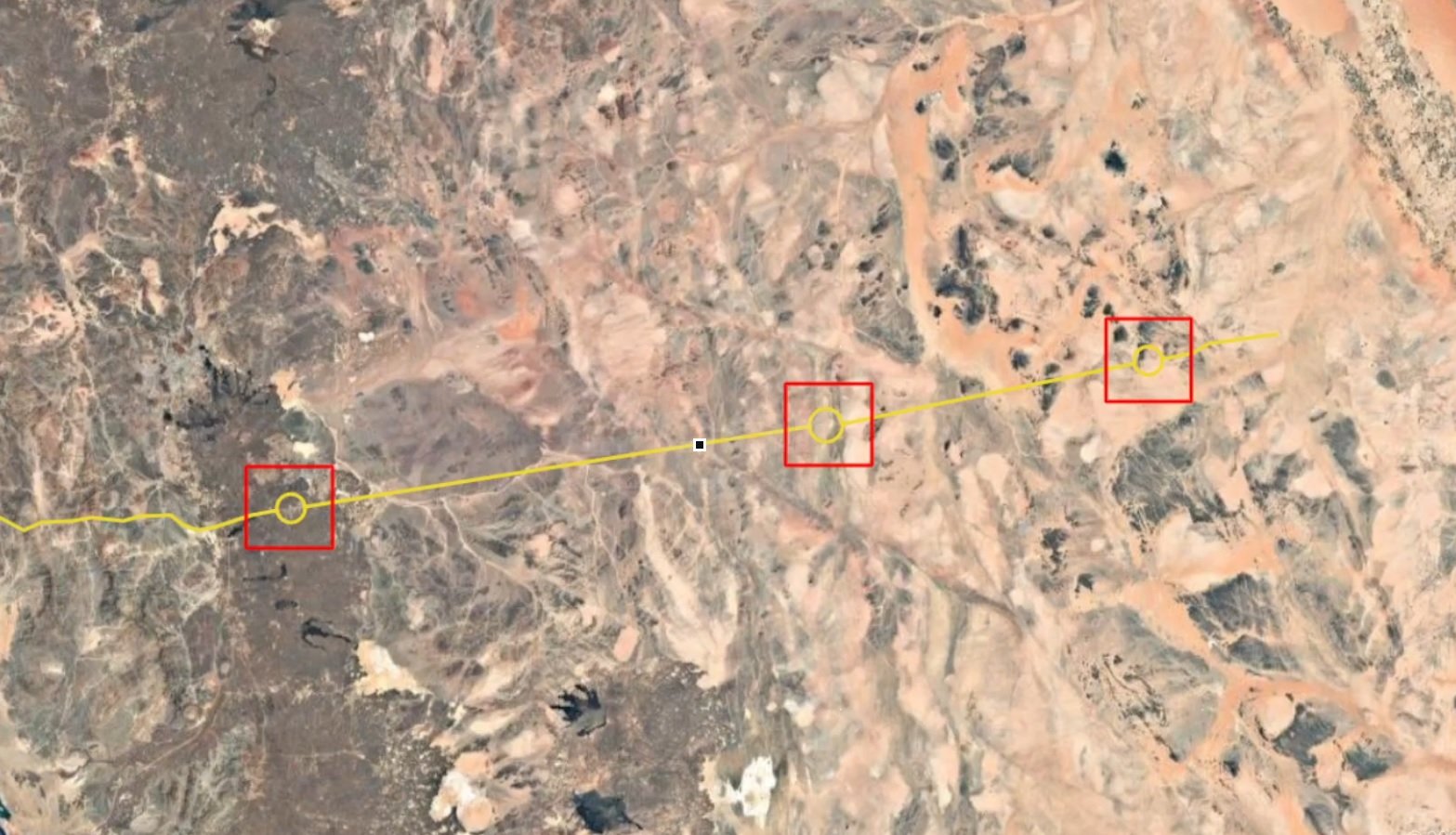 Satellite Imagery Shows Extensive Damage to Saudi Arabia’s East-West Oil Pipeline, Indicating More Than a Single Strike
-
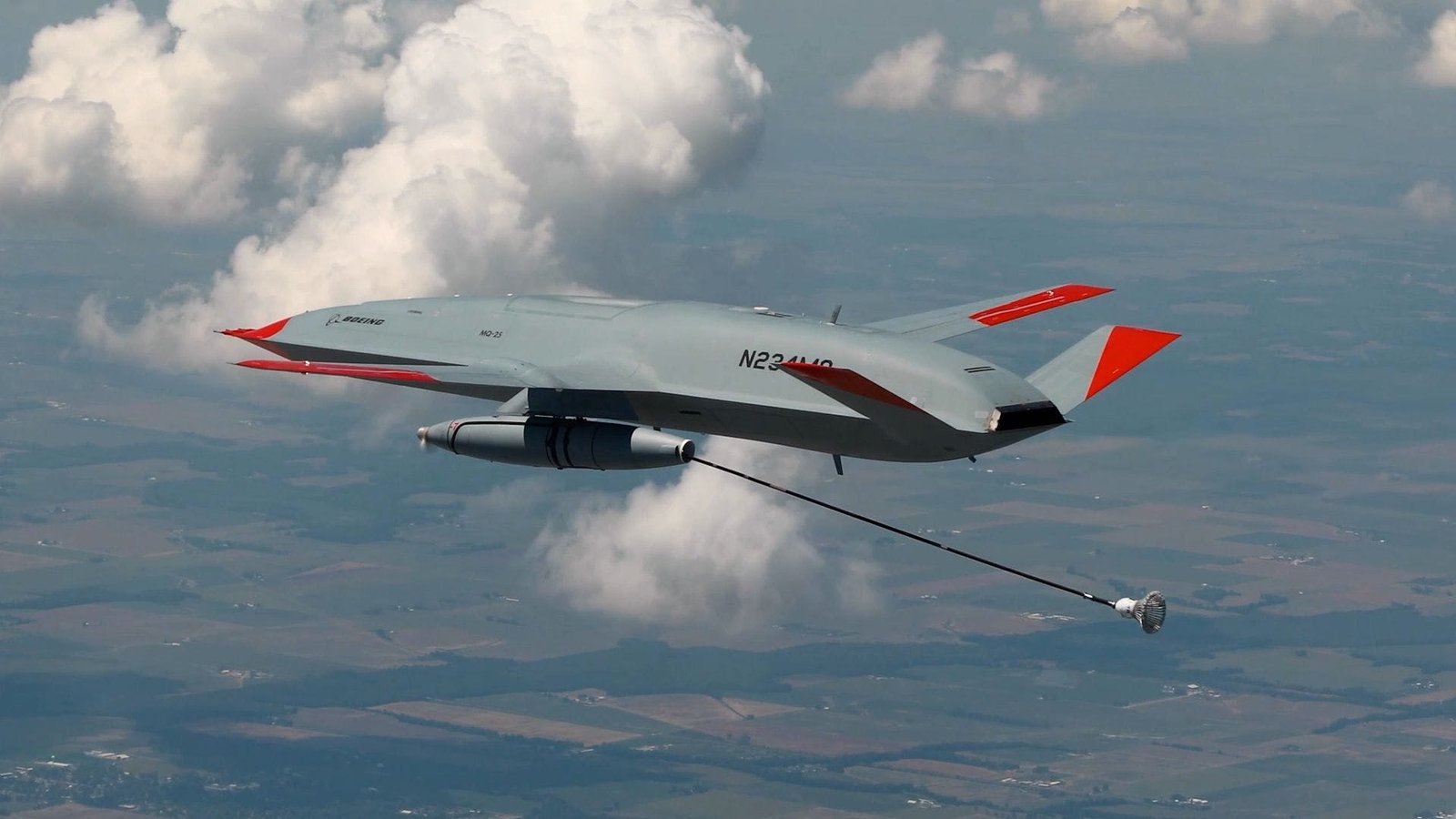 U.S. Navy Awards Boeing $562 Million Contract for First Production MQ-25A Stingray Tanker Drones
-
 Pentagon and Honeywell Complete Four-Hour Pacific Flight Using Quantum Magnetic Navigation Without GPS
-
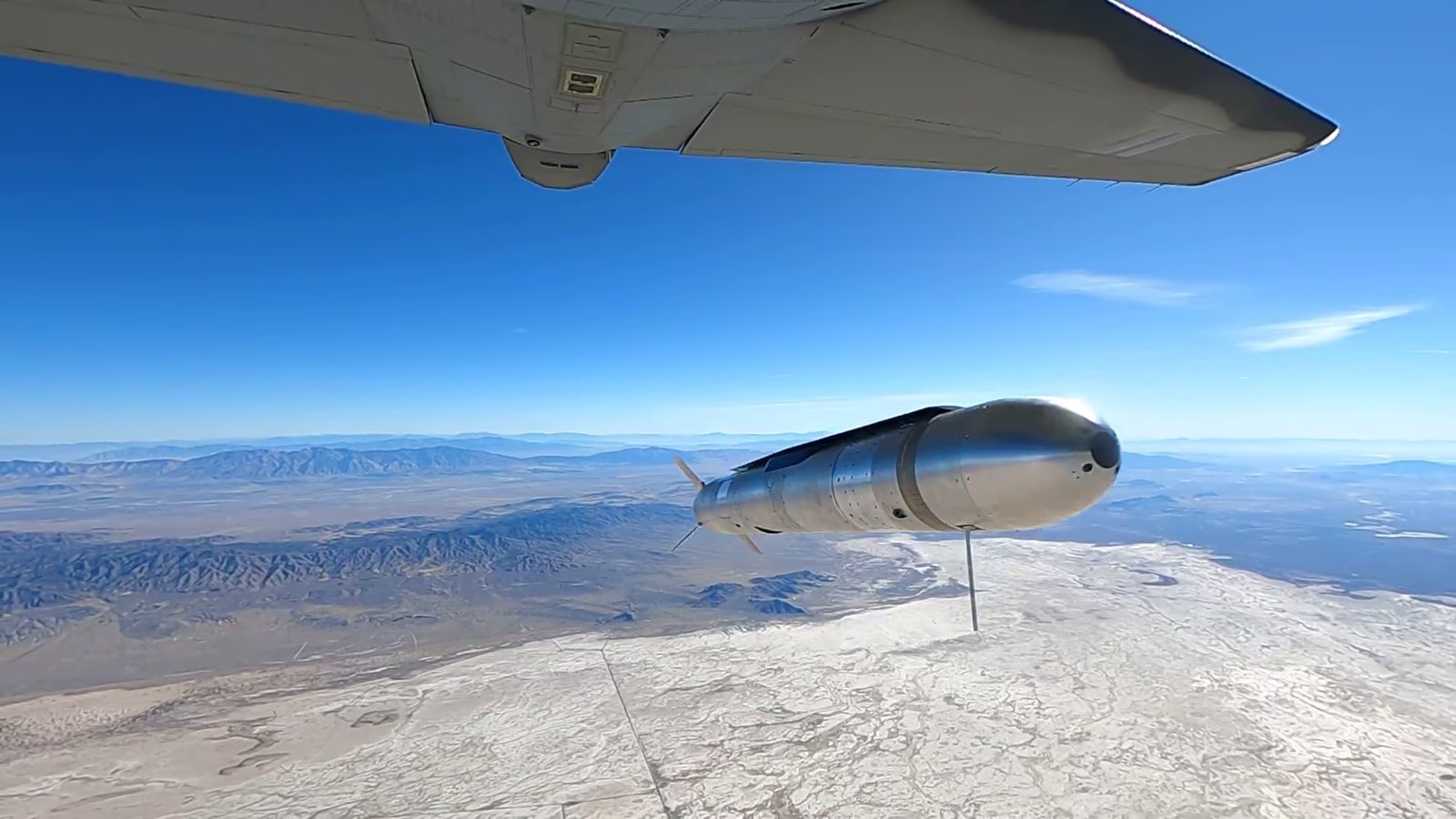 U.S. Air Force Special Operations Command Clears AGM-190A Havoc Spear for Wider Service After Combat Evaluation in Africa
-
 U.S. Confirms Deployment of On-Orbit Space Control Weapons for First Time
-
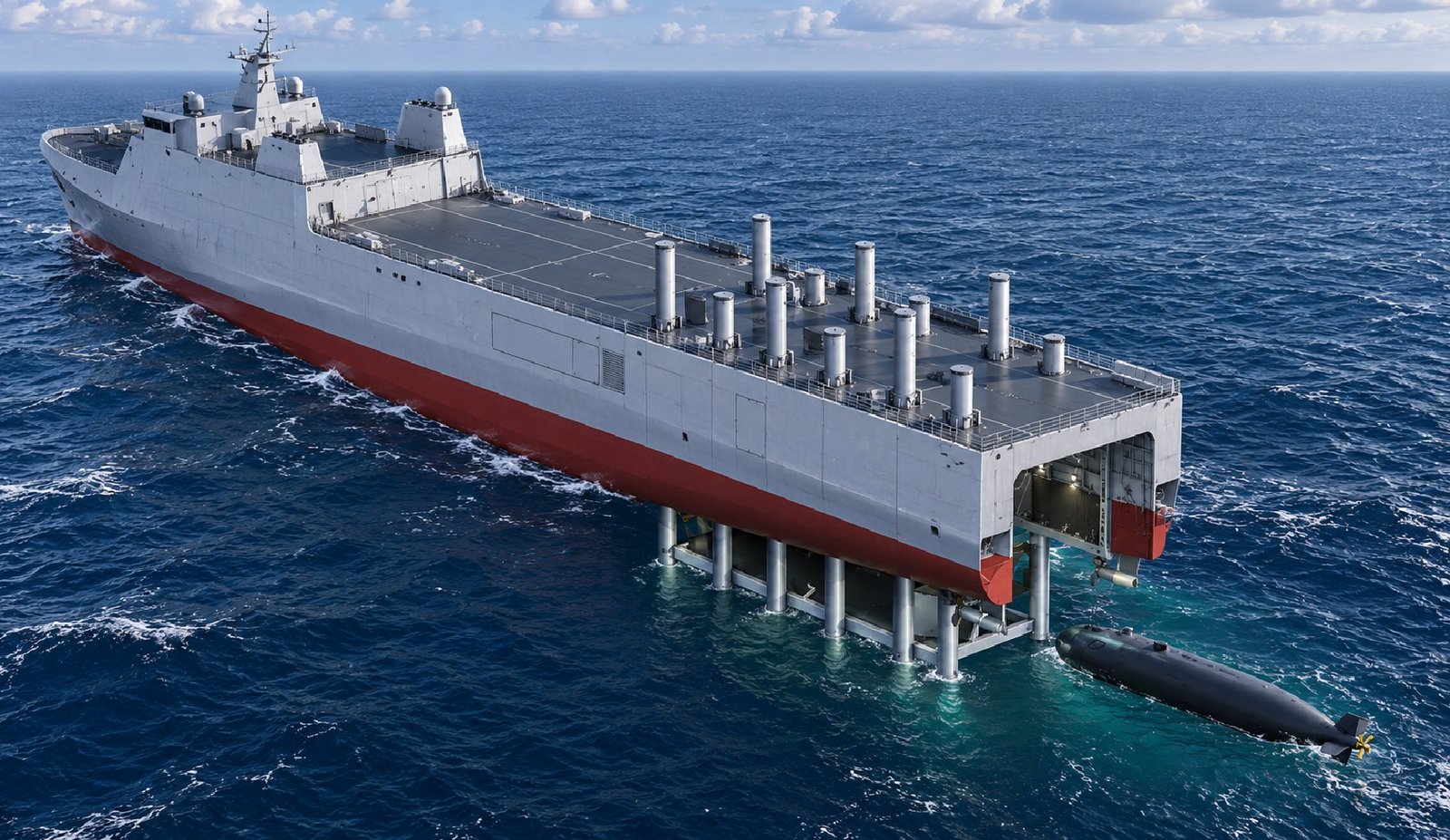 China Builds New Shanghai Vessel to Serve as Mothership for Large Uncrewed Submarines
-
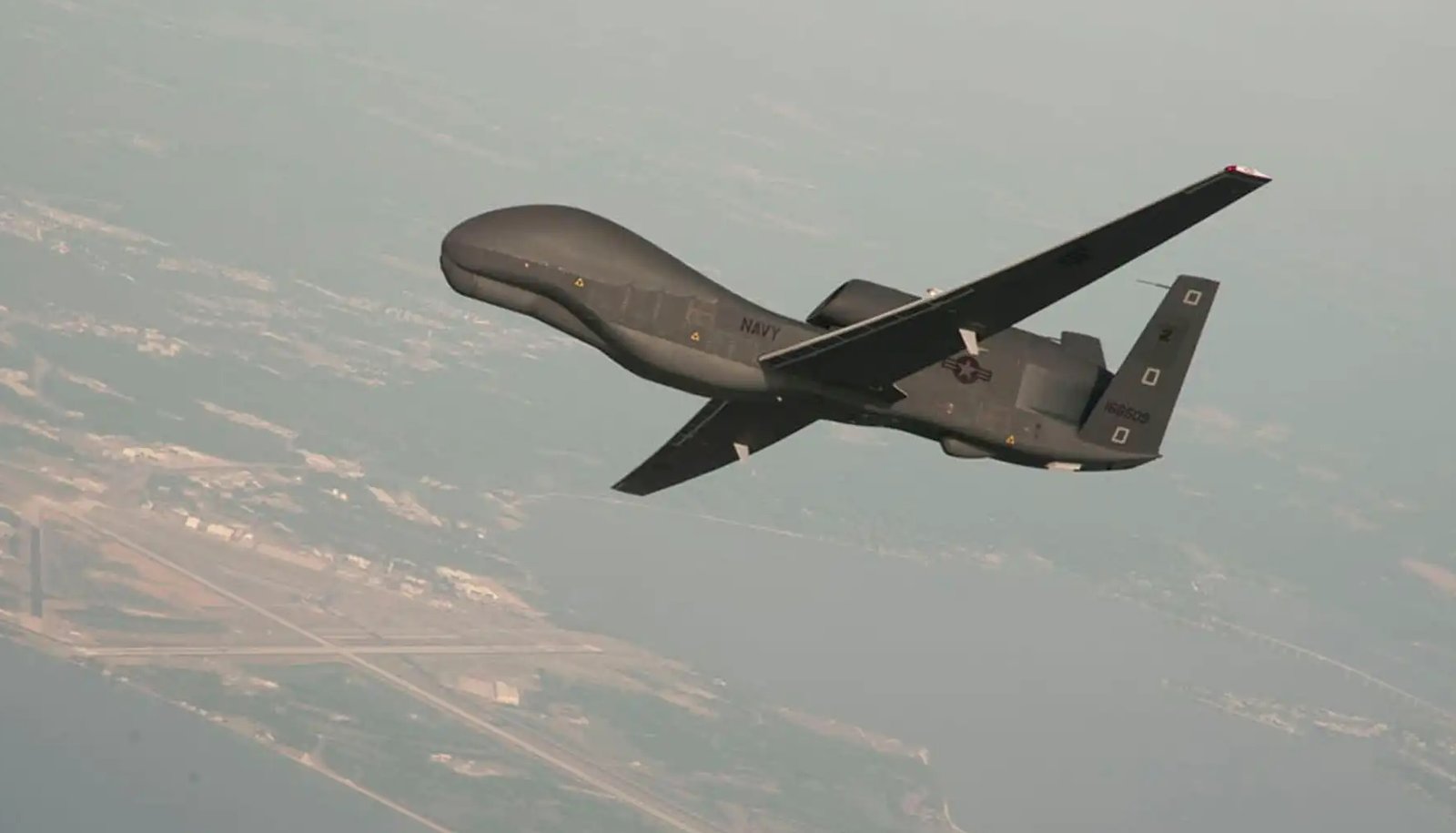 Japan Air Self-Defense Force Loses Contact With Global Hawk Surveillance Drone Off Tottori Coast; Aircraft Presumed Crashed
Top Trending in 4 Days
-
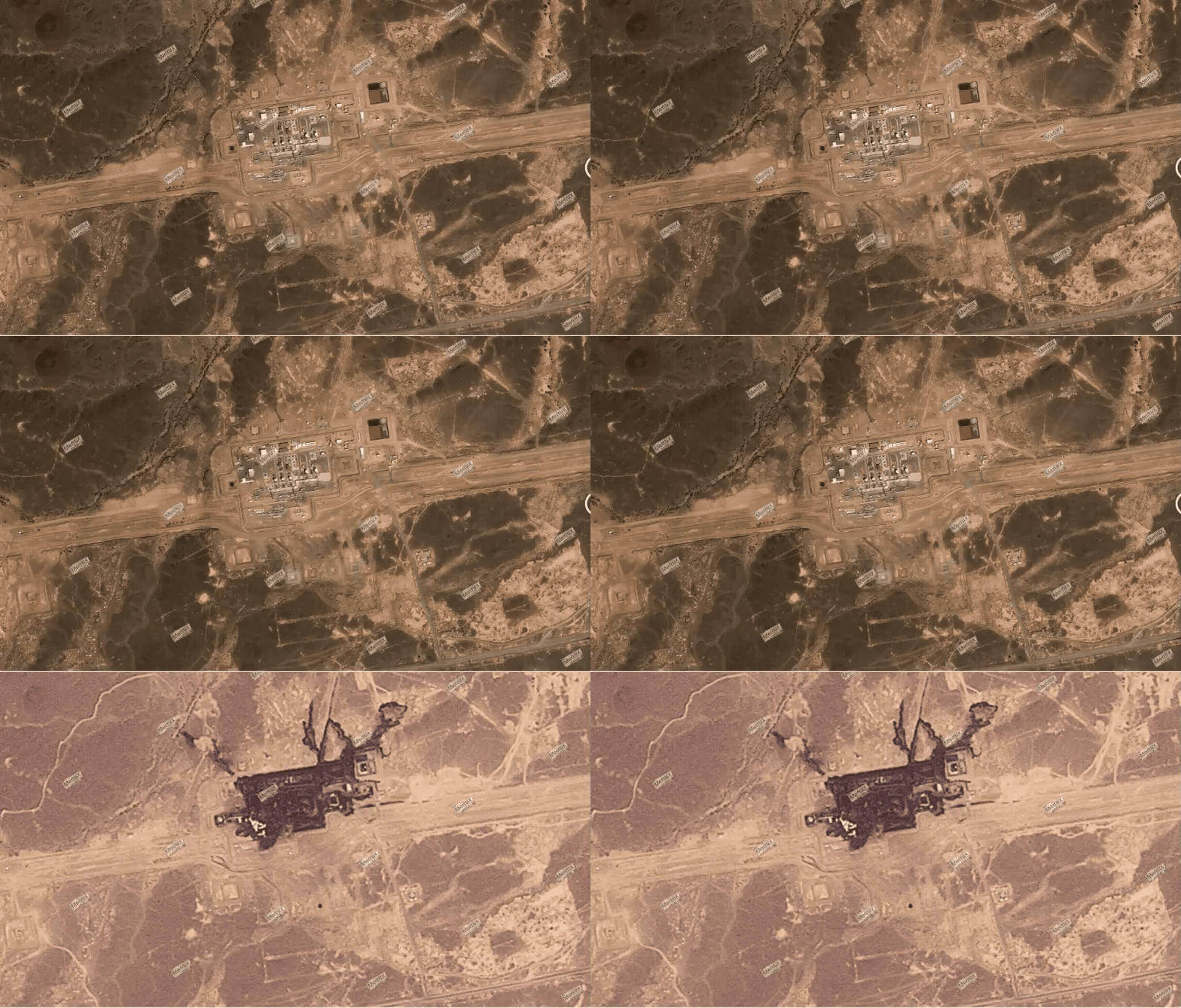 Satellite Imagery Shows Heavy Damage to Saudi East–West Oil Pipeline Pumping Stations
-
 U.S. Air Force Awards Antares $161 Million to Develop Nuclear Reactor for Spacecraft
-
 Pentagon Awards BlueHalo Up to $99.8 Million Contract for Orbital Battlespace R&D Program
-
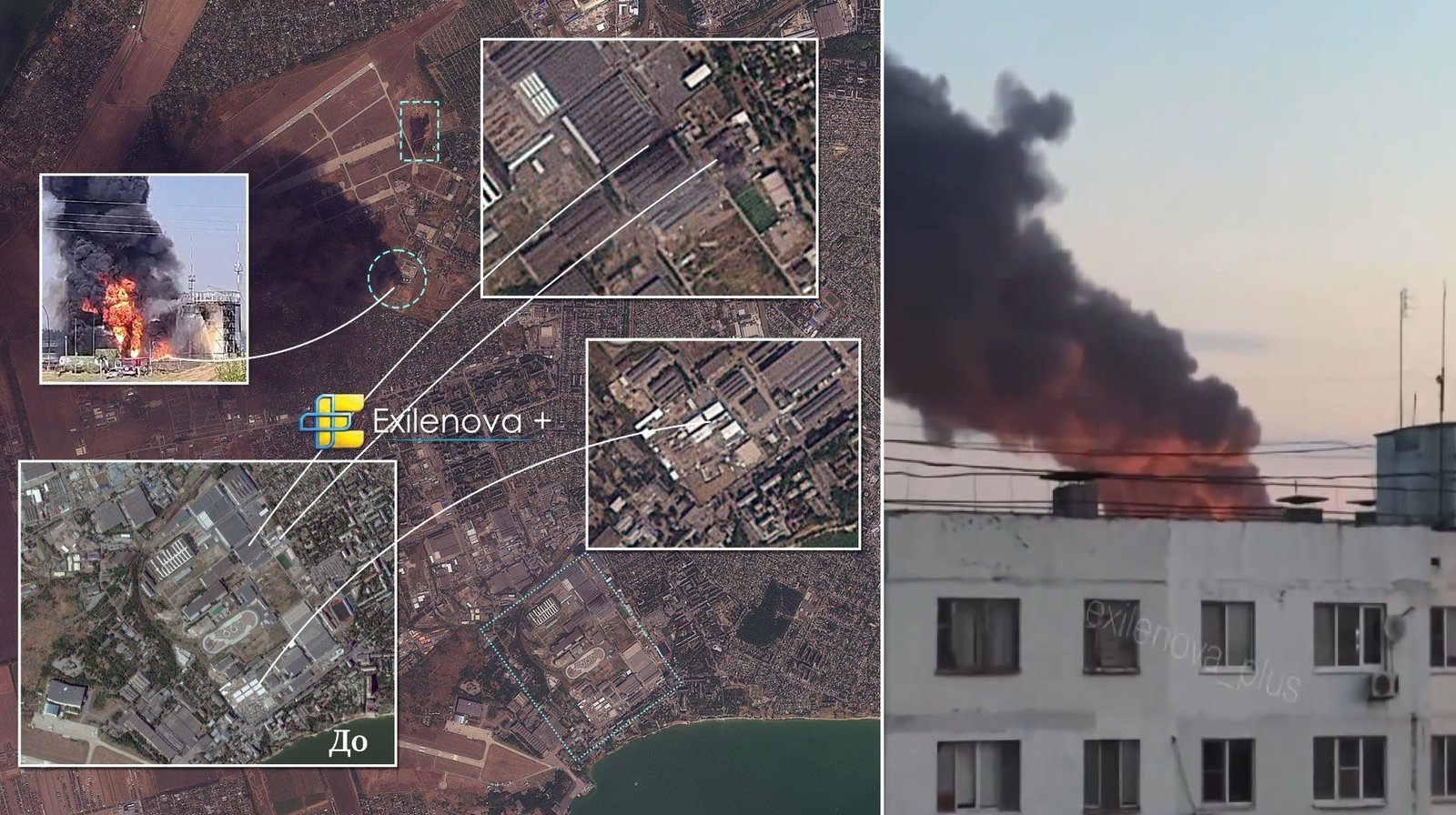 Ukrainian Drones Strike Russian UAV Manufacturer and Chemical Plants in Taganrog and Tolyatti
-
 U.S. Officials Link Chinese Satellite Imagery to Iranian Strike That Killed Three American Soldiers in Jordan
-
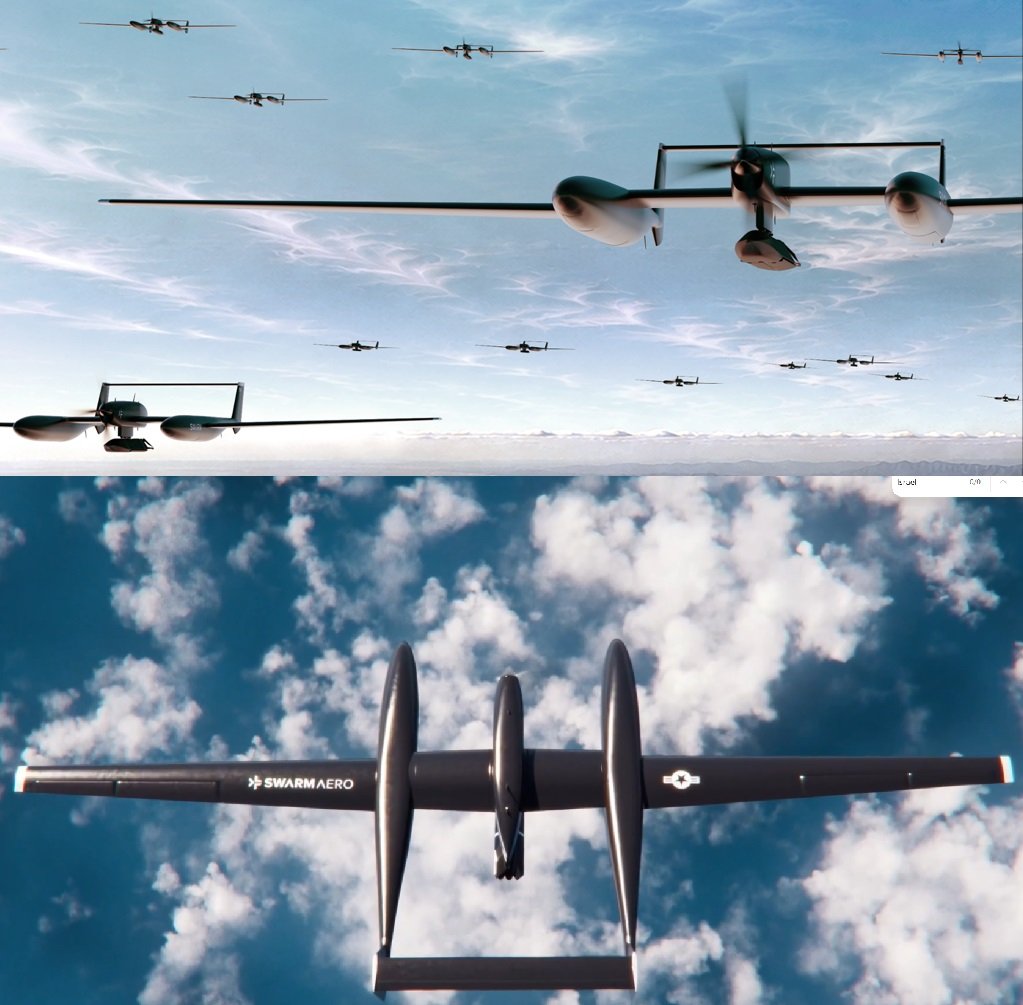 U.S. Firm Swarm Aero Unveils Gamera Group 5 UAS With 9,000-Nautical-Mile Range and Heavy Strike Payload
-
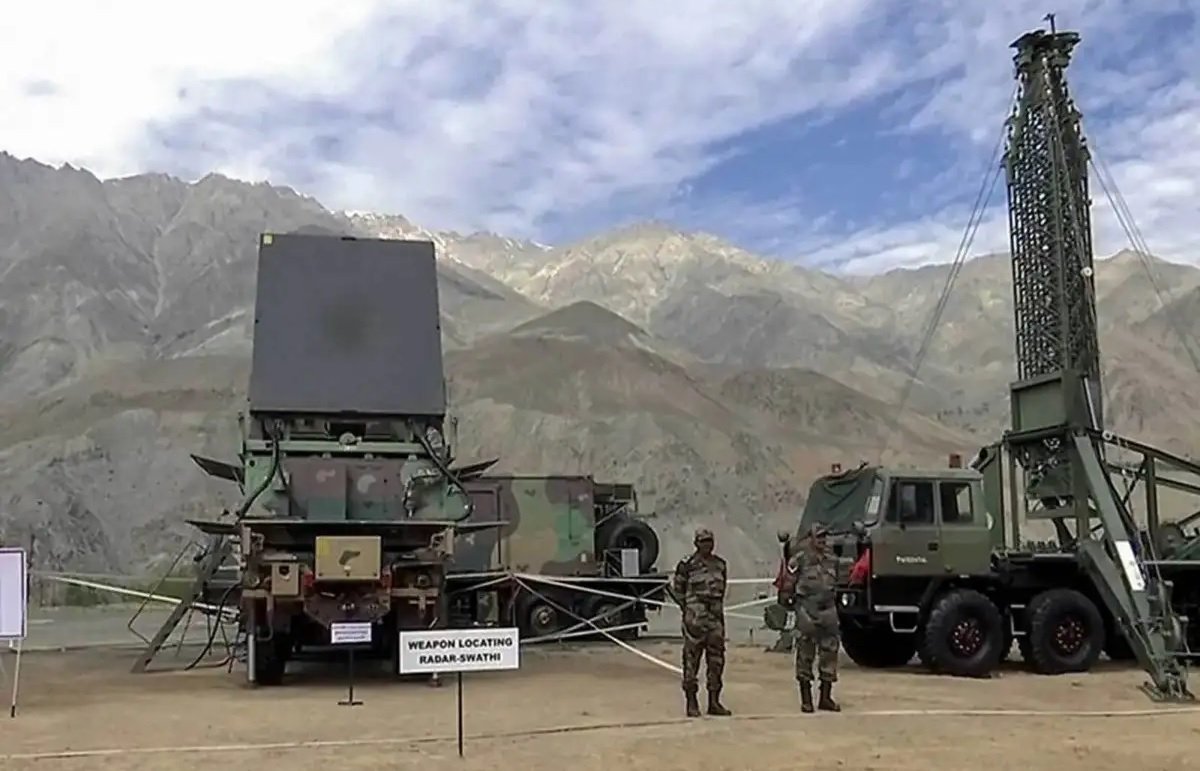 DRDO Demonstrates Indigenous 3.5×3 mm GaN Chip Delivering 30 Watts for Next-Generation Radars and Electronic Warfare
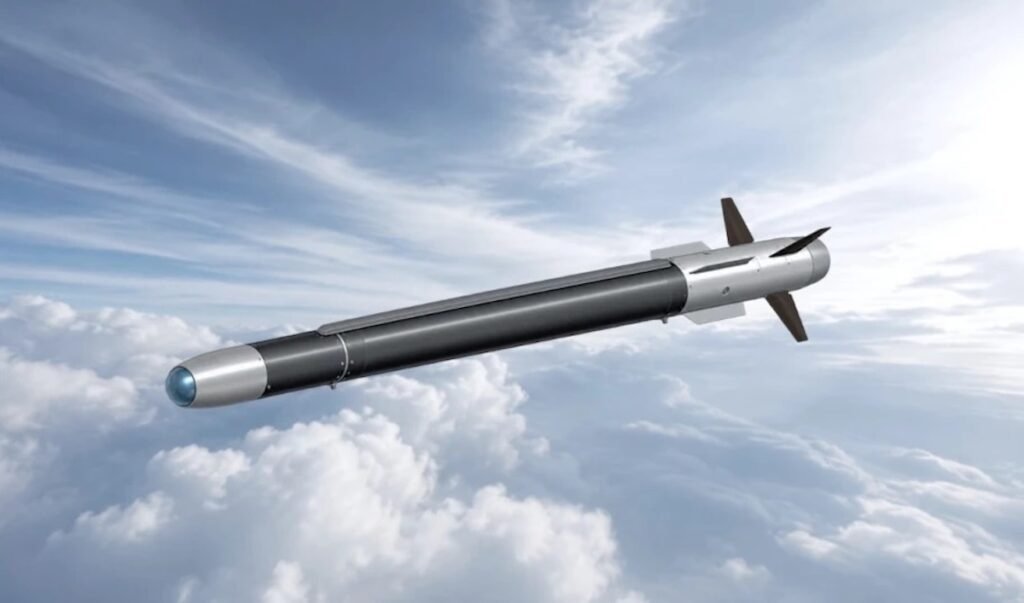
-
 MBDA and Poland’s WITU Advance Low-Cost Supersonic Interceptor Against Swarm Attacks, Seeker Trials Successfully Completed