India
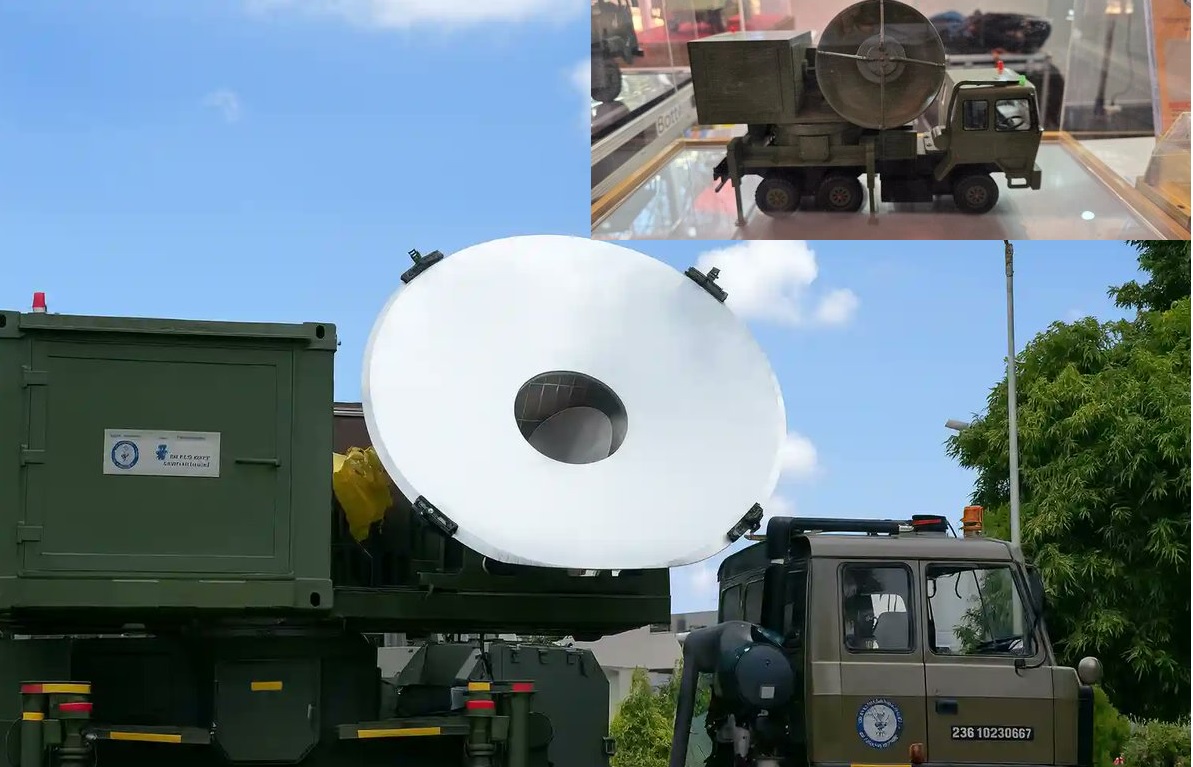
BENGALURU : India’s Defence Research and Development Organisation (DRDO) has unveiled a high-power microwave (HPM) directed-energy weapon system under development to counter hostile drone swarms, marking a major advance in the country’s efforts to address the rapidly evolving unmanned aerial threat. The prototype system was revealed during an international defence and technology conference held in India from January 20 to 22, where senior DRDO officials confirmed that the project has been in development for approximately six years. Designed as a non-kinetic counter-drone solution, the weapon is intended to disable multiple unmanned aircraft systems (UASs) simultaneously through the use of concentrated microwave energy rather than conventional missiles or gunfire. Design and Operational Concept The DRDO HPM system is mounted on a mobile truck platform, allowing it to be rapidly deployed to protect air bases, critical infrastructure, command centres and other high-value targets. Instead of physically destroying drones, the system delivers a “soft kill” by emitting powerful microwave pulses that penetrate airframes and disrupt or permanently damage onboard electronics. Operating in the S-band frequency range, the weapon targets critical components such as navigation sensors, data links and flight-control processors. Once exposed to the microwave burst, affected drones may lose control, suffer system failure or crash, effectively neutralising the threat without creating explosive debris or widespread collateral damage. Trial Results and Performance According to DRDO officials, the prototype has already demonstrated a confirmed kill range of up to one kilometre during field trials. The system features a tunable beam width, enabling operators to adjust the area of effect depending on whether they are engaging a single drone or a dense swarm. Although key technical parameters, including peak power output and pulse characteristics, remain classified, DRDO has stated that real-time trials have successfully disabled aerial targets under operational conditions. Target detection and engagement are supported by integrated radar systems, allowing the weapon to rapidly acquire and track incoming drones before firing microwave bursts. Advantages Over Conventional Defences Directed-energy weapons such as high-power microwave systems are increasingly viewed as cost-effective solutions against drone swarms and saturation attacks. Unlike interceptor missiles, which are expensive and finite in number, the HPM system has a deep magazine limited primarily by onboard power generation and cooling capacity. The absence of kinetic projectiles also reduces the risk to civilians and infrastructure, particularly in urban or sensitive areas. This makes the system well suited for homeland defence roles, including the protection of airports, government facilities and strategic installations. Roadmap to Induction and Future Development DRDO officials said all remaining developmental and user trials are expected to be completed within the next six months. Following this phase, the system is planned to move toward induction into service with the Indian armed forces. At the same time, work is already under way on an upgraded version with a significantly extended engagement range. The next development goal is to achieve a kill range of up to five kilometres, which would greatly enhance the system’s ability to counter stand-off drone attacks and layered swarm tactics. Strategic Context The unveiling of the HPM weapon comes as militaries worldwide confront the growing use of low-cost drones and coordinated swarms in modern conflicts. Such systems have been used for surveillance, precision strikes and mass attacks designed to overwhelm traditional air-defence networks. By advancing indigenous directed-energy technologies, India is positioning itself among a small group of nations developing non-kinetic, scalable and sustainable counter-drone solutions. If inducted as planned, the DRDO high-power microwave weapon could become a cornerstone of India’s future short-range air-defence architecture, addressing one of the most pressing challenges of contemporary warfare.
Read More → Posted on 2026-01-25 16:44:03
India
CHANDIPUR, ODISHA : India’s indigenous air-to-air combat capability has taken a decisive leap forward after the Light Combat Aircraft (LCA) Tejas successfully detected an aerial target at 140 kilometres and destroyed it with the Astra Mk1 beyond-visual-range air-to-air missile (BVRAAM) at a range of 110 kilometres during a recent test off the Odisha coast. The achievement confirms that the Tejas is now firmly established as a long-range air combat platform, rather than a short-range defensive fighter. According to defence sources and information shared by officials of the Defence Research and Development Organisation (DRDO) with India TV News, the test validated the complete “kill chain” — from long-range detection and target tracking to missile launch, mid-course guidance and terminal interception — under operationally realistic conditions. Long-Range Detection Marks Key Shift During the test, the Tejas’ onboard fire-control radar successfully detected and tracked the target at approximately 140 km. This detection range is significant, as modern air combat is increasingly decided by which aircraft can see, lock and fire first. The data link between the aircraft’s radar and the Astra Mk1 functioned seamlessly, allowing continuous target updates to the missile after launch. Defence officials said the engagement demonstrated stable radar tracking, secure guidance handover and reliable seeker performance, all of which are essential for effective beyond-visual-range combat. 110 km Intercept Near Missile’s Kinematic Limits The Astra Mk1 was fired at close to its maximum tested operational range of 110 km. After launch, the missile executed a high-altitude, energy-efficient flight profile before transitioning into an aggressive terminal phase, successfully destroying the target. The interception confirms that the missile retains sufficient energy and guidance accuracy even at extreme ranges. With this test, the Tejas–Astra combination moves into the same operational category as frontline fighters equipped with advanced BVR missiles, substantially extending the Indian Air Force’s engagement envelope. DRDL Eyes Range Extension to 160 km While the 110 km intercept itself marks a major milestone, scientists at the Defence Research and Development Laboratory (DRDL), which leads the Astra programme, have indicated that further performance gains are possible. Officials told India TV News that software refinements, improved guidance logic and propulsion optimisation could potentially extend the Astra Mk1’s effective range to as much as 160 km under favourable conditions, such as high-altitude, head-on engagements. This “range enhancement” effort is intended to maximise the capability of the existing Mk1 missile while the next-generation variant is being prepared for service induction. Astra Mk2 Integration Underway Parallel to the Mk1 upgrades, integration of the Astra Mk2 missile is currently underway on the LCA Tejas Mk1A. The Astra Mk2 represents a substantial technological advance, most notably through its dual-pulse solid rocket motor. Unlike single-burn motors, the dual-pulse design allows a second ignition in the terminal phase, dramatically improving end-game energy and manoeuvrability. This feature significantly enlarges the missile’s “no-escape zone”, ensuring that even targets attempting to evade at long distances cannot easily outrun the missile. Once operational, the Astra Mk2 is expected to place the Tejas Mk1A among the most capable light fighters in terms of BVR lethality. Strategic and Operational Impact For the Indian Air Force (IAF), the successful Astra integration reduces dependence on imported air-to-air missiles such as the Russian R-77 and the French MICA. Indigenous missiles offer not only major cost advantages but also strategic freedom. With full control over source codes and upgrade pathways, Indian engineers can rapidly adapt guidance algorithms and electronic counter-countermeasures (ECCM) to evolving threats. Defence analysts note that the Tejas–Astra pairing is especially relevant in the context of regional air power dynamics, where long-range detection and first-shot capability can be decisive. A Milestone for Atmanirbhar Defence The successful long-range engagement underscores the maturity of India’s indigenous aerospace ecosystem, combining a domestically developed fighter, radar, missile and mission software into a single operational weapon system. Officials described the test as a major step toward Atmanirbhar Bharat in defence, signalling that India is now capable of designing, producing and continuously upgrading critical air combat technologies without foreign constraints. With further trials planned and Astra Mk2 integration progressing, the Tejas programme is poised to gain even greater relevance in the Indian Air Force’s frontline squadrons in the coming years.
Read More → Posted on 2026-01-25 14:31:35
India
PUNE / BALASORE : In a breakthrough that could significantly reshape India’s artillery doctrine, Bharat Forge has unveiled what it describes as the world’s first 155mm/52-calibre artillery gun mounted on a 4×4 high-mobility chassis, achieving a combination of firepower, mobility and weight reduction previously considered impractical. Weighing just 24 tonnes, the system has completed initial development and internal trials and is now set to undergo formal testing at the Proof and Experimental Establishment (PXE), Balasore, Odisha. A New Class of Mobile Heavy Artillery The newly developed gun system represents a radical departure from conventional mounted artillery platforms. Traditionally, 155mm/52-calibre guns — the global benchmark for long-range tube artillery — require heavy 6×6 or 8×8 trucks to absorb recoil forces and maintain firing stability. By contrast, Bharat Forge’s platform compresses the same firepower onto a compact 4×4 chassis, reducing overall mass by nearly seven tonnes when compared to the mounted variant of the Advanced Towed Artillery Gun System (ATAGS), which weighs around 31 tonnes. Defence analysts say this weight reduction is not merely incremental but transformational. At 24 tonnes, the system crosses a long-standing threshold that has limited artillery deployment in mountainous and infrastructure-constrained regions. Strategic Mobility for the Himalayas Military planners have long sought a heavy gun that can be rapidly deployed in high-altitude terrain, particularly along the Line of Actual Control (LAC), where road width, bridge load classifications and steep gradients restrict the movement of heavier platforms. The lighter 4×4 configuration allows the gun to traverse narrow mountain roads and bridges that are inaccessible to conventional mounted systems. The reduced weight and footprint also enhance strategic airlift capability. The system can be transported more efficiently by Indian Air Force heavy-lift aircraft, such as the C-17 Globemaster, enabling faster redeployment between theatres — a key requirement in a two-front contingency. Firepower Without Compromise Despite its lighter configuration, the gun retains the full advantages of the 155mm/52-calibre standard, offering superior range, muzzle velocity and lethality compared to older 39-calibre systems. Officials familiar with the programme indicate that the gun is expected to achieve ranges of 40–45 kilometres with standard ammunition, with the potential to exceed 50 kilometres using advanced extended-range and ramjet-assisted projectiles currently under development in India. The system incorporates a semi-automatic loading mechanism, maintaining a high rate of fire while reducing crew fatigue and exposure. This feature is particularly important in high-altitude conditions, where physical exertion significantly affects sustained operations. Recoil Management: The Core Challenge The central technical question surrounding the project has been whether a 4×4 platform can withstand the intense recoil forces generated by a 52-calibre gun during sustained firing. Bharat Forge has addressed this through a combination of patented soft-recoil technology, reinforced chassis architecture and advanced hydraulic stabilisers designed to anchor the vehicle during firing sequences. The upcoming Balasore trials will focus heavily on recoil absorption, firing accuracy, dispersion, system endurance and rapid redeployment after firing — a critical factor in modern artillery warfare dominated by counter-battery radars and precision strikes. Filling a Critical Capability Gap If the system successfully clears user trials, it could fill a long-standing gap between ultra-light towed howitzers, optimised for heli-lift operations, and heavy tracked self-propelled guns, which offer protection but lack strategic mobility in difficult terrain. With an estimated indigenous content of around 85 percent, the platform aligns closely with the government’s Atmanirbhar Bharat objectives, reducing dependence on foreign artillery systems and creating a potential export product for nations facing similar terrain and infrastructure constraints. Implications for India’s Artillery Modernisation The Indian Army is in the midst of a major artillery modernisation drive, seeking a mix of towed, mounted and self-propelled systems tailored to diverse operational environments. A successful 155mm/52-calibre gun on a 4×4 chassis would introduce an entirely new category of artillery — combining long-range firepower, rapid shoot-and-scoot capability and exceptional deployability. As the prototype moves to Balasore for its most critical evaluations yet, defence observers view the programme as a high-risk, high-reward effort. If validated, it could redefine how heavy artillery is designed, deployed and employed — not only for India, but for modern armies worldwide.
Read More → Posted on 2026-01-24 18:44:23
India
PUNE / NEW DELHI : In a significant milestone for India’s defence industrial base, Bharat Forge has unveiled details of the country’s first fully indigenous light tank developed by the private sector, a platform designed, engineered and integrated entirely in India in under a year. The project underscores New Delhi’s push to accelerate domestic armoured warfare capabilities amid evolving high-altitude and amphibious operational requirements. A Private-Sector First in Indian Armoured Warfare The light tank, developed by Kalyani Strategic Systems Ltd. (KSSL), the defence arm of the Kalyani Group, marks the first time an Indian private company has independently designed and developed a complete tank platform. According to company officials, the vehicle is scheduled for formal rollout in March 2026, with Indian Army user trials planned for September 2026. The compressed development timeline under twelve months from concept to prototype sets a new benchmark for indigenous armoured vehicle programmes in India, which have traditionally taken several years to mature through public-sector-led development cycles. Designed for High-Altitude and Rapid Deployment Weighing under 25 tonnes, the light tank has been optimised for high-altitude and mountainous operations, where mobility, power-to-weight ratio and logistical ease are critical. The combat weight places it firmly in the category of air-transportable armoured platforms, enabling rapid deployment to remote theatres, including the Himalayan frontier. The tank is powered by a Caterpillar engine paired with a RENK transmission, both manufactured in India, while the remaining subsystems—including the hull, indigenous turret, electronics and system integration—have been developed by Kalyani Group companies. Officials describe the platform as “100 percent designed and developed in India,” reflecting high domestic value addition even where global industrial partnerships are involved. Firepower and Protection At the core of the platform is a 105 mm main gun mounted on an indigenous turret, giving the tank the ability to engage armoured vehicles, bunkers and fortified targets. The weapon system is expected to support modern ammunition types, though detailed fire-control and ballistic specifications are likely to be revealed during the Army trial phase. The tank’s protection philosophy balances survivability with weight constraints, adopting a modular armour architecture that allows protection levels to be tailored to mission requirements. This approach is intended to simplify upgrades, reduce lifecycle costs and enable rapid future capability insertion. Amphibious Capability and Mobility Edge One of the platform’s defining features is its amphibious capability. The tank is equipped with dual rear-mounted water jets, allowing it to conduct river crossings and waterborne manoeuvres without engineering support. This feature is particularly relevant for riverine and forward operational areas with limited bridging infrastructure. On land, the lightweight design is expected to deliver high tactical mobility, including improved manoeuvrability on narrow mountain roads, soft terrain and restricted axes, environments where heavier main battle tanks face operational limitations. Digital Battlefield Integration The vehicle incorporates a fully digital electronic cockpit, aligned with the Indian Army’s network-centric warfare doctrine. The architecture supports battlefield management systems, sensor fusion, secure communications and future-ready upgrades, ensuring compatibility with emerging combat networks. By adopting open and modular electronics standards, the platform is designed to remain adaptable over its service life, supporting future unmanned integration and advanced command-and-control systems. Strategic Context and Industrial Significance The emergence of a privately developed light tank comes as the Indian Army reassesses its armoured force structure, particularly for rapid-reaction formations and high-altitude deployments. The platform complements existing indigenous armoured programmes while introducing competition, speed and innovation from the private sector. Defence analysts say the programme reflects a broader shift under “Atmanirbhar Bharat”, where Indian private industry is increasingly entrusted with complex, end-to-end weapons system development rather than functioning solely as a component supplier. Road to Trials and Beyond Following its March 2026 rollout, the tank will undergo extensive Army trials starting September 2026, covering mobility, firepower, survivability and systems integration across diverse terrains and climatic conditions. Successful trials could position the platform as a key contender for future light tank induction and potential export opportunities for countries seeking compact, cost-effective armoured solutions. If inducted, Bharat Forge’s light tank would not only enhance the Indian Army’s operational flexibility but also signal a structural shift in India’s defence manufacturing ecosystem—towards faster development cycles, lighter platforms and private-sector-driven innovation.
Read More → Posted on 2026-01-24 18:09:22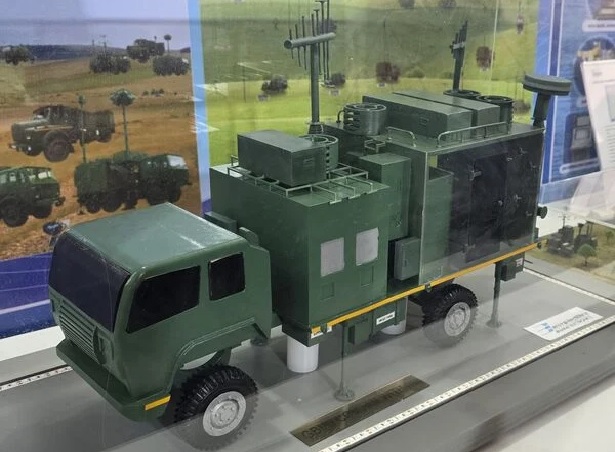
India
Bengaluru / New Delhi : India has taken a decisive step toward securing dominance in the invisible but decisive domain of modern warfare as Bharat Electronics Limited (BEL) has formally begun delivering the Ground Based Very–Ultra High Frequency (GBVU) Communication Jammer to the Indian Air Force (IAF). The induction marks a significant expansion of India’s indigenous electronic warfare (EW) architecture at a time when control of the electromagnetic spectrum is increasingly central to air and battlefield superiority. The GBVU system, developed entirely within India, is designed to disrupt, degrade and neutralize adversary communications, datalinks and unmanned systems operating across the VHF and UHF bands. Senior defence officials familiar with the programme describe the jammer as a cornerstone capability for countering network-centric operations employed by both China and Pakistan along India’s northern and western frontiers. From Noise to Network Warfare Unlike legacy jammers that relied primarily on brute-force noise transmission, the GBVU represents a shift toward precision electronic warfare. Operating across a wide frequency range from 30 MHz to 1,000 MHz, the system is engineered to conduct a full electronic attack cycle: intercepting, analysing, and selectively neutralising hostile transmissions in real time. This enables the IAF not merely to silence enemy radios, but to interfere with complex digital datalinks used for tactical coordination, drone control and sensor fusion. Military sources say the system supports both wideband disruption and targeted deceptive jamming, capable of desynchronising encrypted networks while limiting prolonged exposure of the jammer’s own position. Direction Finding and the Kinetic Link One of the GBVU’s most consequential features is its integrated direction-finding (DF) capability. By calculating the bearing and approximate location of hostile emitters, the system converts electronic surveillance into actionable battlefield intelligence. Operationally, this means an enemy command post, drone control station, or forward air controller transmitting over VHF/UHF can be electronically detected and then physically targeted. The data can be passed to artillery units, missile batteries, or loitering munitions, effectively linking electronic warfare with kinetic strike options. Defence analysts note that this fusion of jamming and geolocation is especially relevant in high-altitude and mountainous terrain, where line-of-sight communications are essential and more easily exposed once detected. Countering Modern Air and Drone Fleets The GBVU is specifically tailored to disrupt platforms increasingly fielded by India’s adversaries. Pakistani aircraft such as the F-16 and Chinese-origin fighters like the JF-17 and J-10C rely heavily on secure datalinks to share real-time targeting data and situational awareness. Both countries have also invested heavily in drone swarms and networked reconnaissance systems dependent on uninterrupted VHF/UHF connectivity. By interfering with these links, the jammer can isolate pilots, blind unmanned systems, and fracture coordinated operations. Air force officials stress that even short-duration disruption during critical mission phases can decisively tilt the operational balance. Strategic Context: The Battle for the Airwaves The induction of the GBVU jammer comes amid heightened awareness within the Indian military of the electronic dimension of future conflict. Exercises and war-gaming over recent years have underscored that air dominance is no longer defined solely by aircraft numbers or missile ranges, but by control of information flow in contested environments. Along the Line of Actual Control (LAC) with China and the Line of Control (LoC) with Pakistan, both sides have steadily expanded deployments of electronic intelligence units, airborne sensors, and networked command systems. In this setting, the ability to create localised electronic denial zones is viewed as essential for protecting Indian forces and degrading adversary operations. Indigenous Control BEL’s role as developer and manufacturer is central to the programme’s strategic value. With hardware and software under domestic control, the IAF retains sovereign authority over jamming libraries, signal databases and upgrade cycles. This autonomy enables rapid adaptation as adversaries introduce new waveforms, encryption standards, or frequency-hopping techniques—a flexibility far harder to achieve with imported systems tied to foreign OEMs. The programme aligns closely with Atmanirbhar Bharat, strengthening India’s self-reliance in critical defence technologies. Toward an Integrated Electronic Warfare Grid The GBVU is intended as one layer of a broader integrated EW ecosystem, linking ground-based jammers with airborne electronic attack pods and space-based sensors. Future upgrades are expected to network the system with digital radio frequency memory (DRFM) pods planned for frontline fighters such as the Su-30MKI. When fully integrated, these assets would allow the IAF to contest the electromagnetic spectrum from the ground up, creating a continuous electronic shield over key operational areas. As deliveries continue and deployments expand to sensitive sectors, the GBVU Communication Jammer is set to emerge as a quiet but powerful force multiplier. In an era where conflicts may be decided as much by disrupted data as by destroyed hardware, India’s investment in electronic warfare signals a clear recognition that the battle for the skies now begins in the airwaves.
Read More → Posted on 2026-01-24 17:33:07
India
NEW DELHI : The Indian Navy is poised to close one of the most critical gaps in its carrier aviation ecosystem with the planned induction of the N-LCA Mk1 trainer, a long-awaited twin-seat, carrier-capable aircraft designed specifically to prepare pilots for frontline naval fighters. According to defence sources, the Navy expects to receive formal approval from the Ministry of Defence (MoD) later this year to procure 12 to 18 N-LCA Mk1 trainer aircraft, with deliveries likely to begin from 2029 onwards. The timing of the induction is strategically significant. The N-LCA Mk1 trainers are expected to enter service around the same period as the Navy’s Rafale M fighter jets, creating, for the first time, a structured, progressive and safer training pipeline for naval aviators destined for aircraft carrier operations. A Persistent Training Gap in Naval Aviation Unlike most major carrier-operating navies, India currently lacks a dedicated two-seat jet trainer capable of both taking off from and landing on aircraft carriers. This absence has forced the Navy into a high-risk training model, where young pilots transition directly from the Hawk Advanced Jet Trainer (AJT)—a purely land-based aircraft—to single-seat frontline carrier fighters. Carrier aviation is widely regarded as the most demanding form of military flying. Pilots must master short take-offs using ski-jumps, arrested landings, deck handling on a moving warship, and operations in harsh maritime conditions, often at night and in poor weather. Learning these skills directly on operational fighters not only increases accident risk but also places additional stress on frontline squadrons. Shrinking MiG-29UB Fleet Adds Pressure For years, the Navy relied on the MiG-29UB twin-seat fighter to partially bridge this gap. Although carrier-capable, the MiG-29UB fleet has steadily declined due to crashes, ageing airframes and attrition. Only a handful of aircraft remain in service today, far too few to support a sustained training programme for pilots preparing for future carrier deployments. With the MiG-29K fleet also expected to gradually give way to newer aircraft over the next decade, the absence of a dedicated naval trainer has become increasingly operationally unsustainable. Rafale M Trainers Limited to Shore-Based Role India has already signed contracts for 26 Rafale M fighters for the Indian Navy, including four twin-seat Rafale trainer variants. However, these trainers are not designed for aircraft carrier operations and will remain restricted to shore-based training. They will operate from INS Hansa in Goa, which has been upgraded with a Shore-Based Test Facility (SBTF). The facility features a ski-jump ramp and arrester wire system, simulating aircraft carrier launch and recovery conditions. While the SBTF significantly improves training realism, naval planners acknowledge that it cannot fully replicate operations from a moving carrier at sea. Why the N-LCA Mk1 Matters The N-LCA Mk1 trainer is designed specifically to fill this long-standing gap. A navalised, twin-seat variant of the Light Combat Aircraft, it incorporates extensive carrier-specific modifications. These include a strengthened undercarriage, reinforced airframe, arrestor hook, maritime corrosion protection, and flight-control refinements optimised for low-speed carrier approaches. Once inducted, the aircraft will allow trainee pilots to gain hands-on experience in real carrier conditions before transitioning to high-value frontline fighters such as the Rafale M. This phased training approach mirrors best practices followed by leading naval aviation powers and is expected to significantly improve flight safety, pilot confidence and operational readiness. Beyond Training Convenience For the Indian Navy, the N-LCA Mk1 programme is about far more than training convenience. Carrier aviation accidents are often catastrophic, involving both aircraft losses and human casualties. A dedicated carrier-capable trainer reduces operational risk, preserves expensive frontline fighters, and ensures a steady pipeline of carrier-qualified pilots as India expands its blue-water naval capabilities. With the Navy operating INS Vikramaditya and the indigenous INS Vikrant, and with future aircraft carriers under long-term consideration, the demand for highly trained naval aviators is set to grow sharply. Looking Ahead If cleared as expected, the N-LCA Mk1 trainer programme will mark a major milestone in India’s naval aviation journey, strengthening self-reliance while addressing a decades-old operational shortfall. By the end of the decade, the Indian Navy could finally possess a complete, carrier-centric training ladder—from basic jet instruction to advanced carrier qualification—aligned with its ambition to operate as a leading blue-water naval force.
Read More → Posted on 2026-01-23 18:10:40
India
New Delhi : In a significant move aimed at reshaping how national progress and global leadership are evaluated, India on Monday ( 19 January 2026 ) launched the Responsible Nation Index (RNI), a new global ranking system that prioritises ethics, social welfare, environmental stewardship and international accountability over traditional measures such as economic size or military power. The index was unveiled at the Dr. Ambedkar International Centre in New Delhi by the World Intellectual Foundation (WIF), marking India’s entry into the global arena of international indices with a distinctly values-based framework. A Shift From Power to Responsibility Unlike conventional global rankings that focus primarily on GDP growth, military capability or geopolitical influence, the RNI assesses countries through a broader moral and humanitarian lens. It evaluates how nations translate governance, policy decisions and global engagement into outcomes that advance human well-being, sustainability and ethical responsibility. According to WIF, the index seeks to answer a fundamental question for the 21st century: What does it truly mean to be a successful nation in an interconnected and fragile world? Former President Kovind Highlights Ethical Governance Former President Ramnath Kovind, who was the chief guest at the launch, described the index as both timely and necessary. In his address, Kovind underscored that ethical governance, inclusive development and moral responsibility are no longer optional ideals but essential pillars for sustainable national and global progress. He noted that in an era marked by climate stress, inequality and geopolitical instability, nations must be judged not only by what they achieve for themselves, but also by how responsibly they act toward their citizens and the international community. Three Years of Research and Academic Collaboration The Responsible Nation Index is the outcome of three years of academic and policy research conducted by WIF, with substantial scholarly contributions from Jawaharlal Nehru University (JNU) and Indian Institute of Management Mumbai (IIM Mumbai). Researchers developed composite indicators covering ethical governance, social protection, environmental responsibility, global cooperation and long-term sustainability. WIF stated that the methodology links the real-world consequences of government actions to ethical and humanitarian values, rather than abstract power metrics. Global Rankings: Singapore Tops the Index In its inaugural edition, the RNI ranks Singapore first globally with an overall score of 0.61945, followed by Switzerland and Denmark. Several European nations dominate the top tier, reflecting strong performance in governance quality, social systems and environmental policies. India ranked 16th globally with a score of 0.551513, placing it ahead of several major powers, including France (17th), Japan (38th), the United States (66th), China (68th) and Russia (96th). The rankings underscore the index’s departure from power-centric evaluations. While the United States and China score highly on economic or military indices, their lower placement in the RNI reflects concerns related to social equity, global responsibility and ethical governance. Expert Panel Reimagines National Success The launch event also featured a high-level panel discussion titled “From Human Well-being to Global Leadership: Rethinking Responsibility, Prosperity, and Peace in the 21st Century.” The session was chaired by N.K. Singh, Chairman of the 15th Finance Commission. Panelists debated how traditional definitions of national success are increasingly inadequate in a world facing shared challenges such as climate change, pandemics and economic inequality. The discussion highlighted the need for global benchmarks that reward cooperation, restraint and long-term thinking. WIF: A New Global Conversation Begins Sudhanshu Mittal, Founder Secretary of the World Intellectual Foundation, said the RNI represents a fundamental shift in global evaluation frameworks. He described the index as an attempt to move beyond “power and performance” toward “responsibility and impact.” Mittal emphasised that the RNI links policy choices directly to ethical and humanitarian outcomes, arguing that responsible governance should be central to how nations are judged and how global leadership is defined. Toward a Responsibility-Centric World Order The programme concluded with the formal release of the Responsible Nation Index report, which WIF hopes will serve as a catalyst for international debate and policy reflection. Organisers said the index is intended not as a verdict, but as a tool for dialogue — encouraging governments, institutions and citizens to rethink priorities in an era of shared global risks. With the launch of the RNI, India has positioned itself at the forefront of a growing global conversation that challenges nations to measure success not only by what they accumulate, but by how responsibly they govern, cooperate and contribute to the common good.
Read More → Posted on 2026-01-22 14:44:34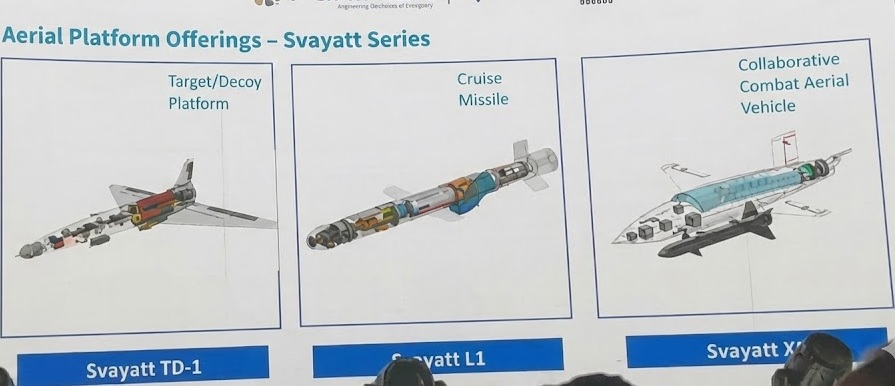
India
Hyderabad, India : In a landmark moment for India’s private defence ecosystem, Hyderabad-based deep-tech firm Paninian India Pvt Ltd has publicly unveiled a family of indigenous autonomous aerial platforms that span strike, combat support, and training roles. The reveal took place at the MeitY Startup Hub’s TIDE 2.0 Pravartan event, underscoring the growing role of startups in shaping India’s next generation of military capabilities. The newly introduced “Svayatt” series—named after the Sanskrit word for “autonomous”—positions Paninian as one of the few Indian startups claiming end-to-end capability in advanced unmanned and missile systems. Defence analysts present at the event described the showcase as a clear signal that India’s self-reliance drive is moving beyond incremental innovation into complex, mission-critical hardware. A Modular Vision for Autonomous Warfare Paninian officials said the Svayatt family has been conceived as a modular ecosystem rather than isolated platforms. Each system shares common avionics philosophies, autonomous mission software, and propulsion development pathways, allowing rapid adaptation across roles ranging from training and deception to deep-strike operations. The company emphasized that the platforms are designed from inception to operate in contested, electronic-warfare-heavy environments, reflecting lessons drawn from recent global conflicts where GPS denial and air-defence saturation have become defining features of modern warfare. Svayatt L1: Indigenous Long-Range Cruise Strike At the center of attention was the Svayatt L1, an indigenous long-range land-attack cruise missile concept. According to Paninian, the platform features a low-observable airframe and a terrain-following flight profile intended to reduce radar detection during penetration missions. The missile employs a dual-stage propulsion architecture, using a solid booster for launch followed by a turbofan engine for sustained cruise. Of particular significance is its reliance on Paninian’s proprietary autonomous mission-planning and navigation suite, designed to allow the missile to complete missions even in GPS-denied or heavily jammed environments—an increasingly critical requirement for survivability. Svayatt M1: Loyal Wingman for the Indian Air Force Equally notable was the Svayatt M1, described by the company as a Collaborative Combat Aerial Vehicle (CCAV) designed for manned-unmanned teaming. The system is envisioned to operate alongside frontline fighters such as the Tejas and the Rafale, performing high-risk missions that would otherwise expose human pilots to significant danger. Paninian stated that the M1 leverages advanced sensor fusion and onboard decision-making algorithms to autonomously identify threats, coordinate with other unmanned assets, and execute tasks such as reconnaissance, electronic warfare support, or suppression of enemy air defences (SEAD). Human pilots retain supervisory control, but the drone is designed to act independently within defined mission parameters. Svayatt TD-1: Training, Deception, and Air-Defence Saturation Completing the trio is the Svayatt TD-1, an autonomous target and decoy platform. In peacetime, it can replicate the radar and thermal signatures of hostile aircraft or missiles, enabling Indian air-defence units to train against realistic, high-fidelity threats. In wartime scenarios, the same system could be used to confuse adversary sensors, draw fire, and exhaust interceptor inventories—an approach increasingly seen as vital in modern air campaigns. Indigenous Engines and Vertical Integration A critical differentiator highlighted during the presentation was Paninian’s in-house development of the Yantur family of micro-turbojet engines, covering thrust classes from approximately 1.5 kN to 12 kN. Engine technology has long been a strategic bottleneck for India’s aerospace ambitions, and company officials argued that indigenous propulsion development is essential for true autonomy in unmanned and missile systems. By pursuing vertical integration across airframes, avionics, autonomy software, and propulsion, Paninian aims to reduce dependence on foreign suppliers and accelerate iteration cycles—an approach that aligns closely with national policy priorities. Government Backing and Strategic Context The company’s work has been supported under the TIDE 2.0 program of the Ministry of Electronics and Information Technology (MeitY), which focuses on nurturing startups working in emerging technologies such as artificial intelligence, robotics, and advanced electronics with strategic relevance. Observers noted that the unveiling comes at a time when India’s armed forces are actively exploring doctrines centered on autonomy, swarming, and manned-unmanned teaming, driven by both operational needs and the desire to reduce reliance on imports. A Shift Toward Homegrown Combat Systems While the Svayatt platforms remain at a developmental and conceptual demonstration stage, defence experts at the event said the program reflects a broader shift in India’s military-industrial landscape. Startups are no longer confined to peripheral software roles but are beginning to challenge traditional public-sector dominance in high-end defence hardware. If platforms like Svayatt L1 and Svayatt M1 mature into operational systems, they could mark a significant step toward India’s ambition of building a resilient, self-reliant defence ecosystem—one capable not only of meeting domestic needs but potentially of competing in global markets in the years ahead.
Read More → Posted on 2026-01-20 16:21:32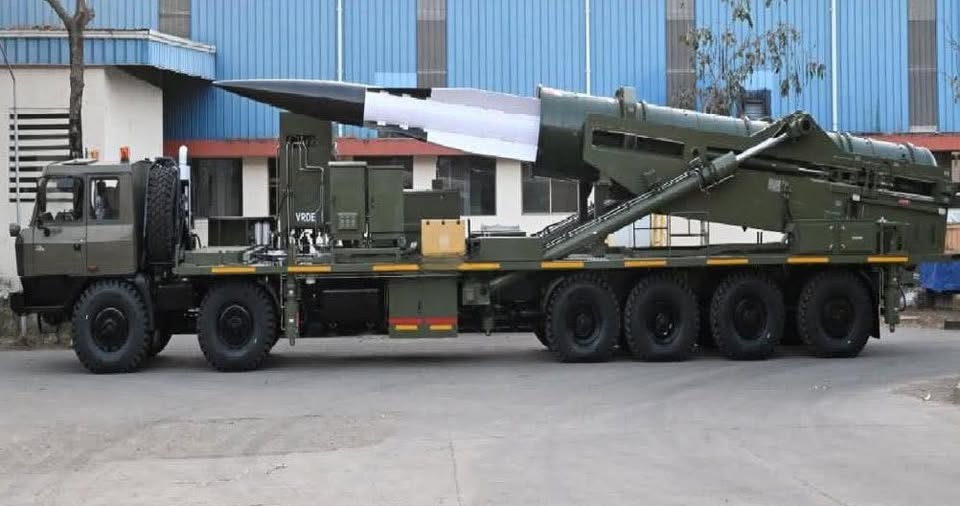
India
New Delhi : India will publicly unveil its Long-Range Anti-Ship Hypersonic Glide Missile, an advanced indigenous weapon system developed by the Defence Research and Development Organisation (DRDO), during the 77th Republic Day Parade on January 26. The appearance of the missile at the national event marks a significant milestone in India’s pursuit of next-generation strike capabilities and highlights a growing emphasis on maritime dominance in the Indian Ocean region. The missile, developed by DRDO for operational use by the Indian Navy, is designed to engage high-value enemy warships at extreme ranges while evading modern air-defence systems. Officials familiar with the programme describe it as one of India’s most strategically consequential missile developments to date. Hypersonic Capability and Naval Focus According to DRDO officials, the weapon belongs to a new class of boost-glide hypersonic missiles. After launch, the missile ascends to high altitude before releasing a hypersonic glide vehicle, which travels through the upper atmosphere at speeds exceeding Mach 5, performing complex manoeuvres during flight. This flight profile significantly reduces detection time and complicates interception by shipborne radars and missile defence systems. A. Prasad Goud, Project Director at DRDO’s Advanced Systems Laboratory, has said the missile’s primary advantage lies in its hypersonic speed combined with high aerodynamic efficiency. He noted that the system has an estimated range of about 1,500 kilometres and is capable of carrying different payload configurations, enabling it to neutralise heavily defended naval targets deployed far out at sea. Strengthening Maritime Deterrence Defence analysts say the missile is intended to substantially enhance India’s anti-access and sea-denial capabilities. With its long reach and high survivability, the system would allow India to hold hostile surface combatants, including aircraft carrier groups, at risk well beyond the range of conventional anti-ship missiles. The development comes amid increasing strategic competition in the Indo-Pacific, where advanced naval platforms and layered air-defence systems are becoming central to power projection. Hypersonic anti-ship weapons are widely viewed as a game-changer in naval warfare, capable of compressing decision-making timelines and overwhelming existing defences. Development Timeline and Testing India’s work on hypersonic technologies has accelerated over the past decade, with DRDO simultaneously pursuing both hypersonic glide missile and hypersonic cruise missile programmes. The long-range anti-ship variant has reportedly undergone multiple developmental trials, including successful flight tests conducted from India’s eastern test ranges. These tests validated key technologies such as thermal protection systems, guidance and navigation under extreme heat, and terminal manoeuvring against simulated maritime targets. Officials indicate that the programme is now moving through advanced development and user-evaluation phases, though timelines for full operational induction have not been publicly disclosed. Republic Day Debut and Strategic Messaging The missile’s display at the Republic Day Parade is expected to draw considerable attention from both domestic and international observers. Republic Day showcases traditionally feature systems that reflect a country’s current and emerging military capabilities, and the inclusion of a hypersonic anti-ship weapon underscores India’s intent to position itself among a small group of nations developing such technologies. While the parade appearance does not signal immediate deployment, defence officials view it as a statement of technological maturity and strategic intent. As India continues to invest in indigenous weapons development, the hypersonic glide missile programme is expected to play a central role in shaping the future of the country’s naval deterrence and long-range strike doctrine.
Read More → Posted on 2026-01-20 14:34:02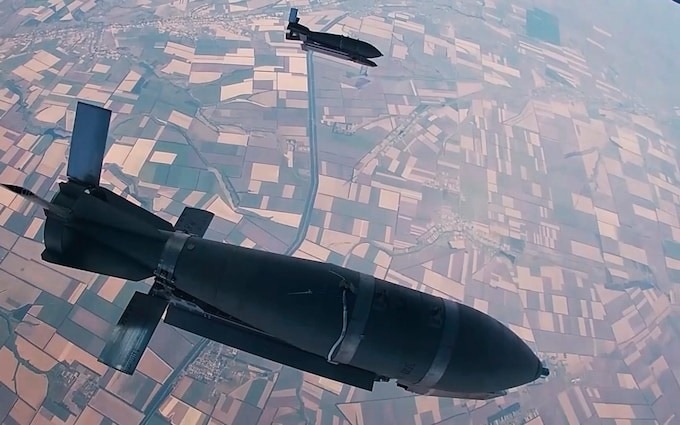
India’s Solar Group Attracts Overseas Inquiries for NATO- and Russian-Jet-Compatible 125 kg Air Bomb
India
NAGPUR / NEW DELHI : India’s private defence industry has crossed a significant technological and commercial threshold as Solar Group, through its subsidiary Economic Explosives Ltd, confirmed receiving multiple international inquiries for its newly developed Universal 125-kilogram General Purpose (GP) air bomb—one of the rare aerial munitions globally designed to operate seamlessly across both NATO-standard and Russian-origin combat aircraft. Industry officials familiar with the programme say the interest reflects a growing demand among air forces operating mixed fighter fleets for weapons that eliminate long-standing logistical and operational constraints. The bomb, developed at Solar Group’s Nagpur facilities, is emerging as a potential export breakthrough for India at a time when New Delhi is aggressively expanding its footprint in the global defence market. Breaking a Decades-old Operational Barrier For decades, air forces fielding aircraft from different geopolitical blocs have been forced to maintain parallel stocks of munitions. Western fighters typically use NATO-standard 14-inch or 30-inch suspension lugs, while Russian aircraft rely on distinct beam rack and lug configurations. This incompatibility has required separate supply chains, specialised storage, and aircraft-specific integration—an expensive and risky limitation during high-tempo operations. Solar Group’s Universal 125 kg air bomb addresses this challenge through a proprietary dual-compatibility suspension and adapter architecture. According to defence engineers involved in the project, the design allows the weapon to be mounted on both Western and Eastern pylons without permanent aircraft modification or complex field-level changes. The result is a single munition that can be deployed across an entire mixed fleet, significantly simplifying logistics while improving wartime flexibility. From Indian Air Force Requirement to Export Interest The bomb was initially conceived to meet an urgent requirement from the Indian Air Force for approximately 2,000 lightweight tactical bombs to replenish operational stocks. During trials, the weapon reportedly exceeded baseline expectations. Sources indicate that the munition has successfully completed carriage and release trials on the Su-30MKI, with certification processes underway for the Rafale operated by India. Compatibility assessments also cover the MiG-29, Mirage 2000, and the indigenous Tejas LCA. Defence analysts say the weapon’s certification across such a diverse set of platforms is what has triggered international attention. Countries in Southeast Asia, Africa, and the Middle East—many of which operate combinations of Russian Sukhois alongside American or European fighters—are reportedly evaluating the bomb as a cost-effective, politically non-aligned alternative to traditional suppliers. Strategic and Commercial Momentum The Universal bomb’s debut follows closely on the heels of a ₹1,400-crore export order secured by Solar Industries in late 2025 for specialised defence products, underscoring the group’s rapid transition from an industrial explosives supplier to a full-spectrum defence manufacturer. While state-run entities historically dominated India’s aerial munitions sector, private firms are now emerging as credible competitors with export-ready systems. Defence procurement experts note that the weapon’s appeal extends beyond engineering. By offering a munition that is not tied to a single geopolitical ecosystem, Solar Group positions itself as a supplier of choice for air forces seeking strategic autonomy. “A bomb that can fly on both Russian and Western aircraft is more than a technical solution—it’s a diplomatic enabler,” said a New Delhi-based defence acquisition consultant. “It allows India to engage markets that traditional suppliers often cannot.” Tactical Role and Design Philosophy Weighing 125 kilograms, the bomb falls into the lightweight tactical class, optimised for close air support, anti-personnel missions, and the destruction of soft-skinned vehicles and field fortifications. The high-explosive fragmentation warhead is designed to maximise lethality while remaining suitable for precision employment from modern fighter platforms. Engineers involved in the programme emphasise that the bomb’s modular architecture allows for future upgrades, including potential guidance kits, aligning it with global trends toward low-cost precision strike solutions. A Marker of India’s Defence Export Ambitions As India pushes toward a defence export target of ₹35,000 crore by 2026 under the Make in India initiative, programmes such as the Universal 125 kg air bomb are increasingly viewed as proof that indigenous private industry can deliver globally competitive, interoperable systems. With international inquiries now translating into formal evaluations, Solar Group’s latest weapon may soon become one of the most visible symbols of India’s evolving role—not just as a defence consumer, but as a versatile and innovative supplier on the world stage.
Read More → Posted on 2026-01-20 14:19:21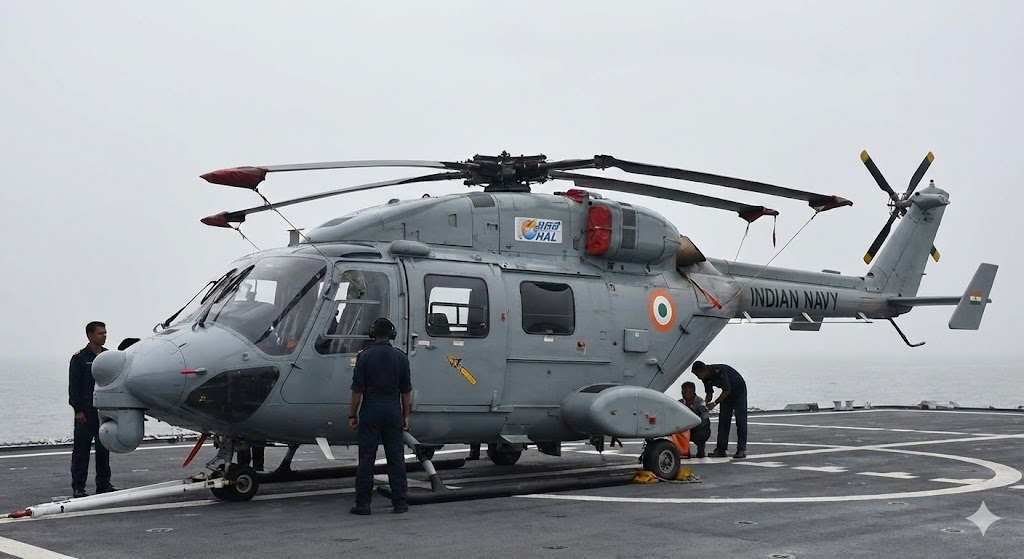
India
BENGALURU : India’s long-running effort to indigenise its maritime aviation capability has entered a decisive phase, with Hindustan Aeronautics Limited (HAL) preparing to begin flight trials of its indigenous Utility Helicopter-Marine (UH-M), a twin-engine platform designed specifically for ship-borne operations. The Indian Navy is planning to induct the helicopter in significant numbers by the end of the decade, positioning it as the principal replacement for the ageing Chetak fleet, which has remained in service for more than sixty years. Senior officials familiar with the programme say the UH-M prototype is now mechanically complete, marking the transition from design and ground integration to flight testing. The helicopter is being developed by Hindustan Aeronautics Limited to meet a long-standing naval requirement for a modern, compact, and survivable utility helicopter capable of sustained operations from frontline warships. Why the Navy Chose UH-M Over LUH Recent clarifications from Naval Headquarters have removed lingering ambiguity over the Navy’s helicopter roadmap. While the single-engine Light Utility Helicopter (LUH) is being inducted by the Army and the Air Force, the Navy has formally ruled it out for maritime roles, citing the inherent risks of single-engine flight over open seas and during deck operations. Instead, the Navy has committed to the UH-M, a navalised derivative of the ALH Dhruv. The UH-M retains the core airframe philosophy of the Dhruv but introduces extensive modifications to address corrosion, shipboard handling, safety redundancy, and space constraints on destroyers, frigates, and offshore patrol vessels. Trials Timeline and Induction Plan According to officials at HAL’s rotary-wing complex in Bengaluru, the UH-M’s maiden flight is expected within the current financial year, with early 2026 emerging as the most likely window. Following internal test flights, the programme will move into a demanding phase of User Evaluation Trials (UET), conducted jointly with the Indian Navy. These trials will include repeated deck landings in day and night conditions, compatibility checks with ship hangars, blade and tail-fold evaluations, and endurance testing in high-humidity maritime environments. If the trials proceed on schedule, limited-series production deliveries could begin around 2027, with full operational capability targeted by 2030. The Ministry of Defence has already issued a Request for Information (RFI) for 76 helicopters, comprising 51 units for the Navy and 25 for the Indian Coast Guard. The programme is estimated to be valued at over ₹5,000 crore, making it one of the most consequential indigenous rotary-wing projects currently underway. A Helicopter Built for the Sea Unlike land-based variants of the Dhruv, the UH-M has been engineered from the outset for the harsh realities of maritime operations. The helicopter falls into the ~5.7-ton class and is powered by two Shakti 1H1 turboshaft engines, co-developed with Safran, providing the redundancy essential for naval flying. Structural changes include extensive use of corrosion-resistant materials, marinised avionics, and reinforced landing gear optimised for deck manoeuvring. The adoption of wheeled landing gear, rather than skids, allows the helicopter to be moved safely within confined decks and hangars of warships. A segmented blade and tail-boom folding mechanism reduces the aircraft’s footprint to approximately 3.5 metres, enabling it to fit aboard vessels originally designed around much smaller helicopters. The UH-M is also equipped with a full glass cockpit, naval weather radar, deck-approach aids, and emergency flotation gear to enhance survivability in the event of a forced sea landing. Roles Across the Maritime Spectrum Operationally, the UH-M is intended to be a true multirole platform. Its primary missions will include Search and Rescue (SAR), Casualty Evacuation (CASEVAC), ship-to-ship logistics, and surveillance in low-intensity maritime operations. The helicopter will also be capable of underslung load carriage, supporting replenishment tasks and humanitarian assistance during disaster-relief operations along India’s vast coastline and island territories. Naval planners view the UH-M as a critical enabler for distributed maritime operations, allowing smaller surface combatants to project reach beyond the horizon without relying on imported platforms. Strategic Impact and the End of Imports The progress of the UH-M programme signals a broader strategic shift. For years, the Navy evaluated foreign utility helicopters, including European and American designs, to fill the gap left by the ageing Chetak fleet. However, policy emphasis on self-reliance under the “Make in India” framework has reshaped procurement priorities. If the UH-M meets performance and reliability benchmarks during trials, it is expected to close the door on large-scale imports in this category. By 2030, naval planners anticipate the helicopter will form the backbone of India’s ship-borne utility aviation, operating routinely from frontline warships and contributing to maritime security across the Indian Ocean Region. As flight trials approach, the UH-M now stands as one of the most closely watched defence aviation programmes in the country, carrying both operational importance for the Navy and symbolic weight for India’s ambition to build complex military platforms at home.
Read More → Posted on 2026-01-19 17:09:40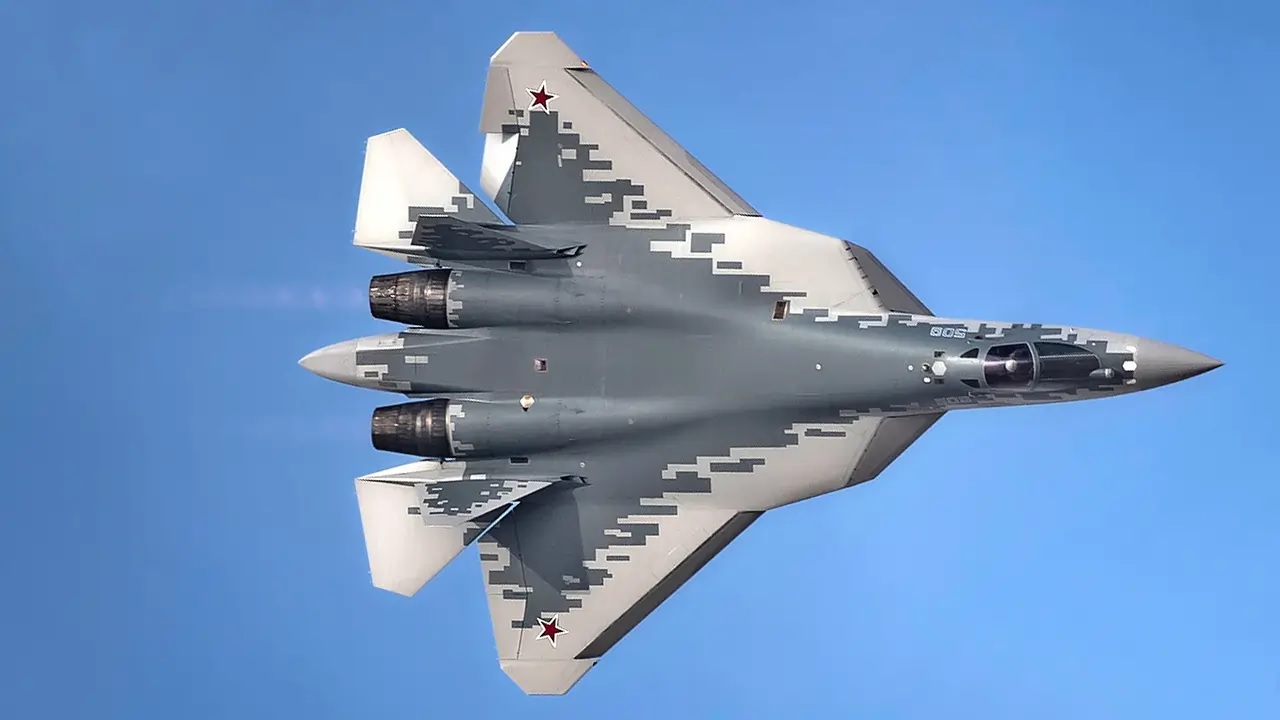
India
NEW DELHI : A Russian technical team assessing the feasibility of manufacturing the fifth-generation Su-57 stealth fighter in India is expected to submit a detailed cost report to Hindustan Aeronautics Limited (HAL) later this month, potentially reviving a long-dormant plan for Indo-Russian collaboration on advanced combat aircraft, The Indian Express has learnt. According to defence sources familiar with the discussions, the report will present a comprehensive estimate of investments HAL would need to undertake if India and Russia decide to move forward with domestic production of the Russian fifth-generation jet. The assessment covers advanced stealth technologies, skilled manpower requirements, production tooling, testing infrastructure, and the creation of an indigenous supply chain capable of supporting sustained manufacture and lifecycle maintenance. Russian Assessment Finds HAL “Half Ready” The Russian team, which includes representatives from the Sukhoi Design Bureau and other defence entities, had already shared an initial technical assessment with HAL around two months ago. That report concluded that HAL already possesses nearly 50 per cent of the infrastructure required to manufacture a fifth-generation fighter aircraft in India. This readiness stems from more than two decades of licensed production of the Su-30MKI, following an inter-governmental agreement signed in December 2000. Under that programme, HAL established a nationwide production ecosystem that remains central to the Indian Air Force’s combat fleet. HAL’s Nashik division hosts the final assembly line for the Su-30MKI, while its Koraput facility undertakes licensed manufacture and overhaul of AL-31FP turbofan engines. Avionics and mission systems support is provided by HAL’s Strategic Electronics Factory in Kasaragod, Kerala. Defence planners believe much of this industrial base could be adapted for the Su-57 with targeted upgrades. Fifth-Generation Gap Looms for IAF The renewed focus on fifth-generation options comes amid growing concern within the Indian Air Force (IAF) over a capability gap expected to last eight to ten years. India’s indigenous fifth-generation programme, the Advanced Medium Combat Aircraft (AMCA), is not expected to enter service until the next decade. At a recent defence event, Air Marshal Ashutosh Dixit, Chief of Integrated Defence Staff (CISC), acknowledged the looming gap and said multiple options were under evaluation to maintain fighter squadron strength. “We are thinking right now how that gap can be filled. There are various options. We are still working that out,” he said, adding that fifth-generation capability remains under active deliberation. Su-57E vs F-35: A Strategic Choice If India opts for a limited stopgap induction of foreign fifth-generation fighters, the choice has narrowed to two aircraft: the Russian Su-57E and the American F-35 Lightning II. Both platforms were showcased at Aero India 2025 in Bengaluru, underscoring India’s strategic importance to global defence manufacturers. However, defence analysts suggest that strategic autonomy considerations could tilt New Delhi toward the Russian option. Analysts point to longstanding Indian concerns over end-use restrictions, software locks, and limits on weapons integration associated with U.S. platforms. By contrast, Russia has indicated a willingness to provide India with broader access to source codes, mission systems, and weapons integration on the Su-57, aligning with India’s emphasis on operational sovereignty. In October last year, Russian Ambassador Denis Alipov publicly stated that Moscow was prepared to support India’s AMCA programme through local production of the Su-57 and associated technologies. While there has been no official confirmation that the proposal was discussed during Russian President Vladimir Putin’s visit to India in December 2025, the submission of the cost report suggests the idea remains under serious consideration. Industry-Led Exercise, No Final Decision Yet Officials emphasise that the current exercise is being driven by HAL to assess its own capacity and investment exposure, rather than as a signal of imminent procurement. The government has not yet taken a policy decision on acquiring any foreign fifth-generation fighter, and any such move would require high-level political approval and inter-governmental negotiations. Still, with squadron numbers under pressure and the AMCA timeline stretching into the 2030s, the Su-57 manufacturing study marks a significant step in India’s search for a credible fifth-generation bridge — one that could also deepen its long-standing aerospace partnership with Russia while strengthening domestic defence manufacturing.
Read More → Posted on 2026-01-19 13:08:39
India
NEW DELHI : In a major step toward autonomous naval warfare and indigenous defence innovation, the Indian Navy has operationalised a domestically developed software system that enables fully unmanned surface combat operations at sea. The system, known as Advanced Autonomous Navigation & Control Software (A2NCS), has been jointly developed by the Navy’s Weapons and Electrical Engineering Systems Establishment (WESEE) in collaboration with Bharat Electronics Limited, officials confirmed this week. The software marks a significant technological milestone, allowing Unmanned Surface Vessels (USVs) to navigate, manoeuvre and execute missions in complex maritime environments without human presence onboard. According to a statement shared by Bharat Electronics on the social media platform X, A2NCS has already been successfully integrated into an operational Fast Interceptor Boat of the Indian Navy, which has since been deployed for mine countermeasure operations and live combat exercises. A New Layer of Naval Autonomy At its core, A2NCS is designed to transform conventional naval craft into intelligent, self-governing platforms. The software enables three graduated modes of operation, giving commanders flexibility depending on mission requirements and threat levels. In remote-controlled mode, an operator located at a shore-based or shipborne control station can assume command of the vessel to conduct precision manoeuvres. In autonomous waypoint navigation mode, the craft independently patrols a designated maritime area, dynamically adjusting its course in response to traffic density, obstacles and sea conditions. In its most advanced configuration, the fully autonomous mode, the vessel operates entirely on its own, navigating congested sea lanes and executing assigned missions without any external input. Naval sources say this layered autonomy is critical for real-world deployments, particularly in contested waters where communications may be degraded or denied. Sensor Fusion and Artificial Intelligence at Sea A2NCS relies on a sophisticated network of onboard sensors to maintain situational awareness during unmanned missions. These include radar systems for surface detection, Automatic Identification System (AIS) receivers for tracking commercial and naval traffic, electro-optical and infrared (EO/IR) sensors for day-and-night surveillance, and integrated navigation inputs from Inertial Navigation Systems (INS) and GPS. Electronic navigation charts further enhance real-time decision-making. By fusing data from these sources, the software generates an AI-driven operational picture that allows the vessel to identify hazards, avoid collisions, comply with international maritime rules, and adapt to changing environmental conditions. Officials involved in the programme emphasised that obstacle avoidance, cyber resilience and built-in fail-safe mechanisms were treated as core design requirements, reflecting lessons drawn from global USV deployments. Certified for Safety and Reliability In a first for an indigenous Indian unmanned maritime system, A2NCS has received formal certification from the Indian Register of Shipping. The IRClass certification followed extensive sea trials of the autonomous Fast Interceptor Boat, during which the system was evaluated for quality, reliability and safety. Compliance with International Regulations for Preventing Collisions at Sea (COLREGs)—a critical benchmark for autonomous vessels operating in shared sea spaces—was a central requirement during testing, officials said. The certification significantly strengthens the Navy’s confidence in deploying the software across a wider range of platforms and missions. Strategic and Industrial Significance The operational deployment of an A2NCS-powered vessel underscores India’s accelerating push into unmanned and AI-enabled naval capabilities, an area increasingly central to modern maritime security. USVs are viewed as force multipliers, capable of performing high-risk tasks such as mine detection, harbour defence, surveillance and electronic warfare, while reducing danger to human crews. From an industrial perspective, the project aligns closely with the government’s “Atma Nirbhar Bharat” vision, aimed at reducing dependence on foreign defence technologies. Bharat Electronics, a key public sector defence electronics manufacturer, has described the programme as a model for deep collaboration between the armed forces and domestic industry. With the Fast Interceptor Boat already proving the concept during operational deployments, defence planners expect A2NCS to be adapted for additional vessel classes in the future—potentially positioning India among a small group of nations with certified, indigenously developed autonomous naval navigation software.
Read More → Posted on 2026-01-18 17:08:56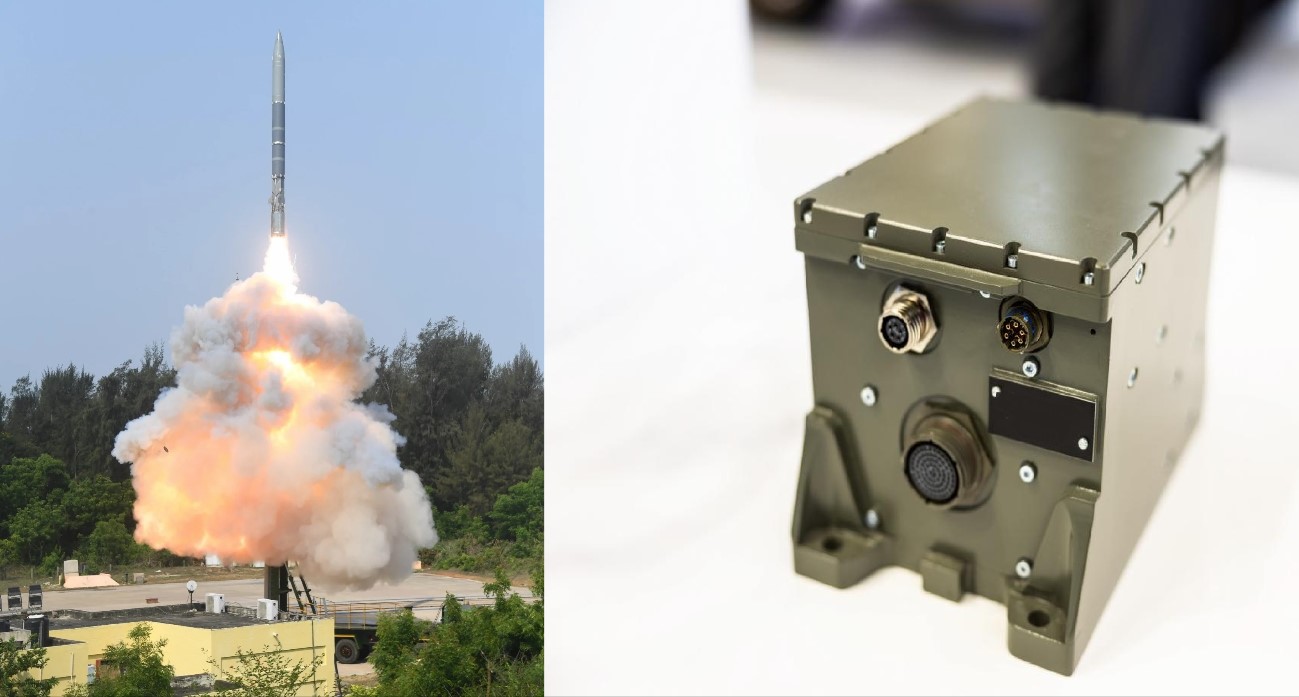
India
NEW DELHI : India’s missile programmes are set to receive a major survivability upgrade as the Defence Research and Development Organisation (DRDO) moves to integrate a new generation of miniaturised Inertial Navigation System (INS) modules into missiles that are under development as well as those already in production. The initiative is aimed at ensuring that Indian missiles remain accurate and fully operational in environments dominated by electronic warfare, where satellite navigation signals are increasingly at risk of jamming, spoofing or complete denial. Officials familiar with the development say the decision reflects a growing recognition that future conflicts will be fought in highly contested electromagnetic conditions. By reinforcing missile guidance with a robust, self-contained navigation backbone, DRDO is seeking to preserve mission effectiveness even when external navigation aids are degraded or unavailable. A Shift Away From Satellite Dependence Modern precision-guided weapons often rely on satellite navigation for mid-course updates and terminal accuracy. However, recent conflicts have demonstrated how vulnerable these signals can be to hostile electronic attack. Adversaries equipped with advanced jamming and spoofing capabilities can distort navigation data, forcing missiles off course or significantly reducing their accuracy. The miniaturised INS module being rolled out by DRDO is designed to mitigate this vulnerability. Unlike satellite-based systems, an inertial navigation system operates independently, using only onboard sensors to determine a missile’s position and orientation throughout its flight. This makes it inherently resistant to external interference, as it neither receives nor transmits navigation signals once the missile is launched. How the Technology Works At its core, the INS relies on a tightly integrated set of accelerometers and gyroscopes. Accelerometers measure changes in linear motion along multiple axes, while gyroscopes track rotational movement and orientation. Starting from a precisely known launch position, onboard processors continuously integrate this data to calculate the missile’s velocity, direction and location in real time. Advances in micro-electromechanical systems (MEMS), sensor fabrication and digital signal processing have allowed DRDO scientists to dramatically reduce the size of these components without sacrificing precision. Improved calibration techniques and error-compensation algorithms have also reduced long-standing issues such as navigation drift, enabling high levels of accuracy over the missile’s entire flight duration. Broad Integration Across Missile Programmes One of the most significant aspects of the initiative is its scope. The integration of the new INS modules is not limited to next-generation missile designs. Instead, DRDO is applying the upgrade across a wide spectrum of programmes, including missiles already entering serial production. This approach allows existing systems to receive incremental improvements rather than waiting for entirely new variants, ensuring that frontline inventories benefit quickly from enhanced resistance to electronic countermeasures. The compact form factor of the new INS module makes it compatible with multiple missile classes, from short-range tactical weapons to long-range precision strike systems, without affecting payload capacity or aerodynamic performance. Lessons From Modern Warfare The renewed emphasis on inertial navigation is closely tied to lessons drawn from modern warfare, where electronic warfare has emerged as a decisive factor. In several theatres, precision-guided munitions have reportedly lost effectiveness after satellite navigation signals were disrupted. These experiences have reinforced the need for guidance systems that can operate reliably in denied environments. By prioritising an INS-centric architecture, Indian missile designers aim to ensure that guidance remains stable and predictable even against technologically sophisticated adversaries. In practice, the INS can also be integrated with complementary navigation aids, such as terrain-referenced navigation or intermittent satellite updates when available, creating a layered guidance approach with the inertial system as the trusted core. Boost to Indigenous Defence Capability The programme also aligns with India’s broader push for self-reliance in critical defence technologies. Developing and deploying indigenous INS modules reduces dependence on foreign navigation solutions, many of which are subject to export controls or security constraints. Domestic control over hardware, software and encryption allows for tighter security oversight and faster upgrade cycles tailored to operational needs. Officials indicate that further refinements are already under way, including enhanced resistance to extreme vibration and acceleration, as well as more powerful onboard processing to support complex flight profiles. Over time, the miniaturised INS is expected to become a standard feature across India’s missile arsenal. As electronic warfare becomes an increasingly central element of modern combat, DRDO’s move to harden missile navigation underscores a strategic shift toward resilience and autonomy. By ensuring that missiles can navigate accurately even in the absence of satellite signals, India is reinforcing the credibility and reliability of its precision strike capabilities in future conflicts.
Read More → Posted on 2026-01-17 18:08:31
India
New Delhi : The Indian Army has inducted dozens of Berkut-BM jet-powered kamikaze drones from Belarus, marking a significant expansion of its long-range precision strike capability and underlining India’s growing focus on unmanned warfare systems. The Berkut-BM differs from most existing loitering munitions due to its jet propulsion, enabling much higher speeds than propeller-driven drones. According to available technical data, the drone has an operational range of up to 150 kilometres and can reach speeds of around 410 kilometres per hour, allowing it to strike time-sensitive and well-defended targets with minimal warning. Designed as a one-way attack unmanned aerial vehicle, the Berkut-BM kamikaze drone is powered by a compact turbojet engine, prioritising speed over endurance. Its flight endurance is understood to be limited to several tens of minutes, consistent with other jet-powered loitering munitions. The system reportedly uses inertial and satellite navigation during the cruise phase, with electro-optical or infrared sensors guiding the drone during the terminal attack phase. An integrated explosive warhead enables precision strikes against armoured vehicles, air-defence systems, command posts and critical infrastructure. Jet-powered Berkut drones have previously been observed during the Russia–Ukraine war. Open-source intelligence imagery and battlefield recoveries indicated their use in strike roles, demonstrating how high-speed kamikaze drones can compress enemy reaction times and complicate air-defence interception. At the same time, the conflict exposed their vulnerabilities, particularly to electronic warfare, short-range air-defence systems and layered counter-drone measures. For the Indian Army, the Berkut-BM provides an additional option for deep precision strikes, counter-battery missions and suppression of enemy air defences without risking manned aircraft. While official details on quantities, deployment units and timelines remain undisclosed, the acquisition reflects a broader trend toward integrating fast, expendable unmanned strike systems alongside artillery, missiles and conventional UAVs in future high-intensity conflict scenarios.
Read More → Posted on 2026-01-16 17:41:37Search
Top Trending in 24 Hours
-
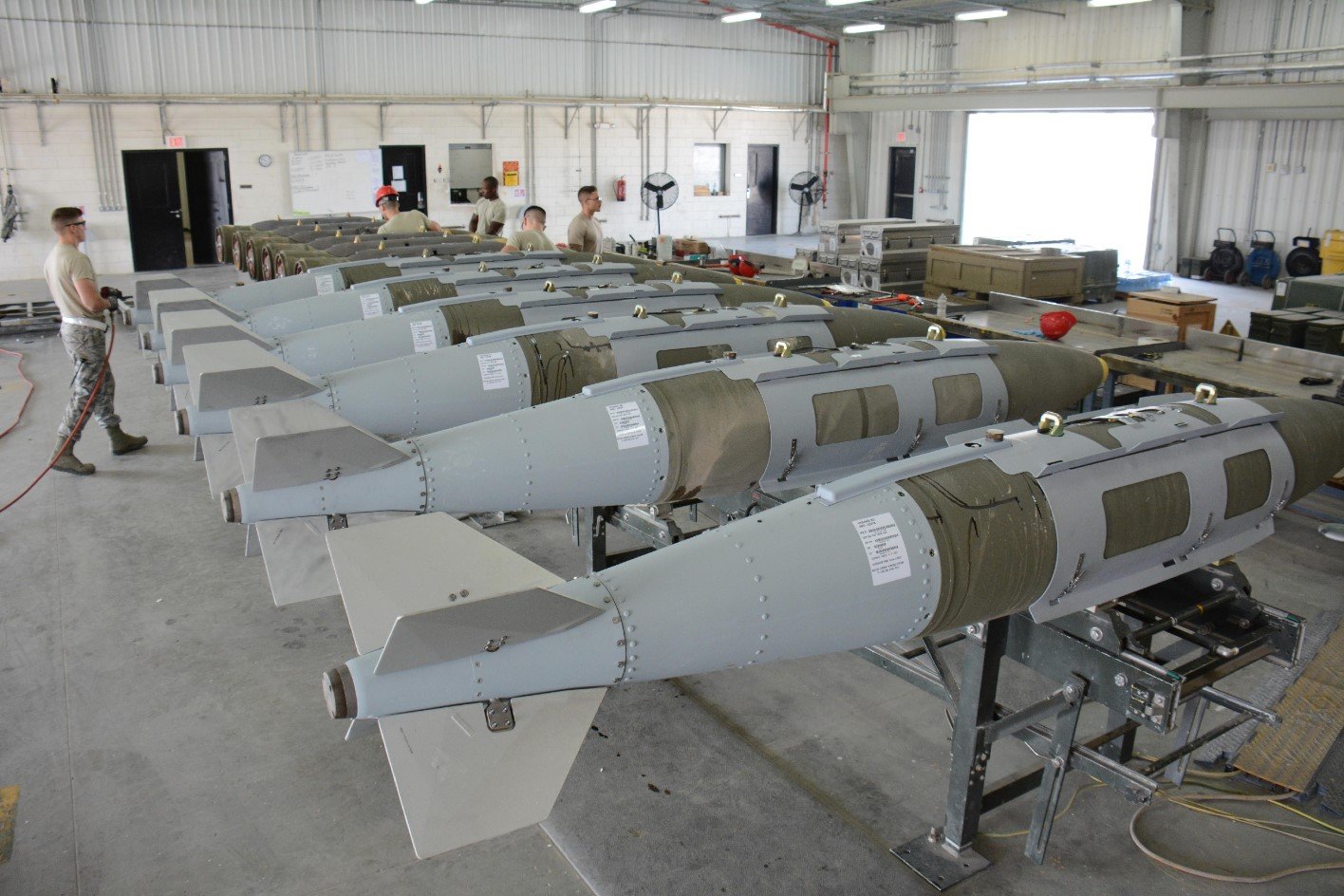 U.S. Plans $2.8 Billion Sale of 40,000 Heavy Bombs and 20,000 I-2000 Penetrator Warheads to Israel
-
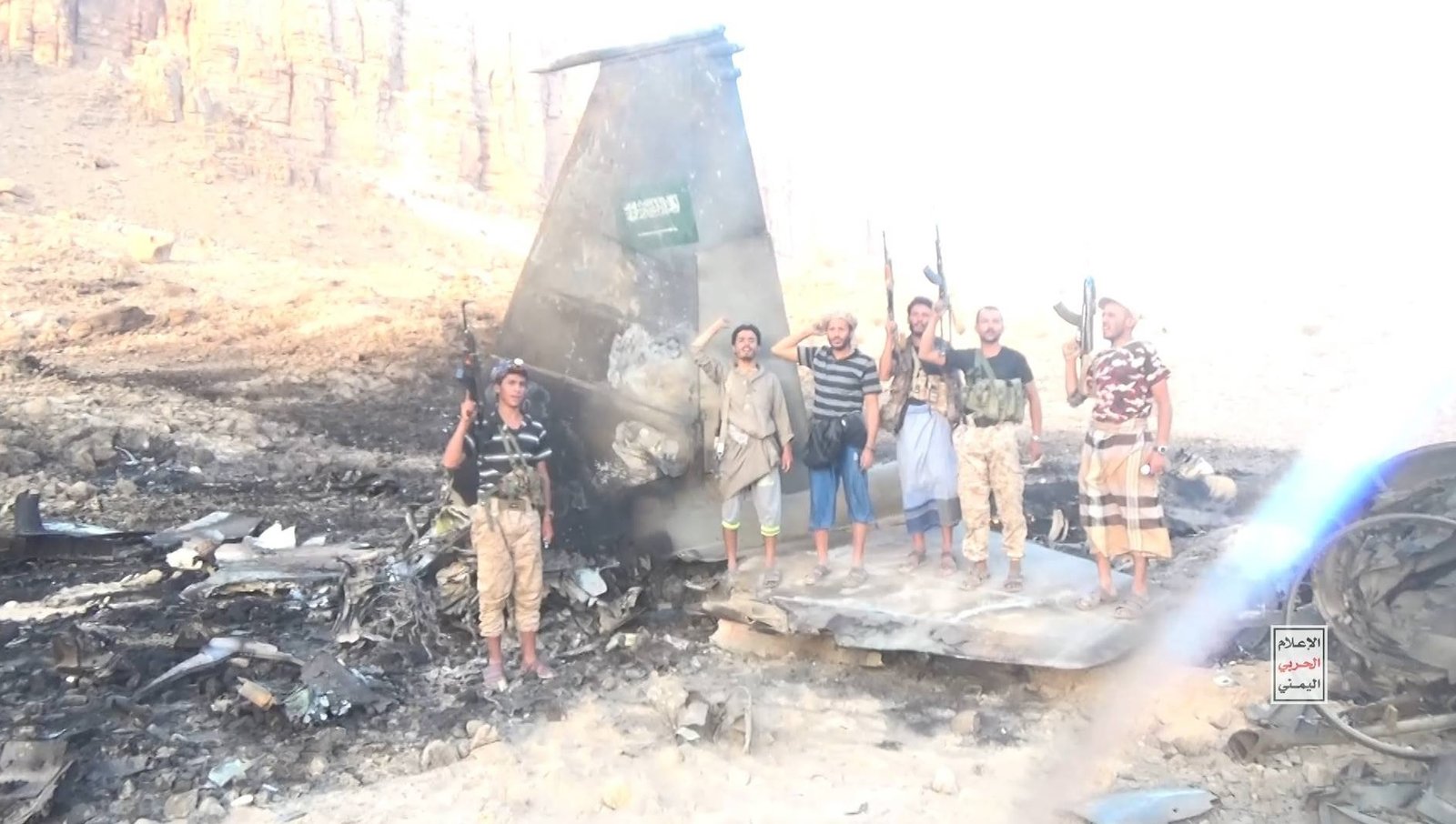 Houthis Claim Downing of Saudi F-15 and Wing Loong II Drone Over Marib
-
 Photos Reveal Damaged E-3 Sentry, Buildings and Vehicles at U.S. Bases in Saudi Arabia and Kuwait After Iranian Strikes
-
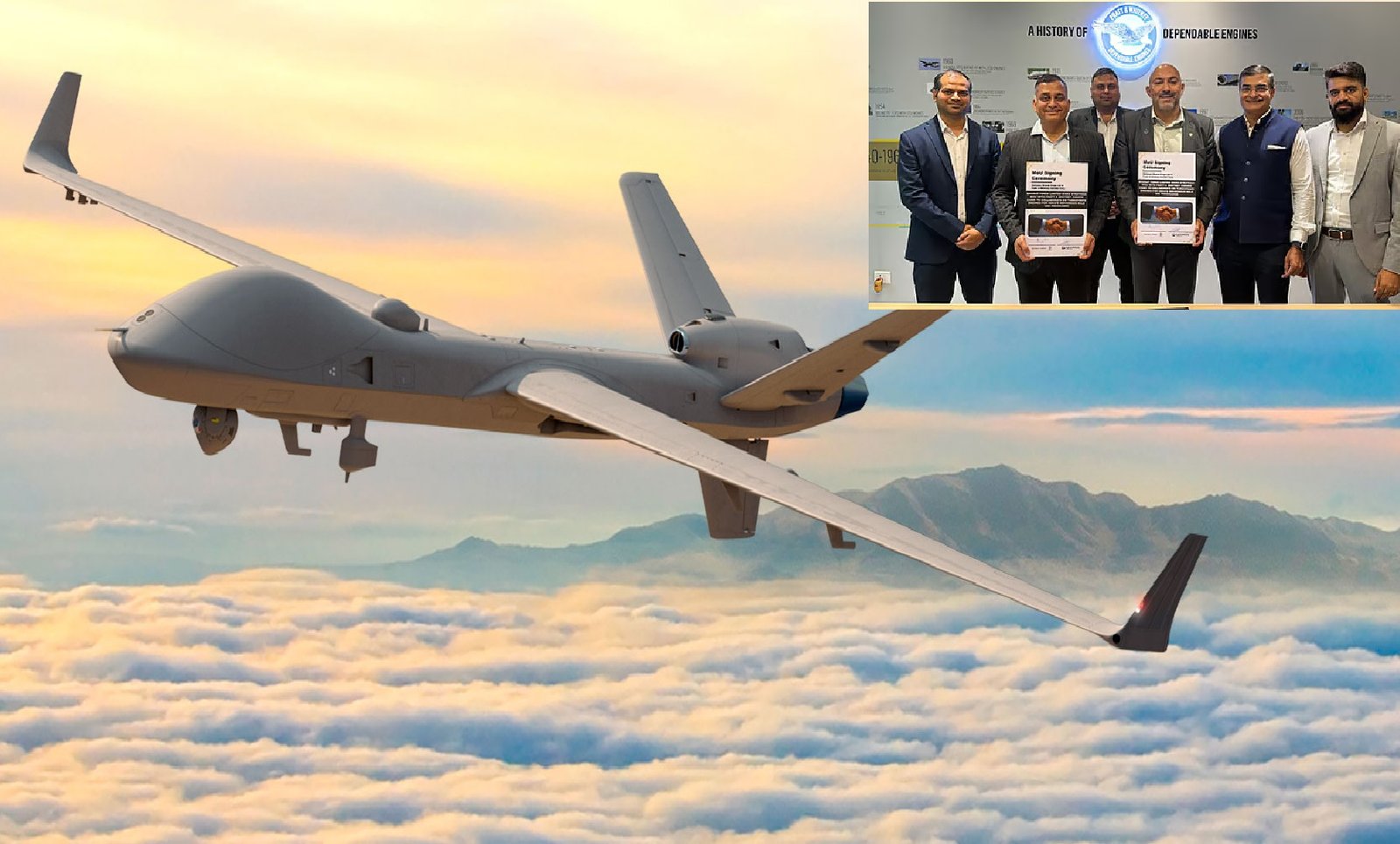 Bharat Forge, Pratt & Whitney Canada to Evaluate Turboprop Engines for DRDO’s Indigenous HALE UAV
-
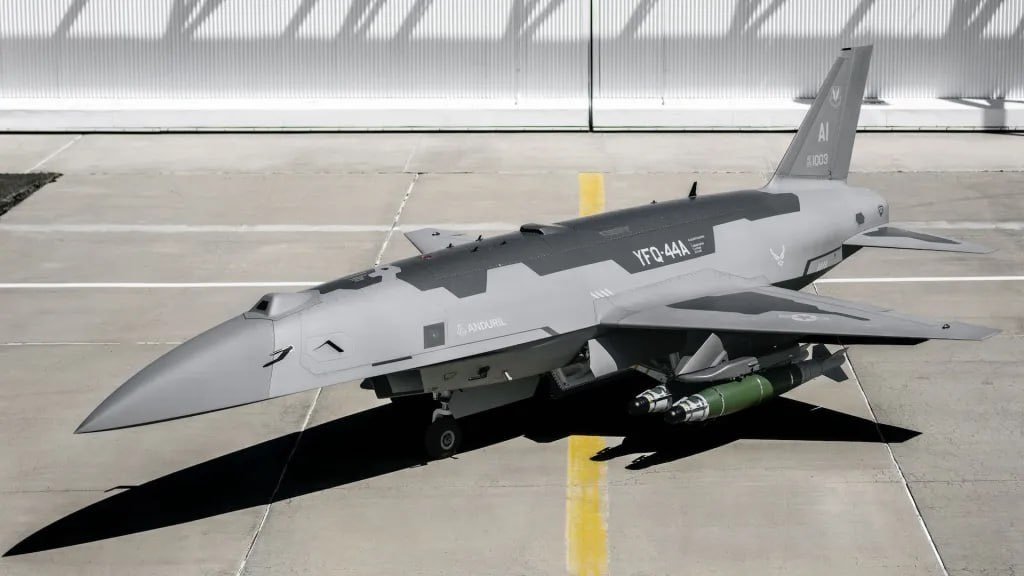 Anduril Conducts Ground Fit-Checks of Air-to-Ground Weapons on YFQ-44A Fury
-
 BAE Systems Unveils Shadow EW Suite for Small Drones and Autonomous Aircraft
-
 U.S. Military Deploys DroneShield Counter-Drone Systems on Infantry Squad Vehicles
-
 V2X Awarded Position on $46 Million U.S. Air Force Contract Supporting B-52 Long Range Standoff Cruise Missile Program
Top Trending in 4 Days
-
 Satellite Imagery Shows Extensive Damage to Saudi Arabia’s East-West Oil Pipeline, Indicating More Than a Single Strike
-
 Pentagon Awards BlueHalo Up to $99.8 Million Contract for Orbital Battlespace R&D Program
-
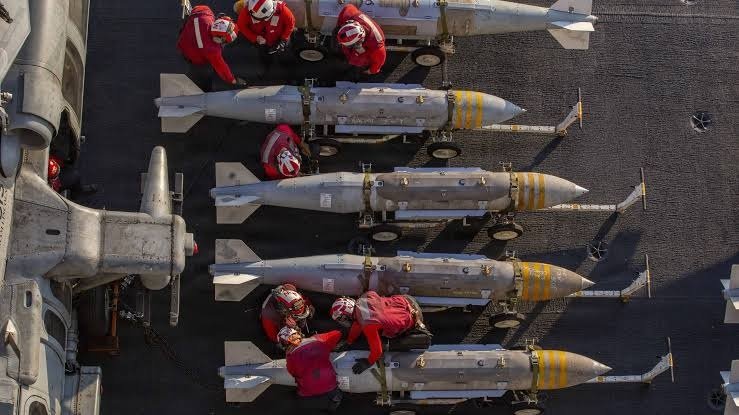 Pentagon Inspector General Report Finds Iran War Caused U.S. Ammunition Shortfalls and Industrial Bottlenecks
-
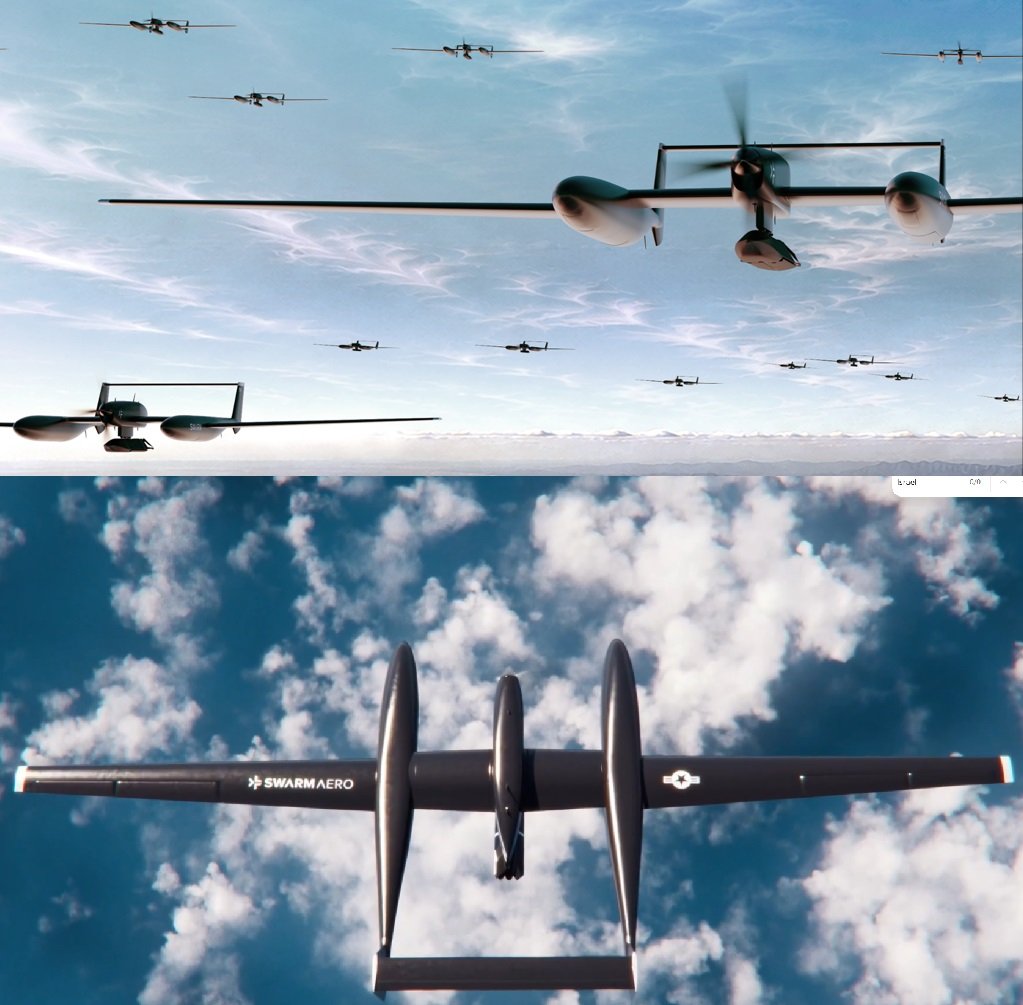 U.S. Firm Swarm Aero Unveils Gamera Group 5 UAS With 9,000-Nautical-Mile Range and Heavy Strike Payload
-
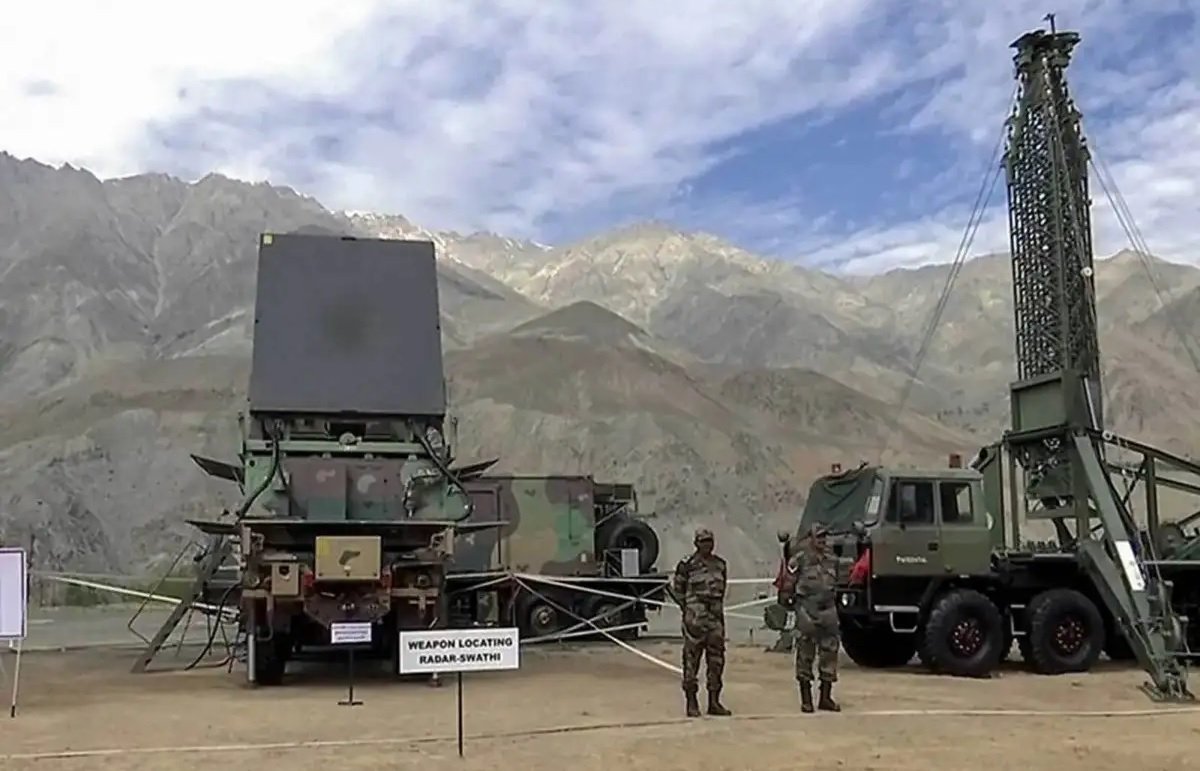 DRDO Demonstrates Indigenous 3.5×3 mm GaN Chip Delivering 30 Watts for Next-Generation Radars and Electronic Warfare
-
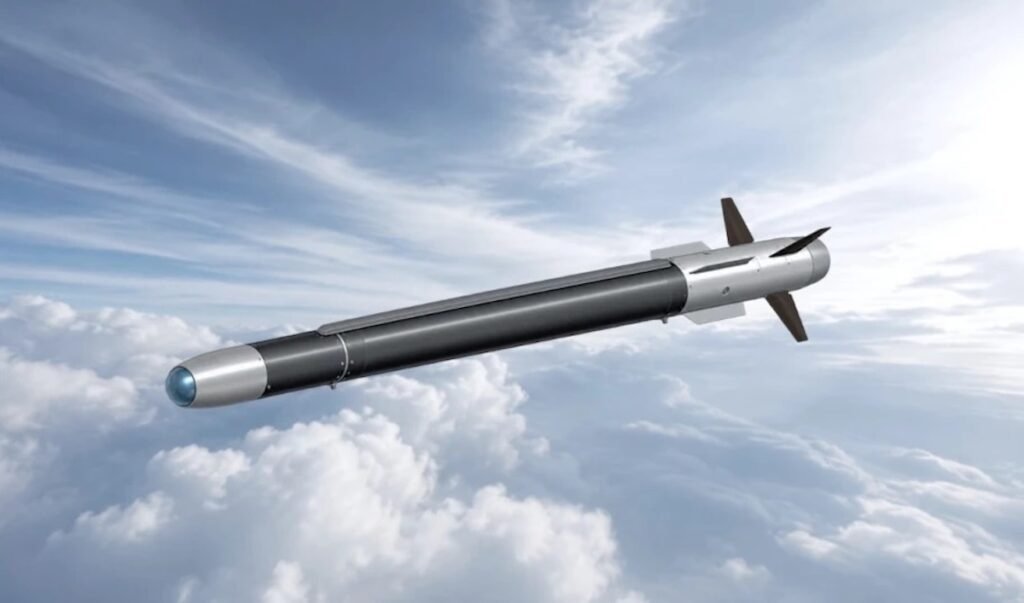 MBDA and Poland’s WITU Advance Low-Cost Supersonic Interceptor Against Swarm Attacks, Seeker Trials Successfully Completed
-
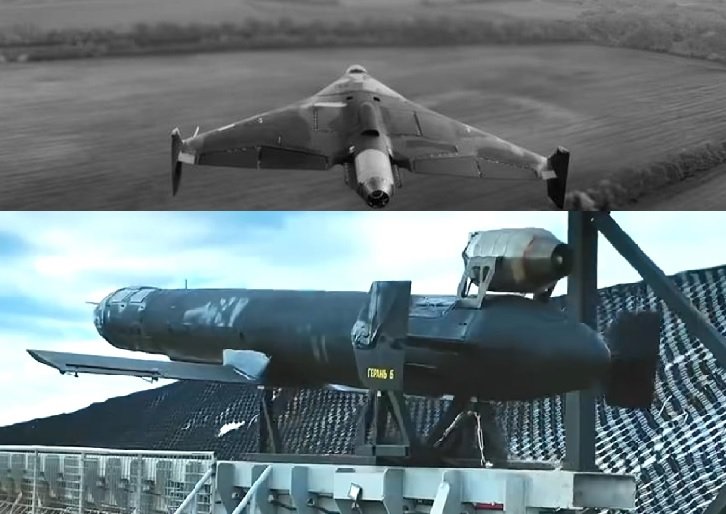 Iran Requests Advanced Geran-4 and Geran-5 Drones From Russia, FT Reports
-
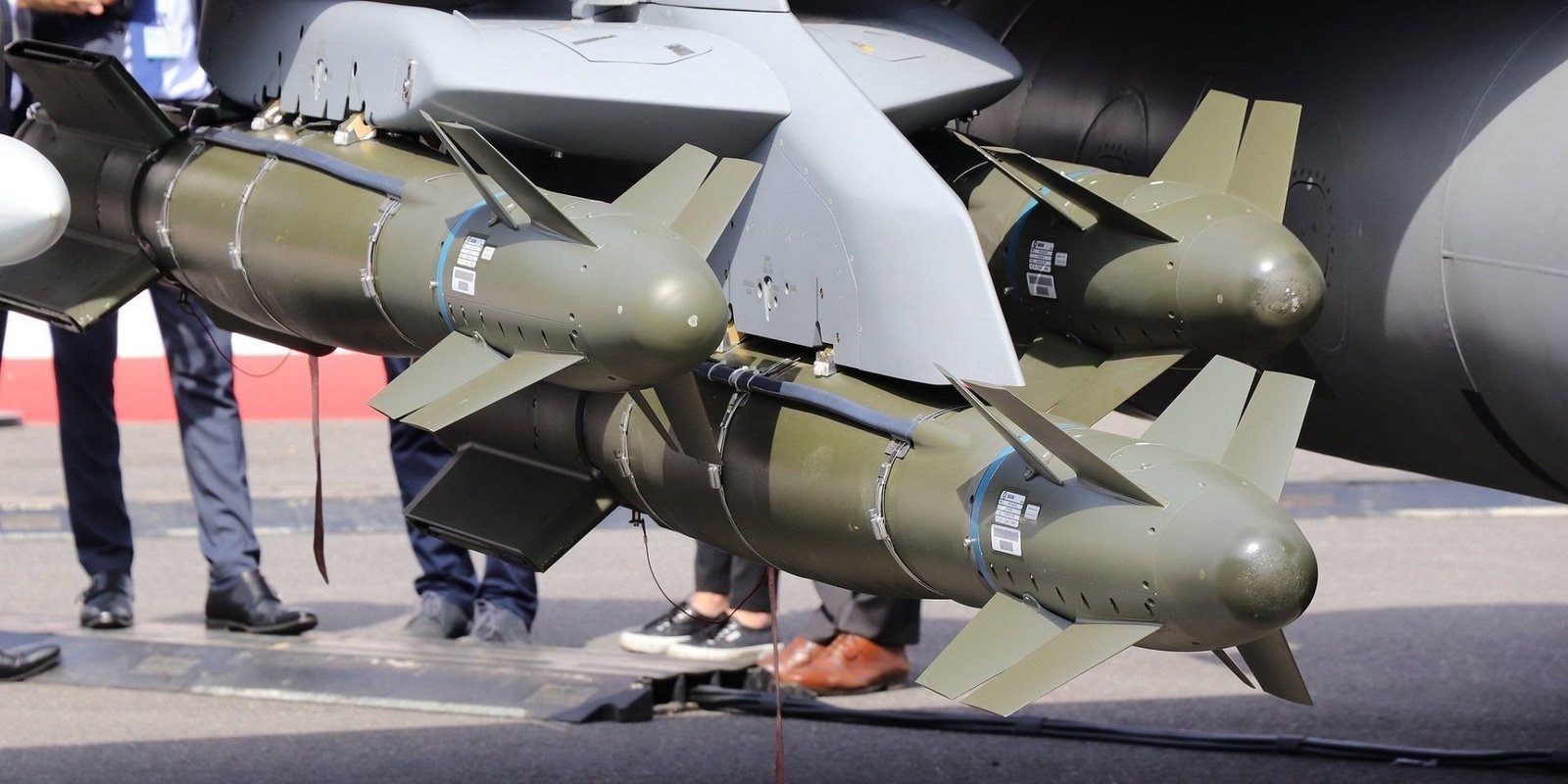 Swedish Gripens Bound for Ukraine to Be Armed with French Rocket-Assisted Hammer Precision Bombs