India
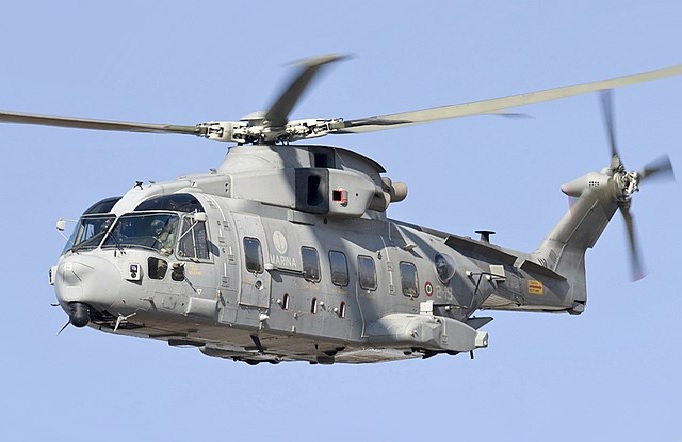
In a significant development, the Indian Ministry of Defence (MoD) has suspended all business dealings with Defsys Solutions Private Limited, a defense manufacturer based in Gurgaon. Effective from June 9, 2024, this suspension will last for six months or until further orders. This decision follows new revelations about the company’s alleged involvement in the notorious AgustaWestland VVIP helicopter corruption case, which is currently being investigated by the Central Bureau of Investigation (CBI).Defsys Solutions, known for producing fighter aircraft pylons, external fuel tanks, and defense electronics, has faced scrutiny before. The company was previously banned in 2022 over similar allegations but had managed to seek relief through the courts. However, the MoD's recent suspension is rooted in its guidelines established in November 2016, which permit the suspension of business dealings with entities under investigation by the CBI or other agencies.The latest decision by the MoD is bolstered by a recent judgment from the Delhi High Court in May 2024. This ruling empowers the ministry to suspend companies potentially implicated in the AgustaWestland case based on ongoing investigations. Consequently, Defsys Solutions is now barred from any business engagements with the MoD and its branches for the specified period.The AgustaWestland scandal, a high-profile corruption case involving the procurement of VVIP helicopters, has been under the lens for several years. The MoD's move to suspend Defsys Solutions indicates that the investigation is far from over and that new information has surfaced, shedding light on the involvement of various entities.This suspension prompts several questions about the nature of the new information received by the MoD and the broader implications for Defsys Solutions. Given the company's past efforts to challenge similar bans in court, it is likely that Defsys may once again seek legal recourse. Nevertheless, the MoD's adherence to its own guidelines and the recent Delhi High Court ruling suggests that the ministry has a robust legal foundation for its action.The suspension of Defsys Solutions is a crucial reminder of the ongoing efforts to address corruption within the defense sector and the importance of transparent and accountable procurement processes. As the investigation into the AgustaWestland case continues, it remains to be seen what further developments will unfold and how they will impact the involved parties.
Read More → Posted on 2024-07-12 15:10:59
India
In recent years, the use of American-made M4 carbine assault rifles by terrorists in Jammu and Kashmir (J&K) has become an alarming trend. These weapons, believed to have been left behind by the US Army during its withdrawal from Afghanistan in 2021, are now finding their way into the hands of militants through Pakistani handlers. Experts are raising concerns about the increasing frequency of these sophisticated firearms in terror activities across the region.The M4 carbine is a lightweight, gas-operated, air-cooled, magazine-fed, shoulder-fired weapon with a collapsible stock. Introduced in 1994, it has been widely used by NATO forces and other militaries around the world. The M4 has seen extensive use in various conflicts, including the Syrian Civil War, Iraqi Civil War, Yemeni Civil War, Colombian Conflict, Kosovo War, and the Iraq and Afghanistan wars post-9/11. With a cyclic rate of fire of 700-970 rounds per minute and an effective range of 500-600 meters, the M4 carbine is a formidable weapon.The first instance of the M4 carbine being recovered in J&K was in November 2017, when Talha Rasheed Masood, a nephew of Jaish-e-Muhammad chief Masood Azhar, was killed in a gunfight in Pulwama district. Since then, the weapon has been recovered multiple times from various encounters, including in 2018 from another nephew of Azhar, Usman Ibrahim, and more recently in July 2022 from Jaish-e-Muhammad commander Kaiser Koka in Awantipora.The trend of M4 carbines appearing in J&K has raised concerns among security experts. Defence expert Lt Gen Sanjay Kulkarni highlights that the US Army's leftover weapons in Afghanistan have likely been seized by terrorists with the help of Pakistan’s Inter-Services Intelligence (ISI). These sophisticated weapons, including the M4, are now being used to train and arm militants in J&K, posing a significant threat to security forces and civilians alike.Former Director General of Jammu and Kashmir Police, Shesh Paul Vaid, noted that the use of M4 rifles by terrorists was not prevalent during his tenure from December 2016 to September 2018. He attributes the rise in their usage to the US withdrawal from Afghanistan, which left behind a substantial cache of arms and ammunition.Recent attacks in the Jammu region, including the Kathua attack on July 8, 2023, where five soldiers were ambushed and killed, and the Reasi attack on June 9, 2023, which left nine people dead and 41 injured, have seen the reported use of M4 carbines. In June 2023, an M4 rifle and a large cache of arms were recovered from a terrorist killed in Doda district. Additionally, the People’s Anti-Fascist Front (PAFF), which claimed responsibility for the Poonch terror attack in December 2023, showcased M4 carbines on social media.Experts like Vaid acknowledge the increased danger posed by these sophisticated weapons. The steel bullets of the M4 have higher penetration capabilities, making even bulletproof vehicles vulnerable. Despite this, Vaid expresses confidence that the security forces and J&K Police, who have faced numerous challenges over the years, will adapt and implement effective measures to counter this new threat.The use of M4 carbine assault rifles in terror attacks in Jammu and Kashmir underscores the evolving nature of the threat faced by the region. As militants gain access to more sophisticated weaponry, the need for enhanced security measures and vigilant intelligence operations becomes increasingly critical to ensure the safety and security of both civilians and military personnel.
Read More → Posted on 2024-07-12 15:00:01
India
India's ambitious Project-75I, aimed at bolstering its naval capabilities with six state-of-the-art conventional submarines, has entered a critical phase. This multi-billion dollar initiative has seen heightened competition between Germany’s Thyssenkrupp Marine Systems (TKMS) and Spain’s Navantia, both of which have recently completed successful trials of their Air Independent Propulsion (AIP) systems.Initially, TKMS was hesitant to participate in the bidding process due to stringent terms and conditions. However, with the backing of the German government, they decided to join the fray. Khalil Rahman, the head of TKMS India, highlighted that their decision was bolstered by a shift in German foreign policy following the invasion of Ukraine, emphasizing the importance of a strategic partnership with India.During the recent Field Evaluation Trials (FET), TKMS showcased the AIP capabilities of their Type 212 submarine. The demonstration, conducted under the scrutiny of the Indian Navy, highlighted the technological prowess of TKMS, especially with their proven AIP system. Rahman confidently noted that their Type 214 submarine, tailored specifically to Indian requirements, would offer unparalleled stealth and performance. The design for the P-75I will be handed over to the Indian Navy, ensuring a seamless integration into India’s defense infrastructure.On the other side, Navantia presented its AIP capabilities through the new S80 class submarine, which recently joined the Spanish Navy. Navantia has partnered with Larsen & Toubro (L&T) for this project, ensuring a robust industrial collaboration. The S80 class submarine, noted for its advanced technology and design, was rigorously evaluated by the Indian Navy team in June.The AIP system, a focal point in these trials, significantly enhances a submarine's operational endurance and stealth by allowing it to remain submerged for extended periods without surfacing. TKMS’s AIP system is particularly noteworthy as it combines both fuel cell and Lithium Ion technologies, providing a versatile range of performance benefits. Fuel cells offer long-range endurance at low speeds, while Lithium Ion batteries enable high-speed operations.The Project-75I initiative, valued at over ₹43,000 crore, stipulates that the first submarine must have 45% indigenous content, increasing to 60% by the sixth submarine. The contract also mandates that the first submarine be delivered within 84 months of signing. The FETs were a crucial step in this process, focusing solely on demonstrating the AIP capabilities of the submarines.As both contenders await the final decision, the project has garnered significant attention at the highest levels of government. German Chancellor Olaf Scholz is set to visit India for inter-governmental consultations in October, while Prime Minister Narendra Modi is expected to visit Spain in the coming months. These high-level discussions are likely to include deliberations on the submarine deal, underscoring its strategic importance.Since World War II, TKMS has built 175 submarines, with 52 AIP-equipped models currently in operation or under contract worldwide. This extensive experience, combined with their proven technology, positions TKMS as a formidable contender in this competition.The outcome of Project-75I will not only enhance India’s maritime security but also strengthen its strategic partnerships with leading global defense manufacturers. As the Indian Navy moves closer to finalizing this deal, the collaboration with either Germany or Spain will mark a significant milestone in India’s naval modernization efforts.
Read More → Posted on 2024-07-11 17:03:01
India
In the mountainous terrains and high-altitude regions where conventional tanks struggle, the Defence Research and Development Organization (DRDO) of India has introduced a game-changing innovation: rubber tracks for the Zorawar Light Tank. This development is set to transform how the Indian Army operates in some of the world's most challenging environments.The Zorawar Light Tank, a 25-ton marvel developed in collaboration with Larsen and Toubro (L&T), is engineered specifically for high-altitude warfare. Traditional main battle tanks (MBTs) like the Arjun MK-1A use steel tracks with detachable rubber pads, which, while effective in many terrains, are not ideal for the rugged and grainy surfaces found at high altitudes. DRDO's rubber track system offers a significant advantage by providing enhanced manoeuvrability and traction in these difficult conditions.Named after the renowned 19th-century Dogra General Zorawar Singh, the Zorawar Light Tank is designed to excel in steep mountains and water crossings, such as rivers. This is a crucial feature for operations in regions like Ladakh, where the Indian Army faces persistent security challenges. The rubber tracks allow the Zorawar to navigate the treacherous landscapes with greater ease than its heavier counterparts, which often struggle in such environments.The innovative rubber track system not only improves the tank's performance but also its operational readiness. Traditional steel tracks can suffer from increased wear and tear in high-altitude regions, leading to frequent maintenance and potential operational delays. Rubber tracks, on the other hand, are more durable and require less maintenance, ensuring that the Zorawar Light Tanks are always ready for deployment.This innovation is part of a broader effort by the Indian Army to enhance its rapid deployment capabilities in remote and inaccessible areas. With the induction of the Zorawar Light Tanks planned by 2027, the Indian Army is poised to significantly bolster its mountain warfare capabilities, providing a strategic edge in high-altitude combat scenarios.The introduction of rubber tracks in the Zorawar Light Tanks is a testament to DRDO's commitment to pushing the boundaries of military technology. By addressing the unique challenges posed by high-altitude warfare, this development not only enhances the Indian Army's operational capabilities but also sets a new standard for military engineering in challenging environments.In conclusion, the Zorawar Light Tank, with its innovative rubber track system, represents a significant leap forward in military technology. It stands as a symbol of the Indian Army's readiness to meet the challenges of modern warfare, particularly in the high-altitude regions where conventional solutions fall short. As the Indian Army prepares to induct these tanks, it is clear that the future of high-altitude warfare will be shaped by such groundbreaking innovations.
Read More → Posted on 2024-07-11 16:49:49
India
As India gears up for the Union Budget 2024, all eyes are on Finance Minister Nirmala Sitharaman as she prepares to announce the defence allocation on July 23. Defence spending has been a crucial element in India's strategy to bolster its military capabilities, especially in the face of rising tensions with China. The upcoming budget is expected to see a higher allocation for the defence sector, continuing the trend of previous years. However, despite these increases, India’s defence spending still pales in comparison to China's, a gap that many experts believe needs to be urgently addressed.In the early decades post-Independence, India's primary military focus was on its neighbor, Pakistan. However, as India has grown in stature and power, China has emerged as the more formidable adversary. The skirmishes and ongoing tensions at the Line of Actual Control (LAC) and Line of Control (LOC) with China have necessitated a shift in India's defence strategy. The South China Sea's strategic importance and China's assertiveness in the region further underscore the need for India to ramp up its military preparedness.Dr. Amit Singh, Associate Professor at the Special Centre for National Security Studies, JNU, emphasizes that India's defence budget must adapt to the rapidly changing geopolitical landscape. "China’s manoeuvring at the LAC and LOC poses significant challenges for India’s defence sector. To defend its territorial integrity, India needs a substantial increase in its defence budget," he states.China, on the other hand, continues to prioritize its military expenditure. In March 2024, China announced a 7.2% increase in its defence budget, bringing it to Chinese Yuan (CNY) 1.66554 trillion, equivalent to USD 231.4 billion. This steady growth in military spending reflects Chairman Xi Jinping's commitment to strengthening the People's Liberation Army (PLA). Despite the economic slowdown, China has doubled its defence expenditure since 2015, a stark contrast to India's more modest increases.In February's Interim Budget, the Modi government allocated approximately $75 billion (Rs 6.21 lakh crore) for India's Ministry of Defence, marking a 4.3% increase from the previous year. However, this amount is still seen as insufficient given the threat perception from China. Defence Minister Rajnath Singh has emphasized the need for modern equipment and stronger armed forces for India to become a developed nation by 2047, the centenary of its Independence.Experts suggest that the Union Budget 2024 should see a significant increase in defence spending. Dr. Singh advocates for at least 25% of the central government’s total expenditure to be allocated to the defence sector. "Only with such a substantial investment can India effectively handle the threat perceptions at the LAC and LOC and safeguard its national security," he asserts.In comparison, China's defence spending is twelve times that of Taiwan's and four times Japan's, highlighting the vast difference in military capabilities between India and China. As geopolitical tensions continue to rise, India's defence budget must not only catch up but also strategically position itself to counter any threats from its northern neighbor.The Union Budget 2024 is expected to build on the allocations made in the Interim Budget, with a clear focus on enhancing India's military capabilities. As India navigates its complex relationship with China, bolstering its defence spending will be crucial in maintaining regional stability and safeguarding its national interests.
Read More → Posted on 2024-07-11 16:44:49
India
In a remarkable operation near the India-China border, the Indo-Tibetan Border Police (ITBP) seized 108 kilograms of smuggled gold and arrested three individuals. This seizure, the largest ever by the ITBP, highlights the ongoing issue of smuggling along the sensitive border region.The operation unfolded when the 21st battalion of the ITBP launched a long-range patrol in the Changthang sub-sector of eastern Ladakh. The patrol, led by Deputy Commandant Deepak Bhat, was part of a broader effort to combat increased smuggling activities during the summer months. The patrol included areas such as Chizbule, Narbula, Zangle, and Zakla, and was prompted by intelligence suggesting heightened smuggling attempts.During the patrol, the ITBP team spotted two individuals on mules near Sriraple, just one kilometer from the Line of Actual Control (LAC). When the officers attempted to stop them, the individuals tried to flee but were quickly apprehended after a brief chase. Upon searching their belongings, the officers discovered 108 gold bars, each weighing one kilogram, along with two mobile phones, a binocular, two knives, and various Chinese food items like cakes and milk.The arrested individuals, identified as Tsering Chamba (40) and Stanzin Dorgyal, both from Ladakh's Nyoma area, initially claimed to be medicinal plant dealers. However, the significant quantity of gold found in their possession told a different story. A third individual was also arrested in connection with the smuggling operation, and all three are currently being interrogated by the ITBP and local police.The value of the seized gold is estimated to be between Rs 80-90 crore, marking it as a substantial blow to smuggling operations in the region. "This is the biggest haul of gold recovered by the ITBP during border operations. The seized material will be handed over to the customs department," said Ajay Nirmalkar, Commandant of the 21st ITBP battalion.The ITBP's vigilance along the 3,488-kilometer-long India-China LAC is crucial in preventing such illegal activities. This operation underscores the ongoing efforts by the border guarding force to maintain security and thwart smuggling attempts in one of the most challenging and strategically important regions of India.The success of this operation reflects the dedication and effectiveness of the ITBP in safeguarding the nation's borders and curbing illegal activities that threaten national security.
Read More → Posted on 2024-07-11 16:41:09
India
The 1994 ISRO espionage case, once seen as a major scandal involving the alleged transfer of sensitive rocket technology to foreign agents, has now been revealed as a fabricated plot. The Central Bureau of Investigation (CBI) has uncovered that the entire case was concocted by a Kerala Police officer to punish a Maldivian woman, Mariyam Rasheeda, who rejected his advances.Nambi Narayanan, a respected scientist at the Indian Space Research Organisation (ISRO), found himself at the center of this false narrative. Alongside him, three other ISRO scientists and two Maldivian women, Mariyam Rasheeda and Fauzia Hasan, were wrongfully accused and arrested. The CBI's recent charge sheet, filed in late June and made public in early July, sheds light on the disturbing details behind the case.The roots of the scandal trace back to the actions of S Vijayan, a then special branch officer of the Kerala Police. After Rasheeda spurned his romantic advances, Vijayan confiscated her travel documents and prevented her from leaving India. Vijayan discovered that Rasheeda was in contact with an ISRO scientist, D Sasikumaran, and began to surveil her and her friend Fauzia Hasan. Despite the lack of any incriminating evidence, Vijayan informed the Subsidiary Intelligence Bureau (SIB), which also found nothing suspicious.Rasheeda was initially detained for overstaying her visa, a move that the CBI later described as illegal and based on false pretenses. As her custody period was nearing expiration, Vijayan escalated the situation by falsely implicating her and Hasan in an espionage case under the Official Secrets Act. This led to their transfer to a Special Investigation Team (SIT), which then wrongfully arrested Nambi Narayanan and the other ISRO scientists.The CBI's investigation into this egregious abuse of power revealed that the entire espionage case was built on lies and malicious intent. The agency has recommended the prosecution of five former police officers, including high-ranking officials like former DGPs RB Sreekumar and Siby Mathews. They face charges under various sections of the Indian Penal Code, including criminal conspiracy, wrongful confinement, and fabricating evidence.Nambi Narayanan's life was turned upside down by these false accusations. Arrested in 1994, he endured torture and humiliation, with his reputation tarnished and his career disrupted. It wasn't until 1996 that his innocence was officially recognized. Narayanan then embarked on a long legal battle to expose the conspiracy against him, which culminated in a Supreme Court directive in 2021 for the CBI to investigate the erring officials.In 2018, the Supreme Court acknowledged the grave injustice done to Narayanan, terming the police actions as "psychopathological treatment." The court awarded him Rs 50 lakh as compensation for the wrongful imprisonment and the malicious prosecution he endured.Despite the profound personal suffering, Narayanan has expressed no desire for vengeance against those who wronged him. He has stated that he feels vindicated by the truth coming to light and does not seek further punishment for the officers involved. His primary satisfaction lies in proving his innocence and restoring his dignity after years of being unjustly vilified.The unraveling of the 1994 ISRO espionage case stands as a stark reminder of how personal vendettas and abuse of power can devastate lives and disrupt national institutions. It also highlights the importance of vigilance and accountability in upholding justice and protecting individuals from malicious prosecution.
Read More → Posted on 2024-07-11 16:26:49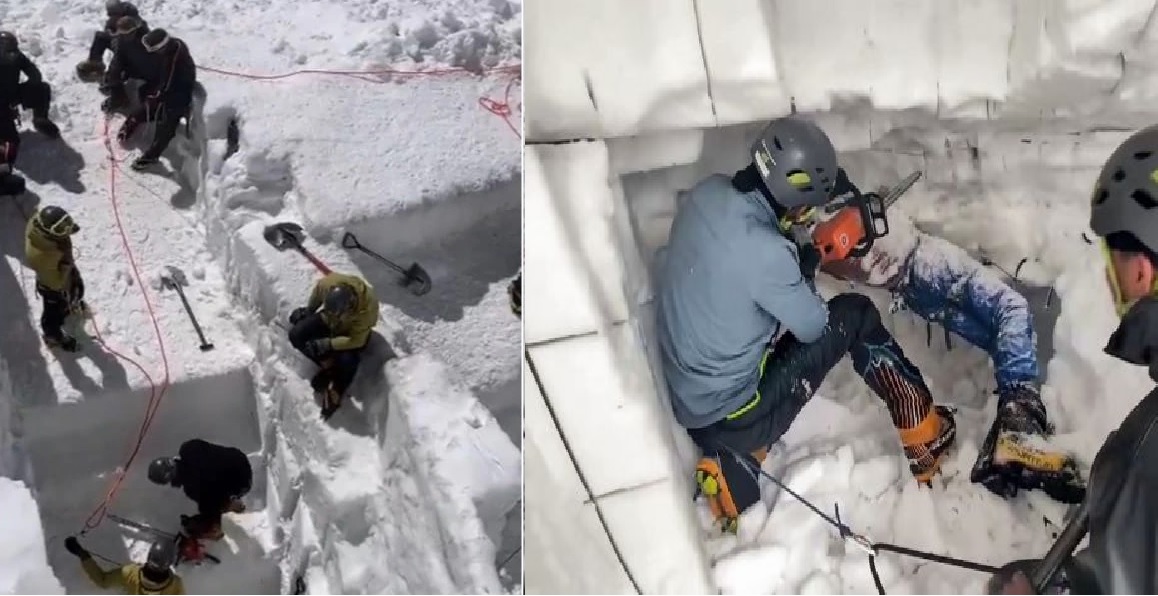
India
In a deeply poignant recovery mission, the Indian Army has successfully retrieved the bodies of three soldiers who perished in a deadly avalanche in Ladakh nine months ago. The soldiers, part of a mountaineering expedition, were engulfed by the sudden avalanche at an elevation of over 18,300 feet. The treacherous conditions made the recovery efforts an arduous task, but the army's unwavering commitment to their fallen comrades saw them through.Last October, a 38-member expedition team from the High Altitude Warfare School (HAWS) in Gulmarg embarked on an ambitious journey to conquer Mt. Kun in Ladakh. The expedition, which began on October 1, aimed to reach the summit by October 13. However, the unpredictable and harsh weather conditions of the region proved to be a formidable adversary. On October 8, while the team was fixing ropes on a snow wall between Camp 2 and Camp 3 on the Fariabad Glacier, an unexpected avalanche struck, sweeping four soldiers into a deep crevasse. Lance Naik Stanzin Targais' body was recovered soon after the incident, but the bodies of Havildar Rohit Kumar, Havildar Thakur Bahadur Ale, and Naik Gautam Rajbanshi remained trapped under thick layers of ice and snow.The Army, embodying its ethos of 'Leaving No Man Behind,' initiated "Operation RTG" (Rohit, Thakur, Gautam) on June 18. This mission was a testament to the Army's dedication and respect for their fallen comrades. The rescue team comprised 88 expert mountaineers who faced the extreme conditions of the high-altitude region to recover the bodies. A road head camp was established about 40 kilometers from Khumbathang, serving as the staging ground for the specialized equipment, survival kits, and other essentials needed for the operation. Two helicopters were on standby to assist in the transportation of the bodies and the rescue team if required.The mission's base camp was set up at an altitude of about 14,790 feet, 13 kilometers from the road head. Maj Gen Bruce Fernandez, Commandant of HAWS, was stationed at this base camp, overseeing the recovery efforts. Brigadier S S Shekhawat, the Deputy Commandant of HAWS and an experienced mountaineer, led the search operation personally, emphasizing the importance of the mission.The rescue team established a forward base camp on June 25, approximately three kilometers from the incident site. With satellite phones, special tents, advanced tools, and dedicated helicopters stationed 20 kilometers away, every precaution was taken to ensure the safety of the search party. The team faced formidable challenges at an altitude of 18,300 feet, where the bodies were buried deep within the crevasse.The breakthrough came on July 4, when the remains of Havildar Rohit Kumar of the Dogra Scouts were found under about 30 feet of snow and ice. His body was airlifted to Khumbathang by helicopter. With renewed resolve, the team continued their grueling efforts and on July 7, recovered the body of Havildar Thakur Bahadur Ale of the Gorkha Rifles, located 10 feet deeper in the crevasse. The relentless pursuit continued, and on July 8, the body of Naik Gautam Rajbanshi of the Assam Regiment was finally retrieved.The bodies of the three soldiers were handed over to their families with full military honors, bringing a sense of closure to their loved ones who had waited nearly nine months to bid them a final farewell. Brigadier Shekhawat, who has climbed Mt. Everest three times and received the Kirti Chakra for his valor, described 'Operation RTG' as the most demanding mission of his life. "Dug for nine days straight, 10-12 hours every day at 18,700 feet," he said. "The grueling effort, both physically and mentally, tested the resilience of the entire team."The recovery of the bodies of Havildar Rohit Kumar, Havildar Thakur Bahadur Ale, and Naik Gautam Rajbanshi stands as a poignant reminder of the perils faced by the soldiers of the Indian Army and their indomitable spirit in ensuring that no comrade is ever left behind.
Read More → Posted on 2024-07-11 16:05:44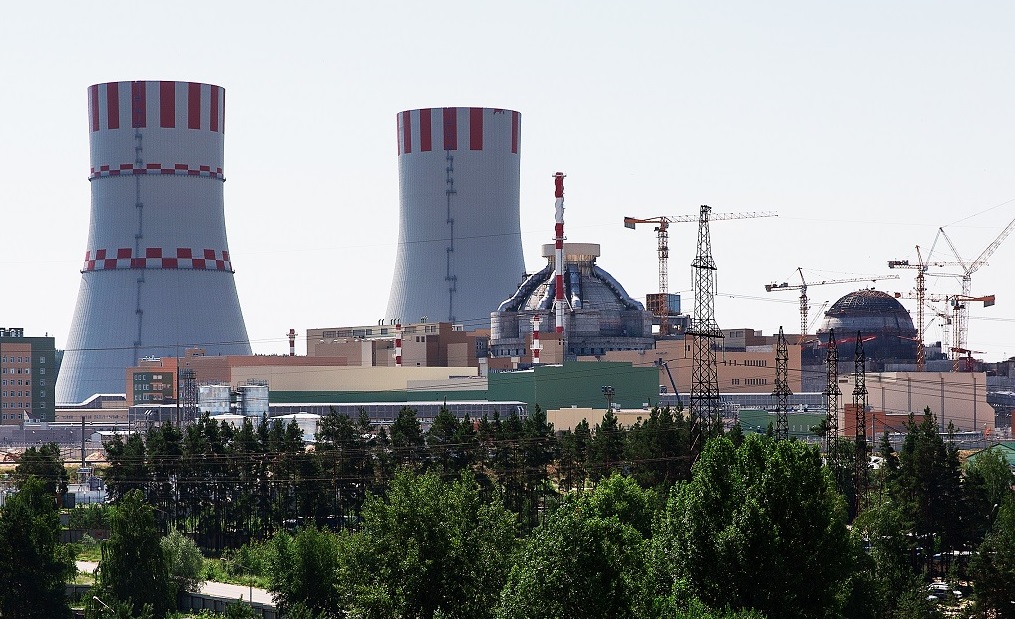
India
Indian companies are making significant contributions to the construction of Bangladesh's first nuclear power plant, the Rooppur Nuclear Plant, which is being developed by the Russian state nuclear corporation, Rosatom. Among these companies, Paharpur Cooling Towers stands out for its pivotal role in constructing all four cooling towers and two pumping stations for the power units at Rooppur. This development underscores the growing collaboration between India and Bangladesh in the field of nuclear energy, facilitated by Russian expertise.The Rooppur Nuclear Power Plant, located 160 kilometers west of Dhaka, is set to be a landmark project for Bangladesh. The plant will feature two power units equipped with VVER-1200 reactors, which boast a combined capacity of 2,400 MW. These reactors are part of Rosatom's advanced Generation III+ technology, which has been previously implemented at the Novovoronezh Nuclear Power Plant in Russia. This design is acclaimed for its enhanced safety features and compliance with international safety standards.The involvement of Indian companies in such a high-profile project highlights the technical prowess and international reach of India's engineering sector. Paharpur Cooling Towers, known for its expertise in designing and constructing cooling systems, is bringing its state-of-the-art technology to ensure the efficiency and safety of the cooling process at Rooppur. Cooling towers are essential components in nuclear power plants, as they dissipate excess heat from the reactors, ensuring the plant operates within safe temperature ranges.Prime Minister Narendra Modi's visit to Russia for the 22nd India-Russia annual summit included a visit to the Rosatom Pavilion at the All Russian Exhibition Centre, VDNKh. This visit not only emphasized the strong bilateral ties between India and Russia but also showcased India's commitment to supporting Bangladesh in its nuclear energy endeavors. The summit provided a platform for discussing further cooperation in nuclear energy, including the potential construction of additional power units at the Rooppur site.Rosatom's press service revealed that there are ongoing discussions about building two more power units at Rooppur. Additionally, there is interest in developing a multi-purpose high-powered research reactor in Bangladesh. This reactor would advance scientific research and enhance nuclear medicine capabilities in the country, potentially transforming Bangladesh into a regional hub for nuclear technology and research.The construction of the Rooppur Nuclear Power Plant is a significant milestone for Bangladesh, marking its entry into the club of nuclear-powered nations. The plant is expected to provide a stable and substantial supply of electricity, supporting the country's growing energy needs and contributing to its economic development. The collaboration between Bangladeshi, Indian, and Russian entities in this project exemplifies the power of international cooperation in advancing nuclear technology and energy security.As the project progresses, the involvement of Indian companies like Paharpur Cooling Towers will continue to be crucial. Their expertise not only ensures the successful construction of the plant but also sets a precedent for future international collaborations in the nuclear sector. With the Rooppur Nuclear Power Plant, Bangladesh is poised to make significant strides in its energy infrastructure, supported by the combined efforts of its international partners.
Read More → Posted on 2024-07-11 16:01:21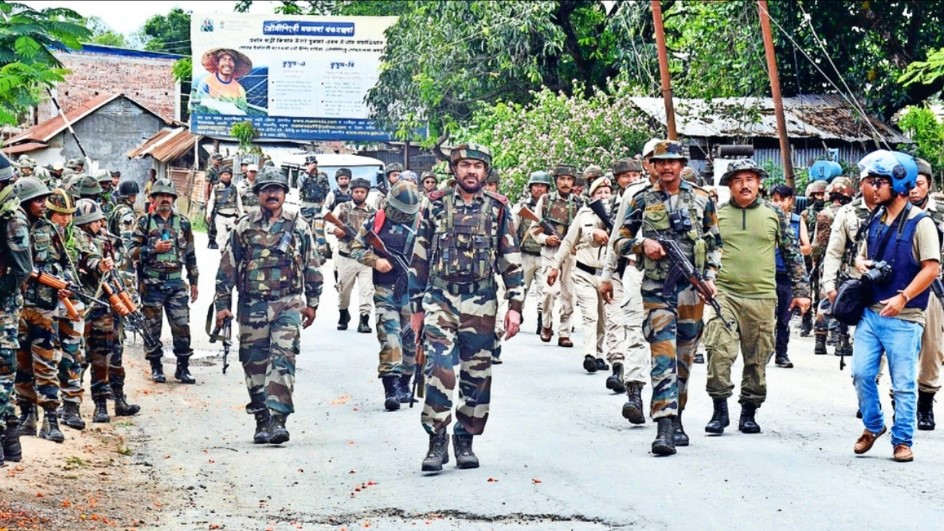
India
In Manipur, a state already grappling with ethnic tensions, a major Kuki organization has called for a 12-hour "total shutdown" on Wednesday in the Kuki-majority areas. This shutdown is a direct response to the recent arrest of five individuals from the Kuki community, an act that the Kuki Inpi, a significant tribal body, deems as grossly unjust.The announcement, made on Tuesday, stated that the shutdown would be enforced from 6 a.m. to 6 p.m. The Kuki Inpi emphasized that this decision was made during an emergency meeting, reflecting the urgency and seriousness of the situation. The tribal body called upon all Kuki-Zo regional organizations to support the shutdown, urging them to express solidarity and stand united for their common cause.The Kuki Inpi’s statement highlights a deeper concern regarding the security and safety of the Kuki-Zo people. The deployment of central security forces in vulnerable areas initially brought a sense of relief to the community. However, recent developments have shifted this perception. The arrest of two individuals in Jiribam and three more in Kangpokpi districts since Monday has sparked fears and concerns among the Kuki-Zo people. The tribal body alleges that the Imphal valley-based militant groups are openly carrying sophisticated arms, while the Kuki-Zo people face increasing terror and insecurity.The ethnic violence in Manipur has created a highly volatile and sensitive environment. Both the Meitei community, primarily based in the Imphal valley, and the hill-based Kuki community have been at odds, each accusing the central forces of favoring the other group. Since May of the previous year, the violence has resulted in over 200 deaths and has left thousands homeless, further exacerbating the fragile situation.Understanding the background of this conflict is essential to grasp the current developments. Manipur, a northeastern state of India, is home to a complex tapestry of ethnic groups. The Meiteis predominantly reside in the Imphal valley, while the Kukis and Nagas mainly inhabit the hilly regions. Historically, there have been tensions and conflicts among these groups over issues such as land, political representation, and cultural differences.The Kuki community has often felt marginalized and discriminated against, leading to a sense of alienation and resentment. The recent arrests are perceived as yet another instance of injustice and bias against them. The call for a shutdown is not just a protest against these arrests but also a cry for recognition, justice, and fair treatment.The situation in Manipur remains tense, and the shutdown on Wednesday will likely disrupt daily life in the Kuki-majority areas. It is a stark reminder of the unresolved ethnic tensions that continue to plague the state. The Kuki Inpi's call for solidarity and the enforcement of the shutdown reflects the community's resolve to stand against what they perceive as systemic injustice. As Manipur braces for another day of unrest, the hope for peace and reconciliation seems distant, overshadowed by the deep-seated ethnic divisions and ongoing violence.
Read More → Posted on 2024-07-10 15:38:24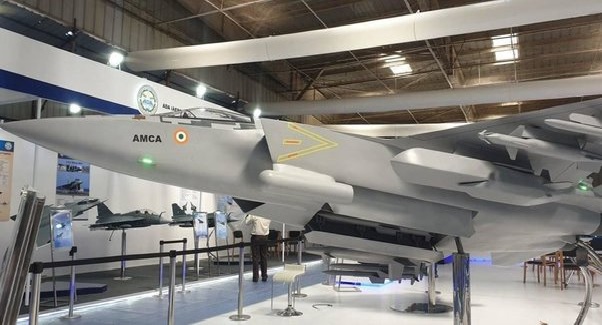
India
In the dynamic world of defense technology, few developments are as intriguing as Safran's recent proposal to power India's Advanced Medium Combat Aircraft (AMCA). The French aerospace giant has taken a significant step ahead in the competition, outpacing rivals like General Electric and Rolls-Royce, with an offer that could reshape the future of India's indigenous defense capabilities.Safran has proposed a complete technology transfer (ToT), which includes Intellectual Property Rights (IPR), for the co-development of a brand-new 6th generation engine tailored specifically for the AMCA. This isn’t just a simple engine deal; it’s a comprehensive package that aims to provide India with the knowledge and skills necessary to manufacture and modify these engines independently.This strategic proposal stands in stark contrast to the more limited ToT terms offered by General Electric and Rolls-Royce. By promising 100% technology transfer, Safran has pledged to empower India's Gas Turbine Research Establishment (GTRE) and its domestic partners. This transfer of expertise is expected to foster long-term self-reliance, a crucial aspect for India's defense sector, allowing modifications and adaptations of the engine to meet future needs and challenges.What sets Safran's offer apart is its forward-thinking approach. The proposed engine is designed to deliver 75kN of dry thrust and 110-130kN of wet thrust, far exceeding the capabilities of current models like the M-88 used in Rafale jets. This new engine would not only propel the AMCA MkII and potential future 6th generation fighter jets but also serve as a significant upgrade option for existing aircraft such as the Tejas MkII and Rafale. The potential for such upgrades ensures that India's air force remains at the cutting edge of aerial combat technology for years to come.Safran's proposal is not just about immediate gains; it’s a calculated bid to establish a long-term partnership with India. By offering a deal that goes beyond the usual transactional nature of defense contracts, Safran is positioning itself as a preferred partner for India's future fighter jet programs. This move aligns with India's strategic goal of achieving self-reliance in defense technology, reducing dependence on foreign suppliers, and building a robust domestic defense industry.However, the path forward is not straightforward. India is expected to meticulously evaluate all proposals before making a final decision. The selection process will weigh factors such as cost, engine performance, and the track record of each manufacturer. While Safran’s offer is compelling, it will face stiff competition from other industry giants who also bring substantial expertise and proven technology to the table.In summary, Safran's bold move to offer full technology transfer and IPR for the co-development of a new engine for the AMCA program marks a significant milestone. It not only highlights the company's commitment to fostering a strong, self-reliant Indian defense sector but also sets the stage for a potentially transformative partnership. As India deliberates on the best path forward, Safran’s proposal stands out as a beacon of strategic collaboration and innovation in the global defense arena.---### Google Index-Suitable Title:"Safran's Full Technology Transfer Proposal: A Game Changer for India's AMCA Program"
Read More → Posted on 2024-07-10 15:34:57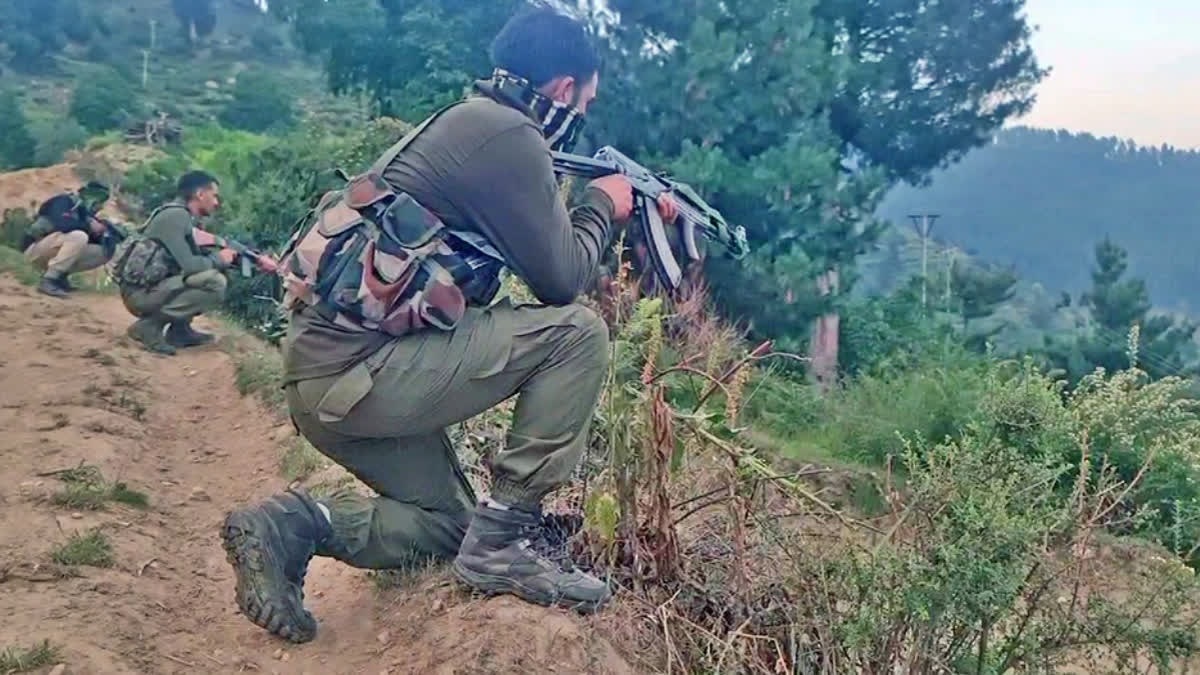
India
In the serene hills of Jammu and Kashmir's Kathua district, the tranquillity was shattered on July 8th when a heavily armed group of terrorists launched a sudden and fierce ambush on an Army convoy. The 22 Garhwal Regiment, caught off guard, quickly rallied to defend themselves and their injured comrades. The soldiers' response was nothing short of heroic, as they fired an astonishing 5,189 rounds in a desperate bid to fend off the attackers and protect their fallen.It was a typical afternoon on the Machedi-Kindli-Malhar mountain road near Badnota village, about 150 kilometers from Kathua's district headquarters. The convoy was traveling through the scenic but challenging terrain when the terrorists struck. Positioned at two different locations, the attackers opened fire on two Army vehicles with a relentless barrage of bullets. The soldiers, faced with this unexpected and deadly assault, immediately returned fire, determined to prevent further casualties and stop the terrorists from seizing their weapons.In the ensuing chaos, five Army personnel lost their lives, and five others were injured. The fallen heroes, Naib Subedar Anand Singh, Havildar Kamal Singh, Naik Vinod Singh, Rifleman Anuj Negi, and Rifleman Adarsh Negi, all hailed from Uttarakhand. Their bravery and sacrifice became the bedrock of the soldiers' resolve as they fought back with everything they had.Among the injured was Rifleman Kartik Singh, whose right arm was severely wounded by shrapnel from a grenade. Undeterred, he continued to fire at the attackers with his left arm until his weapon jammed. His story is just one of many that underscore the extraordinary courage and selflessness displayed by the soldiers that day.As the battle raged for more than two hours, the soldiers of the 22 Garhwal Regiment held their ground, shouting their war cry, "Badri Vishal Ki Jai" (Victory to the sons of Lord Badrinath). Their relentless counterfire not only protected their injured comrades but also created enough panic among the terrorists to force them into retreat. The attackers fled into the wooded hills of Kathua, leaving behind a scene of destruction and bravery.Officials later pieced together the sequence of events, examining bloodstained helmets, bullet shells, and vehicles with smashed windscreens and flat tires. The evidence painted a vivid picture of the intense firefight and the soldiers' valiant efforts to repel the ambush.The attack was the fifth in Jammu in a month, signaling a troubling escalation in violence in the region, which is generally considered more peaceful than the Kashmir Valley. The Kashmir Tigers, a shadow outfit of the banned Pakistan-based Jaish-e-Mohammad (JeM), claimed responsibility for the ambush.In the wake of the attack, the search for the terrorists expanded to cover vast areas in Udhampur and Kathua districts. Special Forces were deployed to conduct surgical operations against the ultras. The situation remains tense, with fresh gunfights breaking out in the nearby Doda district as security forces continue their operations based on specific intelligence about the presence of foreign terrorists.The heroism displayed by the soldiers of the 22 Garhwal Regiment serves as a stark reminder of the sacrifices made by the Indian Army in protecting the nation. Their bravery in the face of such adversity is a testament to their unwavering dedication and resolve, embodying their regiment's motto, "Yudhaya Krit Nishchaya" (Fight with determination). As the region mourns the loss of its heroes, the fight against terror continues, with the resolve to ensure that such sacrifices do not go in vain.
Read More → Posted on 2024-07-10 15:25:39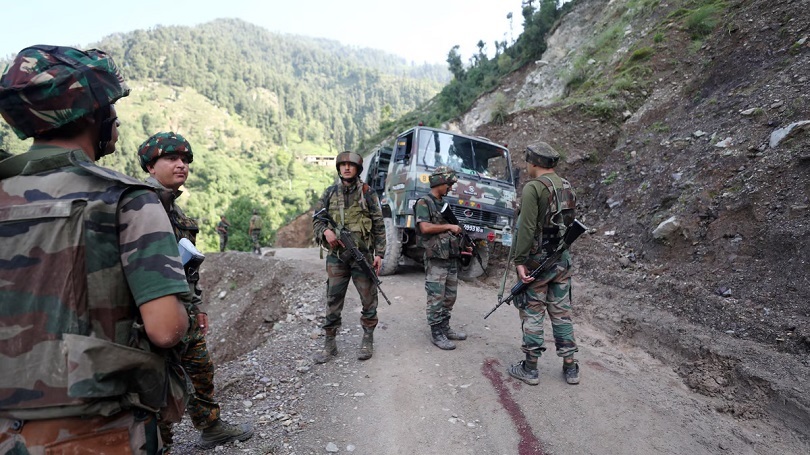
India
The serene landscapes of Jammu and Kashmir were shattered by a brutal ambush in the Kathua district, resulting in the tragic loss of five army personnel and leaving several others injured. This event has sent shockwaves through the region, igniting a rigorous manhunt for the terrorists responsible.The operation to locate and neutralize the terrorists has entered its third day, with 24 individuals detained for questioning. The search, conducted by the army and police, is particularly challenging due to intermittent heavy rain and the dense forests that span four districts: Kathua, Udhampur, Bhaderwah, and the higher reaches of Doda.On Monday, a patrol party was ambushed on the Machedi-Kindli-Malhar mountainous road near Badnota village, around 150 km from Kathua's district headquarters. This attack not only claimed the lives of five brave soldiers but also heightened the urgency of tracking down the culprits. In response, security forces have launched extensive search operations from multiple areas, including Kathua, Udhampur, and Bhaderwah.The search efforts are not limited to one area. Security forces are combing through dense forests in Udhampur, Samba, Rajouri, and Poonch districts. Fresh searches began in the Lala Chack area of Samba, Manjakote area of Rajouri, and Surankote of Poonch on Wednesday morning. The rugged terrain and thick foliage make the search particularly challenging, requiring the deployment of the army's special forces "Para" unit for precise surgical operations.To aid the ground teams, helicopters and UAVs provide aerial surveillance, while sniffer dogs and metal detectors are employed to scour the dense forests. The National Investigation Agency (NIA) has also been involved, assisting the police in their investigation.In Doda district, another search operation is underway following a gunfight between terrorists and security forces. This encounter occurred in the Ghadi Bhagwah forest area, near the Kishtwar district border. The search for two terrorists, who are believed to have been injured in the encounter, resumed early Wednesday.The local population in Badnota and surrounding villages is deeply affected by the ambush. Concerns for safety have surged, leading residents to demand the formation of village defense groups. These groups would be equipped and trained to defend against terrorist threats. Jagdish Raj, a local resident, expressed the community's willingness to fight alongside security forces, stating, "The government should provide weapons and training to us; we are ready to fight shoulder-to-shoulder with our forces against the terrorists."Punkaj, a 20-year-old student, shared his fears but also his resolve: "The situation changes altogether when you have weapons in your hands. We can swiftly move into the forests and help tackle the threat of terrorism."Shahid Ahmad, who moved from higher reaches to Machedi due to terror threats, highlighted the unity among the local population: "Muslims and Hindus of the area want peace and are ready to assist security forces in wiping out terrorism. Our eyes filled with tears with the loss of our soldiers. Such an attack had never happened here even during the peak of terrorism over two decades ago."Ahmad also mentioned the plight of innocent villagers, who are often forced at gunpoint to provide food to terrorists. He echoed the sentiment of solidarity with the security forces, emphasizing the community's readiness to support the fight against terrorism.As the search operation continues, the resilience and determination of the security forces, coupled with the support of the local community, offer hope for bringing the perpetrators to justice and restoring peace to the region.
Read More → Posted on 2024-07-10 15:22:24
India
In a major leap for Germany’s military communications, Airbus has clinched a significant 2.1-billion-euro ($2.27 billion) contract to build and launch the next generation of secure military satellites for the German Armed Forces. This deal, known as the SATCOMBw 3 contract, marks a 15-year commitment that will see the design, integration, testing, and delivery of two advanced geostationary telecommunications satellites by the end of the decade.The SATCOMBw 3 system is set to revolutionize Germany's military satellite communications. Weighing in at six metric tons, these new satellites will succeed the older COMSAT B 1B and 2B models, featuring cutting-edge technologies that can adapt to the rapid changes in digitalization and increased data transfer demands. Built on the Eurostar Neo platform, these satellites will bring a new level of autonomy and resilience to Germany’s military communications infrastructure.The project is not just a significant technological upgrade but also a showcase of German industrial collaboration. Airbus, headquartered in France but with a strong presence in Germany, will lead the project with substantial contributions from Bremen-based OHB and various smaller German companies. This collaboration ensures that critical elements such as the guidance and integration of advanced payloads and solar arrays will be developed and operated within Germany.Airbus's role in this project extends beyond just launching the satellites. The company is tasked with upgrading the existing ground segment to support both the current and new satellites over the next 15 years, with potential extensions. This comprehensive upgrade will ensure that Germany's Bundeswehr (Armed Forces) maintains autonomous and independently deployable communications and information services, which are vital for fulfilling NATO commitments and global command capabilities.Michael Schoellhorn, CEO of Airbus Defence and Space, highlighted the strategic importance of this contract, stating, “After the success of the SATCOMBw Stage 2 program, which we have been delivering since 2009, this latest contract reinforces our strategic partnership with the Bundeswehr, providing them with a greatly enhanced secure milsatcom capability that is future-proofed into the 2040s.” His remarks underscore the long-term vision and reliability that Airbus aims to bring to Germany’s military communications.This development comes at a time when Western democracies face increasing challenges, and the European institutional space ecosystem is under strain. The SATCOMBw 3 project, therefore, not only enhances Germany's military capabilities but also signifies a strengthening of European space collaboration and technological leadership.In essence, the SATCOMBw 3 contract is a testament to Airbus's prowess in satellite technology and Germany's commitment to maintaining a robust and secure military communications infrastructure. With these advancements, Germany is set to enhance its global command and information capabilities, ensuring that it remains at the forefront of military satellite technology well into the 2040s.
Read More → Posted on 2024-07-10 15:20:03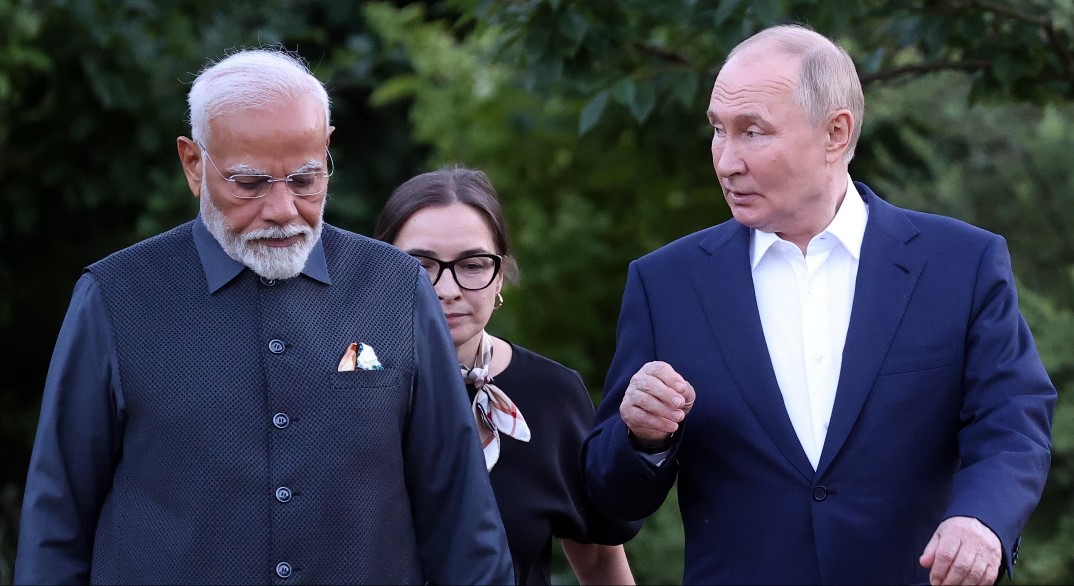
India
Prime Minister Narendra Modi’s visit to Moscow marks a significant moment in India's diplomatic efforts, especially amid the ongoing Russia-Ukraine conflict. As Modi prepares for formal talks with Russian President Vladimir Putin, sources emphasize India’s unwavering respect for the United Nations Charter, advocating for the principles of territorial integrity and sovereignty.India's position, reiterated by sources to ANI, is clear: “There is no solution on the battlefield.” This sentiment aligns with the broader stance of the Global South, which emphasizes dialogue and diplomacy over military confrontation. The Indian delegation aims to convey this message to their Russian counterparts, emphasizing the need for a peaceful resolution to the Ukraine conflict.The backdrop to these talks includes recent comments from US Department of State Spokesperson Matthew Miller, who urged India to encourage Russia to adhere to the UN Charter in resolving the Ukraine crisis. Miller's remarks followed an informal meeting between Modi and Putin at the Novo-Ogaryovo residence, where they discussed the future of Russian-Indian relations and the current international situation.In a show of camaraderie, President Putin warmly welcomed PM Modi with a hug and a firm handshake, addressing him as “My dear friend.” This informal interaction, filled with mutual respect, set a positive tone for the more formal discussions scheduled for the next day.During their conversations, the two leaders were seen strolling through the President’s residence, engaging in deep discussions about various issues, including the Ukraine conflict. Modi expressed his gratitude to Putin for the warm hospitality, highlighting the significance of their talks in strengthening the long-standing friendship between India and Russia.Modi’s visit also includes co-chairing the 22nd Annual Summit between India and Russia, laying a wreath at the Tomb of the Unknown Soldier in Kremlin, and visiting the Rosatom Pavilion at an exhibition in Moscow. These engagements underscore the multifaceted nature of the India-Russia relationship, extending beyond political and strategic dialogues to cultural and historical commemorations.As the world watches closely, the outcome of these talks could influence the future course of the Russia-Ukraine conflict. India’s steadfast commitment to the UN Charter and its advocacy for diplomatic solutions resonate strongly in the international community, reinforcing its role as a significant player in global peace efforts.
Read More → Posted on 2024-07-10 15:00:05Search
Top Trending in 24 Hours
-
 Tulsi Gabbard Releases Declassified Files Detailing U.S.-Backed Network of 120 Biolaboratories Across 30+ Countries
-
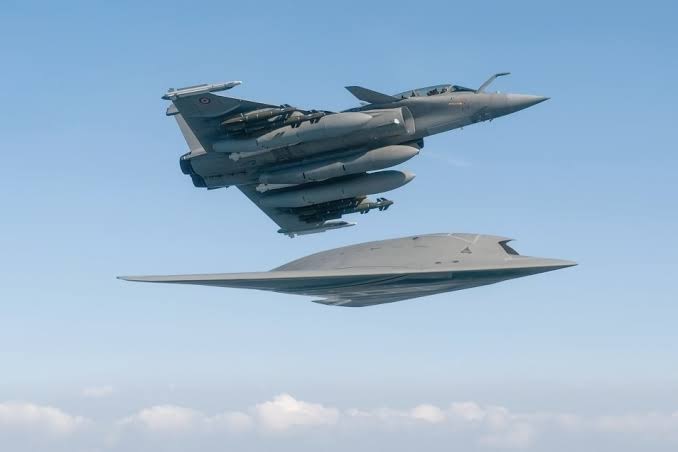 France Agrees to Equip Future Indian Rafales with AI, MUM-T and Secure Satellite Links Under F5 Standard
-
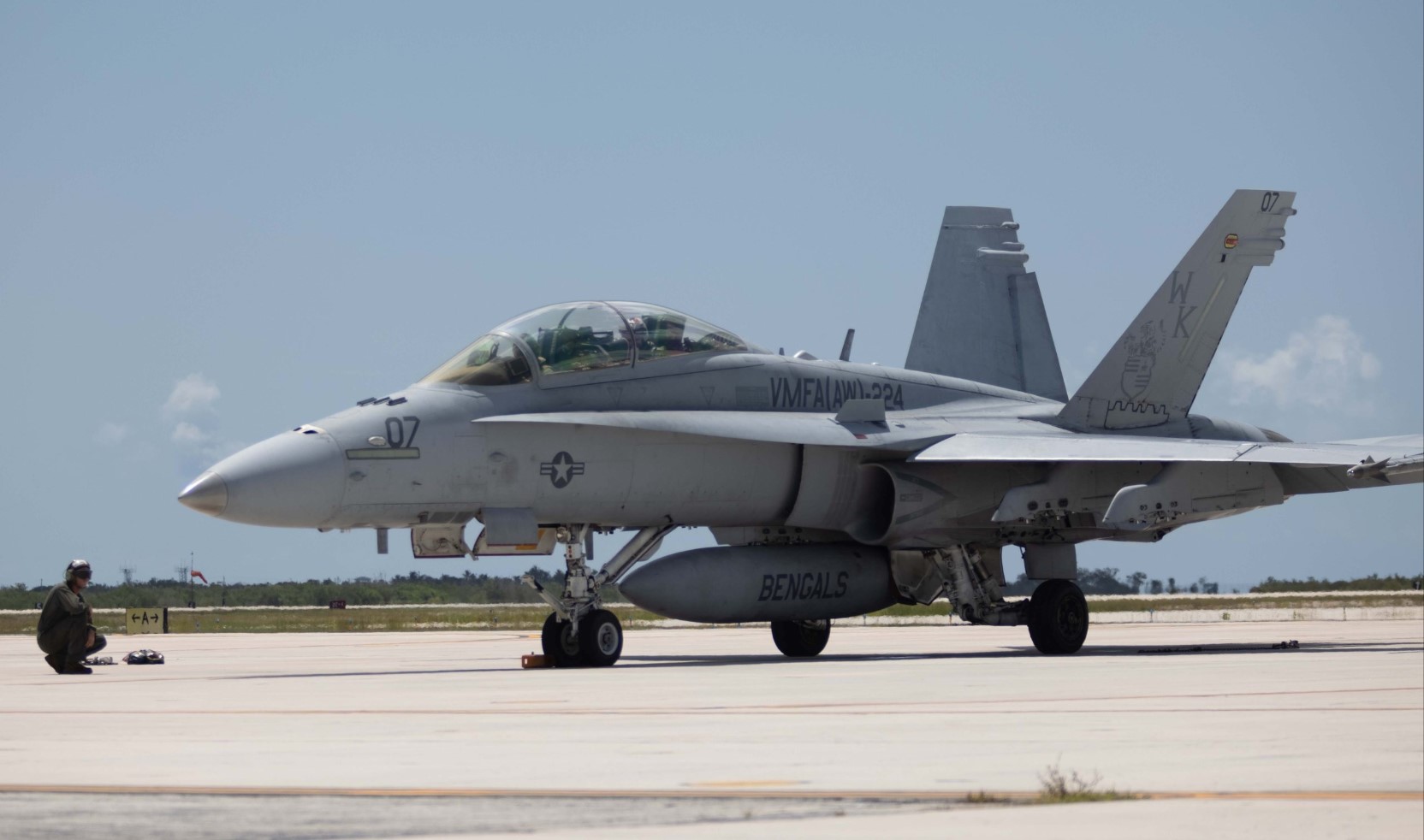 US Marine Corps F/A-18D Hornet Crashes During Training Flight in Washington Mountains; Pilot Ejects Safely
-
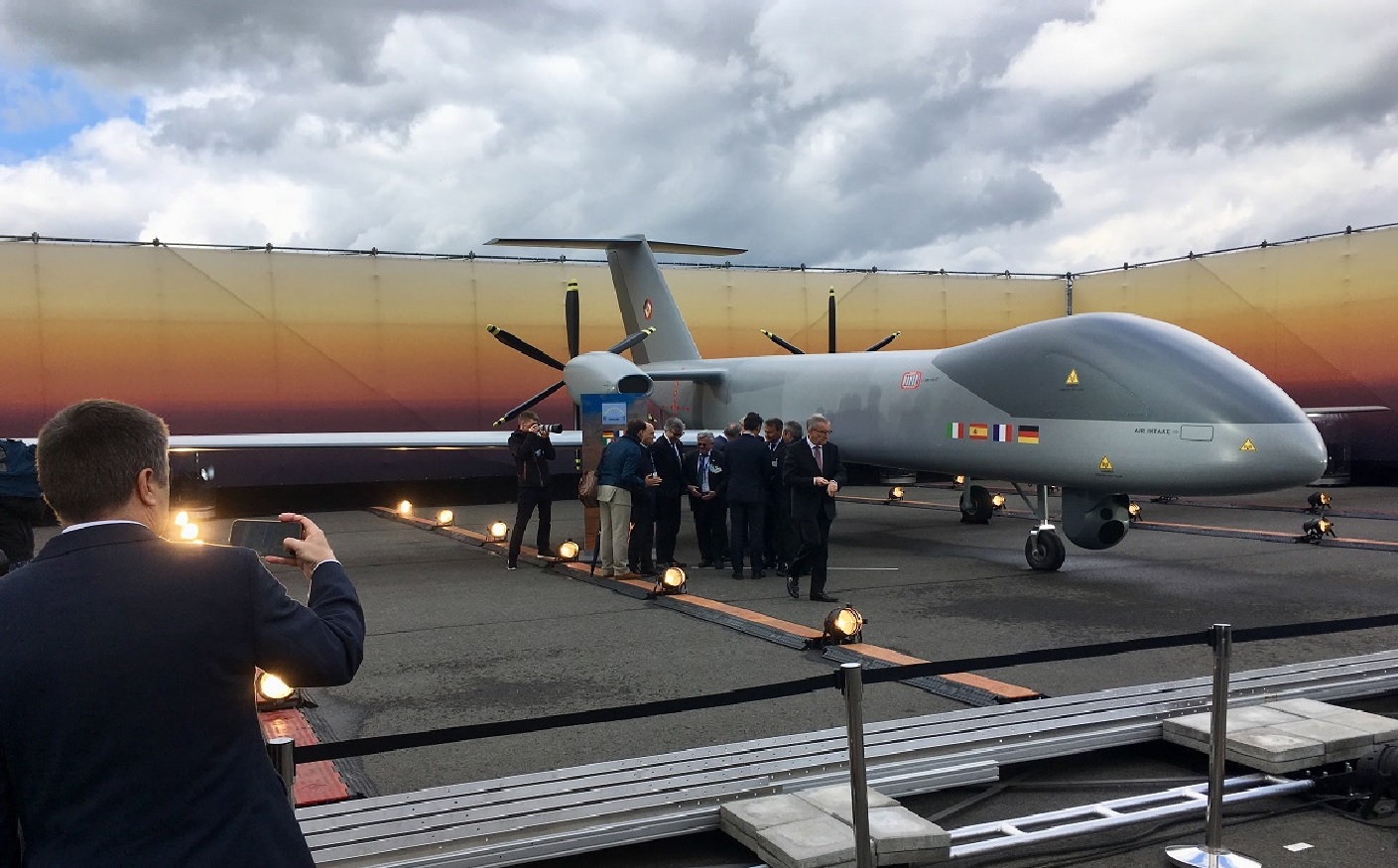 Dassault Seeks Compensation From Airbus as Eurodrone Dispute Erupts After FCAS Collapse
-
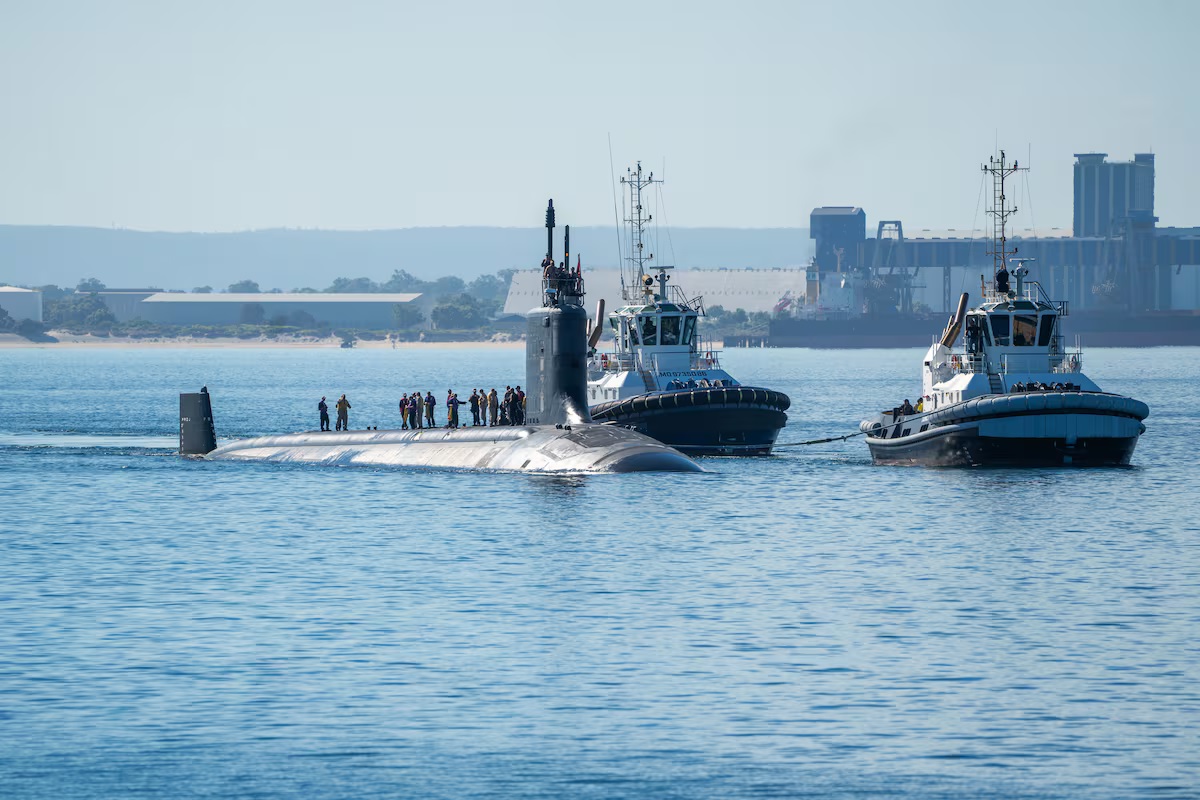 U.S. Navy Reestablishes Submarine Squadron 3 at HMAS Stirling to Support AUKUS Rotational Force
-
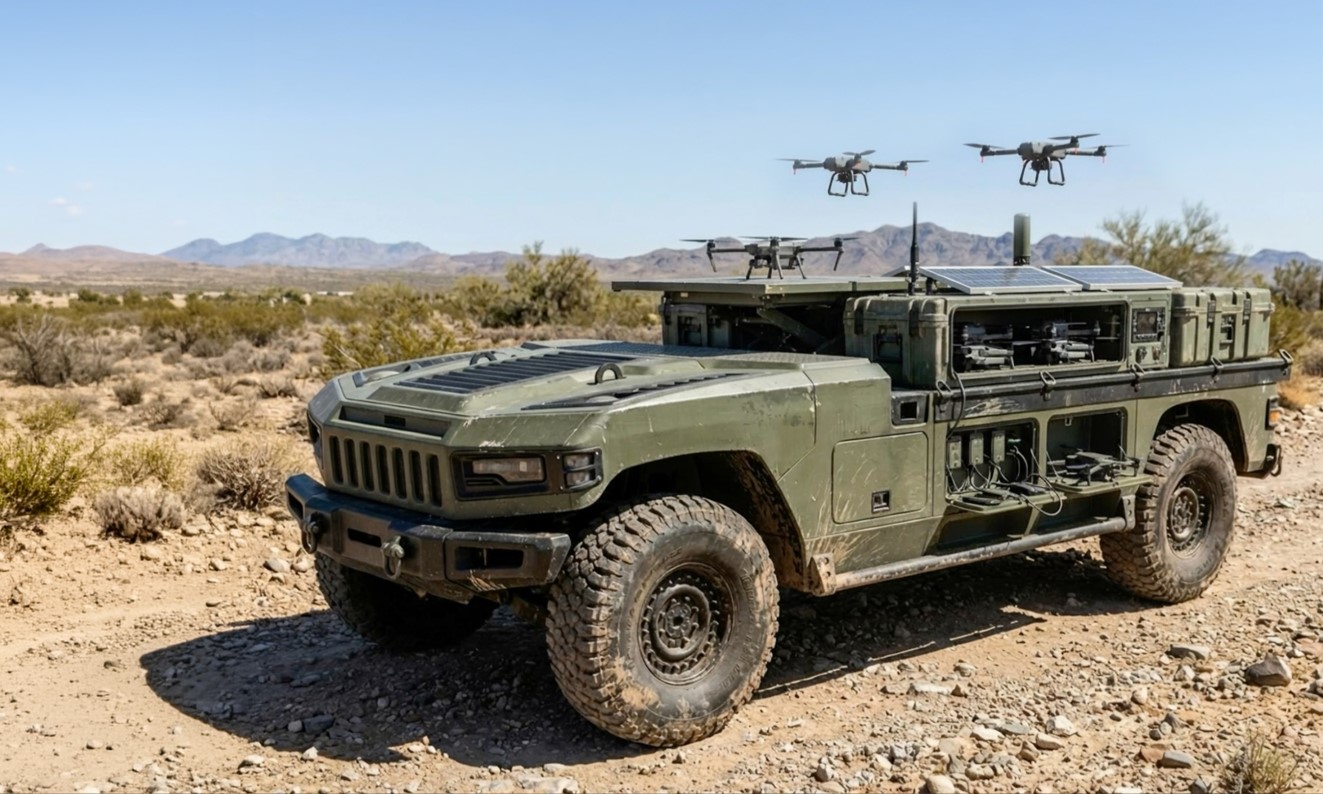 AM General Unveils Next-Generation UGV and JLTV A2 with Counter-Drone Systems at Eurosatory 2026
-
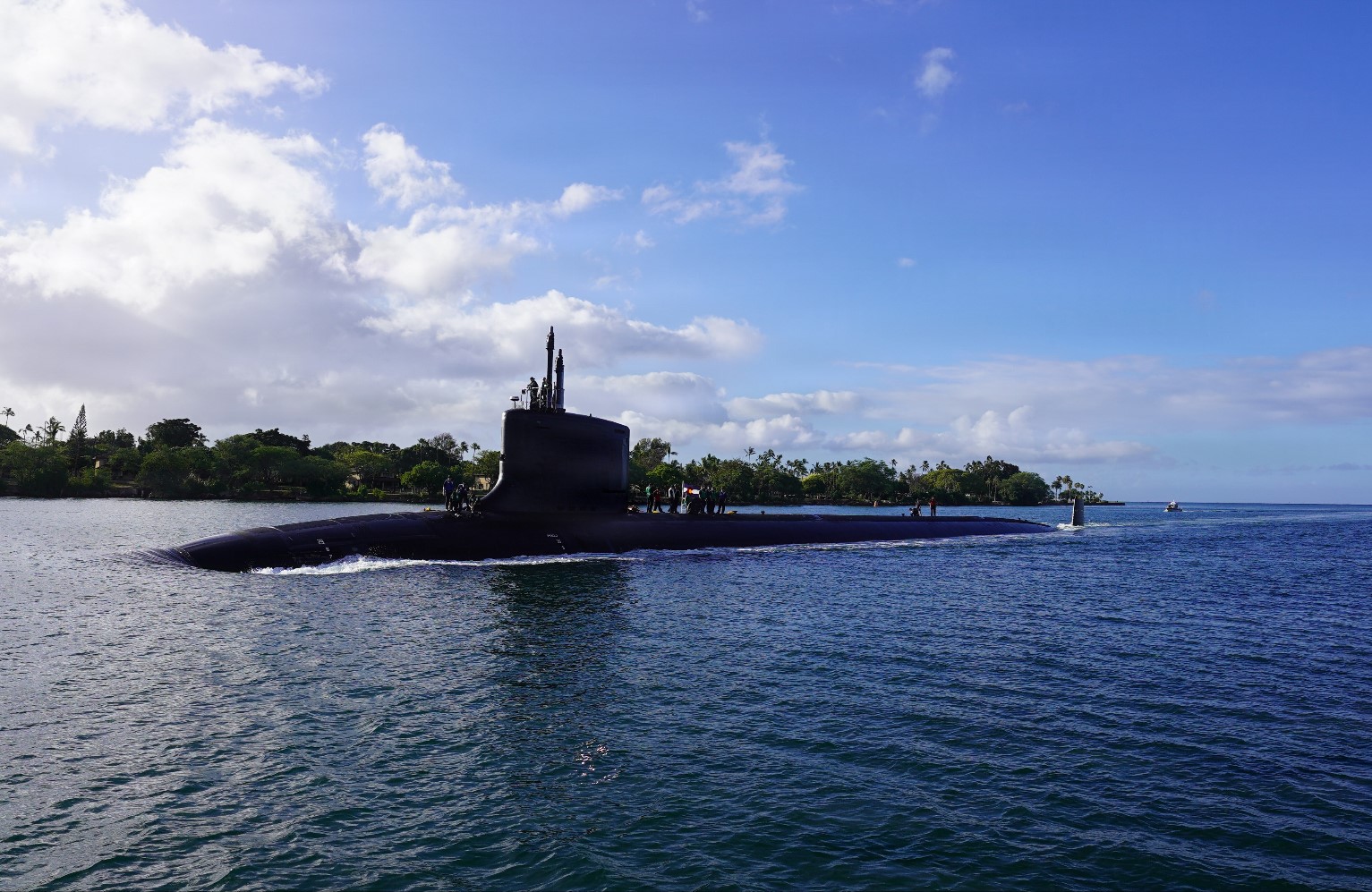 U.S. Navy's USS Colorado Submarine Returns to Pacific Fleet 29 Days Early After Major Pearl Harbor Overhaul
-
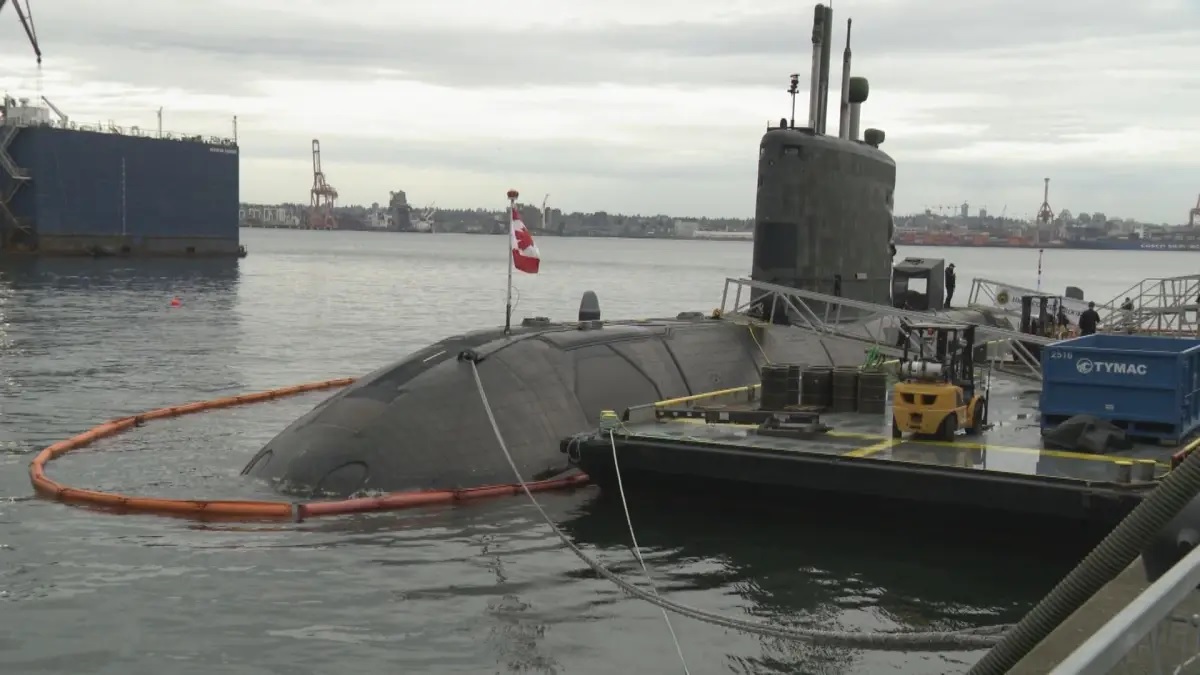 Royal Canadian Navy Deploys HMCS Corner Brook for First RIMPAC Submarine Mission in Over a Decade
Top Trending in 4 Days
-
 Iranian Media Leaks 14-Point U.S.-Iran Peace Framework Amid Ongoing Negotiations
-
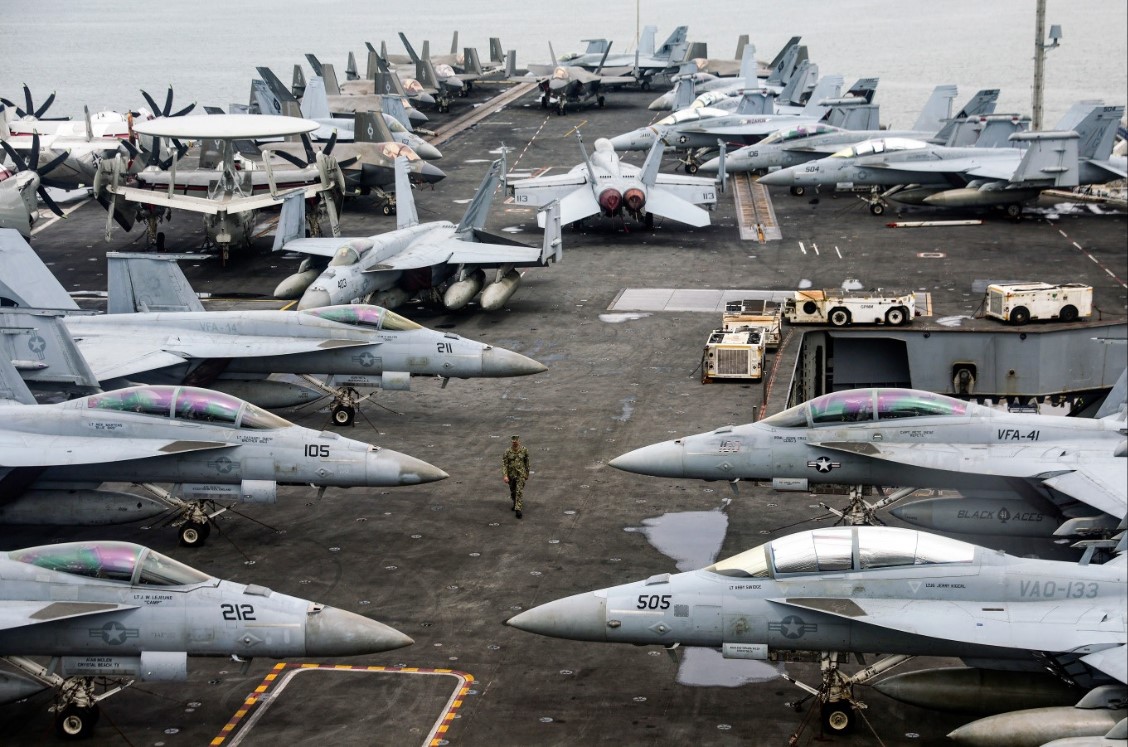 US Plans Significant Reduction of Fighter Jets and Warships for NATO Operations in Europe
-
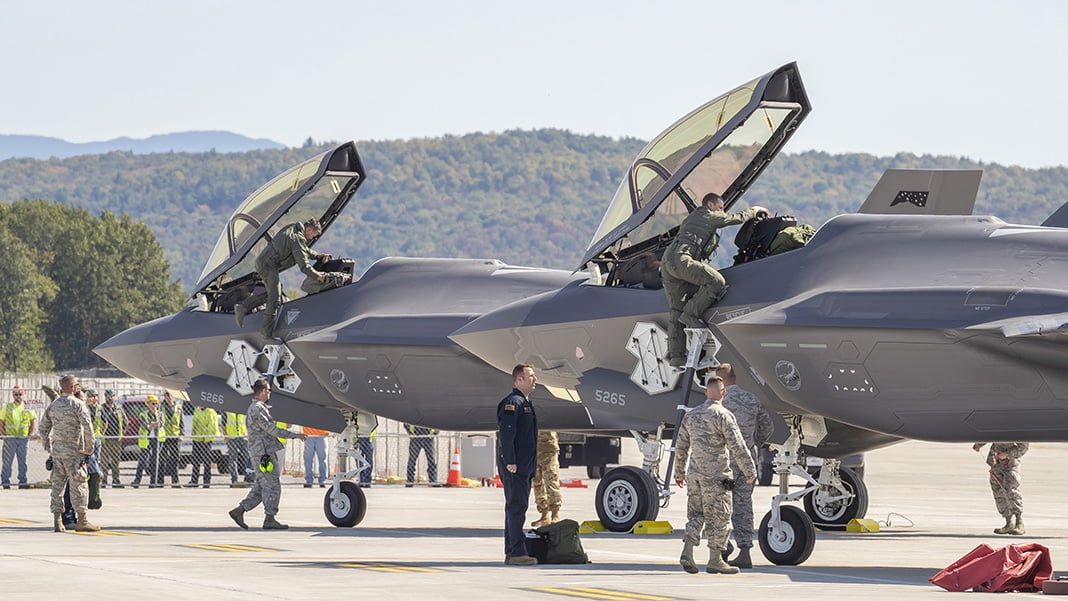 F-35 Fleet Readiness Falls to 25% Amid Parts Shortages and Software Delays: GAO Report
-
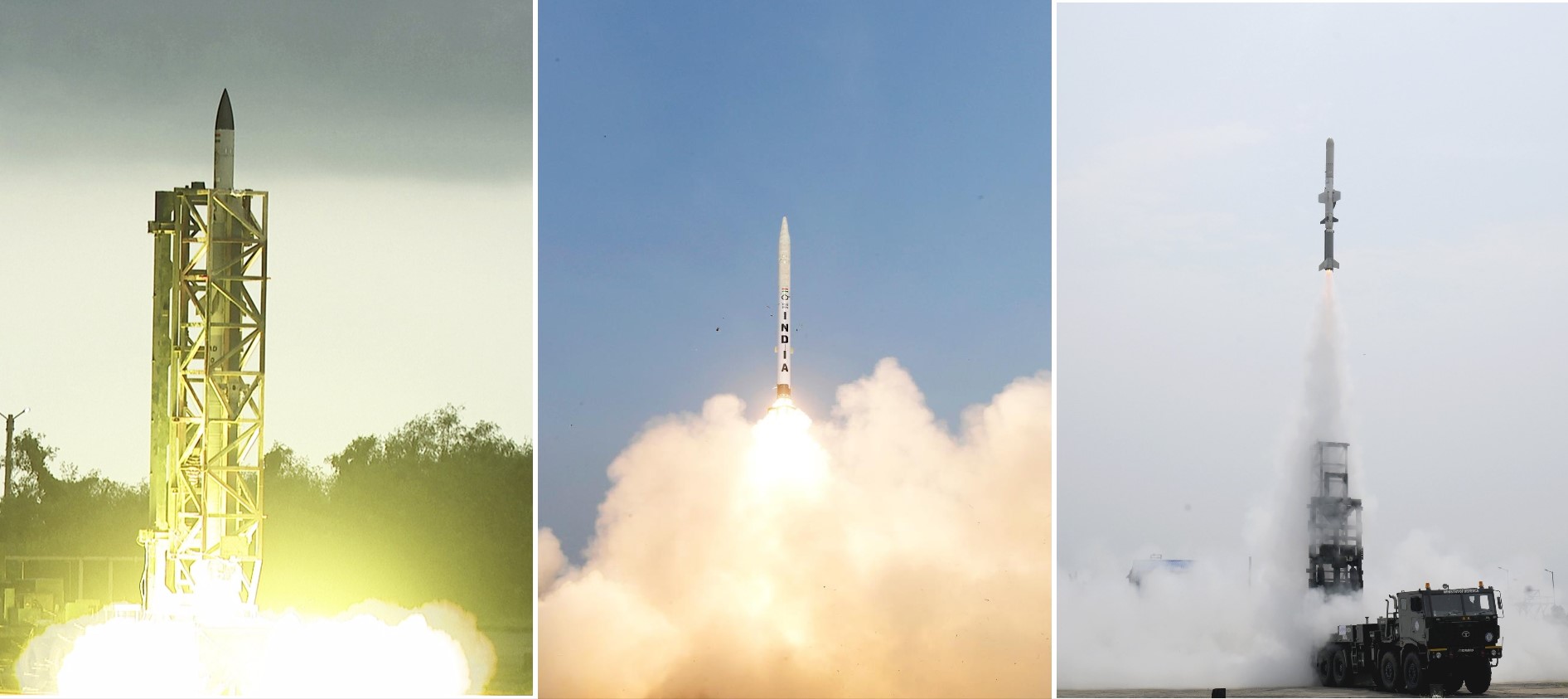 India Successfully Conducts AD-1, AD-2 Interceptor Tests and Maiden NASM-MR Flight Trial
-
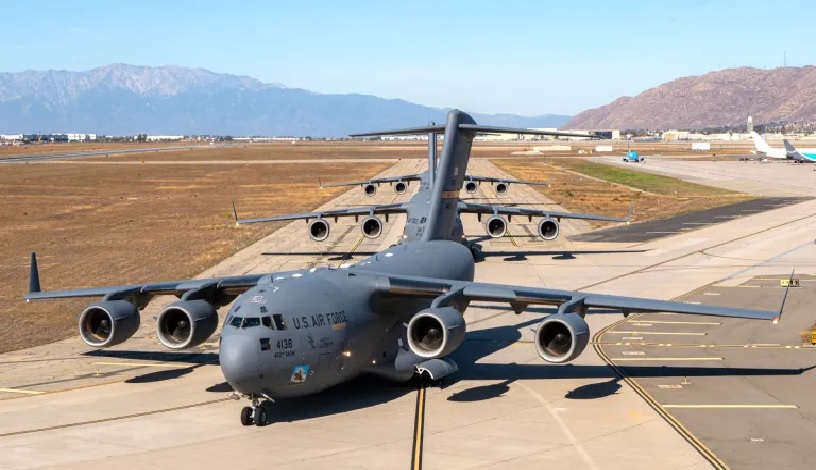 U.S. Air Force Faces Strategic Airlift Shortfall as C-17 Production Restart Remains Uncertain
-
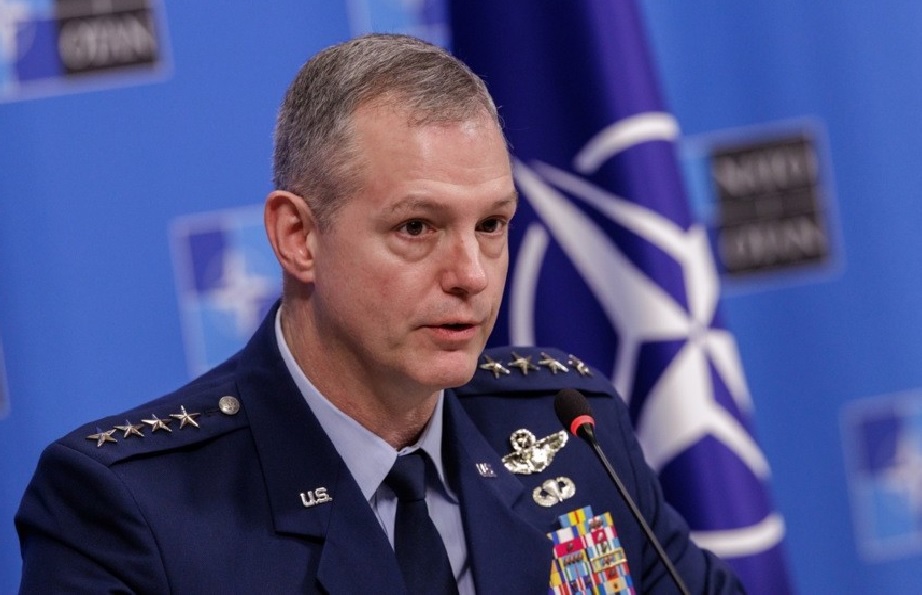 NATO Commander Says Russia Not Seeking Conflict With Alliance Despite U.S. Force Reductions
-
 Russian Defense Firm ZALA Unveils KAMA Unmanned Surface Vessel Family at FLOT-2026 Naval Exhibition
-
 U.S. Space Force Awards $437.7 Million Contracts for First PTS-G Swarm 1 Anti-Jam Satellites