
India
On June 9th, a serene bus journey carrying Hindu pilgrims through Reasi, Jammu and Kashmir, turned into a nightmare as a terrorist attack claimed the lives of nine individuals and left many others injured. The investigation into this gruesome attack has unveiled a chilling conspiracy involving local resident Hakam Din, a 45-year-old cattle trader from Rajouri district, who played a pivotal role in providing logistical support to the perpetrators.Hakam Din's connection with the terrorists began on June 1st, when three Pakistani militants appeared at his doorstep around 5:30 pm, seeking food and shelter. Din, a simple cattle trader, was soon drawn into their deadly plot. One of the terrorists, referred to as ‘Manzoor bhai’ by his companions, led the interactions. They asked Din to deliver food to their hideout in a nearby forest, initiating a series of meetings that would culminate in the tragic attack.By June 7th, the terrorists had gained Din's trust to the extent that they took him along on a reconnaissance mission to Pouni, the eventual site of the attack. The group spent over three hours meticulously scouting the area, identifying strategic points along the road where the bus would slow down, making it an easy target. Din's local knowledge proved invaluable as they marked these locations and gathered information about the movement of tourist buses.The day before the attack, the terrorists once again visited Din's house, this time for tea. They finalized their plan and left with supplies provided by Din. On June 9th, they executed their deadly mission with chilling precision. Targeting a specific bus carrying pilgrims, they first shot the driver, causing the bus to lose control and plummet into a gorge. The relentless gunfire continued even as the bus crashed, resulting in numerous fatalities and injuries.In return for his assistance, Din received Rs 5,000 and was instructed to flee the area. The terrorists also took his Aadhaar card, promising to return. However, Din's arrest and subsequent interrogation by multiple agencies have provided crucial leads. He revealed detailed descriptions of the terrorists, enabling the authorities to prepare sketches of two additional suspects. This adds to the existing sketch of a third attacker, who is the subject of a Rs 20 lakh reward for information leading to his capture.Investigators, including the National Investigation Agency (NIA), believe that the terrorists infiltrated from across the Line of Control and are now hiding in the dense forests of the region. The hunt for the remaining suspects is intensifying, with the aim of bringing all those involved to justice.The case of Hakam Din underscores the complexities of counter-terrorism efforts in regions plagued by militant activities. It highlights how local residents can be coerced or convinced into aiding terrorists, often with disastrous consequences. As the investigation continues, authorities remain vigilant, determined to prevent further attacks and dismantle the networks that support them.
Read More → Posted on 2024-07-14 15:25:26
India
Prime Minister Narendra Modi expressed deep concern and condemnation following an attack on former U.S. President Donald Trump at an election rally in Pennsylvania. Modi took to social media to voice his thoughts, stating, "Deeply concerned by the attack on my friend, former President Donald Trump. Strongly condemn the incident. Violence has no place in politics and democracies. Wish him a speedy recovery."Trump's campaign confirmed that the former president was "doing well" despite the harrowing incident. During the rally in Butler, a suspected shooter fired multiple shots toward the stage from an elevated position outside the venue. The U.S. Secret Service swiftly intervened, ensuring Trump’s safety and managing the chaos that ensued.Prime Minister Modi’s message of solidarity extended beyond just Trump, as he also expressed his condolences to the families affected by the violence. "Our thoughts and prayers are with the family of the deceased, those injured, and the American people," Modi added.The attack has sparked widespread outrage and concern among political leaders and citizens alike. The incident is under thorough investigation by the authorities, aiming to uncover the motive behind the assassination attempt and ensure justice is served.This attack on Trump underscores the rising tensions and violence infiltrating political arenas worldwide. Leaders and communities are rallying to emphasize the importance of maintaining peace and democracy, rejecting violence as a means to any end.In the wake of this unsettling event, the global community watches closely, hoping for stability and safety in the political landscape of the United States. As Modi’s heartfelt message resonates across borders, it serves as a reminder of the international support for democratic values and the collective wish for a peaceful resolution to political conflicts.
Read More → Posted on 2024-07-14 15:23:09
India
The Indian Army is contemplating a groundbreaking shift in its performance appraisal system, potentially adopting a "360-degree appraisal" method. This new approach aims to incorporate feedback from peers and subordinates, moving beyond the traditional top-down evaluations to provide a more comprehensive assessment of personnel performance. The shift aligns with practices used in the civil service for empanelment in higher-ranking positions.Currently, the Army adheres to a three-tier hierarchical model for appraisals. The process begins with the initiating officer (IO), the immediate superior, who writes the Annual Confidential Report (ACR). This report is then reviewed by two senior officers in the reporting structure. This system applies to Junior Commissioned Officers (JCOs), Non-Commissioned Officers (NCOs), and commissioned officers, with the Chief of Army Staff serving as the senior reviewing officer for Major Generals. The Indian Air Force follows a similar approach.The proposed 360-degree system offers two potential models:1. **Reciprocal Feedback Model**: This model, already adopted by the Navy, includes reciprocal feedback from subordinates to their IO, online feedback from randomly generated peers and subordinates before selection boards, and direct online input to Naval headquarters regarding leadership qualities.2. **Peer Group Perception Model**: This model focuses on gathering feedback from peers, similar to the current system in various Armed Forces training establishments where officers are assessed by coursemates and contemporaries.The Army has sought feedback from its Commands on the feasibility of both models. If implemented, this system could offer a detailed appraisal of individuals, including insights into their general reputation and integrity. While the Department of Personnel and Training (DoPT) has denied using a 360-degree appraisal system for civil servants, a 2017 parliamentary panel report revealed the inclusion of multi-source feedback (MSF) from various stakeholders in the revised guidelines for empanelment. However, the same report criticized the 360-degree appraisal system as "opaque, non-transparent, and subjective."Despite these criticisms, the Indian Army's exploration of a 360-degree appraisal system signifies a potential transformation in how military personnel are evaluated. By emphasizing a more holistic and comprehensive approach to performance assessment, the Army aims to ensure a more accurate and fair evaluation process that can better identify and promote deserving individuals. This potential change is not just about improving appraisal accuracy but also about enhancing the overall effectiveness and morale of the personnel. A well-implemented 360-degree feedback system could lead to better leadership, stronger teamwork, and a more motivated and cohesive force.In conclusion, the Indian Army's consideration of the 360-degree appraisal system represents a significant step towards modernizing its evaluation processes. As feedback from Commands is collected and analyzed, the Army will be better positioned to make an informed decision that could reshape the future of military personnel performance reviews.
Read More → Posted on 2024-07-14 15:21:09
India
In a landmark decision, the Ministry of Home Affairs (MHA) has amended the Jammu and Kashmir Reorganization Act of 2019, significantly enhancing the powers of the Lieutenant Governor (LG) in the Union Territory. This move, approved by President Droupadi Murmu, aims to streamline governance and prepare the region for the anticipated assembly elections.The amendments, officially titled the Transaction of Business of the Government of Union Territory of Jammu and Kashmir (Second Amendment) Rules, 2024, came into effect on July 12, 2024. These changes are intended to modify the Transaction of Business Rules of 2019, which were initially published on August 27, 2020, and later amended on February 28, 2024.One of the critical updates involves the procedure for proposals requiring the Finance Department's concurrence. The newly inserted sub-rule (2A) mandates that any proposal concerning 'Police,' 'Public Order,' 'All India Services,' and the 'Anti-Corruption Bureau' must be reviewed by the LG through the Chief Secretary before approval or rejection. This change ensures that the LG has a decisive role in crucial matters related to law and order and anti-corruption efforts.Further, the amendments introduce rule 42A, which stipulates that the Department of Law, Justice, and Parliamentary Affairs must present proposals for appointing the Advocate-General and other law officers assisting in court proceedings to the LG via the Chief Secretary and Chief Minister. This rule emphasizes the LG's authority in legal appointments and court-related matters.Another significant addition is rule 42B, which requires that any decision regarding prosecution sanctions or appeals must be presented to the LG through the Chief Secretary by the Department of Law, Justice, and Parliamentary Affairs. This provision underscores the LG's role in judicial and prosecutorial decisions.Rule 43 has also been expanded to include matters related to Prisons, the Directorate of Prosecution, and the Forensic Science Laboratory. Proposals in these areas must now be submitted to the LG by the Administrative Secretary of the Home Department through the Chief Secretary. Additionally, any proposals regarding the posting and transfer of Administrative Secretaries and cadre posts of All India Services officers must be routed to the LG by the Administrative Secretary of the General Administration Department through the Chief Secretary.These amendments reflect a strategic shift in the governance structure of Jammu and Kashmir, positioning the LG as a central figure in the administration. The timing of these changes suggests a preparation for the forthcoming assembly elections, aiming to establish a robust administrative framework.The President's approval of these amendments underlines the government's commitment to ensuring a more efficient and centralized decision-making process in Jammu and Kashmir. By empowering the LG with greater authority, the MHA aims to enhance the region's governance and address critical issues more effectively. This development is poised to impact the administrative dynamics of Jammu and Kashmir significantly, setting the stage for more streamlined governance as the Union Territory approaches a crucial electoral phase.
Read More → Posted on 2024-07-14 15:10:57
India
Hindustan Aeronautics Limited (HAL) is making waves in India's defense sector with an exciting development at its Nashik plant. By the end of November 2024, the facility is set to roll out its first locally manufactured Light Combat Aircraft (LCA) Tejas Mk1A. This milestone not only signifies a leap forward for HAL but also a significant boost for India's indigenous defense capabilities.The Nashik plant marks the third production line dedicated to the LCA-Tejas Mk1A variant, joining the ranks of the two operational lines at the Bengaluru facility. Together, these facilities are poised to ramp up the production of this advanced fighter jet. While Bengaluru currently has a combined annual capacity of 16 aircraft, Nashik's initial batch will consist of five jets, with plans to increase production to eight per year.HAL's strategy isn't just limited to Nashik. The Bengaluru lines are also gearing up to enhance their production capabilities, aiming for a combined output of 16 units per year by 2025-26. This synchronized effort between Nashik and Bengaluru is a testament to HAL's commitment to meeting the Indian Air Force's (IAF) growing demand for the Tejas Mk1A.The Tejas Mk1A is a critical component of India's defense strategy. It is an advanced version of the LCA Tejas, featuring improved avionics, radar systems, and reduced maintenance requirements. This aircraft is designed to replace the aging MiG-21 fleet and bolster the IAF's operational readiness.Looking ahead, HAL has ambitious plans to further increase production. By 2026-27, the goal is to produce 24 units annually, with the potential to reach 30 units per year. These plans are driven by anticipated future orders from the IAF, which is expected to require 97 more units of the Tejas Mk1A.This expansion isn't just about numbers; it's about strengthening India's self-reliance in defense manufacturing. By ramping up the production of the Tejas Mk1A, HAL is reducing the country's reliance on foreign imports and fostering a robust domestic defense industry. This move aligns with the Indian government's "Make in India" initiative, aimed at boosting indigenous production and creating a self-sufficient defense ecosystem.Moreover, the increased production capacity will play a vital role in modernizing the IAF's fleet. With enhanced capabilities and a modern fleet, the IAF will be better equipped to handle emerging threats and maintain air superiority in the region.The journey of the Tejas Mk1A from conception to production has been a testament to India's engineering prowess and determination. The aircraft, developed by the Aeronautical Development Agency (ADA) in collaboration with HAL, has undergone rigorous testing and continuous improvements to meet the stringent requirements of the IAF.As the Nashik plant prepares for its first rollout, the significance of this event extends beyond just an increase in numbers. It symbolizes India's growing capabilities in defense manufacturing and its commitment to developing state-of-the-art technology within its borders.In conclusion, HAL's Nashik plant gearing up for the first Tejas Mk1A fighter jet by November 2024 is a significant milestone in India's defense history. With plans to expand production and enhance capabilities, HAL is set to play a crucial role in strengthening the IAF and advancing India's indigenous defense industry. This development underscores HAL's dedication to excellence and innovation, paving the way for a more self-reliant and secure India.
Read More → Posted on 2024-07-13 15:17:43
India
In a notable move on July 10, 2024, drone manufacturer IdeaForge announced its acquisition of a stake in the Bangalore-based spacetech startup, GalaxEye Space Solutions. This deal involves the purchase of Series A Compulsory Convertible Preference Shares worth INR 8.28 crore, highlighting IdeaForge's strategic commitment to enhancing its technological capabilities.IdeaForge, founded in 2007 by Ankit Mehta, Ashish Bhat, Rahul Singh, and Vipul Joshi, has steadily built a reputation in the drone industry, producing Unmanned Aerial Vehicle (UAV) systems for various applications including inspection, surveillance, and mapping. The company's drones are widely used in sectors such as defense, homeland security, mining, construction, agriculture, energy, and utilities. GalaxEye, a relatively young company established in 2021 by Suyash Singh, Denilm Chawda, Pranit Mehta, and Rakshit Bhatt, is making waves in the spacetech sector. It specializes in multi-sensor imagery via satellites, providing valuable insights through imaging data from space. The company is ambitiously working on the world's first multi-sensor imaging satellite, designed to offer detailed geospatial analyses for governments, defense, and industrial applications.The acquisition by IdeaForge is expected to pave the way for the development of advanced drone-based sensors capable of penetrating fog and foliage. This capability is particularly significant for applications in challenging environments where visibility is often obstructed. The collaboration between IdeaForge and GalaxEye is not entirely new; earlier this year, the two companies reportedly signed an agreement to jointly develop an unmanned aerial vehicle equipped with Foliage Penetration Radar.This move comes at a time when IdeaForge is expanding its horizons. The company has recently increased its Employee Stock Ownership Plan (ESOP) pool and has seen significant investment activity, with venture capital firm Celesta Capital selling 3.57 lakh shares in a block deal worth INR 27.46 crore. Moreover, IdeaForge is preparing to enter the US market, a strategic decision influenced by America's growing reluctance to purchase drones from China.The spacetech sector in India is experiencing significant growth. With over 100 spacetech startups registered with the Indian Space Research Organisation (ISRO) last year, the sector is thriving. Investment in this domain has been robust, with $233 million in funding secured across more than 30 deals from 2014 to July 2023. According to Inc42's Indian Spacetech Start-up Landscape & Market Opportunity Report 2023, the Indian spacetech sector is projected to reach a market size of $77 billion by 2030.IdeaForge's stake in GalaxEye is a strategic move that aligns with its broader vision of technological advancement and market expansion. As these two innovative companies collaborate, the future of drone-based sensor technology looks promising, potentially setting new standards in the industry.
Read More → Posted on 2024-07-13 15:11:07
India
In a significant move, the Indian government has announced that June 25 will be observed annually as 'Samvidhaan Hatya Diwas,' commemorating the declaration of the Emergency in 1975. This day is intended to honor those who endured severe hardships during that period and to remind the nation of the importance of safeguarding democracy. Union Home Minister Amit Shah made the announcement, emphasizing the day’s purpose in keeping the spirit of individual freedom and democratic defense alive in every Indian.On June 25, 1975, then Prime Minister Indira Gandhi declared a state of Emergency, marking a dark chapter in Indian history. This period saw widespread abuse of power, with thousands of people imprisoned without cause and media censorship enforced. The government's actions during this time have been widely condemned as an attempt to stifle democratic freedoms and suppress dissent.The declaration of 'Samvidhaan Hatya Diwas' serves as a poignant reminder of the struggles faced by those who resisted the oppressive measures of the Emergency. A gazette notification from the Union Home Ministry detailed the significance of this observance. It highlights the “gross abuse of power” during the Emergency and pays tribute to those who fought against these excesses. The notification reaffirms the Indian people's faith in their Constitution and democracy, urging future generations to reject any form of authoritarianism.Amit Shah, in his announcement, recounted the harsh realities of the Emergency, describing it as a time when the "soul of India’s democracy" was strangled. He noted that millions were unjustly imprisoned, and the media was silenced, preventing any form of dissent. He praised the resilience of those who struggled to restore democratic norms, despite facing brutal persecution.The observance of 'Samvidhaan Hatya Diwas' aims to ensure that the memories of the Emergency remain a powerful deterrent against any future attempts to undermine India's democratic framework. It serves as an enduring tribute to the spirit of those who, in the face of severe adversity, fought to reclaim their rights and restore democracy.The government's decision, led by Prime Minister Narendra Modi, underscores the importance of remembering and learning from the past. By commemorating 'Samvidhaan Hatya Diwas,' India not only honors the victims and fighters of the Emergency but also reinforces its commitment to protecting democratic values and freedoms for all its citizens.
Read More → Posted on 2024-07-13 15:02:54
India
In a dramatic turn of events, Nepal's Prime Minister Pushpa Kamal Dahal, known as 'Prachanda,' approved a significant agreement to connect Nepal with China by rail under the Belt and Road Initiative (BRI) just a day before losing a confidence vote in Parliament. This decision, finalized during a Cabinet meeting on Thursday, is aimed at strengthening development cooperation through the "Trans-Himalayan Multidimensional Connectivity Network" between Nepal and China.The approval came as a surprise to many, especially given the imminent political upheaval. On Friday, Prachanda lost the confidence vote in the House of Representatives (HoR) after the Communist Party of Nepal-Unified Marxist Leninist (CPN-UML) withdrew its support. Prachanda received only 63 votes out of the 275-member HoR, far short of the 138 needed to maintain his position, with 194 votes cast against him.Communication Minister Rekha Sharma, acting as the government’s spokesperson, emphasized the operational significance of the agreement rather than its political implications. “This is an initial decision; details of project implementation and BRI modalities are yet to be finalized,” Sharma explained.Despite the political instability, this move is seen as a strategic step towards realizing key infrastructure projects under the BRI, such as the Kerung-Kathmandu railway. The project is expected to enhance connectivity and foster development along the Nepal-China border, contributing to broader economic growth.The timing of Prachanda’s decision is critical, aligning with Nepal's longstanding involvement in Chinese President Xi Jinping's expansive infrastructure project. However, it also raises questions about the continuity and future direction of such initiatives under the new government, likely to be led by ex-prime minister K P Sharma Oli.The BRI has been a contentious topic globally, with critics pointing to China's debt diplomacy, where massive loans are extended to smaller nations for infrastructure projects, often resulting in unsustainable debt burdens. Sri Lanka's Hambantota port is a notable example, leased to China on a 99-year debt-for-equity swap after Sri Lanka failed to repay the Chinese loans. This has fueled concerns over the potential financial pitfalls for Nepal.India, a neighboring country with vested interests in the region, has voiced objections to certain BRI projects, particularly the $60 billion China-Pakistan Economic Corridor (CPEC) that traverses Pakistan-occupied Kashmir (PoK).Prachanda’s administration had previously indicated a cautious approach towards BRI financing. Before signing a power-sharing agreement with UML, the Nepali Congress had insisted on accepting only grants, not loans, under the BRI framework. The government was also poised to revisit the 2017 BRI agreement with China, which had been pending cabinet approval.As Nepal transitions to a new government, the future of its involvement in the BRI remains uncertain. However, Prachanda’s last-minute approval signals a continued interest in leveraging Chinese investments for infrastructure development, despite the broader geopolitical and financial concerns.This development underscores the complex interplay between domestic politics and international diplomacy, highlighting how strategic decisions can be influenced by, and in turn, influence political fortunes.
Read More → Posted on 2024-07-13 14:59:48
India
Larsen & Toubro (L&T) has marked another milestone in India's nuclear power journey by delivering the second Steam Generator to the Kaiga Atomic Power Station in Karnataka. This delivery, part of India's indigenously developed 10 x 700 MWe Pressurised Heavy Water Reactor (PHWR) Fleet Programme, was dispatched 11 months ahead of schedule from L&T's A M Naik Heavy Engineering Complex in Hazira, Gujarat.The early delivery underscores L&T's dedication to advancing India's nuclear power capabilities, contributing significantly to the country's goal of achieving net zero carbon emissions by 2070. This commitment to timely and efficient project execution not only sets a new benchmark in the industry but also reflects L&T’s resolve to support the nation’s energy needs.The Steam Generator is a vital component in the nuclear power generation process. It functions as a heat exchanger, transforming water into steam using the heat produced within the nuclear reactor core. The efficiency and reliability of these generators are crucial for the safe and effective operation of nuclear power plants.In March of this year, L&T had already set a high standard by delivering the first Steam Generator for the Kaiga 5 & 6 units. This second delivery continues that trend, showcasing the company's capacity to maintain high performance levels even amidst challenges like the COVID-19 pandemic and supply chain disruptions.Anil V Parab, Whole-time Director and Senior Executive Vice President of L&T Heavy Engineering & L&T Valves, emphasized the company's commitment to excellence and customer satisfaction. He highlighted how L&T leverages Industry 4.0 and advanced manufacturing techniques to consistently deliver high-quality nuclear equipment. Parab stated, “Eleven-month early delivery of this Second Steam Generator is another example of consistency and resilience even during pandemic and supply chain disruptions. We are fully geared up as the trusted and dedicated partner of the Department of Atomic Energy/NPCIL to triple the current installed nuclear power capacity to 100 GWe by 2047.”L&T’s Heavy Engineering division has a strong track record of manufacturing and supplying sophisticated equipment for various sectors, including refineries, oil & gas, petrochemicals, fertilizers, and nuclear power. Their ability to deliver complex, technology-intensive systems on time reinforces their reputation as a leader in the industry.This achievement not only highlights L&T's technical prowess but also its strategic importance in India's energy sector. The early delivery of the second Steam Generator to Kaiga is a testament to L&T’s unwavering dedication to supporting India’s energy infrastructure and its ambitious nuclear power expansion plans.
Read More → Posted on 2024-07-13 14:51:55
India
GE Aerospace, the American engine manufacturer, has confirmed its active collaboration with Hindustan Aeronautics Limited (HAL) to address delays in the supply of F404 engines for India’s Tejas Light Combat Aircraft (LCA) Mk-1A program. These delays, caused by widespread supply chain challenges, have raised concerns about the timely delivery of the new fighter jets to the Indian Air Force (IAF).The F404 engine delay, currently estimated to be around ten months, is critical as it directly affects the delivery timeline of the Mk-1A, intended to replace the aging MiG-21 fighters in the IAF's fleet. This delay has heightened concerns within the IAF, which is already facing a shortage of fighter squadrons.GE Aerospace has acknowledged the unprecedented supply chain pressures facing the industry and has assured that they are working collaboratively with HAL and other suppliers to resolve constraints and expedite engine deliveries. The IAF has communicated its concerns to HAL, emphasizing the need for timely execution of the Rs. 48,000 crore contract for 83 LCA Mk-1A jets.HAL, aiming to deliver the first aircraft in August, has outlined plans to deliver 16 fighters to the IAF in the 2024-25 financial year, with the remaining aircraft to be delivered by 2028-29. However, the successful execution of this plan hinges on GE Aerospace's ability to accelerate engine deliveries, as HAL's current engine inventory is insufficient.Despite the challenges, HAL remains optimistic. Officials have acknowledged the delay but emphasized ongoing efforts to mitigate its impact. These efforts include the potential use of reserve engines for initial flights and subsequent retrofitting with GE engines upon delivery.Looking towards the future, HAL and GE Aerospace are exploring a long-term partnership for the production of 99 F414 engines for the upcoming LCA Mk-2 program. A memorandum of understanding (MoU) signed in June 2023 outlined plans for an 80% technology transfer to India, with an estimated value of around $1 billion. The F414 engine, an evolution of the F404, is expected to enhance the indigenous content of the Mk-2 jets to 75%.The collaborative efforts between GE Aerospace and HAL to resolve the current delays in engine delivery are crucial for maintaining the planned production schedule of the Tejas LCA Mk-1A. Their partnership not only aims to address immediate supply chain issues but also to bolster the future of India's indigenous fighter jet programs.
Read More → Posted on 2024-07-13 14:44:27
India
Bharat Electronics Limited (BEL), the state-owned aerospace and defense electronics company, has achieved another significant milestone by securing an export order worth Euro 25.75 million (approximately Rs 230 crores). This order, placed by Thales Reliance Defence Systems (TRDS), is for the manufacture and supply of transmit-receive (TR) modules. These modules are a crucial component used in the radars of fighter aircraft, enhancing their operational capabilities.This announcement was made public through stock exchange filings, immediately catching the attention of investors and industry analysts. The news is part of a series of recent achievements for BEL, which has consistently been bagging substantial orders. Just recently, BEL secured additional orders worth Rs 192 crores. These include communication equipment, encryptors, spares, and services for radars and fire control systems. With these latest acquisitions, BEL's total orders for the current financial year have reached an impressive Rs 5,225 crores.The steady inflow of orders has had a significant impact on BEL's market performance. Shares of BEL have been reaching all-time highs intermittently, reflecting investor confidence and market optimism. At the time of the latest report, BEL's shares were trading at Rs 332.8, slightly down from its recent peak of Rs 340.5. Despite this minor dip, the shares have shown remarkable growth, rising by 80 percent over the course of 2024. Over the past five years, BEL has delivered an astounding 840 percent return to its shareholders.This growth trajectory is closely aligned with the Indian government's strategic push towards self-reliance in defense manufacturing. The government has set an ambitious target to achieve indigenous defense production worth Rs 175,000 crores, including defense exports of Rs 35,000 crores by the year 2024-25. To facilitate this, several policy initiatives and reforms have been introduced, aimed at encouraging the indigenous design, development, and manufacturing of defense equipment.India's defense sector is witnessing substantial investment, with numerous defense hubs being established across the country. This surge in domestic defense production is complemented by a significant rise in defense exports, which reached a record Rs 21,083 crores (approximately USD 2.63 billion) in the financial year 2023-24. This marks a 32.5 percent increase over the previous fiscal year's figure of Rs 15,920 crores. Remarkably, defense exports have grown 31 times compared to the 2013-14 period.The Indian defense sector's growth is also fueled by international collaborations. Many global defense and aerospace companies are increasingly willing to share critical technologies and knowledge with India, further bolstering the country's defense manufacturing capabilities.In summary, BEL's latest export order for TR modules signifies not just a triumph for the company but also highlights the broader success of India's defense manufacturing ambitions. With robust government support, strategic collaborations, and a rapidly expanding domestic production base, the future looks promising for India's defense sector.
Read More → Posted on 2024-07-13 14:37:22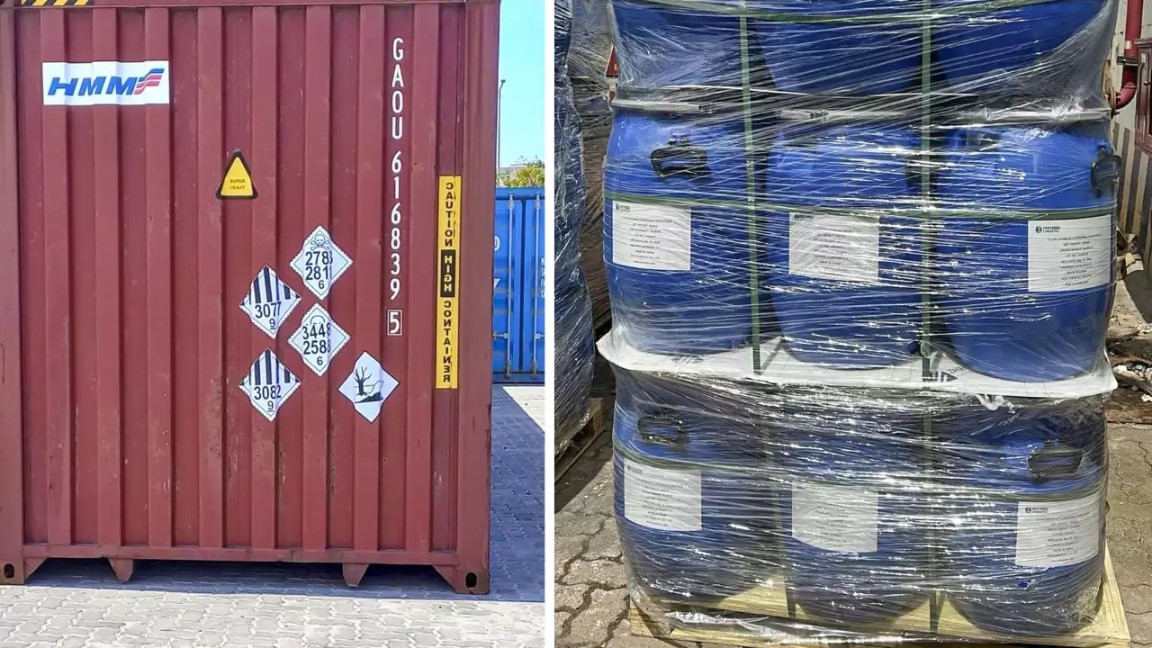
India
In a significant development, Indian security agencies have intercepted yet another Pakistan-bound consignment of banned chemicals from China, this time at a port in Tamil Nadu. The chemicals, used in tear gas and riot control, were found to be internationally prohibited and have sparked concerns over potential offensive chemical and biological warfare programs.On April 18, 2024, a Chinese firm, Chengdu Shichen Trading Co. Ltd, shipped a substantial quantity of Ortho-Chloro Benzylidene Malononitrile (commonly known as CS gas) from Shanghai Port. This consignment, destined for Rohail Enterprises in Rawalpindi, Pakistan, weighed approximately 2,560 kilograms and was stored in 103 drums of 25 kilograms each. The cargo was loaded onto the carrier vessel Hyundai Shanghai, sailing under a Cyprus flag. After making its way to Kattupalli Port in Tamil Nadu, India, on May 8, 2024, the shipment was detained during a routine customs check.The customs authorities discovered that the chemical was listed as a controlled substance under India’s export control list known as SCOMET. The investigation, which included consultations with experts, confirmed that the consignment contained Ortho-Chloro Benzylidene Malononitrile, a substance regulated by the Wassenaar Arrangement. While India is a signatory to this arrangement, aimed at controlling the export of arms and dual-use goods and technologies, both China and Pakistan are not.This incident is not an isolated one. Just in March of the same year, security agencies at Mumbai's Nhava Sheva port intercepted another Karachi-bound ship from China. This consignment was linked to Pakistan’s nuclear and ballistic missile programs, further heightening concerns over the regional security dynamics.The seized consignment in Tamil Nadu has been taken under the provisions of the Customs Act of 1962 and the Weapons of Mass Destruction and Delivery Systems (Prohibition of Unlawful Activities) Act of 2005. This act is instrumental in preventing the proliferation of weapons of mass destruction and their delivery systems.The repeated attempts to transport banned substances from China to Pakistan suggest a troubling pattern. According to officials, Pakistan, with the help of its "all-weather friend" China, appears to be working on enhancing its offensive chemical and biological warfare capabilities. This collaboration between China and Pakistan poses a significant threat to regional stability and global security.The international community remains vigilant, as the proliferation of such materials not only violates global treaties and norms but also poses a grave risk of these substances falling into the wrong hands. India's proactive stance in intercepting these shipments underscores the importance of stringent checks and international cooperation to prevent the spread of dangerous materials and ensure global security.
Read More → Posted on 2024-07-12 15:40:18
India
Hindustan Aeronautics Limited (HAL) is working against the clock to deliver the first Light Combat Aircraft (LCA) Mark 1A to the Indian Air Force (IAF) by August 15 this year, amid ongoing delays and challenges. The LCA Mark 1A project, a vital component of India's push for self-reliance in defense manufacturing, has faced multiple postponements, originally slated for delivery between February and March 2023.The delays primarily stem from software integration issues, which HAL is actively addressing. Defense sources have indicated that significant progress has been made, and efforts are focused on resolving these issues to meet the mid-August deadline. This marks a significant push to meet the expectations of the IAF, which has been closely monitoring the project, with high-ranking officials, including the Chief of Air Staff, involved in the oversight.Adding to the complexity of the situation has been the delay in the supply of GE-404 engines from the American manufacturer General Electric (GE). These engines are crucial for the LCA Mark 1A, and their delayed arrival has significantly impacted the overall delivery schedule. However, there is a silver lining. GE has committed to begin engine deliveries by September-October, promising one to two engines each month. HAL is in discussions to expedite these deliveries further to mitigate the delays.The Deputy Chief of Air Staff recently visited HAL's facilities to review the progress, underscoring the importance of this project for the IAF. The LCA Mark 1A, which recently had its first flight, is expected to be a game-changer for the Indian defense sector. The project, conceptualized under Prime Minister Narendra Modi's administration, aims to bolster India's indigenous defense manufacturing capabilities.The initial order for 83 LCA Mark 1As, worth ₹48,000 crore, represents a significant investment in domestic defense production. Additionally, the Defense Ministry has issued a tender to HAL for 97 more aircraft, a contract valued at approximately ₹65,000 crore. This tender, the largest ever for indigenous military hardware, is expected to be finalized by the end of the fiscal year.The introduction of the LCA Mark 1A into the IAF fleet is set to replace the aging MiG-21, MiG-23, and MiG-27 aircraft, which have either been phased out or are nearing the end of their operational lives. This modernization is part of a broader strategy to enhance the IAF's capabilities and reduce dependency on foreign-made aircraft.The success of the LCA Mark 1A project is pivotal not only for HAL but also for the entire ecosystem of small and medium enterprises involved in defense manufacturing across India. The project is seen as a major boost for these enterprises, driving innovation and creating business opportunities in the defense sector.Prime Minister Modi's support for the HAL and its projects has been evident. He has personally taken a sortie in the trainer variant of the LCA, marking the first time an Indian Prime Minister has flown in a combat aircraft. This gesture underscores the government's commitment to promoting indigenous defense capabilities.As HAL races to meet the August 15 deadline, the focus remains on overcoming the technical and logistical challenges that have delayed the project. With GE's commitment to engine supplies starting soon, there is cautious optimism that the LCA Mark 1A will soon take its place in the IAF fleet, marking a significant milestone in India's journey towards defense self-reliance.
Read More → Posted on 2024-07-12 15:37:37
India
In a remarkable feat of innovation, NewSpace Research and Technologies (NRT) has successfully tested a long-range satellite communication (SatCom) link for Command, Control, Communication, Computing, and Intelligence (C4I) functions of a drone swarm. This pioneering test marks a significant advancement in drone communication systems, setting a new benchmark for the industry.The test, conducted in the challenging terrain of Ladakh at an altitude of 4200 meters, showcased the system's robust Beyond Line of Sight (BLOS) connectivity. This crucial capability enables a drone swarm to maintain continuous communication with a satellite network and a remote ground control station (GCS), ensuring reliable connectivity across the globe, excluding the polar regions. The mission was meticulously planned, executed, and monitored from NRT's headquarters in Bengaluru, over 3000 kilometers away, demonstrating the system’s ability to function under extreme conditions.One of the most impressive aspects of this test was the seamless communication maintained throughout the mission. The SatCom link facilitated uninterrupted telemetry and payload data transfer from the drone swarm, exhibiting minimal latency. This ensured real-time data transmission and command execution, which are critical for the effective operation of drone swarms.The successful demonstration of this SatCom link paves the way for remote BLOS operations of drone swarms across India. It significantly enhances mission resilience in contested environments, providing a reliable and secure communication solution that is crucial for modern military and surveillance operations. The tested SatCom network supports multiple users at various locations, leveraging encrypted communication links to enhance operational efficiency and decision-making speed by closing the OODA (Observe, Orient, Decide, Act) loop more rapidly.NRT's achievement in this test not only underscores their technological prowess but also sets a new standard for the future of drone communication systems. This innovation is poised to revolutionize how drone swarms are deployed and managed, offering unprecedented capabilities for military and civilian applications alike. With this groundbreaking technology, NRT is leading the way in developing advanced solutions that meet the growing demands of modern warfare and surveillance operations.
Read More → Posted on 2024-07-12 15:26:32
India
In a strategic move to enhance India's internal security and provide career opportunities for former Agniveers, the Central Industrial Security Force (CISF) and the Border Security Force (BSF) have announced a 10% reservation of constable positions for these individuals. This landmark decision, revealed by CISF Director General Nina Singh and BSF Director General Nitin Agrawal, signifies a pivotal step in integrating ex-Agniveers into the nation's security framework.The Agnipath scheme, introduced in June 2022, recruits young individuals aged 17.5 to 21 years into the armed forces for a four-year tenure, with only 25% being retained for extended service. Despite facing criticism from opposition parties, the government has steadfastly supported the scheme, emphasizing its potential to infuse the security forces with disciplined and experienced personnel.CISF Opens Doors for Ex-AgniveersCISF Director General Nina Singh highlighted the significant impact of this initiative: "The Union Home Ministry has taken a substantial step towards integrating ex-Agniveers into our security forces. CISF is actively preparing for their recruitment, which will enhance our operational capabilities."Under the new policy, ex-Agniveers will benefit from exemptions in certain physical tests and age relaxations. The first batch of recruits will receive a five-year relaxation, while subsequent batches will be granted a three-year relaxation. This approach aims to facilitate the smooth transition of ex-Agniveers into their new roles within the CISF.BSF to Deploy Ex-Agniveers Along BordersBSF Director General Nitin Agrawal underscored the advantages of recruiting ex-Agniveers: "They bring four years of invaluable experience. After brief conversion training, they will be deployed along our borders." This initiative is expected to bolster border security by leveraging the skills and discipline acquired by ex-Agniveers during their military service.Other Central Forces Follow SuitThe CISF and BSF are not alone in this effort. Several other central forces, including the Central Reserve Police Force (CRPF), Railway Protection Force (RPF), and Sashastra Seema Bal (SSB), have also announced plans to reserve 10% of constable positions for ex-Agniveers. This coordinated effort underscores the government's commitment to providing opportunities for former Agniveers while utilizing their expertise across various security domains.Political Debate ContinuesDespite the positive reception of this initiative, the Agnipath scheme remains a subject of political debate. Opposition parties have expressed concerns about the future prospects of the 75% of Agniveers who are not retained after their initial four-year term. Critics argue that these individuals may face uncertain career paths and limited job opportunities.However, the government maintains that the integration of ex-Agniveers into central forces will not only provide gainful employment but also strengthen the country's internal security apparatus. By infusing the security forces with trained and disciplined personnel, the government aims to create a robust and resilient security infrastructure.In conclusion, the reservation of 10% of constable posts for ex-Agniveers by the CISF, BSF, and other central forces marks a significant step in enhancing India's security landscape. This initiative reflects the government's dedication to supporting former Agniveers and ensuring their valuable skills and experiences continue to benefit the nation.
Read More → Posted on 2024-07-12 15:21:52Search
Top Trending in 24 Hours
-
 Tulsi Gabbard Releases Declassified Files Detailing U.S.-Backed Network of 120 Biolaboratories Across 30+ Countries
-
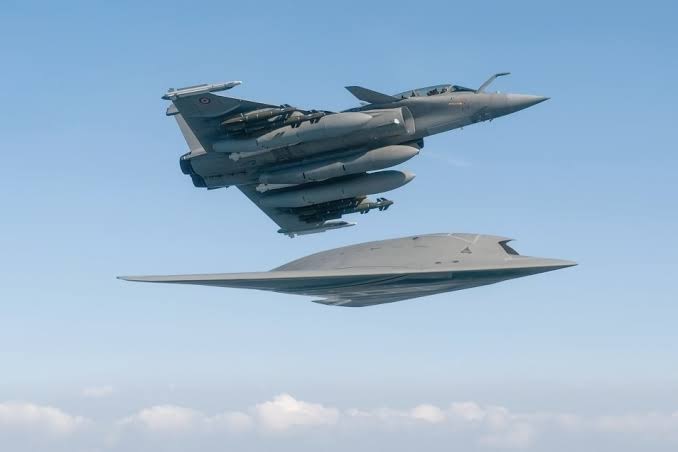 France Agrees to Equip Future Indian Rafales with AI, MUM-T and Secure Satellite Links Under F5 Standard
-
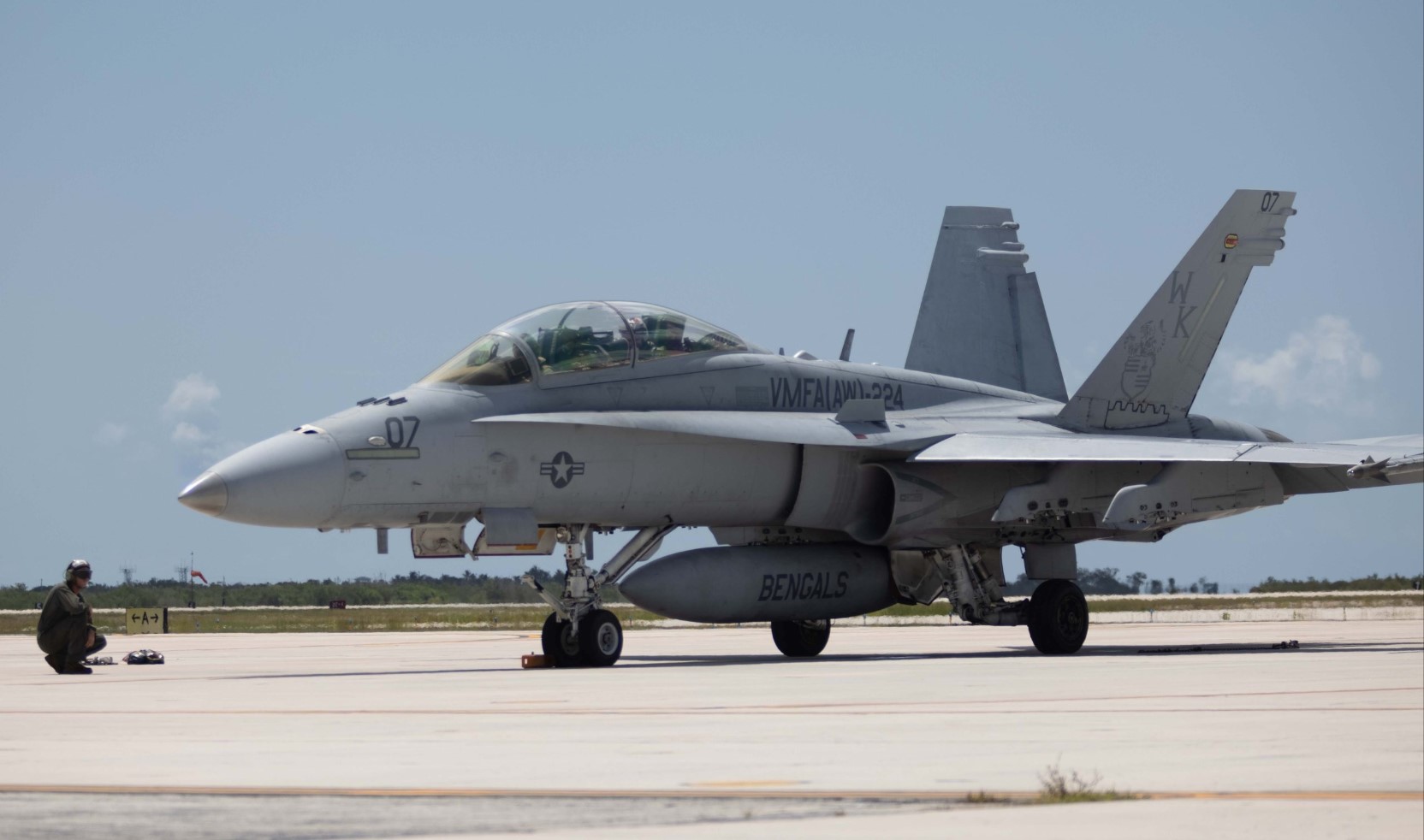 US Marine Corps F/A-18D Hornet Crashes During Training Flight in Washington Mountains; Pilot Ejects Safely
-
 Dassault Seeks Compensation From Airbus as Eurodrone Dispute Erupts After FCAS Collapse
-
 AM General Unveils Next-Generation UGV and JLTV A2 with Counter-Drone Systems at Eurosatory 2026
-
 U.S. Navy Reestablishes Submarine Squadron 3 at HMAS Stirling to Support AUKUS Rotational Force
-
 U.S. Navy's USS Colorado Submarine Returns to Pacific Fleet 29 Days Early After Major Pearl Harbor Overhaul
-
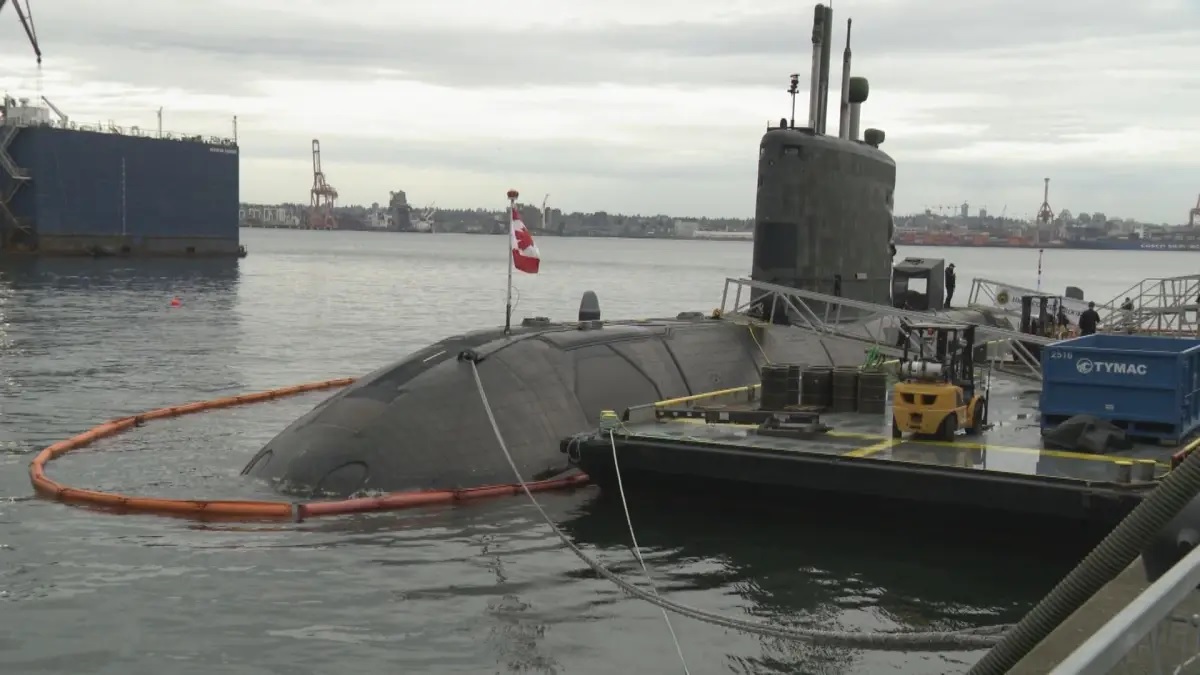 Royal Canadian Navy Deploys HMCS Corner Brook for First RIMPAC Submarine Mission in Over a Decade
Top Trending in 4 Days
-
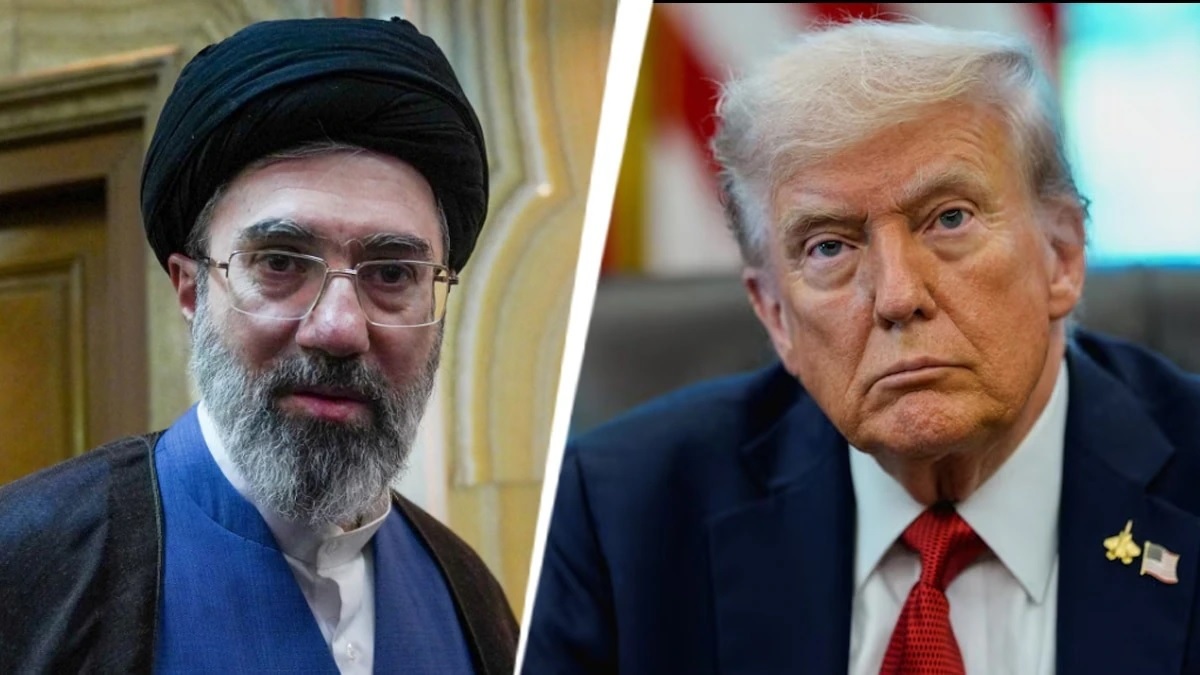 Iranian Media Leaks 14-Point U.S.-Iran Peace Framework Amid Ongoing Negotiations
-
 US Plans Significant Reduction of Fighter Jets and Warships for NATO Operations in Europe
-
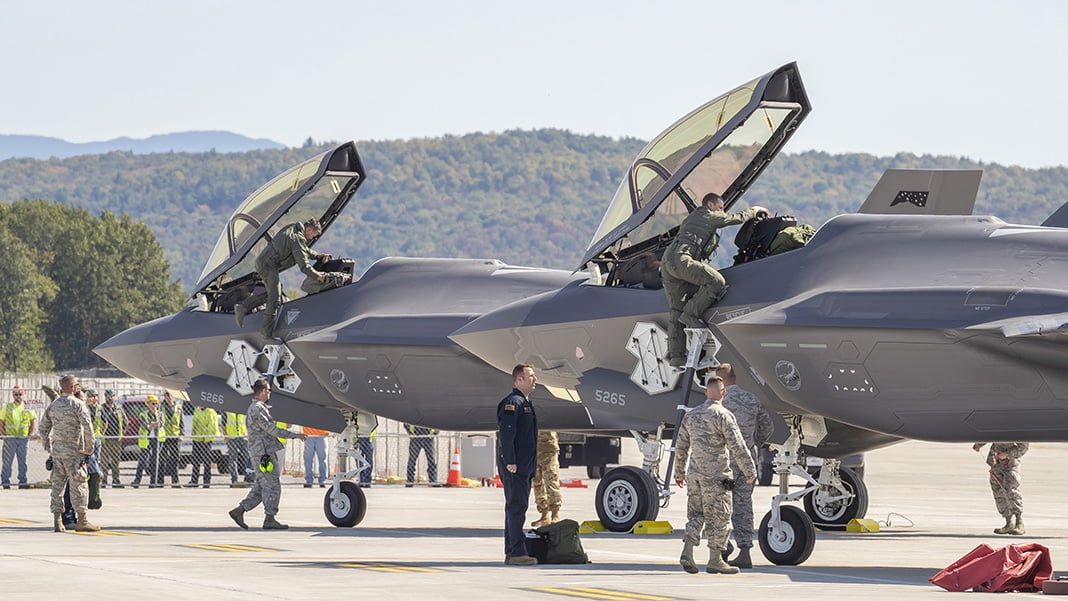 F-35 Fleet Readiness Falls to 25% Amid Parts Shortages and Software Delays: GAO Report
-
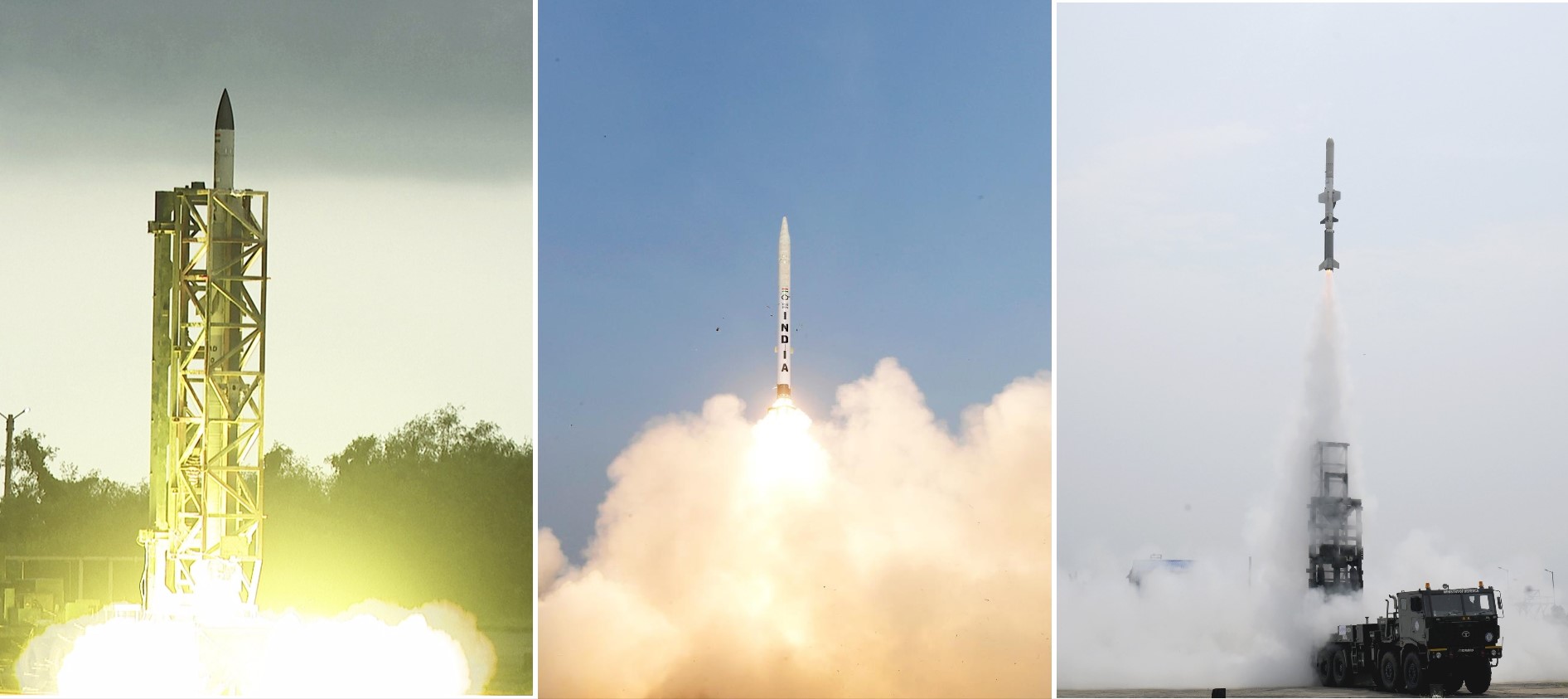 India Successfully Conducts AD-1, AD-2 Interceptor Tests and Maiden NASM-MR Flight Trial
-
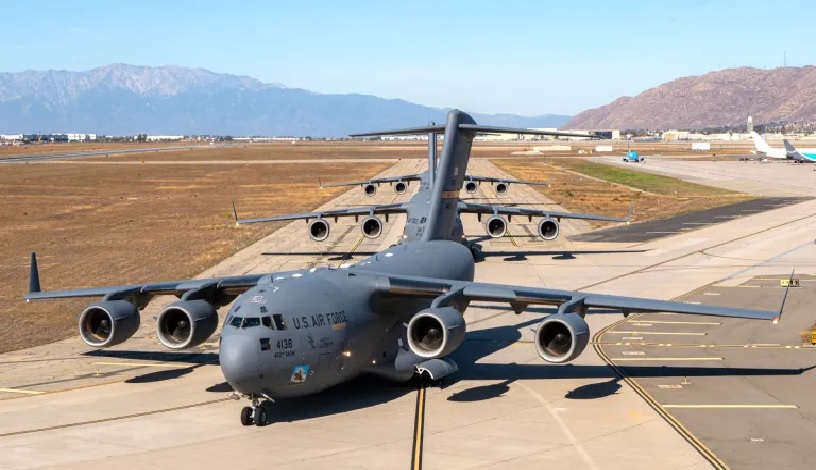 U.S. Air Force Faces Strategic Airlift Shortfall as C-17 Production Restart Remains Uncertain
-
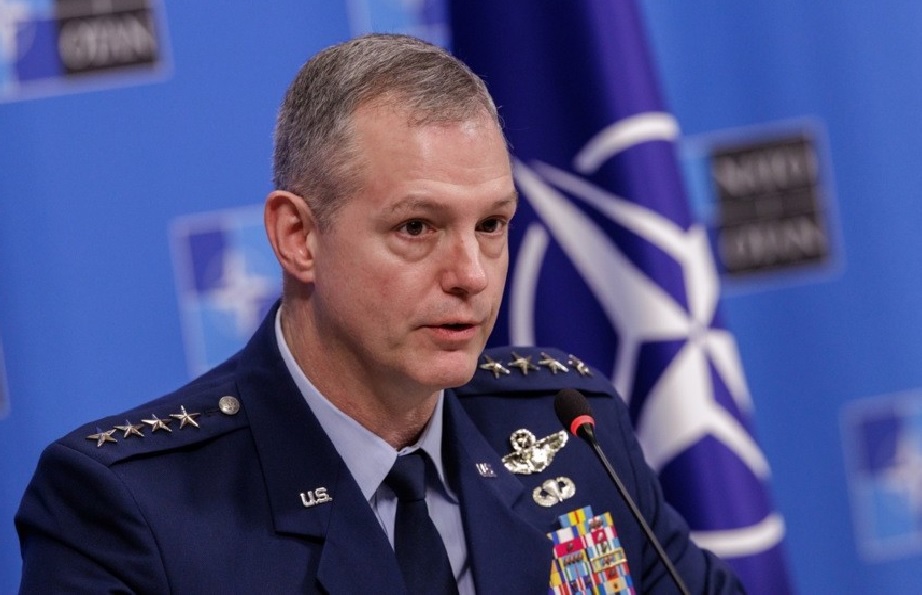 NATO Commander Says Russia Not Seeking Conflict With Alliance Despite U.S. Force Reductions
-
 Russian Defense Firm ZALA Unveils KAMA Unmanned Surface Vessel Family at FLOT-2026 Naval Exhibition
-
 U.S. Space Force Awards $437.7 Million Contracts for First PTS-G Swarm 1 Anti-Jam Satellites