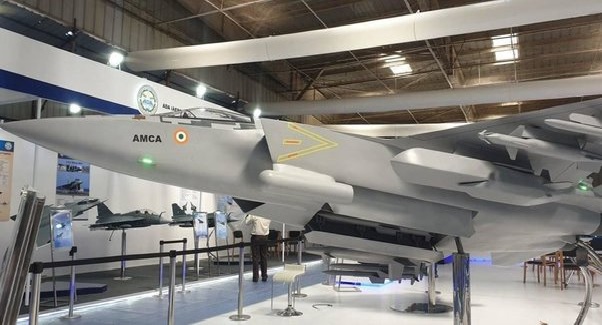
In the dynamic world of defense technology, few developments are as intriguing as Safran's recent proposal to power India's Advanced Medium Combat Aircraft (AMCA). The French aerospace giant has taken a significant step ahead in the competition, outpacing rivals like General Electric and Rolls-Royce, with an offer that could reshape the future of India's indigenous defense capabilities.
Safran has proposed a complete technology transfer (ToT), which includes Intellectual Property Rights (IPR), for the co-development of a brand-new 6th generation engine tailored specifically for the AMCA. This isn’t just a simple engine deal; it’s a comprehensive package that aims to provide India with the knowledge and skills necessary to manufacture and modify these engines independently.
This strategic proposal stands in stark contrast to the more limited ToT terms offered by General Electric and Rolls-Royce. By promising 100% technology transfer, Safran has pledged to empower India's Gas Turbine Research Establishment (GTRE) and its domestic partners. This transfer of expertise is expected to foster long-term self-reliance, a crucial aspect for India's defense sector, allowing modifications and adaptations of the engine to meet future needs and challenges.
What sets Safran's offer apart is its forward-thinking approach. The proposed engine is designed to deliver 75kN of dry thrust and 110-130kN of wet thrust, far exceeding the capabilities of current models like the M-88 used in Rafale jets. This new engine would not only propel the AMCA MkII and potential future 6th generation fighter jets but also serve as a significant upgrade option for existing aircraft such as the Tejas MkII and Rafale. The potential for such upgrades ensures that India's air force remains at the cutting edge of aerial combat technology for years to come.
Safran's proposal is not just about immediate gains; it’s a calculated bid to establish a long-term partnership with India. By offering a deal that goes beyond the usual transactional nature of defense contracts, Safran is positioning itself as a preferred partner for India's future fighter jet programs. This move aligns with India's strategic goal of achieving self-reliance in defense technology, reducing dependence on foreign suppliers, and building a robust domestic defense industry.
However, the path forward is not straightforward. India is expected to meticulously evaluate all proposals before making a final decision. The selection process will weigh factors such as cost, engine performance, and the track record of each manufacturer. While Safran’s offer is compelling, it will face stiff competition from other industry giants who also bring substantial expertise and proven technology to the table.
In summary, Safran's bold move to offer full technology transfer and IPR for the co-development of a new engine for the AMCA program marks a significant milestone. It not only highlights the company's commitment to fostering a strong, self-reliant Indian defense sector but also sets the stage for a potentially transformative partnership. As India deliberates on the best path forward, Safran’s proposal stands out as a beacon of strategic collaboration and innovation in the global defense arena.
---
### Google Index-Suitable Title:
"Safran's Full Technology Transfer Proposal: A Game Changer for India's AMCA Program"
——— End of Article ———