
India
India recently marked a significant achievement by successfully concluding its fourth periodic review under the United Nations' International Covenant on Civil and Political Rights (ICCPR). This review, conducted by the Human Rights Committee in Geneva, was a testament to India's ongoing commitment to upholding and promoting civil and political rights within the international human rights framework.The ICCPR, a pivotal multilateral treaty adopted by the UN General Assembly in 1966 and effective since 1976, requires nations to respect and ensure various civil and political rights. India, having become a party to this covenant in 1979, has undergone previous reviews, with the most recent before this being in 1997. The fourth review, held from July 15 to 16, 2024, saw India's delegation engaging in detailed and constructive dialogues with the committee members.The Indian delegation, co-led by Attorney General R. Venkataramani and Solicitor General Tushar Mehta, also included Pavan Kapoor, Secretary (West) in the Ministry of External Affairs (MEA). They addressed numerous queries from the committee covering a broad spectrum of issues such as anti-corruption measures, non-discrimination policies, the status of women and minorities, counter-terrorism strategies, national security, the judicial framework, privacy and data protection laws, and the introduction of new criminal laws.Throughout the discussions, India emphasized its progress in protecting the rights of vulnerable groups, highlighting efforts and achievements in areas like women’s rights, minority protections, and combating discrimination. The committee members acknowledged India's traditions and ethos, particularly its principles of pluralism, non-violence, and diversity, which align closely with the essence of human rights.The review process not only demonstrated India's willingness to address international concerns but also showcased its proactive stance in engaging with the global human rights framework. The MEA underscored that the rights and freedoms enshrined in the ICCPR are guaranteed under India's Constitution and supported by its legislative and judicial systems.Moreover, the MEA highlighted India's vibrant democracy, pointing out that the country had recently concluded the world's largest democratic exercise. The review also served as an opportunity to reflect on India's contributions to the evolution of the global human rights framework, reaffirming its commitment to these fundamental principles.The Human Rights Committee, consisting of 18 independent experts, plays a crucial role in monitoring the implementation of the ICCPR across its state parties. These experts conduct periodic reviews and provide observations and recommendations to ensure continuous improvement in human rights practices worldwide.India's successful completion of this periodic review is a positive reflection of its dedication to human rights. It underscores the nation's efforts to maintain a transparent, accountable, and inclusive approach to governance, ensuring the protection and promotion of civil and political rights for all its citizens.This achievement not only reinforces India's position on the global stage as a committed advocate of human rights but also sets a precedent for continued dialogue and cooperation within the international community.
Read More → Posted on 2024-07-17 13:49:29
India
In a significant crackdown on illegal drug cultivation, the Border Security Force (BSF) recently carried out a joint operation with the Forest Department and the Jatrapur Police Station in Tripura. This collaborative effort led to the uprooting of 15,000 ganja saplings in the village of Nirbhoypur. The estimated value of these saplings is around ₹7.5 lakh, marking a substantial blow to local illicit drug activities.The operation was triggered by specific intelligence that pointed to the involvement of a local resident, Babul Mazumdar. According to a press release from the BSF's Frontier Headquarters in Tripura, Mazumdar had set up a ganja plant nursery behind his house in Nirbhoypur. Acting swiftly on this information, the BSF, alongside the Forest Department and local police, conducted a raid that resulted in the destruction of the illegal plantation.Legal proceedings are now underway against the landowners implicated in this illegal activity. The Forest Department and the Jatrapur Police Station are taking necessary actions to ensure that those responsible are held accountable. This operation underscores the BSF's commitment to curbing the cultivation of ganja in the border regions of Tripura, an area that has seen repeated efforts by various agencies to control the spread of illicit drug farming.The operation is a part of the BSF's broader strategy to eliminate the cultivation and distribution of illegal drugs in the region. The BSF's consistent efforts, in collaboration with local authorities, aim to dismantle the networks that facilitate the cultivation and distribution of such substances. The recent success in Nirbhoypur highlights the effectiveness of coordinated operations in addressing this issue.In recent years, Tripura has witnessed several such operations where the BSF, along with state agencies, has destroyed large quantities of illegal drug plants. These operations are not only vital for maintaining law and order but also for protecting the local communities from the adverse effects of drug proliferation. The involvement of local residents in these illegal activities poses a significant challenge, necessitating continuous vigilance and action from law enforcement agencies.The destruction of the ganja saplings in Nirbhoypur serves as a stark warning to those involved in the illegal drug trade. It reinforces the message that the authorities are vigilant and ready to take decisive action against such activities. The BSF's proactive approach, combined with local support, is crucial in maintaining the security and integrity of the region.As the BSF and local authorities continue their efforts, the community's role in providing information and support becomes increasingly important. This collaboration between law enforcement and residents can significantly enhance the effectiveness of operations aimed at eradicating illegal drug cultivation and ensuring a safer environment for all.In conclusion, the recent operation in Nirbhoypur is a testament to the BSF's dedication to eliminating illegal drug cultivation in Tripura. The successful uprooting of 15,000 ganja saplings worth ₹7.5 lakh not only disrupts the local drug trade but also sends a clear message of zero tolerance towards such activities. The ongoing legal actions and the BSF's continued vigilance will be key in sustaining these efforts and achieving long-term success in the fight against illegal drugs in the region.
Read More → Posted on 2024-07-17 13:39:52
India
In a significant development in Chhattisgarh's ongoing battle against Maoist insurgency, four Maoists, collectively carrying a reward of ₹20 lakh on their heads, surrendered in the Sukma district. Among the surrendered rebels, two are women, and their decision to lay down arms marks a critical moment in the state's efforts to curb Maoist violence and promote peace.The group surrendered before senior police and Central Reserve Police Force (CRPF) officials, including the district superintendent of police, Kiran Chavan. The Maoists cited deep disillusionment with the Maoist ideology and the atrocities committed by their comrades on the tribal communities as their primary reasons for surrendering. They labeled the Maoist ideology as "inhuman" and "hollow," rejecting its principles and methods.One of the key figures in this surrender was Kailash alias Kavasi Deva, a 35-year-old deputy commander of the Maoists' company number 10, who carried a reward of ₹8 lakh on his head. Alongside him was Vanjam Hadma, a 24-year-old senior cadre of platoon number 30, and Sukki Madkam, a 31-year-old area committee member under the south Bastar division of the Maoists. Both carried a reward of ₹5 lakh each. The fourth member, Ravva Deve, a 25-year-old woman cadre from the Maharashtra-Gadchiroli-Bhamragarh area committee, had a reward of ₹2 lakh on her head.These four individuals, all residents of Sukma district, were allegedly involved in numerous violent incidents, including attacks on police teams. Their surrender is seen as a direct result of the state government's effective Naxalite elimination policy and various welfare schemes aimed at promoting peace and development in the region. The government’s approach has not only focused on military action but also on winning the hearts and minds of the local population through development initiatives and rehabilitation programs. This strategy appears to be yielding results, as evidenced by the recent surrenders.Each of the surrendered Maoists has been provided with an initial assistance of ₹25,000 and will be rehabilitated according to the government’s policy. This includes access to various schemes aimed at integrating them back into society and ensuring they have opportunities for a better future away from violence and extremism.This surrender is a significant victory for the Chhattisgarh police and the CRPF, who have been tirelessly working to combat the Maoist threat in the region. It also serves as a testament to the potential success of comprehensive counter-insurgency strategies that combine force with socio-economic development.The surrender of these Maoists is a hopeful sign that more rebels might choose to abandon their arms and embrace the path of peace, driven by a growing realization of the futility of their violent struggle and the positive impact of government policies aimed at their welfare.
Read More → Posted on 2024-07-17 13:31:41
India
In a significant development, the Supreme Court has intervened in a plea filed by the Nagaland government challenging the Centre's refusal to sanction the prosecution of 30 Army personnel. These personnel stand accused of involvement in a tragic incident in 2021, where 13 civilians lost their lives during an operation aimed at ambushing militants in the Mon district.The Nagaland government, dissatisfied with the Central government's decision to deny prosecution sanction, has petitioned the Supreme Court under Article 32 of the Constitution. This article allows for petitions alleging violations of fundamental rights, asserting that the state has compelling evidence, including from a special investigation team, implicating the Army personnel.A bench led by Chief Justice D Y Chandrachud has taken cognizance of the state's grievances and issued notices to the Centre and the Ministry of Defence. The court has scheduled a hearing on September 3 to delve into the matter further.Previously, the Central government had halted the prosecution citing lack of sanction, a move contested by the state as arbitrary and not based on a thorough examination of the evidence. This legal standoff saw a temporary halt in proceedings last year when the Supreme Court stayed the prosecution following pleas from the accused personnel's families.The case highlights tensions between military operations and civilian rights, emphasizing the role of legal processes in ensuring accountability and justice. The upcoming Supreme Court hearing promises to be a critical juncture in determining the next steps in this contentious legal battle.This development underscores ongoing debates surrounding military conduct in conflict zones and the legal frameworks governing such incidents.
Read More → Posted on 2024-07-16 16:04:31
India
In a landmark achievement for aviation safety, the Gas Turbine Research Establishment (GTRE) has successfully developed India's first indigenous anti-icing technology for aero engines. This development marks a significant step forward in addressing a critical safety issue that has long plagued aviation worldwide: the formation of ice on aircraft and engine surfaces.When aircraft fly through clouds containing supercooled water droplets, these droplets can freeze upon contact with the aircraft's surfaces. This accumulation of ice disrupts airflow, compromises aerodynamic performance, and can severely impact flight stability and engine functionality. Historically, icing has been a contributing factor in numerous fatal aviation accidents.To mitigate these risks, aircraft and engines are equipped with ice protection systems. Anti-icing systems, in particular, work by heating surfaces to prevent ice from forming. These systems typically use electricity or hot air from the engine compressor to maintain the necessary temperatures. Until now, India lacked the capability to develop such advanced technology domestically.GTRE's project focused on creating a hot air anti-icing system specifically designed for modern gas turbine engines, suitable for both manned and unmanned aircraft. The primary targets for this system are critical components such as the engine inlet casing's struts and bullet noses, which are particularly vulnerable to ice buildup.The development process was notably swift, thanks to a blend of conventional and additive manufacturing techniques. GTRE produced two test pieces of the engine inlet casing within a remarkably short timeframe. These pieces featured four different anti-icing designs, facilitating an efficient validation process through icing wind tunnel tests.Validation of the design methodology was a rigorous process. GTRE conducted extensive testing at the CIRA facility in Italy, where the test hardware demonstrated its anti-icing capabilities under simulated icing conditions. The results were conclusive, meeting all necessary certification requirements.This technological breakthrough equips GTRE with the expertise to design anti-icing systems for any advanced gas turbine aero engine. Their capabilities now include conducting numerical studies to calculate crucial icing characteristics, such as water catch efficiency, which are vital for the development of aero-engine and aircraft programs.The implications of this indigenous technology are profound. It promises to significantly enhance the safety and operational capabilities of both military and civil aviation in India. Moreover, this achievement underscores India's growing self-reliance in critical aerospace technologies, paving the way for future advancements in the field. GTRE's success in developing this anti-icing technology is a testament to India's commitment to advancing its aerospace capabilities and ensuring the safety of its aviation operations.
Read More → Posted on 2024-07-16 16:02:42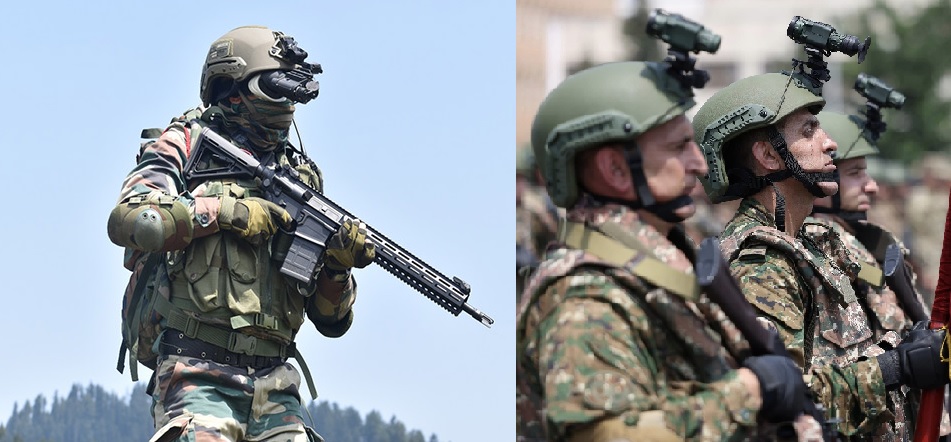
India
In a notable development during the Eagle Partner Military Drill 2024, Armenian forces have been seen using advanced thermal imaging technology from India. This year's drill, aimed at bolstering regional cooperation and military preparedness, has Armenian soldiers equipped with the Spartan-S, a next-generation Clip-On Thermal Weapon Sight (CLIPON) from Tonbo Imaging, a prominent Indian defense contractor.The Spartan-S stands out as a cutting-edge tool in modern warfare. Weighing less than 300 grams, it is a compact yet powerful device that offers a range of capabilities. Designed for ease of use, this all-in-one handheld unit can be attached to small and medium caliber weapons as a true Clip-On sight. Its versatility extends further, allowing it to function as a standalone sight, handheld viewer, or even as a helmet-mounted system, making it suitable for various tactical scenarios.One of the Spartan-S's most significant features is its ability to deliver some of the sharpest thermal images available on the market. This high-quality imaging is achieved through a 12um TUVE thermal imaging core, complemented by advanced video processing algorithms developed by Tonbo Imaging. The result is a clear and precise thermal picture that can be crucial in low-visibility conditions, enhancing the effectiveness of soldiers in the field.The Spartan-S is designed with mission readiness in mind. Its Clip-On mode means there is no need for re-zeroing when switching from day optics to the thermal sight, allowing for rapid deployment in dynamic situations. Additionally, the sight includes a flip-to-side quick detach mount, which facilitates smooth transitions while maintaining zero settings, crucial for maintaining accuracy and readiness during operations.Ergonomics and intuitive operation are key aspects of the Spartan-S. The device features an advanced ergonomic design with tactile buttons that provide clear feedback, making it easy to operate even while wearing gloves. This design ensures silent and efficient operation, which is essential in maintaining stealth and effectiveness in the field.The adoption of the Spartan-S by Armenian forces during the Eagle Partner Military Drill 2024 highlights the growing importance of advanced thermal imaging technology in modern military operations. This collaboration between Armenia and Tonbo Imaging not only enhances the capabilities of Armenian soldiers but also underscores the role of international partnerships in advancing military technology and preparedness.As the geopolitical landscape continues to evolve, the integration of such advanced technologies will likely play a crucial role in the effectiveness of military operations. The Spartan-S, with its state-of-the-art features and user-friendly design, represents a significant step forward in this domain, providing soldiers with the tools they need to operate effectively in diverse and challenging environments.
Read More → Posted on 2024-07-16 15:47:50
India
The Indian Navy is eagerly awaiting the arrival of its first advanced stealth frigate from Russia in September 2024. This marks a significant milestone in India's defense capabilities, especially after facing numerous delays and setbacks. The COVID-19 pandemic, the ongoing conflict in Ukraine, and the resulting Western sanctions on Russia have all played a part in hindering the timely delivery of these crucial naval assets.Named "Tushil," the first frigate is now ready for handover. The commissioning crew, having arrived in Russia earlier this month, is preparing for the ship's imminent transfer to India. The second frigate, "Tamal," is scheduled for delivery by February 2025. These ships are part of a larger Inter-Governmental Agreement (IGA) signed between India and Russia in October 2016, aimed at enhancing the Indian Navy's fleet with advanced stealth technology.The agreement includes a total of four stealth frigates, with two being directly imported from Russia and the other two to be constructed domestically by Goa Shipyard Limited (GSL). The deal for the imported frigates was valued at $1 billion, while the contract for the locally constructed ships stood at $500 million. The frigates from GSL are expected to be delivered by 2026, with the first one set to launch in the next few months.The journey of these frigates has been anything but smooth. Initially, they were basic structures at the Yantar shipyard in Russia. India secured these structures and has overseen their completion, despite the myriad challenges posed by global events. The Indian Navy already operates six similar frigates, each weighing around 4,000 tonnes, and the addition of these new vessels will significantly bolster its maritime capabilities.The delays were primarily caused by the COVID-19 pandemic, which disrupted global supply chains and workforce availability. The situation was further complicated by the war in Ukraine. The conflict led to a slew of sanctions against Russia, affecting its defense exports and creating additional hurdles in the construction and delivery processes.However, the imminent delivery of "Tushil" and "Tamal" is a testament to the resilience and determination of both nations to continue their defense cooperation amidst such complexities. This development not only highlights the strategic partnership between India and Russia but also underscores the importance of maintaining and enhancing naval power in the current geopolitical climate.For the Indian Navy, these frigates represent a leap forward in stealth technology and naval warfare capabilities. As modern naval threats evolve, the integration of advanced stealth frigates will provide India with a significant tactical advantage in protecting its maritime interests.The commissioning of these vessels comes at a time when India's defense strategy is increasingly focusing on self-reliance and modernization. The successful acquisition and integration of these frigates will serve as a critical component of this strategy, ensuring that the Indian Navy remains a formidable force in the region.As the delivery dates approach, the anticipation and excitement within the Indian defense community are palpable. The arrival of "Tushil" in September and "Tamal" in February will be celebrated milestones, marking the culmination of years of planning, negotiation, and overcoming obstacles.In conclusion, despite the delays and challenges, the Indian Navy is on the brink of a significant upgrade with the addition of these Russian stealth frigates. This development not only strengthens India's naval capabilities but also reaffirms the enduring defense ties between India and Russia. As these advanced frigates set sail, they symbolize a new era of cooperation and technological advancement for the Indian Navy.
Read More → Posted on 2024-07-16 15:43:19
India
In a significant boost to India's ambitious 'Make in India' initiative, the Union Minister of State for Defence, Sanjay Seth, visited the Hindustan Aeronautics Limited (HAL) facilities. Seth underscored the critical role HAL plays in turning the country's defence dreams into reality. His visit and words were not just a pat on the back for HAL but a clarion call for timely and efficient delivery of projects.During his tour, Seth addressed HAL's top management, emphasizing the company's immense responsibility in the nation's defence sector. He assured HAL of the government's unwavering support while urging the company to tackle challenges in design, development, production, and delivery. Seth's message was clear: HAL must step up to contribute effectively to 'Viksit Bharat,' a vision of a developed India.HAL showcased its extensive product profile, highlighting current and future projects. The presentation covered various aspects, including the repair and overhaul (ROH) operations, aircraft upgrades and modifications, avionics advancements, exports, and both manned and unmanned aerial vehicles. The company's initiatives in civil Maintenance, Repair, and Operations (MRO), and support for ISRO platforms were also spotlighted.Seth's visit included a detailed look at the Light Combat Aircraft (LCA) Tejas and the Helicopter Divisions. His keen interest in these segments underscores the importance of these projects in India's defence landscape. HAL's proactive measures to address operational challenges were acknowledged, with CMD (Additional Charge) C B Ananthakrishnan expressing gratitude for the government's support. The presence of HAL Directors and CEOs further highlighted the visit's significance.The context of Seth's visit to HAL can be better understood considering his recent visit to Kolkata on July 11. There, he addressed senior officials of Advanced Weapons and Equipment India Limited (AWEIL) and the Gun and Shell Factory (GSF) in Kashipur. He lauded AWEIL's achievements and outlined its future prospects as a premier Defence Public Sector Undertaking (DPSU). Seth's emphasis was on improving performance, efficiency, and skills to ensure competitiveness against both government PSUs and private industries.Seth's encouragement to AWEIL's workforce to maximize human resources and collaborate with associated establishments resonates with his message to HAL. His visits are part of a broader strategy by the Ministry of Defence to bolster India's defence capabilities and promote self-reliance in defence production. This commitment is crucial as India seeks to enhance its defence manufacturing capabilities and reduce dependence on foreign imports.HAL, with its storied history and pivotal role in India's aerospace and defence sectors, is central to this mission. The company's efforts in indigenization, from developing indigenous aircraft to supporting critical space missions, reflect its strategic importance. The Minister's visit is a reminder of the expectations and responsibilities that come with such a significant role.In conclusion, Sanjay Seth's visit to HAL and his subsequent statements highlight a crucial juncture in India's defence narrative. The emphasis on timely delivery, innovation, and self-reliance is more than a policy directive; it's a call to action for HAL and other defence PSUs. As India marches towards its 'Make in India' defence dream, the collaboration between the government and key players like HAL will be instrumental in shaping the future of the nation's defence capabilities.
Read More → Posted on 2024-07-16 15:32:55
India
In a significant display of support, the Indian government has released the first tranche of USD 2.5 million to the United Nations Relief and Works Agency for Palestinian Refugees in the Near East (UNRWA). This contribution is part of India's annual commitment of USD 5 million for the fiscal year 2024-25. The announcement was made by the Representative Office of India in Ramallah, affirming India's longstanding dedication to aiding Palestinian refugees.Since 1950, UNRWA has been instrumental in providing direct relief and essential services to registered Palestinian refugees. Its efforts encompass a wide range of programs, including education, healthcare, and social services. Over the years, India has contributed significantly to these endeavors, with financial support amounting to USD 35 million up to the 2023-24 fiscal year.The recent disbursement was highlighted during the UNRWA Pledging Conference held in New York, where India not only reiterated its financial commitment but also announced plans to provide medical supplies based on specific requests from UNRWA. This move underscores India's call for a safe, timely, and sustained supply of humanitarian aid to the Palestinian people.The backdrop to this aid includes the ongoing conflict between Israel and Hamas in Gaza, which has placed immense pressure on humanitarian organizations operating in the region. UNRWA, largely funded by voluntary contributions from UN member states, continues to navigate these challenges to deliver critical support to those in need.In contrast, recent developments in Japan's defense capabilities were also revealed. The Japanese government, through its 2024 Defense White Paper, unveiled the latest advancements in its missile technology. The highlight was the improved Type 12 Surface-to-Ship Missile (SSM) prototype, developed by Mitsubishi Heavy Industries. This missile, featuring enhanced design elements such as pronounced rearward-angled wings and X-shaped tail fins, aims to bolster Japan's standoff defense capabilities.The urgency of these enhancements is driven by regional security dynamics, particularly the need to counter threats from potential invading forces. The Japanese Defense Ministry emphasized the strategic importance of the Type 12 SSM in maintaining regional security, especially in light of China's military expansion. The missile is designed to engage enemy targets from beyond the range of adversarial anti-aircraft systems, ensuring a robust defense posture for Japan.The juxtaposition of these two developments—India's humanitarian aid to Palestinian refugees and Japan's advancements in missile technology—highlights the diverse challenges and priorities faced by nations in maintaining security and supporting vulnerable populations. While India focuses on humanitarian support amidst a protracted conflict, Japan is enhancing its defense capabilities to safeguard its sovereignty.India's ongoing support to UNRWA exemplifies its commitment to global humanitarian efforts, providing crucial assistance to Palestinian refugees in their time of need. Meanwhile, Japan's proactive measures in defense technology reflect its strategic imperative to fortify national security in a complex geopolitical landscape.
Read More → Posted on 2024-07-16 15:28:38
India
In a tragic turn of events, four Indian soldiers, including an officer, lost their lives following a fierce gunfight with heavily armed terrorists in the Doda district of Jammu and Kashmir. The encounter, which unfolded in the dense and challenging terrain of the Desa forest belt, underscored the relentless dangers faced by the Indian armed forces in their ongoing battle against terrorism.The operation began late Monday evening when troops from the Rashtriya Rifles, in coordination with the Special Operations Group of the Jammu and Kashmir Police, initiated a cordon and search mission at Dhari Gote Urarbagi, approximately 55 kilometers from Doda town. Acting on intelligence inputs about the presence of terrorists in the area, the forces moved swiftly to secure the forested region.As the troops advanced, they encountered a group of heavily armed terrorists, leading to an initial exchange of gunfire. The terrorists, attempting to escape the military net, retreated deeper into the forest, prompting the soldiers to pursue them through the dense foliage and rugged terrain. The challenging environment made the pursuit perilous, yet the troops, led by a valiant officer, pressed on undeterred.Around 9 PM, the chase culminated in another intense firefight. Despite the soldiers' bravery and tactical skill, five of them sustained critical injuries during the encounter. Immediate medical attention was provided, and the injured were evacuated from the scene under difficult conditions. However, four of the injured soldiers, including the leading officer, succumbed to their injuries, dealing a significant blow to the operation and the morale of their comrades.The fallen soldiers' names and details of their service records were not immediately disclosed, but their sacrifice has been hailed as a testament to their courage and dedication. Their martyrdom adds to the long list of heroes who have laid down their lives in the line of duty in Jammu and Kashmir, a region that has seen persistent conflict and violence over the years.This tragic incident has once again highlighted the volatile security situation in Jammu and Kashmir and the relentless efforts of the Indian armed forces to maintain peace and order in the region. The government and military leadership have vowed to continue their fight against terrorism with renewed vigor, ensuring that the sacrifices of their brave soldiers are not in vain.The encounter in Doda serves as a stark reminder of the high stakes involved in counter-terrorism operations and the profound risks faced by the men and women in uniform. As the nation mourns the loss of its brave hearts, the resolve to eradicate terrorism from its soil remains as strong as ever.
Read More → Posted on 2024-07-16 15:25:57
India
In a significant step towards bolstering border security, India and Bangladesh have committed to a collaborative effort aimed at reducing border violence and safeguarding Border Security Force (BSF) personnel. This decision was reached during the Sector Commander-level meeting held at the Border Outpost Hili of the 61 Battalion BSF, under the Raiganj Sector of North Bengal Frontier in West Bengal's Dakshin Dinajpur district.The meeting brought together key officials from both sides, with the Indian delegation led by Mohinder Singh, DIG and Sector Commander of Raiganj, and the Bangladesh delegation headed by Md Ariful Haque, Sector Commander of Dinajpur Sector. Both nations expressed their determination to address the troubling incidents of assaults on BSF personnel by trans-border criminals originating from Bangladesh.In their discussions, the two sides agreed on a range of measures designed to minimize such incidents. A significant part of their strategy includes increasing coordinated patrols, particularly during the vulnerable hours from late night to early morning. This joint patrolling effort is expected to deter criminal activities along the border and enhance the overall security of BSF personnel.Moreover, both countries recognized the importance of educating the local border populations about the sanctity of the International Border. This public awareness initiative aims to foster a sense of respect and adherence to border protocols among the residents, thereby reducing the likelihood of violent confrontations.The meeting underscored the need for a synergistic approach to uphold human rights and curb violence at the border. To this end, the BSF and Border Guard Bangladesh (BGB) committed to several joint initiatives, including:1. Enhanced Joint Patrolling and Vigilance: By working together on regular patrols, the forces aim to maintain a continuous and cooperative presence along the border.2. Public Awareness Programs: These programs will focus on educating the border communities about the importance of maintaining peace and respecting border regulations.3. Socio-Economic Development Projects: By addressing the underlying socio-economic issues in border areas, both nations hope to mitigate the factors that often lead to border violence.4. Real-Time Information Sharing: This will facilitate quicker responses to potential threats and improve overall border management.The sector commanders laid a strong foundation for a mutually beneficial relationship, emphasizing that cooperation and positive engagement are key to resolving border issues amicably. The decisions made during the meeting reflect a shared commitment to implementing these strategies effectively at the ground level, aiming for a future where incidents of border violence are brought down to zero.This collaborative approach marks a significant step forward in India-Bangladesh relations, highlighting the importance of partnership in ensuring the security and safety of border personnel and the surrounding communities.
Read More → Posted on 2024-07-16 14:48:43
India
The Yogi Adityanath government in Uttar Pradesh is making significant strides towards transforming the state into a hub for defence manufacturing. With a hefty investment of ₹950 crore, the government aims to develop world-class infrastructure within the state's Defence Industrial Corridor. This initiative is set to bolster India's self-reliance in defence production while spurring economic growth and job creation in the region.The Defence Industrial Corridor in Uttar Pradesh comprises six nodes: Aligarh, Kanpur, Jhansi, Lucknow, Chitrakoot, and Agra. The current investment focuses on five of these nodes, excluding Agra. The allocated funds will be used to construct high-quality roads, electricity grids, water supply systems, sewerage, and advanced security systems, ensuring that these areas are well-equipped to support large-scale defence manufacturing units.According to officials from the Uttar Pradesh Expressways Industrial Development Authority (UPEIDA), projects worth approximately ₹187 crore have already been completed, with additional works exceeding ₹537 crore currently underway. This aggressive pace of development underscores the state government's commitment to the corridor's success.The node receiving the largest share of the investment is Jhansi, with projects totalling over ₹517 crore. Completed works in Jhansi exceed ₹102 crore, with ongoing projects worth more than ₹376 crore and over ₹37 crore reserved for future initiatives. This substantial investment is expected to transform Jhansi into a critical centre for defence production.In Aligarh, over ₹122 crore is being invested. Completed projects in this node exceed ₹37 crore, with ongoing works valued at over ₹61 crore. Tenders for projects worth more than ₹13 crore have been issued, and approximately ₹10 crore is reserved for upcoming projects.Kanpur is also a significant beneficiary, with an allocation of over ₹62 crore. More than ₹32 crore of works have been completed, with ongoing projects worth over ₹16 crore and tenders issued for works exceeding ₹13 crore. This investment aims to enhance Kanpur's infrastructure, making it conducive to defence manufacturing.The Lucknow node has projects worth over ₹166 crore underway. Completed works exceed ₹14 crore, with projects worth more than ₹82 crore under construction. Tenders for works valued at over ₹13 crore have been issued, and more than ₹56 crore is reserved for future projects. This investment is expected to modernize the state's capital, aligning it with the needs of the defence sector.Chitrakoot, another key node, is receiving over ₹71 crore. Currently, projects worth ₹39 lakh are under construction, with tenders issued for works exceeding ₹10 crore. Additionally, more than ₹61 crore is set aside for future projects. This development aims to uplift Chitrakoot's infrastructure, positioning it as a vital node in the Defence Industrial Corridor.The ambitious project is part of the broader vision of Prime Minister Narendra Modi's government to make India self-reliant in defence manufacturing. The Uttar Pradesh Defence Industrial Corridor, with its world-class infrastructure, is poised to attract both domestic and international defence manufacturers. This will not only enhance India's defence capabilities but also create numerous job opportunities, driving economic growth in the region.The development of the UP Defence Corridor is a testament to the Yogi Adityanath government's proactive approach to industrialization and infrastructure development. By investing heavily in this project, the state government is laying a strong foundation for a robust defence manufacturing ecosystem that promises to bring significant economic and strategic benefits to Uttar Pradesh and India as a whole.
Read More → Posted on 2024-07-16 14:34:39
India
In the summer of 1999, the Indian Air Force (IAF) played a crucial role in a conflict that would become a defining moment in India's military history. The Kargil War, fought in the treacherous terrains of the Himalayas, saw the IAF undertaking thousands of missions to support the Indian Army. Now, 25 years later, the IAF is commemorating this significant victory by celebrating 'Kargil Vijay Diwas Rajat Jayanti' from July 12 to 26 at Air Force Station Sarsawa.The Kargil War, also known as Operation Vijay, began in May 1999 when Indian forces discovered that Pakistani soldiers and militants had infiltrated and occupied strategic heights in the Kargil region of Jammu and Kashmir. The conflict quickly escalated, leading to a fierce battle at altitudes exceeding 16,000 feet. This war was unique due to the extreme conditions and the high stakes involved. The IAF's operation, codenamed 'Op Safed Sagar,' was pivotal in regaining control over the occupied territories.On a recent Saturday, IAF Chief Air Chief Marshal V R Chaudhari laid a wreath at the Station War Memorial, paying homage to the air warriors who sacrificed their lives for the nation. The event also saw interactions with the next of kin of the fallen heroes, a poignant reminder of the personal losses endured during the war.A spectacular air show was organized to mark the occasion. The Akash Ganga Team performed breathtaking aerial stunts, while fighter aircraft like the Jaguar, Su-30 MKI, and Rafale displayed their might in the skies. A 'Missing Man' formation, flown by Mi-17 V5 helicopters, served as a solemn tribute to the fallen. Static displays of IAF helicopters, including the Mi-17 V5, Cheetah, and Chinook, along with performances by the Air Warrior Drill Team and the Air Force Band, added to the grandeur of the event. Over 5,000 spectators, including schoolchildren, local residents, veterans, and dignitaries, witnessed these tributes.During the Kargil conflict, the IAF flew around 5,000 strike missions, 350 reconnaissance missions, and about 800 escort flights. Helicopters undertook over 2,000 sorties for casualty evacuation and air transport operations. These efforts were instrumental in turning the tide of the war in India's favor. The steep gradients and high altitudes presented unique operational challenges, but the IAF's swift technical modifications and on-the-job training ensured success.A notable unit in 'Op Safed Sagar' was the 152 Helicopter Unit, known as 'The Mighty Armour.' On May 28, 1999, Squadron Leader R Pundir, Flight Lieutenant S Muhilan, Sergeant PVNR Prasad, and Sergeant R K Sahu were part of a live strike mission at Tololing. Their helicopter was hit by an enemy Stinger missile, resulting in the loss of all four brave airmen. They were posthumously awarded the Vayu Sena Medal (Gallantry) for their exceptional courage.As part of the commemoration, the Ministry of Defence shared a video on social media, highlighting the bravery and heroism of the soldiers during the Kargil War. The war officially ended on July 26, 1999, with Indian forces successfully pushing back the Pakistani infiltrators. This day is now celebrated annually as Kargil Vijay Diwas, honoring the valor and sacrifice of the Indian armed forces.The silver jubilee of the Kargil War serves as a reminder of the IAF's legacy of courage and sacrifice. It stands as a testament to the indomitable spirit of the Indian Air Force and its ability to overcome formidable challenges to protect the nation.
Read More → Posted on 2024-07-14 15:41:03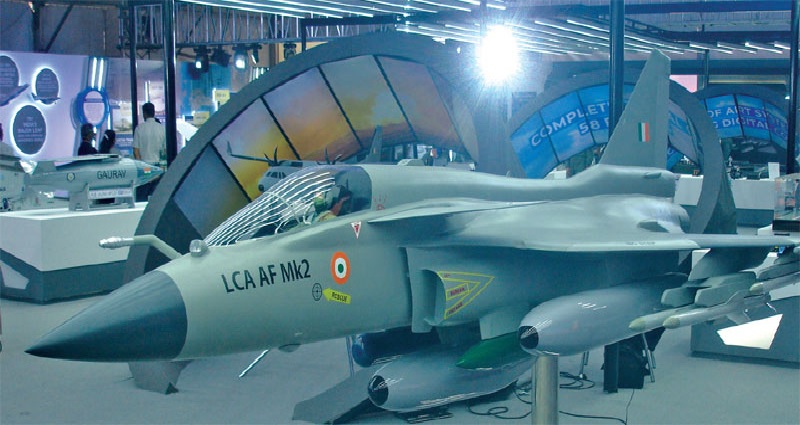
HAL to Deliver 120 Tejas MkII Jets to IAF by 2036: Production to Start in 2029 with 16 Jets Annually
India
Hindustan Aeronautics Limited (HAL) is gearing up for an ambitious project that promises to significantly bolster the Indian Air Force's (IAF) capabilities. By 2036, HAL aims to deliver at least 120 Tejas MkII fighter jets, a move set to align perfectly with the retirement of the IAF's aging Mirage-2000 and MiG-29UPG fleets. This seamless transition is expected to maintain the IAF's combat readiness and air superiority.HAL's Chairman and Managing Director, CB Ananthakrishnan, outlined a phased production strategy to achieve this goal. Production will kick off in 2029, with an initial output of 16 jets per year. By 2032, this rate will ramp up to 24 jets annually, ensuring the entire production run is completed by 2035-2036. This strategic timeline reflects a well-planned approach to meet the IAF's operational requirements while scaling up manufacturing capabilities progressively.The Tejas MkII represents a significant advancement over its predecessor, the Tejas MkI. Designed with enhanced capabilities, the MkII boasts greater range, increased payload capacity, and superior maneuverability. It is equipped with state-of-the-art avionics and weapons systems, positioning it as a formidable addition to the IAF's fleet. This advanced iteration of the indigenous fighter jet will enhance the IAF's operational flexibility and combat effectiveness.The development of the Tejas MkII is well on track. The first prototype is scheduled for rollout before March 2026, followed by a maiden flight in June 2026. A comprehensive two-year flight testing program will then commence, culminating in late 2028. This rigorous testing phase is crucial to ensure the aircraft's performance and reliability before it enters full-scale production. Upon successful completion of these tests, HAL will finalize a production contract with the IAF, paving the way for the delivery of these advanced fighters.This ambitious production plan underscores HAL's commitment to strengthening India's indigenous defense capabilities. By reducing reliance on foreign imports, HAL is playing a pivotal role in modernizing the IAF's fighter fleet. The Tejas MkII is poised to become a cornerstone of the IAF's air combat strategy, ensuring continued air superiority and operational readiness for years to come.Moreover, this initiative aligns with India's broader strategic goals of self-reliance in defense manufacturing. The Tejas MkII project is not just about delivering advanced fighter jets; it's about fostering innovation, boosting domestic manufacturing, and enhancing India's defense industrial base. HAL's efforts in this direction are set to have a lasting impact on the country's defense landscape.As the IAF looks to the future, the Tejas MkII stands as a testament to India's growing prowess in aerospace technology. With HAL at the helm, the delivery of these 120 jets by 2036 will mark a significant milestone in the journey toward a self-reliant and robust defense ecosystem.
Read More → Posted on 2024-07-14 15:35:11
India
A notable visit took place recently as a six-member delegation from the Kazakhstan Special Forces arrived at the Special Forces Training School (SFTS) in Bakloh, Himachal Pradesh. This visit, showcasing the camaraderie between the Indian and Kazakh military establishments, emphasized the shared commitment to enhancing bilateral relations and operational interoperability.The Kazakh delegation was treated to a comprehensive display of the rigorous training activities and state-of-the-art infrastructure at the elite Indian training school. They observed various skill demonstrations, which highlighted the high standards and expertise of the Indian Special Forces. These demonstrations served not only as a testament to the proficiency of the Indian forces but also as an opportunity to foster jointness and interoperability between the two nations' military units.In a gesture of transparency and mutual respect, the Indian Army shared pictures of the delegation's visit on their social media platform, X. The post read, "Kazakhstan Army Delegation Visits Special Forces Training School. A six-member Army Delegation from #Kazakhstan Special Forces visited Special Forces Training School, #SFTS, #Bakloh." The message underscored the delegation's engagement with the training activities and infrastructure, aiming to bolster collaborative efforts.The visit comes at a time when India and Kazakhstan continue to enjoy warm and friendly diplomatic ties. Recently, Prime Minister Narendra Modi had a telephonic conversation with Kazakhstan's President Kassym-Jomart Tokayev, where he conveyed his support for the upcoming Shanghai Cooperation Organisation (SCO) Summit in Astana. During the conversation, both leaders reiterated their commitment to advancing their bilateral strategic partnership, reflecting the growing cooperation between the two nations.Prime Minister Modi expressed confidence in Kazakhstan's leadership and its potential to enhance regional cooperation through the SCO platform. In a post on X, he mentioned, "Had a good conversation with President of Kazakhstan H.E. Kassym-Jomart Tokayev. Thanked him for warm wishes on the success in the elections. Reiterated the commitment to advance our Strategic Partnership with Kazakhstan. Conveyed India's full support for the success of the upcoming SCO Summit."The continuous high-level interactions and mutual visits, such as the one by the Kazakh Special Forces delegation, are instrumental in strengthening the defense ties and overall relationship between India and Kazakhstan. These engagements are crucial for fostering a deeper understanding and cooperation in the realm of defense and strategic affairs, ensuring both nations can work together effectively on various fronts.As the world watches, the collaboration between India and Kazakhstan stands as a testament to the importance of strategic partnerships in maintaining regional stability and promoting global peace.
Read More → Posted on 2024-07-14 15:29:01Search
Top Trending in 24 Hours
-
 Tulsi Gabbard Releases Declassified Files Detailing U.S.-Backed Network of 120 Biolaboratories Across 30+ Countries
-
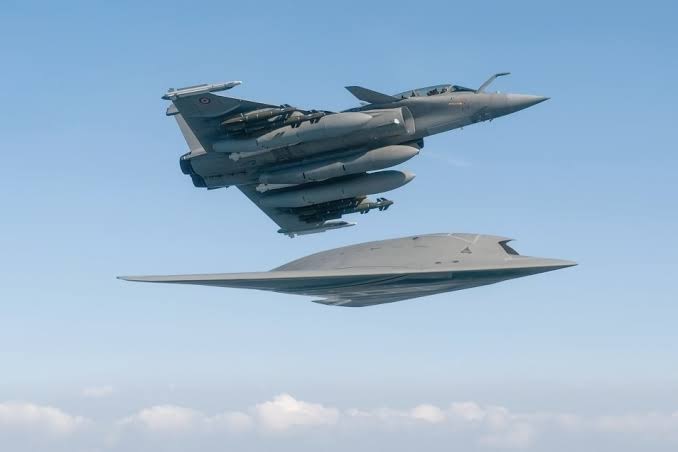 France Agrees to Equip Future Indian Rafales with AI, MUM-T and Secure Satellite Links Under F5 Standard
-
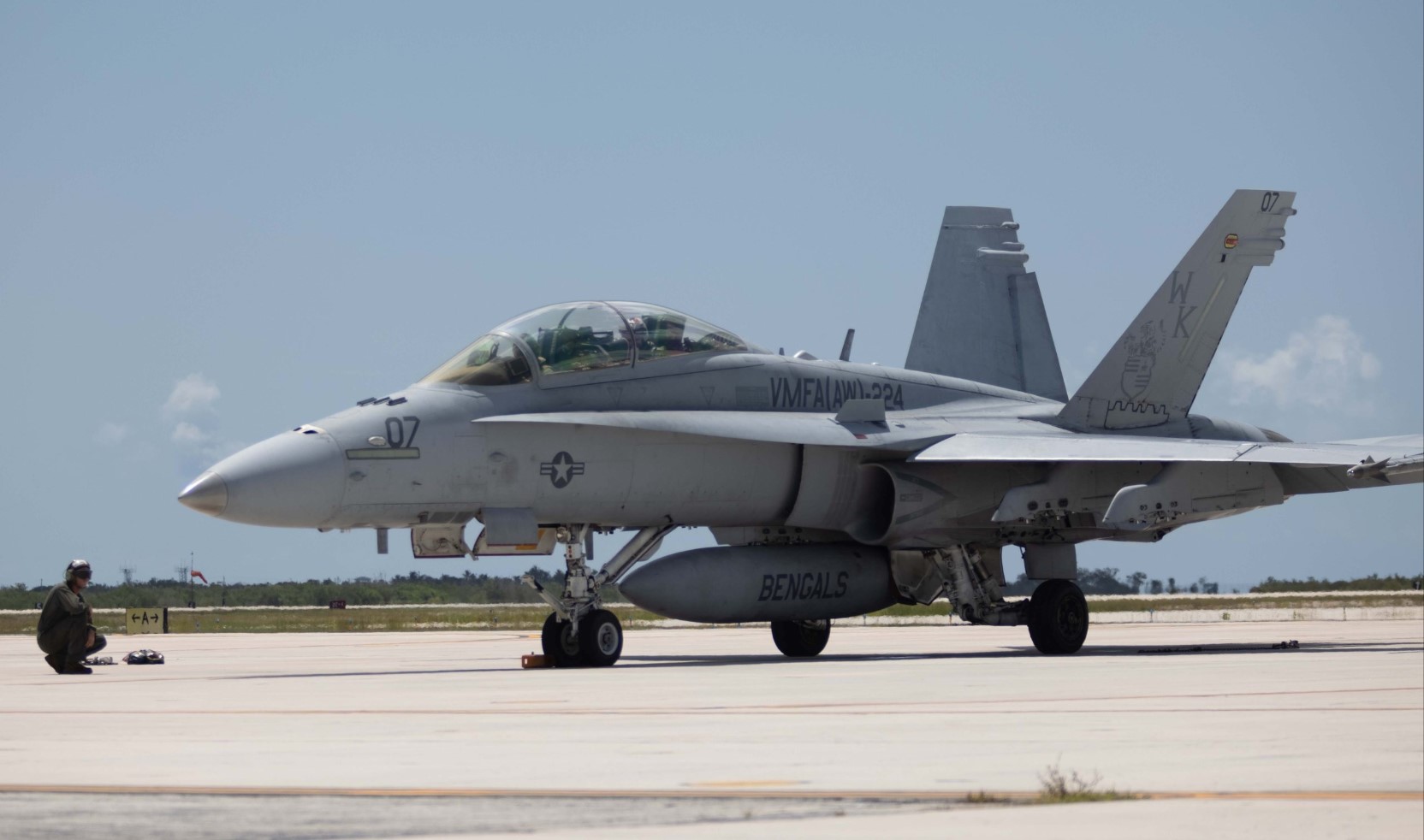 US Marine Corps F/A-18D Hornet Crashes During Training Flight in Washington Mountains; Pilot Ejects Safely
-
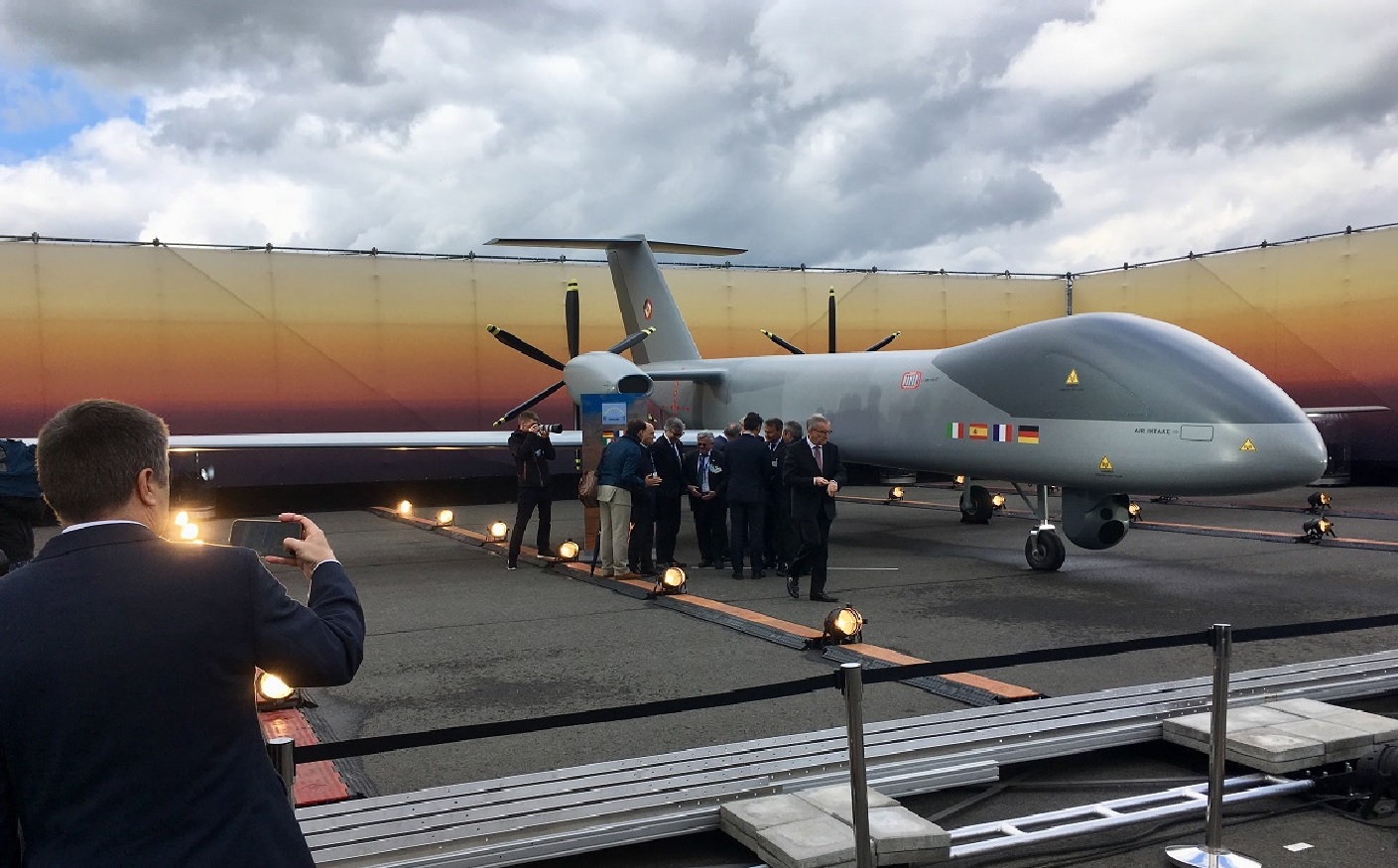 Dassault Seeks Compensation From Airbus as Eurodrone Dispute Erupts After FCAS Collapse
-
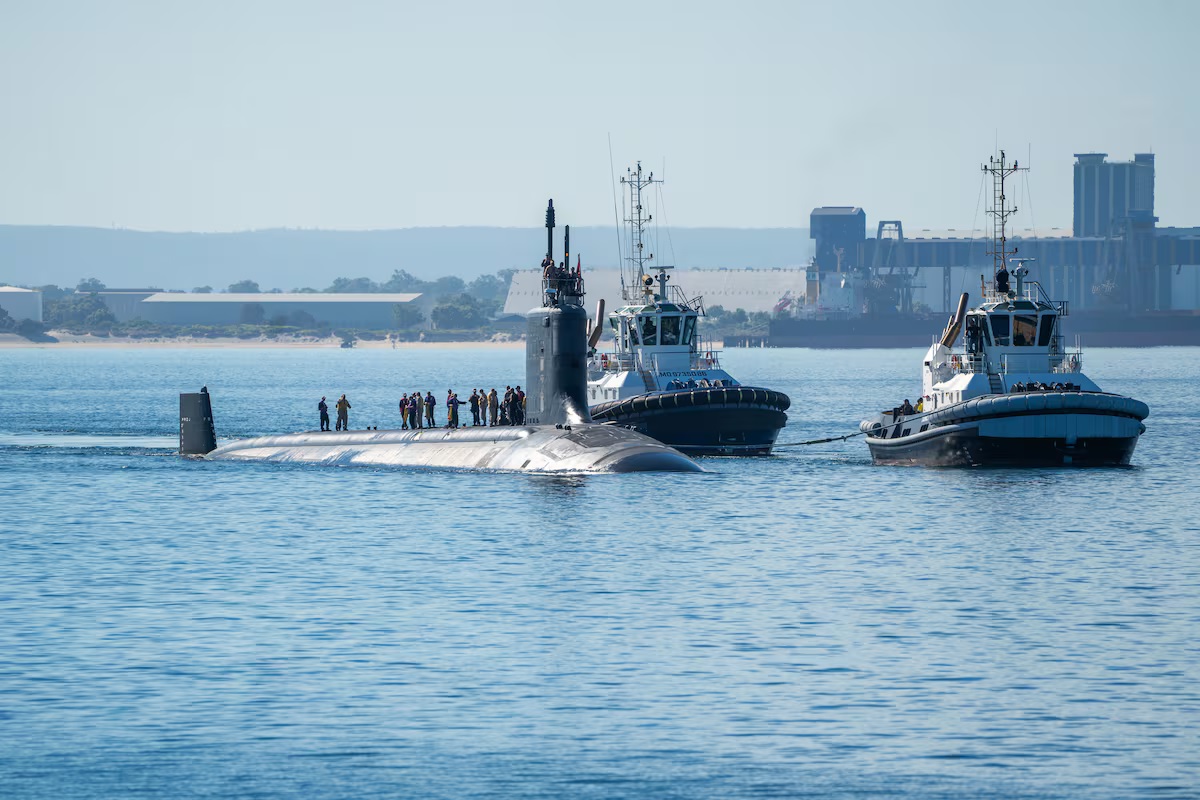 U.S. Navy Reestablishes Submarine Squadron 3 at HMAS Stirling to Support AUKUS Rotational Force
-
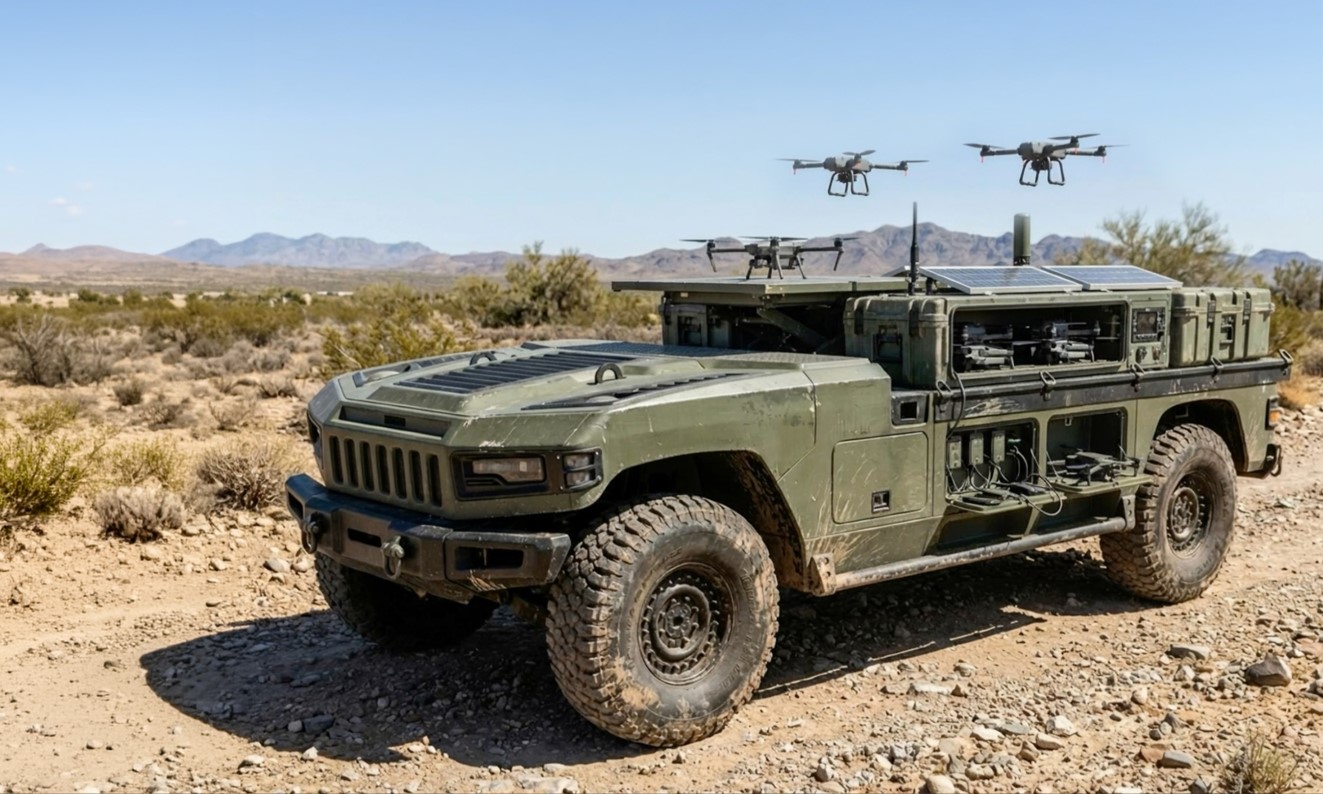 AM General Unveils Next-Generation UGV and JLTV A2 with Counter-Drone Systems at Eurosatory 2026
-
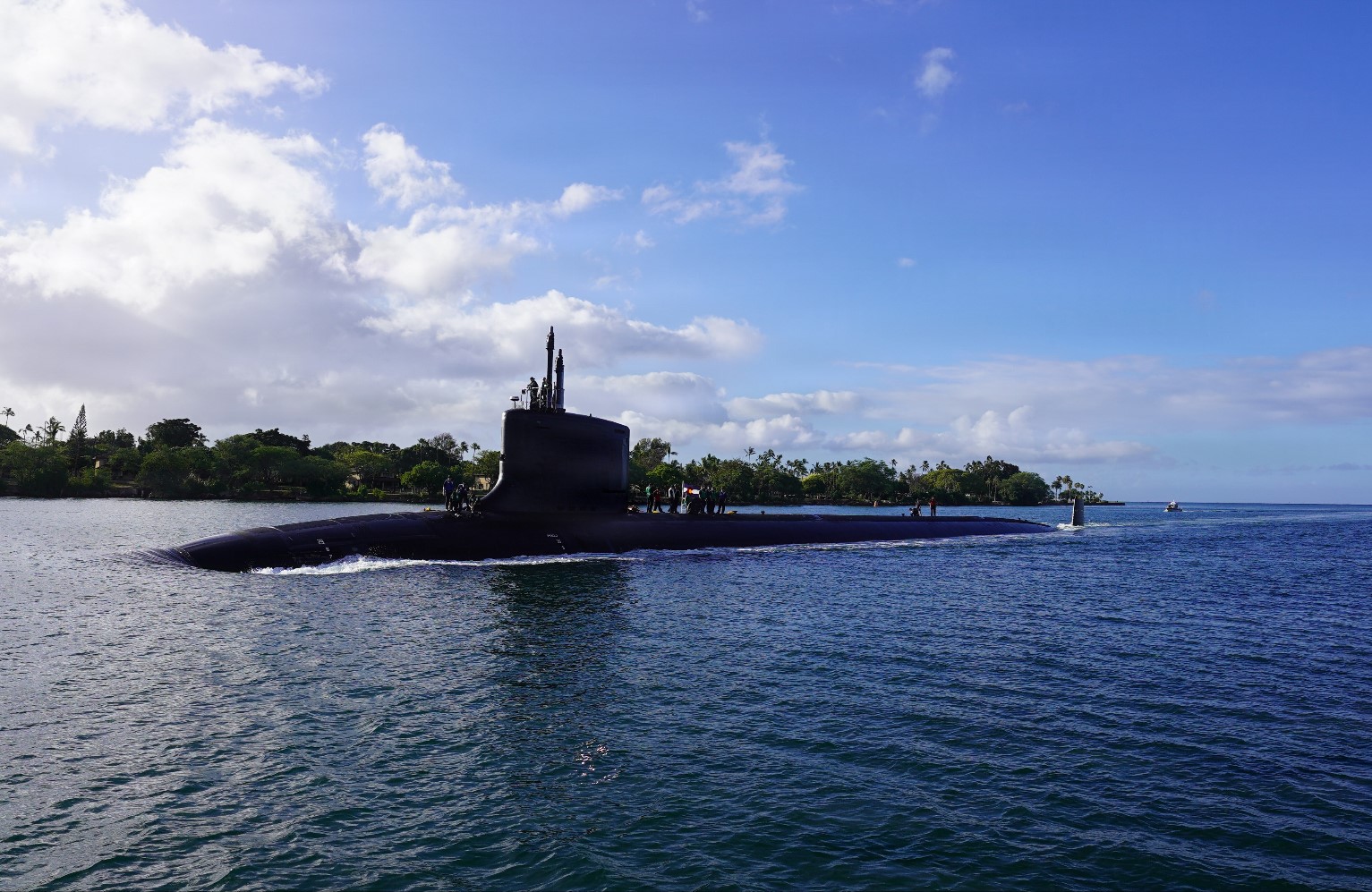 U.S. Navy's USS Colorado Submarine Returns to Pacific Fleet 29 Days Early After Major Pearl Harbor Overhaul
-
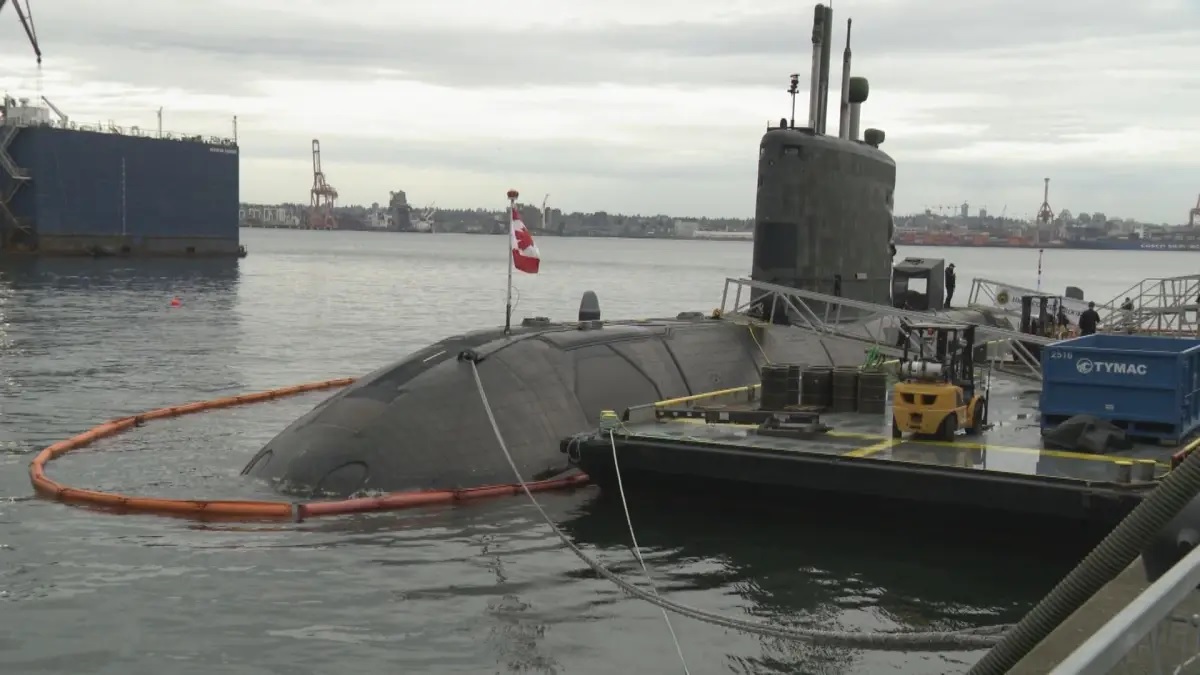 Royal Canadian Navy Deploys HMCS Corner Brook for First RIMPAC Submarine Mission in Over a Decade
Top Trending in 4 Days
-
 Iranian Media Leaks 14-Point U.S.-Iran Peace Framework Amid Ongoing Negotiations
-
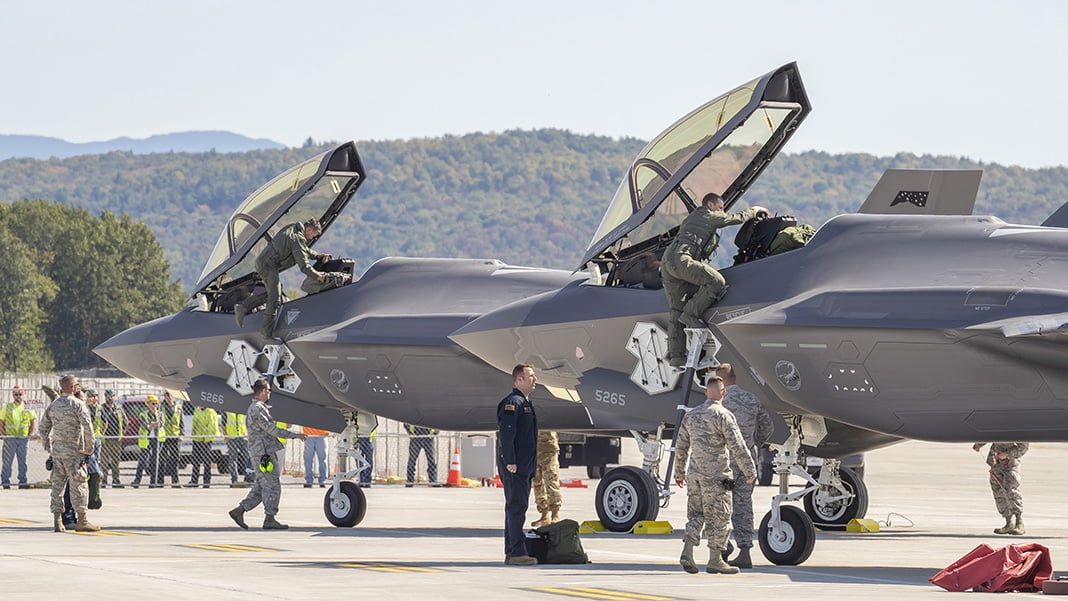 F-35 Fleet Readiness Falls to 25% Amid Parts Shortages and Software Delays: GAO Report
-
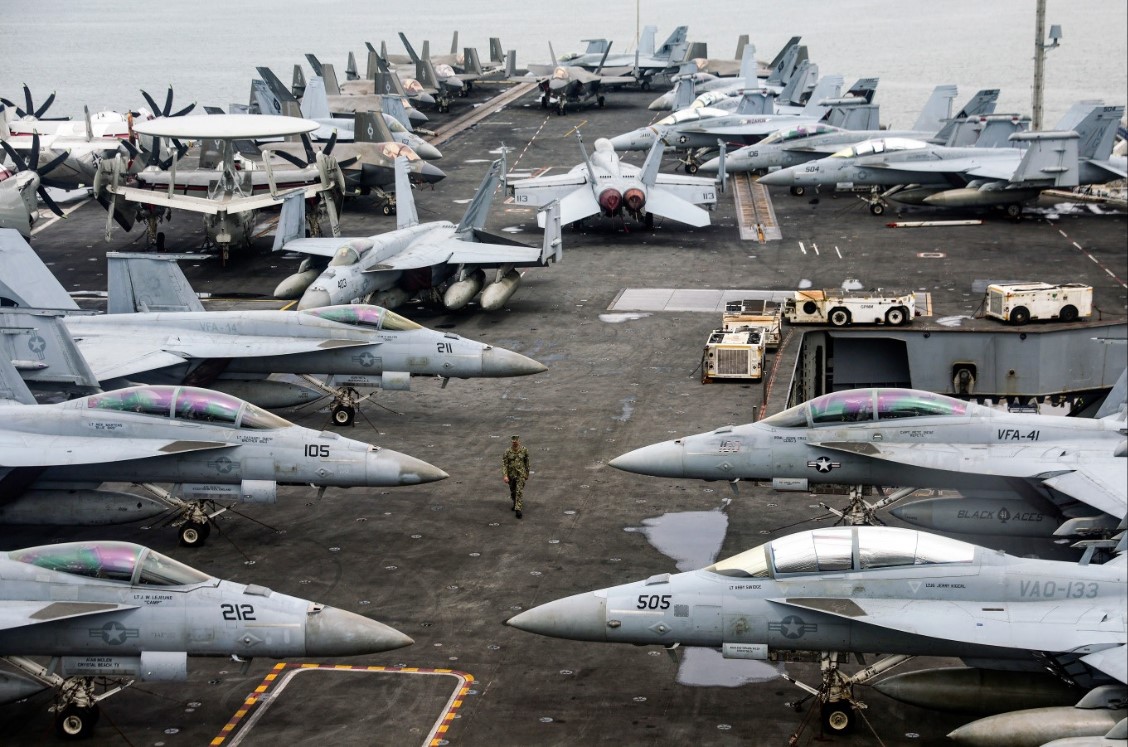 US Plans Significant Reduction of Fighter Jets and Warships for NATO Operations in Europe
-
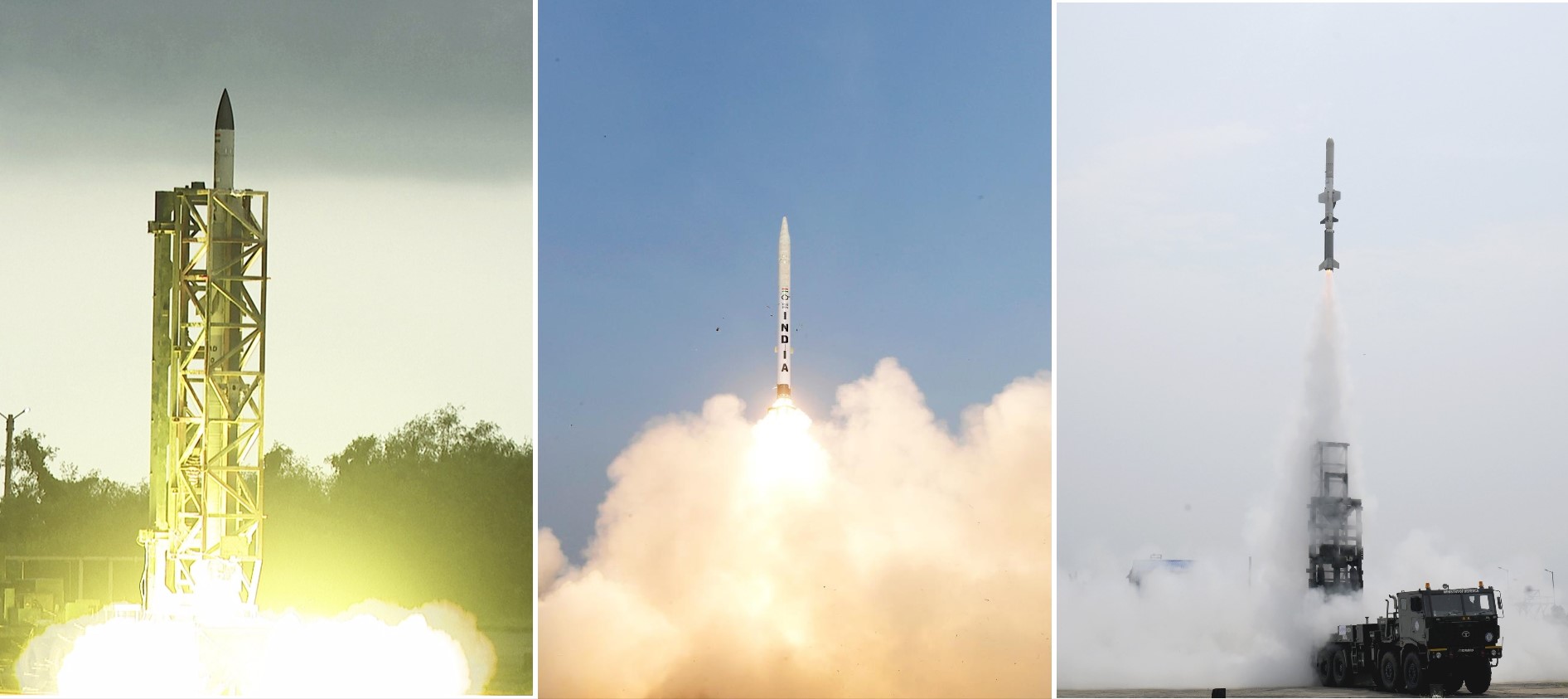 India Successfully Conducts AD-1, AD-2 Interceptor Tests and Maiden NASM-MR Flight Trial
-
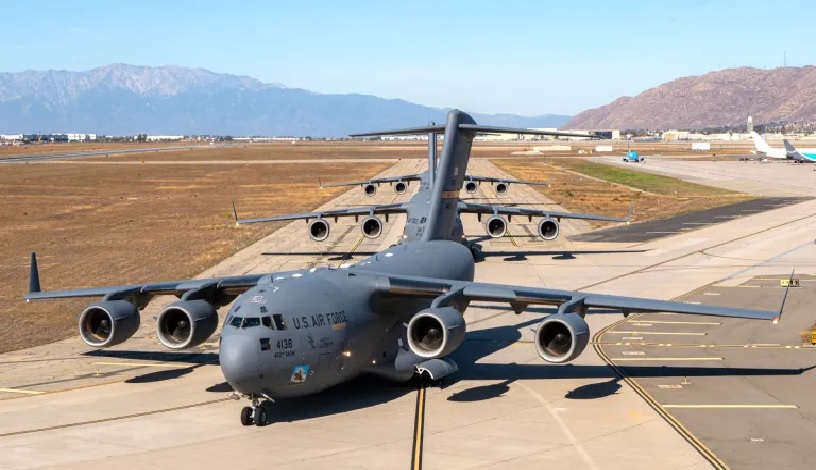 U.S. Air Force Faces Strategic Airlift Shortfall as C-17 Production Restart Remains Uncertain
-
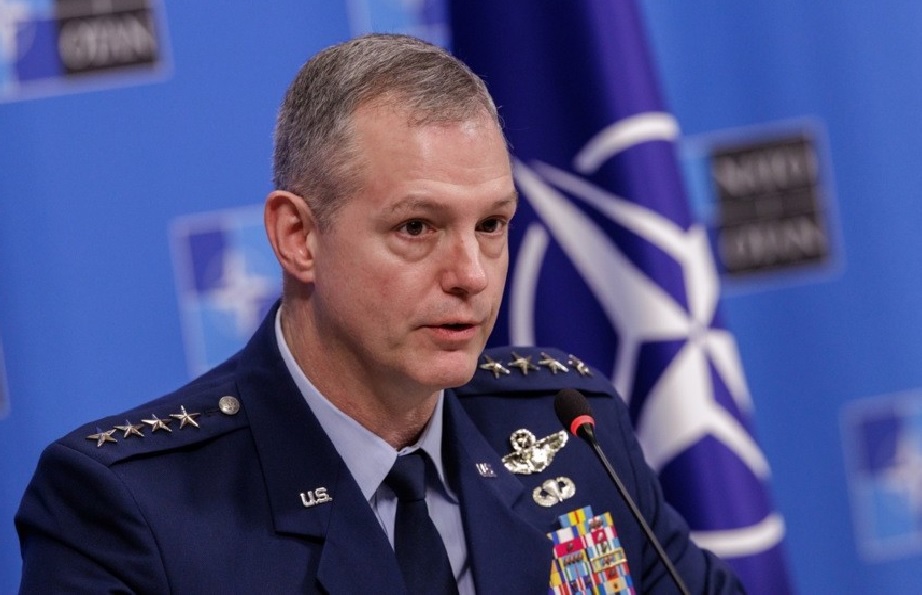 NATO Commander Says Russia Not Seeking Conflict With Alliance Despite U.S. Force Reductions
-
 U.S. Space Force Awards $437.7 Million Contracts for First PTS-G Swarm 1 Anti-Jam Satellites
-
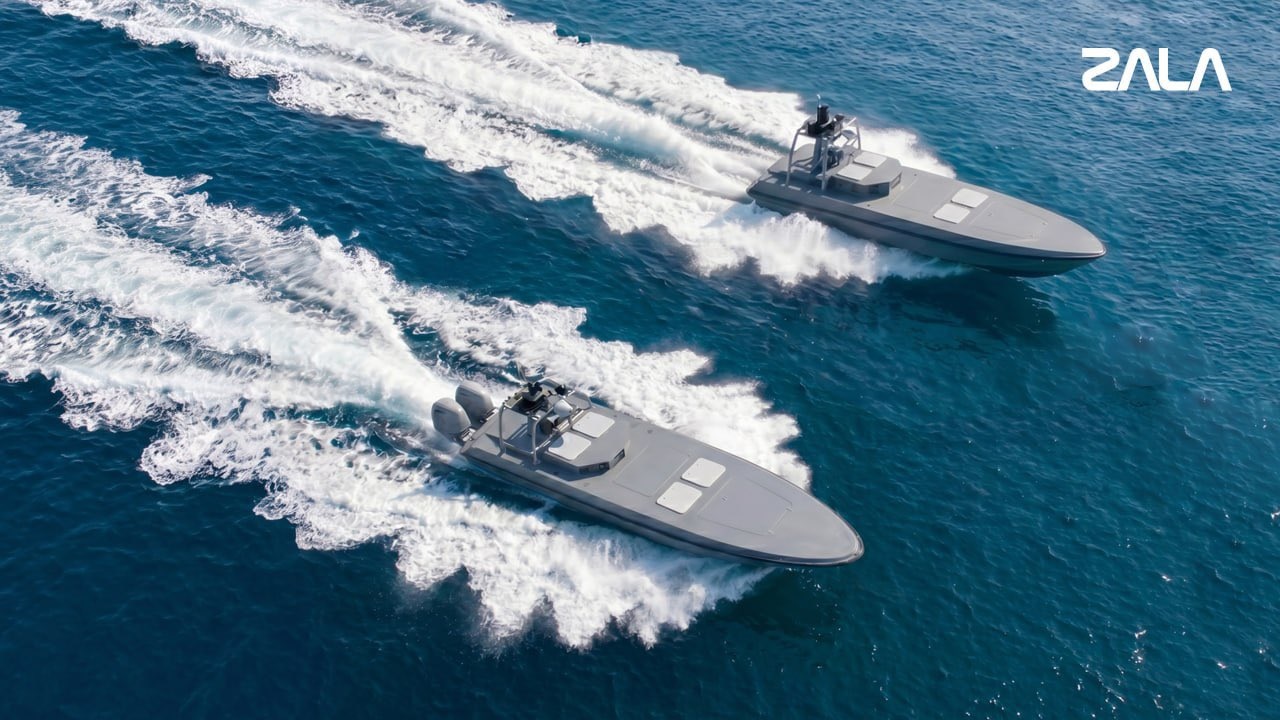 Russian Defense Firm ZALA Unveils KAMA Unmanned Surface Vessel Family at FLOT-2026 Naval Exhibition