
India
The Indian Army's ambitious plans to modernize its mechanized infantry fighting capabilities have reached a pivotal moment. The preparations for a request for proposal (RFP) to acquire more than 500 new Infantry Combat Vehicles (ICVs) are now in their advanced stages. This development marks a significant stride towards equipping the Army with state-of-the-art vehicles suited for diverse and challenging terrains.In response to the Army's earlier request for information (RFI), fifteen Indian vendors have come forward, showcasing a robust interest in the project. However, not all submissions were straightforward; some vendors raised issues that are currently being addressed. This demonstrates the collaborative effort required to align vendor capabilities with the Army's stringent requirements.The new ICVs are intended to be highly versatile, capable of operating in high-altitude areas (HAAs), deserts, and amphibious terrains. This versatility is crucial as the Army aims to replace nearly 10 battalions' worth of aging vehicles with these modernized units. In addition to the ICVs, the Army is also looking to procure 105 wheeled armored personnel carriers (APCs) for reconnaissance and support roles. An RFI for these APCs is currently being formulated, further expanding the modernization scope.Amid these domestic efforts, the US-made Stryker armored infantry combat vehicle has emerged as a strong contender. Developed by General Dynamics Land Systems, the Stryker is an eight-wheel-driven combat vehicle known for its adaptability and robust performance. Testing and trials for the Stryker are set to commence soon, as discussions between India and the US have progressed significantly. One of the main attractions of the Stryker is its ability to meet the Indian Army's qualitative requirements, which some Indian vendors have struggled to fulfill.If the Stryker deal is finalized, it will likely begin with a limited off-the-shelf purchase under the US Foreign Military Sales (FMS) program. This initial phase would be followed by joint production in India, ensuring that the vehicles are configured to meet the specific needs of the Indian Army. This collaborative approach is expected to integrate indigenous equipment and parts, enhancing the vehicles' suitability for India's unique operational environments.The high-altitude terrain of eastern Ladakh, a region that has witnessed ongoing tensions between India and China since May 2020, presents a particular challenge. The Stryker's capabilities will need to be adapted for such environments, ensuring optimal performance under these demanding conditions. Decisions on the final configuration and deployment will be made after thorough testing and a comprehensive analysis of the vehicle's performance in these terrains.This advanced stage in the bidding process for new ICVs signifies a crucial step in the Indian Army's broader modernization efforts. By enhancing its mechanized infantry fighting capabilities, the Army aims to maintain operational superiority across varied and challenging environments, thereby bolstering national security and defense readiness.
Read More → Posted on 2024-07-06 15:06:01
India
With India's focus on the Make in India initiative, the defence sector has witnessed unprecedented growth, leading to significant returns for investors. The government's push for self-reliance in defence, or 'Atmanirbhar Bharat', has resulted in historic highs in defence manufacturing and impressive stock market performances of major Public Sector Undertakings (PSUs).Hindustan Aeronautics Limited (HAL), the largest defence manufacturing PSU, has seen its shares skyrocket by over 197% in the past year. This growth reflects the increasing investor confidence in the company's robust performance and future prospects.Cochin Shipyard Limited has outshined even HAL, with its stock soaring by an astonishing 913% in the same period. Such phenomenal returns have made Cochin Shipyard a top pick among defence sector investors.Bharat Electronics Limited (BEL), another major player, has also delivered substantial returns. Its stock has surged by more than 167% over the past year, making it a lucrative investment for shareholders.The Defence Ministry has highlighted that the value of defence production has been consistently rising over the past five years, growing by more than 60% since 2019-20. This steady increase is attributed to successful government policies and initiatives aimed at achieving self-reliance.Solar Industries Limited, specializing in explosives manufacturing, has also seen significant gains. Its shares have climbed over 230% in the past year, showcasing the robust performance of companies involved in defence production.Bharat Dynamics Limited (BDL), a PSU manufacturing guided missiles and other defence equipment, has delivered a return of 208% to its shareholders over the past year. This remarkable growth underscores the effectiveness of the government's focus on strengthening the defence manufacturing sector.The total value of defence production in India has reached an unprecedented ₹1,26,887 crore, reflecting a 16.7% growth over the previous financial year's production value of ₹1,08,684 crore. This surge highlights the performance of the defence manufacturing industry, which has significantly contributed to the nation's economic growth and provided substantial returns to investors.The rise in defence production and the impressive returns of defence stocks can be attributed to the successful implementation of government policies and the increasing focus on self-reliance. With the defence sector continuing to grow, investors are optimistic about the future, anticipating further gains as India's defence manufacturing capabilities expand.The success of India's defence manufacturing sector exemplifies the vision of Atmanirbhar Bharat, demonstrating that self-reliance can lead to economic growth and significant investor returns.
Read More → Posted on 2024-07-05 16:02:43
India
Last month, the Delhi High Court made a pivotal decision to overturn the Ministry of Defence's (MoD) suspension of Defsys Solutions Private Limited, a prominent Indian defense firm. This action stemmed from the high-profile AgustaWestland helicopter corruption scandal. The court's verdict was driven by the MoD's inability to provide sufficient evidence implicating the company in the alleged bribery scheme.The MoD initially blacklisted Defsys Solutions in 2022, suspecting its involvement in the controversial procurement of AgustaWestland helicopters intended for VVIP transport in India. This scandal has been a significant controversy, with accusations of bribery and corruption involving top-tier officials. However, as the court proceedings unfolded, it became clear that the MoD's accusations were not backed by solid proof.During the trial, it was revealed that Defsys Solutions had not been named as an accused in any chargesheets filed by the Central Bureau of Investigation (CBI). The absence of substantial evidence led the court to conclude that the suspension of Defsys Solutions was unjustified. This ruling not only marks a significant setback for the MoD's anti-corruption efforts but also underscores the necessity of thorough investigations and robust evidence before imposing such severe sanctions on companies.The court's decision emphasized the importance of due process and legal procedures. While acknowledging the MoD's authority to reinstate the suspension if new evidence emerges, the ruling highlighted the need for actions to be grounded in concrete evidence rather than mere suspicion.The AgustaWestland case itself has been a long-standing issue, embroiled in allegations of financial misconduct and high-level corruption. In response to such scandals, the MoD introduced a revised blacklisting policy in 2016 aimed at curbing corrupt practices within the defense sector. However, the Defsys Solutions case exposes the challenges in effectively implementing this policy and ensuring that actions are justly taken.For Defsys Solutions, the future remains uncertain as the AgustaWestland investigation continues. The MoD will need to carefully evaluate any new information that comes to light and proceed in compliance with legal standards and due process. This case serves as a poignant reminder that the fight against corruption must balance decisive action with the protection of individual and corporate rights.In conclusion, the Delhi High Court's decision to lift the ban on Defsys Solutions highlights the critical importance of evidence-based actions in legal and administrative processes. It reinforces the principle that allegations must be substantiated by concrete proof, ensuring fairness and justice in the fight against corruption.
Read More → Posted on 2024-07-05 15:59:32
India
In a significant stride towards self-reliance and military modernization, Indo-Russian Rifles Private Limited (IRRPL) has successfully delivered 35,000 AK-203 assault rifles to the Indian Army. This milestone comes ahead of Prime Minister Narendra Modi's visit to Russia, underscoring the deepening defense cooperation between the two nations.The delivery is part of a broader initiative to bolster India's defense capabilities through indigenous production under the Make in India and Atmanirbhar Bharat Abhiyaan (Self-Reliant India) programs. The AK-203, a modern variant of the iconic Kalashnikov series, is known for its reliability and ease of maintenance, characteristics that have made the Kalashnikov a preferred choice for militaries worldwide.The project, a joint venture between India and Russia, is co-founded by ROSOBORONEXPORT on the Russian side. The first phase of the project has been successfully completed, with all necessary equipment shipped to the Korwa Ordnance Factory in Amethi, Uttar Pradesh. This factory is now fully equipped to handle the production of these advanced rifles, ensuring 100% localization as per the project's concept. Alexander Mikheev, Director General of ROSOBORONEXPORT, highlighted that this achievement was made possible through the meticulous adherence to exclusive Russian technologies and the use of certified equipment, guaranteeing high product quality.This delivery not only strengthens the Indian Army's infantry capabilities but also marks a significant step in India's journey towards self-reliance in defense production. The AK-203 rifles, chambered for the 7.62x39mm cartridge, are expected to enhance the operational efficiency of the Indian soldiers, providing them with a robust and reliable weapon system.Amid this defense collaboration, Russian President Vladimir Putin's recent statements on international terrorism have added another layer of complexity to the geopolitical landscape. Putin remarked that the Taliban, despite being a banned group in Russia since 2003, are considered allies in the fight against terrorism because they control Afghanistan. This statement comes as Moscow continues to navigate its relationship with the Taliban, focusing on stability and countering the threat posed by the Islamic State Khorasan (IS-K).The Taliban, who have been in power since 2021, enforce an extreme form of Islamic law that has led to significant human rights concerns, particularly regarding women's rights. Despite these issues, Putin emphasized the need for the Taliban to maintain stability in Afghanistan, suggesting that the group's control could be beneficial in counter-terrorism efforts.As India continues to strengthen its military capabilities through partnerships like the one with Russia, it remains vigilant of the evolving dynamics in its neighborhood. The successful delivery of the AK-203 rifles is a testament to India's commitment to enhancing its defense preparedness while fostering international cooperation for technology transfer and localized production.This collaboration between India and Russia is expected to yield further advancements in defense technology and production, reinforcing India's strategic autonomy and operational readiness in the face of emerging security challenges.
Read More → Posted on 2024-07-05 15:54:26
India
India's state-owned Armoured Vehicles Nigam Limited (AVNL) is gearing up to manufacture the Russian K-53949 Typhoon-K, a 4x4 mine-resistant ambush protected (MRAP) vehicle, under license. This move follows successful trials in India and is pending final official orders. The Typhoon-K, a recent addition to the Russian military's Typhoon family, is designed to transport troops and cargo safely in high-risk environments, boasting a V-shaped hull, a powerful engine, and customizable configurations for various military operations.The decision to produce the Typhoon-K in India aligns with the nation's broader strategy to modernize and enhance its military capabilities. The Indian Army is actively seeking to procure 800 Light Armoured Multipurpose Vehicles (LAMVs) to support its mechanized infantry and armored corps. With its robust design and adaptable features, the Typhoon-K could be a strong contender in this procurement process, competing with domestic offerings from Mahindra, Tata, and others. Recently, the Indian Army signed contracts for over 1,300 Armoured Light Specialist Vehicles (ALSVs) from Mahindra Defence Systems and ordered Kalyani M4 4x4 armored vehicles for high-altitude operations.AVNL, established in 2021, has quickly emerged as a significant player in India's defence sector. The company plans to unveil its prototype for the Futuristic Infantry Combat Vehicle (FICV) in 2024, showcasing advanced weaponry and protection systems. Additionally, AVNL is developing eco-friendly 4x4 protective mobility vehicles, in line with the Indian Army's modernization goals. AVNL's experience in manufacturing Russian-origin military vehicles, such as the T-72, T-90, and BMP series, further enhances its capabilities to undertake the production of the Typhoon-K.The Typhoon-K's key features include a V-shaped hull designed to deflect blast impacts, protecting occupants from explosions. Its armor can withstand 14.5mm armor-piercing rounds and explosions of up to 10 kg of TNT under the wheels. Powered by a 350-horsepower Cummins diesel engine, the vehicle can reach speeds of 105 km/h and travel up to 1,000 km on a single tank. The Typhoon-K can also be equipped with a remotely controlled weapon station capable of mounting various machine guns and grenade launchers. Advanced technology features such as all-around video surveillance, automatic fire extinguishing systems, and optional night vision and CBRN protection enhance situational awareness and safety.The potential production of the Russian Typhoon-K MRAP in India marks a significant step in the country's efforts to bolster its indigenous defence manufacturing capabilities. This collaboration not only strengthens India's military preparedness but also contributes to its self-reliance in the defence sector. With AVNL's expertise and the Typhoon-K's advanced features, this partnership promises to be a valuable addition to the Indian Army's armored vehicle fleet.
Read More → Posted on 2024-07-05 15:31:34
India
The Union Ministry of Home Affairs (MHA) is set to launch a significant recruitment drive for Special Police Officers (SPOs) in 140 villages across the Jammu region, targeting areas heavily impacted by terrorism. This initiative spans five districts: Poonch, Doda, Rajouri, Reasi, and Udhampur. It aims to enhance local security and strengthen anti-terror operations by enlisting the help of residents who are familiar with the terrain and the community.In recent years, the Jammu region has seen a disturbing increase in terror-related incidents. Over the past two years alone, more than 35 civilians and security personnel have lost their lives in attacks across these districts. Among the notable incidents was the horrific attack on a pilgrim bus in Reasi district in June, which claimed nine lives. Earlier, in April, a member of the Village Defence Group was killed in Udhampur, highlighting the growing threats in these areas.The SPO recruitment drive reflects the MHA’s response to these escalating threats. Similar efforts have been undertaken in the Kashmir Valley, where the deployment of SPOs has proven effective in bolstering local security measures. The recruitment process in Jammu will prioritize applicants' physical fitness, ensuring that those selected are capable of enduring the demanding nature of security operations.Successful candidates will receive a monthly honorarium of Rs 6,000 from the district police and will undergo weapons training. This compensation, along with the opportunity to serve and protect their communities, is expected to attract a significant number of applicants. The MHA aims to have these new recruits on board by July, providing much-needed support to the regular security forces engaged in counter-terrorism efforts.The selection of villages for the recruitment drive was strategic. Each of these 140 villages has experienced terror attacks in the past two years, making them critical zones for bolstering security. By recruiting locals as SPOs, the MHA hopes to leverage their intrinsic knowledge of the area and the people, which is invaluable in counter-terrorism operations.In addition to enhancing security, this initiative aims to foster a sense of community resilience. The involvement of local residents in security operations can significantly deter terrorist activities, as locals are often more vigilant and committed to protecting their homeland. This grassroots approach not only aids in immediate security but also builds a robust network of informants and defenders against future threats.The SPOs will play a crucial role in intelligence gathering, patrolling, and supporting major security operations. Their integration into the existing security framework is expected to bring about a more cohesive and responsive strategy in tackling terrorism in the region. This move by the MHA signifies a proactive approach to security, emphasizing the importance of community involvement and local knowledge in maintaining peace and safety.As the recruitment drive commences, the residents of these terror-hit villages look forward to a future where their safety and security are significantly enhanced. The presence of SPOs within their communities is anticipated to restore a sense of normalcy and deter potential terrorist activities. This initiative marks a crucial step in the ongoing efforts to combat terrorism and ensure the well-being of the people in the Jammu region.
Read More → Posted on 2024-07-05 15:28:04
India
In a recent statement, BJP leader and former Indian Air Force chief RKS Bhadauria sharply criticized Congress leader Rahul Gandhi for his comments regarding the Agniveer scheme. Bhadauria's remarks came after Gandhi accused Defence Minister Rajnath Singh of lying about the compensation provided to the family of Agniveer Ajay Kumar, who tragically lost his life in the line of duty.Rahul Gandhi had posted a video on social media featuring Ajay Kumar's father, who claimed that the family had not received any compensation. This post sparked a significant controversy, with Gandhi alleging that the Defence Minister had misled Parliament. In response, the Indian Army issued a clarification, confirming that Rs 98.39 lakh had already been given to Kumar's family, and the total compensation would amount to approximately Rs 1.65 crore.Bhadauria was unequivocal in his response, asserting that it was incorrect to claim that Rajnath Singh had lied. He emphasized that the majority of the compensation had been paid, with the remaining amount soon to follow. "It's absolutely wrong to claim that Singh's statement was a lie," he stated, underscoring the importance of maintaining the Army's apolitical stance.The former IAF chief also defended the Agniveer scheme, describing it as a "well thought out scheme" that had been implemented after thorough discussions. He dismissed any doubts about the quality of training provided under the scheme, assuring that soldiers recruited through Agniveer were on par with regular soldiers in every aspect. "They will work during the battle with the same capacity that the regular soldiers would do. Now, they will be our regular soldiers," Bhadauria affirmed.Bhadauria further appealed to the youth to join the Army under the Agniveer scheme, urging them not to be swayed by misleading claims. He reiterated the emotional and sensitive nature of issues involving the military and stressed the need to keep the Army out of political controversies. "The Army should not be involved in such kind of politics," he insisted.This incident highlights the ongoing debates and political tussles surrounding the Agniveer scheme, a significant military recruitment initiative. Bhadauria's strong defense of the scheme and his call to keep the Army apolitical resonate with the broader need to safeguard the integrity and honor of India's armed forces amidst political disputes.
Read More → Posted on 2024-07-05 15:10:09
India
In a significant move to bolster India's defence capabilities, the Ministry of Defence (MoD) has signed a Memorandum of Understanding (MoU) to set up three state-of-the-art testing facilities in the Tamil Nadu Defence Industrial Corridor. These facilities, focused on Unmanned Aerial Systems (UAS), Electronic Warfare (EW), and Electro Optics (EO), will be located in Chennai. The MoU was signed on July 2, 2024, in New Delhi, with Defence Secretary Shri Giridhar Aramane in attendance.This initiative falls under the Defence Testing Infrastructure Scheme (DTIS), launched in May 2020 by Raksha Mantri Shri Rajnath Singh. With an outlay of Rs 400 crore, the scheme aims to establish advanced testing facilities in collaboration with private industry and central and state governments. The goal is to promote indigenous defence production, reduce dependency on military equipment imports, and enhance self-reliance.The DTIS supports the creation of testing infrastructure by providing up to 75% government funding as a 'Grant-in-Aid'. The remaining 25% of the funding comes from Special Purpose Vehicles (SPVs) formed by Indian private entities and state or central governments. This collaborative effort ensures that the facilities are equipped with the latest technology and can serve both government and private sectors.For the UAS testing facility, Keltron, a government undertaking from Kerala, leads the SPV with participation from private sector companies. Bharat Electronics Limited (BEL) and India Optel Limited (IOL) are leading the SPVs for the EW and EO testing facilities, respectively. These organizations will oversee the establishment of the facilities, ensuring they meet the highest standards of quality and functionality.The Tamil Nadu Defence Industrial Corridor is a strategic initiative aimed at fostering the growth of the defence and aerospace sectors in the region. The corridor is designed to attract investments, promote innovation, and create job opportunities, thereby contributing to the overall economic development of the state. The establishment of these testing facilities is expected to provide a significant boost to the corridor's capabilities, making it a hub for cutting-edge defence technology.The DTIS-approved seven testing facilities across India include four in Tamil Nadu and three in Uttar Pradesh. The recent MoU for the three facilities in Tamil Nadu marks a crucial step towards realizing the objectives of the DTIS. Once operational, these facilities will offer advanced testing equipment and services, supporting the development and validation of defence technologies. This will not only enhance India's defence manufacturing capabilities but also contribute to the 'Aatmanirbhar Bharat' initiative, promoting self-reliance in defence production.The establishment of these facilities is a testament to the MoD's commitment to strengthening India's defence infrastructure. By providing the necessary testing capabilities, these facilities will play a crucial role in ensuring that the country's defence equipment meets the highest standards of performance and reliability. This will, in turn, enhance the operational readiness of the Indian armed forces and contribute to national security.As India continues to modernize its defence capabilities, the Tamil Nadu Defence Industrial Corridor, with its new testing facilities, is poised to become a key player in the global defence landscape. This initiative not only underscores the importance of collaboration between the government and private industry but also highlights the potential for innovation and growth in India's defence sector.
Read More → Posted on 2024-07-04 16:04:25
India
The 9th International Police Expo 2024 at Pragati Maidan, New Delhi, became the stage for a significant leap in India's defense and security capabilities. The Vehicle Factory Jabalpur (VFJ), a vital arm of Armoured Vehicles Nigam Limited (AVNL), showcased an advanced Armoured Ambulance Prototype, designed to offer unparalleled protection and mobility in hostile environments.The VFJ's latest innovation is a 4×4 armoured ambulance that stands out for its ability to provide critical medical care in conflict zones while ensuring the safety of both medical personnel and patients. The unveiling of this vehicle marked a significant milestone in the evolution of military and paramilitary support vehicles in India.This Armoured Ambulance is built to withstand the harshest of conditions. It offers impregnable protection against explosive threats, capable of withstanding a 42 kg TNT blast under the wheel and a 35 kg TNT blast under the hull. The vehicle's ballistic resistance is equally impressive, with its hull and bullet-resistant glass designed to stop a 7.62 Dragunov bullet fired from a distance of just 10 meters.Navigating rough and challenging terrains is made easy with the ambulance's 4×4 drivetrain, ensuring it can reach those in need even in the most difficult conditions. The V-shaped monocoque hull design is a crucial feature that enhances blast protection by deflecting the force of explosions away from the cabin, a vital aspect in ensuring the safety of its occupants.The vehicle is also equipped with blast-resistant glass windows, providing maximum protection against impact and explosions. Its 210-liter fuel tank, strategically positioned within the armoured hull, allows for an extended range of up to 650 kilometers, ensuring the ambulance can operate over long distances without needing to refuel frequently. Additionally, the vehicle's maximum gradeability of 30 degrees means it can easily climb steep inclines, further enhancing its operational versatility.In terms of performance, the armoured ambulance does not compromise on speed. With a top speed of 85 kilometers per hour, it can swiftly respond to medical emergencies, ensuring timely aid is provided even in the most critical situations.The International Police Expo 2024 provided the perfect platform for VFJ to demonstrate the capabilities of this innovative vehicle. The expo, known for showcasing the latest advancements in law enforcement and security, highlighted the importance of such cutting-edge technologies in modern warfare and emergency response scenarios.The unveiling of the Armoured Ambulance Prototype by VFJ not only underscores India's commitment to enhancing its defense capabilities but also its focus on ensuring the safety and efficiency of medical evacuation and care in conflict zones. This vehicle is set to become a game-changer in how medical aid is delivered in the most challenging environments, combining robust protection with advanced mobility features.As India continues to develop its defense technology, innovations like the VFJ's Armoured Ambulance will play a crucial role in ensuring the safety and effectiveness of military and paramilitary operations, providing much-needed support to those on the front lines.
Read More → Posted on 2024-07-04 15:59:16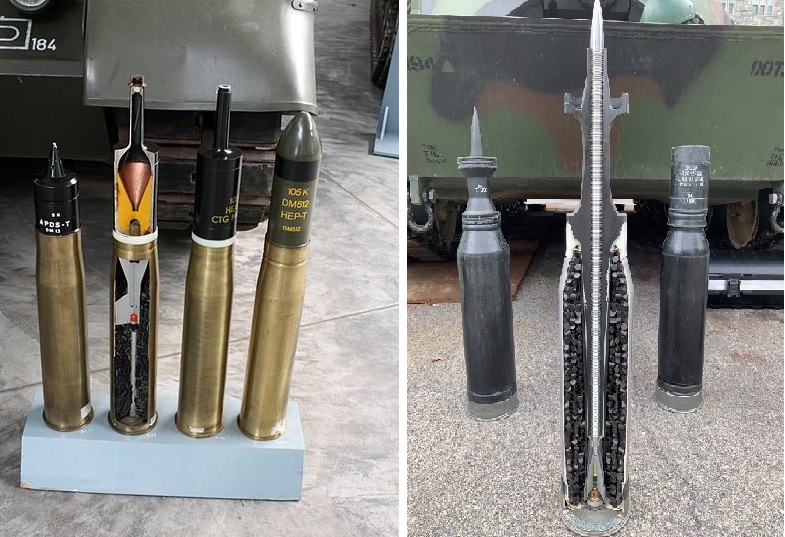
India
In a significant development, Russia's state-owned Rostec corporation announced on Thursday that it had organized the production of armour-piercing rounds for Russian-made battle tanks in India. This move aligns with India's push for self-reliance in defense manufacturing and is part of broader strategic cooperation between the two nations.The announcement comes ahead of Indian Prime Minister Narendra Modi's scheduled visit to Russia on July 8-9, where he is expected to hold talks with President Vladimir Putin. The timing of this announcement highlights the strengthening defense ties between India and Russia, two nations with a long history of military collaboration.The specific rounds to be manufactured in India are the "Mango" projectiles. These are designed for use with T-72 and T-90 tanks, both of which form a crucial part of India's armored forces. The T-72 and T-90 tanks are renowned for their robustness and firepower, and the introduction of locally produced Mango rounds is expected to enhance their operational effectiveness significantly.Rostec emphasized the capabilities of these rounds, stating, "The rounds allow you to hit modern tanks equipped with combined protection. Various modifications of these combat vehicles are in service with India." This statement underscores the compatibility of Mango projectiles with the existing Indian tank fleet and their potential to provide a critical edge in armored warfare.In addition to the production of these specialized rounds, Rostec has plans to localize the production of gunpowder in India. This initiative aligns with the Indian government's "Make in India" campaign, which aims to increase domestic manufacturing of foreign goods and reduce dependency on imports. By localizing gunpowder production, India can ensure a steady supply of this essential component, further bolstering its defense manufacturing capabilities.The historical context of Indo-Russian military cooperation is rich and deep-rooted. Moscow has been a key supplier of military equipment to India for decades, providing a wide array of weapons systems and platforms that have become integral to India's defense strategy. This latest collaboration on armour-piercing rounds is a continuation of this enduring partnership and is likely to pave the way for more such joint ventures in the future.The decision to manufacture Mango projectiles in India is not just a commercial transaction but a strategic move that reflects the geopolitical landscape. As India continues to modernize its military, collaborations like these with established defense manufacturers such as Rostec are crucial. They not only bring advanced technology and expertise to India but also help in building a robust indigenous defense industrial base.Moreover, this move is indicative of Russia's willingness to support India's defense modernization efforts amidst a complex global security environment. As both nations navigate their respective geopolitical challenges, their defense cooperation is poised to play a pivotal role in maintaining regional stability.
Read More → Posted on 2024-07-04 15:50:24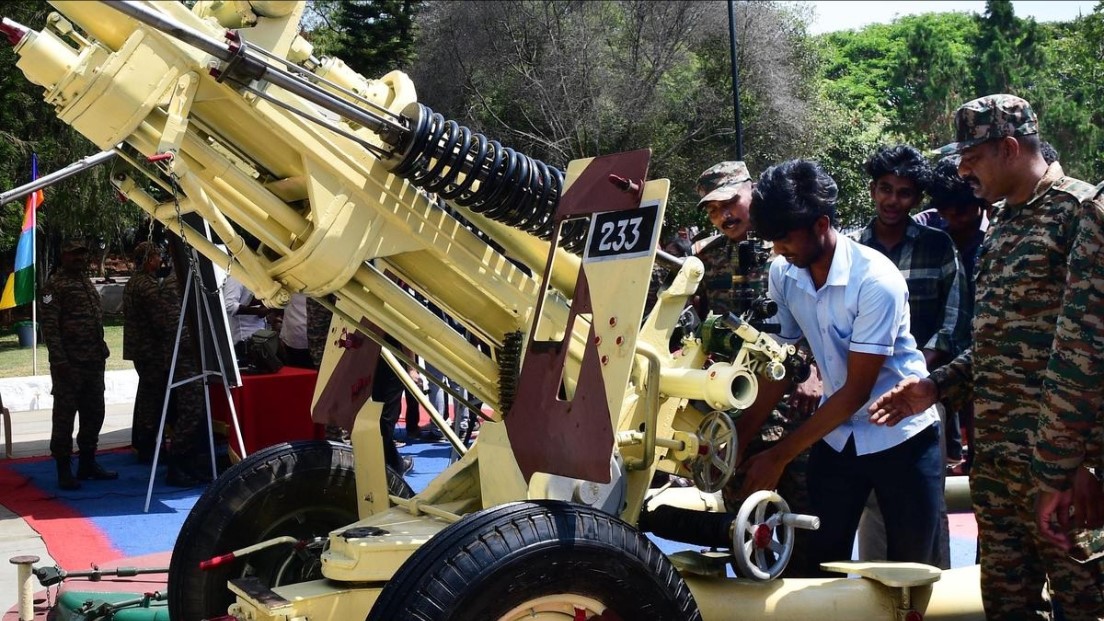
India
The Technology Development Fund (TDF) scheme, a flagship initiative of the Ministry of Defence executed by the Defence Research and Development Organisation (DRDO), is making waves in India's defence sector. This ambitious program encourages public and private industries, particularly start-ups and MSMEs, to foster an ecosystem brimming with cutting-edge technology, propelling the nation towards 'Aatmanirbharta' (self-reliance) in defence.With a staggering commitment of over Rs 300 crore, the TDF scheme has sanctioned 77 projects to various industries. To date, 27 defence technologies have been successfully realized under this scheme, highlighting the transformative impact of TDF on India's defence capabilities.Nurturing Innovation: Success Stories from TDFCombat Robotics, PuneCombat Robotics, a start-up based in Pune, has achieved remarkable success with its innovative simulator for unmanned vehicles. This multi-domain simulator supports Unmanned Ground Vehicles (UGVs), Unmanned Underwater Vehicles (UUVs), Unmanned Surface Vehicles (USVs), and Unmanned Aerial Vehicles (UAVs). It provides comprehensive environmental modelling, scenario and vehicle modelling, and intuitive control systems, making it an invaluable tool for agencies developing autonomous systems. This project was developed under the guidance of the Centre for Artificial Intelligence and Robotics (CAIR), a DRDO laboratory in Bengaluru.ChiStats Labs Private Limited, PuneChiStats Labs has developed a sophisticated diagnostic system for Aero Gas Turbine Engines (AGTE). This system enhances operational reliability and longevity of the engines using advanced AI/ML technologies to manage large-scale data and conduct rapid operational assessments. Developed with mentorship from the Gas Turbine Research Establishment (GTRE), another DRDO lab in Bengaluru, ChiStats Labs has created a virtual sensor framework that sets a new standard for engine health monitoring.ChiStats Labs also spearheaded the creation of tools for data assessment, active learning, and believability for visual data. This project aims to enhance AI model validation and optimization for defence applications, providing a user-friendly web interface for scientists to conduct shared and reproducible experiments. Mentored by CAIR, Bengaluru, this framework addresses the unique challenges posed by the vast amounts of data generated in defence scenarios.NewSpace Research and Technologies Pvt. Ltd., BengaluruNewSpace Research and Technologies developed an autonomous drone designed for search and report operations in enclosed or indoor environments. This UAV is equipped with autonomous navigation, onboard object detection, and a localization fallback mechanism. The drone can operate in zero-light conditions, making it ideal for search and rescue operations, surveillance, industrial inspections, and hazardous environment exploration. This project, developed under CAIR's mentorship, showcases significant advancements in unmanned aerial systems technology.The Vision Behind TDFThe TDF scheme aims to provide grants to Indian industries, including MSMEs, start-ups, and academic and scientific institutions, for developing defence and dual-use technologies not currently available in the Indian defence industry. It seeks to engage private industries in the design and development of military technology, supporting them with financial aid. By focusing on research, design, and development of niche technologies, TDF creates a bridge between the armed forces, research organizations, academia, and private sector entities.Dr. Samir V Kamat, Secretary of the Department of Defence R&D and Chairman of DRDO, has praised the start-ups and DRDO labs involved in these projects. He emphasized that these achievements align with Prime Minister Narendra Modi’s vision of 'Aatmanirbhar Bharat'. The TDF scheme continues to drive innovation and self-reliance in India's defence sector, paving the way for a future where the nation can independently develop and deploy advanced defence technologies.As the TDF scheme progresses, it promises to unveil more groundbreaking projects, further strengthening India's defence capabilities and fostering a robust ecosystem for technological innovation in the defence sector.
Read More → Posted on 2024-07-04 15:38:02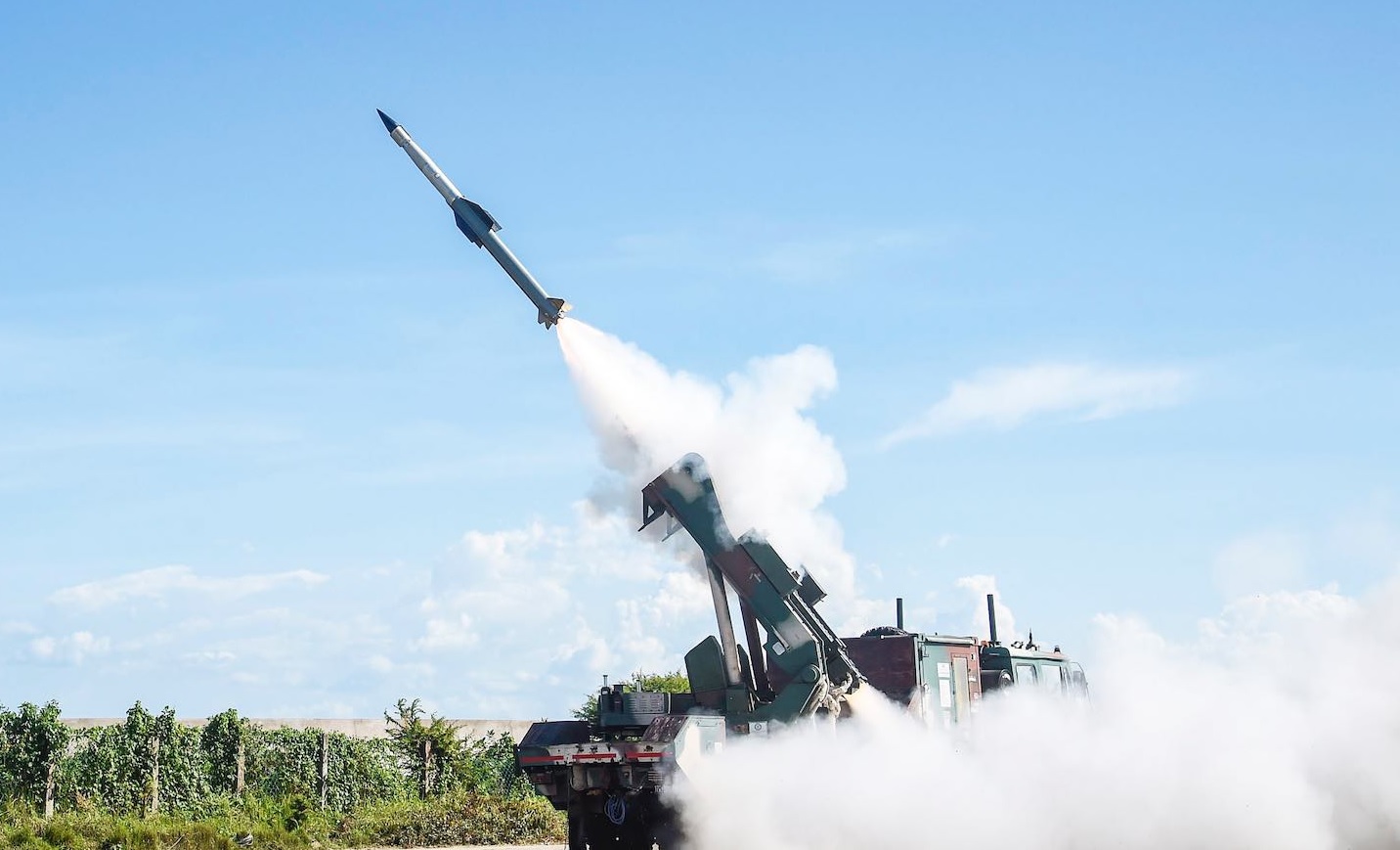
India
The Defence Research and Development Organisation (DRDO) of India is all set to turn heads at the upcoming Land Forces 2024 International Land Defence Exhibition with its latest innovation: the Quick Reaction Surface-to-Air Missile (QRSAM) weapon system. This prestigious event, slated to take place from September 11th to 13th, 2024, at the Melbourne Convention and Exhibition Centre in Australia, will serve as a global stage for showcasing advanced defense technologies.The QRSAM, a product of collaborative efforts between DRDO and Bharat Electronics Limited (BEL), represents a significant leap in India's air defense capabilities. Designed to provide mobile protection for mechanized forces against a variety of aerial threats, this state-of-the-art missile system is equipped with cutting-edge features that set it apart from its contemporaries. One of its standout attributes is the ability to perform "Search on Move, Track on Move, and Fire on Short Halts," a capability that ensures the system remains operationally ready even while on the move. This feature not only enhances its defensive effectiveness but also offers unparalleled flexibility on the battlefield.With a range of 25-30 kilometers, the QRSAM addresses a critical need for the Indian Army, providing a robust solution for short-range air defense. The system successfully underwent a series of rigorous trials in April 2024, demonstrating its proficiency and reliability. These tests were instrumental in fine-tuning the system, incorporating feedback and suggested modifications from the Army to ensure it meets the highest standards of performance and operational readiness.The Land Forces 2024 exhibition will not only be a platform for DRDO to display the QRSAM's capabilities but also an opportunity to engage with the international defense community. The event attracts defense industry leaders, military officials, and policymakers from around the world, making it an ideal venue for India to highlight its indigenous defense technologies. Showcasing the QRSAM at such a significant event underscores India's growing prowess in defense manufacturing and innovation, and it could pave the way for potential export opportunities.As the date for the exhibition draws closer, anticipation is building around the DRDO's presentation. The QRSAM's debut at Land Forces 2024 is more than just an unveiling; it is a testament to India's commitment to advancing its defense capabilities and contributing to global security. The system's advanced technology, combined with its operational flexibility and mobile protection features, makes it a formidable asset on the modern battlefield.In essence, the QRSAM is not just a product of technological advancement but also a symbol of India's strategic vision in defense. The Land Forces 2024 exhibition will indeed be a milestone event, offering a glimpse into the future of air defense systems and solidifying India's position as a key player in the global defense landscape.
Read More → Posted on 2024-07-04 15:31:41
India
In a significant stride towards environmental sustainability, the Indian Army has embraced a greener future by procuring 113 electric buses. These buses, designed to transport troops, signify a pivotal shift towards reducing carbon emissions in the country.Each of these buses, capable of seating 40 personnel, boasts an impressive endurance of 250 kilometers. They are tailored for deployment in plains and semi-hilly regions, currently undergoing trials before full-scale procurement.This initiative aligns closely with the Government of India's ambitious goals of achieving zero-carbon emissions. It underscores the Indian Armed Forces' commitment to integrating eco-friendly transportation solutions into their operational framework.Moreover, this move showcases India's leadership in harnessing indigenous capabilities to meet environmental targets. By opting for electric buses, the military not only contributes to global efforts for sustainability but also sets a precedent for other sectors to follow suit.The adoption of these electric buses is expected to catalyze innovation within the defence sector, paving the way for future advancements in eco-conscious technologies. It exemplifies a harmonious balance between national security imperatives and environmental stewardship.From the battlefield to the forefront of environmental stewardship, the Indian Armed Forces' transition to electric buses marks a decisive step towards a cleaner, more sustainable future.
Read More → Posted on 2024-07-03 15:33:46
India
As anticipation builds for Prime Minister Narendra Modi's upcoming bilateral visit to Russia, whispers of reviving a once-stalled project have surfaced, potentially marking a significant turn in defense collaborations between the two nations. Talks are reportedly on the table to reignite the joint development of a fifth-generation fighter jet, a prospect that has both defense communities buzzing with speculation and hope.Historically, the Fifth Generation Fighter Aircraft (FGFA) program was a grand vision shared by India and Russia, dating back to 2007. The aim was to co-develop a two-seater variant of Russia’s Su-57 jet, an aircraft touted for its advanced stealth capabilities and powerful radar systems. However, the journey was far from smooth. The collaboration faced numerous hurdles, primarily revolving around cost-sharing, technology transfer, and the overall design of the aircraft. By 2018, India decided to withdraw from the project, citing concerns over the Su-57's stealth capabilities, radar performance, and engine reliability.Fast forward to today, Bloomberg reports suggest that both nations are once again considering discussions around the FGFA program. This comes as Russia proposes its latest innovation, the single-engine Su-75 stealth fighter, as a potential candidate for the revived project. Yet, India's stance remains cautious, with reservations about committing to significant Russian aircraft acquisitions at this juncture.The renewed interest in this project underscores India's persistent ambition to develop a next-generation fighter jet. Whether this means revisiting the FGFA program or embarking on a new collaborative venture remains to be seen. The Indian Air Force, while keen on advancing its aerial capabilities, is also exploring indigenous options, such as the development of its own advanced combat aircraft.The impending visit of Prime Minister Modi to Russia is expected to provide clarity on these speculations. High-level discussions are anticipated to address and possibly resolve the issues that previously led to the project's stagnation. Key topics likely to dominate these talks include the equitable distribution of costs, the extent of technology transfer, and the specific requirements for the fighter jet's design.Should these talks prove fruitful, we could witness the birth of a state-of-the-art aircraft tailored to the strategic needs of both India and Russia. This would not only enhance the defense capabilities of both nations but also signify a robust partnership in military technology. Conversely, if old disagreements resurface and remain unresolved, India may well look towards other international collaborations or double down on its efforts to produce an indigenous solution.As the diplomatic and defense worlds await the outcomes of Modi's visit, the potential revival of the FGFA program stands as a testament to the dynamic and evolving nature of India-Russia relations. The skies could soon witness a new era of collaboration, innovation, and strengthened ties between two of the world's leading military powers.
Read More → Posted on 2024-07-03 15:29:30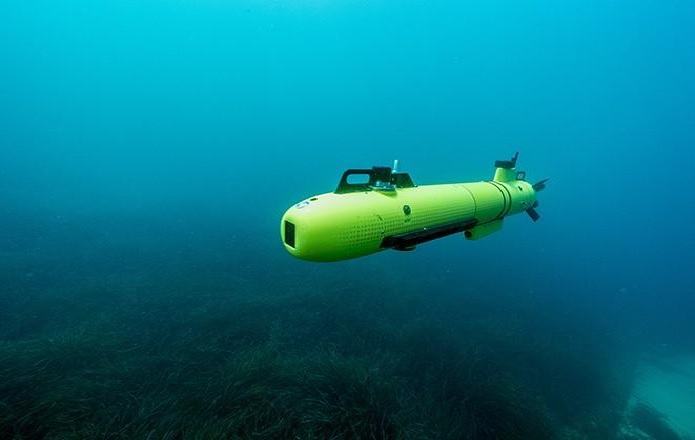
India
The Indian Navy has embarked on a groundbreaking venture to enhance its maritime capabilities with the issuance of a Request for Information (RFI) for an advanced underwater-launched autonomous vehicle (ULAUV) system. Announced on July 1st, this initiative signifies the Navy's commitment to integrating cutting-edge technology for intelligence, surveillance, reconnaissance (ISR), and mine countermeasures (MCM) operations.The ULAUV project is a testament to the Navy's strategic foresight in bolstering underwater capabilities. The vehicle is envisioned to be launched from existing submarine platforms, adding a new and sophisticated dimension to underwater operations. This capability is crucial in modern naval warfare, where the element of surprise and stealth can significantly influence the outcome of operations.One of the primary requirements outlined in the RFI is the ULAUV's ability to detect both surface and subsurface targets. This feature is designed to enhance the Navy's situational awareness in underwater environments, providing a tactical edge in both offensive and defensive operations. The ability to relay acoustic and visual data of targets to other underwater platforms in real-time is another critical requirement. This capability ensures faster decision-making and response times in critical situations, a vital factor in maintaining operational superiority.The ULAUV's homing features are particularly noteworthy. The vehicle must be able to home in on distress signals from disabled submarines, a capability that will significantly improve the Navy's submarine rescue operations. This feature underscores the importance of safety and reliability in underwater missions, ensuring that personnel and assets can be recovered swiftly and efficiently in emergencies.Performance-wise, the ULAUV is required to achieve a minimum speed of 5 knots in calm waters and operate for over 24 hours at cruising speeds. Propelled by a quiet electric motor and guided by inertial navigation and anti-jamming differential GPS systems, the ULAUV must adhere to rigorous standards of performance and reliability. The system's rugged design must meet the Indian Telecommunication Engineering Centre's (TEC) standards for underwater environments, ensuring durability and functionality in harsh conditions.The deadline for interested companies to submit their ULAUV designs is July 16th. All correspondence is to be directed to India's Defence Research and Development Organisation (DRDO), highlighting the country's emphasis on indigenous development of defence technology. This move aligns with the global trend of utilizing unmanned underwater vehicles for a range of maritime missions. UUVs, or Unmanned Underwater Vehicles, offer a cost-effective and versatile solution for tasks ranging from surveillance and mine detection to anti-submarine warfare.By developing and acquiring advanced UUVs like the ULAUV, the Indian Navy aims to maintain its strategic advantage in the region. This initiative is part of a broader effort to enhance overall maritime security capabilities, ensuring that the Navy remains at the forefront of technological innovation in underwater operations.In conclusion, the Indian Navy's RFI for the ULAUV system marks a significant step forward in the modernization of its underwater warfare capabilities. With advanced features designed to enhance ISR and MCM operations, the ULAUV project promises to provide the Navy with a sophisticated tool for maintaining maritime security and operational superiority in the region.
Read More → Posted on 2024-07-03 15:22:23Search
Top Trending in 24 Hours
-
 Tulsi Gabbard Releases Declassified Files Detailing U.S.-Backed Network of 120 Biolaboratories Across 30+ Countries
-
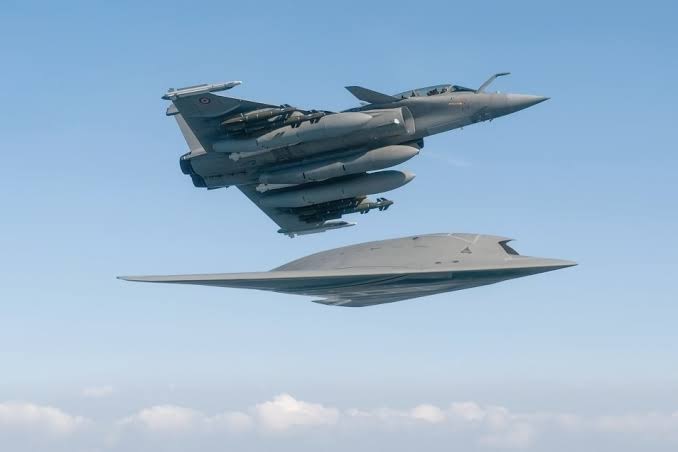 France Agrees to Equip Future Indian Rafales with AI, MUM-T and Secure Satellite Links Under F5 Standard
-
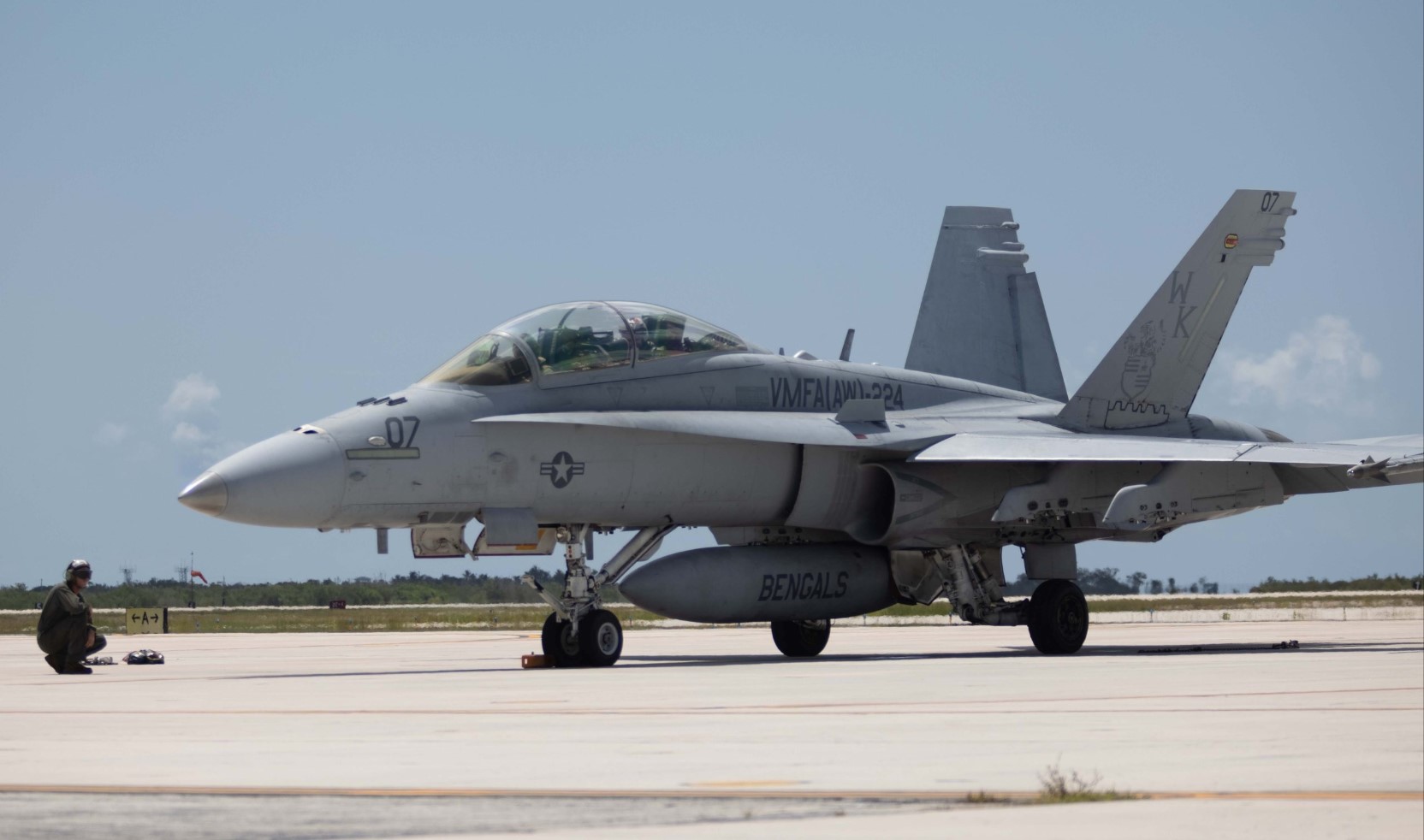 US Marine Corps F/A-18D Hornet Crashes During Training Flight in Washington Mountains; Pilot Ejects Safely
-
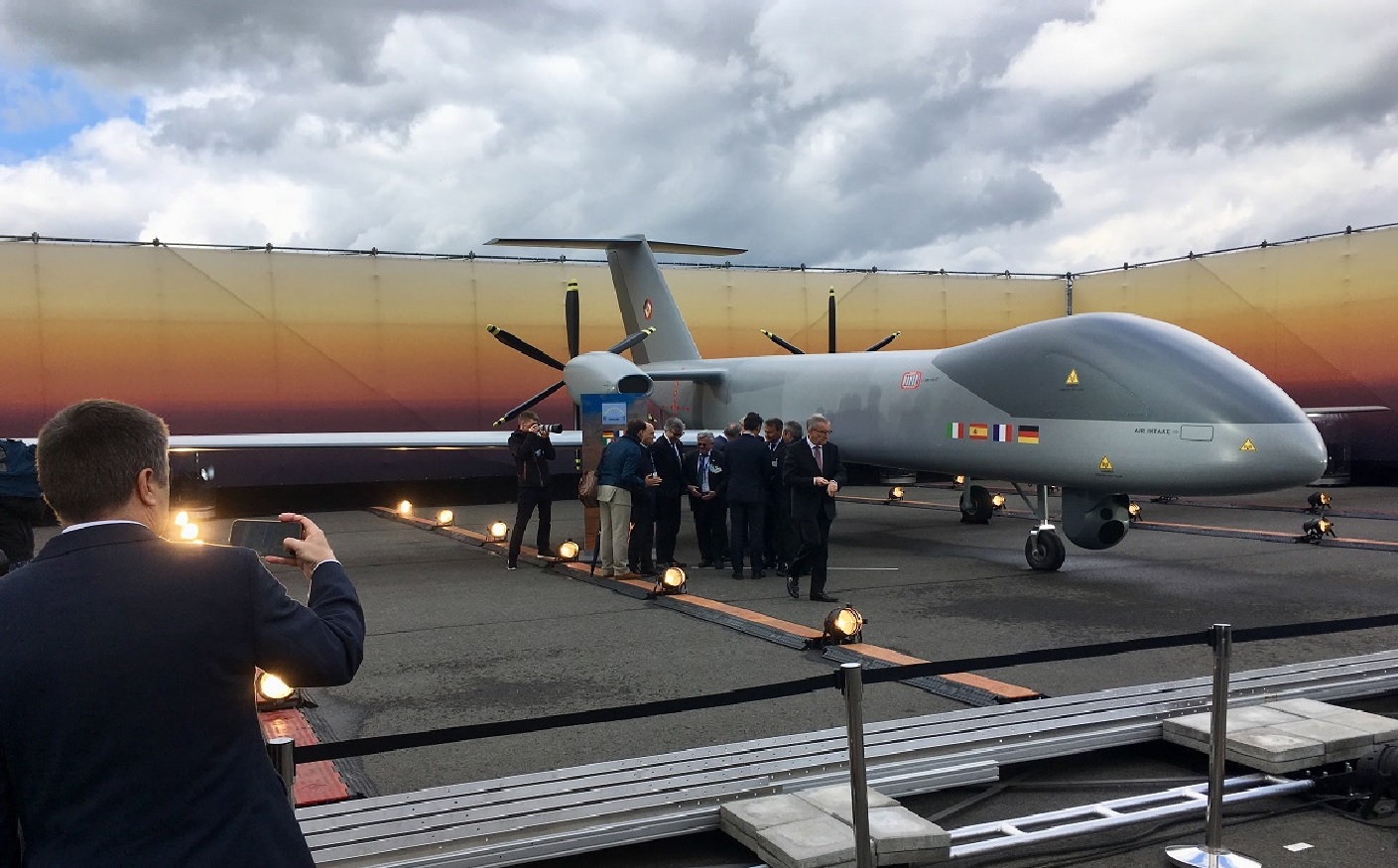 Dassault Seeks Compensation From Airbus as Eurodrone Dispute Erupts After FCAS Collapse
-
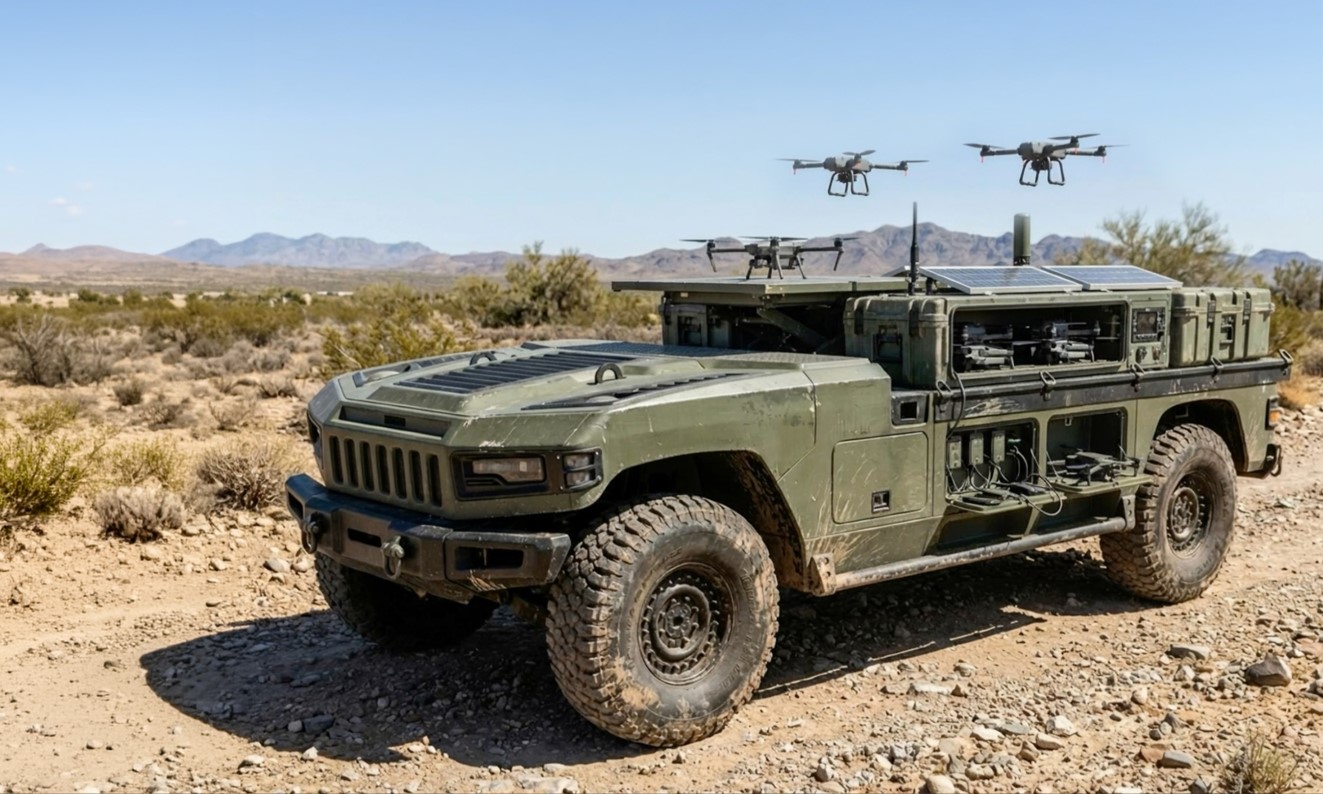 AM General Unveils Next-Generation UGV and JLTV A2 with Counter-Drone Systems at Eurosatory 2026
-
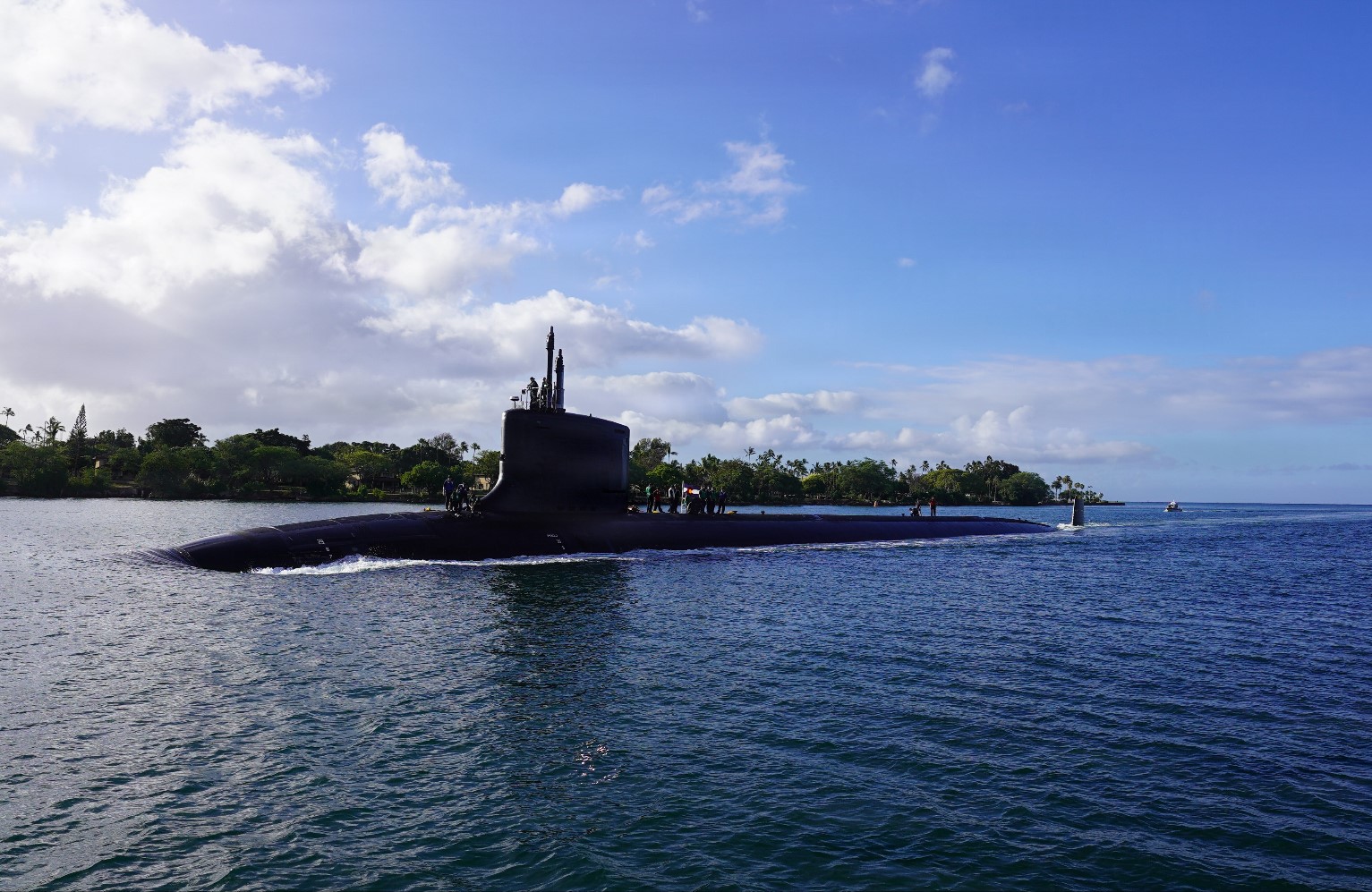 U.S. Navy's USS Colorado Submarine Returns to Pacific Fleet 29 Days Early After Major Pearl Harbor Overhaul
-
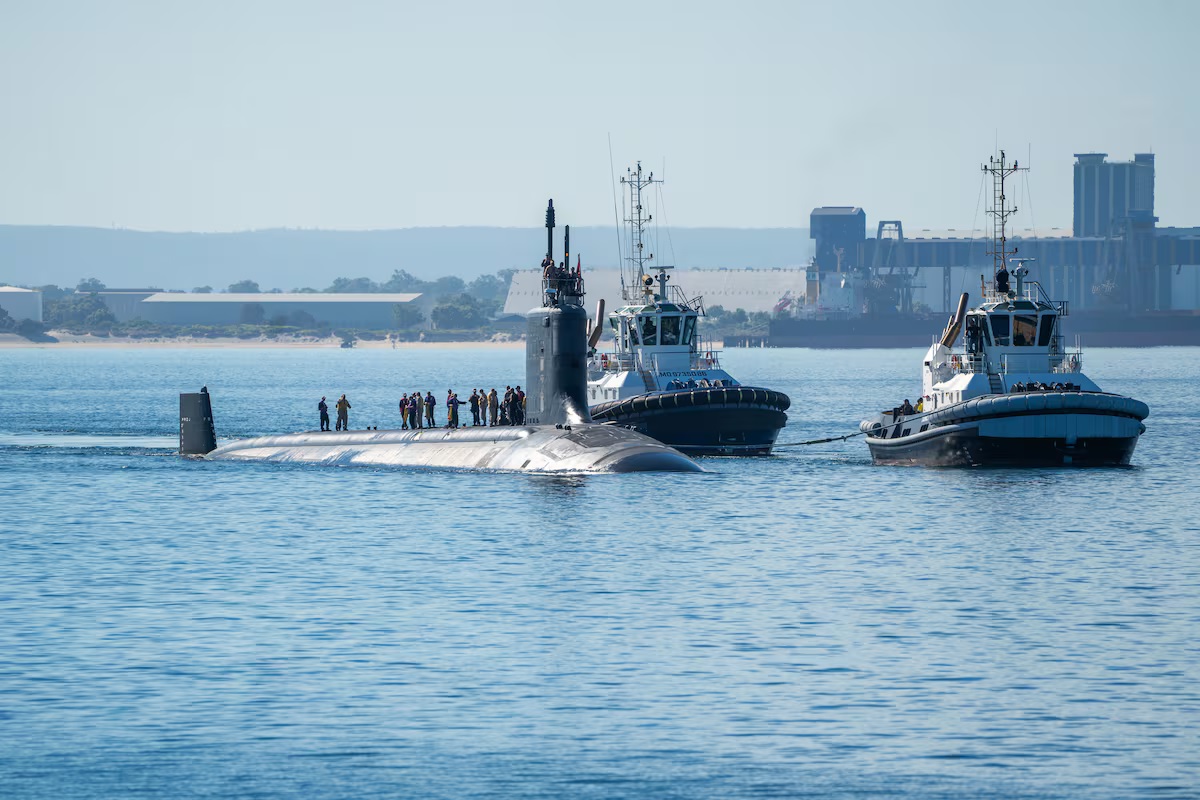 U.S. Navy Reestablishes Submarine Squadron 3 at HMAS Stirling to Support AUKUS Rotational Force
-
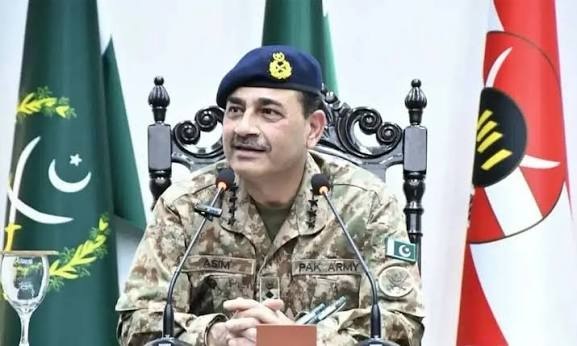 Pakistan Raises Defence Budget from $9 Billion to $10.8 Billion as J-35 Fighter and Hangor Submarine Programs Advance
Top Trending in 4 Days
-
 Iranian Media Leaks 14-Point U.S.-Iran Peace Framework Amid Ongoing Negotiations
-
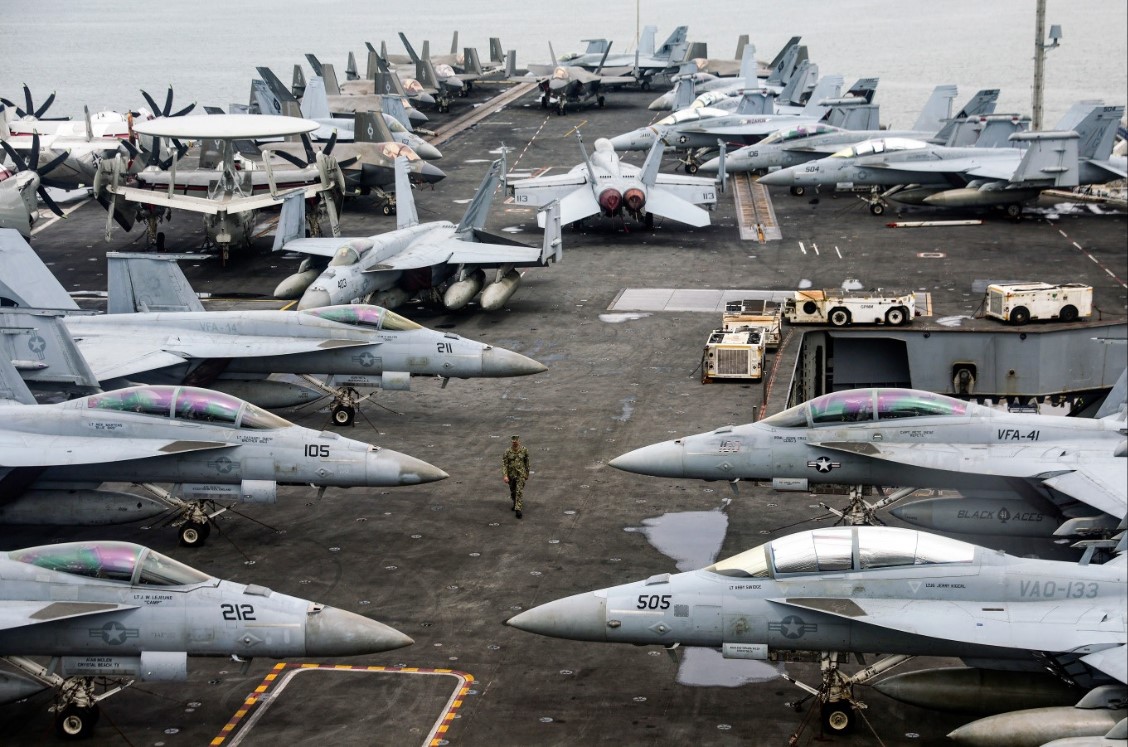 US Plans Significant Reduction of Fighter Jets and Warships for NATO Operations in Europe
-
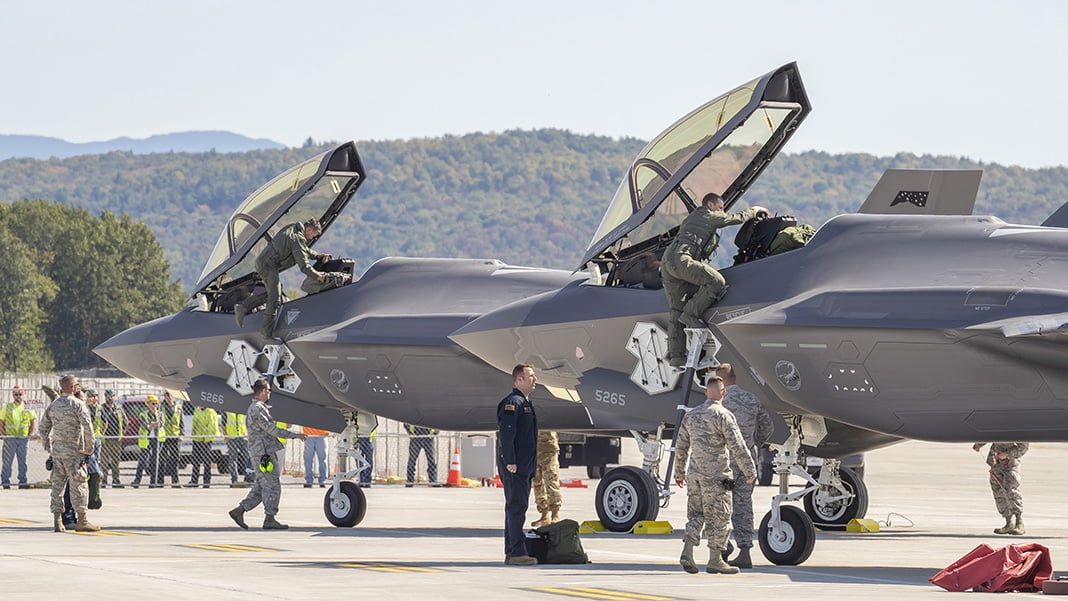 F-35 Fleet Readiness Falls to 25% Amid Parts Shortages and Software Delays: GAO Report
-
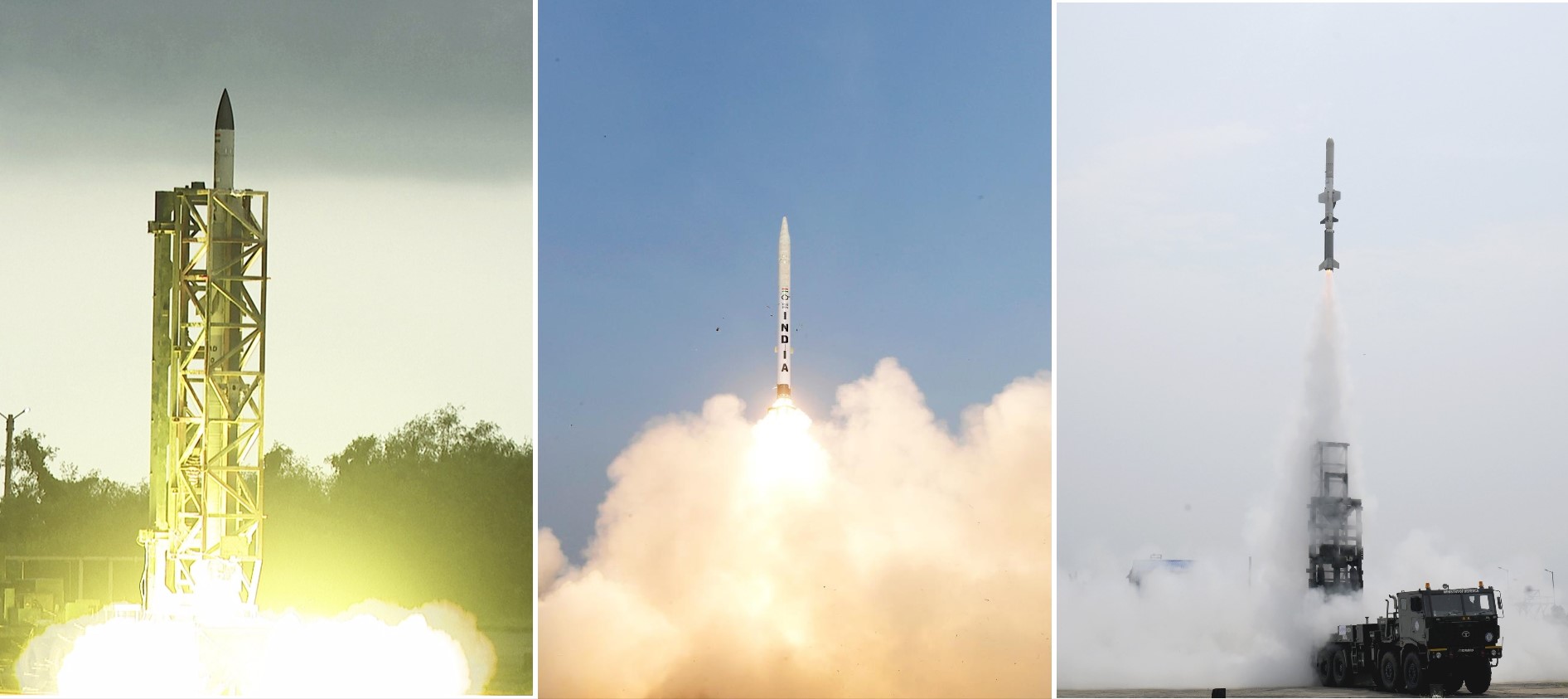 India Successfully Conducts AD-1, AD-2 Interceptor Tests and Maiden NASM-MR Flight Trial
-
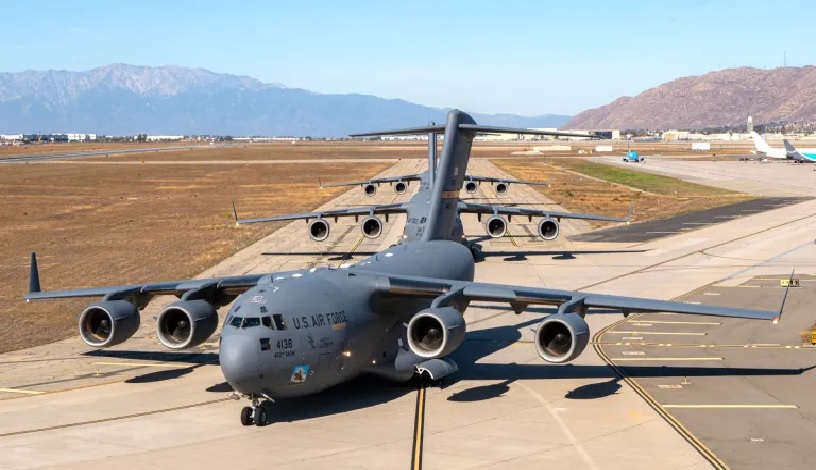 U.S. Air Force Faces Strategic Airlift Shortfall as C-17 Production Restart Remains Uncertain
-
 NATO Commander Says Russia Not Seeking Conflict With Alliance Despite U.S. Force Reductions
-
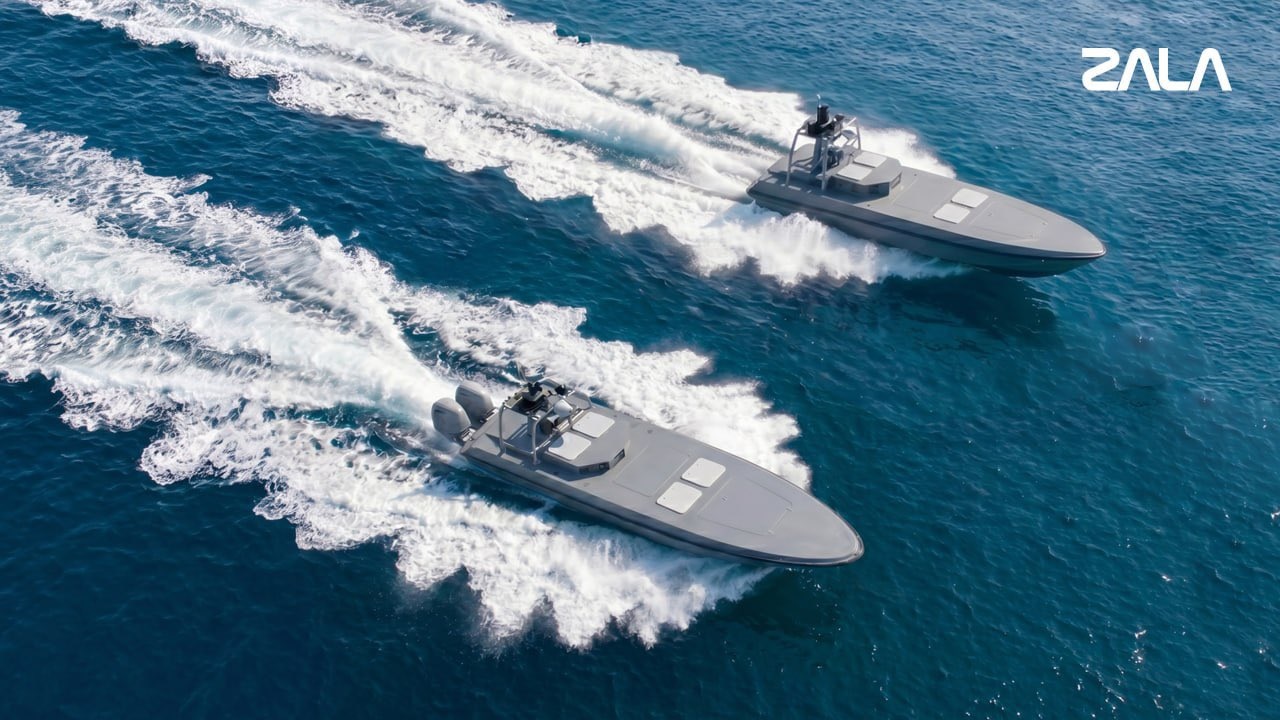 Russian Defense Firm ZALA Unveils KAMA Unmanned Surface Vessel Family at FLOT-2026 Naval Exhibition
-
 U.S. Space Force Awards $437.7 Million Contracts for First PTS-G Swarm 1 Anti-Jam Satellites