
India
In a significant step toward bolstering India's indigenous defense capabilities, the Defence Research and Development Organisation (DRDO) has announced plans to integrate a derivative of the Dry Kaveri engine into the Light Combat Aircraft (LCA) Tejas Trainer. This development, revealed by Dr. Samir V. Kamat, Secretary of Defence Research and Development, underscores India's progress in achieving self-reliance in advanced engine technology.The initiative aims to utilize the Tejas Trainer aircraft as a flying testbed for the Dry Kaveri engine, rather than replacing the existing F-404 engines in operational fighter jets. By adapting two existing Tejas Trainer prototypes, PV-5 and PV-6, for this purpose, DRDO is leveraging current resources to accelerate the development cycle and reduce costs. This approach allows for real-flight testing and refinement of the engine under diverse conditions, providing critical data to enhance its performance.The Gas Turbine Research Establishment (GTRE), a key partner in this endeavor, has already started receiving new batches of Dry Kaveri engines for the testing program. These engines are set to undergo high-altitude trials to evaluate their performance in extreme environments, a crucial step in ensuring their reliability and effectiveness. Additionally, GTRE is developing new afterburner modules for the Kaveri engine, aiming to boost its combined thrust to approximately 73-75kN. Although this is slightly below the 84kN thrust of the F-404 engines in the LCA-Tejas Mk1, it represents significant progress in indigenous engine technology.The Dry Kaveri engine is also envisioned to power the Ghatak UCAV (Unmanned Combat Aerial Vehicle), a 13-ton unmanned strike aircraft being developed by the Aeronautical Development Establishment (ADE). This versatile engine is expected to complement India's fifth-generation AMCA (Advanced Medium Combat Aircraft) fighter jet in deep strike missions within contested airspace.The strategic implications of this development are profound. Successfully integrating and testing the Dry Kaveri engine will reduce India's dependency on foreign suppliers for critical fighter jet components, enhancing national security and defense capabilities. Moreover, this achievement could pave the way for the Dry Kaveri engine to potentially replace the F-404 engines in the Tejas Mk1A fleet during future upgrades.While the exact timeline for the integration and subsequent trials remains undisclosed, the progress made thus far highlights India's commitment to advancing its defense technology through indigenous innovation. The collaborative efforts of DRDO and GTRE exemplify the nation's determination to achieve self-reliance in the aerospace sector, marking a pivotal moment in India's defense history.
Read More → Posted on 2024-07-08 15:39:28
India
In a significant leap towards enhancing India's indigenous defense capabilities, Larsen & Toubro (L&T) recently conducted the Bhoomi-Poojan ceremony for their new Air Independent Propulsion (AIP) Integration and Testing Facility. This state-of-the-art establishment is poised to play a critical role in the integration and evaluation of AIP systems, a crucial technology for the Indian Navy's submarines.The event was attended by several notable figures, including Dr. Samir V. Kamath, Chief of the Defence Research and Development Organisation (DRDO), and Arun Ramchandani, L&T's Executive Vice President. Their presence underscored the importance of this initiative in India's defense landscape.The AIP systems, developed by the Naval Materials Research Laboratory (NMRL) under DRDO, in collaboration with L&T, mark the culmination of over a decade of dedicated research and development. The foundation for this facility was laid in 2023 when L&T and DRDO signed a landmark contract to develop two AIP System Modules for the Indian Navy's Kalvari Class submarines.These modules, which form the heart of a fuel cell-based AIP system, highlight India's growing expertise in advanced defense technology. The Energy Modules (EMs), consisting of fuel cells, are designed to generate power by producing hydrogen on-demand. This innovative approach eliminates the need for carrying hydrogen onboard, thereby enhancing the safety and operational efficiency of submarines.NMRL's indigenous AIP technology is particularly noteworthy for its unique capability to generate hydrogen as needed, placing India among a select group of nations with such advanced technology. The AIP system significantly improves the endurance and stealth of conventional submarines, allowing them to remain submerged for longer periods without surfacing. Additionally, this technology is environmentally friendly, producing only clean water as a byproduct, thus contributing to greener naval operations.The establishment of the AIP Integration and Testing Facility is a testament to India's commitment to self-reliance in defense technology. It not only bolsters the Indian Navy's strategic capabilities but also aligns with the nation's dedication to sustainable and environmentally responsible solutions. This development marks a significant stride in India's maritime defense sector, reinforcing its position as a formidable maritime power.As India continues to advance its defense capabilities through such initiatives, the nation's resolve to achieve technological self-sufficiency and enhance its strategic defense infrastructure becomes ever more evident. The AIP Integration and Testing Facility by L&T is a pivotal addition to this ongoing journey towards a more secure and self-reliant India.
Read More → Posted on 2024-07-08 15:19:44
India
Sri Lanka has decided to lift the ban on the visit of foreign research ships starting next year, despite significant security concerns raised by India and the United States. This decision, reported by Japanese media, marks a significant shift in Sri Lanka’s policy towards foreign vessels, particularly Chinese surveillance ships, which had frequently requested docking permissions.This change was conveyed by Sri Lankan Foreign Minister Ali Sabry during his visit to NHK World Japan. The move comes after Sri Lanka had imposed a ban earlier this year in response to concerns from India about the increasing presence of Chinese research vessels in the Indian Ocean. These vessels were suspected to be spy ships, prompting New Delhi to urge Colombo to prevent their docking.In January, Sri Lanka banned the entry of foreign research vessels, making only a single exception for a Chinese vessel. Despite this, Sabry highlighted that Sri Lanka cannot apply different rules for different countries and emphasized the importance of neutrality, stating that Sri Lanka will not take sides in disputes between other nations.Two Chinese spy ships have docked in Sri Lanka’s ports within the past 14 months, one for replenishment and the other for research. The latest, Shi Yan 6, arrived in October 2023, purportedly for geophysical scientific research in collaboration with Sri Lanka’s National Aquatic Resources Research and Development Agency (NARA). The United States had also expressed its concerns before the arrival of Shi Yan 6.In August 2022, another Chinese vessel, Yuan Wang 5, docked at Hambantota in southern Sri Lanka for replenishment. These events occurred amidst Sri Lanka’s efforts to navigate its financial crisis, the worst since gaining independence from Britain in 1948, driven by a severe lack of foreign exchange reserves. Both India and China are seen as crucial partners in Sri Lanka’s task of restructuring its external debt.Sabry also expressed gratitude towards Japan for its plan to provide a ship equipped with sonar, which will allow Sri Lanka to conduct its own surveys and collect its own data. He emphasized the importance of transparent research to exploit Sri Lanka’s untapped maritime resources.Located at a strategic point in the Indian Ocean, Sri Lanka is an important stop for marine traffic between South East Asia and West Asia, making it a crucial player in global trade routes. As Sri Lanka prepares to lift its ban on foreign research ships, it faces the challenge of balancing international relations while ensuring its own national security and economic interests.
Read More → Posted on 2024-07-08 15:09:24
India
India has issued a Notice to Airmen (NOTAM) restricting airspace usage between July 17 and 26, 2024. This move has sparked widespread speculation about a potential missile test, particularly focusing on the AD-1 Interceptor missile, a crucial element of India's Ballistic Missile Defence (BMD) Phase-II program.The designated area for the airspace restriction includes the 'AD Launch Site' in West Bengal and the APJ Abdul Kalam Island launch pad off the coast of Odisha. The involvement of these two specific locations hints at a significant test operation, possibly involving both an interceptor missile and a target missile being launched from separate sites. This strategic setup is indicative of a comprehensive BMD test.The AD-1 Interceptor missile is designed to neutralize incoming ballistic missiles at high altitudes, making it a vital component in India's defense arsenal. The BMD program itself is a multi-layered defense system aimed at protecting the nation from ballistic missile threats. By intercepting and destroying incoming missiles before they can reach their targets, the BMD system significantly enhances national security.While there is no official confirmation yet about the specific missile to be tested, the involvement of both the AD Launch Site and the APJ Abdul Kalam Island launch pad strongly suggests that this could be a BMD-related test. The AD-1 Interceptor missile is part of India's ongoing efforts to bolster its missile defense capabilities, reflecting the country's commitment to maintaining a robust defense posture.In recent years, India has been steadily advancing its missile defense technology, conducting a series of tests and trials to validate the performance and reliability of its defense systems. The NOTAM issued for this period aligns with India's strategic goals of enhancing its defensive measures against potential threats from ballistic missiles.This potential test comes at a time when regional security dynamics are continually evolving, and nations are investing heavily in advanced defense technologies. For India, strengthening its missile defense capabilities is not only about safeguarding its sovereignty but also about maintaining stability in the region.As the dates approach, defense analysts and experts will be closely monitoring the developments, awaiting official statements and results from the anticipated tests. The successful demonstration of the AD-1 Interceptor missile would mark a significant milestone in India's defense technology landscape, showcasing its ability to develop and deploy advanced missile defense systems.Overall, the issuance of the NOTAM and the speculated test of the AD-1 Interceptor missile underscore India's proactive stance in fortifying its defense mechanisms and ensuring preparedness against potential threats.
Read More → Posted on 2024-07-08 15:07:03
India
In a strategic move to bolster its maritime surveillance capabilities, the Indian Navy is exploring the deployment of the CAMCOPTER S-100, a state-of-the-art rotary unmanned aerial system (UAS). This development marks a significant step in enhancing intelligence, surveillance, and reconnaissance (ISR) operations across the expansive Indian Ocean Region (IOR).The CAMCOPTER S-100, a groundbreaking creation by the Austrian company Schiebel, is at the forefront of modern unmanned aerial technology. Founded in 1951, Schiebel has established itself as a global leader in the production of high-tech military, commercial, and humanitarian solutions. The company operates internationally, with bases in Vienna and Wiener Neustadt (Austria), Manassas (USA), Abu Dhabi (UAE), Shoalhaven (Australia), and Hyderabad (India).The Indian Navy's interest in the CAMCOPTER S-100 is part of a broader initiative to integrate advanced unmanned systems into its operational framework. This initiative is further strengthened by a unique collaboration between Austrian and Indian industries. Schiebel has partnered with VEM Technologies, an Indian production partner, to license-produce the unmanned system within India. This collaboration aims to establish a comprehensive ecosystem for rotary unmanned systems, ensuring the long-term technological expertise needed for effective utilization.The CAMCOPTER S-100 is not just a technological marvel; it represents a proven capability for both military and civilian applications. One of its standout features is its Vertical Takeoff and Landing (VTOL) capability, which eliminates the need for a prepared launch or recovery area. This flexibility allows it to operate seamlessly from both land and sea, day and night, even under adverse weather conditions. With a range of up to 200 kilometers, the S-100 can be navigated automatically via pre-programmed GPS waypoints or directly through a pilot control unit. Its missions are planned and controlled via a user-friendly graphical interface, allowing for real-time transmission of high-definition payload imagery to the control station. The UAV employs "fly-by-wire" technology managed by redundant flight computers, enabling it to complete missions even in the most complex electromagnetic environments. Its carbon fiber and titanium fuselage ensures durability and supports a variety of payload and endurance combinations.Technical Specifications of the CAMCOPTER S-100Autonomy: Autonomous takeoff, waypoint navigation, and landing.Navigation: Redundant INS and GPS.Power Plant: S1: 40-kW rotary engine AVGAS 100LLS2: 44-kW rotary engine, F-44 (JP-5), F-34 (JP-8), F-35 (JetA-1)Data/Video Link: Fully digital, compressed video (up to four simultaneous feeds).Payload Power Supply: 1-kW alternator.Typical Data Link Range: 50, 111, or 200 km (27, 60, or 108 nm).Dash Speed: 100 knots (185 km/h).Cruise Speed: 55 knots (102 km/h) for best endurance.Typical Payload: 50 kg (110 lbs).Maximum Takeoff Weight (MTO): 200 kg (441 lbs).Typical Empty Weight: 114 kg (251 lbs).Dimensions: Length: 3110 mm (122 inches).Height: 1120 mm (44 inches).Width: 1240 mm (49 inches).Main Rotor Diameter: 3400 mm (133.9 inches).Endurance: 6 hours, extendable to over 10 hours with an optional external fuel tank.The Indian Ministry of Defence (MoD) and the Indian Navy are expected to complete evaluations of various platforms bidding for the Naval Shipborne Unmanned Aerial System (NSUAS) program by March 2023. As part of an earlier procurement initiative, the Indian Navy has already trialed the S-100, showcasing its potential to enhance maritime security operations.In conclusion, the deployment of the CAMCOPTER S-100 by the Indian Navy signifies a pivotal advancement in India's maritime surveillance capabilities. This initiative not only strengthens national security but also fosters a strategic partnership between Austrian and Indian industries, paving the way for future technological innovations in unmanned systems.
Read More → Posted on 2024-07-07 16:02:34
India
Recent satellite imagery has unveiled a significant escalation in tensions between India and China, highlighting China's extensive military buildup near the disputed Pangong Lake in eastern Ladakh. The images depict a newly fortified base at Sirjap, strategically positioned on territory claimed by India, showcasing a network of underground bunkers, hardened shelters, and expansive roads.According to reports from BlackSky, a US-based satellite imaging firm, the base includes a large underground bunker complex with multiple entrances, alongside smaller bunkers and shelters designed to safeguard military assets from potential aerial threats. This development underscores China's efforts to consolidate its presence and enhance operational capabilities in the region.India has responded by intensifying its own border infrastructure initiatives, focusing on the development of roads, bridges, and airfields to bolster military mobility and logistical support along the Line of Actual Control (LAC). The situation is further complicated by increased military activities observed at the Shigatse air base in Tibet, where China has deployed advanced Chengdu J-20 stealth fighter jets in apparent response to India's acquisition of Rafale jets.Additionally, Chinese military activities extend to the disputed Doklam plateau, where recent satellite imagery reveals the construction of an extensive road network and increased troop deployments. These developments underscore the escalating tensions and strategic maneuvers taking place in the region.Since May 2020, India and China have been locked in a standoff along the LAC, with periodic escalations exacerbated by territorial disputes and military buildups. The latest revelations from satellite imagery near Pangong Lake highlight a growing concern over regional stability and the potential for further friction between the two nuclear-armed neighbors.This recent development near Pangong Lake serves as a stark reminder of the ongoing geopolitical complexities and military dynamics shaping the Indo-China border dispute, with implications that extend beyond regional security concerns.---This article aims to provide a clear, narrative-style overview of the situation, incorporating additional details sourced from recent satellite imagery and geopolitical analysis.
Read More → Posted on 2024-07-07 15:53:08
India
Prime Minister Narendra Modi reached out to congratulate Keir Starmer, the newly-elected Prime Minister of the United Kingdom, following the Labour Party’s resounding victory in the recent general elections. This moment marks a significant political shift in the UK, ending 14 years of Conservative rule.During their first telephonic conversation, PM Modi extended an invitation to PM Starmer for an early visit to India. This gesture underscores the importance of India-UK relations and signals a commitment to enhancing bilateral cooperation.The conversation highlighted the leaders’ shared vision for a stronger India-UK partnership. Both PM Modi and PM Starmer expressed their determination to expedite the conclusion of a mutually beneficial Free Trade Agreement (FTA). This agreement is anticipated to bolster economic ties, fostering growth and prosperity for both nations.Reflecting on the deep-rooted historical connections between India and the UK, the leaders reaffirmed their dedication to advancing the Comprehensive Strategic Partnership. This partnership encompasses various domains, including trade, investment, defense, and cultural exchange, aiming to bring the two nations closer.PM Modi commended the Indian community in the UK for their significant contributions to the country’s social, economic, and political landscape. Both leaders agreed on the importance of promoting closer people-to-people ties, which form the backbone of the robust India-UK relationship.The exchange was marked by mutual respect and a forward-looking approach. PM Modi's invitation for an early visit by PM Starmer to India is seen as an opportunity to solidify this renewed partnership and set the stage for future collaborations.In his first address outside 10 Downing Street, PM Starmer pledged to serve all citizens, emphasizing unity and the beginning of a transformative era for the UK. His leadership is expected to bring fresh perspectives and renewed vigor to the UK's domestic and international policies.Earlier, PM Modi had also lauded former UK Prime Minister Rishi Sunak for his leadership and efforts to strengthen India-UK ties during his tenure. Modi’s message to Sunak acknowledged the progress made under his leadership and wished him well for the future.The conversation between PM Modi and PM Starmer marks the beginning of a promising chapter in India-UK relations. Both leaders are poised to work closely, ensuring that the strategic partnership continues to thrive and deliver mutual benefits for their countries and the global community.
Read More → Posted on 2024-07-07 15:50:48
India
The Border Security Force (BSF) is stepping up its game to tackle infiltration and illegal activities along the India-Bangladesh border. Leveraging cutting-edge technology, the BSF is now utilizing AI-enabled cameras and facial recognition tools to enhance surveillance and security.Inspector General of BSF’s Tripura frontier, Patel Piyush Purushottam Das, announced on Sunday that these advancements are part of a broader strategy to augment physical domination along the border. With increased manpower at sensitive outposts and special operations aimed at dismantling networks of touts and smugglers, the BSF is working diligently to maintain a zero-tolerance policy against illegal activities.This move comes shortly after Tripura Chief Minister Manik Saha urged the BSF to intensify its vigilance along the border to curb infiltration. Responding swiftly, the BSF has tightened security measures, including plugging gaps in border fencing with improvised methods and deploying additional teams in strategic areas. Special emphasis is also being placed on joint operations with state police and other security agencies, yielding significant results on the ground.In a bid to address cross-border crimes effectively, a recent four-day IG BSF-Regional Commander Border Guard Bangladesh (BGB) meeting in Shillong resulted in several key agreements. Both forces committed to identifying vulnerable patches along the border and enhancing coordinated patrols. Additionally, a dossier listing Bangladeshi touts and criminals was handed over to the BGB, who assured action as per their laws. Real-time information sharing through field commander-level communication was also agreed upon, showcasing a collaborative approach to border security.The impact of these measures is evident. In the current year alone, the BSF has seized contraband worth Rs 29 crore, apprehended 198 Bangladeshi nationals, and 12 Rohingyas. Narcotics and psychotropic drugs valued at Rs 32 crore have also been confiscated. The intensified efforts are a direct response to the growing challenge of infiltration, with Chief Minister Saha highlighting the need for stringent measures during a high-level meeting on July 4.The situation has been particularly tense in Tripura, where around 100 Bangladeshi nationals, including women and children, were recently arrested at the Agartala railway station for illegal entry. Additionally, 25 Rohingyas, including six women and seven children, were apprehended in North Tripura district over the past two months. These individuals had fled from camps in Bangladesh’s Cox’s Bazar, where over one million displaced Rohingyas from Myanmar have been residing since 2017.The BSF’s multi-dimensional approach, combining advanced technology and increased manpower, aims to ensure a secure and well-guarded border. As these measures continue to be implemented, the collaboration between BSF and BGB remains crucial in maintaining the integrity of the India-Bangladesh border.
Read More → Posted on 2024-07-07 15:43:05
India
In a significant event highlighting the valor and dedication of the Jammu and Kashmir police force, Director General of Police (DGP) R R Swain handed over appointment letters to the Special Police Officers (SPOs) who played a crucial role in neutralising three terrorists in the Gandoh area of Doda district. The ceremony took place on a Saturday, recognizing the courageous efforts of the SPOs who ensured the safety and security of the local populace.The encounter, which began on June 26, saw intense engagement between security forces and the terrorists who had infiltrated the region. By June 27, the joint efforts of the security personnel, including the valiant SPOs, led to the successful elimination of the three terrorists in the Gandoh, Bhaderwah sector. This operation not only neutralised a significant threat but also demonstrated the unyielding commitment of the security forces to maintaining peace in the region.DGP R R Swain, during the ceremony, emphasized the importance of such acts of bravery and the need to honor those who put their lives on the line for the safety of others. "When the police personnel, which includes SPOs, work in this manner to keep the public safe, we absorb them as constables to encourage them. We want their families, community, people, cities, and villages to feel proud of their boys who come forward and work for their soil, for its protection," he said. This gesture of absorbing the SPOs into regular constable positions not only boosts their morale but also sets a precedent for others to follow.The Additional Director General of Police (ADGP) of Jammu, Anand Jain, provided further details about the operation. He confirmed that three terrorists were neutralised and that a cache of arms and ammunition, including two M-4 rifles and one AK-47 rifle, was recovered from them. "We launched a search operation as soon as we received information about the presence of terrorists. The recovery of these weapons is significant and shows the level of threat we were dealing with," said ADGP Jain.During a press conference, ADGP Jain also addressed concerns about the emergence of new terror organizations in the area. He assured that ongoing investigations and search operations are focused on uncovering any new terror schemes and maintaining the safety of the region, including the upcoming Amarnath Yatra. "There is the presence of groups in this area, and a search operation is underway. As the investigation into the Chhattergala incident continues, it remains to be seen if this is a new scheme of terror organizations," he added.This operation and the subsequent recognition of the SPOs underscore the relentless efforts of the Jammu and Kashmir police force in combating terrorism and ensuring the safety of their communities. The appointment of these brave officers as constables serves as an inspiration and a reminder of the sacrifices made by those on the front lines.
Read More → Posted on 2024-07-07 15:37:31
India
A mysterious case has gripped the Border Security Force (BSF) Academy in Tekanpur, Gwalior, as two women constables, Akanksha Nikhar and Shahana Khatoon, have been missing for over a month. The pair, who had been trainers at the academy since 2021, disappeared on June 6, 2024, sparking a multi-agency search operation to locate them.Akanksha, hailing from Jabalpur, and Shahana, from Murshidabad, West Bengal, were last seen at Beacon Hospital in Behrampore on June 7, as confirmed by CCTV footage. Since then, their phones have been turned off, adding to the complexity of the investigation. Authorities have raised alarms across BSF units along international borders, fearing the worst as they delve deeper into the constables' disappearance.The search took a significant turn when investigators discovered suspicious activity on the constables' phones. The trail led to various locations, including Delhi, Howrah, and Behrampore in West Bengal, close to Shahana’s hometown. This finding has prompted a thorough analysis of phone records and CCTV footage to map out their travel patterns and possible connections, particularly focusing on Shahana's family ties in West Bengal.Akanksha’s mother, Urmila Nikhar, voiced her concerns during a public hearing with the Gwalior police. She recalled a conversation with her daughter on June 5, where Akanksha sounded unusually hesitant. Despite filing a missing person’s report at Bilua police station, located 100 kilometers from Gwalior, on June 6, Urmila claims that the initial response from the Gwalior police was lackluster.The lack of communication from Shahana's family has only deepened the mystery. With no leads from them, the search operation has intensified. In response to Urmila’s persistent pleas, the Gwalior police have formed a special investigation team. This team is working closely with state and central agencies, including their counterparts in West Bengal, to trace the constables' steps and uncover the truth behind their disappearance.The discovery of the constables’ phones being active in multiple locations before going dark hints at a broader, more intricate scenario. The authorities are now exploring all angles, including potential foul play and whether the constables left voluntarily or under duress.As the investigation continues, the families of Akanksha and Shahana await answers, hoping for their safe return. The case remains shrouded in uncertainty, with each clue adding a layer to the unfolding mystery. The multi-agency effort to locate the constables underscores the seriousness of the situation and the determination to bring them back safely.
Read More → Posted on 2024-07-07 15:31:45
India
In a secluded monastery beneath the snow-capped peaks of northern India, the Buddhist monk charged with protecting the Dalai Lama and foretelling the future of his people stands troubled. As the Dalai Lama celebrates his 89th birthday, concerns about his succession grow, with China insisting on choosing the next spiritual leader of Tibet.The Nechung Oracle, the medium of Tibet’s Chief State Oracle, ponders the future as the Dalai Lama approaches a crucial age. "His Holiness is the fourteenth Dalai Lama, then there will be a fifteenth, sixteenth, seventeenth," he says, emphasizing the unique process of Tibetan succession. Unlike political leaders who come and go, Tibetan Buddhists believe in the reincarnation of learned monastics. The Dalai Lama has indicated he will address questions about his reincarnation around his 90th birthday, a process in which the Oracle will play a crucial role by entering a trance to consult the divine.The current Dalai Lama is a revered figure, having popularized Buddhism worldwide and earned a Nobel Peace Prize in 1989 for his peaceful advocacy for Tibetan autonomy. However, Beijing views him as a dangerous separatist despite his "Middle Way" approach, seeking genuine autonomy and religious freedom within China.The potential successor to the Dalai Lama poses a significant challenge. Any new leader will be inexperienced and largely unknown on the global stage, raising fears about the movement's future. The Central Tibetan Administration (CTA), Tibet’s government-in-exile, along with its international supporters, is bracing for a future without the Dalai Lama’s influential presence.Meanwhile, U.S. President Joe Biden is expected to sign a bill countering Chinese claims that Tibet has been part of China since ancient times, a move seen as part of a broader strategic shift. This bill, celebrated by U.S. lawmakers and the Dalai Lama himself, aims to challenge Beijing's narrative and encourage dialogue. The CTA hopes this international pressure will push China to negotiate, as the current stance leaves little incentive for Beijing to engage.China's foreign ministry has expressed willingness to discuss the Dalai Lama's "personal future" if he abandons his separatist stance, yet official talks have been stalled since 2010. Beijing has also urged Biden not to sign the bill, which it sees as a direct challenge to its authority.The question of succession is further complicated by historical claims. While Beijing asserts sovereignty over Tibet since the Yuan dynasty, many historians argue that Tibet has largely governed itself over the centuries. The Chinese People's Liberation Army's "peaceful liberation" of Tibet in 1950 and the subsequent exile of the Dalai Lama in 1959 remain contentious issues.China’s past actions, such as the controversial selection of the Panchen Lama in 1995, highlight the potential for future disputes. The Dalai Lama's choice was detained by Chinese authorities and has not been seen since, casting doubt on Beijing’s legitimacy in the eyes of many Buddhists. A similar scenario is expected for the next Dalai Lama, given China's stance on reincarnation approval.International responses vary, with the U.S. taking a firm stance against Chinese interference, while India, despite hosting the Dalai Lama for over six decades, remains more cautious due to its complex relationship with China. Observers note that India's diplomatic voice on the global stage will inevitably be drawn into the succession debate.For now, the Dalai Lama's respected presence has helped maintain a delicate balance among Tibetan exiles, preventing a formal push for independence. However, the uncertainty of his succession threatens to disrupt this equilibrium. The Tibetan Youth Congress, while respecting the Middle Way, advocates for full independence, reflecting the growing impatience among younger Tibetans.As the Dalai Lama’s followers prepare to celebrate his 89th birthday, they also brace for the uncertainties ahead. His desire to return to Tibet remains unfulfilled, and the emotional and political implications of his passing loom large. The CTA's efforts to unify Tibetans under a common narrative against Chinese claims offer some hope, but the future remains precarious.The world watches as the Dalai Lama, a symbol of hope for many, continues his journey. Time is running out for both the spiritual leader and his people, and the path ahead is fraught with challenges.
Read More → Posted on 2024-07-07 15:21:10
India
India has made a significant leap in bolstering its defense capabilities with the unveiling of the Zorawar Light Battle Tank. Developed jointly by the Defence Research and Development Organisation (DRDO) and Larsen & Toubro (L&T), this tank is designed to counter the challenges posed by high-altitude warfare, particularly in regions like Ladakh, where the Indian Army faces off against China's formidable Type 15 light tanks.On a bright Saturday in Gujarat's Hazira, the Zorawar tank was put through its paces during a test event. DRDO Chief Samir V Kamath, visibly proud of the achievement, emphasized the speed and efficiency of this project. "In just two years, we have not only designed this tank but also created the first prototype, ready for rigorous trials. By 2027, after completing all trials, the Zorawar will be inducted into the Indian Army," he stated.The Zorawar tank, named after the 19th-century Dogra ruler Zorawar Singh, is a marvel of modern military engineering. Weighing in at 25 tonnes, it combines the crucial elements of firepower, mobility, and protection. The tank is armed with a 105mm gun, capable of engaging enemy targets with precision. Its advanced optics, provided by the French company Safran Paseo, significantly enhance the situational awareness of the crew, making it a formidable opponent in any battle scenario.One of the standout features of the Zorawar is the John Cockerill 3105 remote-controlled weapon station (RWS). This two-person turret integrates an autoloader system that can be configured with either 12 or 16 rounds and offers a 42-degree elevation limit for the main gun. This setup is particularly advantageous in the confined and rugged environments typical of high-altitude regions.The tank's engine, a reliable American-supplied Cummins, ensures optimal performance and reliability even in the most challenging conditions. The Zorawar is also equipped with unmanned systems and loitering munitions, lessons drawn from the ongoing Russia-Ukraine conflict, making it a versatile and forward-thinking piece of military hardware.The Indian Army has already placed an initial order for 59 Zorawar tanks, with plans to potentially procure a total of 354 light tanks. These tanks are expected to undergo gruelling trials in Ladakh to ensure they can withstand the harsh conditions of high-altitude warfare. The successful deployment of these tanks will significantly enhance India's military posture against China in these strategically important sectors.The development of the Zorawar tank is a testament to the synergy between DRDO and L&T. Speaking on the occasion, L&T's Executive Vice President Arun Ramchand said, "Within two years, we have brought the tank to a level where it can be taken for internal trials and very soon for user trials. This is a remarkable achievement, and nowhere in the world has a new product been deployed in such a short time."Rajesh Kumar, Director of DRDO's tank lab, highlighted the unique aspects of the Zorawar. "What sets this tank apart is its weight and the combination of fundamental tank parameters—firepower, mobility, and protection. These elements are optimized in such a way that we maintain a lightweight design without compromising on performance," he explained.The Indian Air Force also plays a crucial role in the deployment of the Zorawar, as its light weight allows two tanks to be transported simultaneously in a C-17 class transport aircraft. This rapid deployment capability is essential for maintaining a robust defense in mountainous regions.As the Zorawar light tank moves towards its final trials, the anticipation of its induction into the Indian Army grows. This tank not only represents a significant technological achievement but also symbolizes India's commitment to self-reliance in defense technology. The Zorawar is poised to play a crucial role in safeguarding India's borders, providing a strategic counter to China's high-altitude military capabilities.
Read More → Posted on 2024-07-06 15:49:03
India
Hindustan Aeronautics Limited (HAL) has confidently dismissed concerns that the Indian Air Force's (IAF) potential order for 97 LCA Tejas Mk1A fighter jets might negatively impact the development of the Tejas Mk2 program. According to Jayadeva EP, Deputy General Manager at HAL, the Mk1A and Mk2 variants are designed to fulfill distinct operational requirements within the IAF.The Tejas Mk1A, a cost-effective and reliable option, is tailored for specific missions. It serves as an immediate solution for enhancing the IAF's operational capabilities without a significant strain on resources. This variant offers an upgraded version of the original Tejas, incorporating modern avionics, an enhanced radar system, and improved maintainability. Its role is to address the current gaps in the IAF's fleet while ensuring quick deployment and efficiency.On the other hand, the Tejas Mk2 represents a leap forward in terms of technological advancements and combat capabilities. Equipped with a more powerful engine, advanced avionics, and a higher payload capacity, the Mk2 is designed to handle more demanding tasks and future-proof the IAF against evolving aerial threats. This variant aims to provide a robust and versatile platform capable of executing a wide range of missions, from air superiority to ground attack.The IAF's potential acquisition of both the Mk1A and Mk2 variants underscores a strategic approach to fighter jet procurement. By diversifying its fleet, the IAF can address immediate operational needs while simultaneously preparing for future challenges. The Mk1A's quick deployment and reliability complement the Mk2's advanced capabilities, creating a balanced and formidable aerial combat force.HAL's assurance that the Mk1A order will not affect the Mk2 program highlights the company's confidence in its production and development capabilities. This multi-pronged approach to fighter jet procurement aligns with the IAF's broader strategy to enhance its overall combat readiness and maintain technological superiority.The Tejas Mk2, with its cutting-edge features, will ensure that the IAF remains equipped to handle the most sophisticated threats in the future. Meanwhile, the Mk1A will bolster the current fleet, providing an immediate boost to the IAF's operational strength.In summary, HAL's clarification puts to rest any concerns about the potential impact of the Mk1A order on the Mk2 program. Both variants play crucial, complementary roles in the IAF's strategy to build a versatile and powerful air force capable of addressing a wide range of operational scenarios. This balanced approach to procurement ensures that the IAF remains prepared for both present and future challenges, maintaining a strong and resilient defense posture.
Read More → Posted on 2024-07-06 15:22:52
India
In a poignant ceremony at Rashtrapati Bhavan, President Droupadi Murmu recognized the extraordinary valor and dedication of India's armed forces and paramilitary personnel. On Friday, President Murmu conferred ten Kirti Chakras, India's second-highest peacetime gallantry award, and twenty-six Shaurya Chakras. Among the Kirti Chakra recipients, seven were honored posthumously for their supreme sacrifices in the line of duty.The Kirti Chakra recipients included brave individuals from the Army and paramilitary forces who demonstrated indomitable courage. Sepoy Pawan Kumar of The Grenadiers, Captain Anshuman Singh of the Army Medical Corps, and Havildar Abdul Majid of the Parachute Regiment were awarded the Kirti Chakra posthumously. These heroes were remembered for their extraordinary bravery in critical and life-threatening situations.President Murmu also presented the Kirti Chakra posthumously to four members of the 210 CoBRA Battalion of the CRPF: Inspector Dilip Kumar Das, Head Constable Raj Kumar Yadava, Constable Bablu Rabha, and Constable Sambhu Roy. Their gallant actions in counter-insurgency operations have left a lasting legacy of courage and dedication.Additionally, the ceremony honored the exceptional bravery of three other personnel, including Major Digvijay Singh Rawat of the Parachute Regiment. Major Rawat's efforts in Manipur, where he established an intelligence network and apprehended insurgents, showcased his exceptional leadership and courage.The Shaurya Chakra, India's third-highest peacetime gallantry award, was also conferred on twenty-six individuals, including seven posthumous recipients. Among them was a constable from the Jammu & Kashmir Police, whose sacrifice underscores the ongoing challenges faced by security forces in the region. The recipients of the Shaurya Chakra came from diverse backgrounds, including the Army, Air Force, Navy, and personnel under the Ministry of Home Affairs.Prime Minister Narendra Modi attended the ceremony and expressed pride in the nation's brave soldiers. He lauded their unwavering dedication and sacrifice, stating that their courage serves as an inspiration to all.The Defense Investiture Ceremony-2024 was not just a celebration of gallantry but also a solemn reminder of the risks faced by those in uniform. The bravery and selflessness of these awardees reflect the highest ideals of service to the nation. The ceremony highlighted the stories of heroes who, despite facing life-threatening situations, chose to prioritize the safety and security of others above their own.President Murmu's recognition of these gallant individuals serves as a testament to the nation's gratitude and respect for its defenders. The awards symbolize the courage and dedication that define India's armed forces and paramilitary personnel, inspiring future generations to uphold these noble values.
Read More → Posted on 2024-07-06 15:16:37
India
In a remarkable display of coordination and efficiency, an unexploded World War II bomb was discovered and safely defused in the Jhargram district of West Bengal. The incident, which could have posed a significant threat to the local community, was handled swiftly by the combined efforts of the state government and the Indian Air Force (IAF).The bomb was unearthed in an open field in Bhulanpur village, causing immediate concern among local authorities and residents. Upon discovering the ordnance, West Bengal Chief Minister Mamata Banerjee took to social media to share the news and the successful defusal operation. Posting an image of the operation on X (formerly known as Twitter), she praised the prompt action taken by the police and the IAF."Yesterday, we were alerted about an unexploded WW-II bomb found in an open field at Bhulanpur village in Jhargram district," Banerjee wrote. "The state government, including the police and the IAF, immediately took action. Residents of nearby areas were moved to a safe and secure place before conducting the operation."Ensuring the safety of the residents was a top priority. Authorities swiftly evacuated people living in the vicinity of the bomb's location, relocating them to a secure area to prevent any potential harm. The defusal operation was then carried out with precision, successfully neutralizing the threat posed by the decades-old bomb."Subsequently, the bomb was safely and successfully defused. I thank everyone involved for the good work done," Banerjee added, expressing her gratitude for the coordinated efforts that led to the safe resolution of the potentially dangerous situation.The discovery of World War II-era bombs is not entirely uncommon in India, particularly in regions that saw significant military activity during the war. These remnants of the past, often buried and forgotten, can resurface during construction or agricultural activities, posing risks that require expert handling.This incident in Jhargram is a testament to the vigilance and readiness of the local authorities and the armed forces in addressing such threats. Their swift response ensured that what could have been a disaster was instead a demonstration of effective crisis management and inter-agency cooperation.As West Bengal continues to develop and modernize, the incident serves as a reminder of the region's complex history and the importance of being prepared for unexpected challenges. The successful defusal of the World War II bomb is a reassuring example of how well-coordinated efforts can protect communities and maintain safety in the face of unforeseen dangers.
Read More → Posted on 2024-07-06 15:09:19Search
Top Trending in 24 Hours
-
 Tulsi Gabbard Releases Declassified Files Detailing U.S.-Backed Network of 120 Biolaboratories Across 30+ Countries
-
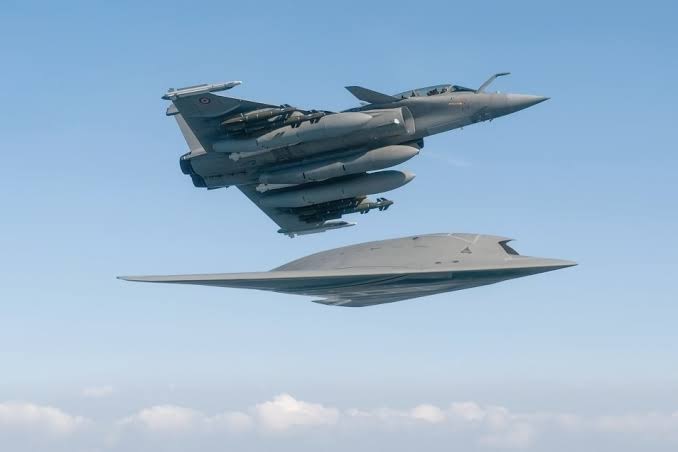 France Agrees to Equip Future Indian Rafales with AI, MUM-T and Secure Satellite Links Under F5 Standard
-
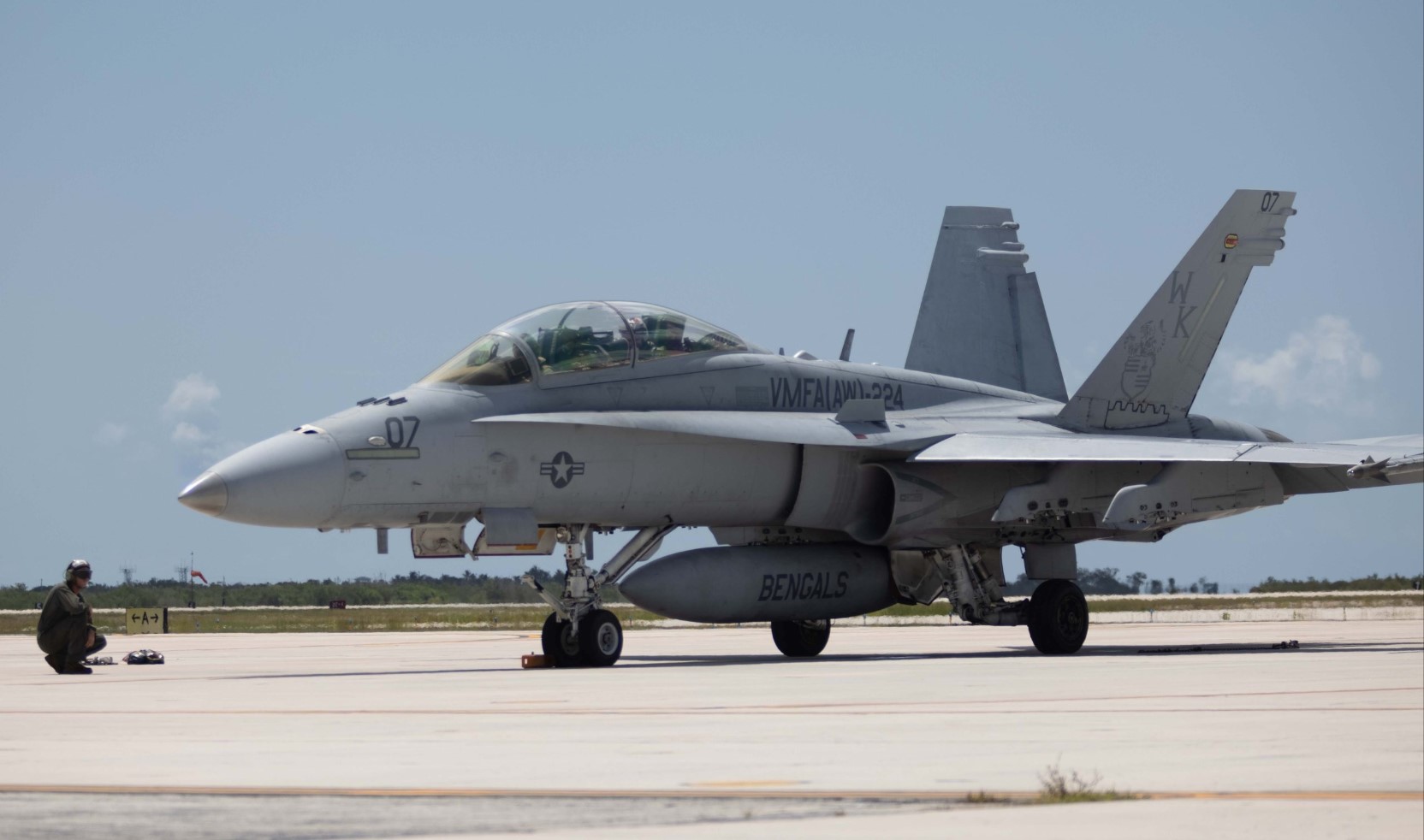 US Marine Corps F/A-18D Hornet Crashes During Training Flight in Washington Mountains; Pilot Ejects Safely
-
 Dassault Seeks Compensation From Airbus as Eurodrone Dispute Erupts After FCAS Collapse
-
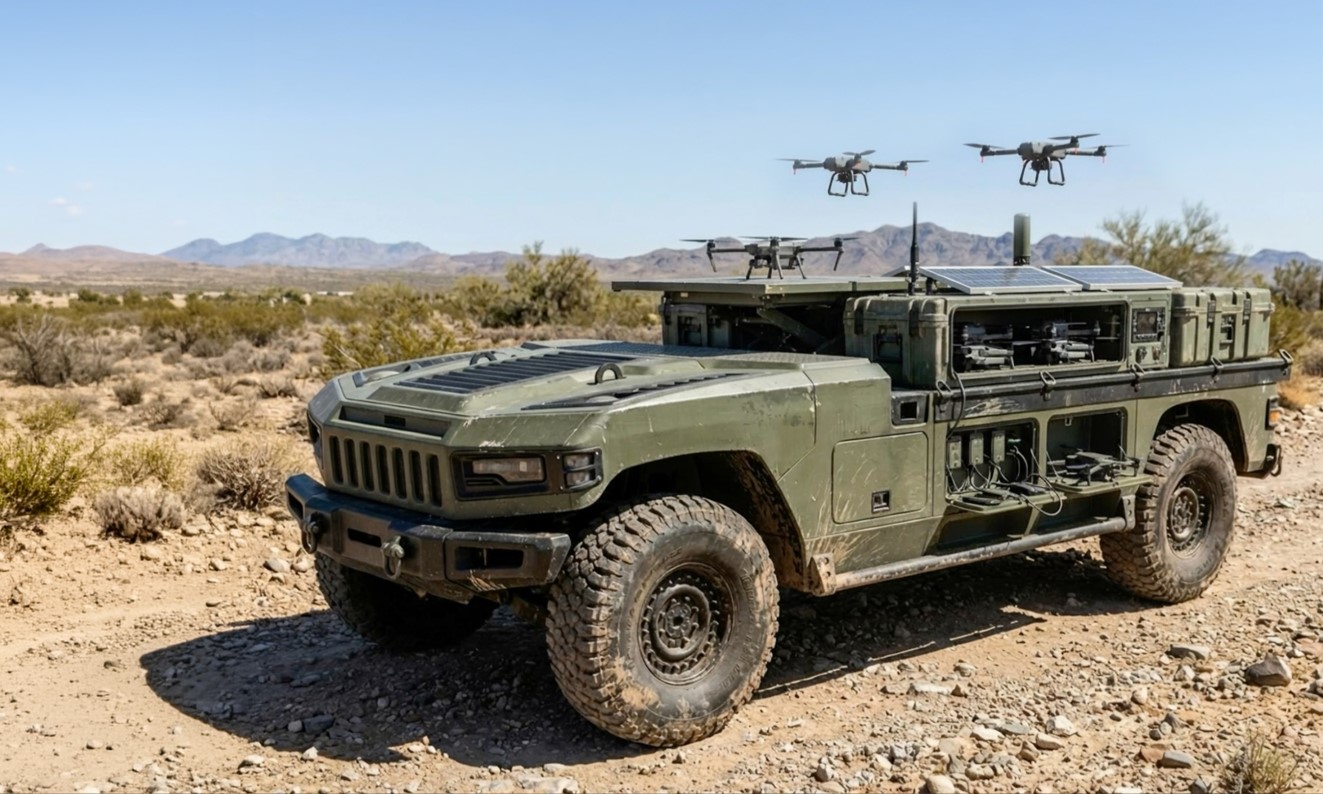 AM General Unveils Next-Generation UGV and JLTV A2 with Counter-Drone Systems at Eurosatory 2026
-
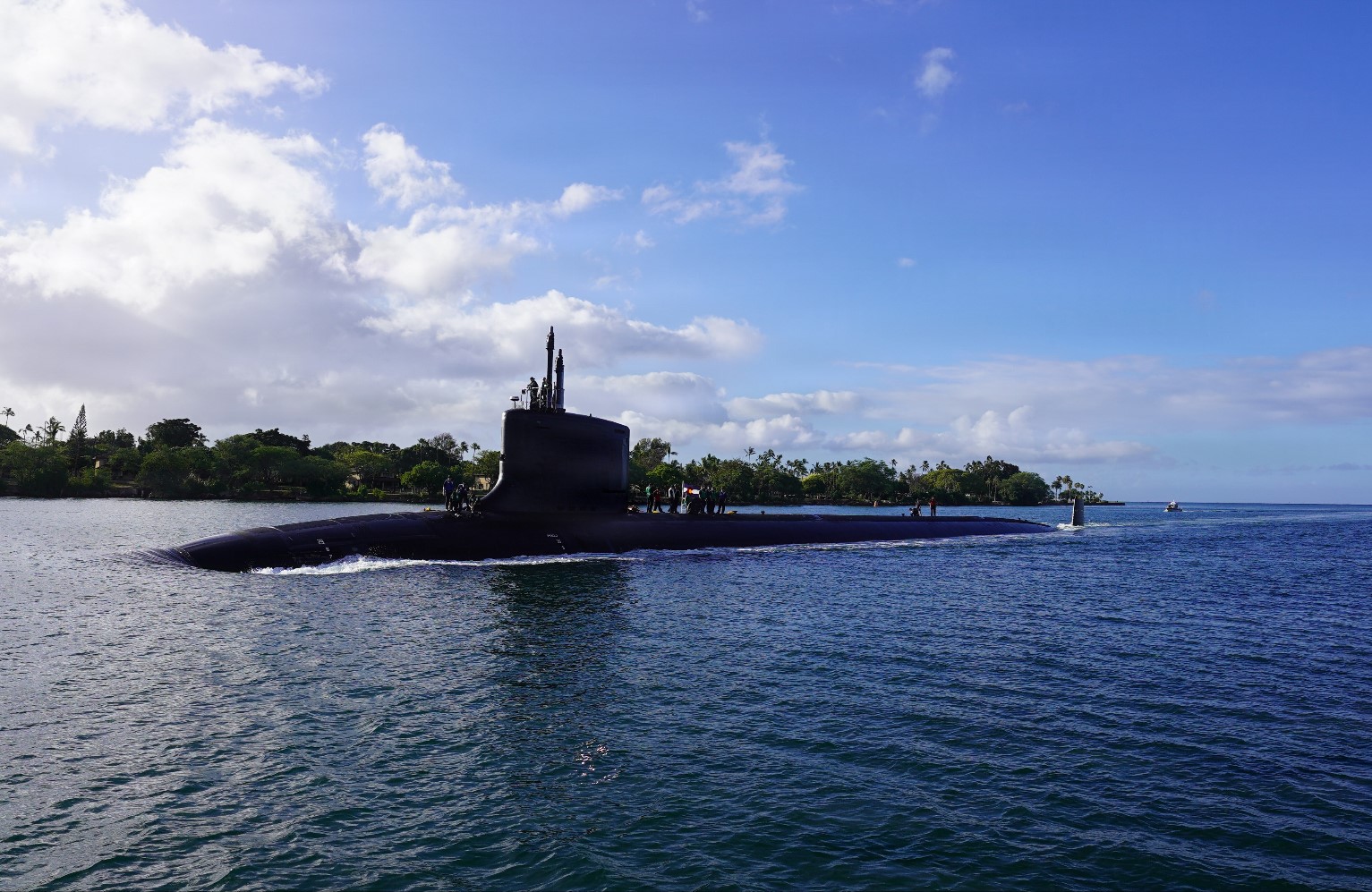 U.S. Navy's USS Colorado Submarine Returns to Pacific Fleet 29 Days Early After Major Pearl Harbor Overhaul
-
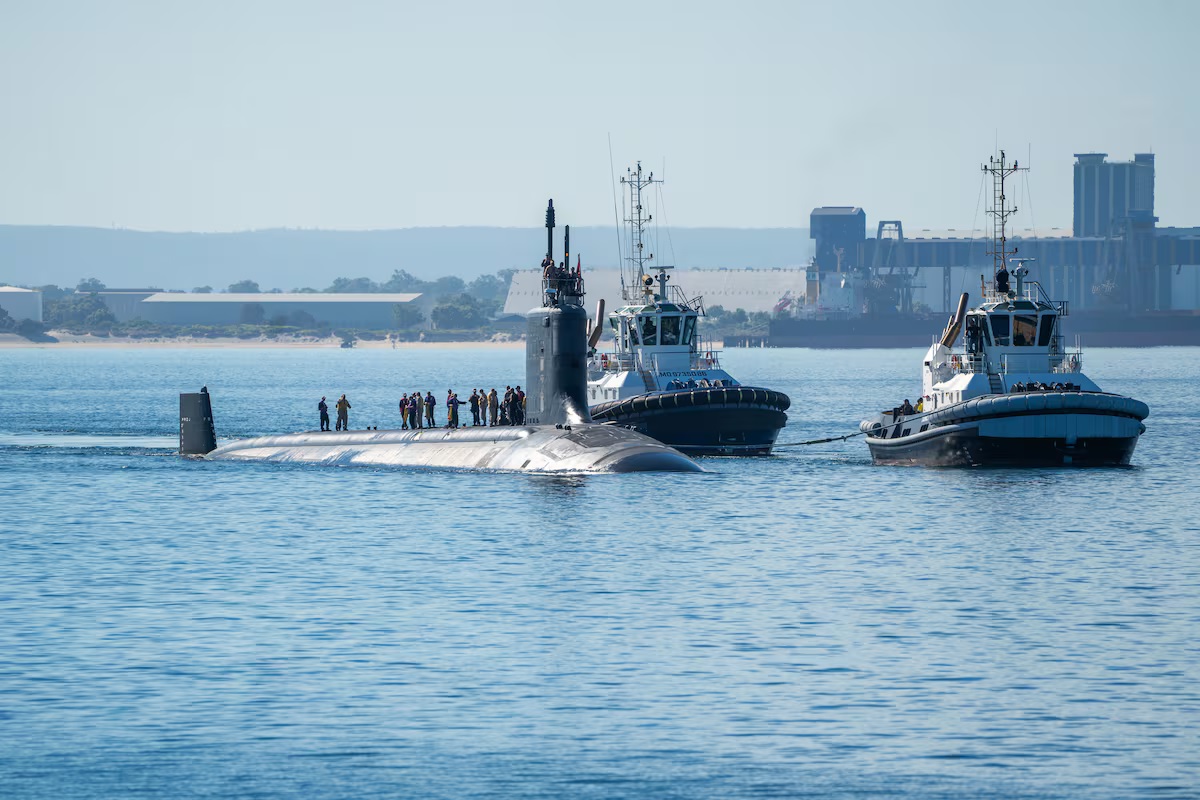 U.S. Navy Reestablishes Submarine Squadron 3 at HMAS Stirling to Support AUKUS Rotational Force
-
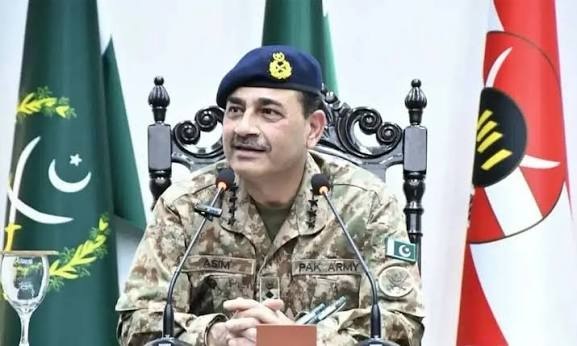 Pakistan Raises Defence Budget from $9 Billion to $10.8 Billion as J-35 Fighter and Hangor Submarine Programs Advance
Top Trending in 4 Days
-
 Iranian Media Leaks 14-Point U.S.-Iran Peace Framework Amid Ongoing Negotiations
-
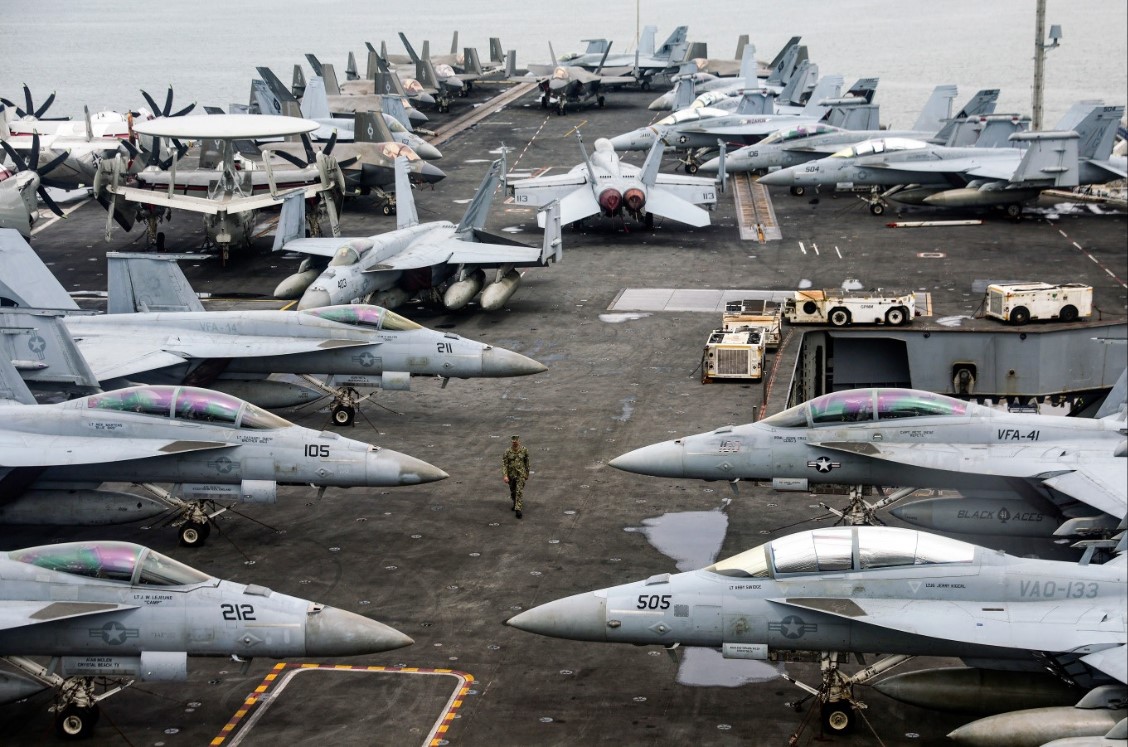 US Plans Significant Reduction of Fighter Jets and Warships for NATO Operations in Europe
-
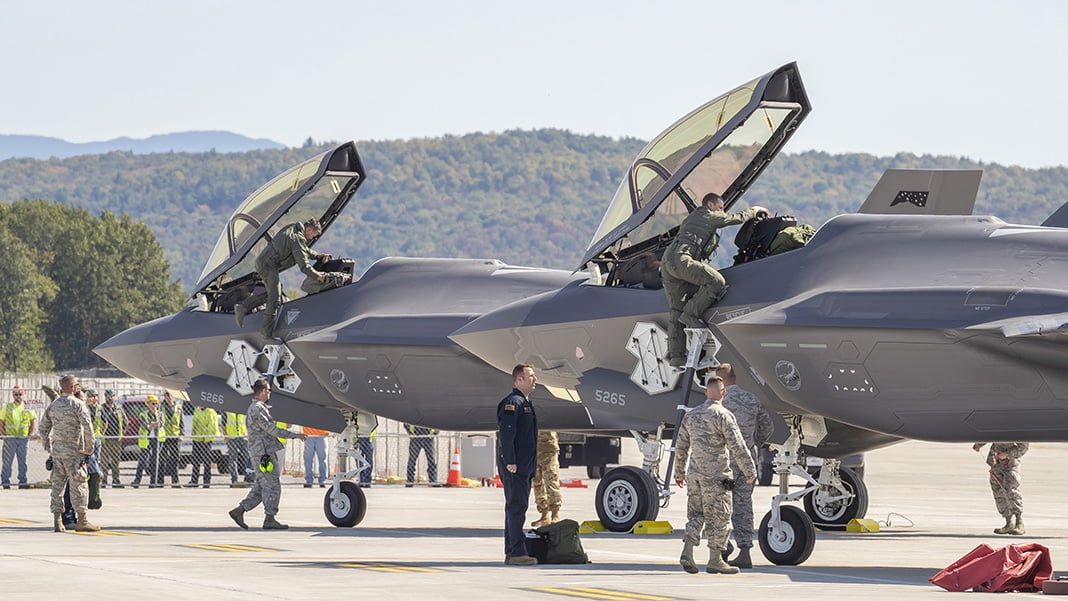 F-35 Fleet Readiness Falls to 25% Amid Parts Shortages and Software Delays: GAO Report
-
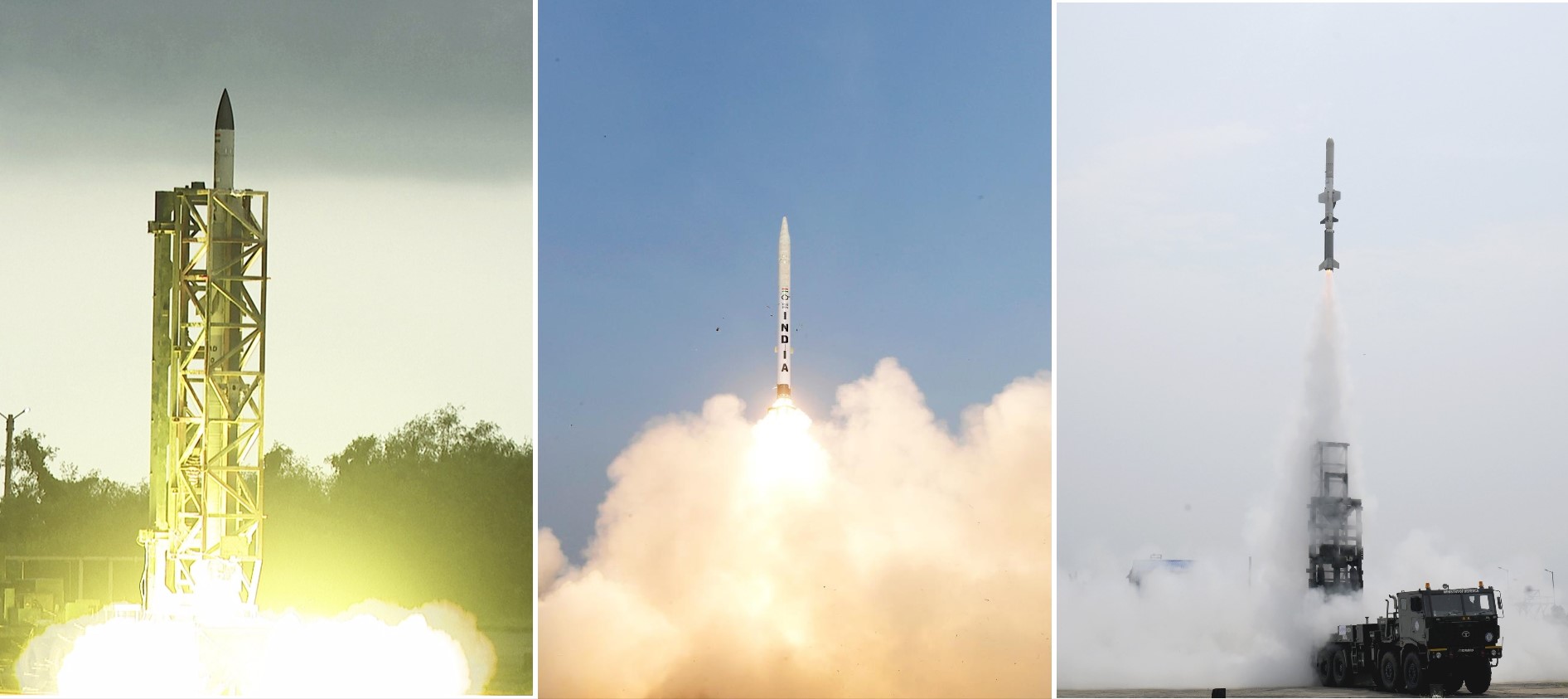 India Successfully Conducts AD-1, AD-2 Interceptor Tests and Maiden NASM-MR Flight Trial
-
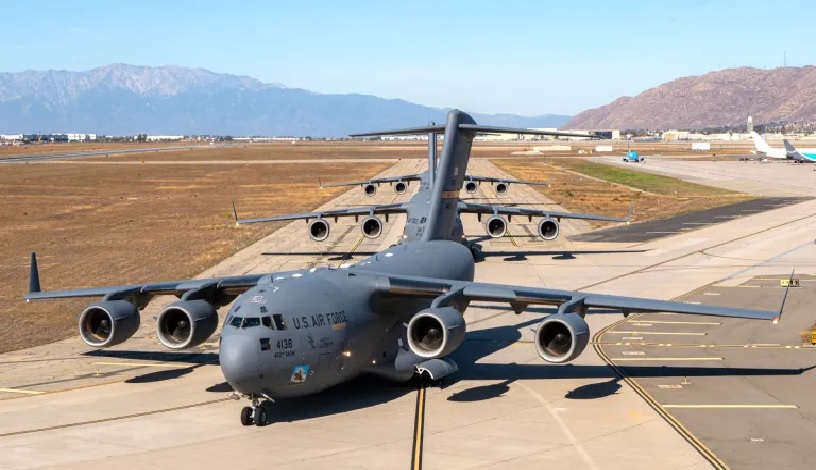 U.S. Air Force Faces Strategic Airlift Shortfall as C-17 Production Restart Remains Uncertain
-
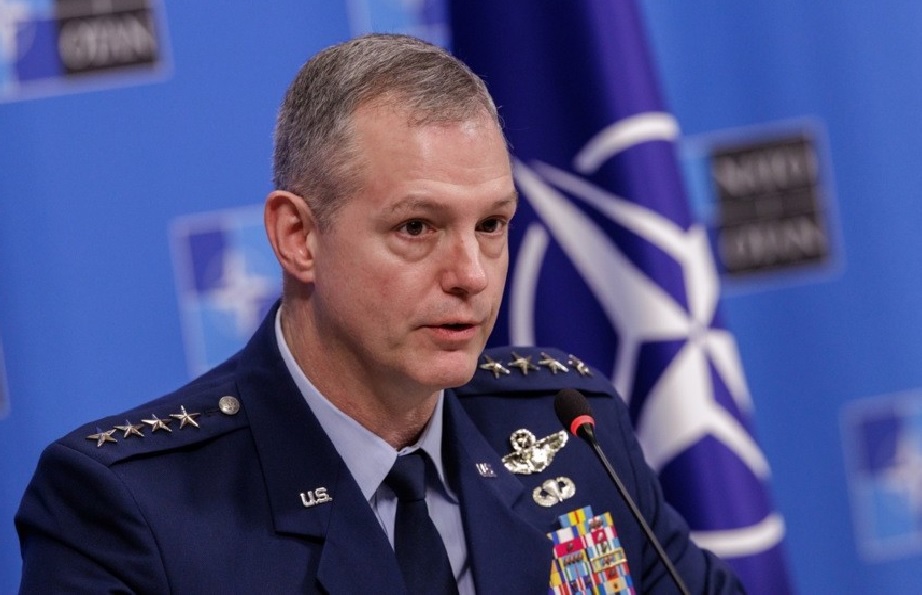 NATO Commander Says Russia Not Seeking Conflict With Alliance Despite U.S. Force Reductions
-
 Russian Defense Firm ZALA Unveils KAMA Unmanned Surface Vessel Family at FLOT-2026 Naval Exhibition
-
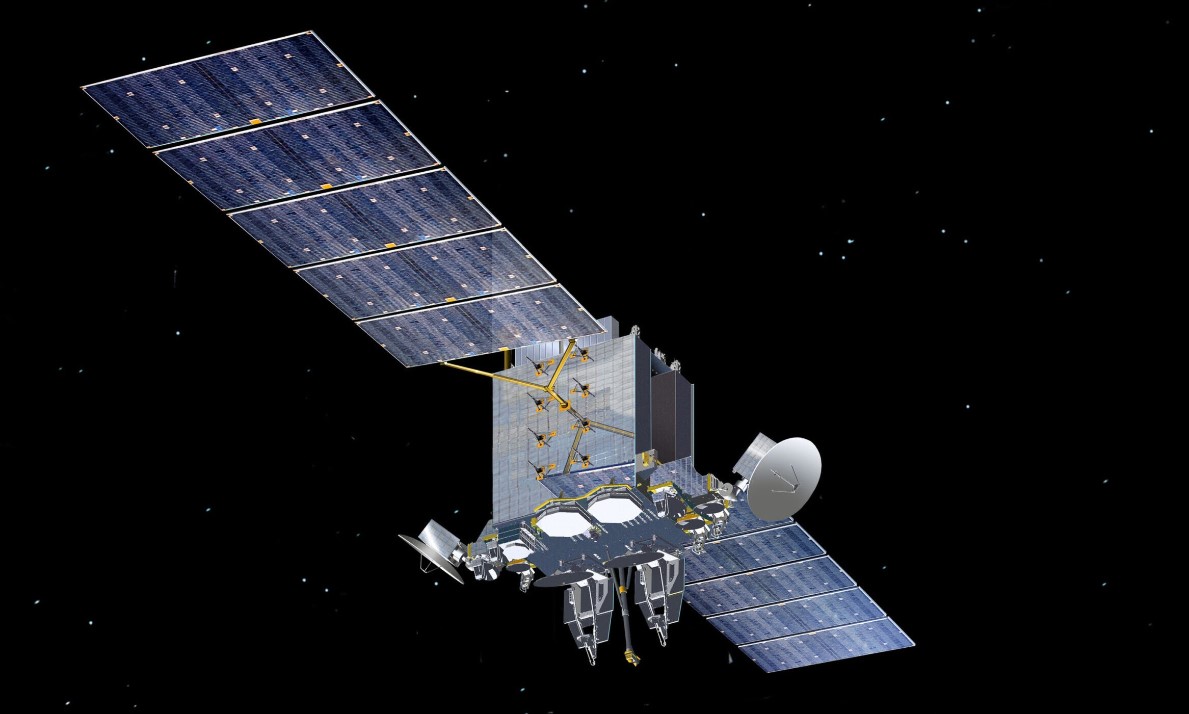 U.S. Space Force Awards $437.7 Million Contracts for First PTS-G Swarm 1 Anti-Jam Satellites