
India
Redon Systems Private Limited has made headlines with the successful high-altitude testing of its innovative Canister Launched Loitering Munition, "Achuk." This event marks a significant milestone in defense technology, particularly in the realm of unmanned aerial systems. The tests were conducted in Leh, a region known for its challenging environmental conditions, under the watchful eyes of the Indian Army's Northern Command.The testing of Achuk at altitudes exceeding 4500 meters is a testament to its advanced engineering and design. Operating at such heights presents a unique set of challenges, from thin air to extreme temperatures, which can severely impact the performance of most aerial systems. However, Achuk not only met but exceeded expectations during these rigorous trials, which were conducted at altitudes ranging between 3500 and 4600 meters.Achuk is designed to provide a strategic advantage in various combat scenarios. With an endurance of over 50 minutes, it offers ample time for surveillance and targeting operations. This loitering munition is also equipped with a payload capacity of 1.5 kg, available in both High Explosive (HE) and High-Explosive Anti-Tank (HEAT) variants. These capabilities make it a versatile tool in the arsenal of modern warfare, capable of neutralizing a range of threats from personnel to armored vehicles.The successful testing in Leh is not just a technical achievement but also a significant strategic development for India’s defense capabilities. High-altitude regions like Leh are often hotspots for military activity due to their strategic importance and challenging terrain. Having a reliable loitering munition like Achuk that can operate effectively in such environments provides the Indian Army with a crucial tactical edge.Redon Systems' achievement with Achuk is part of a broader trend towards developing advanced unmanned systems for defense applications. The company specializes in remotely operated systems and has a track record of innovation in this field. The development and successful testing of Achuk reflect Redon's commitment to enhancing national security through cutting-edge technology.The implications of Achuk's success are far-reaching. As the first loitering munition capable of operating at such high altitudes, it sets a new standard in the field. This could pave the way for further advancements and adaptations in unmanned aerial systems, not just for military use but potentially for industrial applications in similarly challenging environments.In summary, the successful high-altitude testing of Achuk by Redon Systems in Leh is a landmark achievement. It highlights the capabilities of modern loitering munitions and underscores the importance of technological innovation in maintaining strategic superiority. As defense technology continues to evolve, developments like Achuk will play a crucial role in shaping the future of military operations.
Read More → Posted on 2024-07-19 15:52:17
India
The trade relationship between India and Russia has seen significant shifts since the onset of the Ukraine war in February 2022. With the US imposing sanctions on Russia, both countries have sought alternative ways to strengthen their economic ties. The Global Trade Research Initiative (GTRI) has highlighted several steps that could further boost trade between the two nations, emphasizing the importance of rupee-ruble trade and a Free Trade Agreement (FTA) with the Eurasian Economic Union (EAEU).India's strategic procurement of crude oil from Russia, influenced by favorable trade terms and the need for Russia to find new markets amidst Western sanctions, has resulted in a sharp increase in imports from Russia. This surge has led to a notable trade imbalance. According to GTRI, India's imports from Russia have surged by about 8,300% from the financial year 2020-21 to 2023-24, raising the trade deficit from $2.8 billion to $57.2 billion. Despite this, GTRI advises that India should not worry over the trade deficit due to the benefits of receiving crude oil at cheaper than market rates, which reduces India's overall oil import bill.During Prime Minister Narendra Modi's visit to Russia on July 8-9, both countries set an ambitious bilateral trade target of $100 billion by 2030. With current bilateral trade standing at $65.7 billion in 2023-24, this target appears achievable. India's exports to Russia in the same period were valued at $4.3 billion, while imports, predominantly crude oil, stood at $61.4 billion. Crude oil and petroleum products accounted for 88% of these imports.India exports a variety of products to Russia, including smartphones, shrimp, medicine, meat, tiles, coffee, airplane and helicopter parts, chemicals, computers, and fruits. GTRI suggests that India should leverage its competitive advantage in these products by preparing a product-level strategy to promote exports to Russia.One of the key challenges in India-Russia trade is settling transactions in local currencies. Due to the limited international use of the Indian rupee and Russia's reluctance to accumulate it beyond a certain limit, rupee-based trade settlements are not currently feasible. GTRI proposes that local currency trading could be a viable solution. To facilitate this, India needs to establish a transparent and open currency exchange, which would provide clear, market-determined exchange rates between local currencies like the Indian rupee and the Russian ruble. This multi-currency exchange platform could also help countries with currency surpluses, like Russia, exchange their surplus for other currencies more efficiently.Another significant recommendation from GTRI is to make the International North-South Transport Corridor (INSTC) functional. The INSTC is a 7,200-kilometer multi-modal route linking India with Iran, Azerbaijan, Russia, Central Asia, and Europe. Once operational, it could reduce transit time between India and western Russian ports from 45 to 25 days and cut freight costs by 30% compared to the Suez Canal route. However, underinvestment in infrastructure and logistical challenges, such as the involvement of sanctioned Iran, have limited its use.India is also negotiating the 'India-Eurasian Economic Union (EAEU) Trade Agreement' with Russia, Kazakhstan, Kyrgyzstan, Armenia, and Belarus. Although formal talks have not yet started, the agreement holds the potential to further enhance trade relations between India and these countries.In summary, steps such as increasing exports, making local currency trading workable, and establishing a free trade agreement with the EAEU are crucial for boosting India-Russia commerce. The GTRI's insights provide a roadmap for both countries to navigate the complexities of international trade in a post-Ukraine war world, aiming for a robust and balanced economic partnership.
Read More → Posted on 2024-07-19 15:49:30
India
The United States has been actively urging India to play a pivotal role in fostering peace in Ukraine. This call for support comes amidst Indian Prime Minister Narendra Modi's recent visit to Russia, a trip that has sparked significant international interest and some controversy.During a press briefing, Vedant Patel, the Principal Deputy Spokesperson of the US State Department, emphasized the importance of the India-US partnership, which spans various key areas. He noted that this partnership was highlighted during Prime Minister Modi's state visit to the US last summer. However, Patel also stressed the need for India to support efforts to achieve a lasting and just peace in Ukraine, a sentiment driven by the ongoing aggression and territorial infringements by Russia.PM Modi's visit to Russia from July 8-9 involved a meeting with Russian President Vladimir Putin. This visit, Modi's first to Russia since the outbreak of the war between Moscow and Kyiv in 2022, has not been without its criticisms. Ukrainian President Volodymyr Zelenskyy expressed his disappointment, describing Modi's trip as a "devastating blow to peace efforts."In his discussions with President Putin, Modi addressed the tragic impact of the conflict, particularly the deaths of innocent children. He described the loss of young lives as "heart-wrenching," referencing a recent missile strike on a children's hospital in Kyiv that resulted in the deaths of 37 children. Modi highlighted the universal pain felt by those who value humanity when such atrocities occur and emphasized that true resolution cannot be found on the battlefield. He insisted that peace talks are futile amidst the chaos of bombs and bullets.India has consistently advocated for peace and diplomacy as the means to resolve the conflict between Ukraine and Russia. Despite the contentious nature of his visit, Modi's messages during his bilateral talks with Putin underscore India's longstanding stance on the need for dialogue and negotiation over violence.The US, recognizing the significant influence India holds, continues to press for its support in achieving an enduring peace in Ukraine. This diplomatic push is part of a broader strategy to gather international support against the ongoing Russian aggression and to restore Ukraine's territorial sovereignty. As the situation in Ukraine remains dire, the international community watches closely, hoping that influential nations like India will take a more active role in mediating peace and bringing an end to the conflict.
Read More → Posted on 2024-07-19 15:46:57
India
India has taken a significant step in its defense strategy by declaring a no-fly zone over a massive 940-kilometer stretch of the Bay of Bengal. This restriction, in place from July 20th to 24th, 2024, hints at an upcoming missile test of considerable importance. The vast scale of the no-fly zone suggests that the test involves a long-range missile system, potentially launched from a ship. Speculation is rife that the missile in question could either be a BrahMos or a sub-sonic cruise missile, both of which are key components of India's missile arsenal.The BrahMos missile, a product of a joint venture between India and Russia, is renowned for its supersonic speed and precision. It has been successfully tested and deployed by the Indian armed forces in various configurations, including land-based, ship-launched, and even air-launched versions. The BrahMos missile system is considered one of the fastest cruise missiles in the world, capable of traveling at speeds of up to Mach 3. Its versatility and effectiveness make it a critical asset in India's defense strategy.While the exact details of the upcoming test remain under wraps, the no-fly zone declaration by the Indian Navy is a clear indicator of the strategic importance of this test. Mariners and aircraft have been advised to avoid the specified area to ensure safety during the test period. This advisory underscores the potential scale and impact of the missile test.India's missile development program has made significant strides in recent years. The successful development and deployment of the BrahMos missile are a testament to India's growing technological prowess and defense capabilities. This upcoming test is expected to provide valuable insights into the advancements made in India's missile technology and its readiness to counter potential threats.The Indian Navy, tasked with conducting the test, plays a pivotal role in ensuring the nation's maritime security. By executing such tests, the Navy not only evaluates the performance of its missile systems but also demonstrates India's capability to defend its interests in the region. The Bay of Bengal, a strategically important region, serves as an ideal location for such tests due to its vast expanse and relative isolation from densely populated areas.As the test date approaches, anticipation and curiosity are building among defense analysts and enthusiasts. The outcome of this test could have far-reaching implications for India's defense strategy and its position in the global defense landscape. Successful completion of the test would reaffirm India's commitment to enhancing its defense capabilities and maintaining a robust deterrence posture.In summary, India's declaration of a no-fly zone over the Bay of Bengal from July 20th to 24th, 2024, marks a significant event in the nation's defense calendar. The upcoming missile test, shrouded in secrecy yet laden with strategic importance, is poised to showcase India's technological advancements and bolster its defense preparedness. As the nation awaits the test's results, the world watches with keen interest, recognizing the broader implications of India's growing missile capabilities.
Read More → Posted on 2024-07-19 15:39:21
India
In a significant move that could shape the future of India's naval capabilities, Rolls-Royce has proposed its advanced MT30 marine turbine engine to the Indian Navy. This offer includes a comprehensive Transfer of Technology (ToT) package aimed at empowering India's next-generation fleet of larger warships, including the highly anticipated new aircraft carrier.The MT30 engine has a well-established reputation, notably powering the UK's formidable 65,000-tonne aircraft carrier, HMS Queen Elizabeth. Its proven track record in delivering exceptional performance and reliability makes it a compelling option for India's future naval giants. The versatility of the MT30 is one of its standout features, offering the capability to be configured for mechanical, electrical, or hybrid drive systems. This adaptability means it can be tailored to meet the specific propulsion needs of various warship designs, providing the Indian Navy with a flexible and powerful solution.A key component of Rolls-Royce's proposal is the local manufacturing of the MT30 engine by Hindustan Aeronautics Limited (HAL). This collaboration would not only meet the propulsion requirements of the Indian Navy but also significantly bolster India's self-reliance in advanced naval technology. By transferring technology to HAL, Rolls-Royce aims to establish a robust manufacturing base in India, fostering indigenous expertise and capabilities in marine turbine engines.The potential impact of this partnership extends beyond just meeting the immediate needs of the Indian Navy. It represents a strategic step towards enhancing India's maritime strength and achieving greater self-sufficiency in defense technology. The adoption of the MT30 engine could revolutionize India's naval capabilities, positioning the country as a formidable maritime force in the region.As the Indian Navy evaluates the MT30 engine, its decision will be crucial for the development of its future fleet. Acceptance of Rolls-Royce's proposal could set a new benchmark for naval propulsion technology in India, ensuring that the next generation of warships is equipped with state-of-the-art engines that offer unparalleled performance and reliability.Rolls-Royce's offer of the MT30 engine, coupled with the Transfer of Technology package, presents an exciting opportunity for the Indian Navy. If embraced, this collaboration has the potential to transform India's naval landscape, ushering in a new era of advanced and self-sufficient maritime defense capabilities.
Read More → Posted on 2024-07-19 15:29:35
India's DMRL Achieves Breakthrough with Indigenous Fused Silica Radomes, Boosting Missile Technology
India
The Defence Metallurgical Research Laboratory (DMRL) has reached a significant milestone in missile technology with the successful development of indigenous fused silica radomes. This achievement is set to enhance India's self-reliance in defense manufacturing and strengthen its missile capabilities, marking a crucial step forward for the nation’s defense sector.Radomes, which are the protective enclosures for radar antennas, play a vital role in missile systems. They ensure optimal performance by shielding the antenna from environmental factors while allowing electromagnetic waves to pass through with minimal distortion. The choice of material for radomes is critical, and fused silica, a type of glass, is often preferred due to its exceptional properties. It offers high transparency to radar frequencies, excellent thermal shock resistance, and strong structural integrity.The production of fused silica radomes, however, is a complex process requiring specialized expertise and technology. DMRL’s breakthrough lies in mastering the Cold Isostatic Pressing (CIP) technology to manufacture these radomes indigenously. CIP involves subjecting powdered fused silica to high pressure and temperature, resulting in a dense and uniform material with the desired shape and properties.DMRL’s research team focused on optimizing various aspects of the process, including powder characteristics, binders, sintering reagents, and process parameters. This meticulous approach ensured the ideal microstructure and amorphous structure in the final product, making the CIP-sintered silica radomes suitable for demanding missile applications.These advanced radomes have been successfully integrated with RF seekers and have undergone rigorous performance evaluation tests. The tests confirmed their compatibility and effectiveness, reinforcing the success of DMRL’s innovation. To protect this groundbreaking technology, DMRL has filed a patent for the CIP process used in the manufacturing of fused silica radomes.This development is not just a technological feat but also a strategic advancement for India’s defense capabilities. By achieving this level of self-reliance, India reduces its dependency on foreign technology and strengthens its position in the global defense landscape. The indigenous production of fused silica radomes is a testament to the country’s growing expertise and commitment to advancing its defense technologies.The DMRL’s accomplishment aligns with India's broader goal of boosting its indigenous defense manufacturing capabilities under the “Make in India” initiative. This breakthrough will likely inspire further innovations and advancements within the country’s defense research community, paving the way for more sophisticated and self-reliant defense technologies in the future.
Read More → Posted on 2024-07-19 15:26:49
India
Amid the escalating tensions in the Caucasus region, unconfirmed media reports indicate that Armenia is showing interest in acquiring India's Pralay ballistic missiles. This strategic move is seen as a direct response to Azerbaijan's deployment of the Israeli-made LORA (Long Range Artillery) system during the 2020 Nagorno-Karabakh conflict. The potential acquisition of Pralay missiles could significantly shift the military dynamics in the region, providing Armenia with a crucial tactical advantage.The Pralay missile, developed by India's Defence Research and Development Organisation (DRDO), is a short-range ballistic missile (SRBM) with a maximum range of up to 500 kilometers. This range surpasses the 400-kilometer reach of the LORA system, giving Armenia the potential to strike deeper into Azerbaijani territory if necessary. Such a capability could act as a powerful deterrent against future aggression.Azerbaijan's use of the LORA system during the conflict highlighted its strategic importance. The LORA was notably used to target a vital bridge in the Lachin corridor, a crucial link between Armenia and the disputed Nagorno-Karabakh region. The disruption of this corridor poses significant humanitarian risks for Armenia, making the acquisition of advanced missile systems like the Pralay all the more critical for ensuring regional stability.The potential deal for Pralay missiles would not only enhance Armenia's defense capabilities but also elevate DRDO's status as a global missile exporter. Successfully exporting the Pralay could pave the way for India to make further inroads into the international arms market, showcasing the effectiveness and reliability of its defense technology.Beyond the Pralay, DRDO has developed other missile systems that might interest Armenia. The Prahaar tactical ballistic missile, with a range of 200 kilometers, offers another viable option. The diversity of India's missile arsenal provides Armenia with a range of choices to bolster its military capabilities.The acquisition of Indian missiles by Armenia could significantly alter the balance of power in the Caucasus. It might serve as a deterrent to Azerbaijan, promoting a more stable regional environment. However, it is essential to note that these developments are based on unconfirmed media reports and available open-source information. The specifics of any potential deal between Armenia and India remain to be clarified.As the situation continues to unfold, the eyes of the world will be on Armenia and its next steps in enhancing its defense strategy amidst the ongoing tensions with Azerbaijan.
Read More → Posted on 2024-07-19 15:24:09
India
India is on the brink of making a substantial investment to elevate its naval capabilities, with the Ministry of Defense poised to approve a ₹70,000 crore (approximately US$8.4 billion) contract for the construction of advanced stealth frigates. This ambitious endeavor, known as Project 17B, is set to produce the most sophisticated warships ever built in India, advancing the capabilities established by the Nilgiri-class frigates currently under construction.Project 17B aims to bolster India's naval prowess by equipping the Indian Navy with state-of-the-art stealth frigates. These warships will feature advanced indigenous content, including domestically developed fire control systems, BrahMos cruise missiles, anti-submarine weapons, and electronic warfare systems. This not only enhances India's defense capabilities but also significantly boosts the country's defense industrial base by engaging numerous sub-suppliers and vendors.Two state-owned shipyards, Mazagon Dock Shipbuilders Limited (MDL) and Garden Reach Shipbuilders and Engineers (GRSE), are expected to be the primary contenders for this substantial order. Both shipyards are already heavily involved in building the Nilgiri-class frigates under Project 17A and have proven their capability in delivering advanced naval vessels.MDL, based in Mumbai, is recognized as one of India's most advanced shipyards. Currently, it is engaged in the construction of Kalvari-class submarines and Project 17A frigates, and has recently completed the construction of Project 15B destroyers. The yard's robust order book is expected to be further augmented by this new contract. In addition to Project 17B, MDL is anticipated to secure a contract for three more advanced Kalvari-class submarines within the current financial year, valued at around ₹35,000 crore.GRSE, located in Kolkata, is actively involved in producing next-generation offshore patrol vessels and anti-submarine warfare corvettes. The shipyard has also demonstrated success in securing export orders and has more potential contracts in the pipeline. The possible division of the Project 17B contract between MDL and GRSE aims to expedite delivery timelines, following the precedent set by Project 17A.The new stealth frigates under Project 17B will not only represent a significant technological leap but also a strategic asset in India's maritime security architecture. The initiative underscores India's commitment to strengthening its naval forces amid growing regional security challenges. The investment in these advanced warships will provide the Indian Navy with enhanced capabilities to safeguard national interests and maintain maritime dominance.As the approval process for this significant defense contract progresses, the anticipation within India's defense sector is palpable. The successful execution of Project 17B will mark a milestone in India's journey towards self-reliance in defense manufacturing and bolster its position as a formidable maritime power.In summary, Project 17B is set to propel India into a new era of naval capability, with the construction of cutting-edge stealth frigates poised to enhance the nation's defense preparedness and industrial growth.
Read More → Posted on 2024-07-19 15:21:45
India
In a significant move, the Indian government has given the green light for the construction of two military airfields near the Maldives, only months after being asked to withdraw its troops from the archipelago. This decision comes at a time of heightened geopolitical tension in the Indian Ocean region, particularly concerning China's increasing influence.The plan involves building an airfield on the Minicoy Islands, which lie approximately 50 miles (80 kilometers) from the Maldives. This facility will support the operations of both fighter and transport aircraft, providing a strategic boost to India's military capabilities in the region. Additionally, the existing military facility on Agatti Island in Lakshadweep will undergo an expansion to include an extended airfield. This airfield will serve both military and civilian purposes, enhancing the region's overall infrastructure.Officials have stated that these new airfields will significantly enhance India's surveillance capabilities and provide a tactical advantage in the strategically important Indian Ocean. The Indian Air Force is expected to lead this ambitious project, reflecting India's commitment to bolstering its defense posture in the face of regional challenges.A Calculated Strategic MoveThe decision to build military infrastructure near the Maldives was first announced in March, just four months after the Maldives requested India to withdraw its troops. This request came from the newly elected pro-China President Mohamed Muizzu, who has been vocal about reducing India's influence in his country. Muizzu's administration has pushed the "India Out" campaign, arguing that India's presence threatens Maldivian sovereignty.The timing of India's approval for the airfields has raised eyebrows internationally, particularly as the Maldives has recently strengthened its defense ties with China. This development has sparked concerns about China's potential to use the Maldives, along with its ally Pakistan, to expand its influence in the Indian Ocean.By constructing these military installations near the Maldives, India aims to closely monitor and counteract any growing Chinese activities in the region. New Delhi has made it clear that any Chinese military presence in the Maldives would be perceived as a direct threat. This stance underscores the strategic importance of the new airfields, not just for India’s defense but also for maintaining regional stability.Regional ImplicationsThe establishment of these airfields is expected to have far-reaching implications for regional security dynamics. The Indian Ocean is a vital maritime corridor for global trade, and control over this region is crucial for maintaining economic and strategic balance. India's move to enhance its military infrastructure is a clear signal of its intent to assert its influence and safeguard its interests against external powers.Furthermore, the expanded airfield on Agatti Island, serving both military and civilian purposes, indicates a dual-use strategy that could improve regional connectivity and economic development. This integration of civilian and military infrastructure is a pragmatic approach to bolstering India's presence while also contributing to the local economy.India's approval for the construction of two military airfields near the Maldives is a strategic maneuver aimed at strengthening its defense capabilities and countering China's growing influence in the region. This move highlights India's proactive stance in safeguarding its interests and maintaining regional stability in the face of evolving geopolitical challenges. As the Indian Air Force leads this critical project, the new airfields on Minicoy and Agatti islands will serve as pivotal assets in India's defense architecture, ensuring a robust presence in the Indian Ocean.
Read More → Posted on 2024-07-19 15:19:07
India
The Indian Air Force (IAF) is taking a significant leap forward in modernizing its fleet of Su-30MKI fighter jets with the integration of cutting-edge Software Defined Radio (SDR) systems. This upgrade is set to enhance the IAF's communication and situational awareness capabilities, making its aerial operations more secure and effective.Unlike traditional radios, which rely on fixed hardware, SDRs are essentially software-based. This fundamental difference allows SDRs to offer a range of advantages that traditional radios cannot match. SDRs are known for their flexibility and adaptability, as their operating characteristics are defined by software. This means they can be easily reprogrammed to support new frequencies, protocols, and encryption methods, ensuring that the IAF can stay ahead of evolving threats and communication needs.One of the standout features of SDR technology is frequency agility. SDRs can operate across a wide spectrum of frequencies, which enables seamless communication across various networks. This is particularly important for the IAF, as it enhances interoperability not only within its own units but also with allied forces. The ability to quickly switch frequencies and protocols ensures that the IAF can maintain robust and secure communication links in dynamic and potentially hostile environments.Enhanced security is another critical benefit of SDRs. With advanced encryption algorithms that can be programmed into these systems, SDRs provide secure communication channels that are resistant to jamming and interception. This level of security is crucial for modern air combat operations, where maintaining the integrity of communications can be the difference between mission success and failure.Moreover, SDRs offer future-proofing advantages. As the technology evolves, new features and capabilities can be added through software updates, eliminating the need for costly hardware replacements. This adaptability ensures that the IAF's communication systems remain at the forefront of technological advancements without requiring frequent and expensive overhauls.While the official supplier for the Su-30MKI's SDR systems has not been confirmed, industry experts speculate that Elbit Systems, an Israeli defense electronics company, is a leading contender. Elbit Systems has extensive experience in developing advanced SDR solutions for various combat aircraft, making them a natural fit for this upgrade. Their expertise and proven track record in the field suggest that they could provide the IAF with the reliable and sophisticated SDR systems it needs.The integration of SDR technology into the Su-30MKI fleet is a significant milestone for the IAF. It promises to bolster communication capabilities, enhance situational awareness, and improve overall operational effectiveness. This move aligns with global trends in military aviation, where SDRs are becoming increasingly prevalent due to their versatility and adaptability.While specific details about the Su-30MKI's SDR upgrade remain classified, it is clear that the IAF is committed to equipping its fleet with the most advanced communication solutions available. This upgrade represents a strategic effort to ensure that the IAF remains capable of meeting current and future challenges in aerial combat.By embracing SDR technology, the IAF is not only enhancing its current operational capabilities but also laying the groundwork for future advancements. As the IAF continues to modernize and expand its capabilities, the integration of SDR systems into its Su-30MKI fleet marks a significant step forward in its journey towards becoming a more agile, secure, and effective air force.
Read More → Posted on 2024-07-19 15:15:24
India
In a significant move to bolster its disaster management capabilities, the Indian Army has inducted 40 heavy-duty hydraulic mobile cranes from Tractor India Limited. This new acquisition aims to enhance the efficiency and operational readiness of the Army's Combat Engineers, who play a crucial role in disaster response and management. The news was shared by the ADG PI Indian Army on the social media platform X, where they highlighted the versatile and high-tech nature of these cranes. According to the statement, these cranes will enable the Army to undertake arduous tasks more effectively during disaster management operations. The induction of these cranes marks a step forward in modernizing the Army’s equipment and ensuring better preparedness for future challenges.While this development brings a positive outlook for the Army's disaster response capabilities, the day was also marked by a somber event. In a separate encounter in the Doda region of Jammu and Kashmir, the Indian Army faced a tragic loss. On Monday evening, an encounter broke out between security forces and terrorists in the Desa Forest area. The firefight, which continued into the night, resulted in the loss of four brave soldiers: Captain Brijesh Thapa, Naik D Rajesh, Sepoy Bijendra, and Sepoy Ajay.The Indian Army expressed its deepest condolences to the families of the fallen soldiers. General Upendra Dwivedi, Chief of Army Staff (COAS), along with all ranks of the Indian Army, conveyed their sympathies and support to the bereaved families. The Army's statement emphasized their commitment to ensuring peace in the region, despite the sacrifices made by their personnel.Union Defence Minister Rajnath Singh also expressed his condolences to the families of the soldiers. He was briefed by General Upendra Dwivedi on the details of the encounter. The operation, which was based on specific intelligence inputs, was a joint effort by the Indian Army and JK Police. The firefight with the terrorists was intense, highlighting the ongoing security challenges in the region.The induction of the new cranes and the tragic encounter in Doda reflect the dual realities faced by the Indian Army: the continuous modernization of its capabilities and the relentless challenges posed by security threats. The new cranes will undoubtedly play a crucial role in future disaster management operations, while the memory of the fallen soldiers will continue to inspire the Army's resolve to maintain peace and security in the region.The integration of these advanced hydraulic mobile cranes is a testament to the Army's commitment to improving its operational readiness. In disaster scenarios, where quick and efficient response is crucial, such equipment can make a significant difference. The cranes will enhance the Army's ability to clear debris, rescue trapped individuals, and undertake various other critical tasks during natural and man-made disasters.As the Indian Army moves forward with these new capabilities, the nation stands in solidarity with the families of the soldiers who made the ultimate sacrifice in Doda. Their bravery and dedication serve as a reminder of the challenges faced by those who protect the country and the importance of equipping them with the best tools to perform their duties. In summary, while the induction of the hydraulic mobile cranes marks a positive step for the Indian Army's disaster management capabilities, the recent events in Doda highlight the ongoing security challenges that require unwavering dedication and bravery from the nation's soldiers.
Read More → Posted on 2024-07-17 15:05:05
India
Brahmos Aerospace Thiruvananthapuram Ltd (BATL) has secured a significant contract to supply the Afterburner Liner Assembly, along with tooling and fixtures, for the Gas Turbine Research Establishment (GTRE) under the Defence Research and Development Organisation (DRDO). The contract, valued at approximately 557,000 USD, marks a notable step in advancing India’s aerospace capabilities.The 80KN engine program, a critical project under GTRE, aims to enhance the performance of India's indigenous fighter jets. The afterburner, an essential component of jet engines, allows aircraft to achieve supersonic speeds by injecting additional fuel into the combustion chamber, thus producing more thrust. BATL’s expertise in manufacturing high-precision aerospace components makes it a crucial partner in this ambitious endeavor.This contract is part of India’s broader efforts to develop self-reliant defense technologies and reduce dependency on foreign suppliers. BATL, a joint venture between India and Russia, has been instrumental in advancing the BrahMos missile program, a symbol of Indo-Russian defense cooperation. Their involvement in the 80KN engine program signifies a diversification of their portfolio and reinforces their position as a key player in India's defense manufacturing sector.In parallel, Godrej & Boyce, another major player in Indian aerospace manufacturing, has been making strides in the development of the Kaveri engine's dry thrust variant. The Kaveri engine program, aimed at powering India’s indigenous fighter aircraft, has seen various phases of development. The dry thrust variant, without the afterburner, is critical for certain operational requirements, such as unmanned aerial vehicles (UAVs) and certain types of fighter jets.Godrej’s development efforts focus on enhancing the Kaveri engine’s performance, reliability, and efficiency. Their advancements in this area not only contribute to the self-reliance initiative but also position India as a significant player in the global aerospace market. The integration of Godrej’s innovations with the broader Kaveri engine program demonstrates a collaborative approach to overcoming technical challenges and achieving operational excellence.The synergy between BATL’s contribution to the 80KN engine’s afterburner assembly and Godrej’s development of the Kaveri dry thrust variant illustrates the concerted efforts within India's defense sector to achieve technological independence. These developments are not isolated; they are part of a larger narrative of innovation, collaboration, and strategic planning that aims to bolster India's defense capabilities.As BATL moves forward with the delivery of the Afterburner Liner Assembly, their role in the 80KN engine program will be closely watched by industry experts and defense analysts. The success of this project could pave the way for further collaborations and contracts, reinforcing BATL’s reputation as a reliable and skilled aerospace manufacturer.The integration of the Afterburner Liner Assembly with the Kaveri engine is a crucial step in enhancing the engine’s performance. An afterburner allows a jet engine to produce additional thrust by injecting fuel into the exhaust stream, resulting in significantly increased speed and performance. This integration is essential for applications requiring rapid acceleration and high-speed operations, such as in fighter jets.BATL's success in securing this contract is indicative of its capabilities and the trust placed in it by DRDO and GTRE. The company has a proven track record of delivering high-quality aerospace components and assemblies, which are critical for the successful development and operation of advanced jet engines.The collaboration between BATL, GTRE, and other industry partners like Godrej Aerospace is vital for the continued advancement of India’s defense technology. As these organizations work together, they contribute to the creation of a robust and self-reliant defense manufacturing ecosystem in India.This contract not only highlights the progress made in developing indigenous aerospace technology but also sets the stage for future advancements. As BATL and its partners continue to innovate and deliver high-quality components, India’s position in the global defense and aerospace sector is set to strengthen further.
Read More → Posted on 2024-07-17 14:27:55
India
In a significant development for maritime research, Garden Reach Shipbuilders and Engineers (GRSE) Ltd has secured a contract worth Rs 840 crore from the National Centre for Polar & Ocean Research (NCPOR). This contract, signed in Goa, marks another milestone for GRSE, renowned for its expertise in building advanced vessels for the Indian Navy over the past four decades.The contract was signed by Cdr Shantanu Bose, IN (Retd), Director (Shipbuilding) at GRSE, and M M Subramaniam, Scientist I/C, Vessel Operation and Management at NCPOR. The event was witnessed by Dr Thamban Meloth, Director of NCPOR, alongside senior officials from both organizations. This new endeavor underscores GRSE's commitment to advancing maritime research capabilities.The Ocean Research Vessel (ORV) to be built under this contract will have an overall length of 89.50 meters, a width of 18.80 meters, and a depth of 12.50 meters. With a gross tonnage of 5,900 tons, the vessel will achieve a speed of 14 knots at 90% of its maximum continuous rating (MCR). Designed for versatile oceanographic research, the ORV will be capable of operating at depths up to 6,000 meters.GRSE's extensive experience in constructing survey vessels is a significant asset for this project. Notably, the Marine Acoustic Research Vessel INS Sagardhwani, built by GRSE in 1994, is currently being refitted at the shipyard. In December 2023, GRSE delivered the INS Sandhayak, the largest survey vessel built in India, to the Navy. With three more vessels of this class nearing completion, GRSE's proven track record positions it well for the successful delivery of the ORV for NCPOR.The new research vessel will feature advanced capabilities, including Underway Swath Multibeam and Geophysical Seismic surveys in both coastal seas and deep waters. It will facilitate Conductivity, Temperature, and Depth (CTD) profiling, water sampling operations, surface and deep-sea mooring, and data buoy operations. Additionally, it will enable seabed sampling using corers and grabs, rock dredging with chain bag dredges, and atmospheric observations. The ORV will also support surface meteorological and current measurements and upper air data collection. Equipped to deploy and retrieve heavy test/protocol-type equipment and submersibles such as Autonomous Underwater Vehicles (AUVs) and Remotely Operated Vehicles (ROVs), the vessel will serve as a comprehensive platform for scientific research and training.Scientists onboard will have the capability to conduct analytical work and process data in real-time, enhancing the efficiency of research missions. The vessel will also provide training opportunities for scientists and technicians, fostering the development of expertise in oceanographic research.GRSE's reputation as a leading builder of specialized vessels continues to grow. In addition to the ORV for NCPOR, GRSE recently secured agreements to build an advanced tug for the Bangladesh Navy and a dredger for the Government of Bangladesh. The shipyard is also constructing multi-purpose cargo vessels for a German company and 18 warships for the Indian Navy.This latest contract with NCPOR highlights GRSE's pivotal role in advancing India's maritime research capabilities, reinforcing its status as a premier shipbuilder in the region.
Read More → Posted on 2024-07-17 14:10:27
India
In the dense forests of Jammu and Kashmir’s Doda district, a tense standoff unfolded between security forces and terrorists, leading to two brief but intense exchanges of gunfire. These incidents, occurring within a span of four hours, highlight the ongoing volatility in the region and the relentless efforts of the security forces to maintain peace and security.The first exchange of fire was reported at Kalaan Bhata around 10:45 PM on Tuesday, followed by another encounter near Panchan Bhata at 2:00 AM on Wednesday. Both incidents took place during an ongoing anti-terrorist operation in the Desa forest area, a rugged and densely forested region that presents significant challenges to the security personnel involved. This operation was launched following the tragic killing of four Army personnel in the same area during the night between Monday and Tuesday.Despite the challenging terrain and the cover of darkness, which allowed the terrorists to slip away, the security forces, including troops from the Rashtriya Rifles and the Special Operations Group of Jammu and Kashmir Police, remain undeterred. Their operations are supported by para commandos, drones, and helicopters, all working in coordination to track down and neutralize the terrorists. These terrorists are believed to have links with the banned Pakistan-based terror group Jaish-e-Mohammad (JeM) and have infiltrated from across the border.Adding to the complexity of the situation, the Village Defence Guards (VDGs) in Melan village of the Desa area reported suspicious movements during the night and opened fire. This vigilance underscores the heightened state of alert among local communities and their active role in supporting security operations. In response, police and Army units promptly reached the village and initiated a thorough search of the area.The region has been on high alert, with security forces conducting numerous operations to root out terrorist elements. A separate search operation in the Sinoo forest area of Gandoh led to the recovery of two explosive shells. This area had previously witnessed a significant encounter on June 26, where three foreign terrorists were killed, and a large cache of arms and ammunition, including a US-made M4 carbine, was recovered.The Army has been clear in its commitment to eliminating the terrorist threat in Jammu and Kashmir. In a statement, they emphasized the importance of their joint and coordinated operations with the Jammu and Kashmir Police to target and eliminate foreign terrorists. These operations span across the upper reaches of Udhampur, Doda, and Kishtwar districts, extending into the Kashmir region.“All formations of the Northern Command are committed to eliminating the scourge of terrorism in Jammu and Kashmir for which the relentless operations will continue,” the Army stated, underscoring their resolve.As the search for the terrorists continues, the situation remains fluid and dangerous. The security forces’ dedication and the cooperation of local defense groups are crucial in their ongoing efforts to bring stability to the region. Despite the harsh conditions and the elusive nature of their adversaries, the unified operations of the Army and police are a testament to their unwavering commitment to peace and security in Jammu and Kashmir.
Read More → Posted on 2024-07-17 14:02:52
India
A Comoros-flagged oil tanker, Prestige Falcon, tragically capsized off the coast of Oman, leaving 13 Indian and 3 Sri Lankan crew members in peril. The incident, which occurred 25 nautical miles southeast of Ras Madrakah, near the port of Duqm, has prompted an extensive search and rescue operation.The Omani Maritime Security Centre was quick to respond, coordinating with relevant authorities to initiate the search and rescue efforts. In a statement posted on social media platform X, they confirmed the tanker’s location and the commencement of operations. The Prestige Falcon, a 117-meter-long vessel built in 2007, was on its way to the Yemeni port of Aden when disaster struck.According to shipping data from LSEG, the Prestige Falcon was primarily used for short voyages, transporting oil products across regional waters. Its unfortunate capsizing adds to a series of recent maritime incidents involving vessels under the Comoros flag.The conditions leading to the capsizing are still under investigation, but the focus remains on the welfare of the crew members. The swift response from the Omani authorities reflects the urgency and seriousness of the situation, as search and rescue operations continue in the hopes of locating and aiding the missing crew.This incident follows a similar tragedy on November 27, when the Comoros-flagged cargo ship Raptor sank off the coast of Lesbos island in Greece due to high-speed winds. That ship, carrying a load of salt from Dekheila, Egypt to Istanbul, had 14 crew members onboard, including several Indians.The maritime community remains on high alert as these back-to-back incidents highlight the perils faced by seafarers and the need for stringent safety measures. Families of the crew members aboard the Prestige Falcon are anxiously awaiting news, hoping for a positive outcome from the ongoing rescue efforts.As the investigation into the cause of the capsizing continues, the global maritime industry will be looking closely at the findings to implement better safety protocols and prevent such tragedies in the future.The loss of the Prestige Falcon not only underscores the dangers of maritime navigation but also the resilience and courage of those who brave the seas. The international community's thoughts are with the crew members and their families during this challenging time.
Read More → Posted on 2024-07-17 13:51:56Search
Top Trending in 24 Hours
-
 Tulsi Gabbard Releases Declassified Files Detailing U.S.-Backed Network of 120 Biolaboratories Across 30+ Countries
-
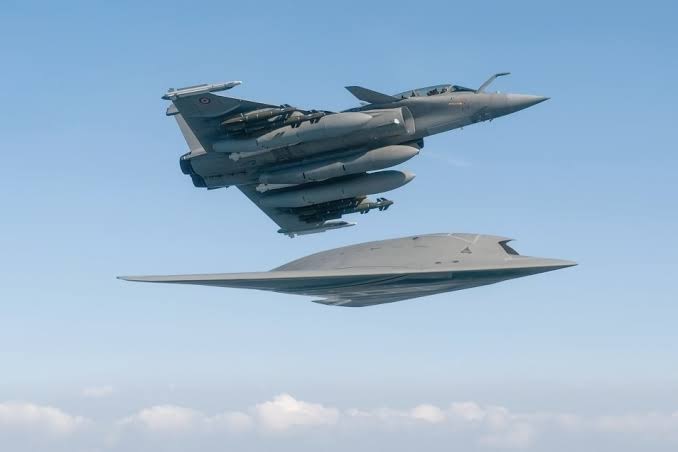 France Agrees to Equip Future Indian Rafales with AI, MUM-T and Secure Satellite Links Under F5 Standard
-
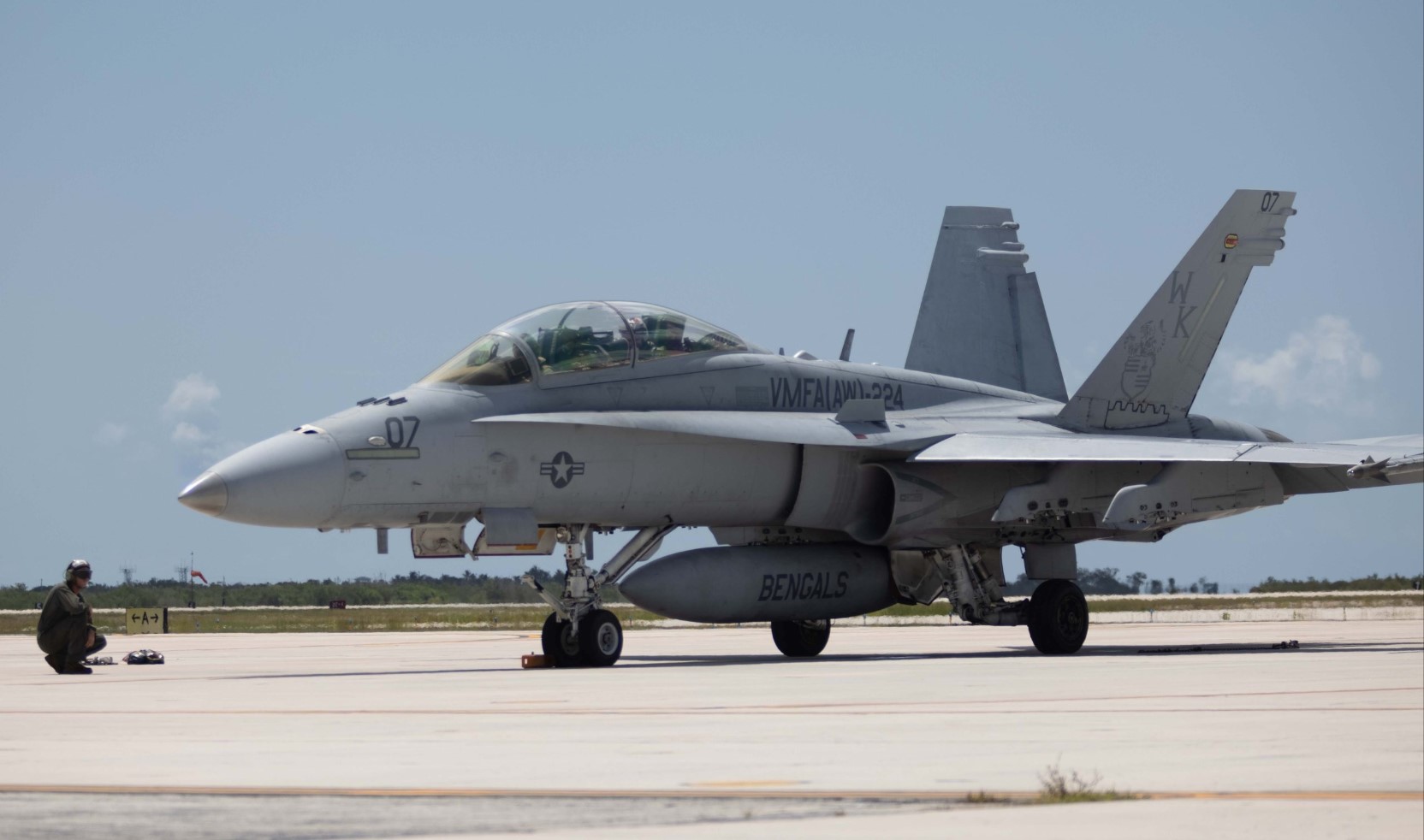 US Marine Corps F/A-18D Hornet Crashes During Training Flight in Washington Mountains; Pilot Ejects Safely
-
 Dassault Seeks Compensation From Airbus as Eurodrone Dispute Erupts After FCAS Collapse
-
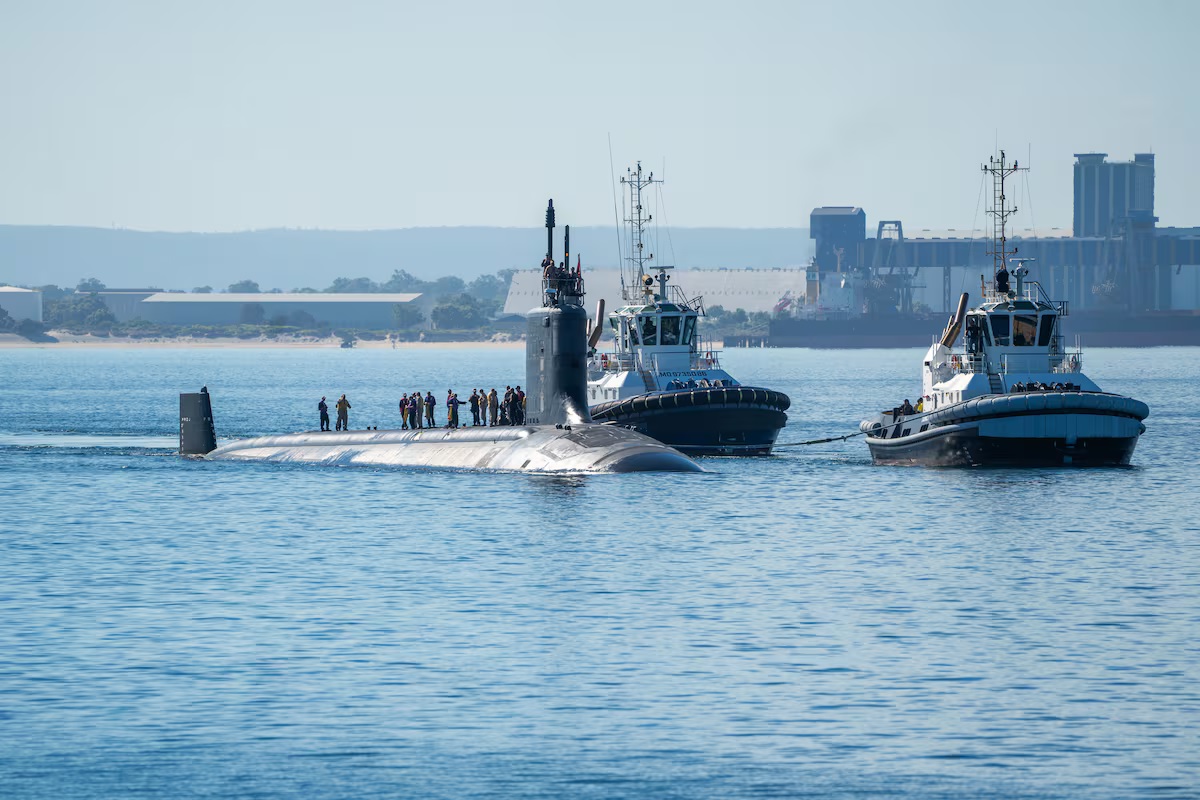 U.S. Navy Reestablishes Submarine Squadron 3 at HMAS Stirling to Support AUKUS Rotational Force
-
 AM General Unveils Next-Generation UGV and JLTV A2 with Counter-Drone Systems at Eurosatory 2026
-
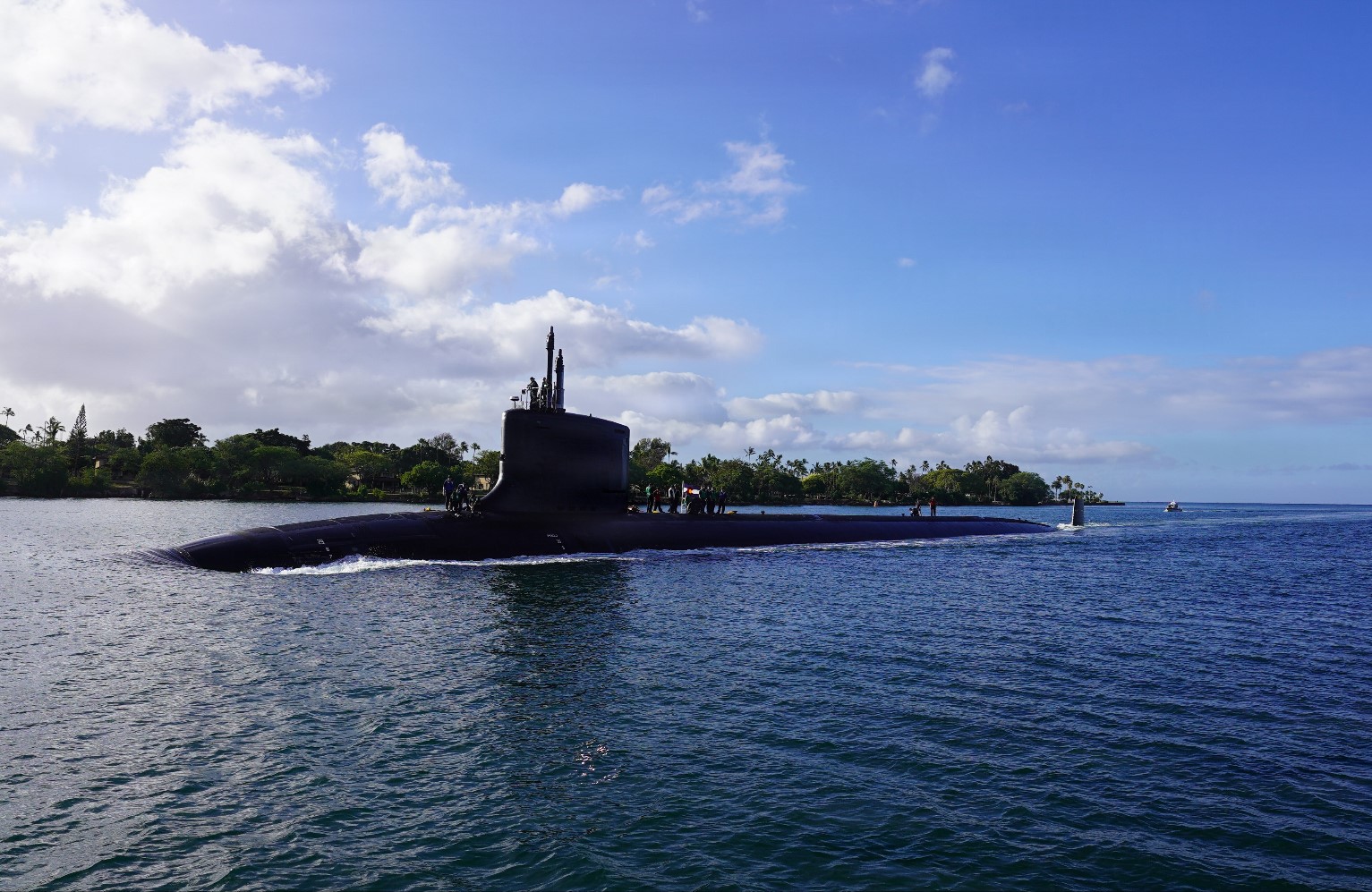 U.S. Navy's USS Colorado Submarine Returns to Pacific Fleet 29 Days Early After Major Pearl Harbor Overhaul
-
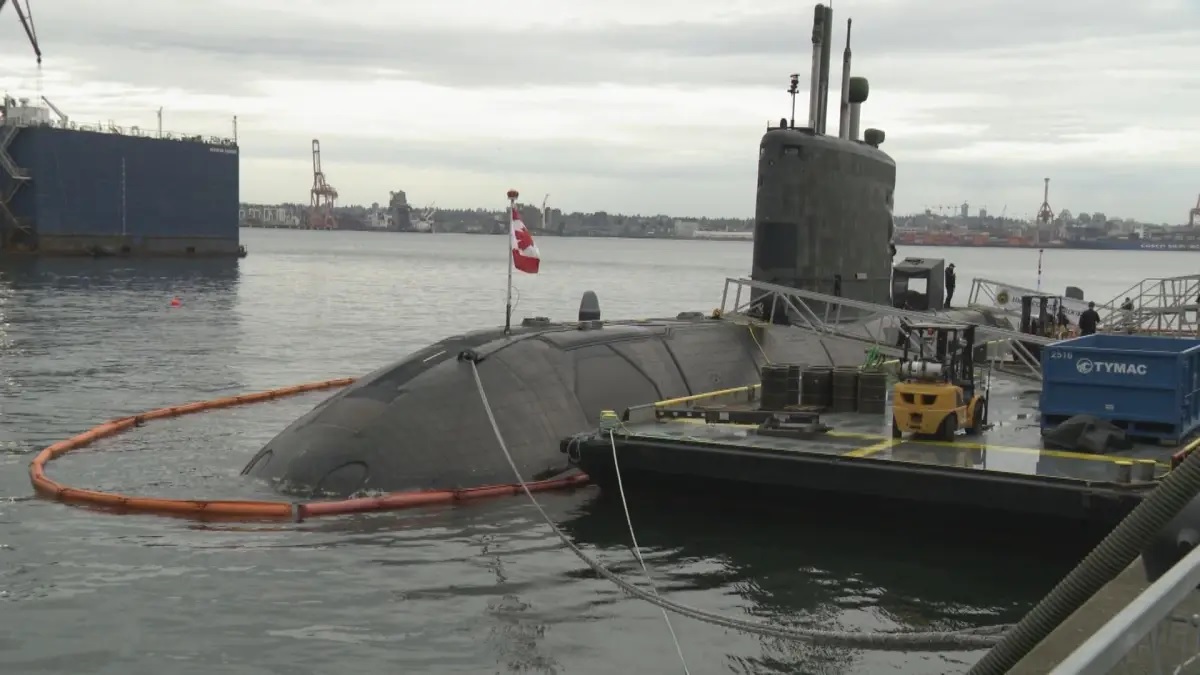 Royal Canadian Navy Deploys HMCS Corner Brook for First RIMPAC Submarine Mission in Over a Decade
Top Trending in 4 Days
-
 Iranian Media Leaks 14-Point U.S.-Iran Peace Framework Amid Ongoing Negotiations
-
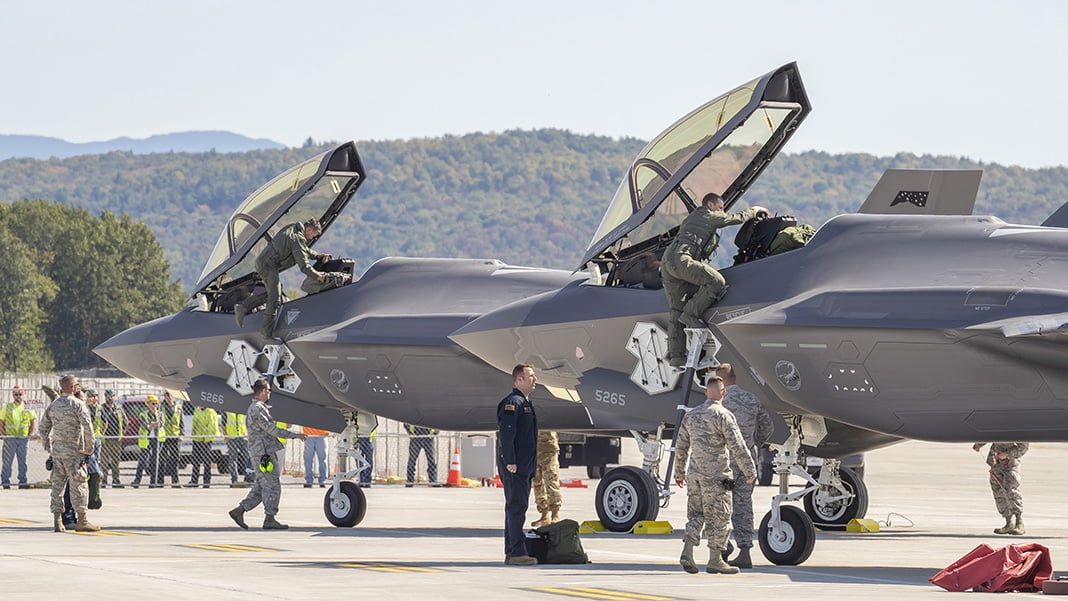 F-35 Fleet Readiness Falls to 25% Amid Parts Shortages and Software Delays: GAO Report
-
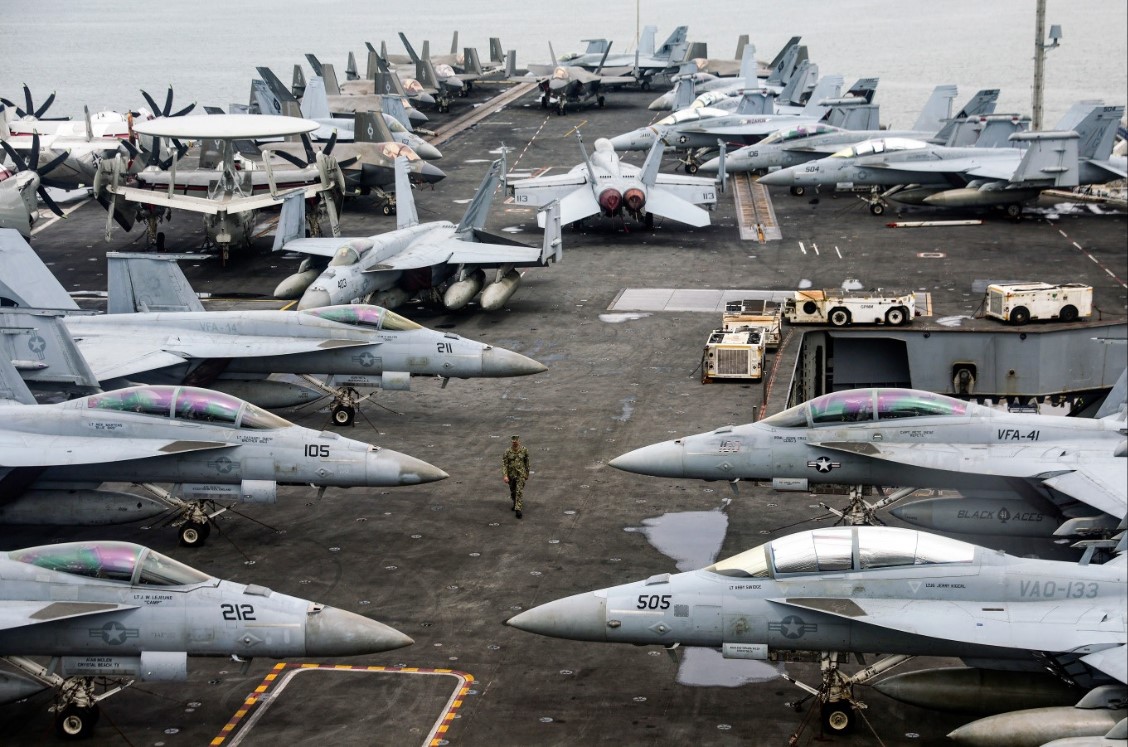 US Plans Significant Reduction of Fighter Jets and Warships for NATO Operations in Europe
-
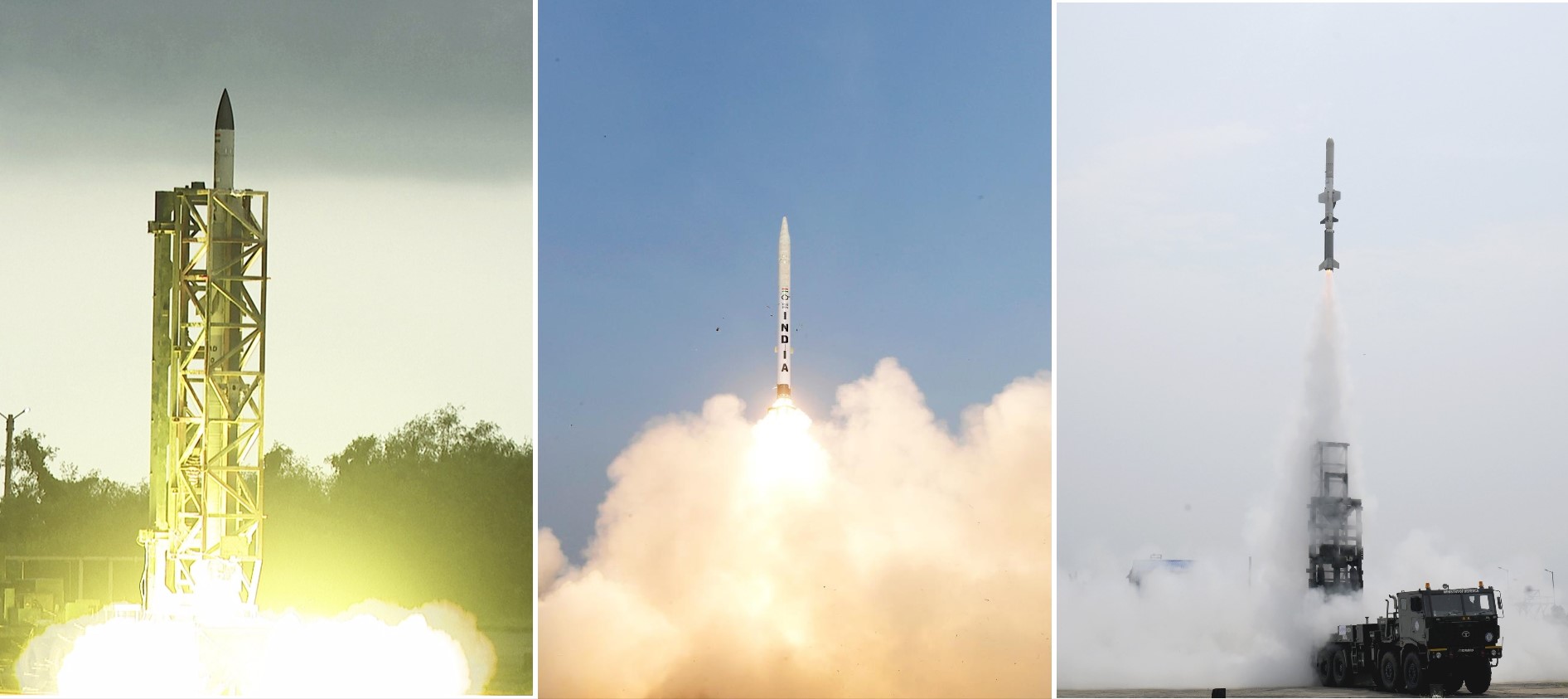 India Successfully Conducts AD-1, AD-2 Interceptor Tests and Maiden NASM-MR Flight Trial
-
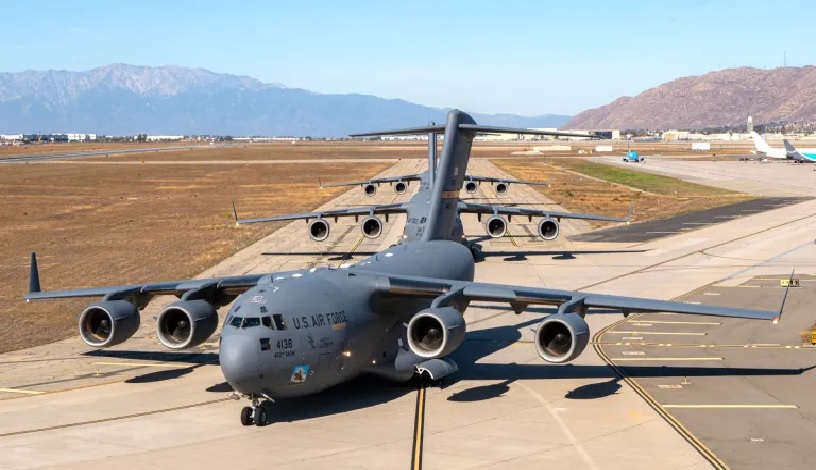 U.S. Air Force Faces Strategic Airlift Shortfall as C-17 Production Restart Remains Uncertain
-
 NATO Commander Says Russia Not Seeking Conflict With Alliance Despite U.S. Force Reductions
-
 U.S. Space Force Awards $437.7 Million Contracts for First PTS-G Swarm 1 Anti-Jam Satellites
-
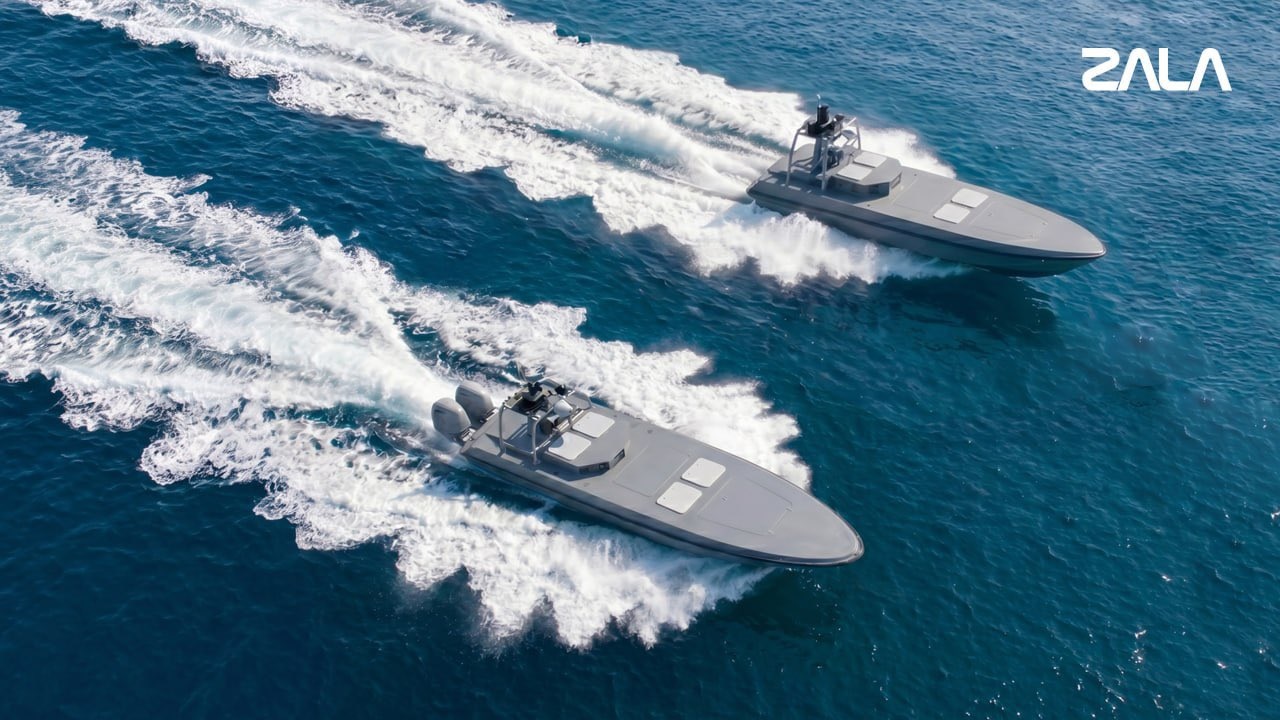 Russian Defense Firm ZALA Unveils KAMA Unmanned Surface Vessel Family at FLOT-2026 Naval Exhibition