India
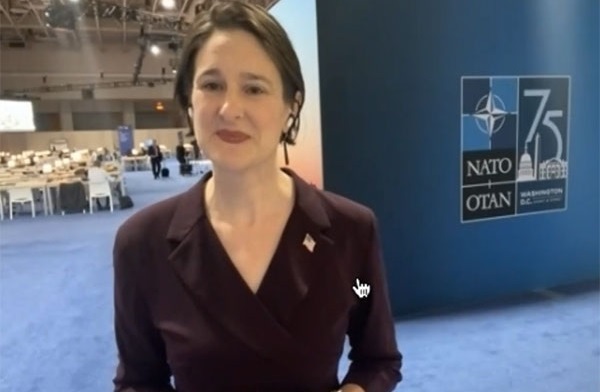
The United States has called upon India to use its "special partnership" with Russia to exert pressure on Moscow to halt the ongoing conflict in Ukraine and strive for lasting peace in the region. This plea was articulated by US State Department Hindustani spokesperson, Margaret MacLeod, during an interview with ANI on Tuesday.MacLeod emphasized the significance of Prime Minister Narendra Modi's statement, "This is not an era of war," which he conveyed to Russian President Vladimir Putin at the SCO Summit in Bali in 2022. She reiterated the US stance that all its partners, including India, should urge Russia to end its war in Ukraine. "India and Russia share a very special partnership. We wish India to use this special partnership to pressurize Russia against the war," MacLeod said. She underscored that Russia's actions in Ukraine are a clear violation of the UN Charter and international law, particularly highlighting the recent missile strike on a children's hospital in Kyiv, which resulted in the tragic loss of over 40 young lives.The spokesperson further mentioned the ongoing NATO Summit in Washington, DC, which aims to discuss the alliance's vision for the next 75 years. She noted that significant relief packages for Ukraine are expected to be announced during the summit, alongside Germany's announcement of a coordination cell. "Most NATO members are in Europe, right where the Russia-Ukraine war is ongoing, making it a very serious issue for them. A big relief package for Ukraine will be announced, and we will see further efforts to support Ukraine during this summit," MacLeod added.The summit, held from July 9-11, marks a critical moment as the Russia-Ukraine conflict intensifies. This is the first NATO Summit since Finland and Sweden joined the alliance, and it occurs amid some skepticism among European partners and former US President Donald Trump's criticisms of NATO.MacLeod also discussed the US-imposed $60 price cap on Russian crude oil, noting its effectiveness in reducing Russia's earnings. She expressed the US's intention to further limit Moscow's resources to weaken its ability to continue its military aggression in Ukraine.Despite Western pressure, India has continued purchasing Russian crude oil under the price cap, which has helped stabilize domestic fuel prices. This pragmatic approach underscores India's balanced stance on the conflict, maintaining its strategic interests while navigating complex international dynamics.In addressing US-India relations, MacLeod highlighted the robust ties between the two nations, noting their extensive engagement on various issues. "We have deep relations between India and the US. Sometimes we have differences in perspectives, but we maintain a free, frank, and open dialogue with each other. We are very positive about our relationship and aim to strengthen our bilateral ties further," she said.When asked about the future of India-US relations in the context of the upcoming US elections, MacLeod refrained from commenting on domestic politics but affirmed that historically, both Republican and Democrat administrations have worked to strengthen ties with India.The past year has seen significant diplomatic engagements between the two nations, including Prime Minister Modi's state visit to the US and President Joe Biden's visit to India for the G20 Summit. The Quad Summit is also expected to be held in India later this year, further reinforcing the strong bilateral relationship.
Read More → Posted on 2024-07-10 14:55:46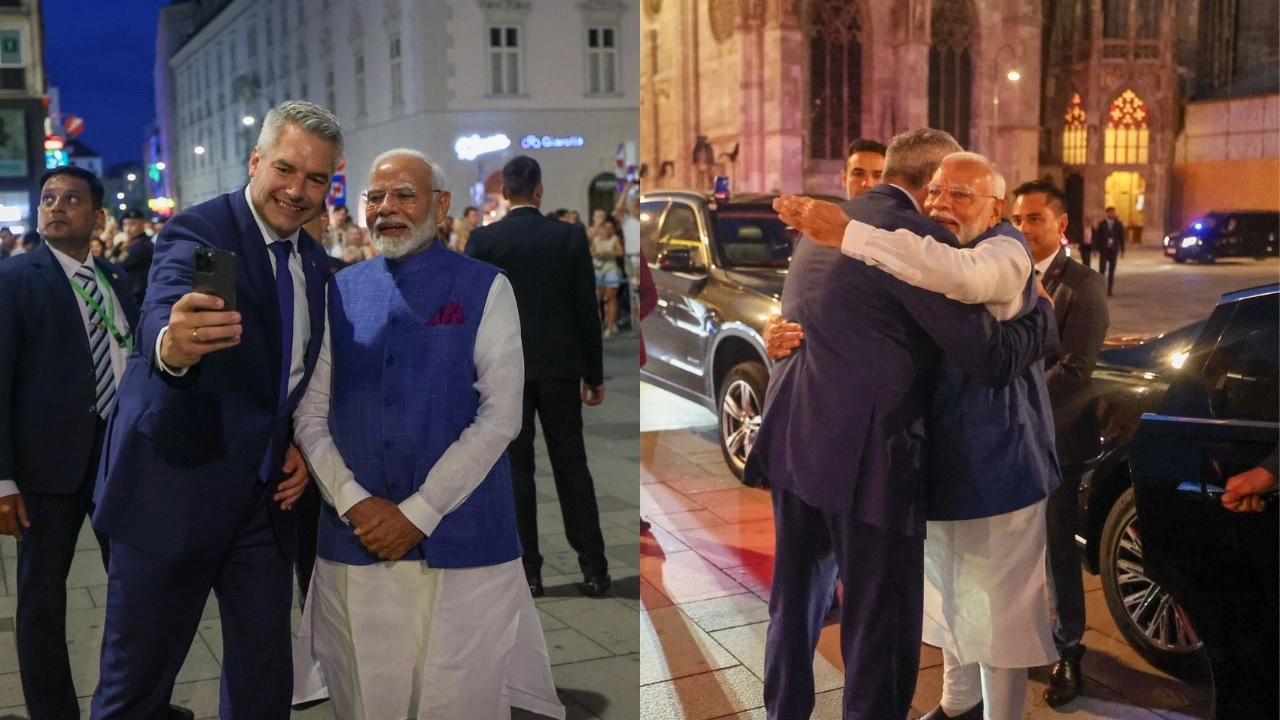
India
Prime Minister Narendra Modi joined Austrian Chancellor Karl Nehammer for a memorable dinner in Vienna, marking a significant moment in the 75-year history of diplomatic relations between India and Austria. The evening was a blend of formal discussions and warm interactions, set against the backdrop of a historic visit that saw an Indian Prime Minister in Austria for the first time in over four decades.PM Modi's arrival in Austria was met with a warm welcome from Austrian Foreign Minister Alexander Schallenberg and Indian Ambassador to Austria Shambhu Kumaran. Schallenberg, highlighting the importance of the visit, tweeted, "A warm welcome to Indian PM @narendramodi on his historic visit to Austria, marking 75 years of diplomatic relations. The partnership between our nations is based on a joint commitment to global security, stability and prosperity."Chancellor Nehammer echoed this sentiment with a personal touch, sharing a selfie with PM Modi on X (formerly Twitter). He wrote, "Welcome to Vienna, PM @narendramodi! It is a pleasure and honour to welcome you to Austria. Austria and India are friends and partners. I look forward to our political and economic discussions during your visit!"The dinner was not just a diplomatic event but also a cultural exchange, as members of the Indian diaspora in Austria greeted PM Modi, adding a touch of home to the evening. PM Modi expressed his gratitude for the warm reception, stating, "Thank you, Chancellor @karlnehammer, for the warm welcome. I look forward to our discussions tomorrow as well. Our nations will continue working together to further global good."This visit is particularly noteworthy as it is the first by an Indian Prime Minister to Austria since Indira Gandhi's trip in 1983. The rekindling of high-level visits signifies a renewed commitment to enhancing bilateral ties.The dinner set the stage for the next day's discussions, which are expected to cover a wide range of topics, from political and economic cooperation to global security and stability. The meeting between PM Modi and Chancellor Nehammer is seen as a pivotal moment for both nations, aiming to build on their longstanding relationship and explore new avenues for collaboration.As PM Modi and Chancellor Nehammer raise a toast to the future, the world watches with anticipation, hopeful that this visit will herald a new chapter in the robust partnership between India and Austria.
Read More → Posted on 2024-07-10 14:50:57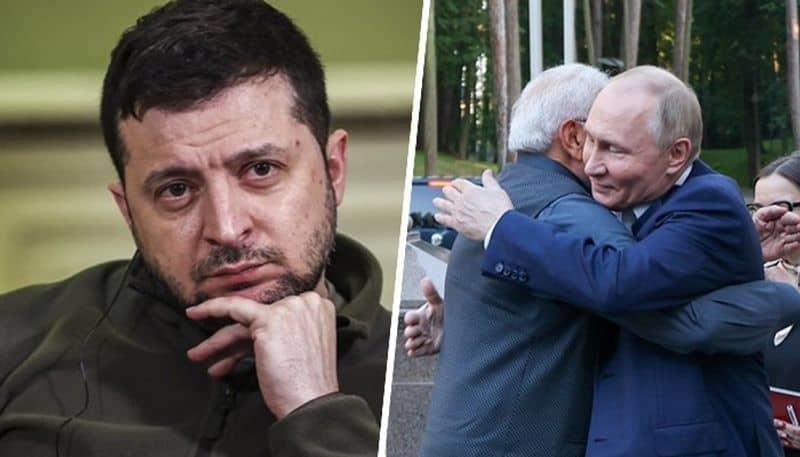
India
Ukrainian President Volodymyr Zelenskyy has voiced strong disappointment over Indian Prime Minister Narendra Modi’s recent visit to Russia, describing it as a “devastating blow to peace efforts.” The timing of Modi’s meeting with Russian President Vladimir Putin has intensified the controversy, coinciding with a tragic missile strike in Kyiv that claimed the lives of 37 people, including three children, and injured 170 others.On the same day that Ukraine mourned the loss of innocent lives due to Russia’s brutal missile strike on the largest children’s hospital in Kyiv, images emerged of Modi and Putin warmly embracing at the Russian leader’s suburban Moscow residence. Zelenskyy expressed his outrage on social media platform X, highlighting the stark contrast between the devastating events in Ukraine and the seemingly cordial relations between Modi and Putin.“In Ukraine today, 37 people were killed, three of whom were children, and 170 were injured, including 13 children, as a result of Russia’s brutal missile strike. A Russian missile struck the largest children’s hospital in Ukraine, targeting young cancer patients. Many were buried under the rubble. It is a huge disappointment and a devastating blow to peace efforts to see the leader of the world’s largest democracy hug the world’s most bloody criminal in Moscow on such a day,” Zelenskyy lamented.The criticism was not limited to Zelenskyy alone. Indian Congress leader Jairam Ramesh also condemned Modi's meeting with Putin, pointing out the insensitivity of the timing. “Self-styled Vishwaguru, who also gave himself the title of Vishwabandhu, is in Moscow the day a children’s hospital in Ukraine is bombed. What happened to the ‘Ukraine mein war rukwa di’ boast?” Ramesh questioned in a post on X.PM Modi's visit to Russia marks his first since the onset of the Russia-Ukraine conflict in 2022. Despite the ongoing war, India has maintained a stance advocating for dialogue and diplomacy to resolve the conflict and restore peace. During his visit, Modi expressed gratitude to Putin for hosting him and emphasized the importance of their talks in strengthening India-Russia relations. “Gratitude to President Putin for hosting me at Novo-Ogaryovo this evening. Looking forward to our talks tomorrow as well, which will surely go a long way in further cementing the bonds of friendship between India and Russia,” Modi posted on X.In a gesture of camaraderie, Putin took Modi on a ride in his electric car around his residence, Novo-Ogaryovo. The Russian Embassy in India shared a video of the two leaders enjoying the drive, underscoring the friendly atmosphere of the visit. “Russia’s President Vladimir Putin and India’s Prime Minister Narendra Modi in Novo-Ogaryovo. Russia-India Druzhba Dosti,” the Russian Embassy in India stated on X.Modi's visit to Russia was at the invitation of President Putin to attend the 22nd India-Russia Annual Summit. Upon his arrival, PM Modi received a ceremonial welcome at the airport, where he was greeted by Russia’s First Deputy Prime Minister Denis Manturov. Notably, Modi and Putin have met 16 times over the past decade, with their last in-person meeting occurring on the sidelines of the Shanghai Cooperation Organisation (SCO) Summit in Samarkand, Uzbekistan, in 2022. During that meeting, Modi had asserted, “This is not an era of war.” In 2019, Modi was honored with Russia’s highest state award, the ‘Order of the Holy Apostle Andrew the First.’The contrasting images of Modi and Putin's warm meeting and the harrowing aftermath of the missile strike in Ukraine have sparked a global debate about the complexities of international relations amidst ongoing conflicts.
Read More → Posted on 2024-07-10 14:47:25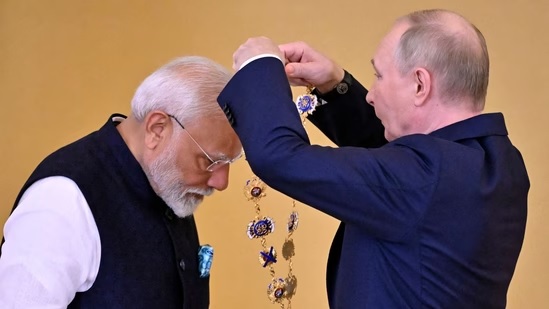
India
In a momentous event that underscores the robust ties between India and Russia, Prime Minister Narendra Modi will be ceremoniously presented with Russia's highest civilian honour, the Order of St Andrew the Apostle the First-Called. This prestigious award, bestowed upon Modi in 2019, will be formally handed over at St Catherine’s Hall of the Moscow Kremlin, recognizing his significant contributions to the development of a privileged strategic partnership between the two nations.The Order of St Andrew the Apostle, established in 1698 by Tsar Peter the Great, is awarded for the most outstanding civilian or military service. Named in honour of Saint Andrew, the first apostle of Jesus and the patron saint of Russia, it represents a profound acknowledgment of Modi’s efforts in fostering closer India-Russia relations.The Russian Embassy in India had previously highlighted this honour on April 12, 2019, through a tweet: “On April 12, @narendramodi was decorated with the Order of St Andrew the Apostle for exceptional services in promoting special & privileged strategic partnership between Russia and India and friendly relations between the Russian and Indian peoples.” President Vladimir Putin also praised Modi's achievements, stating on social media, “Indian Prime Minister Narendra Modi received the Order of St Andrew for outstanding achievements in promoting partnership with Russia.”In his response, Modi expressed deep gratitude and emphasized the enduring and promising nature of India-Russia friendship. “Honoured to receive this prestigious award. I thank President Putin and the people of Russia. The foundations of India-Russia friendship are deep & the future of our partnership is bright. Extensive cooperation between our nations has led to extraordinary outcomes for our citizens,” he said.This visit to Russia, marking Modi's presence at the 22nd India-Russia annual summit, is a pivotal moment to further strengthen bilateral ties. During his two-day stay, Modi will lay a wreath at the Tomb of the Unknown Soldier, paying homage to Russia's historical sacrifices and reflecting the deep mutual respect between the two countries.Modi's previous visits to Russia, including his 2019 trip to the far eastern port of Vladivostok and his meeting with Putin at the Shanghai Cooperation Organisation summit in Uzbekistan in September 2022, have consistently reinforced the strategic partnership. This ceremonial presentation of the Order of St Andrew the Apostle signifies not only a recognition of past efforts but also a commitment to a future of collaborative growth and shared success between India and Russia.
Read More → Posted on 2024-07-10 14:38:35
India
In a significant diplomatic breakthrough, Russia has agreed to discharge and repatriate all Indian citizens serving in the Russian army. This decision came about during Prime Minister Narendra Modi's visit to Moscow, where he held crucial discussions with Russian President Vladimir Putin. The conversations were aimed at addressing the plight of Indian nationals who found themselves embroiled in the conflict in Ukraine, often under distressing circumstances.The issue of Indian citizens fighting in Ukraine had been a growing concern for the Indian government. Reports surfaced that some individuals were deceived into joining the Russian military under false pretenses, believing they were accepting lucrative job offers. This deception led to a tragic situation where these individuals were thrust into the ongoing conflict in Ukraine, with at least four Indian nationals losing their lives.Prime Minister Modi, during a private dinner with President Putin, directly raised these concerns. This personal intervention was pivotal, leading to Russia’s commitment to ensuring the safe return of the affected Indian citizens. Modi's efforts highlighted the importance of high-level diplomatic engagement in resolving complex international issues.The news of the discharge and repatriation brings immense relief to the families of the estimated 35-40 Indians believed to be trapped in this precarious situation. For months, these families have been living in a state of anxiety, uncertain about the fate of their loved ones. The Indian government’s proactive stance, including launching investigations into the illicit recruitment practices and cracking down on the agencies involved, has been instrumental in bringing this issue to light and seeking justice for the affected individuals.The broader implications of this development extend beyond the immediate relief to the families involved. India has long maintained that the recruitment of its citizens into foreign armies, especially in conflict zones, is deeply concerning and undermines the principles of its diplomatic relationships. This stance was reinforced through sustained engagement with Russian authorities, culminating in the successful resolution of this issue during Modi's visit.This episode underscores the critical role of diplomatic dialogue in protecting the welfare of citizens abroad. It also highlights India's commitment to non-interference in foreign conflicts, a principle that has been central to its foreign policy. The resolution of this issue not only safeguards the affected individuals but also reinforces India’s dedication to upholding the safety and well-being of its citizens, regardless of where they are in the world.As the repatriation process begins, it serves as a testament to the power of diplomacy and the persistent efforts of the Indian government to ensure the safety of its nationals. This development is a reminder of the human stories behind geopolitical conflicts and the importance of international cooperation in addressing such sensitive matters.
Read More → Posted on 2024-07-09 16:14:56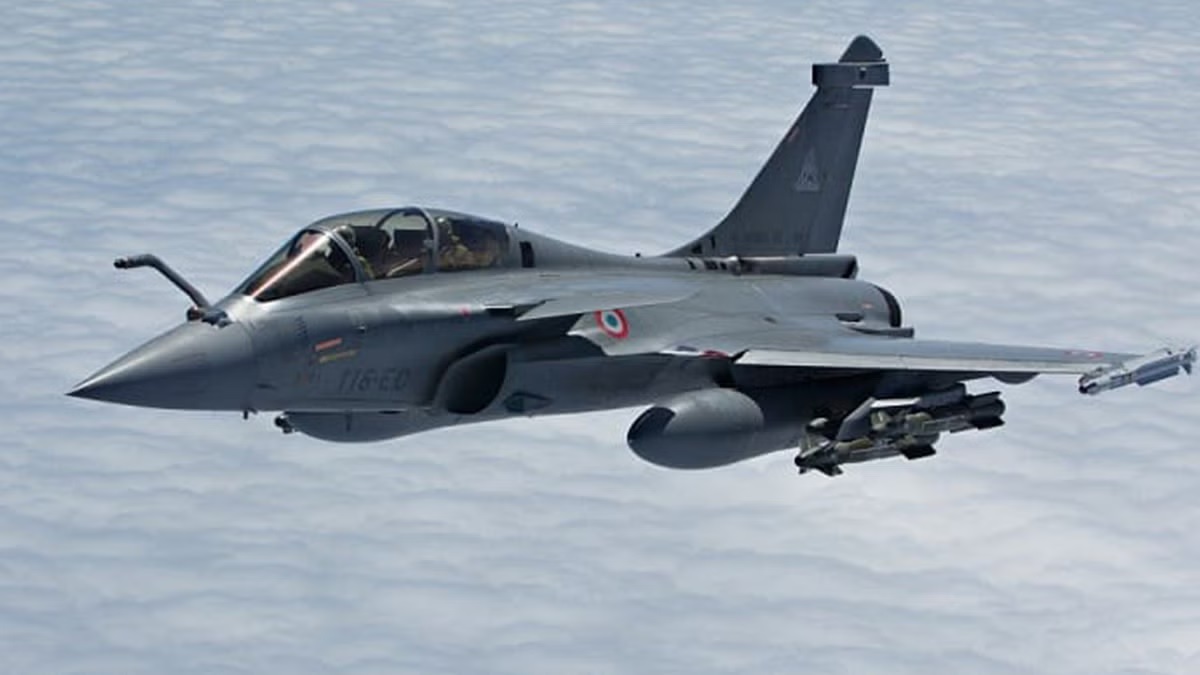
India
As negotiations for the acquisition of 26 Rafale Marine aircraft intensify, India is leveraging its bargaining power to secure a better deal from France. The second round of these critical talks began on Monday, marking a pivotal moment in the ongoing defense cooperation between the two nations. The stakes are high, and both sides are navigating a complex web of strategic, financial, and operational considerations.The Rafale Marine aircraft are not just any jets; they are sophisticated naval twin-engine fighters designed specifically for operations at sea. This specialization significantly increases their cost due to the advanced features required for carrier-based missions. These include robust landing gear and other enhancements necessary to withstand the harsh maritime environment. The French have proposed a comprehensive package exceeding ₹50,000 crore, encompassing the aircraft, the integration of Indian weapons like the Astra air-to-air missile, and India-specific modifications.However, India is not content with the initial offer. Drawing on its previous experience with the 2016 deal for 36 Rafale jets for the Indian Air Force, which cost around €7.87 billion, India is pushing for a pricing structure that reflects similar terms, adjusted for inflation. This earlier deal serves as a benchmark, providing India with a solid foundation to negotiate more favorable terms for the naval variant.The urgency and importance of these negotiations are underscored by India's strategic ambitions and its need to enhance its naval capabilities. The Rafale Marine aircraft are intended for deployment on the Indian Navy's two aircraft carriers, INS Vikramaditya and the newly commissioned INS Vikrant. These carriers are central to India's maritime strategy, projecting power and ensuring security across the Indian Ocean region. The plan includes basing these advanced fighters at INS Dega in Visakhapatnam, Andhra Pradesh, further strengthening India's naval infrastructure.The French delegation, which includes officials from their Directorate General of Armament, is keenly aware of India's strategic requirements and budgetary constraints. The ongoing discussions reflect a delicate balance between meeting these needs and maintaining the economic viability of the deal. France's willingness to integrate Indian weapons and make India-specific enhancements is a testament to the robust defense partnership between the two countries.As the negotiations progress, both sides are expected to engage in detailed deliberations over the technical and financial aspects of the deal. The outcome will not only shape the future of India's naval aviation but also set a precedent for future defense procurements. The stakes are high, and the pressure is on negotiators to find common ground that satisfies both strategic imperatives and fiscal prudence.In conclusion, the second round of negotiations for the Rafale Marine aircraft is a critical juncture in India-France defense relations. With India's emphasis on securing a better price and France's comprehensive offer, the discussions are poised to be a rigorous exercise in diplomacy and strategic bargaining. The outcome will have far-reaching implications for India's defense capabilities and its broader geopolitical strategy.
Read More → Posted on 2024-07-09 16:06:51
India
In the realm of military technology, precision and reliability are paramount. The recent confirmation by Rolls-Royce that India's Zorawar Light Tank will indeed be powered by the MTU 8V199 TE21 engine has brought a sense of clarity and assurance. This confirmation, delivered by Alex Zino, Director of Business Development and Future Programmes at Rolls-Royce, dispels earlier rumors of a potential switch to a Cummins engine.The backdrop to this development involved a flurry of media reports suggesting that delays in obtaining German export clearance for the MTU engine might force India to consider alternative options, such as a Cummins engine. These speculations created a buzz in defense circles, raising concerns about potential impacts on the Zorawar Light Tank program.However, Zino's announcement has put these rumors to rest. He confirmed that the initial delays in obtaining the necessary export clearances have been resolved. The MTU 8V199 TE21 engine, renowned for its exceptional power-to-weight and power-to-volume ratios, has been successfully integrated into the Zorawar platform. Delivering a robust 600 kW (804hp) output, this engine is designed to enhance the tank's performance in demanding terrains.The MTU Series 199 engine is not just another piece of machinery; it is celebrated as the best-selling tank engine in its power class. Its reputation is built on delivering reliable and potent performance, a critical factor for military applications. The engine's successful delivery to L&T, the Original Equipment Manufacturer (OEM) for the Light Tank Program, marks a significant milestone in the Zorawar project.Rolls-Royce's commitment to advancing military technology doesn't stop here. The company is actively developing a variant of the MTU Series 199 engine that will deliver an impressive 800 kW (1000hp). This future iteration aims to further enhance off-road mobility for heavier vehicles, demonstrating Rolls-Royce's dedication to pushing the boundaries of engine performance.While Rolls-Royce has provided assurances about the MTU engine's role in the Zorawar Light Tank project, the Defense Research and Development Organisation (DRDO) has yet to officially confirm this information. Nonetheless, the resolution of the export clearance issues and the integration of the engine into the Zorawar platform indicate a positive trajectory for the project's development.The Zorawar Light Tank represents a significant step in India's commitment to developing advanced military technologies. With the MTU engine at its core, the tank is poised to offer superior performance and reliability. The prospect of an even more powerful version of the MTU Series 199 engine in the future underscores the potential for further enhancements in India's defense capabilities.In essence, the confirmation by Rolls-Royce not only dispels previous uncertainties but also reinforces confidence in the Zorawar Light Tank program. It highlights the collaborative efforts between India and global defense leaders like Rolls-Royce, ensuring that cutting-edge technology drives the country's defense initiatives forward.
Read More → Posted on 2024-07-09 16:03:31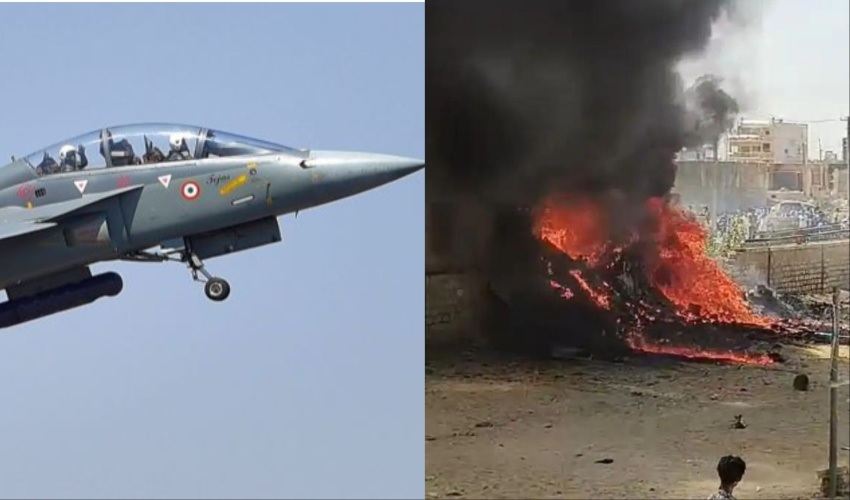
India
On March 12, a significant incident occurred in the skies near Jaisalmer, Rajasthan, marking a first in the history of the Indian Air Force's Tejas light combat aircraft (LCA-Mk-1). An engine failure led to the crash of this indigenously developed single-engine fighter jet, which had been in service since 2016. Fortunately, the pilot managed to eject safely and escaped without any injuries.Preliminary findings from the investigation into the crash indicate that the engine seizure was likely due to a malfunctioning oil pump. This technical issue appears to have compromised the performance of the GE Aerospace F404 engine that powers the Tejas. The oil pump, a critical component in ensuring proper lubrication and cooling of the engine, seems to have failed, leading to the catastrophic engine failure.The Tejas aircraft was returning from its participation in the Bharat Shakti exercise, a tri-services event showcasing India's self-reliance in defense manufacturing. This exercise is a testament to India's efforts to develop and maintain its defense capabilities domestically. The crash, therefore, was not just a technical setback but also a symbolic blow to the indigenously developed program.In response to the incident, the Indian Air Force promptly conducted comprehensive safety checks across its entire fleet of LCA Mk-1 aircraft. These checks revealed no additional safety concerns, suggesting that the crash was an isolated incident rather than a systemic problem with the fleet.Air Marshal Anil Chopra (retd), former director general of the Centre for Air Power Studies, highlighted the rarity of such engine failures in modern jet engines. He expressed confidence in the thoroughness of the IAF's investigation, emphasizing that modern engines are designed to withstand a variety of stresses and that such failures are uncommon.The Tejas program, initiated in 1983, is a cornerstone of the IAF's modernization efforts. It aims to replace aging aircraft like the MiG-21 and bolster India's air combat capabilities. The Mk-1A and future Mk-2 variants of the Tejas are expected to significantly enhance the IAF's operational capabilities in the coming years.Despite the setback, the Tejas program remains a vital part of India's defense strategy. The incident underscores the importance of continuous monitoring and improvement in the maintenance and operation of military hardware. It also serves as a reminder of the inherent risks in aviation and the need for constant vigilance and rigorous safety protocols.As the investigation continues, the IAF and the aircraft's developers are likely to focus on ensuring that such incidents do not recur. This will involve scrutinizing the design and manufacturing processes, as well as enhancing the maintenance procedures to prevent similar failures in the future.In conclusion, while the crash of the Tejas fighter jet is a significant event, it is also a part of the ongoing journey of innovation and improvement in India's defense capabilities. The lessons learned from this incident will undoubtedly contribute to the robustness and reliability of the Tejas program and India's broader defense aspirations.
Read More → Posted on 2024-07-09 16:00:52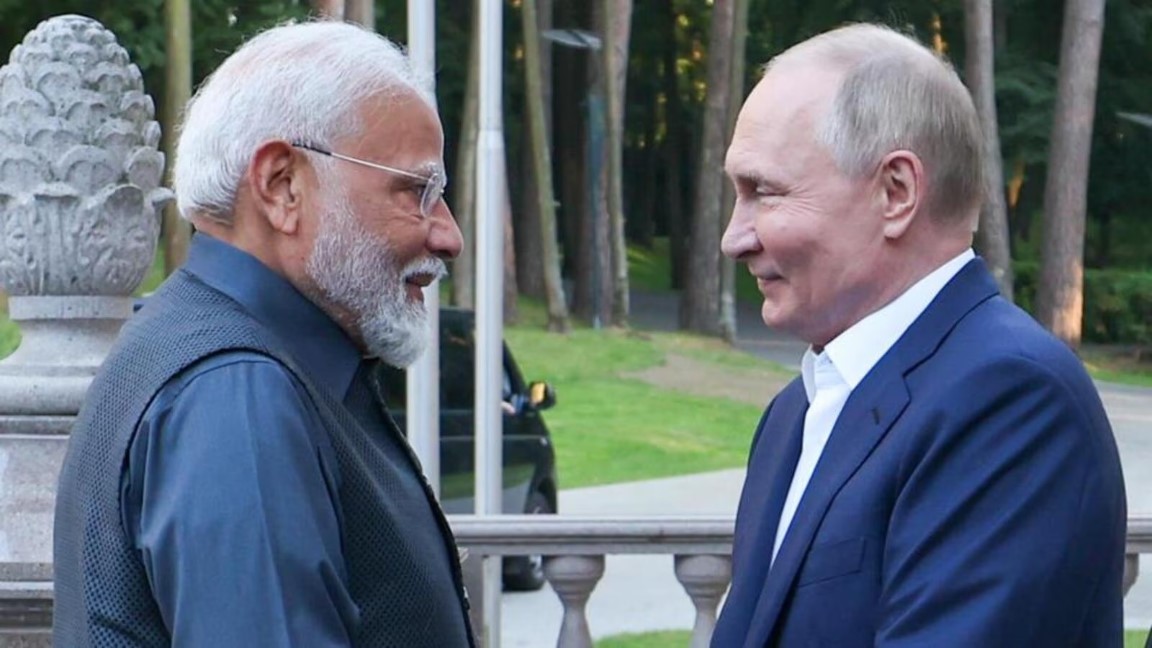
India
As Prime Minister Narendra Modi continues his diplomatic engagements, the United States has reiterated its appeal to India, emphasizing the importance of making it clear to Russia that any resolution to the conflict in Ukraine must adhere to the principles of the UN Charter, particularly respecting Ukraine's territorial integrity. This stance was conveyed by the US State Department amidst ongoing high-level dialogues between the US and India.US State Department Spokesperson, Mathew Miller, highlighted this appeal during a daily news briefing. "We would urge India, as we do any country when it engages with Russia, to make clear that any resolution to the conflict in Ukraine needs to be one that respects the UN Charter and respects Ukraine’s territorial integrity, Ukraine’s sovereignty," Miller stated. The message is clear: the US expects its strategic partners to uphold international norms and principles when dealing with conflicts such as the one in Ukraine.This appeal comes against the backdrop of longstanding US concerns about India's relationship with Russia. While India maintains a strategic partnership with the US, it also has deep historical ties with Russia, dating back to the Cold War era. The US has consistently expressed its apprehensions regarding these ties, especially in the context of the Ukraine conflict. However, these concerns have been part of a broader, ongoing dialogue between Washington and New Delhi.The US recognizes India as a crucial strategic partner and engages in comprehensive discussions on various issues, including their bilateral relationship with Russia. Miller underscored that these discussions are open and forthright, covering the full spectrum of bilateral relations. "India is a strategic partner with whom we engage in a full and frank dialogue. And that includes our concerns about the relationship with Russia," he said.Although there is no specific information about whether these discussions have led to any decisions during Prime Minister Modi's visit to Russia, the US continues to emphasize the importance of adhering to international laws and norms. The US's message to India is part of a broader diplomatic effort to isolate Russia and garner global support for Ukraine.Prime Minister Modi's diplomatic engagements, including his visits and meetings with world leaders, play a critical role in shaping India's foreign policy and international stance. As India navigates its complex relationships, balancing ties with both the US and Russia, the international community watches closely, especially in light of the ongoing Ukraine conflict.In summary, the US's call to India to stress the importance of the UN Charter in resolving the Ukraine conflict underscores the intricate dynamics of international diplomacy. It reflects the balancing act India must perform in maintaining its strategic partnerships while addressing global concerns about sovereignty and territorial integrity.
Read More → Posted on 2024-07-09 15:58:10
India
In a significant move to integrate advanced technology into its operations, the Indian Navy's Eastern Naval Command (ENC) has inaugurated a state-of-the-art Artificial Intelligence (AI) hub in Visakhapatnam. The inauguration, held on a notable Monday, was marked by the presence of Vice Admiral Rajesh Pendharkar, the flag officer commanding-in-chief of ENC. The ceremony took place at the Maritime Reference Library, a fitting venue for such a forward-thinking initiative.The AI hub is designed to harness the transformative potential of AI, equipping naval personnel with the tools and applications necessary to keep pace with rapid technological advancements. According to an official press release from the ENC, the hub aims to stimulate interest and provide extensive exposure to AI among its members. This initiative is expected to foster a culture of continuous learning and innovation, encouraging personnel to explore and implement AI-driven solutions across various naval domains.Vice Admiral Pendharkar, in his address, highlighted the strategic importance of integrating AI into naval operations. He emphasized that the AI hub represents a crucial step towards modernizing the Indian Navy, ensuring that it remains at the forefront of technological progress. The hub is not just a facility but a center of excellence where new ideas and applications can be developed and tested, ultimately enhancing the Navy's operational capabilities.The establishment of the AI hub in Visakhapatnam is part of the Navy's broader strategy to leverage cutting-edge technologies for defense and maritime security. By embracing AI, the Navy aims to improve decision-making processes, enhance predictive maintenance of equipment, optimize logistics, and strengthen cybersecurity measures. The potential applications of AI in naval operations are vast, ranging from autonomous systems and intelligent data analysis to advanced simulation and training programs.Moreover, the AI hub is expected to serve as a collaborative platform, bringing together experts from various fields to work on innovative projects. This interdisciplinary approach will enable the Navy to develop and deploy AI solutions that are not only effective but also tailored to its specific needs. The hub will facilitate knowledge sharing and partnerships with academic institutions, research organizations, and industry leaders, further accelerating the Navy's technological advancement.In the rapidly evolving landscape of defense technology, the Indian Navy's AI hub in Visakhapatnam stands out as a beacon of innovation and progress. It signifies a commitment to embracing new technologies and adapting to the changing dynamics of modern warfare. As the Navy continues to explore the vast potential of AI, it is poised to achieve new levels of efficiency, effectiveness, and operational excellence.The inauguration of the AI hub marks the beginning of an exciting new chapter for the Indian Navy, one where the fusion of traditional maritime prowess and cutting-edge technology will shape the future of naval operations.
Read More → Posted on 2024-07-09 15:30:59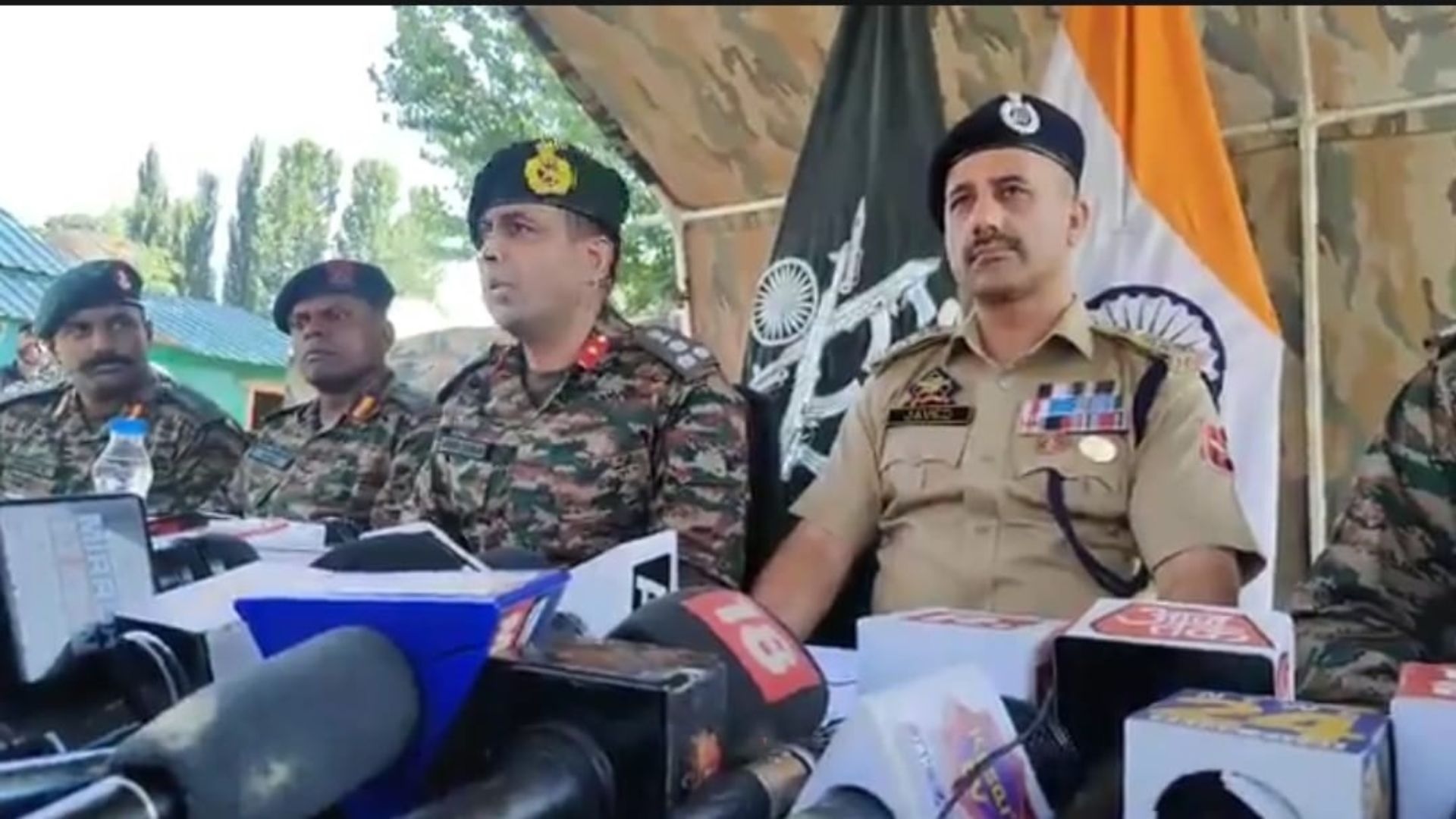
India
The elimination of six Hizbul-Mujahideen terrorists in South Kashmir marks a significant victory for Indian security forces. Brigadier Prithviraj Chauhan, Commander of the 1 Sector Rashtriya Rifles (RR), emphasized that these operations dealt a substantial blow to the insurgent group, which has been a persistent threat in the region. This coordinated effort also highlights the sacrifices made by the Indian Army, with one soldier tragically losing his life during the mission.In the early hours of July 6, the Indian Army received intelligence about terrorist movements in the Chinigham area. The surveillance was a result of meticulous monitoring using advanced Army surveillance devices and cooperation with other agencies. Around 4 pm, soldiers observed suspicious movements. When challenged, the terrorists responded with gunfire, prompting a fierce exchange. During this confrontation, Sepoy Praveen Janjal Prabhakar made the ultimate sacrifice. Following the encounter, security forces discovered and neutralized a 6 kg IED, preventing potential collateral damage.The operation concluded with the elimination of four terrorists, identified as Yavar Bashir Dar, Tauheed Ahmed, Shakeel Ahmed Wani, and Zahir Ahmad Dar. These militants were linked to multiple violent activities in the region. Brigadier Chauhan noted that this successful operation significantly weakens Hizbul-Mujahideen's capabilities in South Kashmir.Meanwhile, another encounter took place in Kulgam, as detailed by Javed Ahmad Matoo, Deputy Inspector General (DIG) of South Kashmir. This joint operation, spanning July 6-7, resulted in the deaths of two more terrorists. Among them was Adil, a known militant with numerous FIRs against him across different police stations. These operations were based on precise intelligence and led to the recovery of a considerable cache of arms and ammunition from the encounter sites. The hideouts used by the terrorists had been under surveillance for some time, and their elimination represents a strategic advantage for the security forces.The Indian Army paid tribute to the fallen soldiers, Lance Naik Pardeep Kumar and Sepoy Praveen Janjal Prabhakar, recognizing their valor and sacrifice. The Chinar Corps Commander, Chief Secretary of Jammu and Kashmir, Director General of Police (DGP) of Jammu and Kashmir, and other dignitaries honored these brave men in a solemn ceremony.The successful elimination of these terrorists not only showcases the effectiveness of the Indian Army's operations but also serves as a deterrent to future insurgent activities in the region. The concerted efforts of the security forces, coupled with advanced surveillance and intelligence, continue to play a crucial role in maintaining peace and stability in Jammu and Kashmir.
Read More → Posted on 2024-07-09 15:27:39
India
In the early hours of a tense morning, the tranquil surroundings of Kathua in Jammu and Kashmir were shattered by the echoes of gunfire. A devastating militant ambush on an army patrol left four soldiers, including a Junior Commissioned Officer (JCO), dead and six others wounded. The severity of the attack demanded an immediate and decisive response, prompting the Indian Army to deploy its elite para commandos via helicopters to the strife-torn region.As the sun began to rise, the army's elite para soldiers were swiftly airdropped into the Mandli Sector, a stone's throw from the ambush site. This rapid deployment underscored the urgency and gravity of the situation. The Mandli Sector, a region known for its rugged terrain and strategic significance, became the focal point of an extensive search and cordon operation aimed at apprehending the assailants who had melted into the shadows of the mountainous landscape.The attack had unfolded with chilling precision. Militants, exploiting the element of surprise, ambushed the unsuspecting army patrol, inflicting heavy casualties before vanishing into the dense foliage. The response from the military was immediate; reinforcements of both police and army personnel were dispatched to the area. However, it was the arrival of the elite para soldiers that marked a significant escalation in the counter-terrorism efforts.These para commandos, part of India's elite airborne forces, are renowned for their rigorous training and combat readiness. Their deployment is often reserved for the most critical situations, where their expertise in unconventional warfare and rapid mobility can turn the tide. The sight of these commandos descending from helicopters and fanning out into the challenging terrain was both a tactical maneuver and a message of resolve from the Indian Army.As the day progressed, the Mandli Sector was transformed into a heavily fortified zone. The air buzzed with the sound of choppers and the ground was a hive of military activity. Checkpoints were established, roads were sealed, and the search operation intensified. The objective was clear: to locate and neutralize the militants responsible for the attack. The six injured soldiers, meanwhile, were rushed to nearby military hospitals, where they received urgent medical care. The condition of the wounded was closely monitored, adding an emotional undercurrent to the military's relentless pursuit of justice.Local residents, accustomed to the occasional skirmishes that mark life in this volatile region, watched with a mix of fear and hope. The presence of the para soldiers was a reassurance of the state's commitment to their safety, but it also served as a stark reminder of the persistent threat posed by militancy. The military's operation was not just about retribution; it was about restoring a sense of security and stability to the region.Official sources remained tight-lipped about the finer details of the operation, but it was evident that the army was leaving no stone unturned. The combination of ground intelligence and aerial reconnaissance aimed to corner the militants and dismantle their network. The attack in Kathua was a grim reminder of the ongoing challenges in Jammu and Kashmir, where peace remains fragile and hard-won.As dusk fell, the search operation continued unabated, with the para soldiers displaying the tenacity and skill that have earned them their elite status. Their presence in Kathua was a testament to the Indian Army's resolve to confront and eliminate the militant threat, ensuring that the sacrifices of their fallen comrades were not in vain. The coming days would undoubtedly reveal more about the perpetrators and their motives, but for now, the focus remained firmly on bringing them to justice and restoring peace to the beleaguered region.
Read More → Posted on 2024-07-09 15:21:29
India
In a highly anticipated diplomatic engagement, Indian Prime Minister Narendra Modi is set to visit Moscow for the first time since Russia's invasion of Ukraine in February 2022. This visit, scheduled for July 8-9, marks a significant moment in India-Russia relations, which have been robust and multifaceted since the Cold War era. Kremlin spokesperson Dmitry Peskov has stated that Western countries are "jealously watching" this visit, highlighting the global significance of Modi's trip.Peskov's remarks underscore the strategic importance of the upcoming 22nd India-Russia Annual Summit. Modi's last visit to Russia was in 2019 when he attended an economic conclave in Vladivostok. Since then, the geopolitical landscape has dramatically shifted, particularly with Russia's actions in Ukraine and the subsequent international response. This visit is not just a routine diplomatic exchange; it is a critical moment for both nations to reassess and reinforce their bilateral ties amidst a changing global order.The summit will provide a platform for Modi and Russian President Vladimir Putin to review the comprehensive range of their countries' relations. They are expected to discuss contemporary regional and global issues of mutual interest, including economic cooperation, defense, and strategic partnerships. The Ministry of External Affairs in New Delhi has emphasized the importance of this high-level visit, suggesting that it will strengthen the already strong ties between the two nations.During an interview with Russia's state-run VGTRK television channel, Peskov highlighted the extensive agenda planned for Modi's visit. He mentioned that the program would be busy, with both formal and informal discussions between the leaders. This indicates a deepening of the strategic partnership, which Peskov described as being at a very high level. He noted that the visit would include one-on-one talks as well as meetings involving delegations from both countries, ensuring a comprehensive dialogue on various fronts.The annual summit between the Indian Prime Minister and the Russian President is the highest institutional dialogue mechanism in their strategic partnership. The 21 previous summits have alternately taken place in India and Russia, with the last one held in New Delhi in December 2021. Putin's visit to India for that summit further solidified the close ties between the two nations.Since the onset of the Ukraine conflict, India's role as a key trading partner for Russia has become even more crucial. Despite Western sanctions against Russian exports, India has significantly increased its purchase of Russian oil, prioritizing its national interests. This pragmatic approach has not gone unnoticed, with Peskov's comments about Western jealousy likely reflecting broader geopolitical tensions.Modi's visit to Moscow is expected to reinforce the strategic partnership between India and Russia, sending a strong message to the international community about their enduring alliance. The extensive agenda and high-level discussions planned for the summit underscore the importance both nations place on this relationship, especially in the current global context.As the world watches closely, this visit will likely have far-reaching implications for international diplomacy, economic partnerships, and geopolitical alliances. It serves as a reminder of the complex and interconnected nature of global politics, where national interests and strategic partnerships play pivotal roles in shaping the future.
Read More → Posted on 2024-07-08 16:04:54
India
The Indian Air Force (IAF) is setting ambitious goals for the upcoming Indian Multi-Role Helicopter (IMRH) program, reflecting its urgent need to modernize its aging helicopter fleet. Reports indicate that the IAF has communicated to Hindustan Aeronautics Limited (HAL) a high production target of 35 units per year from the program's inception. This demand underscores the IAF's urgency in replacing its fleet of Russian-origin Mi-17 helicopters, which have been the backbone of its medium-lift transport capability for decades.The Mi-17 helicopters, which began induction into the IAF in 1971, are gradually becoming obsolete. Maintenance has become increasingly challenging due to dwindling spare part support from Russia. The last significant purchase of Mi-17 helicopters, specifically the Mi-17V-5 variant, was made in 2012 with a contract for 71 units. The IAF retired its last batch of Mi-8 helicopters, the Mi-17's predecessors, in 2018, marking the end of an era.With plans to phase out the older Mi-17 variants, specifically the Mi-17-I, from 2030 onwards, the IAF is keenly focused on ensuring a seamless transition to the new IMRH platform. The IMRH program, designed as the ideal replacement for the Mi-17 fleet, is crucial for maintaining the IAF's operational readiness and capability. The envisioned high production rate of 35 units per year reflects the IAF's eagerness to induct a significant number of IMRH helicopters quickly, with a projected initial operational capability (IOC) around 2028.However, achieving this production rate poses a considerable challenge for HAL. The state-owned aerospace and defense company will need to significantly ramp up its production capacity to meet the IAF's demands. This includes securing a robust supply chain, ensuring adherence to stringent quality and safety standards, and potentially expanding its workforce and manufacturing facilities. The success of the IMRH program will hinge on HAL's ability to manage these complex logistics and production challenges.The IMRH is not just a critical component for the IAF but also represents a significant milestone for India's indigenous defense manufacturing capabilities. The helicopter is expected to be a versatile platform, capable of performing a variety of roles including troop transport, search and rescue, casualty evacuation, and logistics support. Its development and production will likely involve numerous Indian suppliers, contributing to the country's broader defense industrial base.Moreover, the IMRH program aligns with India's broader strategic goal of reducing dependency on foreign military imports and bolstering self-reliance in defense production. By developing and producing a sophisticated multi-role helicopter domestically, India aims to enhance its technological capabilities and ensure greater operational autonomy.In conclusion, the IAF's demand for a high production rate for the IMRH helicopter program highlights the critical need to replace its aging fleet of Mi-17 helicopters swiftly. While this poses significant challenges for HAL, it also presents an opportunity to demonstrate and enhance India's indigenous defense manufacturing capabilities. The successful execution of this program will be a crucial step in ensuring the IAF's operational readiness and supporting India's strategic defense objectives.
Read More → Posted on 2024-07-08 16:01:29
India
The Uttar Pradesh (UP) Defence Industrial Corridor has emerged as a cornerstone of India's ambitious defence manufacturing landscape, attracting over ₹25,000 crore (approximately $3 billion USD) through 154 Memorandums of Understanding (MoUs). This strategic initiative aligns with India's record-breaking defence production, which soared to ₹1.27 trillion ($15.4 billion USD) in the fiscal year 2023-24, marking a significant 16.7% increase from the previous year.Spanning six key districts including Lucknow, Kanpur, Jhansi, Aligarh, Chitrakoot, and Agra, the UP Defence Industrial Corridor is set to create approximately 40,000 new jobs, bolstering the state's economic fabric.Strategic Location and Job CreationThe Kanpur node, a pivotal part of the UP Defence Industrial Corridor, stands out with substantial investments aimed at enhancing India's self-reliance in defence manufacturing. Covering over 218 hectares in Narwal Tehsil, Kanpur, this node has already seen 24 companies expressing interest, with several already operational. Notably, the Adani Group has launched a ₹1,500 crore ammunition manufacturing facility, catering to small, medium, and large-calibre ammunition needs.Key Investments and OperationsVarious companies are making substantial investments in UP's defence infrastructure. Modern Material and Sciences Pvt. Ltd. has invested ₹38 crore for advanced soldier attire, while Netra Global Pvt. Ltd. and Anant Technologies are investing ₹360 crore and ₹3,500 crore respectively for artillery shells and satellite-related equipment.Infrastructure DevelopmentTo support these initiatives, the UP government has allocated over ₹62 crore for infrastructure development in Kanpur alone. More than 210 hectares of land have been earmarked, with investments exceeding ₹1,700 crore already in play, creating immediate employment for 2,500 individuals.Ongoing Projects and MoUsCurrently, ongoing projects valued at ₹33 crore have been completed, with construction underway for projects valued over ₹16 crore. Additionally, tender processes are progressing for projects exceeding ₹13 crore. The UP government has signed 154 MoUs with companies, with another 85 under evaluation, highlighting robust investor confidence in the corridor.Government Commitment and Strategic MilestonesUnion Defence Minister Rajnath Singh recently lauded India's highest-ever defence production growth under the Make in India initiative, emphasizing the country's aspiration to become a global defence manufacturing hub. This growth underscores the contributions from Defence Public Sector Undertakings (DPSUs), other PSUs, and private industry players.Rising Defence Exports and Industry RecognitionIndia's defence exports surged by 32% to ₹21,083 crore ($2.5 billion USD) in 2023-24, with UP leveraging its extensive MSME base to propel the "Make in UP" initiative. The delivery of 35,000 AK-203 assault rifles from the Korwa factory in Amethi district and the upcoming BrahMos missile plant in Lucknow further cement UP's role in enhancing India's defence capabilities.Uttar Pradesh's strategic focus on defence manufacturing, coupled with robust industrial infrastructure and a skilled workforce, positions the state as a pivotal player in India's journey towards defence self-reliance and a significant contributor to the global defence market.This comprehensive approach underscores UP's commitment to fostering industrial growth through strategic defence partnerships, paving the way for a resilient and self-sufficient defence ecosystem in India.
Read More → Posted on 2024-07-08 15:47:51Search
Top Trending in 24 Hours
-
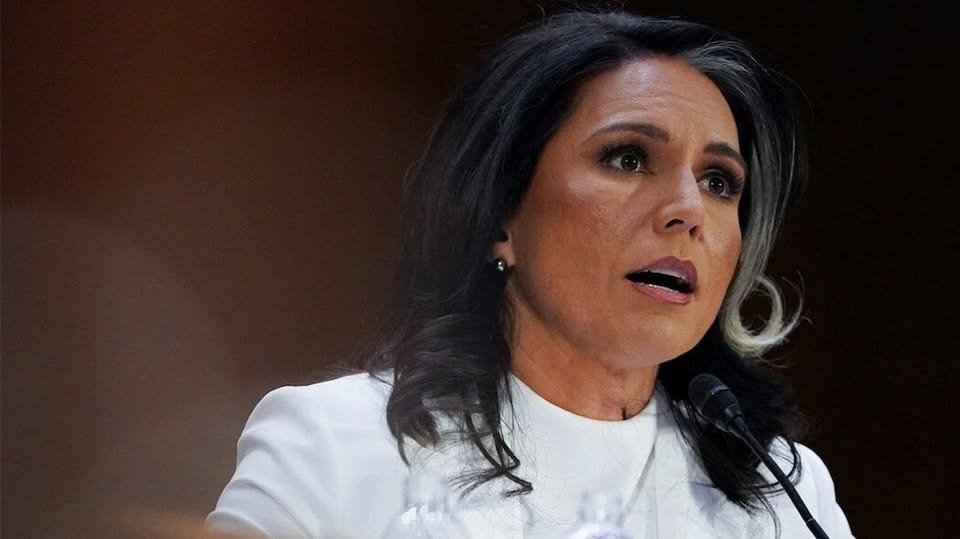 Tulsi Gabbard Releases Declassified Files Detailing U.S.-Backed Network of 120 Biolaboratories Across 30+ Countries
-
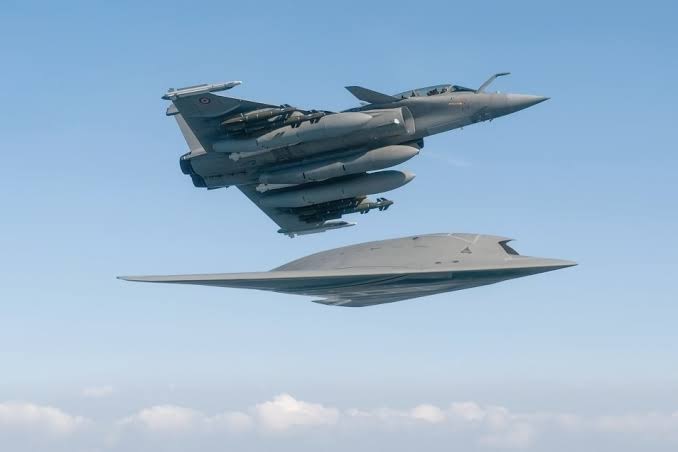 France Agrees to Equip Future Indian Rafales with AI, MUM-T and Secure Satellite Links Under F5 Standard
-
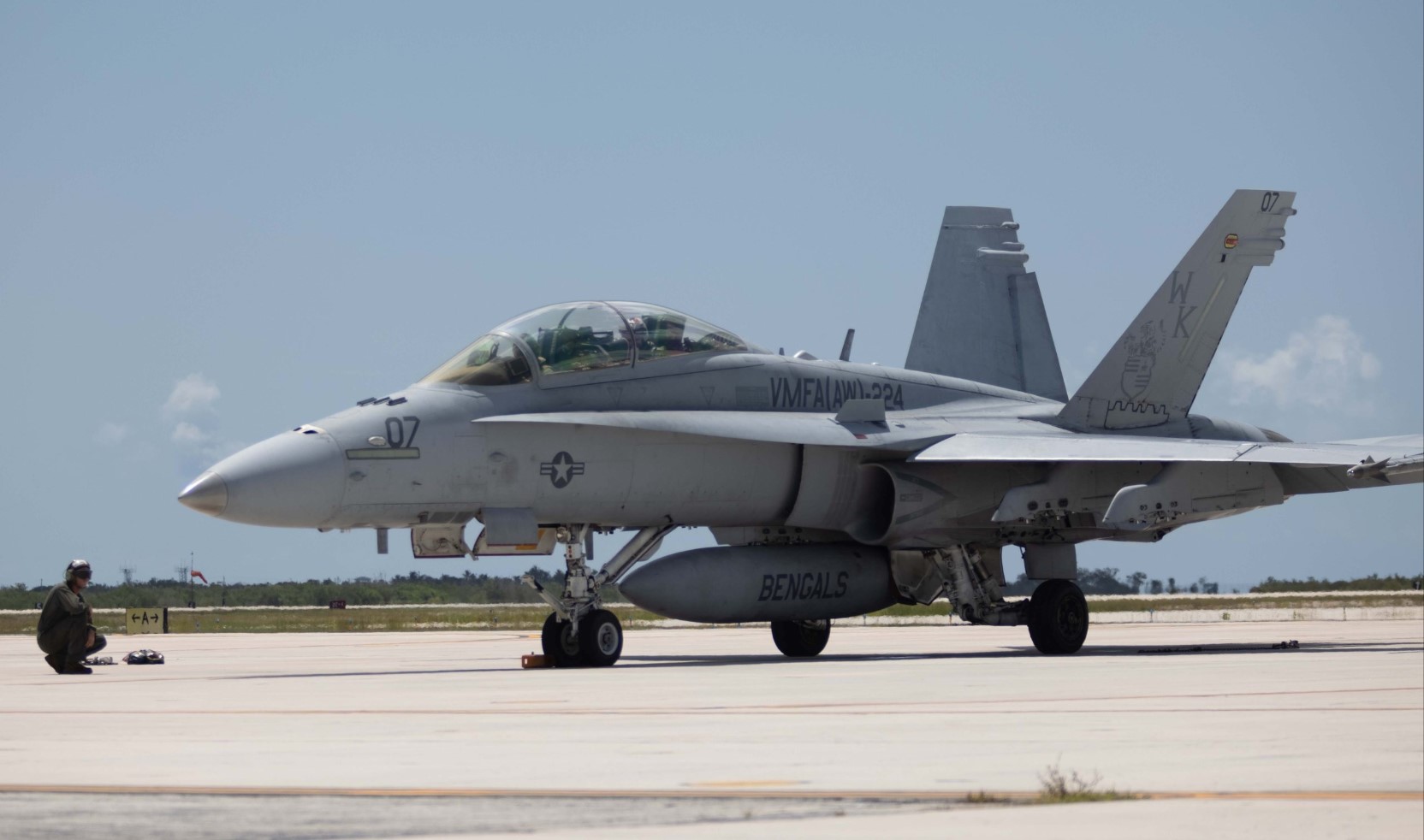 US Marine Corps F/A-18D Hornet Crashes During Training Flight in Washington Mountains; Pilot Ejects Safely
-
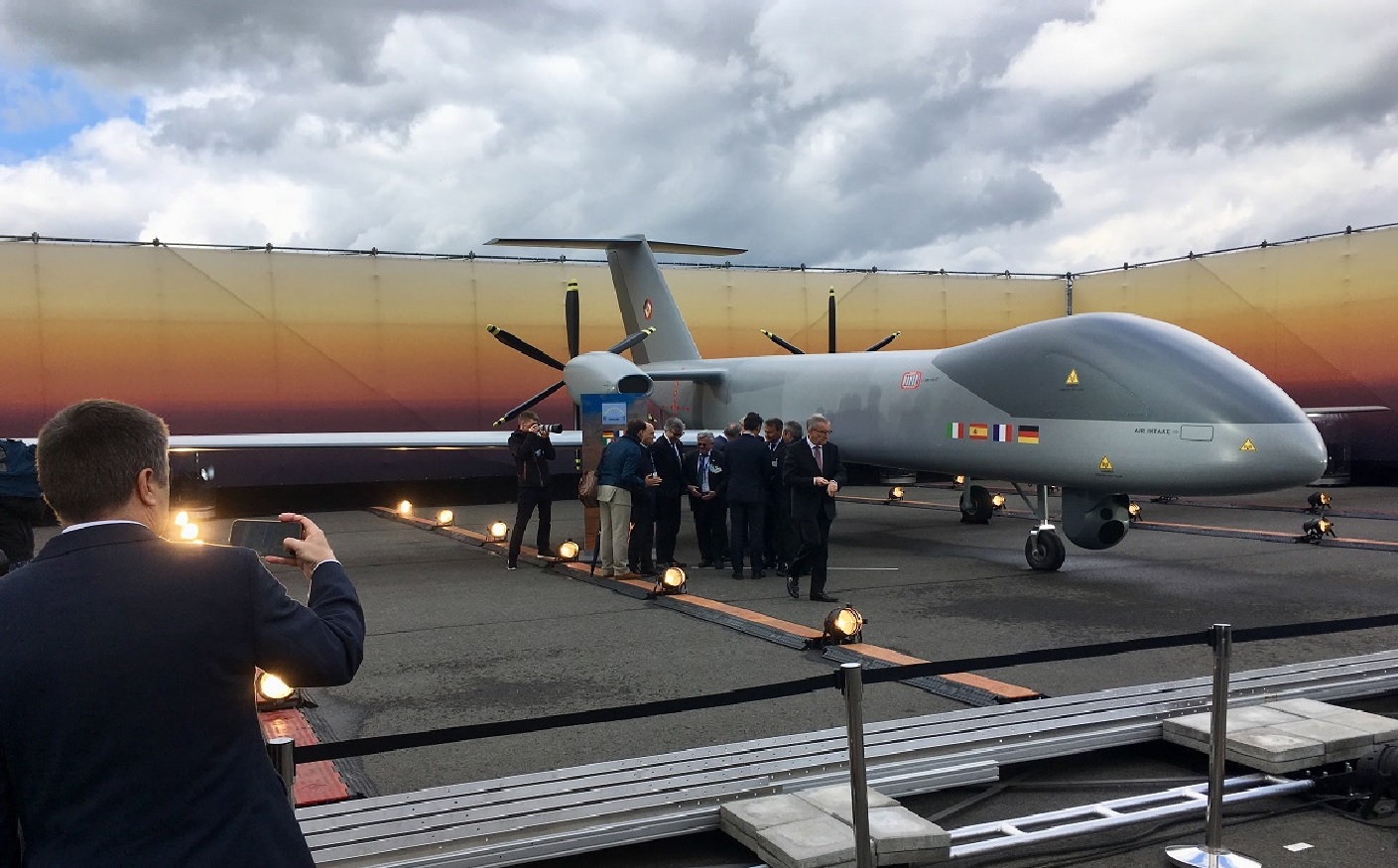 Dassault Seeks Compensation From Airbus as Eurodrone Dispute Erupts After FCAS Collapse
-
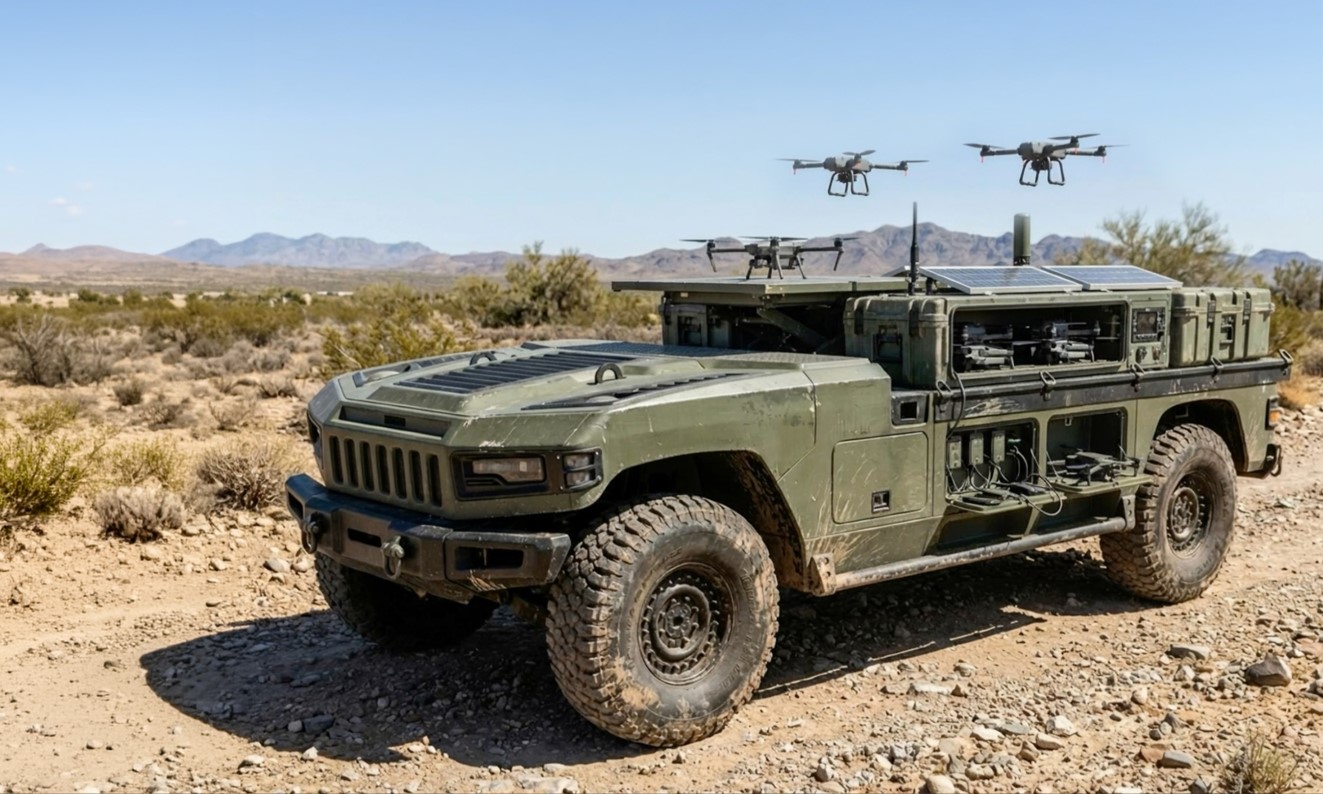 AM General Unveils Next-Generation UGV and JLTV A2 with Counter-Drone Systems at Eurosatory 2026
-
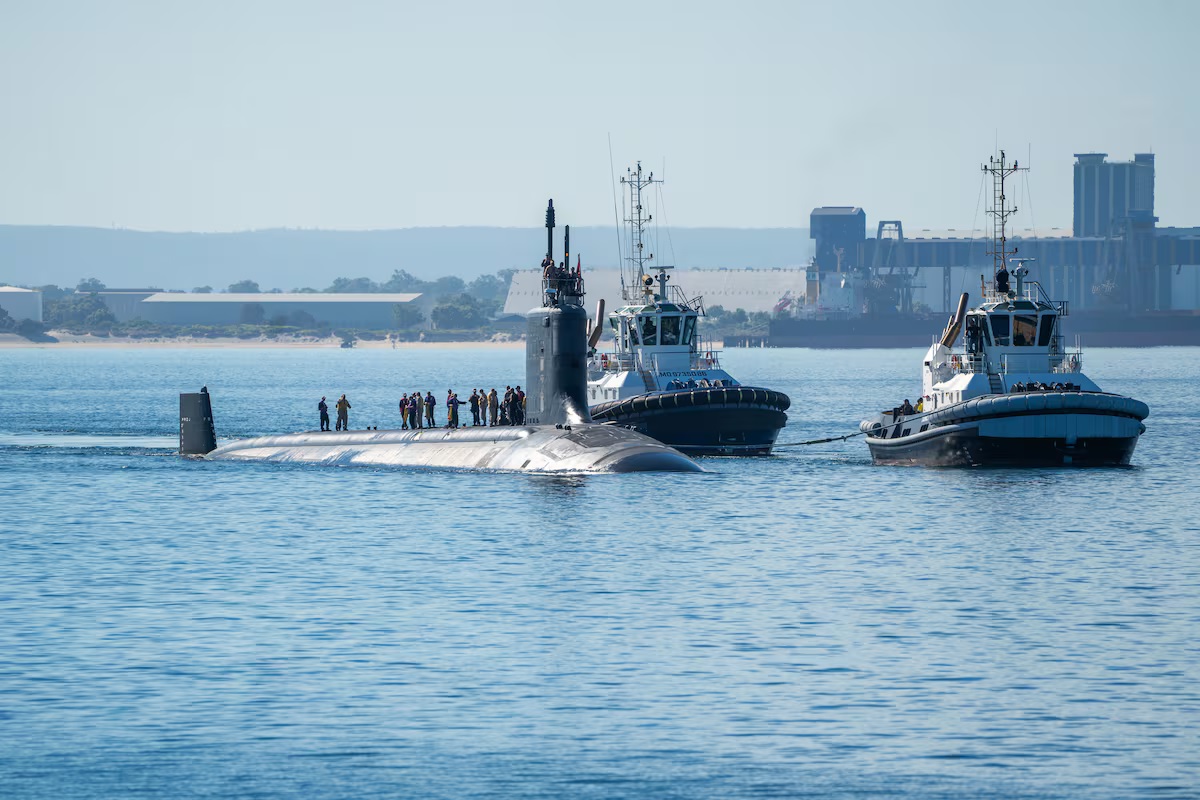 U.S. Navy Reestablishes Submarine Squadron 3 at HMAS Stirling to Support AUKUS Rotational Force
-
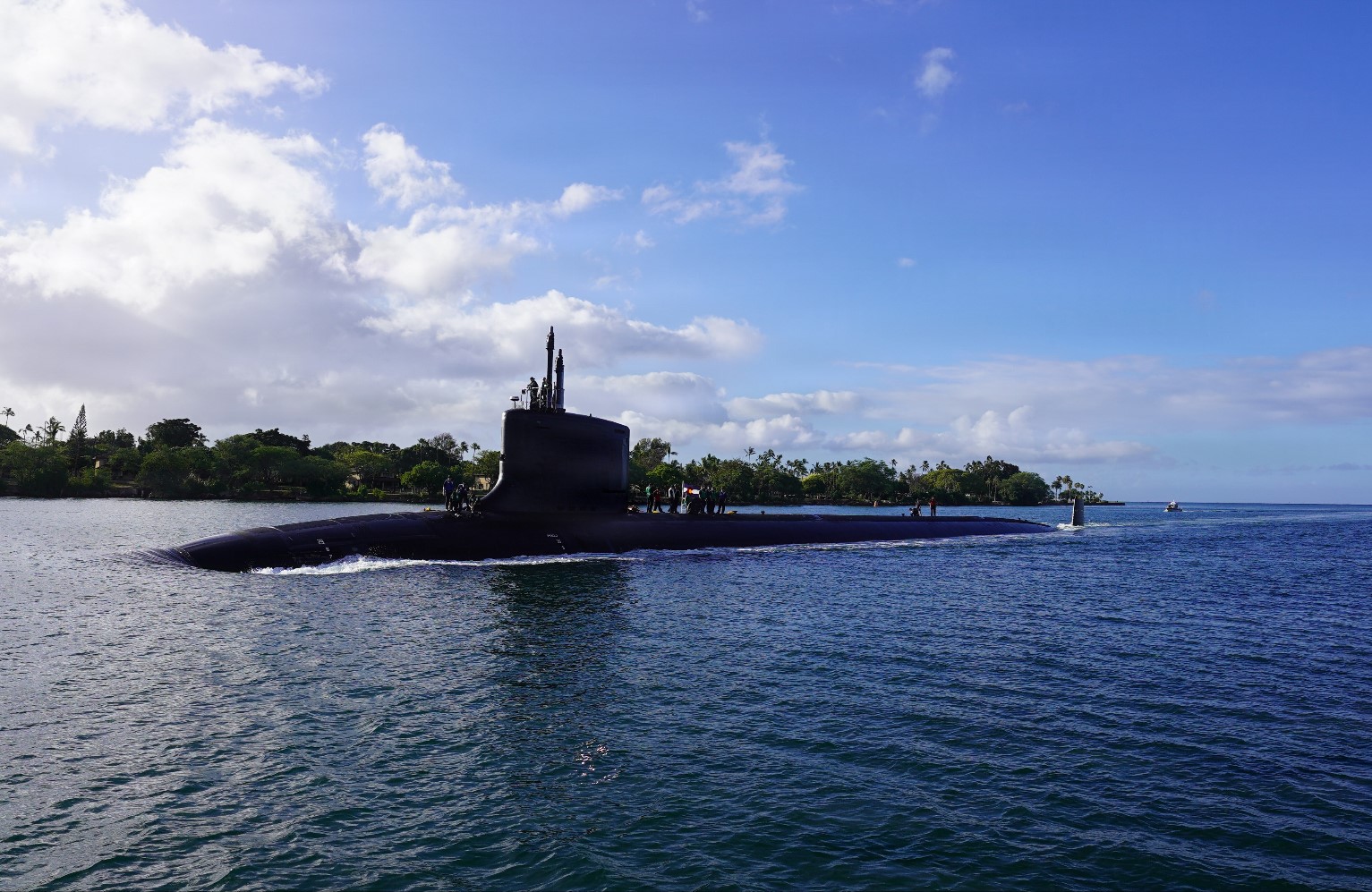 U.S. Navy's USS Colorado Submarine Returns to Pacific Fleet 29 Days Early After Major Pearl Harbor Overhaul
-
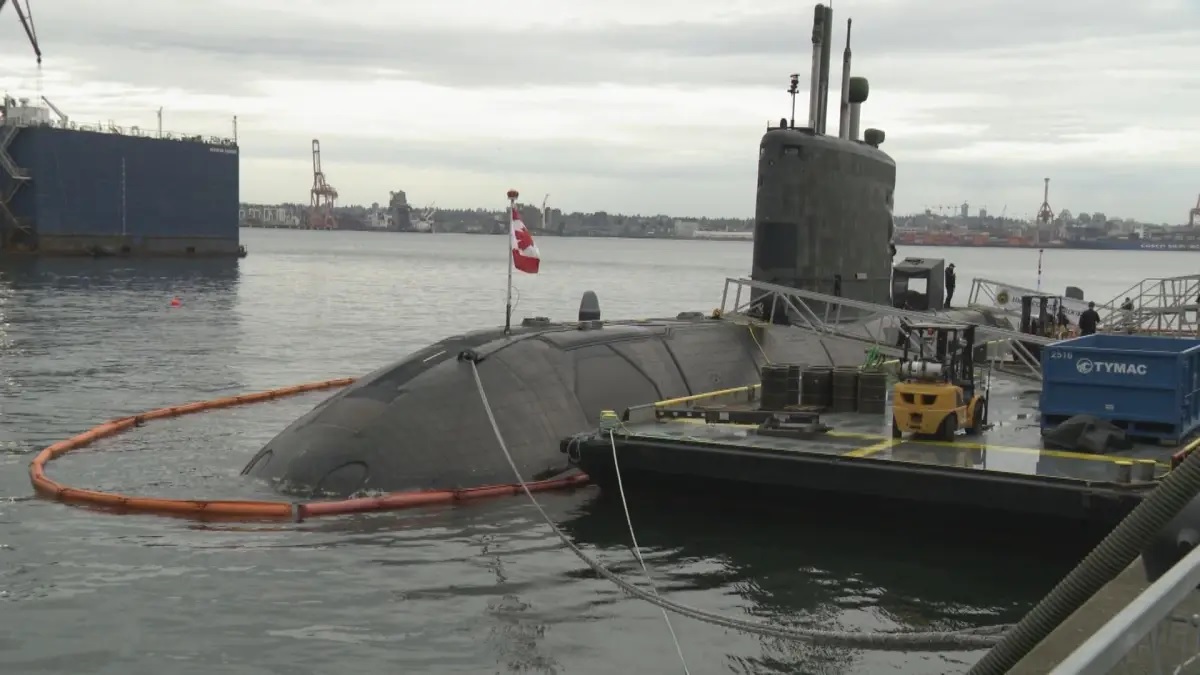 Royal Canadian Navy Deploys HMCS Corner Brook for First RIMPAC Submarine Mission in Over a Decade
Top Trending in 4 Days
-
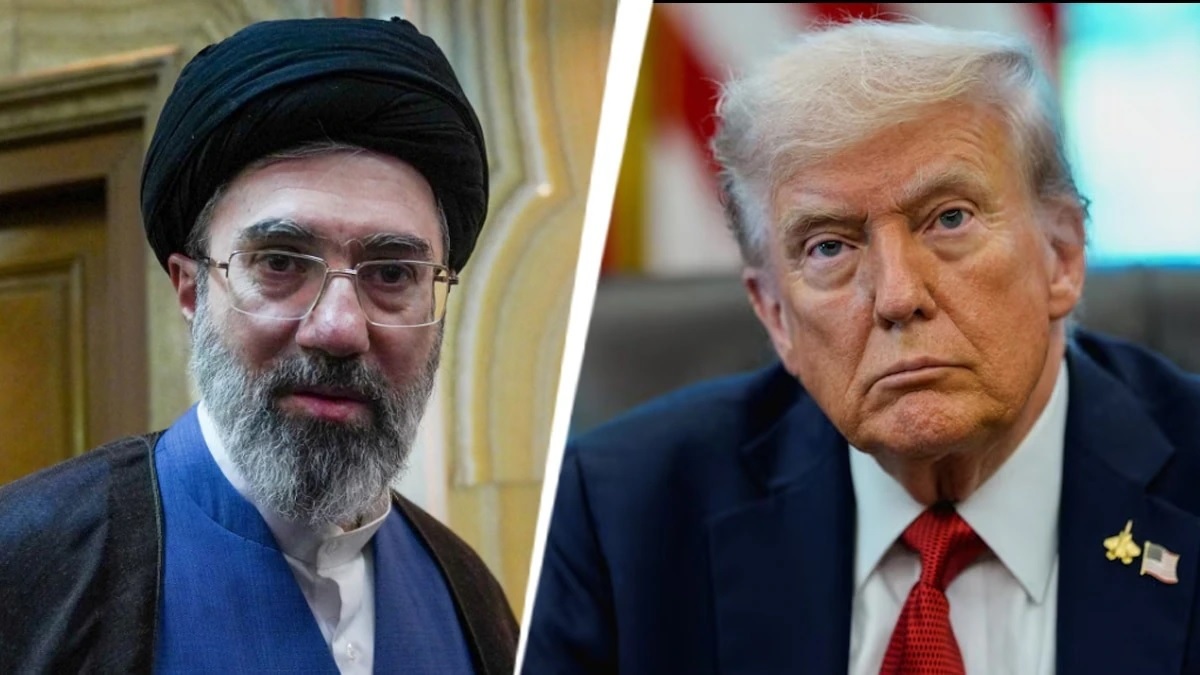 Iranian Media Leaks 14-Point U.S.-Iran Peace Framework Amid Ongoing Negotiations
-
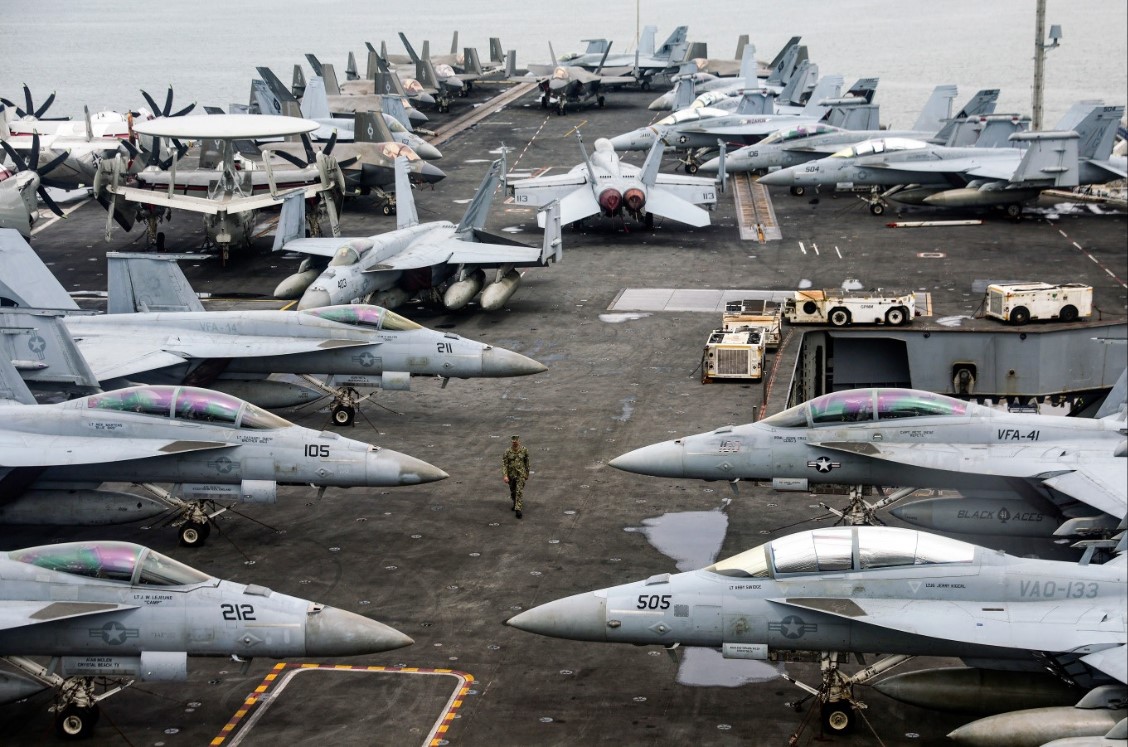 US Plans Significant Reduction of Fighter Jets and Warships for NATO Operations in Europe
-
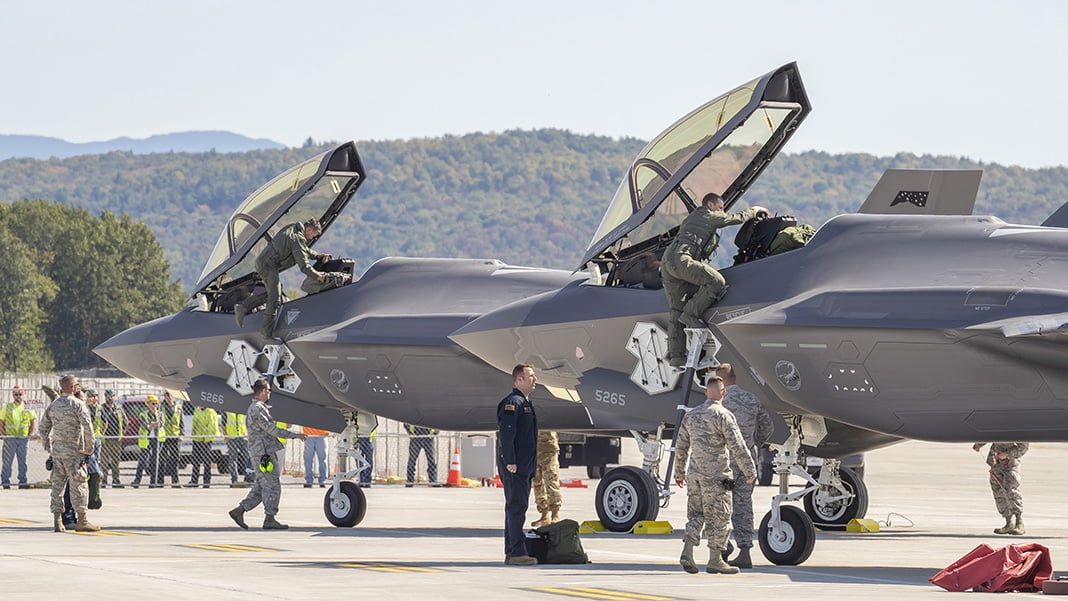 F-35 Fleet Readiness Falls to 25% Amid Parts Shortages and Software Delays: GAO Report
-
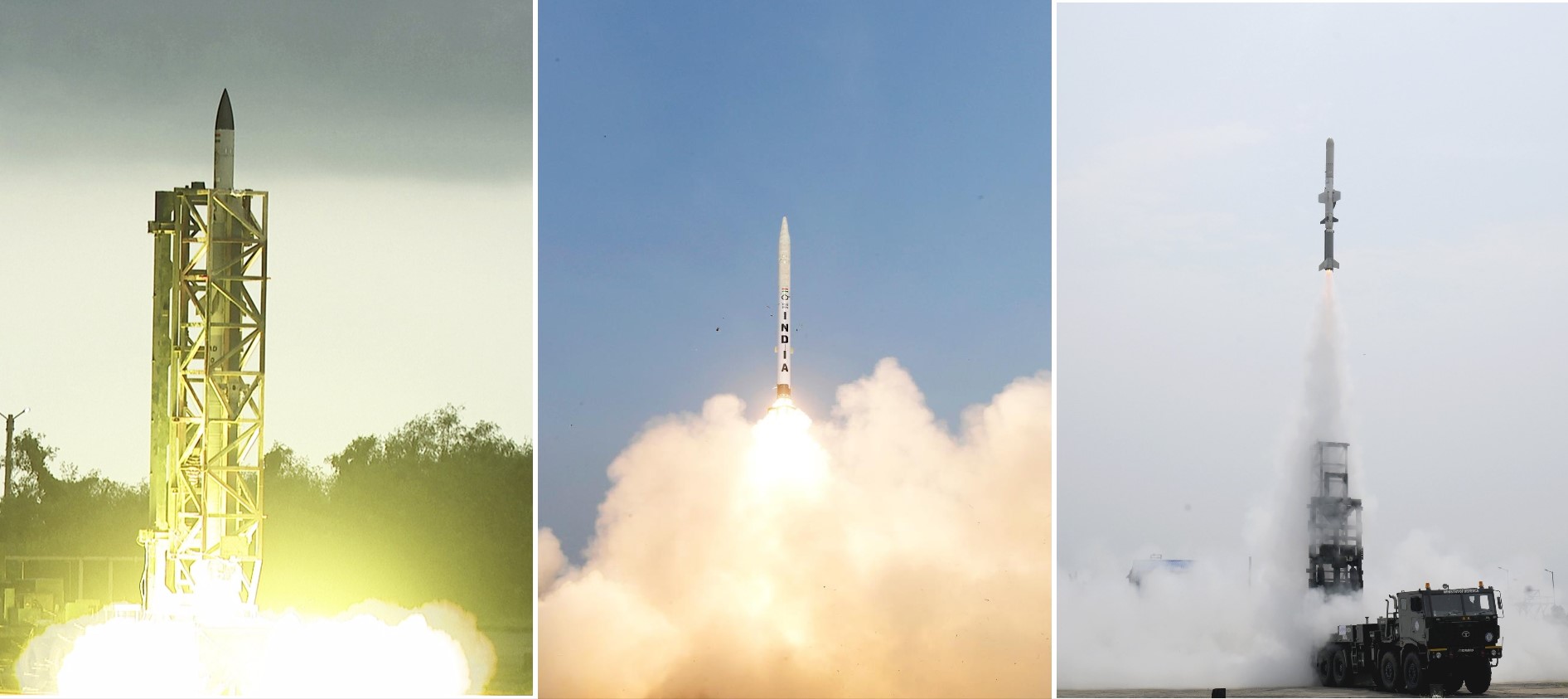 India Successfully Conducts AD-1, AD-2 Interceptor Tests and Maiden NASM-MR Flight Trial
-
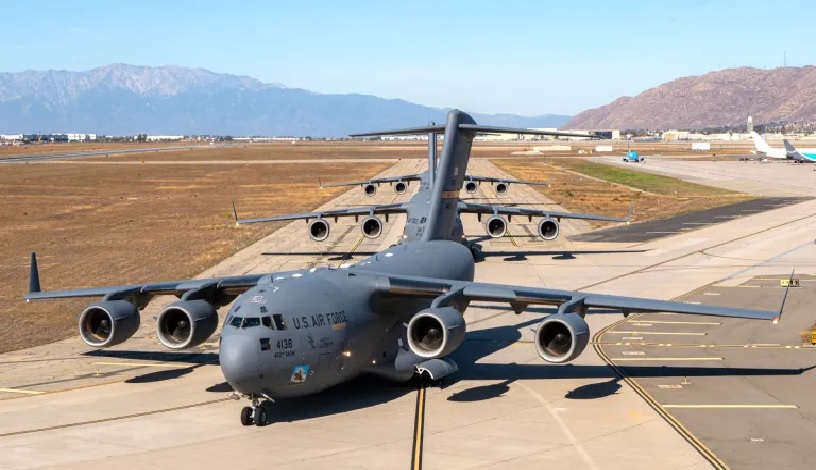 U.S. Air Force Faces Strategic Airlift Shortfall as C-17 Production Restart Remains Uncertain
-
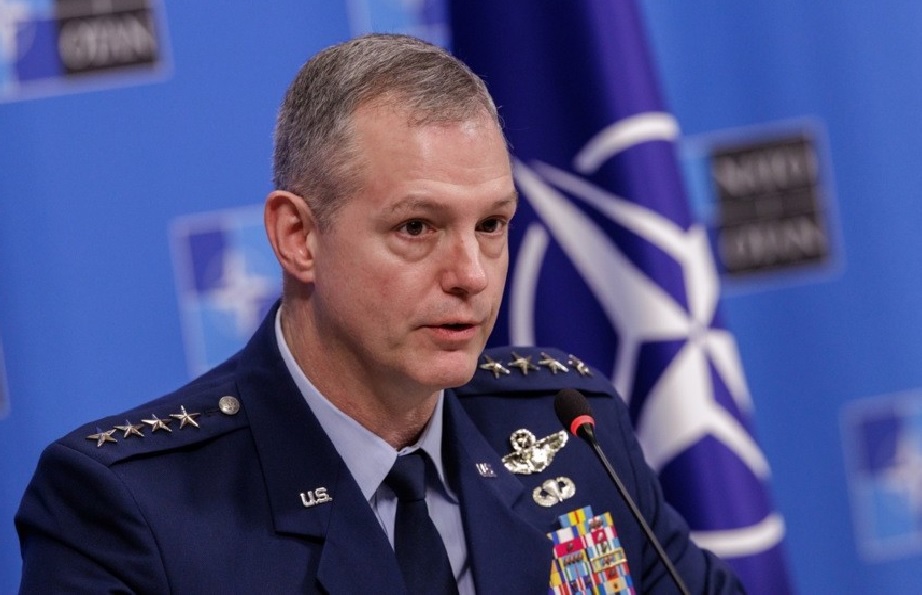 NATO Commander Says Russia Not Seeking Conflict With Alliance Despite U.S. Force Reductions
-
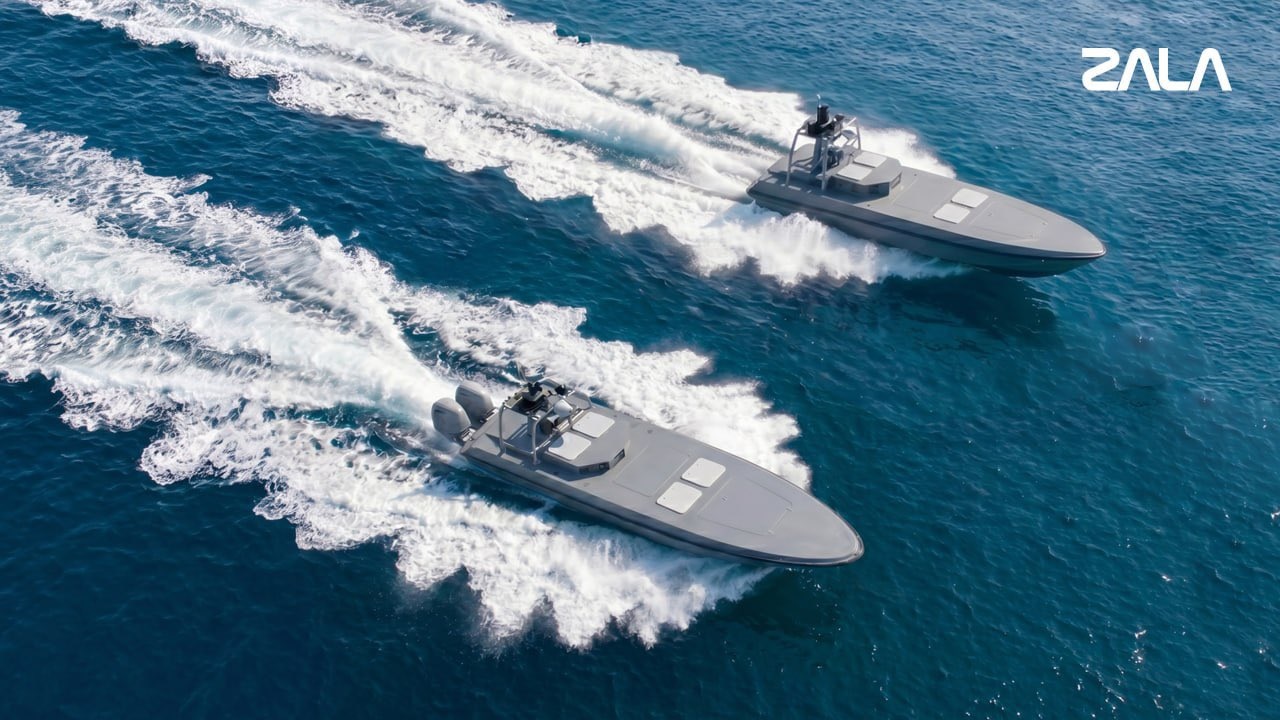 Russian Defense Firm ZALA Unveils KAMA Unmanned Surface Vessel Family at FLOT-2026 Naval Exhibition
-
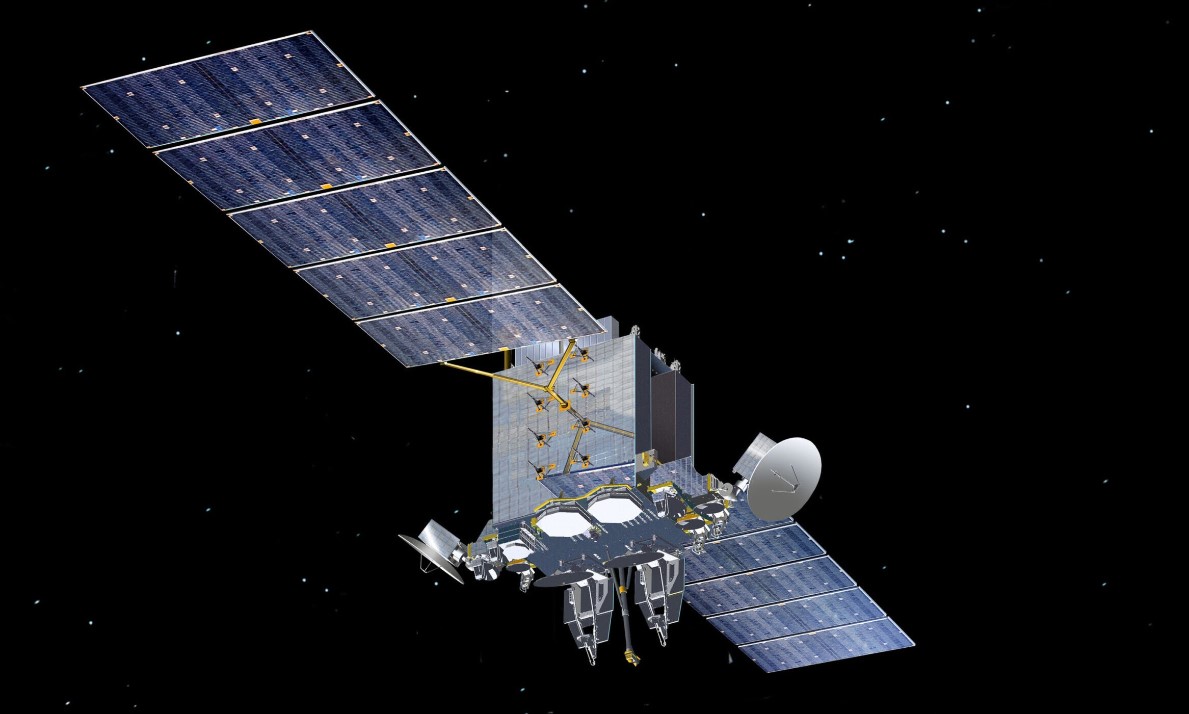 U.S. Space Force Awards $437.7 Million Contracts for First PTS-G Swarm 1 Anti-Jam Satellites