World
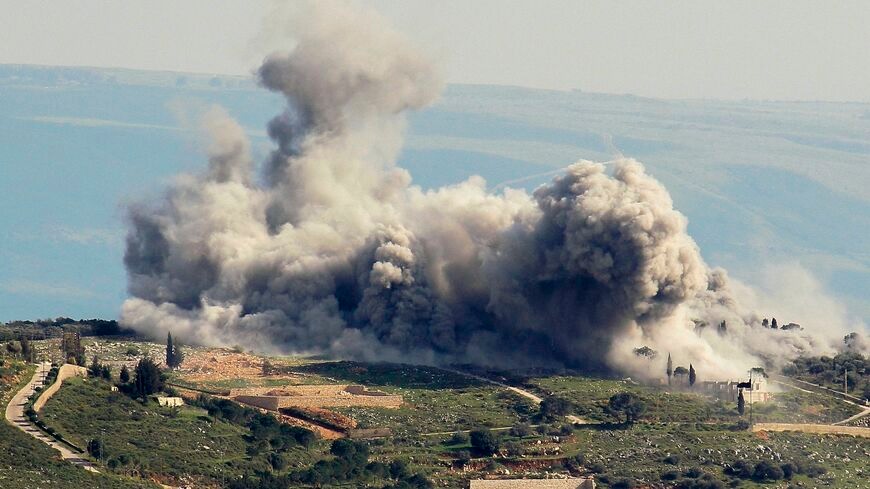
Tensions along the Israel-Lebanon border have surged to new heights as Israel carried out a targeted airstrike on Beirut, following a massive rocket barrage from Hezbollah. The militant group launched 140 rockets at northern Israel, marking one of the most intense escalations in the ongoing conflict. This latest flare-up is part of the broader fallout from the Israel-Hamas war, which has continued to ripple across the region.The Israeli military confirmed it conducted a "targeted strike" on a suburb in Beirut, reportedly hitting the Dahiyeh area, a Hezbollah stronghold. Although the military provided few details, explosions were heard echoing through the southern parts of the city. Beirut-based Al-Mayadeen TV reported that a drone fired several missiles at the densely populated suburb. A Hezbollah official, who spoke anonymously to the Associated Press, confirmed the airstrike but offered no further information.This retaliatory action by Israel followed a Hezbollah offensive that saw 140 rockets launched into northern Israel, particularly targeting areas like the Golan Heights, Safed, and the Upper Galilee. The Israeli military described the attack as occurring in three waves, with at least 120 of the rockets being aimed at sensitive military sites along the Israeli-Lebanese border. Most of the rockets were intercepted, though some debris caused fires and minor damage in certain areas. Fortunately, no casualties were reported.Hezbollah stated that the rocket fire was in retaliation for Israeli airstrikes on southern Lebanese villages and residential areas. These Israeli strikes, which had taken place earlier in the week, reportedly destroyed numerous rocket launchers Hezbollah was preparing to use against Israel. The escalation in Hezbollah's rocket attacks underscores their leader Hassan Nasrallah’s vow of continuous retaliation against Israel's military operations in Lebanon.Israel’s response was swift, with airstrikes targeting Hezbollah's infrastructure across southern Lebanon, though specific details of the damage were not immediately disclosed. The ongoing exchange of fire has heightened fears that the conflict could spiral into a full-scale war. Already, Israel has moved significant military reinforcements to the northern border and ordered citizens in certain areas to remain close to shelters, anticipating further rocket fire from Hezbollah.In addition to the cross-border fighting with Hezbollah, the humanitarian toll in Gaza continues to grow. Israel’s military campaign, which began after Hamas’ attack on October 7, has resulted in thousands of deaths and widespread destruction. Gaza’s health ministry reports that over 41,000 Palestinians have been killed, with more than half of the casualties being women and children. Israel, meanwhile, claims to have killed more than 17,000 militants but provides no specific evidence to support these numbers. The devastation has displaced about 90% of Gaza’s 2.3 million residents, adding to the severity of the ongoing crisis.This latest military exchange between Hezbollah and Israel further complicates an already volatile situation, as both sides appear committed to escalating their actions in the coming days. Israel has continued its military build-up along the northern border, and Hezbollah, despite suffering a recent sabotage attack on its communication devices, seems determined to strike Israel harder.The situation remains fluid, with little indication that either side is ready to back down. As the conflict widens, both Israel and Hezbollah brace for more retaliatory strikes, raising concerns of an impending full-scale war in the region.
Read More → Posted on 2024-09-20 15:41:41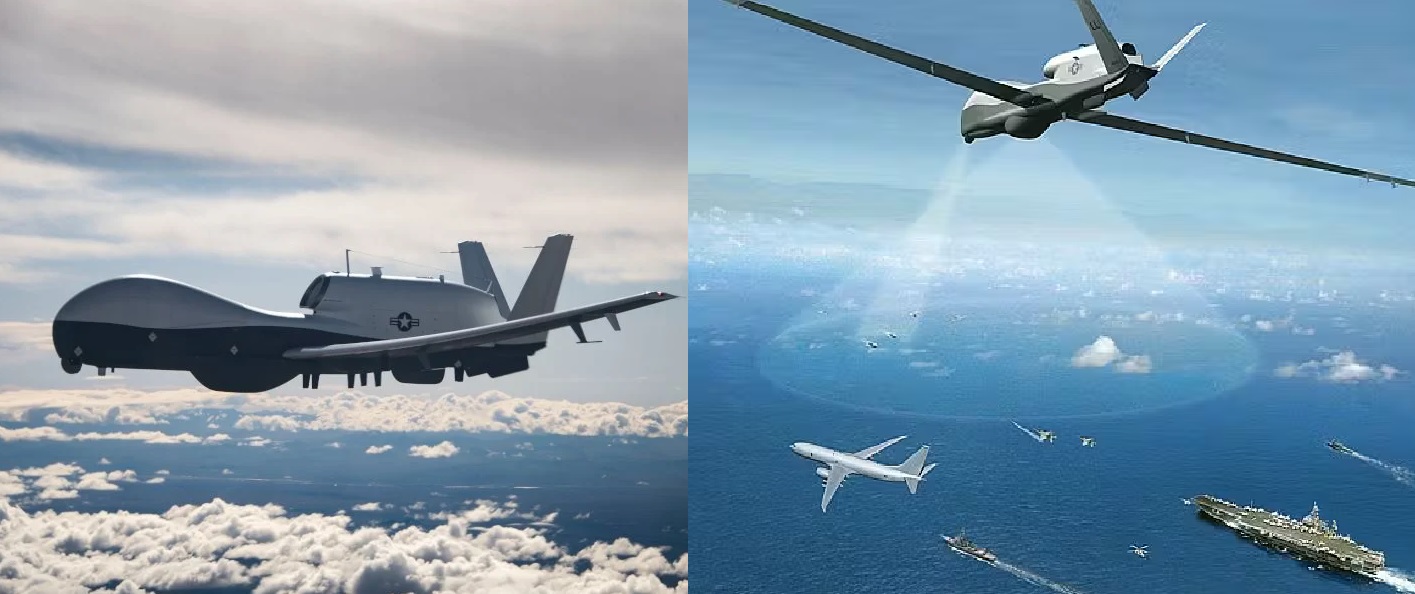
World
Northrop Grumman has successfully proven the capabilities of its MQ-4C Triton unmanned aircraft system by navigating the challenging and extreme conditions of the Arctic Ocean. This recent flight demonstration showed how the Triton’s advanced navigation system, designed to function in high-latitude and austere environments, could operate deep within the Arctic Circle. The test, which underscores Triton’s role as a critical intelligence, surveillance, reconnaissance, and targeting platform, highlights its unique ability to perform high-altitude, long-endurance missions in one of the most demanding regions of the world.The test flight originated in Deadhorse, Alaska, and pushed nearly 100 miles from the North Pole, a distance that presents unique challenges for any aircraft. The MQ-4C Triton relied on Northrop Grumman's proprietary navigation systems and mission management computer, along with newly upgraded operational flight software. It was able to maintain precision navigation throughout the five-hour flight, gathering critical data while staying entirely within U.S. and Canadian airspace.One of the key aspects of this flight was the validation of ground-based GPS alignment procedures. This feature allows Triton to operate from runways located above 70 degrees north latitude, making it a reliable asset for missions in the High North. This capability is especially significant for future operations as Arctic regions become more strategically important for both national security and international interests.Triton’s design makes it an optimal choice for Arctic operations. As a high-altitude, long-endurance aircraft, it flies at altitudes above 50,000 feet, well above the turbulent winds and icy conditions that affect aircraft operating at lower altitudes. Triton’s operational flexibility allows it to avoid the performance limitations faced by medium-altitude platforms, which generally operate between 10,000 and 30,000 feet. Triton’s endurance, which exceeds 24 hours in a single mission, further sets it apart, making it ideal for extended operations in regions like the Arctic.The MQ-4C Triton is outfitted with multiple sensors that allow for a wide range of mission capabilities, from maritime patrol to signals intelligence, and even search and rescue operations. These sensors, capable of operating simultaneously, provide a wealth of real-time intelligence, giving Triton the ability to exponentially increase mission output compared to other aircraft. Moreover, the system is equipped with advanced de-icing and anti-icing technology, ensuring it can safely conduct missions in extreme weather conditions, a necessity when flying in the cold, harsh Arctic environment.In the words of Jane Bishop, Vice President and General Manager of Northrop Grumman’s Global Surveillance Division, "Flight operations in austere and frigid conditions present unique navigation challenges. Our demonstration highlights Triton’s ability to successfully perform in that challenging environment."U.S. Navy Capt. Josh Guerre, Triton program manager, echoed this sentiment: “Arctic regions are an increasingly important theater of operations with unique threats and environments. We are ready to support those mission sets for domestic and international customers.”This Arctic test flight comes on the heels of a similar demonstration conducted over the Gulf of Alaska in June 2023 during the Northern Edge exercise. There, Triton showcased its powerful radar capabilities, accurately detecting and tracking targets in challenging high-sea conditions with impressive weapon-relevant precision. These ongoing demonstrations serve to highlight Triton’s adaptability and reliability, further cementing its position as a critical asset for maritime surveillance.While the U.S. Navy has been the primary user of the Triton, the aircraft is also being built for the Royal Australian Air Force, and other allies are taking note of its capabilities. With the growing importance of Arctic and maritime domains, nations may consider acquiring uncrewed surveillance aircraft like the Triton, which has proven itself capable of operating in these regions’ most extreme and unpredictable environments.Beyond its high-altitude operation and long-endurance, the Triton is designed to work in some of the harshest climates on the planet. Its ability to avoid performance restrictions that typically hamper lower-altitude aircraft in the Arctic is key, and its advanced anti-icing systems ensure that it remains mission-ready, even in extreme conditions.The successful Arctic demonstration reinforces the MQ-4C Triton’s role as a pioneering unmanned surveillance system, uniquely suited to tackle the demands of an evolving global security landscape, particularly in the increasingly critical Arctic theater.
Read More → Posted on 2024-09-20 15:38:39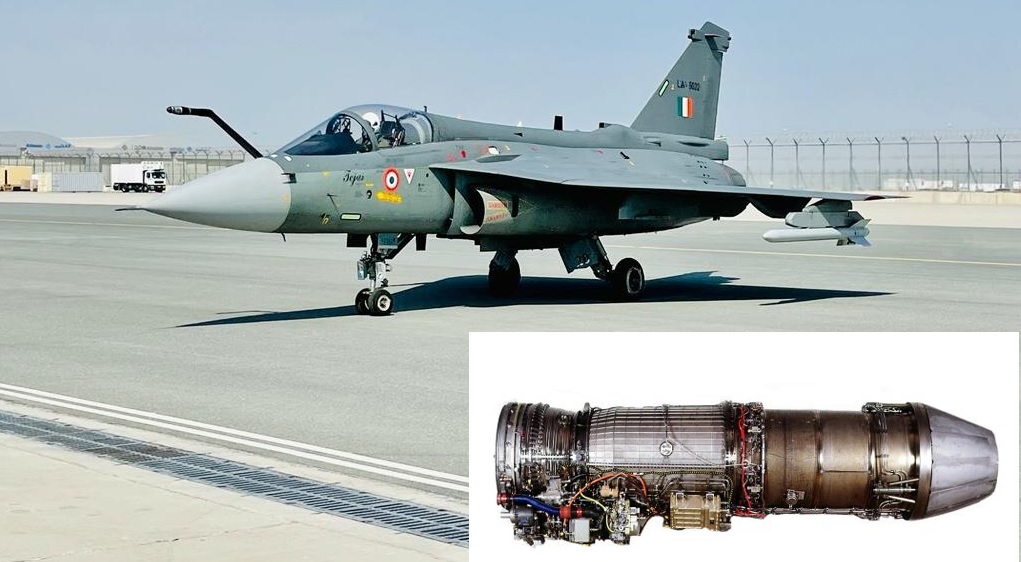
India
Turkey’s recent order of 100 F404 engines for its Hurjet light fighter jets has brought renewed attention to an engine family that holds crucial importance for India’s Tejas Mk1A program. As both nations gear up to strengthen their respective air forces with indigenous aircraft, the shared reliance on General Electric’s (GE) F404 engine could actually benefit India's Tejas program, despite the initial appearance of added competition for engine supply.India has long faced challenges with the timely delivery of its Tejas Mk1A jets, a situation partly driven by the global demand for the F404 engines. The Tejas Mk1A uses the F404-GE-IN20 variant, a higher thrust model specifically designed for its needs. However, securing these engines in a competitive landscape has been difficult, given the rising global interest in the F404 engine family. The United States' T-7A Red Hawk trainer and South Korea's T-50 Golden Eagle jets, both powered by variants of the F404, have created additional pressure on GE Aerospace’s production lines.Turkey's decision to procure 100 F404 engines for its Hurjet project comes at a critical moment. While the Hurjet and the Tejas Mk1A are different aircraft, their dependence on the same engine type could actually provide a boost to India's fighter jet program. Turkey's sizable order is expected to push GE Aerospace to expand its production capabilities, benefiting India indirectly by securing a more reliable supply of F404 engines.The F404 engine, which once appeared to be on the verge of being phased out in favor of newer, more powerful models like the F414 used in the US Navy’s Super Hornets, is experiencing a revival. With countries like Turkey and India relying on it for their advanced light fighters, the engine's robust and reliable performance has become more valuable than ever. GE’s focus on ramping up production of this engine family is a response to rising global demand, ensuring its longevity in the market.As GE Aerospace accelerates its production pace, the Indian Air Force could benefit from faster deliveries of the Tejas Mk1A. With the Tejas program already facing delays, a more consistent supply of engines could streamline production and allow India to meet its ambitious air fleet modernization goals. This not only strengthens India’s defense capabilities but also positions the Tejas as a significant player in the global market for light fighter aircraft.In the end, Turkey’s order of F404 engines doesn’t just affect its Hurjet program. It has far-reaching implications for GE Aerospace’s production and, more importantly, for India’s Tejas Mk1A. As the demand for these engines surges, so too does GE’s commitment to scaling up its production capacity, ultimately paving the way for faster and more reliable engine supplies for both countries.What initially seemed like a competition for resources could turn into a mutually beneficial situation, where both Turkey and India gain from the F404 engine’s resurgence. With increased production, India stands to speed up deliveries of its Tejas Mk1A jets, which are vital for modernizing its air force. At the same time, Turkey will advance its own Hurjet program, contributing to the global demand that is driving this production boom.In conclusion, while the F404 engine may have once appeared to be nearing the end of its life cycle, its role in multiple light fighter projects across the globe ensures its continued relevance in modern military aviation. For India, the expanded production capacity could offer the boost needed to expedite the delivery of Tejas Mk1A jets, securing a more robust future for the Indian Air Force.
Read More → Posted on 2024-09-20 15:33:21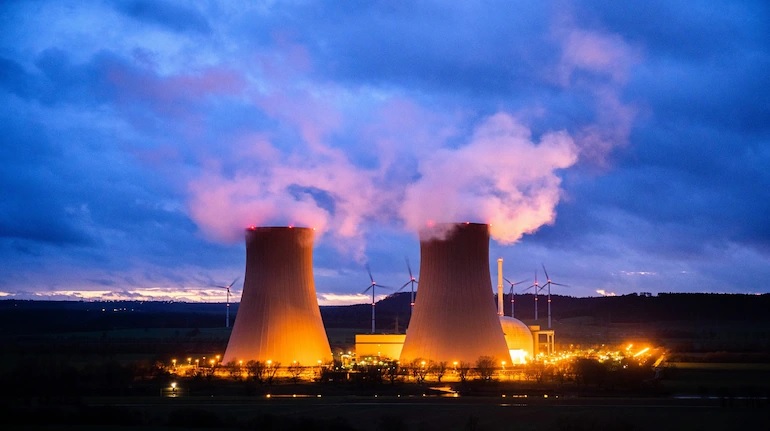
India
India's nuclear energy landscape has taken a significant leap forward with the Rajasthan Atomic Power Project's Unit 7 (RAPP-7) reaching the criticality milestone. Criticality marks the moment a nuclear reactor initiates a controlled fission chain reaction, the essential step that brings the plant closer to full power generation. Achieving this status on Thursday night at 10:42 p.m., the reactor, located at Rawatbhata in Rajasthan, is part of India's growing fleet of indigenous nuclear power reactors.RAPP-7 is not just any reactor – it's part of India's ambitious series of 700 MW Pressurised Heavy Water Reactors (PHWR), a type of nuclear technology specifically designed and developed by the Nuclear Power Corporation of India Limited (NPCIL). The importance of this achievement is underscored by the fact that RAPP-7 is the third in this 16-reactor series, which NPCIL is constructing across the country. The first two reactors of this kind, KAPS-3 and KAPS-4, have already been operational at Kakrapar in Gujarat, establishing a strong precedent for India’s indigenous nuclear capabilities.This project is part of the twin-unit RAPP-7 and RAPP-8, both designed with a combined capacity of 2×700 MW. While RAPP-7 has now moved into the operational phase, RAPP-8 is still under construction, with significant progress being made on equipment installation. NPCIL aims to bring RAPP-8 online by next year.For now, RAPP-7 will undergo a series of stringent experiments and tests. These tests will ensure the reactor operates safely before it is connected to the national grid. The Atomic Energy Regulatory Board (AERB) plays a crucial role in this process, providing the necessary clearances as the reactor’s power output gradually increases to its full 700 MW capacity. If all goes according to plan, RAPP-7 will be generating electricity by the end of this year, offering a significant boost to India’s energy security.The criticality of RAPP-7 not only highlights the success of India's indigenous nuclear reactor design but also underscores NPCIL’s expertise in constructing and managing large-scale nuclear projects. Rawatbhata itself is a hub for nuclear energy, already home to six reactors with a combined capacity of 1,180 MW. These new additions, RAPP-7 and RAPP-8, will significantly bolster the site’s total capacity, contributing to India's broader nuclear energy goals.India's energy future is deeply tied to the success of these indigenous reactors. NPCIL currently operates 24 nuclear reactors with a total installed capacity of 8,180 MW. Another eight units, including RAPP-7, are under construction, which will add an additional 6,800 MW to the grid. Over the next decade, India is also planning to build 10 more reactors with a combined capacity of 7,000 MW, which will be progressively rolled out by 2032.The criticality of RAPP-7 is not only a technical achievement but also a step toward India’s commitment to sustainable and reliable energy sources. As the country continues to ramp up its nuclear power generation, it places greater emphasis on energy self-reliance and reducing its carbon footprint. With new reactors coming up in states like Rajasthan, Gujarat, and Haryana, India’s nuclear future looks both promising and essential to meeting the growing energy demands of its population. Once fully operational, the RAPP-7 reactor will play a pivotal role in providing clean and consistent energy to millions of homes, contributing to India’s larger efforts to combat climate change and secure a stable energy supply.
Read More → Posted on 2024-09-20 15:30:30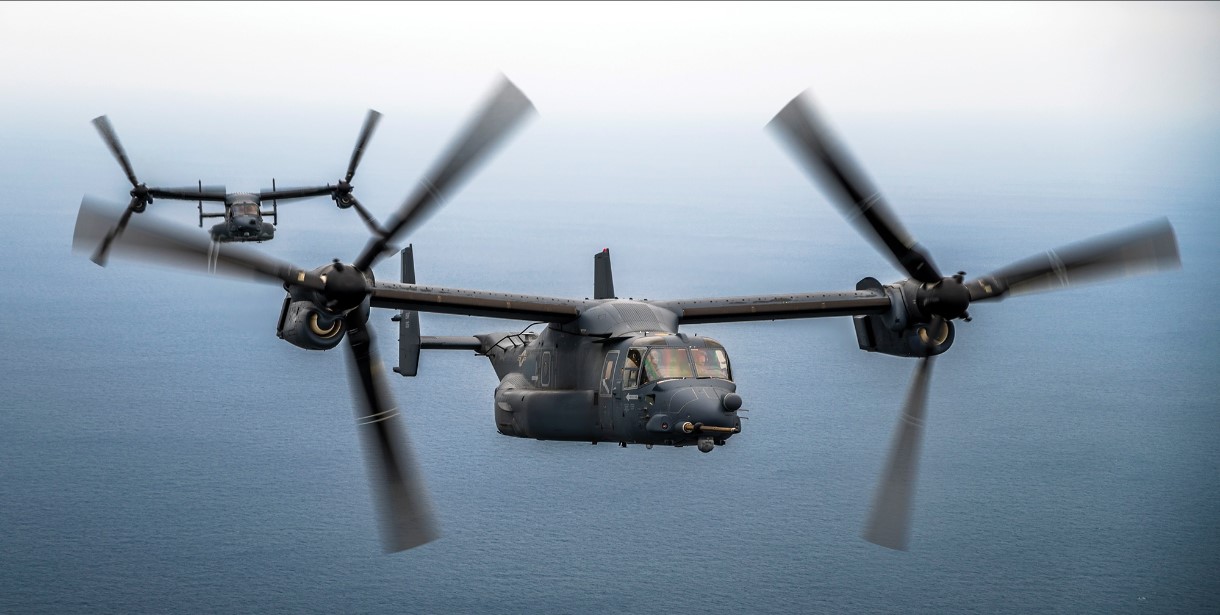
World
After months of grounding, the Air Force Special Operations Command (AFSOC) is preparing to deploy its CV-22 Osprey aircraft again. This decision follows the tragic crash in November 2023 off the coast of Japan, which killed eight airmen. Despite its troubled safety record, AFSOC is moving forward with missions, placing the CV-22s back into service for critical counterterrorism operations.The CV-22 Osprey, a tilt-rotor aircraft that can take off like a helicopter and fly like an airplane, has been integral to U.S. military missions. However, it has been plagued by mechanical issues and accidents over the years. Since its introduction in 1991, the Osprey has experienced more than ten deadly crashes, resulting in the loss of 62 lives. Recent incidents, including the fatal November 2023 crash, have led to increased scrutiny of the aircraft's safety.AFSOC grounded the entire fleet of CV-22 Ospreys following the Japan crash, citing the need to investigate the cause and ensure the safety of its personnel. An investigation determined that gear failure was responsible for the accident. Lt. Gen. Michael Conley, the AFSOC commander, assured that safety concerns have been addressed and that he is confident in the aircraft’s performance.Speaking at the Air, Space & Cyber Conference, Conley confirmed that approximately 60% of the command's 51 Ospreys are now fully operational. The remaining aircraft are expected to return to service by late 2024 or early 2025. Despite ongoing maintenance, AFSOC is preparing to deploy the Ospreys for missions in remote regions outside of Europe and the Indo-Pacific. While the specific locations were not disclosed, these deployments are part of critical counterterrorism operations that rely heavily on the Osprey’s unique capabilities.However, new safety protocols will be implemented to minimize risk. The CV-22s will need to remain within 30 minutes of a safe landing zone, allowing crews to land quickly in case of mechanical issues. This precaution is aimed at preventing future incidents and ensuring the safety of AFSOC personnel in high-risk environments.Despite its operational challenges, the CV-22 remains an essential asset for the U.S. military, offering unparalleled versatility in combat and rescue missions. The aircraft’s ability to transition from vertical takeoff to fixed-wing flight allows it to reach areas that traditional helicopters or airplanes cannot. Its tilt-rotor design, while complex, gives it an edge in missions that require both speed and agility.Nonetheless, the Osprey’s history of accidents has raised concerns. Just months before the November crash, three U.S. Marines died when their Osprey went down during a training exercise in Australia. A similar incident in Norway during a NATO drill in 2022 claimed the lives of four Marines, and another crash in California that same year resulted in five fatalities.Lt. Gen. Conley acknowledged the weight of these losses, sharing that his time with the families of those killed had deeply affected him. He emphasized his responsibility to ensure that AFSOC’s airmen are operating the safest aircraft possible, stating, "I wouldn’t put the men and women of AFSOC back on the plane if I wasn’t confident that it could do what we needed it to do."With ongoing maintenance and safety upgrades, AFSOC is cautiously moving forward. The Osprey will soon be back in the skies, supporting critical missions that only this versatile aircraft can handle.
Read More → Posted on 2024-09-20 15:28:08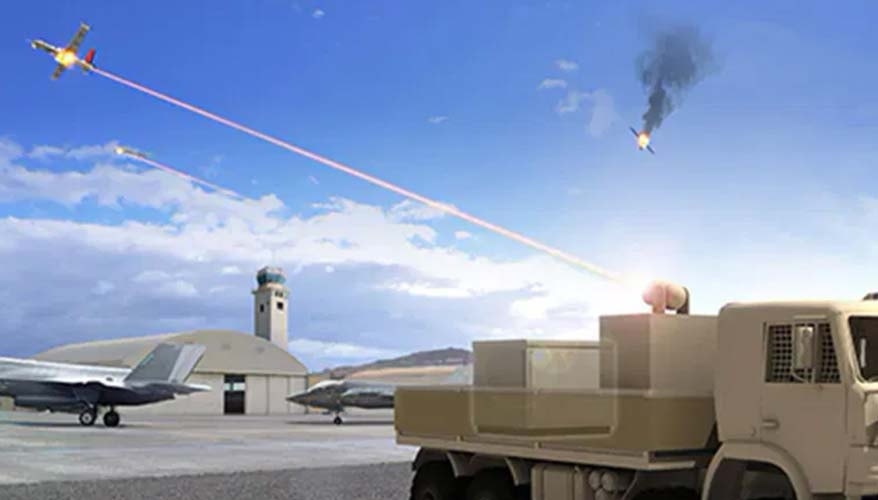
India
The Defence Research and Development Organisation (DRDO) has unveiled an impressive agenda for 2024, setting its sights on a range of innovative projects that are set to shape India's defence landscape. With a focus on both technological advancements and military recruitment, DRDO's plans include psychological assessments for the Agniveer recruits, development of cutting-edge weapon systems, and an effort to bolster regulatory frameworks that oversee India's military capabilities.A major highlight of this agenda is the introduction of psychological evaluations for Agniveers—young soldiers recruited under the Agnipath scheme. Recognizing the importance of mental resilience in today's combat scenarios, DRDO is developing a comprehensive psychometric assessment to evaluate the recruits' cognitive and emotional fitness. This test, expected to be rolled out later this year, will offer deeper insights into each recruit’s psychological readiness, ensuring a more holistic recruitment process for the Indian Armed Forces.On the technological front, DRDO’s 2024 roadmap includes key advancements in India’s air defence. The organization is nearing the Final Operational Clearance (FOC) of its Airborne Early Warning and Control (AEW&C) system, known as "Netra". This state-of-the-art system is designed to detect and track aerial threats over vast distances, enhancing the Indian Air Force's ability to respond to incoming dangers more effectively. Equipped with radar and communication systems, "Netra" will serve as a critical force multiplier, allowing India to maintain an advantage in air surveillance and threat neutralization.Furthermore, DRDO is making strides in the field of Directed Energy Weapons (DEW), focusing on a powerful 30 kW system. This technology, which uses focused electromagnetic energy to disable targets such as rogue drones, offers a glimpse into the future of warfare where conventional ammunition may be complemented—or even replaced—by energy-based systems. Capable of neutralizing aerial threats with precision and speed, this DEW system underscores India's commitment to staying ahead of the curve in modern military tech.The organization is also advancing its efforts to counter the growing threat of drones, which have become an increasing concern in modern conflict zones. To combat this, DRDO is developing a High-Power Microwave (HPM) system aimed at disabling unmanned aerial vehicles (UAVs) by disrupting their electronic controls. As drones continue to evolve into a serious security threat, the deployment of anti-drone technologies will be pivotal in securing India's airspace.In another ambitious move, DRDO is preparing for the maiden launch of a Long-Range Land Attack Cruise Missile (LRLACM). Designed for flexibility across air, naval, and land platforms, this missile will enhance India’s precision-strike capabilities over vast distances. With its ability to carry out deep-penetration strikes, the LRLACM will serve as a critical tool in India's strategic arsenal, capable of targeting adversarial infrastructure with high accuracy.As part of its modernization drive, DRDO is also seeking to give statutory backing to key regulatory bodies such as the Centre for Military Airworthiness and Certification (CEMILAC) and the Centre for Fire, Explosive, and Environment Safety (CFEES). Strengthening these organizations will enhance the overall safety, certification, and compliance standards in India's defence sector, particularly in the context of new weapons development and testing protocols.Overall, DRDO’s agenda for 2024 presents a clear vision of how India is stepping up its defence game. By integrating advanced weaponry like the "Netra" AEW&C system, Directed Energy Weapons, and anti-drone technologies, the country is making significant strides in securing its airspace and strategic interests. Meanwhile, the psychological evaluations for Agniveer recruits signal a move towards a more comprehensive and forward-thinking approach to military preparedness. As DRDO continues to push the boundaries of innovation, these developments are set to play a critical role in safeguarding India’s national security amid evolving global threats.
Read More → Posted on 2024-09-20 15:25:53
World
The US Navy recently revealed its ambitious new strategy, known as *Project 33*, designed to prepare American naval forces for a potential conflict with China by 2027. This forward-looking initiative is a critical part of the Navy's 2024 Navigation Plan (NAVPLAN), which seeks to enhance readiness and bolster the long-term strength of the fleet in an increasingly competitive global landscape. Chief of Naval Operations Adm. Lisa Franchetti described the effort as “overarching strategic guidance to make our Navy more ready,” with the Chinese military emerging as the primary focus of concern.Project 33: Preparing for the Pacific TheaterThe motivation behind Project 33 stems from rising tensions in the Indo-Pacific region, where China has ramped up its military presence, particularly in the South China Sea and Taiwan Strait. The US Navy recognizes that if conflict arises, it could happen as early as 2027, prompting a sense of urgency to elevate preparedness.One of the core objectives of the project is to eliminate delays in the maintenance of critical assets, such as ships, submarines, and aircraft. These platforms are the backbone of the Navy’s combat power, and ensuring their readiness is essential to maintain a robust presence in any future conflict. The emphasis on maintenance highlights how important it is to have fully operational fleets available at a moment's notice, particularly in a conflict scenario that could demand swift mobilization.Harnessing the Power of Robotics and Autonomous SystemsOne of the more futuristic aspects of *Project 33* is its focus on scaling robotic and autonomous systems. The Navy has long been exploring unmanned technologies, but this initiative aims to integrate these platforms more rapidly and effectively into the fleet. Earlier in 2024, the Navy even established a new office dedicated to drone and robotic warfare, underlining the importance of these technologies in modern combat. Additionally, a unit focusing on unmanned operations was set up in the Middle East, an area of strategic significance, to test the deployment of these autonomous platforms in real-world scenarios.These systems are expected to play a critical role in future naval operations, offering enhanced surveillance, reconnaissance, and even strike capabilities, without putting sailors directly in harm’s way. By rapidly scaling these technologies, *Project 33* aims to leverage innovation to maintain superiority over potential adversaries like China, which has been developing its own fleet of unmanned vessels and aircraft.Building Resilience for Distributed WarfareIn modern warfare, the concept of distributed lethality—where forces operate in a more decentralized and spread-out fashion—has become increasingly important. *Project 33* recognizes this and aims to create command centers that can support successful operations across a dispersed battlefield. This strategy is key to countering China’s growing military capabilities, particularly its anti-access and area denial (A2/AD) strategies that aim to push US forces farther from key theaters of operations.These command centers will provide the Navy with the ability to conduct joint and coalition operations more effectively, even in contested environments. The goal is to maintain connectivity and coordination among dispersed forces, ensuring they can operate seamlessly despite being spread out over vast areas.Investing in People and InfrastructureHowever, it’s not just about technology and platforms; *Project 33* also places a heavy emphasis on the human element. Recruiting and retaining talented personnel is essential to the Navy’s long-term success, and this project seeks to improve both. Whether through enhanced training programs, better career opportunities, or improving overall quality of life, the Navy recognizes that its people are its most valuable asset.At the same time, the project stresses the need to restore critical shore infrastructure that supports naval operations. This includes not only shipyards but also logistical hubs and bases that provide the Navy with the ability to project power globally. Revitalizing these facilities ensures that the Navy has the foundation needed to support sustained operations and maintenance over the long term.The Strategic Vision Behind NAVPLAN 2024Released on September 18 at the Naval War College, the broader NAVPLAN outlines the overarching vision of where the Navy must head. While *Project 33* is focused on preparing for a specific potential conflict with China by 2027, NAVPLAN seeks to provide a longer-term blueprint for ensuring the US Navy remains the dominant force on the world’s oceans for decades to come.As part of this, the Navy will continue to invest in warfighter competency, honing the skills needed to face evolving threats. It’s not just about readiness for today’s conflicts but preparing sailors and officers to adapt to future challenges in an increasingly complex global security environment.Project 33 represents the Navy's most concerted effort to date in aligning its forces for a potential high-stakes conflict with China. From addressing maintenance delays to integrating cutting-edge autonomous systems and focusing on distributed warfare, the project is a comprehensive response to the challenges posed by a rising China in the Indo-Pacific. In conjunction with the broader NAVPLAN 2024, it underscores the Navy’s commitment to readiness, innovation, and global leadership as it looks to the future of naval warfare.
Read More → Posted on 2024-09-20 15:21:38
India
India’s ongoing efforts to combat terror financing and money laundering have garnered praise from the global Financial Action Task Force (FATF), which lauded the country’s strides in understanding and mitigating current and emerging threats. In its recently released Mutual Evaluation Report, FATF highlighted India’s proactive approach in tackling terrorism financing (TF) and its sophisticated use of financial intelligence to detect illicit activities. This recognition positions India as a growing leader in the global fight against financial crimes, although the report suggests that further improvements are necessary to ensure the system remains robust as the country’s economy expands.The FATF, an international watchdog for preventing money laundering and the financing of terrorism and weapons of mass destruction, emphasized that India’s investigative agencies, particularly the National Investigation Agency (NIA) and Enforcement Directorate (ED), have shown exceptional capability in tracking down money trails. The report praised India’s ability to handle complex financial investigations and identify financial support to terrorist activities, which aligns with the risks present in different regions of the country. The FATF report took note of the high level of technical compliance that India has achieved with the FATF's global Anti-Money Laundering (AML) and Counter-Terrorist Financing (CTF) standards. The country’s legal and regulatory frameworks are working effectively to curb financial crimes, providing a clear deterrence to terrorists and criminals who seek to use the financial system for illicit purposes.One of the most significant acknowledgments in the report was India's effective handling of the terror financing risks posed by groups like ISIS and Al Qaeda, particularly in regions such as Jammu and Kashmir. These areas, along with insurgencies in the northeastern parts of the country and left-wing extremism in central India, remain a focal point for the government’s counter-terrorism efforts. The FATF observed that India faces a diverse range of terrorism threats, many of which are localized within its borders, making domestic financial intelligence capabilities critical.FATF’s evaluation also recognized India's broader initiatives in financial inclusion. Over the past decade, the number of individuals with access to bank accounts has more than doubled, promoting the use of digital payment systems. This financial inclusion has played a significant role in reducing the informal economy and preventing money laundering through traditional, unmonitored channels. However, despite this progress, the FATF urged India to continue refining its AML/CFT framework, particularly in ensuring that criminal trials related to money laundering and terrorism financing are expedited and that appropriate sanctions are applied. India’s progress is also evident in its handling of illegal activities that fuel money laundering. Key risks identified include cyber fraud, corruption, and drug trafficking, which continue to be pervasive. While the country has made headway in prosecuting fraud and forgery-related cases, challenges remain in addressing human trafficking and drug-related crimes. The FATF stressed the importance of resolving the backlog of money laundering cases pending in Indian courts, signaling a need for a more streamlined judicial process in these areas.On the international front, India’s cooperation in sharing financial intelligence and working with foreign counterparts was praised. FATF highlighted that Indian authorities are actively contributing to global efforts in tracking illicit financial flows and disrupting the financing of terrorism beyond its borders. Nonetheless, as India's economy and financial system expand, FATF cautioned that the country must remain vigilant in updating and enhancing its financial safeguards. With the increasing use of digital payments and cross-border transactions, ensuring that new avenues for illicit financial activities are not exploited will be critical.In conclusion, FATF’s evaluation of India paints a picture of significant progress but also highlights areas where further work is needed. As India continues to strengthen its regulatory and investigative capabilities, the global financial watchdog remains optimistic about the country’s future role in the global fight against financial crime.
Read More → Posted on 2024-09-20 15:18:49
Space & Technology
In the highly secretive world of space-based intelligence, spy satellites quietly orbit the Earth, conducting missions for agencies like the U.S. Space Force and the National Reconnaissance Office (NRO). These classified spacecraft perform various tasks, from intercepting radio communications to monitoring missile activity and taking detailed images of Earth's surface using advanced optical and radar systems. While these satellites are designed to operate out of sight, amateur astronomers occasionally manage to catch glimpses of them, revealing fascinating details about their design and capabilities.One such space watcher, Felix Schöfbänker, has made a name for himself by capturing images of some of the most secretive satellites in orbit. From his home in Upper Austria, using a 14-inch Dobsonian telescope optimized for satellite tracking, Schöfbänker has managed to photograph several classified U.S. spy satellites. His work offers a rare look at these elusive spacecraft, and he’s been sharing his findings with the public, giving us a clearer picture of these shadowy machines in space.Spying on the Spies: The FIA-Radar SatellitesOne of Schöfbänker’s most significant achievements is capturing images of the FIA-Radar satellites, also known as Topaz. These spacecraft, launched by the NRO, use Synthetic Aperture Radar (SAR) technology to create high-resolution images of Earth. Unlike traditional optical satellites, which rely on sunlight to capture pictures, SAR satellites like Topaz can "see" through clouds and operate both day and night. This makes them invaluable for surveillance missions where weather or darkness might otherwise obscure critical details. (All Image credit: Felix Schöfbänker)From his observations, Schöfbänker has deduced that the Topaz satellites are equipped with a large, parabolic mesh antenna, approximately 39 feet (12 meters) in diameter, and solar panels spanning 33 feet (10 meters) on each side. He also noticed an additional bright object between the solar panels, which he speculates could be an antenna for communication with ground stations.Using SAR technology, these satellites send out radar pulses and collect the returned signals to generate images of Earth’s surface. This technology allows them to detect minute details, whether it's tracking military assets or monitoring changes in landscapes. (All Image credit: Felix Schöfbänker)Electro-Optical Eyes: The KH-11 Kennen SatellitesIn addition to the Topaz satellites, Schöfbänker has also photographed the KH-11 Kennen electro-optical satellites. First launched in 1976, these spacecraft are often compared to the Hubble Space Telescope due to their similar design, though KH-11 satellites are oriented toward Earth rather than the stars. These satellites are equipped with powerful optical systems, allowing them to capture incredibly detailed images of the planet’s surface.Currently, there are four KH-11 satellites in orbit, from various generations. The oldest, USA 186, was launched in 2005 and represents the third generation of KH-11 satellites. More recent versions, such as USA 224 and USA 245, were launched in 2011 and 2013, respectively, while the newest KH-11, USA 314, was sent into space in 2021.Schöfbänker’s detailed measurements suggest that the mirror sizes of these satellites have increased with each generation. For example, USA 186 is believed to have a mirror about 8 feet (2.4 meters) in diameter, while the fourth-generation satellites (USA 224 and USA 245) likely feature mirrors closer to 10 feet (3 meters) across. This larger mirror allows for sharper images, providing even greater surveillance capabilities. (All Image credit: Felix Schöfbänker)Unidentified Spacecraft: The Mystery of USA 290In July, Schöfbänker captured images of a satellite called USA 290, which is believed to be another KH-11 satellite, but it appears to have a different design than the others. Unlike the familiar shape of previous KH-11 satellites, USA 290 features a large rectangular panel roughly 16 feet (5 meters) long. This design anomaly, combined with the fact that USA 290 is not in a typical sun-synchronous orbit like other KH-11 satellites, has led to speculation about its purpose.Some experts, including Schöfbänker, believe the panel could be a radiator, possibly for cooling an infrared imaging system. Others suggest it could be a phased array antenna, used for radar or signal intelligence. Alternatively, it could be a solar panel, though its fixed position raises questions about how it tracks sunlight.The Art of Tracking Secret SpacecraftDespite the classified nature of these satellites, Schöfbänker believes that governments likely aren't too concerned about amateur astronomers capturing images of their spacecraft. He points out that countries with space programs, such as the U.S., China, and Russia, have their own high-tech facilities dedicated to monitoring objects in orbit. These observatories are equipped with far more advanced technology than what hobbyists like Schöfbänker have at their disposal.Still, Schöfbänker’s work offers a fascinating glimpse into a world that is usually kept under wraps. His ability to track and photograph secret satellites with such precision highlights the growing role of amateur astronomers in space observation. And while much about these satellites remains classified, Schöfbänker’s images give us a rare look at the technology circling above us, quietly watching the world.
Read More → Posted on 2024-09-19 16:21:15
World
China’s C919, the country’s first homegrown narrowbody civilian aircraft, made aviation history as it touched down at Lhasa Gonggar Airport in Tibet. This airport, one of the highest in the world, is located at an elevation of 3,650 meters (11,979 feet) above sea level in the Himalayan region, often referred to as the "roof of the world." The flight from Chengdu, Sichuan Province, lasted about two hours, and the C919’s successful landing at this challenging location signals a new era for Chinese aviation.Lhasa Gonggar Airport poses unique challenges for any aircraft. The region’s thin air due to the high altitude creates difficulties for jet engines, as lower air pressure makes it harder for jet fuel to burn efficiently. This can reduce the thrust needed for takeoff and landing, demanding a higher level of aircraft performance. Despite these challenges, the C919’s smooth arrival marked a key achievement in China’s ambition to challenge Western aircraft giants like Boeing and Airbus.The flight wasn’t just a test of altitude adaptability. According to reports from Xinhua, China’s official news agency, the C919’s mission in Tibet included vital research and development tests on the plane’s avionics and other key systems. These tests are essential for ensuring the aircraft’s reliability in high-altitude environments like the Tibetan plateau. In fact, COMAC (Commercial Aircraft Corporation of China), the company behind the C919, has already begun working with Tibet Airlines to create a specialized model of the aircraft designed for such conditions.In addition to its 158-192 passenger capacity, the C919 is often compared to Boeing’s 737 and Airbus’s A320, both popular narrowbody jets used worldwide. However, the C919 is distinct in its focus on high-altitude performance. For instance, it is equipped with high-performance engines that provide extra speed during takeoff and landing, critical in low-air-density conditions like those found in Lhasa. Winglets on the aircraft reduce drag, improving overall efficiency during flights at elevated altitudes. These features make the C919 well-suited for difficult terrains such as the Himalayan region, where operational demands are far higher than at sea-level airports.The aircraft’s high-altitude adaptability is part of China’s broader goal of developing more plateau-suited aviation technologies. Tibet Airlines, in particular, is a key player in these efforts, with a deal to acquire 40 C919 aircraft specifically tailored for plateau operations. This strategic partnership underscores China’s intention to dominate its domestic aviation industry while also competing globally. In fact, the C919 is just the beginning. COMAC’s smaller ARJ21 regional jet has already been used to carry out demonstration flights across the Qinghai-Tibet Plateau, operating from bases in Lhasa, Chengdu, and Xining. This smaller aircraft even reached Daocheng Yading Airport in Sichuan province, the highest civilian airport in the world, located at an elevation of 4,411 meters (14,472 feet).Though relatively new, the C919 has already begun commercial operations in China. In May of last year, COMAC delivered its first C919 jets to Air China and China Southern Airlines, and China Eastern Airlines had previously ordered seven. On its maiden voyage, China Southern Airlines flew the C919 between Guangzhou and Shanghai’s Hongqiao International Airport, marking its debut in the busy domestic market.The flight to Lhasa, however, represents more than just a technical achievement; it’s a demonstration of China’s growing ambition in global aviation. While Boeing and Airbus continue to dominate the international market, China’s C919 is seen as a significant step toward changing that balance. With plans for international sales already in motion, the C919 could soon be a competitive player in global aviation markets.In conclusion, the C919’s flight to Lhasa underscores China’s growing capabilities in aircraft manufacturing, particularly in creating models suited for challenging environments. With more specialized tests and developments in the pipeline, the C919 is poised to become not only a staple in China’s domestic fleet but also a competitor in the global market.
Read More → Posted on 2024-09-19 16:10:12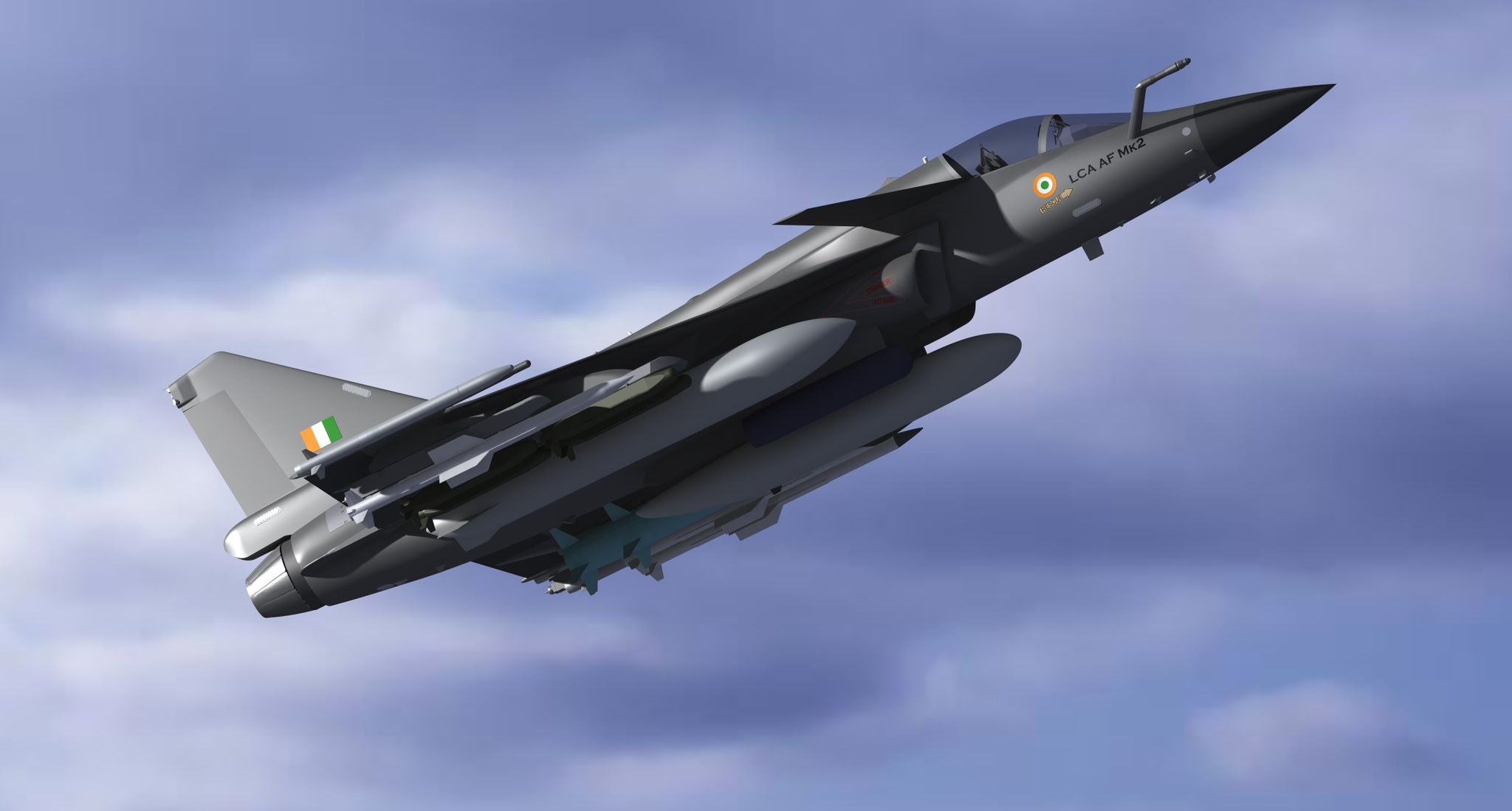
India
India’s aerospace industry is on the cusp of a significant breakthrough with the Tejas MkII, an advanced version of the indigenous Light Combat Aircraft (LCA), set to enter the assembly stage this month at Hindustan Aeronautics Limited’s (HAL) Bangalore facility. This new iteration represents a leap forward in the country's indigenous fighter jet development program and could further enhance India's air defense capabilities. The Tejas MkII will play a pivotal role in replacing aging fighters like the Mirage 2000 and Jaguar, giving the Indian Air Force (IAF) a modern combat edge.The Aircraft and Systems Testing Establishment (ASTE), a key institution of the Indian Air Force, is at the heart of testing the Tejas MkII. The ASTE will be working closely with HAL to ensure the aircraft is ready for its highly anticipated first flight, which is expected to occur next year. Currently, the HAL facility in Bangalore is already buzzing with activity, as parts of the fuselage and smaller equipment have started arriving, marking the beginning of the aircraft's assembly process.While the original Tejas MkI variant was designed primarily for air-to-air missions, the Tejas MkII brings notable upgrades and is expected to feature enhanced capabilities for air-to-ground roles as well. It is planned to be powered by the more powerful GE-F414 engine, significantly improving its thrust-to-weight ratio compared to the MkI variant. This increased power will allow the Tejas MkII to carry more payload, including advanced weaponry like beyond-visual-range (BVR) missiles, air-to-ground precision weapons, and even anti-ship missiles.The aircraft's avionics are also getting a significant upgrade. The MkII will be equipped with an active electronically scanned array (AESA) radar, improving its tracking and targeting abilities. It will also feature a digital fly-by-wire system, advanced electronic warfare (EW) suites, and an integrated onboard oxygen generation system (OBOGS), which will enhance pilot endurance in extended missions. Furthermore, the redesigned airframe offers increased fuel capacity, giving the fighter jet extended range, making it better suited for long-range missions.Before the aircraft takes to the skies, it will go through an intense series of ground-based tests at HAL. This includes engine runs, high-speed taxi trials, and stress tests that will push the aircraft's systems to their limits. The ASTE test pilots, known for their rigorous standards and expertise, will be involved in every phase of the testing. These experienced pilots will play a crucial role in evaluating the control systems, testing the new cockpit layout, and fine-tuning emergency protocols. Their input will ensure that the aircraft meets the high expectations set for it.Although the name of the pilot who will perform the Tejas MkII's maiden flight is still under wraps, there is no doubt that it will be someone from ASTE’s highly skilled and elite team. Their work will not only shape the future of the Tejas MkII but will also influence the direction of future indigenous fighter programs.The Tejas MkII program is a giant leap in India’s self-reliance in defense production, symbolizing decades of effort to develop cutting-edge indigenous aviation technologies. Once operational, the Tejas MkII will represent India's next-generation fighter, with capabilities that could make it a contender in the international defense market. As assembly begins and testing progresses, the Tejas MkII brings India one step closer to fielding a world-class fighter jet.
Read More → Posted on 2024-09-19 16:05:42
India
India’s artillery shells, manufactured by state-owned defense companies, have found their way into Ukraine’s battlefield, sparking anger from Russia. Though India has not directly supplied arms to Ukraine, several European countries, including Italy and the Czech Republic, have acted as intermediaries, transferring Indian-made munitions to Kyiv. This development has raised concerns in Moscow, which views the transactions as a breach of trust by one of its key strategic partners.The shells, originally sold to European defense contractors, were meant for use in their own defense systems. However, customs data analyzed by Reuters revealed that these artillery shells, including 155mm L15A1 rounds, have ended up in Ukraine as part of its war effort against Russia. Indian regulations prohibit the re-export of weaponry to unintended users, but European countries like Italy, Spain, and the Czech Republic have circumvented this by shipping Indian arms to Ukraine without New Delhi’s intervention.Russia, a long-time arms supplier to India, raised the issue multiple times, most recently during a July 2024 meeting between Russian Foreign Minister Sergei Lavrov and India’s External Affairs Minister Subrahmanyam Jaishankar. Moscow expressed its dissatisfaction, particularly over Indian munitions being used by the Ukrainian forces. However, India has remained largely silent on the matter, with no action taken to stop these transfers.Indian arms manufacturers like Yantra India and Munitions India have been at the forefront of this quiet surge in arms exports. Data shows that the export of munitions components to countries like Italy, Spain, and the Czech Republic surged from just $2.8 million before the Ukraine war to $135 million by mid-2024. Italian defense contractor MES, which has a strong relationship with Yantra India, played a significant role by purchasing empty shells from India, filling them with explosives, and shipping them to Ukraine. Reports suggest that other Western firms, lacking the capacity to mass-produce artillery shells, relied on Indian suppliers to meet Ukraine's growing demand for ammunition.This arms trade between India and Europe has placed New Delhi in a precarious position. India, which has maintained a neutral stance in the Russia-Ukraine conflict, faces pressure from both sides. While Russia remains a key defense partner, supplying more than 60% of India’s arms imports, India has also deepened its strategic ties with the U.S. and Europe amid concerns over China’s growing influence. Washington, Ukraine’s biggest supporter, has strengthened its defense relations with India, with the two countries cooperating on military technologies.India’s defense industry is in a period of rapid expansion. According to Indian Defense Minister Rajnath Singh, India’s defense exports exceeded $2.5 billion in the last fiscal year, and the country aims to raise this to $6 billion by 2029. However, India’s ambitions to become a major arms exporter have collided with its commitments to Russia, with some end-user violations occurring in the rush to expand its footprint in the global arms market.Despite Russia’s protests, India has shown no signs of slowing down its arms exports. A former top executive at Yantra India stated that India was aware of the situation but chose not to take any action. For New Delhi, the export of ammunition to European countries represents an opportunity to strengthen ties with Western powers while balancing its relations with Moscow. Yet, this balancing act risks complicating India’s future defense partnerships, particularly with Russia.The situation also highlights the complexity of the global arms trade, where weapons intended for one user often find their way to unintended destinations. In Ukraine’s case, Indian munitions have become a crucial component of its defense against Russian aggression. However, this trade-off has placed India in a delicate geopolitical position, one where its actions—or inactions—are being closely monitored by both sides of the conflict.
Read More → Posted on 2024-09-19 16:02:05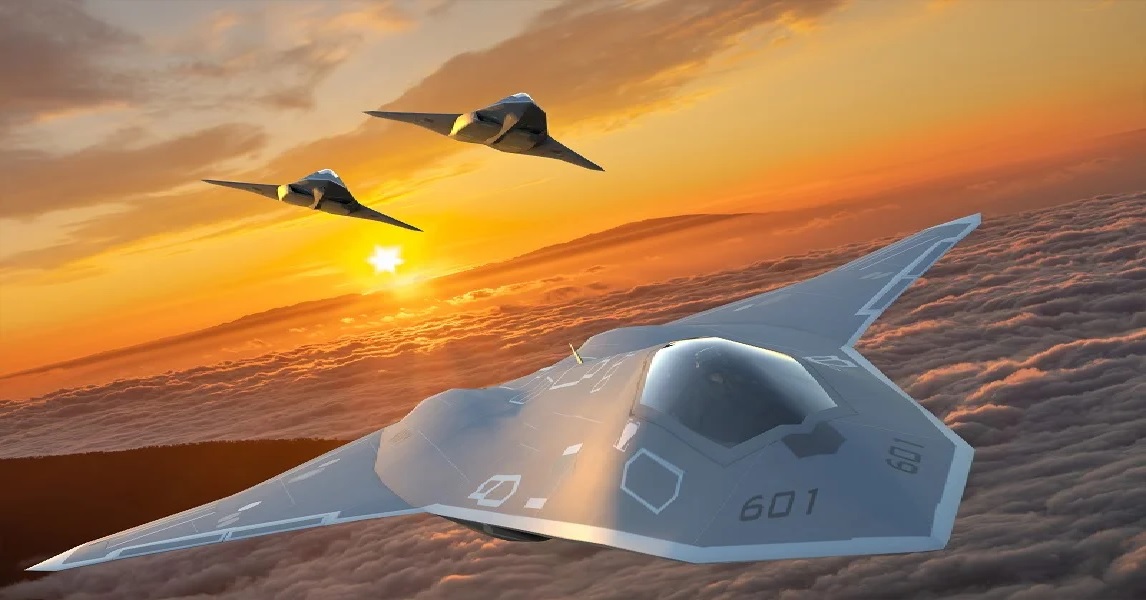
World
The United States Air Force's Next Generation Air Dominance (NGAD) program, aiming to introduce a 6th generation fighter jet, has sparked significant debate, largely due to its hefty projected cost. The NGAD fighter, anticipated to lead the charge in air superiority for decades to come, is estimated to come with a staggering price tag of $300 million per unit. As the Air Force plans to acquire around 200 of these state-of-the-art jets, many are questioning whether this cost is both realistic and sustainable in the long run.The NGAD is expected to far surpass the capabilities of existing fighters, like the 5th generation F-35, which itself costs around $82.5 million per unit. While that price already reflects cutting-edge technology, the NGAD brings a host of next-level advancements that make it even more expensive. One of the key technological leaps is the integration of Variable Cycle Engines (VCE), a revolutionary engine technology designed to boost fuel efficiency and mission adaptability. VCE promises to offer flexibility in performance, switching between modes for maximum speed or fuel savings, depending on the mission's demands. This technology alone is likely to increase the overall cost of the aircraft.However, U.S. Air Force Secretary Frank Kendall has tempered the discussions surrounding the NGAD’s price, stating that no definitive price point has been set for the program. Kendall pointed to the F-35’s price as a possible upper limit but acknowledged that given the NGAD’s unprecedented capabilities, this may be more of a hopeful benchmark than a realistic target. It's clear that NGAD’s development isn't just about building a fighter plane. The aircraft is envisioned as part of an integrated network, working alongside unmanned systems, artificial intelligence (AI), and advanced communication technologies. The aircraft’s role would not be limited to aerial combat; it would likely serve as the centerpiece in a broader system of AI-enhanced decision-making, sensor fusion, and unmanned drone coordination. This expanded vision of air combat changes the discussion on affordability. When you factor in not just the aircraft but its role within a future battle network, the cost could become more justifiable.Still, at a unit price of $300 million, NGAD would be nearly four times the cost of an F-35. While the F-35 is currently one of the most advanced fighters globally, NGAD represents a significant leap forward, both in terms of technology and mission capability. Yet, many defense analysts and experts wonder if the U.S. can afford to maintain such an expensive fleet, especially with other budgetary pressures and the ever-evolving nature of warfare.Some have speculated that a redesign of the NGAD could emerge to strike a balance between technological superiority and cost management. Whether this involves scaling back on some advanced features or finding ways to use cost-saving measures in production remains to be seen. The pressure on affordability is further emphasized by the fact that future conflicts are expected to rely heavily on drones, AI, and other unmanned systems, meaning a smaller fleet of manned aircraft might suffice if paired with cheaper, automated combat solutions.The future of the NGAD project will likely hinge on this balance. It is clear that the U.S. Air Force sees the need for a 6th generation fighter to maintain air superiority, but the question remains: how much can they spend to ensure that dominance? For now, the $300 million per jet estimate looms large, but discussions of affordability will undoubtedly shape how the NGAD progresses from drawing board to battlefield. The broader shift towards integrating this fighter into a multi-domain network could help justify the price, but whether it’s sustainable on a large scale remains the central challenge.
Read More → Posted on 2024-09-19 15:59:02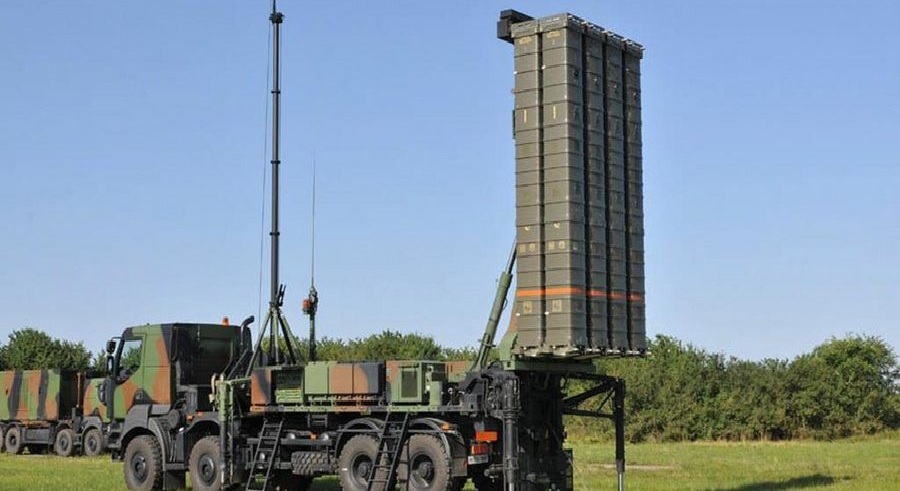
World
France has placed an order for seven next-generation SAMP/T (Surface-to-Air Missile Platform/Terrain) air defense systems, aiming to strengthen its military against emerging threats, including hypersonic missiles. This move marks a significant step in enhancing the nation's defense capabilities, as these advanced systems provide superior protection compared to older models.SAMP/T has been a cornerstone of European air defense since its induction in 2010, but the new SAMP/T NG (Next Generation) variant offers critical upgrades. Developed in collaboration with Italy, the total number of these systems now reaches 18 across both nations. Eight of these new systems will be allocated to the French Air Force, while the remaining units will bolster the Italian Army and Air Force. France is expected to receive its first SAMP/T NG by 2026, with full delivery to be completed by 2030. The country also plans to further enhance its arsenal, potentially acquiring four more systems by 2035.The SAMP/T NG's ability to counter increasingly sophisticated threats is one of its standout features. This advanced system can intercept targets at a range of over 150 kilometers (93 miles), which includes short- and medium-range ballistic missiles, as well as the more recent threat of hypersonic missiles. The system's performance in neutralizing such diverse threats stems from its cutting-edge technology, including the integration of the Aster family of missiles, particularly the Aster 30 Block 1 and Aster 30 Block 1NT.The technology behind the SAMP/T NG is a product of a consortium between Thales and MBDA, two of Europe’s leading defense manufacturers. At the heart of this system is the Thales GF300 radar, a rotating active electronically scanned array (AESA) that offers comprehensive 360-degree coverage and a detection range of up to 350 kilometers (217 miles). This radar not only improves target detection but ensures early engagement, critical in dealing with high-speed threats like hypersonic missiles.Another crucial component is the New Generation Engagement Module (ME-NG), developed by Thales and MBDA Italy. The ME-NG integrates seamlessly with a wide variety of radars and munitions, making it adaptable to the defense needs of different countries. This flexibility is a key factor in its appeal, allowing for more efficient defense coordination between nations.The SAMP/T NG is a mobile system, designed to be deployed quickly in response to dynamic battlefield scenarios. It consists of truck-mounted launchers, each capable of housing six Aster 30 missiles. This mobility ensures that the system can be relocated as needed, enhancing its strategic value.For France, this new contract with Thales and MBDA represents a crucial investment in maintaining sovereignty over its airspace. According to Herve Dammann, Thales’ Executive Vice-President for Land and Air Systems, the deal "is a significant step forward in European air defense," and reinforces the company’s commitment to providing top-tier defense solutions to its partners.As global threats continue to evolve, France’s acquisition of the next-generation SAMP/T NG highlights its proactive stance in ensuring national security. With enhanced capabilities to tackle everything from ballistic to hypersonic missiles, this system will be a key asset for the French Air and Space Forces well into the future.
Read More → Posted on 2024-09-19 15:57:11
India
India is embarking on an ambitious project to completely fence the entire 1,643 km porous border it shares with Myanmar. This massive undertaking, estimated to cost Rs 31,000 crore, is driven by the need to curb cross-border smuggling and, more urgently, to address the underlying security concerns fueling the ongoing violence in Manipur. The India-Myanmar border, which spans four northeastern states—Manipur, Mizoram, Nagaland, and Arunachal Pradesh—has long been a hotspot for illegal activities, including the trafficking of arms, ammunition, drugs, and human trafficking. The Role of the India-Myanmar Border in Manipur's CrisisUnion Home Minister Amit Shah, in recent statements, pinpointed the porous nature of the India-Myanmar border as a critical factor in the ethnic violence that erupted in Manipur in May 2023. According to Shah, the smuggling of arms and ammunition from Myanmar into India has exacerbated tensions between the local Kuki and Meitei communities, contributing to the region's unrest. In light of this, Shah announced that the first 30 kilometers of the border fencing had already been completed. Additional fencing has also been constructed near Moreh, Manipur's border town, with 21 km of work currently underway in other strategic locations across the state.The project has been approved by the Cabinet Committee on Security, which has given the green light to not just the fencing but also the construction of roads along the India-Myanmar border to enhance patrolling and surveillance. The new fencing, coupled with modern technology, aims to better secure the border and reduce illegal infiltration and smuggling, which have long plagued the northeastern states.Scrapping of the Free Movement RegimeIn a significant policy shift, the Indian government recently scrapped the Free Movement Regime (FMR) that had been in place along the India-Myanmar border. This regime, which allowed people living near the border to cross into each other’s territories without documentation for up to 16 kilometers, was initially established in 2018 under India’s Act East Policy to facilitate cross-border ties. However, this system was increasingly seen as a loophole for illegal arms and narcotics smuggling, thus contributing to the volatile situation in Manipur.With the FMR gone, stricter monitoring of cross-border movement is expected, further bolstering India’s efforts to stabilize the region. However, local communities who relied on this regime for daily interactions, trade, and familial visits will feel the impact, making the implementation of the new border policies delicate.A Response to Growing Violence in ManipurThe violence in Manipur, which began in May 2023 after a tribal solidarity march by the Kuki community, has claimed over 220 lives, including those of civilians and security personnel. The Meitei community’s demand for Scheduled Tribe status led to tensions with the Kuki people, whose stronghold lies in the hill districts of the state. The government’s approach to fencing the border comes as part of a larger strategy to restore peace in the region by clamping down on illegal arms inflows and better controlling the movement of people across the India-Myanmar frontier.Home Minister Amit Shah has been leading efforts to stabilize the situation in Manipur, and several measures have been implemented to ease the hardships faced by the local population. For instance, 25 mobile vans have been introduced to deliver essential goods at fair prices across all districts of the state. Additionally, the Kendriya Police Kalyan Bhandar (KPKB) initiative has expanded with the opening of 16 new police canteens, aimed at providing affordable commodities to the people in Manipur, in both valley and hilly districts.The Path ForwardAs India proceeds with this monumental fencing project, the broader goal is to secure its northeastern frontier and curb the flow of arms, drugs, and insurgents that have destabilized the region. This effort to create a fortified, monitored border will be crucial not only for resolving the current conflict in Manipur but also for long-term security in the Northeast, which has historically been plagued by insurgencies and smuggling operations linked to its porous borders with Myanmar, Bangladesh, and Bhutan.Though the complete fencing of the India-Myanmar border is a long-term endeavor, the progress made so far is a testament to India’s commitment to resolving the security challenges in the region. As work continues on the remaining 1,600 kilometers, the project represents a new chapter in India’s efforts to bring stability to one of its most sensitive regions.
Read More → Posted on 2024-09-19 15:55:06
World
Lebanon has once again been rocked by devastating explosions, this time triggered by walkie-talkies used by Hezbollah militants. The coordinated attacks across the country left at least 20 people dead and over 450 others injured, according to reports by Al Jazeera. This tragic event is part of an escalating conflict that has engulfed the region, with communication devices being at the heart of these attacks.The walkie-talkie explosions, which took place in southern Lebanon, the southern suburbs of Beirut, and the Beqaa valley, caught the nation off guard. Lebanese Red Cross teams were immediately dispatched to the affected areas, working tirelessly to rescue the wounded and evacuate them to hospitals. Over 30 teams were on the ground, supported by 50 ambulance crews on alert in Mount Lebanon and Beirut. Fires erupted in numerous locations, with 60 houses and shops, as well as vehicles and motorcycles, being consumed by flames.One of the most alarming aspects of the attack was the simultaneous explosions, which took place in multiple locations. A lithium battery shop in southern Lebanon was among the sites that were engulfed in flames, along with several other businesses and residential areas. The Lebanese Civil Defence has been working nonstop to contain the fires, which have added to the chaos and destruction.This second wave of attacks comes just one day after another explosive incident involving pagers, which Hezbollah has claimed were tampered with by Israeli forces. On Tuesday, 12 people were killed, and over 2,800 others were wounded in a similar explosion that targeted communication devices. Hezbollah has pointed fingers at Israel for these deadly incidents and vowed retaliation, raising fears of further violence.Israel's Defence Minister, Yoav Gallant, responded to the rising tensions by declaring the start of a "new phase" in the ongoing war. Gallant, in a post on X (formerly Twitter), announced that resources and military forces are now being redirected to the northern arena of Israel, as they aim to secure the region and ensure the safe return of northern communities to their homes. Gallant’s statement comes as both sides brace for what appears to be an intensifying conflict.In light of the walkie-talkie explosions, the Lebanese Ministry of Health has urged health workers to report to duty to handle the growing number of injured individuals being rushed to hospitals. Hospitals are already under immense pressure, and citizens have been encouraged to donate blood, as supplies are expected to dwindle rapidly.Hezbollah's use of communication devices, such as pagers and walkie-talkies, as weapons of destruction signals a troubling new tactic in their operations. The group has long relied on covert communications, but this recent wave of attacks highlights how these once seemingly benign tools have been weaponized, with disastrous results. The detonation of these devices has not only caused direct harm but has also added another layer of fear among civilians who are unsure of what could happen next.Lebanese officials have urged civilians to dispose of any pagers they might own, fearing that similar attacks may continue. In the wake of these explosions, it is clear that Lebanon is facing a new and dangerous front in its long-standing conflict with Israel and Hezbollah.As Lebanon grapples with the aftermath of these tragic incidents, the potential for further escalation looms large. The international community is closely watching the situation, hoping for a resolution that will prevent more loss of life. However, with both Hezbollah and Israel standing firm, the future remains uncertain.
Read More → Posted on 2024-09-19 15:52:12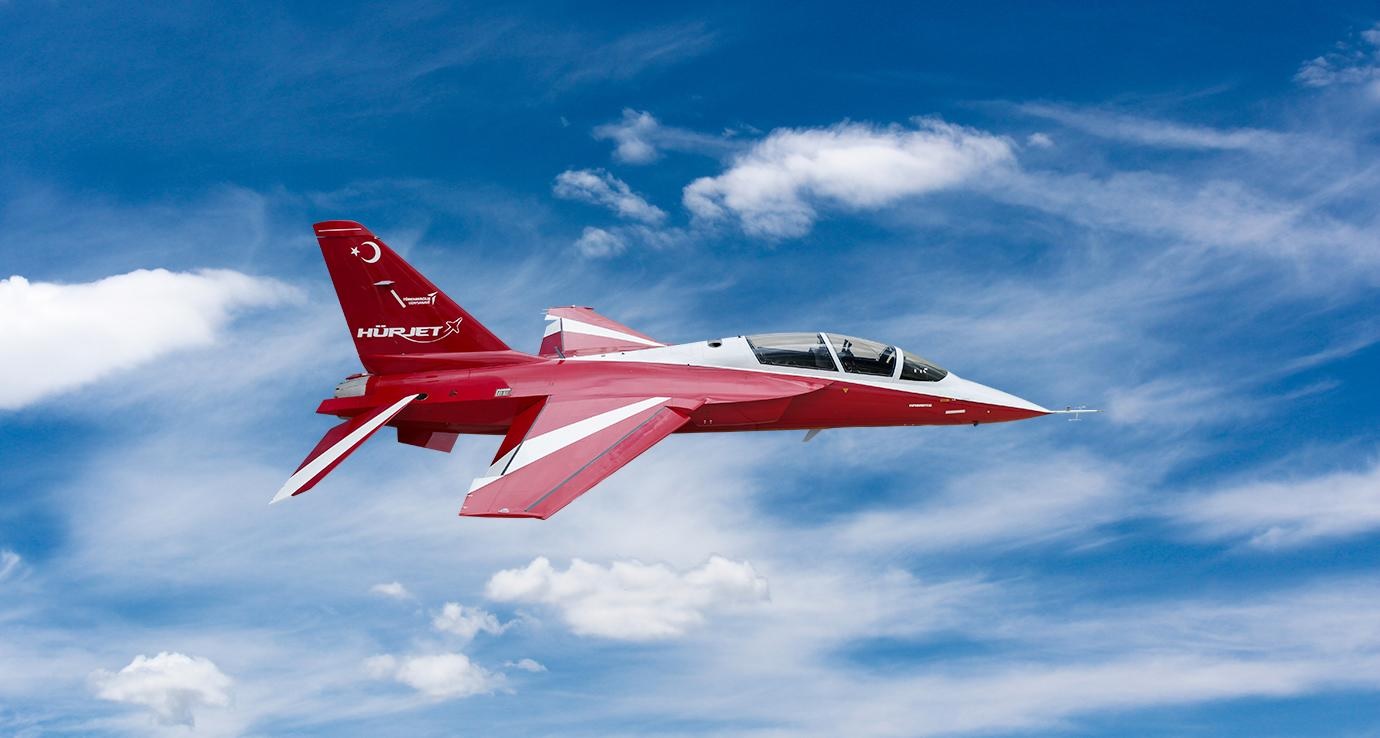
World
Turkey has formally submitted a request to the US government for the purchase of GE Aerospace's F404 engine. This move is aimed at powering the country's domestically-developed Hurjet light attack aircraft. The Hurjet, a next-generation aircraft, is central to Turkey's plan to replace its aging fleet of Northrop Grumman T-38 jet trainers and F-5 light jets. Originally designed as a jet trainer, the Hurjet has evolved into a highly capable multi-role aircraft, ready to play a critical role in Turkey's air defense.An official from the US Embassy in Ankara noted the importance of this request, stating, "We look forward to further deepening our defense partnership with Turkey, a key NATO ally." This signals a positive step in the ongoing relationship between the two countries, despite previous tensions surrounding Turkey’s acquisition of the Russian S-400 air defense system in 2019. However, recent developments, such as Turkey’s support for Sweden’s NATO membership bid, have helped to ease diplomatic strains and open the door to renewed cooperation, especially in defense projects like the Hurjet.### The Hurjet: Turkey’s High-Tech FighterThe Hurjet is not just another jet trainer—it has been designed with cutting-edge technology that makes it a highly capable light attack aircraft. Equipped with modern avionics, air-to-ground missiles, and precision-guided munitions, the aircraft is tailored to handle a variety of combat missions. With a service ceiling of 45,000 feet (13,716 meters) and a top speed of Mach 1.2, the Hurjet offers both speed and altitude flexibility, critical in training pilots for more advanced fighter jets while also being combat-ready in its own right.Its tandem-seat configuration allows for two crew members, providing operational flexibility for either training or combat missions. The aircraft's payload capacity of around three tons (3,000 kilograms/6,614 pounds) enables it to carry an array of weapons and equipment, making it suitable for various military operations. The versatility and performance of the Hurjet make it an attractive option for Turkey as it seeks to modernize its air force.The F404 Engine: Key to Hurjet’s SuccessThe F404 engine, manufactured by GE Aerospace, is a tried-and-tested powerplant that has been widely used in aircraft like the F/A-18 Hornet. It provides the Hurjet with reliable thrust and performance, making it well-suited for both training and combat roles. Turkey’s decision to procure the F404 engine highlights its desire for a robust and dependable engine that meets the demands of its growing air force.However, the F404 is seen as an interim solution. In the long run, Turkey aims to replace the engine with a domestically-produced version, in line with its broader goal of reducing reliance on foreign technology for its defense needs. The push for homegrown technology aligns with Turkey’s ongoing efforts to become more self-sufficient in the defense sector.The Bigger Picture: Turkey’s Kaan Fighter and the F110 EngineIn addition to the Hurjet program, Turkey is also working on a more ambitious project: the fifth-generation Kaan fighter jet. For this advanced aircraft, Turkey is seeking the GE Aerospace F110 engine, another reliable engine that has powered aircraft like the F-15 and F-16. Similar to the F404, the F110 engine is considered a temporary solution, with plans to eventually replace it with a domestically-developed engine.Turkey’s efforts to build both the Hurjet and the Kaan fighter jets reflect its broader aspirations to strengthen its domestic aerospace industry and assert itself as a key player in the global defense market. While the country still relies on foreign engines for these projects, its long-term vision is to create indigenous alternatives, reducing dependence on external suppliers.A Strengthened US-Turkey Defense PartnershipTurkey’s request for the GE Aerospace engines comes at a time when the country is looking to reset its relationship with the US after several years of strained ties. The purchase of the Russian S-400 air defense system in 2019 led to significant fallout between Ankara and Washington, resulting in Turkey’s removal from the F-35 program. However, with improving diplomatic relations, exemplified by Turkey’s recent ratification of Sweden’s NATO membership, both nations are finding ways to move forward, especially in the defense sector.Securing approval for the F404 and F110 engines would mark a significant step in the ongoing defense collaboration between the two countries, reinforcing Turkey’s role as a crucial NATO ally and advancing its domestic defense capabilities.
Read More → Posted on 2024-09-19 15:47:46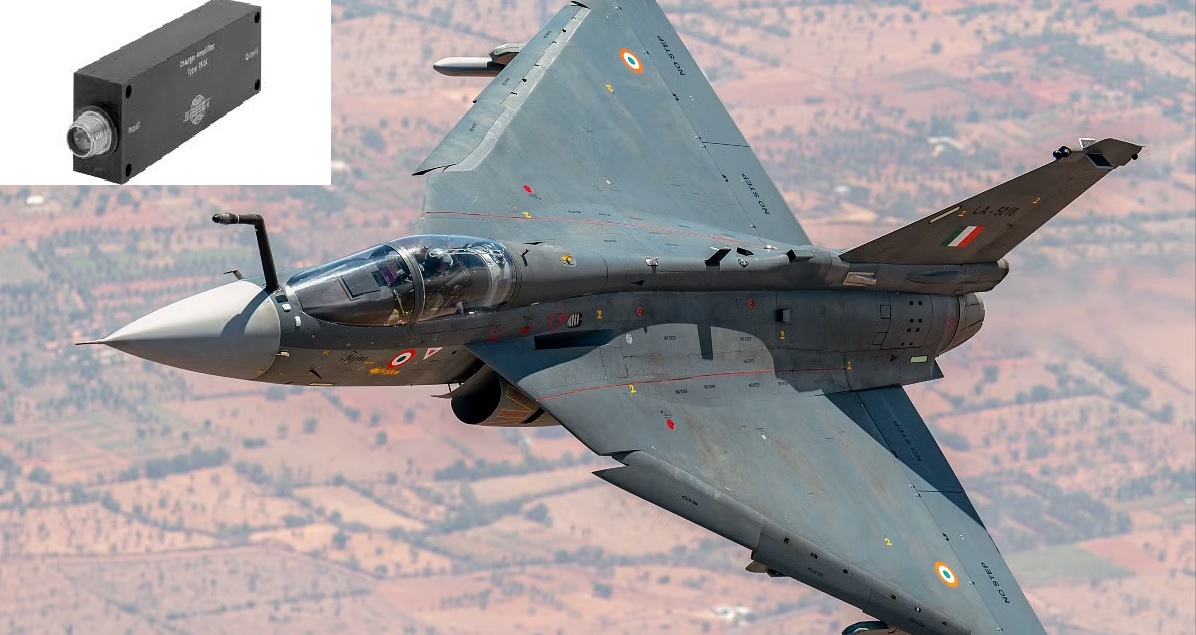
India
The delivery of India's TEJAS MK-1A fighter jets is facing further setbacks, as a key component—an engine charge amplifier sourced from Denmark—has been placed on an export blacklist by Danish authorities. This complication comes on top of an existing delay caused by the late delivery of engines from General Electric (GE) and software refinements that have taken longer than anticipated.The engine charge amplifier, though a relatively small component, plays a vital role in the operation of the aircraft. It measures the temperature of the engine and regulates its performance accordingly, ensuring that the engine functions optimally under different conditions. In the case of the TEJAS MK-1A, these amplifiers were originally imported from Denmark. However, as Denmark has imposed export restrictions—likely linked to the ongoing Russia-Ukraine conflict—the component’s availability has become a major bottleneck.India’s Ministry of Defence has taken up the issue through diplomatic channels, hoping to resolve the matter with the Danish government. However, Hindustan Aeronautics Limited (HAL), which is responsible for producing the Tejas jets, has already initiated efforts to indigenize the charge amplifier. A Bangalore-based company has been contracted to develop the component locally. According to sources, this firm is nearing completion of the development, and HAL will soon begin testing. Once testing is successful, mass production will follow.While HAL’s indigenization efforts offer hope, the delay caused by the Danish export restrictions compounds other challenges in delivering the 83 TEJAS MK-1A jets contracted by the Indian Air Force (IAF). HAL signed the contract in 2021, with the first aircraft originally expected to be delivered in March 2023, followed by 16 jets each year. However, no aircraft has been delivered to date. Even before the Danish issue emerged, there were delays due to GE’s failure to deliver the F404-IN20 engines on time.The engines are another critical factor in the delay. GE, the supplier of the engines, has assured the Indian government that it will begin delivering two engines per month starting in November 2024, after a discussion between India’s Defence Minister Rajnath Singh and US officials during his visit to Washington in August. GE attributed the delays to global supply chain issues, as well as the time required for certifying new vendors and ensuring parts meet rigorous testing standards.Software changes have also played a role in slowing the aircraft’s rollout. The Israeli-made avionics systems installed in the TEJAS MK-1A required certain modifications, further stretching the timeline for delivery. Despite these setbacks, HAL is optimistic that with the indigenization of the charge amplifiers and the resumption of engine deliveries, they can meet revised deadlines for the jets.The hope now is that the first TEJAS MK-1A will be delivered by the end of October or November 2024. HAL expects that the indigenization process for the charge amplifiers will be completed soon, with the initial batch of aircraft potentially utilizing some amplifiers imported under the earlier Danish contract.The TEJAS MK-1A is a significant upgrade over the earlier variants of the Tejas fighter jet. Designed as a lightweight, multi-role aircraft, it boasts advanced radar systems, improved electronic warfare capabilities, and enhanced weapons-carrying capacity. The F404-IN20 engines powering the jet offer reliable performance, while the avionics systems provide modern targeting and mission management features.While these delays are frustrating for the IAF, the long-term prospects for the TEJAS MK-1A remain promising. The indigenization of key components like the engine charge amplifier could help reduce future dependence on foreign suppliers, aligning with India’s broader push toward self-reliance in defense production.As HAL works against the clock to resolve these issues, the delivery of the TEJAS MK-1A jets to the IAF is expected to move forward in the coming months, provided there are no further complications in the supply chain or regulatory approvals. For now, the focus remains on overcoming the challenges posed by the Danish export restrictions and ensuring that the fighter jets are ready to bolster India's aerial defense capabilities as soon as possible.
Read More → Posted on 2024-09-19 15:44:58
India
India has firmly rejected a UN report critical of its electoral process, labelling the comments as "unwarranted" and "out of touch with reality." This bold response came from Anupama Singh, First Secretary at the Permanent Mission of India, during the 57th session of the UN Human Rights Council in Geneva. The UN Working Group on Enforced and Involuntary Disappearances had included a section on elections in its report, which sparked India's sharp criticism. Singh, speaking on behalf of India, expressed pride in the country’s electoral achievements, pointing out that India is home to the largest democracy in the world. She emphasized that India had just completed the world's largest electoral exercise, with millions of people voting to elect their government. This government, Singh argued, reflects the will of the people, making the UN report’s comments not only unfounded but indicative of potential bias. She urged the Working Group to avoid being influenced by politically motivated narratives, calling for adherence to the established code of conduct that governs the group’s work.India's government has long emphasized the strength and transparency of its electoral system. With over 900 million eligible voters and a turnout often surpassing 60%, Indian elections are logistically complex but are carried out under rigorous rules. The Election Commission of India, an independent constitutional body, oversees this process, ensuring free and fair elections. Any suggestion that this system lacks integrity is viewed by the Indian government as an attack on its democratic foundations.Singh also reiterated India’s commitment to human rights. Citing the Indian Constitution, she emphasized that human rights are safeguarded as fundamental rights, with an independent judiciary to protect them. In particular, the right to life and personal liberty is seen as paramount. She mentioned the writ of habeas corpus, which acts as a safeguard against unlawful detention, and highlighted the National Human Rights Commission’s ability to address cases of enforced disappearances, even taking suo moto cognizance when necessary.India’s response reflects a broader concern that international bodies may sometimes rely on external narratives without fully understanding the complexities of domestic issues. India has made it clear that, while it remains committed to human rights and democratic values, it expects such assessments to be fair and objective.The UN Working Group's report, which covers a wide range of human rights issues, appears to have struck a nerve with India by including a critique of its electoral process, which is seen by many as a pillar of its democratic identity. India has called for greater caution and integrity in the preparation of such reports, especially when it comes to sensitive matters like elections.In a world where democratic processes are increasingly scrutinized, India's response is a reminder of its confidence in its democratic framework and its insistence that critiques from global bodies should be grounded in a nuanced and accurate understanding of local realities.
Read More → Posted on 2024-09-19 15:40:57
Space & Technology
India’s space journey is entering a groundbreaking new phase with the Chandrayaan-4 mission, approved by the Union Cabinet led by Prime Minister Narendra Modi. Unlike its predecessors, this mission aims to not only land on the Moon but also return safely to Earth with samples of lunar material. This ambitious project marks a major milestone in India's space exploration, as it moves toward a long-term goal of landing humans on the Moon by 2040.The Chandrayaan-4 Mission: A Leap Towards Lunar Sample ReturnFollowing the success of Chandrayaan-3, which demonstrated India’s capability to land softly on the Moon, Chandrayaan-4 is designed to build on that foundation by achieving even more complex objectives. Approved with a budget of Rs. 2104.06 crore, the mission will demonstrate the technologies required for a lunar sample return, a feat only a few countries have achieved so far. It’s a critical step toward developing the foundational capabilities needed for future human exploration of the Moon.The mission will focus on mastering several key technologies, such as docking and undocking in space, ensuring a safe landing, and successfully collecting lunar soil and rock samples. After landing, Chandrayaan-4 will gather these samples for analysis and bring them back to Earth, where scientists can study them in detail. This return-to-Earth capability is essential for future human missions, as astronauts will need to safely travel back after their lunar explorations.India’s Expanding Space Vision: Amrit Kaal and BeyondThe Chandrayaan-4 mission aligns with India’s broader vision for space exploration, as outlined during the “Amrit Kaal,” a period during which India is aiming for major advancements in its space capabilities. As part of this vision, the country has ambitious plans to launch an Indian space station, known as the Bharatiya Antariksh Station, by 2035, and to send Indian astronauts to the Moon by 2040. Chandrayaan-4 is one of the first missions designed to develop the technologies needed to achieve these goals.The Chandrayaan-4 mission will also contribute to India’s upcoming manned space programs, particularly the Gaganyaan mission, which aims to send Indian astronauts into low Earth orbit. Many of the technologies tested and proven during Chandrayaan-4, such as safe re-entry and docking capabilities, will be critical for these future missions.The Technology Behind Chandrayaan-4One of the core components of Chandrayaan-4 will be the development of a spacecraft capable of landing on the Moon, collecting samples, and returning them to Earth. This involves advanced technology in landing systems, sample collection mechanisms, and re-entry procedures. The spacecraft will be launched using ISRO’s LVM3 (Launch Vehicle Mark-3), the same rocket that has powered previous successful lunar missions.A key challenge for the mission will be the safe return of lunar material to Earth. Unlike Chandrayaan-3, which was designed purely to land and operate on the lunar surface, Chandrayaan-4 will need to bring these samples back through Earth’s atmosphere—a difficult and dangerous maneuver. The mission will test critical re-entry technologies that will be essential for future manned missions to the Moon and beyond.Another exciting aspect of the Chandrayaan-4 mission is the collection and analysis of lunar samples. By studying these materials on Earth, scientists will gain valuable insights into the Moon’s composition, history, and potential resources. This could have significant implications for future lunar exploration and even the possibility of establishing a lunar base.Industry and Academia: Key Players in India’s Space SuccessThe Chandrayaan-4 mission will involve collaboration between ISRO, Indian industries, and academic institutions. This partnership is crucial for the mission’s success and for fostering innovation across various sectors. Indian industries will play a significant role in developing the spacecraft, launch vehicles, and other critical components. The mission is expected to create high employment opportunities and spur technological advancements that could benefit other sectors of the Indian economy.Academia will also be deeply involved, with plans to organize science meets and workshops to engage researchers and scientists in the mission. The data and samples returned from the Moon will provide a wealth of scientific information that could fuel research in planetary science and geology for years to come. Facilities to curate and analyze the returned samples are already being planned, ensuring that this mission contributes to India’s growing expertise in space science.Paving the Way for Future Lunar ExplorationChandrayaan-4 is more than just a mission to the Moon—it’s a stepping stone toward India’s larger ambitions in space exploration. The technologies and capabilities demonstrated by this mission will be vital for future lunar landings and eventual human missions to the Moon. The safe return of lunar samples to Earth will mark a new era in India’s space program, setting the stage for even more ambitious projects, including sending astronauts to the lunar surface by 2040.In addition to advancing India’s scientific knowledge, Chandrayaan-4 is poised to place the country at the forefront of global space exploration. By joining the elite group of nations capable of returning samples from the Moon, India will further cement its position as a major player in space science and technology.As the mission progresses over the next few years, it will inspire a new generation of scientists, engineers, and dreamers, who will carry forward India’s quest to explore the final frontier.
Read More → Posted on 2024-09-18 16:18:28Search
Top Trending in 24 Hours
-
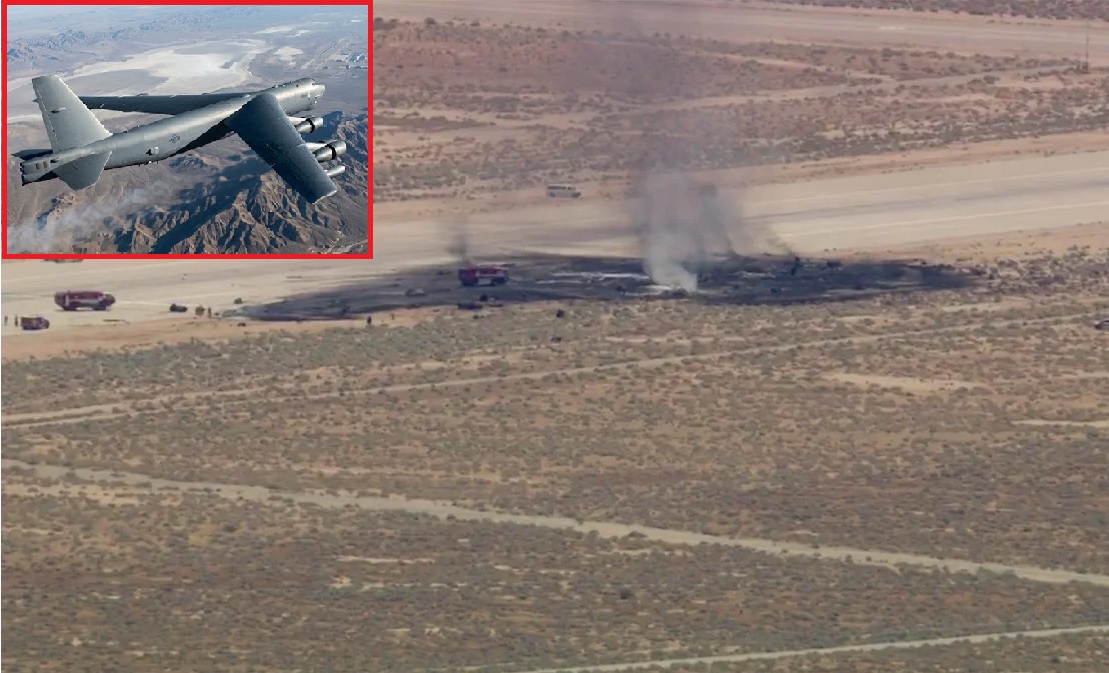 8 U.S. Air Force Crew Members Killed in B-52 Bomber Crash During Test Flight at Edwards Air Force Base
-
 Ukraine Introduces Balloon-Launched DART Missile Designed to Defeat Electronic Warfare
-
 Lockheed Martin Wins $514 Million U.S. Space Force Contract for Two New GPS IIIF Satellites
-
 UK Announces £210 Million Deal to Supply Enriched Uranium to Ukraine for Two Years
-
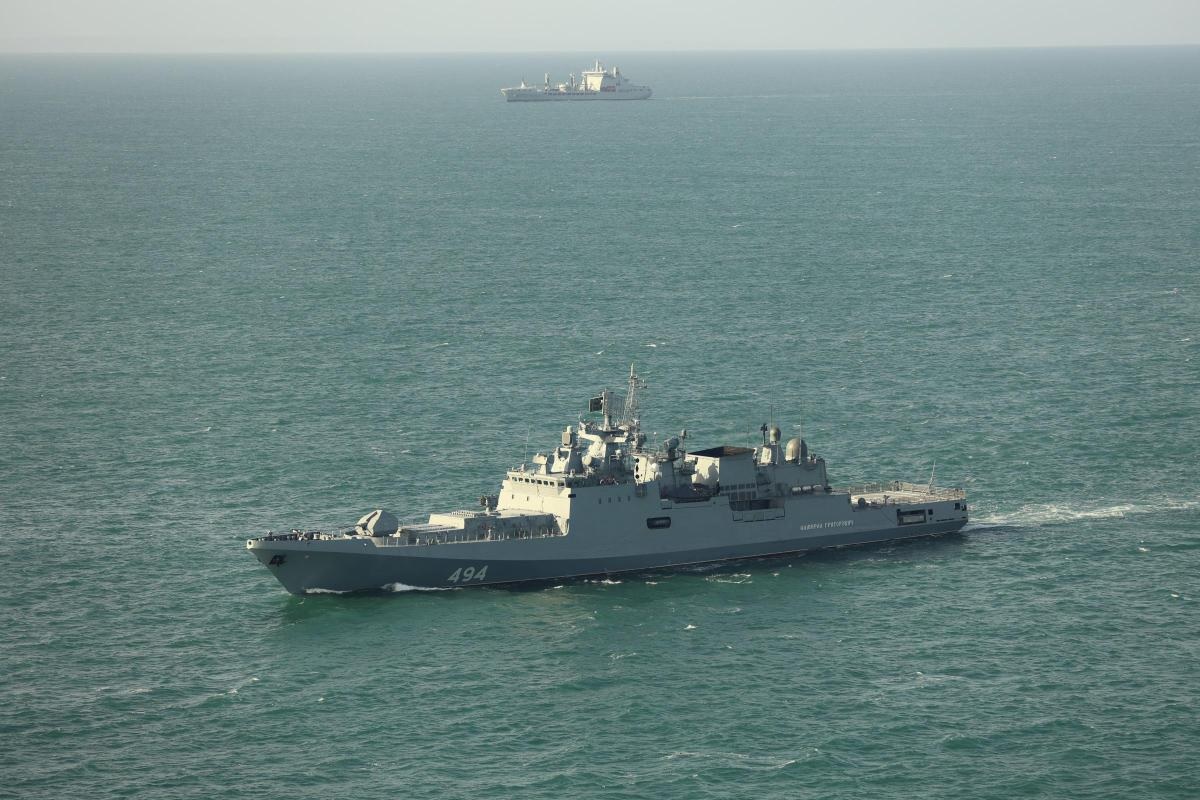 Russian Frigate Admiral Grigorovich Challenges UK Yacht in English Channel With Warning Shots
-
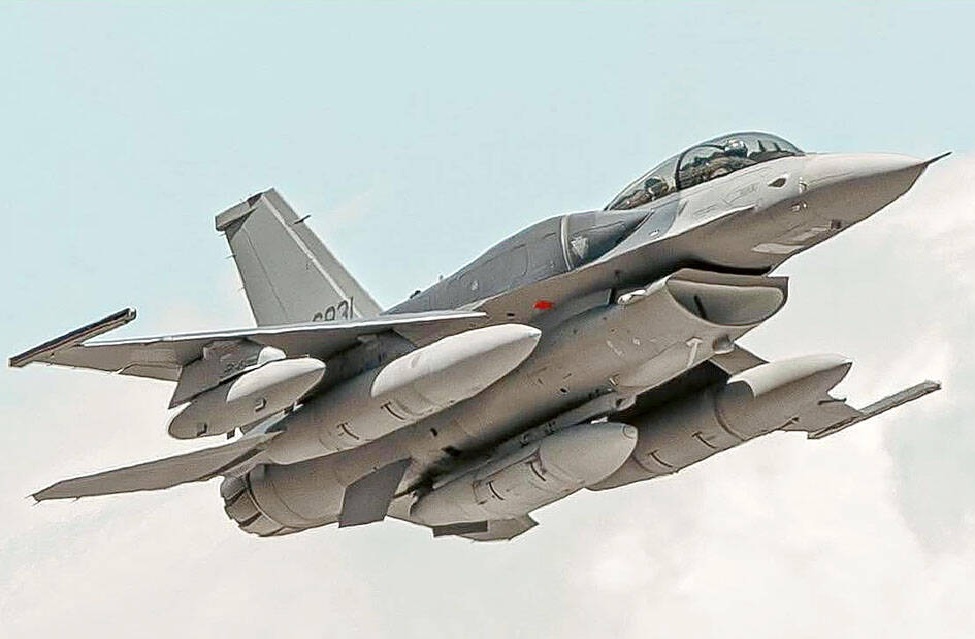 First Taiwanese F-16 Block 70 Flies with Five-Tank Fuel Configuration During Texas Tests
-
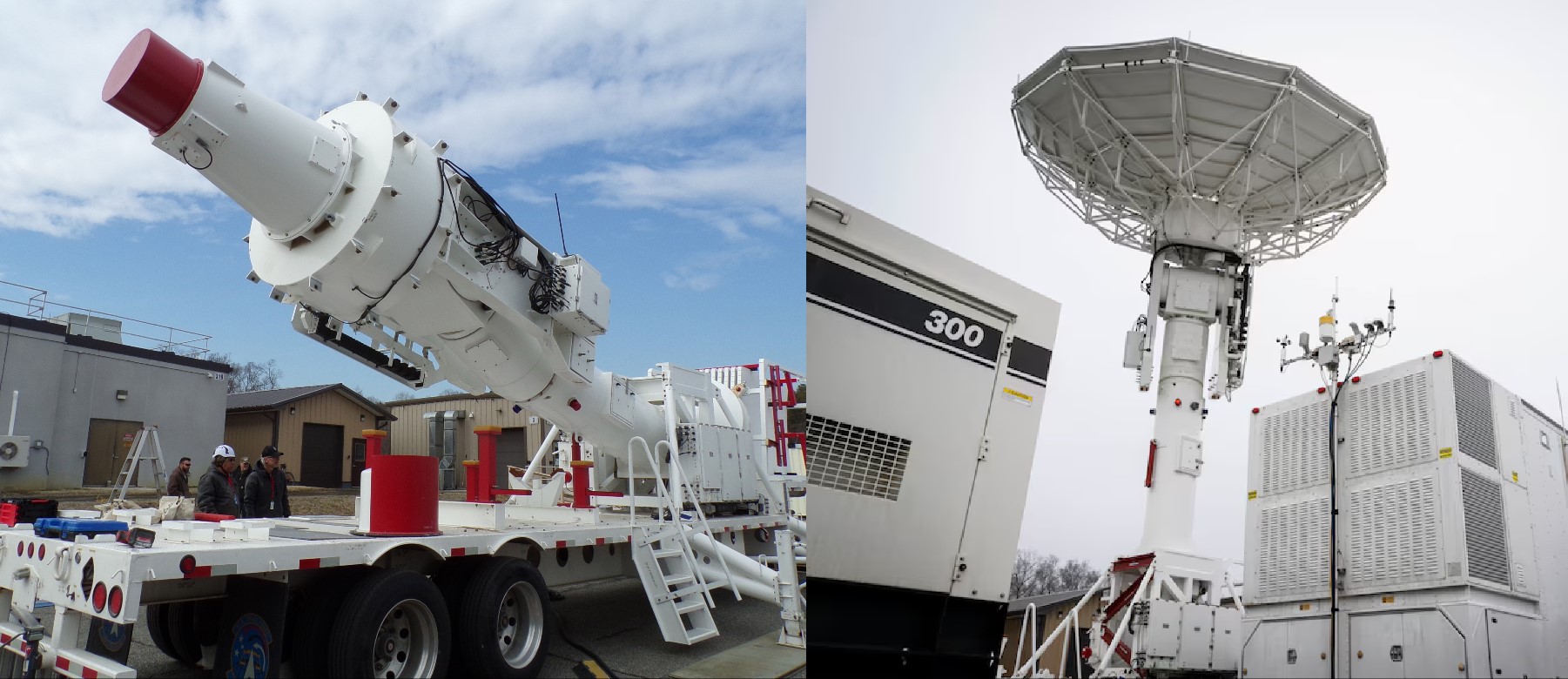 Space Force Transfers Transportable Satellite Tracking Antenna to Naval Research Laboratory
-
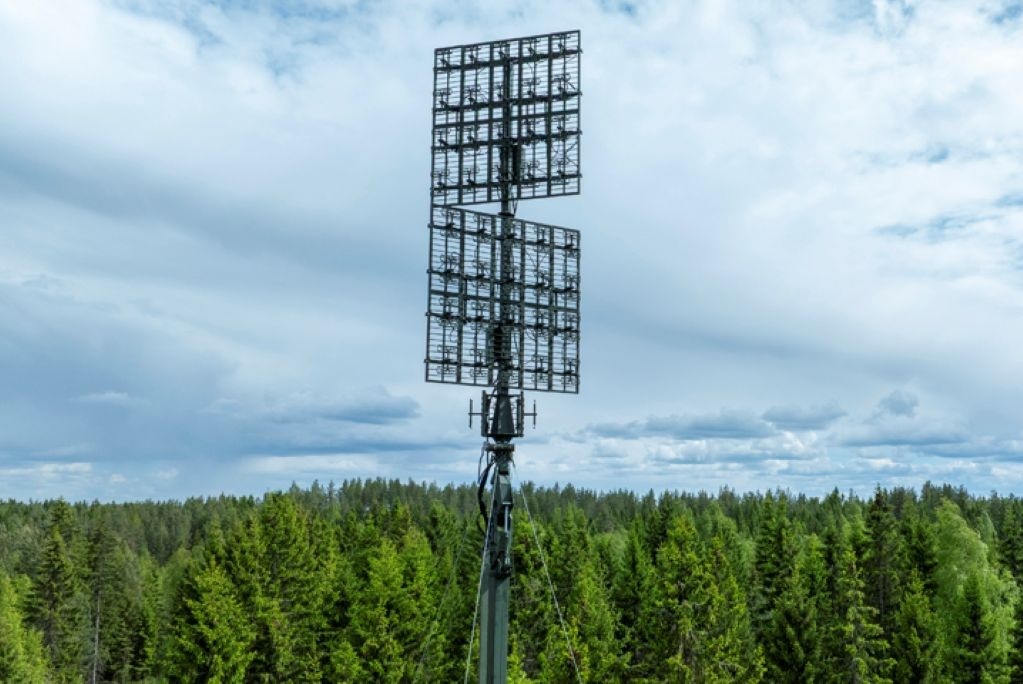 Patria Launches WISPR Passive Counter-Battery Radar with Silent Detection Capability at Eurosatory 2026
Top Trending in 4 Days
-
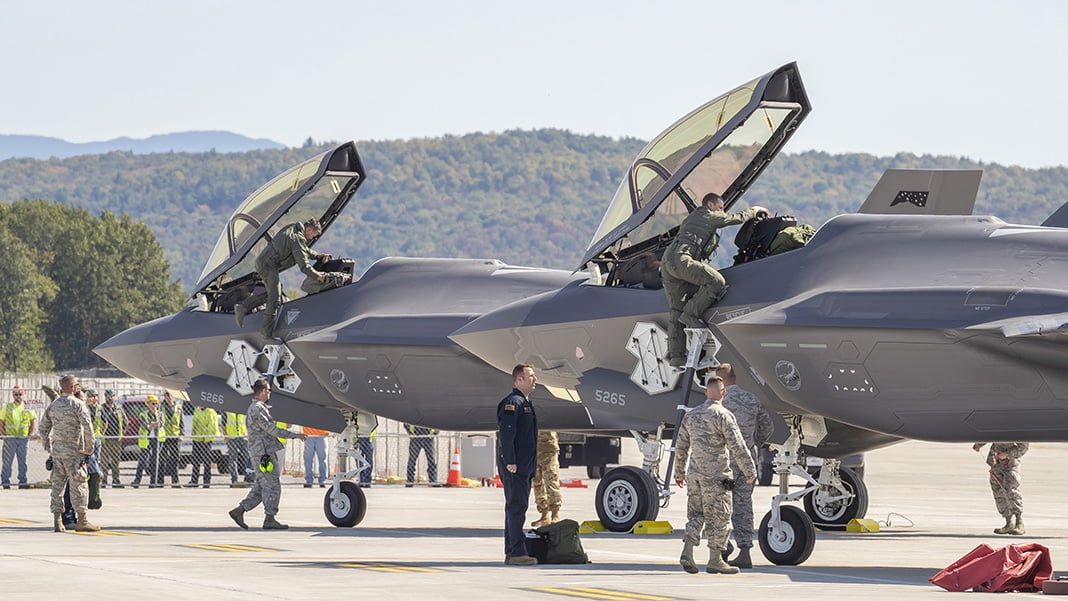 F-35 Fleet Readiness Falls to 25% Amid Parts Shortages and Software Delays: GAO Report
-
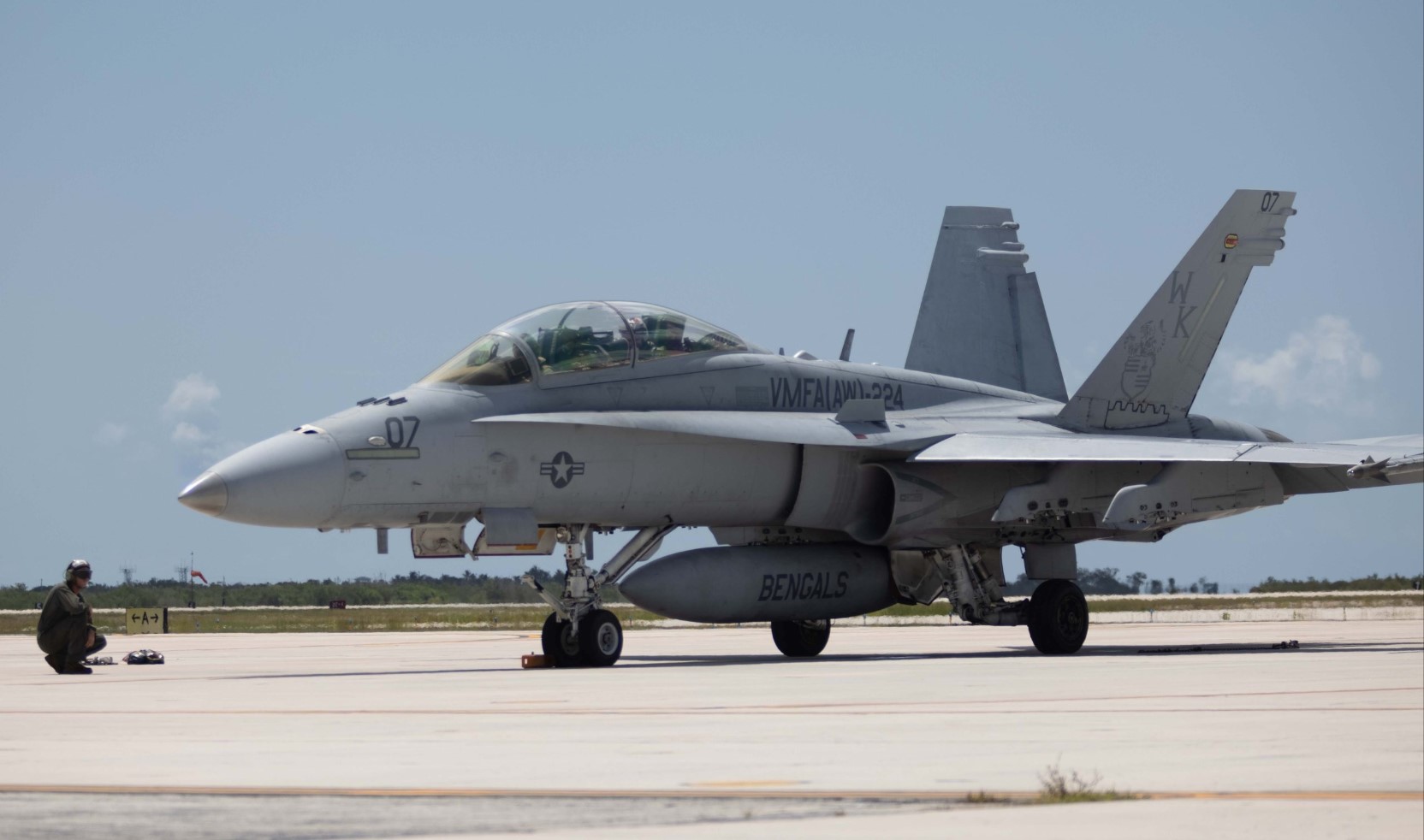 US Marine Corps F/A-18D Hornet Crashes During Training Flight in Washington Mountains; Pilot Ejects Safely
-
 Leonardo Rheinmetall to Unveil Italy’s New IMBT Main Battle Tank at Eurosatory 2026
-
 Tulsi Gabbard Releases Declassified Files Detailing U.S.-Backed Network of 120 Biolaboratories Across 30+ Countries
-
8 U.S. Air Force Crew Members Killed in B-52 Bomber Crash During Test Flight at Edwards Air Force Base
-
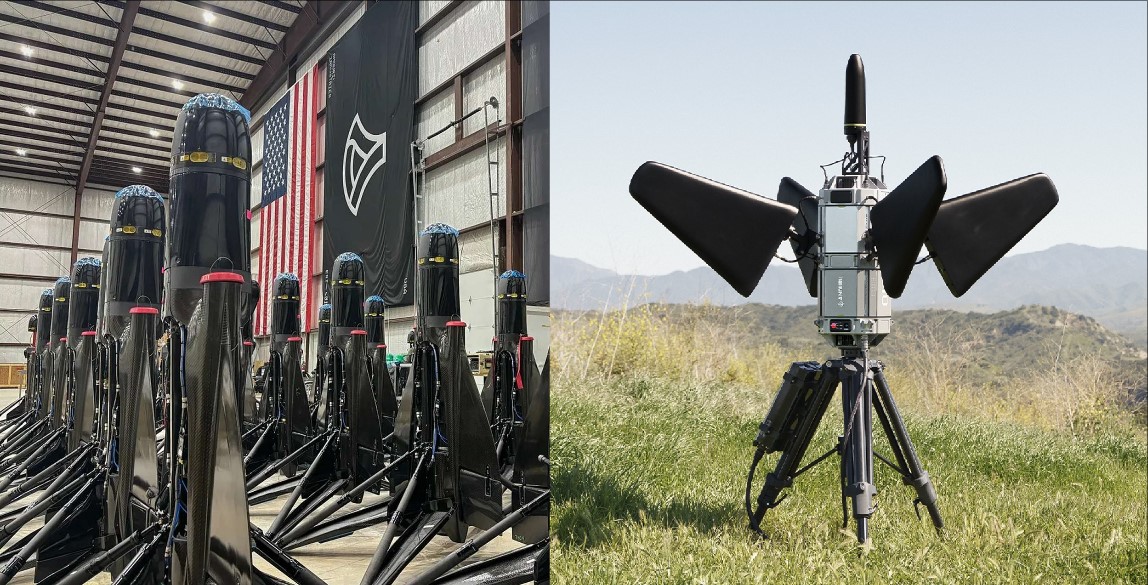 U.S. Approves $1.98 Billion Sale of Anduril AI-Powered Counter-Drone Systems to Kuwait
-
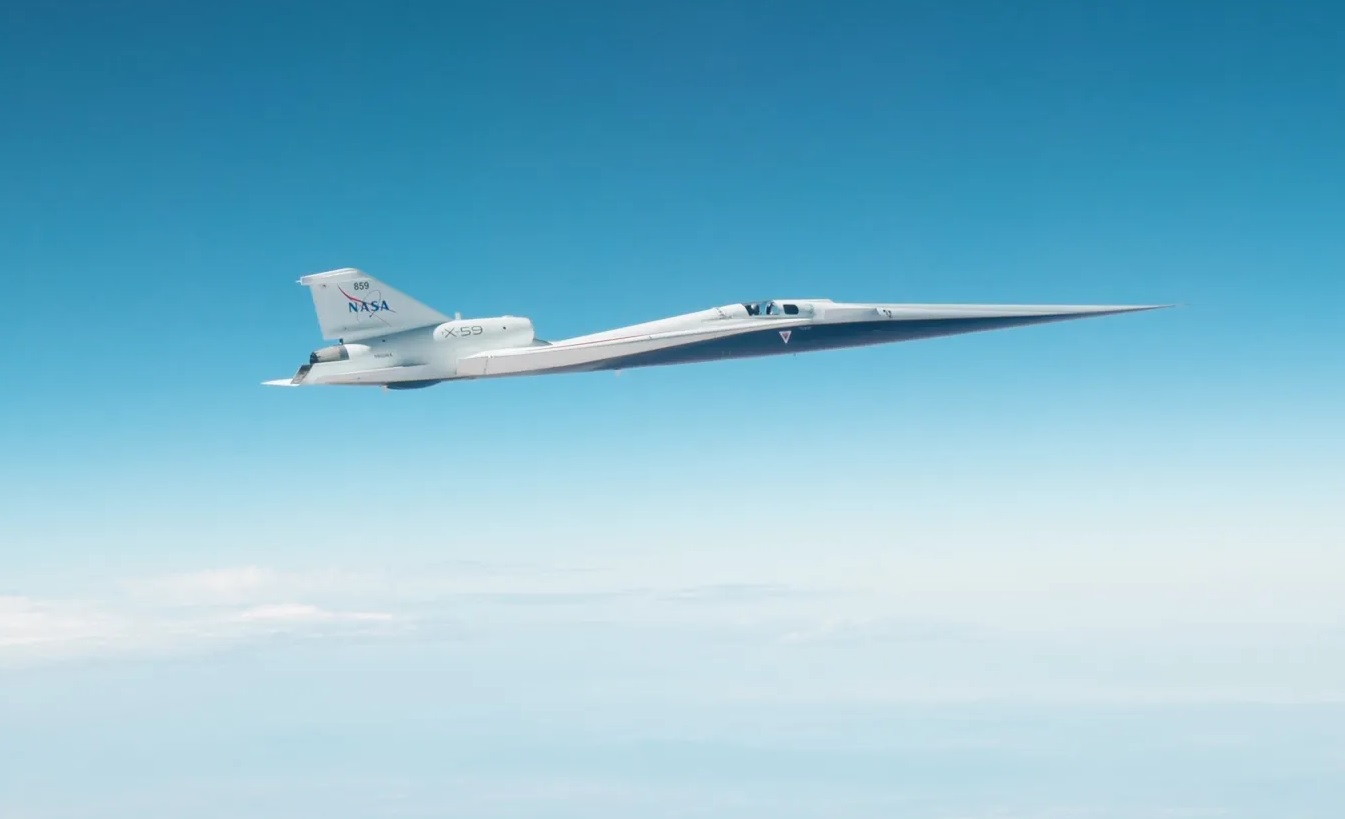 NASA X-59 Achieves Planned Mission Conditions with Mach 1.4 Flight at 55,000 Feet
-
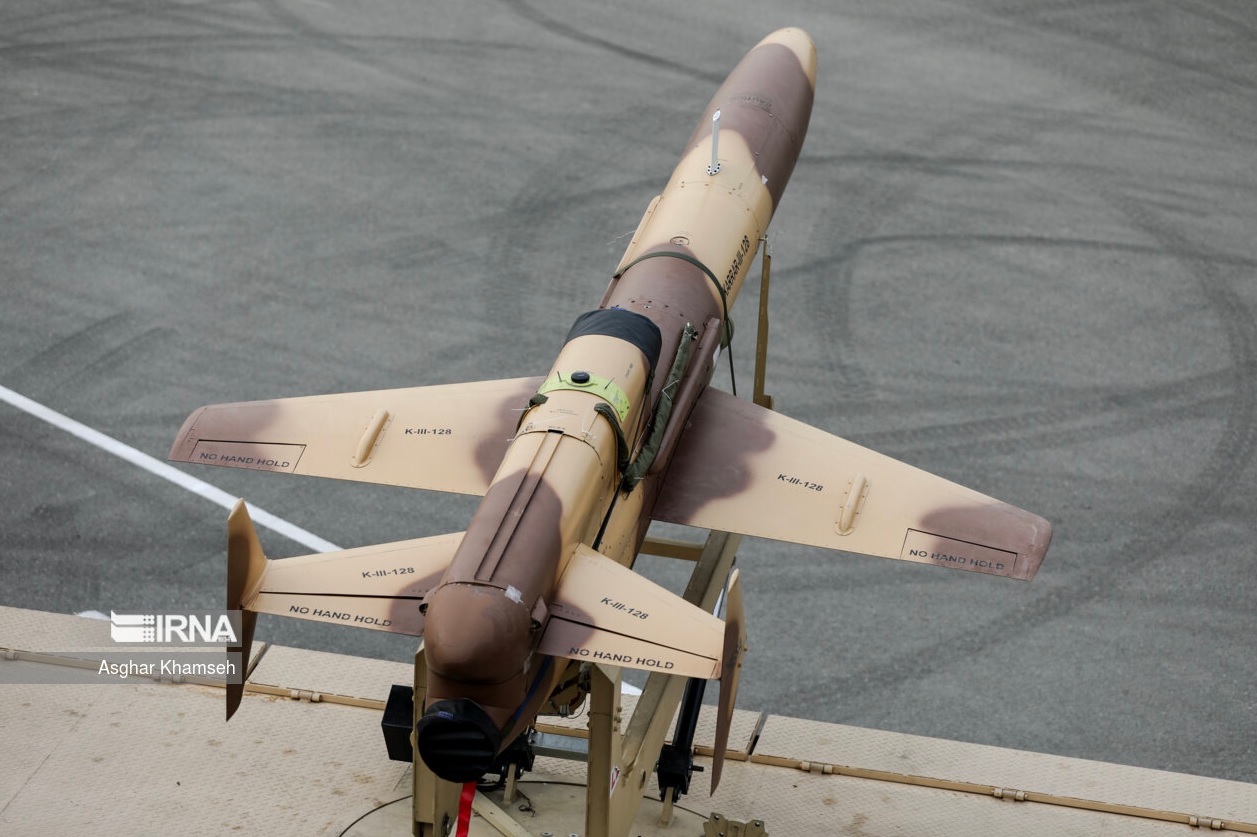 Russia Launches 1,400 Jet-Powered Drones in 2026 as Strike Tactics Evolve to Challenge Ukraine's Air Defenses
