
Space & Technology
In 2029, an asteroid named Apophis is set to make a close pass by Earth, sparking both scientific excitement and public intrigue. Discovered in 2004 by astronomers Roy Tucker, David Tholen, and Fabrizio Bernardi at Arizona’s Kitt Peak National Observatory, Apophis quickly gained attention due to early concerns about a potential collision with Earth. However, NASA has since determined that while Apophis will come extremely close—within 19,794 miles (31,860 kilometers) of Earth’s surface—it will not pose any direct threat. Instead, this close encounter offers a rare scientific opportunity, which NASA plans to seize by redirecting its OSIRIS-APEX spacecraft to study the asteroid in detail.From Bennu to Apophis: The OSIRIS-APEX MissionThe OSIRIS-APEX spacecraft is not a new vessel but a rebranded version of OSIRIS-REx, which successfully gathered samples from asteroid Bennu in 2023. Following the completion of that mission, NASA decided to extend the spacecraft's life by tasking it with a new goal: to study Apophis as it approaches Earth.Originally launched as OSIRIS-REx (Origins, Spectral Interpretation, Resource Identification, Security-Regolith Explorer), the spacecraft was renamed OSIRIS-APEX (OSIRIS-APophis EXplorer) after the decision to redirect it to Apophis. The spacecraft will rendezvous with Apophis shortly after the asteroid’s flyby in April 2029, making it an integral part of NASA’s broader efforts to understand near-Earth objects.The Flyby of a LifetimeWhat makes Apophis’s 2029 flyby so intriguing is how close it will come to Earth. On April 13, 2029, the asteroid, measuring approximately 1,100 feet (340 meters) in width, will zip past our planet at a distance closer than many satellites orbit. Earth’s gravity will slightly alter Apophis’s trajectory, but scientists are confident in their predictions, ruling out any possibility of an impact. The asteroid will pass by at a speed of around 19 miles per second (31 kilometers per second), offering a unique chance to study its structure and composition in unprecedented detail.The OSIRIS-APEX spacecraft will begin taking images of Apophis as it closes in, providing critical data on its surface, rotation, and chemical makeup. During this time, Earth-based telescopes will also monitor the asteroid closely. However, shortly after the flyby, Apophis will become difficult to observe from the ground, as it will be too close to the Sun in the sky. This is where OSIRIS-APEX comes in—its proximity will allow it to gather data that Earth-based instruments cannot.Mapping Apophis and Stirring Up Its SurfaceIn June 2029, after the initial flyby, OSIRIS-APEX will formally rendezvous with Apophis for an extended 18-month mission. The spacecraft is equipped with a suite of advanced instruments—cameras, spectrometers, and a laser altimeter—to conduct a thorough investigation of the asteroid. One of its most exciting tasks will involve flying just 16 feet (5 meters) above Apophis’s surface and firing its thrusters to dislodge rocks and dust. This maneuver will give scientists a peek beneath the asteroid’s surface, revealing materials untouched by space weathering.This aspect of the mission mirrors a similar technique used during the OSIRIS-REx mission at Bennu. However, unlike its predecessor, OSIRIS-APEX will not collect a sample from Apophis. Instead, its mission is to provide a detailed map of the asteroid and analyze its surface composition, which will offer new insights into the asteroid’s structure and history.Apophis: A Stony Relic from the Early Solar SystemApophis belongs to a class of stony, or "S-type," asteroids, made primarily of silicate rock and metallic materials like nickel and iron. Radar observations suggest it has a peanut-like shape, possibly indicating it consists of two lobes that may have formed through a past collision. Apophis is a near-Earth asteroid, originating in the asteroid belt between Mars and Jupiter but gradually pulled into a closer orbit by the gravitational influence of planets like Jupiter.Apophis rotates once every 30 hours, and it exhibits a wobble known as “non-principal axis rotation,” where the asteroid also rocks back and forth about its long axis. Scientists hope that the close encounter with Earth will modify Apophis's spin rate and possibly even cause structural changes, offering a natural experiment in how planetary gravity can influence an asteroid’s dynamics.Why Study Apophis?The study of Apophis offers more than just academic curiosity. Near-Earth asteroids like Apophis hold clues about the early solar system’s formation, as well as the dynamic processes that have shaped our cosmic neighborhood over billions of years. Moreover, understanding the physical characteristics and trajectories of asteroids is critical for planetary defense efforts. While Apophis won’t impact Earth in 2029, the data gathered by OSIRIS-APEX will improve our ability to predict and respond to potentially hazardous asteroids in the future.As Apophis makes its historic flyby, scientists will be watching closely—not just to study the asteroid itself, but to glean insights into the broader population of near-Earth objects. In a sense, Apophis is not only an asteroid of scientific interest but also a key to understanding the future of asteroid science and planetary defense.The OSIRIS-APEX mission represents the cutting edge of our efforts to study asteroids and safeguard Earth from potential future impacts. Through this mission, we’ll learn more about Apophis and, by extension, the complex forces that govern the solar system's many wandering bodies.
Read More → Posted on 2024-09-18 16:12:45
India
In a significant boost for the Indian Air Force (IAF), the first of the 83 TEJAS MK-1A fighter jets ordered is poised for delivery by the end of October. This marks a crucial development as the IAF works to address its dwindling fighter jet numbers.The delivery has been slightly delayed from the initial schedule due to necessary updates and adjustments. Recent modifications included completing iterations on Israeli software integrated into the TEJAS MK-1A, with final testing now underway. These updates are essential for enhancing the aircraft's operational capabilities and ensuring it meets the latest standards.The first TEJAS MK-1A aircraft will be equipped with Category-B engines. These engines, which are reserve units from previous transactions with General Electric (GE), are being utilized temporarily. The new, state-of-the-art General Electric F404-IN20 engines are expected to arrive starting in November, following delays addressed by Defence Minister Rajnath Singh during his recent visit to Washington.Originally, Hindustan Aeronautics Limited (HAL) aimed to begin deliveries in March 2024 as part of a contract signed with the IAF in February 2021. However, delays in the aircraft's first flight, which only occurred in March, necessitated additional trials before delivery.The TEJAS MK-1A is an upgraded version of the TEJAS fighter, which has faced a long and winding development path. The program began in 1983 with the goal of producing an indigenous aircraft by 1994, but the first prototype only took to the skies in 2001. Initial Operational Clearance was granted in December 2013, with the final clearance for the first aircraft in 2019. The IAF has received 36 of these earlier models, with four more still pending delivery.The MK-1A variant, which emerged from a 2015 agreement during Manohar Parrikar's tenure as Defence Minister, includes several enhancements over the original TEJAS. These improvements feature advanced electronic radar, enhanced communication systems, additional combat capabilities with Beyond Visual Range Missiles, and upgraded maintenance features.Looking ahead, the IAF plans to order 97 more TEJAS MK-1A aircraft. To meet this demand and future production needs, the IAF has proposed a public-private partnership model to expand production capabilities. The goal is to establish multiple production lines to accommodate the anticipated induction of nearly 300 TEJAS fighters over the next fifteen years.Air Chief Marshal V R Chaudhary emphasized the need for diversified production approaches to match the IAF's requirements, highlighting the potential for increased collaboration with private partners to enhance manufacturing efficiency and output.This upcoming delivery represents a crucial step in bolstering India's air combat capabilities and showcases the ongoing progress and adaptation within the TEJAS program.
Read More → Posted on 2024-09-18 16:07:37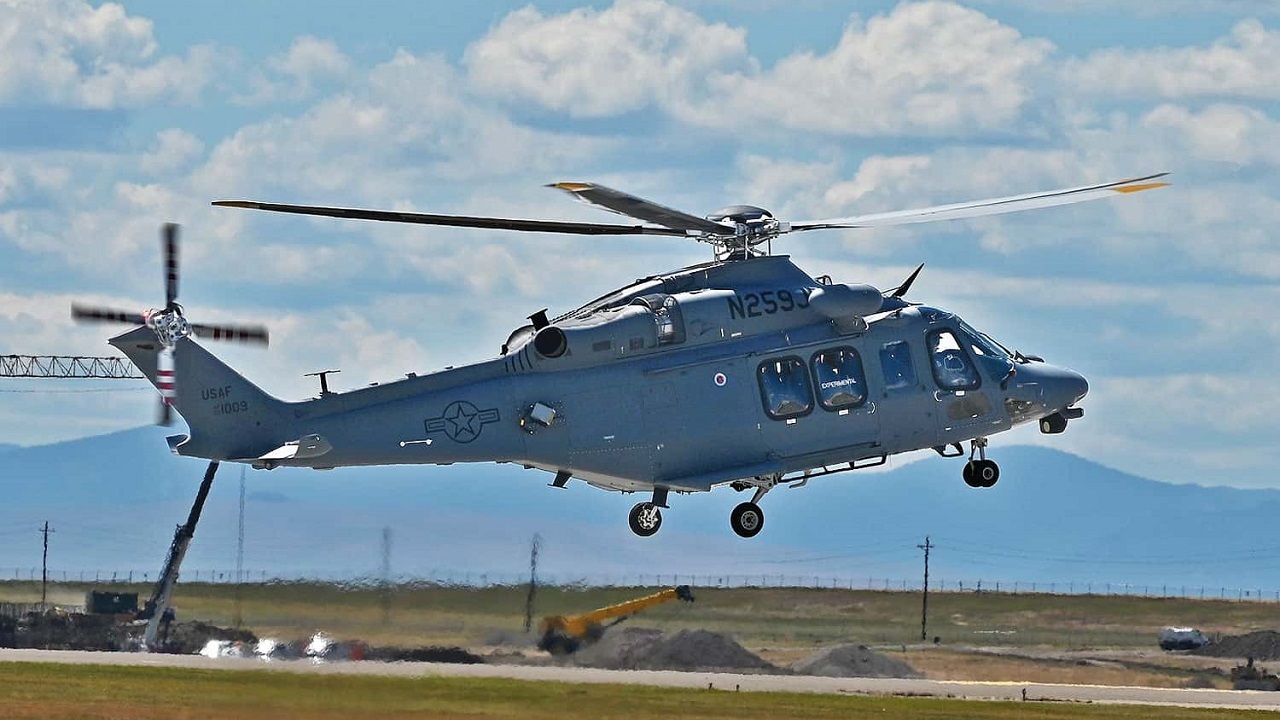
World
In a significant step forward for the U.S. Air Force, Boeing has officially delivered the first production units of its new MH-139A Grey Wolf helicopters. This marks the beginning of a transition from the aging UH-1N Huey fleet, a mainstay of Air Force operations for nearly fifty years.The MH-139A Grey Wolf represents a major leap in technology and capability. Compared to the UH-1N, the Grey Wolf boasts impressive upgrades. It cruises 50% faster and can fly 50% farther, significantly extending its operational reach. The cabin of the Grey Wolf is 30% larger, providing more space for crew and equipment. Moreover, the helicopter’s lift capacity has increased by 5,000 pounds, making it a more powerful tool for various missions.One of the most notable features of the Grey Wolf is its full autopilot capability. This advanced system is designed to reduce pilot workload, enhance operational efficiency, and ensure smoother missions. With these upgrades, the Grey Wolf will play a crucial role in a range of operations, including security tasks, personnel transport, and support for nuclear missile fields.Boeing, renowned for its extensive rotorcraft portfolio that includes models like the AH-64 Apache, V-22 Osprey, and CH-47 Chinook, continues to push the boundaries of helicopter technology. With over six decades of experience in military rotorcraft, Boeing’s new Grey Wolf and the DEFIANT X are poised to lead the way in the next generation of rotorcraft.As the U.S. Air Force gradually phases out the UH-1N Huey, the Grey Wolf is set to take over critical missions, bringing modernized, efficient, and versatile capabilities to the forefront of Air Force operations.This transition underscores Boeing’s ongoing commitment to advancing military aviation and delivering state-of-the-art solutions to meet evolving defense needs.
Read More → Posted on 2024-09-18 16:05:54
Space & Technology
In a landmark move for India’s space program, the Union Cabinet, led by Prime Minister Narendra Modi, has given the green light for the development of the Next Generation Launch Vehicle (NGLV), known as "SOORYA." This approval marks a significant step towards achieving India’s ambitious space goals, including the establishment of the Bharatiya Antariksh Station and a crewed lunar landing by 2040. SOORYA is poised to redefine India's capabilities in space exploration, with advanced features like high payload capacity, reusability, and eco-friendly propulsion systems.The Vision for SOORYA: Powering India’s Space FutureSOORYA is being developed as the next generation of India’s satellite launch vehicles, designed to carry significantly heavier payloads than current launch systems. The vehicle is set to have three times the payload capacity of its predecessor, LVM3, which can currently carry up to 10 tonnes to Low Earth Orbit (LEO). With SOORYA, India aims to boost its payload capability to a maximum of 30 tonnes to LEO, positioning the country to lead in global space endeavors.What makes SOORYA truly groundbreaking is its reusability. The first stage of the launch vehicle will be reusable, significantly reducing the cost of access to space. Reusability is a key factor in lowering space mission costs, making SOORYA a more cost-effective solution compared to traditional expendable launch systems. Additionally, the vehicle will incorporate modular green propulsion systems, aligning with global sustainability efforts while making space launches more efficient and eco-friendly.Boosting Human Spaceflight and Lunar ExplorationSOORYA is not just about sending satellites into orbit; it is central to India's long-term space exploration plans. The government’s vision for the next two decades includes a fully operational Bharatiya Antariksh Station—a space station that will serve as a hub for both scientific research and commercial ventures. The station will be a key milestone for India as it seeks to establish a permanent presence in space, akin to the International Space Station (ISS).Moreover, by 2040, India aims to conduct a human-crewed mission to the moon, an ambitious goal that requires a robust and reliable launch vehicle. SOORYA will play a crucial role in this endeavor, supporting not only lunar missions but also other interplanetary exploration projects. This could open up exciting possibilities for scientific discovery and international collaborations in space research.A Collaborative Approach: Industry ParticipationOne of the standout aspects of the SOORYA project is the emphasis on collaboration with Indian industry. Unlike previous space projects, which were largely government-driven, SOORYA will involve maximal participation from private companies. These industries are expected to invest in manufacturing capacities, ensuring a smooth transition from the development phase to operational launches. This approach not only accelerates the development timeline but also bolsters India’s space ecosystem, allowing for quicker commercialization of space technologies.The NGLV development will see three initial demonstration flights—D1, D2, and D3—spanning an 8-year period. With a budget of ₹8,240 crore, the project covers everything from development costs to the creation of essential infrastructure, program management, and launch campaigns. The integration of industry into this process ensures that, once development is complete, India will have a ready-to-go operational launch system.SOORYA: A Catalyst for India's Space EcosystemThe successful development and deployment of SOORYA will benefit India’s entire space ecosystem. It will enhance national space capabilities, enabling more advanced satellite constellations for communications, Earth observation, and defense applications. Moreover, the reusable nature of the vehicle will drive down launch costs, making India a more attractive option for commercial satellite launches globally.The vehicle’s high payload capacity and reusability will not only serve government missions but also open up new possibilities for private space ventures, including space tourism, resource extraction from the moon, and beyond.In summary, the development of SOORYA marks a monumental leap forward for India’s space program. It aligns with the country’s long-term vision of becoming a global space leader and signals the dawn of a new era in space exploration for India. With its advanced capabilities, the SOORYA launch vehicle is set to propel India into the future of space—where lunar missions, human spaceflights, and interplanetary exploration are no longer distant dreams but achievable goals.
Read More → Posted on 2024-09-18 15:58:56
Leidos’ Enduring Shield System Successfully Intercepts Drone and Cruise Missile in Major Flight Test
World
Leidos has made significant strides with its cutting-edge Enduring Shield ground-based weapon system, achieving a milestone in its latest flight test. The system successfully intercepted both drone and cruise missile targets, highlighting its growing role in modern warfare. This demonstration underscores its capabilities to meet the U.S. Army’s defense needs and showcases its integration with existing military technologies like the Integrated Battle Command System (IBCS) and Sentinel A3 radar.During the flight test, the Enduring Shield system tracked and intercepted the moving targets using AIM-9X Sidewinder missiles, a versatile missile known for its ability to engage aerial threats like aircraft, drones, and even cruise missiles. This test reflects not just the system's precision but also its potential to operate in real-time combat scenarios, detecting, tracking, and neutralizing threats as they appear. The system’s use of the AIM-9X is particularly noteworthy, as this missile is usually deployed in air-to-air combat scenarios. Its application in a ground-based missile defense system opens up new avenues for defending against multiple aerial threats simultaneously.Enduring Shield plays a crucial role within the U.S. Army’s broader Indirect Fire Protection Capability (IFPC) program, specifically in its Increment 2 phase. The IFPC aims to create a robust, layered defense system capable of shielding both military and civilian assets from indirect fire attacks, including those from drones, rockets, and cruise missiles. By bridging the gap between shorter-range defense systems like the Army’s tactical air defense and higher-end systems like Terminal High Altitude Area Defense (THAAD), Enduring Shield provides a flexible and responsive layer of protection.The journey of this system began when Leidos secured a contract in September 2021 to develop a ground-based defense system under the IFPC Increment 2 program. The system was conceptualized to protect key infrastructure and provide essential defense capabilities in the face of evolving aerial threats. Since then, the Enduring Shield has seen a series of successful tests, with a major milestone in December 2023 when it demonstrated the ability to launch an experimental AIM-9X missile interceptor for the first time.Leidos’ ongoing work on the Enduring Shield system represents a leap in the maturation of defense technologies. In addition to its latest achievements, the company has been working closely with the U.S. Army to conduct hardware upgrades, enhancing the overall performance and operational readiness of the system. As a result of this progress, the system is inching closer to becoming fully operational for the U.S. Army, with future developments aiming to improve its efficiency and response time.As Leidos Vice President Dino Pusinsky noted, the successful test further highlights the company’s commitment to pushing the boundaries of modern defense capabilities. “This test marks another major step forward in evaluating the overall operational capability and lethality of the Enduring Shield system,” Pusinsky said, emphasizing how critical it is for the U.S. Army to remain ahead of adversaries.What makes the Enduring Shield stand out is its ability to seamlessly integrate with other defense systems. For instance, its compatibility with the Integrated Battle Command System allows for real-time data sharing and decision-making across the military’s defense network, while the Sentinel A3 radar offers critical tracking and detection capabilities. This interoperability is essential for coordinating large-scale defense operations, particularly in high-stakes, multi-threat environments.As Leidos continues its work under the latest contract with the U.S. Army, the company remains focused on showcasing the system’s full potential. According to Larry Barisciano, senior vice president at Leidos, this contract is pivotal in demonstrating how the Enduring Shield system can revolutionize warfighting capabilities. The goal is to eventually declare the system operationally ready, transforming it from a cutting-edge prototype into a fully-fledged asset for military defense.In a world where threats continue to evolve, Leidos’ Enduring Shield system offers a glimpse into the future of missile defense, providing the U.S. military with a more robust and agile way to defend critical assets. With each successful test, the system edges closer to becoming an essential part of the U.S. Army’s defense strategy.
Read More → Posted on 2024-09-18 15:54:34
Mossad’s Covert Strike: How Israel Used Pager Bombs to Target 3000 Hezbollah fighters Across Lebanon
World
On a quiet Tuesday afternoon in Lebanon, Hezbollah fighters were caught off guard as their pagers—used as low-tech communication devices to avoid detection—exploded in a devastating, coordinated strike. The blasts resulted in the deaths of at least nine individuals and injured over 2,800 people, sending shockwaves throughout Hezbollah strongholds. The devices, crucial to Hezbollah’s internal communication system, had been secretly modified with hidden explosives in a covert operation attributed to Israel’s intelligence agency, Mossad.The Role of Gold Apollo PagersThe devices in question were manufactured by **Gold Apollo**, a Taiwanese company, but the pagers used in this deadly attack were produced under a European license by **BAC Consulting**, a firm based in Hungary. Hezbollah had procured the pagers months earlier, believing that their low-tech nature would keep them safe from electronic surveillance. However, in a sophisticated infiltration of Hezbollah’s supply chain, Israeli operatives managed to embed explosives inside the pagers. These bombs remained dormant for months, completely undetected, until they were triggered by a coded message sent through Hezbollah’s own communication network.The Explosions: Targeting Hezbollah StrongholdsThe explosions primarily took place in Hezbollah’s stronghold in Beirut’s southern suburbs and the Bekaa Valley, starting around 3:30 p.m. local time. The detonation was widespread but controlled, targeting Hezbollah members in close proximity to the devices without causing extensive damage to infrastructure. Eyewitnesses described chaotic scenes of people collapsing on the streets, suffering from severe injuries to their faces, hands, and torsos. Hospitals were quickly overwhelmed, with hundreds of injured civilians and Hezbollah fighters crowding emergency rooms across Lebanon.According to Lebanese security officials, Mossad had planned the operation with precision, embedding the explosive components during the manufacturing process at BAC Consulting, long before the pagers reached Hezbollah. When a seemingly ordinary message was sent out from Hezbollah leadership, the hidden explosives were activated remotely, causing the lethal blasts.Hezbollah’s Counterintelligence FailureFor Hezbollah, this incident marks one of the largest counterintelligence failures in its history. The organization, which had prided itself on its secretive and robust communication protocols, found itself exposed. Jonathan Panikoff, a former U.S. national intelligence officer, described the event as “the most significant counterintelligence breach Hezbollah has faced in decades.”Israel, which has neither confirmed nor denied involvement, is known for its capability in covert operations, particularly against adversaries like Hezbollah. The operation has been interpreted as a direct message to Hezbollah’s leadership, demonstrating that even their most secure communication channels are vulnerable. Amos Yadlin, a former head of Israeli military intelligence, emphasized that this attack was not just about causing casualties but about undermining Hezbollah’s confidence in its internal security.Denial by Gold ApolloIn the wake of the attacks, Gold Apollo, the Taiwanese company whose name appears on the pagers, swiftly denied involvement. Gold Apollo founder **Hsu Ching-kuang** clarified that while the pagers bore his company’s branding, they were actually manufactured by the Hungarian firm BAC, which holds a license to use Gold Apollo’s trademark in certain regions. Hsu noted that the company had received strange remittances from the Middle East, suggesting that the supply chain may have been compromised at that stage, but he did not elaborate further.Images of the destroyed pagers, obtained by **Reuters**, appeared to show models consistent with Gold Apollo’s AP924 series, though these specific pagers were produced and sold by BAC under the Gold Apollo brand. This allowed the operation to remain covert, as Hezbollah had no reason to suspect foul play when acquiring what they believed to be harmless, low-tech devices.Hezbollah’s Reaction and Future RetaliationIn the aftermath of the attack, Hezbollah’s leadership has vowed revenge, though specifics about how and when they might retaliate remain unclear. This incident has rocked the organization’s internal security protocols, leaving Hezbollah scrambling to investigate how its communications were compromised. Hezbollah has long relied on such low-tech methods, including pagers, to avoid Israeli spyware, but this event demonstrates that even these measures are no longer reliable.Hezbollah leader **Hassan Nasrallah** had previously warned against using mobile phones, fearing Israeli surveillance, and encouraged the use of pagers for critical communications. Now, with that system thoroughly compromised, Hezbollah must rethink its entire communication strategy, raising concerns about its operational security moving forward.A New Chapter in the Israel-Hezbollah ConflictThe pager bombings are the latest escalation in the long-standing conflict between Hezbollah and Israel. This covert operation underscores Israel’s ability to strike at the heart of Hezbollah, even in its most secure spaces. While the attack was devastating for Hezbollah, experts believe it is unlikely to lead to an all-out war, though smaller retaliatory attacks from Hezbollah are expected.Former U.S. intelligence officer **Matthew Levitt** notes that while the attack will cause short-term disruption within Hezbollah, it will not fundamentally change the group’s strategies or its long-term goals. Nevertheless, the success of Israel’s operation sends a powerful message to Hezbollah and other groups in the region: no matter how deeply hidden, they remain within Israel’s reach.As tensions continue to simmer between these long-time adversaries, the pager explosions may be a harbinger of more covert operations to come. Both Israel and Hezbollah are known for their clandestine activities, and this latest chapter adds a new layer of complexity to an already volatile situation.
Read More → Posted on 2024-09-18 15:51:10
World
Tensions in the Middle East reached new heights as Hezbollah accused Israel of carrying out a covert, devastating attack on its members through the use of explosive-laden pagers. The devices, embedded with explosives allegedly modified by Israel’s Mossad, were triggered remotely, causing widespread casualties across Lebanon and Syria. According to initial reports, nine people were killed and over 3,000 were injured in the coordinated blasts. Both Hezbollah and the Lebanese government have condemned the attack, while the Israeli military has not officially commented on the incident.The explosions come amid heightened tensions between Israel and Hezbollah, especially following the October escalation in Gaza. Since the start of the conflict between Israel and Hamas, Hezbollah—an Iran-backed militant group based in Lebanon—has been sporadically firing rockets and drones into Israel’s northern regions in a show of solidarity with the Palestinians. In response, Israel has launched airstrikes targeting Hezbollah positions, killing both commanders and fighters. These exchanges of fire, combined with the recent pager explosions, have raised fears that the conflict between Israel and Hezbollah could expand into a full-scale war.Hezbollah's Retaliation: Drums of War Growing LouderHezbollah, which wields significant military power, has vowed to retaliate. The scale of this operation is seen as one of Hezbollah’s worst counterintelligence failures in decades. Intelligence experts, such as Jonathan Panikoff, have described the incident as a critical blow to the group, which prides itself on its strong spy networks.Hezbollah has issued a stern warning to Israel, with its officials promising "fair punishment" for what they call an act of aggression. The group has lost both fighters and civilians in this attack, which has galvanized its leadership into action. Lebanese officials, too, have expressed outrage, with Information Minister Ziad Makary condemning the explosions. “This is not just a security breach,” declared a senior Hezbollah figure, Hussein Khalil, “this is an attack on an entire nation.”This sentiment reverberates across Lebanon, as the country braces itself for potential further escalation. Many fear the pager attack might be a prelude to a broader, more intense conflict.Israel-Hezbollah Conflict: Escalating DangerThe dynamics between Israel and Hezbollah are fraught with historical tension. Hezbollah, which has grown into a military force with capabilities that rival those of many national armies, poses a serious challenge to Israel’s northern borders. The group, with thousands of trained fighters and advanced weaponry, is a formidable foe. Its elite Radwan Unit, specialized in cross-border incursions, has garnered experience in battlefields such as Syria and poses a significant threat to Israeli security. Despite Hezbollah’s public statements that it doesn’t seek full-scale war, it remains ready for confrontation if necessary. Experts warn that this conflict could be far different from past encounters. Unlike Gaza, southern Lebanon presents a terrain that is more challenging, with hills, valleys, and an underground infrastructure that makes it harder for Israeli forces to strike accurately. Additionally, Hezbollah's vast rocket and missile arsenal, which numbers over 150,000, far surpasses that of Hamas. On the first day of the October conflict, Hezbollah is estimated to have fired 4,300 rockets into Israel, and analysts expect that number to rise exponentially should war break out.Israel, however, is preparing for the worst. Defense officials have been meeting frequently, with plans to expand their military efforts to counter Hezbollah. Although the conflict with Hamas has primarily focused on Gaza, Israel’s leadership has been clear that any escalation in the north could result in a wider operation.The Threat of Regional WarMany fear that the recent pager attack could trigger a larger war. Hezbollah’s ties to Iran and its involvement in multiple regional conflicts make it a key player in the broader Middle Eastern political landscape. With its military strength and advanced technology, Hezbollah has positioned itself as a significant force capable of challenging Israeli defenses.Israel has already begun widening its objectives to include neutralizing Hezbollah’s threat. In recent weeks, Israeli airstrikes have targeted Hezbollah commanders and fighters in Lebanon. Now, with the threat of open conflict looming larger than ever, Israel has announced that its focus has shifted to ensuring the safe return of northern residents who have fled the border areas due to ongoing hostilities.In previous years, Israel and Hezbollah have engaged in short, intense conflicts, but a broader, more sustained war could result in devastating consequences for both sides. Analysts note that Hezbollah’s ability to strike deep into Israeli territory, combined with its underground infrastructure and hidden armaments in towns and villages, could lead to a prolonged conflict with high civilian casualties.Despite efforts by international players, particularly the United States, to prevent such an escalation, the situation remains highly volatile. Some experts believe that neither side wants an all-out war at this moment, but as the pager explosions demonstrate, a single incident can rapidly spiral into wider violence.Uncertainty Ahead: Can Israel Handle the Threat?The big question now is whether Israel is prepared for the possibility of facing Hezbollah’s full force. While Israel’s air defense systems have proven capable of handling rocket barrages from Hamas, Hezbollah represents a much more substantial threat. The group’s missile capabilities are not only larger but also more sophisticated, and it remains to be seen whether Israel can effectively manage such an onslaught.With tensions escalating and both sides locked in a dangerous standoff, the situation between Israel and Hezbollah could tip into a much larger conflict at any moment, putting the entire region on edge. The world will be watching closely, as the next steps taken by both Israel and Hezbollah could decide the future of peace or war in the Middle East.
Read More → Posted on 2024-09-18 15:46:58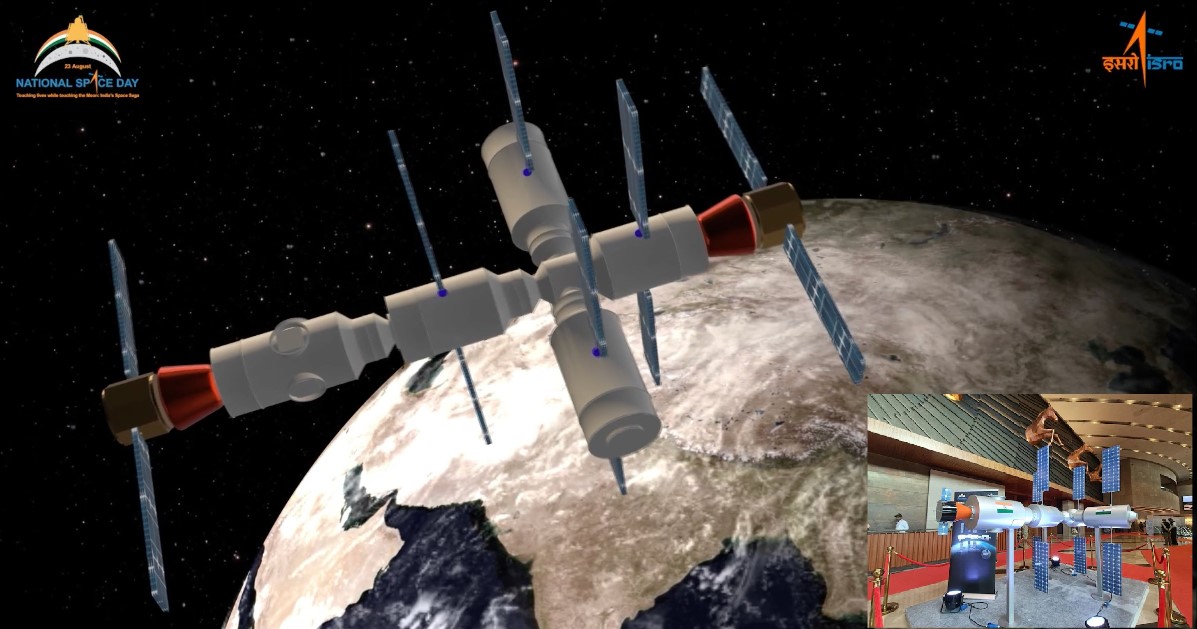
Space & Technology
India is on the cusp of entering a new era in space exploration with the approval of its own space station, the Bharatiya Antariksh Station (BAS). In a major decision, the Union Cabinet, chaired by Prime Minister Narendra Modi, has greenlit the development of the BAS, marking a pivotal step for India's ambitions in space. The first module of BAS, known as BAS-1, is scheduled for launch by December 2028, significantly advancing India's capabilities for long-term space missions and microgravity research.The Bharatiya Antariksh Station is set to be a key national space-based facility, allowing Indian scientists and researchers to conduct experiments in microgravity and explore technologies crucial for extended human space missions. This approval extends the Gaganyaan program, India’s flagship human spaceflight mission, which was originally conceived in 2018 with a focus on sending astronauts to low Earth orbit (LEO). With BAS now in the pipeline, the Gaganyaan program’s scope has been revised to include new missions aimed at developing and testing the technologies required to build and maintain a space station.BAS is not just about human spaceflight but about laying the groundwork for India's long-term ambitions in space exploration. The project, led by ISRO with collaboration from national agencies, academia, and industry, will demonstrate India’s technological prowess in sustaining human missions in LEO for longer durations. To achieve this, eight missions will be undertaken as part of the Gaganyaan program by 2028, which will include both crewed and uncrewed flights, as well as precursor missions to validate the technologies for BAS.ISRO’s ambitious timeline includes launching four Gaganyaan missions by 2026, focusing on building the necessary human spaceflight technology. These missions will be crucial stepping stones in ensuring India has the expertise required to build and operate the BAS. Following these, an additional four missions dedicated to BAS will be launched to demonstrate and validate the technologies for the space station.By 2035, BAS is expected to be fully operational, making India one of the few nations to possess such a space infrastructure. The Bharatiya Antariksh Station will not only boost India’s space research capabilities but also open new avenues for scientific innovation and technological advancements in fields like materials science, biology, and astrophysics, which are uniquely impacted by the conditions of microgravity. Furthermore, BAS could become a hub for international collaborations, allowing scientists from around the world to conduct research in India's state-of-the-art facility.The project will also have significant economic implications. The government has allocated an additional ₹11,170 crore to the Gaganyaan program, bringing its total funding to ₹20,193 crore. This increase underscores the importance of the project, not only for India’s space exploration goals but also for the country's broader technological and economic landscape. The development of BAS will stimulate growth in high-tech industries, generate employment, and foster innovation in fields such as robotics, automation, and materials technology.The BAS project aligns with India's broader vision for space exploration in the “Amrit Kaal,” a term referring to India’s golden era leading up to 2047, marking 100 years of independence. As part of this vision, India aims to conduct a crewed lunar mission by 2040, further demonstrating its capabilities in space exploration. With nations around the world, including the United States, Russia, and China, making significant investments in space infrastructure, India’s BAS will position the country as a significant player in human space exploration.For India's youth, the BAS project offers an exciting opportunity to engage in cutting-edge science and technology fields. The program is expected to inspire a new generation of scientists, engineers, and space professionals, providing a platform for careers in space research and technology development. The innovations and breakthroughs achieved through the BAS will not only benefit the space sector but will also have far-reaching applications in other industries.In conclusion, the Bharatiya Antariksh Station represents a bold step forward for India's space program. With the launch of its first module in 2028, BAS will serve as a symbol of India's growing prowess in space exploration and technological innovation. As India prepares for this new frontier, the station promises to bring scientific, economic, and social benefits, reinforcing India’s place in the global space community.
Read More → Posted on 2024-09-18 15:39:20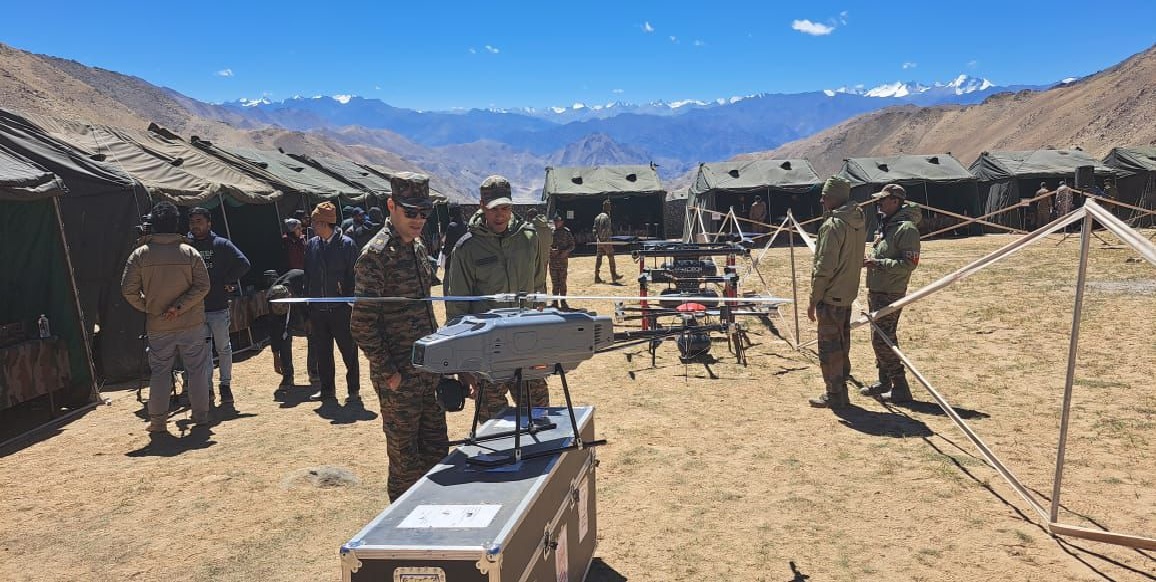
India
In an impressive display of innovation and strategic foresight, the Indian Army has launched the second edition of the HIM-DRONE-A-THON. This significant event, held from September 17th to 18th, 2024, in Leh, Ladakh, marks a pivotal moment in India’s defense technology, focusing on drones engineered for high-altitude warfare. The collaboration with the Federation of Indian Chambers of Commerce and Industry (FICCI) reflects the Army’s commitment to harnessing cutting-edge indigenous solutions for modern combat and logistics in some of the world's most challenging terrains.HIM-DRONE-A-THON 2, set against the backdrop of Ladakh’s Wari La Pass at over 15,000 feet, provided an exceptional platform for testing drones under extreme environmental conditions. Ladakh’s altitude, low temperatures, and rugged topography make it an ideal proving ground for assessing the endurance, performance, and utility of drones in real-world, high-stakes scenarios. The strategic importance of these tests cannot be overstated, given India’s focus on securing its northern borders, where high-altitude combat is a critical concern.This year’s event attracted over 20 drone manufacturers, each bringing a range of technological innovations to the table. These manufacturers showcased drone capabilities that go beyond traditional uses, extending into advanced areas such as surveillance, logistics, swarm operations, and even loitering munitions. A notable highlight of the showcase was the emphasis on first-person view (FPV) drones, a technology that offers a real-time, on-the-ground perspective, essential for tactical operations and intelligence gathering in remote or hostile environments.The Indian Army, through HIM-DRONE-A-THON 2, aims not just to evaluate these technologies but to actively identify solutions that could be integrated into its defense infrastructure. Drones capable of efficient surveillance at high altitudes, reliable logistics support for troops stationed in remote outposts, and those designed for precision strikes have the potential to revolutionize the way the Indian military operates in mountainous regions. The Army’s feedback will be crucial in refining these systems, ensuring they meet the exacting standards required for deployment in hostile environments.The event also highlighted a broader trend in global military strategy, where drones are becoming indispensable. Recent conflicts, such as those in Ukraine and Israel, have shown the critical role drones play, from surveillance and reconnaissance to direct combat applications. Their ability to operate in difficult-to-reach areas with minimal human risk makes them ideal for high-stakes military operations.For the Indian Army, the role of drones in high-altitude warfare is of paramount importance, especially given the geographical challenges of the northern borders with China and Pakistan. The need for superior technology to navigate and control these regions is urgent, and the potential of indigenous drone solutions could give India a distinct edge in ensuring territorial security. HIM-DRONE-A-THON 2 was not only a testing ground but a demonstration of India’s growing self-reliance in defense technology. The event also laid the foundation for increased collaboration between the defense sector and private industry, positioning India as a burgeoning leader in drone technology on the global stage. The innovations displayed in Ladakh could well propel India into the international drone market, opening up opportunities for defense exports and further boosting the country’s technological prowess.Beyond military applications, the technologies tested at HIM-DRONE-A-THON 2 have significant potential for civilian use in remote areas. From disaster management to logistics and communication in hard-to-reach locations, the event showcased how drones could also enhance civilian infrastructure in India’s most challenging regions. The Indian Army’s proactive approach to integrating new technologies like drones into its operations demonstrates a clear commitment to ensuring that the country remains at the forefront of modern warfare. HIM-DRONE-A-THON 2 is a clear indication that India is not just reacting to global defense trends but shaping them, ensuring its armed forces are prepared for future conflicts with the best possible technology.As drones continue to evolve and their roles in both civilian and military operations expand, India’s HIM-DRONE-A-THON 2 stands as a significant milestone in the nation’s defense innovation journey, showcasing the possibilities that indigenous technologies offer in ensuring national security and operational superiority.
Read More → Posted on 2024-09-18 15:35:40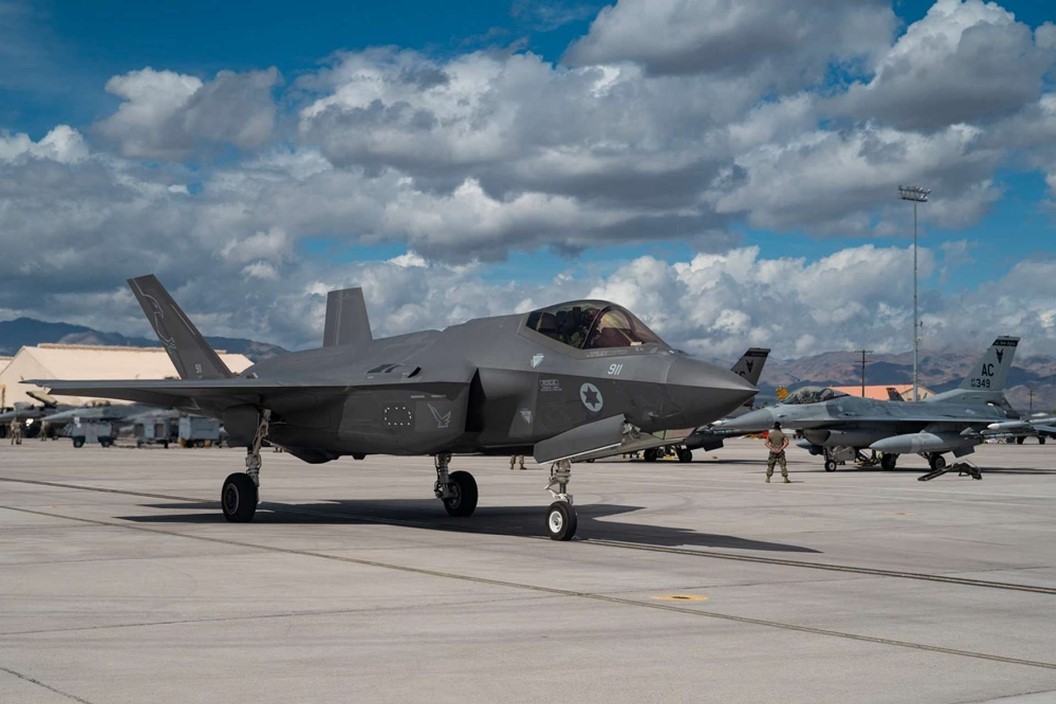
World
In a significant move to bolster its defense capabilities, Italy is set to acquire 25 more F-35 fighter jets, with a budget allocation of over €7 billion ($7.79 billion) for the purchase in 2024. This plan, currently awaiting parliamentary approval, is a substantial addition to Italy's ongoing defense modernization efforts. The new batch of jets will increase Italy's total F-35 fleet to 115 aircraft, positioning the nation as a major operator of these cutting-edge multi-role fighters in Europe.The purchase is part of a broader defense strategy that not only focuses on aircraft acquisition but also on engines, equipment, and long-term logistical support, with planning extending to 2035. This holistic approach ensures that Italy's air force and navy remain operationally effective and technologically advanced for decades to come.Expanding Italy’s F-35 FleetItaly initially committed to 90 F-35s, which includes 60 conventional F-35A models for the Italian Air Force and 30 short takeoff and vertical landing (STOVL) F-35B variants, split between the air force and the navy. The new order includes an additional 15 F-35As for the air force and five more F-35Bs for each branch, enhancing both services’ capabilities.The F-35s, produced by Lockheed Martin, are renowned for their stealth technology, advanced avionics, and multi-role versatility, which includes air superiority, ground attack, and intelligence missions. Italy's existing F-35 fleet already plays a key role in NATO's defense architecture, contributing to air policing, intelligence-gathering, and joint strike operations. With this new batch, Italy is further committing to the integration of 5th generation aircraft, which brings advanced situational awareness and combat readiness.Strategic Investments in DefenseThis defense expenditure is part of a broader €9.3 billion ($10.3 billion) defense procurement program for 2024. In addition to the F-35 jets, a substantial portion of this budget—€506 million ($563 million)—has been allocated for the Global Combat Air Programme (GCAP), an ambitious next-generation fighter jet project involving Italy, the UK, and Japan. The program aims to develop a new fighter by 2035, emphasizing the growing importance of international collaboration in defense technology.Moreover, Italy is investing €50 million ($55 million) to modify its new landing helicopter dock, the *Trieste*, to host the F-35B variants. This enables Italy to deploy these jets from sea, further expanding its operational flexibility in both the Mediterranean and global theaters.Another notable investment is the addition of €690 million ($767 million) towards the Eurofighter program, aimed at replacing older first-tranche Eurofighter jets with newer fourth-tranche models. This aligns with Italy’s broader modernization efforts as it seeks to replace its aging fleet by 2029.Italy’s Defense Spending SurgeItaly’s overall defense budget for 2024 is projected to increase to €20.85 billion ($23 billion), a rise from €19.56 billion ($22 billion) in 2023. This increase underscores the country’s commitment to modernizing its military and maintaining its standing as a key player in European and NATO defense structures. The decision to ramp up spending also reflects broader geopolitical tensions and the need for military readiness in an increasingly complex global security environment.The F-35 purchase, in particular, not only boosts Italy's aerial combat capabilities but also ensures it remains technologically aligned with its NATO allies, particularly in joint operations and defense initiatives across Europe. As Italy continues to invest in cutting-edge technology and international defense collaborations, its role as a prominent defense power in Europe and beyond is solidified.
Read More → Posted on 2024-09-18 15:33:24
India
Squadron Leader Mohana Singh has once again made history, this time by becoming the first female fighter pilot in India to be cleared to fly the Light Combat Aircraft (LCA) Tejas, India’s indigenously developed fighter jet. This achievement is not just a personal milestone but a significant moment in the journey of women in the Indian Air Force (IAF), marking a new era of gender equality in the country's defense forces.Mohana Singh, along with her colleagues Avni Chaturvedi and Bhawana Kanth, was part of the first batch of women inducted into the fighter stream of the IAF in 2016. At that time, this trio made headlines, as the Air Force had only recently opened its fighter wings to female pilots. The decision to allow women to fly combat aircraft was groundbreaking, symbolizing India’s increasing commitment to equal opportunities in its military forces. Initially, the three women were trained on various aircraft from the Air Force’s fleet, including the Sukhoi Su-30MKI, one of the IAF’s primary fighter jets. Over the years, Singh has built a distinguished career, flying not just the Su-30MKI but also now the LCA Tejas, showcasing her adaptability and skill across different aircraft platforms.Tejas, the aircraft Singh now pilots, is a homegrown marvel. Developed by Hindustan Aeronautics Limited (HAL), the LCA Tejas is a single-engine, multi-role fighter designed primarily for air combat and ground attack missions. Lightweight and highly maneuverable, it represents India’s push toward self-reliance in defense technologies. The aircraft is equipped with modern avionics, advanced radar systems, and a sophisticated fly-by-wire system, allowing it to perform in complex combat scenarios. Singh’s qualification to fly the Tejas is a testament to both her exceptional abilities as a pilot and the operational readiness of the aircraft itself.Squadron Leader Singh's latest achievement comes on the heels of her participation in the recent 'Tarang Shakti' military exercise in Jodhpur. During this exercise, she was part of a historic flight alongside the Vice Chiefs of the Indian Armed Forces. The exercise, which included countries such as the U.S., Australia, and Japan, was a key moment in showcasing India's military capabilities and international collaboration. Singh’s role in this exercise highlighted not only her technical skill but also the evolving role of women in high-level defense activities.The Indian Air Force has made significant strides in integrating women into its ranks. Currently, there are about 20 women serving as fighter pilots, with many of them flying advanced aircraft like the Su-30MKI and Tejas. The IAF's decision in 2016 to allow women into its fighter stream has opened doors for female officers to serve on an equal footing with their male counterparts. This is part of a broader trend in India’s military, where women are being given opportunities in previously male-dominated roles, from flying combat jets to serving in elite forces like the Garud commandos.In December 2023, the IAF also inducted its first batch of women Agniveers, marking another milestone. The Agniveers are recruited under the Agnipath scheme, a short-term service program aimed at bringing young people into the military. Women Agniveers, after completing their training, now serve in various non-officer roles, further expanding the scope of women’s participation in the defense sector.Singh’s journey, from being one of the first women inducted into the fighter stream to now flying the Tejas, symbolizes the growing presence of women in India’s armed forces. Her accomplishments not only reflect personal perseverance but also the broader strides India is making in achieving gender equality in one of its most crucial sectors.With the LCA Tejas now being flown by a female pilot for the first time, the IAF has yet another reason to celebrate its advancements in both technology and gender inclusion. Singh’s achievement underscores the growing confidence in India’s indigenous fighter jet program and highlights the important role women play in the nation’s defense.
Read More → Posted on 2024-09-18 15:29:40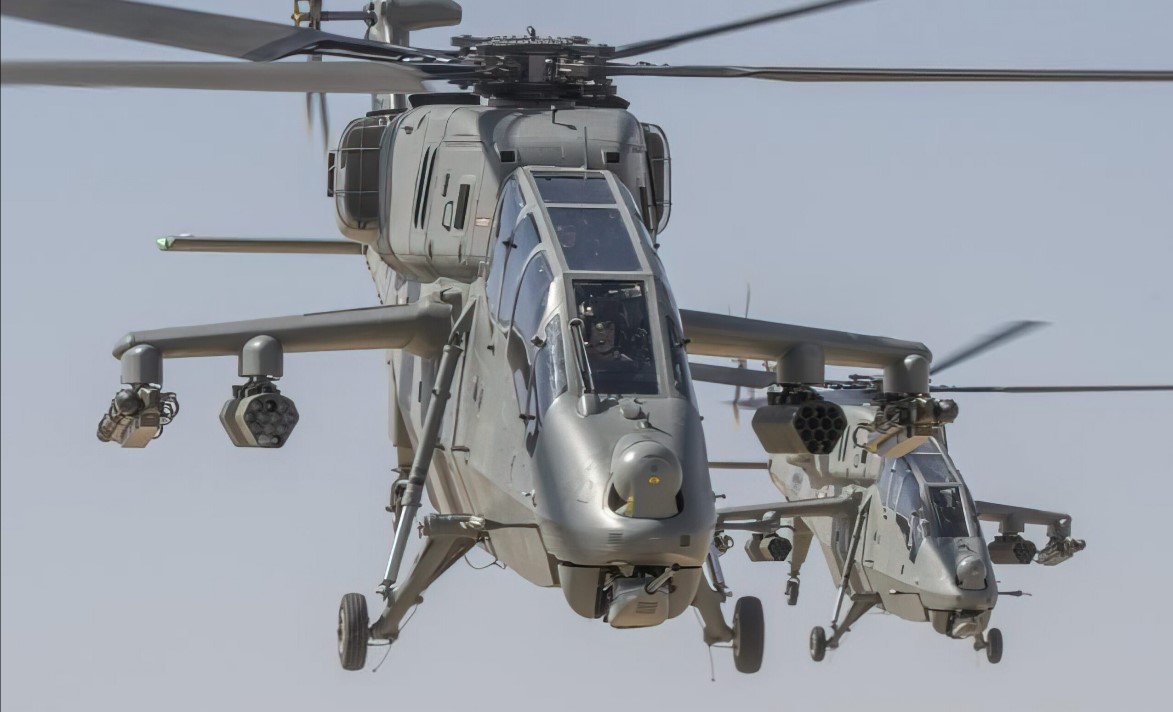
India
Nigeria is on the verge of significantly upgrading its military firepower by acquiring four Light Combat Helicopters (LCH) from India's Hindustan Aeronautics Limited (HAL). As negotiations between the two nations near completion, this move signals Nigeria’s commitment to modernizing its aerial defence capabilities and enhancing its counterterrorism operations.The LCH, developed by HAL, is a highly advanced and versatile combat helicopter. Built as a derivative of HAL’s Dhruv Advanced Light Helicopter (ALH), the LCH stands out for its state-of-the-art design, which includes stealth technology, armored protection, and crash-worthy landing gear. These features enhance its survivability and make it suitable for high-risk military operations. The helicopter’s light weight and advanced maneuverability give it an edge in combat situations, especially in rough terrains such as high-altitude mountains and dense jungle environments.Nigeria's interest in the LCH stems from its need for a robust and reliable platform to conduct a variety of military operations, including counter-insurgency, combat search and rescue, and enemy air defense destruction. The LCH is armed with precision weapons, including air-to-air and air-to-ground missiles, 70mm rocket systems, and a nose-mounted 20mm cannon. Its targeting systems, including electro-optical sensors and thermal imaging, allow the helicopter to operate effectively both day and night.This acquisition comes at a critical time for Nigeria as the country faces increasing internal security challenges, particularly from insurgent groups such as Boko Haram. The LCH’s adaptability to Nigeria’s geographic diversity—ranging from vast savannahs to dense forests—makes it an ideal fit for Nigerian military operations. Its ability to counter drones and other slow-moving aerial threats adds an extra layer of tactical capability that could be invaluable in Nigeria's ongoing fight against terrorism.The deal is being facilitated through a soft credit arrangement, demonstrating Nigeria’s growing interest in international defense partnerships. Interestingly, this move comes on the heels of the Nigerian Army's previous involvement with HAL’s Dhruv helicopters, where officers underwent extensive training in India. This prior experience with HAL’s helicopter technology has paved the way for this new partnership, easing the transition to more advanced systems like the LCH.The helicopter's modern design, which includes a glass cockpit and composite airframe, is not only a technological leap but also a product of HAL's indigenous innovation. The Indian Air Force and Army have already inducted the LCH into their fleets, and ongoing collaborations between India’s Defence Research and Development Organisation (DRDO) and HAL are focused on further enhancing the helicopter's weaponry and operational capabilities.For Nigeria, this acquisition is part of a broader military modernization strategy. The country is reportedly looking to acquire up to 12 twin-engine attack helicopters from various suppliers, with HAL’s LCH being a strong contender. Other potential suppliers include Airbus and Turkey’s TAI, but the LCH’s proven track record in challenging environments, combined with its adaptability and firepower, gives it a competitive edge.Beyond just providing helicopters, HAL is committed to offering comprehensive training programs for Nigerian military personnel. These training initiatives will ensure that Nigeria can operate and maintain these sophisticated helicopters effectively, ensuring the long-term success of the acquisition.In conclusion, as Nigeria prepares to finalize this deal, the acquisition of HAL’s Light Combat Helicopters is set to bolster its military strength, particularly in counterterrorism and internal security operations. This partnership also highlights the growing international reach of India’s defense manufacturing sector, underscoring HAL’s emergence as a global supplier of advanced military equipment.
Read More → Posted on 2024-09-18 15:27:17
Space & Technology
This month, Earth will briefly gain a second moon in the form of a small asteroid known as 2024 PT5. Unlike our permanent moon, which has been orbiting Earth for about 4 billion years, this "mini-moon" will only stick around for two months before it continues its journey through space. The arrival of 2024 PT5 is a rare but fascinating event, one that excites scientists who study such short-term celestial visitors.The asteroid 2024 PT5 comes from a group of objects known as the Arjuna asteroids. These small space rocks follow orbits similar to Earth's, at an average distance of around 93 million miles (150 million kilometers) from the Sun. These near-Earth objects occasionally drift close enough to our planet to be temporarily captured by Earth's gravity, and 2024 PT5 is no exception. When this asteroid reaches about 2.8 million miles (4.5 million kilometers) from Earth, it will be pulled into our planet's gravitational embrace, becoming a temporary moon.However, this mini-moon won't behave like Earth's main satellite. According to Carlos de la Fuente Marcos, a professor at the Universidad Complutense de Madrid and an expert on mini-moon events, 2024 PT5 will not complete a full orbit around Earth. Instead, it will act more like a "window shopper," hovering near Earth for a brief period before being pulled away by the gravitational influence of the Sun.There are two types of mini-moon events: long-term captures, where the object orbits Earth for a year or more, and short-term events like 2024 PT5’s visit, which last only weeks or months. Long-term captures are much rarer, occurring once every decade or two, while short-term events happen more frequently, with several occurring each decade. The short-term episodes don’t allow the asteroid to fully orbit Earth, and in this case, 2024 PT5 will only linger for about two months.Mini-moons like 2024 PT5 are pulled out of Earth's orbit by the Sun's gravity, ending their brief stint as Earth's companion. Once 2024 PT5 is ejected, it will return to its original orbit around the Sun as part of the Arjuna asteroid belt.While the arrival of a second moon sounds thrilling, 2024 PT5 won't be visible to most skywatchers. Its small size and dimness make it invisible to amateur telescopes or binoculars. According to Professor Marcos, only professional astronomers using large telescopes with advanced detectors will be able to observe the mini-moon.Despite its fleeting presence, scientists are eager to study 2024 PT5. Spectroscopic and photometric observations are planned to better understand the asteroid's composition and behavior during its brief stay. Although temporary, these mini-moons provide valuable opportunities for researchers to study near-Earth objects and how they interact with our planet’s gravitational field.So, while Earth briefly gains a second moon this month, don't expect to see it with the naked eye. Still, this tiny visitor serves as a reminder of the dynamic and ever-changing nature of our solar system.
Read More → Posted on 2024-09-17 17:09:25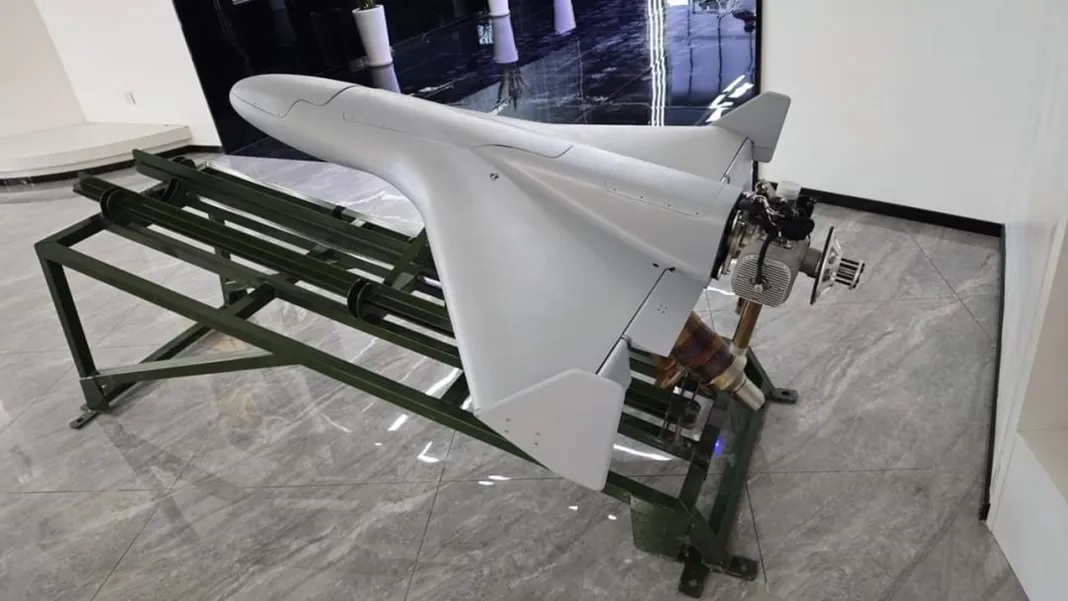
World
China has been ramping up its efforts to promote advanced military technologies in Pakistan, and its latest offering is the FY-70, a loitering munition designed as a suicide drone. Manufactured by the Chinese company Bieberg, the FY-70 has garnered attention due to its striking resemblance to the Russian KYB drone, developed by the Kalashnikov Concern. However, despite its similarities to the Russian model, the FY-70 introduces some notable enhancements, making it a compelling option in modern warfare.Loitering munitions like the FY-70 and its Russian counterpart are designed to hover over battle zones, searching for targets before diving down for precision strikes. Often referred to as suicide drones, they are single-use, kamikaze-style weapons capable of delivering lethal payloads to strategic targets such as armored vehicles, artillery positions, and even enemy bunkers. The delta-wing design of the FY-70 closely mirrors the Russian KYB, which has been utilized in various conflict zones for its ability to take out fixed or soft targets.One of the most significant advantages of suicide drones is their ability to exploit weak points on armored vehicles, particularly their relatively thin tops. By attacking from above, these drones can deliver devastating strikes that traditional ground-based weapons might struggle to achieve. Equipped with optical payloads, loitering munitions can also serve a dual role as reconnaissance drones, gathering critical intelligence before executing their missions.What sets the Chinese FY-70 apart from the Russian KYB is its propulsion system. While the Russian KYB relies on an electric motor, limiting its range and flight time, the FY-70 incorporates an internal combustion engine. This modification provides the Chinese drone with extended flight duration and greater operational range, giving it an edge in missions that require longer loitering times and the ability to cover more ground. The internal combustion engine not only enhances the drone’s endurance but also allows it to be deployed in more diverse environments, where electric-powered drones might struggle due to limited battery life.Interestingly, reports suggest that even Russian forces have taken notice of the Chinese FY-70. There are indications that Russia is exploring the possibility of purchasing a variant of the FY-70, reportedly named the "Harpy-A1." This development highlights the growing reputation of China’s drone technology, which has been rapidly evolving in recent years, pushing the boundaries of unmanned aerial warfare.China's move to market the FY-70 in Pakistan underscores the increasing demand for affordable, effective, and adaptable military solutions in the region. As Pakistan continues to modernize its military capabilities, loitering munitions like the FY-70 could play a crucial role in its arsenal, providing the nation with a tactical advantage in both reconnaissance and direct combat situations.The promotion of the FY-70 also reflects broader trends in global defense strategies. Suicide drones have become a staple in asymmetric warfare, allowing smaller forces to launch precise attacks without risking personnel. Their cost-effectiveness and relatively low-tech requirements make them an attractive option for countries looking to enhance their offensive capabilities without investing heavily in traditional air power.In conclusion, the Chinese FY-70 suicide drone offers a compelling blend of proven design and innovative improvements, particularly in its enhanced propulsion system. As it enters the Pakistani market, its impact on regional defense strategies will be closely watched. The fact that even Russia may be interested in acquiring a variant of this drone speaks volumes about its potential in modern combat operations.
Read More → Posted on 2024-09-17 17:06:19
World
In a major step forward for British military technology, Saab, the Swedish defence giant, has successfully delivered five of its next-generation TAIPAN radar systems to the British Army. As of July 22, 2024, these cutting-edge radar systems have officially entered service with the 5th Regiment Royal Artillery, bringing enhanced precision and mobility to the Army’s operations.The TAIPAN radar systems, part of the Arthur family of weapon-locating radars, represent a significant upgrade from the previous MAMBA Arthur models that the British Army had relied on. These advanced systems are designed to offer more than just increased range and accuracy—they are engineered to excel in modern, fast-paced battlefield environments where agility and survivability are paramount.At its core, the TAIPAN system provides rapid deployment and re-deployment capabilities, crucial for modern warfare where mobility can be the difference between success and failure. The system’s high operational mobility allows it to be set up quickly and moved as needed, giving the British Army a flexible tool in counter-battery operations, where detecting and neutralising enemy artillery and rocket systems is critical. One of the standout features of the TAIPAN system is its ability to locate a larger number of targets at extended ranges compared to its predecessor, thanks to Saab’s innovative Digital Antenna technology. This technology significantly reduces the radar’s electronic warfare signature, making it harder for enemies to detect and jam, while also improving its survivability in hostile environments. This represents a considerable advancement in radar technology, aligning with the evolving nature of warfare where electronic warfare capabilities play an increasingly central role.The transition from MAMBA to TAIPAN was marked with a formal ceremony on June 28, 2024, at Larkhill Camp, where the 5th Regiment Royal Artillery accepted the new systems as their Colours. The upgrade not only strengthens the British Army’s capabilities but also reflects Saab’s ongoing partnership with the UK military. The British Army has been a long-time user of Saab’s Arthur radar systems, with their MAMBA units proving their worth in both Iraq and Afghanistan. The introduction of TAIPAN ensures that this legacy of excellence continues into the future, now with even greater performance and reliability.Andy Fraser, Group Managing Director of Saab UK, expressed his pride in delivering these next-gen systems, highlighting the strong relationship Saab has built with the British Army over the years. "We are immensely proud to support the British Army with our state-of-the-art TAIPAN systems," Fraser stated, emphasising that the company looks forward to continuing its role as a key partner in the UK’s radar and defence capabilities.Lieutenant General Sir Andrew Gregory KBE CB, Master Gunner St James’s Park, also hailed the significance of the new systems, stating that TAIPAN represents a “step change in capability” for the British Army. He acknowledged Saab’s impressive contributions, both with the MAMBA systems and now with the advanced TAIPAN radar.Looking ahead, Saab has established a Centre of Radar Excellence in Fareham, UK, to provide ongoing maintenance and support for the TAIPAN systems. This move underscores Saab’s broader strategy to expand its global footprint, with the UK serving as a key hub for radar excellence outside of Sweden. Currently, the Arthur family of radar systems is in use by 12 countries, including several NATO members and South Korea, further cementing Saab’s reputation as a global leader in radar technology.With the TAIPAN radar systems now in service, the British Army is better equipped than ever to detect and neutralise enemy threats, ensuring that its forces remain at the cutting edge of military technology. This latest delivery marks a pivotal moment for UK defence, ushering in a new era of advanced radar capabilities that will play a crucial role in future military operations.
Read More → Posted on 2024-09-17 17:03:35
World
The Japan Coast Guard (JCG) is set to embark on an ambitious project to build the largest patrol vessel in its history, a formidable 199-meter-long ship with a gross tonnage of 30,000 tons. This new Multi-Purpose Patrol Vessel (MPPV) represents a significant upgrade in Japan’s maritime capabilities, combining disaster relief, security operations, and potential evacuation efforts into a single platform.The vessel’s design is impressive, not only because of its size but also due to its versatility. Capable of accommodating up to 1,000 people, the MPPV can serve as a floating base during emergencies. It features ample space for vehicles and a large flight deck situated at the aft, where two helicopters can operate simultaneously. Additionally, the ship will have a hangar capable of storing three more helicopters, ensuring continuous aerial support during complex operations. An important element of the MPPV's operational capacity is its ability to deploy small boats, such as Rigid-Hulled Inflatable Boats (RHIBs), which are commonly used for fast rescue and patrol missions. A crane mounted at the bow will facilitate the loading and unloading of these boats, enhancing the vessel’s versatility. This feature will be essential in a variety of maritime scenarios, from disaster relief to security patrols in challenging sea conditions.The ship's construction, estimated to cost around ¥68 billion (approximately USD 480 million), highlights Japan's focus on enhancing its disaster preparedness. In the event of a large-scale earthquake or tsunami, the MPPV will function as an offshore command center. It will be equipped to transport supplies and personnel via helicopters and boats, provide shelter for evacuees, and even serve as a temporary hospital. This floating emergency base could become a vital lifeline during natural disasters, helping to coordinate relief efforts and transport critical aid to affected coastal areas.The MPPV’s utility goes beyond disaster response. It is also intended to provide offshore security during high-profile international events such as G7 summits, the Olympics, and World Expos. This makes the vessel an important asset for maintaining public safety during such gatherings, where heightened security is required. The ship will serve as a floating command center, coordinating maritime patrols and responding to any threats during these events.Amid rising geopolitical tensions in the region, particularly concerning the Taiwan Strait, the JCG has another critical role in mind for the MPPV. In the event of a military conflict with China, particularly involving Taiwan, the vessel would be responsible for evacuating Japanese residents from the country’s southwestern islands and other remote regions. The Japanese government has been weighing evacuation strategies, recognizing that the Self-Defense Forces would likely be preoccupied with combat operations in such a scenario. This leaves civilian evacuation efforts in the hands of the JCG and other agencies, with the MPPV taking a central role in such operations.Interestingly, despite its size and strategic importance, the MPPV will not be armed. Classified as a patrol vessel, its primary function will be logistical support, transport, and emergency relief rather than direct engagement in combat. The ship is designed to resemble a large transport vessel or ferry, emphasizing its role in civilian evacuation and humanitarian missions.Construction of the MPPV is scheduled to begin in fiscal year 2025, with the vessel expected to be operational by fiscal year 2029. While the exact deployment location remains undetermined, the vessel's size and capabilities ensure that it will be a key asset in Japan’s maritime strategy for years to come. This ambitious project underscores Japan’s commitment to strengthening its disaster response, security operations, and evacuation planning, all while addressing the growing regional challenges. With the MPPV, the Japan Coast Guard is poised to enhance its operational reach and effectiveness in a wide range of maritime situations.
Read More → Posted on 2024-09-17 17:01:37
World
The U.S. State Department has recently approved a potential military sale to Taiwan, valued at $228 million, as part of ongoing efforts to bolster the island's defenses amid increasing tensions with China. This development comes at a time when China's military posturing around Taiwan has intensified, with frequent aircraft incursions and naval exercises around the island, testing Taiwan's defense capabilities.The sale primarily involves the return, repair, and reshipment of spare parts and other equipment essential for Taiwan's military aircraft. According to the U.S. Department of Defense’s Defense Security Cooperation Agency (DSCA), this includes classified and unclassified components, engineering services, technical support, and logistical aid. The equipment aims to enhance Taiwan's Air Force capabilities, which are under growing pressure due to China's "grey zone" tactics—operations meant to wear down Taiwan's defenses without full-scale conflict.The deal will now head to the U.S. Congress for final approval, though it is expected to pass smoothly, given the strong bipartisan support for Taiwan’s defense. Taiwan’s Ministry of Foreign Affairs welcomed the sale, expressing gratitude for Washington’s continued military assistance under the Taiwan Relations Act and the Six Assurances, long-standing commitments by the U.S. to help Taiwan maintain its self-defense.Taiwan’s Ministry of National Defense emphasized that this military support is crucial to maintaining the operational readiness of its air force, which has been stretched thin by regular Chinese military activity in the region. In recent years, Taiwan's air force has had to scramble fighters almost daily in response to Chinese incursions, which has put significant strain on its fleet.This sale marks the 16th approved by the Biden administration, highlighting the steady growth of U.S.-Taiwan military cooperation. Over the past few years, the U.S. has steadily ramped up its arms sales to Taiwan, with significant deals including F-16 fighter jets and anti-ship missiles. These sales are not only intended to modernize Taiwan’s aging military hardware but also to send a clear message of deterrence to China.In 2021, the U.S. approved the sale of 66 F-16V fighter jets to Taiwan, a deal valued at over $8 billion. These advanced jets are designed to strengthen Taiwan’s air defense capabilities and will include enhanced radar systems and precision weaponry. Delivery of the F-16Vs, originally set for earlier dates, is now expected to commence in 2026 after delays due to production and logistical challenges.Beyond military sales, U.S.-Taiwan relations have deepened in economic and technological spheres as well. Taiwan is a key player in the global semiconductor industry, and U.S. officials have increasingly collaborated with Taipei to secure critical supply chains and reduce dependence on Chinese technology.Despite growing cooperation, Washington still adheres to its "One China" policy, which acknowledges Beijing’s claim over Taiwan but continues to engage with Taiwan on unofficial terms. China, predictably, has responded with strong condemnation. Beijing views U.S. arms sales to Taiwan as a direct provocation and has ramped up its military activities around the island in response.In the broader geopolitical context, the U.S. has also supported Taiwan’s inclusion in international organizations such as the World Health Organization (WHO) and the Comprehensive and Progressive Agreement for Trans-Pacific Partnership (CPTPP), both of which Taiwan has been historically excluded from due to Chinese objections.The sale of this equipment comes amid a sharp rise in military tensions in the Taiwan Strait. As China continues to increase its military pressure on Taiwan, Washington's arms sales have become a critical component of Taiwan's defense strategy, providing much-needed hardware and reinforcing U.S. support for the island's security.While the U.S. maintains that its policy towards Taiwan is rooted in ensuring peace and stability in the region, China sees these actions as attempts to embolden Taiwanese independence movements, a red line for Beijing. As the situation continues to evolve, the U.S. sale of military equipment to Taiwan underscores the island's strategic significance and Washington's commitment to countering China's influence in the Indo-Pacific.
Read More → Posted on 2024-09-17 16:56:20
Space & Technology
India’s space agency, the Indian Space Research Organisation (ISRO), has taken a bold leap into the future of space tourism by unveiling a reusable space tourism rocket and capsule. Drawing on the successes and technological advancements of the Gaganyaan mission, this new venture aims to offer passengers a truly out-of-this-world experience—literally. ISRO’s ambitions are not just limited to the country’s traditional space exploration goals; the organization is now poised to take space enthusiasts to the very edge of space in a reusable rocket.The design of ISRO’s new space tourism vehicle mirrors the cutting-edge technology behind the Gaganyaan crew module. Gaganyaan, India's human spaceflight mission, was the first to carry Indian astronauts into low Earth orbit, and this new tourism rocket is directly inspired by its successful blueprint. With its reusable nature, the rocket will lower the cost of space tourism significantly, allowing more people to embark on this once-in-a-lifetime experience.Passengers aboard the rocket will be flown to an altitude of 100 kilometers, commonly referred to as the Kármán Line, which is widely accepted as the boundary between Earth's atmosphere and outer space. At this point, tourists will get a brief but awe-inspiring experience of microgravity—floating freely for around 3.5 minutes as they marvel at the vastness of space. The total flight time, from liftoff to return, will be approximately 8.5 minutes. While short, the experience promises to be packed with the thrill of rocket launches, breathtaking views of Earth from space, and the unique sensation of weightlessness.A key feature of ISRO’s system is the reusability of both the rocket and the capsule, which will be recovered and refurbished for future flights. This reduces operational costs and minimizes environmental impact, aligning with the growing demand for sustainable space exploration. By leveraging its existing infrastructure, technical expertise, and an ever-growing commercial space sector, ISRO aims to offer space tourism at a price point much lower than that of current private competitors like Blue Origin or SpaceX.Beyond just offering an adventure, ISRO’s space tourism program is also part of a broader vision for India’s role in the global space economy. With space agencies and private companies worldwide racing to expand into space tourism, ISRO’s entry into this market reflects its growing influence. The organization has already carved a niche in cost-effective satellite launches and Mars exploration missions, and now, it aims to democratize access to space for a new generation of adventurers.Although specific pricing and availability details have not yet been disclosed, the introduction of such a system signals ISRO’s commitment to pushing the boundaries of space travel. Future enhancements may include longer durations in microgravity or even stays aboard space stations in low Earth orbit, a concept that may one day resemble hotels in space.For now, though, ISRO’s reusable rocket represents a significant milestone for both India’s space program and the global commercial space sector. As space tourism transitions from science fiction to reality, ISRO’s affordable, cutting-edge solution could open up space for a much larger and more diverse audience than ever before. This pioneering effort not only boosts India's standing in the international space community but also brings us one step closer to making space accessible to everyone.
Read More → Posted on 2024-09-17 16:53:30
World
Lockheed Martin has taken its renowned AGM-158 Joint Air-to-Surface Standoff Missile (JASSM) to the next level with the unveiling of an 'extreme range' variant, known as the AGM-158 XR. This new missile promises to significantly enhance the long-range strike capabilities of the US military, offering greater lethality and survivability for pilots while maintaining compatibility with modern fighter jets such as the F/A-18 and F-35.The AGM-158 JASSM has already proven itself to be a reliable weapon, capable of delivering precision strikes from beyond enemy air defenses. However, the new AGM-158 XR aims to surpass its predecessors in almost every aspect. The missile has been designed to carry a 1,000-pound (453-kilogram) armor-piercing warhead, making it a formidable tool for deep penetration strikes against hardened targets. It is also significantly larger, allowing for more fuel capacity, which will likely enable it to reach farther than existing JASSM variants, though Lockheed has not disclosed the exact range. Current estimates suggest that the AGM-158 XR could exceed the range of both the standard JASSM and the Long-Range Anti-Ship Missile (LRASM), both of which already offer standoff capabilities in excess of 500 miles (around 800 kilometers). While these numbers remain speculative, it's clear that the new missile is designed to strike from even further distances, well outside the reach of enemy air defenses, enhancing pilot safety during high-risk missions.A key aspect of the AGM-158 XR is its modularity. Lockheed has incorporated smart internal modifications that not only improve performance but also make future upgrades easier to implement. This forward-thinking design ensures that the missile can be adapted to meet evolving threats without requiring complete redesigns or reengineering.One of the advantages of the AGM-158 XR is that it builds on the existing JASSM production lines and supply chains. According to Lockheed Martin's General Manager, John Hill, this means that the missile can be rapidly produced and delivered to the US military once development is complete. The company has suggested that flight testing could begin within the next one to two years, although the missile is still several years away from being ready for operational use. Although the US Department of Defense has not yet committed to purchasing the AGM-158 XR, its potential is undeniable. The missile’s extreme range and powerful warhead make it an attractive option for the US Air Force as it seeks to modernize its strike capabilities in an increasingly contested global environment. Additionally, by maintaining compatibility with advanced aircraft like the F/A-18 and F-35, Lockheed Martin ensures that the AGM-158 XR can be easily integrated into the existing fleet without requiring costly modifications or delays.Lockheed Martin has emphasized that the AGM-158 XR is designed to meet the future needs of warfighters, anticipating the challenges of tomorrow’s battlefields. The missile’s increased range would allow it to target high-value assets deep within enemy territory while minimizing the risk to US pilots. Furthermore, its ability to penetrate heavily fortified structures means it could be a key asset in any conflict where precision strikes are essential.In summary, the AGM-158 XR represents a significant leap forward in missile technology, offering greater range, modularity, and striking power than previous variants. While it is still in development, the missile is poised to play a crucial role in future US military operations, providing commanders with a powerful new tool to deter adversaries and protect American forces.
Read More → Posted on 2024-09-17 16:49:23
India
In a move that could significantly enhance India’s aerospace capabilities, GE Aerospace and Hindustan Aeronautics Limited (HAL) are nearing a landmark agreement for the transfer of technology (ToT) for the F-414 engine. This deal, expected to be finalized later this year, will allow HAL to produce the F-414 engine locally in Bangalore, marking a significant milestone for India’s defense manufacturing sector.The F-414 engine, which powers several fighter jets, including the indigenous Tejas Mark 2, is known for its high performance and reliability. Through this deal, India will gain access to approximately 80% of the engine’s manufacturing technology—an unprecedented level of technology transfer for this particular engine. By comparison, South Korea, which also uses the F-414 engine in its KF-21 fighter jet, received only 59% ToT. This illustrates the scale and importance of the agreement between India and GE Aerospace.However, there are some critical elements of the technology that GE will retain. One of the key components withheld from the transfer is the single crystal (SX) blade casting process. These blades are vital for the engine's performance, as they can withstand extremely high temperatures and pressures within the engine's turbine section. Despite this limitation, HAL will gain the necessary technology to coat and machine these blades, giving it significant manufacturing control over the majority of the engine components.In addition to the SX blades, the software for the Full Authority Digital Engine Control (FADEC) system will also remain under GE’s control. The FADEC system is crucial for optimizing engine performance, as it precisely manages the engine’s parameters, including fuel flow and engine speed, ensuring efficient operation and safety. While HAL will not have access to the software, the Indian company will be able to locally manufacture the physical components of the engine, giving it control over most of the production process.The remaining 20% of the engine technology, which includes these sensitive elements, will be supplied directly by GE Aerospace to HAL, ensuring that GE retains control over critical intellectual property. This arrangement balances HAL’s manufacturing autonomy with GE’s protection of its proprietary technologies. It allows HAL to gain extensive knowledge and expertise in engine manufacturing while maintaining GE's control over the most critical elements of the engine.India’s indigenous capabilities in engine manufacturing are also progressing, particularly in the casting of single crystal blades. The country made significant strides in this field during the development of the Kaveri engine, a domestic jet engine project. Although the SX blade technology transfer is withheld in the GE deal, India could potentially replace the withheld components in the future using its own advancements, allowing for complete local production of the engine.The deal’s finalization will not only bolster India's defense capabilities but also reduce its reliance on foreign suppliers. By establishing a domestic production line for the F-414 engine, India will create new opportunities for local industries and jobs, driving growth in its aerospace sector. Furthermore, this transfer of technology will significantly elevate HAL’s capabilities, putting India on the path to becoming a global leader in advanced jet engine production.As India continues to advance its indigenous defense manufacturing capabilities, this partnership with GE Aerospace is poised to be a crucial step toward greater self-reliance. While key technologies will remain under GE’s control, India is well-positioned to leverage its own expertise and resources to eventually bridge these gaps, potentially leading to full local manufacturing of high-performance jet engines in the near future.
Read More → Posted on 2024-09-17 16:46:08Search
Top Trending in 24 Hours
-
 8 U.S. Air Force Crew Members Killed in B-52 Bomber Crash During Test Flight at Edwards Air Force Base
-
 Ukraine Introduces Balloon-Launched DART Missile Designed to Defeat Electronic Warfare
-
 Lockheed Martin Wins $514 Million U.S. Space Force Contract for Two New GPS IIIF Satellites
-
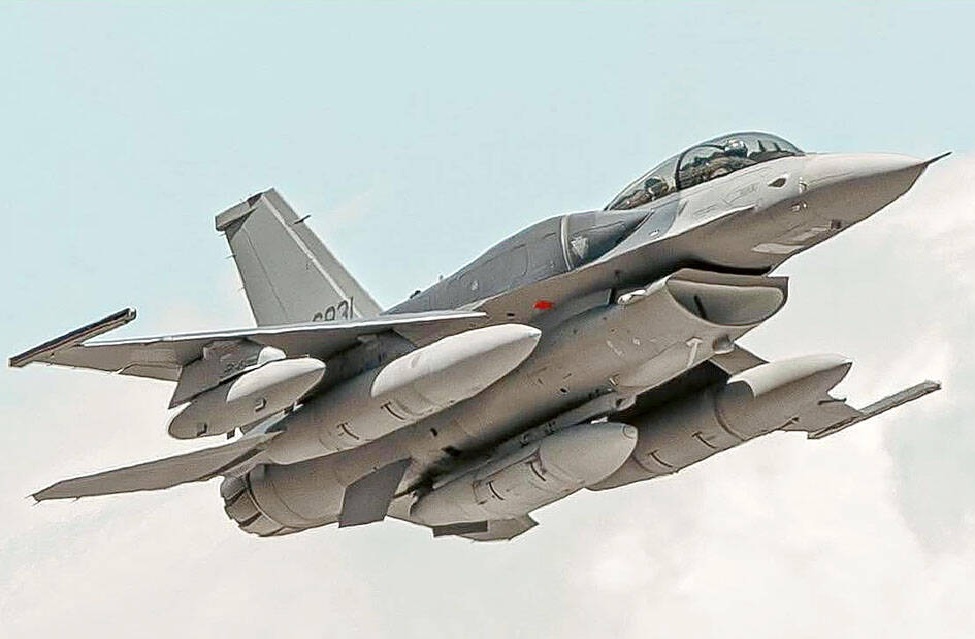 First Taiwanese F-16 Block 70 Flies with Five-Tank Fuel Configuration During Texas Tests
-
 UK Announces £210 Million Deal to Supply Enriched Uranium to Ukraine for Two Years
-
 Russian Frigate Admiral Grigorovich Challenges UK Yacht in English Channel With Warning Shots
-
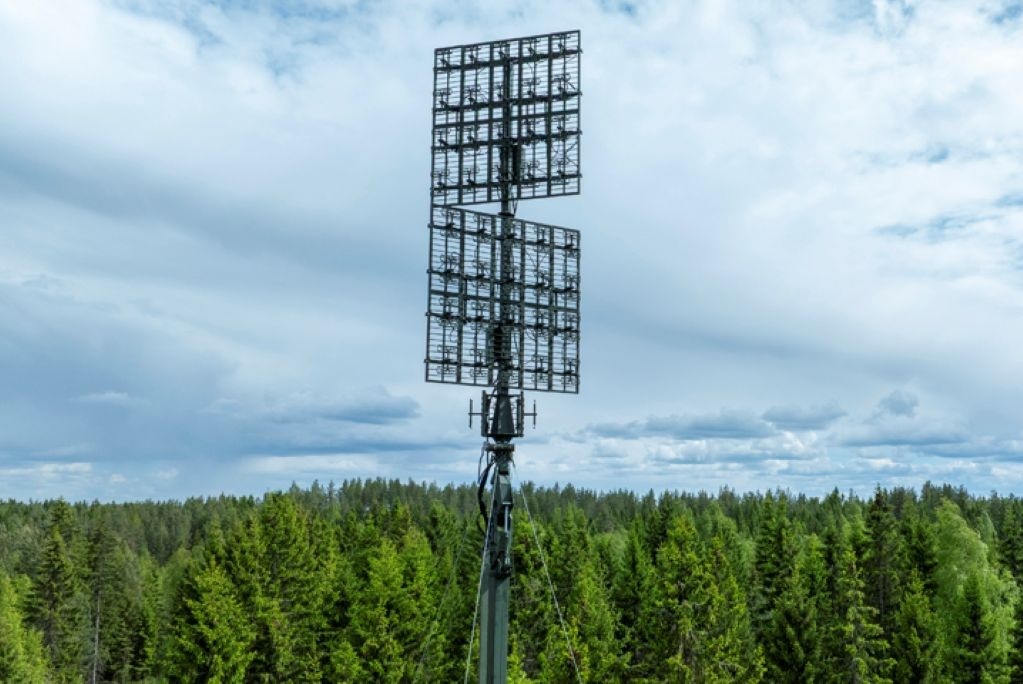 Patria Launches WISPR Passive Counter-Battery Radar with Silent Detection Capability at Eurosatory 2026
-
 Space Force Transfers Transportable Satellite Tracking Antenna to Naval Research Laboratory
Top Trending in 4 Days
-
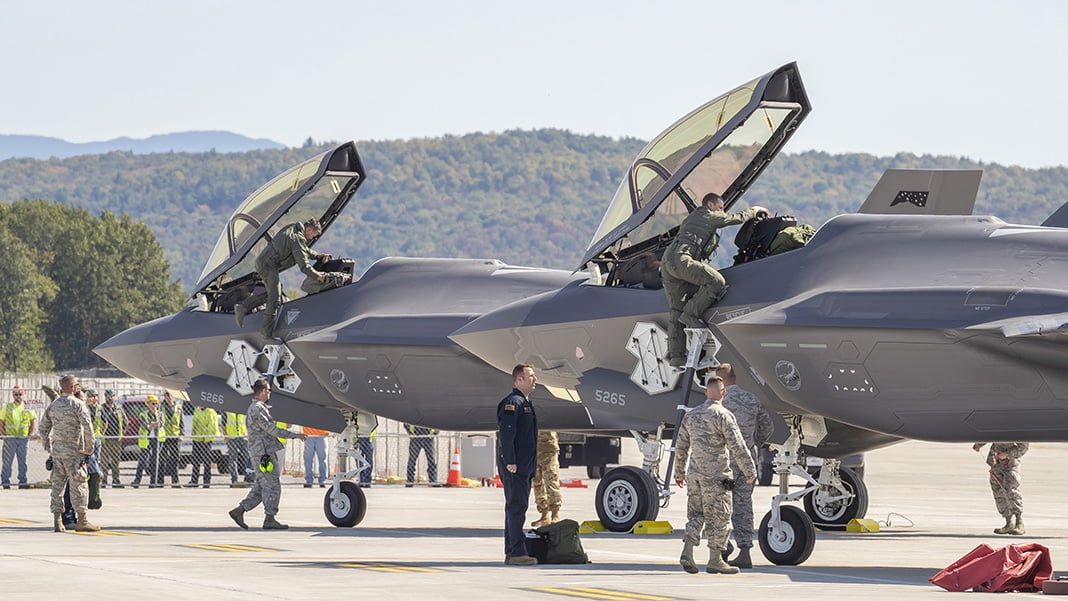 F-35 Fleet Readiness Falls to 25% Amid Parts Shortages and Software Delays: GAO Report
-
 US Marine Corps F/A-18D Hornet Crashes During Training Flight in Washington Mountains; Pilot Ejects Safely
-
 Leonardo Rheinmetall to Unveil Italy’s New IMBT Main Battle Tank at Eurosatory 2026
-
 Tulsi Gabbard Releases Declassified Files Detailing U.S.-Backed Network of 120 Biolaboratories Across 30+ Countries
-
8 U.S. Air Force Crew Members Killed in B-52 Bomber Crash During Test Flight at Edwards Air Force Base
-
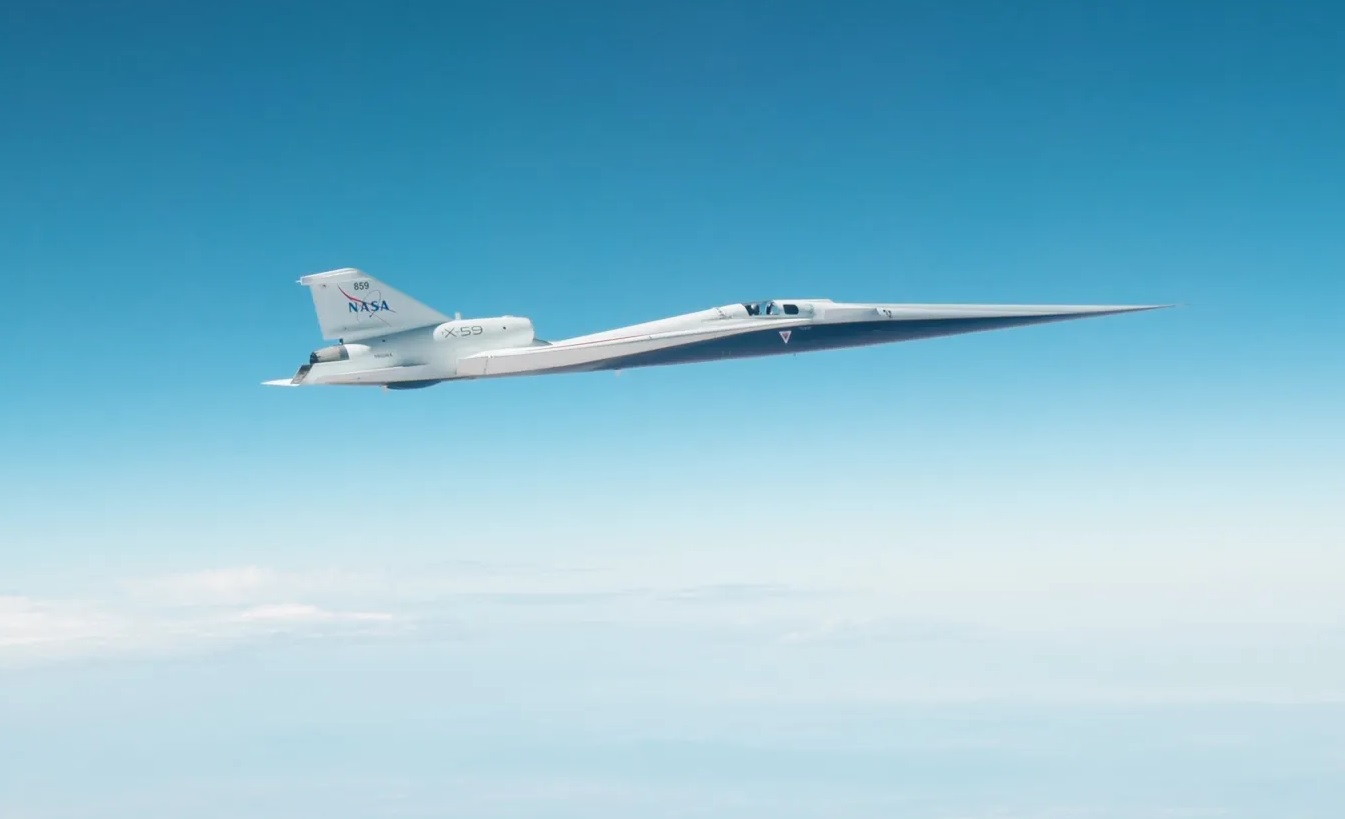 NASA X-59 Achieves Planned Mission Conditions with Mach 1.4 Flight at 55,000 Feet
-
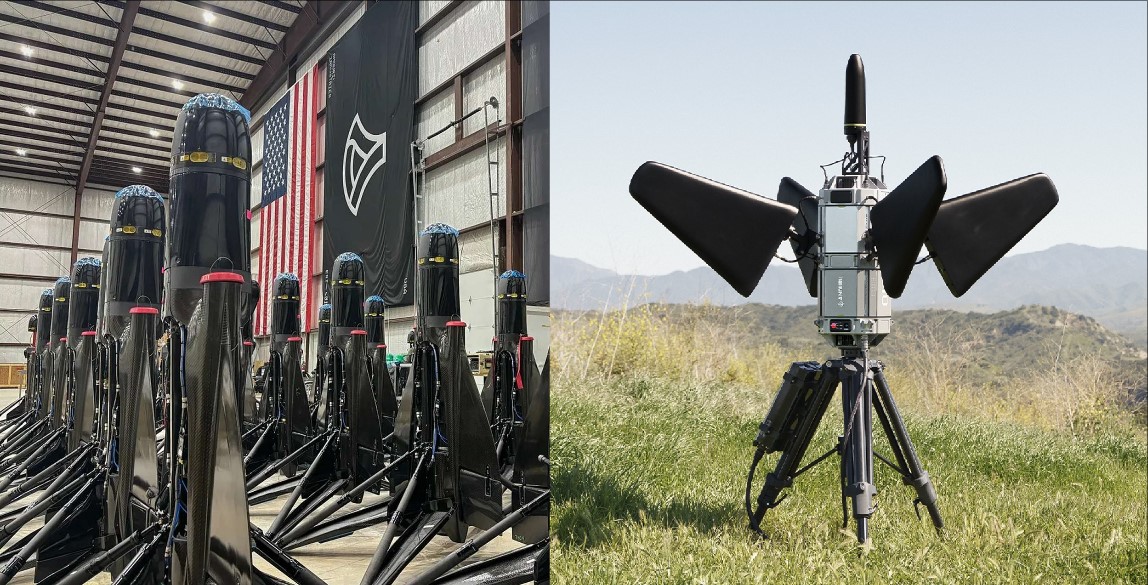 U.S. Approves $1.98 Billion Sale of Anduril AI-Powered Counter-Drone Systems to Kuwait
-
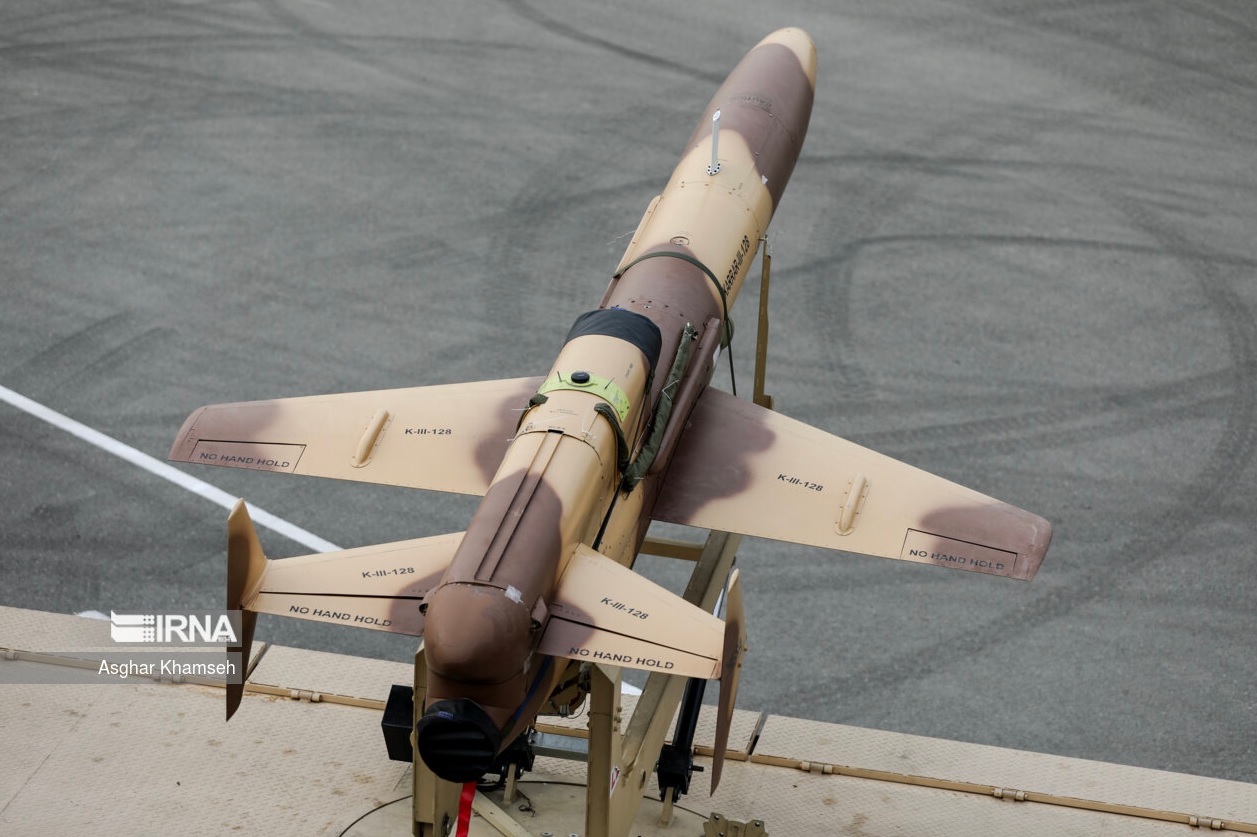 Russia Launches 1,400 Jet-Powered Drones in 2026 as Strike Tactics Evolve to Challenge Ukraine's Air Defenses
