The Defence Research and Development Organisation (DRDO) has unveiled an impressive agenda for 2024, setting its sights on a range of innovative projects that are set to shape India's defence landscape. With a focus on both technological advancements and military recruitment, DRDO's plans include psychological assessments for the Agniveer recruits, development of cutting-edge weapon systems, and an effort to bolster regulatory frameworks that oversee India's military capabilities.
A major highlight of this agenda is the introduction of psychological evaluations for Agniveers—young soldiers recruited under the Agnipath scheme. Recognizing the importance of mental resilience in today's combat scenarios, DRDO is developing a comprehensive psychometric assessment to evaluate the recruits' cognitive and emotional fitness. This test, expected to be rolled out later this year, will offer deeper insights into each recruit’s psychological readiness, ensuring a more holistic recruitment process for the Indian Armed Forces.
On the technological front, DRDO’s 2024 roadmap includes key advancements in India’s air defence. The organization is nearing the Final Operational Clearance (FOC) of its Airborne Early Warning and Control (AEW&C) system, known as "Netra". This state-of-the-art system is designed to detect and track aerial threats over vast distances, enhancing the Indian Air Force's ability to respond to incoming dangers more effectively. Equipped with radar and communication systems, "Netra" will serve as a critical force multiplier, allowing India to maintain an advantage in air surveillance and threat neutralization.
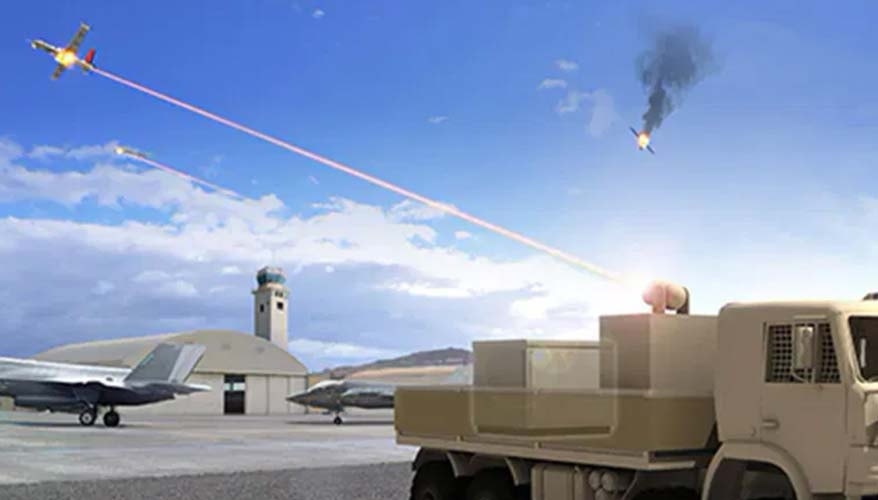
Furthermore, DRDO is making strides in the field of Directed Energy Weapons (DEW), focusing on a powerful 30 kW system. This technology, which uses focused electromagnetic energy to disable targets such as rogue drones, offers a glimpse into the future of warfare where conventional ammunition may be complemented—or even replaced—by energy-based systems. Capable of neutralizing aerial threats with precision and speed, this DEW system underscores India's commitment to staying ahead of the curve in modern military tech.
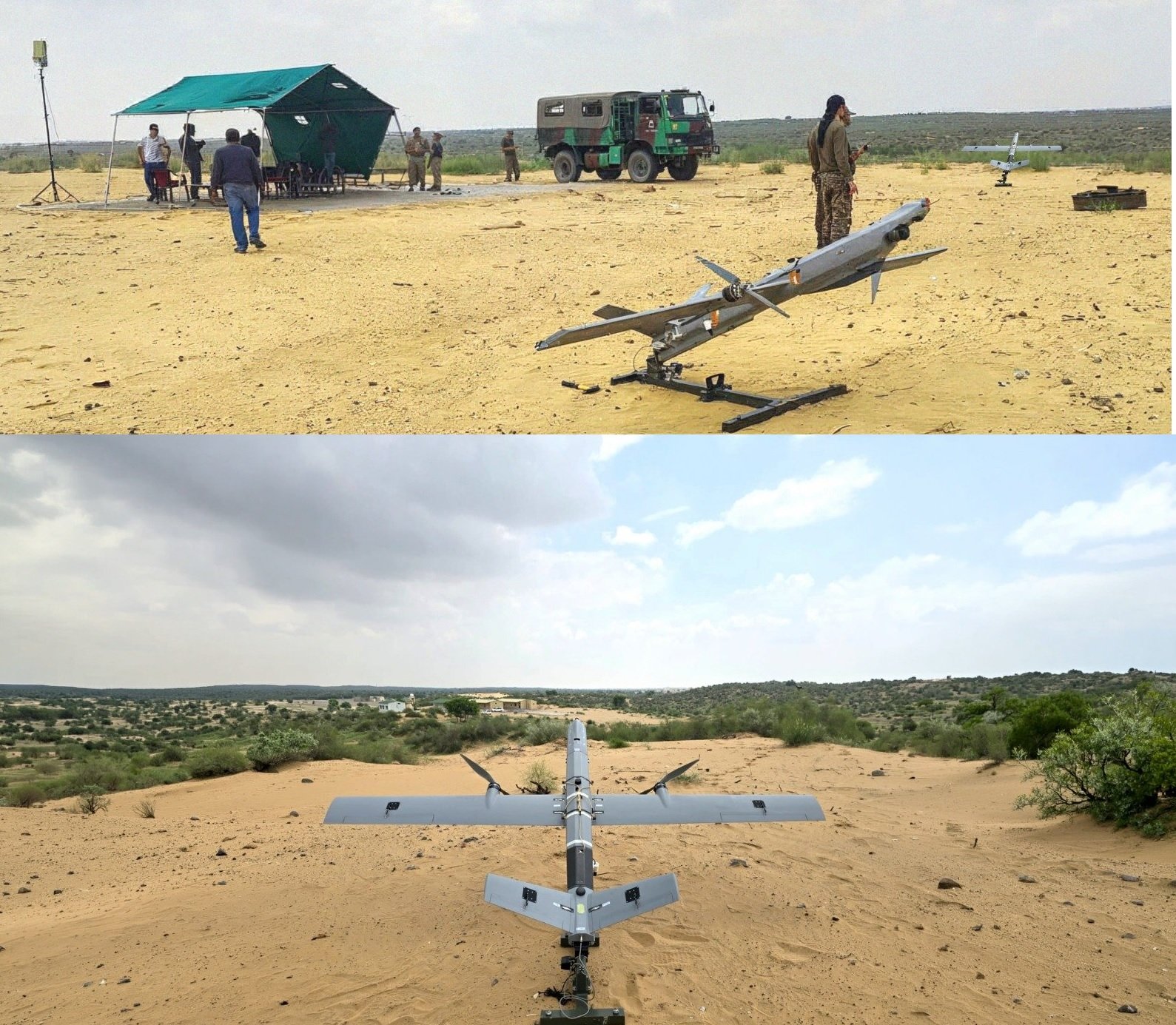
The organization is also advancing its efforts to counter the growing threat of drones, which have become an increasing concern in modern conflict zones. To combat this, DRDO is developing a High-Power Microwave (HPM) system aimed at disabling unmanned aerial vehicles (UAVs) by disrupting their electronic controls. As drones continue to evolve into a serious security threat, the deployment of anti-drone technologies will be pivotal in securing India's airspace.
In another ambitious move, DRDO is preparing for the maiden launch of a Long-Range Land Attack Cruise Missile (LRLACM). Designed for flexibility across air, naval, and land platforms, this missile will enhance India’s precision-strike capabilities over vast distances. With its ability to carry out deep-penetration strikes, the LRLACM will serve as a critical tool in India's strategic arsenal, capable of targeting adversarial infrastructure with high accuracy.
As part of its modernization drive, DRDO is also seeking to give statutory backing to key regulatory bodies such as the Centre for Military Airworthiness and Certification (CEMILAC) and the Centre for Fire, Explosive, and Environment Safety (CFEES). Strengthening these organizations will enhance the overall safety, certification, and compliance standards in India's defence sector, particularly in the context of new weapons development and testing protocols.
Overall, DRDO’s agenda for 2024 presents a clear vision of how India is stepping up its defence game. By integrating advanced weaponry like the "Netra" AEW&C system, Directed Energy Weapons, and anti-drone technologies, the country is making significant strides in securing its airspace and strategic interests. Meanwhile, the psychological evaluations for Agniveer recruits signal a move towards a more comprehensive and forward-thinking approach to military preparedness. As DRDO continues to push the boundaries of innovation, these developments are set to play a critical role in safeguarding India’s national security amid evolving global threats.
——— End of Article ———