World
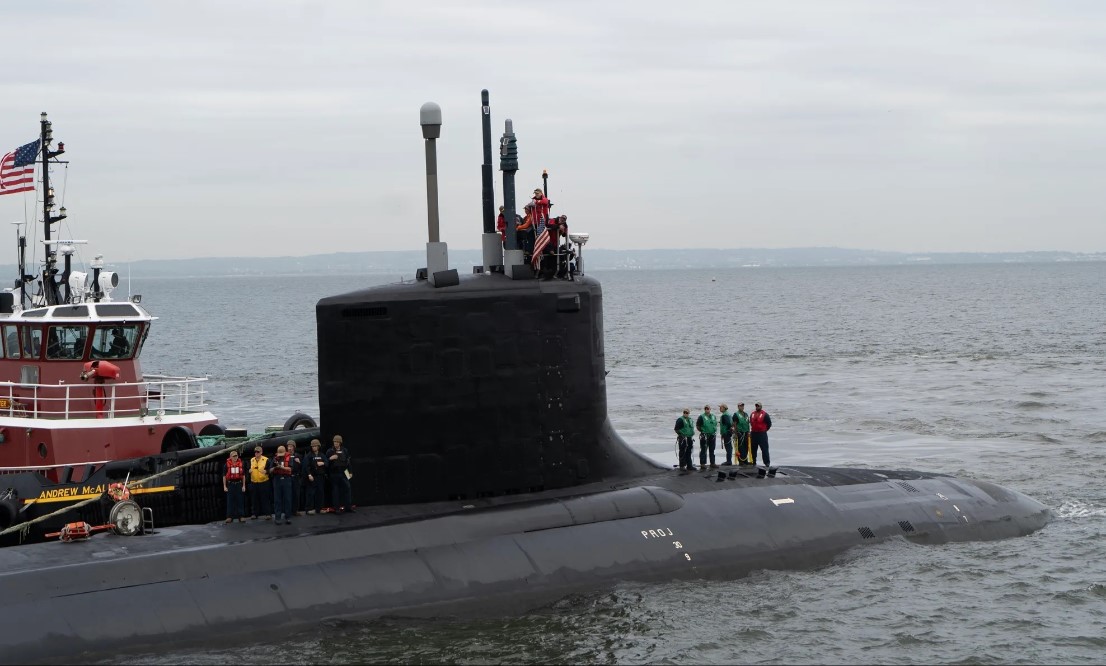
The U.S. Navy officially welcomed its latest hunter-killer submarine, the USS New Jersey (SSN 796), into service on September 14, 2024. The commissioning ceremony took place at Naval Weapons Station Earle in Middletown, New Jersey, and marked a significant milestone in the Navy’s submarine fleet. This new vessel is the third to bear the name "New Jersey," following the famed battleship BB-62, which served with distinction during World War II, the Korean War, and the Vietnam War. The USS New Jersey is a Virginia-class fast-attack submarine, part of a series of advanced submarines designed for a wide range of missions in both deep and shallow waters. At 377 feet long and with a 34-foot beam, this submarine is an impressive sight. Its capabilities are equally formidable: it can dive beyond 800 feet and reach speeds exceeding 25 knots, making it a swift and elusive presence beneath the waves.Cmdr. Steve Halle, the commanding officer of the USS New Jersey, called the moment "historic," emphasizing the hard work and dedication of both the crew and the shipbuilders responsible for bringing the vessel to life. In his remarks, he stated, “You operate the most complex platform on the planet, and you continuously strive for excellence. I’m amazed and humbled at what we have accomplished.”One of the unique features of the USS New Jersey is its fully integrated crew. Cmdr. Halle highlighted the significance of this aspect, noting how the diversity and professionalism of the crew enhance the submarine's operational performance. “Our superior professionalism is enhanced by our crew integration and our diversity. We have exceeded expectations at every turn,” he said.The commissioning was a ceremonial yet powerful event. Susan DiMarco, the ship’s sponsor and wife of former Secretary of Homeland Security Jeh Johnson, gave the traditional command to “man our ship and bring her to life.” The crew responded with an enthusiastic “aye aye, ma’am” as they ran aboard the submarine, signaling its readiness for active duty.The USS New Jersey is equipped for a variety of missions, including anti-submarine warfare, anti-ship warfare, intelligence gathering, and special operations. It can also launch Tomahawk cruise missiles, allowing it to project power across vast distances. With a crew of 135, this vessel is designed to operate independently for extended periods, providing vital intelligence and surveillance in areas of strategic importance. At the commissioning, New Jersey Governor Philip Murphy and Secretary of the Navy Carlos Del Toro both praised the submarine's advanced capabilities, noting how crucial fast-attack submarines are in modern naval strategy. Del Toro emphasized that submarines like the USS New Jersey are essential for supporting the Navy’s core missions, including sea control, power projection, maritime security, and deterrence.The Virginia-class submarines are among the most technologically advanced in the world. Built by Newport News Shipbuilding and General Dynamics Electric Boat, these vessels feature cutting-edge stealth technologies, sonar systems, and weapons platforms that make them highly effective in diverse environments. They are capable of engaging enemy submarines, surface ships, and providing support to special operations forces. As the Navy’s latest fast-attack submarine, the USS New Jersey is expected to play a pivotal role in global naval operations. Its advanced design allows it to function as both a hunter and protector, whether it’s defending U.S. interests or projecting power in contested regions. The integration of sophisticated weaponry, intelligence-gathering tools, and elite crew members ensures that it will maintain the U.S. Navy’s superiority on the high seas for years to come.As Cmdr. Halle concluded in his speech, “The legacy we have inherited from the state of New Jersey and the battleship BB-62 will carry forward in our pursuit of greatness. Today, we commissioned our ship, and she is the fastest, most advanced, fully integrated fast-attack submarine to date.”The USS New Jersey is now fully operational, prepared to safeguard U.S. interests and contribute to maintaining peace and stability in waters across the globe.
Read More → Posted on 2024-09-16 16:20:24
India
Boeing is set to take a monumental leap forward in the realm of quantum communication with the announcement of the Q4S satellite, scheduled to launch in 2026. This innovative satellite mission, funded entirely by Boeing, represents a groundbreaking effort to demonstrate the potential of quantum entanglement swapping in orbit—a key technology that could pave the way for a secure, global quantum internet. The mission is far from just another satellite launch. It’s part of Boeing’s vision to revolutionize how humanity transmits and processes information. Quantum technology holds the promise to reshape industries by leveraging quantum sensors and computers, which offer extraordinary precision and computational capabilities far beyond what’s possible with today’s technology. The Q4S mission will explore how quantum networks can be established across vast distances, a critical step in making global quantum communication networks a reality.At the heart of this mission is quantum entanglement swapping, an advanced technique that allows quantum information to be transferred between particles without physically moving them. This process, known as quantum teleportation, has been described as “spooky action at a distance” by Albert Einstein due to its seemingly mysterious and instantaneous nature. By using entangled photon pairs, the Q4S satellite aims to test how these quantum interactions can occur in the challenging environment of space. If successful, this technology could unlock the potential to transmit quantum information over vast distances, overcoming limitations like signal loss and decoherence that currently hinder long-distance quantum communication.The satellite itself is equipped with two entangled-photon pair sources and will serve as a platform to test how quantum networking can be operationalized in space. Boeing is working alongside HRL Laboratories—a joint venture between Boeing and General Motors—which has been instrumental in refining the benchtop versions of this technology and finalizing the space-hardened payloads that will be used in orbit. These technological advancements are part of Boeing’s broader effort to lead the charge in quantum computing and networking.Boeing’s quantum experiment has far-reaching implications beyond communication. Quantum sensors, which are far more sensitive than existing technology, have the potential to provide unprecedented levels of detail in scientific research. For example, they could improve our understanding of the Earth and space environments, where current instrumentation is limited in sensitivity and resolution. Quantum computing also offers vast opportunities for industries like finance, healthcare, and cybersecurity by enabling the processing of enormous amounts of data with greater efficiency and fewer errors than traditional computers.Quantum networks, such as the one Boeing is exploring with Q4S, offer a host of promising applications. These include highly secure, error-free communication systems, fault-tolerant computing, secure voting mechanisms, and even quantum computing environments where data can be processed without being exposed. This could revolutionize how industries, governments, and even militaries handle sensitive data, making it virtually impossible for information to be intercepted or hacked.Jay Lowell, chief engineer for Boeing’s Disruptive Computing, Networks & Sensors organization, emphasized the importance of the mission: “We’re making a big bet on quantum technology. Quantum entanglement swapping underpins the communication of the future, expanding quantum networks beyond simple point-to-point communication. We’re launching Q4S to prove it can be done in orbit.”The success of Q4S could open the door to scalable quantum communication networks, allowing data to be transmitted securely and effectively over great distances. This would be a significant breakthrough, as quantum communication is currently limited by issues like signal degradation and distance limitations.Boeing’s Chief Technology Officer, Todd Citron, echoed these sentiments, highlighting Boeing’s role as a leader in quantum technology: “We’re doing much more than participating in quantum research. We are leading the way to operationalize and scale quantum technologies for global applications.”The launch of Q4S represents the culmination of years of research and development, and its success could bring humanity one step closer to achieving a secure quantum internet, with far-reaching implications for industries and technologies worldwide. As the world stands on the brink of the quantum era, Boeing’s bold venture into space-based quantum networking signals a new frontier in secure communication and computing.By 2026, when Q4S is set to launch, Boeing could very well be leading the charge toward a quantum-connected future, forever changing how we understand and use information. The Q4S mission is more than just a technological experiment—it’s a glimpse into the future of communication itself.
Read More → Posted on 2024-09-16 16:16:57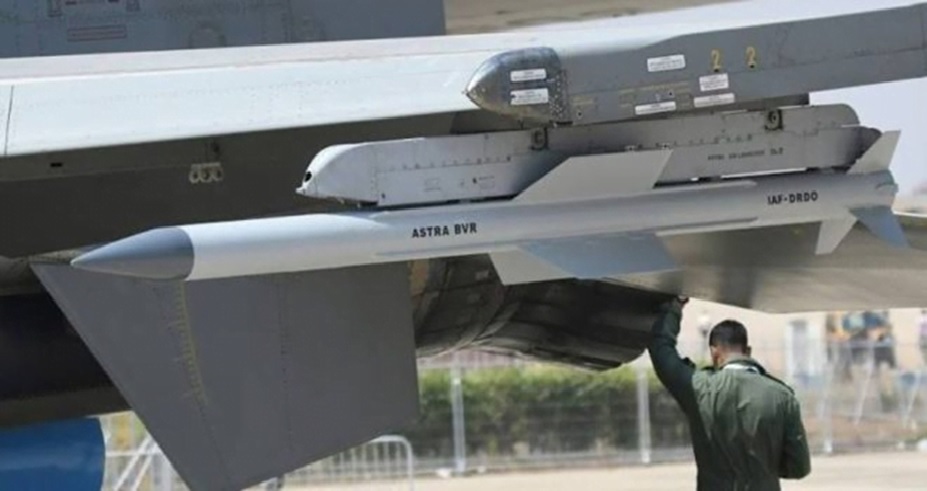
India
India's Defence Research and Development Organisation (DRDO) is nearing a crucial milestone with its Astra Mk-2 beyond-visual-range (BVR) air-to-air missile, a key component in enhancing the Indian Air Force's (IAF) air combat capabilities. According to recent updates, DRDO is on track to conclude all major trials for the Astra Mk-2 by 2026, with full-scale production likely to commence in 2027. This timeline sets the stage for the missile to be inducted into the IAF's operational fleet within the next three years, further solidifying India’s commitment to self-reliance in defence technology.The Astra Mk-2 is a significant leap forward from its predecessor, the Astra Mk-1, boasting a range of 140 to 160 kilometers, a substantial upgrade from the Mk-1's 110 kilometers. This extended range will allow IAF pilots to engage enemy aircraft from a much greater distance, offering a tactical edge in high-stakes aerial combat. The missile's improved dual-pulse rocket motor and enhanced guidance systems enable it to maintain speed and accuracy, even in challenging conditions, giving the IAF a clear advantage in long-range engagements.Development of the Astra Mk-2 has been rigorous, with extensive testing phases spread over the last two years. Trials have included captive and separation tests, which are critical for ensuring that the missile can be safely launched from a fighter jet, and tests of the dual-pulse rocket motor, which is key to providing the missile with sustained thrust over longer distances. According to DRDO Chairman Dr. Samir V. Kamat, these tests have largely validated the missile’s core systems, leaving only a few steps before the missile is fully combat-ready.The upcoming user trials, set to begin later this year, will be pivotal. These trials will involve the integration of the Astra Mk-2 with various IAF fighter platforms, including the indigenous Tejas Light Combat Aircraft, the Sukhoi Su-30MKI, and potentially the upgraded Mirage 2000 and Rafale jets. The Astra Mk-2’s ability to seamlessly integrate with multiple aircraft is crucial, as it ensures that the IAF's fleet remains versatile and capable of responding to a wide range of combat scenarios.One of the standout features of the Astra Mk-2 is its advanced seeker technology, which has been designed to target enemy aircraft with high precision, even in electronic warfare environments where enemy forces attempt to jam radar signals. The missile is also equipped with a high-explosive warhead, ensuring that once it locks onto its target, the chances of a successful hit are greatly increased.What sets the Astra Mk-2 apart is its BVR combat capability. BVR missiles allow fighter pilots to engage targets beyond visual range, often before the enemy aircraft even realizes it has been targeted. This "first-look, first-shoot" capability is crucial in modern air combat, where speed and distance can mean the difference between success and failure.The DRDO’s success with the Astra Mk-2 project is a testament to India's growing expertise in missile technology. With the potential to mass-produce the missile by 2027, India will not only enhance its own defense capabilities but also reduce its reliance on foreign missile systems, a goal long pursued by Indian defense planners. The Astra Mk-2, once fully operational, will provide the IAF with a formidable weapon in its arsenal, ensuring that it remains competitive with the air forces of neighboring countries.As the DRDO prepares for the final stages of testing, the Astra Mk-2 is poised to become a game-changer in India's air combat strategy, helping to secure the nation's skies with cutting-edge, indigenous technology.
Read More → Posted on 2024-09-16 16:14:17
Space & Technology
China has made a major discovery in the realm of rare earth elements, unearthing approximately 5 million tonnes of key metals in the Liangshan Yi Autonomous Prefecture in the southwestern Sichuan province. This discovery further cements China’s status as the global leader in rare earth production, a position it has held for decades, and reinforces the nation’s control over resources that are vital to advanced technology, green energy, and defense systems.Rare earth elements are a group of 17 metal oxides that are critical in manufacturing everything from electric vehicles and wind turbines to robotics and military weapons. These elements are indispensable to modern technological advancements, making China’s dominance in the field a significant geopolitical asset. With the global shift toward clean energy and increasing demand for cutting-edge technology, rare earths are at the center of a growing competition, particularly between China and the United States.The discovery of 4.96 million tonnes of rare earths in Sichuan boosts China’s already vast reserves, which amount to 44 million tonnes according to the US Geological Survey. This new find strengthens China's leverage in a global market where rare earth elements are in high demand but difficult to mine and refine.China Rare Earth Group, the state-owned enterprise overseeing the sector, emphasized the importance of this discovery in securing the nation's strategic resources. The company stated that in light of increasing international competition, they are committed to safeguarding China’s resource security. This means not only hoarding rare earth reserves but also strategically controlling their supply to the global market.In recent years, China has been tightening restrictions on the export of rare earths, recognizing their status as strategic minerals tied directly to national security. This move aligns with the Ministry of State Security’s classification of rare earths as resources of strategic importance, particularly in light of the ongoing tech rivalry with the U.S.China's grip on the rare earth market has caused concern internationally, especially as nations seek to reduce their reliance on Chinese supply chains. Although China accounted for 80-90% of global rare earth production in the early 2010s, that dominance has slipped to around 70% in 2023 due to increased supply from other countries. Still, China remains the single largest player in this sector, with a deep integration into downstream industries, such as the production of high-tech goods that depend on rare earth elements.Economist Pan Helin, an advisor to the Ministry of Industry and Information Technology, highlighted that while maintaining control over rare earth resources is critical, China’s industry must also focus on improving efficiency in resource utilization. Pan advocates for expanding China’s presence in downstream sectors and enhancing the technological capabilities of its enterprises to maximize the advantages of these valuable materials.In response to the growing global competition and the need to maintain its stronghold in the rare earths sector, China formed the China Rare Earth Group in 2021. This merger of state entities was designed to streamline production and ensure that China remains a dominant force in the field. The group is tasked with several key objectives, including increasing reserves, stabilizing supply, reducing production costs, and ensuring the security of its rare earth resources.Despite international efforts to reduce dependence on Chinese rare earths, China's influence remains vast. The government recently set the upper limit for the year’s second batch of rare earth mining output at 135,000 tonnes and smelting at 127,000 tonnes. This follows the first batch, bringing the total for 2024 to 270,000 tonnes of mining output and 254,000 tonnes of smelting, representing year-on-year increases.Interestingly, while China’s rare earth exports have risen by 6.4% in the first eight months of 2024, the export value has plunged by over 40%. This reflects both a tightening of supply and the strategic approach China is taking—keeping resources within its borders while managing the international flow of these essential elements.This discovery in Sichuan is a clear signal of China’s intent to maintain and strengthen its dominance in the rare earth market, securing the nation’s strategic resources in a world increasingly dependent on advanced technologies and sustainable energy solutions.
Read More → Posted on 2024-09-16 16:09:27
India
The Indian Army has taken a major step towards modernizing its defense capabilities by showcasing its indigenously developed UAV-Launched Precision Guided Munition (ULPGM). Manufactured by Adani Defence, this new weapon represents a significant boost to India's domestic defense manufacturing sector, as well as its strategic arsenal. The ULPGM is designed to be deployed from unmanned aerial vehicles (UAVs), giving the Indian Army enhanced precision-strike capability from a safe distance.One of the key features of the ULPGM is its versatility. With an effective range between 2 to 6 kilometers, this lightweight munition weighs between 5 to 8.5 kilograms, making it suitable for a wide variety of mission profiles. The ULPGM is outfitted with a 2-kilogram warhead, which, despite its size, offers considerable firepower for tactical missions. The ability to integrate this munition with drones introduces an entirely new dimension to India’s military operations, especially in terms of standoff engagements. This allows the army to strike targets with great precision while reducing the risk to personnel on the ground.What truly sets the ULPGM apart from traditional munitions is its sophisticated technology. The inclusion of Imaging Infrared (IIR) seekers allows the weapon to lock onto targets with precision, even in adverse conditions. Additionally, its kinetic kill capabilities provide flexibility in engaging not just stationary but also moving targets. This makes it ideal for anti-personnel, anti-armor, and anti-bunker roles.One standout feature is its jet vane system, which significantly enhances the munition's maneuverability. This innovation enables the ULPGM to adjust its flight path mid-air, providing superior accuracy in hitting its intended target. For military strategists, this means the ability to engage high-value targets with minimal collateral damage, an essential capability in modern warfare.The low-cost nature of the ULPGM makes it an attractive option for sustained operations. UAVs equipped with these munitions can strike from a distance, minimizing exposure to enemy fire while maintaining high operational efficiency. This combination of affordability, precision, and range marks the ULPGM as a game-changer for India's military forces.As India continues to invest in defense technology, the future development of the ULPGM includes even more advanced variants. One of the planned upgrades includes a missile-aided version with a larger 10-kilogram warhead. This would allow for increased firepower and an expanded range of missions, including anti-tank roles. There is also speculation about the development of a version capable of delivering sub-munitions, akin to a cluster bomb, which would provide even broader tactical options for the Indian Army.The induction of this indigenous UAV-Launched Precision Guided Munition highlights India's growing self-reliance in defense manufacturing. The collaboration between Adani Defence and the Indian military is not just about producing effective munitions; it’s about fostering technological growth and creating opportunities for local industries. The ULPGM is more than just a weapon—it's a symbol of India's evolving military strength and its capacity to develop cutting-edge technologies in-house.As these developments unfold, India continues to demonstrate its commitment to becoming a global leader in defense technology, while enhancing the capabilities of its armed forces in ways that were previously dependent on foreign suppliers. The ULPGM is a critical addition to the Indian Army’s arsenal and a testament to the country’s strategic vision for modern warfare.
Read More → Posted on 2024-09-16 16:04:27
Space & Technology
On April 13, 2029, Earth will witness an extraordinary celestial event — the close approach of asteroid Apophis, often referred to as the "God of Destruction." Named after the Egyptian deity Apep, associated with chaos, this asteroid has sparked both fascination and fear among scientists and space enthusiasts alike. Apophis, which is nearly as tall as the Empire State Building, will pass just 19,000 miles (30,600 kilometers) from Earth, a distance so small that it will be visible to the naked eye.Though NASA has assured the world that Apophis poses no immediate threat of collision with Earth during this passage, new research introduces a chilling hypothetical: What if other smaller space rocks collide with Apophis, changing its trajectory? Such a scenario could turn this close encounter into a nightmare, increasing the chances of Apophis hitting Earth in the future.The Risk of Collisions in SpaceResearch led by astronomer Paul Wiegert from the University of Western Ontario raises an intriguing possibility — small space objects, like meteors, could strike Apophis, potentially redirecting its path. Apophis will be largely unobservable from now until 2027, due to its position in the daytime sky, making it impossible for astronomers to monitor its course during this period. If a smaller asteroid collides with Apophis when no one is watching, it could shift the asteroid's trajectory enough to turn a near-miss into a direct hit on a future passage.Wiegert explains that while such a collision is extremely unlikely, it’s not impossible. In his calculations, a small asteroid about 60 centimeters (24 inches) in diameter could shift Apophis onto a post-2029 collision course. Larger asteroids, about 3 meters (10 feet) wide, would have a more substantial effect, potentially leading to a direct impact during Apophis' 2029 flyby. Still, the odds of this happening are astronomically low, with estimates putting the chances of such a scenario at about 1 in a million for post-2029 impacts and an even slimmer 1 in 2 billion for a 2029 collision.Potential Devastation of an Apophis ImpactWhile the likelihood of Apophis striking Earth remains low, the consequences of such an event would be catastrophic. Estimates suggest that an Apophis impact could release energy equivalent to 1,000 megatons of TNT, far exceeding the power of any nuclear weapon ever detonated. The devastation would stretch over hundreds of miles, with millions of lives at risk if the asteroid were to hit a densely populated area.Although this wouldn’t compare to the extinction-level event caused by the asteroid that wiped out the dinosaurs, the damage to human infrastructure, ecosystems, and the global economy would be beyond imagination.Deflection Strategies and Future MonitoringThe good news is that space agencies are actively exploring ways to prevent such a disaster. NASA’s Double Asteroid Redirection Test (DART), which successfully altered the orbit of the asteroid Dimorphos in 2022, demonstrates that human intervention could redirect a threatening asteroid. If necessary, a similar mission could be deployed to nudge Apophis off a collision course. However, the exact logistics of deflecting an asteroid the size of Apophis are still being worked out.Other proposed deflection methods include using nuclear weapons to alter Apophis' course or even more unconventional strategies like painting one side of the asteroid black to increase solar radiation absorption, subtly shifting its trajectory.A Global Milestone in Space DefenseEven if Apophis poses no immediate danger in 2029, its close approach will offer scientists a unique opportunity to study a large asteroid up close. Spacecraft and satellites are being prepared to rendezvous with Apophis during its near-Earth pass, gathering crucial data that could help refine planetary defense strategies for the future.As Wiegert points out, Apophis' approach marks a significant milestone for humanity. We now have the technology to anticipate and potentially prevent catastrophic asteroid impacts, something that was impossible in the past. The upcoming passage of Apophis will not only serve as a scientific event but also as a reminder that the global community must continue to develop robust strategies for planetary defense.In the end, while Apophis may not live up to its apocalyptic name in 2029, its visit will offer an invaluable learning experience that could one day save the planet from a more serious threat.
Read More → Posted on 2024-09-16 15:59:43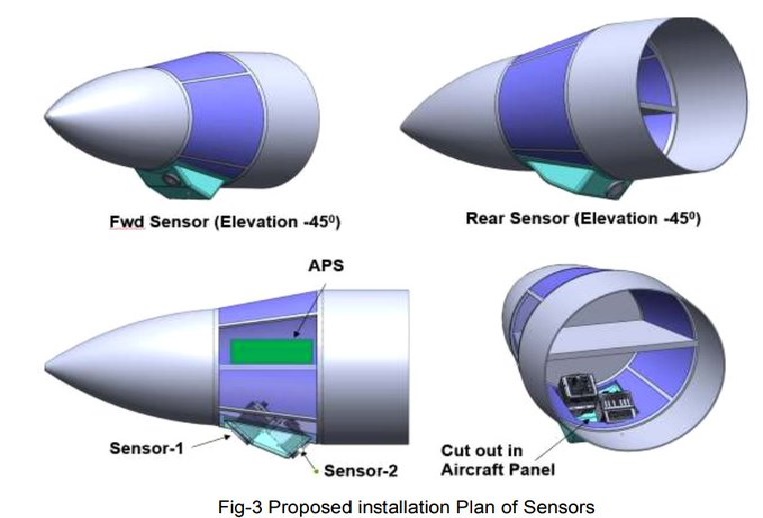
India
The Indian Radar Development Establishment (IRDE) has called on Indian industries to participate in an ambitious project aimed at developing stealthy conformal domes for high-speed aircraft. This initiative is part of India’s ongoing effort to advance its indigenous defence technologies and reduce reliance on foreign imports, particularly in sensitive aerospace applications.Conformal domes are critical to the performance of high-speed aircraft, serving as protective covers for electro-optical (EO) payloads such as infrared and visible spectrum cameras. These payloads are essential for high-altitude surveillance, targeting, and navigation, making them a crucial part of modern air warfare. What sets conformal domes apart is their ability to maintain aerodynamic efficiency and stealth capabilities, which are vital for high-speed aircraft operating in hostile environments.One of the key challenges IRDE has outlined is the need for conformal domes to minimize both drag and radar cross-section (RCS). Reducing the aircraft's RCS makes it harder for enemy radar to detect, while minimizing drag improves fuel efficiency and speed. This combination of stealth and aerodynamic performance is particularly important for next-generation aircraft expected to operate at supersonic or even hypersonic speeds.The materials used in these domes are equally critical to their performance. IRDE has specified the use of multiple sapphire windows for the domes. Sapphire, known for its exceptional transparency in both infrared and visible wavelengths, offers superior hardness and thermal resistance. These properties make it ideal for use in high-speed flight, where environmental conditions such as heat and pressure can be extreme. Sapphire’s ability to withstand such conditions while maintaining optical clarity ensures that the EO payloads function effectively in real-time, even during the most challenging missions.However, incorporating sapphire into a complex dome structure presents a significant challenge. Expertise in material science, optics, and precision engineering is required to integrate the sapphire windows into the dome without compromising image quality or operational functionality. The domes must ensure distortion-free imaging, which is vital for the EO systems to capture accurate surveillance data and target information.Another critical aspect of the project involves creating a hermetically sealed environment inside the dome to protect the sensitive EO payloads from environmental contaminants such as dust, moisture, and extreme temperatures. Achieving this level of protection, while maintaining the dome’s structural integrity at high speeds, is a key technical hurdle that the participating industries will need to overcome.Additionally, IRDE has emphasized the need for the domes to be seamlessly integrated with the aircraft’s body, particularly its belly. This ensures that the dome’s aerodynamic profile does not interfere with the aircraft’s overall stealth and performance. By reducing airflow disturbances around the dome, designers can enhance both the aircraft’s speed and its radar evasion capabilities.This project not only highlights India’s push towards self-reliance in defence technology but also offers a significant opportunity for Indian industries to contribute to a critical aspect of modern aerospace engineering. Companies involved in this collaboration will gain invaluable experience in developing advanced aerospace components, particularly in material science and aerodynamics.As the development of conformal dome technology progresses, it could unlock further advancements in the field of high-speed aircraft, particularly in stealth and reconnaissance operations. Given the global interest in hypersonic flight and stealth technology, this initiative may have far-reaching implications for India’s defence capabilities and its position in the international aerospace industry.The collaboration between IRDE and Indian industry in this project is not just about creating a single component but about building expertise and capacity for future advancements in India’s aerospace sector.
Read More → Posted on 2024-09-16 15:55:54
World
Russian President Vladimir Putin has taken a significant step in escalating his country's military capacity, ordering the Russian armed forces to increase their troop numbers by 180,000, bringing the total to 1.5 million soldiers. This move, announced through a decree set to take effect on December 1, reflects Russia’s intensifying commitment to its ongoing military campaign in Ukraine, which has dragged on for over two and a half years.Putin’s new decree raises the total number of Russian military personnel to nearly 2.4 million, marking a significant increase in both manpower and military expenditure. Last December, Russia increased its troop count to around 1.32 million soldiers. Now, a year later, the Kremlin has once again escalated its military presence, aiming for a broader force that could support more extended operations. The timing of this decision highlights Moscow's need to replenish its forces as the fighting in Ukraine continues to strain Russia's military resources.The battlefront in Ukraine has become a relentless war of attrition, with Russian troops focusing their efforts in the eastern regions. Over the past few months, Russia has seen steady, though incremental, territorial gains in this area, but the progress has come at a steep cost. Putin's previous call-up of 300,000 reservists in 2022 filled the gaps left by the heavy casualties sustained in Ukraine. However, this mass mobilization triggered widespread unrest in Russia, as hundreds of thousands of men fled the country to avoid conscription. Since then, the Kremlin has opted to avoid another mass conscription and has instead turned to recruiting volunteer soldiers. These volunteers are lured in by the promise of high wages, helping to sustain the ranks of the fighting force without sparking further public dissent.At the heart of this latest expansion is Russia’s need to sustain its ongoing “special military operation” in Ukraine, as described by Putin. Currently, nearly 700,000 Russian troops are involved in the conflict, a number that will undoubtedly swell with the new recruits. But even with these reinforcements, Ukraine has made notable advances, particularly in Russia’s border regions. On August 6, Ukrainian forces launched an incursion into Russia’s Kursk region, a move that reportedly capitalized on Russia’s manpower shortages. The lack of adequate troops has been a persistent issue for Moscow, preventing them from repelling these incursions effectively without pulling forces from other critical fronts in eastern Ukraine.The Kremlin's strategy appears focused on bolstering numbers without repeating the chaos of the 2022 mobilization. By continuing to attract volunteers rather than calling up more reservists, Putin seems to be balancing military needs with the desire to avoid internal unrest. However, the growing demands of the war suggest that such a balancing act may not hold for long. With reports of heavy losses on both sides, the pressure to keep reinforcing the front lines is mounting.The decree also highlights the growing financial burden of the war on the Russian state. Expanding the military by 180,000 troops will require a significant increase in government funding, which has already been stretched by the prolonged conflict. How Russia intends to finance this expansion remains an open question, though it is clear that the Kremlin views the increase in manpower as a necessary step to maintain its position in the war.As winter approaches and the fighting in Ukraine shows no signs of slowing down, Putin’s decision underscores the gravity of the situation. The Kremlin appears committed to a long-term conflict, and the addition of new troops could signal an upcoming offensive or simply a bolstering of Russia’s defensive lines against Ukrainian advances. Either way, this military expansion is a clear indication that Russia has no intention of winding down its military campaign in Ukraine anytime soon.
Read More → Posted on 2024-09-16 15:54:09
India
General Atomics, a major global player in unmanned aerial vehicles (UAVs), is making significant strides in strengthening India’s drone manufacturing industry. In a move that underscores India's growing role as a global defense hub, General Atomics has pledged to source over 30% of its drone components from Indian companies. This bold step is part of a broader initiative to invest in India’s economy while enhancing its technological capabilities.At the core of this collaboration lies a shared vision between General Atomics and India to build a more self-reliant defense ecosystem. With India actively modernizing its military forces, drones have become an essential tool for reconnaissance, surveillance, and defense operations. The Indian government, recognizing the strategic importance of UAVs, has already secured an agreement to purchase 31 drones from General Atomics, with the distribution spread across the Navy, Army, and Air Force. A key component of this partnership is the allocation of 15 drones to the Indian Navy. These UAVs are expected to revolutionize India’s naval surveillance, providing real-time data that can monitor maritime borders, track potential threats, and assist with naval operations. For a country like India, which has a vast coastline and critical sea routes to protect, such capabilities are crucial. The drones General Atomics provides, including advanced models like the MQ-9B SeaGuardian, offer enhanced endurance and the ability to operate for extended periods, covering larger areas than traditional manned systems.But the partnership isn’t limited to purchasing drones. General Atomics will be sharing its expertise with Indian engineers and defense manufacturers to help build a robust domestic drone production capability. This technology transfer aims to equip India with the tools and knowledge to develop its own high-tech drones, reducing dependence on foreign suppliers in the future.With the Indian government pushing for initiatives like "Make in India" and "Atmanirbhar Bharat" (self-reliant India), General Atomics’ investment is well-timed. It aligns perfectly with India’s vision of becoming a global powerhouse in aerospace and defense manufacturing. By sourcing components locally, General Atomics not only fosters economic growth but also promotes a transfer of technological expertise that could have far-reaching implications for India’s defense industry.India’s defense modernization plan is ambitious, and UAVs are central to its strategy. General Atomics’ commitment marks a significant milestone in this effort, representing a fruitful partnership that strengthens India’s position in the global drone market while addressing its national security needs. Through this collaboration, India is well on its way to becoming a leader in both drone manufacturing and cutting-edge defense technology.
Read More → Posted on 2024-09-16 15:50:38
World
The Finnish defence company, Patria, is set to present its state-of-the-art armoured vehicles at the highly anticipated Nordic Defence Industry Seminar (NDIS) 2024, taking place from September 17th to 19th at Sundvolden, Norway. This prestigious event, organised by the Norwegian Ministry of Defence and several other Norwegian defence agencies, serves as a key platform within the broader Nordic Defence Cooperation (NORDEFCO). Patria’s participation will be a highlight of the exhibition, with its innovative armoured vehicle solutions stealing the spotlight.At NDIS 2024, Patria aims to showcase its involvement in two significant multinational collaboration programmes: the Common Armoured Vehicle System (CAVS) and the Future Highly Mobile Augmented Armoured System (FAMOUS). These initiatives underscore Patria's commitment to modernising and enhancing mobility for armed forces across Europe. The company’s stand at D103 is expected to attract significant attention from industry experts, military personnel, and defence contractors alike.One of Patria’s flagship offerings, the **Patria 6×6**, will be front and centre at the event. This versatile armoured vehicle is renowned for its combination of simplicity, ruggedness, and adaptability to diverse mission needs. The 6x6 is a modular design that allows it to be customised for various configurations such as an Armoured Personnel Carrier (APC), Command Vehicle, Medical Evacuation unit, and even a heavy APC. One standout feature of this vehicle is its compatibility with the **Patria Nemo 120 mm mortar system**, which adds impressive firepower to its already formidable capabilities. The Patria 6x6’s robustness, combined with high mobility, makes it perfectly suited for the extreme conditions often encountered by military forces, whether it's navigating rugged terrain or withstanding hostile environments.The 6x6 is not just a concept vehicle. It is already in use by countries like Finland, Latvia, and Sweden under the CAVS programme, with nearly 200 units delivered out of the total 700 ordered. The CAVS programme continues to grow, and the door remains open for other European nations to join, making this a pivotal project in ensuring joint defence efforts across the continent. The vehicle has gained traction thanks to its cost-effectiveness, easy maintenance, and capacity to perform in challenging operations.In addition to the 6x6, Patria is presenting its **FAMOUS concept vehicle**, a cutting-edge tracked armoured vehicle developed as part of the European Defence Industrial Development Programme (EDIDP) and the European Defence Fund’s FAMOUS 2 initiative. First unveiled at the Eurosatory event, the FAMOUS vehicle is designed to excel in extreme terrain and weather conditions. Its unique tracked design enables superior mobility over soft soil and rough terrains, making it an optimal choice for tactical operations where traditional wheeled vehicles might falter. Unlike many other heavy tracked vehicles, the FAMOUS concept vehicle balances enhanced mobility with cost-effectiveness, providing a modern alternative to older articulated and light tracked vehicles. This vehicle is a testament to Patria's forward-thinking approach to armoured vehicle technology, positioning itself as a frontrunner in the future of military mobility.Patria’s presence at NDIS 2024 underscores the company’s dedication to international collaboration and technological innovation. Both the Patria 6x6 and the FAMOUS concept vehicle reflect the company's goal of delivering versatile, high-performance solutions for defence forces operating in a variety of environments.
Read More → Posted on 2024-09-16 15:48:12
Space & Technology
TATA Electronics is setting the stage to become a significant player in India's semiconductor industry, with plans to establish two additional semiconductor fabrication plants (fabs) in Dholera, Gujarat. Following the initial phase of their ₹91,000-crore project in partnership with Taiwan's Powerchip Semiconductor Manufacturing Corporation (PSMC), these expansions mark a bold move in India’s bid to meet the increasing global demand for semiconductors.The first fab, whose foundation was laid earlier this year in the Dholera Special Investment Region, is projected to be operational by 2026. At peak capacity, it will be capable of producing 50,000 wafers per month, contributing to sectors like automotive, artificial intelligence, data storage, and wireless communication. The chips manufactured here will cater to a variety of functions, including power management, display drivers, and high-performance computing. The facility’s scale and capabilities are designed to boost India's semiconductor manufacturing ecosystem, which has long relied on imports to meet demand.TATA’s move into semiconductor manufacturing aligns with India’s larger strategic goal of becoming a global hub for electronics production. The two additional fabs being planned in Dholera will likely be of similar scale to the first, although their nodes and technology will depend on advancements within the semiconductor industry and future demand patterns. Decisions regarding partners for these fabs—whether continuing with PSMC or exploring alternatives—will be made once the first facility reaches full capacity.The expansion timeline will be gradual, with the next phase expected to commence five to seven years from now. While a substantial investment will be required for these subsequent fabs, some infrastructure—shared between the fabs—will already be established during the initial phase, potentially reducing future costs. In addition to the manufacturing facility, TATA is building a residential complex to house up to 5,000 employees who will work at the first fab. This comprehensive approach also includes collaboration with suppliers to establish a robust local supply-chain ecosystem that will support the chip manufacturing process.This effort is part of a broader strategy to position India as a key player in semiconductor production, particularly at a time when global supply chains have experienced significant disruptions. TATA’s project has already attracted attention from global suppliers and partners who attended the SEMICON India event, where they discussed the group's ambitious plans. Notably, TATA Electronics isn’t just investing in Gujarat. The company is also developing a ₹27,000-crore semiconductor assembly and testing unit in Jagiroad, Assam. This facility, spanning 600 acres, is expected to start high-volume production by 2025, with a daily capacity of 48 million chips. This site will focus on technologies such as wire bond, flip chip, and Integrated Systems Packaging (ISP), setting the foundation for advanced packaging techniques in the future.TATA Electronics’ ambitious plans are not only aimed at catering to domestic demand but also meeting the growing global need for semiconductors. With India positioning itself as a competitive force in semiconductor manufacturing, the future of the country's electronics industry looks promising, with TATA at the forefront of this transformation.
Read More → Posted on 2024-09-16 15:45:30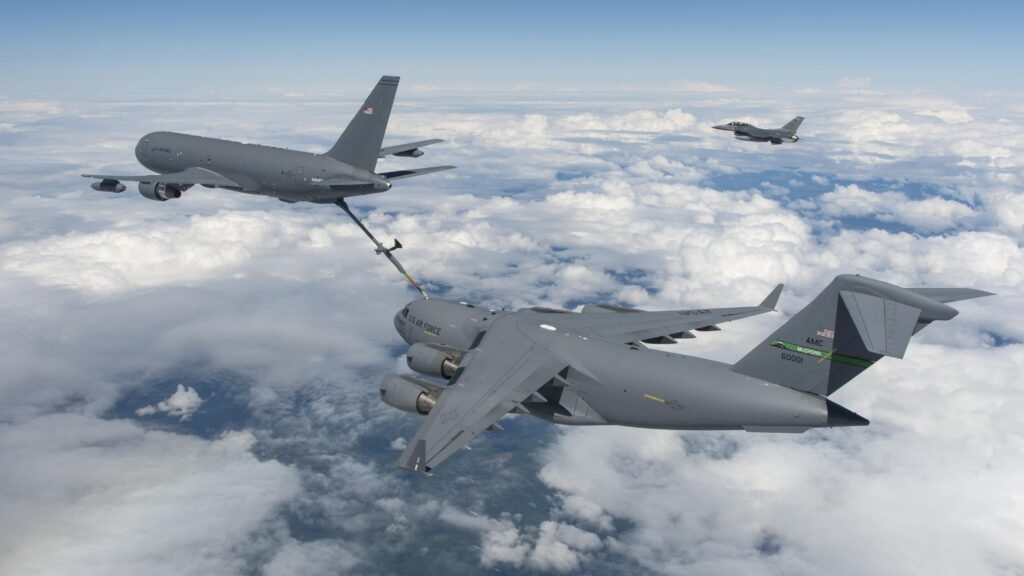
World
Japan’s growing focus on bolstering its defense capabilities took another leap forward as the U.S. State Department cleared a $4.1 billion deal for the country to purchase nine more KC-46A aerial refueling aircraft. This deal, which comes at a time of heightened security concerns in the Indo-Pacific region, will not only enhance Japan’s aerial refueling abilities but also solidify its partnership with the U.S. in securing the region.Expanding Japan’s Aerial Refueling FleetWith this approval, Japan will add nine KC-46A tankers to its current fleet of four, bringing the total number to 15. These refueling aircraft are crucial for extending the operational range of Japan’s air force, ensuring that its fighter jets and other aircraft can stay airborne longer and operate at greater distances. This capability is particularly important given the strategic challenges in the Pacific, where long-distance operations are often necessary.In addition to the nine tankers, the deal includes 18 turbofan engines, crucial components that power the KC-46A's long-range operations. The purchase also encompasses a suite of advanced defense technologies, such as radar warning receivers and infrared countermeasure systems, which will enhance the tankers' ability to operate in contested environments.Advanced Specifications of the KC-46A TankerThe KC-46A is a modern, multi-mission aircraft that not only excels at mid-air refueling but also offers capabilities for cargo and personnel transport. It is powered by two high-bypass Pratt & Whitney PW4062 engines, providing it with the ability to carry over 212,000 pounds (96,161 kilograms) of fuel. This fuel capacity allows it to refuel a wide range of aircraft, from fighter jets to larger cargo planes.One of the standout features of the KC-46A is its refueling boom, operated by a fly-by-wire control system. This technology ensures precision during fuel transfer, minimizing risks during mid-air operations. Additionally, the KC-46A is equipped with advanced defensive systems such as missile warning sensors and infrared countermeasure suites, ensuring the aircraft can defend itself in hostile environments. These features make the KC-46A an essential asset for long-range missions, where refueling is critical, and threats from enemy forces are a concern.The aircraft also supports the use of identification friend-or-foe (IFF) transponders and a sophisticated communications suite, ensuring that it can operate seamlessly with Japan's existing air and defense systems. Boeing, Pratt & Whitney, Northrop Grumman, and RTX are the primary contractors responsible for producing these systems and ensuring the aircraft’s top-notch performance.Strengthening the U.S.-Japan Security AllianceBeyond the technical capabilities, the purchase is a significant step in reinforcing the U.S.-Japan alliance. By upgrading its KC-46A fleet, Japan is aligning itself with U.S. security objectives in the Indo-Pacific region, where the rise of regional tensions has heightened the need for joint defense readiness.As the regional security environment grows more unpredictable, particularly with the rise of emerging threats, Japan's expanded KC-46A fleet will play a vital role in ensuring a robust defense posture. Not only will the new tankers bolster Japan's air capabilities, but they will also enhance the country's ability to participate in joint operations with the U.S. and other allied nations.Moreover, the deal includes spare parts, training for personnel, engineering support, and logistics services, ensuring that Japan's fleet remains operational and capable of meeting future defense needs. This collaboration between the U.S. and Japan underscores a long-term commitment to security in the region.A Key Asset for Japan's DefenseThe KC-46A tanker is not just a refueling aircraft but a symbol of Japan’s strategic intent. With its extended range, multi-mission capability, and advanced defensive systems, the KC-46A will allow Japan to project air power across the vast expanse of the Pacific. Its ability to refuel various fixed-wing aircraft mid-flight is particularly valuable, given Japan's geographical location and the need for long-range patrol and defense missions.This fleet expansion reinforces Japan’s ongoing efforts to modernize its military in response to the growing complexities of regional security. As Japan continues to enhance its defense infrastructure, the KC-46A tankers will play a crucial role in ensuring the country is prepared for any potential threats that may arise in the future.
Read More → Posted on 2024-09-16 15:43:31
India
As Brazil looks to enhance its air defense capabilities, two leading missile systems have emerged as frontrunners for a key upgrade contract: India’s Akash missile system and China’s Sky Dragon-50. Both systems represent the latest in surface-to-air missile (SAM) technology, but India’s Akash holds several advantages that may sway Brazil in its decision-making.Proven Performance and Operational HistoryThe Akash missile system has a distinct edge due to its extensive operational experience with the Indian Armed Forces. Tested and deployed in real-world conditions, the Akash has proven its reliability across a variety of terrains and climates, from desert landscapes to high-altitude mountainous regions. This kind of testing environment demonstrates the system's ability to perform under diverse and harsh conditions, something Brazil, with its vast and geographically varied territory, will likely value.In contrast, while China’s Sky Dragon-50 boasts impressive specifications, including a longer radar detection range of up to 150 km, it lacks the same depth of operational experience. The Sky Dragon-50 has not been subjected to as many varied or rigorous tests outside of China, which raises questions about how well it would perform in unfamiliar environments, especially in the tropical and forested regions of Brazil.Mobility and FlexibilityAkash also stands out in terms of its mobility. The system can be mounted on a variety of platforms, including both wheeled and tracked vehicles, providing flexibility in deployment. This makes it well-suited to Brazil’s vast landscape, which includes dense jungles, wetlands, and mountainous regions. Akash’s mobility allows it to be rapidly deployed and maneuvered, a crucial factor in ensuring effective air defense over such an expansive area. Sky Dragon-50, while capable of being transported on vehicles, may not offer the same level of deployment versatility. The ability to move the Akash system across challenging terrains and set it up quickly gives it an operational edge in the unpredictable environments that Brazil’s military forces might encounter.Government-to-Government TiesAnother factor in Akash’s favor is the potential for a government-to-government agreement between Brazil and India. Such an arrangement could streamline the procurement process and foster stronger bilateral defense ties between the two nations. This approach is likely to simplify the deal, reduce the bureaucratic hurdles, and open doors for broader military cooperation, something Brazil's military leaders, including Army Commander General Tomás Miguel Paiva, have expressed interest in.While China’s defense industry has an established presence in several Latin American countries, India's growing reputation as a defense exporter is increasingly attractive. For Brazil, a partnership with India could mean greater flexibility in technology transfer, maintenance support, and possible joint production opportunities. These factors could further solidify Akash’s position as the preferred choice.Multi-Target Engagement CapabilityIn terms of technology, one of the most notable advantages of the Akash system is its sophisticated radar and targeting capabilities. Akash uses a phased array radar system capable of simultaneously tracking and engaging multiple targets at once, a vital feature in modern air defense scenarios. While Sky Dragon-50 also has powerful radar capabilities, Akash’s radar system is known for its precision in target acquisition and its high probability of intercepting multiple threats.This makes Akash particularly suitable for defending against a variety of airborne threats, including aircraft, drones, and missiles. The ability to neutralize multiple threats simultaneously could be critical in protecting Brazil’s airspace, especially in a region where varied and unpredictable security challenges exist.Conclusion: A Strong Case for AkashAlthough China's Sky Dragon-50 has formidable specifications and might be a strong competitor on paper, India’s Akash missile system offers proven performance, greater mobility, and the possibility of deeper strategic ties between Brazil and India. These factors make Akash a more reliable and versatile choice for Brazil’s air defense upgrade. As Brazil weighs its options, Akash’s track record of successful deployments and its flexibility in challenging environments are likely to be decisive factors in the final decision.For Brazil, choosing Akash would not only strengthen its air defense but also open avenues for greater defense collaboration with India, a rising player on the global defense stage.
Read More → Posted on 2024-09-16 15:31:06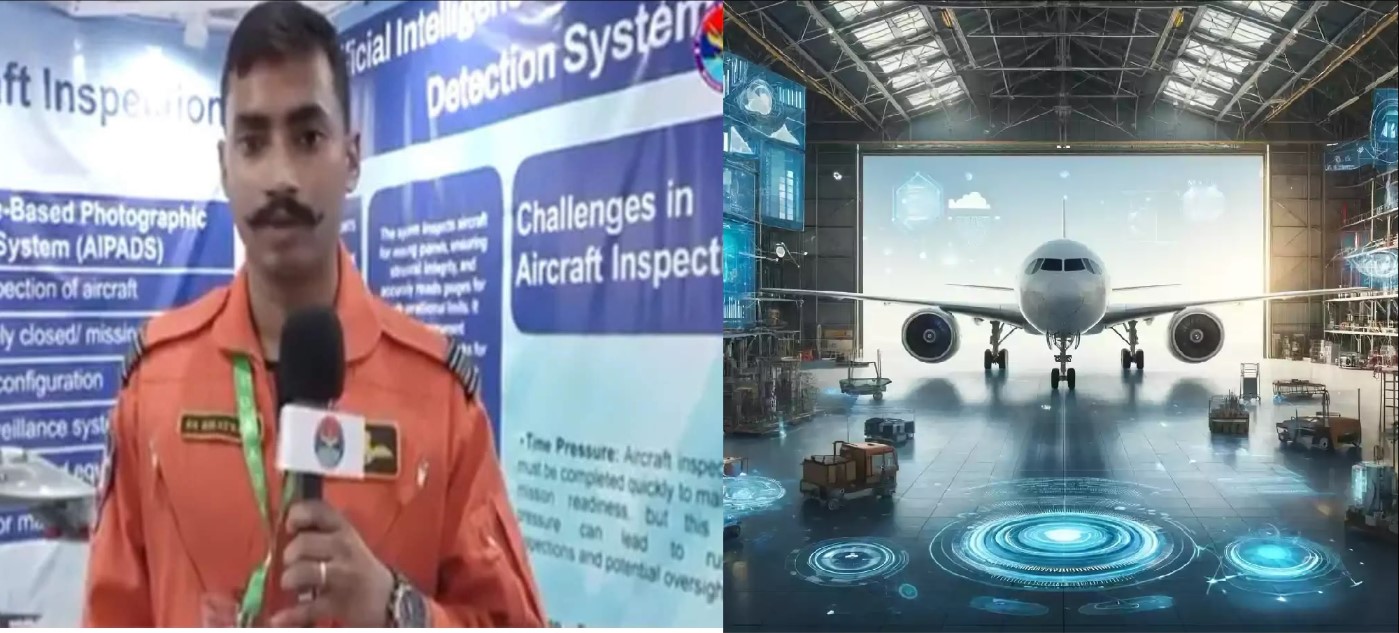
India
In a remarkable stride towards innovation in aviation, Indian Air Force (IAF) Squadron Leader SS Bhatkare, a Su-30 MKI pilot, has developed a cutting-edge, AI-driven aircraft inspection system. This pioneering development aims to address one of the critical challenges in aviation: reducing accidents caused by human error. The system, born out of the vision of a self-reliant India or "Aatmanirbhar Bharat," is a reflection of how the country's defence sector is embracing advanced technologies to enhance safety and efficiency.Squadron Leader Bhatkare’s inspiration came from the increasing emphasis on innovation and indigenous development within the Indian defence sector over the past few years. "Since 3-5 years, there has been a lot of promotion given to startups and innovations to make things in India. That motivated me to innovate something of my own," Bhatkare shared in a recent interview. His system focuses on detecting faults in aircraft panels, gauges, and covers, areas that could be easily overlooked due to fatigue or human error during routine inspections.Aircraft maintenance and inspection are critical components of aviation safety. Traditionally, pilots and technicians have relied on manual checks to identify potential issues, but this process has inherent limitations. Fatigue, distraction, and the sheer complexity of aircraft systems mean that there is always the possibility of missing small but crucial details. This is where Bhatkare’s AI-driven system steps in. Using an array of cameras and sensors, the system scans the entire surface of the aircraft, identifying any irregularities or potential damages that may compromise safety. The AI not only improves the accuracy of inspections but also significantly reduces the time taken for these checks.By automating this process, Bhatkare’s innovation mitigates risks associated with human oversight, ensuring that every aircraft is thoroughly examined before it takes off. This could prove to be a game-changer in improving operational safety across the IAF and, potentially, other global air forces. The system developed by Squadron Leader Bhatkare is aligned with India’s broader push towards indigenization in defence manufacturing. Over the years, India has made significant progress in developing its own military technologies, from light combat aircraft like the Tejas to radars and electronic warfare systems. Defence Minister Rajnath Singh, who recently attended the multilateral aerial exercise 'Tarang Shakti 2024,' reiterated the country’s commitment to self-reliance in defence, stating that India has taken "strong steps towards indigenisation in the manufacture of weapons, platforms, and aircraft."The 'Tarang Shakti 2024' exercise itself showcased some of the IAF’s indigenously developed platforms, including the Surya Kiran aircraft and Tarang helicopters. These advancements, combined with innovations like Bhatkare's AI-driven inspection system, highlight India's growing capabilities in aerospace technology.As the Indian Air Force continues to modernize its fleet and adopt new technologies, innovations like these will play an increasingly important role in ensuring that pilots and aircraft operate in the safest possible conditions. Bhatkare’s contribution not only enhances aviation safety but also underscores the importance of fostering home-grown talent and innovation within the defence sector.By embracing AI and other advanced technologies, India is not only improving its military readiness but also setting an example for other nations in the field of aviation safety. With innovations like Bhatkare’s AI-driven inspection system, the future of Indian aviation looks more secure and efficient than ever.
Read More → Posted on 2024-09-15 16:05:16
India
In a crucial plea to the United Liberation Front of Asom (Independent) or ULFA(I), Assam Chief Minister Himanta Biswa Sarma has emphasized the importance of maintaining peace in the state, particularly at a time when Assam is on the verge of becoming a major economic powerhouse. Addressing the issue at ‘The Assam Tribune’s Dialogue 2024,’ Sarma’s call to ULFA(I) leader Paresh Barua underscored the potential harm that militant activities could have on the region's youth and future development.The Chief Minister’s speech was a response to recent threats by the banned militant outfit, which claimed to have planted explosives across the state in a bid to disrupt Independence Day celebrations. While the police successfully neutralized several of these threats, Sarma warned that such actions could derail Assam's rapid progress. He noted, “We are marching strongly and resolutely. I am sure if the state remains peaceful... we will become a powerhouse in India’s landscape in the next ten years.”Sarma’s message was clear: militant activities threaten not only the physical security of Assam but also its economic prospects. He urged Paresh Barua to reconsider strategies that jeopardize the future of Assam’s youth. Sarma’s remarks came after police discovered explosives in multiple locations, including Guwahati, highlighting the gravity of the situation.However, his speech wasn’t just a rebuke of militancy. Sarma offered a vision of a prosperous and peaceful Assam, where differences could be resolved through dialogue, not violence. In his view, there is room for conflicting ideas in a democracy, but the key is ensuring that such conflicts don’t harm the state’s overall stability. “A state cannot prosper if more problems are created in the guise of resolving a crisis,” he said.Beyond the immediate threat posed by ULFA(I), Sarma also addressed concerns about the treatment of non-Assamese communities within the state. He warned that discrimination against these groups could harm Assamese people living elsewhere in India. His message was one of unity, urging people to recognize the interconnectedness of different communities and the importance of treating everyone with respect.This nuanced stance is part of a broader strategy to shift Assam’s image from a state marked by insurgency, floods, and agitation to one known for its economic potential and welcoming atmosphere. Sarma emphasized that major industrial players, such as Tata, Reliance, and Adani, have already committed to investments in Assam. The Chief Minister is keen to transform Assam’s youth from job seekers into job creators, capitalizing on the region’s growing opportunities.Sarma also envisions Guwahati as a future gateway, not just to the North East but to South East Asia. With several new initiatives in the pipeline, the city’s landscape is poised for significant change. This ambition ties into the central government’s broader strategy for the North East, which is increasingly seen as a critical region in India’s economic growth.Union Minister Jyotiraditya Scindia echoed this sentiment during the event, emphasizing the North East’s role in Prime Minister Narendra Modi’s ‘Viksit Bharat’ vision. With an investment of ₹81,000 crore already flowing into the region, Scindia noted that the North East is transitioning from a remote outpost to a key driver of the nation’s economy and connectivity with South East Asia.As Assam continues to grow, Sarma made it clear that while the state is open to investment and development, it will not compromise its rich culture and linguistic heritage. He reassured the audience that Assam’s future is one of balance—between economic progress and cultural preservation.In conclusion, Sarma’s appeal to ULFA(I) is about much more than just security. It is about securing the future of Assam’s youth, protecting its economy, and ensuring that the state’s journey towards prosperity continues uninterrupted. The Chief Minister’s vision is one where peace and progress go hand in hand, and he hopes that even those who have taken up arms will recognize the importance of this path for Assam’s future.
Read More → Posted on 2024-09-15 16:01:37
India
China is taking significant steps toward bolstering its naval capabilities with the development and testing of the J-35, a stealth fighter jet that is set to be deployed on its third aircraft carrier, *Fujian*. Unlike its predecessors, the *Fujian* is equipped with advanced technology like an electromagnetic aircraft launch system (EMALS), similar to that found on the U.S. Navy's *USS Gerald R. Ford*. The J-35, China’s next-generation carrier-borne stealth fighter, could be a key component in transforming the power and versatility of its naval aviation.According to official reports from Chinese state media, the *J-35* was tested earlier this year on the *Liaoning*, China's first aircraft carrier, which was originally a Soviet-era ship refitted for the People’s Liberation Army Navy (PLAN). The J-35, still in its developmental stage, marks China's second fifth-generation fighter jet, following the introduction of the J-20. Its role is crucial, as it is designed for deployment on aircraft carriers like the *Fujian*, which represents a technological leap forward for China’s naval forces.The *Fujian* is notably larger than China’s two previous carriers, *Liaoning* and *Shandong*, with a displacement of approximately 80,000 tons. This new carrier features a flat-top flight deck, allowing the implementation of EMALS technology, unlike the older ski-jump take-off ramps on the other two carriers. This modern system will give the *Fujian* the capability to launch a broader variety of aircraft, including the stealthy and highly anticipated J-35, more efficiently.The J-35 itself is being developed by the Shenyang Aircraft Corporation and is often compared to Lockheed Martin’s F-35, a fifth-generation fighter that is widely regarded as one of the most advanced in the world. While the J-35 is still in its prototype phase, it is expected to rival the F-35 in terms of stealth features, radar-evading capabilities, and overall performance. The J-35 is being viewed as China’s answer to the U.S. military’s technological advancements in aerial combat, particularly with the U.S.'s carrier-borne F-35.China’s third carrier, *Fujian*, represents the next evolution in the PLAN’s capability to project power far from its shores. Its electromagnetic catapult technology, which allows for smoother, faster aircraft launches, gives China a more efficient way to deploy heavier and more sophisticated aircraft like the J-35. The system is also less taxing on the aircraft themselves, reducing wear and tear and potentially extending the lifespan of China's carrier fleet.The testing of the J-35 on both the *Liaoning* and the *Shandong* suggests that China plans to integrate this advanced stealth fighter into the operations of all its carriers, enhancing the capabilities of its naval air wing across the board. By equipping all three carriers with the J-35, China is not only increasing the technological sophistication of its naval aviation but also boosting its deterrence and power projection capabilities, particularly in strategic regions such as the South China Sea.This development is closely watched by global military experts, as it indicates China’s growing ability to compete with the U.S. and other nations that rely heavily on carrier-borne operations. Collin Koh, a senior fellow at Singapore’s S. Rajaratnam School of International Studies, commented that the use of the *Liaoning* as a testing platform for the J-35 signals China’s commitment to refining its carrier-borne aircraft technology, ensuring that the J-35 becomes a viable and fully operational fighter for the future.While the J-35 remains under development, its integration into China’s growing carrier fleet highlights the country’s push to assert its dominance in naval warfare, with an eye on competing with the world's leading military powers. If successful, the J-35, when combined with the cutting-edge capabilities of the *Fujian*, could provide China with a formidable maritime presence, reshaping the balance of power in Asia and beyond.
Read More → Posted on 2024-09-15 15:57:51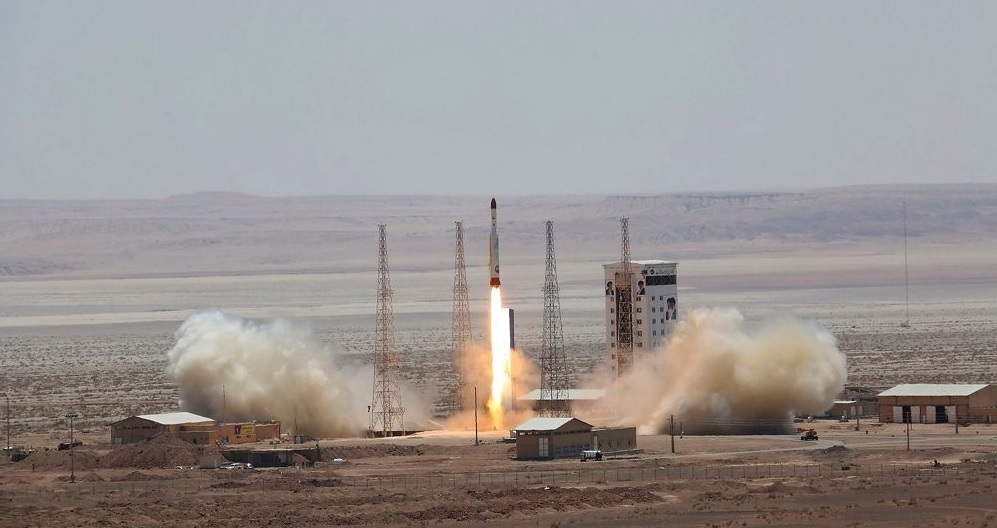
World
Iran recently launched a satellite into space, a move that has drawn fresh concerns from the West due to its potential ties to Tehran’s missile development program. The launch was conducted by Iran's paramilitary Revolutionary Guard, which used a Qaem-100 rocket to propel the Chamran-1 satellite into orbit, marking another step in Iran’s expanding space and military technology program.State-run media described the launch as a success, though there has yet to be independent confirmation. The Qaem-100, a solid-fuel, three-stage rocket, successfully placed the 60-kilogram Chamran-1 satellite into an orbit approximately 550 kilometers above Earth. Notably, the rocket bore a Quranic verse, symbolizing the ideological underpinnings of Iran’s space efforts. This marks the second successful satellite deployment using the Qaem-100, after an earlier launch in January.The satellite launch took place near Shahroud, a city approximately 350 kilometers east of Tehran, from a mobile launcher—a detail that underscores the sophistication of Iran’s space launch technology. This capability is seen as a double-edged sword by international observers. While Iran insists its space program is for civilian purposes, many in the West fear it serves as a cover for developing long-range ballistic missile capabilities, including intercontinental ballistic missiles (ICBMs), which could eventually be fitted with nuclear warheads.Adding to these concerns is the timing of the launch, which coincided with a period of heightened tension in the Middle East, particularly the ongoing conflict between Israel and Hamas in Gaza. During this time, Iran carried out a direct missile and drone attack on Israel, showcasing its military prowess. Furthermore, Iran’s uranium enrichment has progressed to near-weapons-grade levels, causing alarm among nuclear watchdogs. Although Iran has consistently denied seeking nuclear weapons, its growing enrichment capacity and space technology developments suggest otherwise to many international experts.Western powers, particularly the U.S., have long voiced concerns over Iran's space program, arguing that the technology used in satellite launches could also be employed to develop ICBMs. These fears have grown after the expiration of U.N. sanctions related to Iran's ballistic missile program in October 2023. The U.S. State Department has condemned Iran’s previous satellite launches, calling them a violation of a U.N. Security Council resolution.The U.S. intelligence community has echoed this sentiment, stating that Iran's satellite launch vehicle technology could significantly shorten the timeline for developing ICBMs. The connection between satellite launchers and missile development lies in the shared technology used to propel heavy payloads across long distances—both in space and for military purposes.While Iran's leadership, including the head of the Revolutionary Guard, General Hossein Salami, celebrated the launch as a victory against international sanctions, the launch also raises questions about the nation’s broader intentions under its space program. Iran's current president, Masoud Pezeshkian, has yet to publicly comment on the future of the space program, leaving uncertainty about the direction the country will take in the coming years.The launch also comes ahead of the second anniversary of the death of Mahsa Amini, which triggered mass protests against Iran’s mandatory hijab laws and its theocratic regime. Amid these domestic challenges, Iran continues to assert its technological ambitions on the world stage, further complicating its relations with the international community.As Tehran pushes ahead with both its space and missile programs, the potential for a deeper geopolitical conflict looms, particularly as Iran moves closer to achieving the technological capabilities that could extend beyond regional power to global influence. For now, the satellite launch has put Iran back into the international spotlight, with eyes on whether this progress signals a new chapter in its military and technological capabilities—or a further escalation of tensions with the West.
Read More → Posted on 2024-09-15 15:54:44
India
In a bold step towards fortifying its amphibious capabilities, the Indian Navy is exploring the construction of state-of-the-art Landing Platform Docks (LPDs), aiming to build them domestically. This ambitious project aligns with India’s broader goal of self-reliance in defence manufacturing and reflects its growing maritime strength.The initiative follows the release of a Request for Information (RFI) in 2021, which invited major Indian shipbuilders such as Cochin Shipyard Ltd (CSL) and Garden Reach Shipbuilders & Engineers Ltd (GRSE) to participate. Other key players, including Larsen & Toubro (L&T) Shipbuilding and Mazagon Dock Shipbuilders Limited (MDL), have also shown interest. These companies have proposed innovative designs in collaboration with international Original Equipment Manufacturers (OEMs), signaling the Navy’s intent to leverage global expertise while boosting local production capabilities.The specifications of these LPDs indicate their potential to significantly enhance India’s amphibious warfare capabilities. Measuring around 200 meters in length, these colossal ships will be able to carry a crew of 540 sailors along with 900 combat-ready troops. With a displacement of up to 8,000 tons, these ships are engineered for both endurance and capacity, allowing the Navy to deploy significant manpower and equipment during extended missions.Speed and range are key considerations in the design. The Indian Navy envisions a cruising speed of 14 to 16 knots, supported by an impressive range of 10,000 nautical miles at an economical pace. This will allow the LPDs to operate across vast distances, extending their deployment capabilities to remote areas of interest, a crucial factor for a navy looking to project power across the Indo-Pacific region.A standout feature of these LPDs is their propulsion system. The Navy has specified either an Integrated Full Electric Propulsion (IFEP) or Hybrid Propulsion system, highlighting its commitment to modern and environmentally friendly technologies. This emphasis on electric propulsion is expected to make these vessels more efficient, quieter, and less reliant on traditional fuel sources.While these LPDs are primarily designed for amphibious operations, they will also be heavily armed. The Navy plans to equip the ships with a formidable array of weapons, including 32 Vertical Launch Short Range Surface to Air Missiles (VLSRSAM) for air defence and 16 anti-ship missiles for offensive operations. Close-In Weapon Systems (CIWS), heavy machine guns with stabilized mounts, and medium machine guns will bolster the vessel’s defensive capabilities. Future upgrades may even include directed energy weapons, underscoring the cutting-edge nature of these platforms.On the sensor front, the LPDs will be equipped with an advanced suite of systems to enhance situational awareness. This includes a 3D air surveillance radar, surface surveillance radar, electronic warfare support systems, and an electro-optical/infrared search and track system. These systems will enable the ships to operate effectively in complex, multi-domain environments where detecting and neutralizing threats is critical.The design also includes a unique "through deck" configuration, essentially transforming the LPDs into Landing Helicopter Docks (LHDs). This allows for seamless flight operations, enabling the ships to conduct simultaneous helicopter operations from their hangars and decks. The LPDs will be capable of carrying a range of aircraft, including two heavy-lift helicopters, 12 special operations helicopters, and two Naval Ship-borne Unmanned Aerial Systems (NSUAS). The hangar is designed to house all these aircraft, while the reinforced forward deck will allow for the operation of heavy-lift helicopters.One of the most remarkable aspects of this project is the Indian Navy’s decision to build these LPDs domestically. By partnering with local shipyards and manufacturers, the Navy not only aims to strengthen its amphibious capabilities but also contributes to the growth of India's defence industry. This project is a reflection of the country’s ongoing push for indigenization in defence production, a key part of India’s "Make in India" initiative. With the construction of these LPDs, the Indian Navy is positioning itself as a formidable force in the region, capable of conducting complex amphibious operations and safeguarding India’s maritime interests. The project also highlights India's ambition to emerge as a major player in global shipbuilding, enhancing its strategic autonomy and showcasing its growing expertise in defence manufacturing.
Read More → Posted on 2024-09-15 15:49:46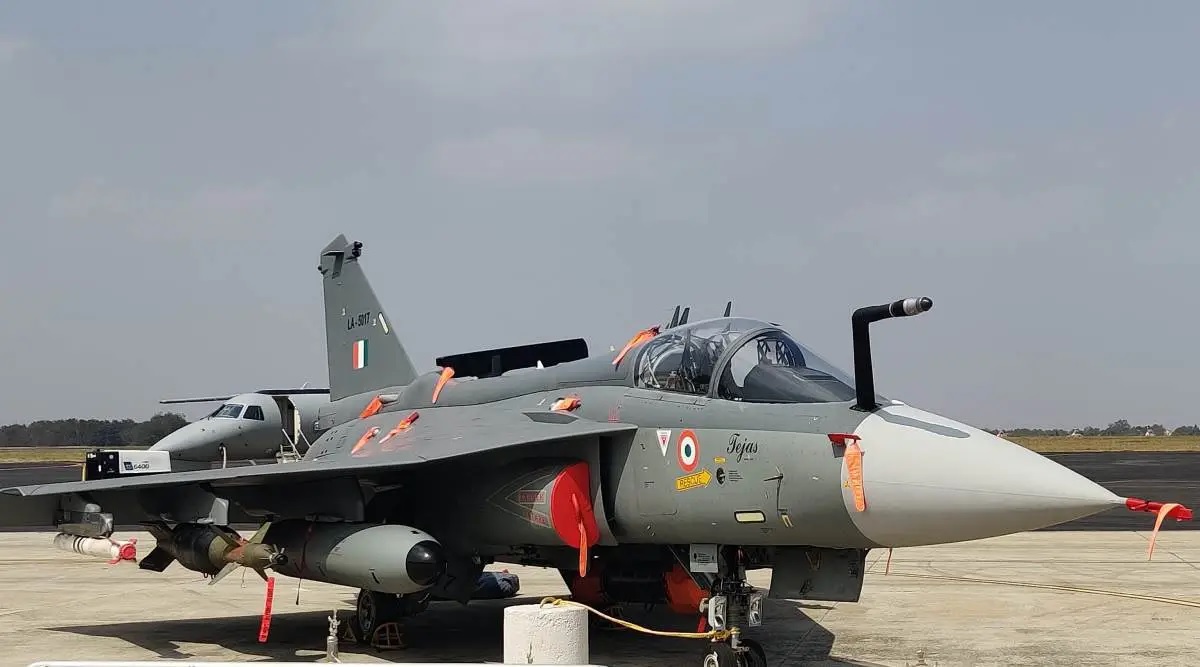
India
Hindustan Aeronautics Limited (HAL) is preparing to deliver the first Tejas Mk1A fighter jet to the Indian Air Force (IAF) by the end of next month, a pivotal milestone in India’s indigenous aircraft development program. The Tejas Mk1A, which successfully completed its maiden flight in March 2024, represents a major leap in capability for the IAF as it modernizes its aging fighter fleet.The Tejas Mk1A, an evolution of the earlier Tejas variants, incorporates several improvements aimed at making it more effective in modern combat scenarios. Among the key enhancements are advanced avionics, updated software systems, and improvements in weapons integration. These advancements are critical to meeting the specific needs of the IAF, which has been working closely with HAL to refine the design and performance of the aircraft.One of the standout features of the Mk1A variant is its radar system. The jet is equipped with an Active Electronically Scanned Array (AESA) radar, which significantly improves its targeting and surveillance capabilities. AESA radars allow the aircraft to track multiple targets at greater distances with higher precision, a crucial feature in modern air combat. This radar system is a major upgrade from the mechanically scanned radars used in earlier versions of the Tejas.Another improvement in the Mk1A variant is its Electronic Warfare (EW) suite, which gives the jet enhanced defense capabilities against enemy radar and missile systems. The advanced self-protection system includes radar warning receivers, jammers, and countermeasures dispensers, making the aircraft more survivable in hostile environments.While this initial batch of Tejas Mk1A jets will be powered by General Electric's F-404 engines, HAL plans to transition to more advanced engines in future batches, potentially boosting the aircraft's speed and thrust. The F-404 engine has been a reliable powerplant, providing solid performance, but the IAF’s long-term vision includes exploring more powerful engines to enhance the jet's combat capabilities.The IAF is not only receiving one aircraft; this delivery kicks off the fulfillment of a larger contract for 83 Tejas Mk1A jets, which are expected to be delivered in phases over the coming years. The IAF plans to form a new squadron of Tejas Mk1A fighters, with the third squadron likely to be stationed at the Nal Airbase in Rajasthan, close to the Pakistan border. This strategic positioning highlights the importance of the Tejas in reinforcing India’s air defense capabilities in sensitive regions.The Tejas program, despite some delays in its earlier stages, has gained momentum in recent years. The Mk1A variant’s development has been viewed as a crucial step in ensuring that the IAF has a versatile, modern fighter jet that is not only capable of defensive roles but also offensive air superiority missions. Its relatively lighter weight and advanced avionics make it a nimble yet powerful addition to India’s aerial arsenal.As HAL prepares to hand over the first jet, it is also working on integrating new software features requested by the IAF, which will further enhance the aircraft’s operational readiness. The delivery marks a positive turn in India’s indigenous defense manufacturing efforts, a critical focus for the nation’s long-term security and self-reliance goals.With its compact design, advanced radar, and improved survivability systems, the Tejas Mk1A is expected to serve as a backbone for the IAF’s fighter fleet, especially as older aircraft such as the MiG-21 are phased out. As more Tejas Mk1A jets are inducted into service, the IAF’s ability to respond to evolving threats and maintain aerial superiority will be significantly bolstered.The delivery of the first Tejas Mk1A not only underscores HAL’s manufacturing capabilities but also signals India’s growing confidence in its ability to design and produce world-class military hardware. As the aircraft enters service, it will play a critical role in enhancing the IAF’s operational capabilities and supporting India's defense strategy in the coming years.
Read More → Posted on 2024-09-15 15:47:38
India
In a bold move that could redefine global governance, the United States has called for significant reforms to the United Nations Security Council (UNSC), proposing new permanent seats for African nations, as well as for India, Japan, and Germany. These reforms would be the first major overhaul to the UNSC in decades, aiming to address long-standing demands for better representation of developing nations and emerging powers. However, the U.S. has made it clear that any new permanent members would not be granted veto power, which has long been a contentious issue.A Call for African RepresentationThe U.S. proposal seeks to add two permanent seats for African countries, which currently hold three non-permanent, rotating seats on the council. The existing setup allows African nations to participate in the UNSC, but only for two-year terms without the same level of influence enjoyed by the five permanent members— the U.S., China, Russia, France, and the UK. These five have veto power, allowing them to block any UNSC resolution.Linda Thomas-Greenfield, the U.S. ambassador to the UN, announced the proposal at the Council on Foreign Relations, emphasizing that African nations deserve a stronger voice in global decision-making. This move is in line with growing global recognition that Africa's geopolitical importance, population, and economic potential warrant greater representation on the world stage.However, the U.S. is firm in its stance that these new African members should not have veto power. Washington argues that expanding the veto would risk further deadlock within the already divided council, where vetoes by permanent members often paralyze action on key issues like climate change and global conflicts.Expanding Membership: India, Japan, and GermanyIn addition to Africa, the U.S. reiterated its longstanding support for permanent seats for India, Japan, and Germany—three nations that have consistently lobbied for greater influence within the UN. India, with its rapidly growing economy and population, is the world’s largest democracy and has been seen as an essential player in global governance. Japan, a key U.S. ally in Asia, is one of the largest contributors to the UN budget. Germany, the largest economy in Europe, plays a central role in both the EU and NATO.Yet, like the proposed African seats, these nations would not be granted veto power, a condition that reflects the U.S.'s reluctance to shift the balance of power within the council. The veto has been a tool of immense strategic value to the permanent members, allowing them to shape international policies according to their national interests.A Seat for Island NationsIn another significant development, the U.S. has proposed a rotating seat specifically for small island developing states (SIDS), which have long voiced concerns over their lack of representation. These nations, often the most vulnerable to climate change, have argued that their unique challenges, from rising sea levels to economic instability, are not adequately addressed by the international community. A rotating seat would ensure that their voices are consistently heard at the highest levels of global decision-making.The Path to Reform: A Daunting TaskWhile the U.S. proposal has been welcomed by many, reforming the UNSC is no small feat. Any changes to its structure require the approval of two-thirds of the 193 UN member states, as well as the unanimous agreement of the current five permanent members. This poses a significant challenge, particularly because the expansion of permanent membership without veto power has been met with resistance.Russia, for instance, has warned African nations to be cautious of reforms that could include new Western members like Germany and Japan, arguing that such a move might perpetuate Western dominance in the council. Moscow has also raised concerns that expanding the council without granting veto power to new members would not adequately address the historical marginalization of African nations.Additionally, some African leaders, like Sierra Leone’s President Julius Maada Bio, have called for the complete abolition of the veto. They argue that if the veto is to remain, it should be extended to all new permanent members as a matter of fairness.Global Reactions: A Step Towards Justice?The U.S. initiative has been largely viewed as a positive step towards addressing the long-standing imbalance in the UNSC. UN Secretary-General António Guterres has previously expressed concern over the lack of African representation on the council, and Washington’s latest proposal seems to align with his calls for reform.Still, the road to actual change is fraught with challenges, not least the entrenched interests of the current permanent members. For the U.S., pushing through such reforms will require navigating delicate diplomatic negotiations with both allies and adversaries.The proposed reforms also reflect broader geopolitical shifts, as nations like India and Japan continue to assert their roles as major global players. Whether or not these proposals will succeed remains uncertain, but they signal a growing recognition that the current structure of the UNSC no longer reflects the realities of a changing world.In the end, any reform must balance the interests of emerging powers, developing nations, and the permanent members who have held sway over the council since its inception. For now, the U.S. proposal offers hope that the UNSC can be reshaped into a more inclusive and representative body, even if the road ahead is long and uncertain.
Read More → Posted on 2024-09-15 15:45:22Search
Top Trending in 24 Hours
-
 8 U.S. Air Force Crew Members Killed in B-52 Bomber Crash During Test Flight at Edwards Air Force Base
-
 Ukraine Introduces Balloon-Launched DART Missile Designed to Defeat Electronic Warfare
-
 Lockheed Martin Wins $514 Million U.S. Space Force Contract for Two New GPS IIIF Satellites
-
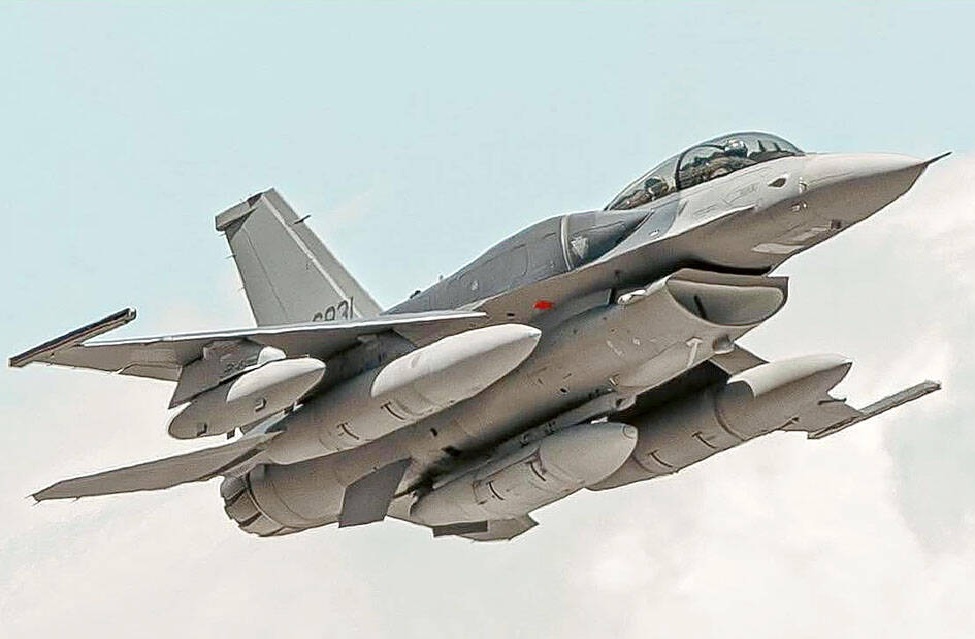 First Taiwanese F-16 Block 70 Flies with Five-Tank Fuel Configuration During Texas Tests
-
 UK Announces £210 Million Deal to Supply Enriched Uranium to Ukraine for Two Years
-
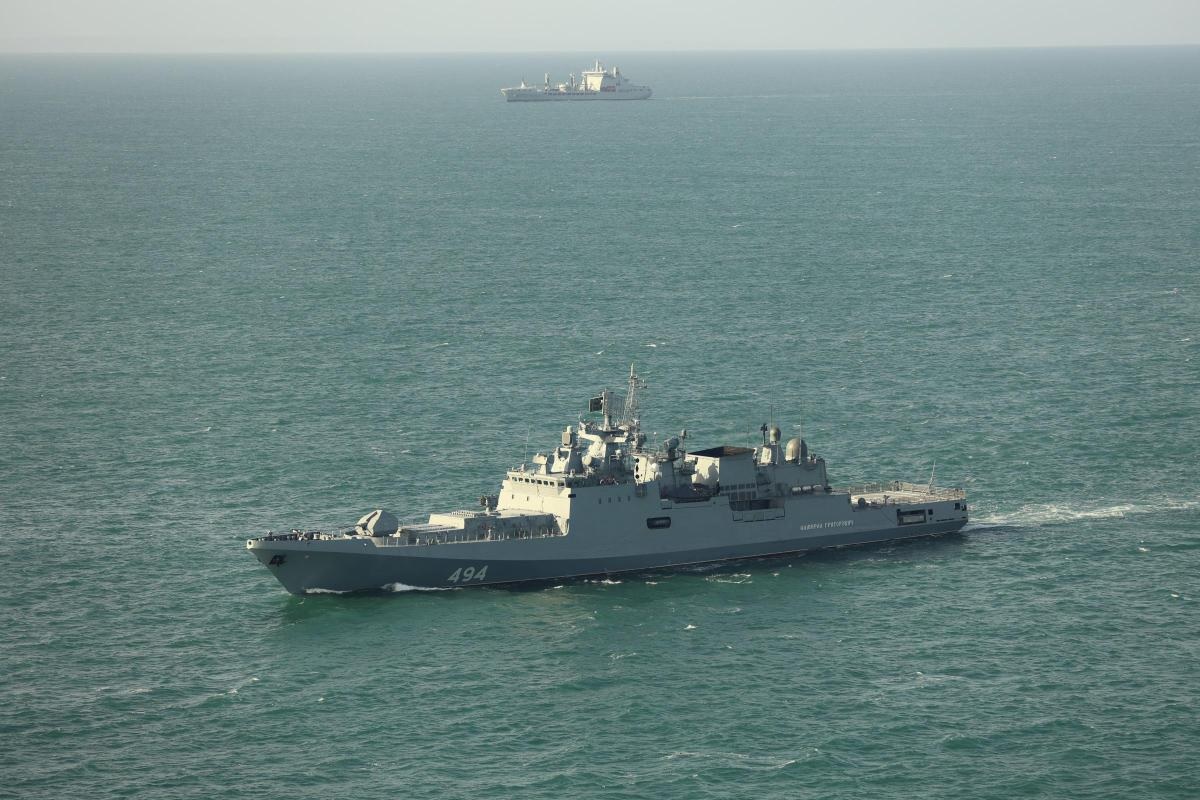 Russian Frigate Admiral Grigorovich Challenges UK Yacht in English Channel With Warning Shots
-
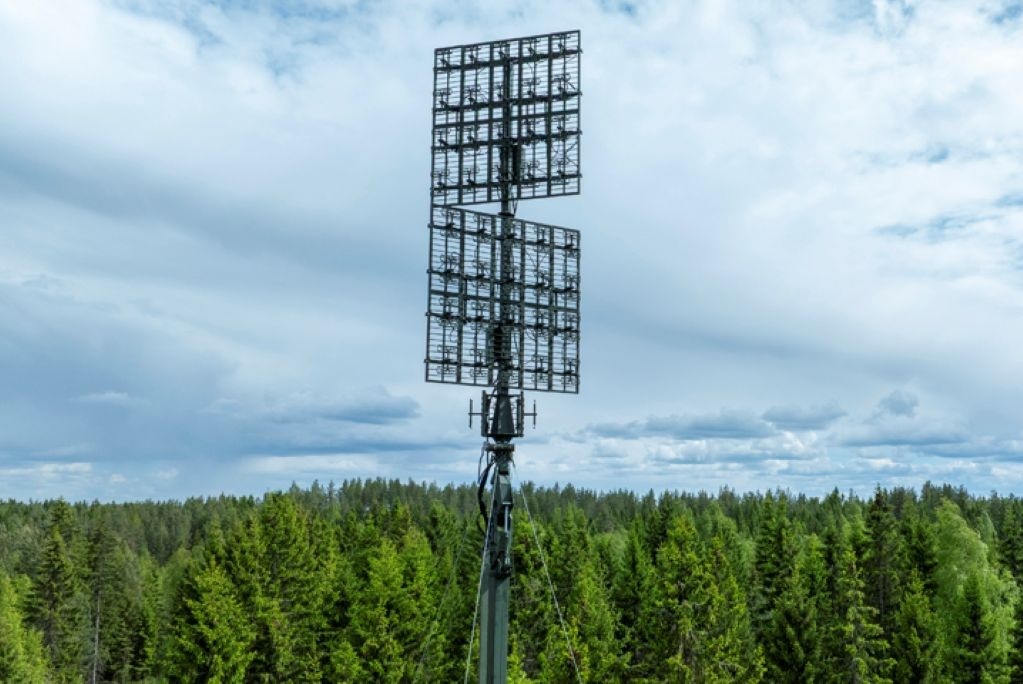 Patria Launches WISPR Passive Counter-Battery Radar with Silent Detection Capability at Eurosatory 2026
-
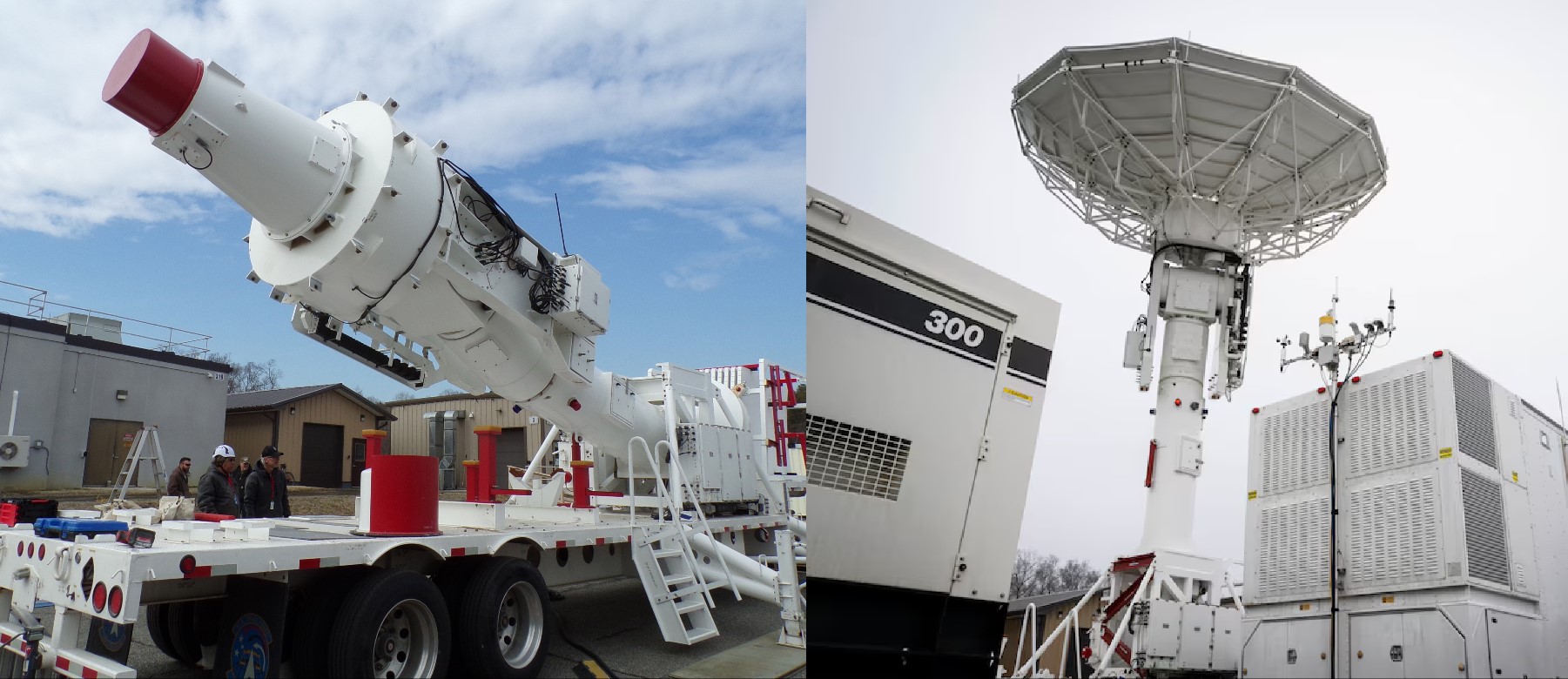 Space Force Transfers Transportable Satellite Tracking Antenna to Naval Research Laboratory
Top Trending in 4 Days
-
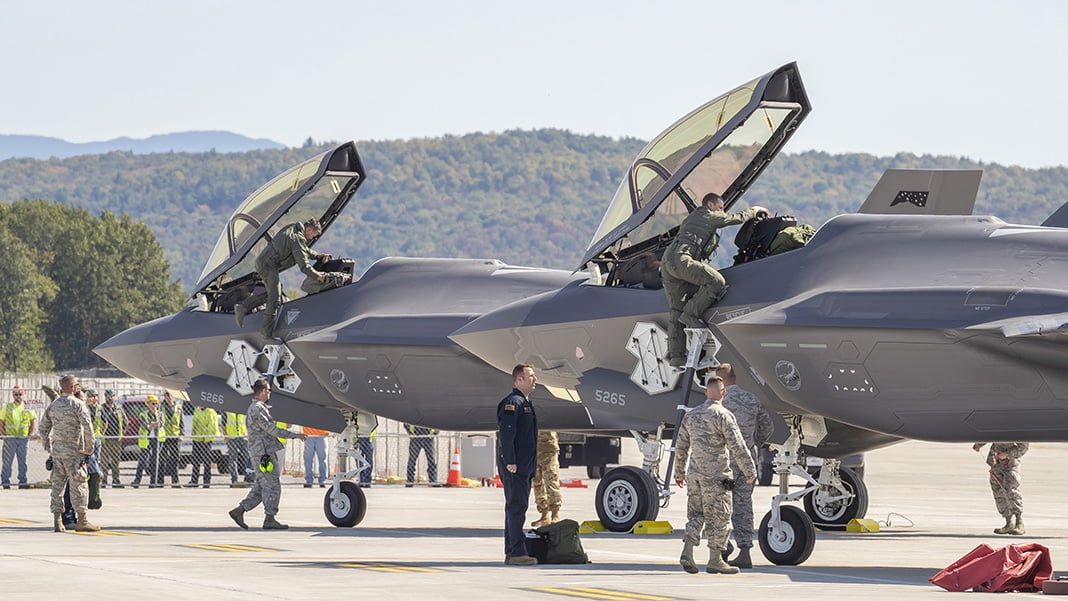 F-35 Fleet Readiness Falls to 25% Amid Parts Shortages and Software Delays: GAO Report
-
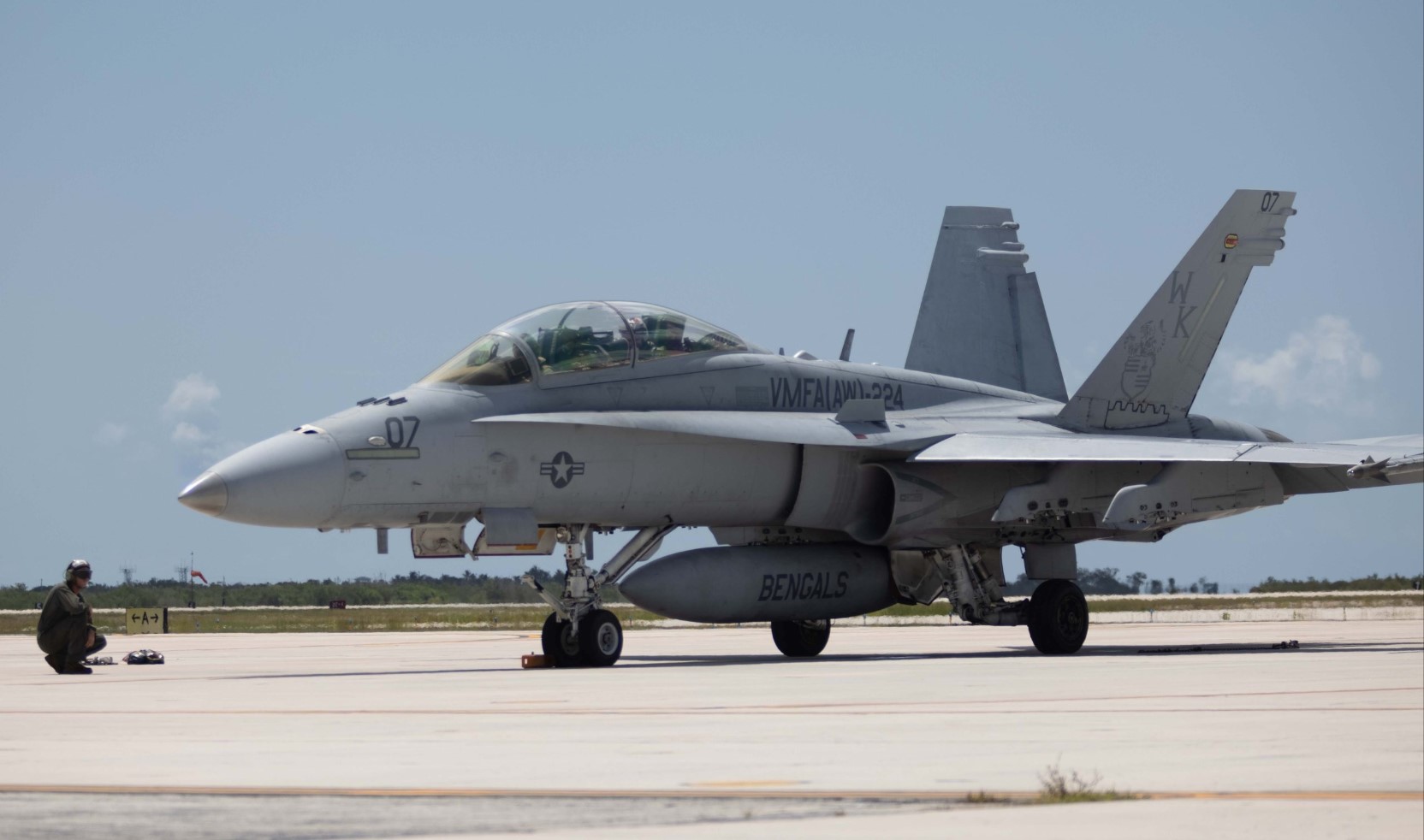 US Marine Corps F/A-18D Hornet Crashes During Training Flight in Washington Mountains; Pilot Ejects Safely
-
 Leonardo Rheinmetall to Unveil Italy’s New IMBT Main Battle Tank at Eurosatory 2026
-
 Tulsi Gabbard Releases Declassified Files Detailing U.S.-Backed Network of 120 Biolaboratories Across 30+ Countries
-
8 U.S. Air Force Crew Members Killed in B-52 Bomber Crash During Test Flight at Edwards Air Force Base
-
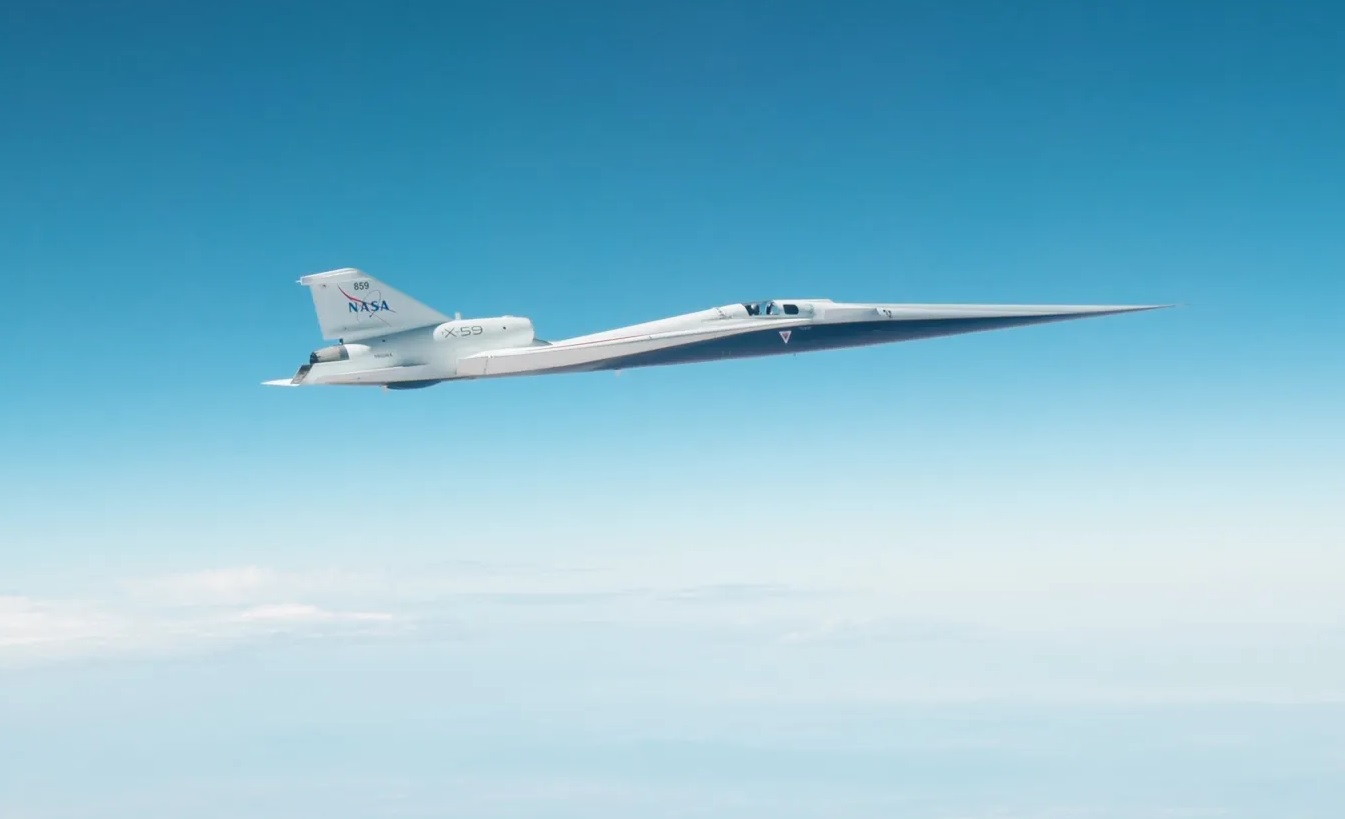 NASA X-59 Achieves Planned Mission Conditions with Mach 1.4 Flight at 55,000 Feet
-
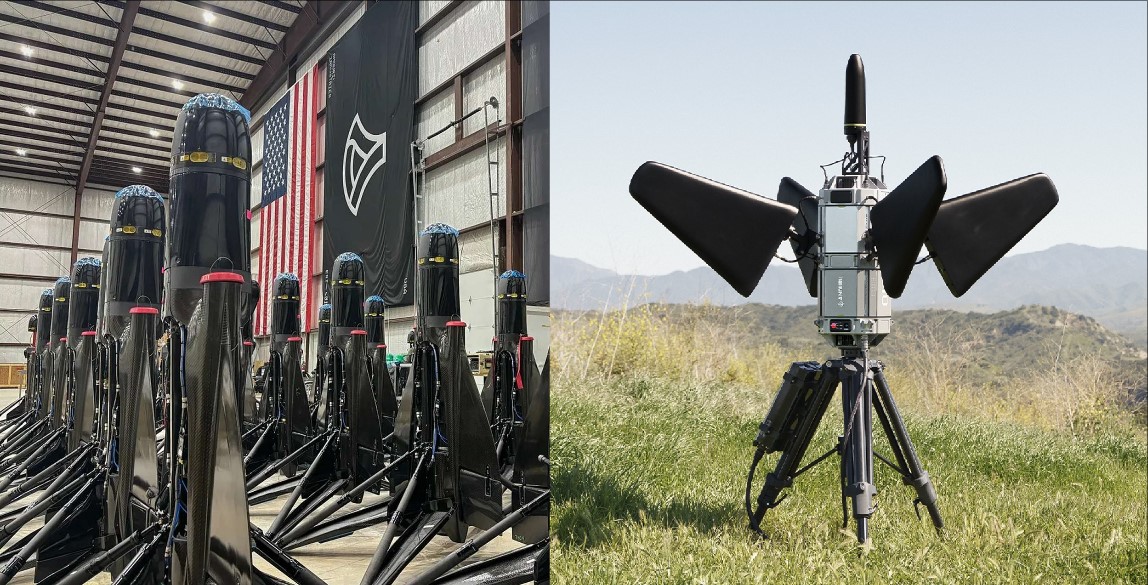 U.S. Approves $1.98 Billion Sale of Anduril AI-Powered Counter-Drone Systems to Kuwait
-
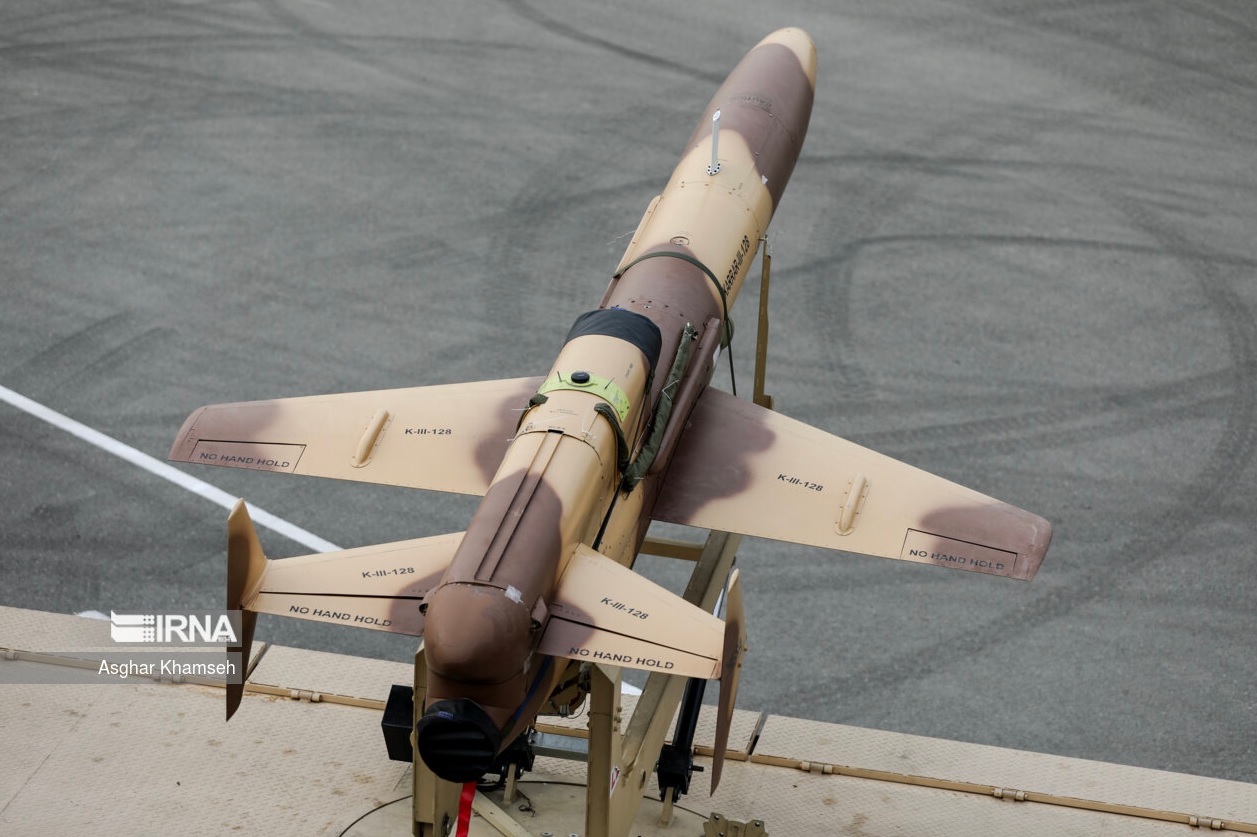 Russia Launches 1,400 Jet-Powered Drones in 2026 as Strike Tactics Evolve to Challenge Ukraine's Air Defenses
