
India
A recent report has revealed a troubling development between the United States and India. According to The Sunday Guardian, U.S. intelligence agencies, including the FBI and CIA, had reportedly been preparing to arrest a former official from India’s premier intelligence agency, the Research and Analysis Wing (R&AW). The arrest was to occur during a private family trip to the U.S., but the operation was suddenly abandoned after Indian intelligence caught wind of the plan, leading to the cancellation of the trip.Although the report does not officially confirm the identity of the former R&AW official, speculations strongly point toward Samant Goel, the agency’s chief until 2023. Goel, who has had a long and distinguished career in India’s intelligence apparatus, is known for his instrumental role in counterterrorism operations, particularly against separatist movements such as the Khalistan issue. His alleged connection to a controversial plot targeting Khalistani terrorist facilitator Gurpatwant Singh Pannun has intensified speculation around the U.S. move.Pannun, a notorious figure in India, is the head of Sikhs for Justice (SFJ), an organization banned in India but operating relatively freely in other countries, including the U.S. He is one of India’s most-wanted individuals for his role in spreading pro-Khalistan sentiment and advocating for violent separatism. While India considers Pannun a terrorist, the U.S. has provided him with a platform under its legal protections, which has often been a source of contention between the two nations. It appears that Goel’s name became tied to an alleged assassination plot against Pannun, prompting the U.S. to consider taking drastic measures by arresting the former intelligence officer.The alleged operation to arrest Goel echoes past diplomatic tensions between India and the U.S., most notably the 2013 arrest of Indian diplomat Devyani Khobragade in New York. Khobragade’s arrest on charges of visa fraud and mistreatment of a domestic worker caused a major diplomatic row, with India accusing the U.S. of disrespecting diplomatic immunity and humiliating her. The fallout saw India reducing U.S. diplomatic privileges and a wave of public anger. Had the U.S. gone ahead with the arrest of someone like Goel, the implications could have been even more severe, potentially leading to a much deeper diplomatic rupture.Tensions over Khalistani activism have been escalating in recent years, particularly with the rise of online propaganda and the growing influence of the diaspora. India has repeatedly expressed its frustration with countries like the U.S., Canada, and the U.K. for not doing enough to clamp down on these separatist elements. To India, these movements are not just about political activism but are tied to a legacy of violence and terrorism that has long plagued the country. From New Delhi's perspective, any attempt by the U.S. to act against someone like Goel, who has been central to India's fight against such elements, would be seen as a betrayal.The reported tip-off that led to the scrapping of Goel’s travel plans is yet another example of how sensitive intelligence operations can influence international relations. India’s intelligence agencies are known to work closely with counterparts in the U.S., but this incident suggests there is also mistrust simmering beneath the surface. The cancellation of the planned arrest saved what could have been an extremely volatile situation, but it also raises questions about how the two countries perceive and handle the threats posed by Khalistani separatism.This incident comes at a time when U.S.-India relations have otherwise been strengthening, particularly with defense and strategic partnerships growing. However, incidents like these remind both nations that there are still unresolved tensions, particularly when it comes to issues of national security and intelligence operations.The growing activism of Khalistani sympathizers in the West remains a thorny issue for India, and this latest episode involving Samant Goel suggests that tensions may continue to simmer beneath the surface. While the U.S. and India may be aligned on many global issues, cases like this show how intelligence operations and the differing priorities of national interests can bring even close partners to the brink of diplomatic crises. In the coming months, it will be important to see how both nations handle such sensitive matters, particularly as both sides will need to balance their interests while avoiding the kind of fallout that was seen in the Khobragade case. If not carefully managed, this issue could complicate U.S.-India relations at a time when both countries are looking to strengthen their strategic and security ties.
Read More → Posted on 2024-10-20 15:39:04
World
BAE Systems has completed the delivery of 400 2-Color Advanced Warning Systems (2CAWS) to the U.S. Army as part of the Limited Interim Missile Warning System (LIMWS) program. This delivery marks a significant leap in the protection of U.S. Army helicopters, providing them with the latest in missile detection technology to safeguard both aviators and airborne soldiers from evolving missile threats.The 2CAWS system is a next-generation aircraft survivability solution that builds upon the legacy of BAE Systems' Common Missile Warning System (CMWS). CMWS has already proven itself on thousands of U.S. Army and international aircraft, clocking millions of flight hours. With 2CAWS, BAE Systems has taken missile detection to a new level, introducing state-of-the-art features that ensure enhanced survivability for rotary-wing aircraft in increasingly complex and contested environments.Key Features of 2CAWSAt the core of 2CAWS is its multi-spectral sensor suite, which provides advanced detection capabilities. Unlike older systems that rely on single-spectrum sensors, 2CAWS operates across multiple spectrums, significantly improving its ability to detect threats that employ more advanced camouflage or countermeasures. This multi-spectral approach allows the system to quickly identify missile launches, even in dense environments where traditional systems might struggle.Additionally, 2CAWS boasts a high-speed digital backbone, enabling rapid data processing. This is vital when dealing with the split-second nature of missile engagements. In combination with machine learning algorithms, the system can identify threats with incredible accuracy, minimizing false alarms and ensuring that real threats are dealt with swiftly.What truly sets 2CAWS apart is its integration with laser-based and expendable countermeasures. Once a missile threat is detected, 2CAWS immediately cues these countermeasures, deploying them in real-time to divert or destroy the incoming threat. This capability provides U.S. Army pilots with the confidence to operate in highly contested areas, knowing that their aircraft has a robust, responsive defense system in place.Battle-Proven Performance2CAWS-equipped aircraft have already logged thousands of operational flight hours. The system's effectiveness has been demonstrated in real-world combat scenarios, where it successfully detected and neutralized sophisticated missile threats. Its reliability and performance under extreme conditions are a testament to BAE Systems' dedication to protecting military personnel.Dave Harrold, vice president and general manager of Countermeasure & Electromagnetic Attack Solutions at BAE Systems, emphasized the importance of this system, stating, "Protecting U.S. Army helicopters is core to our mission. We’ve worked closely with Army Aviation to provide cutting-edge capabilities that protect crews from evolving threats, provide adversarial overmatch, and enable warfighters to execute missions in contested battlespace."A Legacy of InnovationBAE Systems has a long history of developing and delivering cutting-edge defense systems. With 2CAWS, they have once again demonstrated their ability to innovate and adapt to the changing nature of warfare. The system's development under the LIMWS Quick Reaction Capability (QRC) contract highlights BAE's expertise in delivering critical solutions under tight deadlines. The company's deep knowledge of size, weight, and power constraints for rotary-wing aircraft ensures that 2CAWS is optimized for the rigorous conditions these aircraft face.As threats continue to evolve, BAE Systems is already looking toward the future. The company is actively working on the next generation of threat detection and countermeasure systems, ensuring that the U.S. Army remains equipped with the best technology available.In summary, the delivery of 400 2CAWS systems represents a significant milestone in the ongoing effort to protect U.S. Army helicopters and their crews. With its advanced threat detection capabilities, rapid response time, and proven performance, 2CAWS is set to play a vital role in ensuring aircrew survivability for years to come.
Read More → Posted on 2024-10-20 15:32:47
India
The Indian Army is taking bold strides in preparing for future warfare with its latest military exercise, "Swavlamban Shakti." Taking place at the Babina Field Firing Ranges near Jhansi, the exercise, which began recently, is set to continue until October 22nd. Organized by the Army's Southern Command and led by Lieutenant General Prit Pal Singh, General Officer Commanding the Sudarshan Chakra Corps, this exercise showcases the Army's commitment to integrating next-gen technologies into its combat operations."Swavlamban Shakti" isn’t just about troops and traditional weaponry. It's a glimpse into the future of warfare, where drones, robotics, and advanced communication systems are expected to dominate the battlefield. Over 1,800 personnel are participating in the exercise, along with 210 armored vehicles and 50 specialist vehicles. This is complemented by a significant aviation presence, making the exercise a comprehensive test of the Army's offensive capabilities in a technology-driven world.What sets "Swavlamban Shakti" apart is its focus on showcasing and evaluating more than 50 cutting-edge technologies from over 40 Indian defence industry partners. These include contributions from Defence Research and Development Organisation (DRDO) labs and emerging defence startups. This initiative is closely tied to India's broader "Aatmanirbhar Bharat" (self-reliant India) vision, which emphasizes the importance of domestic defence production.A wide array of advanced technologies are being tested, such as swarm drones and kamikaze drones. Swarm drones, capable of overwhelming enemy defences by attacking in large numbers, represent a crucial asset in modern warfare, where the ability to neutralize air threats swiftly is vital. Kamikaze drones, designed to crash into and destroy enemy targets, offer a highly tactical, low-cost option for precision strikes.Logistic swarm drones are also part of the mix, designed to provide essential supplies to troops in difficult terrains. These unmanned aerial systems, alongside robotic mules and all-terrain vehicles (ATVs), can play a transformative role in transporting goods and equipment to soldiers in remote or hazardous areas, reducing reliance on human intervention and improving the speed of logistics.Another key area of exploration is drone jamming and anti-drone systems. With the rising threat of drone warfare, handheld drone jammers and other counter-drone measures are crucial in safeguarding troops from surveillance or attacks by hostile UAVs. The exercise is also evaluating software-defined radio-based mobile ad-hoc networks (MANETs), which offer secure and resilient communication channels vital for modern battlefields where communication can often be disrupted.Other technologies under review include indigenously developed long-endurance UAVs, light armored multipurpose vehicles (LAMVs), laser-based communication systems, and directed energy weapons (DEWs). The use of laser communication offers several advantages, such as resistance to jamming and interception, ensuring critical information flows without disruption during combat. Meanwhile, DEWs, which utilize lasers to incapacitate enemy electronics or missiles, could redefine how the Army handles airborne threats."Swavlamban Shakti" aims to identify the most promising of these technologies for future development and procurement. By actively collaborating with Indian defence companies, the Army is fostering innovation and self-reliance, a crucial step in reducing dependency on foreign military imports. This reflects a shift towards a more robust and independent defence ecosystem, where indigenous solutions meet the nation's military needs.The exercise will culminate on October 22nd with the "Southern Star Drone Mela and Static Equipment Display." This event promises to be a unique showcase of drone and anti-drone technologies, offering a platform for young entrepreneurs and MSMEs to demonstrate their capabilities. Set against the backdrop of a simulated modern battlefield environment, this showcase highlights the growing role of startups and small businesses in the defence sector."Swavlamban Shakti" is not just an exercise in military readiness; it is a glimpse into the future. By integrating advanced technologies and promoting collaboration with domestic defence manufacturers, the Indian Army is positioning itself for the challenges of modern warfare, ensuring that it remains a formidable force in an ever-evolving global landscape.
Read More → Posted on 2024-10-20 15:29:05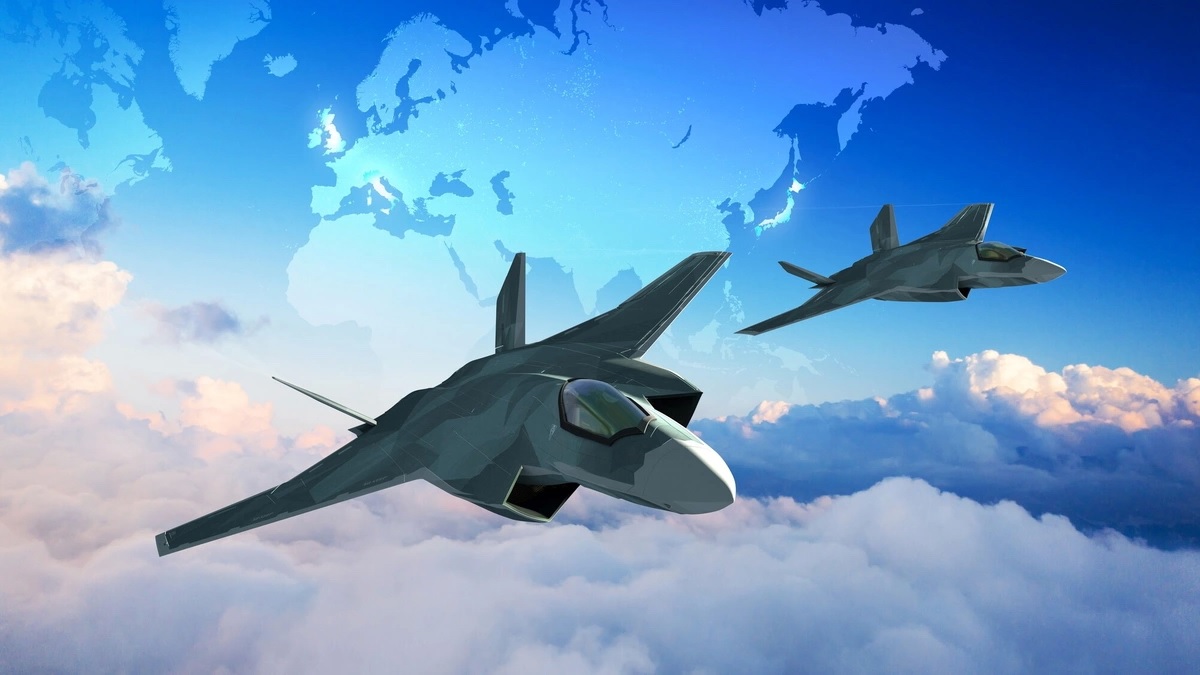
World
Japan, the UK, and Italy have joined forces to fast-track the development of a next-generation fighter jet under the Global Combat Air Program (GCAP). This project, which aims to deploy the new fighter by 2035, is driven by the need to replace Japan's aging F-2 jets and the UK’s Tempest, while addressing growing security threats posed by China, Russia, and North Korea. The collaboration represents a significant shift in the global defense landscape, signaling closer ties among these key nations in their bid to develop cutting-edge military capabilities.The latest development in this ambitious project came after Japan's Defense Minister, Gen Nakatani, met with his British and Italian counterparts, John Healey and Guido Crosetto, in Naples on the sidelines of the Group of Seven defense ministers' summit. The trio announced the creation of the GCAP International Government Organization (GIGO), which will oversee the project. GIGO, to be headquartered in the UK and led by a Japanese official, is tasked with ensuring smooth collaboration between governments and the defense industries involved in producing the jet. This new joint organization aims to accelerate progress, with a target to finalize key contracts by 2025.Driving Forces Behind the Joint Fighter JetThe joint fighter project was agreed upon in 2022, marking a historical defense partnership between the three nations. The driving force behind this collaboration is the shared recognition of the need to modernize air capabilities amidst increasing geopolitical tensions. Japan is particularly focused on bolstering its defenses in the face of China’s military expansion in the Asia-Pacific region, as well as the persistent threats from North Korea’s missile tests. Meanwhile, the UK and Italy are equally motivated by the need to enhance their defense capabilities, particularly in light of the ongoing war in Ukraine and the need to counter potential Russian aggression.At the heart of this next-generation fighter is a shared vision: to build a stealthy, highly advanced combat aircraft that will not only dominate the skies but also integrate seamlessly with modern systems like drones, advanced radar, and electronic warfare capabilities. The fighter is expected to employ cutting-edge AI technologies and offer enhanced survivability against modern anti-aircraft threats.Collaboration Among Industry GiantsSeveral leading defense companies are already hard at work on the project. Japan's Mitsubishi Heavy Industries (MHI), the UK's BAE Systems, and Italy's Leonardo have all signed on to contribute their expertise. MHI, a powerhouse in Japanese defense, recently displayed a model of the future jet at a Tokyo aerospace exhibit, signaling the start of the joint development process. According to Akira Sugimoto, MHI’s senior representative for GCAP, this project will allow Japanese companies to bring their strengths to the table and foster the growth of Japan's domestic defense industry.For Japan, this initiative also marks a significant turning point in its defense policy. Historically bound by strict arms export regulations, Japan has recently relaxed these rules to allow for greater international cooperation. The new fighter jet will be one of the first major exports resulting from this policy shift. In addition to developing a world-class fighter jet, Japan is looking to improve its overall defense manufacturing capabilities and boost the economic stability of its military-industrial base.Technological Specifications of the Future FighterWhile full technical details remain classified, early reports suggest that the new fighter will feature stealth technology designed to reduce radar cross-sections, making it harder to detect. The jet will be built with supercruise capability, allowing it to sustain supersonic speeds without afterburners. This feature not only improves the jet's performance but also reduces its heat signature, making it more challenging for enemies to track.The fighter is also expected to be equipped with advanced sensors and data fusion systems, providing pilots with real-time, comprehensive battlefield awareness. Integration with unmanned aerial systems (drones) is another key feature, allowing the fighter to control a swarm of drones in combat scenarios, significantly enhancing its versatility and reach. The jet will likely carry a variety of advanced weapons, including beyond-visual-range air-to-air missiles and precision-guided munitions, ensuring that it remains highly effective in both offensive and defensive roles.Strengthening Global Defense AlliancesThe GCAP initiative is not just about building a superior aircraft; it is a clear symbol of growing military cooperation between Japan, the UK, and Italy. For Japan, this marks a critical step in bolstering its defense alliances beyond its traditional partnerships with the U.S. As threats from China and North Korea increase, Japan sees the GCAP program as a way to fortify its military readiness while expanding its influence in global defense.In contrast, the UK views the project as a natural progression of its Tempest program, which aims to develop a next-generation fighter that will replace its aging Typhoon jets. Italy, too, sees this collaboration as crucial for maintaining its position as a leader in European defense technology.Together, the three nations are paving the way for a new era of air superiority that will not only secure their respective national defenses but also set new standards for international cooperation in defense technology development. As the fighter progresses from design to production, all eyes will be on how the GCAP will redefine the landscape of global air defense.By 2035, the skies could look very different, with the combined technological prowess of Japan, the UK, and Italy taking flight in a brand-new generation of fighters.
Read More → Posted on 2024-10-20 15:22:23
India
India’s defense landscape is on the brink of a major technological breakthrough with the introduction of the Tejas MkII fighter jet. This indigenous light combat aircraft will be the first Indian fighter to incorporate a Gallium Nitride (GaN)-based Active Electronically Scanned Array (AESA) radar, known as the Uttam Fire Control Radar (FCR). The integration of this cutting-edge radar marks a monumental shift for India’s military aviation, pushing the boundaries of homegrown defense capabilities and affirming the nation’s commitment to self-reliance.What makes this development particularly significant is the choice of GaN over the more commonly used Gallium Arsenide (GaAs) in radar systems. GaN has emerged as a game-changer in the semiconductor world due to its superior material properties. GaN components are more efficient, able to handle higher power levels and operate at higher frequencies, which directly enhances the radar’s performance. This results in a radar that is not only more compact and lightweight but also far more effective in tracking and detecting threats in real-time.The Uttam AESA radar, leveraging GaN technology, promises to give the Tejas MkII a formidable advantage in combat scenarios. It significantly improves the aircraft's situational awareness by offering greater detection range and accuracy. This is crucial when tracking multiple targets at once, even in environments filled with clutter or electronic countermeasures, where traditional radar systems might struggle. In aerial warfare, this could mean the difference between evading a threat or engaging an enemy in time.In addition to enhanced performance, GaN-based radars have another key advantage—they consume less power. This lower power consumption has a direct impact on the aircraft's operational endurance. With the Uttam radar, the Tejas MkII will be able to stay airborne longer, crucial for extended missions over hostile territory or operations that require prolonged patrols. The efficiency of the radar system thus enhances not only combat capability but also logistical flexibility, making the aircraft an even more valuable asset in the Indian Air Force (IAF).The Tejas MkII itself is a larger and more powerful iteration of the original Tejas MkI, equipped with more advanced avionics, a stronger engine, and a broader range of weapons systems. It is designed to fill the gap between lightweight fighters and heavier platforms like the Su-30MKI. The integration of the Uttam AESA radar will elevate its role even further, making it a lethal force multiplier in both defensive and offensive operations.India’s push to develop the Uttam AESA radar locally is a testament to the country's growing defense manufacturing capabilities. Developed by the Defence Research and Development Organisation (DRDO), the radar has been designed to meet the specific needs of the IAF, tailored to the unique operational challenges faced by Indian forces. It is also a significant step in reducing dependence on foreign technology, aligning with India’s larger “Make in India” initiative aimed at fostering indigenous defense production.The Tejas MkII’s introduction with the GaN-based Uttam radar will likely have ripple effects beyond just India’s air force. The country’s defense exports stand to benefit as well, with the Tejas platform becoming an increasingly attractive option for international buyers seeking an affordable yet technologically advanced fighter. The radar's cutting-edge design and GaN foundation make it a standout feature, positioning the Tejas MkII as a serious contender in the global arms market.In conclusion, the Tejas MkII, equipped with the GaN-based Uttam AESA radar, represents a new era in India’s aerospace capabilities. Its superior detection and tracking performance, coupled with increased operational endurance, make it a formidable platform in modern warfare. As the first Indian fighter to pioneer this technology, the Tejas MkII not only strengthens the Indian Air Force but also solidifies India’s position as a rising force in global defense innovation.
Read More → Posted on 2024-10-20 15:16:23
India
In a significant move aimed at boosting India's defence capabilities, the Government of India has recently approved a series of high-value military acquisitions worth approximately ₹14,500 crore. This includes the procurement of Future-Ready Combat Vehicles (FRCVs) for the Army and the construction of seven stealth frigates under Project 17B for the Navy. These decisions, overseen by the Defence Acquisition Council (DAC), underscore India's commitment to modernizing its armed forces in response to potential threats from its two prominent neighbors, China and Pakistan.The need for these upgrades has become increasingly urgent as the Indian military grapples with aging equipment, much of it dating back to the Soviet era, and a reduced troop count. The strategic landscape for India is shaped by the possibility of a two-front conflict, necessitating advanced technologies and firepower to maintain combat readiness.1. Rafale Marine Jets: Strengthening Naval AviationAs part of its naval modernization efforts, India plans to acquire 26 Rafale Marine fighter jets from France’s Dassault Aviation. These jets, which include both single-seat and two-seat variants, will be stationed on the Indian Navy’s INS Vikrant, the country's first domestically built aircraft carrier. The Rafale Marine jets will replace the aging MiG-29Ks that have faced numerous operational issues, including accidents. The deal, worth around $6 billion, is expected to finalize by the end of 2024, with deliveries beginning in 2026. The advanced jets will significantly boost the Indian Navy’s maritime strike capabilities and enhance security in the Indian Ocean region.2. Predator Drones: Expanding India's Surveillance and Strike CapabilitiesAnother notable acquisition is the deal for 31 MQ-9B Predator drones from the United States. These high-altitude, long-endurance drones, valued at $3.3 billion, will be distributed across the Navy, Army, and Air Force. Equipped with advanced surveillance systems and precision strike weapons such as Hellfire missiles, these drones will greatly enhance India’s ability to conduct long-range reconnaissance and targeted strikes. This acquisition marks a significant leap in unmanned aerial capabilities, particularly crucial for monitoring contested areas like the Line of Actual Control (LAC) with China.3. Future-Ready Combat Vehicles: Revolutionizing Army’s FirepowerThe Indian Army’s FRCV program is another key element in the modernization drive. The initiative, which seeks to replace the aging T-72 tanks, aims to enhance the Army’s mobility and firepower in the event of conventional warfare. The Army plans to procure around 1,770 new-generation tanks, costing approximately ₹60,000 crore, that will be equipped with cutting-edge technology, including a 120mm+ main gun, AI-powered fire control systems, and battlefield management technology. These tanks will also feature advanced protection systems, making them formidable against modern threats.4. Stealth Frigates: Enhancing Maritime DefenceIndia’s maritime capabilities are set to receive a substantial boost with the Project 17B stealth frigates. The Navy plans to build seven to eight of these advanced warships, which will feature cutting-edge stealth technology, minimizing their radar visibility. These frigates will be equipped with indigenous weapon systems, including BrahMos and Nirbhay cruise missiles, ensuring India’s dominance in the Indian Ocean. The estimated budget for the Project 17B frigates is around ₹70,000 crore, with construction divided between Mazagon Dock Shipbuilders and Garden Reach Shipbuilders.5. Indigenous Advancements: Towards a Self-Reliant MilitaryThe government has placed a strong emphasis on indigenous defence production, with a special focus on modernizing the military through domestic technology. 2024 has been declared the "Year of Technology Absorption" for the Indian Army, reflecting the force’s commitment to integrating homegrown technology into its operations. The Army has successfully inducted M777 ultra-light howitzers and Chinook helicopters, enhancing both its firepower and mobility along key borders, especially in the challenging terrains of Arunachal Pradesh.6. New Missile Testing Range: Advancing Missile CapabilitiesFurthering India’s missile capabilities, the government has approved a new missile testing range in Nagayalanka, Andhra Pradesh. The range, strategically located near the Krishna River, will allow for the extensive testing of surface-to-air and anti-tank missiles. This facility will support India's indigenous missile programs developed by the Defence Research and Development Organisation (DRDO), contributing to the nation's growing missile prowess.7. Revamping T-90 Bhishma Tanks: Ensuring Operational ReadinessIn a push to maintain its existing armoured strength, the Indian Army recently completed the overhaul of its first T-90 Bhishma tank. This overhauling process is part of the larger initiative to maintain and upgrade India’s armoured capabilities through indigenous efforts. The program is in line with the “Aatmanirbhar Bharat” (self-reliant India) mission, as it reduces dependence on foreign suppliers and enhances the Indian military’s self-sufficiency.8. Jointness and Integration: A Unified Defence StrategyThe ongoing efforts to modernize the armed forces are complemented by structural reforms aimed at fostering jointness and integration among the Army, Navy, and Air Force. The Chief of Defence Staff (CDS), General Anil Chauhan, has prioritized creating a “Joint Culture” within the military, ensuring that all three branches work in unison during operations. This initiative includes the development of Integrated Theatre Commands, which will provide a coordinated response to specific regional threats, maximizing operational efficiency.India’s defence acquisitions mark a significant step forward in its efforts to build a modern, agile, and highly capable military force. As the regional security landscape evolves, particularly with growing tensions in the Indo-Pacific, these acquisitions will not only enhance India’s ability to defend its borders but also project power across the region. With advanced platforms like the Rafale Marine jets, Predator drones, and stealth frigates, India is poised to assert its dominance both on land and at sea, ensuring that its armed forces are well-equipped to confront any adversary.
Read More → Posted on 2024-10-20 15:10:33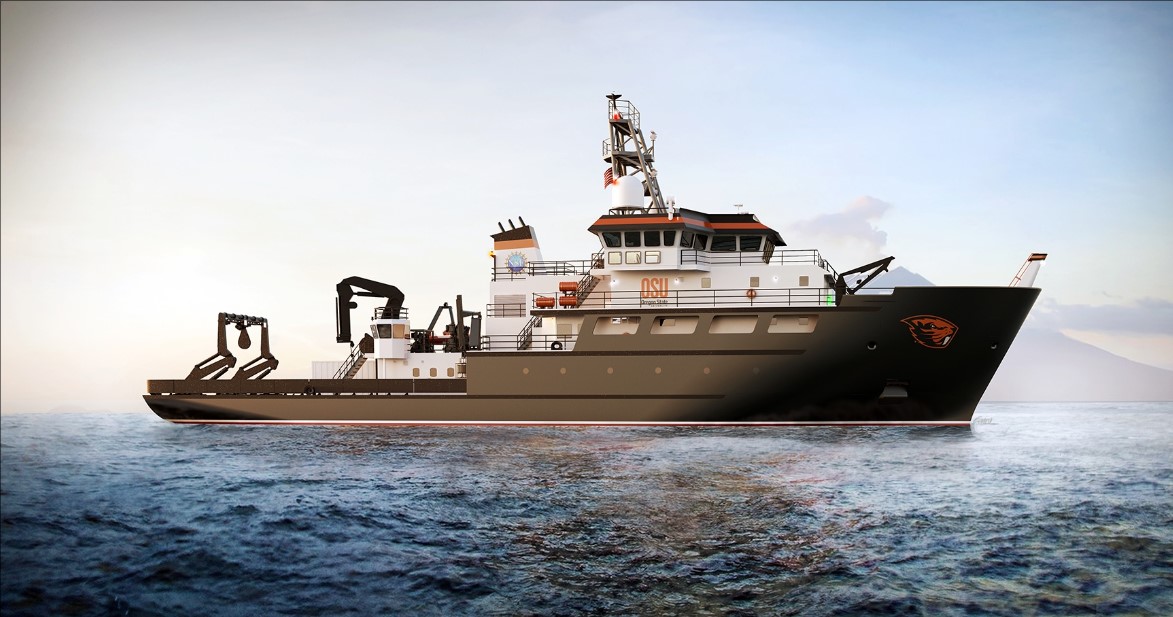
World
Garden Reach Shipbuilders & Engineers Ltd. (GRSE) has once again demonstrated its pivotal role in advancing India’s naval capabilities. On October 18, the Kolkata-based shipbuilder announced a ₹491 crore contract for the design, construction, and development of a next-generation Acoustic Research Vessel (ARS). This significant deal, formalized through a Letter of Intent from the Naval Physical & Oceanographic Laboratory (NPOL), a unit of the Defence Research and Development Organisation (DRDO), reinforces GRSE's reputation as a cornerstone in India’s maritime defense industry.The ARS is a specialized vessel that will play a crucial role in underwater acoustic research, a field vital for enhancing submarine detection, naval communication, and other undersea operations. By integrating cutting-edge technology, the ship will serve as a platform to conduct advanced research in underwater acoustics, furthering India’s capabilities in anti-submarine warfare, naval surveillance, and oceanographic studies. The inclusion of sophisticated sonar systems, data collection sensors, and advanced instrumentation will allow researchers to gather critical data for strategic defense purposes.This ₹491 crore project covers not just the construction of the vessel, but also includes the integration of complex equipment, rigorous testing, certification, and final commissioning. GRSE is expected to complete the project within 36 months, a timeline that underscores the urgency and importance of this vessel in bolstering India's naval defense research. The ARS is poised to become a vital asset for the Navy’s future operational needs, especially in a time when maritime security and research are critical to national defense strategies.Beyond the ARS contract, GRSE continues to strengthen its position in shipbuilding through various other projects. Earlier in October, GRSE secured contracts to design, build, and maintain hybrid electric ferries for West Bengal under the WBIWTLSD Project. These ferries, aimed at providing eco-friendly transportation across riverine areas, demonstrate GRSE's versatility. The company is tasked with delivering 100 non-AC ferries and 200 twin-deck ferries with air-conditioned main decks, all powered by hybrid electric propulsion systems. These vessels are expected to significantly reduce the carbon footprint of West Bengal’s ferry operations.Additionally, GRSE has taken strides in the international market. The company recently signed a contract to build and deliver a 7,500 Deadweight Tonnage (DWT) multi-purpose vessel for Germany’s Carsten Rehder Schiffsmakler and Reederei GmbH. This agreement is part of an existing option contract, which includes the construction of four more vessels of the same class. The company’s foray into building multi-purpose vessels, which can be used for a variety of cargo and utility roles, highlights its growing footprint in global shipbuilding.The Acoustic Research Vessel project itself is of particular significance as India steps up its focus on developing indigenous defense capabilities. The ARS will contribute to a deeper understanding of underwater acoustics, enhancing the Navy’s ability to operate in different oceanographic conditions and environments. This will be essential in advancing anti-submarine warfare and improving communication systems vital for the Navy's long-term strategic goals. The vessel is expected to be equipped with high-grade sonar systems, underwater microphones, and hydrophones to study sound propagation in water, detect submarines, and evaluate underwater communication technologies. As a nod to the future, GRSE’s involvement in diverse projects, from military research vessels to green hybrid ferries, speaks to its adaptability and growth in both defense and civilian shipbuilding. The ARS contract, in particular, showcases the company's expertise in handling high-tech, research-intensive vessels, further solidifying its role as a premier shipbuilder in India’s defense ecosystem. With a steady stream of contracts and a robust order book, GRSE is not only contributing to India’s defense infrastructure but also making strides in sustainable and commercial shipbuilding.In an era where maritime security is of paramount importance, this next-gen Acoustic Research Vessel, once completed, will be a game-changer for the Indian Navy’s research and operational capabilities, ensuring that India remains ahead in the field of underwater acoustic research and naval defense.
Read More → Posted on 2024-10-20 15:03:54
India
In a significant move that could shape the future of the Indian Air Force (IAF), Swedish aerospace giant Saab has reasserted its offer to supply India with its state-of-the-art Gripen E/F fighter jets. Saab’s proposal is part of India's massive $20 billion Multi-Role Fighter Aircraft (MRFA) deal, which seeks to procure 114 advanced fighter jets under the "Make in India" initiative. Saab's pitch is ambitious and compelling: delivery of the first India-built Gripen jet within just three years, combined with a complete transfer of technology to India.Saab has positioned itself as a strong contender, emphasizing not only the capabilities of the Gripen E/F jets but also its commitment to building a robust local ecosystem for production in India. Kent-Åke Molin, Saab’s Campaign Director for the India Programme, has stressed that the offer includes full-scale production within Indian borders. This production would cover more than just the airframe; it would also include the systems and software that are crucial to the jet’s cutting-edge capabilities. Molin emphasized Saab’s vision of rapid indigenization, stating that they could localize the platform’s production to an extensive degree.The Indian government’s MRFA deal is critical for modernizing its air force, and the competition to secure this contract is fierce. Saab’s Gripen E/F is up against formidable competitors like the Dassault Rafale, Boeing’s F/A-18 Super Hornet, Lockheed Martin’s F-21, Russia's MiG-35, and the Eurofighter Typhoon. A key part of the deal is the requirement for significant technology transfer, allowing India to build its own domestic defense capabilities. Saab’s offer stands out by not only meeting these requirements but promising to deliver the first India-built Gripen jet within three years of contract finalization.Why the Gripen E/F Stands OutThe Gripen E/F jets offer some unique advantages in this competition. Known for their flexibility and cost-effectiveness, these jets are already being used by nations like Brazil and Thailand. The Gripen's modular design allows for easy upgrades and integration of new technologies, making it future-proof in many ways. Moreover, Saab boasts strong expertise in avionics, software, radar, and electronic warfare systems—many of which are developed in-house. This not only enhances the jet’s combat effectiveness but also ensures that it can be customized to meet the IAF’s specific needs.One of the Gripen’s standout features is its AI-assisted pilot decision-making, which aids the pilot in high-stress combat scenarios. The fighter is also equipped with network-enabled capabilities, allowing it to integrate seamlessly with other platforms. This could be crucial for India as it aims to enhance the interoperability of its forces. The aircraft is also designed for quick software upgrades, ensuring it remains at the cutting edge of technology for years to come.In terms of performance, the Gripen E/F can reach speeds of Mach 2 and has a combat radius of approximately 800 kilometers, making it a versatile asset in both offensive and defensive roles. Its advanced AESA (Active Electronically Scanned Array) radar offers enhanced situational awareness, and the electronic warfare capabilities provide robust defense against a variety of threats.Saab's Partnership with Indian IndustrySaab’s offer goes beyond just delivering aircraft. It is about establishing a long-term partnership with India’s defense industry. Saab has been actively engaging with Indian private-sector companies, including the Adani Group, to explore potential partnerships for local production. This could have far-reaching benefits for India’s defense sector, as the technology transfer would enable Indian engineers and technicians to build sophisticated components like avionics, mission computers, and sensor systems domestically. While the jet’s engine, the GE F414, would still come from the U.S.-based General Electric, Saab’s pitch focuses heavily on maximizing the indigenization of other critical systems.Molin highlighted that Saab’s internal expertise in radar, electronic warfare, and sensor fusion technologies would allow India to integrate its own indigenous systems into the Gripen platform. This could be a game-changer for India’s defense technology landscape, giving the country a level of autonomy and self-reliance in fighter jet production that it has long sought.The Road Ahead for the MRFA CompetitionAs the MRFA competition heats up, Saab’s aggressive bid, with its emphasis on technology transfer and rapid delivery, adds a new dimension to India’s decision-making process. The offer not only promises to enhance India’s air combat capabilities but also aligns with the country’s broader goals of self-reliance in defense production. The Gripen E/F is a formidable aircraft with export success already achieved in countries like Brazil, where local production is also being set up. Saab’s experience in creating local ecosystems for fighter jet production could prove valuable as India seeks to become a global defense manufacturing hub.In the coming months, the IAF’s decision will have significant implications, not just for the future of India’s air power but also for its domestic defense industry. If Saab’s bid is successful, it could redefine the landscape of defense manufacturing in India, bringing advanced technology, skills, and long-term partnerships to the country.With its promise of delivering advanced capabilities, complete technology transfer, and a three-year delivery timeline, Saab’s Gripen E/F offer presents a powerful option for India’s $20 billion MRFA deal.
Read More → Posted on 2024-10-19 15:59:53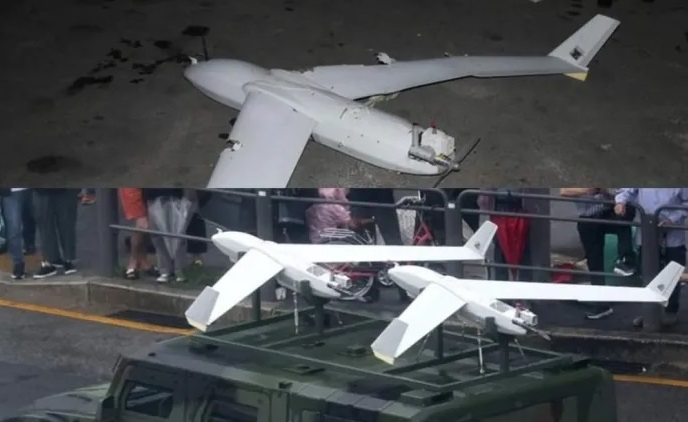
World
The already fraught relations between North and South Korea took another tense turn when North Korean state media, KCNA, released photos of what it claims is a South Korean military drone that crashed in Pyongyang on October 13. According to North Korea, the drone violated its airspace, which has sparked sharp condemnation from Pyongyang and escalated military preparations on both sides of the border.North Korea's Ministry of National Defence did not hold back in its response. A spokesperson from the ministry issued a stern warning that any further breaches of North Korean airspace would be treated as a "grave military provocation" and an outright "declaration of war." The spokesperson went on to say that any future violations would trigger an "immediate retaliatory attack." This rhetoric underscores how seriously North Korea views the incident, adding further strain to the already precarious situation on the Korean Peninsula.In the wake of the drone crash, North Korea has ramped up its military readiness. State media reported that anti-air observation posts throughout Pyongyang and near the border have been strengthened. The military has also placed combined artillery units and other key firepower units on full alert, with explicit instructions from the highest levels of military command. This heightened state of alert is seen as a direct response to what North Korea perceives as provocations from the South.Interestingly, South Korea has not yet officially confirmed the drone's origin, though some military experts have noted similarities between the downed drone and those showcased at South Korea's recent Armed Forces Day celebrations. During the October event in Seoul, South Korea displayed a variety of advanced drones as part of its military showcase, further signaling its growing investment in aerial and unmanned technology. These drones are intended to boost South Korea’s surveillance and defense capabilities, but North Korea’s claims of a drone incursion have now brought those technologies into a controversial spotlight.The timing of the incident could not be more concerning. Both North and South Korea have ramped up military activities in recent months. North Korea has conducted missile tests and large-scale military drills, while South Korea has been fortifying its defenses and participating in joint exercises with the United States. These actions have led to a volatile situation along the demilitarized zone, with both sides watching each other closely for any sign of aggression.North Korea, for its part, has been increasingly vocal about what it views as hostile actions from South Korea and its allies. The North's recent missile tests are part of a broader effort to modernize its military capabilities, while its rhetoric suggests that it feels cornered by increasing pressure from the South and the international community.Analysts are now warning that unless both countries engage in meaningful diplomatic talks, the risk of conflict could increase. The Korean Peninsula has long been a flashpoint for military and political tensions, and incidents like the alleged drone crash only add fuel to an already simmering fire.The drone itself, based on the released images, appears to be relatively sophisticated, possibly designed for reconnaissance missions. Such drones are typically equipped with high-resolution cameras and other surveillance technology, allowing them to collect valuable intelligence. South Korea’s military has made considerable advances in unmanned aerial vehicle (UAV) technology, which is often deployed for monitoring North Korean activity, particularly along the demilitarized zone.With military forces on high alert and rhetoric heating up, the situation remains fragile. If both sides fail to de-escalate, this incident could be a precursor to more serious confrontations, further destabilizing the region. The world is now watching how both Koreas respond in the coming days, with many hoping that cooler heads will prevail to prevent the crisis from spiraling out of control.
Read More → Posted on 2024-10-19 15:56:06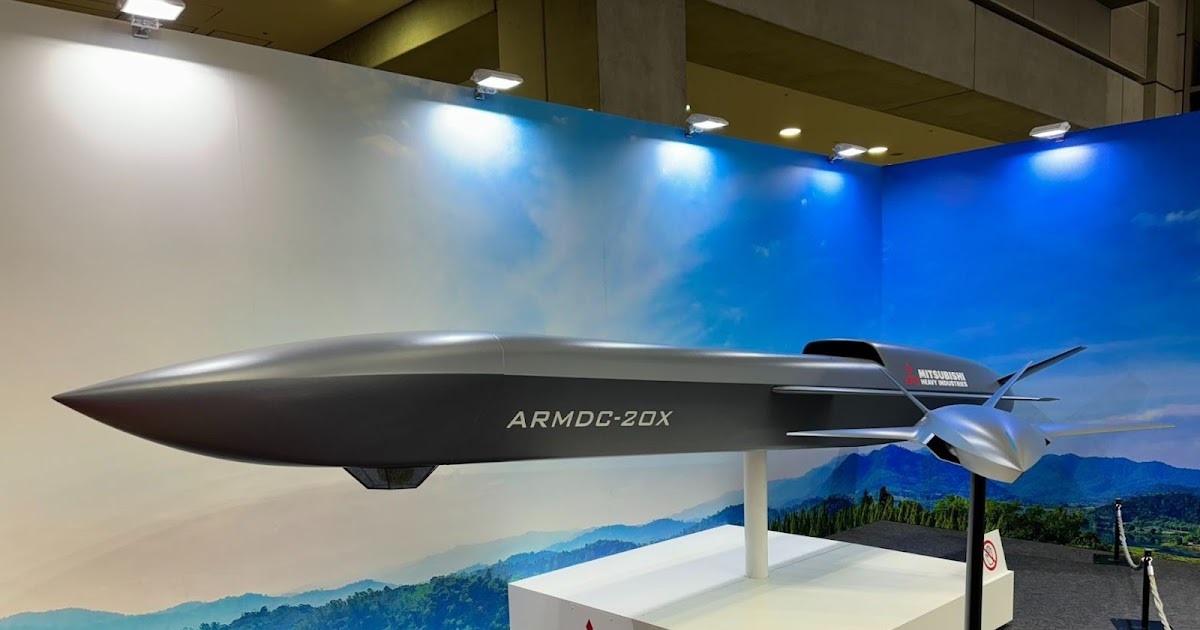
World
Mitsubishi Heavy Industries (MHI) made a major splash at the International Aerospace Exhibition in Japan by unveiling two cutting-edge unmanned aerial vehicles (UAVs) powered by artificial intelligence (AI). This move is a key part of Japan’s broader push to upgrade its defense capabilities with advanced, AI-driven technology, especially as the country faces increasing regional security challenges.At the exhibition, MHI revealed the two combat-support drones developed under contract with Japan’s Acquisition, Technology & Logistics Agency (ATLA). These UAVs are scheduled to undergo their first test flights in 2025, a critical milestone for Japan’s defense industry. The test flights will serve as a practical demonstration of the AI systems and autonomous combat capabilities embedded in these unmanned platforms, marking a bold new step for Japan’s military modernization efforts.The two models unveiled were the ARMDC-20X, a six-meter-long stealth-enabled reconnaissance drone, and an unnamed ten-meter-long interceptor drone designed specifically for aerial combat. The ARMDC-20X is designed to gather intelligence and provide real-time battlefield data, operating alongside manned fighter jets. This drone can support mission planning and increase situational awareness, ensuring pilots have comprehensive information before engaging in hostile action.The larger, ten-meter interceptor UAV is built with a more offensive role in mind. Capable of aerial combat, this drone can intercept and neutralize enemy aircraft or missiles, performing high-risk operations that would typically endanger human pilots. Both UAVs have been equipped with stealth technology, allowing them to operate covertly and avoid detection by enemy radar systems, a crucial feature in modern warfare where airspace is increasingly contested.Mitsubishi’s focus on AI isn't just about making drones that fly autonomously; it’s about integrating these UAVs into broader, multi-domain battle strategies. The drones are expected to function as loyal wingmen for human pilots, working in close coordination to execute complex missions, from reconnaissance to intercept operations, without putting human lives at risk. AI will allow these drones to adapt in real-time to dynamic battlefield conditions, making split-second decisions to support the larger mission.In addition to these combat UAVs, MHI also showcased several smaller drone models designed for logistical purposes. These include a single-rotor "small drone" optimized for tactical mobility and a 12-rotor "medium drone" built to carry heavy payloads. Both of these drones are currently undergoing operational trials, and MHI is preparing them for real-world deployment. The medium drone, in particular, has the potential to revolutionize supply chains in military operations, being able to transport equipment, ammunition, or medical supplies quickly and efficiently over difficult terrain.The announcement and unveiling of these AI-powered UAVs come at a crucial time. Japan, amid rising regional tensions, is ramping up its defense spending and innovation. These AI drones represent a strategic shift in Japan’s defense posture, where automation and AI are seen as essential for handling future military challenges. As Japan aims to strengthen its deterrence capabilities, unmanned systems like these will play a central role in ensuring the country is well-prepared to defend itself in a rapidly changing geopolitical landscape.Mitsubishi’s UAVs also underscore a broader trend within global defense industries: the rapid development and deployment of AI and unmanned technologies to modernize armed forces. With AI-powered decision-making, drones like the ARMDC-20X and the unnamed interceptor will not only complement human decision-makers but may eventually surpass them in executing precision missions without human intervention.As Japan continues to innovate in defense, MHI’s drones represent a significant leap toward integrating AI into its future military strategies. With test flights scheduled for 2025, the world will be watching closely as Japan pushes the boundaries of AI-driven warfare, setting new standards for how unmanned systems can work in concert with human-operated technologies to ensure national security.
Read More → Posted on 2024-10-19 15:54:07
India
India’s defence landscape is set for a dramatic transformation with the arrival of the first MQ-9B Predator drone in January 2029. As part of a $3.5 billion deal with U.S.-based General Atomics, India will receive a total of 31 MQ-9B drones, designed to significantly enhance its surveillance and strike capabilities. The deal, negotiated under the Foreign Military Sales (FMS) program, marks a pivotal step in modernizing India's defence systems, particularly in its ability to monitor vast borders and maritime territories.The MQ-9B Predator is an advanced unmanned aerial vehicle (UAV) renowned for its long-endurance, high-altitude performance. It is capable of carrying out a range of missions, from intelligence, surveillance, and reconnaissance (ISR) to precision-targeted strikes. The drone's specifications make it a vital asset for India's armed forces, as they will now be able to closely monitor sensitive areas such as the Line of Actual Control (LAC) with China, the Line of Control (LoC) with Pakistan, and the strategic waterways of the Indian Ocean. Out of the 31 MQ-9Bs, 15 will be of the "Sea Guardian" variant for the Indian Navy, while the remaining 16 "Sky Guardian" drones will be allocated equally between the Army and the Air Force. The Sea Guardians are tailored to bolster India's maritime domain awareness, enabling extended-range patrols over critical sea lanes and the tracking of naval vessels within the Indian Ocean Region (IOR). This acquisition addresses growing concerns about increased Chinese naval presence in the IOR, as well as broader security challenges in the Indo-Pacific. The Navy will benefit from the drone's ability to perform long-endurance missions, offering greater maritime intelligence and the capacity to respond rapidly to emerging threats.The Sky Guardian variants, on the other hand, are designed to focus on land-based operations. These drones will be a critical component for border surveillance, particularly in the difficult terrains of northern India, where tensions frequently flare with both Pakistan and China. Equipped with sensors that provide real-time data, the Sky Guardians will significantly improve situational awareness along India’s borders, helping to prevent incursions and enhance the military's response time during critical events.What makes the MQ-9B particularly formidable is its versatility. Beyond its ISR capabilities, the drone can also be configured for offensive missions. Armed with precision-guided munitions such as Hellfire missiles and laser-guided bombs, the MQ-9B can conduct strikes on high-value targets with minimal collateral damage. This gives India an edge in conducting counter-terrorism operations and eliminating threats without putting soldiers at risk. Such capability is especially crucial in high-altitude areas like Ladakh, where deploying manned aircraft can be a challenge due to harsh weather conditions and mountainous terrain.The delivery of these drones will be staggered over a period of 21 months, starting with the first unit in January 2029 and concluding with the final delivery by September 2030. The phased delivery approach ensures that the Indian military has time to integrate the new technology into its operations smoothly. It also allows the various branches of the armed forces to train their personnel and establish the necessary infrastructure for managing and operating the fleet.A significant aspect of this deal is the long-term maintenance and support agreement between India and General Atomics. A Performance Based Logistics (PBL) contract ensures that the MQ-9Bs will be maintained, repaired, and overhauled (MRO) in India itself. This not only helps in reducing operational downtime but also promotes the development of India’s indigenous defence industry. As part of this agreement, a local Indian company will collaborate with General Atomics to manage the fleet, contributing to the government's "Make in India" initiative and building domestic capability in high-tech drone maintenance.The road to this acquisition has been long, with several years of deliberation, inter-service debates, and negotiations over cost. However, the final agreement represents a consensus on the importance of these drones for India's national security. With the MQ-9B Predators, India is poised to not only protect its borders and maritime zones but also project power in the wider region. In an era where drone warfare is becoming increasingly prevalent, this acquisition places India among the global leaders in unmanned military technology.The introduction of the MQ-9B Predator drones will undoubtedly serve as a force multiplier for India’s military, enhancing its ability to defend against external threats while providing state-of-the-art tools for surveillance, reconnaissance, and precision strikes. As India continues to modernize its armed forces, the arrival of these drones marks a new chapter in its quest for strategic dominance in the region.
Read More → Posted on 2024-10-19 15:51:30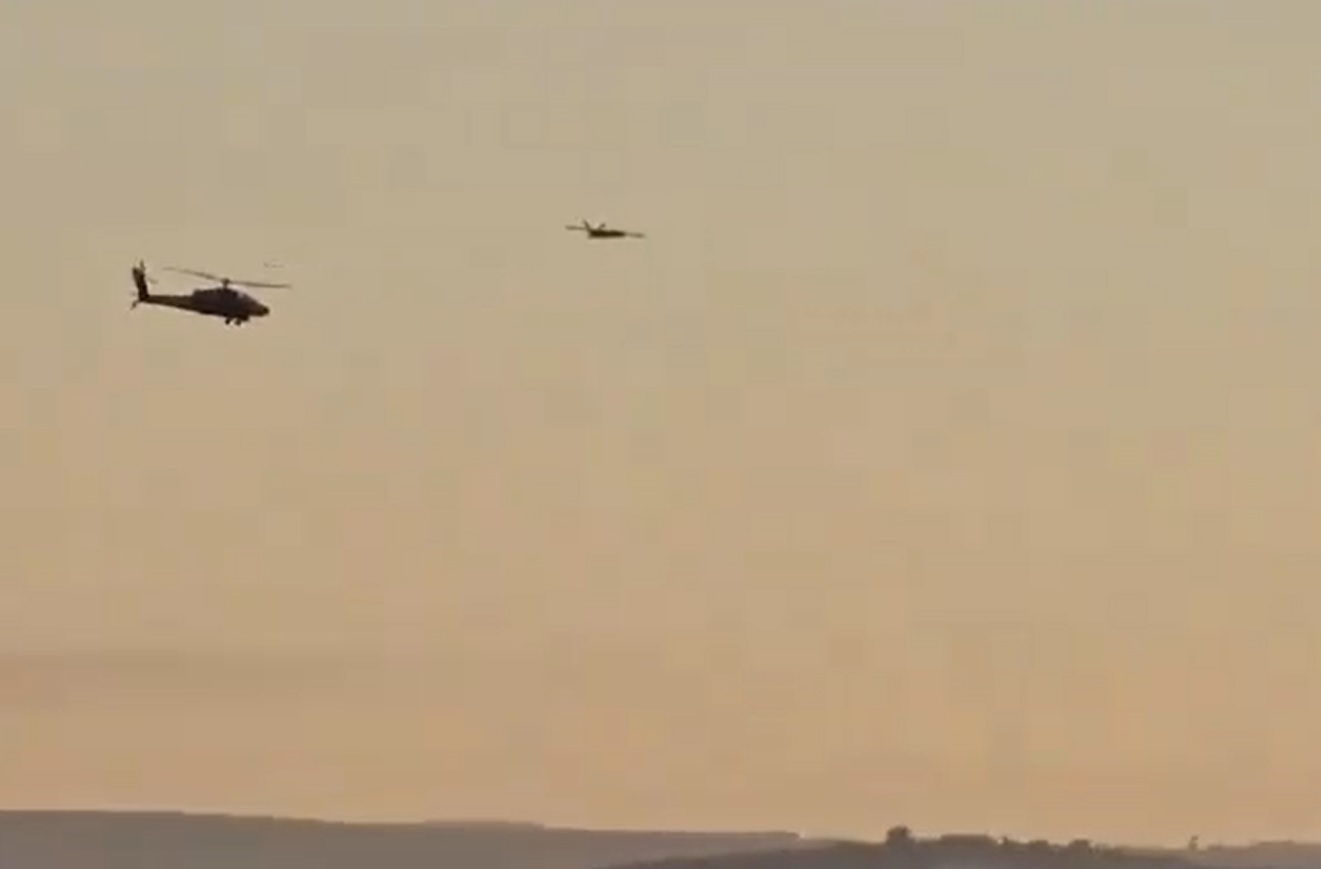
World
In a recent incident that has raised questions about the effectiveness of Israel’s air defense capabilities, an Israeli AH-64 Apache helicopter failed to intercept a kamikaze drone launched from Lebanon. The drone managed to breach Israeli airspace, evading the advanced military systems and reaching Caesarea, where it struck near the residence of Prime Minister Benjamin Netanyahu. Fortunately, no injuries were reported, but the event sent shockwaves through the Israeli security establishment.The Israeli Defense Forces (IDF) revealed that the drone was one of three launched from Lebanon. The other two drones were successfully intercepted and destroyed before they could pose a threat. However, the third drone managed to slip past the Israeli Apache, despite footage showing the helicopter chasing the hostile drone over Akko, a city in northwestern Israel. The drone continued its path toward Caesarea and struck a structure in a largely symbolic area close to the prime minister’s home, sparking immediate security alerts.The failed interception has brought into focus the challenges of dealing with small, agile drones. The drone in question was identified as a Sayyad 107, a type frequently linked to Hezbollah. This drone, despite its small size, has proven to be a formidable adversary in modern warfare. Its ability to fly low and evade radar detection makes it a difficult target for even advanced defense systems. The Sayyad 107 is equipped to change altitude and direction frequently, which complicates the targeting process for interceptor aircraft like the Apache.While the IDF has had a strong track record in intercepting incoming threats, this failure has sparked concerns, especially considering the location of the strike. Caesarea is home to Israel’s political elite, and the proximity of the drone strike to Prime Minister Netanyahu’s residence only heightens the seriousness of the incident. Following the strike, the Glilot base near Herzliya, which houses intelligence services such as Mossad and cyber intelligence units, triggered alarms, though the Israeli military assured the public that there was no ongoing threat of further drone infiltrations at the time. Security forces swiftly responded to the situation in Caesarea, deploying heavily around the area. Roads near the prime minister's residence were closed, security barriers were erected, and emergency services were placed on high alert. The Israeli police also searched the area thoroughly to ensure there were no remnants of explosive materials, while reinforcing guard posts as a preventive measure.The increasing use of kamikaze drones by groups like Hezbollah is a growing concern for Israel. These drones are relatively inexpensive yet capable of causing significant damage. The Sayyad 107, in particular, has been involved in prior attacks, including a strike on a Golani Brigade training base in Binyamina, south of Haifa. With its ability to bypass even advanced systems like Israel’s Iron Dome or Apache helicopters, the Sayyad 107 represents a new kind of challenge in the battlefield.The AH-64 Apache helicopter, one of the world’s most powerful attack helicopters, is equipped with advanced radar systems and weaponry, including AGM-114 Hellfire missiles and Hydra 70 rockets. However, its failure to neutralize the drone points to the evolving nature of asymmetric warfare, where smaller, harder-to-detect drones can evade traditional defense systems.This incident highlights the need for ongoing advancements in Israel's air defense infrastructure. The IDF may need to refine its approach to countering these smaller, more agile drones. Advanced radar systems and better-integrated aerial defenses will be crucial in ensuring that such incidents are prevented in the future.The situation with Hezbollah’s increasing reliance on drones adds another layer of complexity to Israel's security challenges. As technology advances, so do the capabilities of non-state actors who now wield the power to disrupt security with cost-effective and precise unmanned aerial systems.The event, though not resulting in casualties, has served as a stark reminder of the vulnerabilities even the most well-defended nations face in the modern age of warfare. It is clear that Israel, while already at the forefront of military technology, must adapt quickly to these emerging threats.
Read More → Posted on 2024-10-19 15:49:09
India
The Indian Navy’s recent decision to procure LM2500 gas turbine engines from GE Aerospace has sparked widespread discussion, particularly on social media, where debates about India’s reliance on foreign defence technology have been reignited. The move comes at a time when India is heavily promoting self-reliance in defence through the "Make in India" initiative. Critics argue that instead of turning to external suppliers, India should focus on developing indigenous solutions, such as the Kaveri Marine Gas Turbine (KMGT), or explore alternatives from European nations.At the heart of the issue lies the balancing act between India’s long-term goal of self-sufficiency and its immediate defence needs. The LM2500 engines have an established track record within the Indian Navy, already powering major vessels like the Shivalik-class and Nilgiri-class frigates, as well as the INS Vikrant aircraft carrier. These engines are praised for their reliability, fuel efficiency, and ease of maintenance. In contrast, indigenous alternatives like the Kaveri engine are still in development, and other foreign options, such as Rolls-Royce’s MT30 or Siemens' SGT-500, come with challenges of their own.The Appeal of the LM2500 EngineOne of the primary reasons India chose the LM2500 engines is their proven performance. These gas turbines have powered vessels in navies across the world for decades, providing a level of reliability and operational efficiency that the Indian Navy trusts. The LM2500 boasts a 30 MW power output, making it ideal for powering large ships like frigates and aircraft carriers. This high power-to-weight ratio is one of its standout features, offering superior performance without demanding excessive space or weight on board the vessels.In addition to this, the LM2500’s fuel efficiency and ease of maintenance reduce long-term operational costs—factors that are crucial for a navy looking to modernize without overspending. The Indian Navy has already had positive experiences with these engines, and integrating them into newer vessels requires minimal reconfiguration compared to switching to entirely new platforms.Another critical consideration is the track record of the LM2500 compared to other gas turbines. Over the years, India has experienced challenges with its Zorya engines from Ukraine, particularly regarding reliability and the availability of support. With the ongoing conflict in Ukraine, sourcing spare parts and technical assistance has become even more challenging. The LM2500, on the other hand, has a global supply chain, making it easier for the Navy to maintain and service these engines in the long run.The Local Assembly FactorThough critics of the deal argue that India is once again turning to foreign suppliers, the agreement with GE Aerospace involves local assembly through Hindustan Aeronautics Limited (HAL). This is viewed as a step toward India’s broader self-reliance goals, even if the engines themselves are not fully manufactured domestically. By assembling the LM2500 engines in India, HAL is expected to gain valuable expertise and contribute to job creation and industrial development within the country’s defence sector. This arrangement is also seen as facilitating future technology transfer, helping India build the foundation for developing its own advanced gas turbines in the future.The Kaveri Marine Gas Turbine: A Work in ProgressWhile the LM2500 offers an immediate solution, India has long been working on the Kaveri Marine Gas Turbine (KMGT) through the Defence Research and Development Organisation (DRDO). However, the KMGT is still in the development phase and has not yet matured to the point where it can be reliably deployed across naval platforms. Building a marine gas turbine from scratch is a highly complex and resource-intensive process, and even with significant advancements, it will take time for the KMGT to meet the Indian Navy’s stringent requirements.For now, India is not in a position to wait for the KMGT to become fully operational. The Navy needs engines that can be deployed on its vessels now, not in a decade. This reality necessitates the use of foreign engines like the LM2500 in the interim, with the hope that once the KMGT is ready, future naval ships can transition to fully indigenous powerplants.Why Not European Alternatives?In addition to the KMGT, there are European alternatives, such as the Rolls-Royce MT30 and Siemens SGT-500. However, these options come with their own set of challenges. The Rolls-Royce MT30, while powerful, is significantly larger and more expensive than the LM2500, which could complicate its integration into the existing fleet of Indian ships. Reconfiguring vessels to accommodate the MT30 would involve extensive modifications, adding to both the cost and complexity of the transition.Similarly, the Siemens SGT-500, although widely used in industrial settings, lacks the long-established naval pedigree of the LM2500. This raises concerns about its reliability in marine environments and its suitability for Indian naval operations. Given the importance of naval readiness and the high operational tempo required of modern warships, choosing an engine with a proven naval track record is paramount.While India’s decision to choose the LM2500 over indigenous or European alternatives has its critics, it is rooted in pragmatism. The Indian Navy needs reliable, efficient engines now, and the LM2500 meets those needs with minimal risk. The agreement with GE Aerospace also allows for local assembly, contributing to India’s long-term goal of self-reliance in defence manufacturing.Though the Kaveri Marine Gas Turbine shows promise, it is still years away from being ready for deployment. Until then, the LM2500 offers a bridge between India’s current defence requirements and its future ambitions for self-reliance. In the complex and fast-evolving world of naval technology, this choice allows India to maintain operational readiness while continuing to invest in its indigenous capabilities.
Read More → Posted on 2024-10-19 15:42:32
World
In a significant move to bolster Ukraine’s defense capabilities, the Dutch Ministry of Defence has signed a €42.6 million agreement with DeltaQuad, a Netherlands-based company specializing in advanced drone technology. This agreement marks a concrete step in the Netherlands’ broader Drone Action Plan, an initiative spearheaded by Defence Minister Ruben Brekelmans to enhance both Dutch and Ukrainian defense infrastructures through cutting-edge unmanned systems.The drones being supplied under this deal are unarmed Intelligence, Surveillance, and Reconnaissance (ISR) units. These sophisticated UAVs are designed to fly long distances, providing real-time battlefield intelligence without detection. Equipped with advanced autonomous capabilities, the drones can operate even if communication with their home base is lost, making them especially useful in contested and electronically jammed environments—exactly the kind of conditions Ukraine faces on its eastern front.This deal represents the first tangible procurement under the Drone Action Plan, which is part of a broader €400 million fund allocated to developing the Dutch drone industry and supporting Ukraine. The plan prioritizes delivering drones not only to Ukraine but also to Dutch forces. More than half of the total investment in this initiative will benefit the Dutch drone sector, highlighting the mutual value of this defense partnership.Technical Capabilities of DeltaQuad DronesThe drones DeltaQuad is supplying to Ukraine boast several key features that make them invaluable for modern military operations. With the latest ISR technology, they can cover vast distances and provide crucial real-time data on enemy movements. These drones are built to evade detection, even in highly contested airspaces, and have strong anti-jamming capabilities, ensuring that even sophisticated electronic warfare measures won’t easily disrupt their missions.DeltaQuad’s UAVs are also designed to operate autonomously in case they lose communication with their ground control stations. This resilience ensures that intelligence-gathering efforts continue uninterrupted, even in the face of signal interference or unexpected disruptions.The focus on building drones capable of autonomous operation highlights the increasing role of artificial intelligence and machine learning in modern warfare. This technology allows drones to adapt mid-flight, maintain course, and continue gathering data without direct human intervention, a crucial feature in high-risk, high-reward battlefield environments like Ukraine’s.The Broader Context of the Drone Action PlanThis purchase from DeltaQuad is just one aspect of the Dutch government's broader strategy to strengthen its own defense while supporting Ukraine’s military needs. The Drone Action Plan, also known as the Unmanned Systems Production Security Plan (APOS), focuses on three core objectives:1. Urgent procurement of drones for both Ukraine and the Netherlands.2. Development of an innovative Dutch drone industry, providing an opportunity for local companies to grow and scale.3. Facilitation of procurement processes to streamline financing and manufacturing for future drone projects.According to Defence Minister Ruben Brekelmans, this deal with DeltaQuad represents a pivotal moment in the Netherlands’ support for Ukraine, while also nurturing the domestic drone industry. "This order with DeltaQuad is a significant and concrete step in our action plan. Ukraine urgently needs advanced drones that can be delivered in the short term, and it’s great that the Dutch industry can contribute to this effort," Brekelmans said.Economic and Strategic Benefits for the NetherlandsBeyond the immediate support for Ukraine’s defense, this partnership is set to have long-term economic benefits for the Netherlands. The €400 million fund not only aims to address short-term procurement needs but also seeks to position the Dutch drone sector as a leader in Europe’s emerging unmanned systems market.Over 50% of the allocated funds will flow into the Dutch drone industry, spurring innovation, research, and development. This initiative is expected to create a highly specialized ecosystem for drone production, allowing Dutch companies to scale up and meet both national and international demand for advanced unmanned systems.DeltaQuad, with its advanced ISR capabilities, is poised to become a key player in this growing sector. The company’s CEO, Sander Smeets, expressed pride in DeltaQuad’s role in supporting Ukraine and emphasized the importance of collaboration between the military, policymakers, and industry. “Our drones are built to perform in challenging and rapidly changing environments. This deal represents more than just a sale; it’s about international cooperation to ensure security and success in modern warfare,” Smeets said.Future OutlookAs the first concrete step under the Netherlands’ Drone Action Plan, this deal with DeltaQuad sets the stage for future collaborations aimed at enhancing military capabilities through technology. With Ukraine facing continuous threats, the timely delivery of these ISR drones will provide critical intelligence, improving the country’s defensive posture against Russian forces.For the Netherlands, this partnership not only contributes to global security but also ensures the growth of a thriving domestic drone industry, solidifying the country's position as a leader in defense innovation within Europe.
Read More → Posted on 2024-10-19 15:36:59
World
A drone was launched toward the residence of Israeli Prime Minister Benjamin Netanyahu on Saturday, further escalating the tense conflict gripping Israel and its neighbors. The Israeli government confirmed that the drone targeted Netanyahu's home in the coastal town of Caesarea, triggering alarms throughout the region. Fortunately, neither the prime minister nor his wife were present at the time, and no casualties were reported, according to an official spokesperson.This latest drone strike adds to the already heightened state of alert in Israel, where tensions have been running high due to escalating hostilities with Hezbollah, the Iranian-backed militant group in Lebanon. On Saturday morning, sirens blared in northern Israel, warning of incoming fire, as several projectiles were launched from Lebanon alongside the drone attack. The Israeli military reported intercepting many of these projectiles, and while no immediate casualties were announced, the sense of danger remains palpable.The attempted drone strike on Netanyahu’s residence comes at a time when Iran’s influence in the region is in sharp focus. Iran’s Supreme Leader, Ayatollah Ali Khamenei, declared that Hamas would continue its fight against Israel despite the loss of Yahya Sinwar, the mastermind behind the deadly Hamas raid on Israel in 2023. Khamenei's words echoed loudly across the region, signaling that the conflict may only intensify in the coming weeks.Hezbollah, a long-time ally of Hamas, has also stepped up its operations. After Israel's recent killing of Hezbollah's deputy commander in southern Lebanon, Hezbollah vowed to launch a new phase of attacks involving guided missiles and explosive drones. Israeli airstrikes have ramped up in response, targeting Hezbollah positions in Lebanon and resulting in further casualties, including a Saturday airstrike that killed two people north of Beirut.Meanwhile, the Israeli offensive in Gaza continues to devastate the densely populated enclave. Over 50 Palestinians were killed within a 24-hour period, including several children, as Israeli strikes targeted various areas in Gaza. Hospitals, already stretched beyond capacity, have reported direct hits to their buildings, injuring staff and causing widespread panic. In the town of Zawayda, a strike killed ten people, including two children, adding to the mounting death toll that has surpassed 42,000 Palestinians since the conflict erupted.The killing of Yahya Sinwar has further complicated any potential negotiations for peace. Sinwar, considered the chief architect of the October 7, 2023 attack that left over 1,200 Israelis dead and hundreds taken hostage, was a high-priority target for Israel. His death has galvanized both Hamas and its allies, who have vowed to continue their resistance. Hamas has made it clear that the hostages it still holds in Gaza will not be released unless a ceasefire is agreed upon and Israeli troops withdraw. This hardline stance directly contradicts Netanyahu’s assertion that military operations will persist until all hostages are freed.The violence shows no sign of abating. As Israel presses its offensive against both Hamas in Gaza and Hezbollah in Lebanon, the conflict threatens to engulf the entire region. While Israel has achieved tactical victories, such as the elimination of Sinwar and Hezbollah’s deputy commander, the cost has been immense for both sides. Gaza lies in ruins, with its infrastructure destroyed and its people displaced. Lebanon, too, is feeling the strain as Israeli airstrikes and ground incursions increase.The international community, including Israel’s closest allies, has expressed concern about the ongoing violence, with hopes that Sinwar’s death could open a door for potential peace talks. However, with both sides entrenched in their positions, peace remains elusive. For now, Israel’s war against Hamas and Hezbollah rages on, with no clear end in sight. As hostilities continue, one thing remains clear: the region is on the brink of further conflict, with each new strike, drone, and missile launch deepening the divide between Israel and its adversaries.
Read More → Posted on 2024-10-19 15:32:00
India
In a clear alignment with Indian Prime Minister Narendra Modi's perspective, Russian President Vladimir Putin has emphasized that BRICS, the economic grouping comprising Brazil, Russia, India, China, and South Africa, is not an anti-Western bloc but a non-Western one. This clarification came ahead of the BRICS Summit scheduled for October 22-24, which will be hosted by Putin in Kazan, Russia.During a recent interaction with senior journalists from BRICS nations, Putin echoed Modi's words, saying, “BRICS is not an anti-Western group; it’s just a non-Western group.” He went on to elaborate that BRICS does not seek to position itself against any other bloc or nation but rather represents a collective of countries that share values of cooperation, mutual respect, and a desire for development. The emphasis, Putin noted, is on respecting each other’s interests while working towards common goals.This statement aligns with a broader message that both Russia and India have been communicating in global forums—that BRICS is not intended to challenge the West directly but to offer an alternative platform for dialogue and cooperation among emerging economies. By positioning BRICS as "non-Western," both Putin and Modi are highlighting the group's focus on balancing global influence without seeking to undermine or oppose Western powers.Putin also used the occasion to express his gratitude to PM Modi for consistently raising concerns about the Ukraine conflict during their conversations. "Every time we speak, PM Modi brings up the Ukraine situation and shares his thoughts on finding a peaceful resolution. We appreciate his concerns," Putin remarked. He reiterated that Russia is open to resolving the conflict through negotiations but claimed that it was the Ukrainian side that withdrew from talks, not Russia.This acknowledgment comes shortly after PM Modi’s visit to Kyiv, where he met with Ukrainian President Volodymyr Zelenskyy and reaffirmed India's commitment to supporting a peaceful end to the conflict. Modi's diplomatic approach to the war has been marked by a careful balance, engaging with both Ukraine and Russia while urging dialogue and de-escalation.The upcoming BRICS Summit in Kazan is significant not just because Russia holds the presidency of BRICS this year, but also due to the growing influence of the group. Since its formation in 2006, when leaders from Russia, India, and China first met on the sidelines of the G8 Outreach Summit, BRICS has evolved into a major economic coalition. South Africa joined in 2010, and in 2024, the group expanded further to include Egypt, Ethiopia, Iran, and the United Arab Emirates.The 16th BRICS Summit is expected to focus on several critical global issues, including the geopolitical shifts following the Ukraine conflict, economic cooperation, and strengthening the BRICS bank to reduce dependency on Western financial systems. Putin’s comments, reiterating that BRICS is "non-Western," serve as a reminder of the group’s aim to carve out a more significant space for emerging nations in global governance.PM Modi is set to attend the summit, accepting Putin’s invitation to visit Russia from October 22-23. The interaction between these two leaders highlights the growing significance of India-Russia relations within the BRICS framework. The partnership between the two nations, both of which share a long history of cooperation, has seen renewed focus as global tensions continue to rise, especially after the Ukraine conflict.As BRICS continues to expand, the group's role in shaping the future of global governance cannot be understated. With its unique approach to development, cooperation, and diplomacy, BRICS is increasingly becoming a platform for countries that seek an alternative to traditional Western-dominated institutions without actively opposing them. Putin’s alignment with Modi’s stance only reinforces this perspective, signaling that BRICS is here to offer a non-Western path forward for many emerging nations.BRICS has, over the years, hosted 15 summits, the first of which was held in Yekaterinburg, Russia, in 2009. The group’s Chairship rotates annually, and India notably held the position in 2021, coinciding with the 15th anniversary of BRICS.As the world looks forward to the upcoming BRICS Summit, the message from both Modi and Putin is clear—BRICS is about building bridges, not walls. It's a grouping focused on cooperation and development, offering a "non-Western" alternative that respects the diversity and interests of its member states.
Read More → Posted on 2024-10-19 15:26:51
India
In a strategic move to bolster Dassault Aviation's chances in India's Medium Range Fighter Aircraft (MRFA) tender, Safran, a global leader in aerospace and defense, has committed to producing M-88 engines entirely in India. This decision is a significant step in supporting India's "Make in India" initiative, aimed at boosting domestic manufacturing capabilities, especially in the defense sector.The M-88 engine powers the Rafale fighter jet, a key contender for the Indian Air Force's (IAF) ambitious MRFA tender, which calls for the procurement of 114 new fighter jets. The engine, known for its robust performance and reliability, is a crucial component in the Rafale’s competitiveness. With Safran's commitment, India is poised to benefit from local production of this advanced engine, increasing self-reliance while securing a technological edge in defense manufacturing.Safran’s existing Maintenance, Repair, and Overhaul (MRO) facility in Hyderabad is already equipped to handle M-88 engine production. The company plans to scale up its operations to meet the IAF’s future requirements. The MRFA project alone could necessitate the production of at least 240 M-88 engines, alongside 186 engines for India’s current fleet of 62 Rafale jets. This brings the total engine requirement to 350 units over the next four decades, should Dassault’s Rafale be selected for the MRFA tender.A significant part of Safran’s strategy is the transfer of technology to its Indian subsidiary. This move will enable local production and assembly of the M-88 engines, involving Indian private sector companies in the supply chain. By increasing the indigenous content of the engines to at least 60%, Safran is aiming to boost the maintainability of the Rafale fleet. With a target maintainability rate of 75%, the IAF's Rafales will be better positioned for operational readiness, ensuring sustained performance in critical missions.This local manufacturing initiative not only strengthens Dassault's MRFA bid but also aligns with India's broader vision of self-reliance in defense. As India seeks to modernize its air force, the localized production of M-88 engines will reduce the country's dependence on foreign suppliers and foster technological innovation within its borders.The MRFA tender has attracted fierce competition from global defense giants, including Boeing’s F/A-18 Super Hornet, Lockheed Martin’s F-21 (an enhanced variant of the F-16), Saab’s Gripen, the Eurofighter Typhoon, and Russia’s MiG-35. Dassault’s Rafale, already proven in the IAF’s service, is looking to secure a significant edge with Safran’s local production of M-88 engines.Safran’s commitment to "Make in India" goes beyond just meeting the immediate needs of the MRFA project. It is about establishing a long-term partnership with India that benefits both nations. By investing in local manufacturing and technology transfer, Safran is promoting technological growth and economic development in India while ensuring that Dassault’s Rafale remains a competitive and sustainable option for the IAF.As the tender progresses, Safran’s pledge to produce M-88 engines in India could become a game-changer. It not only adds significant value to Dassault’s bid but also strengthens India’s position as a key player in the global defense manufacturing landscape. With the ability to locally produce, maintain, and sustain such critical components, India is moving closer to its goal of defense self-reliance, further solidifying the Rafale’s potential as the IAF's preferred choice for the MRFA tender.
Read More → Posted on 2024-10-19 15:23:45
World
MBDA, Europe's leader in missile technology, has made a significant leap in air defence capabilities with the successful test firing of its groundbreaking Aster B1NT (New Technology) interceptor. This pivotal test, conducted on October 8, 2024, at the Biscarrosse DGA missile testing facility in France, represents a major advancement in European defence systems. The event was overseen by the French General Directorate of Armaments (DGA) and attended by high-ranking officials, including French Minister of Armed Forces and Veteran Affairs Sébastien Lecornu. Representatives from Italy and the UK, both key partners in the Principal Anti-Air Missile Systems (PAAMS) cooperation, were also present, underscoring the multinational collaboration driving the Aster programme.A Complex Test in a Realistic ScenarioThe Aster B1NT test was not just a routine missile firing; it simulated a highly complex air defence scenario. In this test, the missile had to differentiate between friendly and enemy aircraft, a critical ability in real-world defence operations. It successfully identified and neutralised the enemy target, demonstrating its agility, precision, and advanced technological edge. What sets the Aster B1NT apart from other air defence missiles is its remarkable manoeuvrability, thanks to its aerodynamic design and thrust vector control. This allows the missile to make rapid directional changes mid-flight, making it especially useful in high-stress, fast-evolving combat situations where split-second decisions can determine success or failure.Aster B1NT: The Evolution of a Proven Missile FamilyThe Aster B1NT is the latest innovation in the Aster missile family, a missile system with a proven track record of success. With over 2,000 missiles delivered and more than 250 successful test firings, the Aster family has played a critical role in European defence for years. It has been used in various scenarios, including countering UAVs and ballistic missiles, and was recently employed in the Red Sea to defeat asymmetric threats, marking the first time the Aster system was used in such a context. This new iteration, the Aster B1NT, is the product of French-Italian cooperation and is set to be a cornerstone of European defence well into the 2060s. One of its most significant upgrades is its state-of-the-art Ka-band radar seeker, which enhances its ability to track and engage high-speed and manoeuvrable targets, including hypersonic missiles. The missile also features upgraded electronics and advanced pyrotechnic systems that increase its effectiveness against emerging high-end threats.Integration into Cutting-Edge Defence SystemsThe Aster B1NT will be integrated into the SAMP/T NG (New Generation) ground-based air defence system, a flagship project for European military forces. Both the Italian and French armed forces are set to deploy this system, which offers a multi-layered defence approach. SAMP/T NG can handle a wide range of threats, from drones and aircraft to ballistic and cruise missiles. It is also designed with an open architecture, allowing it to seamlessly integrate with NATO’s air and missile defence systems, ensuring that it remains a key element of Europe’s defence strategy in the years to come.In addition to its ground-based applications, the Aster B1NT will be used by the naval forces of France, Italy, and the UK under the PAAMS program. In the UK, it is known as Sea Viper and is already a critical component of the Royal Navy’s air defence system. This versatility makes the Aster B1NT not just a missile, but a linchpin in a broader, multi-domain European defence framework.A Future-Proof Defence SolutionWith its cutting-edge features, the Aster B1NT is designed to meet the challenges of modern warfare, including the growing threat of hypersonic weapons, which are capable of travelling at speeds exceeding Mach 5. As such, it represents not just an evolution of the Aster missile family, but a significant leap forward in air and missile defence technology. The system's ability to scale and adapt to new threats ensures that Europe remains well-defended against a wide range of adversaries, whether they are state actors or more unconventional forces.The success of the Aster B1NT test underscores MBDA's commitment to pushing the boundaries of missile technology and enhancing Europe's defence posture. With continued development and integration into advanced systems like the SAMP/T NG, the Aster B1NT will serve as a vital part of Europe’s defence infrastructure for decades to come. As threats evolve, so too will the Aster missile family, ensuring that Europe remains at the forefront of global air defence innovation.A Stronger Europe through InnovationMBDA’s advancements with the Aster B1NT highlight the importance of collaboration in European defence, bringing together the expertise and resources of multiple nations. This multinational approach ensures that Europe can field cutting-edge technologies capable of meeting future challenges head-on. The successful Aster B1NT test is not just a milestone for MBDA, but a testament to the power of European cooperation in maintaining security and peace across the continent.The Aster B1NT and systems like SAMP/T NG represent the future of integrated, multi-layered air defence, providing Europe with the tools it needs to counter the increasingly sophisticated and unpredictable threats of modern warfare.
Read More → Posted on 2024-10-18 16:31:48
World
In the ongoing conflict near Chasiv Yar, Ukraine, a remarkable incident took place when a Ukrainian Special Armored Vehicle (SBA), the “Novator-2,” endured a direct hit from a first-person view (FPV) drone. Despite sustaining damage, this resilient vehicle proved its worth by continuing to function and safeguarding the soldiers inside.The attack unfolded during a combat mission, where the Novator-2 was hit by a drone targeting its front right wheel. Even with the significant damage, the vehicle kept moving for about 4 to 5 kilometers, a testament to its robust engineering. It wasn't until the crew noticed smoke emerging from the engine compartment that they decided to evacuate. Thankfully, all soldiers inside the vehicle survived the ordeal, though they suffered concussions and are currently receiving medical care in the hospital.What followed was a relentless assault by enemy forces. After the first strike, two more FPV drones were launched, and artillery strikes targeted the Novator-2. However, the vehicle remained intact despite the multiple attacks, and it has since been evacuated from the battlefield. The Ukrainian Armor, the manufacturer of the Novator-2, has expressed confidence that the vehicle will be repaired and restored.The Novator-2: A Battle-Tested MachineThe Novator-2, based on the Ford F-550 chassis, is an upgrade from its predecessor, designed with insights gained from combat experience. One of its most notable improvements is its size—the vehicle has been extended by 10 centimeters, allowing for a larger armored section that can now accommodate ten passengers instead of the previous five. In addition to the increased capacity, the Novator-2 boasts reinforced suspension systems in both the front and rear, which have been vital in enabling it to handle the added weight and challenging terrains of combat zones. The overall weight of the vehicle has increased to 9,660 kg, adding 2 tons to its previous mass. Despite this added weight, it retains a remarkable payload capacity of 3,340 kg, ensuring it remains highly functional for military operations.The vehicle’s ability to withstand multiple drone attacks and still provide enough protection for the soldiers inside highlights the value of continuous innovation in armored vehicle design, especially under the harsh realities of modern warfare.Moving Forward with Ukrainian ArmorUkrainian Armor, the company behind the Novator-2, has become a symbol of the country's defense resilience. By continuously improving its designs based on real-time combat feedback, Ukrainian Armor has been able to create vehicles that meet the needs of frontline units in Ukraine’s ongoing conflict with Russia. The Novator-2’s ability to endure severe damage from FPV drone attacks while keeping its crew safe is just one example of the advanced engineering going into these military assets.The company has reassured that the damaged Novator-2 will be restored, a reflection of both the commitment to Ukraine’s defense capabilities and the quality of its military production. The successful evacuation of the vehicle and the survival of the soldiers highlight the importance of these armored vehicles in ensuring the safety of Ukraine's forces.The Growing Threat of FPV DronesAs seen in this incident, FPV drones have become an increasingly prominent threat on the modern battlefield. These drones are often used for precision attacks, targeting vulnerable parts of military vehicles. The fact that the Novator-2 withstood multiple strikes demonstrates the importance of continued innovation in armor technology to combat these evolving threats.In the face of persistent enemy efforts, Ukraine’s ability to adapt its equipment and protect its soldiers is crucial. As drone warfare becomes more common, vehicles like the Novator-2 will continue to play a vital role in defending against such attacks and ensuring the survivability of military personnel.In summary, the Novator-2’s endurance in the face of a FPV drone attack is not just a testament to the vehicle’s design but also a symbol of Ukraine's resilience and commitment to modernizing its defense capabilities.
Read More → Posted on 2024-10-18 16:28:47
World
In a significant escalation of its involvement in global conflicts, North Korea is reportedly sending 12,000 soldiers, including elite special forces, to assist Russia in its ongoing invasion of Ukraine. This move has raised alarms in South Korea and around the world, further deepening the complexities of the war and sparking fears of heightened global tensions.South Korea’s National Intelligence Service (NIS) has revealed these startling developments, noting that the troop deployment to Russia marks a concerning shift in North Korea’s international posture. Yonhap News Agency, one of South Korea’s prominent news sources, reported the NIS findings, which suggest that the deployment is a response to Russia’s need for additional manpower as its military faces growing pressure from Ukraine's counteroffensives. According to South Korean officials, the arrival of North Korean troops in Russia is not only an unprecedented gesture of solidarity between Moscow and Pyongyang but also poses a significant threat to global security. South Korea's government has strongly condemned this move, warning that such military cooperation could destabilize the already volatile regional dynamics in East Asia and lead to further isolation of North Korea on the international stage.In Ukraine, President Volodymyr Zelensky addressed the matter during a video speech earlier this week. Zelensky pointed out that North Korea is becoming a direct participant in Russia’s invasion of his country. He explained that Russia's decision to involve North Korean forces demonstrates how deeply entangled the two nations have become in this conflict. “Russia is effectively planning to include North Korea in the full-scale war against Ukraine,” Zelensky declared, highlighting the broader geopolitical consequences of this alliance. His remarks came as Ukraine marked the 964th day since Russia's invasion began.The addition of North Korean troops to the battlefield could be a pivotal moment in the ongoing war, especially as both sides prepare for a grueling winter campaign. Ukrainian intelligence agencies, including the Foreign Intelligence Service and the Main Directorate of Intelligence (GUR), have reported that North Korean forces may be used to bolster Russian defenses during the colder months when fighting conditions are harsh and morale often weakens. Russia’s reliance on North Korean soldiers could extend its capacity to fight, even as its economy and domestic industries suffer under the weight of international sanctions. However, the presence of North Korean troops might also be seen as a sign of desperation, as Russia turns to unlikely allies to maintain its foothold in the conflict.South Korea is not alone in its concerns. The international community has already condemned North Korea’s involvement, with many fearing that this could lead to a dangerous shift in alliances. North Korea’s longstanding isolationism has typically prevented such overt military actions outside of its borders, making this an exceptional development. Analysts suggest that Pyongyang's decision to send troops could be motivated by its desire to deepen ties with Moscow in exchange for economic or military benefits, such as advanced weapons technology or energy resources.In addition to the security implications for Ukraine, South Korea fears that North Korea’s involvement in Russia’s war could embolden Pyongyang’s own military ambitions in the region. Seoul has warned that this alliance could further escalate tensions on the Korean Peninsula, where North Korea has already increased its missile tests and aggressive rhetoric toward South Korea and its allies.As the conflict in Ukraine drags on, the growing involvement of external actors like North Korea raises the specter of an even more prolonged and devastating war. This development underscores the global reach of the Ukraine conflict, as nations far from the battlefield are drawn into the fray, either through direct military assistance or broader strategic alignments. For now, the world watches anxiously as North Korea’s soldiers make their way to Russia, wondering how this new dynamic will shape the future of the war and the delicate balance of global power.
Read More → Posted on 2024-10-18 16:25:32Search
Top Trending in 24 Hours
-
 Tulsi Gabbard Releases Declassified Files Detailing U.S.-Backed Network of 120 Biolaboratories Across 30+ Countries
-
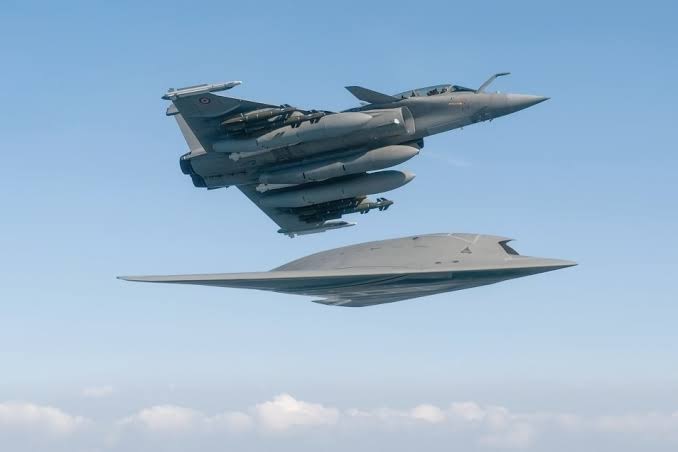 France Agrees to Equip Future Indian Rafales with AI, MUM-T and Secure Satellite Links Under F5 Standard
-
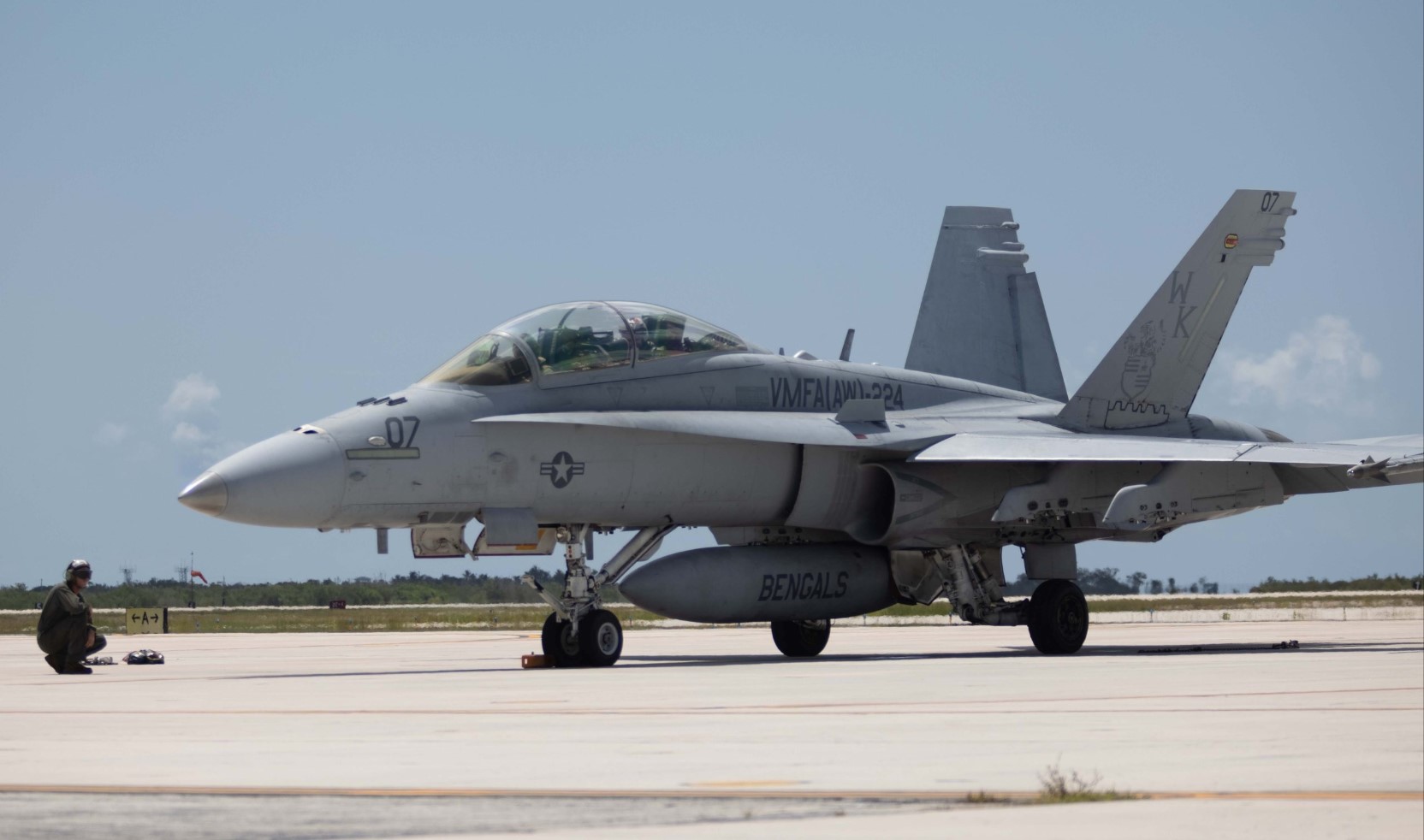 US Marine Corps F/A-18D Hornet Crashes During Training Flight in Washington Mountains; Pilot Ejects Safely
-
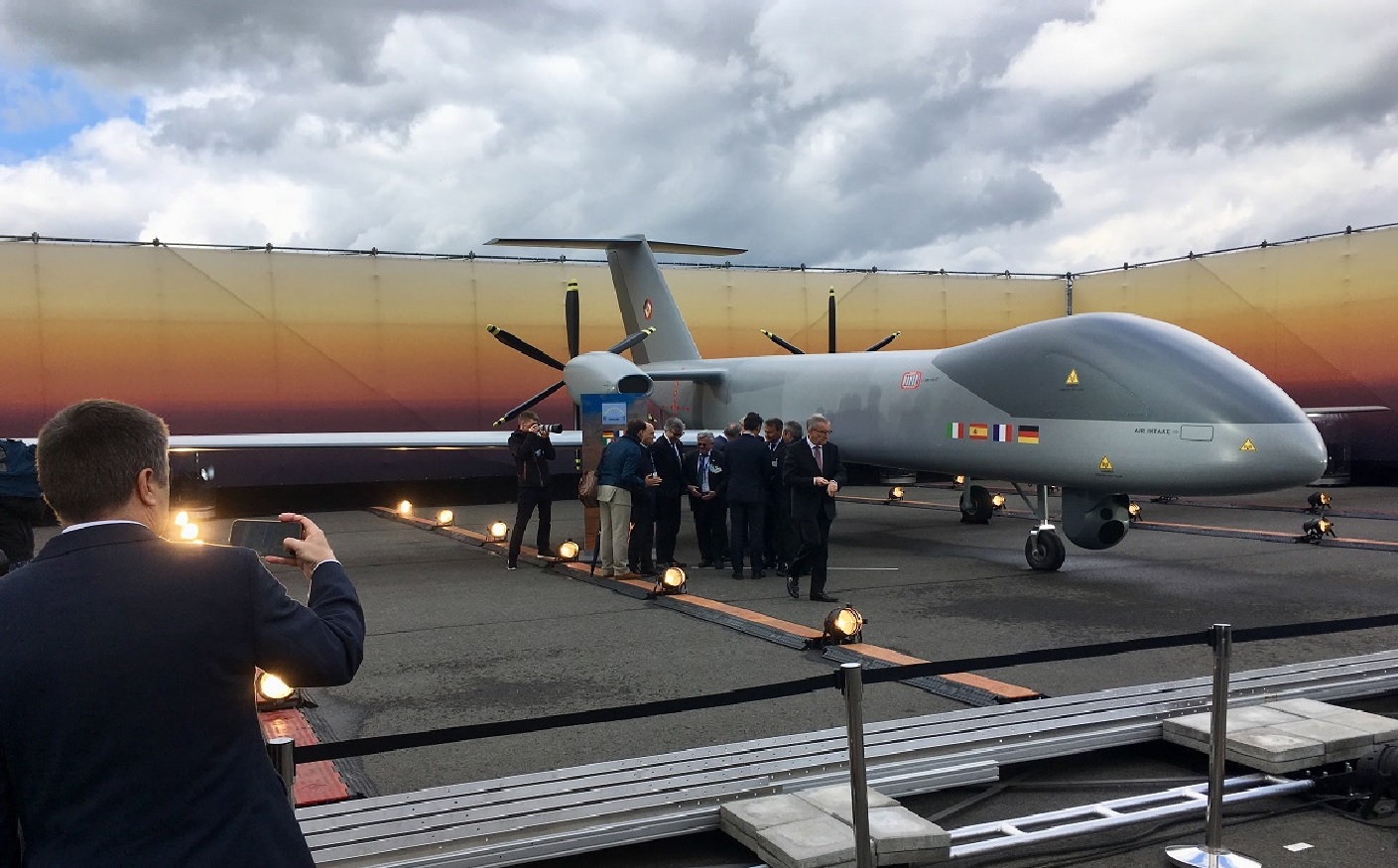 Dassault Seeks Compensation From Airbus as Eurodrone Dispute Erupts After FCAS Collapse
-
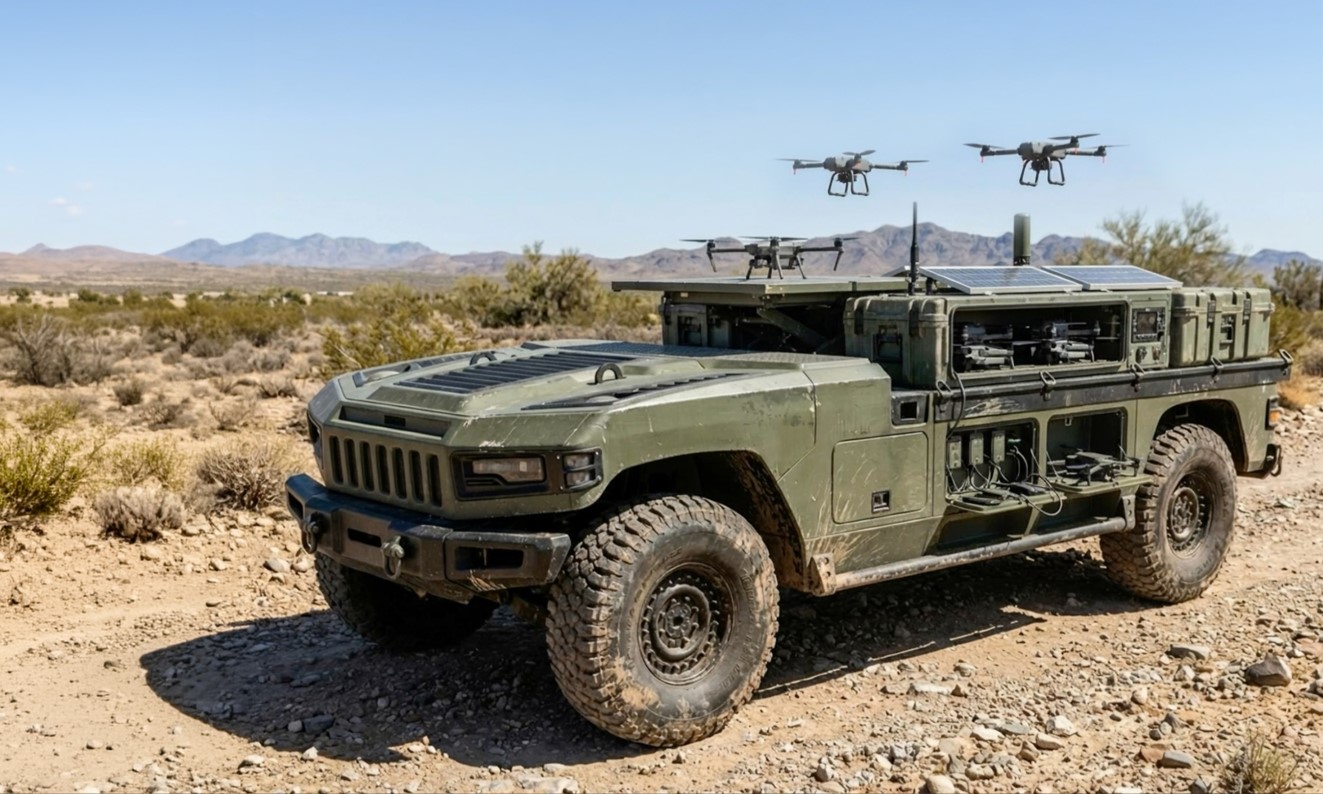 AM General Unveils Next-Generation UGV and JLTV A2 with Counter-Drone Systems at Eurosatory 2026
-
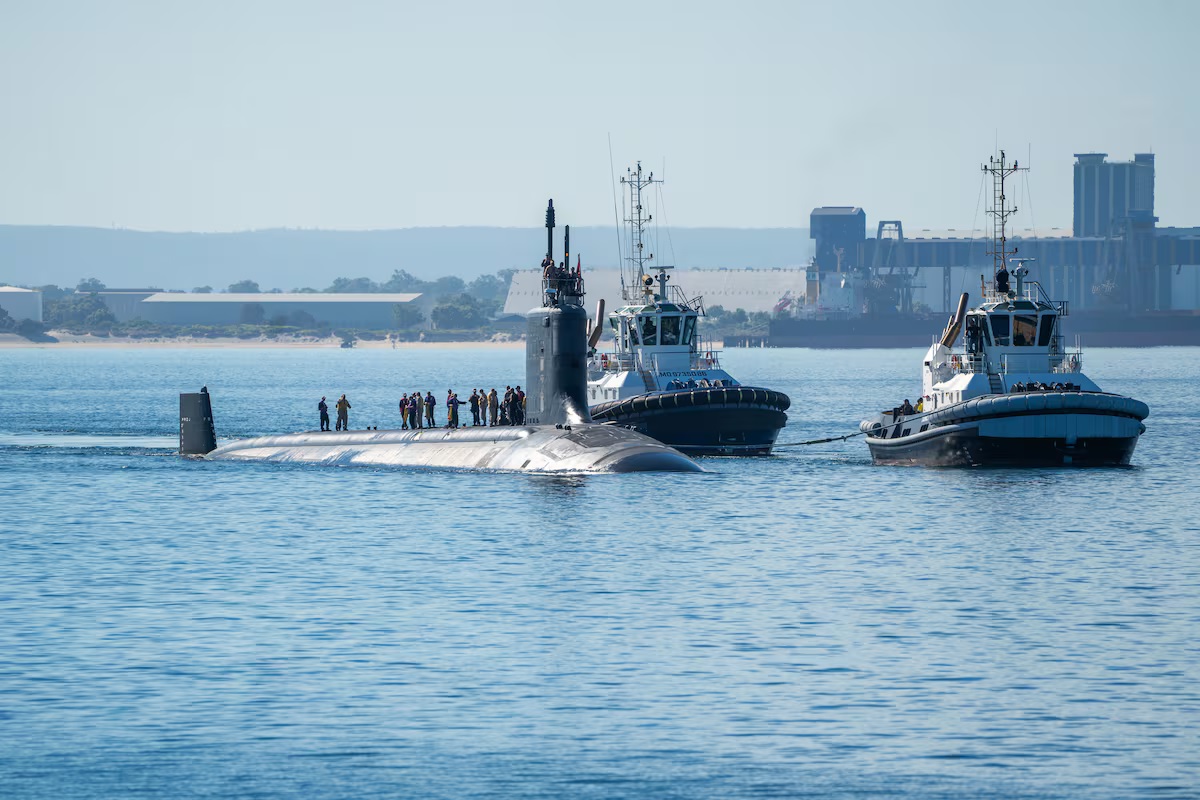 U.S. Navy Reestablishes Submarine Squadron 3 at HMAS Stirling to Support AUKUS Rotational Force
-
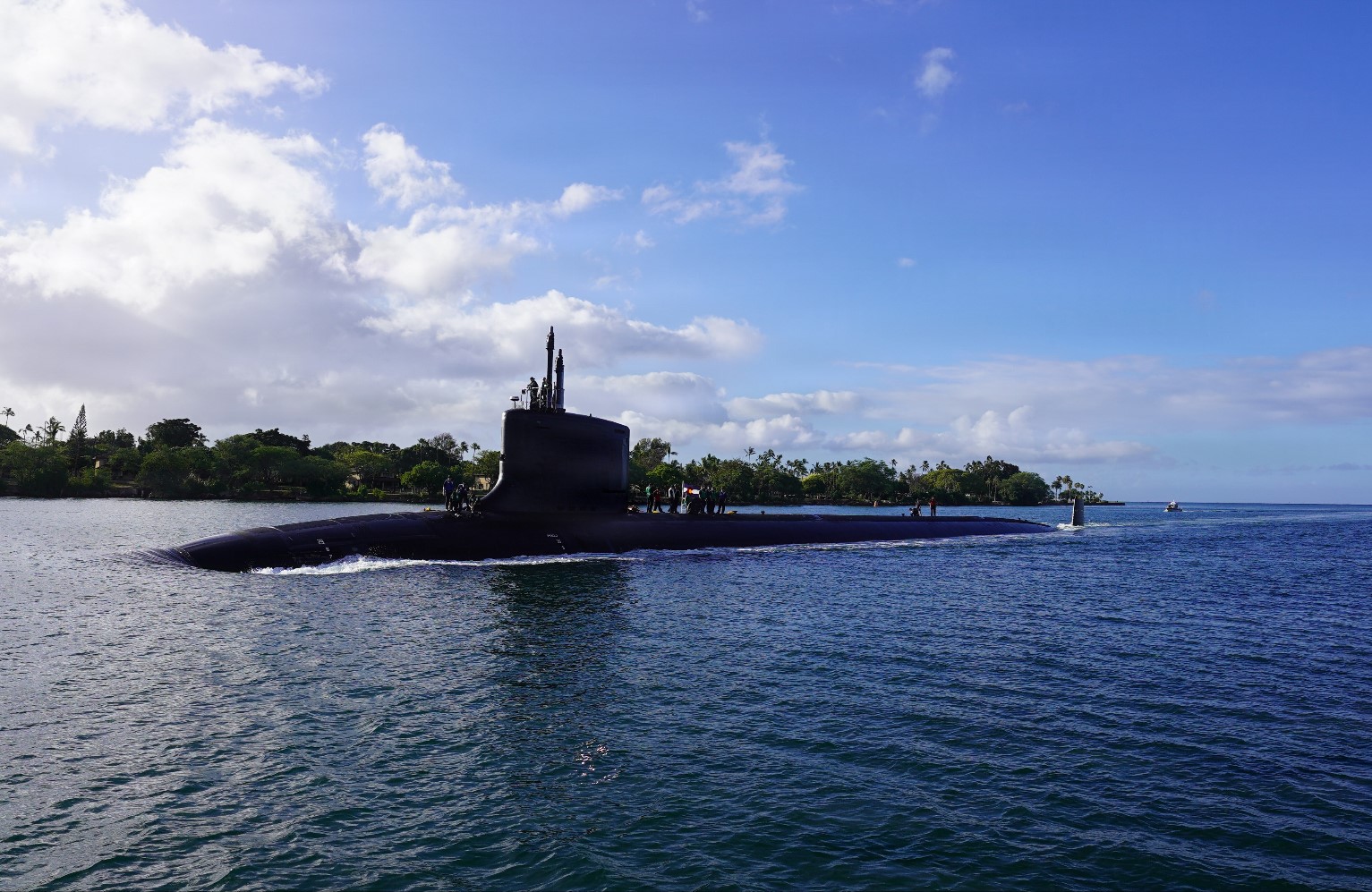 U.S. Navy's USS Colorado Submarine Returns to Pacific Fleet 29 Days Early After Major Pearl Harbor Overhaul
-
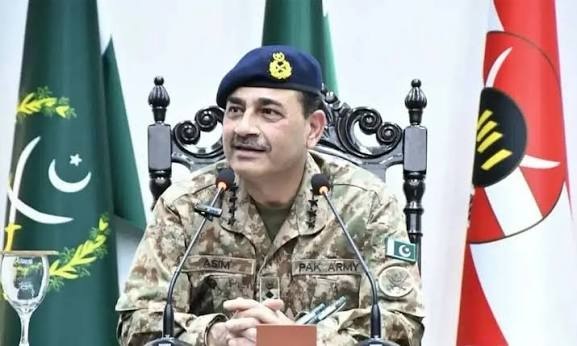 Pakistan Raises Defence Budget from $9 Billion to $10.8 Billion as J-35 Fighter and Hangor Submarine Programs Advance
Top Trending in 4 Days
-
 Iranian Media Leaks 14-Point U.S.-Iran Peace Framework Amid Ongoing Negotiations
-
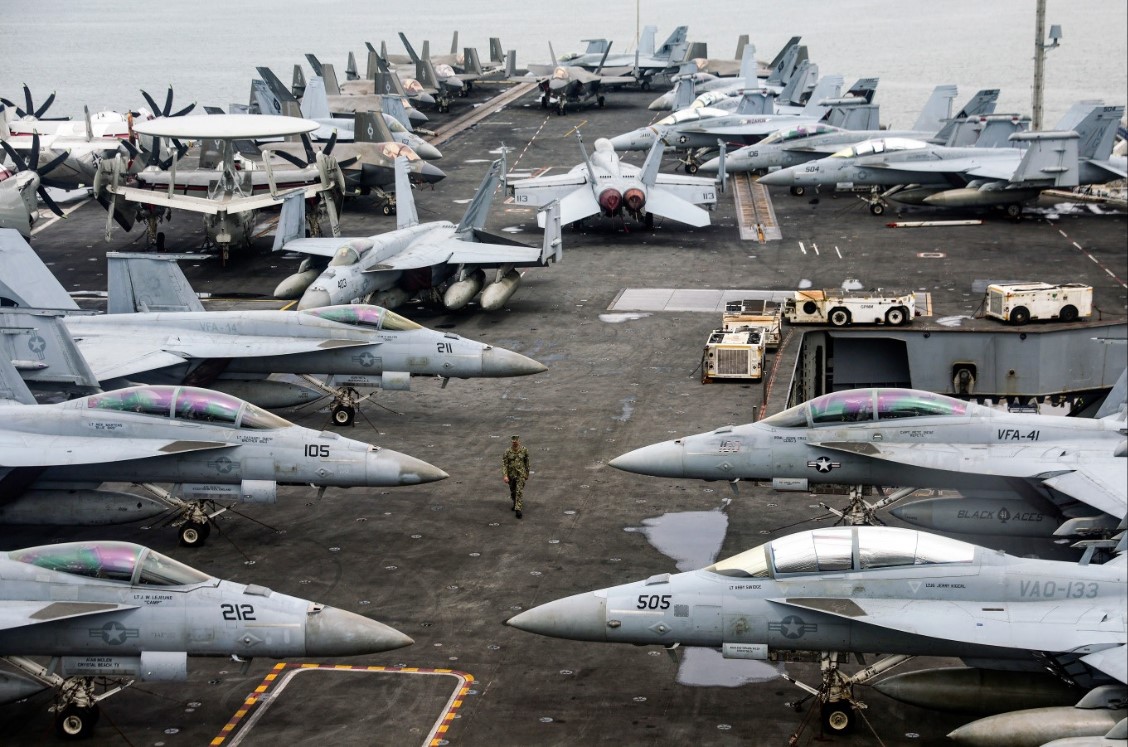 US Plans Significant Reduction of Fighter Jets and Warships for NATO Operations in Europe
-
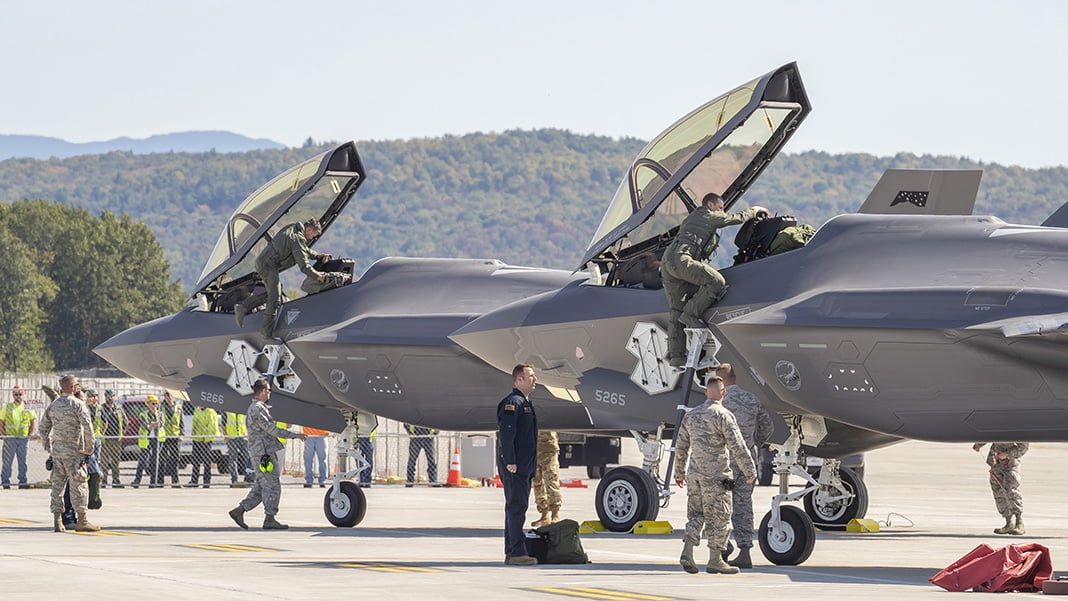 F-35 Fleet Readiness Falls to 25% Amid Parts Shortages and Software Delays: GAO Report
-
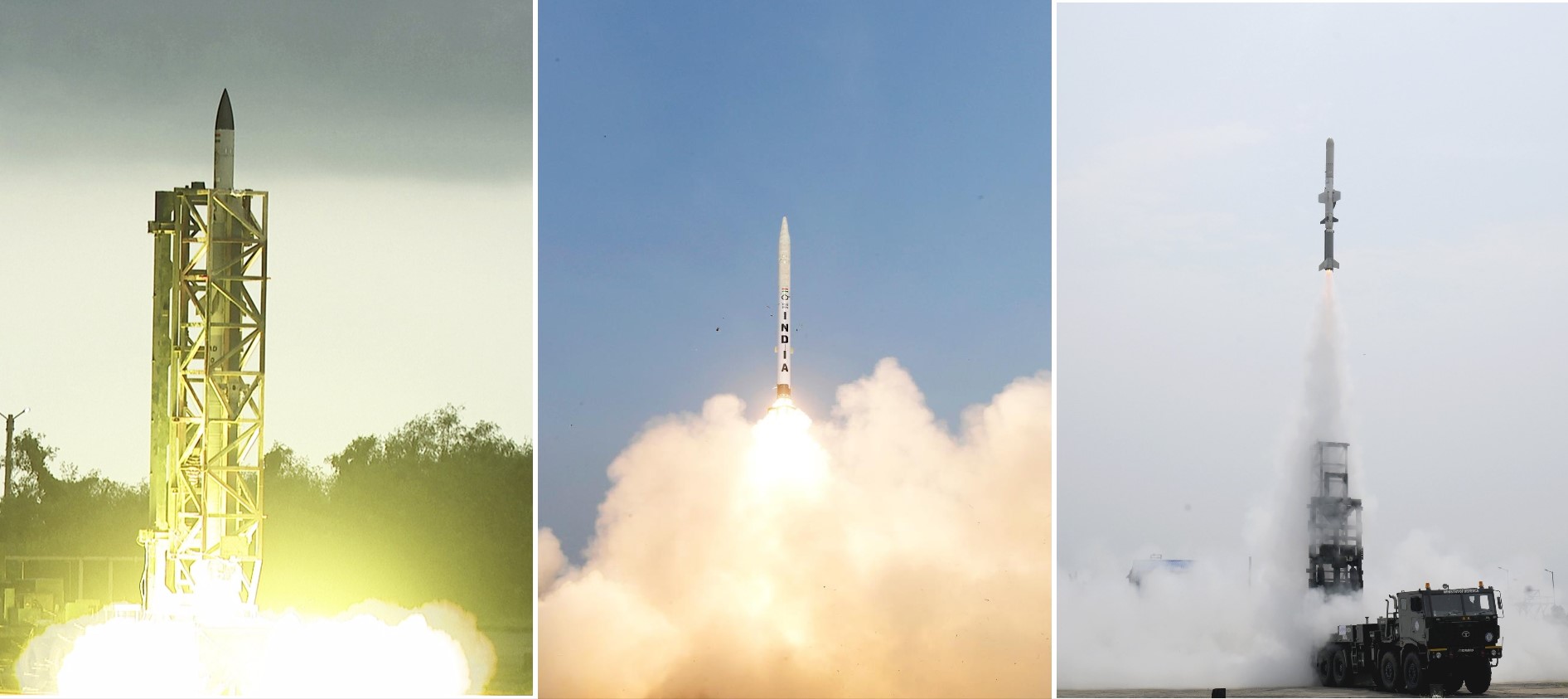 India Successfully Conducts AD-1, AD-2 Interceptor Tests and Maiden NASM-MR Flight Trial
-
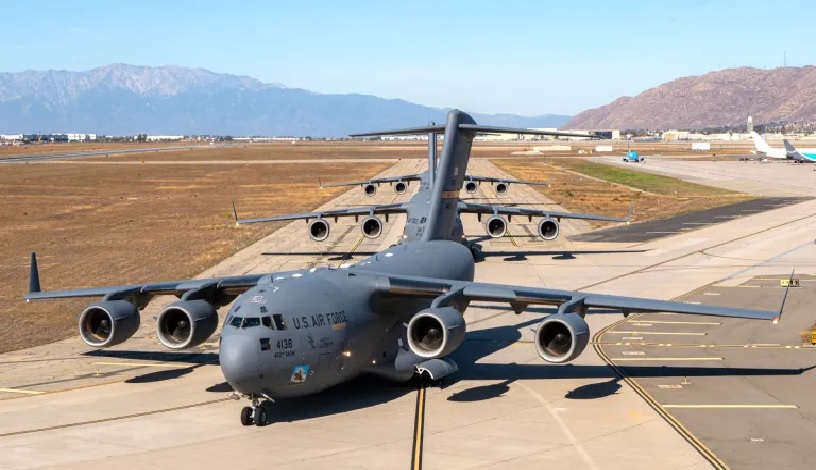 U.S. Air Force Faces Strategic Airlift Shortfall as C-17 Production Restart Remains Uncertain
-
 NATO Commander Says Russia Not Seeking Conflict With Alliance Despite U.S. Force Reductions
-
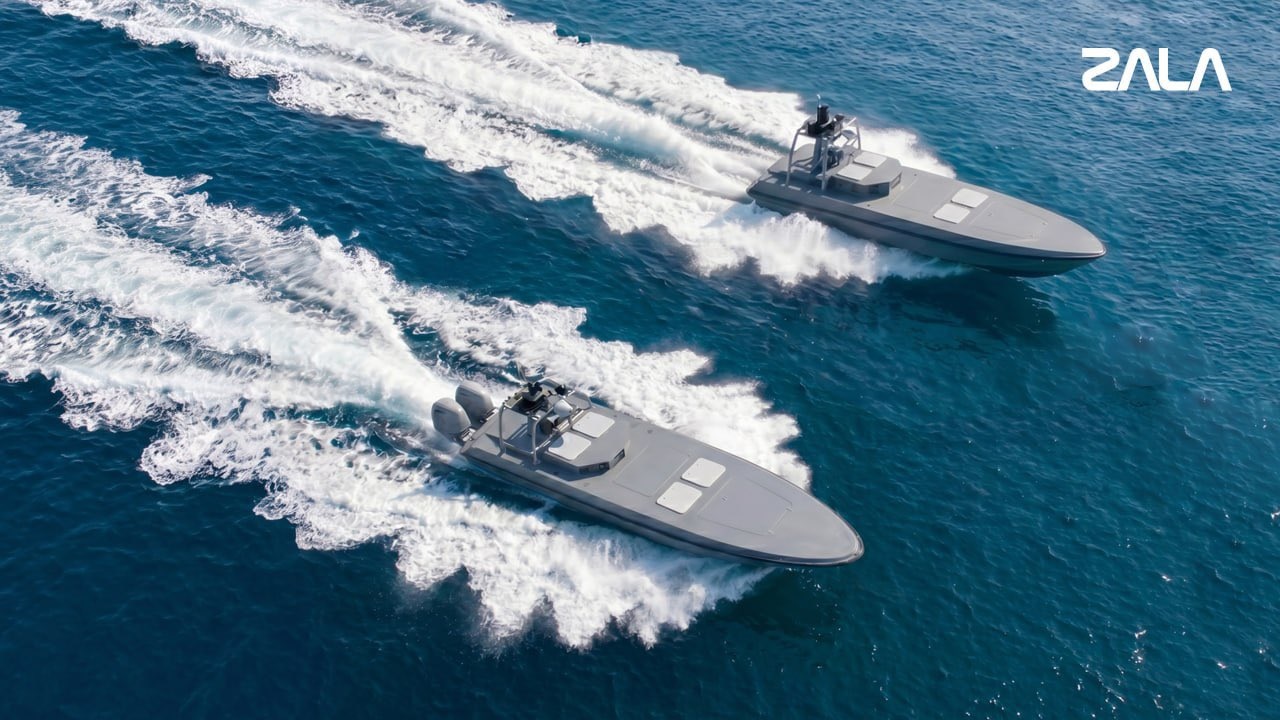 Russian Defense Firm ZALA Unveils KAMA Unmanned Surface Vessel Family at FLOT-2026 Naval Exhibition
-
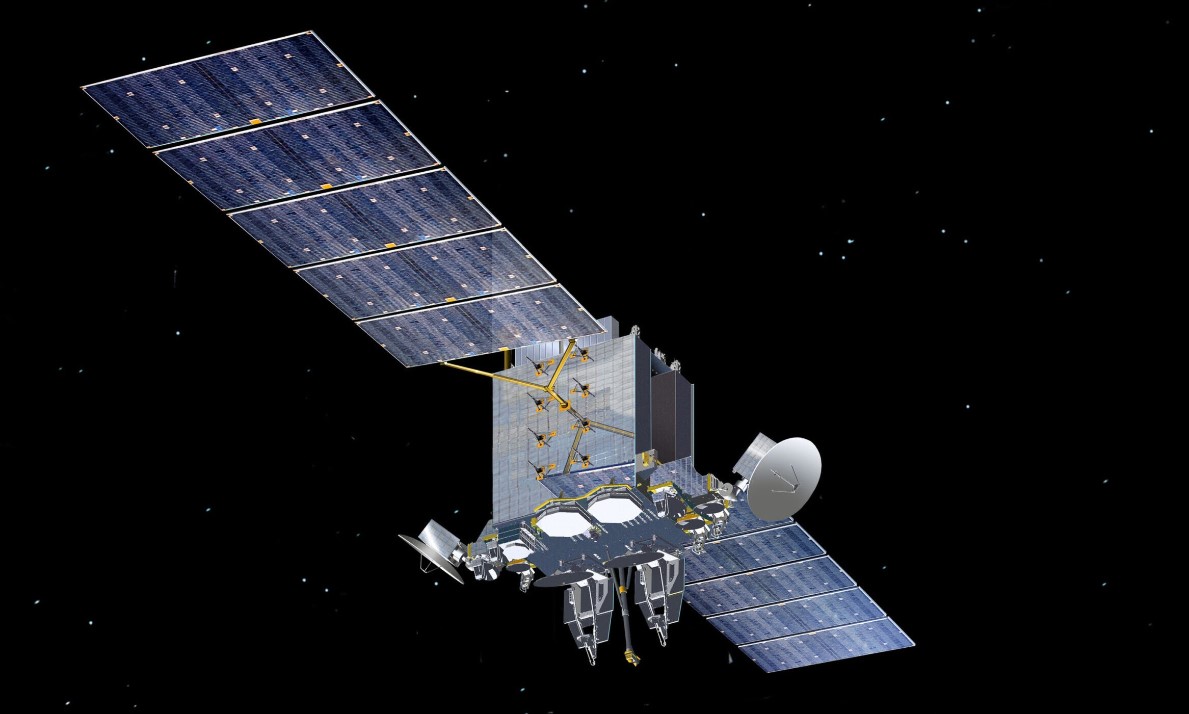 U.S. Space Force Awards $437.7 Million Contracts for First PTS-G Swarm 1 Anti-Jam Satellites
