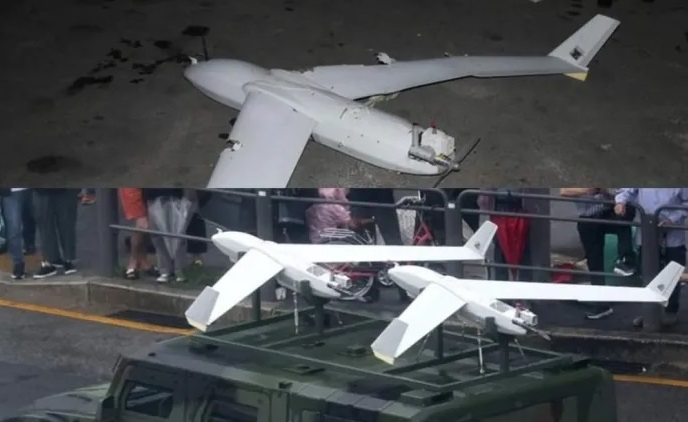
The already fraught relations between North and South Korea took another tense turn when North Korean state media, KCNA, released photos of what it claims is a South Korean military drone that crashed in Pyongyang on October 13. According to North Korea, the drone violated its airspace, which has sparked sharp condemnation from Pyongyang and escalated military preparations on both sides of the border.
North Korea's Ministry of National Defence did not hold back in its response. A spokesperson from the ministry issued a stern warning that any further breaches of North Korean airspace would be treated as a "grave military provocation" and an outright "declaration of war." The spokesperson went on to say that any future violations would trigger an "immediate retaliatory attack." This rhetoric underscores how seriously North Korea views the incident, adding further strain to the already precarious situation on the Korean Peninsula.
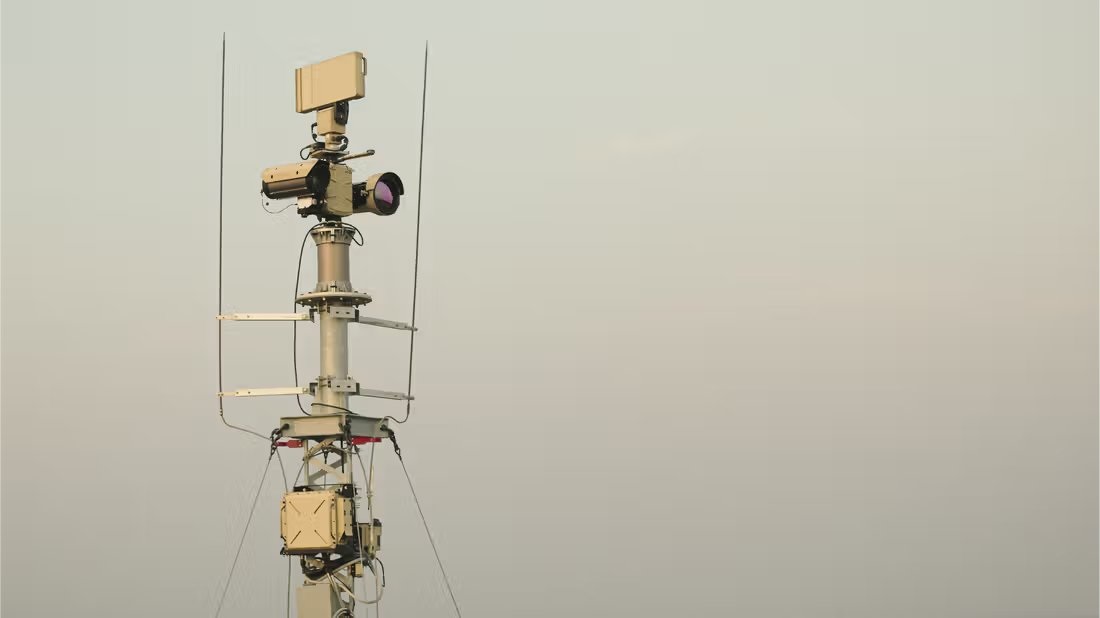
In the wake of the drone crash, North Korea has ramped up its military readiness. State media reported that anti-air observation posts throughout Pyongyang and near the border have been strengthened. The military has also placed combined artillery units and other key firepower units on full alert, with explicit instructions from the highest levels of military command. This heightened state of alert is seen as a direct response to what North Korea perceives as provocations from the South.
Interestingly, South Korea has not yet officially confirmed the drone's origin, though some military experts have noted similarities between the downed drone and those showcased at South Korea's recent Armed Forces Day celebrations. During the October event in Seoul, South Korea displayed a variety of advanced drones as part of its military showcase, further signaling its growing investment in aerial and unmanned technology. These drones are intended to boost South Korea’s surveillance and defense capabilities, but North Korea’s claims of a drone incursion have now brought those technologies into a controversial spotlight.
The timing of the incident could not be more concerning. Both North and South Korea have ramped up military activities in recent months. North Korea has conducted missile tests and large-scale military drills, while South Korea has been fortifying its defenses and participating in joint exercises with the United States. These actions have led to a volatile situation along the demilitarized zone, with both sides watching each other closely for any sign of aggression.
North Korea, for its part, has been increasingly vocal about what it views as hostile actions from South Korea and its allies. The North's recent missile tests are part of a broader effort to modernize its military capabilities, while its rhetoric suggests that it feels cornered by increasing pressure from the South and the international community.
Analysts are now warning that unless both countries engage in meaningful diplomatic talks, the risk of conflict could increase. The Korean Peninsula has long been a flashpoint for military and political tensions, and incidents like the alleged drone crash only add fuel to an already simmering fire.
The drone itself, based on the released images, appears to be relatively sophisticated, possibly designed for reconnaissance missions. Such drones are typically equipped with high-resolution cameras and other surveillance technology, allowing them to collect valuable intelligence. South Korea’s military has made considerable advances in unmanned aerial vehicle (UAV) technology, which is often deployed for monitoring North Korean activity, particularly along the demilitarized zone.
With military forces on high alert and rhetoric heating up, the situation remains fragile. If both sides fail to de-escalate, this incident could be a precursor to more serious confrontations, further destabilizing the region.
The world is now watching how both Koreas respond in the coming days, with many hoping that cooler heads will prevail to prevent the crisis from spiraling out of control.
——— End of Article ———