World
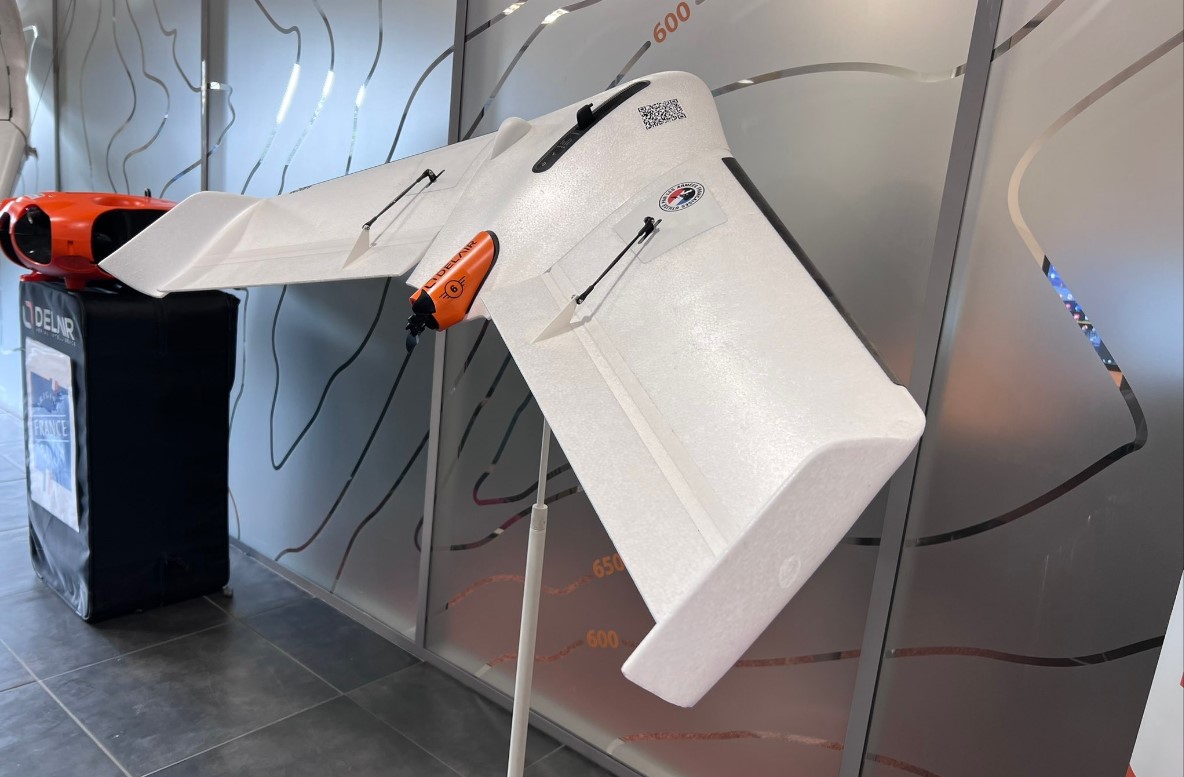
The French Ministry of Defense has announced that Ukraine will soon receive a new type of weapon in its arsenal: French-made kamikaze drones, also known as loitering munitions. The development marks a significant step for France, which has successfully tested these advanced drones and plans to deliver them to Ukraine in the coming weeks. The move is a response to the evolving needs of modern battlefields, as well as a broader effort by France to enhance its military capabilities and support Ukraine amid ongoing conflict with Russia.What Are Kamikaze Drones?Kamikaze drones, or loitering munitions, are specialized unmanned aerial vehicles (UAVs) designed to target and destroy enemy positions with high precision. Unlike traditional missiles or artillery, these drones can "loiter" or hover over a specific area for a period before identifying the right moment to strike. This capability provides exceptional versatility on the battlefield, allowing operators to monitor enemy activity and select high-value targets with greater accuracy.The French-made drones being delivered to Ukraine are remotely operated, enabling the military to engage in combat without putting operators in harm's way. The drones are designed to carry explosive warheads that can destroy enemy equipment, vehicles, or fortifications. This combination of surveillance and strike capabilities gives loitering munitions a unique advantage, especially in scenarios where traditional artillery or airstrikes may be difficult or risky.France’s Rapid Development of Kamikaze DronesThe decision to develop kamikaze drones was driven by the urgent need to address evolving threats on modern battlefields. Over the past two years, France has prioritized regaining sovereignty over certain critical military technologies, including UAVs. The recent successful tests of these drones mark a major milestone in that effort. French Defense Minister Sébastien Lecornu emphasized the importance of this achievement, stating, “We have regained sovereignty in this critical area for our armed forces in less than two years." The new capability is seen as a significant enhancement for both French and Ukrainian forces, allowing them to respond more effectively to a variety of threats.Strategic Importance for UkraineFor Ukraine, the addition of French kamikaze drones represents a substantial boost to its defense capabilities. Since the onset of Russia’s invasion, Ukraine has relied on a range of Western-supplied military hardware to counter Russian advances, from anti-tank missiles to sophisticated air defense systems. The introduction of loitering munitions provides Ukraine with a new way to strike back against Russian forces, especially in scenarios where other forms of support may not be as effective.Loitering munitions can be deployed to target enemy command posts, armored vehicles, artillery positions, and other critical assets. Their ability to hover over an area for extended periods before striking gives Ukrainian forces a tactical advantage in reconnaissance and offensive operations, providing a real-time, adaptable solution to battlefield challenges. Additionally, their relatively small size and mobility make them difficult for enemy air defenses to detect and intercept.Specifications and CapabilitiesWhile specific details about the French-made kamikaze drones being delivered to Ukraine have not been fully disclosed, loitering munitions typically feature a combination of advanced guidance systems and explosive payloads. These drones are equipped with cameras and sensors that enable operators to survey the battlefield and choose targets with pinpoint accuracy. The explosive warheads carried by the drones are designed to destroy or disable a range of enemy assets, from tanks and vehicles to bunkers and fortifications.The range and endurance of loitering munitions vary, but they generally allow for missions lasting from a few minutes to over an hour. This enables extended observation and tactical flexibility, making them an effective option for both offensive and defensive operations. The French-made drones are expected to integrate seamlessly with Ukraine's existing battlefield strategies, complementing the capabilities of other Western-supplied military equipment.Broader Implications for France and NATOThe development of kamikaze drones by France is part of a larger trend in the military landscape, where UAVs and loitering munitions are becoming essential components of modern warfare. France's swift progress in this domain reflects a broader effort among NATO countries to maintain technological superiority in the face of rapidly advancing threats. By supplying these drones to Ukraine, France is also contributing to the NATO-backed effort to bolster Ukrainian defenses and deter further aggression from Russia.In conclusion, the delivery of French-made kamikaze drones to Ukraine marks an important step in the ongoing conflict. These loitering munitions will offer Ukraine greater tactical flexibility, precision, and strike capability, reinforcing its ability to defend against Russian forces. For France, this move not only showcases its rapid advancement in military technology but also strengthens its role as a key player in supporting allies through innovative defense solutions.
Read More → Posted on 2024-10-16 15:41:10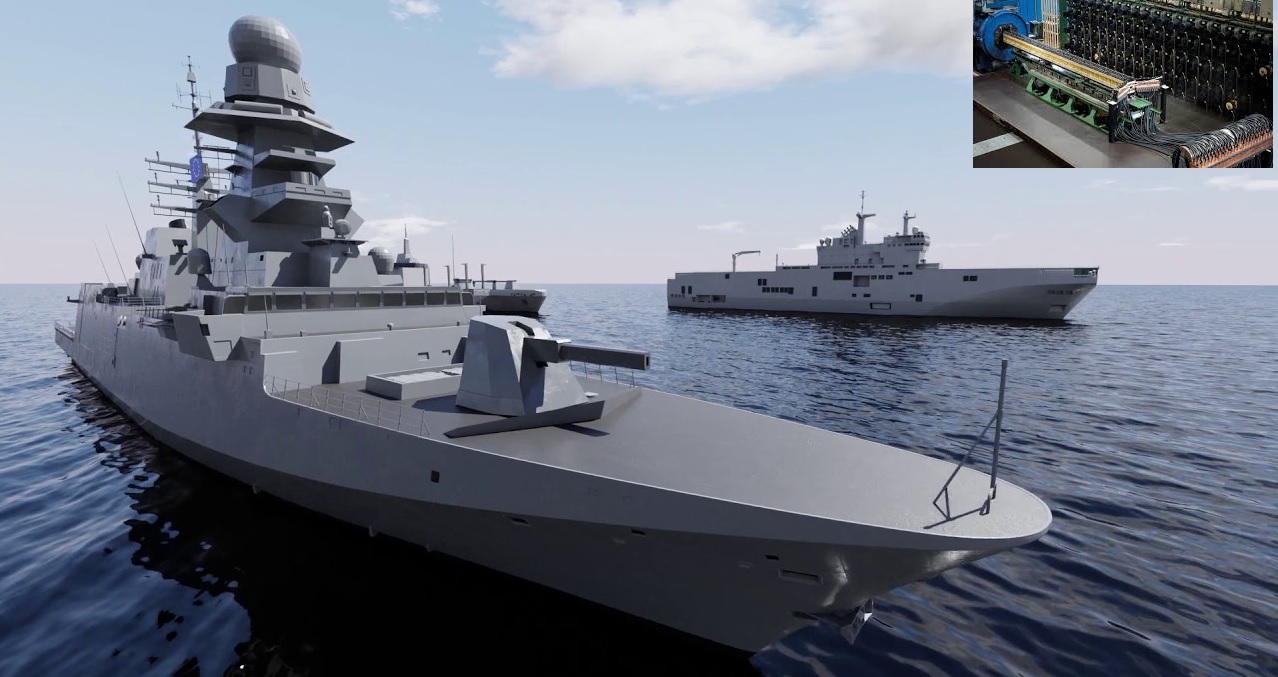
World
Japan has recently taken a significant step in advancing railgun technology by partnering with France and Germany in a collaborative research initiative. This partnership was formalized on May 30th, when the Ministries of Defense from the three countries signed a Terms of Reference (TOR) agreement. The primary goal of this collaboration is to explore the possibilities for joint research, development, testing, and evaluation of railgun technologies. The move highlights Japan's increasing focus on electromagnetic weaponry, aiming to boost its defense capabilities through cutting-edge technology.Japan's Railgun Development Journey Japan's interest in railgun technology is not new. The country's research efforts began in 2016 under the "Research on Electromagnetic Acceleration Systems" program, spearheaded by the Acquisition, Technology & Logistics Agency (ATLA) of the Ministry of Defense. The program aimed to achieve a muzzle velocity of 2000 meters per second and a barrel life of 120 rounds. Initial testing saw Japan conduct its first shipboard firing of a railgun in October 2023, marking a significant milestone in its development efforts.Japan’s focus has been on addressing the challenges unique to railguns, such as barrel erosion caused by heat and wear. Unlike conventional firearms, which suffer from barrel damage due to explosive gunpowder pressure, railguns face issues stemming from the intense heat generated by high current flow and the friction between the armature and the rail. Japan experimented with different materials for the barrel rails, initially using copper before shifting to more resistant alloys. This adaptation resulted in stable performance across 120 rounds, moving the project into its next phase—developing a complete railgun system with mechanisms for continuous firing and fire control.European Railgun Research: The PILUM ProjectOn the European side, railgun development has primarily been driven by the PILUM project, an initiative launched by the European Defense Agency (EDA) in 2020 and coordinated by the Franco-German Research Institute of Saint-Louis (ISL). The goal of PILUM is to explore the feasibility of constructing an electromagnetic railgun (EMRG) that can achieve strike distances of up to 200 km, vastly outperforming conventional artillery. The research covers three key areas: the railgun itself, its projectiles, and the energy storage and conversion systems needed to power such a weapon.PILUM has brought together nine partners from five European countries, including well-known defense companies like Naval Group and Nexter Systems from France, Diehl Defence from Germany, and ICAR from Italy. The project has made substantial progress, particularly in creating a wear-resistant coating for the gun barrel, developing a hypervelocity projectile capable of reaching speeds up to Mach 6, and finding new energy storage solutions such as XRAM generators. This innovative approach to electromagnetic artillery has paved the way for the next phase under the THEMA project, where a demonstrator railgun is expected to be tested by 2028.The Strategic Implications of Japan’s CollaborationJapan's involvement in the European railgun research initiative brings a new dimension to the project, combining the expertise and technological advancements made by ATLA with European innovations. While Japan is not directly involved in the THEMA project, this agreement enables smoother exchange of information and ideas, potentially accelerating the practical deployment of railguns in both Japanese and European defense systems. Japan’s recent success in conducting the world’s second shipboard railgun test (after China) further positions it as a key player in electromagnetic weaponry, adding valuable insights to the joint research.The integration of Japan’s research efforts with European programs also opens the door to potential synergies in naval applications, as both sides work toward deploying railguns on ships. With the technology capable of launching projectiles at hypersonic speeds over vast distances, railguns could revolutionize naval warfare by providing a cost-effective and high-precision weapon capable of countering missile threats and engaging targets beyond the reach of traditional artillery.Global Context and Future ProspectsThe collaboration between Japan and Europe is part of a broader international trend toward developing electromagnetic railguns. Other countries such as the United States, India, China, Russia, and the United Kingdom have also pursued railgun research, albeit at different stages. While the U.S. halted its railgun program after years of development, China and Japan have continued to push forward, with both nations conducting shipboard tests.Japan’s partnership with Europe could potentially reinvigorate interest in railguns worldwide, as the technology holds significant promise for the future of warfare. As research progresses, key challenges such as energy storage, barrel durability, and thermal management will need to be overcome. The results of the Japan-Europe collaboration may very well dictate how quickly railguns transition from experimental projects to practical battlefield applications.By joining forces with European nations, Japan is positioning itself to accelerate the development of this disruptive technology, potentially gaining a strategic edge in defense. This partnership could serve as a foundation for future multi-national efforts to bring railgun technology into mainstream military use, transforming how long-range engagements and missile defenses are conducted.
Read More → Posted on 2024-10-16 15:36:17
Space & Technology
In a move that could escalate existing tech tensions between China and the United States, the Cyber Security Association of China (CSAC) has called for a comprehensive cybersecurity review of Intel products sold in the country. The organization, which operates under the supervision of the Cyberspace Administration of China, cited concerns over “frequent vulnerabilities and high failure rates” associated with Intel's central processing units (CPUs). The CSAC's recent WeChat post pointed to multiple security issues and alleged that certain Intel chip series had caused performance problems, including video game crashes.The Vulnerabilities in QuestionThe CSAC identified specific security weaknesses in Intel's chips, including vulnerabilities known as Downfall, GhostRace, and NativeBHI. These issues have been linked to flaws in speculative execution, a feature that helps processors predict future tasks to speed up operations. Downfall, also referred to by Intel as Gather Data Sampling, was brought to light in 2022 but gained significant attention in 2023. It allows attackers to exploit the chip's speculative execution process, potentially stealing sensitive data. The association's concerns extend beyond data theft to include the stability of Intel's 13th and 14th generation Core processors, which reportedly suffered from a microcode algorithm issue that led to video game crashes.The cybersecurity group accused Intel of being slow to address these flaws. In the case of the video game issue, it took Intel more than half a year to resolve the problem, which had frustrated many users since late 2023. In July, Intel admitted that a microcode issue caused the malfunction, citing “incorrect voltage requests to the processor” as the root cause.Potential Backdoor RisksOne of the more alarming allegations from the CSAC is the possibility of a "secret back-door system" embedded within Intel's processors. The post referenced insights from hardware security expert Damien Zammit, who had previously raised concerns about Intel's Management Engine (ME), a subsystem within the CPU that operates as a separate processor core. Introduced years ago, ME is designed to enable remote management of computers through Intel’s Active Management Technology (AMT). However, some cybersecurity professionals view this subsystem as a potential security risk because it cannot be disabled and its proprietary codes are not openly disclosed. This hidden functionality could, in theory, be exploited by hackers to access user data or launch cyberattacks without detection.A Strained U.S.-China Tech LandscapeThe CSAC’s call for a review comes at a time of growing tech rivalry between the U.S. and China. The U.S. has imposed restrictions on the export of advanced semiconductors and manufacturing equipment to China, leading to heightened scrutiny on tech firms operating between the two nations. The controversy surrounding Intel comes shortly after Micron Technology, another U.S.-based semiconductor giant, underwent a similar cybersecurity review in China. Such actions are seen as part of China's broader effort to reduce reliance on foreign technology amid U.S. pressure.The Economic Stakes for IntelIntel, a significant player in China’s semiconductor market, may face economic consequences if the CSAC’s recommendations lead to tighter regulations. China accounted for around 27% of Intel's total revenue, approximately $14.6 billion, in 2023. With Intel’s X86 chip architecture powering 90% of the servers in China, the stakes are high for both the company and the Chinese tech ecosystem.The potential for further complications arises from the recently passed U.S. Chips and Science Act, which aims to bolster America's semiconductor industry through subsidies and research funding. The Chinese government views this as an attempt by the U.S. to curtail China’s access to critical technologies, leading to increased scrutiny of foreign firms like Intel.A History of ConcernsIntel's chips have faced security questions over the years, with vulnerabilities such as Meltdown, Spectre, and Foreshadow raising alarms about potential exploits in speculative execution processes. The latest accusations from the CSAC are part of a continuing debate over whether Intel and other U.S. tech firms adequately address security issues, especially in international markets.While Intel has not yet responded to the CSAC’s latest call for a review, the controversy could prompt a new phase of scrutiny that extends beyond China. As nations and tech companies alike grapple with the balance between innovation, security, and geopolitics, the handling of Intel's alleged vulnerabilities may set a precedent for future cross-border cybersecurity regulations.The unfolding situation with Intel underscores the complexities and strategic importance of semiconductor technology in the broader U.S.-China competition, where every vulnerability and regulatory decision can carry significant political and economic weight.
Read More → Posted on 2024-10-16 15:31:30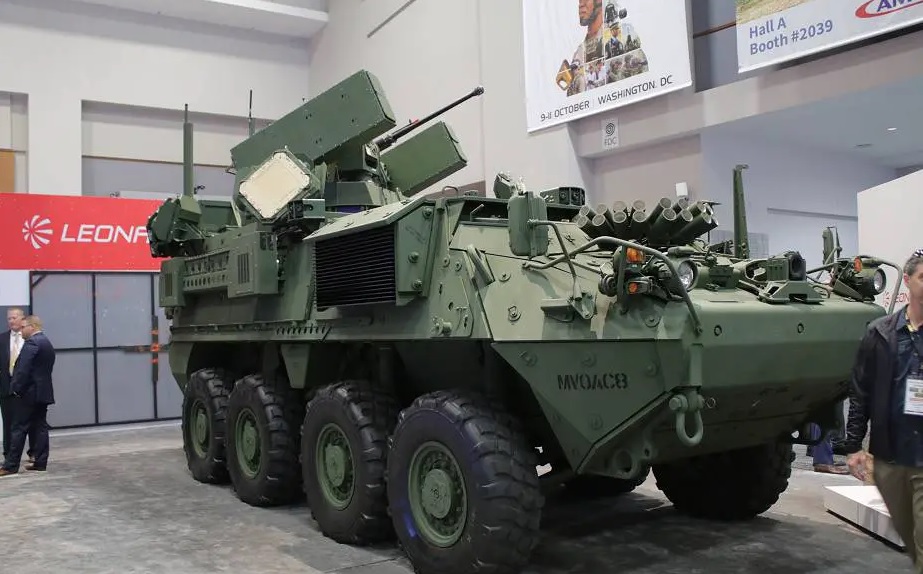
World
Leonardo DRS, a key player in the defense technology sector, has landed a significant contract worth over USD 77 million from General Dynamics Land Systems (GDLS). This deal is part of the ongoing efforts to enhance the U.S. Army's air defense capabilities through the integration of advanced technology into the Stryker vehicles. Specifically, Leonardo DRS will be delivering additional Mission Equipment Packages (MEP) for the SGT Stout Maneuver Short Range Air Defense (M-SHORAD) systems, which are mounted on these heavily armored vehicles.The MEP units provided by Leonardo DRS are a critical component for the Stryker vehicles, giving them the ability to detect, identify, track, and engage various airborne threats. The primary focus of these systems is to protect against increasingly sophisticated aerial challenges, such as unmanned aerial systems (UAS), helicopters, and even fixed-wing aircraft. This contract marks an important step in the U.S. Army’s modernization strategy as it seeks to address evolving threats on the battlefield, particularly in the context of the ongoing conflicts in regions like the Middle East and Ukraine.The M-SHORAD Stryker is an impressive piece of machinery, already deployed in three Division Air Defense Battalions to provide frontline troops with protection from airborne threats. With the additional MEPs from Leonardo DRS, these Strykers will be even more effective, equipped with cutting-edge technology designed to counter a wide range of aerial attacks. These vehicles serve as a mobile defense platform, able to accompany ground forces and provide near-instantaneous responses to hostile air activity.Leonardo DRS has proven its expertise in developing and integrating complex defense systems across various domains, including air defense, force protection, and naval power systems. The company’s role in delivering the MEPs demonstrates its ability to handle multifaceted projects that require a high level of technical knowledge and operational efficiency. Aaron Hankins, the senior vice president of Leonardo DRS, emphasized the urgency of delivering these systems to the U.S. Army, especially in light of the rapidly changing nature of aerial threats. He pointed out that conflicts around the world highlight the need for advanced air defense systems that can be deployed quickly and effectively to protect U.S. forces.The SGT Stout Stryker, with its MEP integration, is part of the U.S. Army's broader initiative to modernize its fleet and improve its readiness for future conflicts. These systems will not only enhance the Army's ability to defend against airborne threats but will also serve as a key component in the Army’s layered air defense strategy. The MEPs from Leonardo DRS enable the Stryker to function as a highly mobile air defense unit, capable of moving with ground forces while providing comprehensive protection against hostile aircraft and drones.In conclusion, the $77 million contract awarded to Leonardo DRS underscores the importance of modern air defense systems for the U.S. Army. As aerial threats become more advanced and diversified, having robust, adaptable defense systems like the M-SHORAD-equipped Stryker vehicles is crucial. The collaboration between Leonardo DRS and GDLS will ensure that the U.S. Army remains at the forefront of air defense technology, ready to face the challenges of modern warfare.
Read More → Posted on 2024-10-16 15:25:43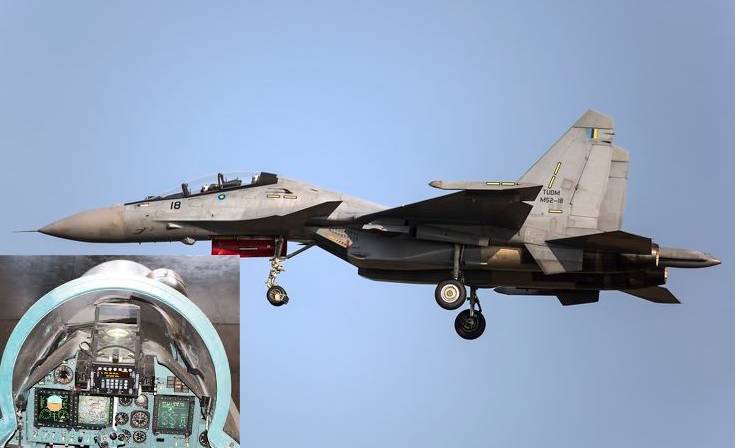
India
In a move that highlights India's growing role in the global defense market, Samtel Avionics System Ltd., a leading avionics company based in Uttar Pradesh, has secured a crucial contract with the Royal Malaysian Air Force (RMAF). This agreement involves equipping all 18 of Malaysia's Sukhoi-30MKM fighter jets with state-of-the-art Multi-Function Displays (MFDs) and Head-Up Displays (HUDs). The contract underscores the strengthening defense ties between India and Malaysia and reflects India's rising status as a provider of cutting-edge defense technology.The Su-30MKM is a Malaysian variant of the Sukhoi Su-30, a highly capable multirole fighter jet. By integrating Samtel’s advanced avionics into these aircraft, the RMAF stands to significantly boost the operational efficiency of its fleet. The MFDs, which will be installed as part of the upgrade, come in various sizes—5"x5", 6"x6", and 5"x4"—and offer a host of benefits, including enhanced situational awareness for pilots. These displays present critical flight data and weapons information in a more user-friendly format, allowing for quicker decision-making during combat or high-speed maneuvers.Samtel’s MFDs are not new to the field of fighter jet avionics. The company has successfully supplied over 1,000 MFDs to Hindustan Aeronautics Limited (HAL) for use in India’s own fleet of Su-30MKIs, the Indian Air Force's (IAF) primary air superiority fighter. These MFDs have proven their reliability and effectiveness in combat situations, ensuring that they are a battle-tested solution for enhancing the avionics of high-performance jets. For the RMAF, this means that the Su-30MKM’s modernization will bring the aircraft up to the latest standards, extending their operational life and improving mission performance.In addition to the MFDs, Samtel Avionics will also be supplying advanced Head-Up Displays (HUDs) for the Malaysian Su-30MKMs. These HUDs are essential for projecting key flight information—such as speed, altitude, and target data—directly onto the pilot’s field of vision. This allows the pilot to remain focused on the external environment without needing to glance down at traditional cockpit instruments. The tactical advantage gained through the integration of these HUDs is critical, particularly during high-pressure combat operations or complex aerial maneuvers. The HUDs significantly reduce pilot workload and enhance response times.The deal is a product of Samtel’s collaboration with Hindustan Aeronautics Limited under the joint venture Samtel HAL Display Systems (SHDS). This partnership has been a cornerstone of India’s indigenous defense development, focusing on producing high-quality avionics for the IAF’s Su-30MKI fleet. The systems being delivered to Malaysia have been proven in India’s demanding operational environment, ensuring that the RMAF is receiving a tried-and-tested solution. The avionics upgrade is expected to be a major step in modernizing the Su-30MKMs, which have been a key component of Malaysia’s air defense capabilities since their induction.This contract also reflects the broader shift in Malaysia’s defense procurement strategy, as the country looks to India for reliable, cost-effective solutions. It strengthens the defense relationship between the two nations, paving the way for future collaborations. Samtel Avionics, through its work with HAL, has positioned itself as a key player in the global defense market, particularly in the realm of avionics and display systems.In conclusion, Samtel’s partnership with the Royal Malaysian Air Force represents a significant win for India's defense industry. The integration of cutting-edge MFDs and HUDs into Malaysia’s Su-30MKM fleet not only enhances the aircraft’s capabilities but also underscores India’s ability to provide world-class defense solutions to international clients. This deal is likely to serve as a model for future collaborations between India and other nations seeking to modernize their air forces with advanced technology.
Read More → Posted on 2024-10-16 15:22:57
India
Safran Data Systems (SDS), a key player in aerospace, defense, and automotive telemetry, is expanding its presence in India with the opening of a cutting-edge facility in Chennai. This strategic move is a significant step towards bolstering India's capabilities in the space and defense sectors, aligning with the country’s Atmanirbhar Bharat initiative, which promotes self-reliance in technology and manufacturing.SDS has long been a trusted partner in India, supporting high-profile national projects such as the Indian Space Research Organisation’s (ISRO) Chandrayaan and Aditya L1 missions, as well as contributing to the development of Light Combat Aircraft (LCA) variants like TEJAS with the Defence Research and Development Organisation (DRDO). With this new facility, SDS is set to deepen its role in India's ambitious space and defense programs, providing advanced telemetry, testing, and simulation solutions.The state-of-the-art facility in Chennai was inaugurated by B. Krishnamoorthy, Special Secretary of the Government of Tamil Nadu, and Jeetendra Gavankar, Chief Executive of Safran Data Systems India. They were joined by senior leaders from Safran, including Executive Vice President of SDS France, Noel Ballot, and Vinod Mathew, Managing Director of SDS India. The new center will not only serve as a hub for design and development but also play a key role in supporting the growing demands of India’s space ecosystem.A critical aspect of this expansion is Safran’s focus on leveraging Chennai’s highly skilled engineering workforce. This talent pool is expected to drive innovation and support Safran’s mission to deliver world-class solutions tailored to India’s needs. Gavankar emphasized that Safran’s efforts will help India’s space industry scale new heights, ensuring that the country’s ambitious space missions are well-supported by cutting-edge technology under the “Make in India” banner.Tamil Nadu’s government is also eager to support this high-tech initiative. B. Krishnamoorthy highlighted the state’s commitment to fostering innovation and helping companies like Safran find the right local talent and resources. Under the Tamil Nadu Industrial Development Corporation (TIDCO) umbrella, Safran will benefit from a supportive ecosystem for testing, certification, and talent acquisition.Safran Data Systems India, formerly known as Captronic Systems, was established in 1999. Over the years, it has become a pivotal player in India’s aerospace and defense sectors. The company's expansion marks a new chapter in its ongoing partnership with both public and private organizations, reinforcing its commitment to helping India achieve technological self-reliance.This new facility is set to contribute significantly to India’s aspirations in the global space and defense arena, providing innovative solutions to meet the growing demands of these industries. With its advanced telemetry and testing capabilities, Safran Data Systems is well-positioned to support India’s journey towards greater technological autonomy.By expanding its footprint in India, Safran not only strengthens its global presence but also contributes to the nation’s growing role as a technology leader in the aerospace and defense sectors. This Chennai facility is expected to be a cornerstone for future innovations, supporting India’s ambitious space programs and defense initiatives for years to come.
Read More → Posted on 2024-10-16 15:20:24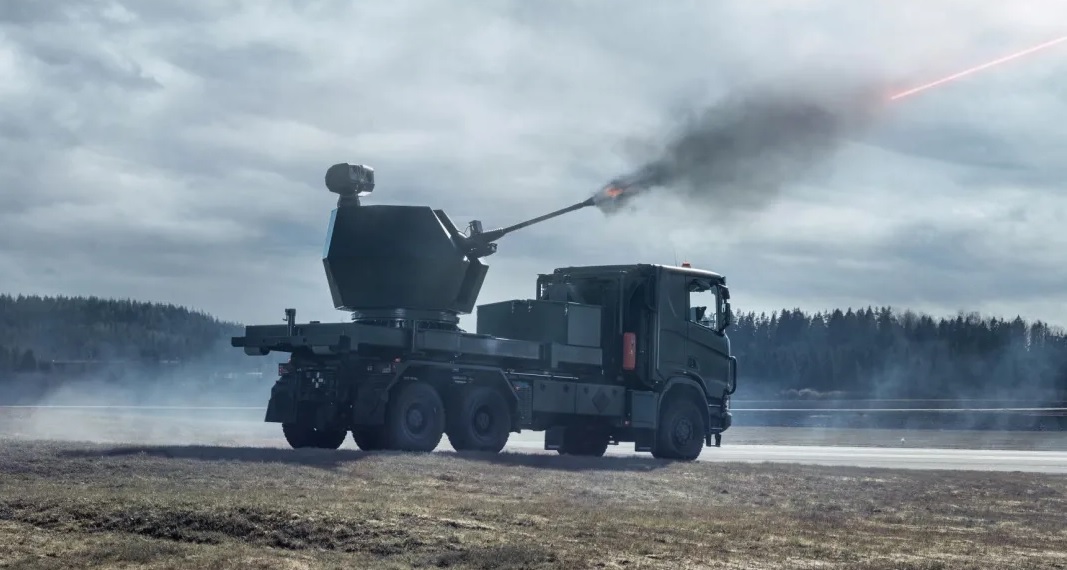
World
BAE Systems Bofors and the Swedish Defence Materiel Administration (FMV) have taken a significant step toward bolstering Sweden's air defence capabilities with the signing of a letter of intent to develop the TRIDON Mk2 air defence system. This announcement, made at AUSA 2024 in Washington, signals Sweden’s growing need for more advanced solutions to counter the increasing threats posed by drones and other aerial technologies. Military leaders, including Sweden’s Army Chief, were in attendance, reinforcing the importance of this project for national defence.The TRIDON Mk2 is more than just an upgrade in Sweden’s air defence arsenal—it represents a new era of modular, adaptable, and future-proof technology in anti-aircraft warfare. The system is based on nearly 90 years of innovation by BAE Systems Bofors, with roots tracing back to the Bofors gun systems developed in the 1930s. While much has changed since then, the TRIDON Mk2 retains the same core principles of high precision, efficiency, and cost-effectiveness that made its predecessors iconic in military history.One of the standout features of the TRIDON Mk2 is its modular design. This allows the system to be easily upgraded and adapted to meet the ever-changing demands of modern warfare. In a world where aerial threats are becoming increasingly diverse and unpredictable—ranging from small, fast-moving drones to more substantial airborne targets like cruise missiles—having a flexible defence system is critical. The TRIDON Mk2 offers just that, with its ability to integrate new technologies as they become available, ensuring that it remains relevant and effective well into the future.From a technical perspective, the TRIDON Mk2 is built around a 40mm air defence system, a calibre that has proven effective in both land and sea-based operations. This system is designed to engage both airborne and ground-based targets, providing comprehensive protection for military forces and critical infrastructure alike. One of its most significant advantages is its ability to counter multiple threats quickly, making it a rapid-response solution in situations where time is of the essence.BAE Systems Bofors emphasizes that the TRIDON Mk2 is not just effective but also highly efficient and easy to maintain. This cost-effectiveness is particularly important in an era where defence budgets are under pressure, and militaries need solutions that offer long-term value. The TRIDON Mk2 addresses this by providing a low-cost alternative to more expensive missile-based systems, without sacrificing effectiveness. This makes it an ideal complement to existing air defence networks, filling a crucial gap by offering a quick, affordable response to threats like drones, which have become a growing concern in modern conflict zones.The Swedish Defence Materiel Administration’s involvement in this project highlights the importance of collaboration between government bodies and private defence companies. Lena Gillström, CEO of BAE Systems Bofors, and Jonas Lotsne, Head of Army Materiel at FMV, have both expressed confidence that the TRIDON Mk2 will enhance Sweden’s air defence capabilities significantly. Given the increasing sophistication of both aerial and ground-based threats, this system could play a vital role in safeguarding Sweden’s military forces and civilian assets.As drones and other unmanned aerial systems (UAS) become more prevalent on the battlefield, traditional air defence systems are often too slow or too costly to deploy. The TRIDON Mk2 offers a solution to this problem with its high precision, rapid response times, and modular adaptability. This makes it not just a defensive system for today’s battlefield but a platform that can evolve as threats continue to change.In a broader sense, the development of the TRIDON Mk2 also underscores Sweden’s commitment to staying at the forefront of military technology. With the growing need for countries to protect their airspace from increasingly sophisticated threats, systems like the TRIDON Mk2 could set a new standard for affordable, adaptable, and highly effective air defence. Whether used to protect military convoys, critical infrastructure, or even civilian populations, the TRIDON Mk2 promises to be a game-changer in how nations approach air defence in the 21st century.
Read More → Posted on 2024-10-16 15:15:42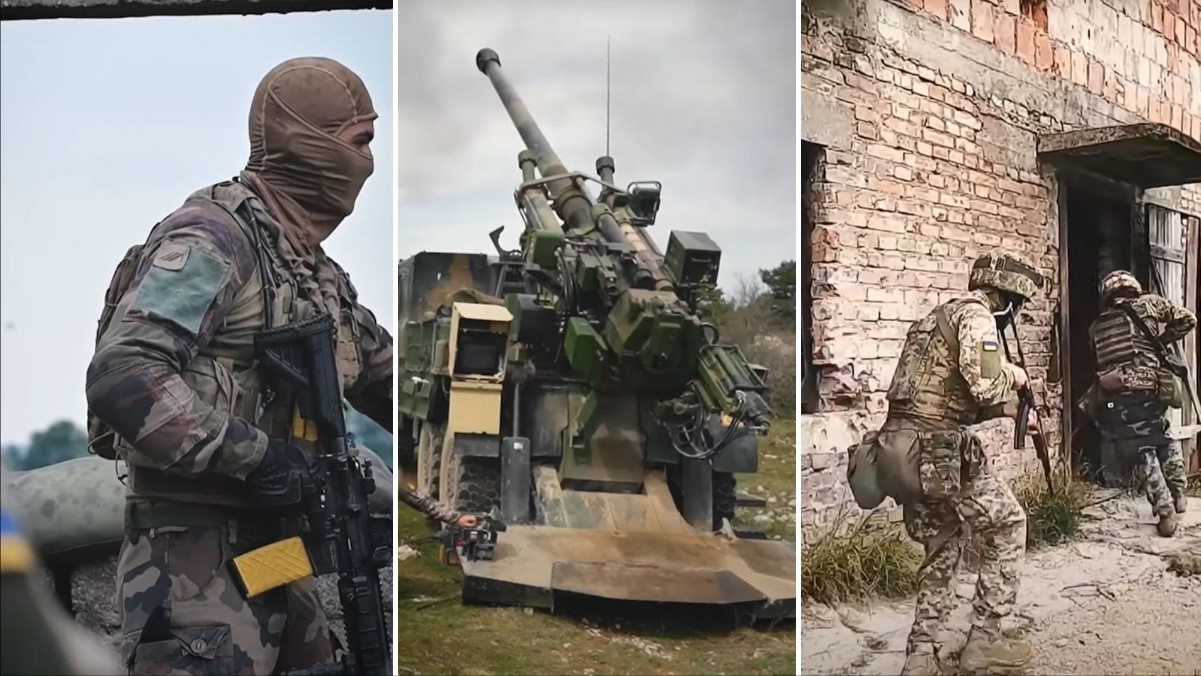
World
France has taken a significant step in supporting Ukraine’s defense against Russian forces by training and equipping a specialized brigade. This unit, known as the Anna of Kyiv Brigade, is made up of 2,300 Ukrainian soldiers, being trained on French soil in the Grand Est region. The training, which began as part of a larger military cooperation effort, aims to prepare these soldiers for frontline deployment, providing them with the skills and equipment needed to strengthen Ukraine’s resistance.Named after a historical figure, Anna of Kyiv, a princess who married French King Henry I in 1051, the brigade is being trained in an integrated manner. The French military is conducting this rigorous training with around 1,500 of its own personnel involved. This training is designed to mimic real combat conditions, including exposure to stressful environments with noise, drones, and trench warfare. The trenches dug during the exercises replicate those seen on the front lines in Ukraine, adding a layer of realism that ensures the soldiers are well-prepared for the challenges they will face.The French government has committed to fully equipping the brigade, making it a formidable force. The brigade will be outfitted with advanced weaponry and vehicles, including 128 armored troop carriers, 18 Caesar truck-mounted howitzers, 18 AMX light tanks, Milan anti-tank missiles, and heavy trucks. This modern equipment is crucial for the brigade’s operations, enhancing their mobility and firepower on the battlefield.The Caesar howitzers, in particular, have been praised for their accuracy and range, making them a valuable asset in Ukraine's defense strategy. These systems are designed for rapid deployment, allowing the Ukrainian forces to strike targets at long range with precision. The addition of light tanks and anti-tank missiles further boosts the brigade's capability to engage Russian armor, making it a versatile unit prepared for both offensive and defensive operations.France's support doesn’t stop at just training these 2,300 soldiers. There are plans to train an additional 2,200 troops in Ukraine itself. This expansion is part of a broader effort to scale up Ukraine's military readiness. French President Emmanuel Macron initially announced the formation of this brigade in June 2024, during a speech commemorating the 80th anniversary of the D-Day landings in Normandy. This symbolic moment underscored France’s ongoing commitment to supporting Ukraine’s sovereignty and defense.Since the Russian invasion of Ukraine in 2022, France has trained approximately 15,000 Ukrainian soldiers, many of whom have received training in Poland as well. This large-scale effort is part of France’s broader military aid to Ukraine, which has already reached a value of 3 billion euros ($3.27 billion) in 2024 alone. This assistance includes not only training but also weapons systems and logistical support, strengthening Ukraine’s overall capacity to defend against Russian aggression.As the Anna of Kyiv Brigade completes its training and prepares for deployment, it becomes a key symbol of the strong ties between France and Ukraine. The collaboration between the two countries represents more than just military support—it is a testament to international solidarity in the face of aggression, with France playing a crucial role in helping Ukraine maintain its sovereignty.The French-trained brigade, equipped with advanced technology and battlefield experience, will play an essential role in the ongoing conflict, helping to shift the balance in Ukraine’s favor as it continues to resist Russian advances.
Read More → Posted on 2024-10-16 15:14:04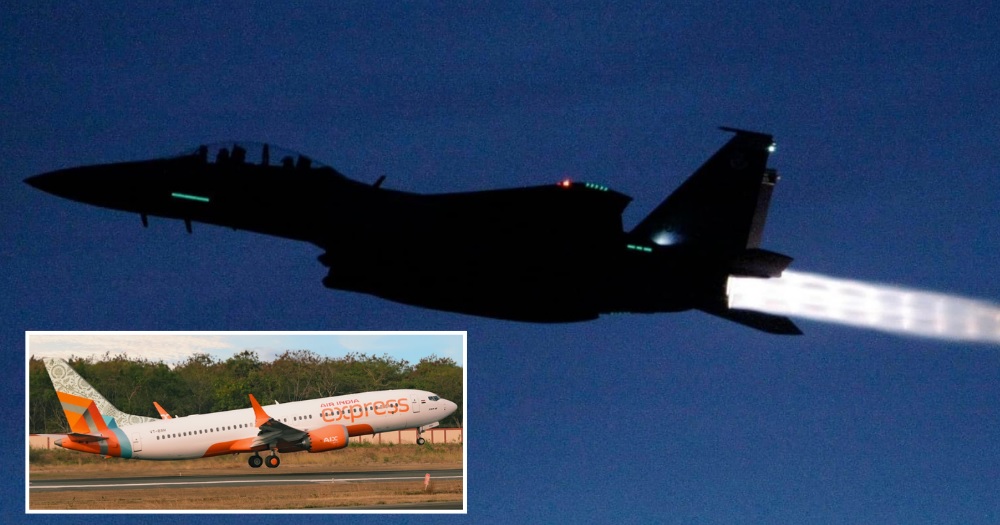
India
On a tense evening in Singapore, the calm of the skies was shattered as a bomb threat was issued against an Air India Express flight. The plane, operating as Flight IX 684 from Madurai to Singapore, received the threat through an alarming email, reportedly from Khalistani elements. This triggered an urgent and immediate response from Singapore's air defense.Singapore’s Defence Minister, Ng Eng Hen, shared details of the incident on social media, confirming that the Republic of Singapore Air Force (RSAF) scrambled two of its F-15SG fighter jets to intercept and escort the aircraft. The fighter jets were dispatched with precision and speed, ensuring that the plane was directed away from populated areas as it made its approach to Changi Airport. This decisive action highlights the high level of preparedness and coordination between Singapore’s military and civilian authorities in response to potential threats.The F-15SG jets, which are a key part of Singapore’s aerial defense arsenal, have advanced radar and avionics systems that allow them to quickly assess and neutralize threats. Their speed and agility were crucial in this situation, ensuring that the Air India Express flight remained under close observation throughout its journey into Singapore airspace. These jets, part of the RSAF's fleet, are often used for air defense and homeland security missions, making them a perfect fit for such urgent scenarios.Upon safely landing at Singapore's Changi Airport at around 10:04 PM, the aircraft was immediately surrounded by airport police and ground-based air defense systems. Explosive Ordnance Disposal (EOD) teams were also activated to thoroughly check the plane for any potential explosive devices. Fortunately, no immediate danger was found, and the threat was deemed a false alarm. However, investigations are still ongoing to trace the source of the email and assess the severity of the situation.Singapore Armed Forces (SAF) showed exemplary coordination and professionalism throughout the ordeal. The rapid deployment of fighter jets, alongside the ground support teams, underscored the country's ability to protect its airspace from potential dangers. The collaboration between SAF and the Home Team—a collective term for Singapore’s internal security forces—was instrumental in managing the situation and ensuring the safety of all on board.While the exact number of passengers on the Air India Express flight was not immediately released, no injuries were reported, and the incident concluded without harm. Air India Express has yet to issue an official statement regarding the event, but the airline is expected to cooperate with authorities as the investigation unfolds.This incident serves as a stark reminder of the ever-present security challenges faced by airlines worldwide, particularly in regions where political tensions or extremist ideologies might surface in dangerous ways. In this case, it appears that the bomb threat may have originated from Khalistani sympathizers, a separatist movement based in Punjab, India, which has occasionally been linked to threats and unrest abroad.Singapore, with its world-class aviation security systems and highly trained armed forces, once again demonstrated its commitment to passenger safety and regional security. Whether the threat was a credible one or merely an attempt to create panic, the nation’s response was swift and effective, ensuring that the situation was handled with the seriousness it demanded.This bomb threat incident, though resolved without incident, highlights the importance of maintaining robust international protocols for handling in-flight threats. For Singapore, the swift action of scrambling F-15 jets was not only a demonstration of military readiness but also a powerful signal that safety remains a top priority in its skies.
Read More → Posted on 2024-10-16 15:11:34
World
In 2025, France is set to officially order its next-generation nuclear aircraft carrier, marking a significant step in replacing the iconic Charles de Gaulle by 2038. This ambitious new vessel, known as the Porte-Avions Nouvelle Génération (PANG), will serve as the backbone of France’s maritime power for decades to come. Since the project’s announcement in 2020, the plan has sparked considerable debate regarding its necessity and effectiveness in the evolving landscape of naval warfare.Critics argue that modern threats, such as hypersonic missiles and long-range anti-ship ballistic weapons, make aircraft carriers more vulnerable than ever. Detractors point to events like Operation Hamilton in 2018, where modern fighter jets, supported by tanker aircraft, showcased the capability of executing long-range strikes without the need for a carrier. They claim that a land-based air force with adequate refueling capacity could offer similar reach without the risk of exposing a massive floating target.Supporters, however, counter these arguments by emphasizing the unique capabilities of a nuclear-powered aircraft carrier. They stress that modern defense systems have advanced alongside offensive technologies, providing the carrier group with robust protective measures. Additionally, no airbase can match the strategic mobility of an aircraft carrier, which acts as a sovereign, mobile platform capable of projecting power anywhere in the world.Despite these differing views, the French government has decided to move forward with the PANG, recognizing the carrier as an invaluable asset in both military and diplomatic operations. The new vessel will not simply be a continuation of the *Charles de Gaulle*, but a drastically more modern and powerful ship.The PANG is set to be a behemoth, standing 310 meters long—nearly 50 meters longer than its predecessor—and weighing approximately 80,000 tons, almost double the *Charles de Gaulle*'s displacement of 42,500 tons. These massive dimensions place the PANG on par with some of the world’s largest aircraft carriers, including the U.S. Nimitz-class and China’s Fujian-class. This substantial increase in size is driven by the future operational demands, including the accommodation of the next-generation fighter (NGF) being developed under the Franco-German-Spanish Future Combat Air System (FCAS) program. The NGF is expected to be larger and heavier than the current *Rafale M*, requiring more space and robust support systems.Alongside these fighters, the PANG will operate cutting-edge drones. Both autonomous and crewed unmanned aerial vehicles (UAVs) will complement the NGFs, adding a new dimension to France’s naval capabilities. These “Loyal Wingman”-type drones are designed to enhance combat effectiveness by flying alongside manned fighters, providing intelligence, surveillance, and even combat support. The aircraft carrier’s hangars and flight deck will need to accommodate a mix of manned and unmanned aircraft, with space for up to 30 NGFs and an equivalent number of drones.Another critical feature of the PANG is its advanced propulsion system. The ship will be powered by two K22 nuclear reactors, each capable of producing 220 MW, ensuring sustained power for long-distance missions without the need for refueling. Additionally, the vessel will be equipped with three electromagnetic catapults to launch aircraft, mirroring the technology seen in the U.S. Navy’s latest Gerald R. Ford-class carriers. This system will provide greater efficiency and speed in launching heavier aircraft like the NGF.The future PANG may also need to accommodate specialized aircraft for anti-submarine warfare and air surveillance, reminiscent of the Bréguet Alizé planes that once patrolled French carriers during the Cold War. As submarine threats re-emerge globally, the PANG’s air wing will likely be tasked with countering this growing danger.The cost of building such a formidable vessel will undoubtedly be significant. The advanced technologies, larger size, and cutting-edge systems—such as the nuclear propulsion, electromagnetic catapults, and integration of drones—will drive up the price tag. However, for France, the investment in the PANG represents a commitment to maintaining its global maritime influence and ensuring the French Navy’s operational readiness in the face of emerging 21st-century threats.As 2025 approaches, the PANG project symbolizes France’s determination to remain a naval power capable of projecting its influence across the world’s oceans, while also adapting to the evolving nature of warfare. With its massive size, state-of-the-art technology, and integration of next-generation aircraft, the PANG will not only replace the *Charles de Gaulle* but also herald a new era of French naval dominance.
Read More → Posted on 2024-10-16 15:08:43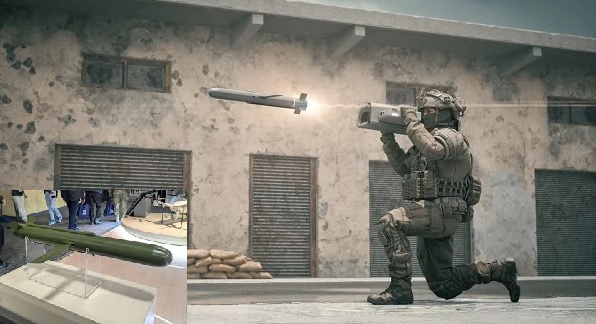
World
Israel Aerospace Industries (IAI) has introduced the TEASER, a revolutionary guided missile system that brings a fresh approach to modern warfare. Unlike traditional guided missiles, which often rely on homing sensors, TEASER breaks new ground by using an innovative external optical guidance system. This system, known as Automatic Command to Line-of-Sight (ACLOS), directs the missile to its target without requiring any onboard sensors. This not only makes the missile more lightweight but also significantly reduces costs, making it an appealing solution for infantry units and tactical teams.The TEASER missile was specifically designed to enhance the effectiveness of ground forces, providing them with a versatile and affordable weapon capable of tackling a wide range of threats. It can engage various targets, including ground positions, lightly armored vehicles, small structures, and even low-altitude aerial threats. The missile’s ability to track moving targets and operate in GNSS-denied environments makes it highly adaptable for dynamic combat scenarios. What truly sets TEASER apart is its external optical guidance system, known as TEASER-SIGHT. This unique feature eliminates the need for a built-in homing sensor, enabling the missile to remain lightweight while increasing its reliability. TEASER-SIGHT can also be integrated with external sensors, enhancing the missile’s versatility on the battlefield. Additionally, the missile’s two-stage motor system, with an ejection stage and a booster, allows for safe back-blast, meaning soldiers can launch the missile from enclosed spaces without compromising safety. This is particularly useful for urban warfare, where soldiers often find themselves in tight, confined spaces.TEASER offers two operational modes, adding to its flexibility. In the shoulder-launched mode, a single soldier can carry and fire the missile, making it ideal for fast-moving, ground-based combat. In the remote-launched mode, multiple TEASER missiles can be deployed from a launcher, either on the ground or mounted on a vehicle, with operators controlling them from a remote Ground Control Station (GCS). This dual-mode capability provides continuous fire support and can be effectively used for missions such as border defense or suppressing enemy positions, while keeping soldiers at a safe distance.IAI’s innovation in developing the TEASER system further cements the company's reputation as a leader in defence technology. Colonel (ret.) Jacob Galifat, General Manager of IAI’s MALAM Division, emphasized that TEASER was designed to meet the specific needs of battalion-level tactical teams, offering them a guided and cost-effective solution that delivers unmatched performance. TEASER provides an independent, highly lethal option, perfectly suited for the evolving needs of modern warfare.As a global leader in aerospace and defense, IAI has a long history of developing advanced weapons systems. From ballistic missiles to tactical strike weapons, the company has continually pushed the boundaries of military technology. With over four decades of experience, IAI remains a trusted provider of cutting-edge solutions for armed forces worldwide.The introduction of TEASER is not just an upgrade in technology—it marks a shift in how missile systems can be deployed by ground forces. With its revolutionary external optical guidance system and flexible operational modes, the TEASER missile system is poised to redefine the capabilities of infantry units in modern warfare.
Read More → Posted on 2024-10-16 15:05:01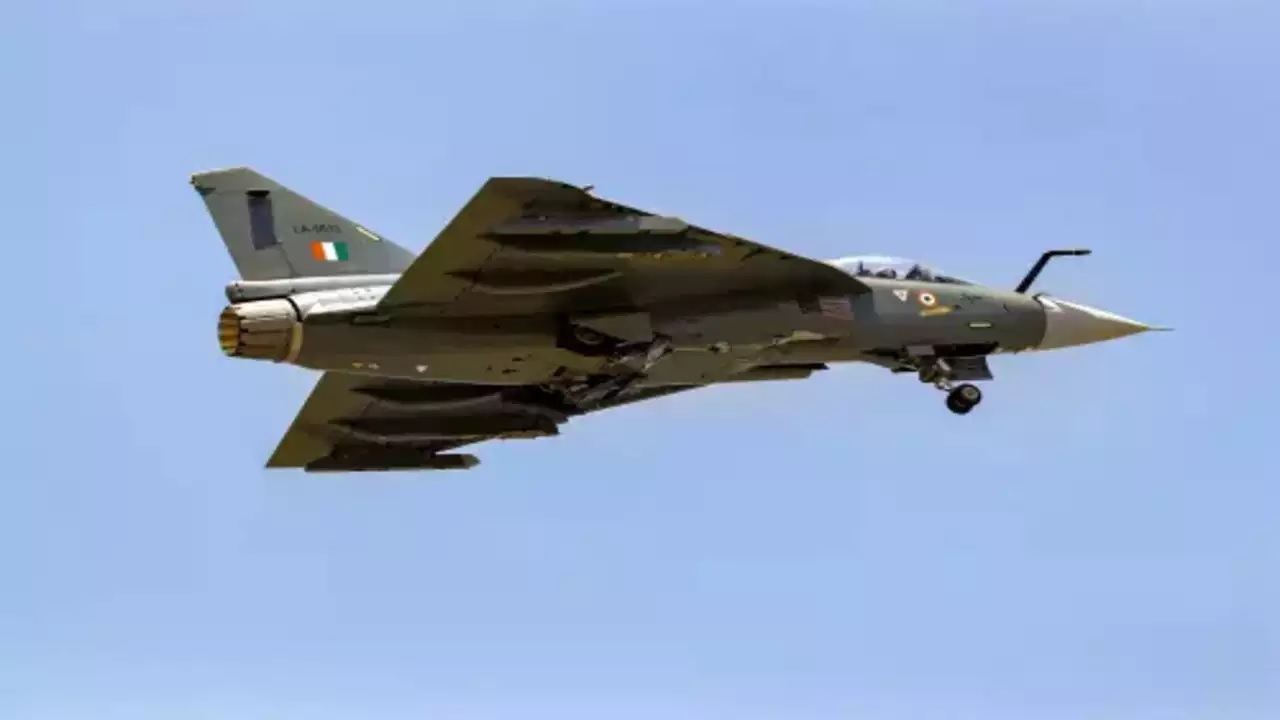
India
The Democratic Republic of Congo (DRC) is actively seeking to upgrade its aging air force as regional tensions escalate and the country pursues military modernization. In an effort to replace its old Soviet-era Sukhoi Su-25 and MiG-23 fighter jets, the DRC is showing strong interest in India's indigenous Tejas Mk1A multi-role fighter jet, which has gained international attention for its advanced capabilities and competitive cost.In August, a high-level delegation from the DRC Air Force (Forces Aériennes Congolaises - FAC), including its top leadership, traveled to India to discuss the potential acquisition of the Tejas. The delegation met with representatives from Hindustan Aeronautics Limited (HAL), the state-owned manufacturer of the Tejas. These discussions focused not just on the aircraft’s technical features, but also on how it could address the DRC's specific defence needs, especially in light of its security challenges.The FAC's current fleet, largely composed of outdated Su-25s and MiG-23s, has struggled to keep pace with the country’s demands for modern air power. The eastern DRC has been the scene of prolonged conflict, with the government fighting armed rebel groups such as M23. This conflict has drawn in neighboring countries, with Uganda accused of backing the M23 rebels, and Rwanda allegedly supplying them with military support. Tensions between the DRC and Rwanda flared significantly last year when a Rwandan missile brought down a DRC Su-25 that was said to have crossed into Rwandan airspace.In this volatile environment, the Tejas Mk1A stands out as a versatile, cost-effective solution. The Tejas is equipped with cutting-edge avionics, radar systems, and the ability to carry various weapons, making it well-suited for both air-to-air combat and ground-attack roles. The jet also boasts fly-by-wire technology, a modern electronic warfare suite, and the capability to refuel mid-air, significantly extending its operational range. For a country like the DRC, where reliable support and maintenance are critical, HAL’s offer to provide comprehensive after-sale support adds to the appeal.From a broader perspective, this potential deal underscores India's growing role in the global arms market, particularly in Africa, where nations are seeking affordable but advanced military hardware. India’s Tejas has been attracting attention not just from the DRC but from other African countries like Botswana, which is also in talks to acquire the fighter jets.However, the path to finalizing such deals is not always smooth. Despite a year of discussions, the DRC has yet to officially sign an agreement, and HAL is still navigating its own production timelines as it works to fulfill commitments to the Indian Air Force, which has experienced delays in the induction of the Tejas Mk1A.Nevertheless, if the DRC moves forward with the acquisition of the Tejas, it could represent a pivotal moment in the modernization of its air force. The Tejas would provide the FAC with a much-needed technological leap, bolstering its capacity to defend its borders and maintain regional stability. For India, it would further cement its position as a serious player in the African defense market, enhancing its strategic ties and influence on the continent.
Read More → Posted on 2024-10-16 15:02:03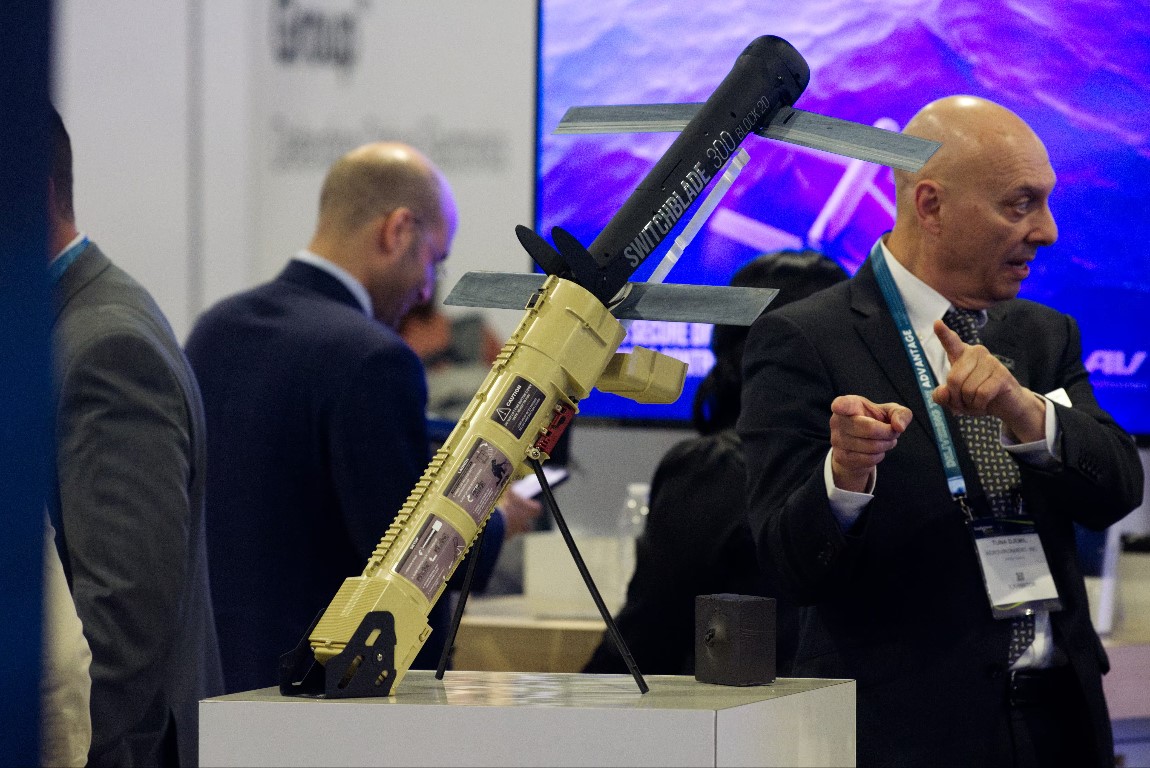
World
The US Army has placed a significant order with AeroVironment, contracting the company for $54.9 million to produce its advanced Switchblade kamikaze drones. This contract builds upon a much larger $743-million agreement that AeroVironment secured previously, underscoring the growing demand for these loitering munitions. The order isn't limited to just the US military; allied nations such as Sweden, Lithuania, and Romania will also be recipients of the Switchblade drones, boosting their tactical capabilities in line with NATO objectives.The Switchblade, a portable and versatile loitering munition, has seen its popularity rise as modern militaries focus on precision strikes and minimizing collateral damage. AeroVironment, based in Simi Valley, California, will handle the production, with the contract set to continue until June 2026. This ongoing collaboration highlights the company’s commitment to providing not only the US Army but also its international partners with cutting-edge drone technology.A Battlefield Game-ChangerWhat makes the Switchblade stand out in an increasingly crowded loitering munition market is its adaptability on the battlefield. With the ability to collect real-time GPS coordinates and stream live video back to operators, the drone gives soldiers crucial situational awareness in dynamic combat environments. It's not just a one-time-use munition. The Switchblade can hover over the battlefield, wait for the right moment, and even abort or re-engage a target mid-flight. These capabilities make it ideal for fast-changing, unpredictable scenarios where conventional drones or artillery might not be as effective.The Switchblade is available in two variants. The smaller Switchblade 300 is a compact, 50-centimeter (2-foot) drone designed for portability, typically carried in a backpack and deployed by ground troops. This smaller version is best suited for precision strikes against lightly armored or personnel targets. The larger Switchblade 600, measuring 130 centimeters (4 feet), is a more powerful version, capable of engaging heavier targets such as armored vehicles. Both versions are easy to launch and operate, giving soldiers a versatile tool for a wide range of missions.Technical Specifications and UpgradesThe Switchblade 300 has a range of up to 10 kilometers (6 miles) and a flight time of around 15 minutes, while the larger Switchblade 600 can fly up to 40 kilometers (25 miles) with a significantly longer loiter time. Both versions are equipped with cameras and GPS systems to enhance targeting accuracy. They can reach speeds of up to 115 miles (185 kilometers) per hour, allowing them to strike targets swiftly. Additionally, these drones can fly at altitudes of approximately 500 feet, staying under the radar of most air defense systems.Over time, the Switchblade has received several upgrades based on feedback from battlefield use, which AeroVironment has incorporated into the current models. These include improvements in its autonomy, enhanced payload delivery, and more efficient targeting systems. The system is versatile, capable of both manual and autonomous operation, and can easily fit into a broader network of drone and loitering munitions used by modern military forces.Expanding the Role of Loitering MunitionsThis contract comes at a time when the US military is looking to expand its loitering munition capabilities, particularly in response to growing global threats, notably from China. AeroVironment’s Switchblade drones were chosen for a US Department of Defense initiative in May 2024 aimed at increasing the use of loitering munitions as part of a larger strategy to counter Chinese military advancements. A month earlier, the US Marine Corps also ordered a batch of Switchblade drones, further demonstrating the weapon's increasing utility across multiple branches of the US military.The ongoing demand for these drones showcases a shift in modern warfare, where small, portable systems like the Switchblade provide tactical flexibility without the need for massive logistics support. They are not only effective but also cost-efficient, compared to larger drone systems or traditional airstrikes. AeroVironment’s continued success in securing contracts from both the US military and allied nations points to a growing reliance on loitering munitions to meet the evolving needs of 21st-century combat.With AeroVironment delivering Switchblade drones to the US Army and its allies, the battlefield is increasingly becoming dominated by these smart, lethal, and flexible systems. As warfare shifts towards precision and mobility, drones like the Switchblade will undoubtedly continue to play a key role. The latest contract solidifies AeroVironment’s position as a leader in this field, while providing the US military and its partners with the tools necessary to stay ahead in complex, multi-domain operations.As production ramps up over the next few years, the Switchblade’s upgraded capabilities, real-time feedback features, and battlefield versatility will likely make it an indispensable asset for ground forces around the world.
Read More → Posted on 2024-10-16 14:59:52
World
Ukrainian President Volodymyr Zelenskyy recently accused North Korea of becoming actively involved in Russia’s ongoing war against Ukraine. In a video address marking the 964th day since Russia launched its full-scale invasion, Zelenskyy claimed that Moscow is working to draw Pyongyang into the conflict as a strategic partner, especially with plans for increased collaboration in the fall and winter months.According to Zelenskyy, Ukrainian intelligence, including the Foreign Intelligence Service and the Main Directorate of Intelligence (GUR), has reported on Russia’s evolving military plans and growing coordination with North Korea. This development indicates a potential shift in the geopolitical dynamics surrounding the war. The alleged involvement of North Korea, with its history of military isolationism, adds a new dimension to Russia's support network in the conflict, potentially lengthening the war and complicating Ukraine’s efforts to push back.Reports from Western media suggest that North Korean military personnel were initially sent to Russia to assist in the assembly and upkeep of **KN-23 ballistic missiles**, which North Korea has been supplying to bolster Russia’s military capabilities. These missiles, which bear similarities to the Russian Iskander system, provide a significant addition to Russia’s artillery and missile strike options. The involvement of North Korean engineers in the Donbas region has also been reported, with their role focusing on **maintaining artillery systems and overseeing ammunition logistics**.Andriy Kovalenko, head of Ukraine’s Center for Countering Disinformation, indicated that the presence of North Korean military personnel extends beyond technical roles. They are said to be monitoring Russian military logistics, accompanying shipments of ammunition, and supervising their usage on the battlefield. Such activities hint at a more hands-on approach, possibly providing Russia with specialized manpower and expertise in munitions management, areas that have been pressured by Ukraine’s recent counteroffensives.Moreover, The Washington Post has reported that several thousand North Korean soldiers are undergoing training in Russia, with plans to deploy them to Ukraine by the end of the year. This potential deployment of foreign troops would mark a significant escalation in the conflict, suggesting that Russia is not only seeking military aid from its allies but is also preparing to use additional manpower to stabilize or expand its operations in the face of Ukrainian advances.Zelenskyy’s remarks underscore concerns about the wider implications of Russia’s military alliances. He noted that countries like North Korea, which face international sanctions and diplomatic isolation, may find value in closer military ties with Moscow, especially as both nations contend with pressure from Western powers. By aligning with Russia, North Korea could be looking to gain economic and military concessions, while Russia would benefit from additional resources and support to sustain its military campaign.The alleged collaboration between Russia and North Korea signals a concerning trend where isolated states forge military partnerships to defy global norms. For Ukraine, the prospect of North Korean troops joining the war or providing substantial logistical support represents an additional challenge in a conflict that is already complex and devastating. The idea that Pyongyang would actively contribute to prolonging the war indicates how geopolitical rifts are reshaping alliances and forcing countries to take sides in the ongoing struggle for influence in Eastern Europe.As winter approaches, the Ukrainian military and its Western allies are closely monitoring the situation. The potential involvement of North Korean personnel raises new questions about Russia's capacity to replenish its forces and maintain its war efforts. The reported cooperation also serves as a stark reminder of how far Russia is willing to go in order to continue its military campaign, even reaching out to nations with little history of open international military engagement.Zelenskyy’s statements highlight the urgency for continued international support to Ukraine, especially if Russia's military cooperation with North Korea leads to more direct involvement on the ground. The stakes in the conflict are being raised, as Russia's strategic moves signal a determination to escalate, rather than de-escalate, the war.The growing evidence of North Korean involvement, from missile assembly to possible troop deployments, suggests that the conflict is entering a new phase, one where proxy support could increasingly come into play. With the global geopolitical landscape shifting, the implications of this partnership are far-reaching, potentially influencing the outcome of the war and the future of military alliances.
Read More → Posted on 2024-10-15 15:46:54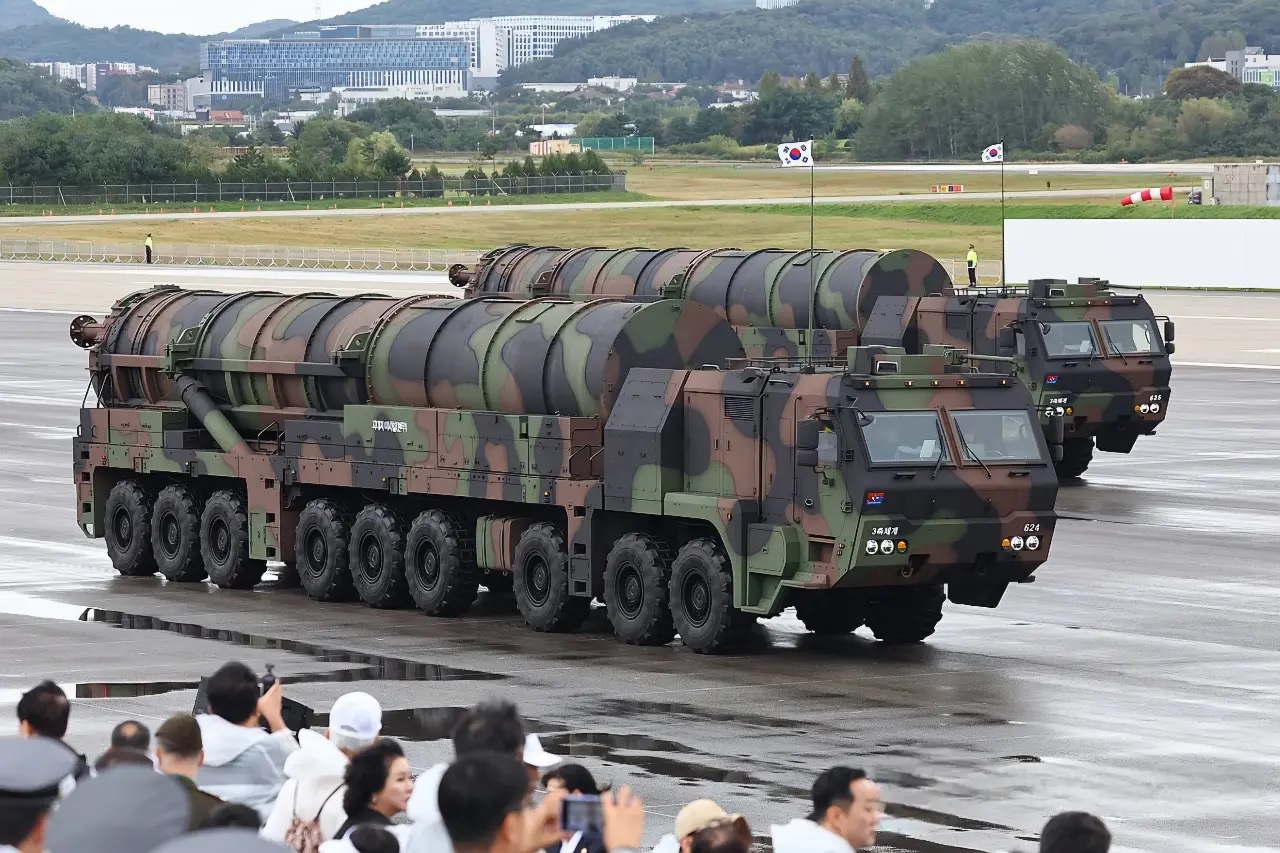
World
During the 76th Armed Forces Day parade on October 1st, South Korea showcased two significant developments in its defense strategy: the Hyunmoo-V ballistic missile and the concept of the Joint Strike Ship (JSS). These advancements form part of the nation's broader "Three-Axis" defense system aimed at countering the threat posed by North Korea. The unveiling of these assets underscores South Korea's commitment to strengthening its military capabilities, particularly in the face of growing tensions on the Korean Peninsula.Hyunmoo-V Ballistic Missile: A Powerful New AdditionThe Hyunmoo-V ballistic missile represents the latest and most formidable addition to South Korea's Hyunmoo missile family. As a crucial component of the Korea Massive Punishment and Retaliation (KMPR) strategy, the missile is designed for preemptive or retaliatory strikes against North Korean military assets, including fortified underground facilities. The KMPR is one pillar of South Korea's "Three-Axis" system, which also includes the Kill Chain and the Korea Air and Missile Defense (KAMD) frameworks. Together, these systems aim to detect threats, intercept incoming missiles, and deliver devastating counterattacks in the event of an escalation.The Hyunmoo-V's capabilities are impressive:Warhead weight: The missile carries an 8-9 ton warhead, the heaviest among conventional ballistic missiles, allowing for substantial destructive power.Range: While officially confirmed to have a minimum range of 300 km, its maximum range could extend up to 5,000 km if a lighter warhead is used. This places major North Korean facilities well within its reach, and even targets beyond the Korean Peninsula could be threatened.Underground strike capability: The missile’s warhead can penetrate and destroy structures located over 100 meters below ground, making it effective against fortified bunkers and underground facilities used by North Korea to store weapons of mass destruction (WMDs) or operate command centers.Speed: In its terminal descent, the missile can reach speeds of nearly Mach 10, making it extremely difficult for existing missile defense systems to intercept.The Hyunmoo-V's composition, incorporating heavy metals in its warhead, enables deep-penetration strikes, while its active guidance system ensures accurate targeting even against evasive or hardened installations. This capability provides South Korea with a potent tool for neutralizing North Korea's deeply buried infrastructure, a key element of its military strategy.The Joint Strike Ship: A Strategic Naval Asset in DevelopmentSouth Korea's defense strategy also extends to the sea, with plans to operate Hyunmoo-V missiles aboard a future Joint Strike Ship (JSS). The JSS is envisioned as a multi-role naval platform capable of deploying ballistic missiles, launching airstrikes, and supporting amphibious operations. The idea was initially introduced at MADEX 2023, and the project is still in the concept research phase, without formal requirements from the Republic of Korea (ROK) Joint Chiefs of Staff. Although the details remain vague, the ship's potential role in South Korea's strategic operations is clear.Key Features and ChallengesThe JSS would likely incorporate advanced stealth features and be equipped with a vertical launch system (VLS) to carry various missile types, including the Hyunmoo-V. This capability would give South Korea a new maritime-based strike option, potentially enhancing the KMPR's reach. Additionally, it could serve as a floating platform for air defense, missile launch operations, and amphibious assaults, providing greater operational flexibility in the Indo-Pacific region.However, the JSS program faces challenges, including the significant costs involved, debates over strategic value, and the need for adequate manpower to operate the vessel. Like the CVX aircraft carrier project, which has faced similar scrutiny, the JSS is a subject of debate within South Korea's defense community. As the country’s interests extend further into the South China Sea and the broader Indo-Pacific, there is increasing pressure to ensure that such programs are well-justified and capable of meeting the evolving regional security landscape.The "Three-Axis" Defense System and Strategic CommandThe Hyunmoo-V and JSS align with South Korea's "Three-Axis" defense system, which is composed of:Kill Chain: A preemptive strike mechanism targeting North Korean missile and nuclear sites in the event of a detected threat.Korea Air and Missile Defense (KAMD): An integrated defense network aimed at intercepting incoming ballistic missiles using various systems, including the U.S.-provided THAAD, and South Korea's L-SAM, M-SAM, and Patriot systems.Korea Massive Punishment and Retaliation (KMPR): A retaliatory strategy involving massive strikes against North Korean leadership and key facilities in response to an attack.The recent establishment of the ROK Strategic Command underscores the importance of these systems. This new command is tasked with overseeing South Korea’s nuclear and WMD response operations, integrating advanced technologies in space, cyber, and electronic warfare. As more strategic assets come under its purview, the command will be critical in ensuring the country’s preparedness against nuclear and missile threats.Enhancing Deterrence in the Face of Regional TensionsThe unveiling of the Hyunmoo-V and the development of the JSS represent more than just technological advancements; they signal a strategic shift towards a more assertive defense posture in response to North Korea’s continued nuclear and missile tests. The Hyunmoo-V’s ability to deliver deep underground strikes complements the KMPR’s goal of deterring North Korean aggression by ensuring that any attack would be met with overwhelming retaliation. Meanwhile, the JSS, if realized, would provide South Korea with a mobile platform to project power across the region.Together, these assets add to South Korea’s growing military capabilities, making the country not just a regional power but a strategic player in the broader Indo-Pacific security landscape. As debates continue regarding the feasibility and scope of these projects, the underlying message is clear: South Korea is taking significant steps to bolster its defense posture and ensure its national security in an increasingly complex environment.
Read More → Posted on 2024-10-15 15:43:46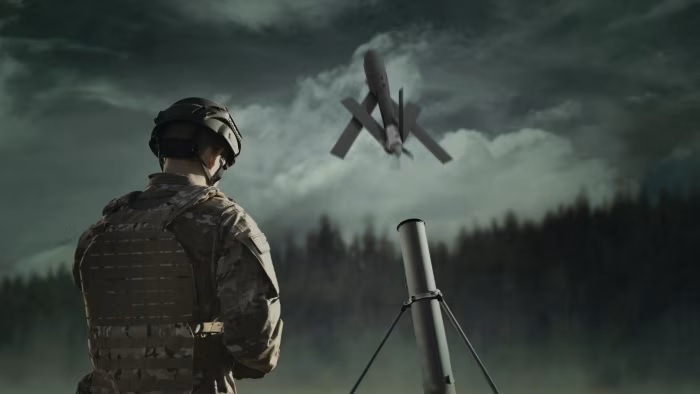
World
In a significant move to bolster its defense capabilities, Taiwan has signed contracts to purchase nearly 1,000 loitering munitions, commonly referred to as "killer drones," from the United States. The procurement, valued at approximately NT$5.27 billion (US$163.9 million), comes at a time of heightened military tensions between Taiwan and China. The deal was finalized shortly after the People's Liberation Army (PLA) conducted extensive military exercises near the island, in response to statements made by Taiwanese leader William Lai Ching-te that Beijing interpreted as pro-independence.Details of the Drone AcquisitionThe agreement includes two distinct types of drones, each with specific capabilities designed to enhance Taiwan's asymmetric defense strategy. The Taiwanese army signed two contracts with the American Institute in Taiwan, the U.S.'s unofficial embassy in Taipei, detailing the acquisition of 685 Switchblade 300 drones and 291 Altius 600M-V drones. These drones will be strategically stationed across the island in key locations, including Taoyuan, Taichung, Kaohsiung, and Hualien.Switchblade 300: Developed by AeroVironment, this lightweight loitering munition is designed for targeting personnel. The drone can be deployed from various platforms in less than two minutes and features a range of 30 km (18.6 miles), with a flight duration exceeding 20 minutes. The Switchblade 300 has already demonstrated its battlefield effectiveness in Ukraine, where it has been used against Russian forces. It is expected to be delivered to Taiwan by the end of November 2029.Altius 600M-V: Manufactured by Anduril, the Altius 600M is a larger drone with a range of 440 km and a loitering time of up to four hours. It can be launched from land, air, or sea platforms and is equipped with multiple seeker and warhead options, allowing it to be adapted for a variety of missions, including anti-armor strikes. The Altius drones are expected to arrive in Taiwan by the end of 2027.Both systems are classified as loitering munitions, meaning they can patrol a designated area, identify targets, and engage them when necessary. This capability allows Taiwan's forces to maintain a persistent presence over contested regions, potentially deterring or neutralizing any threats that may arise.Strategic Importance of the DealThe purchase of nearly 1,000 loitering munitions is part of Taiwan's effort to modernize its military and develop a multi-layered defense strategy. The drones will complement Taiwan's existing arsenal, which includes precision missiles and domestically produced unmanned systems. By expanding its loitering munitions capabilities, Taiwan aims to strengthen its ability to conduct asymmetric warfare—a strategy that emphasizes using smaller, mobile forces and technology to counterbalance a larger adversary's conventional military strength.The timing of the acquisition is significant, as it follows a series of military drills conducted by the PLA around Taiwan. In recent months, China has ramped up its military activities near the island, including joint combat exercises simulating a blockade. The latest round of drills involved a record number of 153 warplane sorties and the participation of 17 PLA warships and 17 coastguard vessels. These exercises are widely seen as a response to Taiwanese leader William Lai's remarks asserting Taiwan's separate identity from mainland China.U.S. Support for Taiwan’s DefenseThe drone deal is part of a broader U.S. policy aimed at helping Taiwan enhance its defense capabilities in light of growing Chinese military pressure. Although the United States, like most countries, does not officially recognize Taiwan as an independent state, it is committed to providing the island with defensive arms under the Taiwan Relations Act. The U.S. approved the sale of the drones in June, with officials emphasizing that the systems would help Taiwan modernize its armed forces and maintain a credible defensive posture.The use of loitering munitions, such as the Switchblade and Altius drones, adds a new dimension to Taiwan’s defense strategy. These drones provide a cost-effective way to engage potential threats without relying on larger, more expensive missile systems. The drones can also be integrated into existing military networks to support Taiwan’s command and control infrastructure, allowing for a quicker and more coordinated response to any potential aggression.Cross-Strait Tensions and Regional ImplicationsThe PLA's military drills near Taiwan have intensified since Lai's election as Taiwan's leader in January, with Beijing viewing his administration as pushing for independence. His statements during the May inauguration, asserting that "Taiwan and mainland China are not subordinate to each other," further fueled tensions. Beijing labeled him a “separatist” and increased its military presence around the island, leading to frequent displays of military force.The acquisition of loitering munitions is seen as Taiwan's response to this escalating pressure, aiming to deter potential military actions by demonstrating enhanced readiness and capability. By investing in these drones, Taiwan signals its determination to defend its airspace and territorial integrity, while also adapting to modern warfare trends where unmanned systems play a critical role.The purchase of nearly 1,000 U.S. loitering munitions marks a significant step in Taiwan’s efforts to counter the growing military pressure from China. The drones provide the island with a versatile tool to engage a variety of threats, including personnel and armored vehicles, across a wide area. As Taiwan continues to modernize its military and enhance its defense capabilities, this acquisition underscores the island's commitment to maintaining a credible deterrence posture amidst rising regional tensions.By investing in advanced drone technology and bolstering its asymmetric warfare capabilities, Taiwan is preparing to meet future challenges with a stronger, more agile military force.
Read More → Posted on 2024-10-15 15:36:43
World
Norway is ramping up its defense production capabilities and increasing military exports to Ukraine in response to growing security challenges in Europe. The Norwegian government has unveiled a program worth 967 million kroner ($89.9 million), aimed at enhancing the country's defense industry, particularly supporting small- and medium-sized companies that supply advanced technology and military equipment to Ukraine.The initiative is a direct response to the ongoing conflict in Ukraine, where the need for defense materiel has become urgent. Norwegian Defense Minister Bjørn Arild Gram stated that the deteriorating security situation has highlighted the critical demand for military supplies, both for Ukraine and Norway's own defense needs. By expanding its defense production, Norway seeks to bolster national security while also aiding its allies.Supporting Cutting-Edge Technology and Industry GrowthA key focus of the program is to support small- and medium-sized defense companies in Norway that provide innovative military technologies. The country’s defense industry, known for producing advanced weaponry and defense solutions, will now see a concerted effort to scale up production and meet the growing demand. The initiative will involve local companies and institutions in various projects, including:Establishing a new rocket motor production line: This will boost the supply of advanced propulsion systems needed for various military applications.Developing hexamine production for explosives: Hexamine is a key component in the manufacture of military-grade explosives, and increased production will address the shortages faced by the defense sector.Feasibility study for a new explosives production facility: As part of long-term efforts, Norway is considering the establishment of a new plant to ensure a steady supply of explosives for defense use.These measures aim to not only equip Ukraine with the needed military supplies but also strengthen Norway's own defense capabilities and contribute to NATO's collective security efforts.A Broader Defense Strategy: Nansen Support Program and BeyondThe new initiative is part of the larger Nansen Support Program for Ukraine, which aims to provide both civilian and military aid over a five-year period from 2023 to 2027, with a total budget of 75 billion kroner ($6.8 billion). Under this program, Norway is committed to delivering significant aid:In 2023, Norway allocated 8.9 billion kroner ($810 million) for civilian and humanitarian aid and an additional 11 billion kroner ($1 billion) in military assistance to Ukraine.The program is a long-term strategy that recognizes the enduring nature of the conflict and aims to provide sustained support to Ukraine and other affected regions.Record Defense Spending and Strategic PrioritiesBeyond its support for Ukraine, Norway is undertaking a historic increase in its own defense budget. The country has planned a 12-year defense spending program worth 600 billion kroner ($60 billion), which will be implemented by 2036. The budget is structured to significantly enhance Norway's military capabilities and address various aspects of national defense, including:Strengthening maritime defense packages: This involves updating naval assets and improving capabilities to protect Norway’s extensive coastline and maritime interests.Upgrading air defense systems and situational awareness: Norway aims to enhance its early-warning and surveillance systems, as well as deploy more advanced air defense equipment.Army and Home Guard expansion: The plan includes increased recruitment and training efforts, ensuring that both the standing army and reserve forces are better prepared to respond to threats.The overarching goal is to reinforce Norway’s military cooperation with NATO, as well as ensure readiness in the face of emerging threats in Northern Europe. The expanded defense budget reflects a recognition of the shifting security landscape, with Norway positioning itself as a proactive member of the alliance.Impact on Norway’s Defense Industry and the Wider RegionThe boost in defense spending and increased production capacity is expected to significantly impact Norway's defense industry. Small and medium-sized companies, which form the backbone of Norway’s defense sector, will play a crucial role in meeting both domestic and international demands. By focusing on high-tech and strategic military goods, Norway aims to establish itself as a key defense supplier in the region.For Ukraine, the increased support from Norway comes at a crucial time, as the country continues to resist aggression and rebuild its military capabilities. The military aid provided by Norway, including the potential for advanced munitions, explosives, and other military hardware, is expected to strengthen Ukraine's defense posture significantly.The investment in defense production aligns with Norway's long-term vision of a more robust, self-sufficient, and internationally integrated defense sector. It is a step towards ensuring that Norway remains a strong player in regional security while also standing by its commitment to support allies in times of need.Norway’s recent initiatives to scale up defense production and export capabilities represent a comprehensive approach to bolstering national security and supporting Ukraine in a time of crisis. The program not only seeks to meet immediate defense requirements but also aims to establish a long-term foundation for a more resilient and capable defense industry. As security challenges continue to evolve, Norway’s proactive measures reflect a commitment to maintaining regional stability and reinforcing collective defense with NATO partners.
Read More → Posted on 2024-10-15 15:29:47
World
Leonardo, the Italian aerospace and defense company, has introduced a groundbreaking electronic warfare system named BriteStorm, designed to help military forces penetrate heavily defended enemy airspace. BriteStorm aims to counter modern Integrated Air Defence Systems (IADS) that guard critical areas, providing a significant advantage to armed forces operating in hostile environments. Its launch marks a leap forward in electronic warfare capabilities, combining innovative jamming techniques with flexibility to adapt to various platforms and missions.What Sets BriteStorm Apart At its core, BriteStorm offers stand-in jamming, a unique airborne electronic warfare capability that deploys ahead of the main force. This approach allows it to perform high-powered jamming closer to enemy air defenses, degrading their ability to detect, track, and engage incoming aircraft or other assets. The system essentially blinds the enemy’s radars by emitting electronic interference that disrupts their signal processing. With BriteStorm in play, the effectiveness of an adversary’s IADS can be significantly reduced, making it safer for friendly forces to carry out their missions.BriteStorm's jamming capability is enhanced by its Digital Radio Frequency Memory (DRFM) technology. The DRFM-based system can precisely analyze the enemy's radar signals and generate deceptive responses. This capability ranges from basic techniques, such as broadcasting intense electronic noise to drown out radar signals, to more advanced methods like creating realistic "ghost" aircraft signatures. These fake radar returns can trick enemy operators into believing there are multiple targets, spreading confusion and drawing their attention away from the real strike force.Flexibility and Integration One of the most impressive features of BriteStorm is its platform-agnostic design. This means it can be mounted on a wide array of unmanned aerial vehicles (UAVs), drones, and other airborne assets, allowing operators to tailor its use to various mission types. The payload is compact, lightweight, and includes a combination of transmit-receive modules, antennas, and Leonardo’s Miniature Technique Generator, which facilitates the delivery of sophisticated jamming effects while maintaining a small form factor. The system's easy integration ensures that it can quickly become part of existing military forces without significant modification to current platforms. This ease of deployment is especially useful for countries that need to rapidly upgrade their electronic warfare capabilities without a complete overhaul of their military hardware. Furthermore, BriteStorm has been designed to be attritable, meaning it is low-cost enough to be used in high-risk missions where loss of equipment is likely. This aspect makes it an effective choice for use in large numbers or as expendable assets.Building on Proven Technology BriteStorm is not Leonardo's first foray into electronic warfare. It builds on the success of the company’s BriteCloud technology, an in-service countermeasure that uses DRFM technology to confuse incoming radar-guided missiles. While BriteCloud is intended to defeat airborne threats by diverting missile guidance systems, BriteStorm takes the concept a step further by targeting ground-based air defense radars. The ability to prevent these systems from accurately tracking friendly aircraft represents a substantial enhancement in electronic warfare.Developed at Leonardo’s electronic warfare hub in Luton, UK, BriteStorm leverages advanced research in signal processing and electronic deception techniques. This development has drawn on Leonardo's broader digital transformation efforts, which aim to integrate more powerful computational capabilities into smaller, lighter, and more adaptable packages. The result is a system that not only suppresses air defense but can also be reprogrammed to respond to evolving threats swiftly.Testing and Global Reach The UK’s Royal Air Force Rapid Capabilities Office (RCO) has been actively involved in testing BriteStorm, already conducting several successful trial flights. The RAF’s trials have validated BriteStorm’s ability to operate in real-world conditions, confirming its potential to enhance electronic warfare capabilities. This collaboration also aligns with the UK Ministry of Defence's broader strategy to upgrade the country’s electronic warfare readiness.Leonardo has also targeted the U.S. Department of Defense as a potential customer, given the system's relevance to American efforts to maintain a technological edge in contested electronic environments. BriteStorm’s flexible architecture and readiness for export make it an attractive solution not only for NATO allies but also for military forces in Europe, the Middle East, and the Asia-Pacific. With demonstration units already shipped to the U.S., interest from various global markets is expected to grow, driven by the increasing need for advanced electronic warfare solutions.A New Era in Electronic Warfare In conclusion, BriteStorm represents a significant advancement in electronic warfare, designed to suppress even the most sophisticated air defense systems. Its ability to perform stand-in jamming using cutting-edge DRFM technology gives military forces the means to penetrate enemy defenses while minimizing exposure to hostile fire. With a focus on flexibility, rapid integration, and scalable deployment, BriteStorm is set to become a valuable tool in the arsenals of armed forces around the world, enhancing their capacity to operate in the most heavily defended airspace.For Leonardo, BriteStorm is more than just a new product; it symbolizes the company's commitment to pushing the boundaries of what electronic warfare can achieve, setting the stage for future innovations in defense technology. "Leonardo Unveils BriteStorm: A New Era in Electronic Warfare for Suppressing Modern Air Defenses"
Read More → Posted on 2024-10-15 15:17:15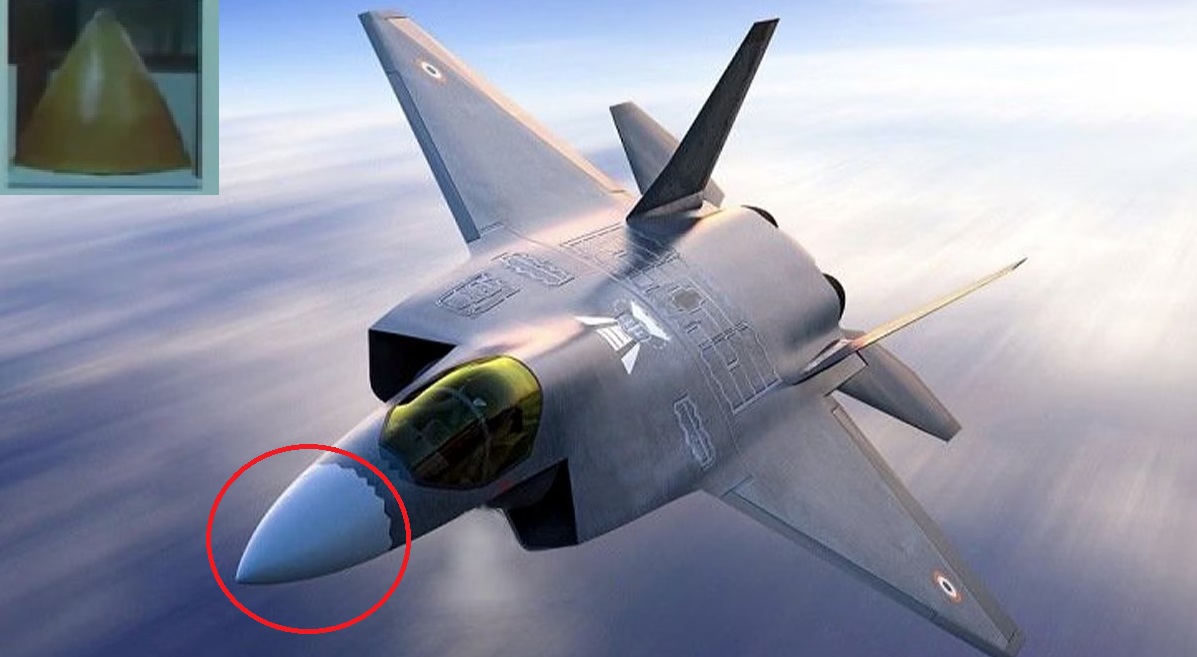
India
The Council of Scientific and Industrial Research-National Aerospace Laboratories (CSIR-NAL) has taken a significant step forward in India's defense capabilities by developing a sophisticated Frequency Selective Surface (FSS) radome. This cutting-edge radome is designed specifically for India’s fifth-generation Advanced Medium Combat Aircraft (AMCA) fighter jet program, a crucial project aimed at bolstering the Indian Air Force's stealth and combat capabilities. The FSS-radome not only represents a leap in indigenous technology but also significantly enhances the AMCA’s stealth features, a necessity in modern-day aerial warfare.Stealth Capabilities Enhanced with FSS-RadomeThe AMCA is India's ambitious effort to create a stealth-capable, multirole fighter jet that can compete on the global stage. One of the key components in maintaining the aircraft’s low observability to enemy radar systems is the FSS-radome, which CSIR-NAL has successfully developed and tested. The radome's primary function is to allow radar signals to pass through efficiently in a specific frequency range, while simultaneously minimizing the radar cross-section (RCS), making the aircraft difficult to detect.What makes the FSS-radome stand out is its ability to work effectively within the X-band frequency range, a spectrum used by most modern radar systems. The FSS-radome displays remarkable transmission capabilities in the X-band, but its effectiveness doesn't stop there. The design also provides excellent roll-off characteristics outside this band, covering a wide frequency range from 2 to 18 GHz, essential for ensuring stealth while maintaining high operational performance.Cutting-Edge Design and MaterialsThe FSS-radome's development was no easy feat. CSIR-NAL went through a rigorous proof-of-concept phase, fabricating a multilayered planar laminate that measures 660 mm by 520 mm. This laminate was embedded with FSS elements, a crucial step in making the radome function optimally for radar signal transmission. Additionally, a curved prototype radome, 500 mm in height from the aircraft’s nose tip, was tested under various conditions to ensure it met the complex requirements of a fifth-generation stealth fighter.The FSS design plays a pivotal role in reducing the RCS, a critical factor in stealth technology. With this new radome, the out-of-band RCS is reduced by around 10 decibels per square meter (dBsm), a significant improvement compared to traditional monolithic radomes. This reduction in RCS drastically lowers the AMCA's detectability by enemy radar systems, a critical feature that enhances survivability in combat situations.Advanced Transmission Characteristics and Rigorous TestingOne of the primary objectives in developing the FSS-radome was to ensure superior transmission characteristics in the X-band, allowing onboard radar systems to function optimally without compromising the aircraft’s stealth profile. The prototypes have undergone extensive testing, both in laboratory conditions and real-world scenarios, to validate their performance. These tests have proven the radome’s capability to maintain radar transparency while ensuring that the AMCA’s overall stealth performance is not compromised.The stringent testing is a testament to the precision required in modern fighter jet technology. As the AMCA program progresses, the FSS-radome will be a cornerstone of its stealth systems, providing India with a fighter jet capable of competing with other global defense powers.A Milestone for India's Defense SectorThe successful development of the FSS-radome is a landmark achievement in India's journey toward self-reliance in defense technology. With the AMCA expected to become a central part of the Indian Air Force's fleet in the coming years, innovations like the FSS-radome are crucial for the aircraft’s competitiveness. This technology marks a significant step in reducing India's dependence on foreign defense technologies and helps strengthen national security through homegrown advancements.The AMCA program is not just about stealth; it's about creating a multirole fighter jet capable of air superiority, ground attack, and intelligence gathering—all while evading enemy radar. The FSS-radome developed by CSIR-NAL ensures that the AMCA will have the technological edge needed to thrive in modern combat scenarios.As India continues to enhance its defense capabilities, the CSIR-NAL's FSS-radome stands out as a beacon of innovation, pushing the boundaries of what indigenous technology can achieve. The development reflects India’s growing prowess in the aerospace sector and signals the nation’s determination to maintain strategic autonomy in defense technologies.
Read More → Posted on 2024-10-15 15:11:48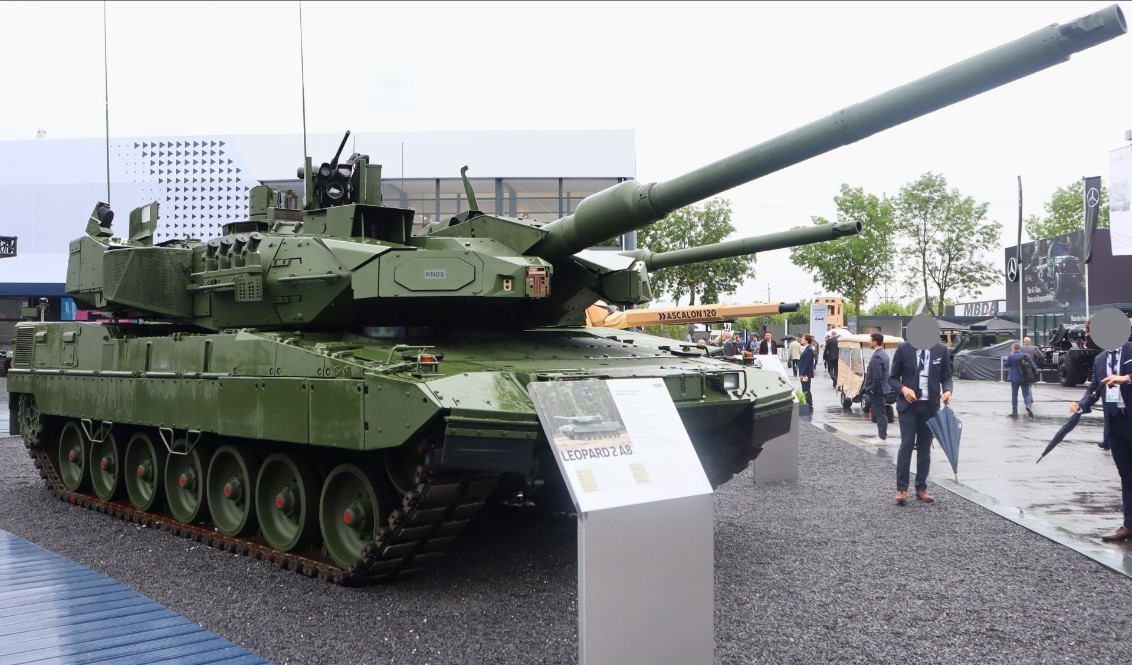
World
Thales has signed a significant contract with KNDS to supply state-of-the-art power systems for the Leopard 2A8 main battle tanks, marking a crucial step in enhancing the electrical efficiency and combat readiness of these armored vehicles. The contract focuses on delivering High-Power Solid-State Power Distribution Boards (SSPDBs), which play a critical role in managing electrical power in military vehicles. Designed to meet the unique power requirements of the Leopard 2A8, these SSPDBs offer sophisticated power management, providing features like overcurrent and short-circuit protection to ensure the tank’s operational reliability in demanding battlefield conditions.Thales has been a leading figure in the development of power systems for over two decades, and this contract with KNDS underscores its reputation in military technology. The first batch of these SSPDBs is expected to be delivered by the third quarter of 2024, with hundreds more scheduled to follow by 2027, reflecting the long-term nature of the partnership. The systems are specifically engineered to handle high-power needs, with channels rated up to 160A, allowing for a robust power supply across multiple vehicle systems.The Leopard 2A8, an evolution of the Leopard 2 series, is known for its enhanced armor, mobility, and firepower. As these tanks require complex electrical systems to support advanced weaponry, communications, and navigation, the SSPDBs from Thales will ensure that power is distributed efficiently. Thales has placed a strong emphasis on optimizing Size, Weight, and Power (SWaP), critical factors in the design of systems that need to fit within the confined space of a tank while providing the required electrical output. The SSPDBs also offer intelligent power management capabilities through pre-programmed profiles, allowing for real-time power adjustments based on mission requirements, enhancing the tank's flexibility in different combat scenarios.The partnership between Thales and KNDS further strengthens the modernization of European military forces, particularly as the Leopard 2A8 is slated to be a cornerstone of several NATO countries' armored divisions. Thales’ Swiss team, led by Martin Bernhardsgrütter, expressed confidence in the continued success of this collaboration, emphasizing that their expertise in protected vehicle power systems is a major asset in fulfilling the demanding operational needs of these tanks. As militaries worldwide continue to invest in advanced technologies for their armored fleets, Thales’ involvement in the Leopard 2A8 project highlights its role as a key player in the future of defense power systems. By delivering cutting-edge, scalable solutions that ensure operational readiness and electrical efficiency, Thales is contributing to the ongoing evolution of modern warfare capabilities.
Read More → Posted on 2024-10-15 15:07:08Search
Top Trending in 24 Hours
-
 Tulsi Gabbard Releases Declassified Files Detailing U.S.-Backed Network of 120 Biolaboratories Across 30+ Countries
-
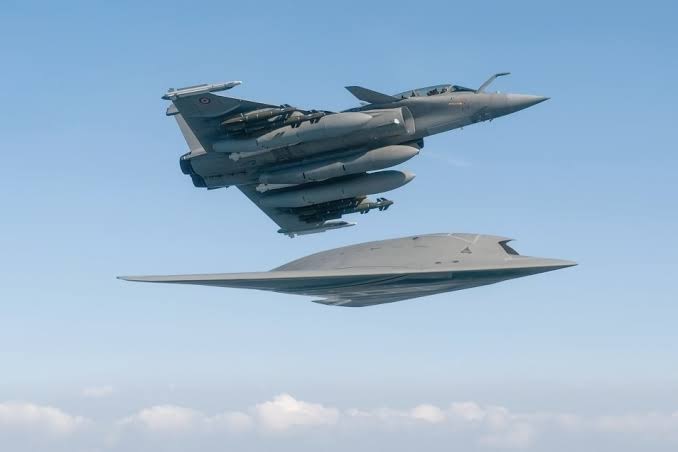 France Agrees to Equip Future Indian Rafales with AI, MUM-T and Secure Satellite Links Under F5 Standard
-
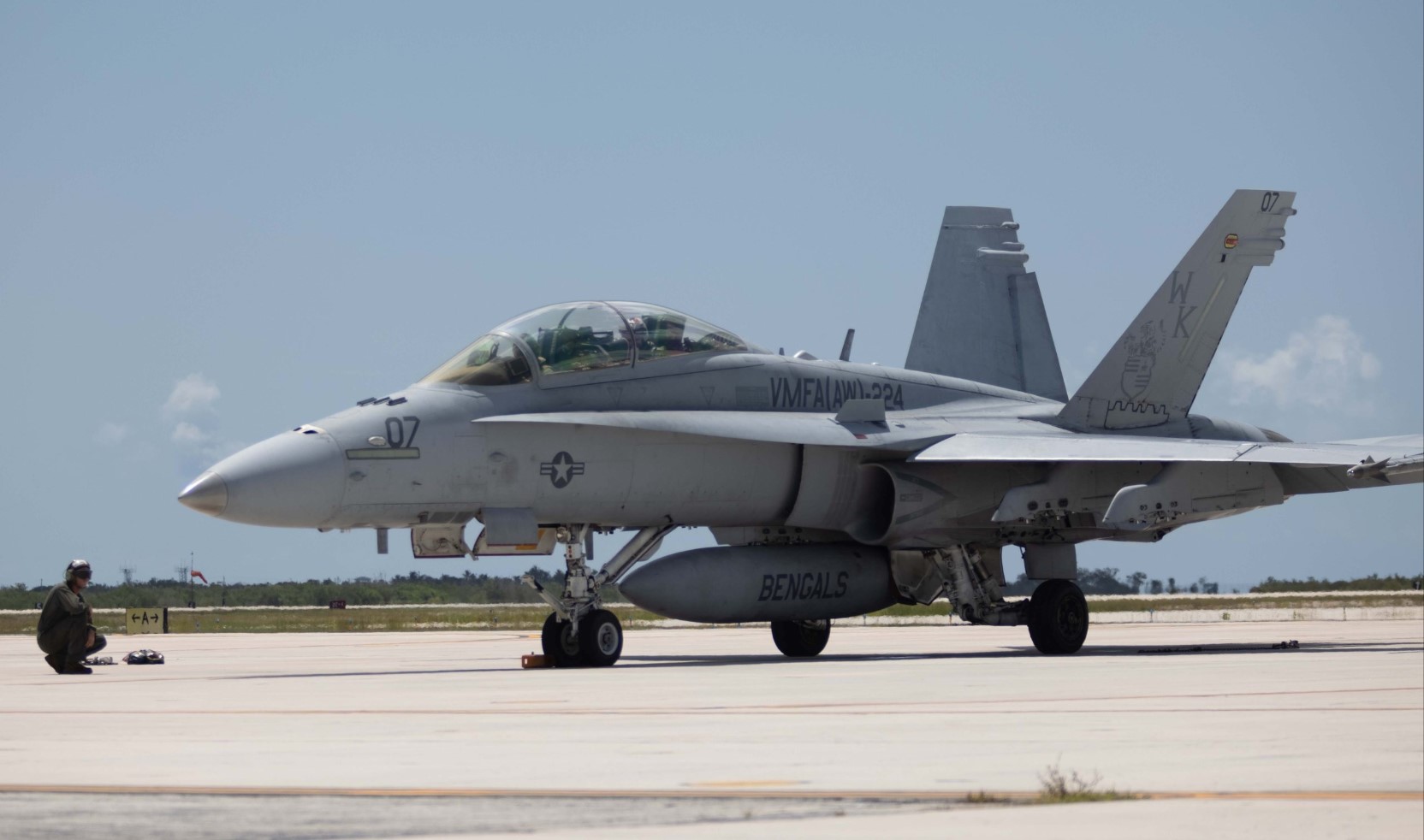 US Marine Corps F/A-18D Hornet Crashes During Training Flight in Washington Mountains; Pilot Ejects Safely
-
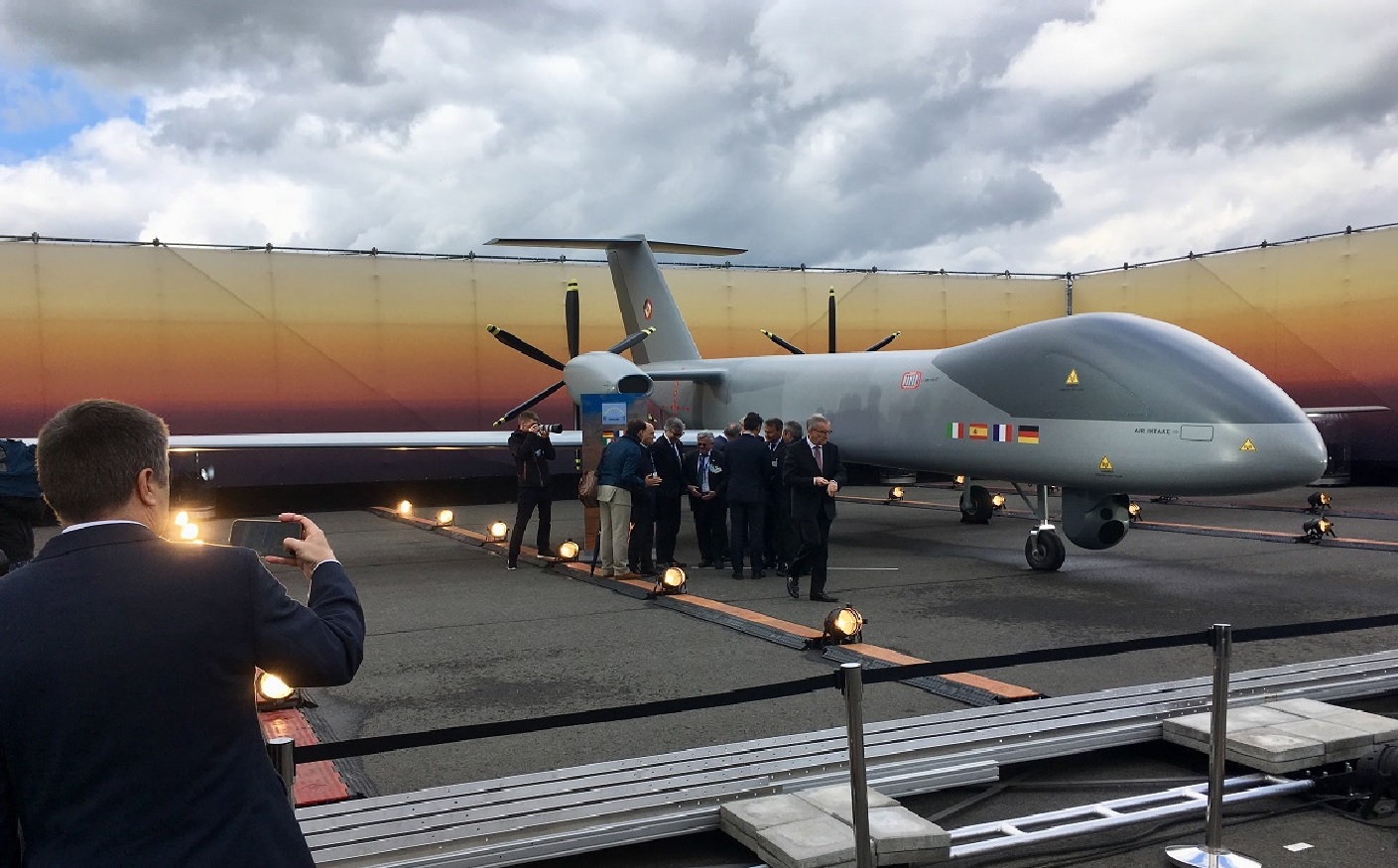 Dassault Seeks Compensation From Airbus as Eurodrone Dispute Erupts After FCAS Collapse
-
 AM General Unveils Next-Generation UGV and JLTV A2 with Counter-Drone Systems at Eurosatory 2026
-
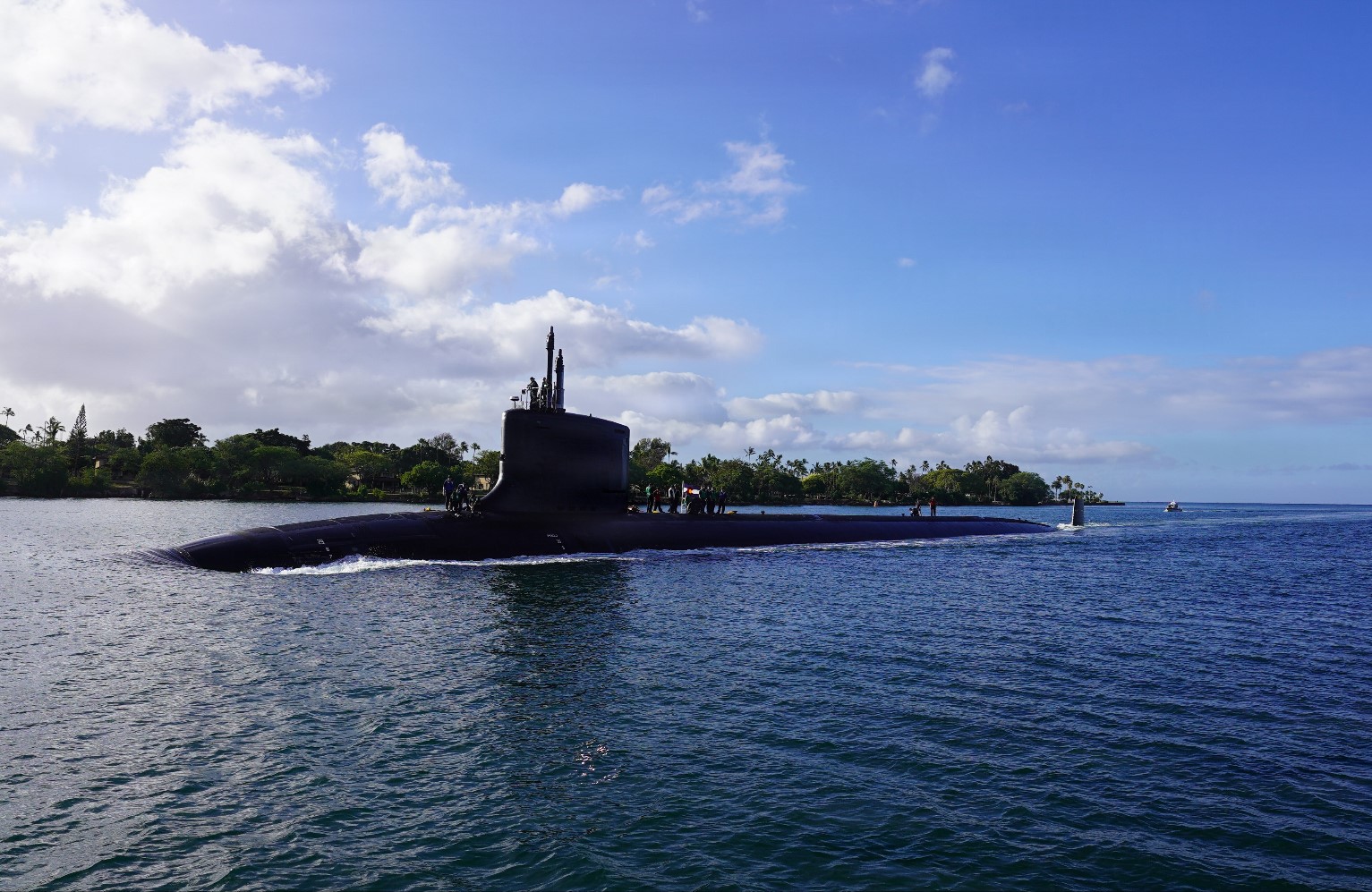 U.S. Navy's USS Colorado Submarine Returns to Pacific Fleet 29 Days Early After Major Pearl Harbor Overhaul
-
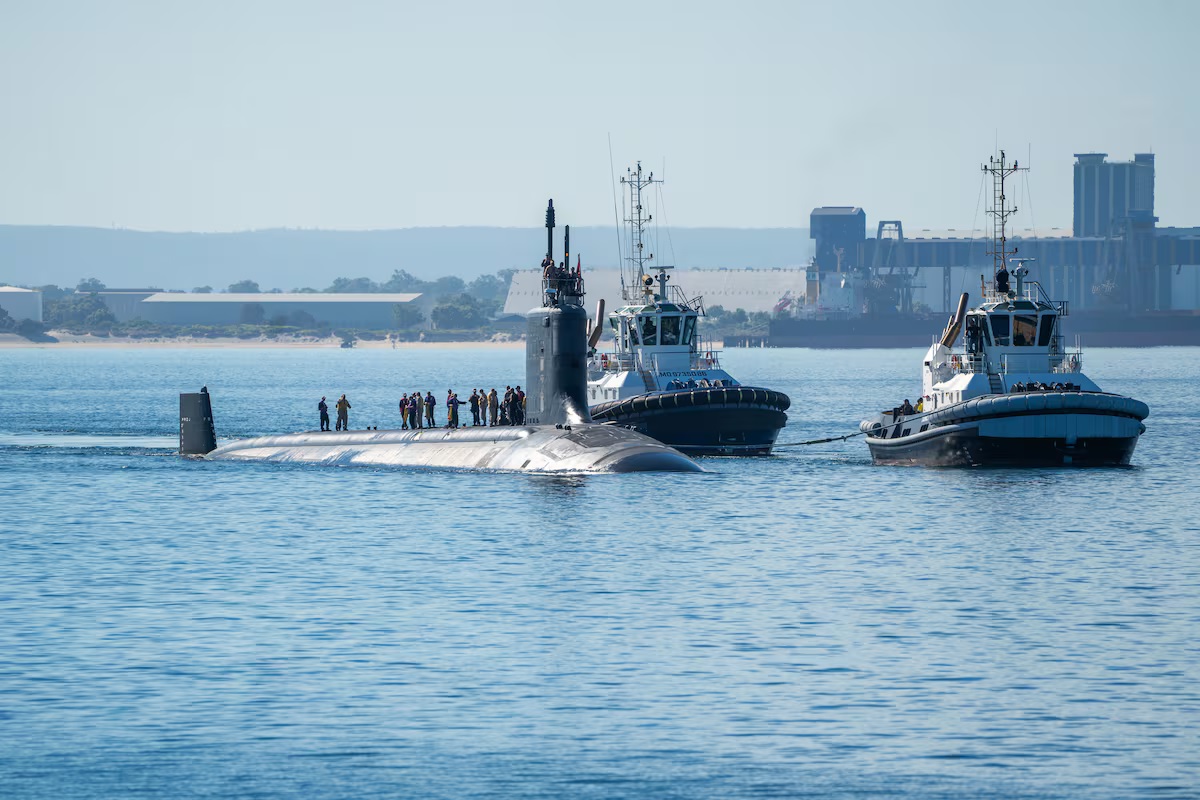 U.S. Navy Reestablishes Submarine Squadron 3 at HMAS Stirling to Support AUKUS Rotational Force
-
 Pakistan Raises Defence Budget from $9 Billion to $10.8 Billion as J-35 Fighter and Hangor Submarine Programs Advance
Top Trending in 4 Days
-
 Iranian Media Leaks 14-Point U.S.-Iran Peace Framework Amid Ongoing Negotiations
-
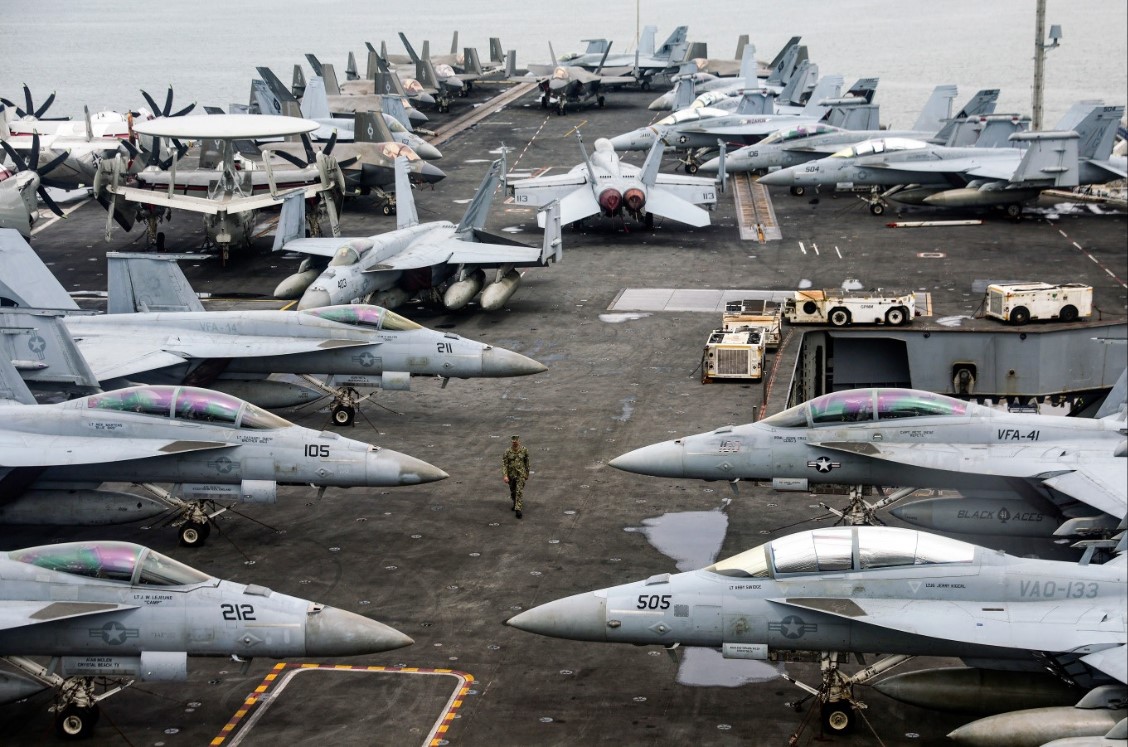 US Plans Significant Reduction of Fighter Jets and Warships for NATO Operations in Europe
-
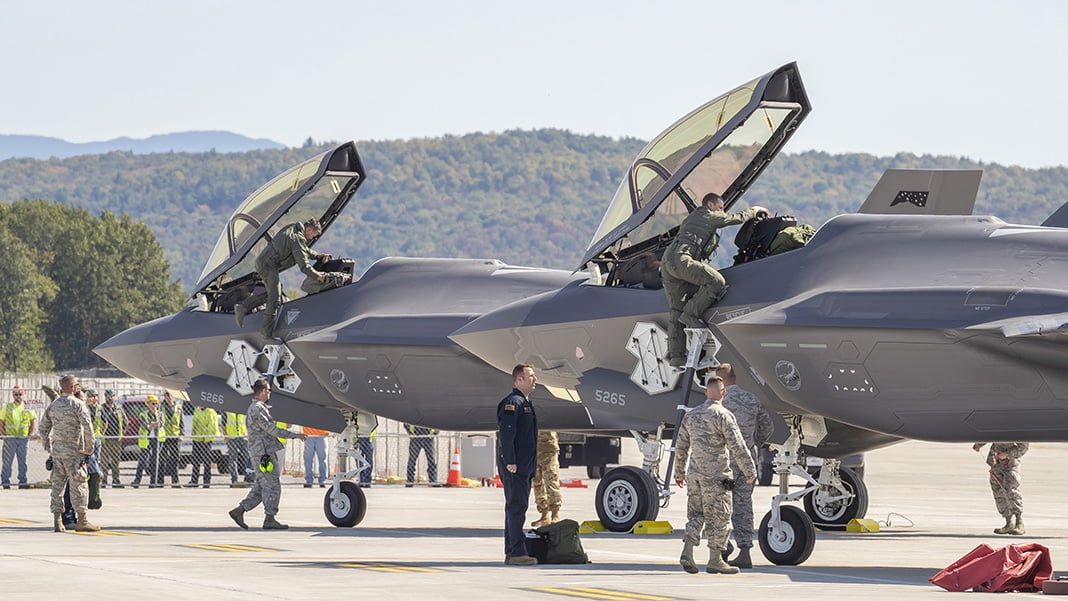 F-35 Fleet Readiness Falls to 25% Amid Parts Shortages and Software Delays: GAO Report
-
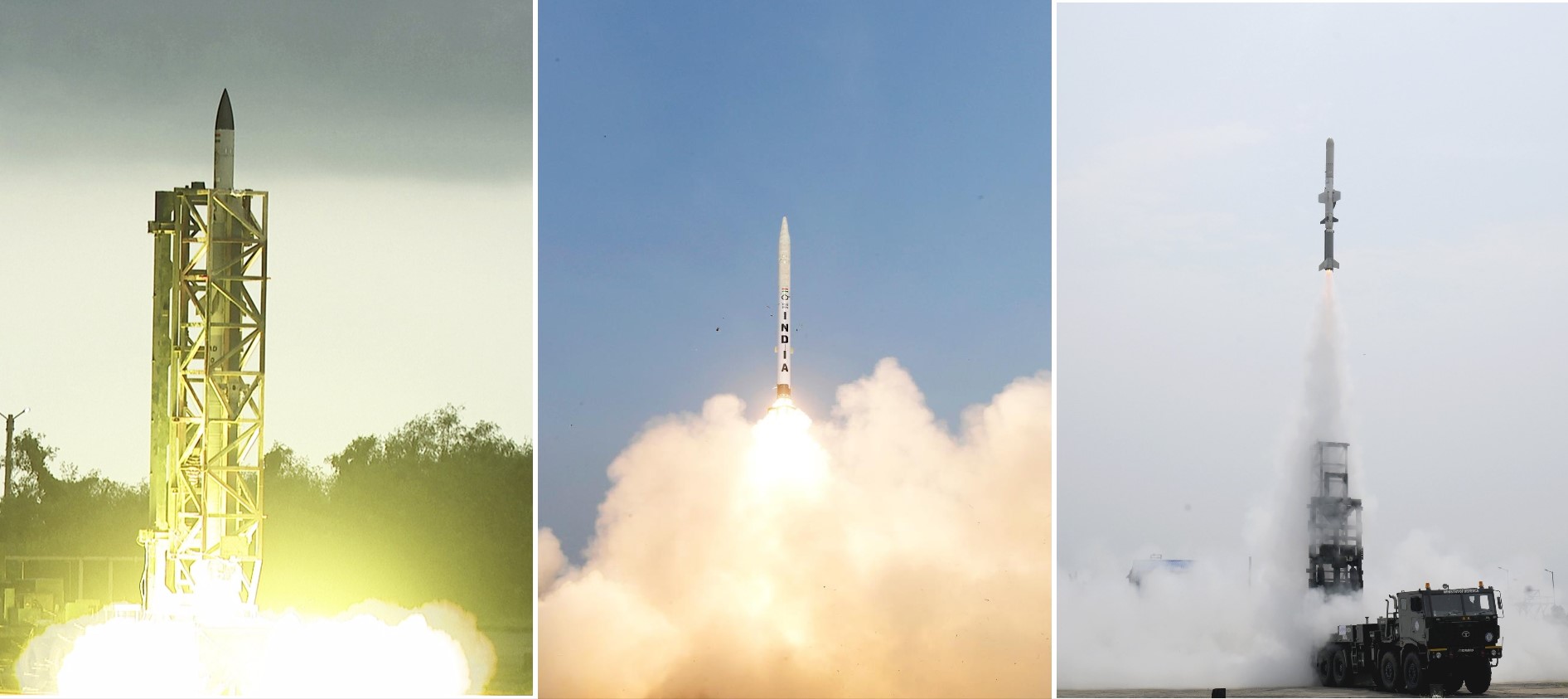 India Successfully Conducts AD-1, AD-2 Interceptor Tests and Maiden NASM-MR Flight Trial
-
 U.S. Air Force Faces Strategic Airlift Shortfall as C-17 Production Restart Remains Uncertain
-
 NATO Commander Says Russia Not Seeking Conflict With Alliance Despite U.S. Force Reductions
-
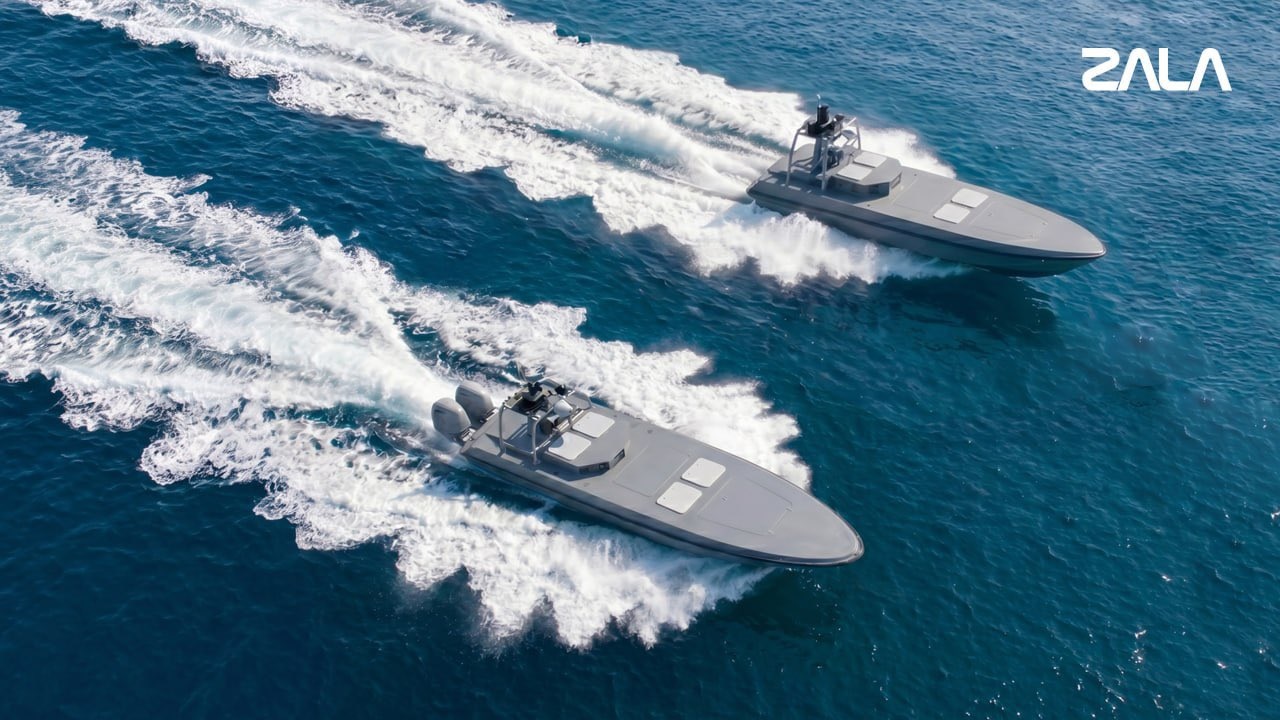 Russian Defense Firm ZALA Unveils KAMA Unmanned Surface Vessel Family at FLOT-2026 Naval Exhibition
-
 U.S. Space Force Awards $437.7 Million Contracts for First PTS-G Swarm 1 Anti-Jam Satellites
