
World
Northrop Grumman has recently embarked on an ambitious project to develop a cutting-edge Cannon-Based Air Defence (CBAD) system, tailored to meet the growing threat of large-scale aerial attacks. This innovative system is set to revolutionize air defence by offering a cost-effective solution to combat a diverse range of aerial threats, including the increasingly prevalent swarms of unmanned aerial systems (UAS) and cruise missiles.The CBAD system is designed to address a critical gap in modern air defence strategies. As adversaries continue to enhance their aerial capabilities, the potential for sophisticated and large-scale raids targeting vital infrastructure and military installations has escalated. In response, Northrop Grumman’s CBAD system aims to provide scalable, resilient, and efficient protection against these emerging threats.At the heart of the CBAD system are the renowned Bushmaster Chain Guns, which are paired with advanced, precision-guided ammunition. These chain guns are battle-proven, having been deployed in various combat scenarios across the globe. Their integration into the CBAD system ensures a robust defensive capability, particularly against subsonic cruise missiles and UAS that could be deployed in the early stages of a conflict.One of the standout features of the CBAD system is its ability to integrate advanced sensors and battle management command and control systems. These technologies work in unison to create a layered defence mechanism, capable of detecting, tracking, and engaging aerial threats with high accuracy. The CBAD system’s ability to provide a layered terminal defence is especially significant in an era where traditional long-range interceptor missiles are increasingly seen as less cost-effective against cheaper, expendable technologies deployed en masse by adversaries.The advanced ammunition used in the CBAD system is specifically designed to complement the capabilities of the Bushmaster Chain Guns. This ammunition is optimized for precision and lethality, ensuring that even the most evasive aerial targets can be neutralized effectively. The combination of advanced sensors, battle-proven cannon technology, and cutting-edge ammunition provides a formidable defence against a wide array of aerial threats, from low-flying cruise missiles to swarms of UAS.Northrop Grumman’s CBAD system represents a significant leap forward in air defence technology. By focusing on affordability, scalability, and resilience, the CBAD system offers a comprehensive solution to the challenges posed by modern aerial threats. As the development of this system progresses, it is expected to play a crucial role in safeguarding critical infrastructure and military assets against increasingly sophisticated and large-scale aerial attacks.
Read More → Posted on 2024-08-12 15:18:33
World
Taiwan is taking significant strides in bolstering its defense capabilities by pursuing cutting-edge scramjet technology, a critical component for developing hypersonic weapons. The Ministry of National Defense has issued a solicitation notice to local universities, seeking innovative solutions that could pave the way for Taiwan’s next generation of high-speed missile systems.Scramjet Technology: A Leap Forward in Hypersonic PropulsionScramjet, or supersonic combustion ramjet technology, represents a quantum leap in propulsion for hypersonic missiles and aircraft. Unlike conventional jet engines, which rely on rotating parts to compress air, scramjets operate by compressing incoming air through the vehicle’s speed itself, enabling combustion at speeds exceeding Mach 5—five times the speed of sound.A key aspect of Taiwan’s scramjet initiative is the focus on heat-resistant materials that can withstand the extreme temperatures generated at such high speeds. The technology must also feature enhanced ignition and flame retention capabilities, crucial for maintaining stable combustion and achieving maximum propulsion efficiency.National Defense Advanced Technology Research ProgramThe development of scramjet technology falls under Taiwan’s recently launched National Defense Advanced Technology Research Program, which aims to enhance the island nation’s defense self-sufficiency. The program, set to commence in 2025, will run over three years and is overseen by the National Chung-Shan Institute of Science and Technology (NCSIST), a state-owned research organization.NCSIST has a long history of developing Taiwan’s indigenous missile systems, and this new initiative could signify a broader push to equip the country with long-range hypersonic capabilities. This would provide Taiwan with a potent deterrent against potential threats, particularly from China.Strategic Implications: Enhancing Taiwan’s Missile ArsenalCurrently, Taiwan’s missile arsenal includes the Hsiung Feng IIE land-attack cruise missile, capable of reaching targets up to 1,200 kilometers (745 miles) away. The introduction of scramjet-powered hypersonic missiles would represent a significant enhancement, enabling even faster and longer-range strikes. Such capabilities are essential in maintaining a credible defense posture amidst rising regional tensions.The potential development of hypersonic weapons with scramjet technology is not just about speed—it’s about survival in a rapidly evolving strategic environment. Hypersonic missiles are challenging to detect and intercept due to their high velocity and maneuverability, making them a formidable tool in modern warfare.Taiwan’s Defense FutureTaiwan’s pursuit of scramjet technology underscores its commitment to advancing its defense capabilities amid a challenging security landscape. By focusing on homegrown solutions, Taiwan aims to secure a technological edge that could prove crucial in the event of a conflict. The next few years will be critical as Taiwanese researchers and engineers work to transform this advanced technology from theory into reality.In conclusion, Taiwan’s scramjet initiative represents a bold step forward in the island nation’s defense strategy. As the project unfolds, it will likely have significant implications for the region’s military balance, potentially reshaping the dynamics of deterrence in East Asia.
Read More → Posted on 2024-08-12 15:16:09
World
Former Bangladesh Prime Minister Sheikh Hasina recently revealed a powerful message she had intended to deliver but never did. In an undelivered speech, Hasina disclosed that she could have retained her position as the country's leader if she had agreed to certain demands, including surrendering the sovereignty of Saint Martin Island and allowing the United States to establish influence over the Bay of Bengal. However, she chose to step down rather than compromise Bangladesh’s sovereignty and witness further bloodshed.This speech, which was intended to be delivered during her stay in India after she flew there on August 5 amid escalating protests in Bangladesh, provides insight into the intense pressure and difficult decisions faced by the former Prime Minister. Hasina, who has been a central figure in Bangladeshi politics for decades, expressed deep sorrow over the current state of her party, the Awami League, which has been under heavy attack. She assured her supporters that she would return to Bangladesh soon and continue her fight for the nation's future.In her undelivered speech, Hasina emphasized the gravity of her decision to resign. "I resigned so that I did not have to see the procession of dead bodies," she stated. The former Prime Minister explained that her decision to leave office was made to prevent further loss of life and destruction. The protests against her government, which began as a movement against job quotas, quickly escalated into a broader uprising. Since mid-July, these protests have claimed the lives of over 400 people, creating an untenable situation for Hasina.Hasina also highlighted the external pressures she faced while in office. She claimed that if she had allowed a foreign country to build an airbase in Bangladesh, she could have remained in power without issue. However, she chose to resist these pressures, prioritizing Bangladesh’s sovereignty over her political career.The undelivered speech reveals Hasina's deep concern for the future of her country. She urged the people of Bangladesh not to be swayed by radical elements and to remain vigilant in protecting the nation’s integrity. "I became your leader because you chose me; you were my strength," she reminded her supporters, expressing her unwavering commitment to the people.The situation in Bangladesh remains tense following Hasina's resignation. After her departure to India, Nobel laureate Muhammad Yunus was appointed as the head of the interim government. Yunus has pledged to restore peace in the country and ensure the protection of minorities, particularly Hindus, who have been increasingly targeted amid the ongoing unrest.The political crisis in Bangladesh has also led to significant changes in the judiciary. Amid massive student protests demanding judicial reforms, Bangladesh's Chief Justice Obaidul Hassan and five other top judges were forced to resign. This move underscores the depth of the challenges facing the nation as it navigates this turbulent period.Sheikh Hasina’s undelivered speech offers a glimpse into the complex dynamics at play in Bangladesh's current political landscape. Her decision to prioritize the nation's sovereignty and the lives of its citizens over her own political power is a testament to her enduring commitment to Bangladesh. However, the road ahead remains uncertain as the interim government works to stabilize the country and address the deep-rooted issues that have fueled the recent unrest.
Read More → Posted on 2024-08-12 15:13:39
World
Russia has officially introduced its latest addition to the air defense arsenal, the S-500 Prometey missile system, during the Army-2024 defense exhibition in the Moscow region. Named after the mythological Titan Prometheus, the S-500 represents a significant leap forward in missile defense technology, promising to bolster Russia’s already formidable air and missile defense capabilities.A New Era of Defense: The S-500 PrometeyThe S-500 Prometey is not just another missile system; it is the next generation of Russian air defense. Built to replace the aging A-135 anti-ballistic missile system that has long protected Moscow and its surroundings, the S-500 is designed to take on a variety of modern threats, including long-range air attacks and theater ballistic missiles. This system is expected to work in tandem with the S-400 Triumf surface-to-air missile (SAM) system, enhancing the overall defense grid.One of the most striking features of the S-500 is its versatility. This road-mobile system, mounted on a BAZ-69096 chassis with a 10×10 wheel configuration, is designed to be adaptable, capable of firing different types of missiles to counter threats at various ranges and altitudes. This flexibility is critical in modern warfare, where threats can come from multiple directions and in different forms, including high-speed aircraft, drones, and ballistic missiles.A Closer Look at the SpecificationsThe S-500 is designed to intercept a wide array of threats, with a particular emphasis on targeting high-speed and high-altitude threats that previous systems might struggle to counter. The system can reportedly engage targets at a range of up to 600 kilometers (about 373 miles) and can simultaneously track and engage up to 10 ballistic missile warheads flying at speeds of over 7 kilometers per second (around 15,660 mph). These specifications place the S-500 among the most advanced missile defense systems in the world.The S-500's architecture allows it to integrate with other defense systems, creating a multi-layered defense network. It is also equipped with advanced radar systems that can detect stealth aircraft and other low-visibility targets, further enhancing its effectiveness.Development and Deployment: A Long RoadThe journey to bring the S-500 to operational status has not been without challenges. The development of the system began back in 2009, with the Russian defense industry setting ambitious targets for production by 2012. However, like many large-scale military projects, the S-500 faced delays, pushing back its production timeline by several years.Despite these setbacks, the S-500 achieved a significant milestone in October 2021 when the first brigade set was delivered to the 15th Special Purpose Army of the Russian Aerospace Forces. This unit is tasked with the crucial responsibility of defending Moscow and central Russia, highlighting the importance of the S-500 within Russia's strategic defense framework.Russian President Vladimir Putin underscored the system's importance in a statement made in May 2021, where he emphasized the ongoing modernization of Russia’s air defense forces. With over 70% of the anti-aircraft missile regiments already re-equipped with the modern S-400 systems, the S-500's deployment marks the next step in this modernization effort.In August 2021, Yuri Borisov, Russia's Vice Prime Minister, announced that the S-500 had entered serial production, signaling the start of a broader deployment across the Russian military. This development phase indicates that the S-500 will soon be a common sight in Russian defense arsenals, potentially reshaping the global military balance.The unveiling of the S-500 Prometey at the Army-2024 defense exhibition is a clear message from Russia about its commitment to maintaining and enhancing its military capabilities. As global military technologies continue to evolve, systems like the S-500 will play a critical role in ensuring that Russia remains a dominant force in both air and missile defense.With its advanced capabilities and versatile design, the S-500 Prometey is set to be a cornerstone of Russia's defense strategy for years to come. Whether in countering modern aerial threats or protecting key regions, the S-500 represents the cutting edge of military technology and a significant step forward for Russian defense.
Read More → Posted on 2024-08-11 15:20:28
World
China is rapidly escalating its focus on anti-drone technology, recognizing its crucial role in modern warfare. The ongoing conflict in Ukraine has vividly demonstrated the effectiveness of drones in reconnaissance and combat, prompting China's military and private sectors to prioritize the development of counter-drone systems. The People's Liberation Army (PLA) has been closely monitoring the deployment of these technologies on the battlefield, conducting rigorous tests and drills to enhance its own capabilities.In recent months, China's official military newspaper, The PLA Daily, has provided insights into these activities, with reports on exercises such as those conducted in Kunming, Yunnan province. These drills reflect China's growing commitment to mastering anti-drone technologies. The military is not only studying global advancements but also pushing for the creation of more advanced and efficient systems.One technology under close scrutiny is Britain's DragonFire, a high-powered laser weapon that successfully underwent testing earlier this year. The PLA is also analyzing the use of anti-drone systems in various conflicts, including those in Ukraine and Gaza. A June article highlighted the effectiveness of detection, electronic jamming, and other means in neutralizing unmanned aerial vehicles (UAVs). The PLA is now calling for the development of smarter and more efficient anti-drone systems tailored for the Chinese military.The strategic importance of anti-drone technology is evident in China's broader defense strategies. A report by Globe Weekly, a magazine published by China's state news agency Xinhua, emphasized that the ability to counter drones could significantly shift the balance on the battlefield. The Pentagon's 2022 report also underscored the PLA's focus on improving tactical air defenses against low-flying and suicide drones.The lessons from Ukraine are particularly relevant as China contemplates potential conflicts in the Taiwan Strait. The United States has signaled its intent to deploy a massive fleet of drones should a conflict arise, with Admiral Samuel Paparo, head of the US Indo-Pacific Command, warning of plans to create an "unmanned hellscape" in such an event. This underscores the critical need for China to develop robust counter-drone systems.Taiwan, too, is ramping up its anti-drone defenses, allocating NT$4.98 billion (US$156 million) to enhance its capabilities. On the Chinese mainland, the market for anti-drone technology is booming, driven by the lessons learned from the Russia-Ukraine war. Companies like Jindowin, a Nanjing-based firm specializing in anti-drone technology, report surging domestic demand. An employee from Jindowin noted that the war in Ukraine marked a turning point for the industry, with China's comprehensive economic system providing an edge in producing high-quality, cost-effective products.China has also tightened restrictions on exporting drone technology with military applications, responding to Western accusations of tacit support for Russia's war efforts. Despite these restrictions, the domestic market for anti-drone technology continues to flourish, driven by the need for security and the country's advanced production capabilities.As drones become increasingly integral to modern warfare, China's emphasis on anti-drone technology is poised to play a decisive role in its military strategy. The ongoing developments signal China's determination to not only keep pace with global advancements but also to position itself as a leader in the next generation of battlefield technology.
Read More → Posted on 2024-08-11 15:05:07
World
The U.S. Navy, long regarded as a symbol of American military might, is facing one of its most challenging periods in decades. Its shipbuilding industry, crucial for maintaining a robust naval fleet, is in its worst state in 25 years. The consequences of this decline are far-reaching, especially as global threats expand and rival nations like China increase their naval capabilities. So, what’s behind this alarming situation?The Labor Shortage CrisisOne of the most significant challenges crippling the U.S. Navy's shipbuilding efforts is a severe labor shortage. Shipyards across the country are struggling to hire and retain skilled workers, a problem that has been brewing for years. As experienced workers retire, taking with them decades of expertise, the industry is finding it increasingly difficult to replace them. The situation is dire enough that even critical roles, like those responsible for constructing guided-missile frigates, are being filled by workers with little to no prior experience in shipbuilding.Take Lucas Andreini, for example, a welder at Fincantieri Marinette Marine in Wisconsin. Before joining the shipyard, Andreini made parts for garbage trucks. His story is not unique. Across the nation, thousands of young workers like Andreini are being trained from scratch, often through employer-sponsored programs at technical colleges. These programs are essential, given the grueling nature of the work and the advanced skills required to build modern warships. But while these training initiatives are a step in the right direction, they are not enough to stem the tide of labor shortages.The Navy has recognized this issue and is taking steps to address it. In Wisconsin, for example, part of a $100 million Navy fund is being used to provide retention bonuses of up to $10,000 to keep workers at shipyards like Marinette Marine. Yet, despite these efforts, many shipyards continue to struggle with retention, as the demanding nature of the work, coupled with the availability of other, less strenuous jobs, makes it difficult to keep workers in the industry.A Perfect Storm of ChallengesThe labor shortage is just one piece of the puzzle. The Navy's shipbuilding woes are also compounded by a series of other factors, including shifting defense priorities, last-minute design changes, and cost overruns. These issues have resulted in significant backlogs in ship production and maintenance, further exacerbating the Navy's struggles to keep pace with global threats.For instance, Marinette Marine, which is under contract to build six guided-missile frigates, only has enough workers to produce one frigate a year. This slow production rate is concerning, especially as China continues to expand its naval fleet at a rapid pace, widening the gap between the two nations' maritime capabilities.Moreover, the Navy's penchant for changing ship designs mid-construction has led to cost overruns and delays. The new frigates being built at Marinette Marine were supposed to be a more affordable and efficient alternative to larger destroyers. The Navy initially planned to use a proven ship design already in use by European navies, making only minimal changes to meet U.S. specifications. However, the Navy ended up redesigning 85% of the ship, leading to significant delays and cost increases. The first frigate in this new class, the Constellation, is now three years behind schedule, with delivery pushed back to 2029.Shifting Global Threats and Changing PrioritiesComplicating matters further is the ever-evolving nature of global threats. The Navy is constantly forced to adapt to new challenges, whether it's the rising naval powers of China and Russia, piracy off the coast of Somalia, or missile attacks on commercial ships by Houthi rebels in Yemen. These shifting threats require the Navy to be agile and responsive, yet its current shipbuilding crisis hampers its ability to do so.Additionally, the consolidation of shipyards and funding uncertainties have disrupted the flow of ship construction. Long-term investments and planning have been stymied, leaving the industry struggling to ramp up production when needed.The Way ForwardThe U.S. Navy acknowledges the gravity of the situation and insists that it is taking the problem seriously. Navy officials have stated that they are working closely with industry partners to find creative solutions to the challenges at hand. However, as naval analyst Eric Labs points out, there is no quick fix to this problem. The Navy’s shipbuilding crisis is the result of years of neglect and poor planning, and it will take time and sustained effort to reverse the decline.In the meantime, the Navy's ability to fulfill its role in defending the nation and promoting peace is at risk. The clock is ticking, and as global threats continue to evolve, the stakes have never been higher. The U.S. must find a way to navigate these rough seas and restore its shipbuilding industry to its former strength before it’s too late.
Read More → Posted on 2024-08-11 14:59:40
World
Russia announced that it had ceased recruiting Indian nationals for its military in April 2024, responding to growing concerns from Indian authorities and the families of those serving in the Russian Armed Forces. This move comes amidst rising tensions and casualties linked to the ongoing conflict in Ukraine, where several Indians have been reportedly deployed on the frontlines.The issue of Indian nationals serving in the Russian military gained significant attention after India's External Affairs Minister, S. Jaishankar, informed Parliament about the differing perspectives between the two nations regarding the recruitment of Indian citizens. According to Jaishankar, 91 Indians were recruited into the Russian military, of which eight have tragically lost their lives, and several others have been injured while serving as support staff in the war.Jaishankar expressed India's serious concern over the matter, emphasizing that many of these individuals were allegedly misled into signing contracts with the Russian military. He stated that these individuals were under the impression that they were being hired for non-combat roles, only to find themselves deployed in active combat zones. The Indian government has been actively pursuing the release and safe return of these citizens, with Jaishankar raising the issue multiple times with his Russian counterpart, Sergey Lavrov. Prime Minister Narendra Modi also discussed the matter with President Vladimir Putin during his visit to Moscow in July, securing an assurance from Putin that Indian nationals serving in the Russian Army would be discharged and repatriated.In response to media inquiries, the Russian Embassy in New Delhi issued a statement clarifying the situation. The embassy emphasized that the Russian government had never engaged in any campaigns, public or otherwise, to recruit Indian nationals for military service. It also acknowledged the unfortunate instances of casualties among Indian soldiers and extended condolences to the Indian government and the families of the deceased. The embassy assured that all contractual obligations and compensation payments would be fulfilled.The Central Bureau of Investigation (CBI) in India has launched a criminal investigation against 19 individuals and entities for their alleged involvement in recruiting Indian nationals for the Russian Army. Four individuals have already been arrested in connection with this case, highlighting the seriousness with which Indian authorities are addressing the issue.As of now, 69 Indian nationals are awaiting their release from the Russian Army, with efforts underway to ensure their safe return. The situation has underscored the need for better safeguards and vigilance to protect Indian citizens from being unwittingly drawn into foreign conflicts.This development serves as a reminder of the complex and often perilous circumstances that can arise when individuals are recruited into foreign military services, especially during times of conflict. Both the Indian and Russian governments are now working closely to resolve the issue and bring the affected individuals back home safely.
Read More → Posted on 2024-08-11 14:52:39
World
L3Harris Technologies has recently unveiled a groundbreaking prototype that could redefine the landscape of autonomous air defense systems. The prototype, developed by L3Harris’ Agile Development Group, is a robotic-based, highly mobile short-range air defense system that was showcased during this year's Project Convergence Capstone 4 (PC-C4) field experiment. This system is not just a step forward in military technology but a leap toward future-proofing air defense against evolving threats.Autonomous Air DefenseThe prototype is a testament to L3Harris' commitment to innovation. Designed to adapt rapidly to new challenges, the system integrates advanced long-range surveillance and electronic attack (EA) capabilities onto a fully autonomous combat vehicle. This integration enhances ground-based air defense by enabling beyond-line-of-sight (BLOS) operations, allowing the system to detect, track, and neutralize aerial threats from over 26 kilometers away.One of the standout features of this prototype is its ability to conduct counter-unmanned aircraft system (C-UAS) operations. Equipped with an autonomous multi-sensor cross-cueing payload, the system can provide early warnings of air threats, significantly boosting the defensive capabilities of ground units.Project Convergence 4: A Platform for InnovationProject Convergence Capstone 4 is a series of exercises, experiments, and events designed to refine strategies crucial for transforming the U.S. Army and maintaining its readiness for future conflicts. The L3Harris prototype participated in these rigorous field tests, which involved navigating approximately 175 kilometers of challenging terrain over six days. The prototype excelled in various mission scenarios, including dynamic reconnaissance and on-the-move surveillance, showcasing its versatility and reliability.During the event, the L3Harris team demonstrated their agility by adapting BLOS technology to an additional platform on the spot. This adaptability is crucial in today’s rapidly changing combat environments, where the ability to quickly respond to emerging threats can make the difference between success and failure.Advanced Surveillance and Communication CapabilitiesAt the heart of the prototype’s success is the WESCAM MX™-10D, a reconnaissance, surveillance, and target acquisition multi-sensor imaging and designator system. This system provides precision accuracy in capturing optical data at beyond-line-of-sight ranges, a critical capability for modern air defense.The prototype also underwent extensive communications testing, which included the integration of various modular and open communication systems. These systems, such as the RASOR modular communications chassis and the Mobile Ad Hoc Network WRAITH, demonstrated true resiliency in maintaining mission-relevant data links even under challenging conditions. The tests also included the use of SATCOM On-the-Move antennas, the AN/PRC-158 Next Gen radio, and a hardened commercial space internet satellite, ensuring that the system can operate effectively in diverse and contested environments.Implications for the Future of Air DefenseThe successful development and testing of this prototype indicate a significant shift in how air defense systems could be employed in the future. The operational range of autonomous ground platforms has been expanded by several orders of magnitude, freeing them from the constraints of traditional data link ranges. This expanded range, coupled with increased payload automation, ensures that the system can maintain mission integrity even in the face of communication link degradation or enemy attacks.L3Harris' prototype is more than just a technological advancement; it represents a strategic shift toward more agile, adaptive, and resilient air defense systems. As Jennifer Lewis, President of Airborne Combat Systems at L3Harris, stated, "Our team’s relentless drive to adapt and innovate is what ultimately drove our success with these prototypes. Thanks to their tireless efforts, we’re coming away with valuable insights that will drive further improvements, strategic decisions, and ultimately, powerful new capabilities to the warfighter."The future of air defense is here, and it is autonomous, adaptable, and incredibly capable. With systems like L3Harris' prototype leading the charge, ground units will have unprecedented protection and flexibility in the face of increasingly complex threats.
Read More → Posted on 2024-08-11 14:31:11
World
Norway is gearing up to significantly bolster its military capabilities by seeking to acquire the Lockheed Martin M142 HIMARS (High Mobility Artillery Rocket System) along with ATACMS (Army Tactical Missile System) missiles. This move underscores Norway's commitment to enhancing its defense infrastructure amidst growing security concerns in the region.On August 9, 2024, the U.S. Department of State officially approved Norway's request to purchase 16 M142 HIMARS launchers through the Foreign Military Sales (FMS) program. The deal is not just about the launchers; it includes a comprehensive package that reflects the strategic importance Norway places on this acquisition.The HIMARS system, known for its mobility and precision, is a significant upgrade for Norway. The package Norway intends to purchase includes 15 sets of M30A2 and M31A2 guided rockets, which are known for their accuracy and effectiveness in various combat scenarios. Additionally, the deal includes 100 M57 ATACMS tactical missiles, capable of striking targets up to 300 kilometers away. These missiles offer Norway the ability to engage distant targets with pinpoint accuracy, enhancing its long-range strike capabilities.But the acquisition is more than just hardware. The deal, valued at approximately $580 million, also covers essential components such as training and practice rounds, diagnostic equipment, maintenance tools, and logistical support services. This holistic approach ensures that Norway's armed forces will be well-equipped and trained to operate the HIMARS system effectively.Norway's decision to invest in the HIMARS system comes after a period of reduced focus on rocket artillery. The country previously operated 12 M270 tracked rocket launchers, a system similar to the HIMARS, which were retired and stored in 2005. In recent years, most of these units have been donated to allied nations, including Ukraine, as part of support programs. This shift in focus towards the HIMARS indicates a renewed emphasis on strengthening Norway's artillery capabilities.The HIMARS system, produced by Lockheed Martin, is not new to Europe. It is already in service with three European countries: Romania, Ukraine, and Poland. Moreover, Estonia, Lithuania, and Latvia have also placed orders for this advanced rocket system. Norway's interest in HIMARS aligns with a broader European trend of modernizing and upgrading military capabilities to counter emerging threats. Interestingly, Italy is another NATO member showing interest in the HIMARS, with the U.S. Department of State approving the potential sale of 21 launchers to Italy in December 2023.This potential acquisition reflects Norway's strategic priorities in the current geopolitical climate. By investing in HIMARS and ATACMS, Norway aims to enhance its deterrence capabilities and contribute more effectively to the collective security framework of NATO. The move is likely to be welcomed by Norway's allies, as it strengthens the military cohesion and readiness of the NATO alliance in a region that faces growing security challenges.In summary, Norway's pursuit of the Lockheed Martin M142 HIMARS with ATACMS missiles represents a significant step in upgrading its military arsenal. With the U.S. approval in hand, Norway is poised to enhance its long-range strike capabilities, ensuring that it remains well-prepared to defend its interests and contribute to regional security.
Read More → Posted on 2024-08-11 14:26:59
World
On August 9, 2024, Poland made a significant move to bolster its national defense by signing a contract with the United States for the delivery of several hundred AIM-120C AMRAAM air-to-air missiles. The contract, valued at $850 million, was signed by the Polish defence procurement agency and marks a crucial step in modernizing Poland's air defense capabilities.The AIM-120C AMRAAM, manufactured by RTX (formerly Raytheon Technologies), is one of the most advanced air-to-air missiles in the world. It's widely recognized for its beyond-visual-range (BVR) capabilities, allowing fighter jets to engage enemy aircraft at considerable distances. The acquisition of these missiles aligns with Poland's broader defense strategy, which emphasizes the importance of strengthening its air force amid growing regional tensions.According to Paweł Bejda, Poland's Deputy Minister of National Defence, the AMRAAM missiles will be delivered to the Polish Armed Forces between 2029 and 2033. These missiles are set to arm Poland's fleet of F-16 and F-35 fighter jets, significantly enhancing their combat effectiveness. The integration of these missiles with FA-50 jets, which Poland recently acquired from Korea Aerospace Industries (KAI), is also a possibility, although it has not been confirmed.The exact number of missiles Poland will receive under this contract remains undisclosed. However, earlier in March, the United States Department of State approved the potential sale of up to 745 AIM-120C missiles to Poland, along with 50 LAU-129 missile launchers, which are essential for deploying the AMRAAMs. This earlier deal was valued at approximately $1.69 billion, according to the Defense Security Cooperation Agency (DSCA).Poland's decision to acquire such a large number of AMRAAM missiles underscores its commitment to enhancing its defense capabilities in response to regional security challenges. The ongoing conflict in Ukraine and increasing military activity in Eastern Europe have heightened Poland's focus on securing its airspace against potential threats. By equipping its air force with state-of-the-art missiles, Poland aims to deter any adversaries and ensure the safety of its skies.In addition to its immediate defense needs, Poland's acquisition of AMRAAM missiles is also a testament to its deepening defense ties with the United States. Over the past few years, Poland has emerged as one of the most active European nations in terms of military procurement from the U.S. This deal further solidifies the strategic partnership between the two countries, particularly in the realm of defense and security.As these missiles are integrated into Poland's air force over the next decade, they will play a vital role in maintaining the country's defense posture. The advanced capabilities of the AIM-120C AMRAAM will ensure that Poland's fighter jets can effectively counter any aerial threats, thereby enhancing the overall security of the nation.
Read More → Posted on 2024-08-10 14:35:42
World
Moscow has escalated its efforts to repel advancing Ukrainian forces, launching a "counter-terror operation" across three critical border regions—Belgorod, Bryansk, and Kursk. This move comes as Ukrainian troops executed a significant cross-border offensive, marking one of the most aggressive and successful incursions since the conflict began two and a half years ago.The operation was initiated on Saturday after Ukrainian units stormed into Russia’s Kursk region earlier in the week. The attack took Russia by surprise, pushing several kilometers into its territory and prompting a swift response. The Russian army has since deployed reserves and additional equipment, though details on the scale of forces engaged remain scarce. Both sides have been tight-lipped about their troop numbers and military hardware involved.A particularly alarming aspect of the situation is the proximity of the conflict to the Kursk nuclear power plant. Russia's nuclear agency, Rosatom, has warned that the Ukrainian offensive poses a "direct threat" to the facility, which lies less than 50 kilometers from the ongoing clashes. The potential danger of a nuclear incident has drawn international concern, with the head of the International Atomic Energy Agency urging for "maximum restraint."The human cost of this escalation is already becoming apparent. At least 16,000 civilians from Russian border areas have sought state assistance to flee their homes, with emergency aid being ferried in and extra trains arranged to transport people to Moscow. A woman from the border zone, speaking at a Moscow train station, expressed the gravity of the situation: "The war has come to us."In response to the Ukrainian incursion, Russia's national anti-terrorism committee has granted sweeping emergency powers to security forces and the military in the affected regions. These measures include movement restrictions, vehicle seizures, monitoring of communications, and heightened security at key infrastructure sites. The committee described Ukraine's actions as an "unprecedented attempt to destabilize the situation" in Russia.As the conflict intensifies, Russia has also launched retaliatory strikes. On Friday, a missile strike on a supermarket in eastern Ukraine's Kostyantynivka killed at least 14 people. Further north, in the Kharkiv region, three more casualties were reported on Saturday.Belarus, a close ally of Russia, has also reacted to the Ukrainian offensive. On Saturday, Minsk ordered the deployment of military reinforcements, including ground troops, air units, air defense systems, and rocket systems, closer to its border with Ukraine.While Kyiv has not provided explicit details about its operation, Ukrainian President Volodymyr Zelensky hinted at early successes, particularly in capturing Russian soldiers who could be used in future prisoner exchanges. This development has been a significant morale booster for Ukrainian forces, although the broader implications of the incursion remain uncertain.The Institute for the Study of War, a U.S.-based think tank, has estimated that Ukrainian forces have penetrated around 13 kilometers into Russian territory. The breadth of the offensive, with reports of engagements up to 30 kilometers apart, suggests a well-coordinated and ambitious push by Ukraine.This latest phase of the conflict underscores the volatile and unpredictable nature of the war. With both sides escalating their military efforts and the looming threat to a nuclear power plant, the stakes have never been higher. The international community watches with growing concern as the situation unfolds, hoping to avert further disaster in this deeply entrenched conflict.
Read More → Posted on 2024-08-10 14:28:57
World
Russia is preparing to introduce its latest naval innovation, the Amur 950 submarine, at the highly anticipated Army-2024 military-technical forum. This unveiling is expected to draw significant attention, as the Amur 950 is not just another submarine but a cutting-edge vessel equipped with BrahMos missiles—a potent addition that enhances its offensive capabilities dramatically.The Amur 950 is an export version of Russia’s Lada-class submarine, a part of the Amur-class series known for advanced stealth features and superior combat systems. With a displacement of 1,000 tons and a length of 58.8 meters, this submarine is compact but powerful. Its design includes ten vertical launch systems (VLS) capable of firing BrahMos missiles, a feature that significantly boosts its strike potential against enemy ships and coastal targets.This submarine is particularly notable for its stealth capabilities. It incorporates advanced hydroacoustic systems for effective reconnaissance and is designed with low noise levels to evade detection. Additionally, the Amur 950 offers a 30-day autonomous operation range, making it a formidable force in prolonged engagements. The optional air-independent propulsion (AIP) system further enhances its underwater endurance, addressing a critical shortfall that had previously limited the appeal of its predecessor, the Amur 1650.The integration of BrahMos missiles—a joint venture between India and Russia—into the Amur 950 is a significant development. These missiles, known for their speed and precision, make the submarine a powerful tool for any navy looking to enhance its underwater strike capabilities. The BrahMos missile system is one of the fastest supersonic cruise missiles in the world, and its inclusion in the Amur 950 makes this submarine a formidable adversary.Interestingly, Russia had earlier offered the larger Amur 1650 submarine to India for its Project-75I program. However, the Indian Navy rejected it due to the absence of an AIP system, which is crucial for extended underwater operations. The Amur 950, while smaller, addresses this concern with its advanced technology, making it a more attractive option for countries like India that are looking to upgrade their naval fleets.The Amur 950’s design incorporates a single-hull architecture, an integrated automated combat control system, and an electric propulsion system. These features are designed to reduce noise, increase energy efficiency, and enhance the submarine's overall stealth and combat effectiveness.As Russia gears up to showcase the Amur 950 at Army-2024, it marks a significant moment in its naval export strategy. The combination of advanced stealth technology, enhanced combat systems, and the powerful BrahMos missile makes the Amur 950 a strong contender in the global submarine market. This unveiling is not just about introducing a new submarine; it’s about Russia positioning itself as a leader in naval technology, capable of offering state-of-the-art solutions to international buyers.The Army-2024 forum will be the stage where this submarine makes its public debut, and it’s expected to generate considerable interest from countries looking to bolster their naval defenses with a versatile and powerful submarine like the Amur 950. With its advanced design and cutting-edge features, the Amur 950 is set to be a game-changer in the world of naval warfare.
Read More → Posted on 2024-08-10 14:24:12
World
Iran has recently bolstered its Revolutionary Guards Navy with a substantial influx of advanced missiles and drones, a move that underscores the country’s determination to strengthen its military capabilities in an increasingly volatile region. This significant enhancement comes at a time of heightened tension, particularly following the recent killing of Hamas leader Ismail Haniyeh in Tehran—a death that many have attributed to Israel, although the Israeli government has not officially taken responsibility.The Islamic Revolutionary Guard Corps (IRGC), the powerful military wing closely tied to Tehran's strategic interests across the Middle East, unveiled a variety of new weaponry in a high-profile event. Among the newly added assets are long-range and medium-range missiles, which reportedly include anti-ship cruise missiles with enhanced capabilities. These missiles are said to feature high-explosive warheads and advanced stealth technology that makes them difficult to detect, thereby increasing their threat level.In addition to these missiles, the IRGC has integrated a range of drones designed for both combat and reconnaissance missions, as well as electronic warfare units. In total, 2,654 new military systems have been incorporated into the Guards' naval forces. This development signals Iran’s ongoing efforts to assert its power in the region, especially in maritime domains where control over strategic waterways is crucial.IRGC chief General Hossein Salami emphasized the importance of these new capabilities during the event, highlighting the need for Iran to be able to "stop the enemy from afar." Salami’s statement reflects Iran's broader military doctrine, which prioritizes the ability to project power beyond its immediate borders. By enhancing the range and sophistication of its naval forces, Iran aims to deter potential threats and maintain a strategic advantage in the Persian Gulf and beyond.This military buildup occurs against the backdrop of the ongoing Israel-Hamas conflict, which has significantly escalated since Hamas’s October 7 attack on southern Israel. That attack resulted in the deaths of nearly 1,200 people, mostly civilians, and led to a brutal military campaign by Israel in Gaza. The conflict has drawn in several of Iran’s allies across the Middle East, leading to a series of retaliatory strikes. In April, Iran itself launched hundreds of missiles directly at Israel, marking one of the most direct confrontations between the two nations in recent years.The killing of Ismail Haniyeh has further inflamed the situation. Iranian officials, including acting foreign minister Ali Bagheri, have condemned the act as a "strategic mistake" by Israel, warning that there will be consequences. The death has prompted calls for retaliation, increasing fears of a broader regional conflict. Amid these developments, the unveiling of new weaponry by the IRGC can be seen as a clear message to both Israel and other adversaries in the region: Iran is prepared to defend its interests aggressively and with advanced military technology.As the situation continues to evolve, the region remains on high alert, with the potential for further escalation always on the horizon. Iran’s latest military enhancements underscore the precarious balance of power in the Middle East, where even a single incident can rapidly spiral into widespread conflict.
Read More → Posted on 2024-08-10 14:20:24
World
In a significant move highlighting the growing concerns about religious violence in South Asia, Indian-American Congressman Raja Krishnamoorthi has called upon the U.S. government to play a proactive role in addressing the alarming situation in Bangladesh. On August 8, Krishnamoorthi wrote to U.S. Secretary of State Antony Blinken, urging immediate intervention to help end the rising anti-Hindu violence in Bangladesh, which has escalated following the resignation of former Prime Minister Sheikh Hasina.Krishnamoorthi’s letter comes at a time of political instability in Bangladesh. Sheikh Hasina, a long-serving leader, stepped down amidst widespread protests, leaving the country in a state of flux. The protests, initially sparked by demands to end the quota system for government jobs, have spiraled into broader anti-government demonstrations. Unfortunately, as has happened in the past, this unrest has also led to violence against the Hindu minority in the country.The new interim government, led by Nobel laureate Muhammad Yunus, now faces the daunting task of restoring order. However, the situation remains precarious, and there are fears that the violence could worsen. Krishnamoorthi, in his letter to Blinken, emphasized the urgency of U.S. engagement with Yunus to help bring an end to the violence and ensure that those responsible are held accountable.Krishnamoorthi’s concerns are not without precedent. Bangladesh has a troubling history of religious violence, particularly targeting its Hindu minority. The Congressman referenced several past incidents, including the anti-Hindu riots of October 2021, which left nine people dead and led to the destruction of numerous homes, businesses, and temples. He also mentioned the violence of 2017, where over 107 Hindus were killed and dozens more disappeared, according to reports by the Bangladesh Jatiya Hindu Mohajote. The riots in 2013, following the conviction of Jamaat-e-Islami leader Delwar Sayeedi for war crimes, were particularly destructive, underscoring the vulnerability of Hindus during periods of political instability.Krishnamoorthi’s appeal to Blinken is rooted in the belief that religious intolerance and violence in Bangladesh could have broader implications for regional stability. He argued that it is in the interest of the United States and its allies to ensure that Bangladesh does not descend further into chaos. By leveraging its influence, the U.S. can play a critical role in supporting the Bangladeshi government to protect its Hindu minority and bring perpetrators of violence to justice.The Congressman’s call for U.S. intervention is a reminder of the delicate balance in South Asia, where political upheaval often leads to sectarian violence. As the situation in Bangladesh unfolds, the international community will be watching closely to see how the interim government addresses the challenges ahead. Krishnamoorthi’s letter to Blinken signals a growing awareness in the U.S. of the need to engage more deeply in the region’s affairs, particularly when it comes to safeguarding human rights and religious freedoms.
Read More → Posted on 2024-08-10 14:17:21
World
A wave of concern and anger surged through the streets outside the United Nations headquarters in New York as a large crowd gathered to protest against the ongoing violence targeting Hindus and other minorities in Bangladesh. The demonstration, organized by HinduACTion, a Washington-based NGO, saw people from diverse backgrounds coming together to raise their voices against what they see as a growing crisis of religious persecution in the South Asian nation.The protest was marked by a palpable sense of urgency, as demonstrators chanted slogans and held signs calling for immediate action to protect Bangladesh's minority communities. The gathering was not limited to just one location; similar protests were reported in other parts of New York, underscoring the widespread concern over the issue.HinduACTion highlighted the spontaneous turnout, emphasizing that people from all walks of life chose to stand in solidarity with the Bangladeshi Hindus, despite the protest taking place on a workday. The NGO took to social media to amplify the voices of the protesters, sharing updates and calling for more attention to be focused on the plight of minorities in Bangladesh. The hashtags #All_Eyes_On_Bangladesh and #SaveBangladeshiHindus trended on social media, as more people became aware of the ongoing violence.The violence in Bangladesh has drawn the attention of international leaders, particularly in the United States. Several U.S. Representatives have publicly condemned the attacks, urging the Bangladeshi government to take swift action to protect its minority communities. Republican Congressman Pat Fallon was among those who spoke out, strongly condemning the violence and calling for those responsible to be held accountable. His message resonated with many, as he implored the interim government of Bangladesh to act in the shared interest of its people and put an end to the bloodshed.Fallon’s remarks were echoed by other leaders, including U.S. Congressman Raja Krishnamoorthi, who has taken steps to bring the issue to the attention of the highest levels of the U.S. government. In a letter to U.S. Secretary of State Antony Blinken, Krishnamoorthi urged the administration to assist the Bangladeshi government in addressing the violence and ensuring the safety of all its citizens, regardless of their religious affiliation.The protests outside the U.N. and the outcry from U.S. lawmakers reflect a growing international concern over the situation in Bangladesh. The targeting of Hindus, Buddhists, Christians, and other religious minorities has raised alarm, with many fearing that the violence could escalate if not addressed promptly. The protesters and their supporters are calling for global attention to the issue, hoping that increased pressure on the Bangladeshi government will lead to meaningful change and protection for those at risk.As the demonstrations continue and voices grow louder, the message is clear: the world is watching, and the plight of Bangladesh’s minorities cannot be ignored. The protesters outside the U.N. are demanding not just awareness, but action, to end the cycle of violence and ensure that all citizens of Bangladesh can live in peace and security.
Read More → Posted on 2024-08-10 14:12:46Search
Top Trending in 24 Hours
-
 India Successfully Conducts AD-1, AD-2 Interceptor Tests and Maiden NASM-MR Flight Trial
-
 Russia Launches 1,400 Jet-Powered Drones in 2026 as Strike Tactics Evolve to Challenge Ukraine's Air Defenses
-
 U.S Navy Orders 50 Blackbeard Hypersonic Missiles in New $23.4 Million Contract
-
 F-35 Fleet Readiness Falls to 25% Amid Parts Shortages and Software Delays: GAO Report
-
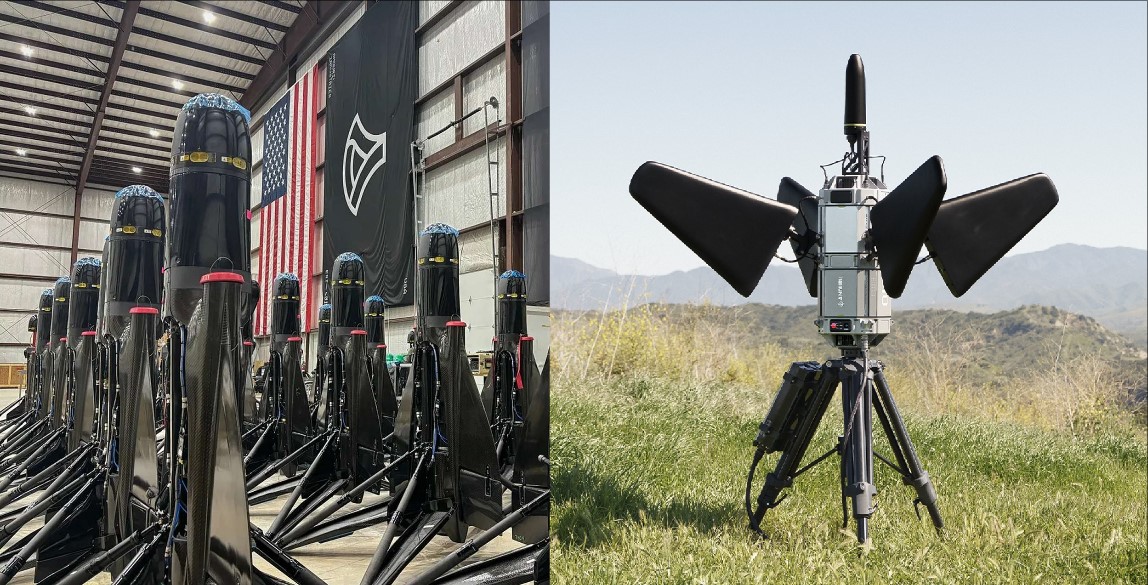 U.S. Approves $1.98 Billion Sale of Anduril AI-Powered Counter-Drone Systems to Kuwait
-
 UAE Denies Reports of Releasing Up to $20 Billion in Funds to Iran Amid Regional De-Escalation Efforts
-
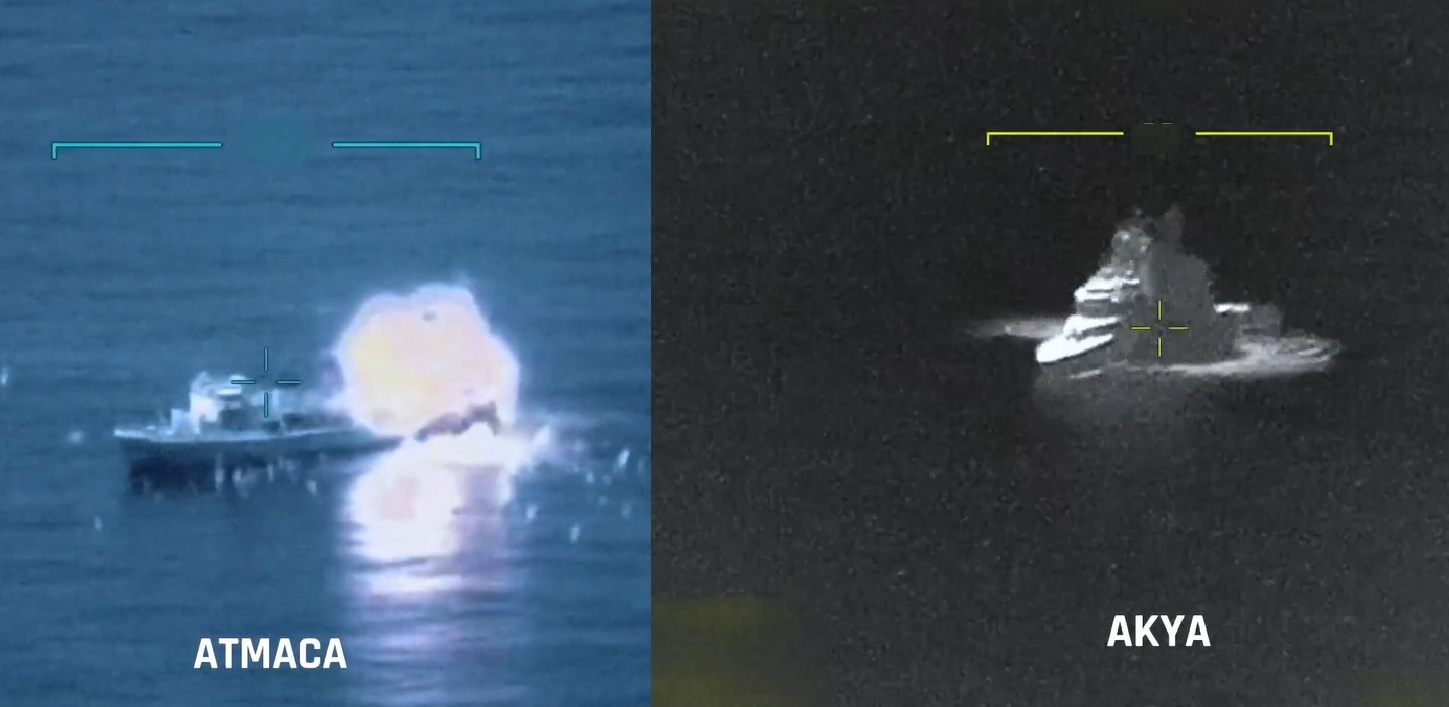 Turkey Navy Successfully Tests AKYA Torpedo and ATMACA Missile During Major Denizkurdu-II Naval Exercise
-
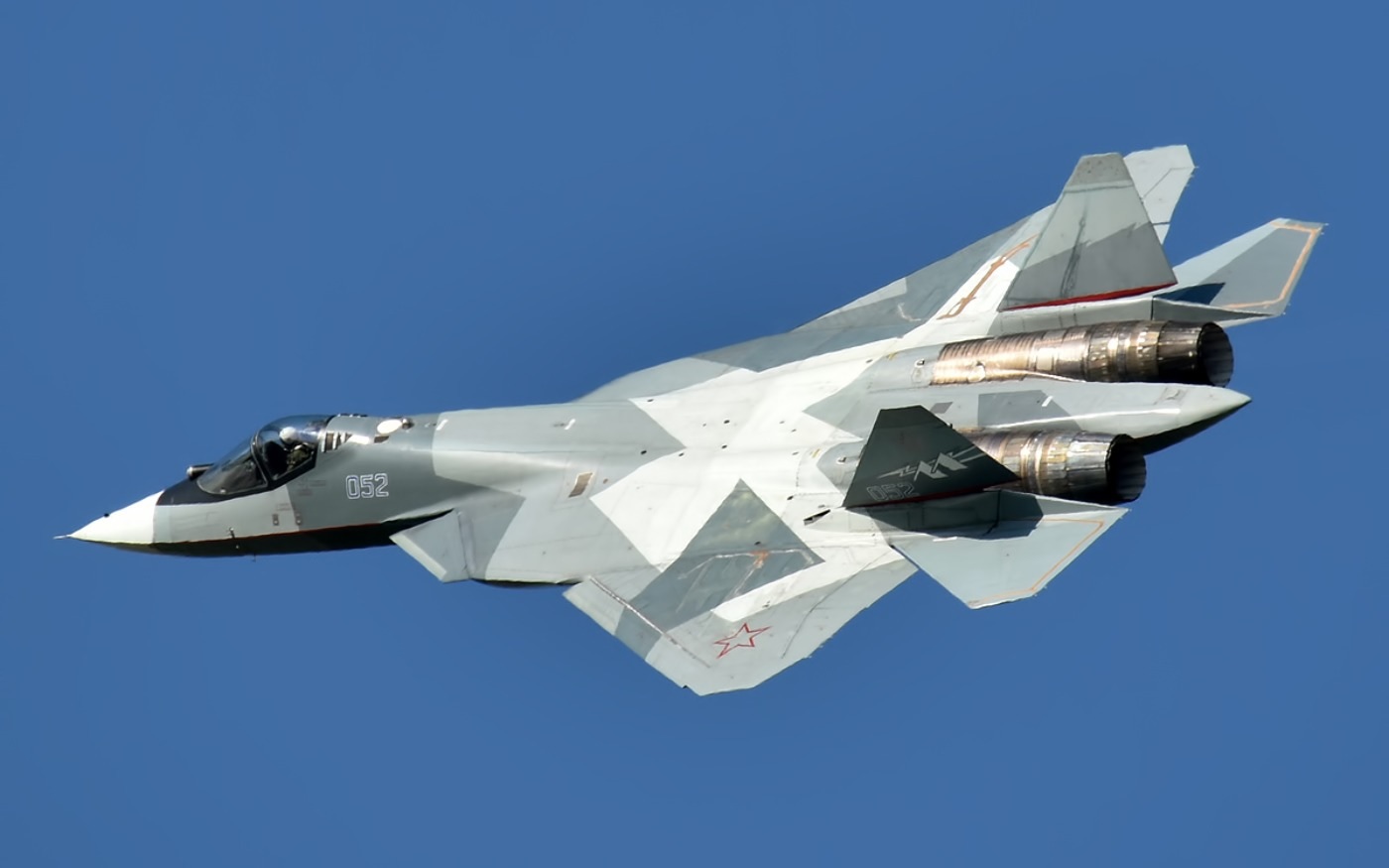 Russian Analysts Debate Su-57 Capabilities After Putin Calls Fighter Superior to F-35
Top Trending in 4 Days
-
 Iranian Media Leaks 14-Point U.S.-Iran Peace Framework Amid Ongoing Negotiations
-
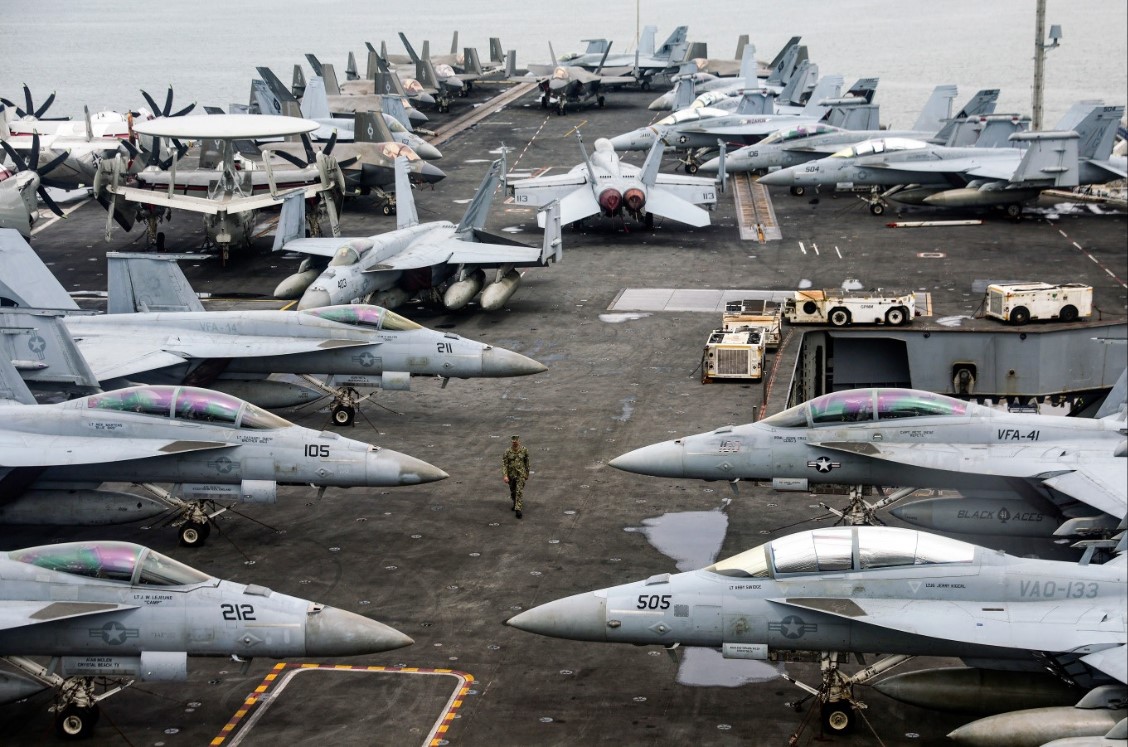 US Plans Significant Reduction of Fighter Jets and Warships for NATO Operations in Europe
-
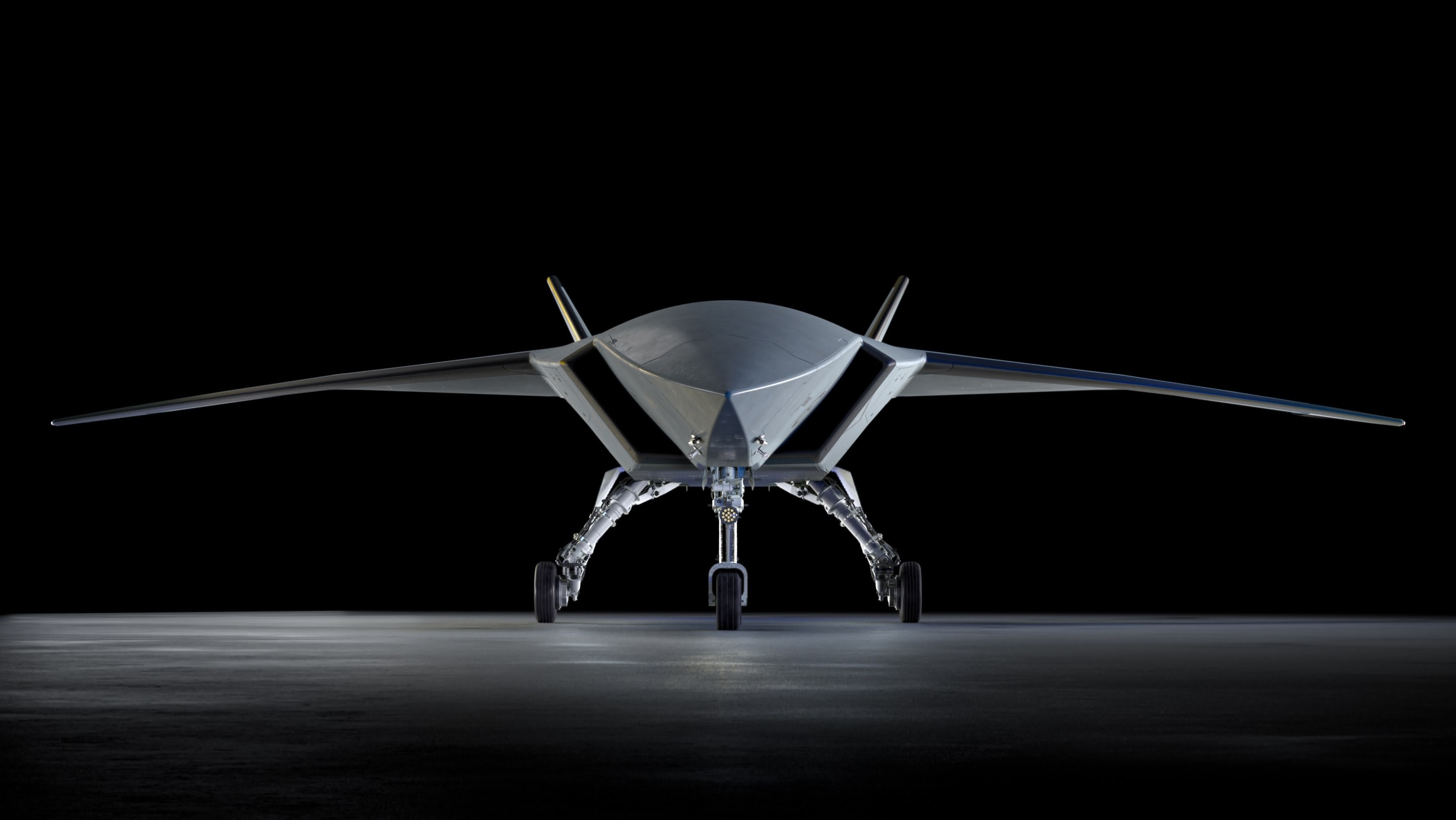 Boeing Introduces New MQ-28 Ghost Bat Upgrades with Increased Range, Payload and Weapons Capacity at ILA Berlin 2026
-
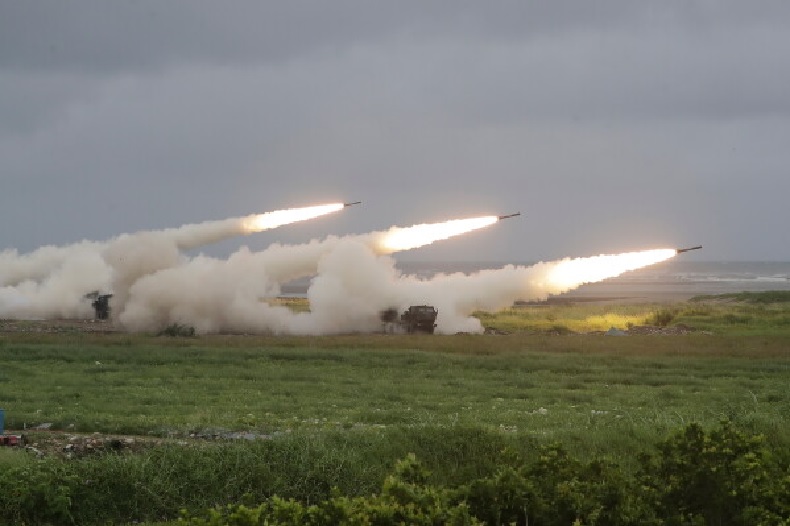 Taiwan Conducts First Live-Fire of HIMARS Rockets From West Coast During Invasion Defense Drill
-
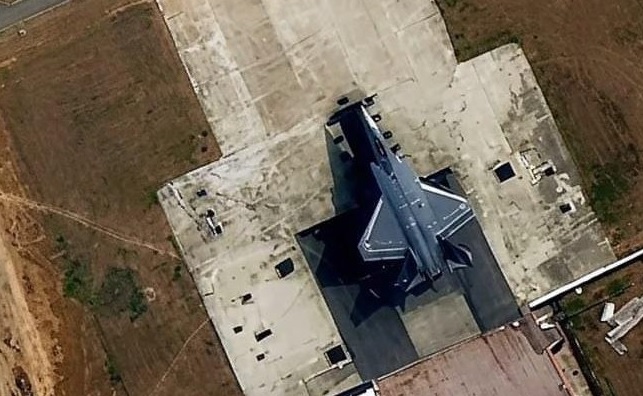 AMCA Airframe Spotted at DRDO’s ORANGE Facility for Radar Cross-Section Testing
-
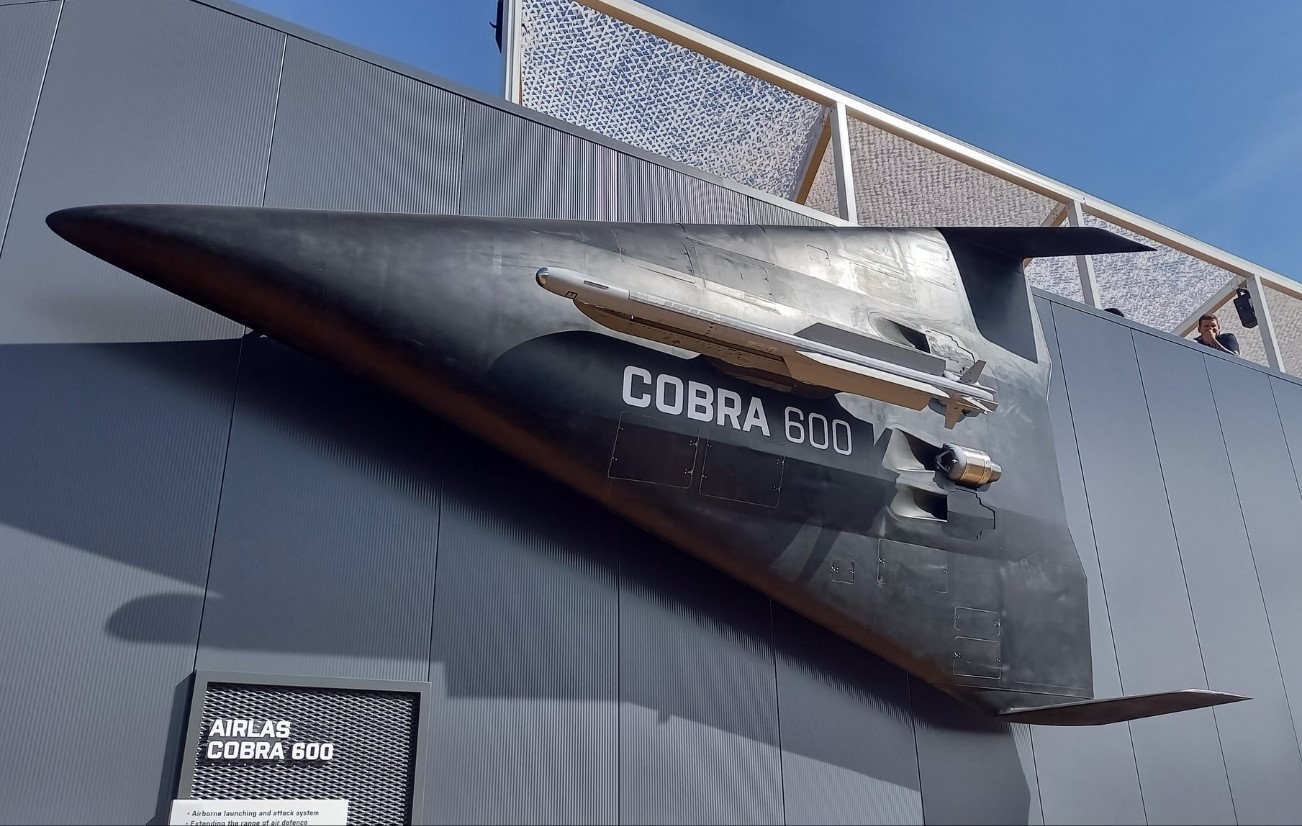 Diehl Defence Unveils IRIS-T Armed Cobra 600 Air Defense Drone at ILA Berlin 2026
-
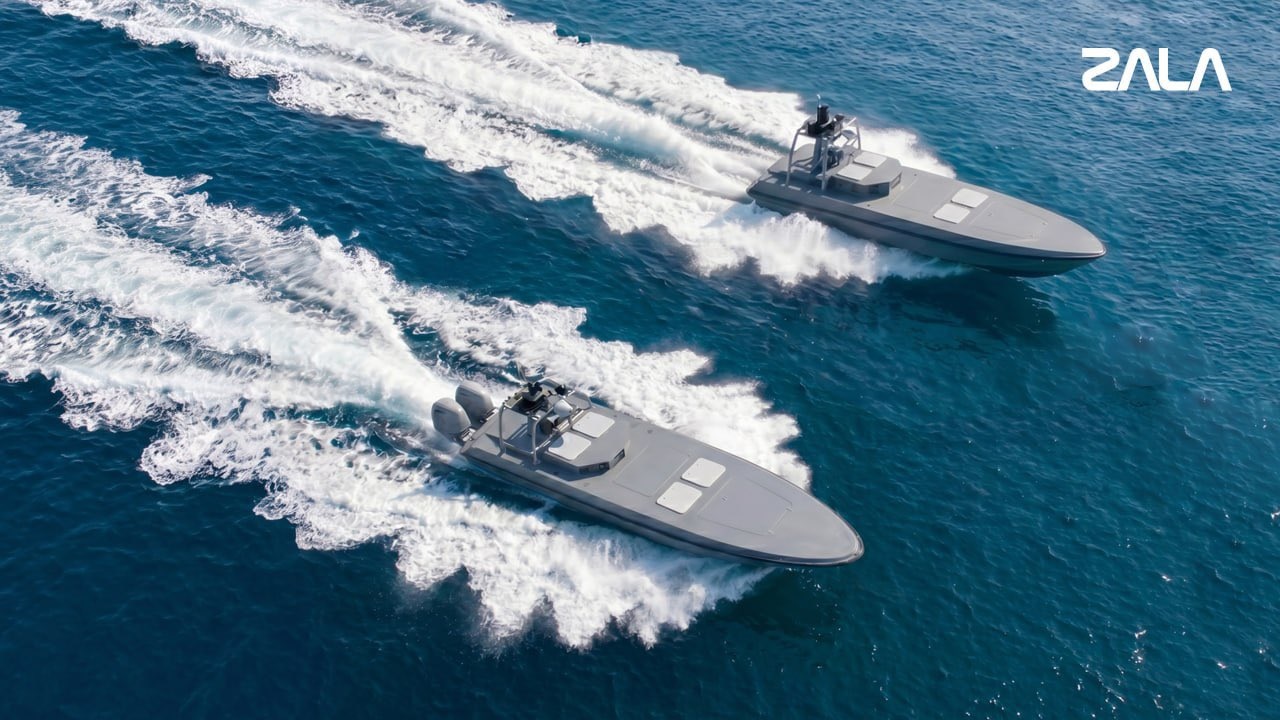 Russian Defense Firm ZALA Unveils KAMA Unmanned Surface Vessel Family at FLOT-2026 Naval Exhibition
-
 U.S Aircraft Carrier USS Theodore Roosevelt Departs San Diego for Major RIMPAC 2026 Naval Exercise